Wonder Inducing Nonfiction Read Alouds

It’s funny how one’s focus can change when looking at the classroom library. For a while, I’ve been thinking a lot about the nonfiction titles in my room. Last summer I started to get anxious about whether or not I had enough books in the room that my Grade 2/3s could pick up and read independently. It seemed like my “best” nonfiction titles were books that I needed to read to my students. Which was wonderful because I had some amazing titles to use as we model strategies, but what about when it was independent reading time? Did I have enough titles that students could read by themselves with success? My book shopping focussed on purchasing titles that I knew my students could manage on their own, especially as we built strategies to read nonfiction text over the year. Some of my favourite books that I added?

  • The Discover More Series by Scholastic
  • Nicola Davies Flip the Flap and Find out books which include Who Lives Here? and Who’s Like Me?
  • Laura Hulbert‘s Who Has This Tail? and Who Has These Feet?
  • A huge array of Bobbie Kalman titles
  • The Are you a . . . ? series by Judy Allen and Tudor Humphries
  • The Amazing Animal Series by Kate Riggs

NonfictionText for Independent Reading There's a Book for That

Now, here I am a year later. Again, thinking about the books in my room . . . What is my focus now? That I want some “Oh, wow!” titles to read aloud. I want to make sure that just as I am reading a variety of picture books and some engaging novels, that I have a real variety of excellent nonfiction picture books to read aloud. Sometimes to model/practice a strategy, sometimes to enhance our learning on a particular subject and sometimes just because, the more we read, the more we know and I want my students to be inspired and curious about learning all year long!

I am fortunate to be looping my Grade 2/3 class into Grade 3/4 and so I have a sense of this group of children, what they wonder about and what I think might inspire them. Last year, I noticed that they were intrigued by stories – folklore, Aboriginal tales, stories from around the world and stories about things that really happened. They were very curious about the stories of people and how these stories connected to us in our classroom. It made me realize that I haven’t been reading enough biographies. I also want to focus on places around the world and the wonder of the world around us. Last year, students loved learning about animals from each continent and had endless questions about habitats.  I know we love art and books and music. So, I have some sense of what kinds of books I need to share.

Knowing how busy school can get and knowing how I sometimes need a one stop shop when I am planning, I decided to take advantage of the time summer has to offer to amass a huge list of amazing nonfiction read alouds. I was looking for titles that my Grade 3/4 class would enjoy. Some are favourites from previous years and some I have yet to read myself. Thank goodness for the wonderful book bloggers out there that I used for inspiration. So here is my list of 25 “wonder inducing” nonfiction read alouds. A reference for me and one that I am sharing here.

The book I plan to use to launch my year: On A Beam of Light- A Story of Albert Einstein by Jennifer Berne and illustrated by Vladimir Radunsky This book made my own thoughts whirl and swirl and race around my head. It has all the perfect themes of wonder, curiousity and thinking outside of the box.
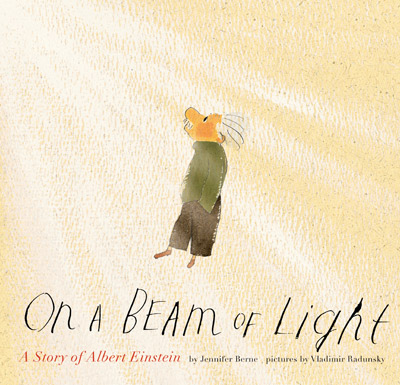
 On a Beam of Light

Based on some picture book biographies I already loved, I grew that list to include:

A Splash of Red: The Life and Art of Horace Pippin written by Jen Bryant  and illustrated by Melissa Stewart

Balloons Over Broadway: The True Story of the Puppeteer of Macy’s Parade by Melissa Sweet

A River of Words: The Story of William Carlos Williams written by Jen Bryant and illustrated by Melissa Stewart

Manfish: A Story of Jacques Cousteau by Jennifer Berne and illustrated by Eric Puybaret

The Boy Who Drew Birds: A Story of John James Audubon written by Jaqueline Davies illustrated by Melissa Sweet
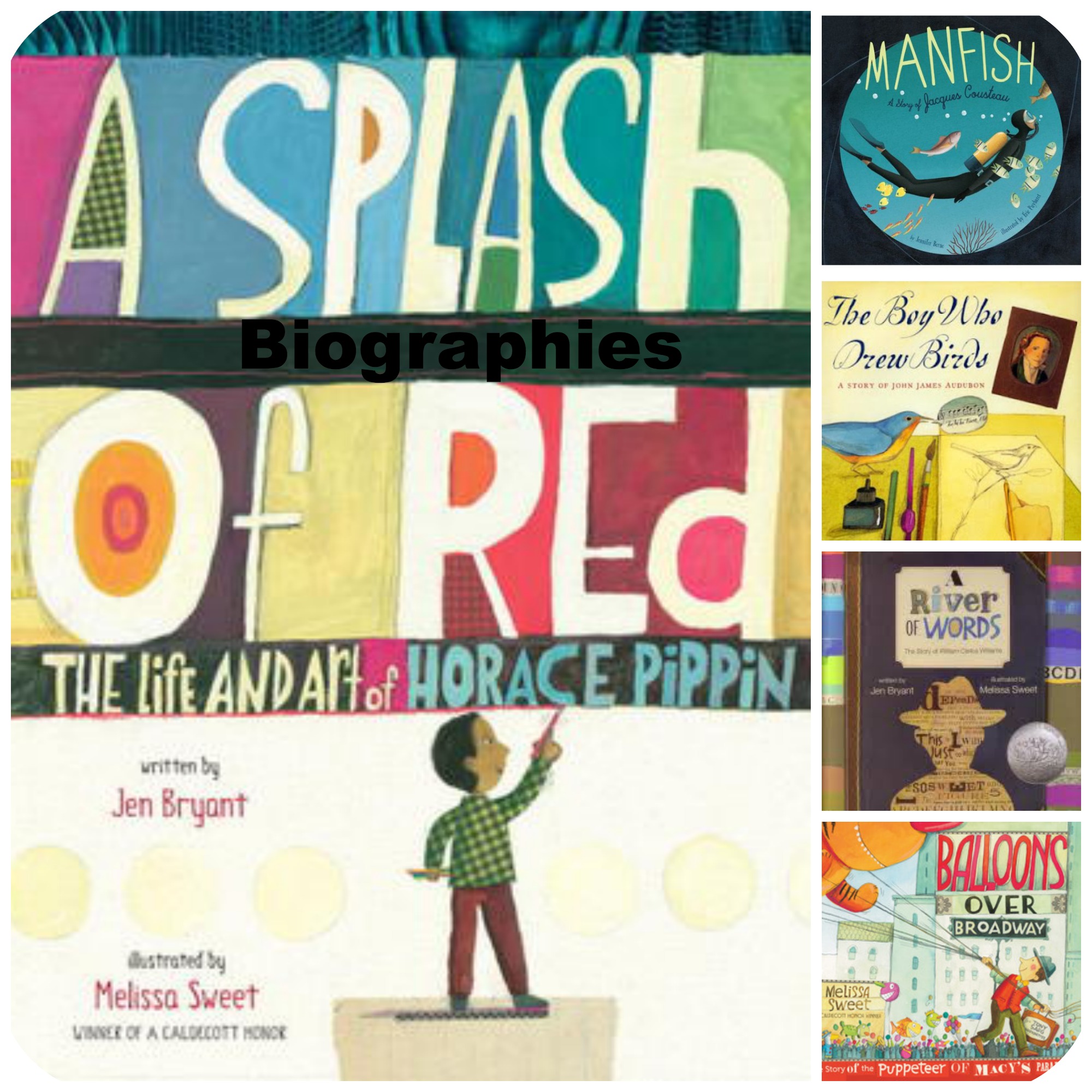
Biographies - Wonder Inducing NonFiction Read Alouds There's a Book for That

The Watcher: Jane Goodall’s Life with the Chimps by Jeanette Winter

Me . . . Jane by Patrick McDonnell

Mrs. Harkness and the Panda written by Alicia Potter and illustrated by Melissa Sweet 

The Boy Who Loved Math: The Improbable Life of Paul Erdos written by Deborah Heiligman and illustrated by LeUyen Pham

Life in the Ocean: The Story of Oceanographer Sylvia Earle by Claire A Nivola

Who Says Women Can’t Be Doctors?: The Story of Elizabeth Blackwell written by Tanya Lee Stone and illustrated by Marjorie Priceman
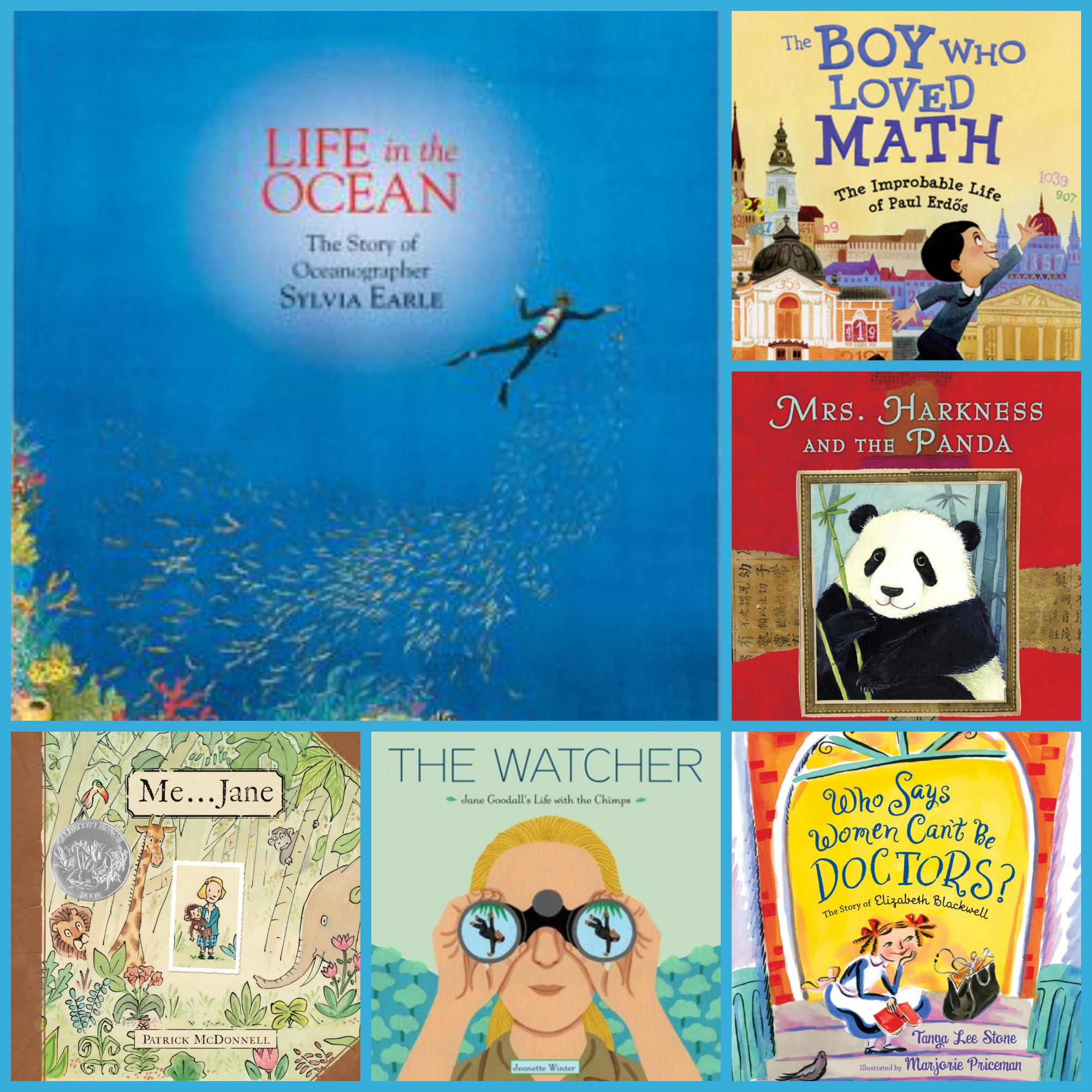
Biographies Wonder Inducing NonFiction Read Alouds There's a Book for That

Some titles to explore amazing places and the world around us:

Peace by Wendy Anderson Halperin

Redwoods by Jason Chin

Island: A Story of the Galapagos by Jason Chin

The Top of the World: Climbing Mount Everest by Steve Jenkins

A Rock is Lively written by Diana Hutts Aston and illustrated by Sylvia Long

Sea Otter Inlet by Celia Godkin

Fire! by Celia Godkin

Infinity and Me written by Kate Hosford and illustrated by Gabi Swiatkowska

Energy Island: How one community harnessed the wind and changed their world by Allan Drummond
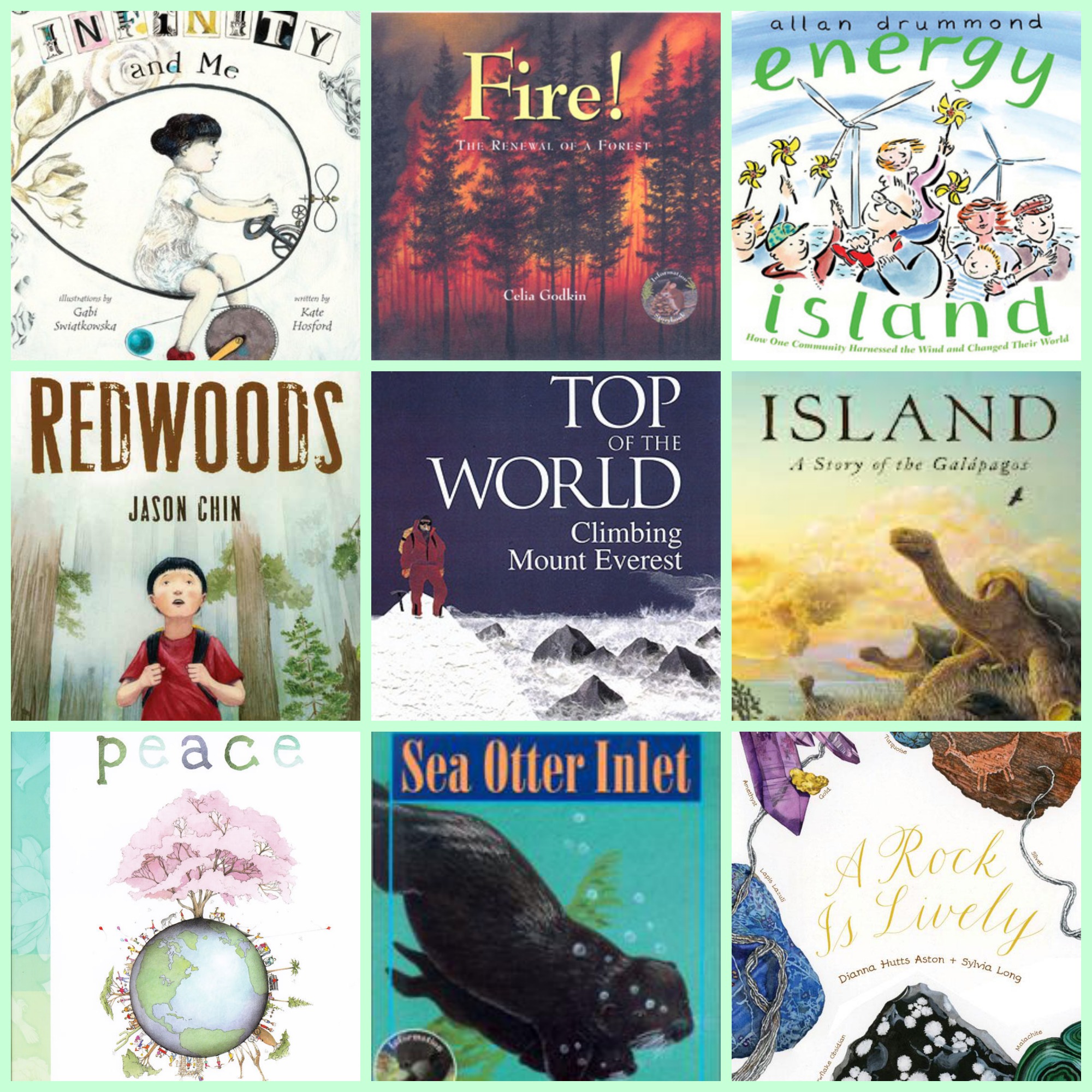
The World Around us Wonder Inducing NonFiction Read Alouds There's a Book for That

And to learn about creatures great and small:

The Beetle Book by Steve Jenkins

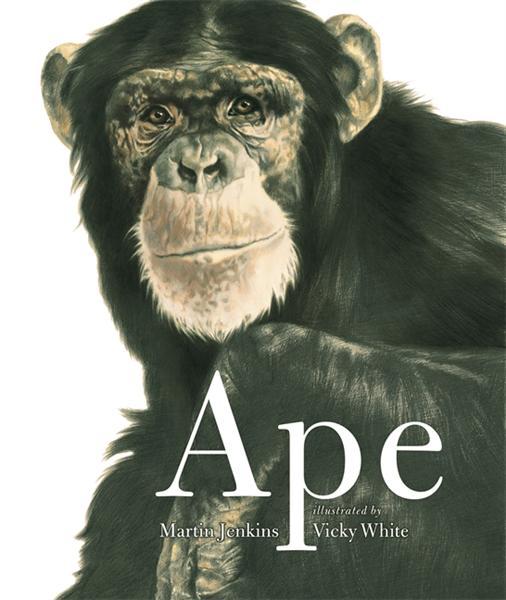
Ape written by Martin Jenkins and illustrated by Vicky White

How the Dinosaur Got to the Museum by Jessie Hartland
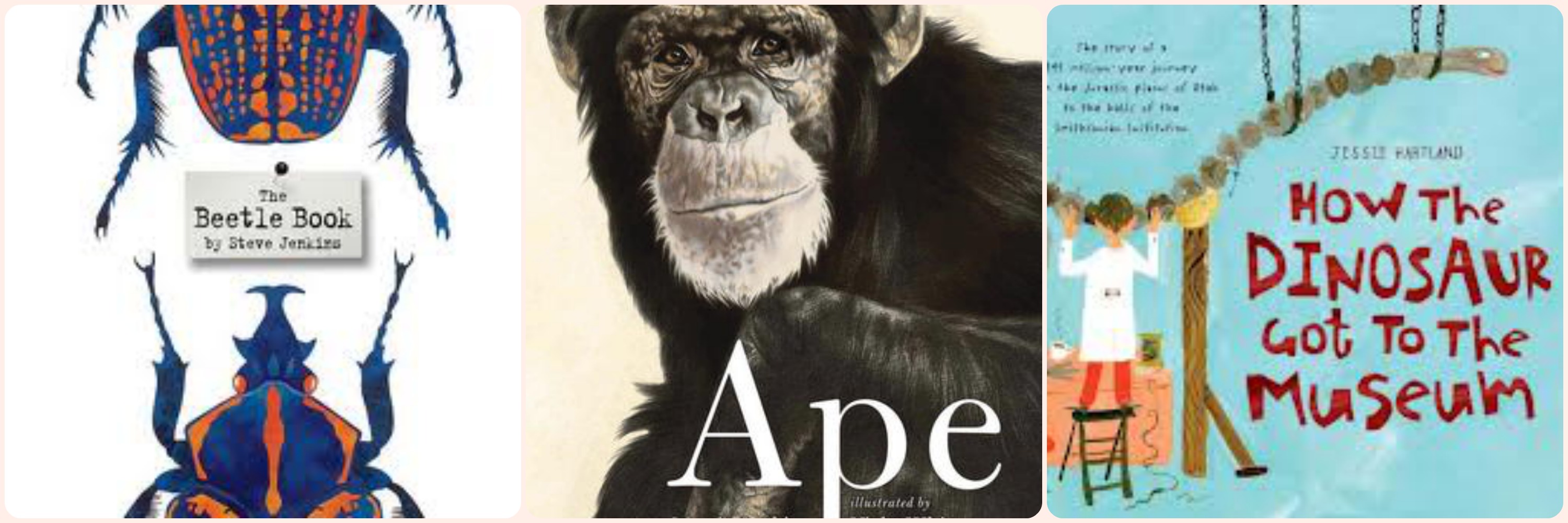
Wonder Inducing NonFiction Read Alouds There's a Book for That

 And a title to be released this fall:

Is This Panama?: A Migration Story written by Jan Thornhill  and illustrated by Soyeon Kim
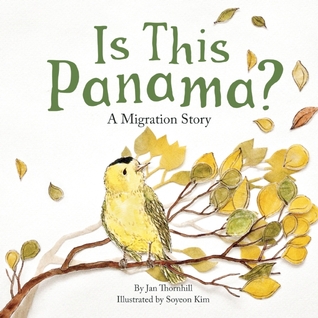
Is this Panama?

Will I read all of these titles aloud this year? Maybe not. Perhaps interests and passions will take us in different directions. But this list will help keep me on track to make sure I am sharing lots of books that inspire both learning and thinking in my room!

Do you have some other must share nonfiction titles for Grade 3/4 listeners? Would love to hear your suggestions!

I learn so much by reading all of the blog posts that link to the Nonfiction Picture Book Wednesday event that KidLit Frenzy hosts. Visit Alyson’s blog to see what books are shared this week.
NFPB2013leaves

Monday May 27th, 2013

It’s Monday! What are you reading?

Mon Reading Button PB to YA


Join Jen and Kellee’s meme and share all of your reading from picture books to young adult reads! Such a fantastic way to learn about “new to you” titles by exploring all of the blog posts shared! Share your own reading on twitter via the hashtag #IMWAYR

My picture book obsession has continued and so again I have many books to share. Like the last few weeks, I will keep it to my ten favourites.

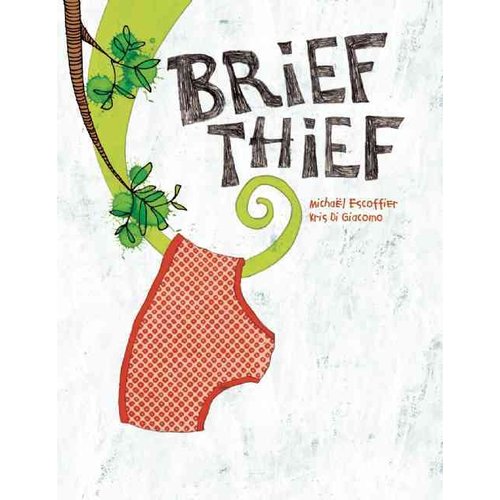
Brief Thief written by Michael Escoffier and illustrated by Kris Di Giacomo Absolutely hilarious. Dare you to read this and not laugh. Or at least smile. Definitely smirk. My daughter called it disgusting when I read it to her which made me love it all the more. So of course I had to share it with my students. The first three pages each have one sentence. On page three, we find out that the main character (a likeable lizard) has to go poo. Well, of course,  . . . that got everyone’s attention. One child even shared that he often had a meal, went to play and then (like the lizard) had to run back in and take a poo! Oh thank goodness, we have created an environment where connecting is valued 🙂 Anyway, I don’t want to give much of the plot away as this book really does need to be experienced. I will say though that the “briefs” on the cover are stolen to deal with a toilet paper crisis, there is a battle with a “conscience” and in the end, heroes (of sorts) win out. That’s all I’m saying (Except – Go read the book!)

 It's Monday! What are you Reading? There's a Book for That

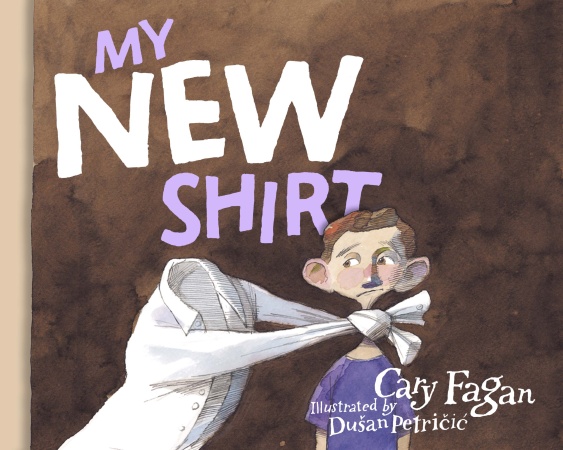
My New Shirt written by Cary Fagan and illustrated by Dusan Petricic This pair work so wonderfully together. Their recent Mr. Zinger’s Hat is one of my favourite picture books of 2013. My New Shirt came out in 2007 and I happened upon it at my public library today. This isn’t a book for those that don’t like a longer picture book. It is on the lengthy side and would likely be best shared with readers 8 and up just so that the length can be managed and the humour appreciated. It is basically about a young boy who is gifted a new white dress shirt every year on his birthday by his grandmother. This year when his “Bubbie” gives him the shirt, he has a sort of “out of body” experience (that involves an image of endless white shirts floating towards him) and the shirt ends up getting dropped out the window. What happens from there is an amusing romp through the neighbourhood and around the eclectic neighbours as the chase is on after the shirt (keenly held in the pet dog’s teeth)! Maybe this book especially appeals to me because I have “gift receiving anxiety” It’s a lot of pressure to receive a gift gracefully – especially one you might not like – although I have never thrown anything out of the window!

It's Monday! What are you Reading? There's a Book for That

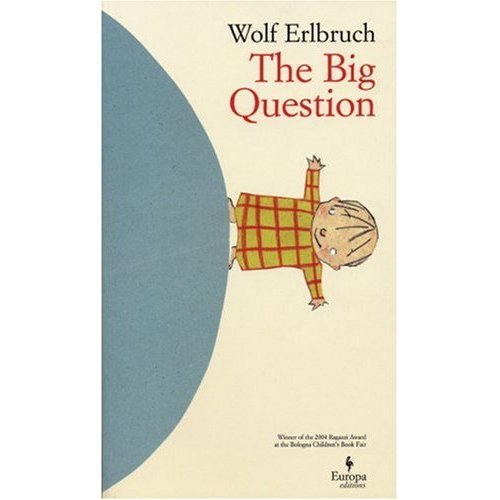
The Big Question written and illustrated by Wolf Erlbruch A simple little picture book that tackles a huge life question: “Why am I here?” Turning the pages allows us to hear many answers to this big question. “You’re here to kiss the clouds,” says the pilot. “You are here to obey,” the soldier states. “So that you many learn patience,” the gardener shares. The book takes us through many answers from people and animals alike. It ends with the wisdom that as you grow, more answers will reveal themselves and includes a place in the back to make notes for when answers are discovered. This book won the Bologna Ragazzi award in 2004. Original edition is in German.

The Big Question It's Monday! What are you Reading? There's a Book for That

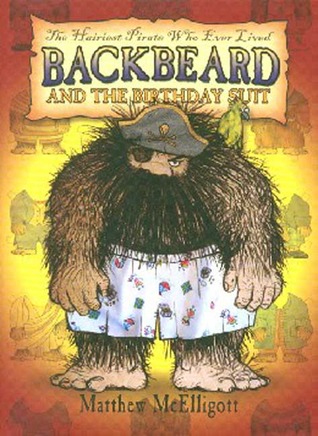
Backbeard and the Birthday Suit written and illustrated by Matthew McElligott All about fun and ridiculous pirate fashion. One of the best pirate books out there. Backbeard is the quintessential pirate – hairy, stinky, and full of pirate swagger.

It's Monday! What are you Reading? There's a Book for That

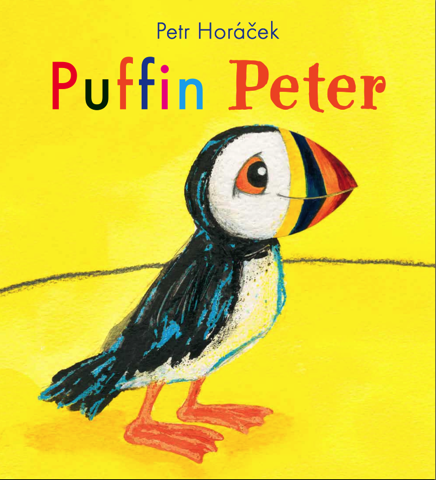
Puffin Peter written and illustrated by Petr Horacek Absolutely stunning illustrations. A story about friendship, the similarities and differences in birds and the importance of being specific. And whoa . . . a gorgeous whale page!

It's Monday! What are you Reading? There's a Book for That

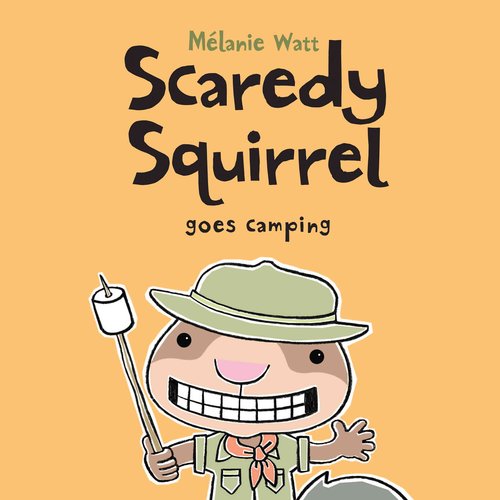
Scaredy Squirrel Goes Camping written and illustrated by Melanie Watt When I shared this book with my class, we had to pull out every Scaredy Squirrel book in the room and these books travelled from child to child during independent reading time. Scaredy Squirrel is the most wonderfully anxious, eccentric character out there. How can you not love a squirrel who dons a survival kit to bring an extension cord to a power outlet so that he can watch TV shows about camping in the safety of his own tree? (Think I just summarized the book in one very long and exhausting sentence) Hilarious!

Scaredy Squirrel Goes Camping It's Monday! What are you Reading? There's a Book for That

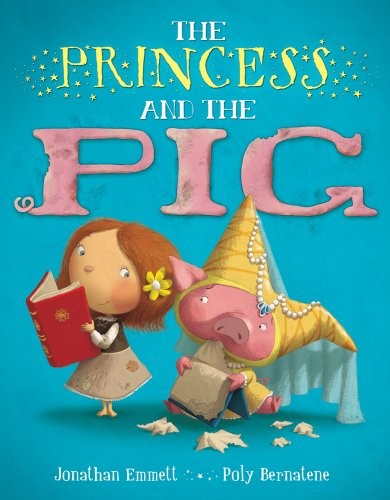
The Princess and the Pig written by Jonathan Emmett and illustrated by Poly Bernatene This lovely little read manages to link to many classic fairy tales while telling a great original story and poking fun at just about everything! A pig and a princess switch places and the happy ending is not what you might predict.

The Princess and the Pig It's Monday! What are you Reading? There's a Book for That

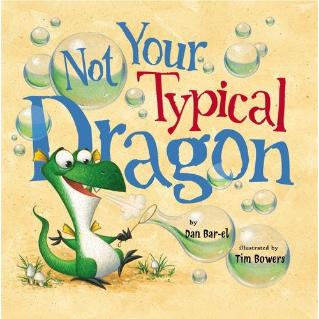
Not your Typical Dragon written by Dan Bar-el and illustrated by Tim Bowers What happens when a little dragon is born into a long line of wonderful fire breathers and can’t manage to even produce a little puff of smoke? A story about diversity, acceptance and realizing what you need.

It's Monday! What are you Reading? There's a Book for That

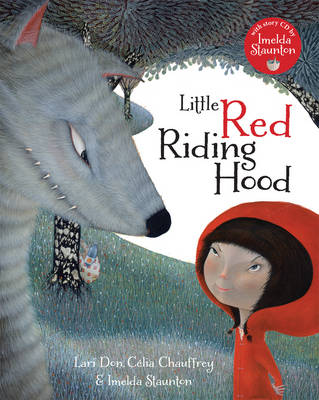
Little Red Riding Hood written by Lari Don and illustrated by Celia Chauffrey I have been collecting many fairy tales for our class collection and loved the illustrations in this version. Some twists from the original tale. A Barefoot Books book so just beautifully done and contains a story CD. 

It's Monday! What are you Reading? There's a Book for That

Just Ducks! written by Nicola Davies and illustrated by Salvatore Rubbino I love the gentle narration infused with facts in this beautifully illustrated book about ducks! And I love ducks. This book would have been a treasure to my childhood self.

Just Ducks! It's Monday! What are you Reading? There's a Book for That

In other reading, I finished two fantastic middle grade novels.

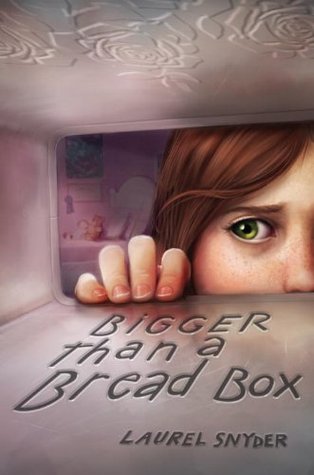
Bigger than a Breadbox written by Laurel Snyder So powerful. A sensitive story about a young girl coping with the separation of her parents. Captures emotions and thinking that is so personal and raw. The magic in this book is really well done. It seems possibly impossible and I’m sure would entice young readers to continually ask themselves, what would they do in Rebecca’s place? While this book is about the break up of a marriage and what it does to a family, it also handles all of the emotions of moving to a new place and new school so well. Important and real family moments. Friend anxiety. A perfect middle grade selection.

It's Monday! What are you Reading? There's a Book for That

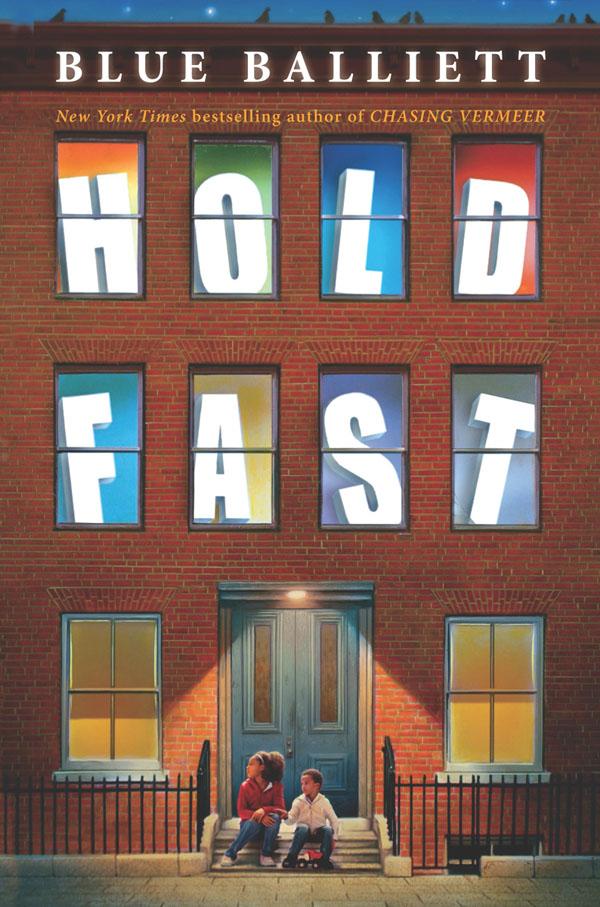
Hold Fast written by Blue Balliett This is the first Balliett title I have read. I was very curious about this novel. I have seen people rave about it and others have some pretty specific criticism. I was quickly captured by the brilliant word/literacy reverence and the rhythms of language. What held me was the power of family and faith and the desire for home. Such an important book.

Hold Fast It's Monday! What are you Reading? There's a Book for That

What’s next? Homesick by Kate Klise. This was a recommendation made to me by another blogger from the #IMWAYR community, Ms Yingling, when she saw I had read another title about a child of a hoarder. Will be interesting to see how this topic is handled in this novel.

Nonfiction 10 for 10 List for 2013!

I’m so excited to participate in the first Nonfiction 10 for 10 event celebrating fantastic nonfiction picture books. Thank you to Cathy Mere from Reflect and RefineMandy Robek of Enjoy and Embrace Learning  and Julie Balen of Write at the Edge for hosting this new meme.

In many cases, I have shared the books on my list with students, often more than once. If I have used a book with my class and blogged about it, I have provided the link (for more information about the book/possible ideas on how to use it).

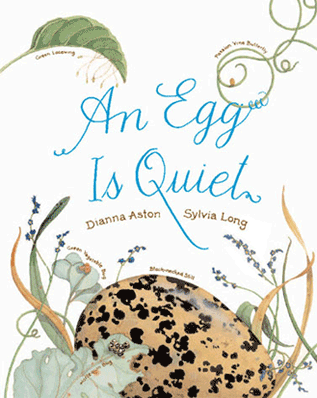
An Egg is Quiet by Dianna Aston and Sylvia Long Shared in my class here. I love all of the Aston/Long titles (there are now four) but I think this is my favourite. Maybe it is that I love birds – my backyard is full of feeders and specific plants to attract them. But it is also the simplicity of an egg and the wonder of what it might contain. In this book we learn about more than bird’s eggs – we see the eggs of frogs, insects and various reptiles. The text is soothing and informative and the illustrations stunning. It is fun just to pore over the end papers trying to match various eggs with the creatures that may have hatched from them. I find this book is as lovely shared in the classroom as it is read aloud to just a few (my own children adored it). It inspires so much inquiry and amazement.

Nonfiction 10 for 10: There's a Book for that

Island: A Story of the Galapagos by Jason Chin A simply gorgeous book detailing the birth of the Galapagos islands over millions of years and the fascinating creatures that inhabit them. Why is this book so great? The illustrations are certainly stunning and detailed but it is much more than that. I also love that big concepts: evolution, natural selection, migration of specific species and environmental changes are made so accessible for young readers. I think this is best introduced as a read aloud and then left for children to visit and revisit. This is a book to return to often to further study the illustrations and explanations. I want to get a hold of Chin‘s other nonfiction titles now too (Redwoods and Coral Reefs)

Nonfiction 10 for 10: There's a Book for that

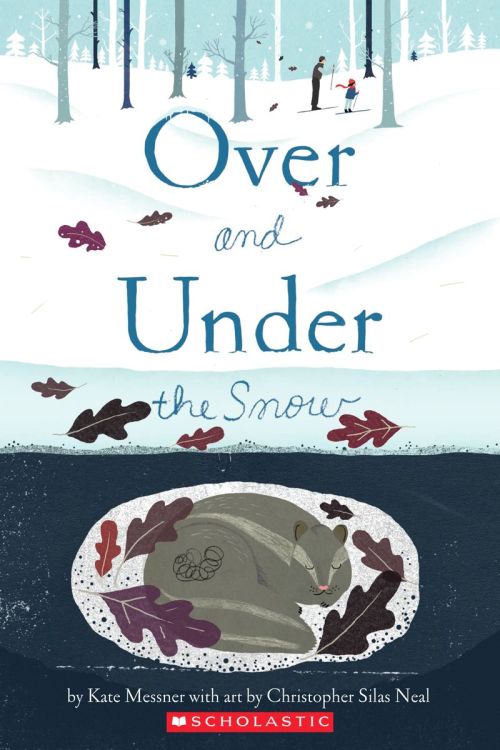
Over and Under the Snow written by Kate Messner and illustrated by Christopher Silas Neal Shared in my class here. This book is truly magical and I would be thrilled to see Kate Messner do another picture book in this genre. Of course, Neal’s illustrations are also stunning – I love the muted colours – the gorgeous blues and white. I have frequently given this book as a gift to young readers especially if they have the opportunity to get out into a snowy wood and imagine all of the life happening under the snow. My students think it is absolutely fascinating that this subnivean zone (the small open spaces and tunnels between the snowpack and the ground) exists and marvelled at the animals that inhabit it. More detail about each animal is located in the back of the book for further reading. The text itself reads beautifully and repeated readings are a must!

Nonfiction 10 for 10: There's a Book for that

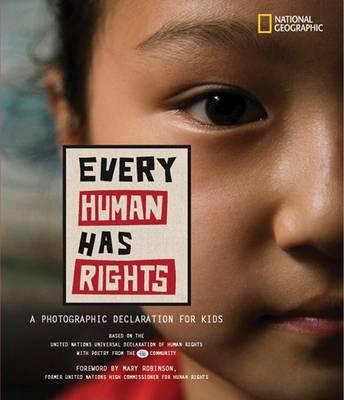
Every Human has RightsA Photographic Declaration for Kids A National Geographic book with a forward by Mary Robinson. I seem to collect books that explore the United Declaration of Human Rights. I have many favourites. What I particularly love about this title is the poetry that accompanies the list of rights. All written by children and teens. The photographs from around the world make the rights so much more powerful, real and worth defending. I would share this book with intermediate students over primary children because of the more mature message in the poems and some of the photos. For books more suitable to younger students, I recommend I Have the Right to be a Child written by Alain Serres, illustrated by Aurelia Fronty and We Are All Born Free: The Universal Declaration of Human Rights in Pictures (with Amnesty International).

Nonfiction 10 for 10: There's a Book for that

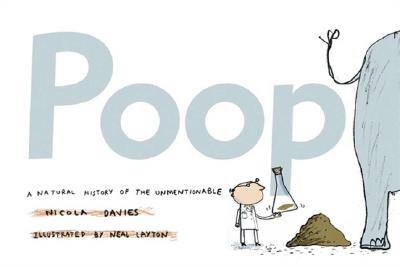
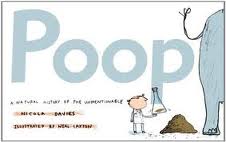
Poop – A Natural History of the Unmentionable written by Nicola Davies and illustrated by Neal Layton. Shared in my class here and here. Really what child is not going to be engaged when you open up a book that is all about poop? There is a lot to learn in this title!   Do you know how often a sloth poops? How about a kind of messy thing that hippos do with their poo? Why is there hair in the poop of some animals? Wonder what follows when there is a title Sloppy or Ploppy? You must read this book! Better yet, you must share it with a group of curious children! And giggle. And oooh and ahhh.

Nonfiction 10 for 10: There's a Book for that

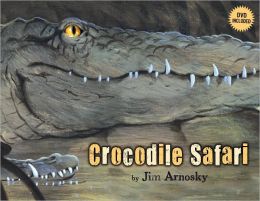
Crocodile Safari by Jim Arnosky Shared in my class here and here. Arnosky has so many wonderful nonfiction titles but this is my favourite. Not only do students learn the important difference between crocodiles and alligators, they learn all kinds of facts about crocodiles. The art is true to life and the colours set the mood to make you feel like you really are out in the swamp. One of the best features of this book is the DVD that is included. See Arnosky out in the mangrove swamp doing research and learn how to draw crocodiles. A step by step drawing lesson is part of this DVD. My students loved this!

Nonfiction 10 for 10: There's a Book for that

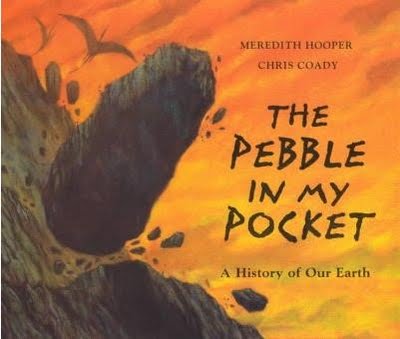
The Pebble in my Pocket written by Meredith Hooper and illustrated by Chris Coady Shared in my class here. This is a lengthy read but so worth sharing- a book that describes a journey of over 480 million years.  Follow a piece of rock that formed as a result of a volcano and travelled through time to end up in a little girl’s pocket. On this amazing journey, learn how the earth has changed in many dramatic ways over time. The back of the book has a geological time line that explains the main periods in Earth’s history. You might never look at a small pebble the same again.

Nonfiction 10 for 10: There's a Book for that

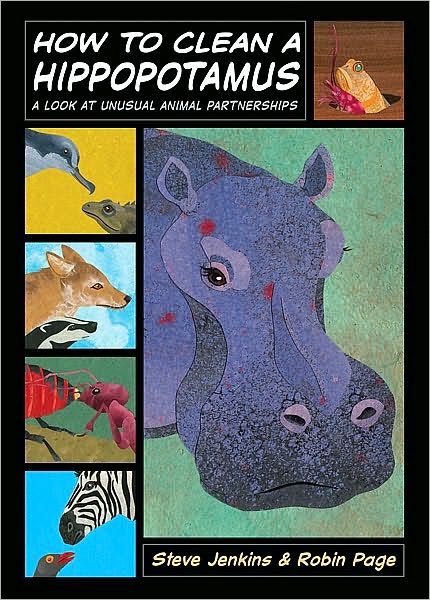
How to Clean a Hippopotamus by Steve Jenkins and Robin Page Shared in my classroom here. How to choose just one Steve Jenkins book as my favourite? Not an easy task. I adore them all. (And there are always more! Just today I read my class part of My First Day) But if I had to pick a favourite, this would have to be it. I learned the most from reading it and my students were completely engaged with the information  Symbiotic relationships between animals are fascinating and this book details many strange animal partnerships. This book’s format is somewhat like a graphic novel and contains, Jenkins’ stunning artwork/collage.

Nonfiction 10 for 10: There's a Book for that

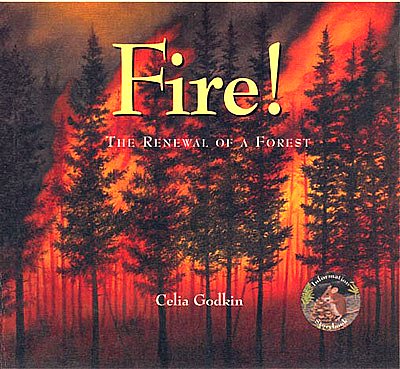
 Fire!  The Renewal of a Forest by Celia Godkin, the queen of information story books 🙂 Have you ever thought of a forest fire as a positive thing? This detailed picture book explains how fires can be a natural and necessary part of the forest’s cycle of life and growth. The pages are typically set up so that the picture is spread over two pages  allowing for more scope and detail. I once did an entire unit on ecology using Godkin’s books and this was a favourite.

Nonfiction 10 for 10: There's a Book for that

And my favourite nonfiction title? It would have to be Ape written by Martin Jenkins and illustrated by Vicky White Shared in my classroom here.

Ape is a visually stunning book! A book to pore over again and again marvelling at the details – both visual and written. Vicky White’s close up portraits and lifelike illustrations are fascinating while Martin Jenkins’ poetic text provided so much new information it is difficult to turn a page in a classroom of children without endless questions being tossed around the room. Learn about four endangered ape species: Orangutans, Chimps, Bonobos, and Gorillas. The fifth species of ape? Us. Similarities between apes and humans are described – for example, that we usually just have one baby at a time. Read and share the information in this book and then just flip through the pages taking in the pictures – there is so much to notice that a once through won’t do this book justice.

Nonfiction 10 for 10: There's a Book for that

Thanks again to Cathy, Julie and Mandy for the inspiration and hosting this event!

Happy reading and sharing everyone!

Monday February 11th, 2013

It’s Monday! What are you reading?

Mon Reading Button PB to YA

Join Kellee and Jen’s meme to share all the reading you have done over the week – everything from picture books to young adult novels! Connecting with the #IMWAYR community is such a great way to hear about fantastic books “new to you.”

I have been sick for 4 days. We all know the yucky things about being sick so I haven’t been thrilled about being ill this weekend. But, for a book lover, sick days mean book days so I happily read some great novels between naps and mint tea breaks.

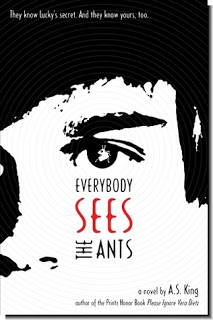
Everybody Sees the Ants by A.S. King This is the second King title I’ve read (Ask the Passengers being the first) and I am fast becoming a fan of how she lays out characters and families and their sometimes strange, challenging but yet, connected dynamics. I sort of feel like I’m spying through a lit window at night into the intimate details of family relationships. Not always pretty. Sometimes all about the ugly and the weak. But so truly real.  A book with a theme of bullying and how it affects an entire family.

everybodyants

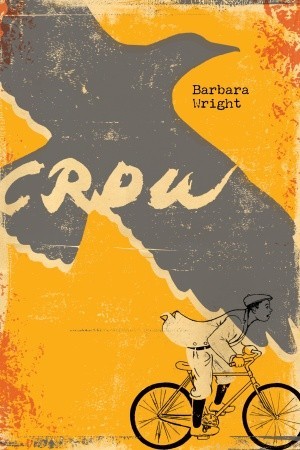
Crow by Barbara Wright This title is another great example of why I love historical fiction to learn about specific events in history I often knew nothing or little about – in this case, the Wilmington Massacre of 1898. This book is very much about Moses and his family. I loved his relationship with his spunky and wise grandmother Boo Nanny. The racial tensions and extreme prejudice are thoroughly explored in this story – going back in time to Moses’  grandparent’s experiences and forward to his father’s dreams for him. Some challenging moments in this book. A middle grade read that might be best as a read aloud where lots of discussion could occur. With room for many questions . . .

Crow

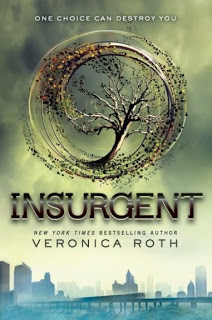
Insurgent by Veronica Roth So first off, I must say that yes, I liked this book. Yes, I’m hooked on the adventure and very curious about what will happen next. But, while I appreciate adventure and fast paced plots, I need breathing room in a story. Time to reflect and ponder. Down time. There is little down time in Roth’s books. Which is probably what makes them favourites for others but not for me. I miss the space to think. Again, like I said with Divergent, it feels like I am reading a movie. With little mood music. Just go, go, go! But I like many of these characters and so yes, count me in as someone who will read the next title in this series!

insurgent

Next up for me? Nothing but Typical by Nora Raleigh Baskin. My children and I are loving The Emerald Atlas by John Stephens. If my voice hadn’t been so rotten this weekend we would have read much more. Such an engaging novel! And for kids, it has it all – suspense, humour, mystery, action . . .

I continue to add board books to my classroom collection for when we have buddy reading with the kindergarten class. Two new titles added this week:

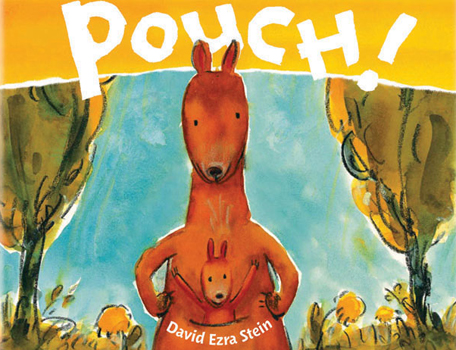
Pouch! by David Ezra Stein A sweet little title about a little joey almost ready to brave the world.


Pouch David Ezra Stein

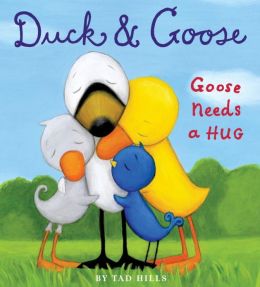
Duck & Goose: Goose Needs a Hug by Tad Hills My students love sharing Duck & Goose titles. So sweet. Messages always so positive. Kids read them and smile.

duck and goose needs

I also read some great nonfiction picture books this week.

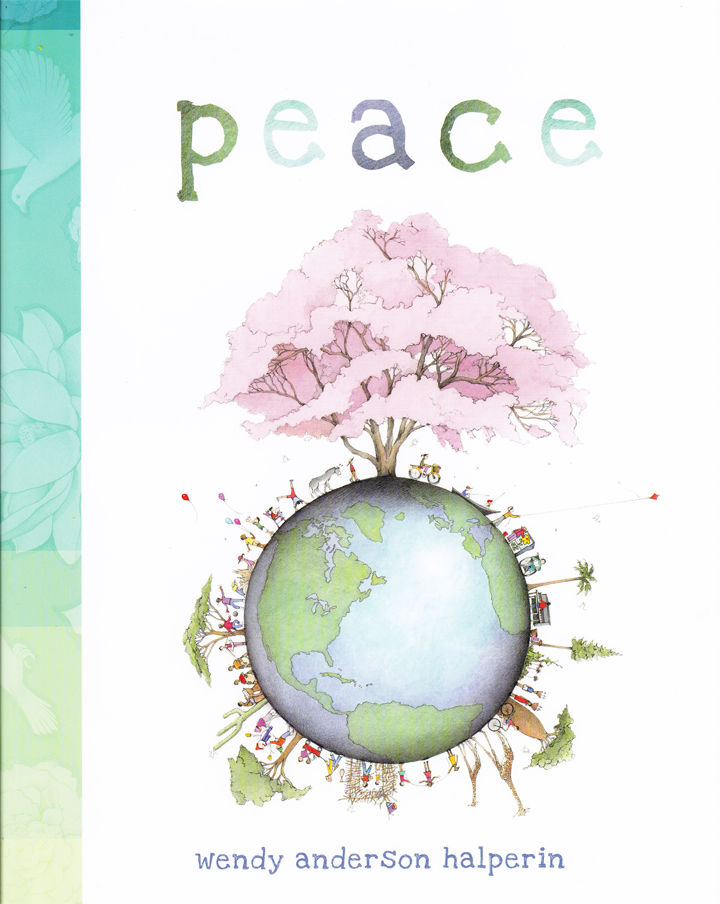
Peace by Wendy Anderson Halperin This book is quietly powerful which is often the very best kind. Full of quotes to read, share and ponder. The artwork is exquisite. And I love the message that peace needs to be everywhere (in our hearts, homes, schools, countries . . .) in order to impact peace everywhere else. A book to own.

peace book cover

Who Lives Here? written by Nicola Davies and illustrated by Marc Boutavant I purchased Who’s Like Me? (read more here) a book in this same format and it quickly became very popular for buddy reading so I am excited to book talk this title next week. In this book, students learn all about different habitats. Very accessible for younger learners and fun lift the flap elements.

who-lives-here-

My favourite picture books of the week were . . .

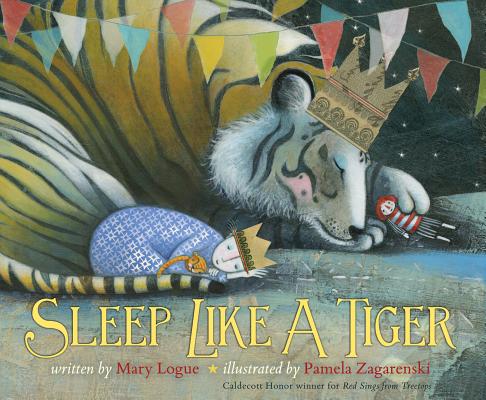
Sleep Like a Tiger written by Mary Logue and illustrated by Pamela Zagarenski This was the only Caldecott honour title for 2013 that I hadn’t read. I was completely smitten when I turned to the page of the whales. Oh, the whales! Such gorgeous pictures. Love the cityscape on the first page with the tiger carrying away the huge orange ball . . . Text and illustrations mesh beautifully. This would be such a beautiful book to give as a gift to those who appreciate the soothing power of bedtime books.

Sleep Like a Tiger

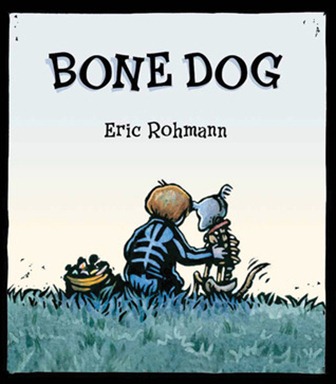
Bone Dog written and illustrated by Eric Rohmann I am a big Rohmann fan. My Friend Rabbit is one of my all time favourites. So I was intrigued by this title. It tackles death (of a pet) which most books shy away from so it gets automatic points. I always think we should talk openly with kids about death as a part of life. I once wrote a post ranting about this very thing. This title also has some very sweet elements to it. And when tested on a child (my son) evoked some giggles (when the proud little dog struts back with bone in mouth after a skeleton chase!)

bone-dog

The First Mosquito written and illustrated by Caroll Simpson. A dramatic First Nations story full of supernatural beings. My students wrote reviews of this book and I shared them here.

the First Mosquito


Have a happy reading week!

Nonfiction Picture Book Wednesday: A little guessing

It’s Nonfiction Picture Book Wednesday! Do you have any books to share and discuss? 

I am pleased to participate in Alyson’s (from Kid Lit Frenzy) non-fiction picture book challenge and share the picture books I read this week.
This week I was on the lookout for books that were very interactive and that primary students could read independently. I was also looking for books where students could learn more about animal characteristics including features, habitat and life cycles.

My original goal was 60 nonfiction picture books for 2013. Progress: 5/60 complete 🙂

Who’s Like me? by Nicola Davies and illustrated by Marc Boutavant (published 2012) This is a fun lift the flap book where children try to guess who is like me from a question and a picture clue Like (with a picture of a rabbit) “Who’s like me? Who’s furry and breathes air like me? Is it . . . ” The next page features four flaps with a clue on the outside  If you flip the picture of feathers, there is a picture of a pigeon and text that reads: “I have feathers not fur.” The next page talks about the fox who is like the rabbit and has fur and breathes air. It is explained that a fox and a rabbit are both mammals. they breathe air, give birth to live babies and feed them milk. Children learn about amphibians, fish, birds and reptiles as well. Colourful and very fun to interact with! Nicola Davies for the younger set!
who's like me

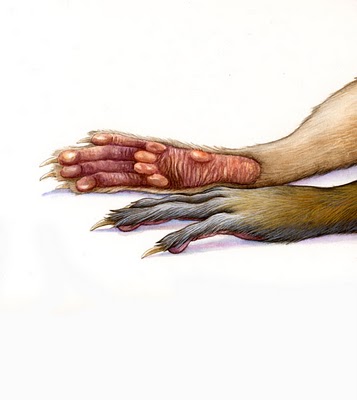
Who Has these feet? by Lara Hulbert and illustrated by Erik Brooks (published 2011) Children love books where they can guess! This title has pictures of different animal feet with the reoccurring question: Who has these feet? When I used this in the classroom this week I had children justify their guess with reasons to back up their answers. When we saw a picture of duck feet, one child guessed it was a chicken because of the skinny legs. Another thought it was a swan because of the skin between the toes. Another student volunteered that that skin was for paddling and so it had to be a bird that swims. One child knew those feet were called webbed feet. A great way to build vocabulary and to sit back and let the students talk and share.

Who_Has_These_Feet1

So . . . who has these feet? Intrigued? Find the book!

FEET18-19

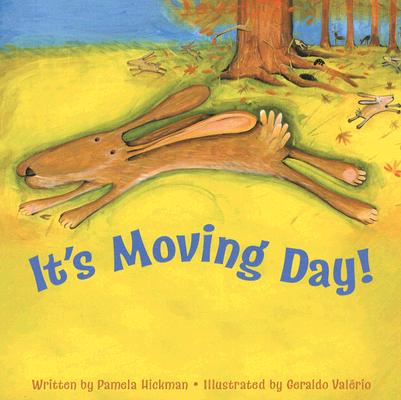
It’s Moving Day by Pamela Hickman and illustrated by Geraldo Valerio (published 2008)  In this book, we “travel” through numerous seasons that focus on a specific hole/burrow under a tree that a variety of animals use for a home. Great introduction to how woodland animals use burrows and change environments during different seasons/when raising young/etc.

It-s-Moving-Day

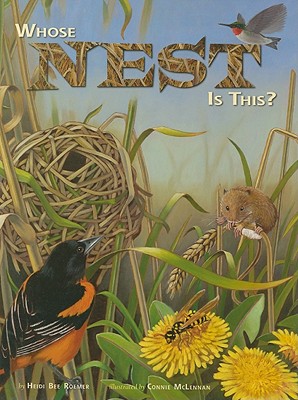
Whose Nest in this? by Heidi Bee Roemer and illustrated by Connie McLennan (published 2009) Another fun book to guess from clues given – this time in a rhyming riddle format. This text is longer and more complicated so would be best used as a read aloud with primary students. Young intermediates/late primaries could read it independently. Lots to learn – certainly nests are very diverse and it is not just birds who build nests!

Whose-Nest-Is-This-

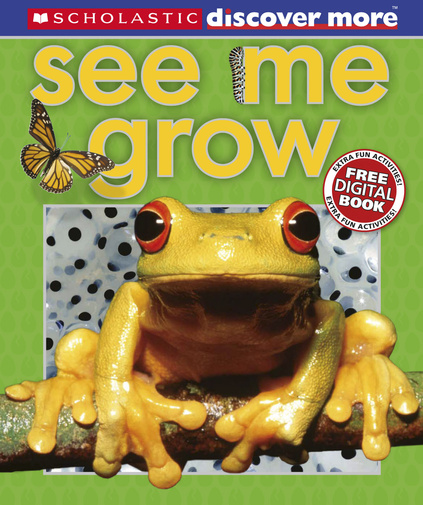
See Me Grow (Scholastic Discover Moreby Penelope Arlon (published 2012) This book has some fantastic nonfiction features like colourful photographs, life cycle charts, an informative glossary, a variety of labelled diagrams, fact boxes, etc. Lots of information about how a variety of animals grow from birth to adulthood. Learn about which animals hatch from an egg, which are born live, how long they stay with their mother/parent, etc. Not too much text on each page makes this perfect for young readers to interact with independently. Part of this Scholastic series.

scholastic title

Thanks to Alyson from Kid Lit Frenzy for the inspiration to read and share more nonfiction picture books in 2013!

NFPB2013leaves

Monday, January 7th, 2013

It’s Monday!  What are you reading? 

orange pear spread

Join the #IMWAYR community participating in Kellee and Jen’s meme and share your reading from picture books to young adult novels.

Such a fantastic way to learn about “new to you” titles!

Mon Reading Button PB to YA

I enjoyed a lot of picture books this week including some board books for the collection I am building for Wednesday buddy reading with the Kindergarten class.

Picture books I loved:

the bear in the book

The Bear in the Book by Kate Banks and illustrated by Georg Hallensleben. This book is so lovely. It’s a story within a story of sorts that captures the gentle quiet moments of bedtime story time between parent and child. As the mother and little boy settle into their bedtime routine, they read a story about little bear settling into his winter hibernation. Love how it portrays the intimacy of the mother/child interactions as they talk about the story, ask/answer questions, etc.

Duck Rabbit by Amy Krouse Rosenthal and Tom Lichtenheld Delightful!

DuckRabbit


Good News Bad News

Good News Bad News by Jeff Mack Sparse in text but full of humour and lots of space to infer, discuss and wonder. A fantastic book to teach about perspective, optimism/pessimism and patience.

I cannot wait to share this with my class. I can imagine that it will be one of those stories where we can’t get through a page without everyone talking and then it will travel from book box to book box as it is read and reread.

Nighttime Ninja written by Barbara DaCosta and illustrated by Ed Young Stunning illustrations by Young.

nighttime ninja

Bear Despair by Gaetan Doremus I can see many thinking this book is either atrocious or hilarious. When animals keep stealing his teddy, this bear does the first thing he thinks of to do in his angst and frustration . . he gobbles them up. In the There was an Old Lady style of . . . wow, how can anything else fit in that tummy? Curious to see how children will respond. I have the feeling they will think it is very funny and it will certainly prompt many discussions about choices and managing our anger/frustration. A wordless book.

bear despair cover

Animal Masquerade by Marianne Dubuc Fantastic for independent rereads or sharing during buddy reading. Silly, creative illustrations with lots of room for discussion/comments.

animal masquerade

Board Books I loved (and now own :-)):

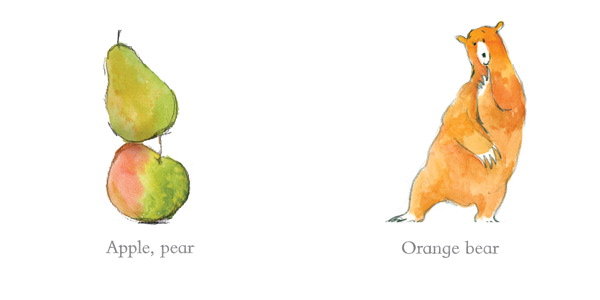
Orange Pear Apple Bear by Emily Gravett

orange pear

Thank you Bear by Greg Foley

thankyoubear

Nonfiction titles:

Who’s Like me? Nicola Davies Marc Boutavant

who's like me

Who Has these Feet?

Who_Has_These_Feet1

In other reading:

SmallDamages

I finished Small Damages by Beth Kephart and absolutley adored it. The perfect first novel to complete in 2013.

Lyrical. Everything mixes up – the past, the present, the longing, the worry and the beautiful Spanish landscape and food. Slow and full – like a beautiful, well spiced meal over a long night. What was particularly lovely in this book was the strength of character and the wisdom in the main character. I also loved Kenzie’s relationship with Estela, the house cook who taught her much more than delicious Spanish cooking. Looking forward to reading more titles by Kephart.

wonder 12 for 2012

I finished reading Wonder by R.J. Palacio to my own children. Must admit I enjoyed this novel just as much if not more on a second read – perhaps because I was sharing it with my own children who are ten years old – the same age as many characters in the book. I was surprised at how often my voice broke when I read this aloud especially since the plot was not a surprise. My son who is typically a “fantasy or not interested” reader loved this book. Hoping that this opens him up to more realistic fiction. My daughter who reads everything snatched the book away as soon as we were finished to go reread her favourite parts!  Such a beautiful story about the power of human spirit.

I am currently reading The Diviners by Libba Bray and just started The Spindlers by Lauren Oliver as the new read aloud with my children.

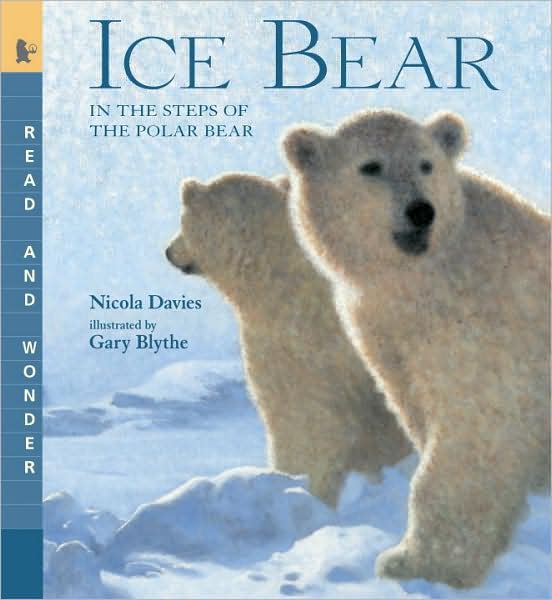
Ice Bear: In the Steps of the Polar Bear

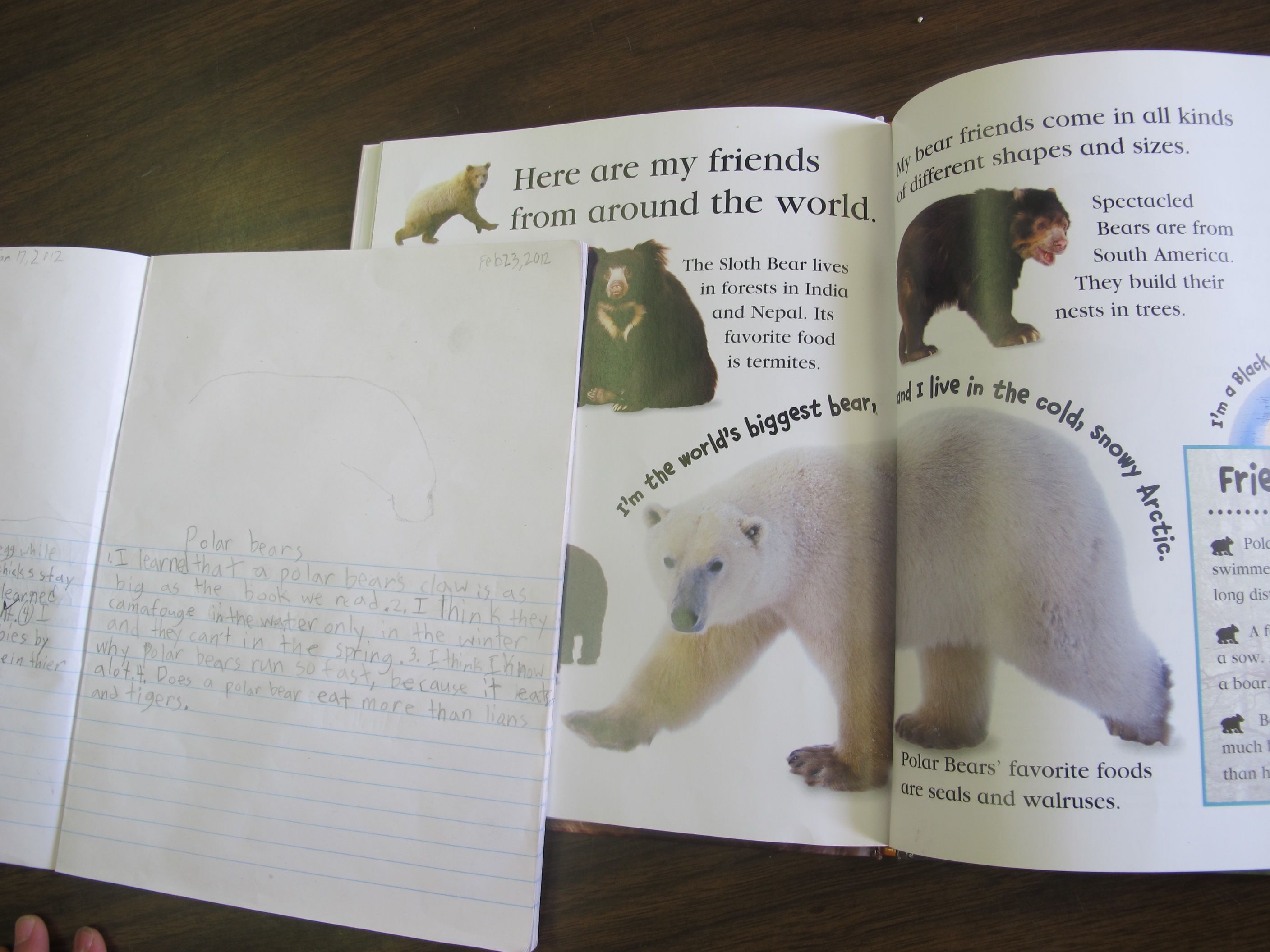
Today we read the Ice Bear (In the Steps of the Polar Bear) written by Nicola Davies and illustrated by Gary Blythe. Our goal: to move away from quick questions and begin asking more deep thinking questions.

Polar Bar, Nanuk, is perfectly suited to the Arctic climate and landscape. For many generations, the Inuit people have learned how to live and survive in the Arctic habitat by watching the great Ice Bear. Nicola Davies tells us how polar bears survive in the Northern landscape weaving facts on each page into the beautiful story she tells in such lovely poetic text.

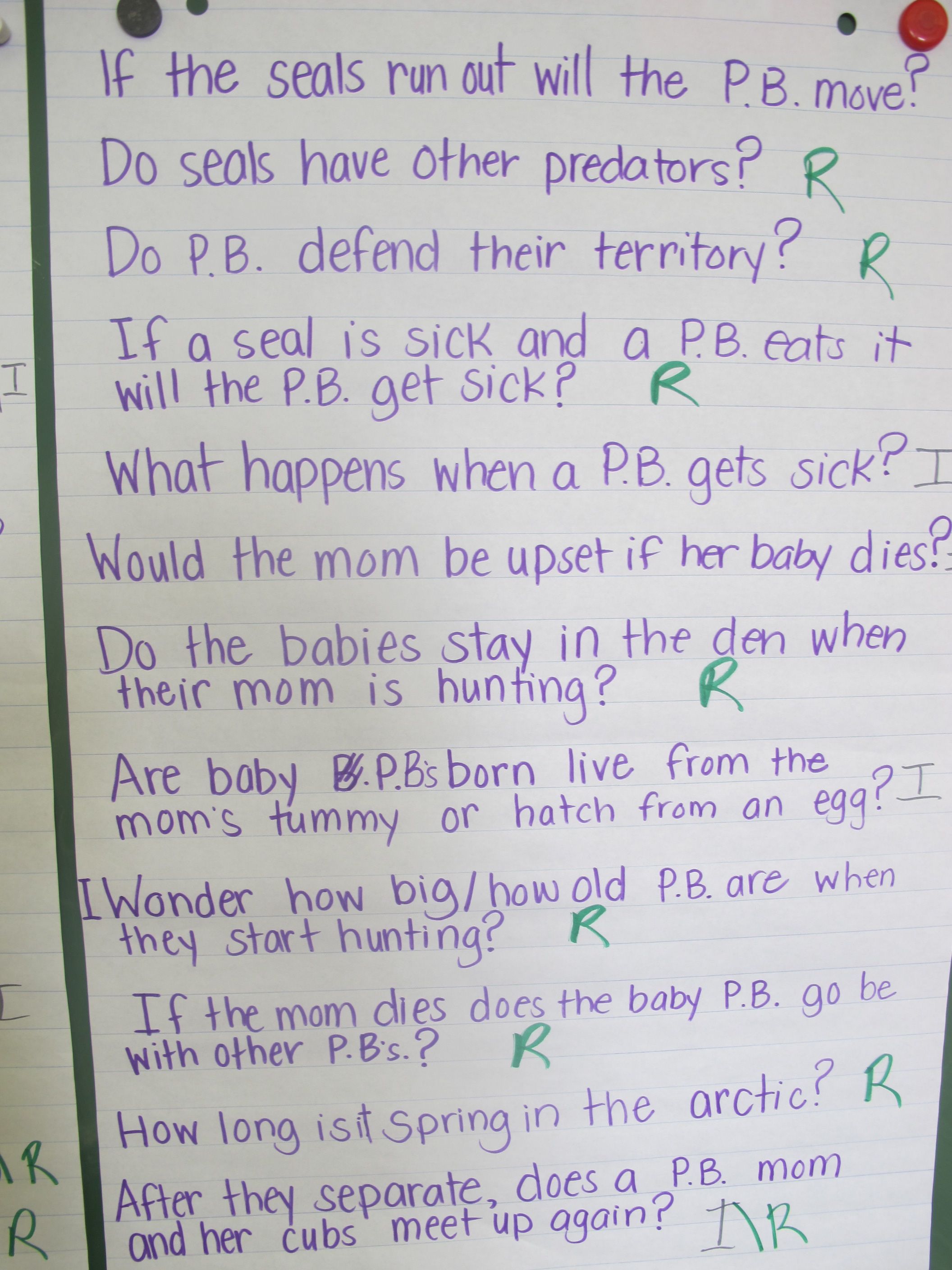
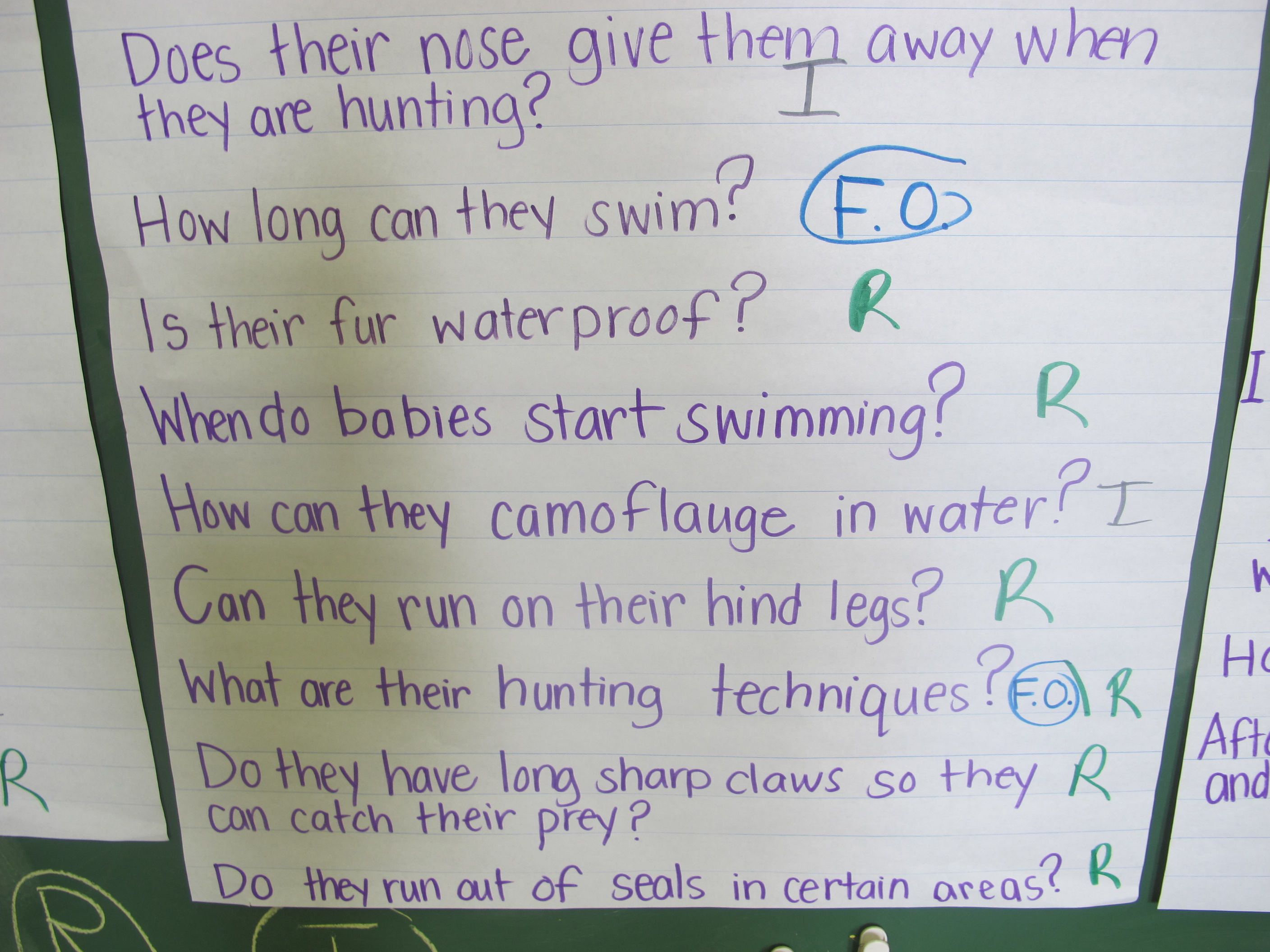
As I read this story aloud, we stopped on each page to share our questions and Ms. Hibbert recorded them. Our curiousity filled three pages of chart paper!

 Deep Thinking Questions: Ice Bear There's a Book for That

We then looked at all of our questions and coded them. FO: Found Out (we discovered the answer in the story as we read on) R: Research (to find the answer, we will have to do some research)  I: Infer (we need to infer to figure out the answer – using our background knowledge and our reasoning)

Coding our questions  Deep Thinking Questions: Ice Bear There's a Book for That

As we looked at the three charts, we noticed that we had very few questions coded FO (Found Out). This is exciting as it means we are asking fewer quick questions and more complex or deep thinking questions. Using Adrienne Gear‘s Non-Fiction Reading Power we have been learning to distinguish between quick and deep thinking questions. For our purposes here – quick questions are questions that we find the answer to (often down the page or a page or two later), where there is only one answer and where once we know the answer, our thinking stops. Deep thinking questions, on the other hand, inspire more questions, often have more than one answer or require us to do research, more thinking and/or talking to come to an answer at all.

Ms. Hibbert and I were also excited to see students asking multipart questions i.e. Do babies have fur? If not, how do they keep warm? or How often does a polar bear eat and does this affect how much it eats at a time? It was also fantastic to see questions inspire other questions between the students. At one point, Shae-Lynn was sitting right beside my chair with her hand up waiting to share her question and listening to others. “Oh!” she suddenly exclaimed, “Now I have three questions!”

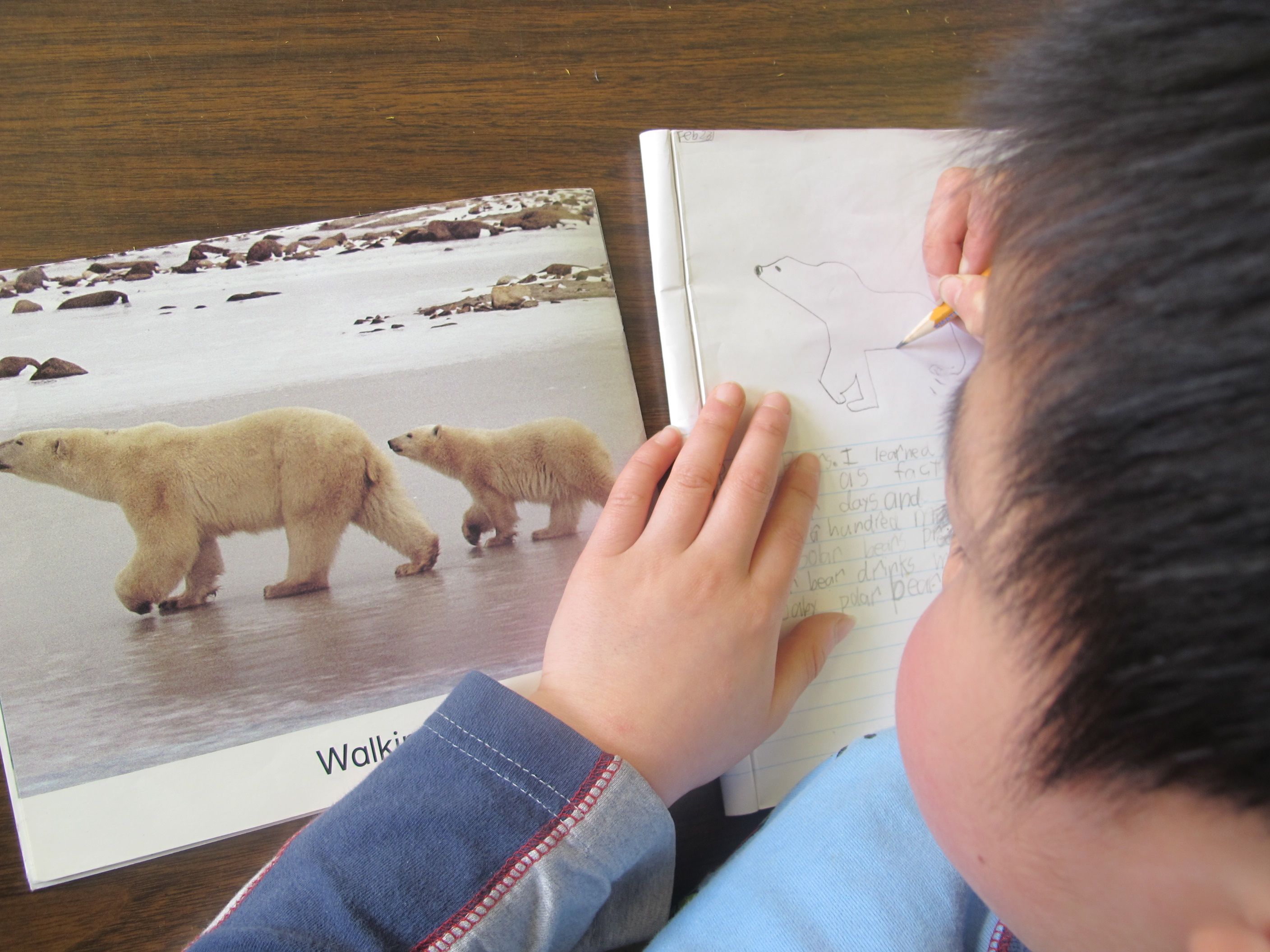
Students then went back to their tables to write and draw about their learning and to share what they were still wondering.

 Deep Thinking Questions: Ice Bear There's a Book for That

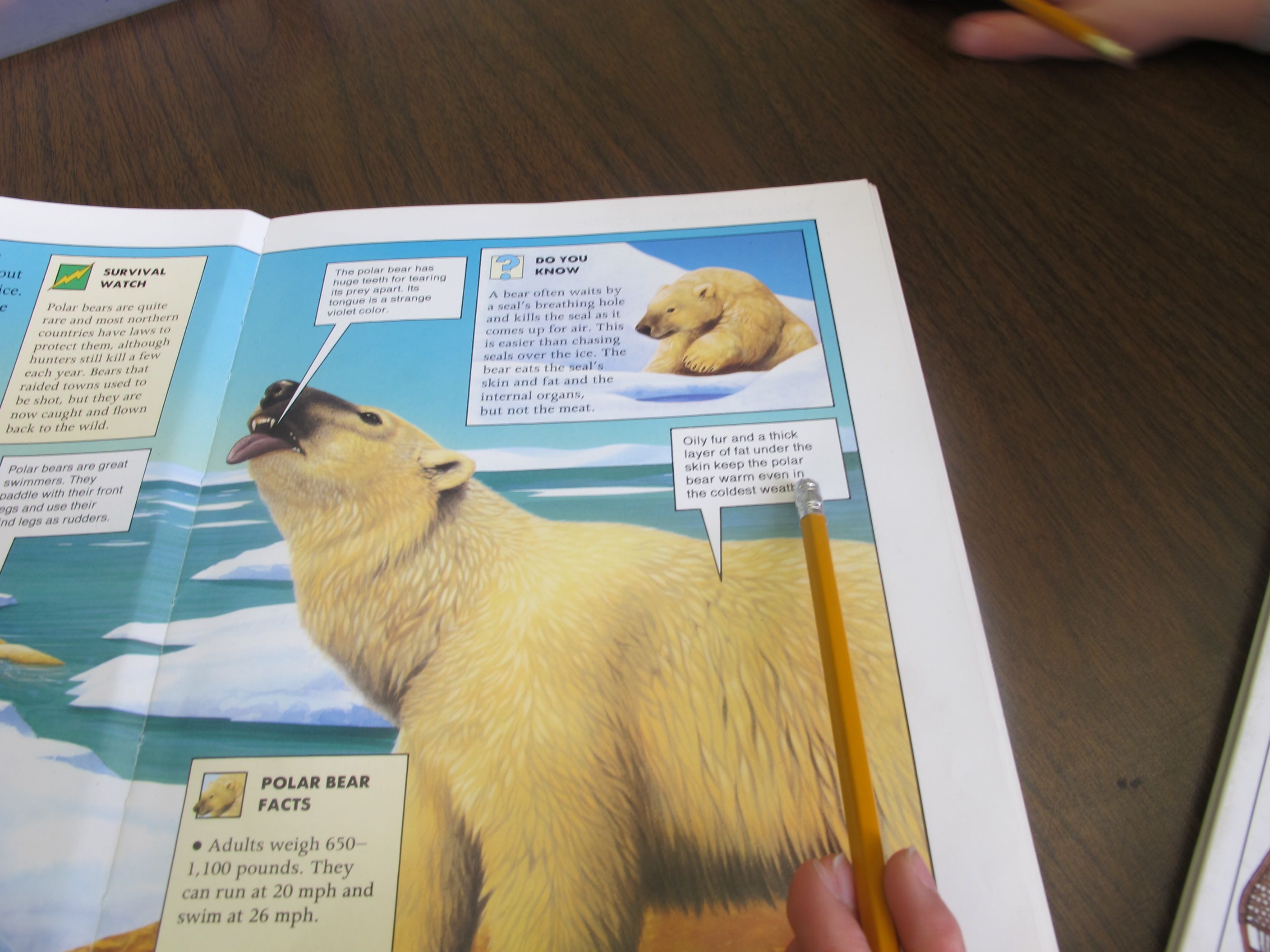
Some students began reading the books they were looking at for ideas on how to draw a polar bear and talked with each other about what they noticed.

All of a sudden, the research began happening as students realized that they were finding the answers to the unanswered questions we had included on our charts.

 Deep Thinking Questions: Ice Bear There's a Book for That

“Hey Ms. Gelson look what Carmen and I discovered!” Catriona summoned me over. She went on to show me the section in the book they had found that talked about polar bear fur in the water. They discovered that the guard hairs are oily and waterproof and hollow. This answered our question about how polar bears can be such good swimmers and whether or not they had fur that wouldn’t get too wet and heavy.

Look! Read here!  Deep Thinking Questions: Ice Bear There's a Book for That

Some learning shared in student writing:

* Male polar bears weigh more than females. I wonder if they eat more than females as well.

* I think the baby polar bears are more white than the Moms and really cute.

* I know that polar bears are as fast as a snowmobile. Bears eat seals. They use their sharp claws and kill the seals quickly.

* A female polar bear can have 1 to 3 baby cubs at a time

*I found out that when there is zero seals, polar bears will eat grass, dead birds and fish.


Celebrating students, celebrating books

Having time off from the day to day of teaching gives us space to reflect back on all that we treasure. Highlights of the last calendar year for me and picture books that exemplified these important themes:

1. Lots of laughter.

This was one of the favourite non-fiction read alouds I read with a class.

Poop – A Natural History of the Unmentionable written by Nicola Davies and illustrated by Neal Layton. This was the discussion. Theories of why some animal poop seems to have hair on it and why do we fart anyway. Hard to keep a straight face.

2. Moments of awe

Sometimes in sharing a powerful piece of literature, the learning in the room just surrounds us. The book or the important conversations are not soon forgotten.

Nan Forler‘s Bird Child was one of the most beautiful books I have ever shared with a class.

We learned about the power in all of us to stand up for each other. Recounting our conversations in this post was important. As a group, we shared something big.

3. Experiencing vulnerability

Some books produce such strong reactions. In our responses, we are vulnerable and need discussion and support to make sense of our feelings.

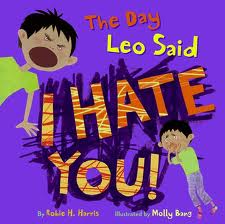
This book reduced some of us to tears: The Day Leo Said I Hate you! written by Robie H. Harris and illustrated by Molly Bang

What happens when our feelings explode and we say something hurtful? How do we navigate our way back? We talked about this book here.

4. Honouring the power of books

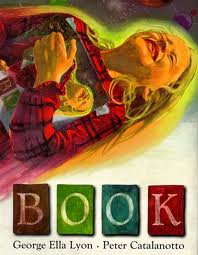
We were inspired by the beautiful Book written by George Ella Lyon and illustrated byPeter Catalanotto. to talk about what reading means to us.

This post details the beautiful art and writing we did in response. Students talked about how reading transported them into the book and about how much they love to be read to.

5. Celebrating wonder

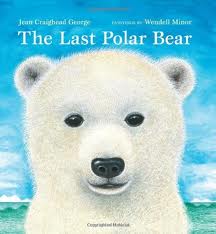
I love to use information storybooks to inspire student questions. This book The Last Polar Bear written by Jean Craighead George motivated students not only to ask questions but to explore answers.

In this post we talked about how climate change is affecting the habitat of the polar bears. We found we were left with more questions than when we started.

Looking forward to what books will bring to us in 2012!

More on Poop

Well, yes, it is true we are addicted to Poop (the book Poop of course!) Every page of this little book is full of fascinating facts on poop. We have been reading and learning in every spare minute and just have to share our new learning. (For Poop Part 1 read here) Nicola Davies and Neal Layton have created a book to keep you busy learning, reading and stopping to say “Really? Wow!” all on the topic of poop.

We learned that many predators use poop as clues to where to find their prey. So many animal parents get rid of their young’s poop to keep their babies safe and hidden. Jenny had a connection. “So it’s just like you can follow footprints, poop can be like a trail to lead them to the prey.”

We learned that golden moles in Africa stay underground all of the time to avoid being eaten. So they make one chamber in their large burrow just for pooping in. This prompted much discussion.

Ricky wondered, “But if that chamber gets full . . . do they just make a new one?”  Jena suggested that the moles could fill that chamber, close it off and then dig a new one. Kevin pointed out “This is just like we make a bathroom place in our houses.” (Unfortunately moles don’t have that flush feature that is so handy for us!) Miami asked, “Do they eat their poop to get rid of it?” This is not a farfetched questions as we had just read about rabbits eating their feces to get more nutrients out of it.

We then read about latrines (animal toilets) of the giant otters in South America. They use their latrines as more than just a toilet. They make a large flat area on the riverbank and poop all over it. This big smelly area is like a sign that says stay away: we made all of this poop, it is our area! The students found this quite amusing. “Like a big sign to say stay away!” “It’s a poop shield. You can’t get to us!”

We continued to read more intersting poop facts and Ricky piped up. “Scientists want to know things and they learn a lot of them from poop. They even studied dinosaur poop – prehistoric poop!” “I want to be a poop scientist,” said Eddy. “A poopologist,” suggested Josiah.

We then read about sloths and how they climb down their tree and poop every four days. Jenny wondered if they poop really slowly too. Good question!

At the end of our reading I asked students to share their new learning. Here is some of what they said.

Miami “Sloths eat lots and lots of leaves.”

Lisa “If sloths poo, they go down the tree to do it in a big pile and then back up every 4 days.”

Kevin “Sloths sniff other sloths poo to see what’s happening.”

Edwin “It’s weird that sloths have poo piles near each other. If they made them together, it would be huge.”

Jena “Some animals sniff other animals poo to know what is going on like who is pregnant.”

Ricky “Male hippos wiggle their tail when they poo to tell other hippos they are fierce and strong. The poo sprays everywhere.”

Have we tempted you yet to go and read this book?

Poop. Everything you ever wanted to know. And then some

Our current read aloud is a non-fiction title. On a kind of gross but okay, let’s admit it, kind of a lot of fun to talk about topic: Poop – A Natural History of the Unmentionable written by Nicola Davies and illustrated by Neal Layton.

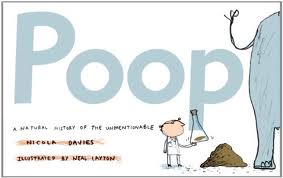
How can you not love this book? The cover shows a huge elephant behind with a pile of dung and a little scientist carefully examining the specimen. Open up the cover and notice that it is all brown and smeary coloured. “Eww! Is that real poo on there?” someone asked. (No, it’s artistic suggestion 🙂 )And then on the first page you get to learn that feces is the proper name of poop and that if we were speaking scientifically, we would know that all animals defecate (meaning to poo). So it seems that reading this book will make us into scientific experts on poop. Excellent!

Today we decided to use Adrienne Gear‘s Questions and Inferences sheet from Nonfiction Reading Power to record some of our questions and what we were inferring as we listened to the text.

The level of engagement was pretty high. Poop is an interesting topic! Near the end of the lesson, Jena commented, “Who knew poo could be so interesting?” Indeed.

We practiced asking some questions/inferring together when we looked at the first few pages titled – A Tour of Poop

We noticed that tapir poop seemed to have hair in it. Nobody knew what a tapir was so it seemed to be the perfect question to do some inferring.

Question:  Why does some poop have hair in it?

Our inferences:

Jenny: It must mean they are predators. The hair is from their prey.

Eddy: Maybe they have furry bums. When the poo comes out, it gets covered in their own fur.

Miami: I’m thinking that – perhaps, they licked their babies’ fur to clean them and stuff. So that’s how hair got into the poop.

Manny: Maybe it’s not hair. Maybe it is grass and they eat grass. Maybe it just looks like poop. If it is hair, why doesn’t the stomach acid eat the hair?

As we read on, we found out that meat eating animals (carnivores) have poop that contains hair, fur, feathers and bones. But I love all of the thinking we were doing to come up with different possibilities!

Most conversation and discussion was related to the text but as I read and we shared our thinking some students just couldn’t help sharing. A few hilarious statements I overheard: “I feel better when I poop.” “Do you think everyone pees a bit when they poop?” “Do you think we would explode if we never pooped?” “My Dad got diarrhea when he ate spicy pork.” Poop is a great topic of conversation! Maybe not to use at your next dinner party but when hanging out with primary students, it rates pretty high!

During our sharing someone asked this question: “Why do we fart?”

Kevin happily shared his thinking. “Maybe when your body has no more poop in it, there are still poo smells that need to get out so you need to fart.”

This was a very popular suggestion. One student responded. “Oh! Oh! Kevin may I write that down on my sheet?” “Yeah me too,” someone else said. We love to share our thinking! 🙂

Some other questions/inferences from our sheets:

Hajhare: Does poo have food in it? I think it does because the food all combines together to make it brown.

Edwin: Why is animal poo smaller? Maybe the animals don’t have big tummies like people.

Kevin: What happens if you poop a lot? I think you live longer.

The students can’t wait to learn more about poop! Stay tuned!