A Year of Nonfiction Picture Books Revisited

I read a lot of nonfiction aloud to my class. I never get to as many titles as I intend to – the “must share” stack is always growing. It’s not necessarily due to lack of time. I make lots of time for nonfiction reading. It’s that I believe nonfiction read alouds need to be rich reading experiences. And so, they require time. Time for questions. Time for discussion. Time to think and absorb and ponder. We “stretch out” our read alouds over days and days – reading, writing, talking, drawing. I celebrate the time we take with each book because I know the learning is rich.

I thought I would make this post for Nonfiction Picture Book Wednesday be all about the celebration of and learning from our nonfiction reading this year.

Here are (most of) the titles we read together in this “stretched out” style. We also read many other nonfiction titles – some in their entirety, some just a few pages here or there.

A Year of Nonfiction Picture Books Revisited There's a Book for That

I chose some particularly important learning to highlight here.

A Boy and A Jaguar written by Alan Rabinowitz and illustrated by Cátia Chien

In this title we learned that a love for animals can be deep and a promise to protect them can be deeper. Alan Rabinowitz is a huge inspiration for my students. They felt his anxiety growing up stuttering and were inspired by his commitment to his work.

 A Boy and a Jaguar A Year of Nonfiction Picture Books Revisited There's a Book for That

Ivan: The Remarkable True Story of the Shopping Mall Gorilla written by Katherine Applegate and illustrated by G. Brian Karas

Ivan’s story prompted discussions of animals in captivity, of human cruelty, of just “why?” Lots of conversations. Thanks To Katherine Applegate and all of those who have loved Ivan, we love Ivan too.

 Ivan A Year of Nonfiction Picture Books Revisited There's a Book for That

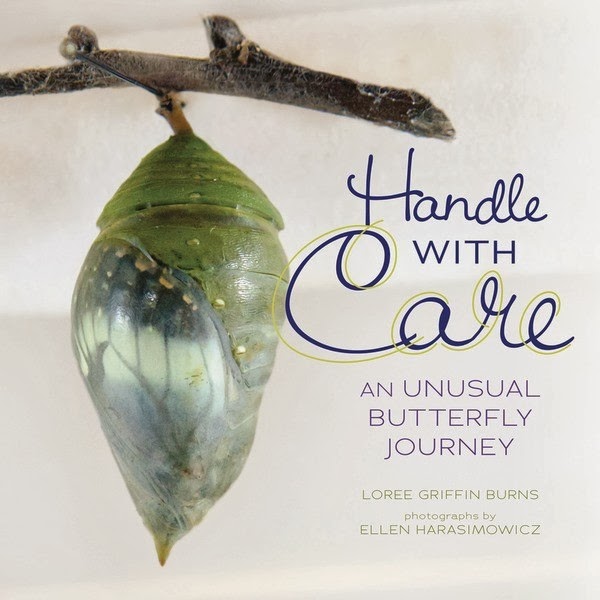
Handle with Care: An Unusual Butterfly Journey written by Loree Griffin Burns with photographs by Ellen Harasimowicz

This title allowed students to explore a question they had never before considered – just how do butterflies get to museums and science centres all over the world? But it did more than that. It gave students a close up view at the miraculous life cycle of a butterfly and allowed them to see the beauty in every stage.
 Handle with Care A Year of Nonfiction Picture Books Revisited There's a Book for That

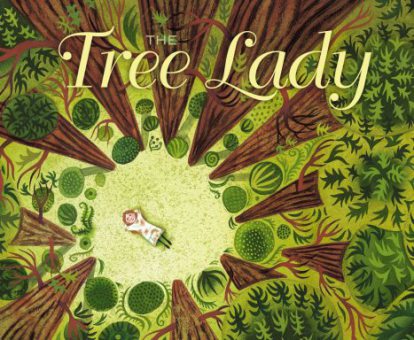
The Tree Lady by H. Joseph Hopkins and illustrated by Jill McElmurry

This book gave my students hope. It energized them. It reminded them about the power of an individual to impact a community. When we closed the book, students made comments like this one: “I like Kate so much. It happened a long time ago but her soul probably still speaks for trees. She was one person who did so much.”
 The Tree Lady A Year of Nonfiction Picture Books Revisited There's a Book for That

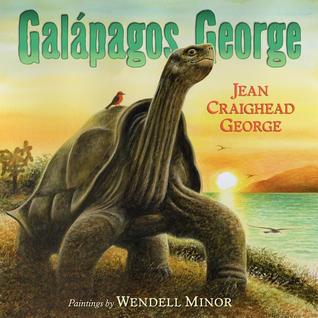
Galapágos George written by Jean Craighead George and illustrated by Wendell Minor

This title let us talk about extinction. It allowed students to grasp the true vulnerability of so many species. We read this after reading various books about endangered animals. Reading about a special creature that actually became extinct prompted both outrage and sadness. “So many animals could disappear because of humans . . . ” one child observed solemnly.
Galapagos George A Year of Nonfiction Picture Books Revisited There's a Book for That

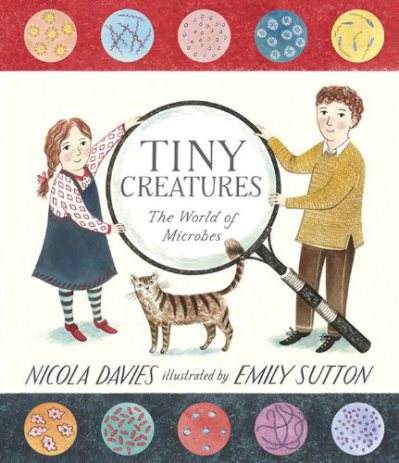
Tiny Creatures The World of Microbes by Nicola Davies; illustrated by Emily Sutton

This title prompted a lot of “Wows” and a lot of hand washing! 🙂 It is so important for students to wonder about the world they can not easily see. The power of something very tiny is a very big idea.
 Tiny Creatures A Year of Nonfiction Picture Books Revisited There's a Book for That

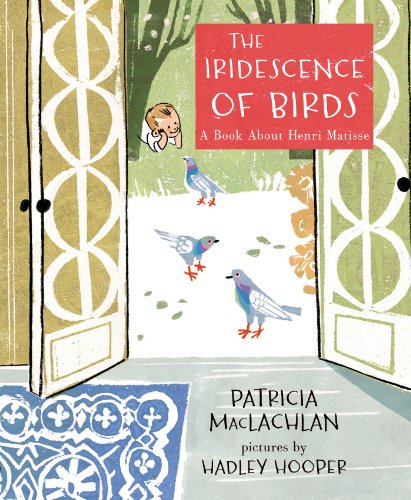
The Iridescence of Birds: A Book about Henri Matisse written by Patricia MacLachlan with illustrations by Hadley Hooper

This title opened up the conversation about inspiration. What inspires an artist? What inspires any art? One child commented, “The book was about what inspired Matisse. Maybe we have inspiration all around us too.”
Iridesence of Birds A Year of Nonfiction Picture Books Revisited There's a Book for That

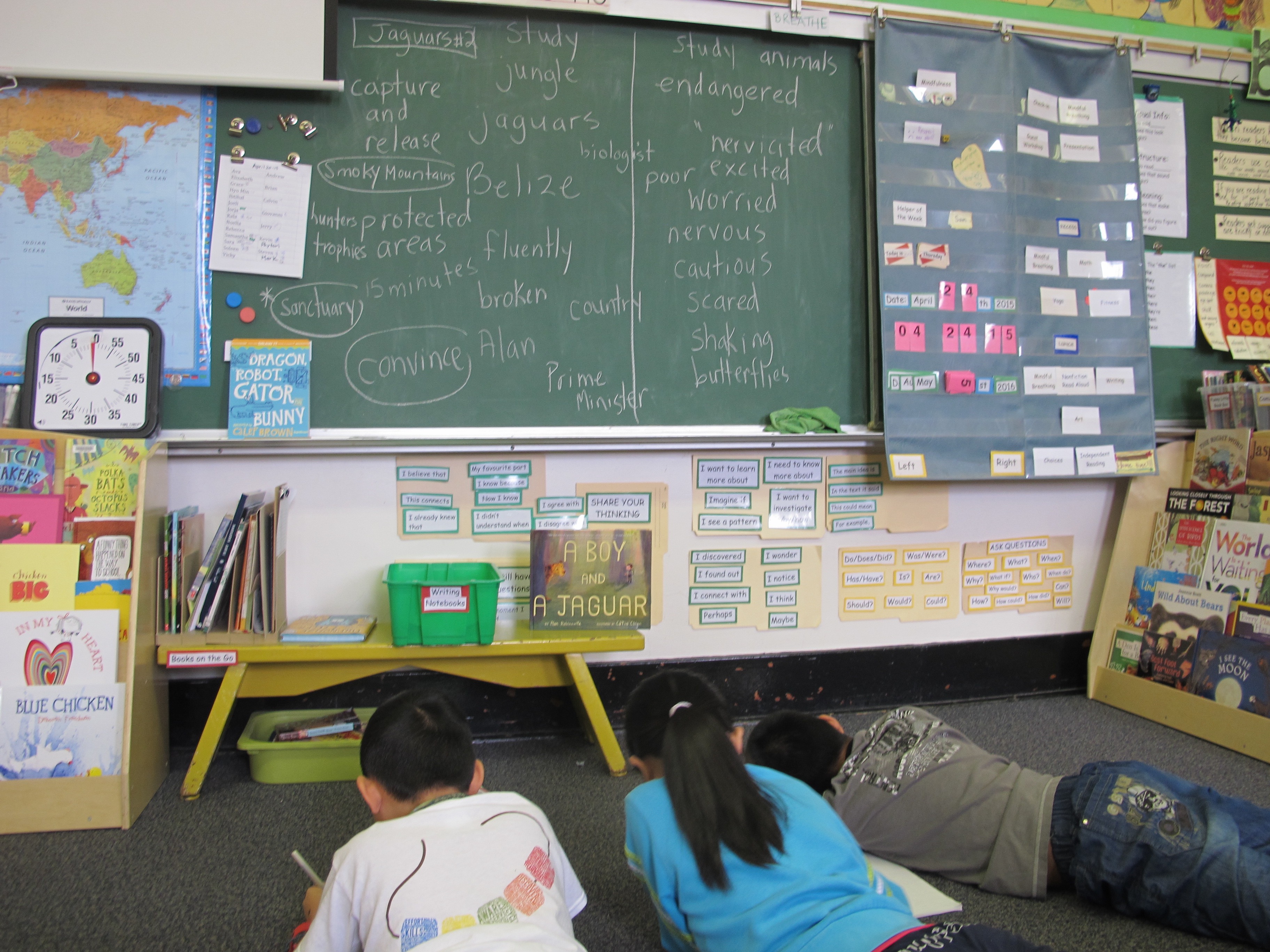
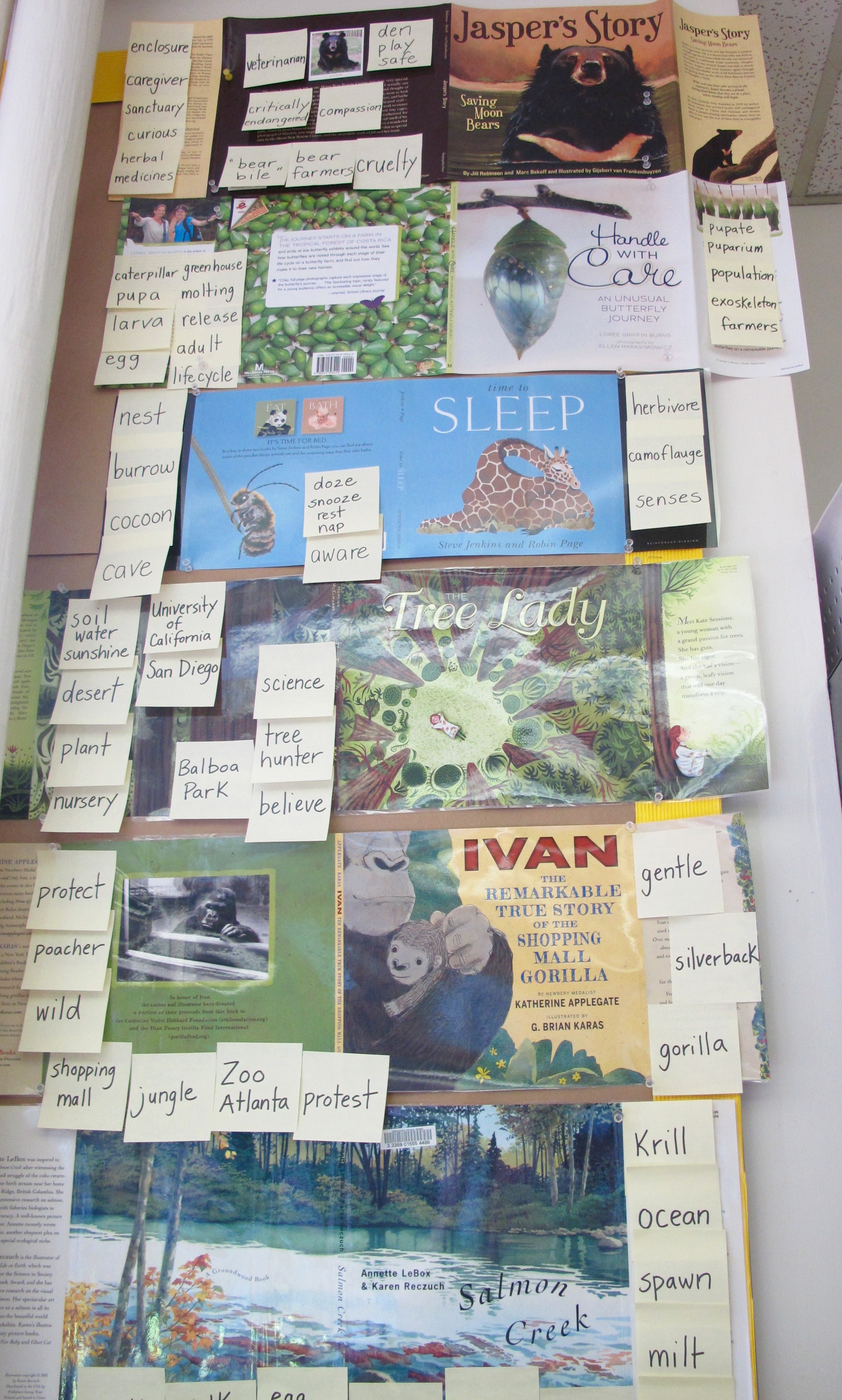
Our learning climbs up the walls, surrounding us all year.
A Year of Nonfiction Picture Books Revisited There's a Book for That A Year of Nonfiction Picture Books Revisited There's a Book for That

We learned. Some things. A lot of things, in fact. Not close to everything. It’s a huge amazing world out there. But wow, did we learn.

We wondered. We pondered. We talked and listened. We developed our curiosity. We considered things from new perspectives. Most importantly, we considered our place in the world. What do we impact? What can we impact? What do we notice? What do we not yet understand? What do we plan to find out?

A year of reading nonfiction.  I have described reading nonfiction titles with a class as building shared knowledge, one learning layer at a time. How exciting it was to build this developing understanding of the world with this group of children this year.

Thanks to Alyson from Kid Lit Frenzy for the inspiration to read and share more nonfiction picture books in 2015. Follow the link to Alyson’s blog to read about more nonfiction books you need to read!
#nfpb2015Looking for nonfiction titles to read aloud? Check out this list: Nonfiction Picture Books for Reading Aloud
Nonfiction Picture Book Wednesday: Fascination with nests and eggs

Why are we so enamoured with nests and eggs? I know I am. I have a found hummingbird nest that is a treasured possession. All of that work and skill in such a tiny package. What draws us to eggs and nests? I think it is because nests and eggs represent the miracle of life in a much more observable way than pregnant bellies (although pregnancy itself is full of all kinds of miracles). Nests and eggs are about birth and growth and care – all on the outside for us to witness. If we happen to be so lucky. And when we get a peek, it seems so special.

I can manage clean sheets, fluffed pillows, layers of blankets, dim light. The intricate weaving, crafting, building that is nest making, I can’t even imagine.

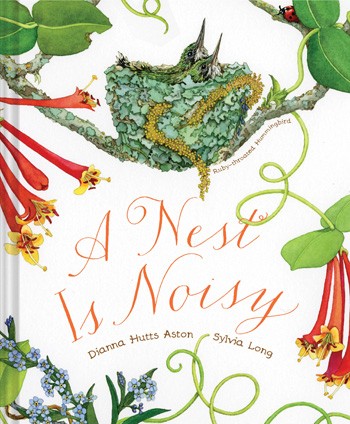
But if I wanted some inspiration, A Nest Is Noisy by Dianna Hutts Aston and Sylvia Long (Chronicle Books 2015) is the place to start.

Most interesting for me?

  • the nests of African gray tree frogs – described as a “frothy mass that hardens into a meringue like crust.”
  • the neighbourly nests made by the black tailed prairie dog and the baya weavers
  • the nests hardened onto cave walls by cave swiftlets who spit strands of saliva to make these nests. These nests are what bird’s nest soup is made from. Wow.

Like all of Aston and Long titles, this is a must own.

A Nest is Noisy Nonfiction Picture Book Wednesday: Fascination with nests and eggs There's a Book for That

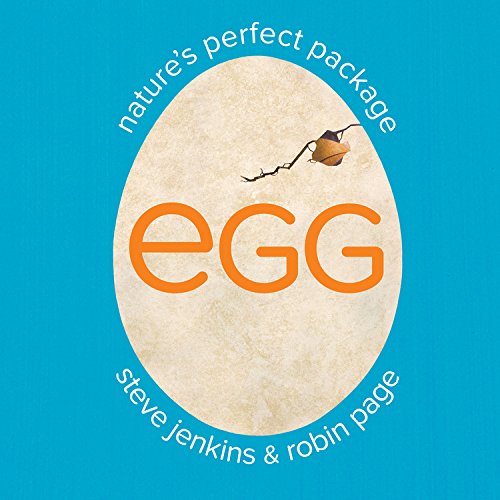
Egg: Nature’s Perfect Package by Steve Jenkins and Robin Page (HMH Books for Young Readers 2015)

Perfect indeed.

So incredible to see an egg and wonder what might possibly be inside. Who could imagine that a crow’s egg would be such a stunning mottled blue and black?

Nestled in nests or left on bare branches? If no predators are about, leaving an egg all on its own is just fine – like the white tern does. Or build your own protection? The green lacewing produces thin stalks, attaches them to a leaf and then places an individual egg at the end of each. No hungry ants will find them. Genius.

Lots of other information in this book: How many eggs do various creatures lay? Who likes to devour eggs? (Is it just me of is the egg-eating snake absolutely fascinating?) Who carries their eggs instead of leaving them in a nest? How do various creatures keep their eggs warm? How exactly do they get out?

I love the additional information at the back of the book that gives the habitat and length of each animal in the book. I use these pages when I share Jenkins titles with my class to estimate size – we predict and then get out our rulers. The children find this so interesting!

Egg Nonfiction Picture Book Wednesday: Fascination with nests and eggs There's a Book for That

Other nonfiction picture books about nests and eggs I would recommend.

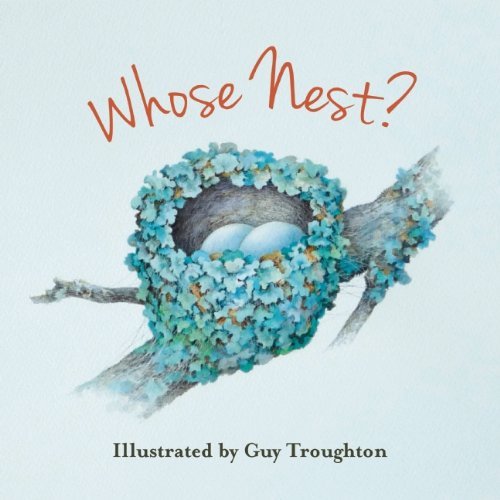
whose nest? Nonfiction Picture Book Wednesday: Fascination with nests and eggs There's a Book for That

 Nest Nonfiction Picture Book Wednesday: Fascination with nests and eggs There's a Book for That

Mama Built a Little Nest Nonfiction Picture Book Wednesday: Fascination with nests and eggs There's a Book for That

eggs123 Nonfiction Picture Book Wednesday: Fascination with nests and eggs There's a Book for That

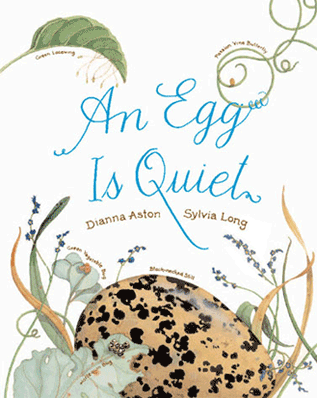
An Egg is Quiet Nonfiction Picture Book Wednesday: Fascination with nests and eggs There's a Book for That

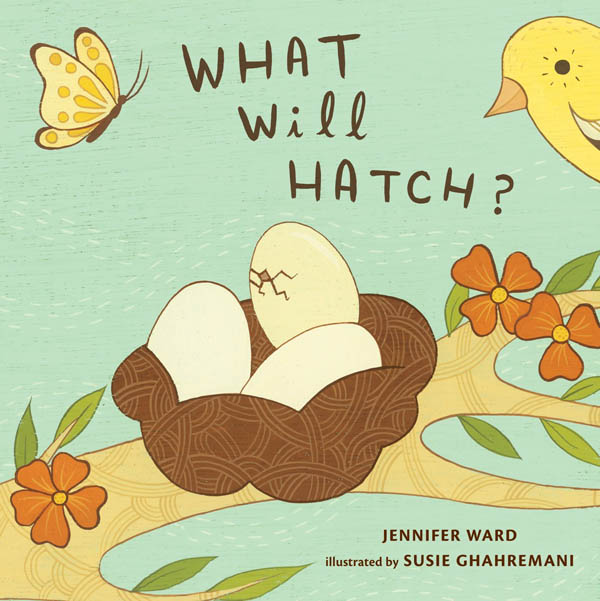
 What Will Hatch Nonfiction Picture Book Wednesday: Fascination with nests and eggs There's a Book for That

guess what is growing inside this egg Nonfiction Picture Book Wednesday: Fascination with nests and eggs There's a Book for That

Thanks to Alyson from Kid Lit Frenzy for the inspiration to read and share more nonfiction picture books in 2015. Follow the link to Alyson’s blog to read about more nonfiction books you need to read!

#nfpb2015

NFPB Wednesday: Tiny Creatures & Little Scientists

It is June. The end of June in fact. Literally, I can count the hours before we end our year. What am I thinking about those hours? How many more read alouds can I fit in? What should they be? How to choose . . . ? Sigh

So . . . last week when I knew our Let’s Talk Science volunteers were coming in one last time, I decided we needed a “science” theme day – the perfect chance to read more nonfiction books!

I asked my students a big question that morning: Why science? Why science education? Who wants to be a scientist? Their answers, as usual, were wonderful. They told me that scientists/science learners:

  • want to discover things
  • care about about people
  • have a passion/interest in science
  • want to solve theories
  • have lots of energy
  • are interested in facts/things they can prove
  • ask lots of questions

NFPB Wednesday: Tiny Creatures & Little Scientists There's a Book for That

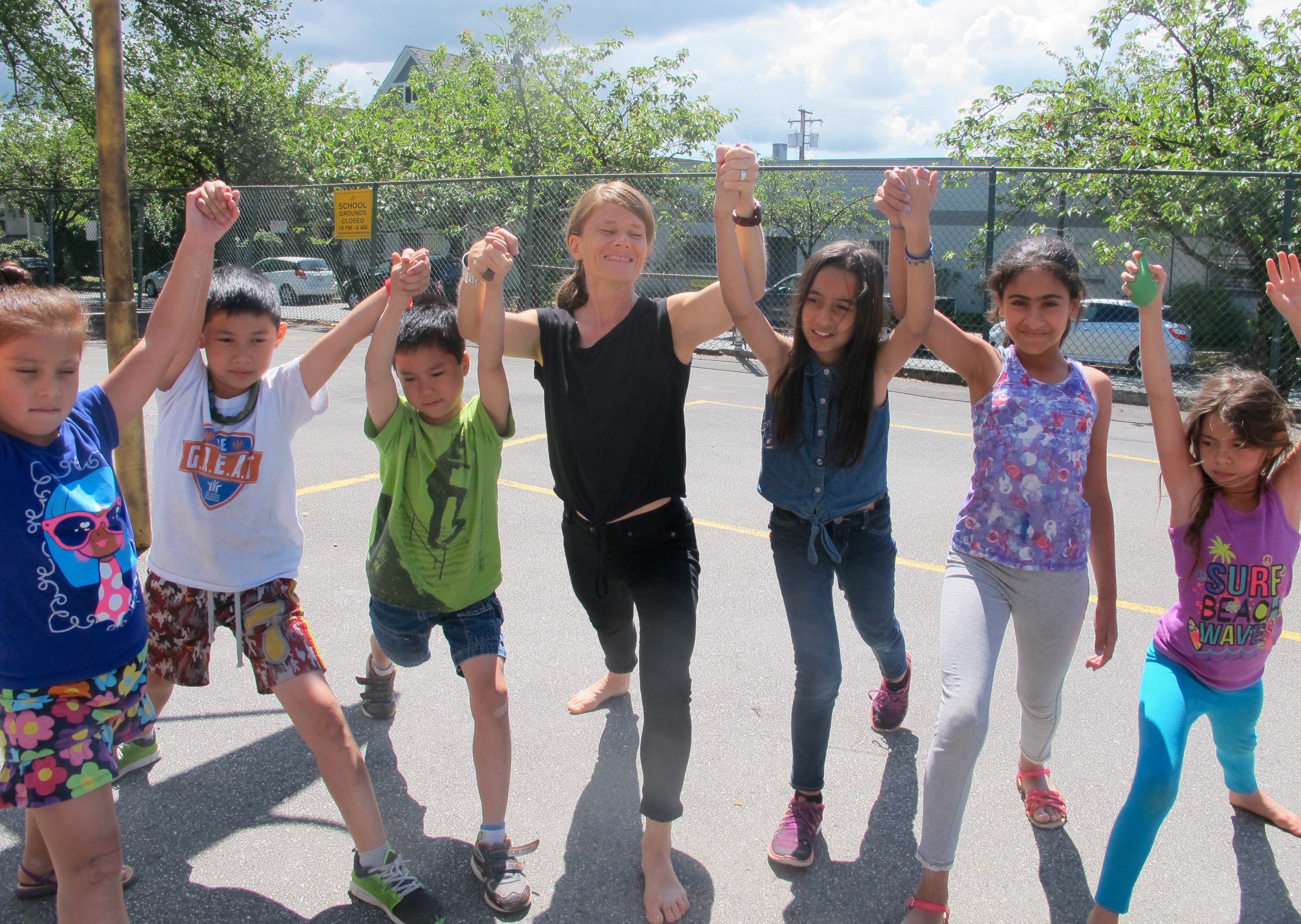
We filled our day with science experiments, science themed yoga (thanks to the wonderful Miriam Tratt) and read alouds about science including . . .

Tiny Creatures The World of Microbes by Nicola Davies; illustrated by Emily Sutton (Candlewick Press 2014)

 Tiny Creatures NFPB Wednesday: Tiny Creatures & Little Scientists There's a Book for That

I could rave on and on about how this book is so very ideal for young learners – making a huge and seemingly confusing subject, manageable and meaningful. But . . . I will let my students do the raving. Their reactions and messages to Nicola Davies:

“How are you such a great author? You taught us about microbes and made it fun, not boring!”

“How did it pop into your head to write about microbes?”

“Thank you for making this all easy to understand!”

“It makes my mind explode with ideas.”

“I really want to wash my hands now.”

“Can you make a book about what an atom is made of please?”

The mark of a great nonfiction title for me is all about the engagement, the wonder, the questions and the “settling in” of understanding. This book had my students completely fascinated. After school one boy found me in the library. He had run back to school to show me the word “microbe” in the novel he was reading.

“And now I know what it’s talking about!”

I am such a fan of the nonfiction picture book read aloud!

Thanks to Alyson from Kid Lit Frenzy for the inspiration to read and share more nonfiction picture books in 2015. Follow the link to Alyson’s blog to read about more nonfiction books you need to read!

#nfpb2015

Nonfiction Picture Books – grow a beginning collection

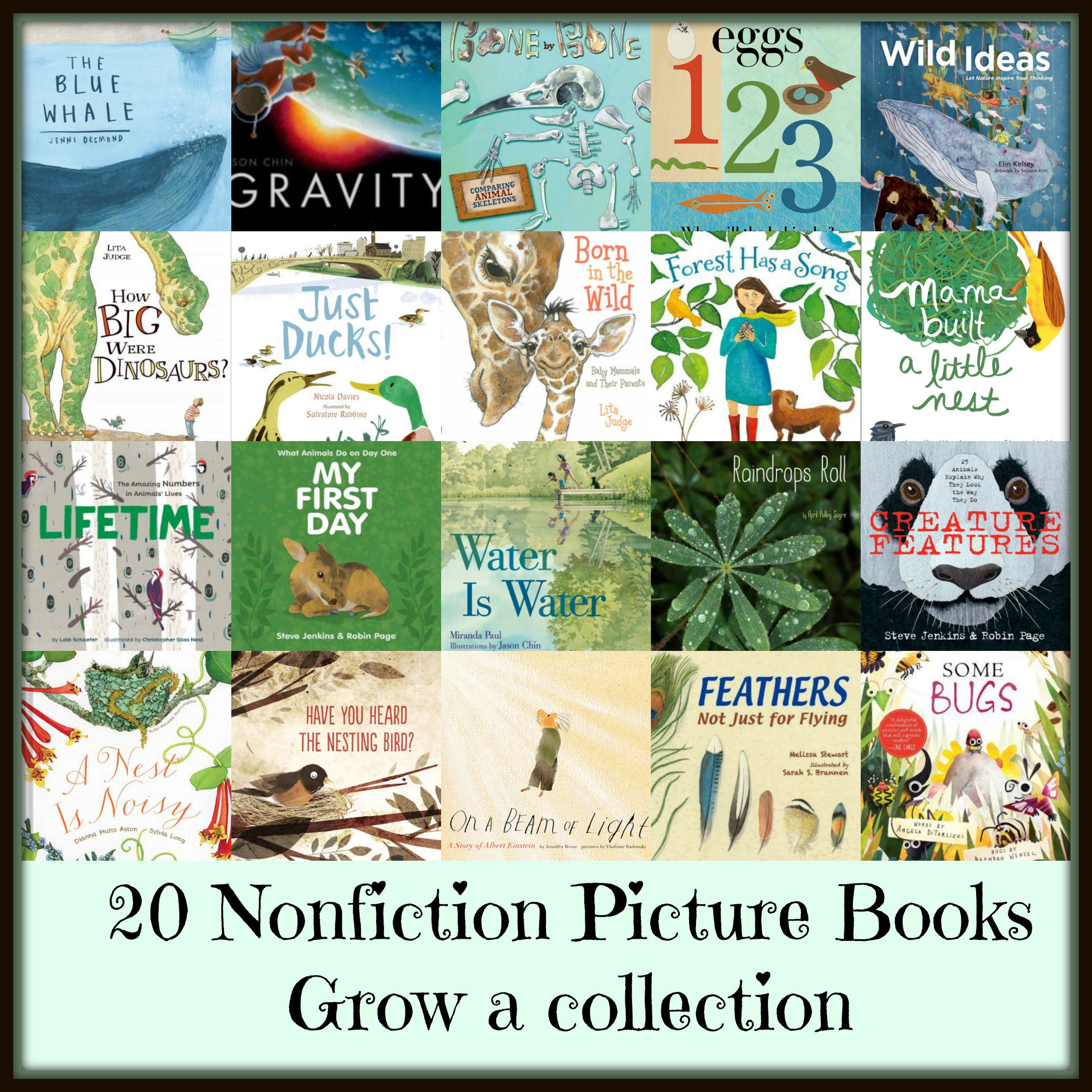
Recently I created a list of 20 picture books to be gifted to new parents/grandparents to begin growing a picture book collection of beautiful books. I purposely did not include any nonfiction titles because I had this list in mind – 20 incredible nonfiction titles that should be on the family bookshelf.

This list includes recent releases and some favourites I have had for some time. I looked for books that inspire wonder and curiosity about nature and the world. On this list are titles that cover specific concepts with rich language and stunning images. None are too lengthy or complex. The books that are more detailed are perfect for sharing in chunks with a parent/adult reader.

Shopping for gift books for a family? Think nonfiction picture books! Here are 20 beautiful titles:

Nonfiction Picture Books - grow a beginning collection There's a Book for That

Listed alphabetically by author

A Nest is Noisy by Dianna Hutts Aston and Sylvia Long

There are so many different kinds of nests for so many different creatures. This book is a treasure.

Nest Nonfiction Picture Books - grow a beginning collection There's a Book for That

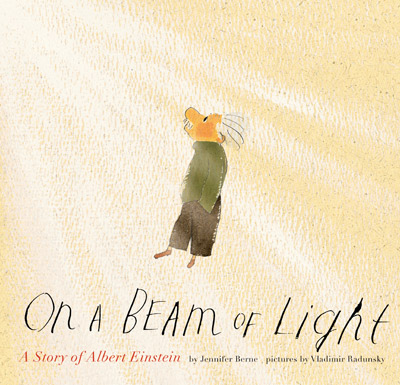
On A Beam of Light- A Story of Albert Einstein by Jennifer Berne and illustrated by Vladimir Radunsky

Wonder, curiosity and thinking outside of the box. Accessible Einstein!

 Nonfiction Picture Books - grow a beginning collection There's a Book for That

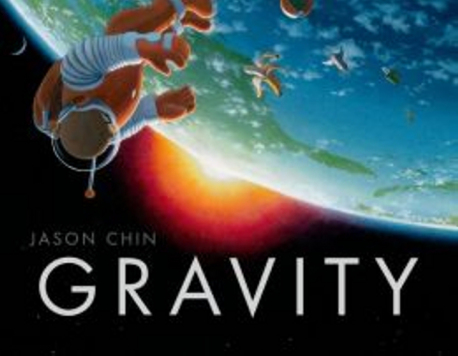
Gravity by Jason Chin

Visual story telling, simple text explain a complex concept so that all readers can grasp it.

 Gravity Nonfiction Picture Books - grow a beginning collection There's a Book for That

Just Ducks! written by Nicola Davies and illustrated by Salvatore Rubbino

Gentle narration infused with facts in this beautifully illustrated book about ducks!

Just Ducks Nonfiction Picture Books - grow a beginning collection There's a Book for That

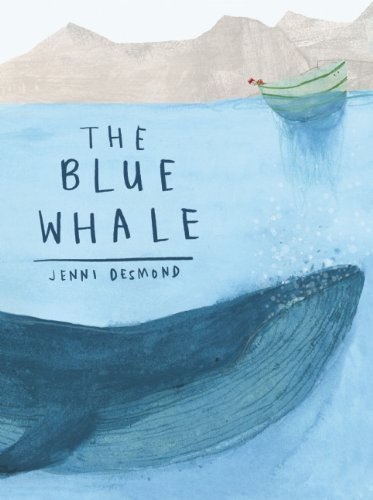
The Blue Whale by Jenni Desmond

Explore just how enormous a blue whale really is. Gorgeous.

The Blue Whale Nonfiction Picture Books - grow a beginning collection There's a Book for That

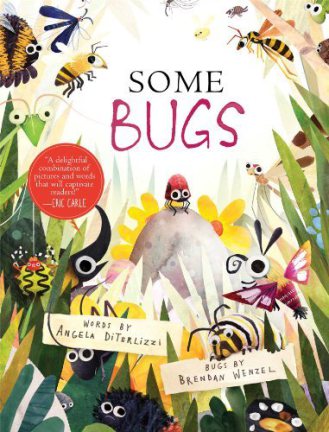
Some Bugs written by Angela Diterlizzi and illustrated by Brendan Wenzel

Will absolutely inspire some bug hunting! And maybe collecting. Break out the magnifying glasses.

 some Bugs Nonfiction Picture Books - grow a beginning collection There's a Book for That

Have You Heard the Nesting Bird? written by Rita Gray illustrated by Kenard Pak

Beautiful lyrical text. Will get everyone outside to listen to beautiful and varied bird song.

HaveYouHeard Nonfiction Picture Books - grow a beginning collection There's a Book for That

Eggs 1, 2, 3: Who Will the Babies Be? by Janet Halfmann, illustrated by Betsy Thompson

Counting. Guessing. Lovely repetition.

eggs123 Nonfiction Picture Books - grow a beginning collection There's a Book for That

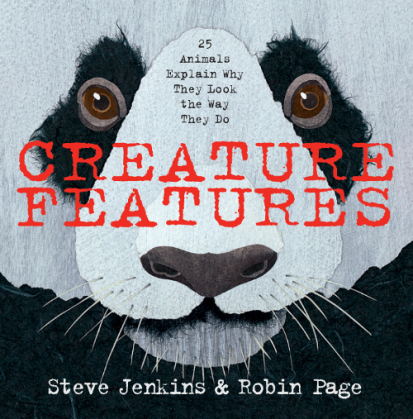
Creature Features: 25 Animals Explain Why They Look the Way They Do by Steve Jenkins and Robin Page

The format is engaging – each animal is introduced with a mini letter/question and answer.

Nonfiction Picture Books - grow a beginning collection There's a Book for That

My First Day by Steve Jenkins and Robin Page

What happened on the first day each animal was born? Children love to wonder about animal babies.

My first day Nonfiction Picture Books - grow a beginning collection There's a Book for That

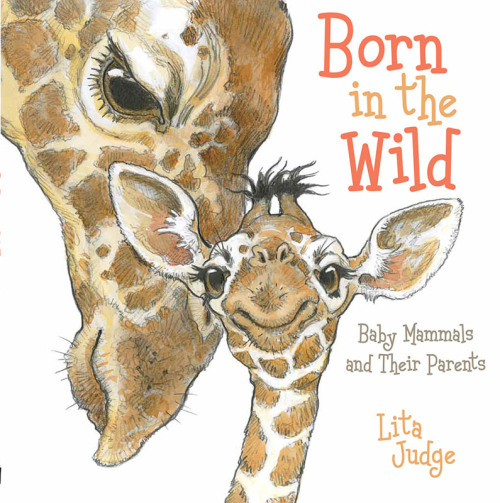
Born in the Wild: Baby Mammals and their Parents by Lita Judge

How do mammals care for their babies? Will inspire many conversations about how young children are cared for too.

Born in the Wild Nonfiction Picture Books - grow a beginning collection There's a Book for That

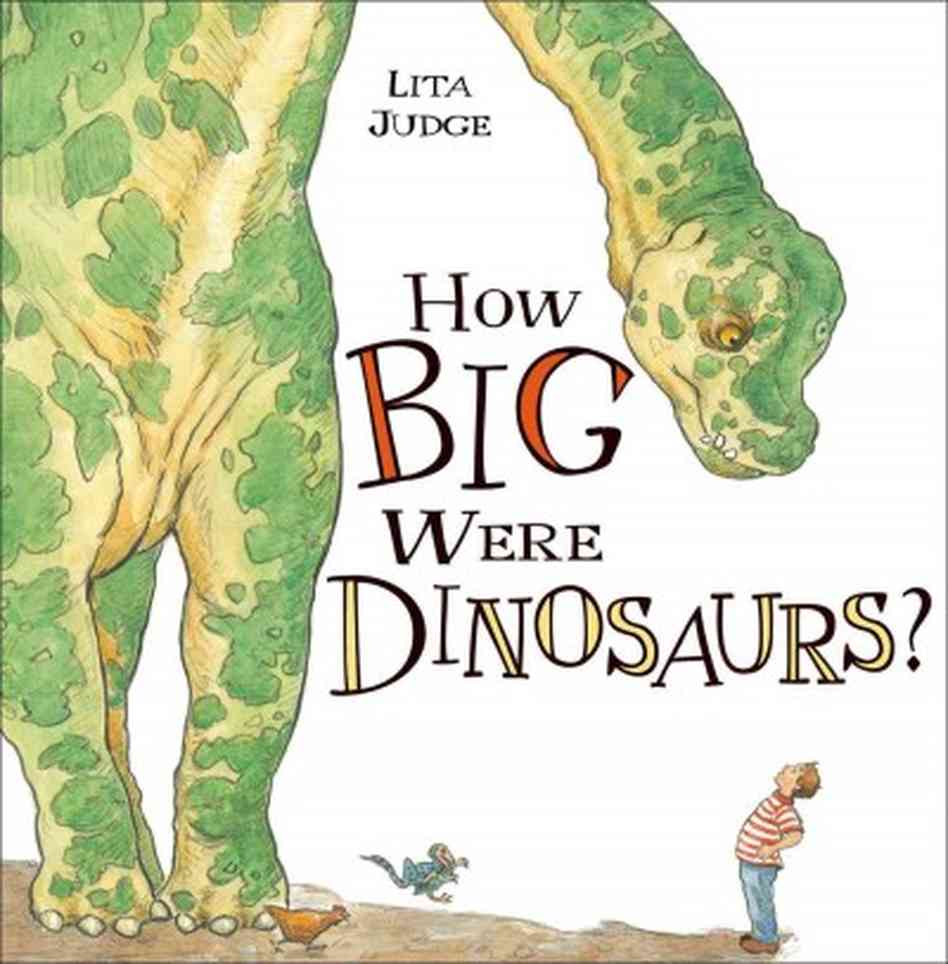
How Big Were Dinosaurs? by Lita Judge

Were all dinosaurs gigantic? If they were walking around today, just how big would they be?

Nonfiction Picture Books - grow a beginning collection There's a Book for That

Wild Ideas: Let Nature Inspire Your Thinking written by Elin Kelsey and illustrated by Soyeon Kim

Will prompt a discussion about perseverance, creativity and inspiration.

Wild Ideas Nonfiction Picture Books - grow a beginning collection There's a Book for That

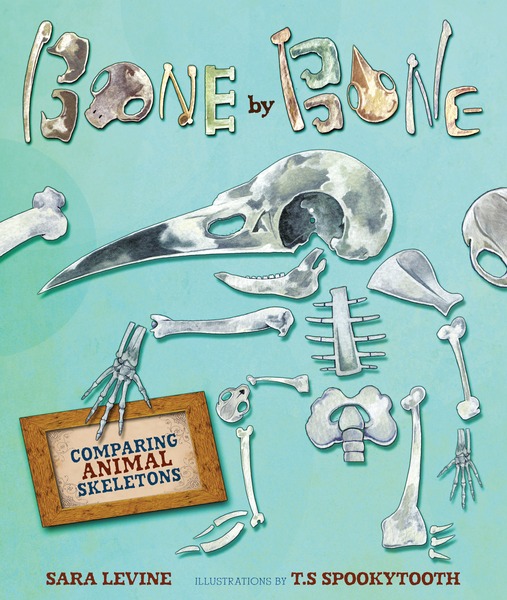
Bone by Bone: Comparing Animal Skeletons written by Sara Levine with illustrations by T.S. Spookytooth 

A fun interactive style. What kind of animal would you be if . . . ?

bone by bone Nonfiction Picture Books - grow a beginning collection There's a Book for That

Water Is Water: A Book About the Water Cycle written by Miranda Paul and illustrated by Jason Chin

A beautiful poetic title about the water in our world.

Water Is Water- A Book About the Water Cycle Nonfiction Picture Books - grow a beginning collection There's a Book for That

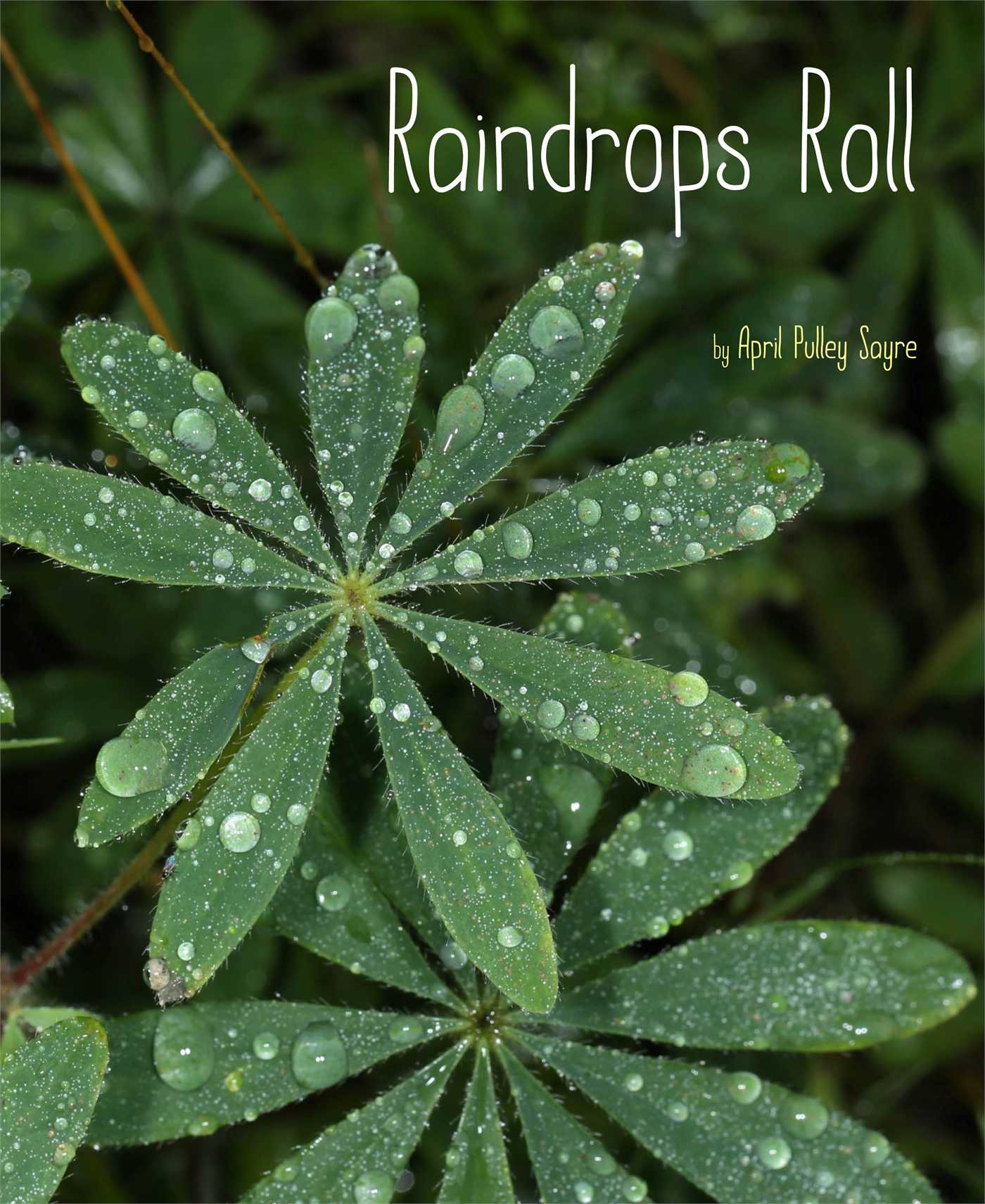
Raindrops Roll by April Pulley Sayre

Oh these photographs and this beautiful language. Walking in the rain? You will want to go.

Raindrops Roll Nonfiction Picture Books - grow a beginning collection There's a Book for That

Lifetime written by Lola Schaefer and illustrated by Christopher Silas Neal

Math is all around us. Gorgeous illustrations. Fascinating animal facts.

lifetime Nonfiction Picture Books - grow a beginning collection There's a Book for That

Feathers Not Just for Flying written by Melissa Stewart and illustrated by Sarah S. Brannen

How do birds use their feathers? For so much more than flying . . .

feathers Nonfiction Picture Books - grow a beginning collection There's a Book for That

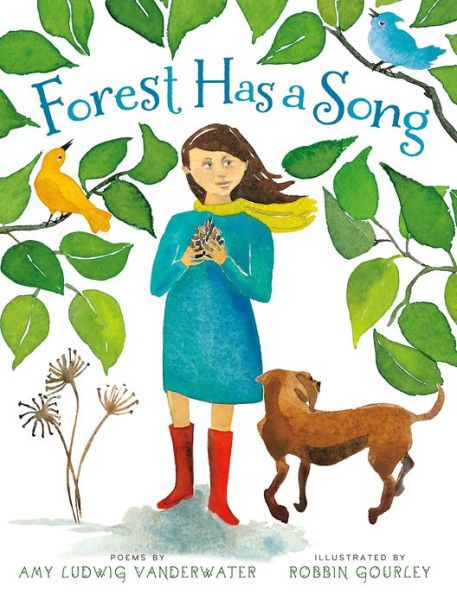
Forest Has a Song poems by Amy Ludwig Vanderwater  and illustrated by Robbin Gourley 

Beautiful poems about the forest – the perfect place to wander.

Forest has a song Nonfiction Picture Books - grow a beginning collection There's a Book for That

Mama Built a Little Nest written by Jennifer Ward and illustrated by Steve Jenkins

Poetic text showcase all of the different nests birds build for their babies.

Mama Nonfiction Picture Books - grow a beginning collection There's a Book for That

Give books.

Read books.

Share books.

Often.

Nonfiction Picture Book Wednesday: Hippos are Huge!

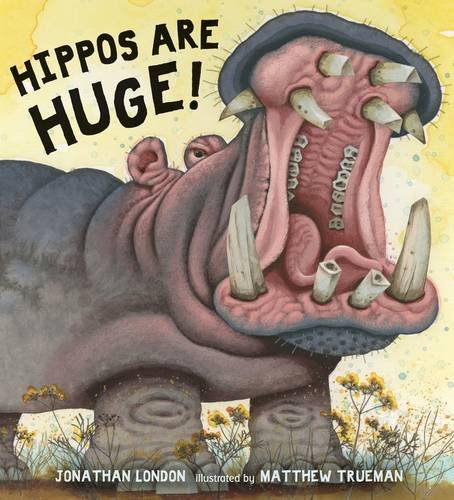
Hippos are Huge! written by Jonathan London and illustrated by Matthew Trueman

Jonathan London is the author of the popular Froggy series.

Nonfiction Picture Book Wednesday: Hippos are Huge! There's a Book for That

This was a recent book shared with my class via a guest reader. I was amazed at how much I didn’t know about hippos!

Maybe your hippopotamus knowledge is more extensive than mine?

Let’s check. . .

True or false?

  • A hippo has the biggest mouth of any animal except a whale.
  • Hippos closest living relatives are dolphins, whales and porpoises.
  • Hippos can run faster than humans.
  • Hippos can hold their breath for up to 5 minutes.
  • A 6 month old hippo weighs 500 pounds.

So? What do you think? All of these facts? They are true!  I had no idea that hippos were related to sea mammals! And that they were so fast? Also surprised me. They can swim faster than an Olympic swimmer. Really!

Hippos are huge and amazing.

The best fact in this book for my students? Two male hippos may defend their territory by standing rump to rump and swinging their tails while swatting balls of dung at each other. Yes, a poop fight. Grade 3s and 4s found this quite wonderfully disgusting!

Students wrote book reviews on this book. They loved recounting the new facts they learned. I am sharing a few here:

Vicky rated the book 5/5 and writes: I discovered that hippos have a poop fight! A fact that surprised me was that a baby hippo weighs 100 pounds. I found out that an egret picks its dinner of insects out of a hippos ear. A hippo can weigh as much as fifty men! I still have two questions. How much does a female hippo weigh? How long does a hippo survive?

Brian rated the book 4/5 and writes: A fact that surprised me was that males fight with their poop and their tails. Hippos are one of the most dangerous animals in Africa. They weigh over 4 tons. Female hippos give birth in shallow water and the calf has to swim to shore. Hippos are one of the endangered species. Male hippos usually have battle scars.

Soleen rated the book 3/5 and writes: So blog readers, why don’t you take a seat and listen to the story. These hippos are dangerous. They are disgusting because they poop on each other. Ewwww! And they take mud baths. They look really fat. To learn about more books to read follow Ms. Gelson’s blog and our class blog!

Steven rated the book 5/5 and writes: I learned that birds eat inside the ear of the hippo. I found out that hippos teeth are big and sharp. A baby hippo is called a calf. A female hippo is called a cow. A male hippo is called a bull.

Noella rated the book 5/5 and writes: The baby hippo is the calf, the Mom is called a cow and the dad is called a bull. The hippos are huge and dangerous and the hippos’ tusks are big. The newborn is born in the water. The Mom and baby have a mud bath to stay cool. 

Ava rated the book 4/5 and writes: A fact that surprised me was that hippos squirt poop at each other in battle. I wonder where the poop squirter goes afterward? I learned about more symbioisis. The egret bird cleans the hippo’s ear like the plover cleans the crocodile.

This book (published by Candlewick in 2015) has an index in the back and additional information about why hippos are listed as vulnerable on the Endangered Species List.

Thanks to Alyson from Kid Lit Frenzy for the inspiration to read and share more nonfiction picture books in 2015. Follow the link to Alyson’s blog to read about more nonfiction books you need to read!

#nfpb2015

Nonfiction Picture Book Wednesday: Bright Sky Starry City

When I am away with my family in a quieter place – an island, the interior, anywhere NOT city, I always marvel at the stars at night. My first thought is usually that “regular” life is too busy to take notice of the mysterious and vast night sky. Time seems to lend itself to noticing – from the details of a tide pool lush with life to the open skies dotted with stars. But of course, there is another reason, I can’t star gaze as I look to these city skies: the city ay night is full of artificial light and our clear view of urban skies is impacted. This phenomenon is called light pollution.

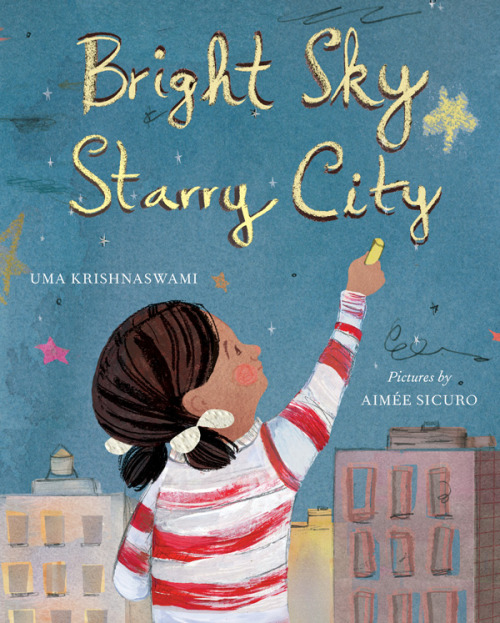
Bright Sky Starry City written by Uma Krishnaswami and illustrated by Aimée Sicuro tells the story of little Phoebe who helps her father set up telescopes outside of his shop to observe a special event in the night sky. Saturn and Mars are going to appear together in the sky. She fills the sidewalk with chalk drawings of the solar system and her mind fills with wonders and worries.

Will she be able to see the planets? Will they remain hidden in the sky made gray and dull from the city lights? When a storm happens, rain and clouds make the chance to see anything in the sky even more unlikely. But when a rain storm becomes a thunder storm that shuts off the power in the city, Phoebe gets her chance to see stars and planets in a dark dark sky unaffected by the usual lights of the city.

A beautiful story of father and daughter, of a curious girl wondering about space and astronomy, of a glorious sky full of stars and constellations.

 Nonfiction Picture Book Wednesday: Bright Sky Starry City There's a Book for That

This book is a blend of fiction and nonfiction – a fictional story linked to facts about the night sky, the planets and their moons and the problems of light pollution. A nonfiction section in the back provides extensive details about the topics referenced in the book and includes a glossary and diagrams.

I am particularly excited to share this book with a classroom full of children who live in the city and look at a sky impacted by light pollution. I want them to think about a sky that is full of stars so beautiful and mysterious that it will spark wonder and awe. While this title is a blend of fiction and nonfiction, I would certainly use it to introduce a study of the night sky. The final pages explain that cities are often over lit and gives suggestions to make changes. We so often talk to students about turning off lights to save energy but how interesting and important to be able to suggest that turning off lights (or changing their orientation) can have other impact on plants and animals and their health and growth. A less lit night sky also means an increased opportunity to see all of the stars that are usually masked by light pollution. I know from my “vacation” star gazing, we are regularly missing an amazing nighttime scene.

Bright Sky Starry City is published by Groundwood Books (May 2015)

Thanks to Alyson from Kid Lit Frenzy for the inspiration to read and share more nonfiction picture books in 2015. Follow the link to Alyson’s blog to read about more nonfiction books you need to read!

#nfpb2015

Nonfiction Picture Book Wednesday: Emu

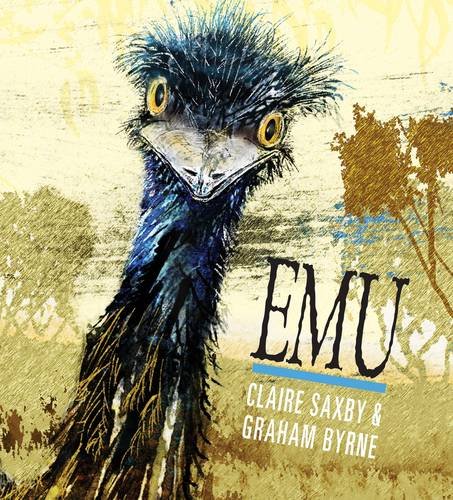
Recently I shared details of my fascination for Australian animals when I wrote about Big Red Kangaroo written by Claire Saxby and illustrated by Graham Byrne. I immediately preordered their next title – Emu which was just released in North America in April (Candlewick Press 2015) Little did I know that I am absolutely enchanted by the emu but after reading this nonfiction book, I am. Fully and completely! These tall, flightless birds are the second largest birds in the world and are found only in Australia.

Emu NFPB 2015 There's a Book for That

Byrne’s illustrations are so appealing. The emu’s feathers look as if they have been dipped in gold dust under the Australian sun. Grassland is dry and rugged. Shadows of trees, black silhouettes in the burning sunlight or pale blue hints of branches and leafy canopies. Papa emu has a starring role in this story of emu hatchlings from birth to adulthood.

I learned so much! Some highlights:

  • The emu father is completely responsible for raising the emu fledglings. As soon as the eggs are laid, the female has nothing more to do with hatching or raising the young birds.
  • The male emu spends 8 weeks on the nest, seldom leaving. During this time, without food or drink, he can lose up to 22 pounds.
  • Emu chicks are born with brown and cream stripes perfect for blending in to the grasslands where they find food and shelter
  • Adult emus can outrun most predators and will fight only if cornered.
  • Adult emus are often solitary but are known as inquisitive birds.

I can see this book being used in a variety of ways in the classroom. Read it aloud and have students
  • compare ostriches and emus in a venn diagram
  • list fascinating facts and complete a new knowledge web or organize information into an informative paragraph
  • draw and label an emu habitat
  • draw and label (with important details) the emu’s body
  • chart various ways emu fathers protect their young from predators (strategies for evading eagles, coyotes and goannas are explained in the book)
  • complete an emu art piece in its habitat – I can see gorgeous pieces being done with watercolours and chalk pastel for accent
  • inspire an inquiry project to discover what other species have males that take on such an important role in nurturing and raising young

Rich topics of discussion this book will inspire: nesting habits of birds, survival in various habitats, Australian animals, Australian eco systems, predator/prey dynamics, raising young, etc.

I really hope that author and illustrator have plans to collaborate again and create another book about a different Australian animal.

Thanks to Alyson from Kid Lit Frenzy for the inspiration to read and share more nonfiction picture books in 2015. Follow the link to Alyson’s blog to read about more nonfiction books you need to read!

#nfpb2015

Endangered Animals: Building a read aloud collection

Many thanks to Alyson Beecher, Melissa Stewart and Margie Culvers who answered my call when I asked for favourite titles on the theme of endangered and extinct animals. Their suggestions helped me collect more books to share with my students. We have been reading through many of these titles and it has led to lots of writing, talk and rich questions.

I thought I would share my list with all of you here and welcome suggestions for more titles if you have some to add. Please share in the comments section. I chose 20 titles that I have, will or could share with a Grade 3/4 class.

Endangered Animals: Building a read aloud collection There's a Book for That

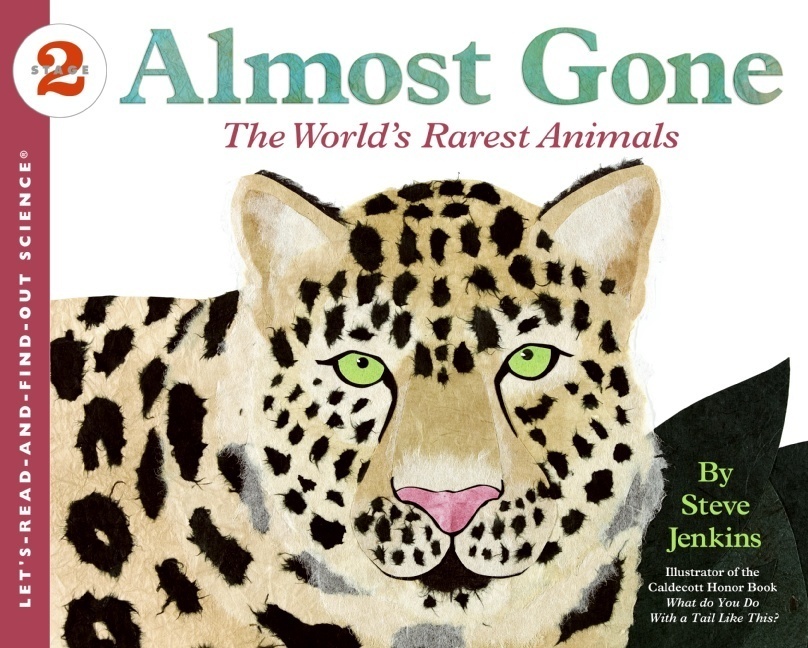
Almost Gone by Steve Jenkins

Almost Gone Endangered Animals: Building a read aloud collection There's a Book for That
Abayomi The Brazilian Puma by Darcy Pattison and Kitty Harvill

Abayomi, the Brazilian Puma- The True Story of an Orphaned cub Endangered Animals: Building a read aloud collection There's a Book for That

A Boy and A Jaguar written by Alan Rabinowitz and illustrated by Cátia Chien

 Endangered Animals: Building a read aloud collection There's a Book for That

Trapped! A Whale’s Rescue written by Robert Burleigh and illustrated by Wendell Minor

Trapped! A Whale's Rescue Endangered Animals: Building a read aloud collection There's a Book for That

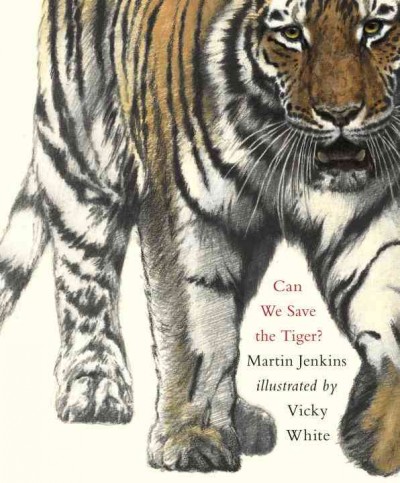
Can We Save the Tiger? written by Martin Jenkins and illustrated by Vicky White

can we Save the Tiger? Endangered Animals: Building a read aloud collection There's a Book for That

Ape written by Martin Jenkins and illustrated by Vicky White

 Ape Endangered Animals: Building a read aloud collection There's a Book for That

Looking for Miza by Juliana Hatkoff, Craig Hatkoff, Isabella Hatkoff and Paula Kahumbu

 Endangered Animals: Building a read aloud collection There's a Book for That

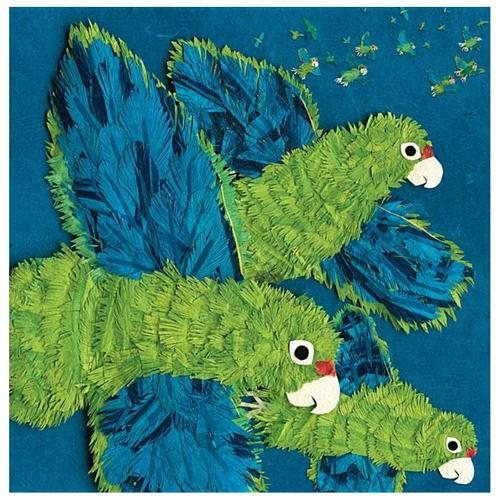
Parrots Over Puerto Rico by Cindy Trumbore and Susan L. Roth

Endangered Animals: Building a read aloud collection There's a Book for That

SkyDiver: Saving the Fastest Bird in the World by Celia Godkin

Skydiver- Saving the Fastest Bird in the World Endangered Animals: Building a read aloud collection There's a Book for That

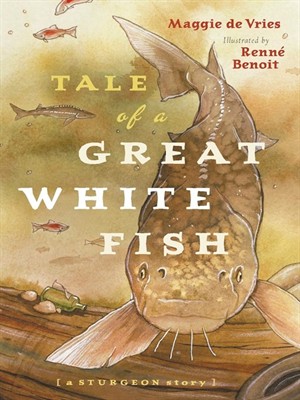
Tale of a Great White Fish: A Stugeon Story by Maggie De Vries illustrated by Renné Benoit 

Tale of a Great White Fish Endangered Animals: Building a read aloud collection There's a Book for That

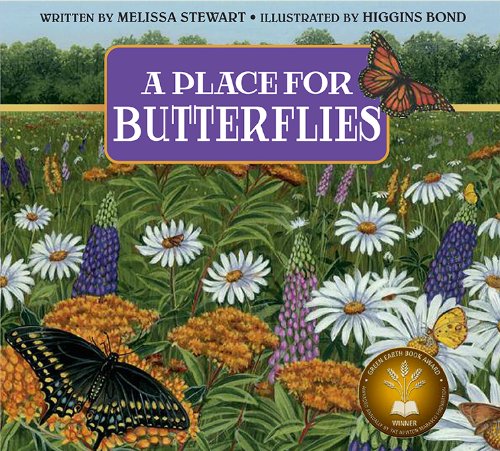
A Place for Butterflies by Melissa Stewart illustrated by Higgins Bond 

Place for Butterflies Endangered Animals: Building a read aloud collection There's a Book for That

A Little Book of Sloth by Lucy Cooke

sloth Endangered Animals: Building a read aloud collection There's a Book for That

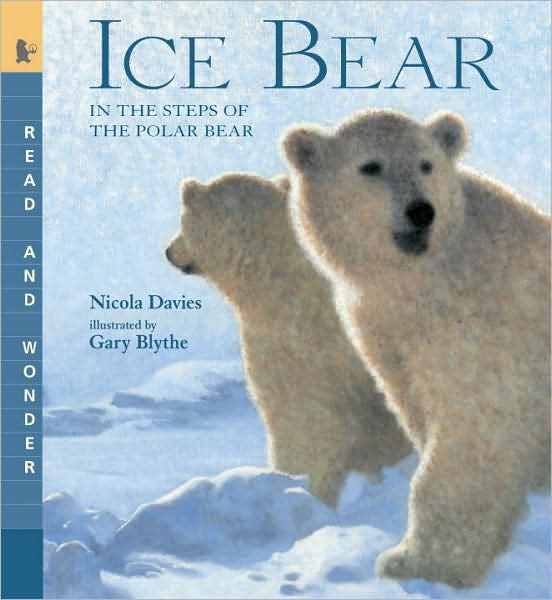
Ice Bear (In the Steps of the Polar Bear) written by Nicola Davies and illustrated by Gary Blythe

ice bear Endangered Animals: Building a read aloud collection There's a Book for That

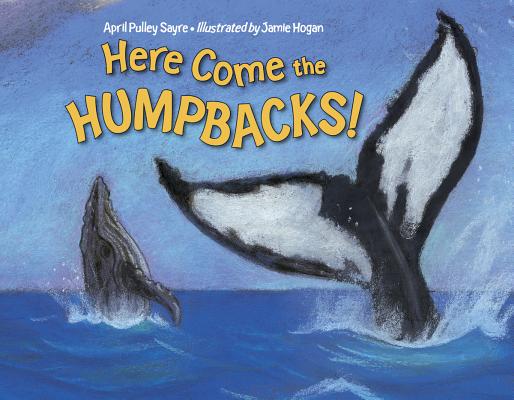
Here Come the Humpbacks written by April Pulley Sayre and illustrated by Jamie Hogan

here come the humpbacks Endangered Animals: Building a read aloud collection There's a Book for That

Wandering Whale Sharks by Susumu Shingu

Wandering Whale Sharks Endangered Animals: Building a read aloud collection There's a Book for That

Galapágos George written by Jean Craighead George and illustrated by Wendell Minor

Galapagos George Endangered Animals: Building a read aloud collection There's a Book for That

Jimmy the Joey by Deborah Lee Rose and Susan Kelly

Jimmy the Joey Endangered Animals: Building a read aloud collection There's a Book for That

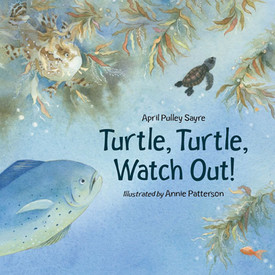
Turtle, Turtle, Watch Out! Written by April Pulley Sayre and illustrated by Annie Patterson

Endangered Animals: Building a read aloud collection There's a Book for That

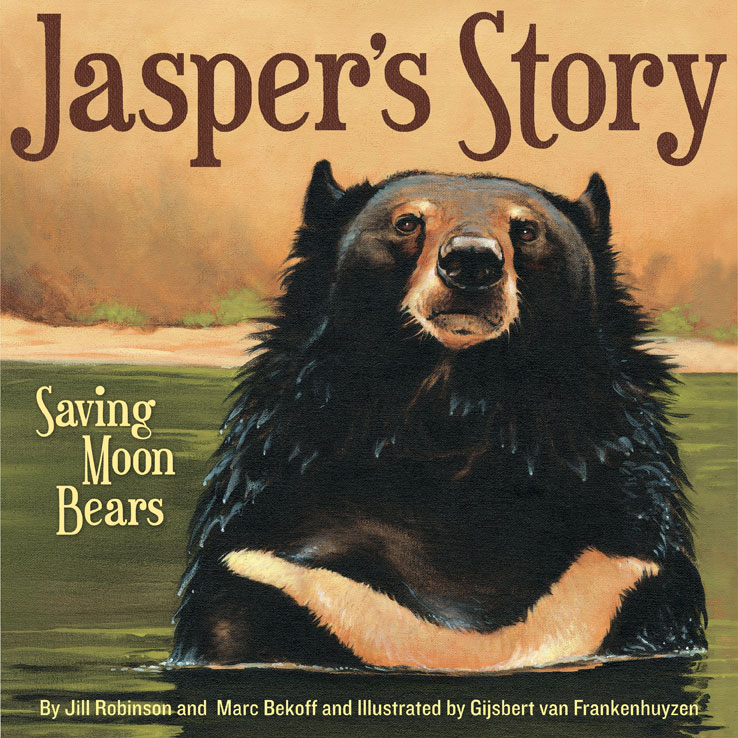
Jasper’s Story: Saving Moon Bears written by Jill Robinson and Marc Bekoff; illustrated by Gijisbert van Frankenhuyzen

Endangered Animals: Building a read aloud collection There's a Book for That

Ubiquitous: Celebrating Nature’s Survivors poems by Joyce Sidman and illustrated by Beckie Prange  *creatures that are NOT endangered but survivors POEMS

Ubiquitous-Celebrating-Natures-Survivors Endangered Animals: Building a read aloud collection There's a Book for That

Thanks to Alyson from Kid Lit Frenzy for the inspiration to read and share more nonfiction picture books in 2015. Follow the link to Alyson’s blog to read about more nonfiction books you need to read!

#nfpb2015

Reading and responding: A Boy and a Jaguar

When I first read A Boy and A Jaguar written by Alan Rabinowitz and illustrated by Cátia Chien, I closed it, took a deep breath, opened it up and read it again. And then I began to think about sharing it with my students. Soon, I thought about it so much, I bought a copy for my classroom and finally, as part of a study about endangered animals, I am reading it aloud.

As we do in our room, we are taking our time with this title. There is much to share and discuss. We are now two thirds of the way through and our word list (recorded on a sticky note on the inside cover) is getting long: voice, stuttering, broken, fluently, promise, protected area, hunters, capture and release, Belize, endangered, wild . . . 

 Reading and responding:  A Boy and a Jaguar  There's a Book for That

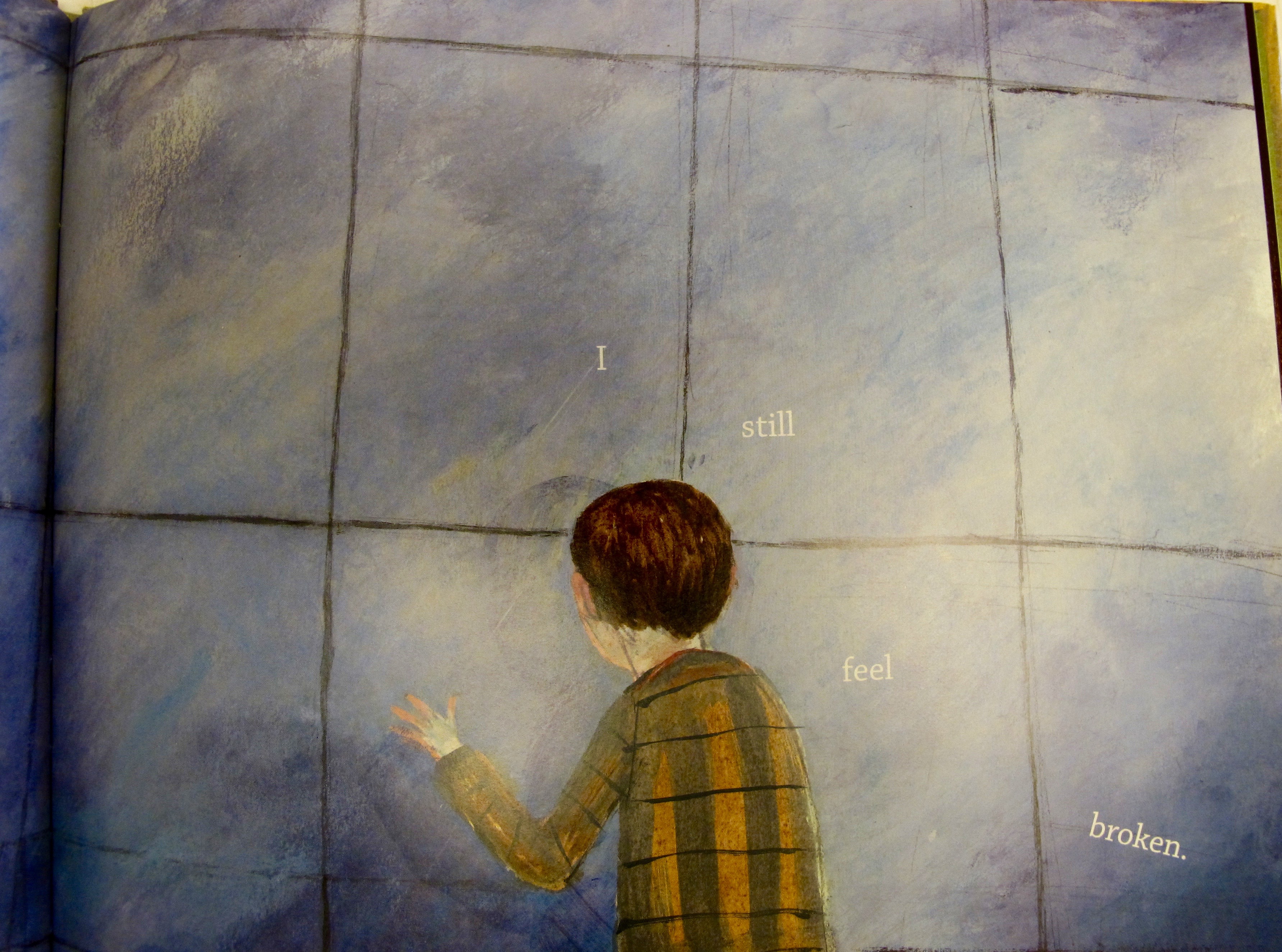
So far, we have talked a lot. What is it like to stutter? What makes a difference for Alan? Why does being around animals have such impact? What is his promise all about? Why does he feel so broken?

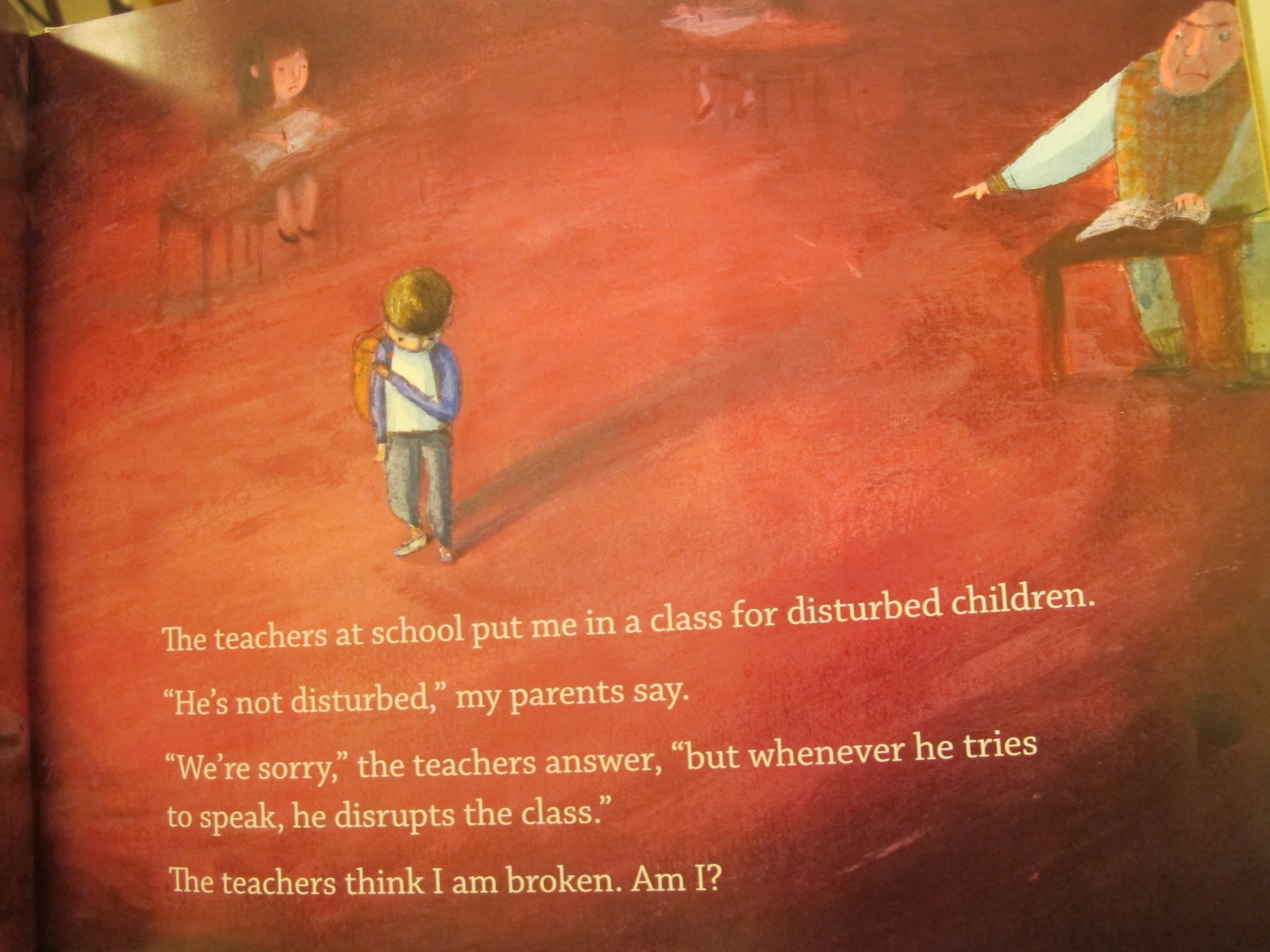
Students were honestly appalled that Alan was excluded from his classroom community. Many of them talked a lot about this. Lots of questions. Lots of upset.

 Reading and responding:  A Boy and a Jaguar  There's a Book for That

The children also felt sad that Alan continued to feel “broken” despite learning to speak without stuttering.

 Reading and responding:  A Boy and a Jaguar  There's a Book for That

On this page, one child shared: “I think he has been told this so many times about himself, he doesn’t know how to feel differently.”

When the talk is powerful, the writing is powerful. Full of both passion and compassion.

Some student responses from this part in the story:

“I think he feels sad and lonely. His parents help him buy help from doctors. I wouldn’t want to be judged. I think the boy feels comfortable around the jaguars and hopeful and happy. He feels right talking to animals.”

“Alan was a little boy. He was stuttering. My class, we talked with each other about how he stuttered. It is sad having no friends. He is probably very lonely. Maybe he just sits on a chair and reads a book and minds his business. I think he goes to the zoo to see the jaguar and maybe this makes him stop stuttering.”

“If I was the boy, I think I know the cure because if he doesn’t talk when he talks to animals, so when he’s talking to people, he should imagine an animal. I think he should try practicing by talking to his parents. Of if he is shy, he could face his fears. I think he can always feel sad at school because he keeps stuttering and he has no friends.

“This book is about how Alan stuttered and his teacher would put him in time out or away because she thought he was broken. So he thought he was broken. But the good thing is that he could talk to animals without stuttering and he could sing. I wonder if he still stutters now? I think he can talk to animals because they don’t make fun of him and he really liked talking to jaguars. His Dad took him to the big cat’s cage probably so he can be happy because he likes talking to jaguars.”

“Alan’s life was hard when he was young. He stuttered. There was no cure and he was told he would be a stutterer for life. He figured out that he didn’t stutter when he talked to animals. Maybe if he told the teachers that he didn’t stutter when he talked to animals, he would get through a special course with animals involved.”

“We’re reading a new book and I really like it so far. It’s called A Boy and a Jaguar. It’s about a boy who is a stutterer and he has a hard time talking to people but he can speak smoothly when he’s singing (but he says it’s not very good) and he can speak fluently when he speaks to his pets. Yes, that’s right, pets with a “s”. He’s got more than one pet. He’s got a turtle, a snake and . . . I forget the rest. It must have been hard for him thinking that he doesn’t fit in and that the teachers say he’s broken. When they say that to him, he questions himself “Am I broken?” But deep down Alan has to remember that he is not broken. He’s different in his own way. Everybody is different and the same and that’s why you don’t judge someone because if you put yourself in a stranger’s footsteps, you would actually know what their life is like. Alan makes a promise to his many pets that when he finds his voice, he would help his animals and animals in general. It’s toughing to read about a boy and that animals change his life. That’s why we shouldn’t treat animals horribly.”

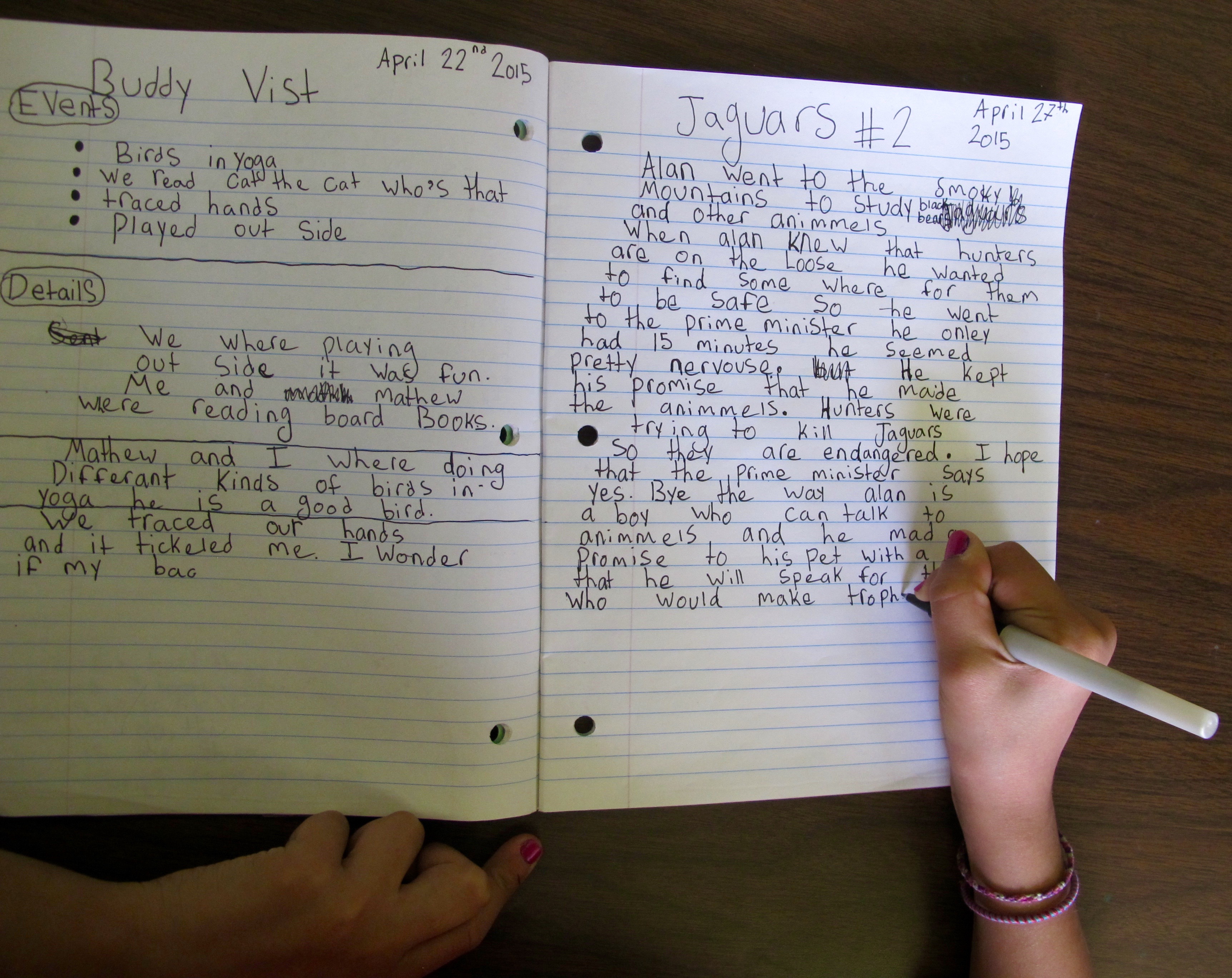
We continued to read about how Alan went to Belize and studied jaguars. He was given 15 minutes to present to the government of Belize that they should make a protected area for jaguars. We stopped here and wrote again.

 Reading and responding:  A Boy and a Jaguar  There's a Book for That

Some more writing:

“I wonder if he is worrying because he won’t be able to convince them? Is he going to stutter when he is talking? I wonder if he is saying to himself, ” I have to do this.””

“I wonder if he still studies animals. I feel bad for the animals because they’re being hunted still today. I hope that Alan did not stutter to the government. I’m worried in 15 minutes he will stutter. I think he gots butterflies in his stomach and I think he’s nervous.”

“Alan goes to the Smoky Mountains to study black bears. Then he does his promise because he found his voice to go study and learn more about jaguars because he was the first person to study jaguars in Belize. That country is really poor so it will take lots of convincing power to build a jaguar sanctuary. I think he will think what he is going to say through and not stutter but maybe a minor stutter. I think he is nervicited (new word).”

“It’s sad to hear in this book that jaguars are in danger. I hope they don’t get extinct. Why do people do this? They kill animals for a shiny trophy? That’s not fair. Animals are just like humans. They care for their babies like humans do. Animals drink water, they eat like humans do. Humans are killing more animals than animals attack humans. Did you know that humans kill hundreds and hundreds of sharks year after year for their skin, their fins and even for medicine.”

“If I was him, I would write a script before I go to speak to the government because then I can speak properly and it has a better chance of no stuttering. I wonder if Alan will stutter? I wonder how Alan feels because I think he’s very nervous and worried.”

“When Alan knew that the hunters were on the loose, he wanted to find somewhere for them to be safe so he went to the Prime Minister. He only had 15 minutes. He seemed pretty nervous. He kept his promise that he made to animals. Hunters were trying to kill the jaguars so they are endangered. I hope that the Prime Minister says yes. It says he feels broken. At first I didn’t understand but then I thought and I got it. I think he feels pretty sad that animals like jaguars are dying.

 Reading and responding:  A Boy and a Jaguar  There's a Book for That

I look forward to the continued conversations and thinking from my students as we finish this book this week.

Thanks to Alyson from Kid Lit Frenzy for the inspiration to read and share more nonfiction picture books in 2015. Follow the link to Alyson’s blog to read about more nonfiction books you need to read!

#nfpb2015

Nonfiction Picture Book Wednesday: Big Red Kangaroo

When I was in Grade 6, I did a huge individual research project on Australian animals. Australian animals seemed so wild and unusual to me. There were the commonly listed ones like kangaroos, koala bears and wombats. But there were also many lesser known creatures like the kookaburra, the bandicoot and the spotted quoll. Back then, I loved the names (and would repeat them out loud over and over) and how so many of these creatures were only found in Australia. Now, I also think about what kind of creatures can survive in the dry habitat that covers much of this continent.

I was instantly drawn to this title about red kangaroos as it provided literally a “day in the life” kind of experience – red kangaroo style.

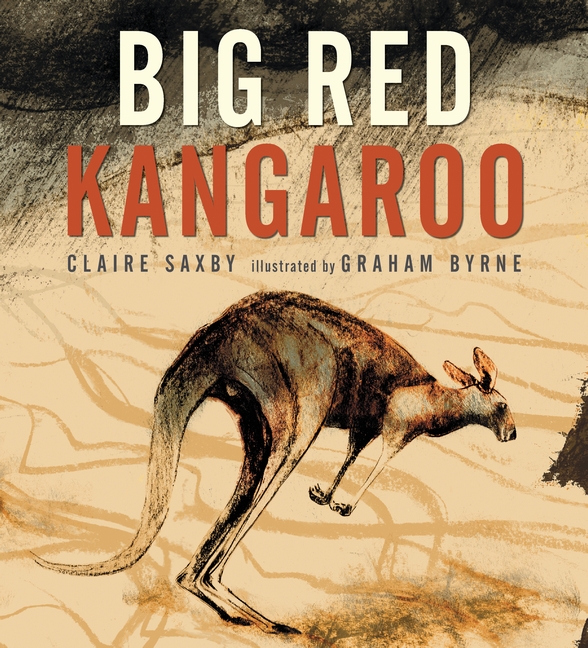
Big Red Kangaroo written by Claire Saxby and illustrated by Graham Byrne (first published by Walker Books Australia in 2013, first U.S. edition 2015 by Candlewick Press)

 Nonfiction Picture Book Wednesday: Big Red Kangaroo There's a Book for That

What stood out for me?

  • the illustrations are so unique. Dry, dust seems to float off the page. I feel like I am under a hot sun, staring at wide expanse of dry grass, with little green.There is absolute mood in these pictures. Action, drama under the hot Australian sun. Limited colours and striking lines.
  • the text is a combination of a narrative account and information on each double page spread – read just the “story” or read both story and additional facts shared
  • the narrative part of the book is descriptive and a compelling text – detailing one night in the life of a male red kangaroo. The language is rich:

“Around them the night orchestra begins. Red rises and leads his mob beyond the shadow line in search of grasses.”

  • a sense of how a kangaroo really spends a day – in a mob, defending territory, resting in the hottest part of the day, searching for scarce food and water.
  • additional information in the back of the book and an index of specific terms

After reading this book, i had a much more clear picture of life for a red kangaroo. I now want to see all of my favourite Australian animals featured in a book by Saxby and Byrne. When I did a little research, I discovered Emu was published by Walker books in 2014 and will be released in North American in late April! I will be adding this title to my collection as well. Here is a little more detail about both books on Byrne’s blog.

Thanks to Alyson from Kid Lit Frenzy for the inspiration to read and share more nonfiction picture books in 2015. Follow the link to Alyson’s blog to read about more nonfiction books you need to read!

#nfpb2015