I’m so excited to participate in the first Nonfiction 10 for 10 event celebrating fantastic nonfiction picture books. Thank you to Cathy Mere from Reflect and Refine, Mandy Robek of Enjoy and Embrace Learning and Julie Balen of Write at the Edge for hosting this new meme.
In many cases, I have shared the books on my list with students, often more than once. If I have used a book with my class and blogged about it, I have provided the link (for more information about the book/possible ideas on how to use it).
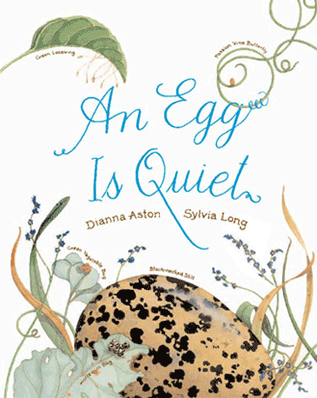
An Egg is Quiet by Dianna Aston and Sylvia Long Shared in my class here. I love all of the Aston/Long titles (there are now four) but I think this is my favourite. Maybe it is that I love birds – my backyard is full of feeders and specific plants to attract them. But it is also the simplicity of an egg and the wonder of what it might contain. In this book we learn about more than bird’s eggs – we see the eggs of frogs, insects and various reptiles. The text is soothing and informative and the illustrations stunning. It is fun just to pore over the end papers trying to match various eggs with the creatures that may have hatched from them. I find this book is as lovely shared in the classroom as it is read aloud to just a few (my own children adored it). It inspires so much inquiry and amazement.
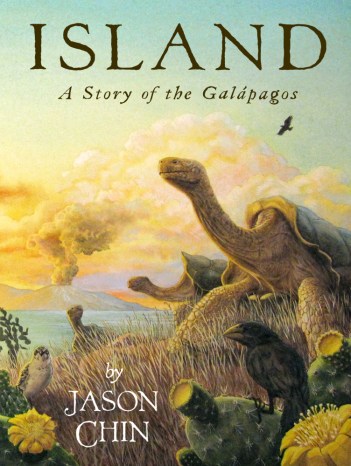
Island: A Story of the Galapagos by Jason Chin A simply gorgeous book detailing the birth of the Galapagos islands over millions of years and the fascinating creatures that inhabit them. Why is this book so great? The illustrations are certainly stunning and detailed but it is much more than that. I also love that big concepts: evolution, natural selection, migration of specific species and environmental changes are made so accessible for young readers. I think this is best introduced as a read aloud and then left for children to visit and revisit. This is a book to return to often to further study the illustrations and explanations. I want to get a hold of Chin‘s other nonfiction titles now too (Redwoods and Coral Reefs)
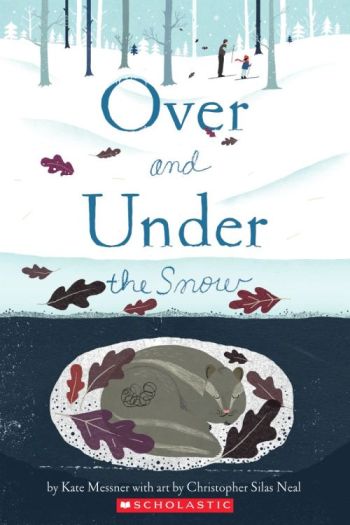
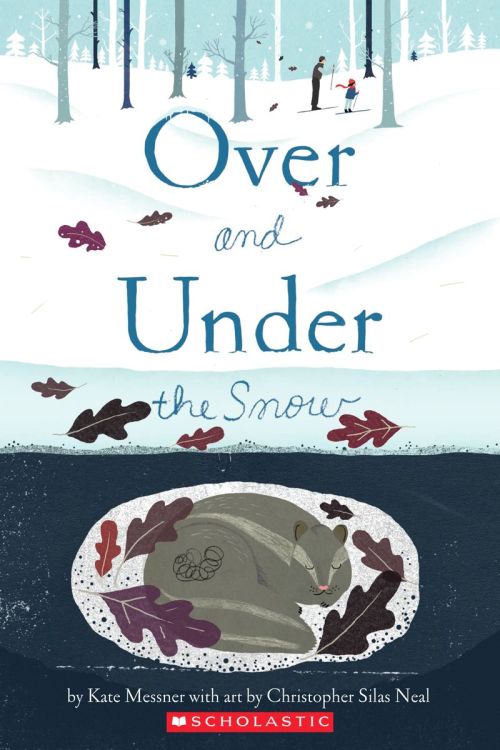
Over and Under the Snow written by Kate Messner and illustrated by Christopher Silas Neal Shared in my class here. This book is truly magical and I would be thrilled to see Kate Messner do another picture book in this genre. Of course, Neal’s illustrations are also stunning – I love the muted colours – the gorgeous blues and white. I have frequently given this book as a gift to young readers especially if they have the opportunity to get out into a snowy wood and imagine all of the life happening under the snow. My students think it is absolutely fascinating that this subnivean zone (the small open spaces and tunnels between the snowpack and the ground) exists and marvelled at the animals that inhabit it. More detail about each animal is located in the back of the book for further reading. The text itself reads beautifully and repeated readings are a must!
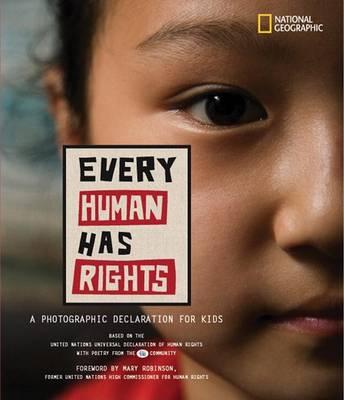
Every Human has Rights – A Photographic Declaration for Kids A National Geographic book with a forward by Mary Robinson. I seem to collect books that explore the United Declaration of Human Rights. I have many favourites. What I particularly love about this title is the poetry that accompanies the list of rights. All written by children and teens. The photographs from around the world make the rights so much more powerful, real and worth defending. I would share this book with intermediate students over primary children because of the more mature message in the poems and some of the photos. For books more suitable to younger students, I recommend I Have the Right to be a Child written by Alain Serres, illustrated by Aurelia Fronty and We Are All Born Free: The Universal Declaration of Human Rights in Pictures (with Amnesty International).
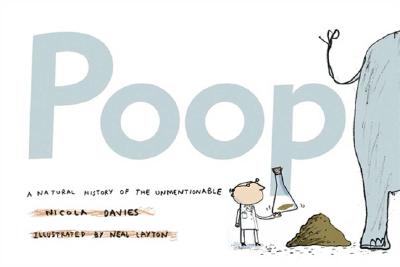
Poop – A Natural History of the Unmentionable written by Nicola Davies and illustrated by Neal Layton. Shared in my class here and here. Really what child is not going to be engaged when you open up a book that is all about poop? There is a lot to learn in this title! Do you know how often a sloth poops? How about a kind of messy thing that hippos do with their poo? Why is there hair in the poop of some animals? Wonder what follows when there is a title Sloppy or Ploppy? You must read this book! Better yet, you must share it with a group of curious children! And giggle. And oooh and ahhh.
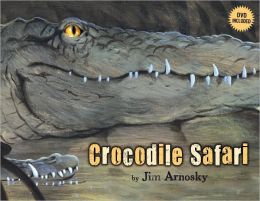
Crocodile Safari by Jim Arnosky Shared in my class here and here. Arnosky has so many wonderful nonfiction titles but this is my favourite. Not only do students learn the important difference between crocodiles and alligators, they learn all kinds of facts about crocodiles. The art is true to life and the colours set the mood to make you feel like you really are out in the swamp. One of the best features of this book is the DVD that is included. See Arnosky out in the mangrove swamp doing research and learn how to draw crocodiles. A step by step drawing lesson is part of this DVD. My students loved this!
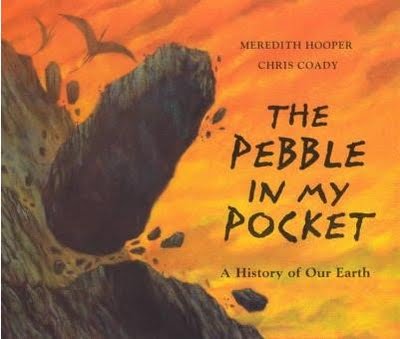
The Pebble in my Pocket written by Meredith Hooper and illustrated by Chris Coady Shared in my class here. This is a lengthy read but so worth sharing- a book that describes a journey of over 480 million years. Follow a piece of rock that formed as a result of a volcano and travelled through time to end up in a little girl’s pocket. On this amazing journey, learn how the earth has changed in many dramatic ways over time. The back of the book has a geological time line that explains the main periods in Earth’s history. You might never look at a small pebble the same again.
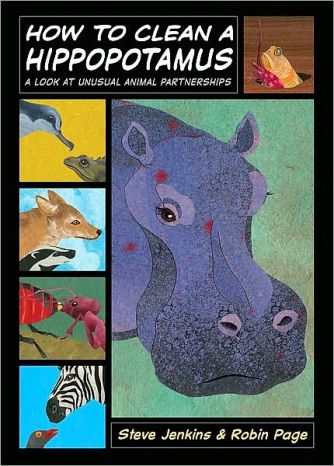
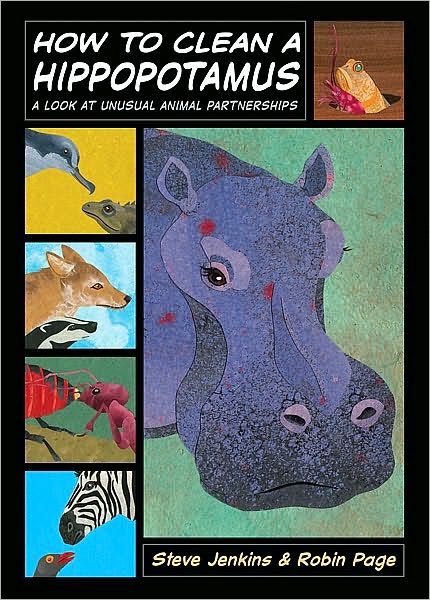
How to Clean a Hippopotamus by Steve Jenkins and Robin Page Shared in my classroom here. How to choose just one Steve Jenkins book as my favourite? Not an easy task. I adore them all. (And there are always more! Just today I read my class part of My First Day) But if I had to pick a favourite, this would have to be it. I learned the most from reading it and my students were completely engaged with the information Symbiotic relationships between animals are fascinating and this book details many strange animal partnerships. This book’s format is somewhat like a graphic novel and contains, Jenkins’ stunning artwork/collage.
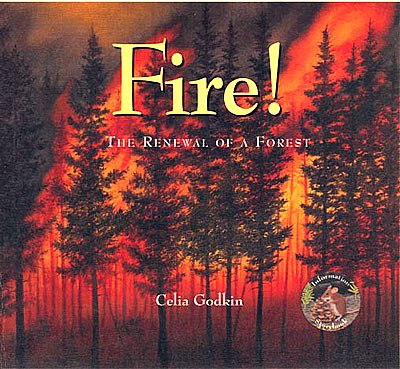
Fire! The Renewal of a Forest by Celia Godkin, the queen of information story books 🙂 Have you ever thought of a forest fire as a positive thing? This detailed picture book explains how fires can be a natural and necessary part of the forest’s cycle of life and growth. The pages are typically set up so that the picture is spread over two pages allowing for more scope and detail. I once did an entire unit on ecology using Godkin’s books and this was a favourite.
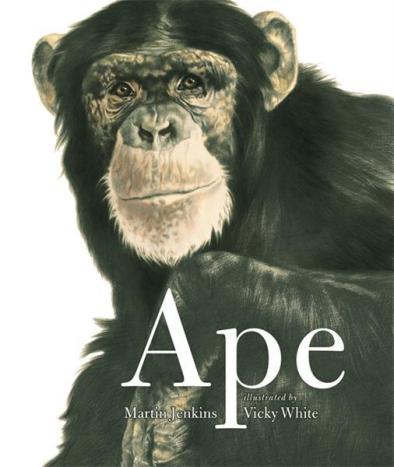
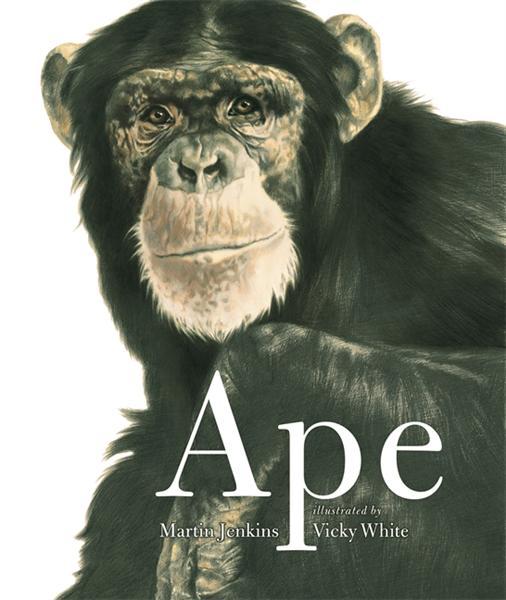
And my favourite nonfiction title? It would have to be Ape written by Martin Jenkins and illustrated by Vicky White Shared in my classroom here.
Ape is a visually stunning book! A book to pore over again and again marvelling at the details – both visual and written. Vicky White’s close up portraits and lifelike illustrations are fascinating while Martin Jenkins’ poetic text provided so much new information it is difficult to turn a page in a classroom of children without endless questions being tossed around the room. Learn about four endangered ape species: Orangutans, Chimps, Bonobos, and Gorillas. The fifth species of ape? Us. Similarities between apes and humans are described – for example, that we usually just have one baby at a time. Read and share the information in this book and then just flip through the pages taking in the pictures – there is so much to notice that a once through won’t do this book justice.
Thanks again to Cathy, Julie and Mandy for the inspiration and hosting this event!
Happy reading and sharing everyone!




 There's a Book for That