Nonfiction Picture Book Wednesday: Oh, glorious snow!

It’s Nonfiction Picture Book Wednesday! 

After a glorious day in the snow yesterday, snowshoeing on Cypress Mountain, it seemed the topic of the day should be snow, glorious snow!

Two nonfiction picture books helped us understand how snow forms. I shared both of these with my class this morning. My class is a Grade 2/3 class and we were able to understand the text with lots of support and time for questions. The illustrations, charts and diagrams really helped.

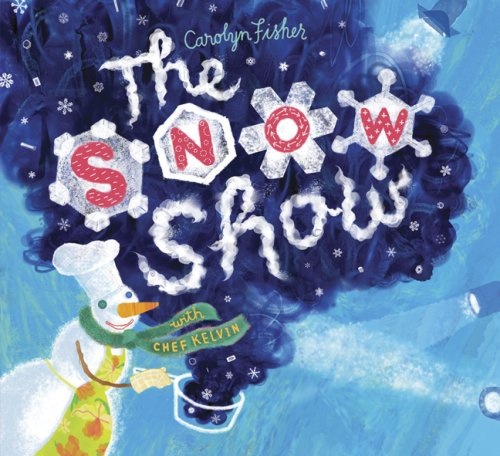
The Snow Show by Carolyn Fisher (published 2008) This book is written like the reader is visiting a set of a cooking show. What’s on the menu? A recipe for snow! Not only did we learn a LOT about snow, the kids loved when I cued “Applause” and they got to clap! Some new information for us:

  • snow begins with a speck (of dirt, dust, or ash) that water vapour sticks to
  • snow crystals can also be in the shape of needles, columns or plates

The Snow Show by Carolyn Fisher

The Story of Snow: the Science of Winter’s Wonder by Mark Cassino with Jon Nelson (published 2009) The close up photographs on these pages are absolutely stunning. The children couldn’t believe that snow looked like this when the crystals were magnified. They loved the pages in the back filled with “snow catching” tips and are wishing hard for a snow day so we can race outside with black heavy paper and magnifying glasses. What amazing facts did we learn?

  • no two snowflakes are alike but also, snow crystals are rarely perfect
  • snow crystals are 6 sided because of the nature of water: water molecules attach themselves in groups of 6
  • snow crystals stop growing once they fall from the clouds

story-of-snow

Of course, a great companion book for these titles would be a favourite title of mine: Snowflake Bentley by Jacqueline Briggs Martin and illustrated by Mary Azarian (published 1998 and a Caldecott winner in 1999).

snowflake bentley

My original goal was to read 60 “new to me” nonfiction picture books for 2013. Progress: 12/60 complete 🙂

Thanks to Alyson from KidLit Frenzy for the opportunity to participate in this challenge.

NFPB2013leaves

Nonfiction Picture Book Wednesday: Mr. Darwin, Mr. Darwin

It’s Nonfiction Picture Book Wednesday! 

ISLAND-cover-web

Island: A Story of the Galapagos by Jason Chin was one of my favourite nonfiction titles of 2012.

I bought a copy for my son for Christmas and he has been examining the detailed drawings and asking me questions about Darwin, his travels, his theories and all of the fascinating animals of the Galapagos.

This prompted me to look for other picture books on the same topic to share with my children and we have been spending our nightly read aloud time reading more about Mr. Darwin, his voyage on the HMS Beagle and his theories of evolution.

Both of the books described below would be best shared as interactive read alouds with an early intermediate class or for independent reading for children in Grade 4 and above. Some vocabulary and concepts would need support.

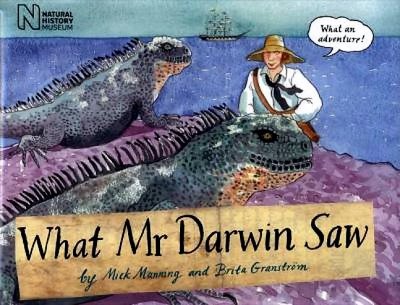
We started with A Natural History Museum selection – What Mr. Darwin Saw by Mick Manning and Brita Granstrom (published 2009). This book is written like a diary and includes amusing thought bubbles and detailed drawings of the animals and the places where Darwin travelled. End pages are a map of Darwin’s route on board the HMS Beagle. The final pages of the book explain Darwin’s theory of evolution with visuals of chalkboard drawings and notes. It offers the beginning of an understanding of Darwin’s complex ideas.   My children had some background knowledge on this topic already and so they were able to ask some informed questions to build on their understanding.

what mr darwin saw

Next we read The Tree of Life: Charles Darwin by Peter Sis (published 2003). I don’t know if read is the best way to describe our experience with this book. Instead we studied, examined and flipped back and forth through the pages learning about Darwin’s life. My children loved the maps, found the illustration with Darwin’s own family tree fascinating (“He had so many children!” “Lots of them died young.” “His wife must of been so tired and sad.”) and liked the lists that outlined his daily routines at different times in his life. (“How did his wife get anything done if she was always reading to him?” my daughter wanted to know after finding out that Emma read to Charles multiple times a day.) We found some of the drawings and text too small – stunning but hard to interact with. Maybe this book needs a magnifying glass!? Many illustrations were perfect though and made the topic so much richer. This book is certainly a biography – we learn much about Darwin’s upbringing and about his later life that Sis divides into the public, private and secret realms. I’m leaving this book out so that we can continue to pore over it.

Tree of Life

Looking to learn more about Charles Darwin? These three titles would be a great place to start!

Interested more in the concept of evolution? This book does a wonderful job of explaining it in a story that allows children to understand the concept.

Charlie and Kiwi. . . an evolutionary adventure – created by Peter H. Reynolds and the NewYork Hall of Science.

Shared in my classroom here.

Charlie and Kiwi

Thanks to Alyson from KidLit Frenzy for the inspiration to participate weekly in this challenge.

NFPB2013leaves

My original goal was 60 nonfiction picture books for 2013. Progress: 7/60 complete 🙂


Monday January 14th, 2013

It’s Monday! What are you reading?

Mon Reading Button PB to YA

Join Kellee and Jen’s meme to share all the reading you have done over the week – everything from picture books to young adult novels! Connecting with the #IMWAYR community is such a great way to hear about fantastic books “new to you.”

I read a lot of picture books this week. Here are my favourites:

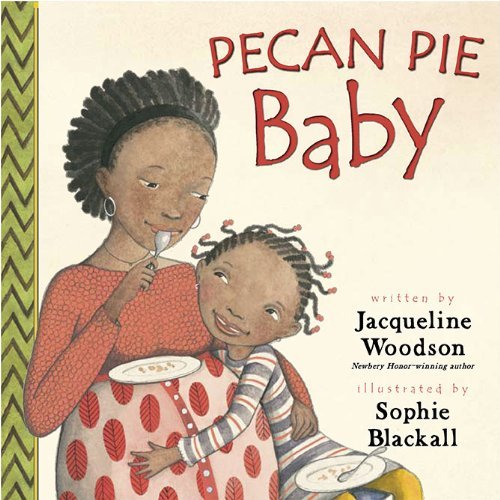
Pecan Pie Baby by Jaqueline Woodson and illustrated by Sophie Blackall. A perceptive little story about a young girl who is anxious about a new baby coming and changing the connected relationship between her and her Mama. Love Sophie Blackall’s illustrations – all the tender snuggles between pregnant Mom and daughter.
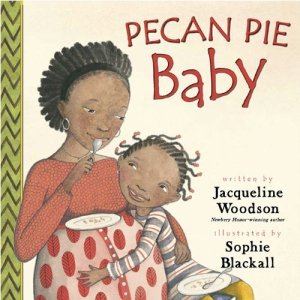
pecan pie baby

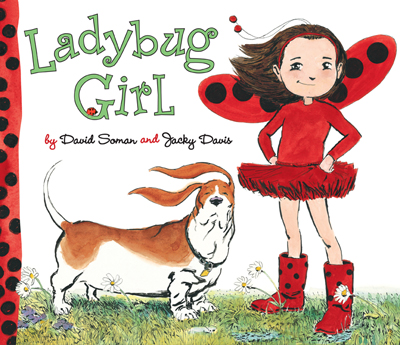
Ladybug Girl by Jacky Davis and David Soman I’ve read other Ladybug girl stories but not this original book and I like it best of all. Lovely illustrations and the highlights of outdoor pretend play.
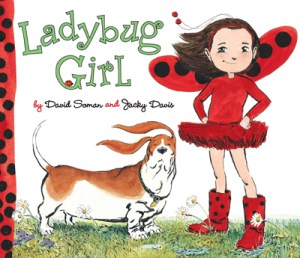
Ladybug-Girl

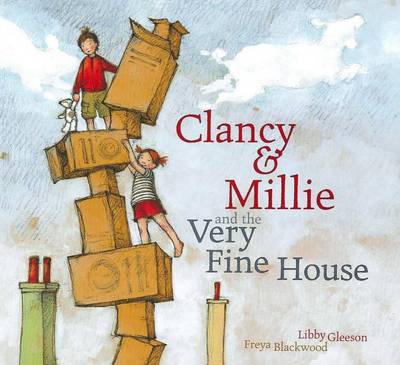
Clancy and Millie and the Very Fine House by Libby Gleeson and illustrated by Freya Blackwood The best part of this story is the celebration of play through some very imaginative building with boxes. (Fantastic illustrations by Blackwood) Of course, it’s also a great book to touch on anxiety about moving somewhere new.
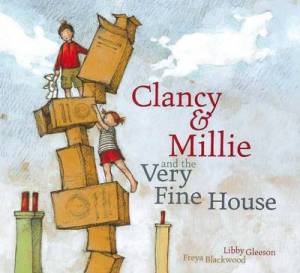
clancy and millie and the very fine house

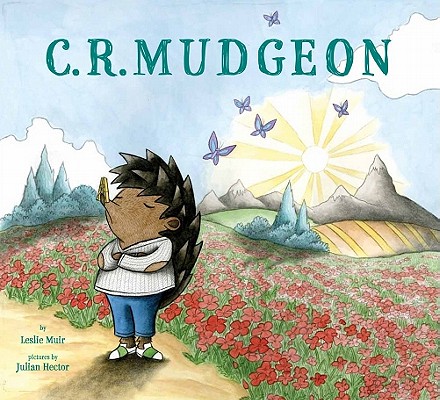
C.R. Mudgeon by Leslie Muir and Julian Hector There is much to this little book. A tribute to friendship, a reminder to break out of your comfort zone and be ready for new things and the celebration of individuals who really truly grab on to the world and shake all there is to find within it out! Go read it . . . so worth it!
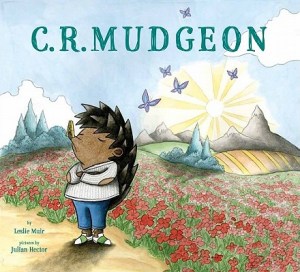
C.R. Mudgeon

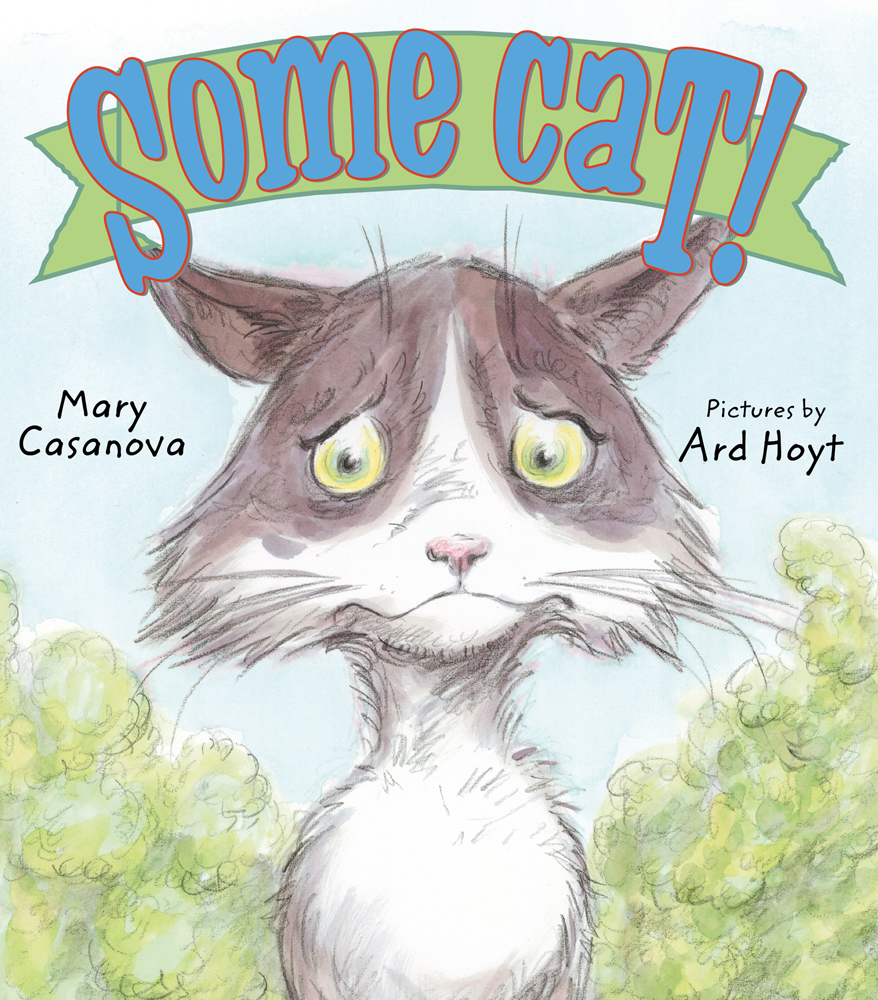
Some Cat! This was a wonderful read aloud in my room. I shared my students’ reactions here.
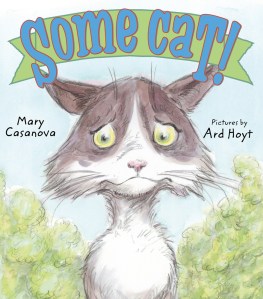
some cat

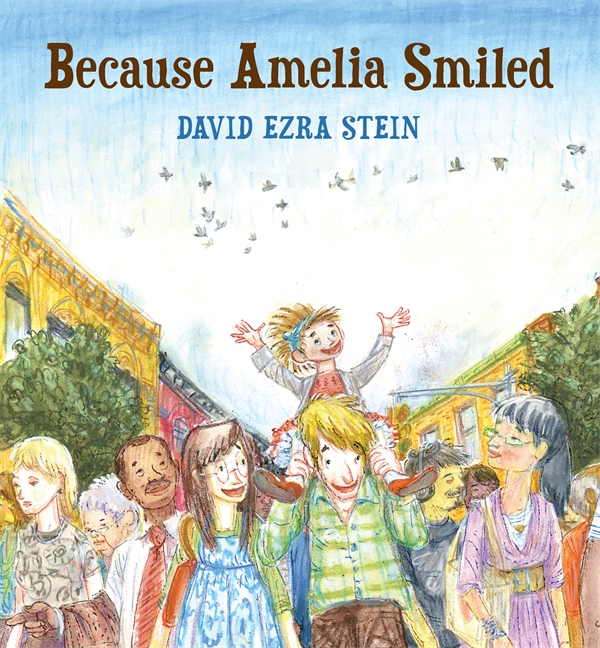
Because Amelia Smiled by David Ezra Stein The pay it forward story line isn’t unique for a picture book but none of us can hear this message too often: kindness passed on grows and strengthens. Loved the illustrations. Beautifully colourful and whimsical. I read this to my class and it sparked a lovely brainstorming session on how we can create more kindness in our classroom.
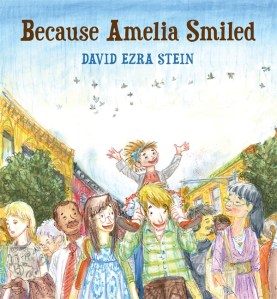
because_amelia_smiled

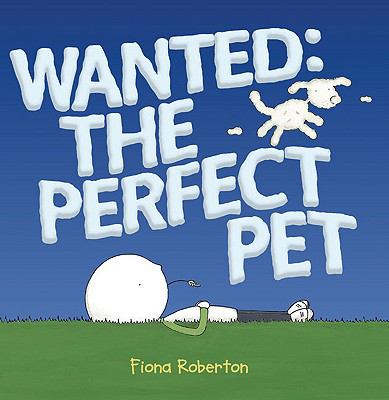
Wanted: The Perfect Pet by Fiona Robertson A boy wants a dog. A dog wants a friend. Really, they need each other. If you just look at it in the right way . . . Touching story of the need for a companion and how far some might go to find that connection. Chapter format in a picture book.
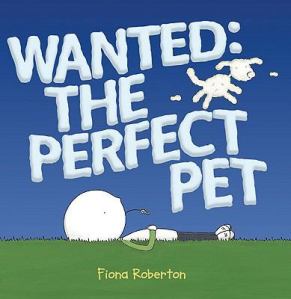
wanted the perfect pet

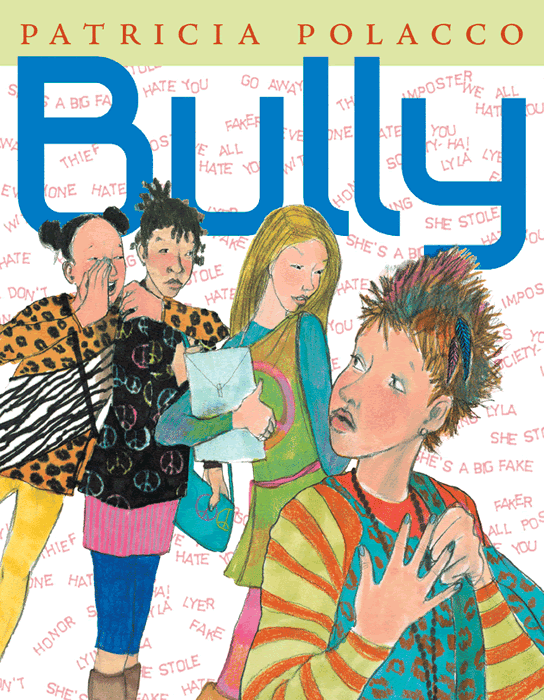
Bullly by Patricia Polacco Handles middle school issues of cyber bullying, friendship and loyalty very well.
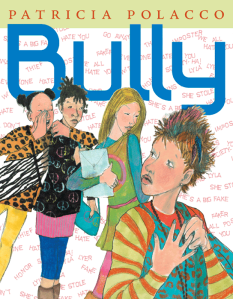
Bully-cover-web

I also read some fantastic nonfiction. Read this post for more details.

In novels . . . 
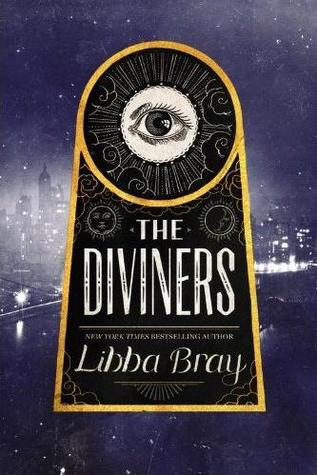
DivinersI finished The Diviners by Libba Bray. This was one of my must read in 2013 titles as I’m trying to read more fantasy novels.

Wow . . .this was some book! Dramatic. (I loved the 1920s setting and characters.) Funny. At times, absolutely scary. Eerie and shivery kind of scary. Horror. Paranormal activity. Special powers. It was the kind of read where it is necessary to say to yourself, “just a book, just a book . . . ” Some nights I would turn off my light and then haunted by worries about a specific character, turn the light back on and read on.

This is a long read (578 pages) but highly addictive. The ending definitely leaves many things unanswered (hooking readers for the next in the series . . .)
How to Save a Life by Sara Zarr

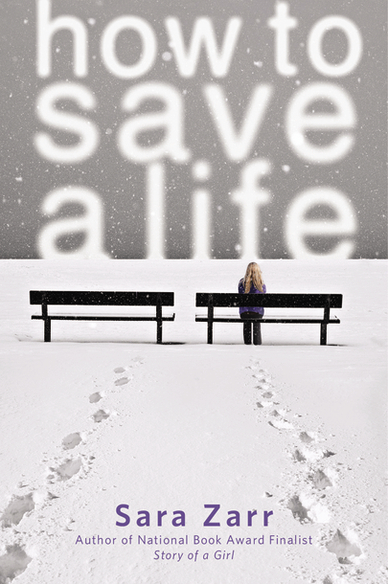
I also read How to Save a Life by Sara Zarr.

I read this book quickly finding myself very attached to what might happen to all of the characters. The story is about two teenage girls (Jill and Mandy) who find their lives completely colliding when Jill’s Mom decides to adopt Mandy’s baby in an open adoption. Pregnant Mandy comes to live with Jill and her Mom and brings with her sadness, secrets and longing for a different life. Jill is still reeling from the recent death of her father and finds it difficult to be open to anyone. Somehow though these characters find a way to make sense to each other and the ending is . . . (I don’t want to spoil it but must say, it really touched me)

Currently, I’m reading The Spindlers by Lauren Oliver to my children and The Higher Power of Lucky by Susan Patron (think this is the fourth time I’ve read this book!) with my student book club at school. We are really enjoying The Spindlers – it’s full of delightful and unique characters from “below” My son is finding the idea of spindlers a little spooky but every time I stop reading, he begs me to continue!

I am also reading Delirium by Lauren Oliver (the author that seems to be everywhere I look this week!)

Nonfiction Picture Book Wednesday: A little guessing

It’s Nonfiction Picture Book Wednesday! Do you have any books to share and discuss? 

I am pleased to participate in Alyson’s (from Kid Lit Frenzy) non-fiction picture book challenge and share the picture books I read this week.

This week I was on the lookout for books that were very interactive and that primary students could read independently. I was also looking for books where students could learn more about animal characteristics including features, habitat and life cycles.

My original goal was 60 nonfiction picture books for 2013. Progress: 5/60 complete 🙂

Who’s Like me? by Nicola Davies and illustrated by Marc Boutavant (published 2012) This is a fun lift the flap book where children try to guess who is like me from a question and a picture clue Like (with a picture of a rabbit) “Who’s like me? Who’s furry and breathes air like me? Is it . . . ” The next page features four flaps with a clue on the outside  If you flip the picture of feathers, there is a picture of a pigeon and text that reads: “I have feathers not fur.” The next page talks about the fox who is like the rabbit and has fur and breathes air. It is explained that a fox and a rabbit are both mammals. they breathe air, give birth to live babies and feed them milk. Children learn about amphibians, fish, birds and reptiles as well. Colourful and very fun to interact with! Nicola Davies for the younger set!

who's like me

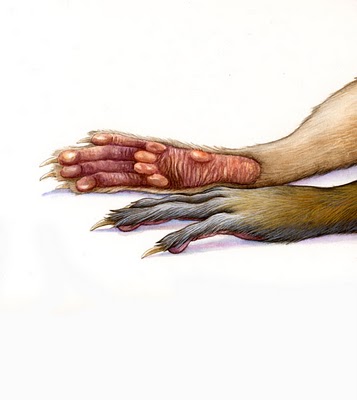
Who Has these feet? by Lara Hulbert and illustrated by Erik Brooks (published 2011) Children love books where they can guess! This title has pictures of different animal feet with the reoccurring question: Who has these feet? When I used this in the classroom this week I had children justify their guess with reasons to back up their answers. When we saw a picture of duck feet, one child guessed it was a chicken because of the skinny legs. Another thought it was a swan because of the skin between the toes. Another student volunteered that that skin was for paddling and so it had to be a bird that swims. One child knew those feet were called webbed feet. A great way to build vocabulary and to sit back and let the students talk and share.

Who_Has_These_Feet1

So . . . who has these feet? Intrigued? Find the book!

FEET18-19

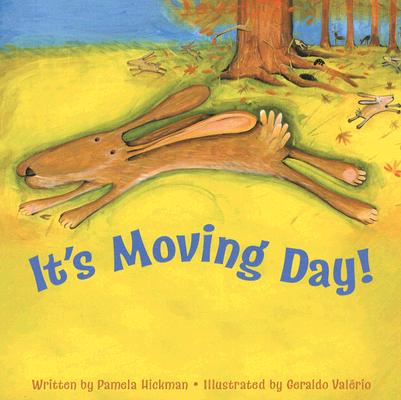
It’s Moving Day by Pamela Hickman and illustrated by Geraldo Valerio (published 2008)  In this book, we “travel” through numerous seasons that focus on a specific hole/burrow under a tree that a variety of animals use for a home. Great introduction to how woodland animals use burrows and change environments during different seasons/when raising young/etc.

It-s-Moving-Day

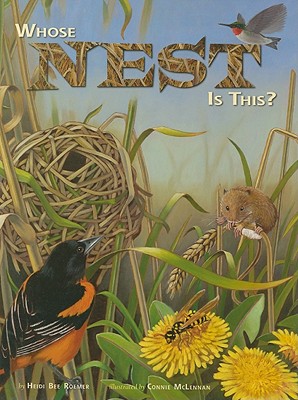
Whose Nest in this? by Heidi Bee Roemer and illustrated by Connie McLennan (published 2009) Another fun book to guess from clues given – this time in a rhyming riddle format. This text is longer and more complicated so would be best used as a read aloud with primary students. Young intermediates/late primaries could read it independently. Lots to learn – certainly nests are very diverse and it is not just birds who build nests!

Whose-Nest-Is-This-

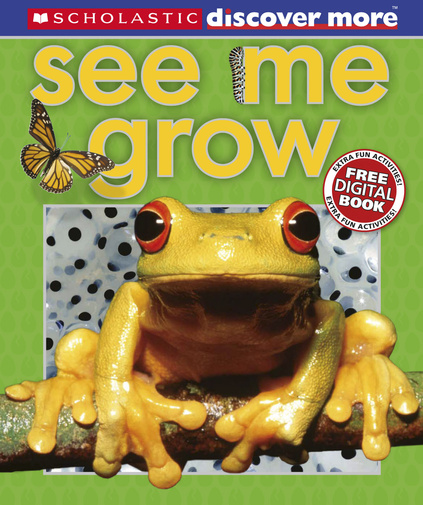
See Me Grow (Scholastic Discover Moreby Penelope Arlon (published 2012) This book has some fantastic nonfiction features like colourful photographs, life cycle charts, an informative glossary, a variety of labelled diagrams, fact boxes, etc. Lots of information about how a variety of animals grow from birth to adulthood. Learn about which animals hatch from an egg, which are born live, how long they stay with their mother/parent, etc. Not too much text on each page makes this perfect for young readers to interact with independently. Part of this Scholastic series.

scholastic title

Thanks to Alyson from Kid Lit Frenzy for the inspiration to read and share more nonfiction picture books in 2013!

NFPB2013leaves