Selecting Picture books to read

Students in our morning reading group continue selecting books based on their background knowledge (schema) – realizing that they will have a better chance of connecting to a book when they have some shared experiences with the theme/topic of the book.

Students quickly selected three books from a huge selection of picture books. Then they ordered their choices #1, #2, #3 . Why did they choose the book they did as their first choice? After reading, students then shared any text to self or text to text connections.

Some book selections:
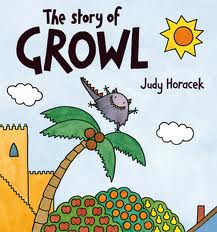
Gary chose The story of GROWL by Judy Horacek. Why was this his first choice? “Sometimes I growl when I’m angry. It makes me feel like a monster.”

After reading the book, did he have any connections?

“I used to hop, skip and jump around my garden. Sometimes I growl for fun. My Dad told me to stop growling because it’s loud. But I still was growling! I stopped one day.”
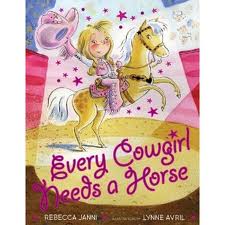
Lisa read Every Cowgirl Needs a Horse by Rebecca Janni. Why was this her first choice? “I know that if a horse wants to say hi, they rub their noses together. I learned that in a chapter book.”

After reading, what were her connections?

It was easy to connect to this book because at home when I’m riding my bike, I reel like I’m riding a horse with the wind blowing in my hair like the girl in the story.”
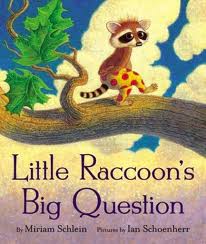
Jenny chose to read Little Raccoon’s Big Question written by Miriam Schlien and illustrated by Ian Schoenherr. This book is all about a little raccoon wanting reassurance about his mother’s love. Jenny chose to read it because: “When I was little I saw a raccoon.  I know a lot about what raccoons do and they are one of my favourite animals.”

Her connections were about much more than what she knows about raccoons.

“When I was little I was thinking how much my mom loves me most. I was thinking does she love me when I eat, sleep or play with her.”
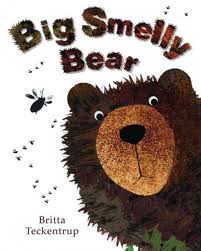
Josiah picked the book Big Smelly Bear by Britta Teckentrup. Why was this his first choice? “Everytime I go to my Mom’s home town, I always see bears and flies buzzing around.”

After reading, what connections did he have?

“When the big fluffy bear scratched the big smelly bear, I connected to it because I always see bears scratching trees and each other on the way to my Mom’s hometown Port Hardy. It is so fun there because I see my uncles, aunties and the big bears.”

Isn’t it great that there are so many picture books out there to interest everyone?
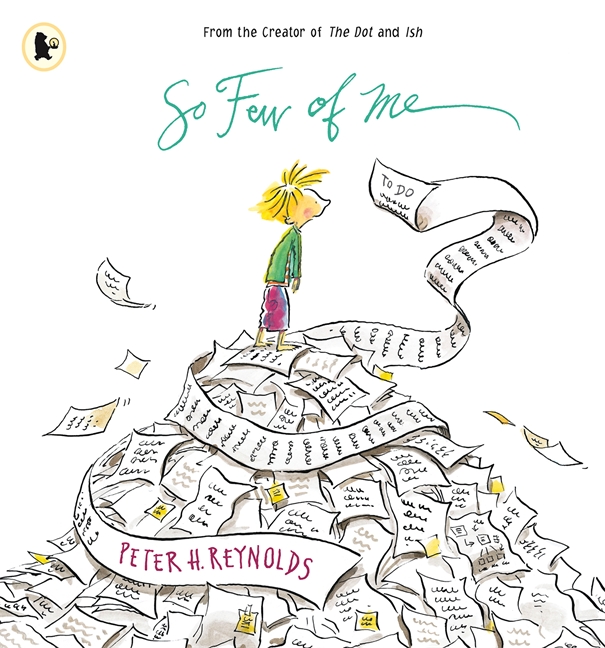

So few of me

Oh – the never ending to do list! The reader doesn’t need to move past the inside cover and the overwhelming feeling sets in – that big long list that never ever seems to get shorter . . . The one here has some doozies on it – fix leaks, go to dentist, wash the windows, put dishes away, cancel Saturday (??!) Sigh, aren’t you tired already? And then we meet Leo. Leo has that problem that many of us share – no matter how hard he worked, there was always more to do. As his list expanded, he wished there were two of him to better handle things. And poof! There were.

When Leo opened the door and found “another him” we were pretty impressed in Division 5. “Awesome!” “Is that his clone?” “Wha. . . he must be dreaming!” “It’s fiction!” “Yep, it’s a book.”

(Now, this is the one time I don’t need to wish there were more of me. When responding to books – my students have it covered – they have the most brilliant things to say. I just need to do my part and read!)

The strange thing is two Leos doesn’t seem to make it better, there just seems more to do. So what about three? Four? Five? As more Leos come on the scene, the workload seems to increase. Hmm . . . of course! More people means more laundry, more cleaning, more organizing, more strategizing about being better organized. By the time nine Leos arrived on the scene, I had students with their mouths hanging open in amazement.

“This is soo fiction!” someone exclaimed. (Were we believing it up to this point?)

Ten Leos on the scene. Cooking, list making, brewing tea, grocery shopping, sweeping, climbing ladders, it doesn’t stop.

One student got that hold on here look suddenly, “Wait! Wouldn’t a Mom do this stuff?”

I was about to retort, “Hey, are you kidding with ten kids? No way.” But then I realized that this child comes from a family with children in the double digits! And he is asking that question? Oh poor Mom!

“Hey, if there’s more of you, you can’t get smarter!” someone ( quite a smart someone, I might add) shouted.

The last pages show us a lesson that so many of us keep forgetting. Do less. Leave time to dream. You really can’t do it all, so pick and choose and do what you love really well!

A lovely excuse to ignore the laundry pile and go read a book. Thank you Peter H. Reynolds!

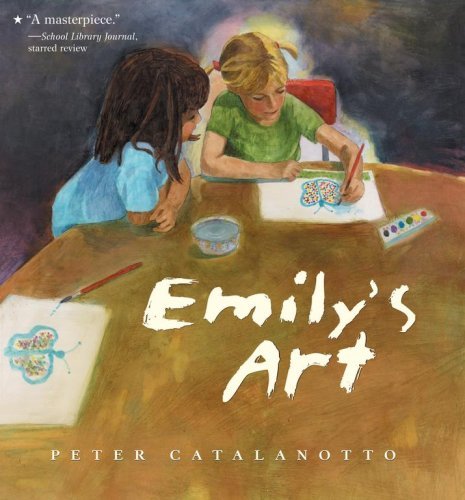
Emily’s Art

What a powerful book to read to children! I first read Emily’s Art written and illustrated by Peter Catalanotto with my daughter and she burst into tears part way through. We talked for a long time about the story events and how different characters acted and felt. I knew this was an important book to share in the classroom and the resulting discussion confirmed this and then some.

This book begins with a sneak peak into Emily’s classroom. Ms. Fair is explaining to the students about an upcoming art contest where a judge will decide the winner. Catalanotto does a fantastic job of portraying the open, honest and sometimes impulsive comments made by students in a class discussion. Students ask questions about the judge, winning and losing and how exactly things are decided. From Emily: “Does the judge know which is better?”

The story then skips ahead to the days leading up to the contest. Everyday students get painting time. We watch Emily painting and fielding questions about her pictures. Looking at her picture of her family having breakfast (where we see a mother cooking, eating, packing lunches and changing a lightbulb), Stephen asks, “Why do you have four mothers?” Emily explains that there is only one, “She’s just very busy.” Everyday Emily paints a different picture. Her best friend Kelly paints a butterfly day after day.

The night before the contest, Emily cannot settle. She has questions for her mother about which is best and all night she worries about what might be better. Winter or summer? Pink or purple? The sun or the moon? My students were reminded of other stories with characters being unable to sleep because of worries. “That’s like Wemberly Worried!” “Howard B. Wigglebottom!” “Seymour Slug Starts School!” We sure connect to those sleepless worrying nights!

At the contest, the judge is overwhelmed by Emily’s art: “What a gorgeous painting. What a beautiful rabbit!” When Ms. Fair explains that the picture is actually of a dog, everything changes. “A DOG??!!” screeched the Judge.”I was attacked by a dog once! I hate dogs.” She turns and awards the blue ribbon to Kelly’s butterfly.

“I love butterflies,” she announced.

Emily’s heart twisted. My class was irate! And deeply impacted.

Jena: “That judge is judging her painting by what she thinks about dogs.”

Alyson: “Maybe she shouldn’t be a judge! What does she know?”

Emily took her painting down and vowed to never paint again. Miami, now in Grade 3 shared a memory from kindergarten: “At my old school, my teacher was mean to me. She said “What is that?” when she looked at my picture. “You can draw better than that. I know you can.” I always felt sad when I was at home.”

Emily ends up going to the nurse’s room, needing to mend her broken heart. She falls asleep and when she wakes, Kelly is on the cot beside her.

I ask the students why Kelly might be there?

Scott: “She is so sad for Emily.”

Alyson: “She feels sad that Emily didn’t win. She would have won if the teacher hadn’t said it was a dog.”

Hajhare: “Kelly’s heart feels sad because she thinks that Emily must hate her.”

“Wow” Kelly whispered. “You’re a good artist.”

The girls begin talking and Kelly shares that she doesn’t know how to draw anything but butterflies. Because she won, everyone expects more of her. Can Emily show her how to draw a dinosaur? The girls feel better and head back to the classroom where they are having an art party to celebrate all of the wonderful work!

Kevin: “It’s a happy ending. But the middle was the sad part.”

Miami: “I’m connecting. Lots of movies have sad middles but then, happy endings.” The class agreed.

More reactions:

  • “She should know her own opinion of her drawing so she won’t be sad. Like positive thinking.” (Lisa)
  • “Don’t always agree with other opinions.” (Annie)
  • “It is emotional, because if you think of a time like that – like getting rejected, you connect to the sadness of it.” (Alyson)

We talked about how strong words can be.

  • “What the judge said was mean.” (Kevin)
  • “People should think before they speak” (Alyson)
  • “Words can be really strong- something mean said can make you feel like a punch in the stomach.” (Jena)
  • “Punches can hurt outside, but words hurt inside.” (Kevin)
  • “That’s clever Kevin.” (Hajhare)

For more ideas of how this book might be used in the classroom, check out these questions from Philosophy for Children. I just discovered this website and will certainly be revisiting it!

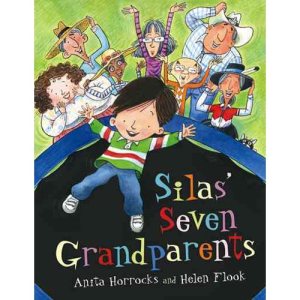
Silas’ Seven Grandparents

Maria, our BLG reader this week, read us Silas’ Seven Grandparents written by Anita Horrocks and illustrated by Helen Flook.

silas

This sweet little book is about a boy named Silas who is especially loved – times seven!  This can be quite amazing when birthday presents and birthday cakes come his way. But it can also be a little overwhelming. Seven grandparents trying to fuss over you when you are sick is a little much for one small boy. So is having seven grandparents trying to fit into the dressing room at his hockey games. When Silas needs to chose which grandparents he will stay with when his parents go on a trip, how can he possibly choose? He comes up with the perfect solution – all of the grandparents can come and stay with him!  A happy plan!

Poor Maria could barely get through a page today without being interrupted – children were connecting to everything! “Hey that’s like in the book . . .” “That reminds me of. . .” “Something like that happened in the book. . .” My, oh my, you would think all we do is read to these children (okay a little bit true!) But well-read children have lots of text to text connections. It was very exciting! We liked this book! And, oops, once Maria forgot to show the pictures. “The pictures Maria!!” the kids shouted. We were pretty impressed with all of Silas’ adventures and we did not want to miss a detail.

When I commented that I would like to have seven grandparents, Ricky was shocked.

If you did, they would all be so old! Whoa!”

You can’t have an ego and be a teacher 🙂

Our student reviewers report:

Annie: I like the part when they were growing plants. Silas’ Oma made him a quilt. I connected to Oma’s Quilt.

Hajhare: I liked the book because I had lots of connections to other books. This book is a fun book to read and that’s why I like it. I also connect to the book because I have lots of sisters and brothers.

Edwin: This book that Maria reads – I will put it in my diary when I get home. I retell the story so I can remember how good it is.

Thanks Maria – This was an ideal book to read on Pink Day when the theme of the day was celebrating diversity. This book showed us that all families do not look the same. Silas is a lucky boy to have all of this love from his grandparents and step-grandparents.

What is a real friend?

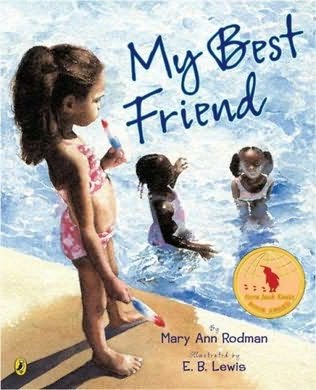
Today we read My Best Friend written by Mary Ann Rodman and illustrated by E. B. Lewis. What a fantastic friendship book!

my best friend

It is summertime and Wednesdays are spent at the pool. Lily has picked out her new best friend and it is Tamika. Tamika, though, already has a best friend and no matter what Lily does, Tamika is not impressed. Lily feels rejected and yet keeps trying to find something that will make Tamika take notice. Taunts by Tamika and her friend Shanice don’t seem to dissuade her from trying to get Tamika to like her best.

This book inspired us to ask: What really makes a friend?  Our discussion throughout the story centered on the choices we make when choosing friends. As soon as we looked at the cover, hands were up – making connections and predictions, sharing stories and asking questions.  The intensity of reactions lasted through each page and then everyone settled down with their Response and Ideas books and did some writing. As a teacher, I appreciated that this book allowed the children to come to their own conclusions. All of them deal with friendship issues daily and need chances to reflect on their choices and struggles. Students connected easily to the characters in this story and did some independent thinking on something that they regularly confront in their school and personal lives.

A sample of reactions:

Gary: Tamika was mean to Lily but not to Shanice.  When Shanice was away, Lily got to play with Tamika, but when Shanice was back, Tamika was mean again. When Lily learned to dive, Tamika wasn’t looking. Keesha was. Now Lily is Keesha’s best friend. A real friend doesn’t be mean or make fun of you.

Annie: A real friend is not insulting another person. Friendship is about giving compliments when someone does something. Don’t wear of do something just to make someone like you. Be friends with someone who is nice to you.

Jenny: A real friend would share with you, play with you and stand up for you. I think the message of the book is you can’t just pick a friend to be your friend without knowing them because they might be mean to you.

Jena: A real friend is somebody who likes you for who you are not somebody who uses you when they don’t have a friend. A real friend plays with you all of the time, not just sometimes. A real friend doesn’t stick their tongue out at you, they don’t ignore you and they don’t tell secrets behind your back. I think the message of this book is that friends are nice to you all the time and they like you for who you are.

Clever Jack Takes the Cake

Clever Jack Takes the Cake

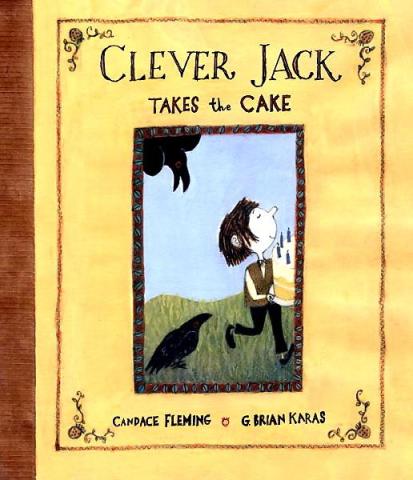
I introduced Clever Jack Takes the Cake by Candace Fleming by telling the class that I chose the book at the library because it is illustrated by G. Brian Karas, one of my favourite illustrators.  Eddy piped up, “Ms Gelson – lots of times you pick a book because you like the illustrator. Why do you always do that?” I explained that picture books to me are very much a partnership of great illustrations and a really good story – when each are great, the other is even stronger.  Sometimes, if I don’t really like the illustrations they interfere with my enjoyment of a great story.  Not in this case!  This book tells an excellent, highly engaging story with illustrations that add to the drama and fun.

Jack decides to bake a cake to take to the princess on her tenth birthday when he realizes he has nothing to give her and no money to buy a present. On the way to the castle he needs to contend with a flock of blackbirds, a troll, a dark spooky forest and an unfortunate food allergy.  He arrives at the feet of the princess with nothing to give her except the telling of his amazing adventure of trying to bring his cake to the castle.  The princess is delighted with this meaningful gift and we celebrated Jack’s positive outlook and clever strategies all along the way.

Because kids say it best:

“When you have nothing else, you still have your story.” (Kevin)

“You don’t always need a present. Just coming to a party is already a gift.” (Alyson)

We had some great text to text connections to this story.  The gift of a story reminded us of Something from Nothing by Phoebe Gilman where in the end there is nothing left for Joseph’s Grandfather to stitch up into something new.  But there is enough material to make . . . a wonderful story!

When the princess was bored and unimpressed by the lavish gifts of jewels and treasures from all of the party guests, we were reminded of The Quiltmaker’s Gift by Jeff Brumbeau. The King demands present after present but none have any meaning to him until he discovers the beautiful gift of giving.


What did we learn about baby sea otters?

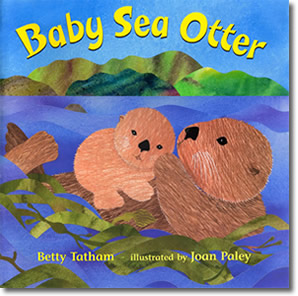
Our information story book this week was Baby Sea Otter by Betty Tatham.  We continued to practice asking questions as we worked our way through the story.  What was exciting was how students are beginning to connect their learning from different books to their wondering about new topics. From the questions below you can tell we have been learning about symbiotic relationships, the characteristics of mammals, etc

baby-otter

Betty Tatham’s story delighted and thrilled the students as they learned about how mother otters serve meals on their belly and how they have to protect their pups from diving eagles.

Some interesting questions as we read:

*Do they have any parasites? (Hajhare)

*Do they have gills to breathe underwater? (Kevin)

*Do they migrate? (Ricky)

*What happens if there are no more sea urchins where they live? (Lisa)

*Do otters have symbiotic relationships with other animals? (Jena)

*How do they clean themselves? (Annie)

*How do you know if they are male or female? (Jenny)

What did we learn?

Annie tells us: Sea otters dive underwater to protect their babies from eagles

Jena writes: The Mom ties the pup to a kelp bed when she goes to get food. She uses her chest as a table to feed the baby.

Kevin explains about what they eat: I discovered that they eat crabs, clams, sea urchins and they use stones to crack open the shells.

Ricky tells us: Sea otters are waterproof. They stay waterproof by blowing their fur with warm air.

Books about relationships help us explore strong feelings

Our reading group has been enjoying stories from our Connect book bin.  We found two books about friendship and sibling relationships that we could really relate to as the characters had feelings just like we do:  frustration, impatience, jealousy, regret and forgiveness.  All such normal feelings as we interact with friends and brothers and sisters.

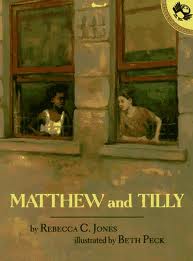
Matthew and Tilly, written by Rebecca C. Jones and illustrated by Beth Peck explores the feelings of friendship and forgiveness. This is a short but powerful story about best friends that argue, as friends do, but then find it easy to forgive each other when they realize that favourite activities are just not the same without a friend.  We discussed the story and wrote responses.

Lisa writes: “I think Ms. Gelson put the book in the Connect bin because everyone could have an argument but then after, we say sorry.”

Kevin explains: “The message of the story was: if you get mad at each other, take a break and you will feel better.”

Judy Blume‘s The Pain and The Great One is a humourous account of a brother and sister told from each perspective.  Each thinks the other is loved more by their parents and explains clearly why it is just not fair.  The Great One thinks her younger brother is a messy slowpoke who is super annoying – doing things to her like singing and dancing around her when she talks on the phone.  The Pain thinks his older sister is a bossy know-it-all who unfairly gets to do things that he can’t. like feed the cat just because she knows how to use the can opener.  Big issues in his little world!

Catriona summarizes the book clearly: “The Pain thought The Great One was a know-it- all. And the Great One thought The Pain didn’t know anything!”

The power of a lie!

Our reading group has been busy writing and talking about connections we have to the books we are reading. This title had big connecting power!

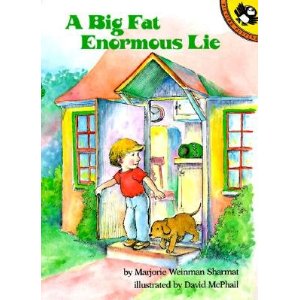
A Big, Fat Enormous Lie by Marjorie Weinman Sharmat and illustrated by David McPhail (one of my favourite illustrators!) is a book we can all relate to easily.  A little boy lies over one small thing and his lie comes alive in the form of a monster, following him everywhere, bothering him, sitting on his stomach. The monster keeps growing and growing and growing until it can only be escaped by . . . telling the truth. Phew! The relief! This little book sure inspired some powerful writing from our reading group. We all recognized that lies can be pretty powerful but not as powerful as the truth 🙂

Sergio writes: “When I lie, I get bad luck and I crash into everything and my stomach hurts. Oww! Oww! Oww! Ouch that hurts.”

Ricky explains: “Lying is a bad thing. If you lie, you will have bad feelings and your tummy will feel like it’s hurt. When you have a nap, it makes you feel better. But when you wake up, you still have to tell the truth. So if you tell the truth, everything will be okay.”

Annie summarizes the story, “The message of the book is that you should never lie to anyone. You have to admit it. When you don’t tell the truth, you’ll feel like the lie is lying in your stomach. After you tell the truth, the lie is gone.”

Lisa writes, “If you tell a lie, you feel guilty because you just want it to go away. If you did something wrong, you should tell, don’t lie. If you lie, you need to tell someone.  If you don’t tell, it is going to get bad, then worst. You feel guilty if you lie. It feels good if you tell the truth.”

Connecting Stories

Our reading group has been busy reading picture books and writing and drawing about their connections.  We love using this BLM Connecting Stories from Adrienne Gear‘s Reading Power book to help us explain how the story is connected to our own lives.

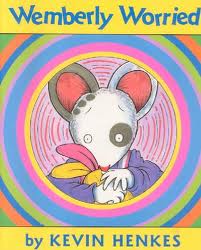
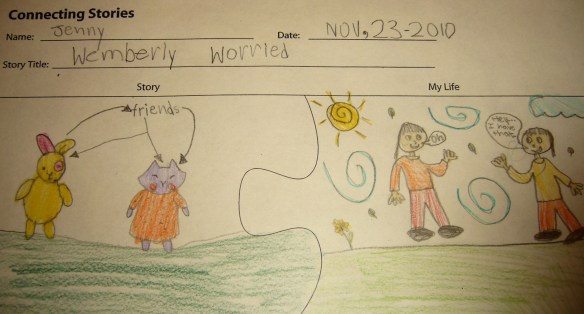
Jenny read Wemberly Worried by Kevin Henkes. This is a lovely book about Wemberly who worries about everything!  Now Wemberly is starting school.  This book helps us feel better about starting school, making new friends and growing up.  Jenny writes:

In the story, when Wemberly went to school, she saw someone else just like her. She had a stuffy and she was shy just like Wemberly.

This reminds me of when I had the first day of school. I was shy and then I met Maria. And then when Jocelyn came, we all became friends. And we all made other kids laugh.

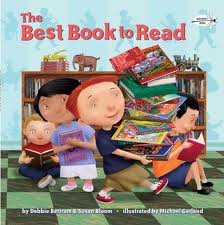
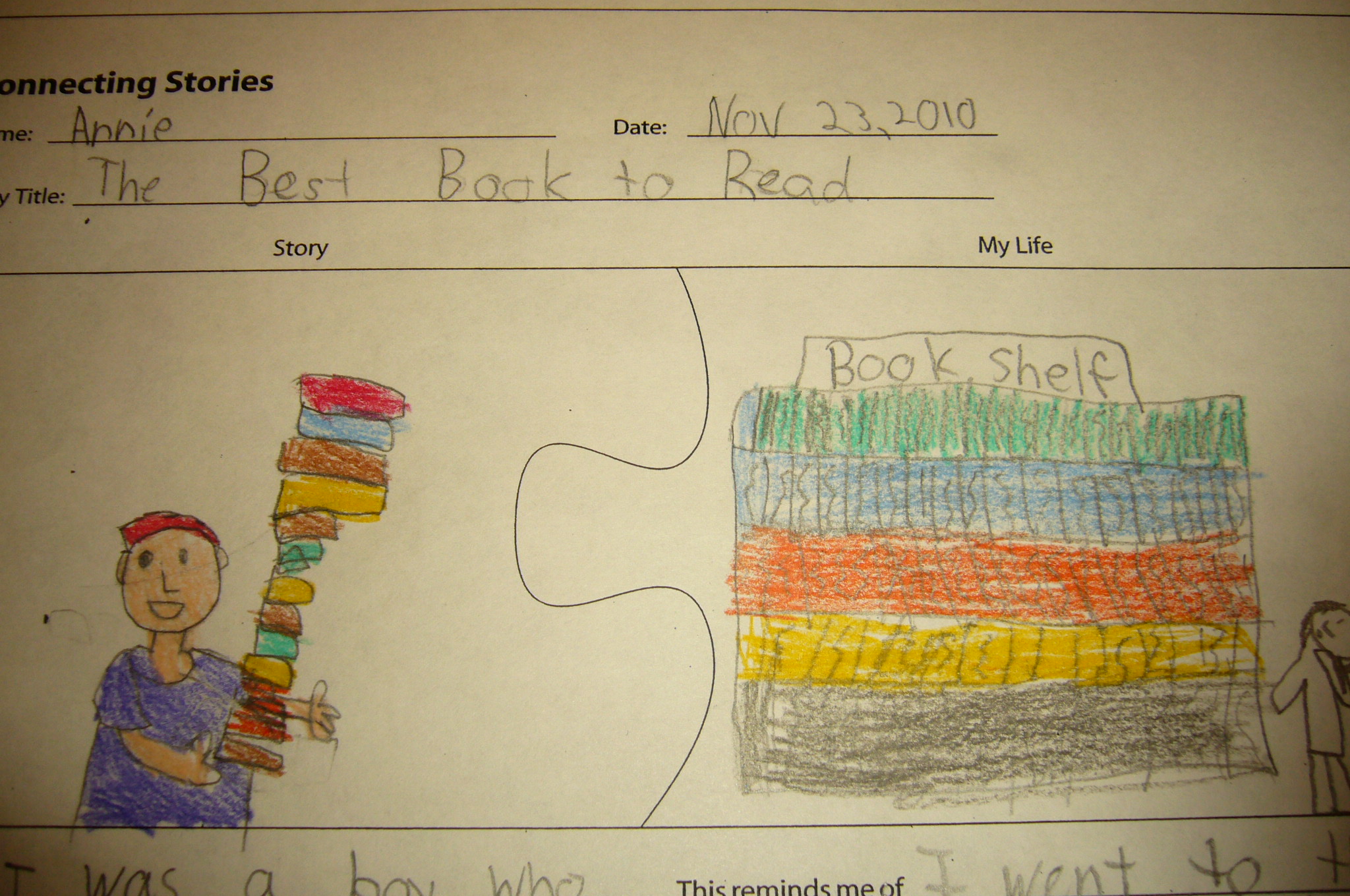
Annie read The Best Book to Read by Debbie Bertram.  The fun, rhyming text takes us  along on an adventure to the public library.  How to choose a book when so many are available?  Annie writes about her connection:

In the story, it was a boy who had a field trip to the library. He found lots of books that he wants but he can’t choose some.

This reminds me of  . . . I went to the library and I didn’t know what book to choose. I was confused about choosing books!

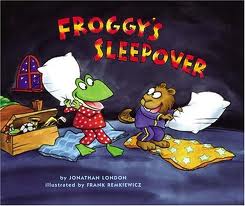
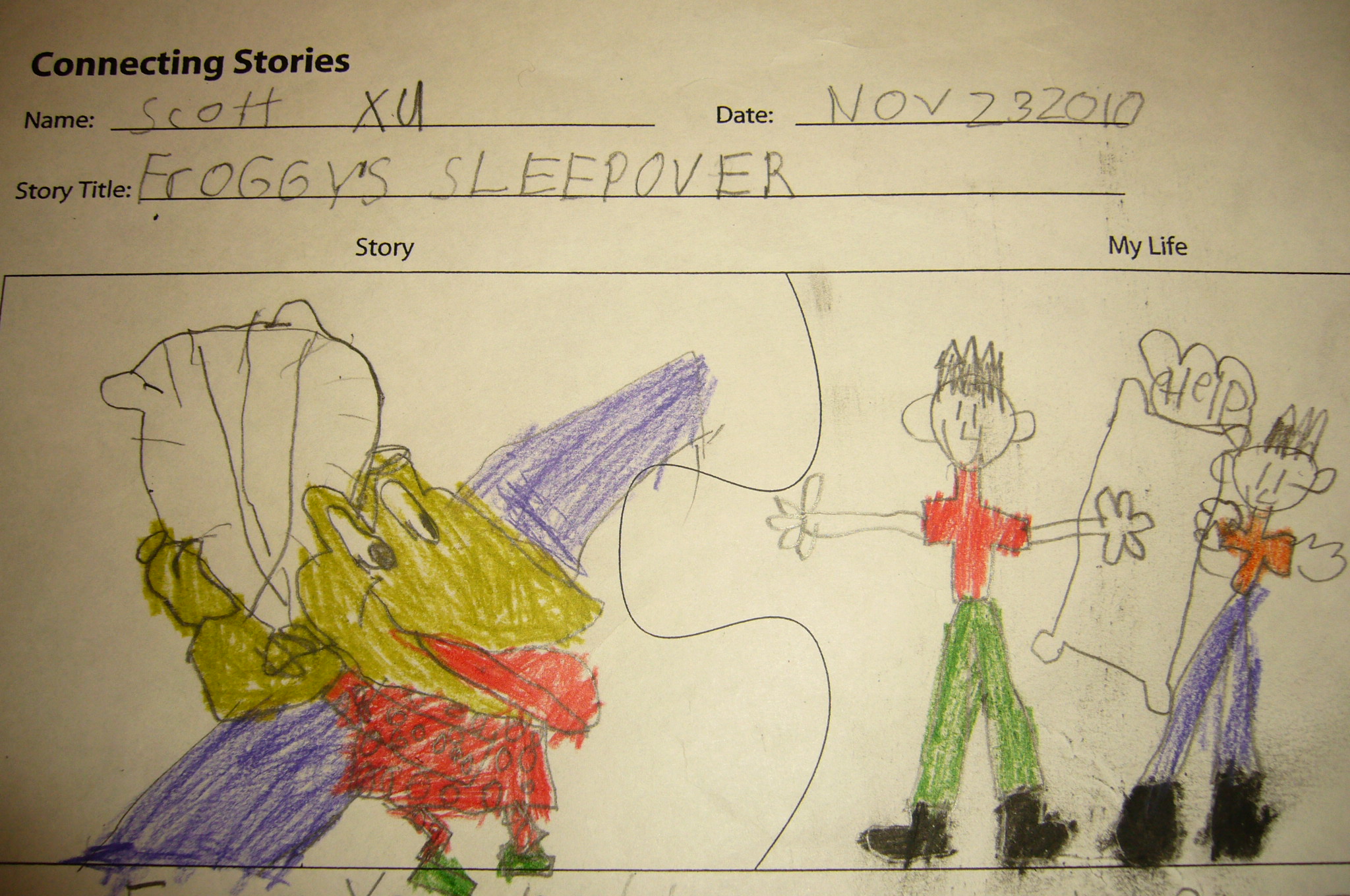
Scott chose to read Froggy’s Sleepover by Jonathan London. As expected, Froggy has all kinds of funny escapades on his sleepover at Max’s house.  Lots of giggling happens when someone reads this book about silly sleepover fun! Scott writes:

In the story, Froggy went to a sleepover with Max. They play pillow fight. I think Froggy was happy when they were play fighting.

This reminds me of when I went to a sleepover with my best friend. We play pillow fight too. I feel happy when I played. I connected to Froggy’s happy feelings.

Ms. Hong brought us a lot of books from the Connect bin in the library to add to our classroom collection so that we have many choices when we are choosing books to read. Thanks Ms. Hong!  Everyone is enjoying recognizing how they share feelings with the characters in these stories. This helps us to understand the story better.  We look forward to reading more of these books in the next few weeks.