Nonfiction Picture Book Wednesday: My current TBR list, nonfiction style

It’s that time of year where we list our favourite books for the year, make reading plans for next year and celebrate another year of reading. At this time of year, I get worried that I might forget about some titles on my TBR list as I am browsing favourites lists and making my TBR list ever longer.

So, I went through my current nonfiction TBR list and made a long list into a shorter list. Highlighting these here lets me give them a little “I will get to you soon” pledge.

Here are nine nonfiction titles I can’t wait to read. Thank you to the wonderful readers in my network who have recommended them!

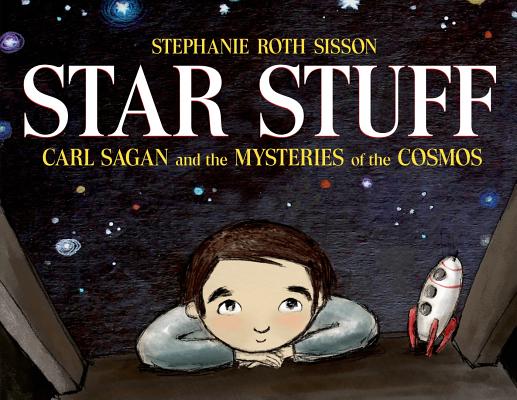
Star Stuff: Carl Sagan and the Mysteries of the Cosmos by Stephanie Roth Sisson

 Star STuff Nonfiction Picture Book Wednesday: My current TBR list, nonfiction style There's a Book for That

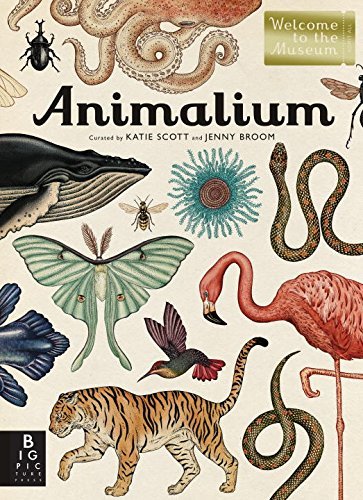
Animalium: Welcome to the Museum Curated by Katie Scott and Jenny Broom

Animalium Nonfiction Picture Book Wednesday: My current TBR list, nonfiction style There's a Book for That

Beetle Busters: A Rogue Insect and the People who Track it  written by Loree Griffin Burns with photographs by Ellen Harasimowicz

Beetle Busters Nonfiction Picture Book Wednesday: My current TBR list, nonfiction style There's a Book for That

Elizabeth Queen of the Seas written by Lynne Cox and illustrated by Brian Floca

Elizabeth queen of the sea Nonfiction Picture Book Wednesday: My current TBR list, nonfiction style There's a Book for That

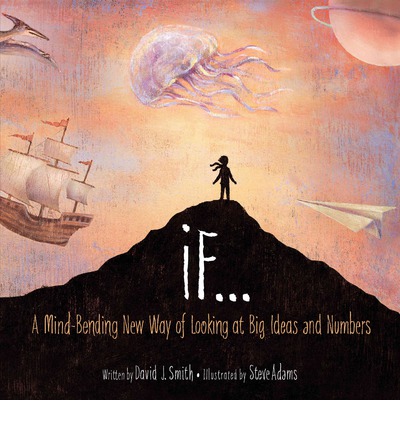
If: A Mind Bending Way of Looking at Big Ideas and Numbers written by David J. Smith illustrated by Steve Adams

if . . . Nonfiction Picture Book Wednesday: My current TBR list, nonfiction style There's a Book for That

The Case of the Vanishing HoneyBees: A Scientific Mystery by Sandra Markle

vanishing honeybees Nonfiction Picture Book Wednesday: My current TBR list, nonfiction style There's a Book for That

Winter Bees and Other Poems of the Cold by Joyce Sidman and Rick Allen

 Winter Bees Nonfiction Picture Book Wednesday: My current TBR list, nonfiction style There's a Book for That

Neighborhood Sharks: Hunting with the Great Whites of California’s Farallon Islands by Katherine Roy 

neighborhood-sharks Nonfiction Picture Book Wednesday: My current TBR list, nonfiction style There's a Book for That

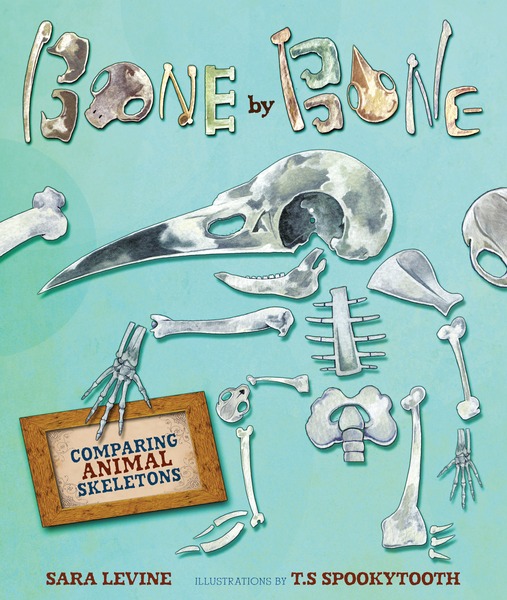
Bone by Bone: Comparing Animal Skeletons written by Sara Levine with illustrations by T.S. Spookytooth 

bone by bone Nonfiction TBR List There's a Book for That

 What’s on your nonfiction To Be Read List?

Thanks to Alyson from Kid Lit Frenzy for the inspiration to read and share more nonfiction picture books in 2014. Follow the link to Alyson’s blog to read about more nonfiction books you need to read!

klf_nonfiction2014_medium

My goal is to read 65 nonfiction picture books for 2014. Progress: 124/65 complete!


Nonfiction Picture Book Wednesday: Student Voices

Mingan: My village Poems by Innu Schoolchildren by Rogé

With participation of Joséphine Bacon, Rita Mestokosho and Laure Morali.

 Mingan My village Nonfiction Picture Book Wednesday: Student Voice There's a Book for That

I have the feeling I could write nothing about this title and that just from the cover image, you will seek it out.

Anybody nodding?

And really, you should. Seek. Read. Share it with students. It is beautiful on every level.

After spending a few days with children in Mingan, an Innu village in northeastern Quebec, Rogé painted portraits of the children he photographed. Through writer’s workshops, the children wrote the poetry that is shared in this book. The writing could speak of so many things in these children’s experiences. These poems depict a rich connection to nature, an honouring of the natural world and an awe of the beauty that surrounds us.

Some poems are written by one author. Others are collaborations. I love much of the imagery. Here is a portion of a favourite piece:

It snows on the planets

When we walk on the sky

And these words just stopped me.

When the ravens become white

I will stop loving you

More than forty percent of the students who attend my school are Aboriginal. I have just ordered my own copy of this title so it can be a part of our classroom library. Student voice. Student expression. The magic of poetry. I want all of these things to be inspiration to my students. I want them to find their power to observe, to share and to connect through the words of these children on the other side of our country.

When I ordered this title, I also ordered another title by Rogé that has been getting a lot of recent attention for its gorgeous illustrations:

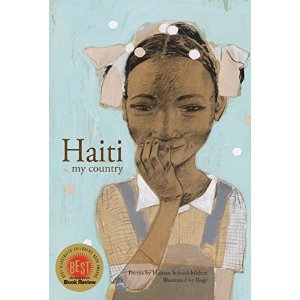
Haiti My country: Poems by Haitian Schoolchildren

Haiti My Country  Nonfiction Picture Book Wednesday: Student Voice There's a Book for That

Are these titles nonfiction? Yes and no. I think they can be stretched between genres. That these poems capture so much truth, that they inspire the reader to think about a place and a specific time and seek out maps and more information, this is my reason to nudge these titles, for today, into the nonfiction world.

Thanks to Alyson from Kid Lit Frenzy for the inspiration to read and share more nonfiction picture books in 2014. Follow the link to Alyson’s blog to read about more nonfiction books you need to read!

klf_nonfiction2014_medium

My goal is to read 65 nonfiction picture books for 2014. Progress: 121/65 complete!

Nonfiction Picture Book Wednesday: The Open Ocean

To celebrate Picture Book Month I am continuing to share conversations I have about particular picture books. This isn’t so much a conversation as an ooh and ahh fest I had with my own two children while exploring this nonfiction title.

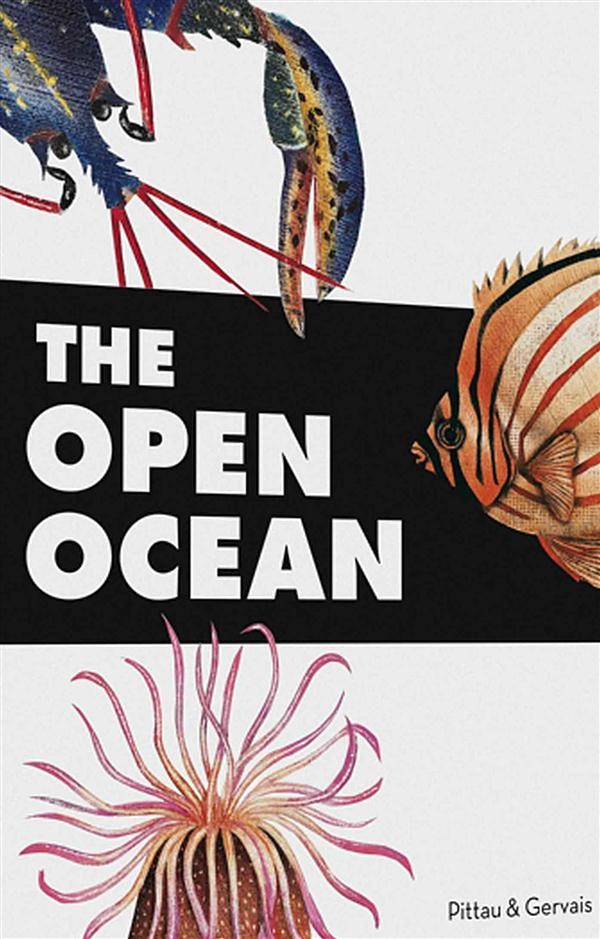
The Open Ocean by Francesco Pittau and Bernadette Gervais is an oversized title that invites the reader to guess, read more, lift flaps and absorb amazing information. This title kept my two 12 year olds completely interested and engaged as we interacted with this gorgeous book. Our favourite 2 page spread was the section that showed closeups of shells, scales and other textures on various sealife. We didn’t guess any correctly! So much to interact with in this title.

 The Open Ocean Nonfiction Picture Book Wednesday

Our favourite facts?

  • The compass jellyfish changes gender over its lifetime (“That’s just too strange,” remarked my son.)
  • The blue whale is one of longest living creatures.
  • The sea urchin is named after a hedgehog.
  • An octopus is super smart! It can open jars.(“But what are those scientists doing having it be in a lab to do experiments on? Terrible! Unless it is just tests? Do they release them after?” – this from my daughter.)
  • A sunfish can weigh over 500 pounds!
  • The swordfish is one of the fastest fish.
  • No one really knows how long lobsters live. They can live to be over 100 and they always seem to die for other reasons before perishing from old age.

Thanks to Alyson from Kid Lit Frenzy for the inspiration to read and share more nonfiction picture books in 2014. Follow the link to Alyson’s blog to read about more nonfiction books you need to read!

klf_nonfiction2014_medium

My goal is to read 65 nonfiction picture books for 2014. Progress: 120/65 complete!

Talking spiders

To celebrate Picture Book Month I am continuing to share conversations I have with students about picture books. Sometimes, I learn a lot.

pb month logo

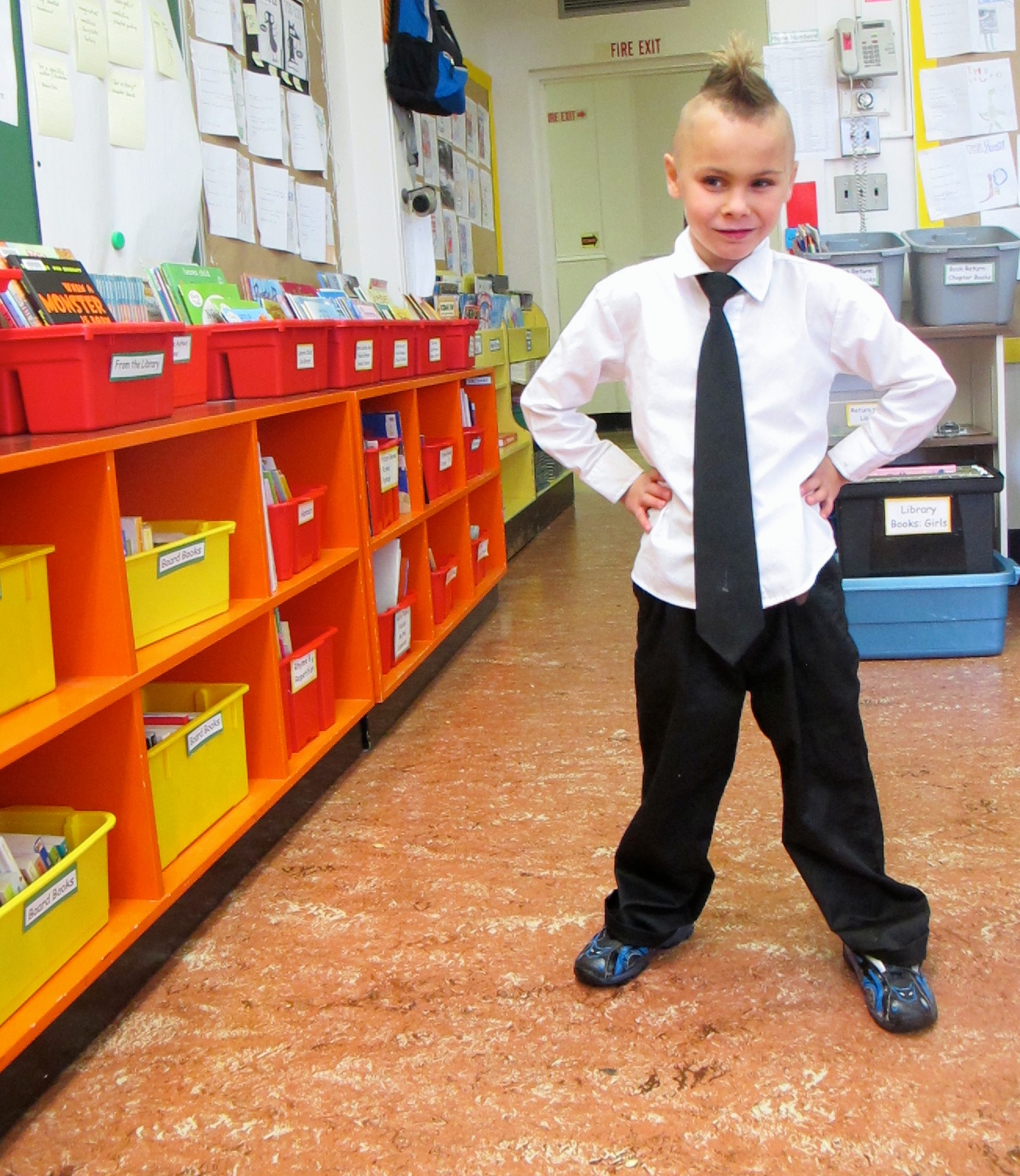
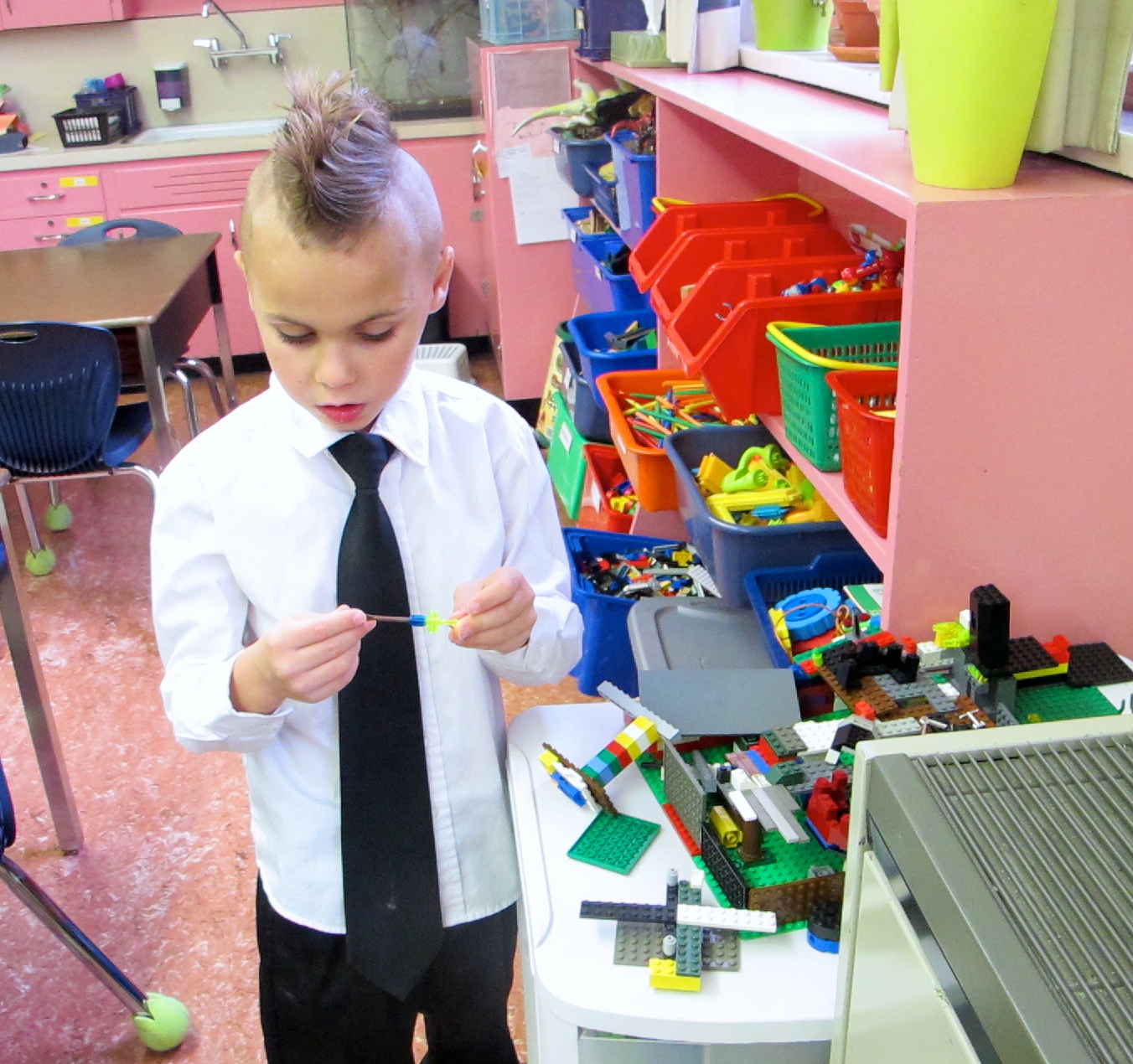
Today I had a visit at recess from a Grade 1 student all dressed up for photo day.

Talking spiders There's a Book for That

He checked out some Lego and told me about his outfit.

Talking spiders There's a Book for That

Then he wandered over to where I was putting away some nonfiction titles. And we started to talk about the books

Me: “What do you notice about all of these books?”

Mr. Dressed Up: “They’re all insects and stuff. They’re good because they help you breathe and make stuff. Like honey.”

Me: “Which of these books looks the most interesting?”

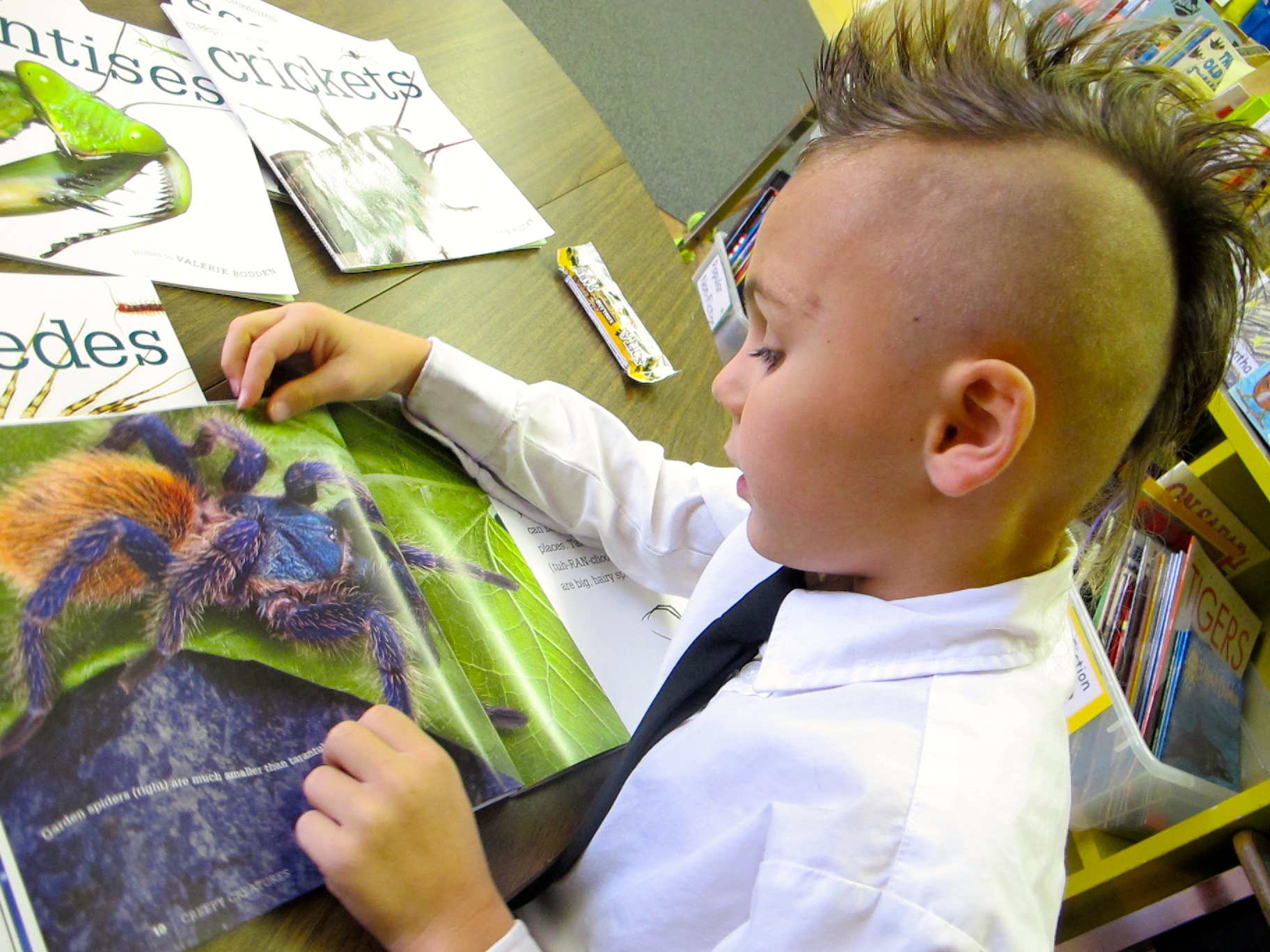
Mr. Dressed Up: “Hmmm. Spiders. I like them. They have 8 legs and well, they’re creepy. I like creepy stuff.”

Me: “What do you think you might find out in this book?”

Mr. Dressed Up: “Well you’ll be knowing about spiders. How they spin. Can they help you out in a haunted house?”

Me: “Interesting. What are you noticing when you look through the book?”

Mr. Dressed Up: “Well they have one eye in this picture. And 8 legs (counts to confirm) No, 11. Hold on (counts again) Maybe 10. Some of these might not be legs?”

Talking spiders There's a Book for That

Me: “Do you notice anything else?”

Mr. Dressed Up: “Well this orange part here is a big round circle. Kind of like a bum that we have. But we have two big circles.”

Indeed! 🙂

Me: “So do you think you might like to read these books when you are in my classroom?”

Mr. Dressed Up: “Yep.”

Judging from the popularity of the Creepy Creatures series with my current Grade 3/4 students, I think he will!

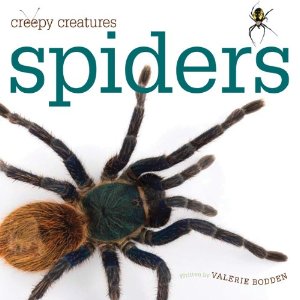
Spiders by Valerie Bodden (published 2011) has information about a spider’s life, how webs are made and the parts of a spider’s body. Close up photographs are intriguing. There is a glossary in the back and new vocabulary is bolded throughout the book. My primary/early intermediate students can easily manage this series with independence.

Spiders Talking spiders There's a Book for That

Thanks to Alyson from Kid Lit Frenzy for the inspiration to read and share more nonfiction picture books in 2014. Follow the link to Alyson’s blog to read about more nonfiction books you need to read!

klf_nonfiction2014_medium

My goal is to read 65 nonfiction picture books for 2014. Progress: 119/65 complete!

Nonfiction Picture Book Wednesday: A focus on Steve Jenkins titles

Steve Jenkins is royalty in the nonfiction picture book world as far as I am concerned. A leader, an inspiration, a sure thing. Does anyone own a Steve Jenkins title that they don’t adore? Every time I hear of a new Jenkins book being released, I can instantly convince myself that it must be a part of our class collection. And then I use it often for many different reasons. So much of our science learning begins with a Steve Jenkins’ book!

The latest book soon making its way into my room is this one: Eye to Eye: How Animals See The World by Steve Jenkins (published April 2014)

I just reread this title again and am so excited to share it with my students. Each page offers a close up illustration of a particular eye and details about how it works and the book also begins and ends with additional information. As always, there are more facts about the animals featured in the book, but this title also includes:

  • a summary of “the first eyes” – how some animals developed sight and how vision evolved
  • information about the four kinds of eyes: an eyespot, pinhole eyes, compound eyes and the camera eye
  • a summary of the evolution of the eye with labelled diagrams and examples
  • a comprehensive glossary that contains terms like retina, receptor cells and ultraviolet light

I learned so many things and know it is a perfect book to read to my students as we discuss topics like light and vision related to an upcoming workshop at Science World.

How will I share this book? I plan to read it and keep a list of ongoing wonders/questions – we will make s wonder board with these questions and do some research and experiments to develop our understanding around concepts covered in this book. Who knows where our questions will lead us?

 Eye to Eye Nonfiction Picture Book Wednesday: A focus on Steve Jenkins titles

I started thinking about the myriad of ways that titles by Steve Jenkins (or Jenkins and Page) can be used in the classroom. The list is long. I have included some of my favourite Jenkins’ titles here and an idea about how to use them as part of a nonfiction read aloud experience that might extend over more than one class and into follow up activities.

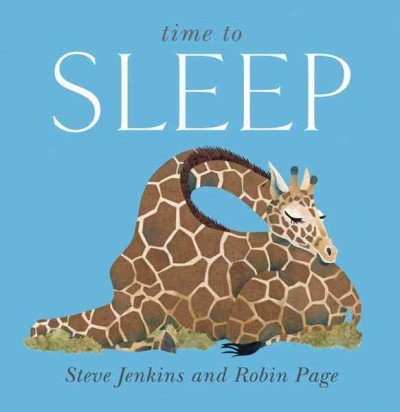
Time to Sleep by Steve Jenkins and Robin Page (published March 2011)

Learn all about how different animals sleep. Lots of additional information about each animal in the back pages of the book.

An idea: This book is a fantastic title to use when developing certain oral language skills: listening critically, making a relevant comment, building on what has been said and comparing and contrasting. Each page features a picture of an animal and a sentence or two about its sleep habits. Have the children comment in a turn and talk and then share out routine about how this is connected to or vastly different from human habits.

For example, the text says:

Snug in its underground burrow, the hairy armadillo snoozes for more than twenty hours a day.

Students might share: “Humans sleep above ground not underground.” “Humans don’t need as much sleep as armadillos. Kids sleep about 9-11 hours a night.” or “We don’t sleep in burrows but we snuggle under blankets to keep warm/snug.”
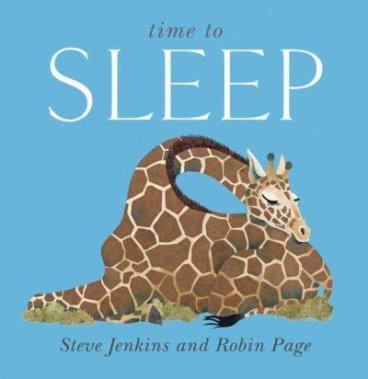
time to sleep Nonfiction Picture Book Wednesday: A focus on Steve Jenkins titles

The Beetle Book by Steve Jenkins (published April 2012)

Detailed information about all of the different (and sometimes absolutely creepy) kinds of beautiful beetles that exist in the world.

An idea: Of course, this book screams art to me. But, after learning about beetle parts (abdomen, thorax, mandibles, flight wings, etc) art needs to be somewhat scientific art. Have the students sketch and colour (choose your medium) real or imagined beetles and label the parts. Perhaps some future coleopterists (people who study beetles) will be inspired.
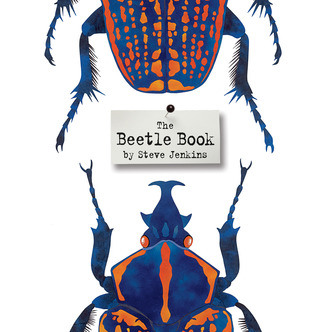
 The Beetle Book Nonfiction Picture Book Wednesday: A focus on Steve Jenkins titles

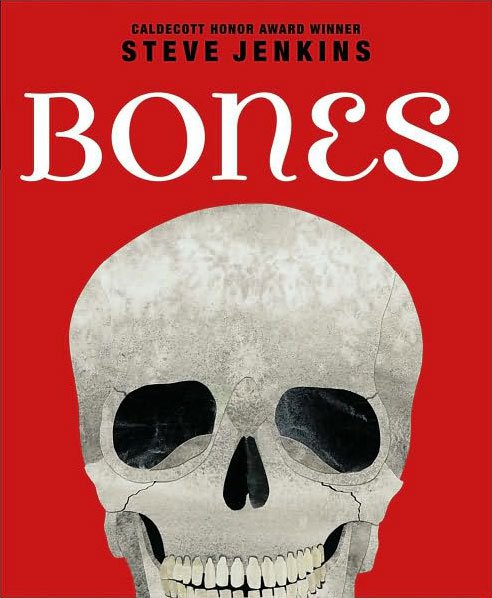
Bones by Steve Jenkins (published August 2010)

True to size or scaled down images of bones and how they work in various bodies. Incredible.

An idea: This book inspires more labelled diagrams to me. Have students sketch the skeletal system of a particular animal. A detailed labelled diagram (beyond just name) which explains how particular bones work to help the animal hunt, hide, move in its everyday life could be completed. Take this further and compare bone sizes to human bones. The human femur is _______ times as big (or cm longer than) the femur of the _________. Any kind of math could be practiced: ratios, length comparisons, fractions, etc.
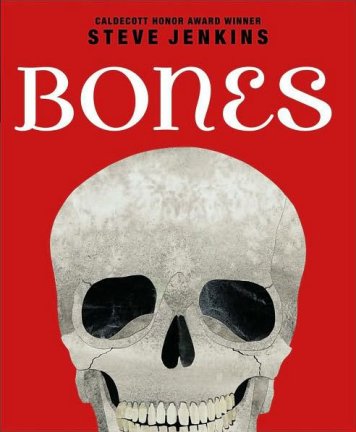
Bones Nonfiction Picture Book Wednesday: A focus on Steve Jenkins titles

How to Clean a Hippopotamus: A Look at Unusual Animal Partnerships by Steve Jenkins and Robin Page (published May 2010)

Learn about the unique symbiotic relationships between specific creatures. I once read this book over the course of almost a year – a little each week and students were completely mesmerized by what they were learning.

An idea: This book was fantastic to practice summary writing using new vocabulary. An example: after reading about how the seagull eats worms (a parasite) from the ocean sunfish, I would ask students to explain the symbiotic relationship making sure to use specific words: parasites, ocean, surface, fin. After we did a few of these summaries together, students loved writing about the relationship between each pair of animals and illustrating it with a picture or two.
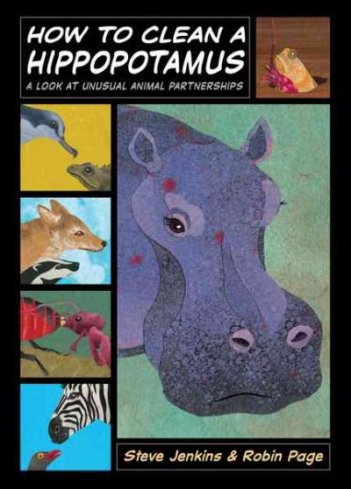
How to Clean a Hippopotamus Nonfiction Picture Book Wednesday: A focus on Steve Jenkins titles

NFPB 2014

Thanks to Alyson from Kid Lit Frenzy for the inspiration to read and share more nonfiction picture books in 2014. Follow the link to Alyson’s blog to read about more nonfiction books you need to read!

My goal is to read 65 nonfiction picture books for 2014. Progress: 116/65 complete!

Nonfiction Picture Book Wednesday: Little Fans of Disgusting Critters

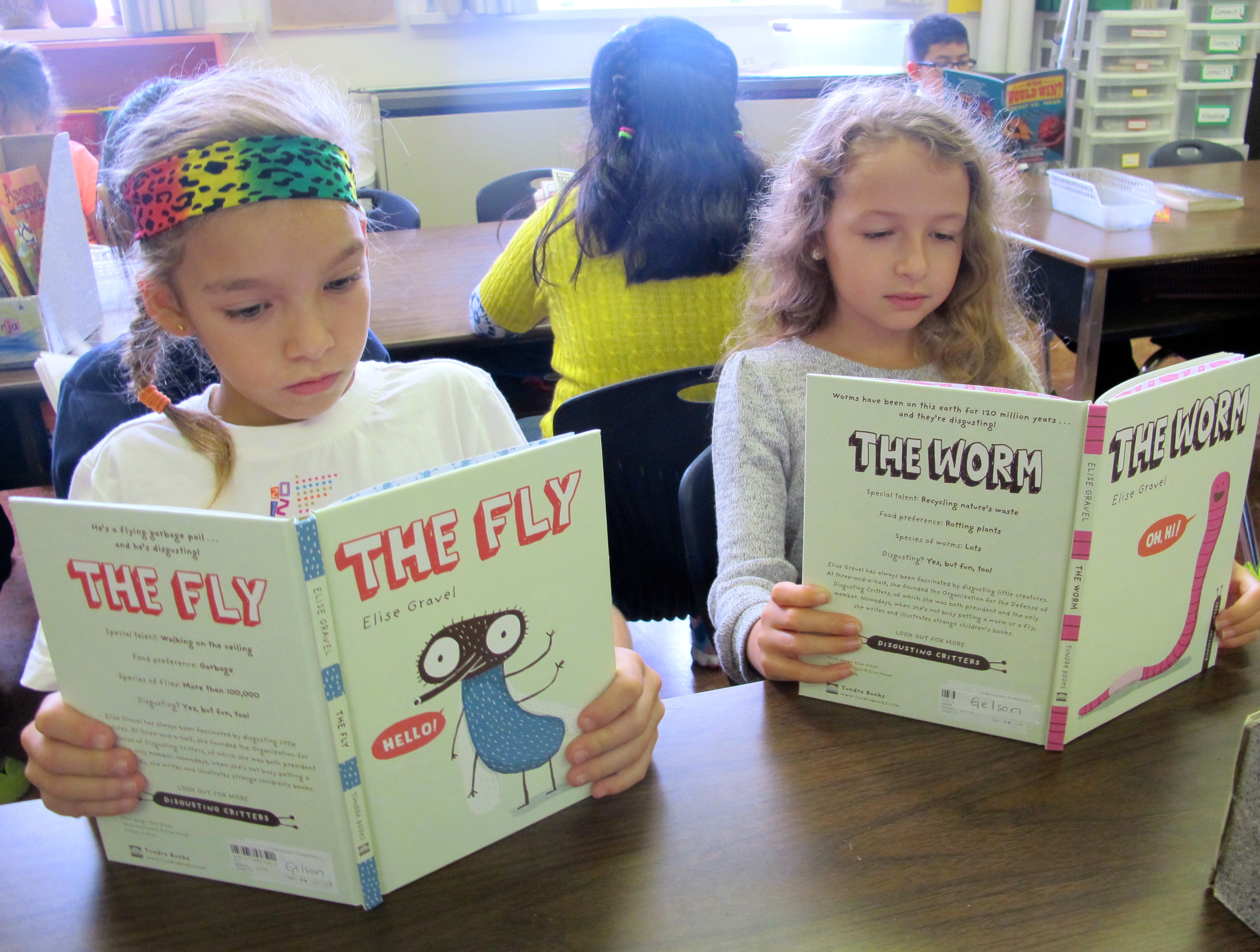
It has been such a pleasure to introduce my students to the Disgusting Critters series by Elise Gravel. These titles are written partly like a graphic or comic style early reader and partly as a nonfiction picture book. So far, there are four titles published including The Worm, The Fly, The Slug and The Rat. I think The Rat might be my favourite because I feel bravest when I read it. Oh how I despise rats . . .

The Rat: Nonfiction Picture Book Wednesday: Little Fans of Disgusting Critters

When I first read The Fly in the summer, I knew. I knew these books would be such a hit in my classroom. I had all kinds of ideas:

  • pair them with a more traditional nonfiction series to allow students to continue gathering facts
  • have pairs of students read through and list facts discovered (go on a “fact hunt”) and also list parts of the books that are included for other purposes like humour, story line, etc.
  • make lists of other disgusting critters that might need to have a book devoted to them

Day one and we started with Disgusting Critters.

Independent reading time included a lot of reading devotion to these books.

Nonfiction Picture Book Wednesday: Little Fans of Disgusting Critters

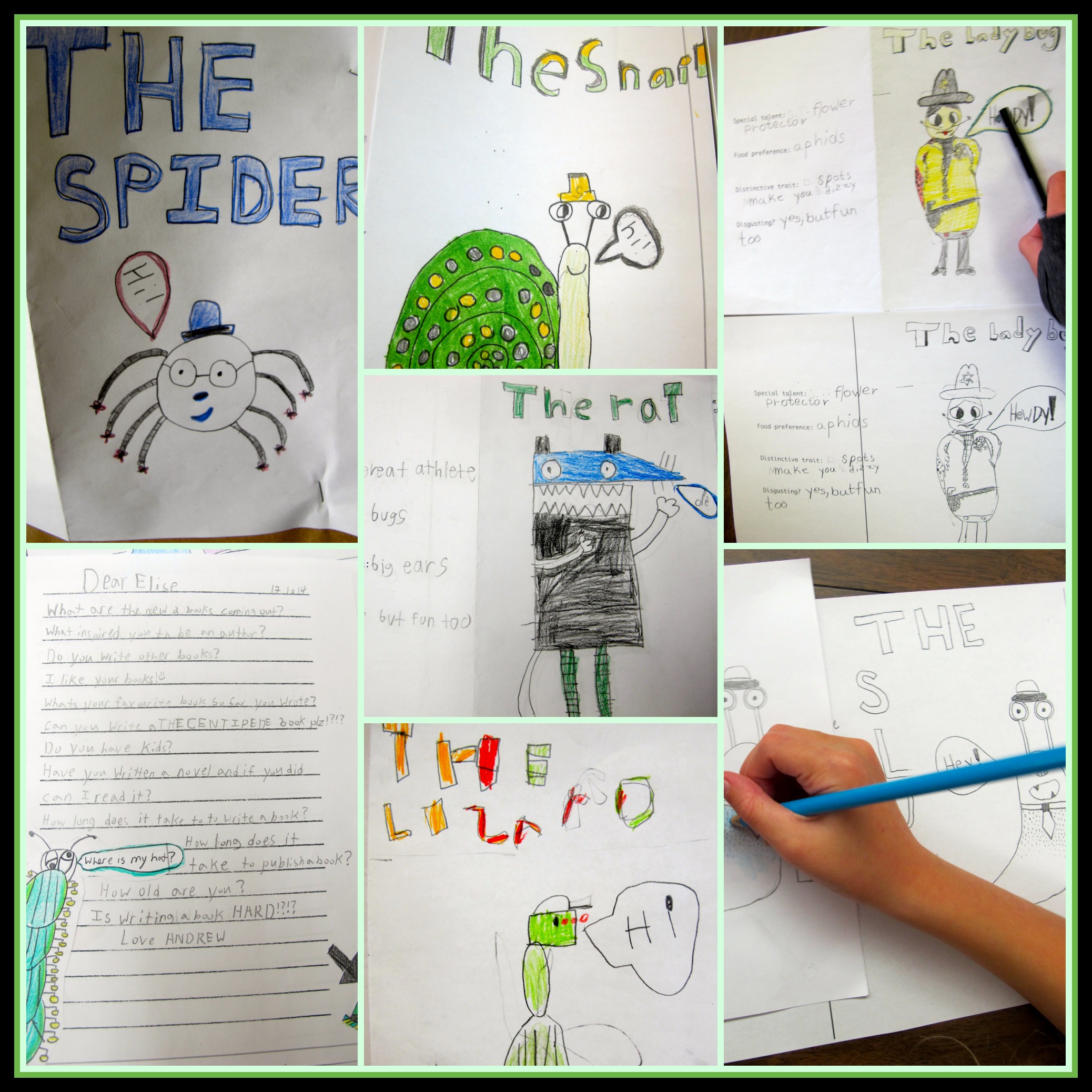
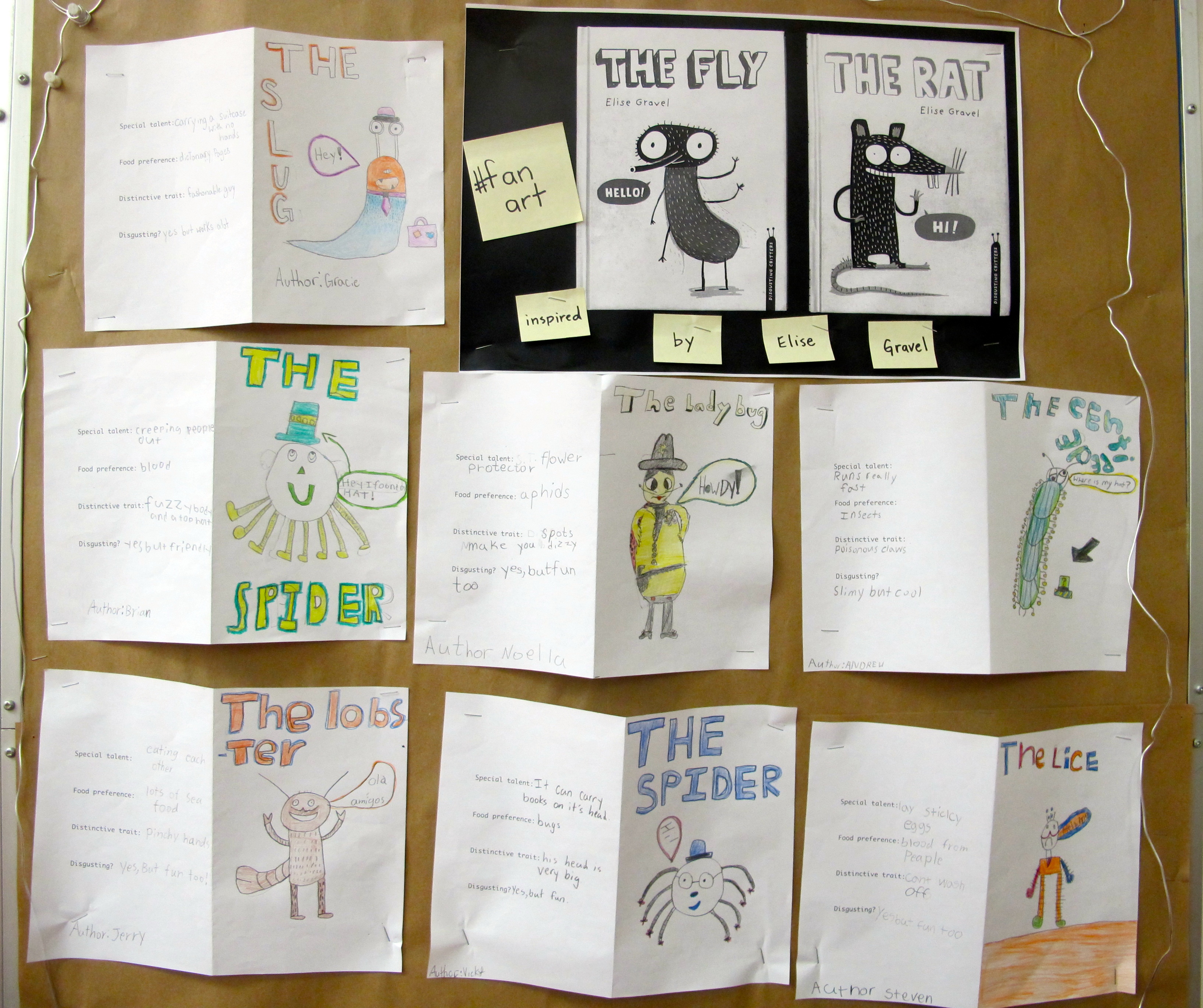
Then I thought . . . what if we made our own “fan art” and designed a Disgusting Critter book jacket? I used some of the terms on the back covers for students to answer for the “back” of their cover:

Special Talent:

Food preference:

Distinctive Trait:

Disgusting?

We drew pencil sketches. I made a photocopy. We added colour. One for our bulletin board and one for Elise Gravel. We had lots of interesting “critters” including snails, centipedes, ladybugs, lizards, lobsters and lots of spiders. And many more 🙂

Nonfiction Picture Book Wednesday: Little Fans of Disgusting Critters

We wrote Elise letters full of questions and things we wanted her to notice. Some favourite lines from different letters:

  • I drew the lice because I liked it. Lots of kids have lots of lice, so be careful.
  • Mine is a spider. Did you notice my spider’s eyelashes?
  • I love your art Elise.
  • I hate spiders but I like your art. Can you write about lizards and crabs?
  • I love how you mixed humour and nonfiction.
  • Is writing a book hard?

We wrote thoughtfully . . .

Nonfiction Picture Book Wednesday: Little Fans of Disgusting Critters

We got some help editing for meaning and clarity:

Nonfiction Picture Book Wednesday: Little Fans of Disgusting Critters

Lots of hard work and creativity by all to complete these projects. Some art, some writing, a little research and a bit of creative license.
Nonfiction Picture Book Wednesday: Little Fans of Disgusting Critters   I shared much of this with Elise along the way via twitter.

A package of “fan art” and letters is on route to her in Montreal!

So much buzz about these books. Nonfiction that is exciting and engaging? That leads to reading more nonfiction about certain creatures? More Disgusting Critters please Elise Gravel!!

NFPB 2014

Thanks to Alyson from Kid Lit Frenzy for the inspiration to read and share more nonfiction picture books in 2014. Follow the link to Alyson’s blog to read about more nonfiction books you need to read!

My goal is to read 65 nonfiction picture books for 2014. Progress: 111/65 complete!
Dear Ivan

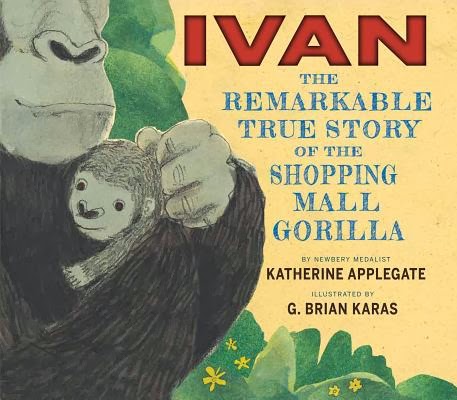
Last year I read my class Katherine Applegate‘s The One and Only Ivan. We fell in love. Ivan’s words (via Katherine) and his story had such an impact. When I heard that there was a picture book to be published in the fall written by Katherine and illustrated by G. Brian Karas, I showed my students the book trailer. Well, . . .

“You have to buy that book!”

“Will you read it to us?”

“Even if we aren’t in your class?”

“Promise?!”

This year I have been able to keep 80% of the students I had last year – looping a Grade 2/3/4 into a 3/4. When Ivan: The Remarkable True Story of the Shopping Mall Gorilla written by Katherine Applegate and illustrated by G. Brian Karas was released, I made a special trip to the bookstore. I read this gorgeous picture book to my students multiple times. We have certain lines memorized.

 Dear Ivan There's a Book for That

We then watched the video of Ivan in the shopping mall that I found on Mr. Schu’s blog.

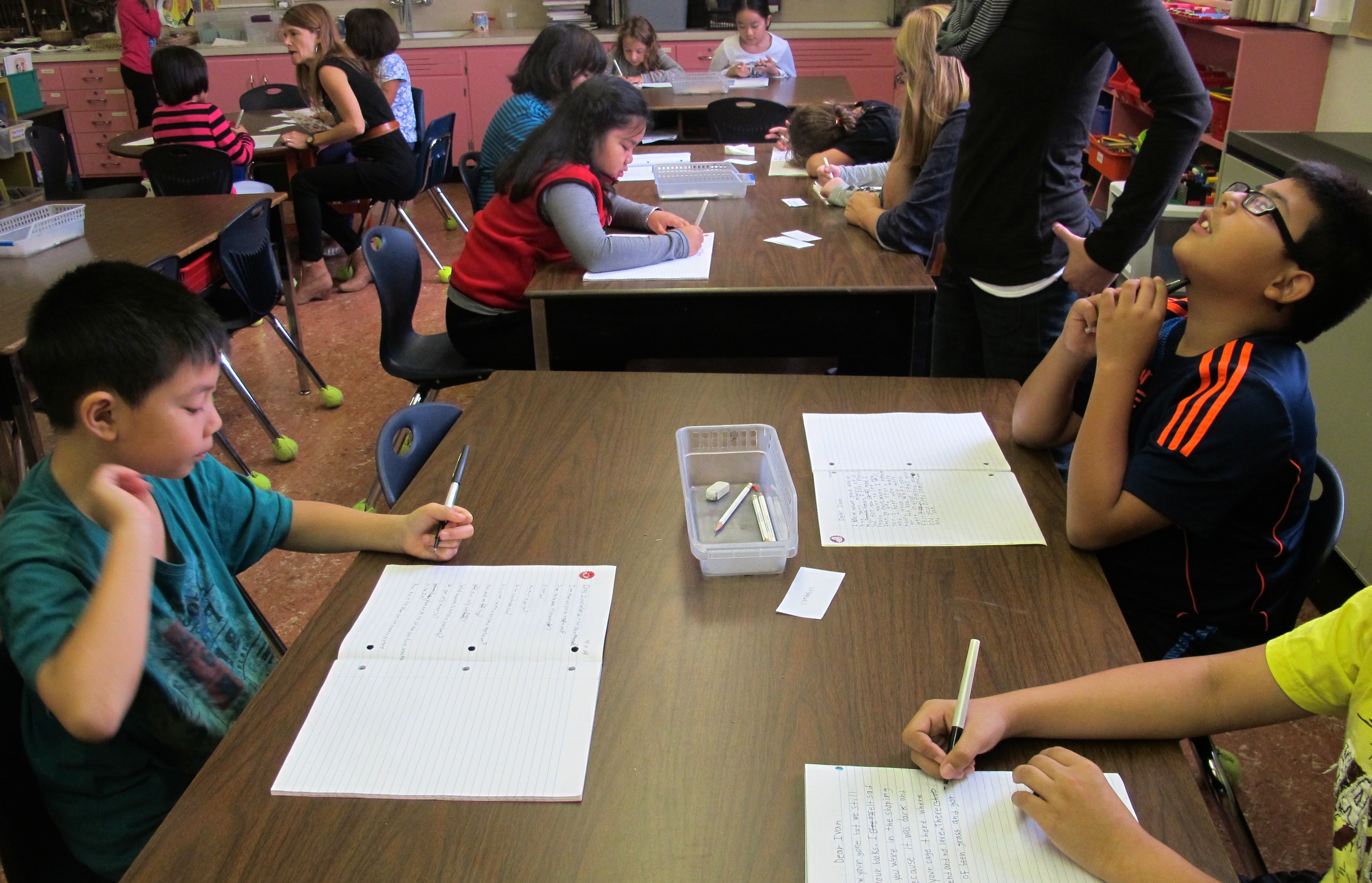
Some of us cried. We read the story again. We started writing letters to Ivan. I showed the children a video of Ivan at Zoo Atlanta. We watched it more than once. We added to our letters.

Yes, we know that Ivan passed away in 2012. But Ivan has sat with us in our room. He has made us laugh and made us pause. We have sat in silences thinking. He has been our hero and we have wanted to protect him. His story has prompted discussions of animals in captivity, of human cruelty, of just “why?” Lots of conversations. Thanks To Katherine Applegate and all of those who have loved Ivan, we love Ivan too.

Writing to him felt like the right thing to do. Reading the letters later? Well, wow. It was certainly the right thing to do.

 Dear Ivan There's a Book for That

Portions of my students’ letters:

Ava writes:

Dear Ivan: I wish I could actually see you in real life and your silver back. I’m sorry that you spent 27 years in a shopping mall all alone.

Noella writes:

Dear Ivan: Were you sad in the shopping mall? Was your cage rusty? Were you sad for your sister? Were you happy in the zoo?

From Andrew:

Ivan, what did the zoo feel like? How much did you eat? What did you feel like when you first went to the zoo? How did it feel to be trapped in a cage? How dark was your cage? How did it feel to have no one to protect? How did it feel to be lonely?

From Rebecca:

Dear Ivan: I really liked your painting Ivan. I am so sorry for your sister. You were so smart Ivan. I am impressed of the things that you do. I am happy that you are in a zoo. I am happy for your freedom.

Jorja writes:

Dear Ivan: Your cage was grey and the jungle was green. There were other gorillas and you looked happy. You looked happy in the zoo too. You looked calm and relaxed. I was sad when you died.

From Kevin:

Dear Ivan: I know you’re gone but we still have your books. I felt sad when you were in the shopping mall because it was dark and there were no friends and no love. There should have been grass and gorillas to play.

Brian writes:

Dear Ivan: I feel really sad for you and I really want to see you face to face. When I miss you, I get really emotional and I hope you were happy when you were in the zoo. When you were in your cage you felt empty inside and you need compassion and love. I’m really sorry for your sister Tag. You looked all majestic with your big black coat at the zoo. You were looking at the world instead of people looking at you. I love you Ivan

From Gracie:

Dear Ivan: I didn’t realize how empty and alone it was in your cage until I watched the real video. I love art and I wanna be an artist. You’re the most interesting and fantastic artist I’ve ever seen. I hope you had a good life Ivan. When I watched you at the zoo, I was filled with joy. Here’s what I saw: You looking around like you were impressed with the world. I know that it is hard to read a gorilla’s emotions but I bet you were very happy. Did you think you wasted your life or did you know you were gonna live happy every after?

Even though this post doesn’t talk in detail about this gorgeous nonfiction picture book by Katherine Applegate and G. Brian Karas, I hope it calls to you (if you have yet to read it) to experience Ivan’s story. Then, of course, find someone to read it to. This story is meant to be shared.

NFPB 2014

Thanks to Alyson from Kid Lit Frenzy for the inspiration to read and share more nonfiction picture books in 2014. Follow the link to Alyson’s blog to read about more nonfiction books you need to read!

My goal is to read 65 nonfiction picture books for 2014. Progress: 111/65 complete!
Nonfiction Picture Book Wednesday: Who is reading what and why?

My students are very pleased to be reacquainting themselves with the classroom library after a long summer/strike break. I have been book talking, highlighting specific bins and handing particular books to particular readers for particular reasons. We haven’t done a huge focus on nonfiction titles yet but still, many are being read around the room. I always find it so interesting to see what is popular at any given time in my Grade 3/4 classroom.

Who is reading what? And why? A few highlights:

Weird but True titles by National Geographic Kids do not stay in their assigned basket. They are hugely popular with many students who love to read all of the facts and quiz each other. They would happily do this for hours.

Weird but True 5 Nonfiction Picture Book Wednesday: Who is reading what and why? There's a Book for That

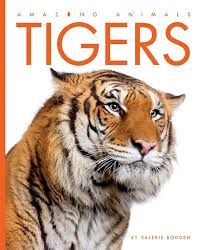
Tigers by Valerie Bodden – part of The Amazing Animal series (published 2009) This book made its way into one child’s book box yesterday because, “I keep thinking about tigers and my book box is needing some books with information. I LOVE tigers. I am so excited!”

Tiger Nonfiction Picture Book Wednesday: Who is reading what and why? There's a Book for That

This Disgusting Critters series (published 2014) by Elise Gravel, is adored, as I suspected it would be. We are in the middle of a little art project to make our own disgusting critter in Gravel’s style. Of course, now these titles are even more popular.

“Can I read The Slug next?”

“Is there a list? I haven’t read The Rat yet.”

“When is the next one of these coming out? Can you buy it?

 The Slug Nonfiction Picture Book Wednesday: Who is reading what and why? There's a Book for That

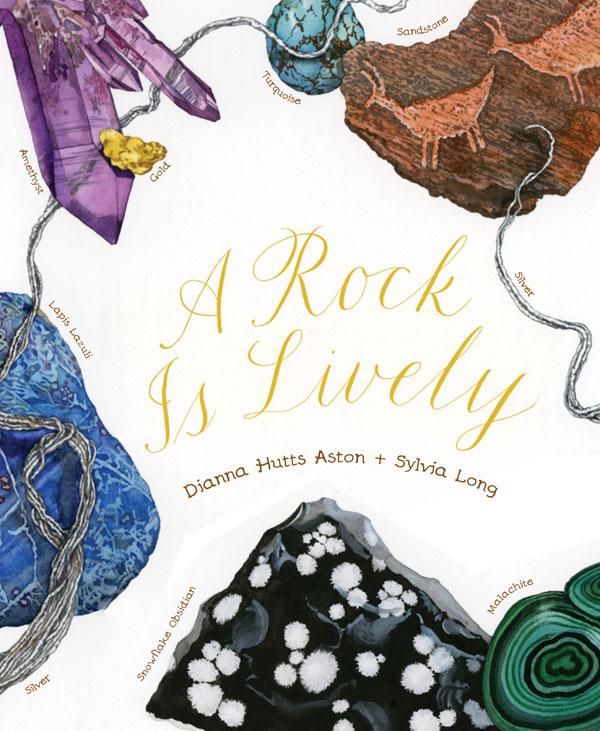
A Rock is Lively written by Diana Hutts Aston and illustrated by Sylvia Long (published 2012) One of my students has discovered this beautiful book and spends a lot of her free time examining its gorgeous pages. She has made lists of her favourite rocks and is now looking at rocks in our classroom rock collection to see what she might be able to identify.

 A Rock is Lively Nonfiction Picture Book Wednesday: Who is reading what and why? There's a Book for That

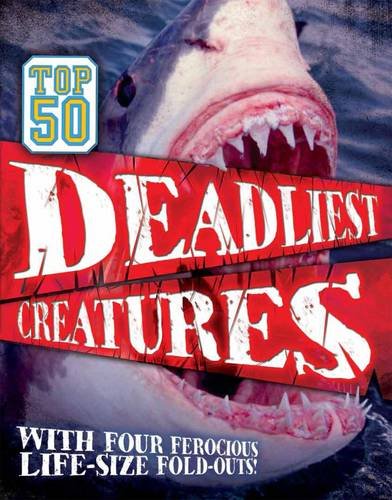
Top 50 Deadliest Creatures by Camilla De La Bdoyre (published 2012)

I don’t know what it is about this book but almost every time we have a guest to our room, one child will go off in search of this title to read aloud. A visiting student teacher got to listen to some amazing facts about ferocious creatures today. I didn’t buy this book. It came in as a donation and ever since it travels from book box to book box being read by many.

Top 50 Deadliest Creatures Nonfiction Picture Book Wednesday: Who is reading what and why? There's a Book for That

What is popular in your nonfiction library right now?

Thanks to Alyson from Kid Lit Frenzy for the inspiration to read and share more nonfiction picture books in 2014. Follow the link to Alyson’s blog to read about more nonfiction books you need to read!

klf_nonfiction2014_medium (1)

My goal is to read 65 nonfiction picture books for 2014. Progress: 110/65 complete!

Nonfiction Picture Book Wednesday: So, I think I might read . . .

So . . . I am back to teaching again! Finally! If you are a regular reader of this blog, you might notice that I have announced this frequently but considering we had job action disruption since May and more than 5 weeks of full scale strike action, I am celebrating in every moment that I am back to doing what I love.

My energy is “leapy” – which I am not sure is a word exactly but I’m translating it as: a feeling of great excitement; can result in jumping up and bouncing about in happiness. Often and without warning.

Sitting to write a blog post will be a little challenging. I decided to use this opportunity to celebrate nonfiction titles to share some books I am thinking of reading aloud to my students in the next few months and why. . .

The Rat by Elise Gravel (published 2014)

Our first read aloud of the year was The Fly by Gravel and it was a huge hit. Students are completely intrigued with this series and I can’t wait to share more titles with them. One child offered this description:

“great because it’s a graphic novel and it fills your head with knowledge and funny facts!”

The Rat Nonfiction Picture Book Wednesday: So, I think I might read . . .

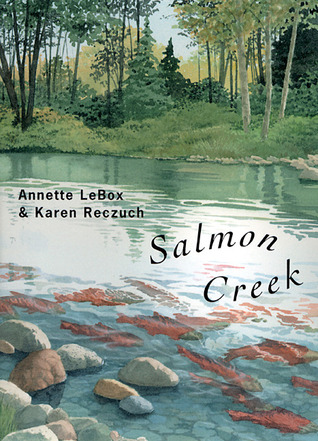
Salmon Creek written by Annette LeBox and illustrated by Karen Reczuch (published 2002)

We are off on our first field trip of the year on Monday, heading up to Grouse Mountain to explore. Salmon Creek will give us an opportunity to read about B.C. wildlife and forest habitats.

Salmon Creek Nonfiction Picture Book Wednesday: So, I think I might read . . .

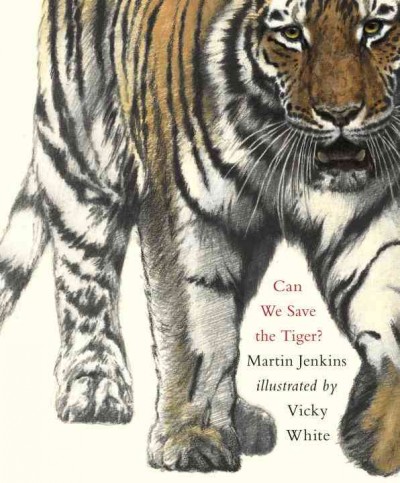
Can We Save the Tiger? written by Martin Jenkins and illustrated by Vicky White (published in 2011)

I want to study endangered and extinct animals as we learn more about habitats, animal interactions and adaptations. This is one of the best nonfiction titles to introduce some of these concepts.

Can we Save the Tiger? Nonfiction Picture Book Wednesday: So, I think I might read . . .

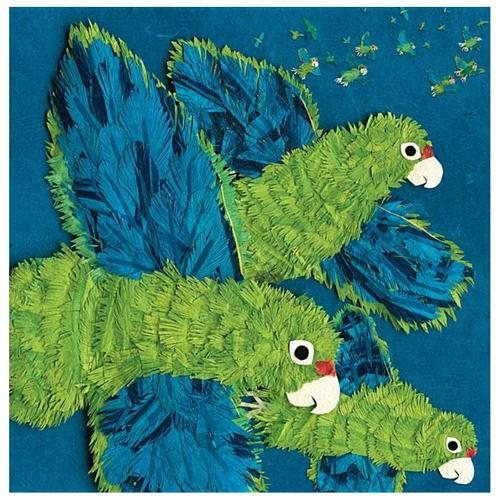
Parrots Over Puerto Rico by Cindy Trumbore and Susan L. Roth (published in 2013) Winner of the 2014 Sibert Medal

The perfect story about how human actions can begin to help rather than only interfere with an endangered species.

 Parrots over Puerto Rico Nonfiction Picture Book Wednesday: So, I think I might read . . .

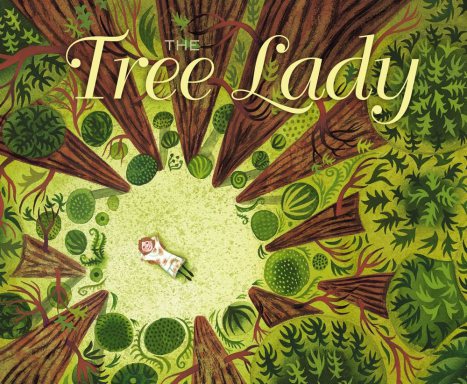
The Tree Lady by H. Joseph Hopkins and illustrated by Jill McElmurry (published 2013)

I love sharing picture book biographies and this is a title I didn’t get to read aloud last year. I also have some incredible art projects in mind that I think this book will inspire.

 The Tree Lady Nonfiction Picture Book Wednesday: So, I think I might read . . .

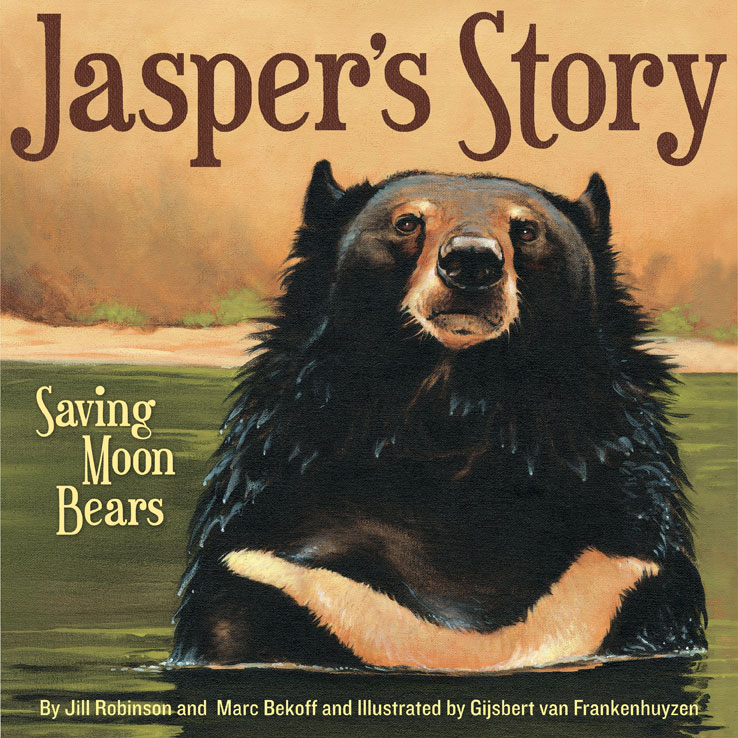
Jasper’s Story: Saving Moon Bears written by Jill Robinson and Marc Bekoff; illustrated by Gijisbert van Frankenhuyzen (published 2013)

Another title that illustrates how a species can become endangered because of human treatment and behaviour. I found this book this summer and knew it would be a book I had to share with my class.

 Jasper's Story Nonfiction Picture Book Wednesday: So, I think I might read . . .

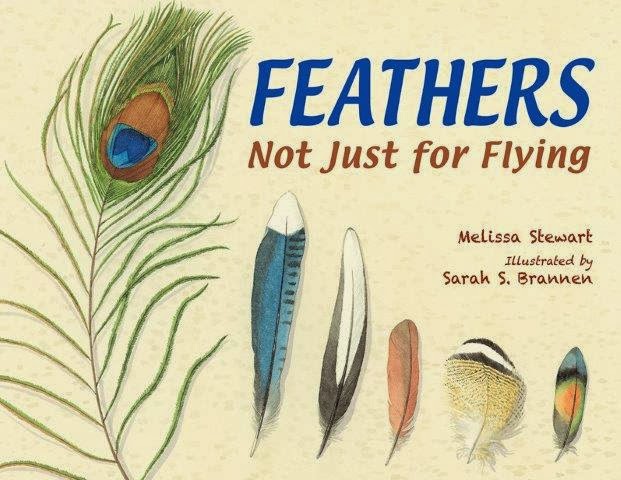
Feathers Not Just for Flying written by Melissa Stewart and illustrated by Sarah S. Brannen (published 2014)

I have a very interesting project in mind that this book will be a part of. There are a few other titles that will also be part of the inspiration. I don’t want to spoil anything but stay tuned . . .

Feathers Not Just for Flying Nonfiction Picture Book Wednesday: So, I think I might read . . .

Eye to Eye: How Animals See The World by Steve Jenkins (published April 2014)

Every year I share bits of a Steve Jenkins book over the course of weeks or even months. A page or so a day. This is the Jenkins title I plan to begin with.

 Eye to Eye Nonfiction Picture Book Wednesday: So, I think I might read . . .

Thanks to Alyson from Kid Lit Frenzy for the inspiration to read and share more nonfiction picture books in 2014. Follow the link to Alyson’s blog to read about more nonfiction books you need to read!

klf_nonfiction2014_medium (1)

My goal is to read 65 nonfiction picture books for 2014. Progress: 107/65 complete!

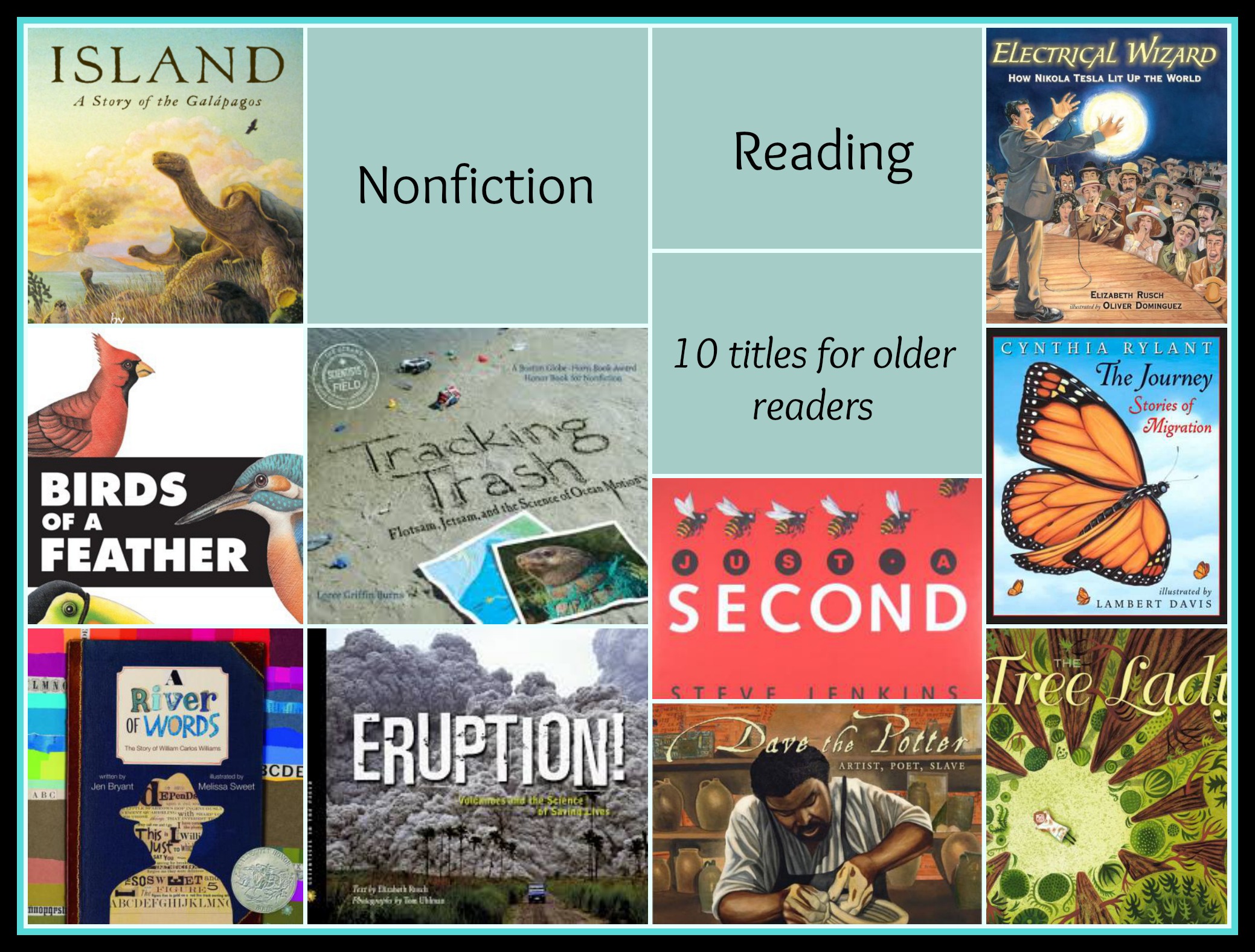
Nonfiction Picture Book Wednesday: Some favourite nonfiction titles for older readers (List 3)

It’s Nonfiction Picture Book Wednesday! 
This is the final list (3 of 3) where I share thirty titles (ten at a time) of my favourite nonfiction books for older readers. The first ten are here and second ten are here.

Even though I teach primary students, I often come across fantastic nonfiction titles that older students (Grades 4-8) might enjoy. Hope some of these titles are ideal for a reader you know.

The final ten:

 Nonfiction Reading Ten titles for older readers There's a Book for That

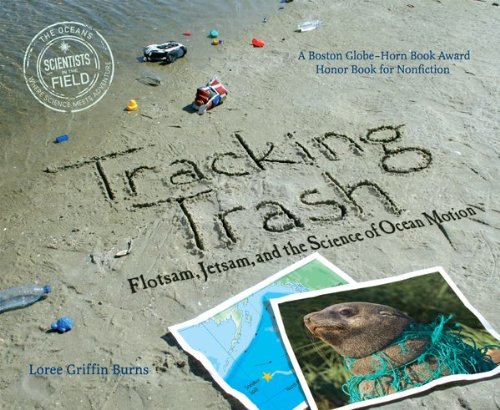
Tracking Trash  Flotsam, Jetsam and the Science of Ocean Motion by Loree Griffin Burns (published 2007)

Tracking Trash  Nonfiction Reading Ten titles for older readers There's a Book for That

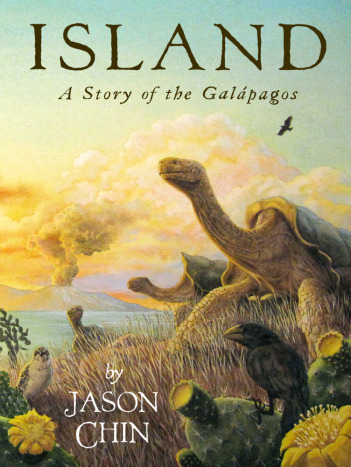
Island: A Story of the Galapagos by Jason Chin (published 2012)

Island  Nonfiction Reading Ten titles for older readers There's a Book for That

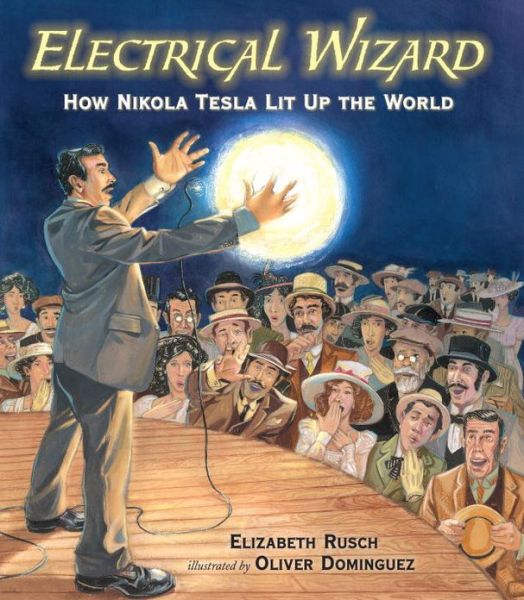
Electrical Wizard: How Nikola Tesla Lit up the World written by Elizabeth Rusch and illustrated by Oliver Dominguez (published 2013)

Electrical Wizard  Nonfiction Reading Ten titles for older readers There's a Book for That

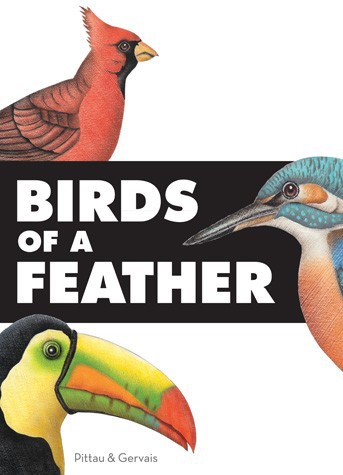
Birds of a Feather written by Francesco Pittau and illustrated by Bernadette Gervais  (published 2012)

birds of a feather Nonfiction Reading Ten titles for older readers There's a Book for That

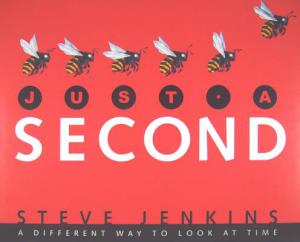
Just a Second by Steve Jenkins (published 2011)

Just a Second  Nonfiction Reading Ten titles for older readers There's a Book for That

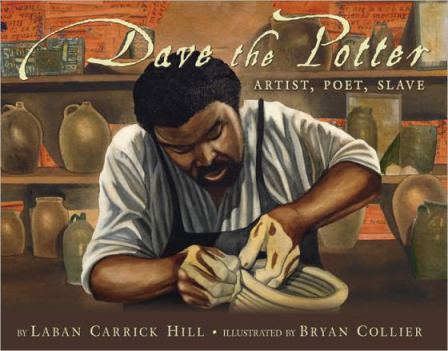
Dave the Potter: Artist, Poet, Slave written by Laban Carrick Hill and illustrated by Bryan Collier (published 2010)

 Dave the Potter  Nonfiction Reading Ten titles for older readers There's a Book for That

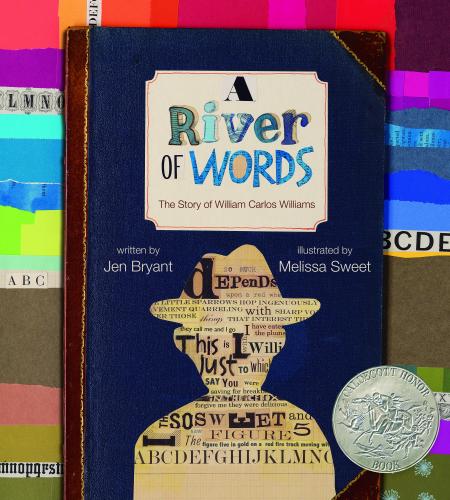
A River of Words: The Story of William Carlos Williams written by Jen Bryant and illustrated by Melissa Sweet (published 2008)

 River of Words  Nonfiction Reading Ten titles for older readers There's a Book for That

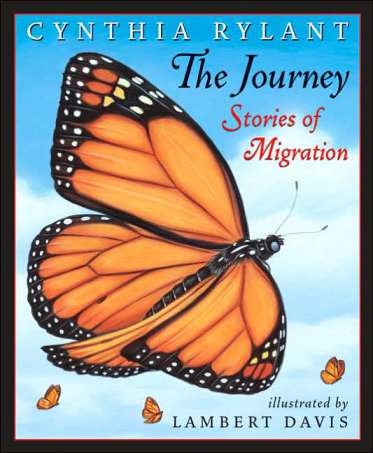
The Journey: Stories of Migration written by Cynthia Rylant and illustrated by Lambert Davis (published 2006)

 The Journey  Nonfiction Reading Ten titles for older readers There's a Book for That

The Tree Lady by H. Joseph Hopkins and illustrated by Jill McElmurry (published 2013)

 Tree Lady  Nonfiction Reading Ten titles for older readers There's a Book for That

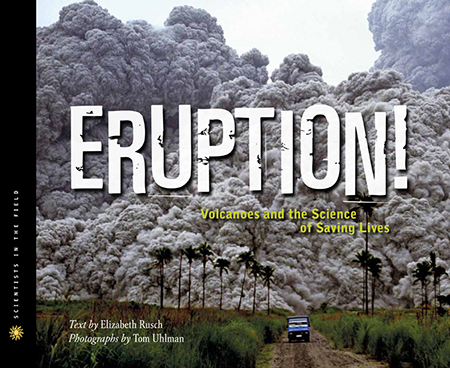
Eruption: Volcanoes and the Science of Saving Lives written by Elizabeth Rusch with photographs by Tom Uhlman (published 2013)

Eruption  Nonfiction Reading Ten titles for older readers There's a Book for That

Thanks to Alyson from Kid Lit Frenzy for the inspiration to read and share more nonfiction picture books in 2014. Follow the link to Alyson’s blog to read about more nonfiction books you need to read!

klf_nonfiction2014_medium (1)

My goal is to read 65 nonfiction picture books for 2014. Progress: 104/65 complete!