Nonfiction Picture Book Wednesday: Healthy Kids all over the world

It’s Nonfiction Picture Book Wednesday! 

Some of the most powerful books to share with kids are books featuring photographs of children doing everyday things around the world. There is a natural fascination to compare. What is different? What is the same? How are things done somewhere else? What does it look like? As children explore these photographs and accompanying text, the huge world seems a little bit smaller and we are happy we share it in such similar and diverse ways.

This week I came across Healthy Kids (A Global Fund for Children book) by Maya Ajmera, Victoria Dunning and Cynthia Pon (published in 2013). This book begins with a forward by Melinda French Gates reminding readers that all children have the right to be healthy .

Healthy Kids Nonfiction Picture Book Wednesday There's a Book for That

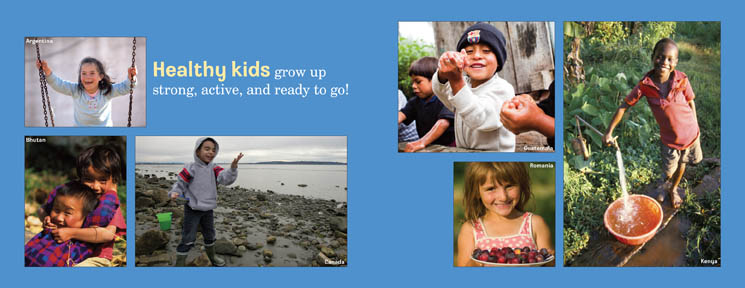
The photographs in this book are lovely. Each full page spread features multiple photographs (each labelled by country) of children engaged in the activity described by the text. The book focuses on clean water, a healthy diet, medical and dental care and adequate exercise. A home that is clean and safe, immunizations and a hygenic place to go to the bathroom are explained as being an essential part of a healthy life.
Healthy Kids Nonfiction Picture Book Wednesday There's a Book for That

Travel around the world and witness a young girl pumping water in India, a group of children brushing their teeth together in Tonga and children whizzing down a hill on toboggans in Greenland. Bike riding in Botswana is great exercise. In Nigeria, children sleep under mosquito nets. Children wash their hands at an outdoor sink in Guatelmala.

The last few pages of the book provide more information on each of the topics covered and also stresses that while healthy kids live all over the world, not all communities and countries have everything they need to ensure the health of their children and citizens. Some suggestions of ways to advocate for better health for children world wide are suggested.

Pair this title with other books – both fiction and nonfiction that celebrate children, their bodies, their feelings, their families, their happiness and their health. Here are just a few of my favourites:

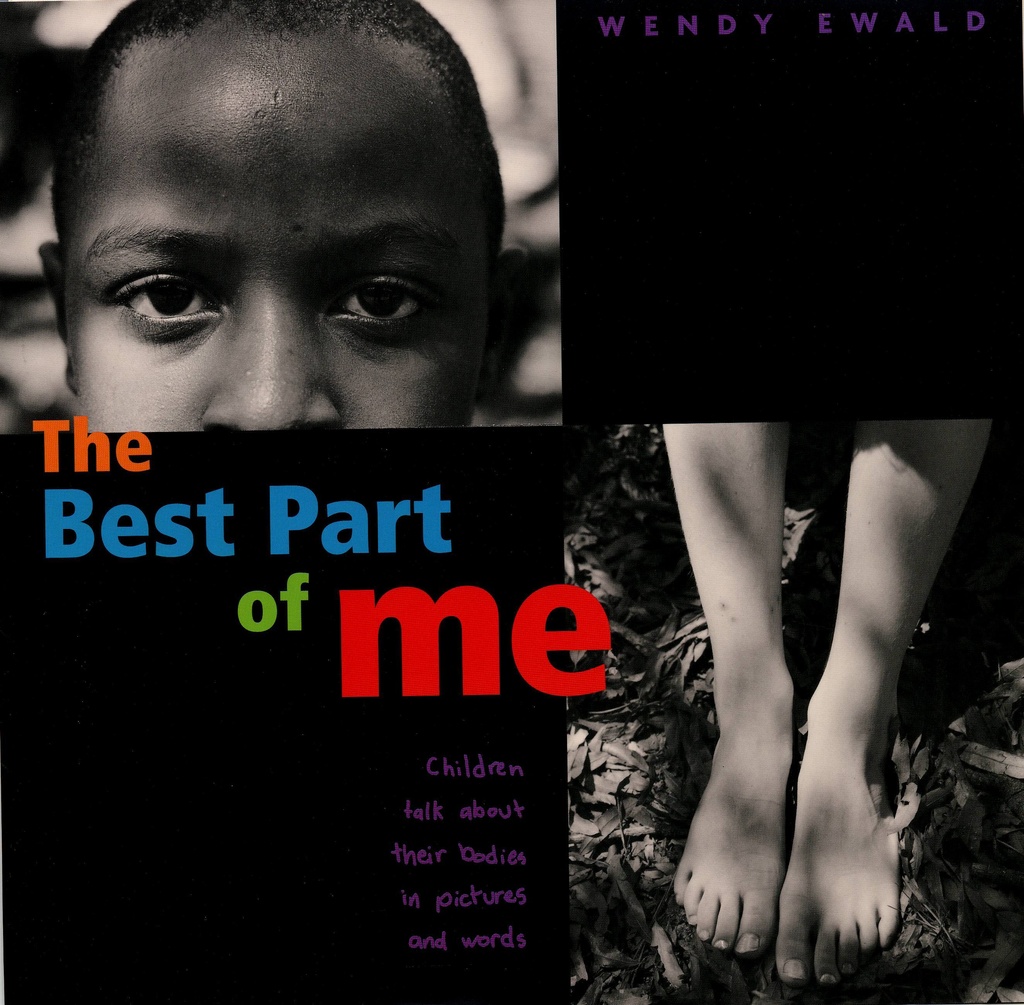
The Best Part of Me: Children talk about their bodies in pictures and words by Wendy Ewald

A beautiful celebration of children’s thoughts and feelings about themselves shared in their writing about a part of their body. Photographs accompany each piece of writing. A beautiful line (there are many to choose from)

I like my hands because they turn the pages of a book slowly and magically. Reading makes me happy.
The Best Part of Me Nonfiction Picture Book Wednesday There's a Book for That

Shades of People by Shelley Rotner and Sheila M. Kelly

In this book, people are not described by their skin colour but rather the shade they come in – creamy, coffee, copper, almond, rose, bronze, brown . . . My favourite lines:

Our skin is our covering, just like wrapping paper. And, you can’t tell what someone is like from the colour of their skin.
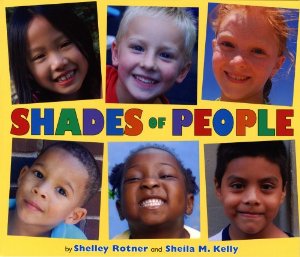
Shades of People Nonfiction Picture Book Wednesday There's a Book for That

The Handiest Things in the World by Andrew Clements Photographs by Raquel Jarmillo 

While I like the photographs more than the text in this title, it is another beautiful book full of photographs of children doing everyday things. A celebration of all the things we use to make life easier even though our hands have many things all figured out!
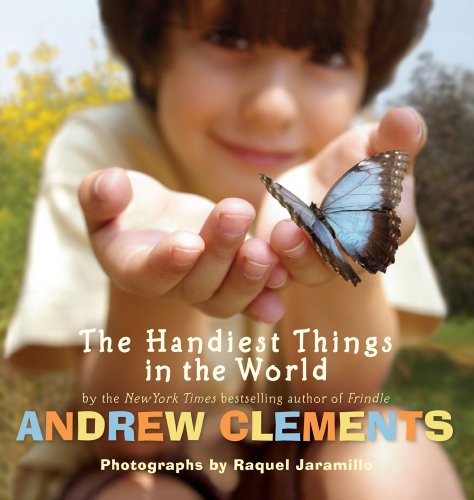
The Handiest Things in the World Nonfiction Picture Book Wednesday There's a Book for That

You and Me Together: Moms, Dads and Kids Around the World by Barbara Kerley

A wonderful collection of photos from all over the world of parents interacting with their children – doing the most natural of things – making a mess, telling a tale, taking a nap or catching a bus. Fun to guess where in the world the photograph might have been taken.
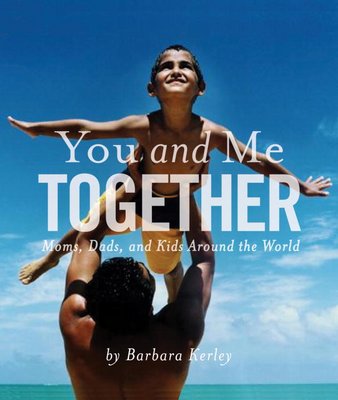
You and me together Nonfiction Picture Book Wednesday There's a Book for That

Whoever You Are written by Mem Fox illustrated by Leslie Staub 

Soothing and celebratory, this is one of my favourite titles to introduce diversity and sharing the most important thing about ourselves with everyone – our humanity.

Their lives may be different from yours,

and their words may be very different from yours.

But inside, their hearts are just like yours,

whoever they are, wherever they are,

all over the world.
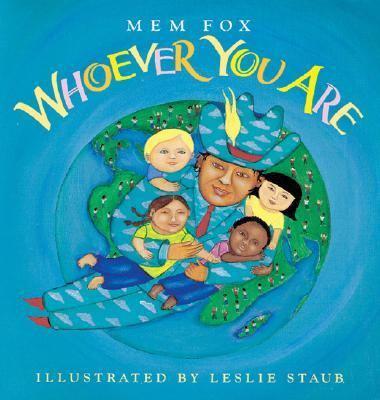
Whoever-you-are Nonfiction Picture Book Wednesday There's a Book for That

My original goal was 60 nonfiction picture books for 2013. Progress: 37/60 complete

Thanks to Alyson from Kid Lit Frenzy for the inspiration to read and share more nonfiction picture books in 2013!
NFPB2013leavesPlease share your favourite titles on this theme!

Wonder Inducing Nonfiction Read Alouds

It’s funny how one’s focus can change when looking at the classroom library. For a while, I’ve been thinking a lot about the nonfiction titles in my room. Last summer I started to get anxious about whether or not I had enough books in the room that my Grade 2/3s could pick up and read independently. It seemed like my “best” nonfiction titles were books that I needed to read to my students. Which was wonderful because I had some amazing titles to use as we model strategies, but what about when it was independent reading time? Did I have enough titles that students could read by themselves with success? My book shopping focussed on purchasing titles that I knew my students could manage on their own, especially as we built strategies to read nonfiction text over the year. Some of my favourite books that I added?

  • The Discover More Series by Scholastic
  • Nicola Davies Flip the Flap and Find out books which include Who Lives Here? and Who’s Like Me?
  • Laura Hulbert‘s Who Has This Tail? and Who Has These Feet?
  • A huge array of Bobbie Kalman titles
  • The Are you a . . . ? series by Judy Allen and Tudor Humphries
  • The Amazing Animal Series by Kate Riggs

NonfictionText for Independent Reading There's a Book for That

Now, here I am a year later. Again, thinking about the books in my room . . . What is my focus now? That I want some “Oh, wow!” titles to read aloud. I want to make sure that just as I am reading a variety of picture books and some engaging novels, that I have a real variety of excellent nonfiction picture books to read aloud. Sometimes to model/practice a strategy, sometimes to enhance our learning on a particular subject and sometimes just because, the more we read, the more we know and I want my students to be inspired and curious about learning all year long!

I am fortunate to be looping my Grade 2/3 class into Grade 3/4 and so I have a sense of this group of children, what they wonder about and what I think might inspire them. Last year, I noticed that they were intrigued by stories – folklore, Aboriginal tales, stories from around the world and stories about things that really happened. They were very curious about the stories of people and how these stories connected to us in our classroom. It made me realize that I haven’t been reading enough biographies. I also want to focus on places around the world and the wonder of the world around us. Last year, students loved learning about animals from each continent and had endless questions about habitats.  I know we love art and books and music. So, I have some sense of what kinds of books I need to share.

Knowing how busy school can get and knowing how I sometimes need a one stop shop when I am planning, I decided to take advantage of the time summer has to offer to amass a huge list of amazing nonfiction read alouds. I was looking for titles that my Grade 3/4 class would enjoy. Some are favourites from previous years and some I have yet to read myself. Thank goodness for the wonderful book bloggers out there that I used for inspiration. So here is my list of 25 “wonder inducing” nonfiction read alouds. A reference for me and one that I am sharing here.

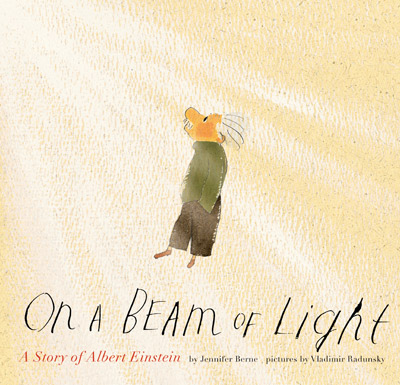
The book I plan to use to launch my year: On A Beam of Light- A Story of Albert Einstein by Jennifer Berne and illustrated by Vladimir Radunsky This book made my own thoughts whirl and swirl and race around my head. It has all the perfect themes of wonder, curiousity and thinking outside of the box.

 On a Beam of Light

Based on some picture book biographies I already loved, I grew that list to include:

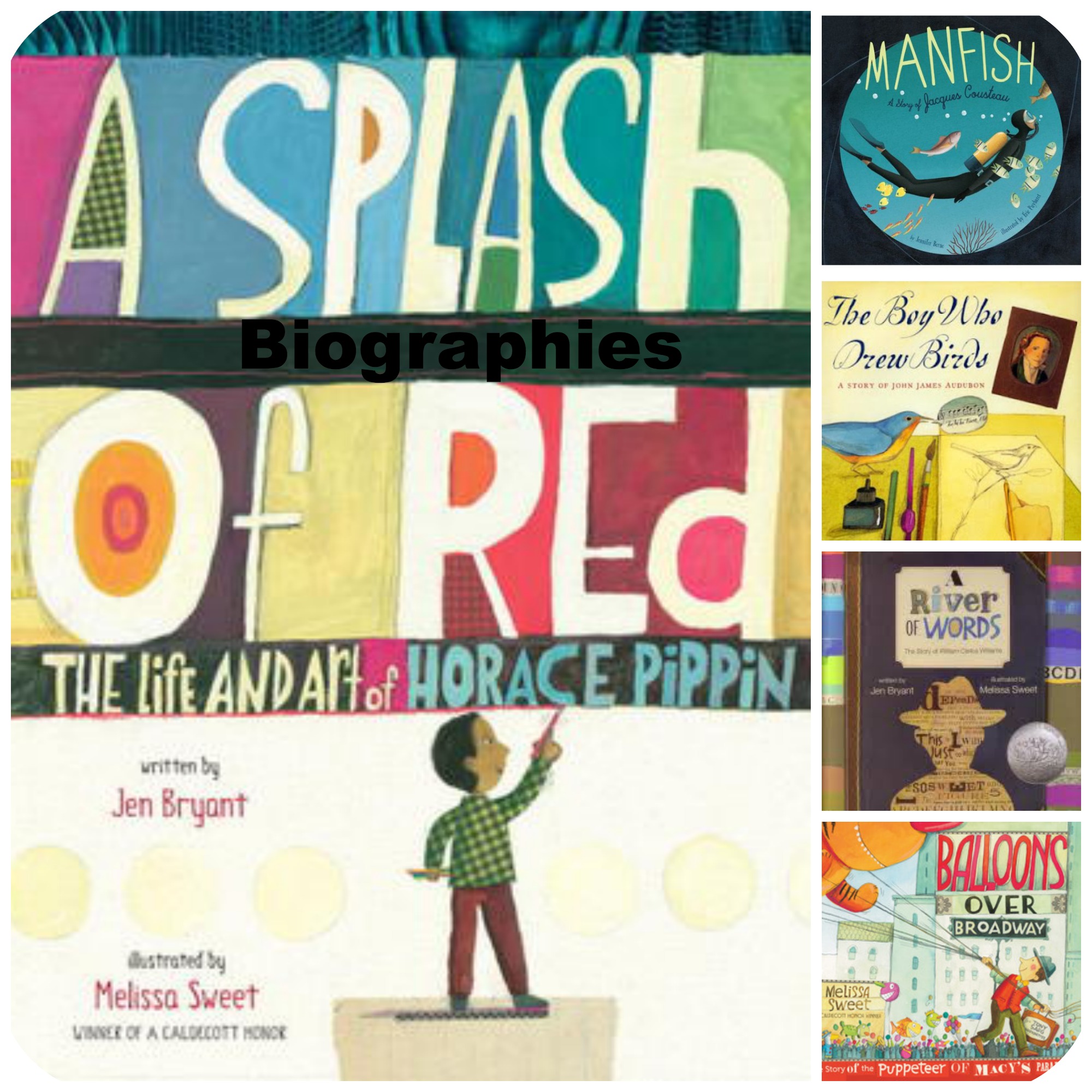
A Splash of Red: The Life and Art of Horace Pippin written by Jen Bryant  and illustrated by Melissa Stewart

Balloons Over Broadway: The True Story of the Puppeteer of Macy’s Parade by Melissa Sweet

A River of Words: The Story of William Carlos Williams written by Jen Bryant and illustrated by Melissa Stewart

Manfish: A Story of Jacques Cousteau by Jennifer Berne and illustrated by Eric Puybaret

The Boy Who Drew Birds: A Story of John James Audubon written by Jaqueline Davies illustrated by Melissa Sweet

Biographies - Wonder Inducing NonFiction Read Alouds There's a Book for That

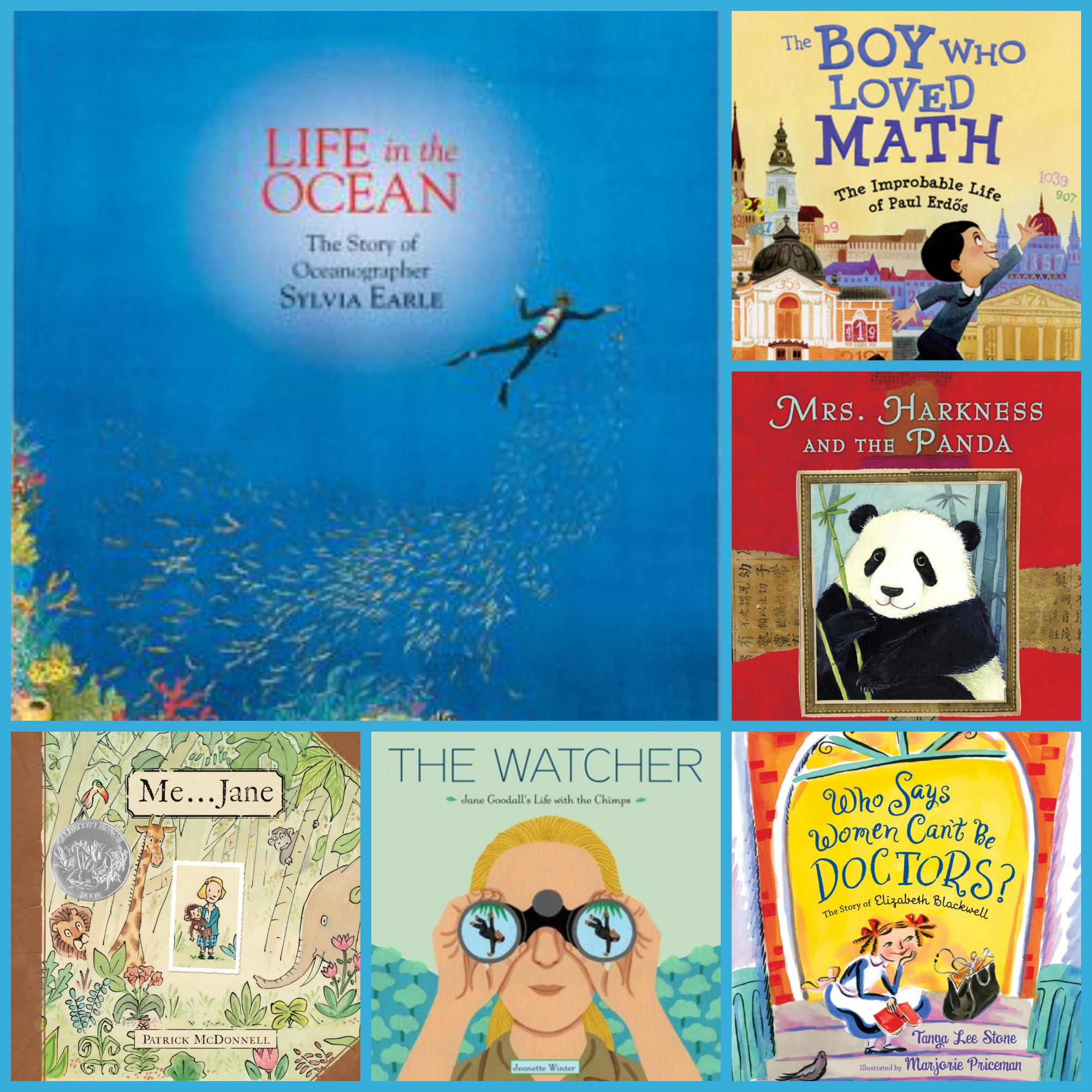
The Watcher: Jane Goodall’s Life with the Chimps by Jeanette Winter

Me . . . Jane by Patrick McDonnell

Mrs. Harkness and the Panda written by Alicia Potter and illustrated by Melissa Sweet 

The Boy Who Loved Math: The Improbable Life of Paul Erdos written by Deborah Heiligman and illustrated by LeUyen Pham

Life in the Ocean: The Story of Oceanographer Sylvia Earle by Claire A Nivola

Who Says Women Can’t Be Doctors?: The Story of Elizabeth Blackwell written by Tanya Lee Stone and illustrated by Marjorie Priceman

Biographies Wonder Inducing NonFiction Read Alouds There's a Book for That

Some titles to explore amazing places and the world around us:

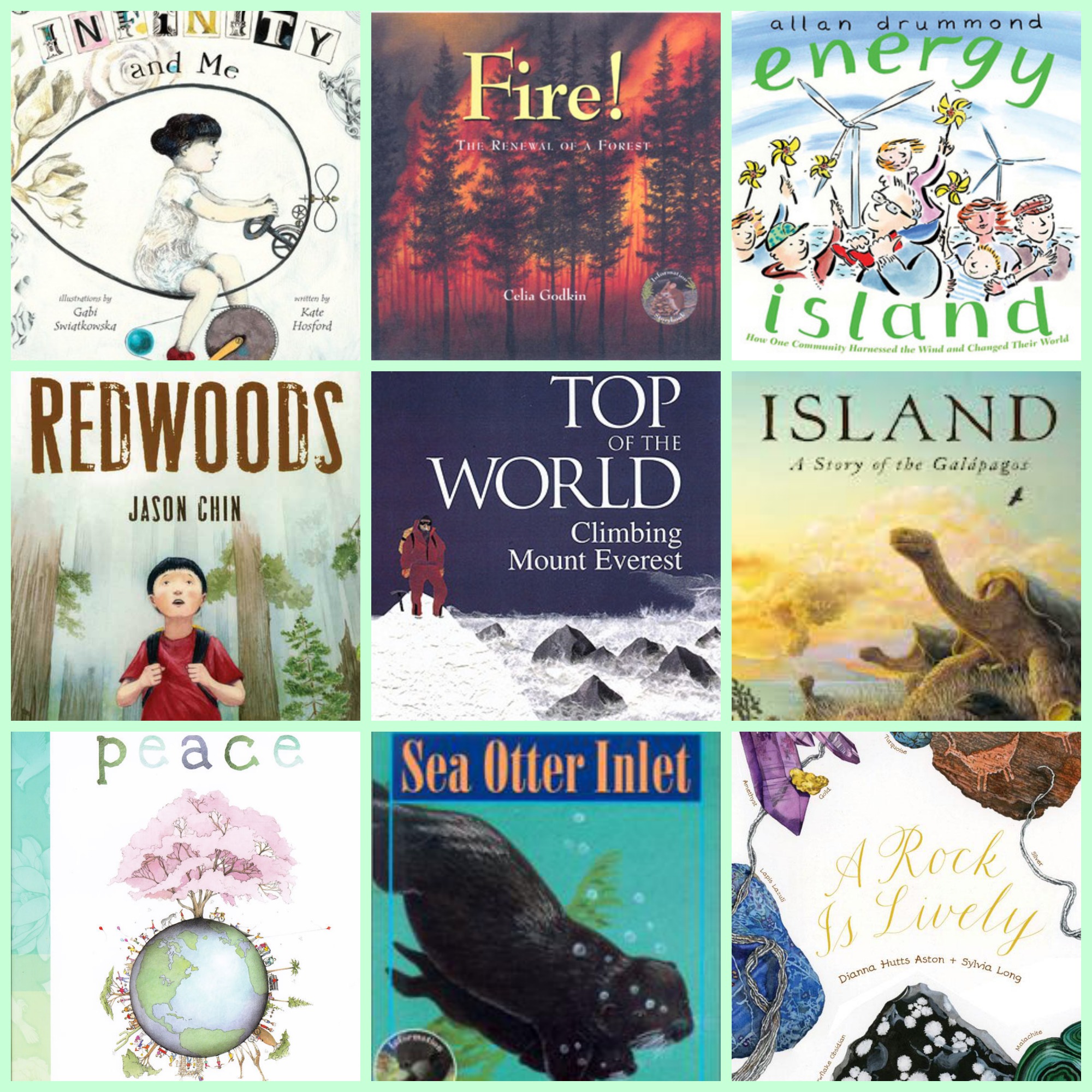
Peace by Wendy Anderson Halperin

Redwoods by Jason Chin

Island: A Story of the Galapagos by Jason Chin

The Top of the World: Climbing Mount Everest by Steve Jenkins

A Rock is Lively written by Diana Hutts Aston and illustrated by Sylvia Long

Sea Otter Inlet by Celia Godkin

Fire! by Celia Godkin

Infinity and Me written by Kate Hosford and illustrated by Gabi Swiatkowska

Energy Island: How one community harnessed the wind and changed their world by Allan Drummond

The World Around us Wonder Inducing NonFiction Read Alouds There's a Book for That

And to learn about creatures great and small:

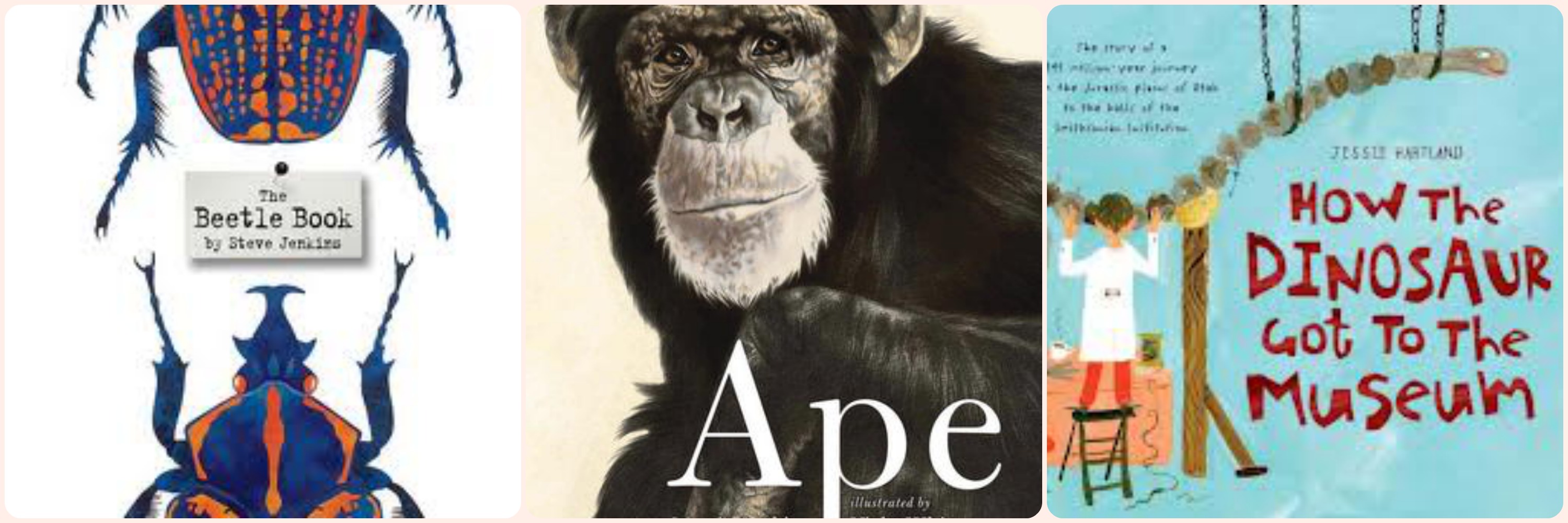
The Beetle Book by Steve Jenkins

Ape written by Martin Jenkins and illustrated by Vicky White

How the Dinosaur Got to the Museum by Jessie Hartland

Wonder Inducing NonFiction Read Alouds There's a Book for That

 And a title to be released this fall:

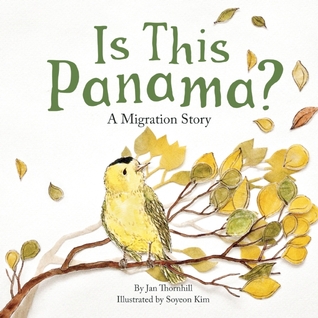
Is This Panama?: A Migration Story written by Jan Thornhill  and illustrated by Soyeon Kim

Is this Panama?

Will I read all of these titles aloud this year? Maybe not. Perhaps interests and passions will take us in different directions. But this list will help keep me on track to make sure I am sharing lots of books that inspire both learning and thinking in my room!

Do you have some other must share nonfiction titles for Grade 3/4 listeners? Would love to hear your suggestions!

I learn so much by reading all of the blog posts that link to the Nonfiction Picture Book Wednesday event that KidLit Frenzy hosts. Visit Alyson’s blog to see what books are shared this week.

NFPB2013leaves

Nonfiction Picture Book Wednesday: Cheetahs, fast as the wind

It’s Nonfiction Picture Book Wednesday! 

It must be because cheetahs are the fastest land animal that they are so fascinating and heroes of the animal kingdom. Many times I hear children express that their favourite animal is a cheetah.

As I continue to explore the Amazing Animal series by Kate Riggs, I read Cheetahs (published in 2011). Like the first book in this series (Gorillas) I appreciated the format of this book. Photographs are full page and colourful and the text is a larger, less intimidating size. The end of the book includes an index, websites for further reading and a fun cheetah tale explaining why cheetahs have tear lines.

 Nonfiction Picture Book Wednesday There is a Book for that

Some interesting facts?

  • While most cheetahs live in Africa, there are some living in Iran.
  • Male cheetahs hunt together in groups called coalitions and these groups stay together for life.
  • Because it is all about speed. . . how fast are they? They can run up to 70 miles/121 kilometers per hour!

I know this book will be very popular once my students discover this series! It will be a book I frequently recommend as I know it can be read independently by most students in my room.

In our school library I found another nonfiction title on cheetahs: My Life in the Wild – Cheetah (A Life Cycle Book) (published in 2011)part of the Animal Planet series. Written by Meridith Costain and illustrated by Mick Posen.

 Nonfiction Picture Book Wednesday There is a Book for that

This book is divided into a narrative illustrated story about a cheetah growing up and back pages full of much more information. The illustrations are so true to life that they are almost kind of creepy – but I’m sure students would just find them very cool. The story is relatively easy to read for young readers and informative enough to hold the attention of little naturalists wanting to learn something new on every page.

“My brothers and I are born. I cannot see my mother yet but I can smell her. I snuggle into her warm tummy, drinking her milk. She licks my wriggly brother clean with her raspy tongue.”

The final pages include a full page glossary, more information and diagrams of other members of the cat family and key facts about cheetahs (scientific name, weight, habitat, etc). There are also four pages of Did you know? facts that accompany each illustration from the story. So, for example, the text above has a picture of a mother cheetah nursing and cleaning her cubs. In the back of the book the Did you know? fact is

“Cheetahs usually give birth to three to five cubs.”

Additional information is included about how the mother makes a nest, when the cubs begin to crawl, when their eyes fully open and how they make sense of the world before this. Other facts focus on how cheetahs hunt, fur markings, and differences between male and female cheetahs.

Other titles in this series that I know would be popular in my class: 

Animal Planet series  Nonfiction Picture Book Wednesday There is a Book for that

My original goal was 60 nonfiction picture books for 2013. Progress: 35/60 complete

Thanks to Alyson from Kid Lit Frenzy for the inspiration to read and share more nonfiction picture books in 2013!

NFPB2013leaves

Anyone have any favourite nonfiction animal series they would like to share?

Non fiction Picture Book Wednesday: Gorillas, the Largest of the Apes

It’s Nonfiction Picture Book Wednesday! 

What kid doesn’t love learning more about apes? Gorillas are the largest and strongest of the apes and a fascinating topic!

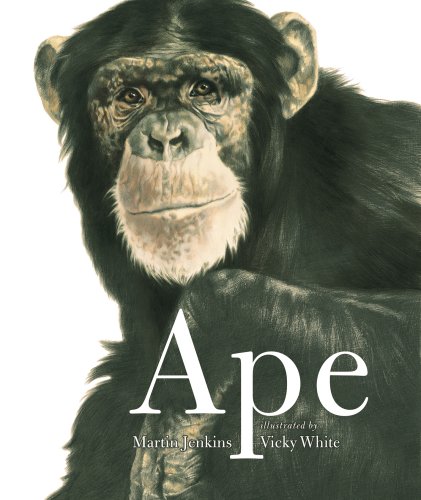
One of my absolute favourite nonfiction titles to introduce children to the great apes is the book Ape written by Martin Jenkins and illustrated by Vicky White (published 2007). Shared in my classroom here. The pictures are gorgeous and the text fascinating. An excellent read aloud for the primary classroom.

ape

A goal I have this year is to fill my classroom with texts that many of my students can manage with independence. Books that will be picked up and read during book choice time or when learning more about a particular animal.  I was so pleased to discover Gorillas by Kate Riggs (published 2012). Here is a book that my Grade 2/3s can read on their own with real success.

gorillas

When my students learn about an animal, they are looking to find answers to some specific questions: How are the babies/young born and raised? What kind of interactions does the animal have with others? How does the animal’s body help it to do things? 

This book – with an almost magazine style format – thin, sleek and full of facts invites the reader in to do a lot of learning. Discover what gorillas eat (lots of wild celery it turns out), how their babies grow and develop and the dynamics of their family groupings. We also learn how these gorillas spend their time – much eating (60 pounds of food a day) and napping (in addition to the 13 to 15 hours of night time sleep). Physical features are described and details of their habitat are outlined.

Features that make this book especially accessible:

  • large full page colourful photographs with relevant captions
  • bold words with definitions at the bottom of the page
  • an index, suggestions for further reading and websites listed at the end of the book

This is a title that I purchased for my class nonfiction collection and I am happy that it was one of four titles in this series that I ordered at the same time. I think this will be a series my students will have a lot of success with! I look forward to reading more of these books by Kate Riggs.

The Amazing Animals titles in my collection:

kateriggs books

My original goal was 60 nonfiction picture books for 2013. Progress: 33/60 complete 🙂

Thanks to Alyson from Kid Lit Frenzy for the inspiration to read and share more nonfiction picture books in 2013!

NFPB2013leaves

Do you have any favourite nonfiction titles about gorillas?

Nonfiction Picture Book Wednesday: Oh, glorious snow!

It’s Nonfiction Picture Book Wednesday! 

After a glorious day in the snow yesterday, snowshoeing on Cypress Mountain, it seemed the topic of the day should be snow, glorious snow!

Two nonfiction picture books helped us understand how snow forms. I shared both of these with my class this morning. My class is a Grade 2/3 class and we were able to understand the text with lots of support and time for questions. The illustrations, charts and diagrams really helped.

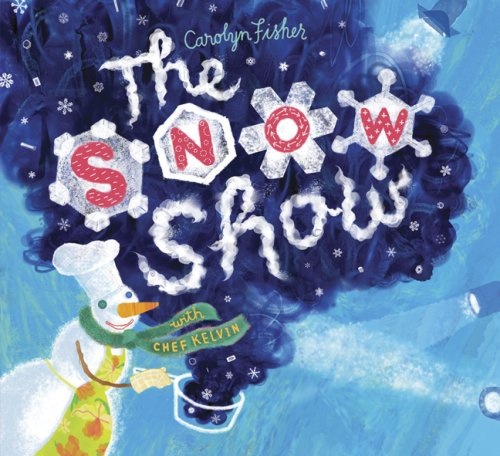
The Snow Show by Carolyn Fisher (published 2008) This book is written like the reader is visiting a set of a cooking show. What’s on the menu? A recipe for snow! Not only did we learn a LOT about snow, the kids loved when I cued “Applause” and they got to clap! Some new information for us:

  • snow begins with a speck (of dirt, dust, or ash) that water vapour sticks to
  • snow crystals can also be in the shape of needles, columns or plates

The Snow Show by Carolyn Fisher

The Story of Snow: the Science of Winter’s Wonder by Mark Cassino with Jon Nelson (published 2009) The close up photographs on these pages are absolutely stunning. The children couldn’t believe that snow looked like this when the crystals were magnified. They loved the pages in the back filled with “snow catching” tips and are wishing hard for a snow day so we can race outside with black heavy paper and magnifying glasses. What amazing facts did we learn?

  • no two snowflakes are alike but also, snow crystals are rarely perfect
  • snow crystals are 6 sided because of the nature of water: water molecules attach themselves in groups of 6
  • snow crystals stop growing once they fall from the clouds

story-of-snow

Of course, a great companion book for these titles would be a favourite title of mine: Snowflake Bentley by Jacqueline Briggs Martin and illustrated by Mary Azarian (published 1998 and a Caldecott winner in 1999).

snowflake bentley

My original goal was to read 60 “new to me” nonfiction picture books for 2013. Progress: 12/60 complete 🙂

Thanks to Alyson from KidLit Frenzy for the opportunity to participate in this challenge.

NFPB2013leaves

Nonfiction Picture Book Wednesday: Mr. Darwin, Mr. Darwin

It’s Nonfiction Picture Book Wednesday! 

ISLAND-cover-web

Island: A Story of the Galapagos by Jason Chin was one of my favourite nonfiction titles of 2012.

I bought a copy for my son for Christmas and he has been examining the detailed drawings and asking me questions about Darwin, his travels, his theories and all of the fascinating animals of the Galapagos.

This prompted me to look for other picture books on the same topic to share with my children and we have been spending our nightly read aloud time reading more about Mr. Darwin, his voyage on the HMS Beagle and his theories of evolution.

Both of the books described below would be best shared as interactive read alouds with an early intermediate class or for independent reading for children in Grade 4 and above. Some vocabulary and concepts would need support.

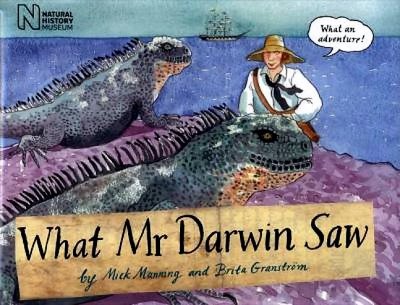
We started with A Natural History Museum selection – What Mr. Darwin Saw by Mick Manning and Brita Granstrom (published 2009). This book is written like a diary and includes amusing thought bubbles and detailed drawings of the animals and the places where Darwin travelled. End pages are a map of Darwin’s route on board the HMS Beagle. The final pages of the book explain Darwin’s theory of evolution with visuals of chalkboard drawings and notes. It offers the beginning of an understanding of Darwin’s complex ideas.   My children had some background knowledge on this topic already and so they were able to ask some informed questions to build on their understanding.

what mr darwin saw

Next we read The Tree of Life: Charles Darwin by Peter Sis (published 2003). I don’t know if read is the best way to describe our experience with this book. Instead we studied, examined and flipped back and forth through the pages learning about Darwin’s life. My children loved the maps, found the illustration with Darwin’s own family tree fascinating (“He had so many children!” “Lots of them died young.” “His wife must of been so tired and sad.”) and liked the lists that outlined his daily routines at different times in his life. (“How did his wife get anything done if she was always reading to him?” my daughter wanted to know after finding out that Emma read to Charles multiple times a day.) We found some of the drawings and text too small – stunning but hard to interact with. Maybe this book needs a magnifying glass!? Many illustrations were perfect though and made the topic so much richer. This book is certainly a biography – we learn much about Darwin’s upbringing and about his later life that Sis divides into the public, private and secret realms. I’m leaving this book out so that we can continue to pore over it.

Tree of Life

Looking to learn more about Charles Darwin? These three titles would be a great place to start!

Interested more in the concept of evolution? This book does a wonderful job of explaining it in a story that allows children to understand the concept.

Charlie and Kiwi. . . an evolutionary adventure – created by Peter H. Reynolds and the NewYork Hall of Science.

Shared in my classroom here.

Charlie and Kiwi

Thanks to Alyson from KidLit Frenzy for the inspiration to participate weekly in this challenge.

NFPB2013leaves

My original goal was 60 nonfiction picture books for 2013. Progress: 7/60 complete 🙂


Nonfiction Picture Book Wednesday: A little guessing

It’s Nonfiction Picture Book Wednesday! Do you have any books to share and discuss? 

I am pleased to participate in Alyson’s (from Kid Lit Frenzy) non-fiction picture book challenge and share the picture books I read this week.

This week I was on the lookout for books that were very interactive and that primary students could read independently. I was also looking for books where students could learn more about animal characteristics including features, habitat and life cycles.

My original goal was 60 nonfiction picture books for 2013. Progress: 5/60 complete 🙂

Who’s Like me? by Nicola Davies and illustrated by Marc Boutavant (published 2012) This is a fun lift the flap book where children try to guess who is like me from a question and a picture clue Like (with a picture of a rabbit) “Who’s like me? Who’s furry and breathes air like me? Is it . . . ” The next page features four flaps with a clue on the outside  If you flip the picture of feathers, there is a picture of a pigeon and text that reads: “I have feathers not fur.” The next page talks about the fox who is like the rabbit and has fur and breathes air. It is explained that a fox and a rabbit are both mammals. they breathe air, give birth to live babies and feed them milk. Children learn about amphibians, fish, birds and reptiles as well. Colourful and very fun to interact with! Nicola Davies for the younger set!

who's like me

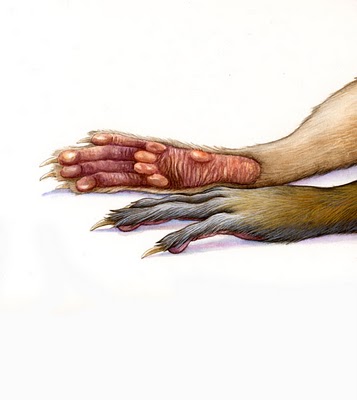
Who Has these feet? by Lara Hulbert and illustrated by Erik Brooks (published 2011) Children love books where they can guess! This title has pictures of different animal feet with the reoccurring question: Who has these feet? When I used this in the classroom this week I had children justify their guess with reasons to back up their answers. When we saw a picture of duck feet, one child guessed it was a chicken because of the skinny legs. Another thought it was a swan because of the skin between the toes. Another student volunteered that that skin was for paddling and so it had to be a bird that swims. One child knew those feet were called webbed feet. A great way to build vocabulary and to sit back and let the students talk and share.

Who_Has_These_Feet1

So . . . who has these feet? Intrigued? Find the book!

FEET18-19

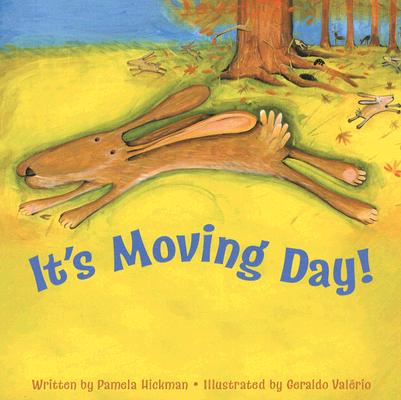
It’s Moving Day by Pamela Hickman and illustrated by Geraldo Valerio (published 2008)  In this book, we “travel” through numerous seasons that focus on a specific hole/burrow under a tree that a variety of animals use for a home. Great introduction to how woodland animals use burrows and change environments during different seasons/when raising young/etc.

It-s-Moving-Day

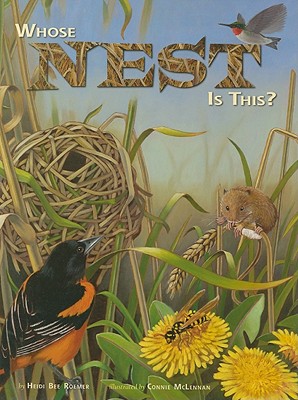
Whose Nest in this? by Heidi Bee Roemer and illustrated by Connie McLennan (published 2009) Another fun book to guess from clues given – this time in a rhyming riddle format. This text is longer and more complicated so would be best used as a read aloud with primary students. Young intermediates/late primaries could read it independently. Lots to learn – certainly nests are very diverse and it is not just birds who build nests!

Whose-Nest-Is-This-

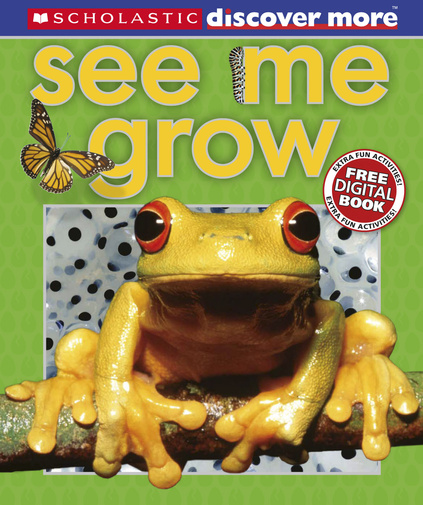
See Me Grow (Scholastic Discover Moreby Penelope Arlon (published 2012) This book has some fantastic nonfiction features like colourful photographs, life cycle charts, an informative glossary, a variety of labelled diagrams, fact boxes, etc. Lots of information about how a variety of animals grow from birth to adulthood. Learn about which animals hatch from an egg, which are born live, how long they stay with their mother/parent, etc. Not too much text on each page makes this perfect for young readers to interact with independently. Part of this Scholastic series.

scholastic title

Thanks to Alyson from Kid Lit Frenzy for the inspiration to read and share more nonfiction picture books in 2013!

NFPB2013leaves