Read aloud everyday – in practice

This week in a piece of writing, one of my students shared, “My teacher is a book maniac!” This not only made my day, it made my week. Because the love of books, the excitement over stories and the magic of reading are the gifts I never tire of giving and hope that I have gifted in abundance this year. Every week we share a lot of things. And books? Well, they are at the top of our list! Reading aloud on a daily basis is a priority. We find many reasons to read together.

What did Division 5 read this week? When you add it all up, it’s a lot! 

On Monday we read . . . 

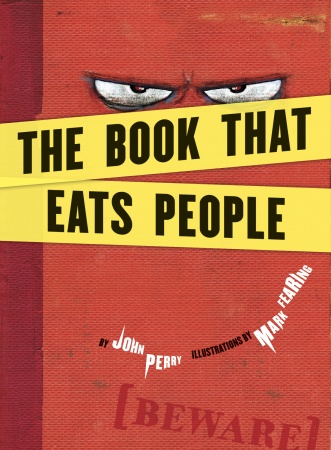
We often begin our mornings with a read aloud (or two or three). On Monday when we had five students absent, we began to wonder if this book might have been up to no good on Friday afternoon. Was is ravenous? Were some children devoured? We had to wait until the next few days to see who returned all in one piece! A fabulous book to humorously explore a little bit of fear . . . . The Book that Eats People is written by John Perry and illustrated by Mark Fearling.
We used Thank You Miss Doover to get us in the mood for writing an appreciative and personal thank you letter. Students learned a lot about writing and giggled through the how to train a puppy aspects of the story. Hint: there is paper and it is often yellow after a certain puppy stands on it. I was ordered to place this new book in the humour bin!

(Written by Robin Pulver and illustrated by Stephanie Roth Sisson)

On Tuesday we read . . .

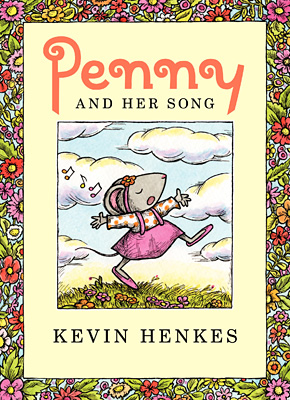
On Tuesday morning I shared some books that were brand new to our school library. When the students saw author Kevin Henkes on the cover of Penny and Her Song, they begged me to read the book aloud. Well, c’mon! Kevin Henkes? How could I say no?
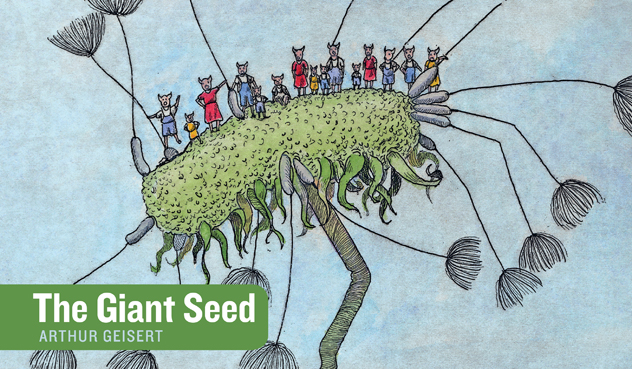
I then shared another new to the library title. The Giant Seed by Arthur Geisert is the sequel to the fabulous Ice that we read a few months ago. (The book that instantly made us Geisert fans). This new title lets us revisit the island with the industrious pigs and this time, the disaster they face is not a water shortage but a volcanic eruption. Evacuation via dandelion parachutes is absolutley delightful. Our class loves sharing wordless books!
Our Reading Group finished Hurricane, another fantastic information story book by Celia Godkin. Students had many questions about what happens during and after a hurricane. Just how destructive can it be? How do living things survive? This book allowed us to explore these questions and later students wrote about what they discovered. Our latest focus in our writing has been to include supporting details/ evidence. This book offered lots of great information on life in and around a mangrove swamp just before, during and after a hurricane. Writing was prolific!

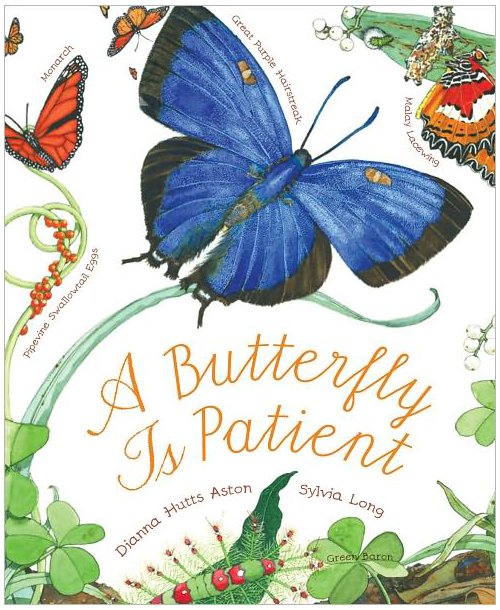
In the afternoon we read A Butterfly is Patient  (an extension of our plants/seeds/garden theme) and students wrote about their new learning and their background knowledge. Read more here.

 On Wednesday we read . . . 

Wednesday mornings always begin with Just a Second by Steve Jenkins. This is a perfect book to read in little chunks as there is so much to discuss, ponder and dijest. We only have 15 minutes before Ms. S picks students up for their weekly book exchange so we love to share a few fascinating facts to turn on our brains and make us exclaim “Wow!”
 After recess we have one of our favourite events of the week. A reader from the BLG law firm comes to read to us and leaves us with a wonderful new book for our Seymour library collection. This week we listened to Crafty Chloe read by our BLG reader, Dan. Read more here in our latest BLG Reads this week post.

Every Wednesday afternoon, our three primary classes meet for our weekly Social Reponsibility Gathering. Often we share a book with a SR theme or a title that helps us extend our learning over concepts covered in the MindUp curriculum. This week I read the gorgeous Little Bird. A book that celebrates finding joy in the smallest of things. We learned that when we are mindful of our environment and those around us, real magic happens. A nearly wordless book so we were able to tell it together. Just lovely. Written by Germano Zullo and illustrated by Albertine (winner of  2011 Prix Sorcieres (the French Caldecott) for this title).
little-bird 12 for 2012


On Thursday we read . . .

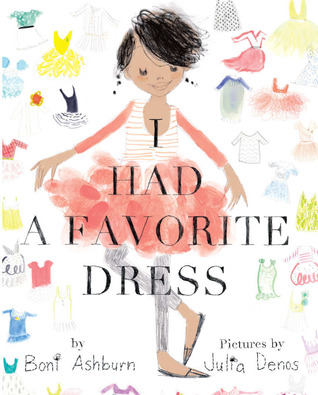
Crafty Chloe reminded me of the creative genius highlighted in I Had a Favourite Dress written by Boni Ashburn and illustrated by Julia Denos. So this new addition to Seymour’s library was our morning read aloud.
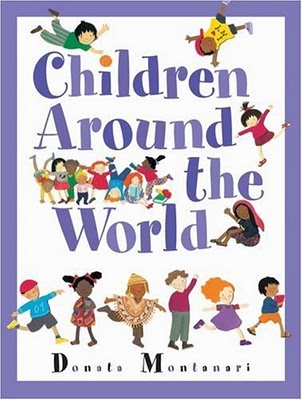
In the afternoon we shared stories from Donata Montanari‘s Children Around the World. We enjoyed reading about children’s lives in different countries: their school experiences, their homes, their traditions, the languages they speak, their parents’ jobs and tasks and their favourite pasttimes. This inspired our own writing where students shared information about themselves and their families thinking all the while about what a child somewhere else in the world might want to know. Lots of great writing and wonderful sharing!
Elementary teachers – What did you share in your classroom this week? Do you get a chance to read out loud every day? 
A Butterfly is Patient

The amazing team of  Dianna Aston and Sylvia Long deliver another picture book masterpiece with their third book A Butterfly is Patient.

This year we have shared An Egg is Quiet (as part of our learning about birds) and A Seed is Sleepy (to supplement our plants/seeds/gardens learning) With both titles we used a modified version of Adrienne Gear‘s Knew-New Connections from her Non-Fiction Reading Power book to represent our learning.

Students were excited to share this book as many had learned about butterflies or even hatched butterflies in their Kindergarten or Grade 1 years and so they had a lot of prior knowledge to connect to their new learning and they were able to represent all of this background knowledge under “I KNEW this already!

A butterfly is helpful (fantastic pollinators)

What is lovely about representing our knowledge on a sheet like this is that it is very open ended. It allows students to document their own learning from exactly where they start. There are no “right” answers. Some facts ended up on “This is NEW to me!” and for others, these same facts were included on, “I KNEW this already!” Being familiar with the sheet allowed students to start organizing their thinking as we read. There were comments like, “Wow. I didn’t know that!” or “Hey that is what we learned last year. Remember how we talked about . . . ” When it came time to write, everyone had lots to say!

Describing prior knowledge and new learning.

IMG_4023

Another student example of all the new things he learned today.

IMG_4018

Some other student examples from “I KNEW this already!”

*Butterflies help plants make new plants (pollinate)

*I knew that some butterflies have spots that look like eyes on their wings

*They molt (shed their skin)

*I knew they started out as an egg

*Butterflies make chrysalises. They don’t make cocoons

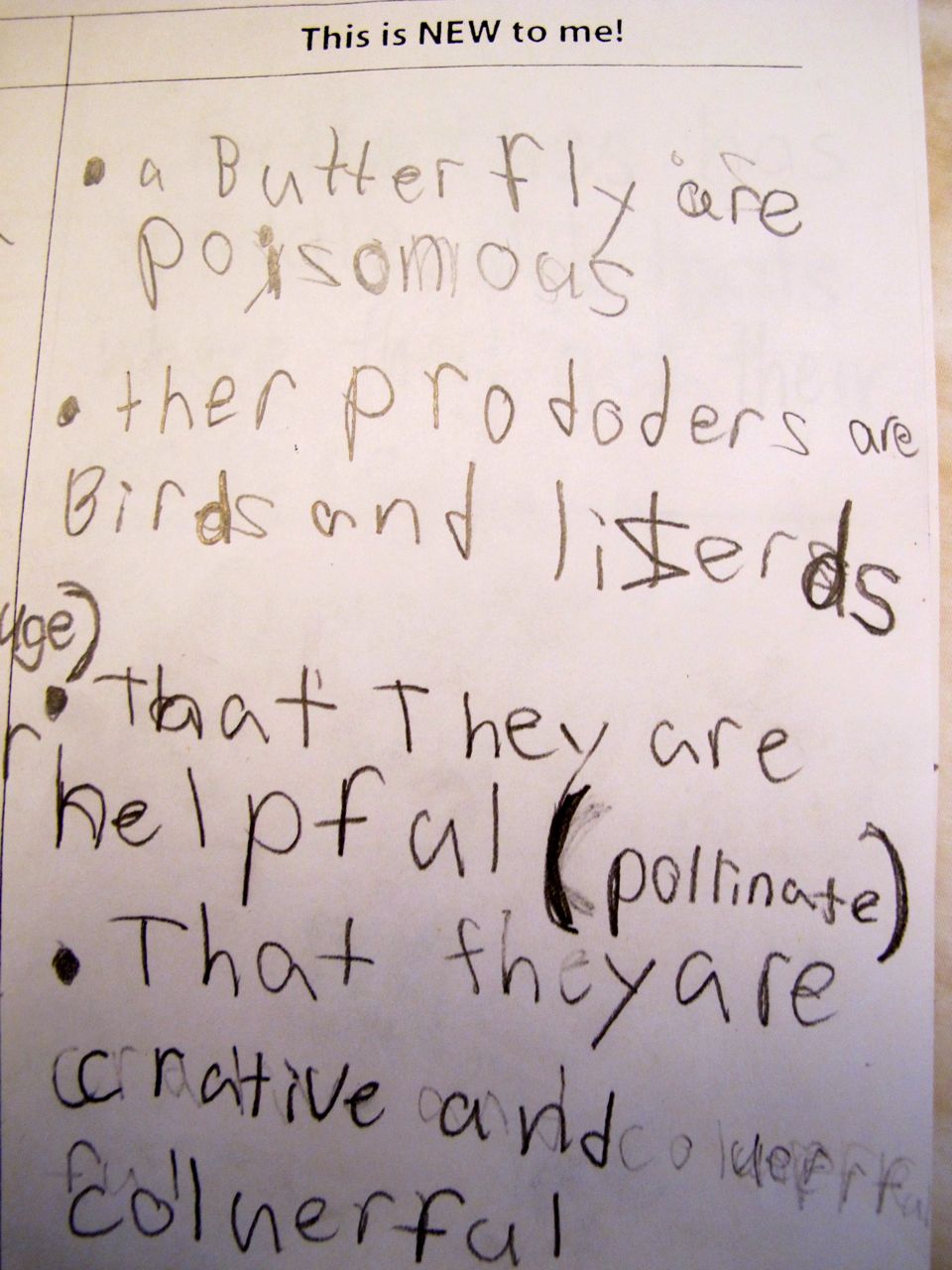
Information shared for “This is NEW to me!”

* I found out that they taste with their feet

*I did not know that butterflies can be poisonous

*I didn’t know that a peacock butterfly can make a hissing sound by rubbing its wings

* I discovered that they drink water from mud puddles

* I didn’t know that butterflies could get water from wet soil

Ice Bear: In the Steps of the Polar Bear

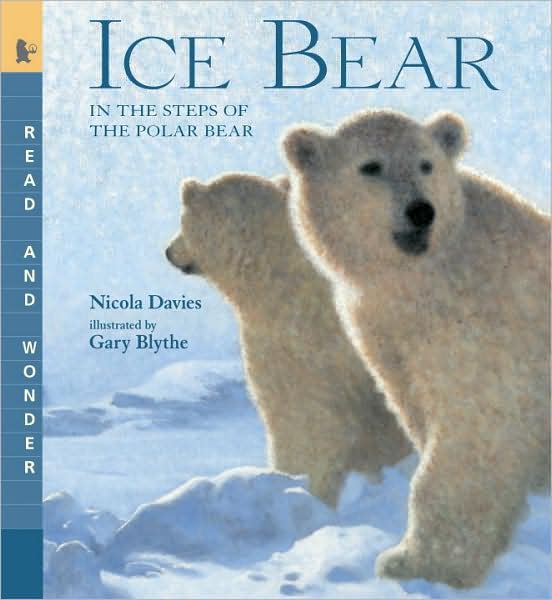
Today we read the Ice Bear (In the Steps of the Polar Bear) written by Nicola Davies and illustrated by Gary Blythe. Our goal: to move away from quick questions and begin asking more deep thinking questions.

Polar Bar, Nanuk, is perfectly suited to the Arctic climate and landscape. For many generations, the Inuit people have learned how to live and survive in the Arctic habitat by watching the great Ice Bear. Nicola Davies tells us how polar bears survive in the Northern landscape weaving facts on each page into the beautiful story she tells in such lovely poetic text.

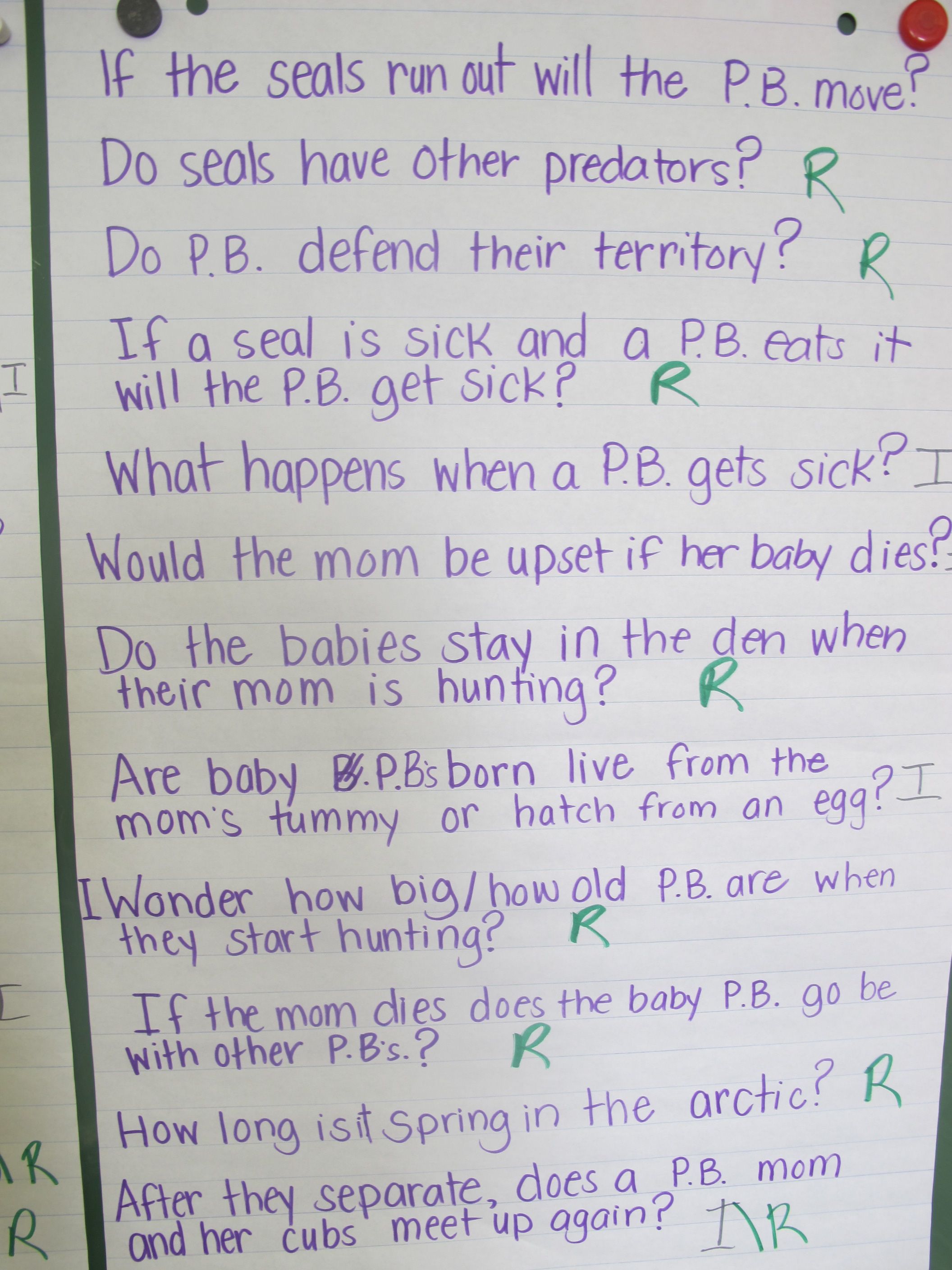
As I read this story aloud, we stopped on each page to share our questions and Ms. Hibbert recorded them. Our curiousity filled three pages of chart paper!

 Deep Thinking Questions: Ice Bear There's a Book for That

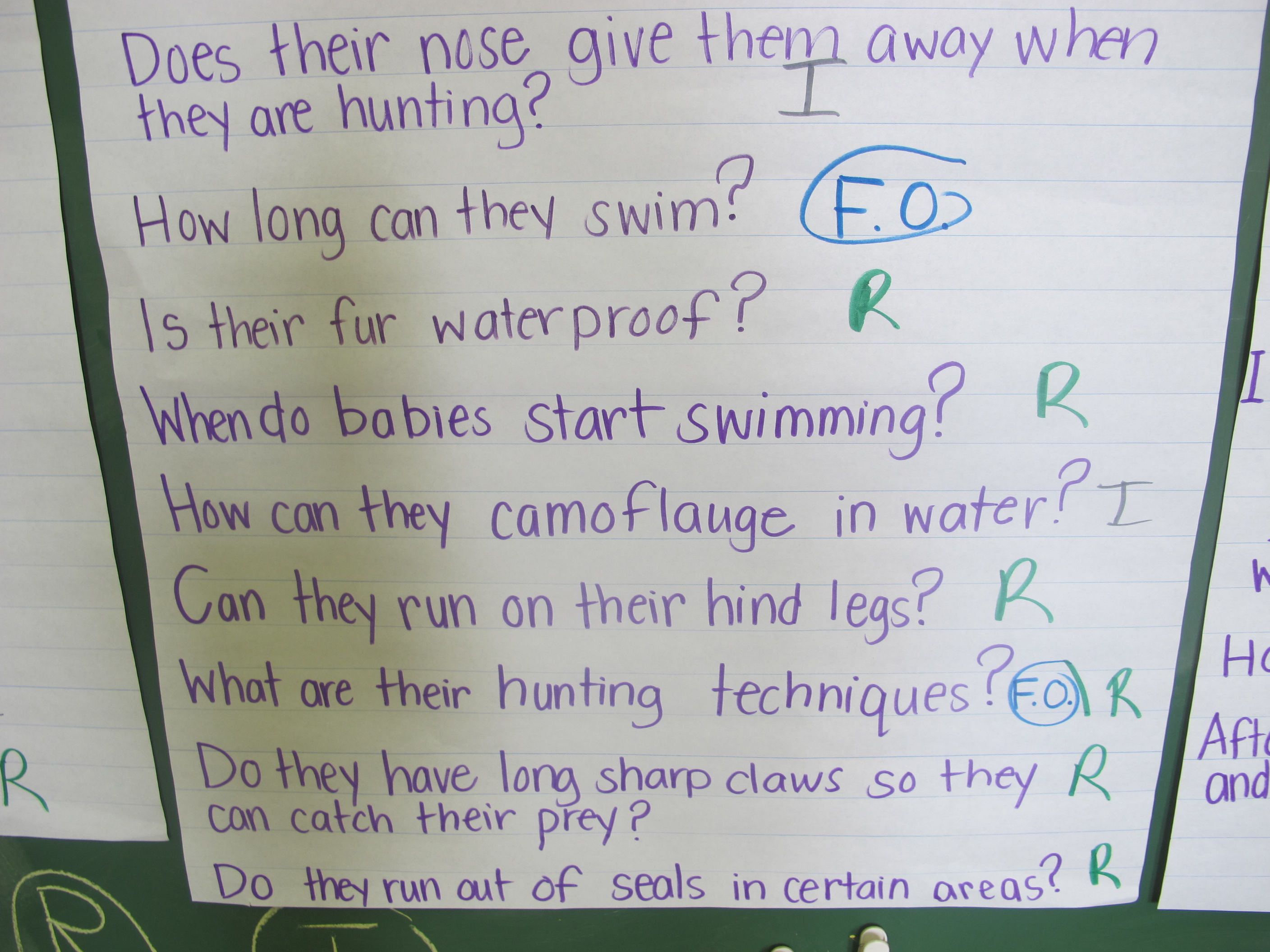
We then looked at all of our questions and coded them. FO: Found Out (we discovered the answer in the story as we read on) R: Research (to find the answer, we will have to do some research)  I: Infer (we need to infer to figure out the answer – using our background knowledge and our reasoning)

Coding our questions  Deep Thinking Questions: Ice Bear There's a Book for That

As we looked at the three charts, we noticed that we had very few questions coded FO (Found Out). This is exciting as it means we are asking fewer quick questions and more complex or deep thinking questions. Using Adrienne Gear‘s Non-Fiction Reading Power we have been learning to distinguish between quick and deep thinking questions. For our purposes here – quick questions are questions that we find the answer to (often down the page or a page or two later), where there is only one answer and where once we know the answer, our thinking stops. Deep thinking questions, on the other hand, inspire more questions, often have more than one answer or require us to do research, more thinking and/or talking to come to an answer at all.

Ms. Hibbert and I were also excited to see students asking multipart questions i.e. Do babies have fur? If not, how do they keep warm? or How often does a polar bear eat and does this affect how much it eats at a time? It was also fantastic to see questions inspire other questions between the students. At one point, Shae-Lynn was sitting right beside my chair with her hand up waiting to share her question and listening to others. “Oh!” she suddenly exclaimed, “Now I have three questions!”

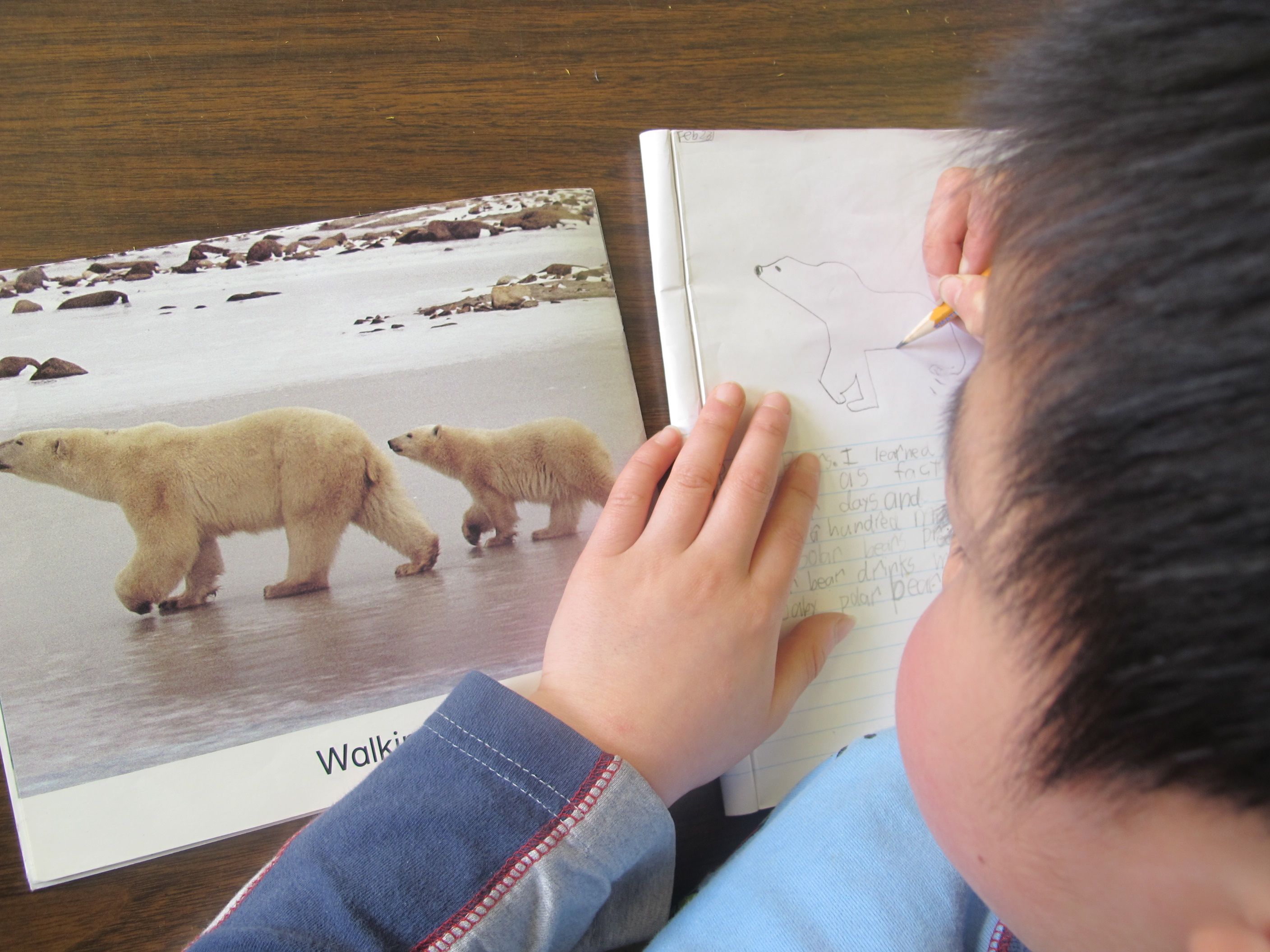
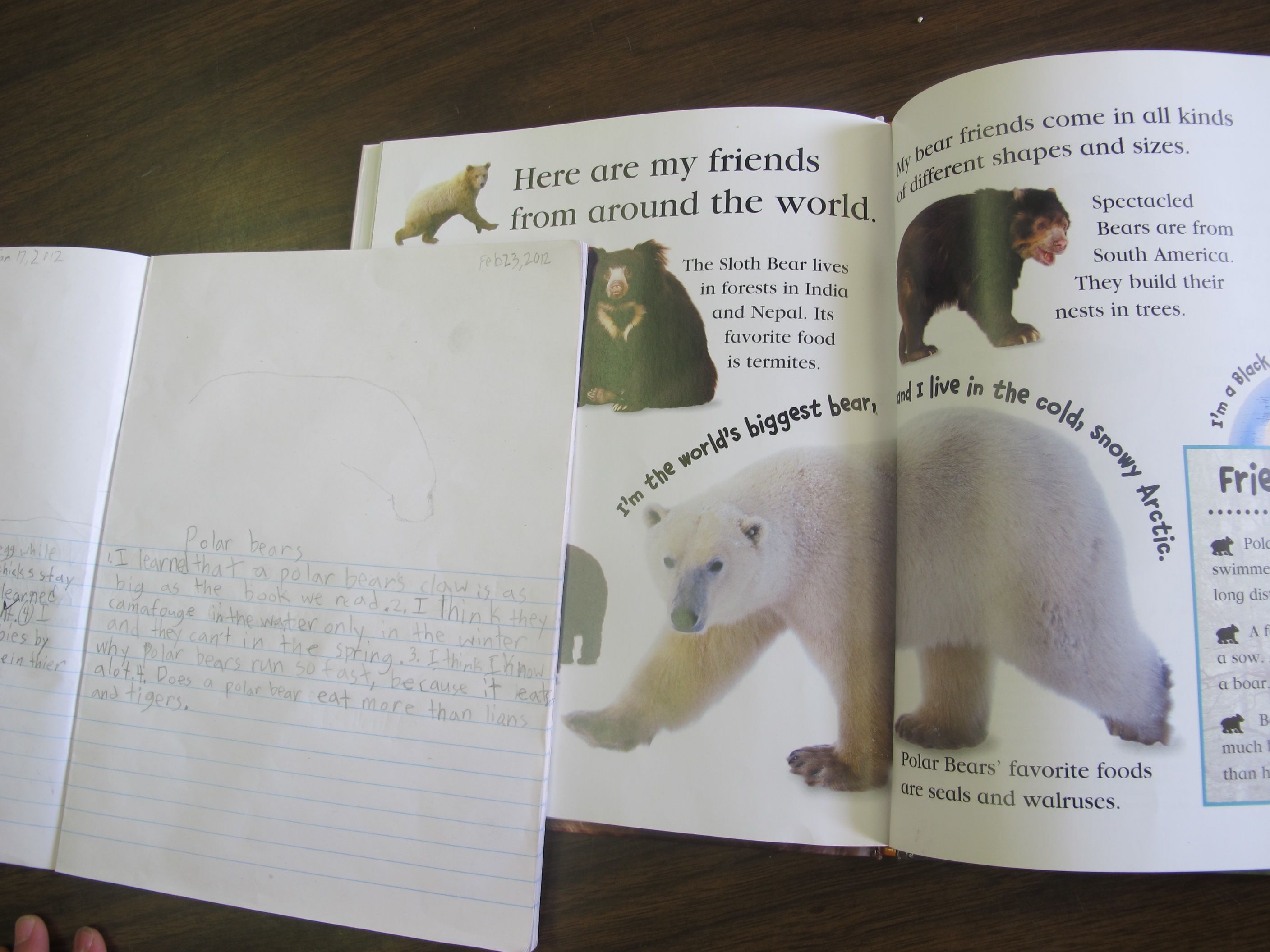
Students then went back to their tables to write and draw about their learning and to share what they were still wondering.

 Deep Thinking Questions: Ice Bear There's a Book for That

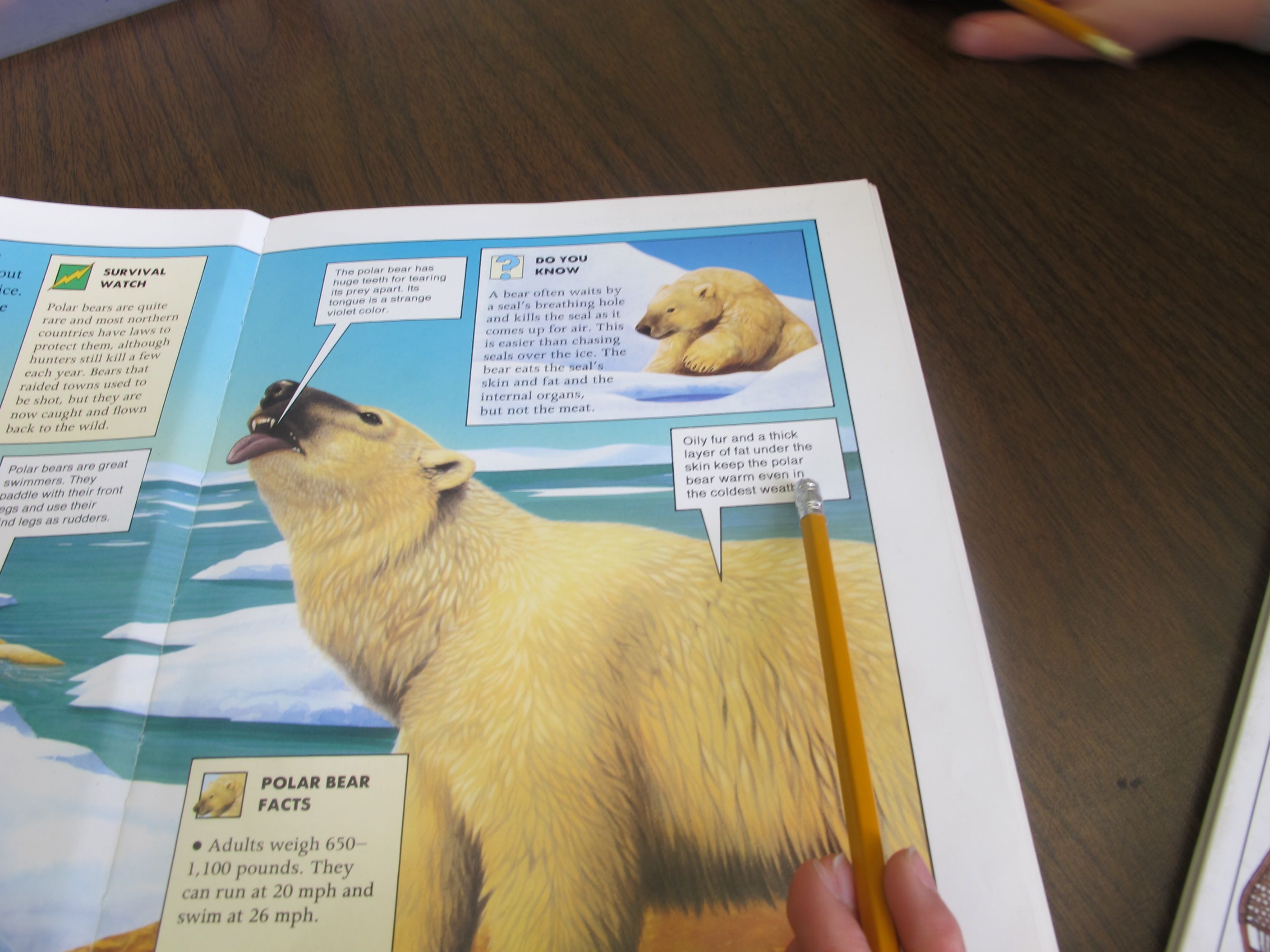
Some students began reading the books they were looking at for ideas on how to draw a polar bear and talked with each other about what they noticed.

All of a sudden, the research began happening as students realized that they were finding the answers to the unanswered questions we had included on our charts.

 Deep Thinking Questions: Ice Bear There's a Book for That

“Hey Ms. Gelson look what Carmen and I discovered!” Catriona summoned me over. She went on to show me the section in the book they had found that talked about polar bear fur in the water. They discovered that the guard hairs are oily and waterproof and hollow. This answered our question about how polar bears can be such good swimmers and whether or not they had fur that wouldn’t get too wet and heavy.

Look! Read here!  Deep Thinking Questions: Ice Bear There's a Book for That

Some learning shared in student writing:

* Male polar bears weigh more than females. I wonder if they eat more than females as well.

* I think the baby polar bears are more white than the Moms and really cute.

* I know that polar bears are as fast as a snowmobile. Bears eat seals. They use their sharp claws and kill the seals quickly.

* A female polar bear can have 1 to 3 baby cubs at a time

*I found out that when there is zero seals, polar bears will eat grass, dead birds and fish.


Beautiful birds

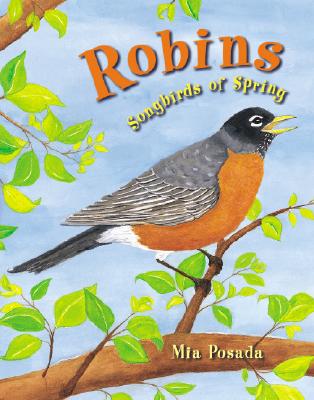
Division 5 continues to study birds. This week we enjoyed Robins: Songbirds of the Spring by Mia Posada.

Robins-Posada-Mia-


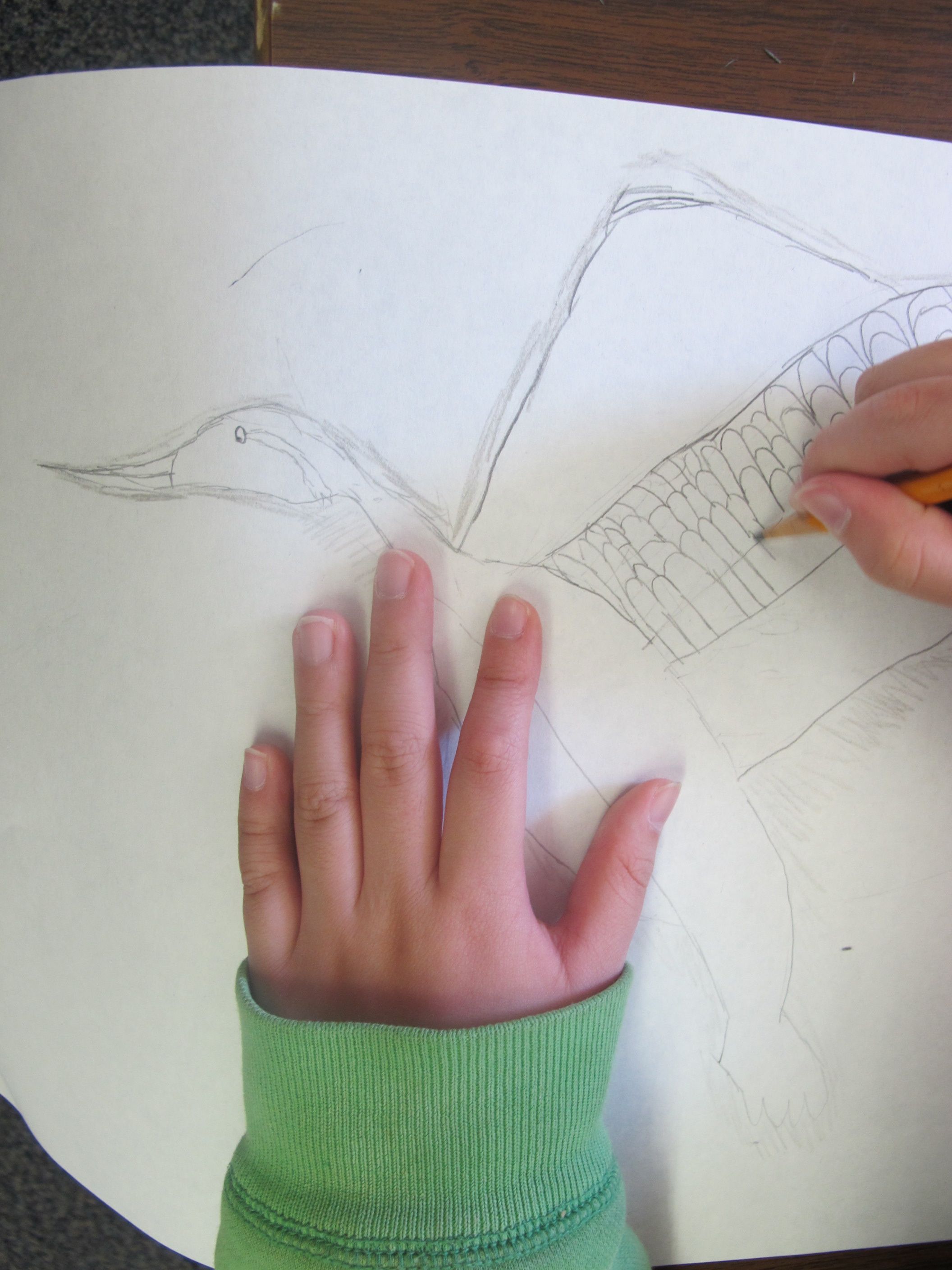
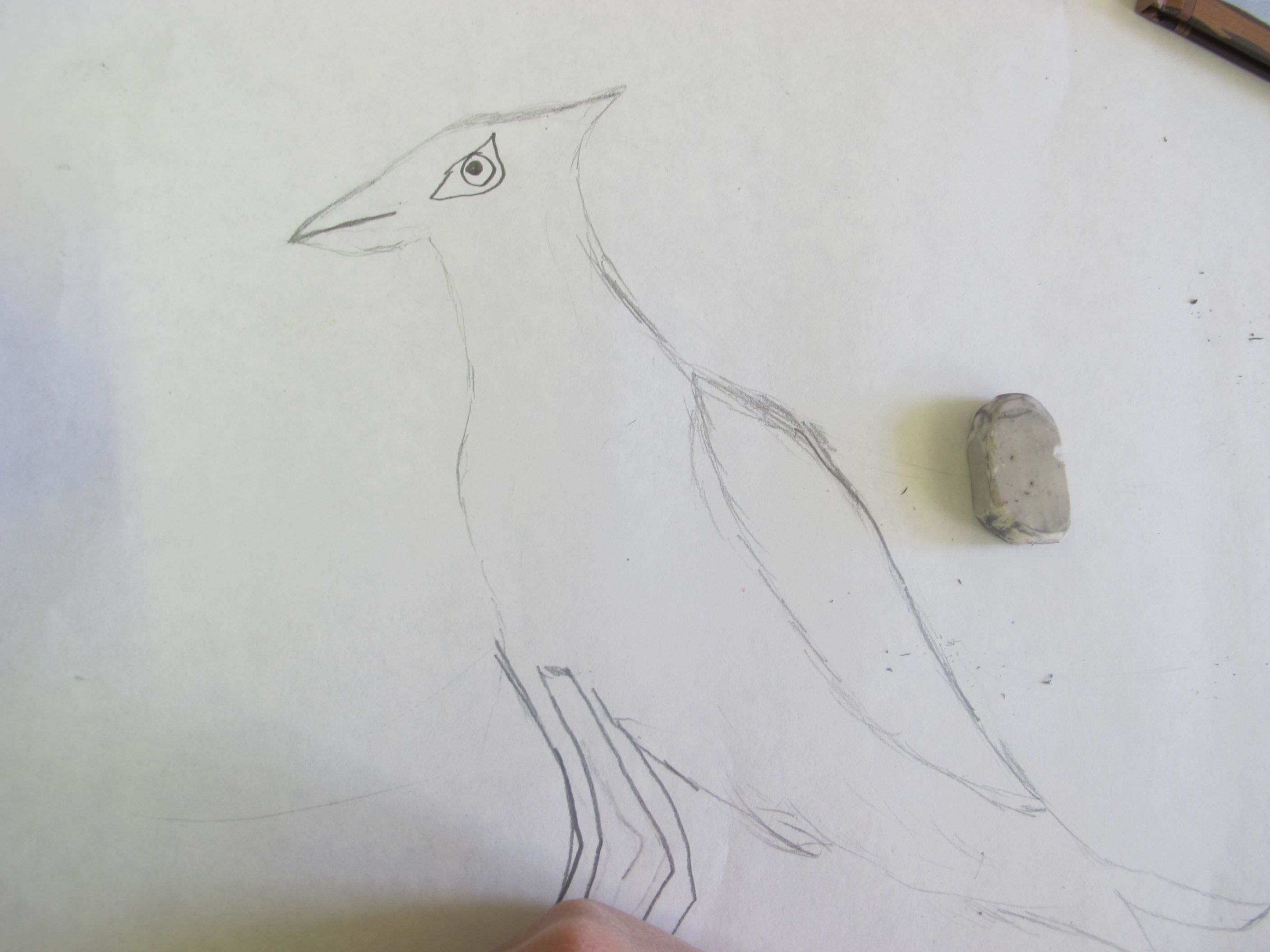
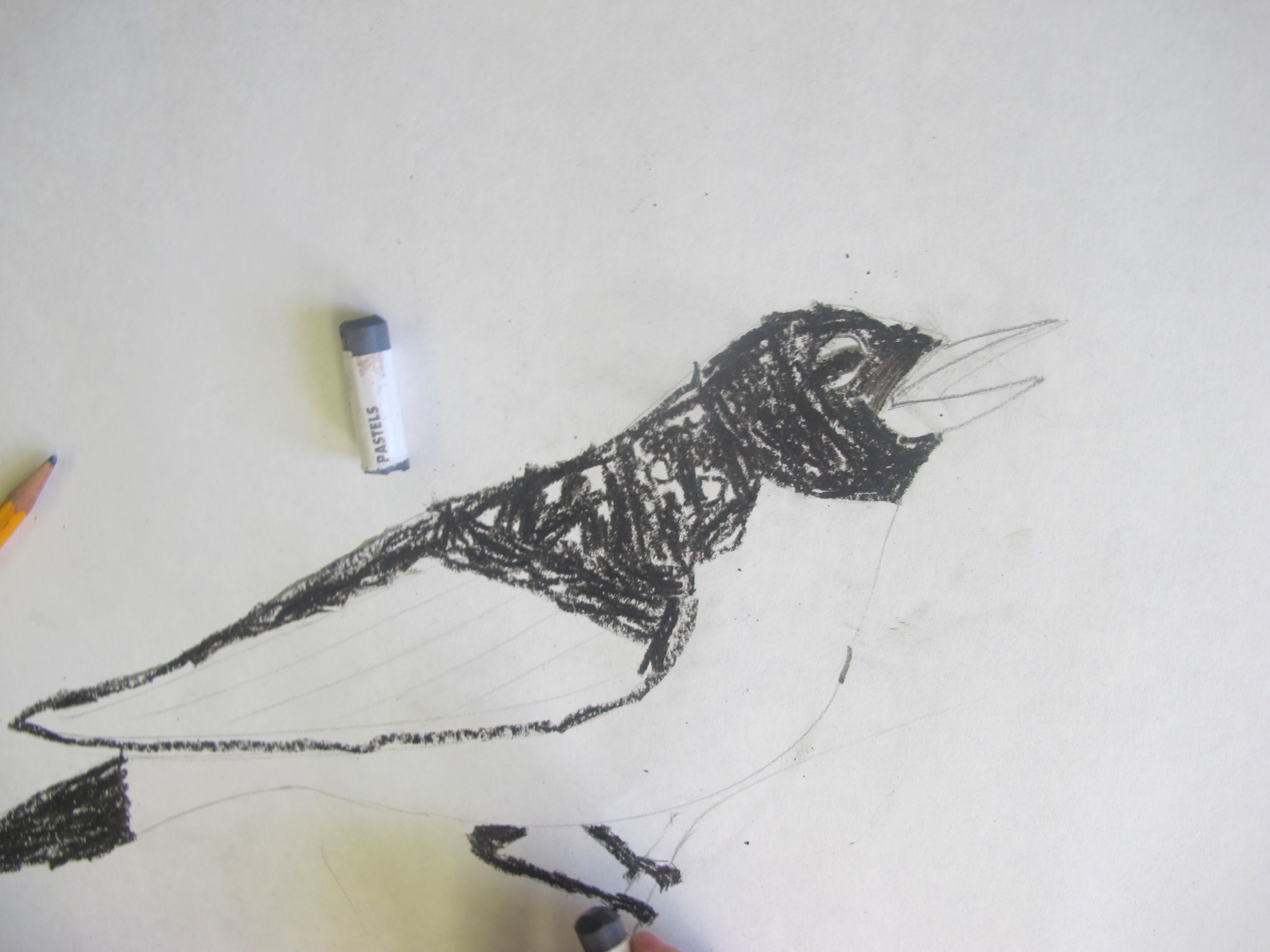
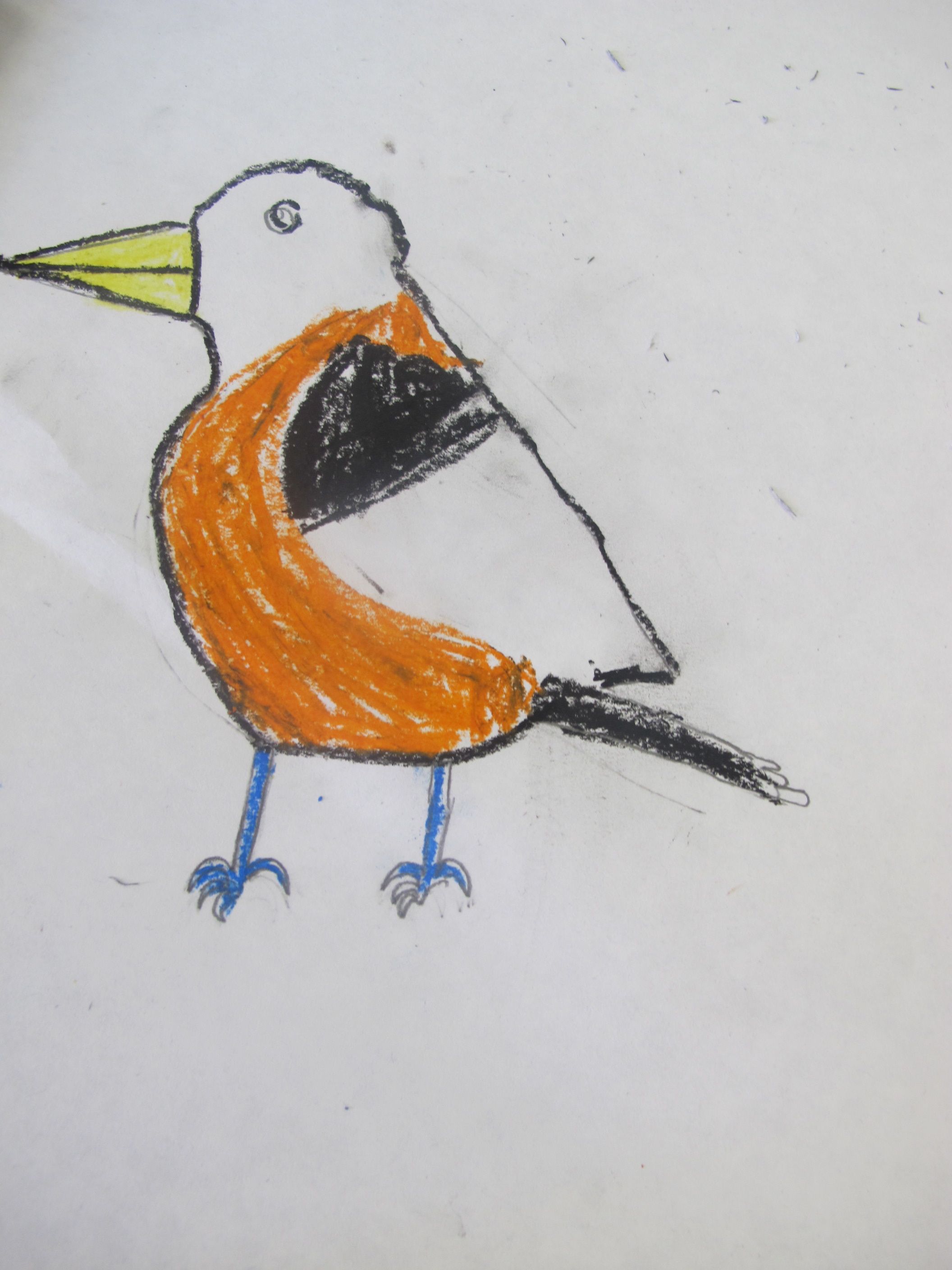
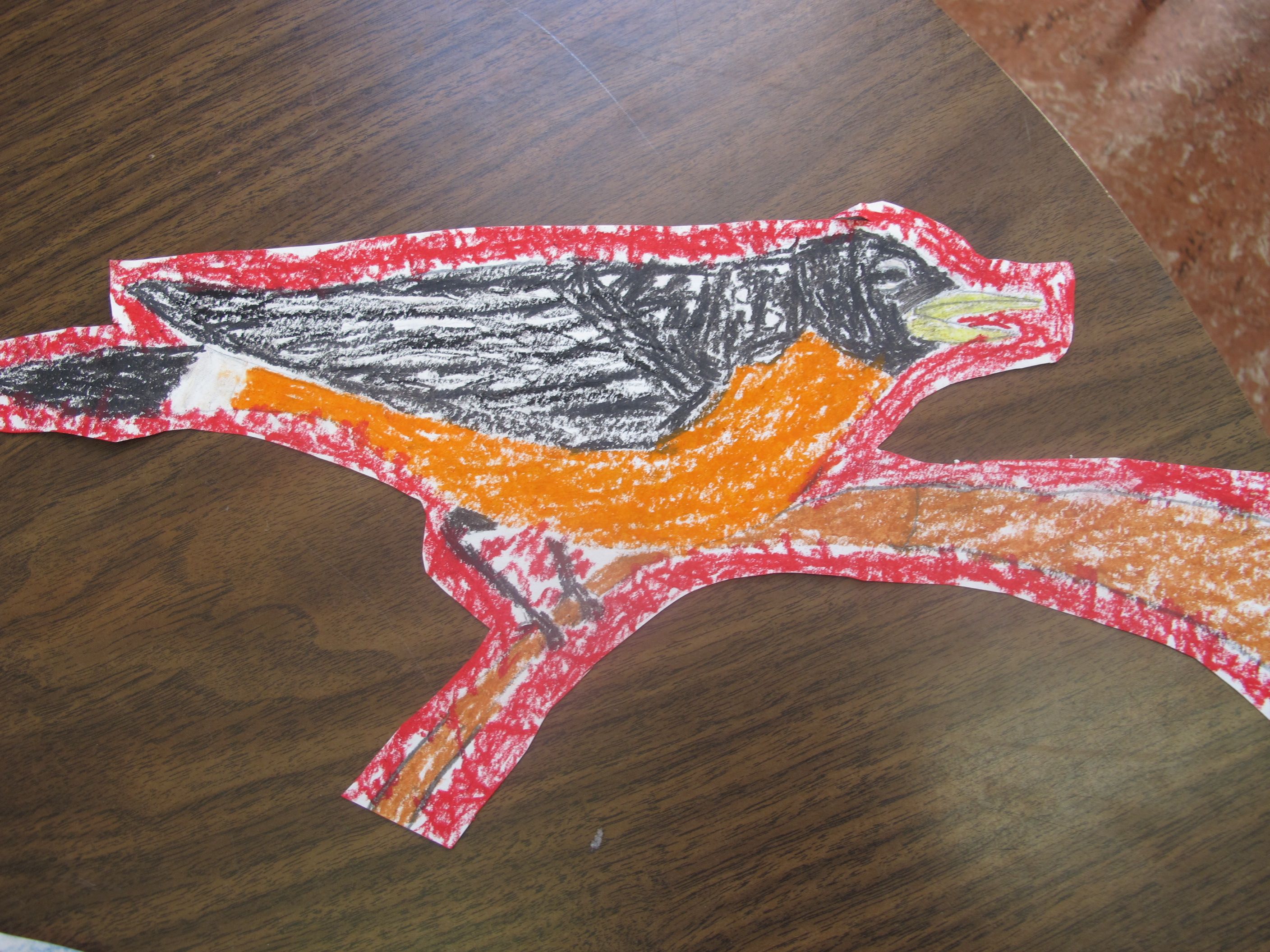
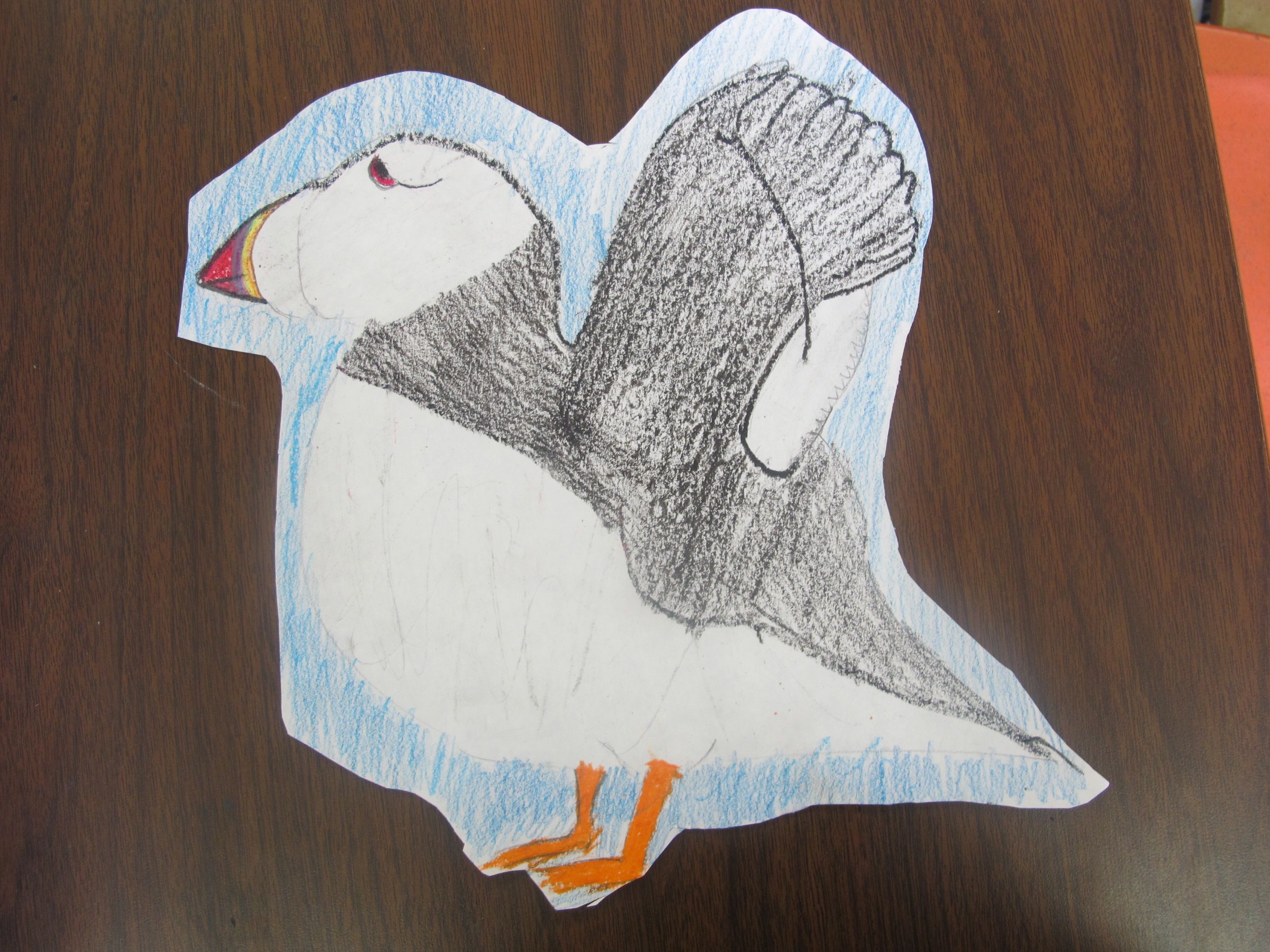
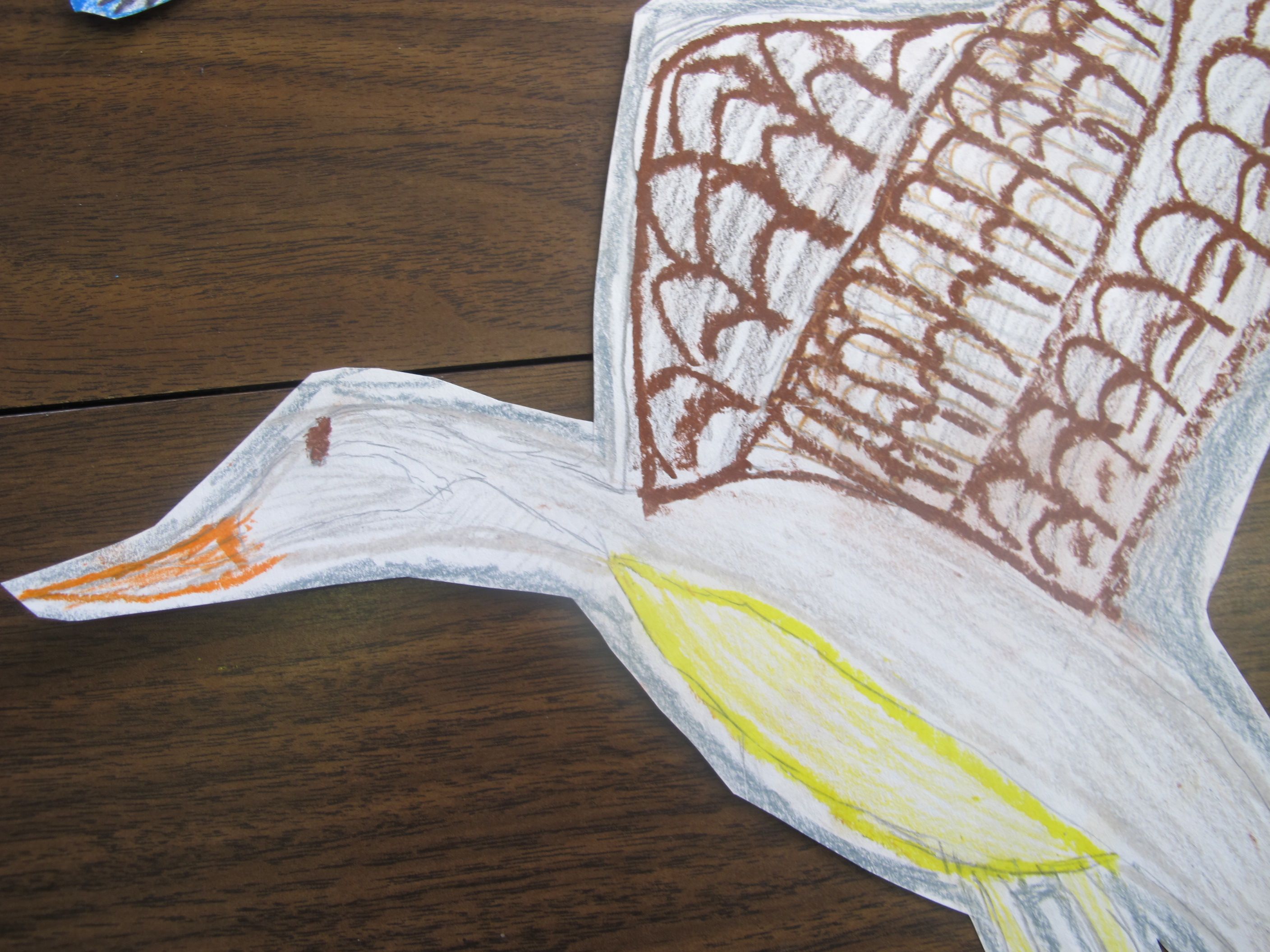
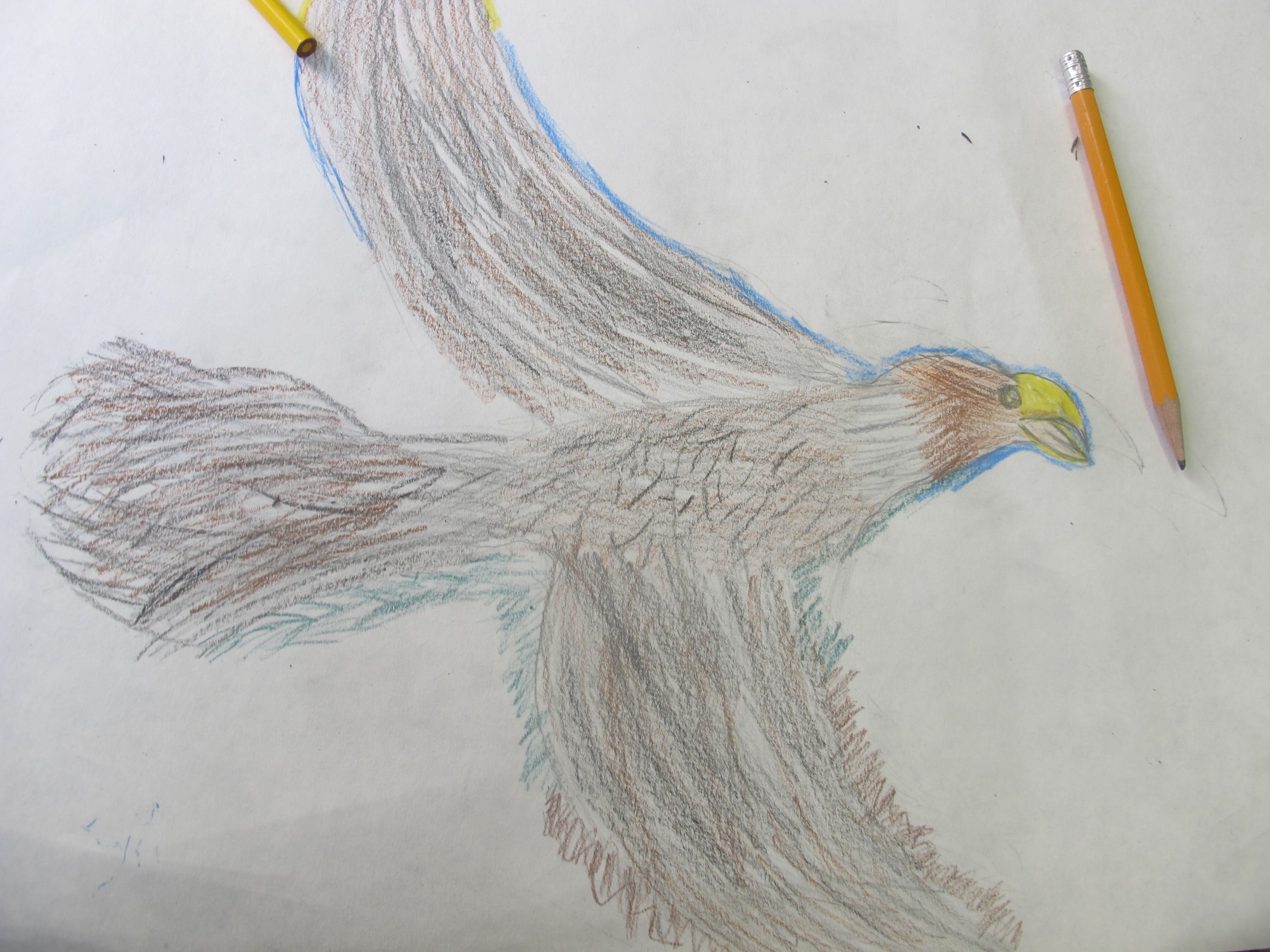
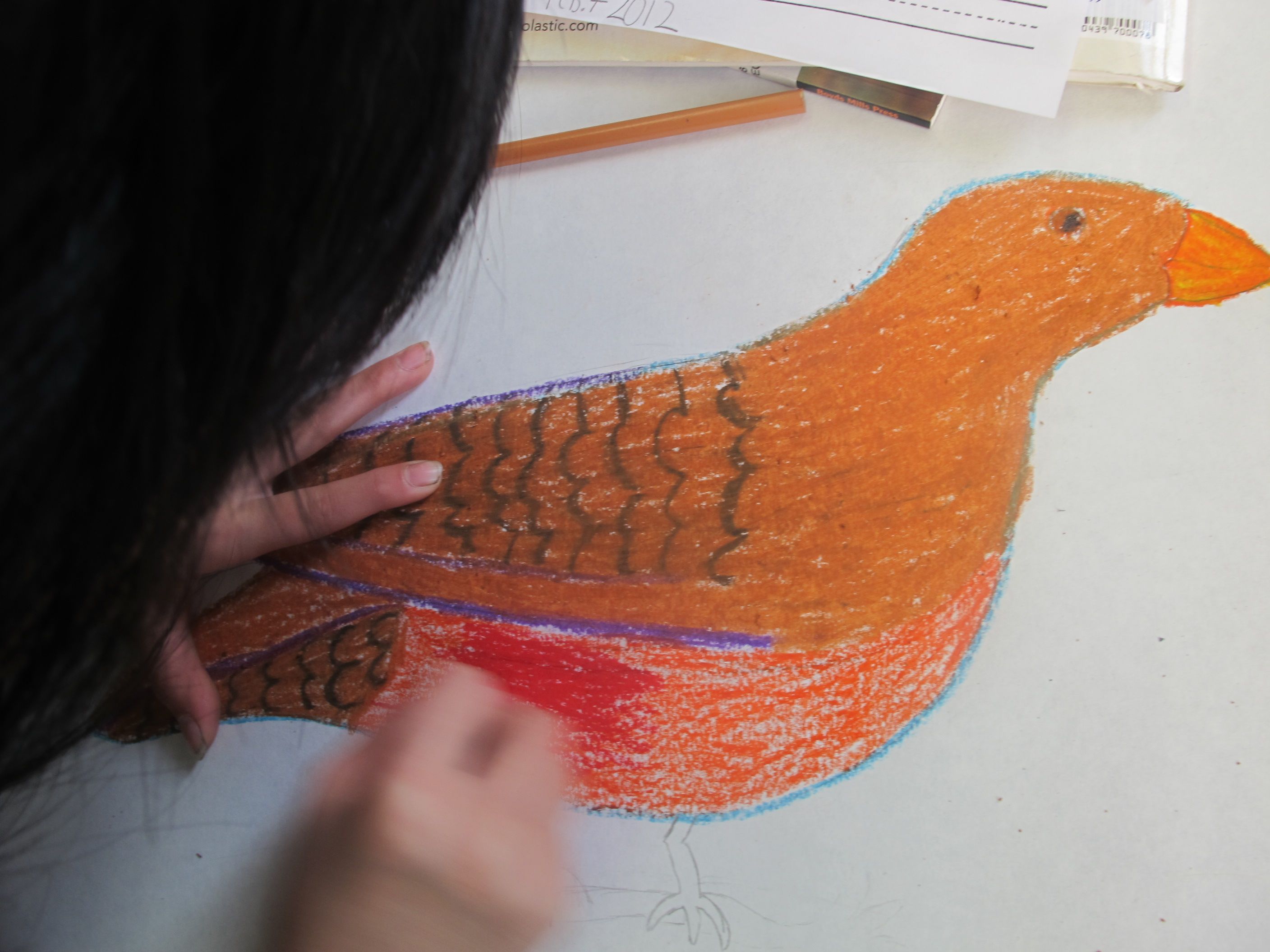
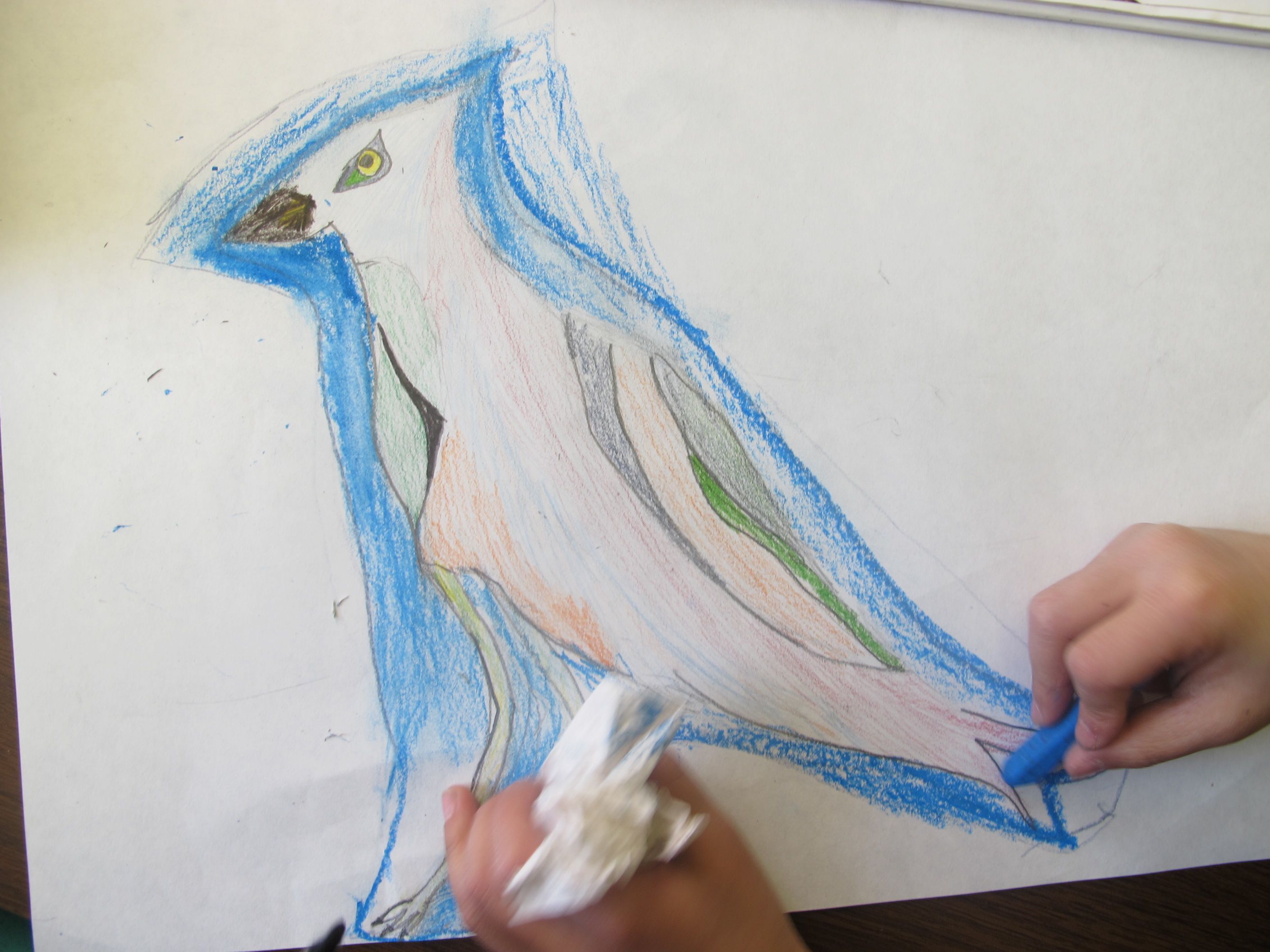
We enjoyed learning how these birds make their nests, care for their young and about how the fledglings learn to fly. Posada’s robins are lovely – and it sparked an interest in bird body parts. We spread out bird books on all of the tables and students made lists of all the important parts of the bird: beak, breast, feathers, wings, talons or feet, etc. Students then drew and coloured their own birds. Our bulletin boards are now covered in gorgeous birds designed by the students and inspired by a variety of real birds in nature.

First students made pencil sketches.

IMG_2525


IMG_2524

We then added colour using crayons, oil pastels and pencil crayons.

IMG_2537

IMG_2531

Finally we shaded around our bird’s outline and cut them out. Some finished pieces:

IMG_2550

IMG_2561

IMG_2565

IMG_2553

IMG_2554

IMG_2556

An Egg is Quiet and so Much More

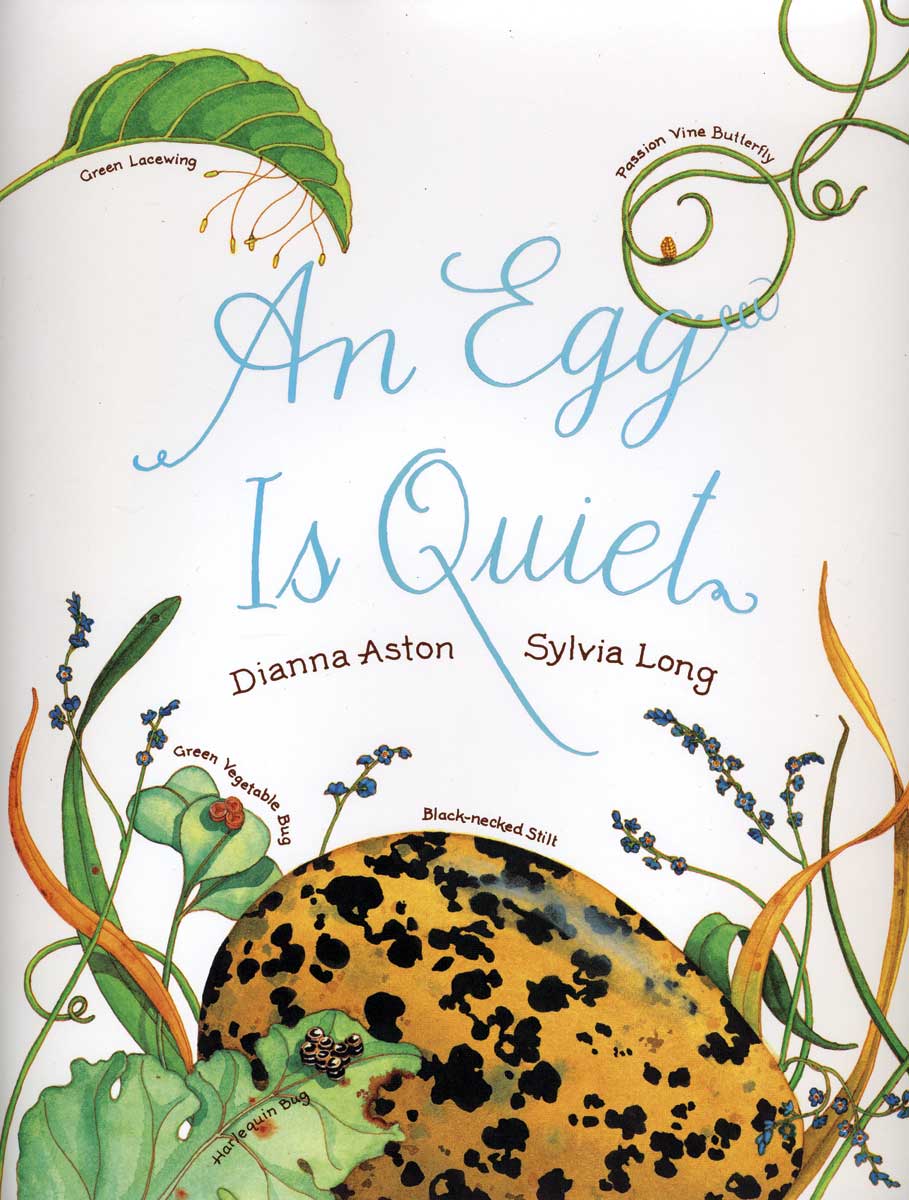
We are studying birds but I am very mindful of student interest as we decide on what to learn more about. Last week we read a book about birds and their nests and students were fascinated by the stunning blue of a robin’s egg. Most students wrote about it when asked to write about something new they had learned. So. . . I decided that Dianna Aston and Sylvia Long‘s exquisite book An Egg is Quiet was a must read.

AnEggIsQuiet

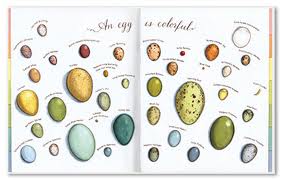
Students were fascinated to learn many new things about eggs – including that many creatures hatch out of an egg, not just birds (reptiles, insects, fish, etc). Sylvia Long’s gorgeous illustrations had everyone mesmerized. With many pages we just gazed at the pictures and chatted to our neighbour about our observations and questions. Sharing was fascinating and we all learned to look at eggs a little differently from each other.

Colours, specks, stripes! Eggs can be so different! We saw eggs that looked like chocolate (a paradise riflebird), eggs that looked like they were covered with sand (a scarlet tanager), eggs that shone (Atlantic salmon) & eggs that looked to be entwined in vines (a common murre). Then . . . fossilized eggs and tubular eggs and eggs that are perfectly round (Kemp’s Ridley Sea Turtle).

After sharing the book together, students completed a modified sheet from Adrienne Gear‘s Reading Power Non-Fiction book: connecting new learning to what they already knew (New-Knew Connections)

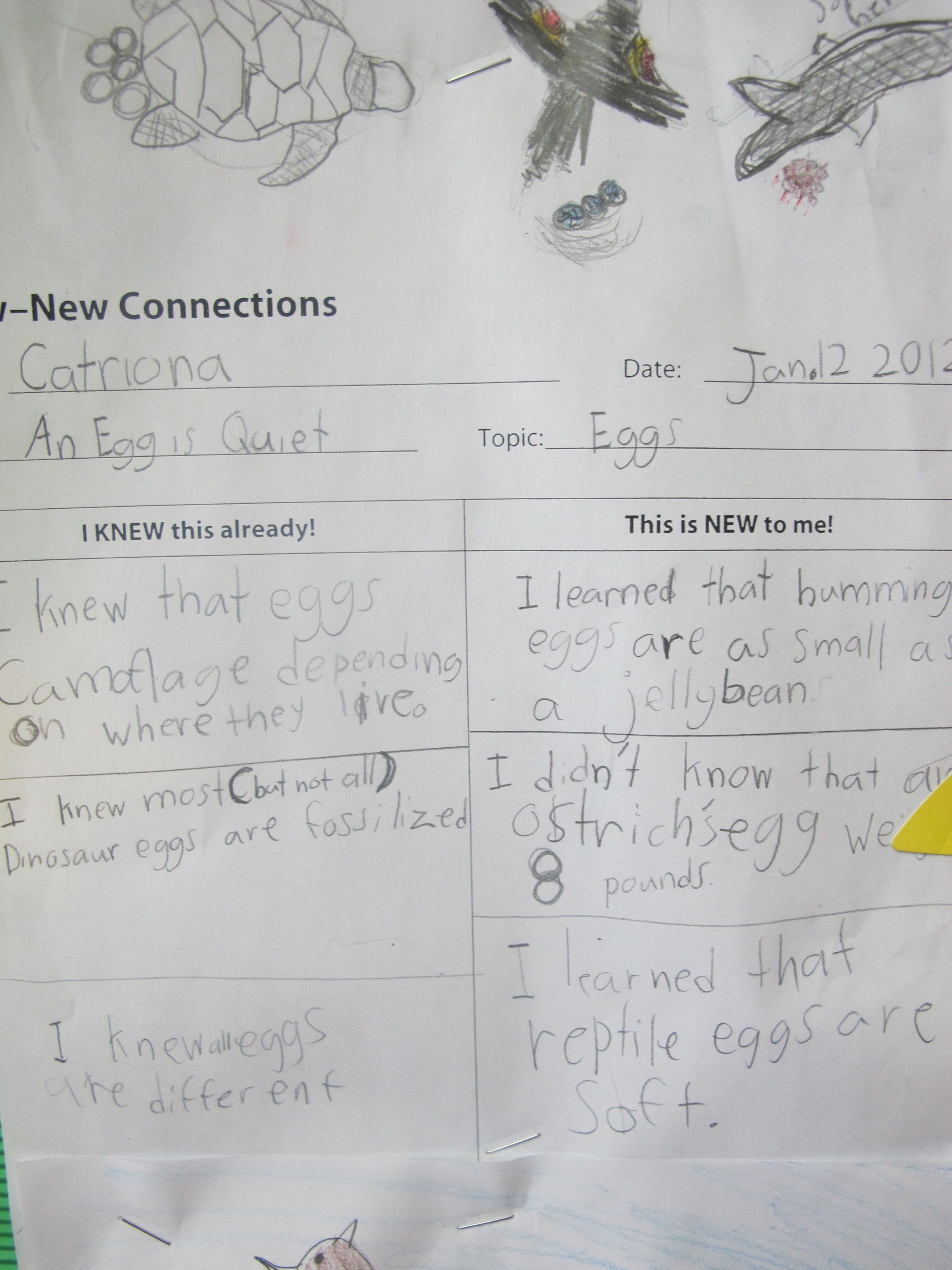
This is Catriona‘s completed sheet:

IMG_2314

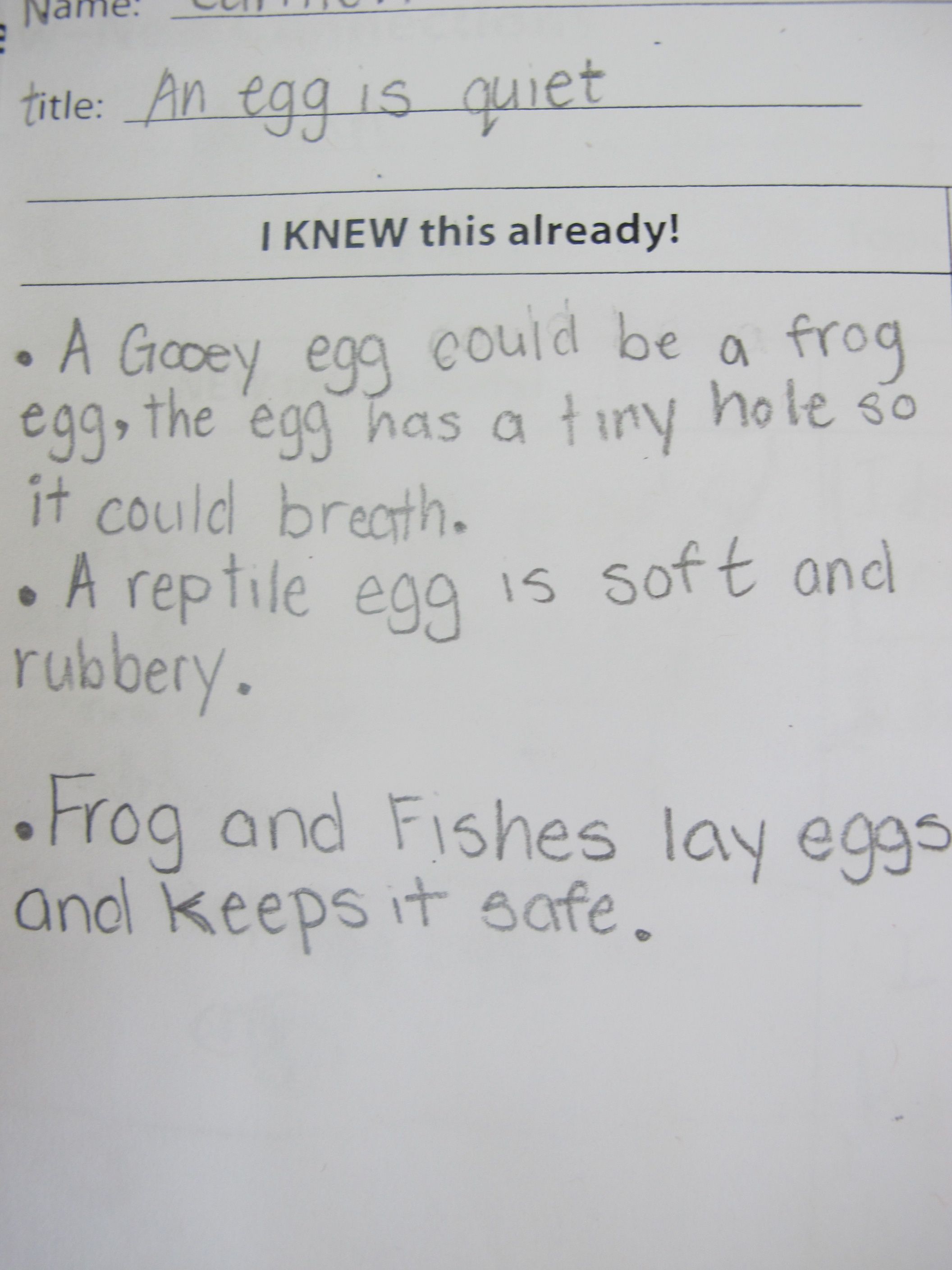
Carmen shared what she already knew.

IMG_2302

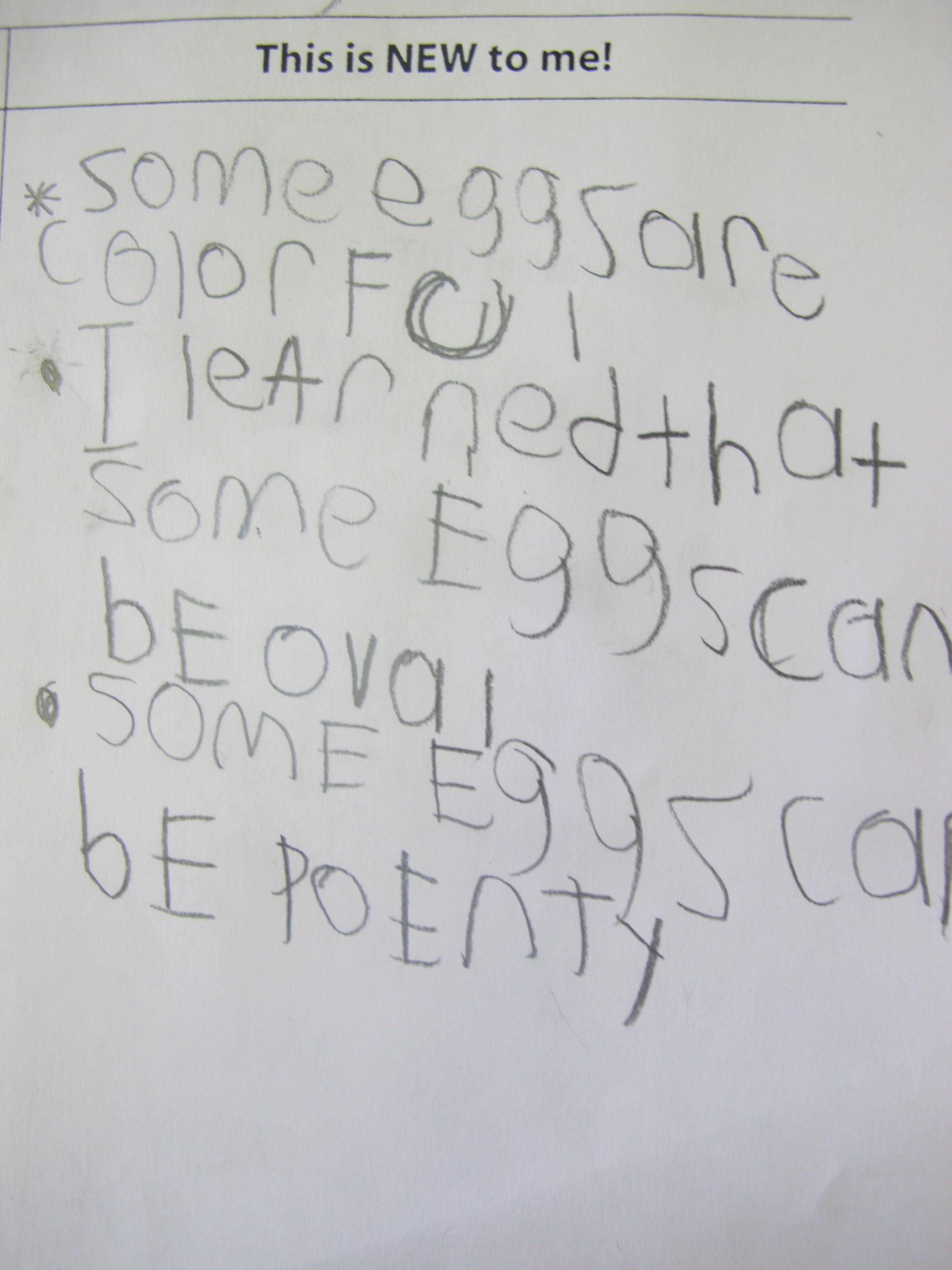
Markus shared his new learning:

IMG_2306

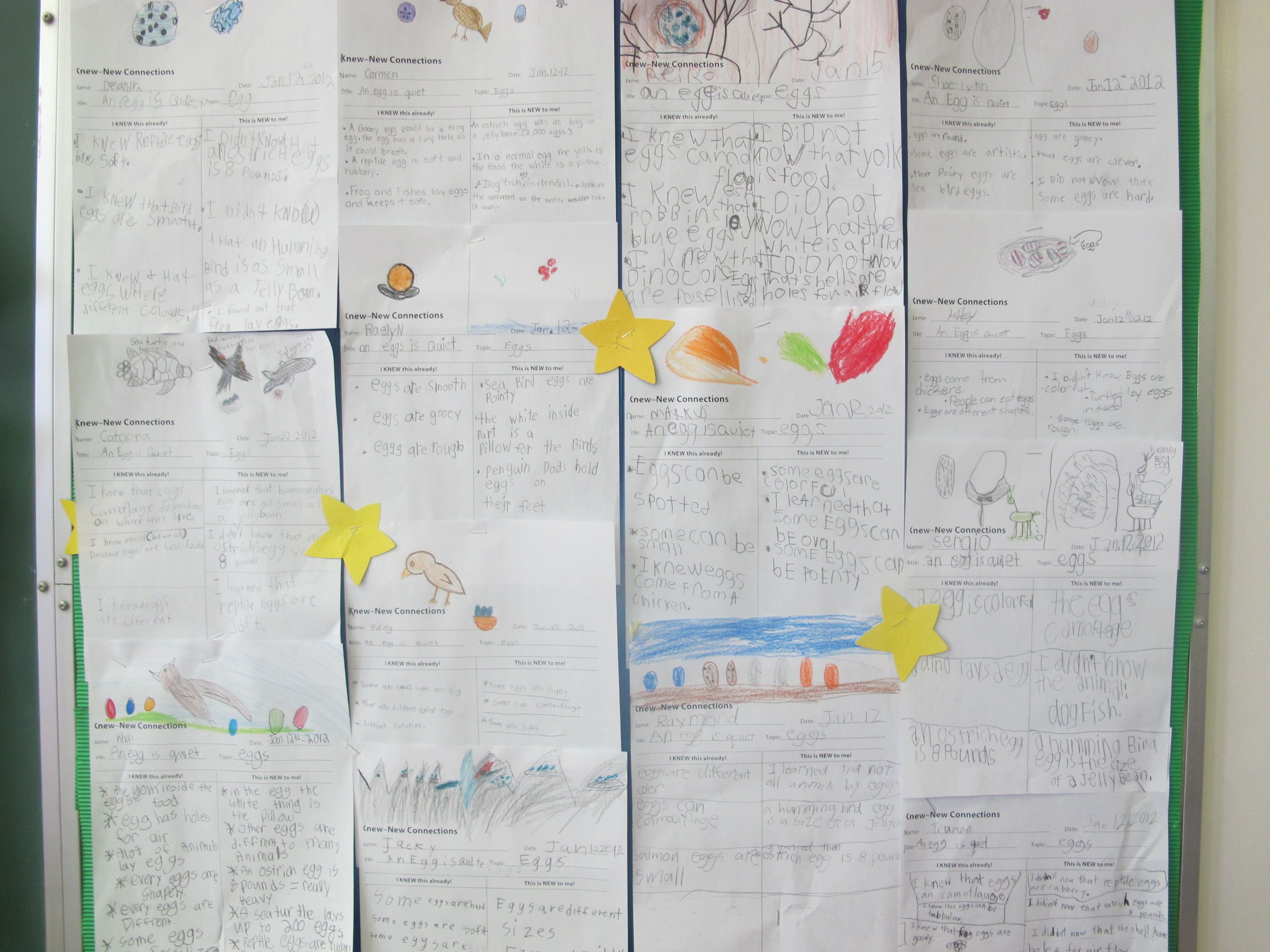
What I love about this activity is that sharing on the Knew/New sheet allows students to honour prior knowledge, acknowledge new knowledge and start from anywhere. There are no right answers or essential facts – just a sharing of a knowledge base being extended. We spent over an hour with this book and doing our writing and everyone was very engaged. Later, I saw students reading the sheets posted up on the bulletin board and talking about what other students had chosen to highlight. An exciting afternoon learning about how unique, beautiful and fascinating eggs can be!

A wall of learning shared!

A wall of learning shared!

Ermines? Huh? What are they?
Our reading group has continued to work on interacting with non-fiction text, making meaning together and determining importance. What this means? Talking, listening, sharing ideas, extending a thought, making and defending a position, and did we mention talking and listening? Because those things turn out to be the most important and most challenging skills we are working on!
Reading about Ermines

Today our task looked like this:

Step 1: List what we can predict about an ermine (Huh? A what? We had no idea what an ermine was!!) based on the limited information Ms. Gelson gave us: 1. Their fur is different colours depending on the time of year 2. They have very sharp claws 3. They live in the northern parts of the world.

One groups' predictions

The interesting thing about the discussion from the group that produced this chart above was their debate on whether or not questions could be predictions. In the end, it was decided that yes they could because they were linked to what information we were going to find out and made us want to read more. We were going to verify both predictions and answers to questions. Great thinking!

Predictions about ermines from another group

Step 2: Read the article in Chickadee Magazine about Ermines together

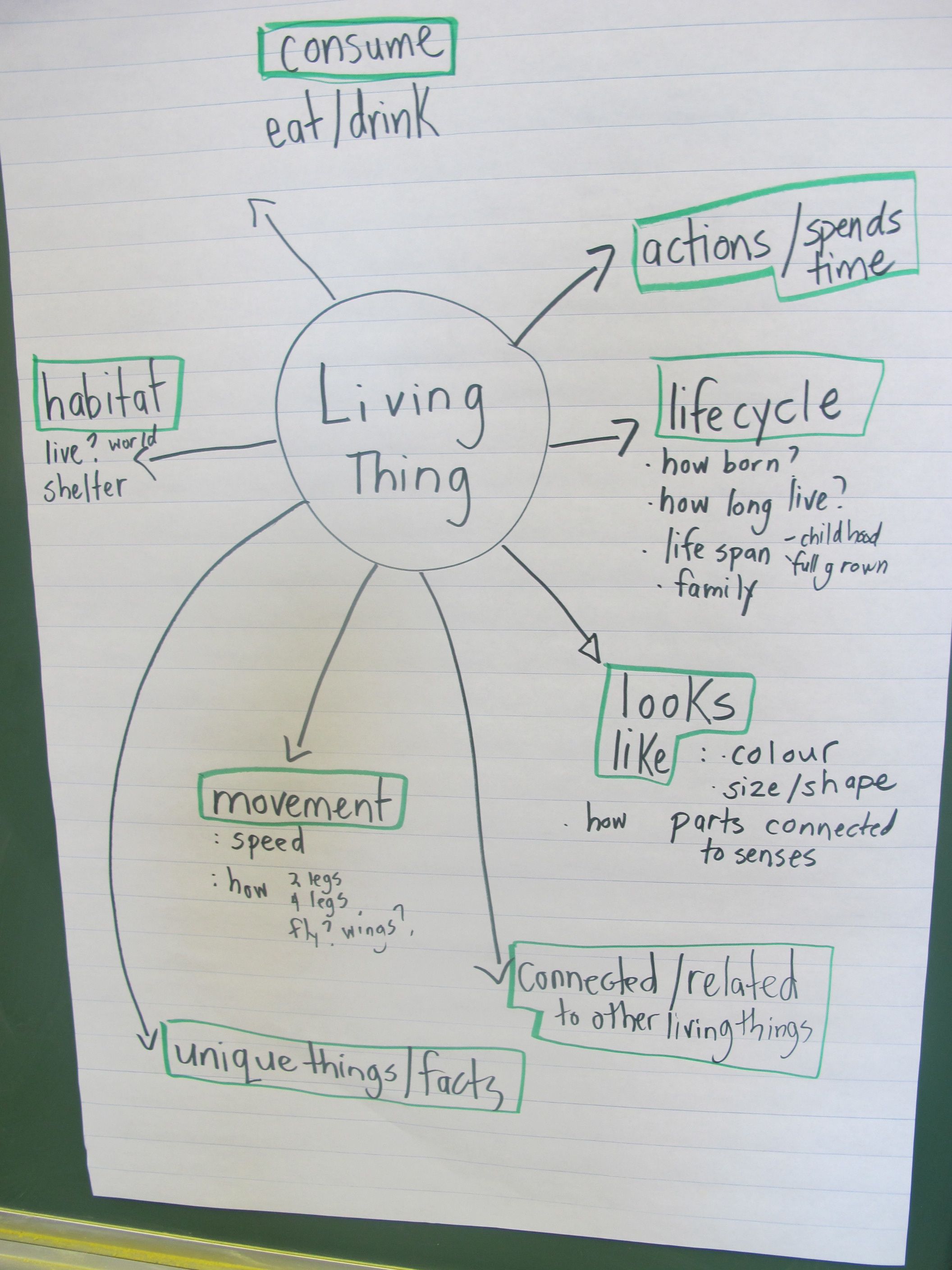
A chart we made together to help us determine what might be important when learning about a living thing

A chart we made together to help us determine what might be important when learning about a living thing

Step 3: Keeping in mind the chart we created (see above) decide on what are the 5 most important facts about ermines your group wants to include on your chart.

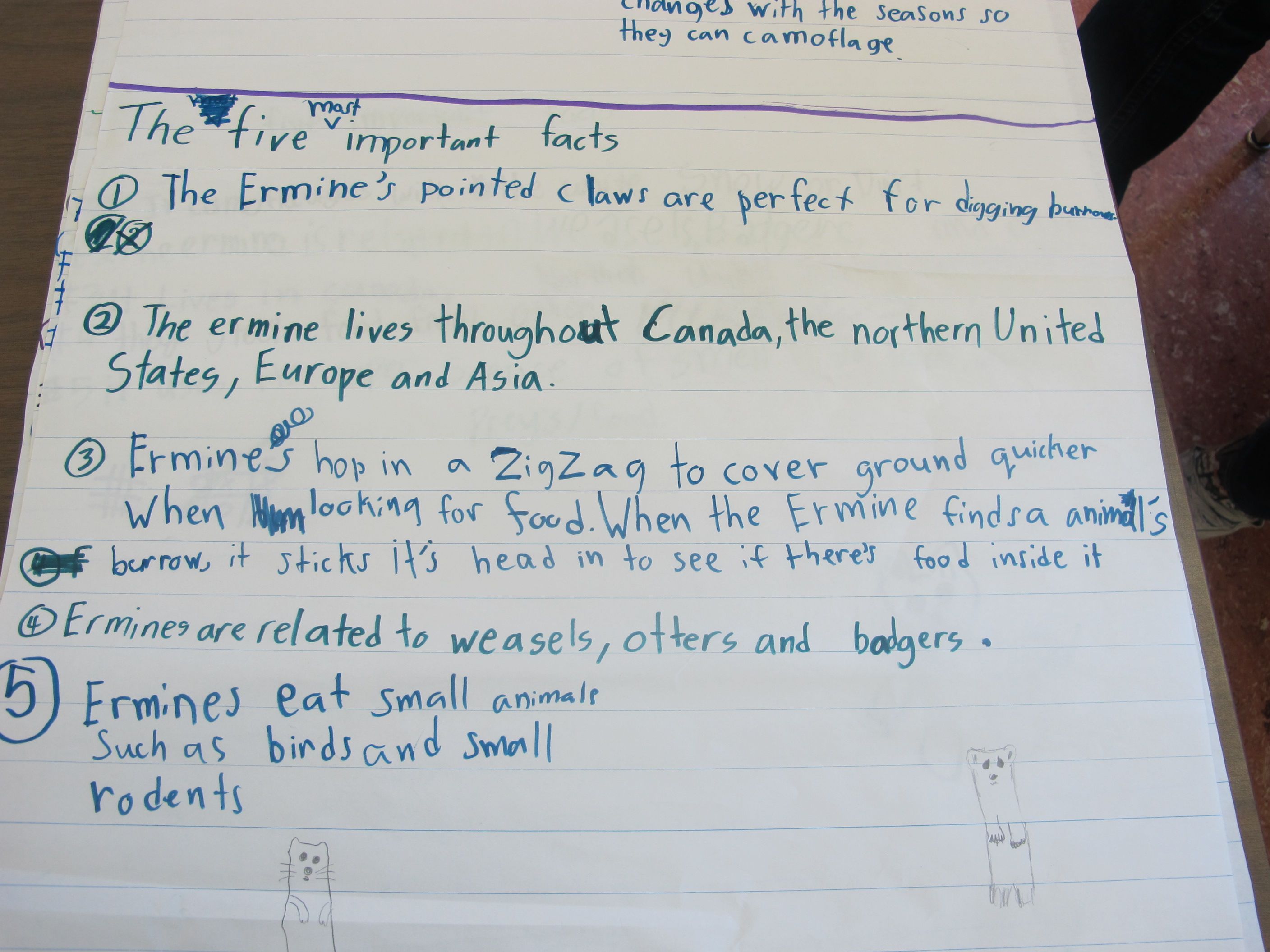
Important facts about Ermines

Important facts about Ermines

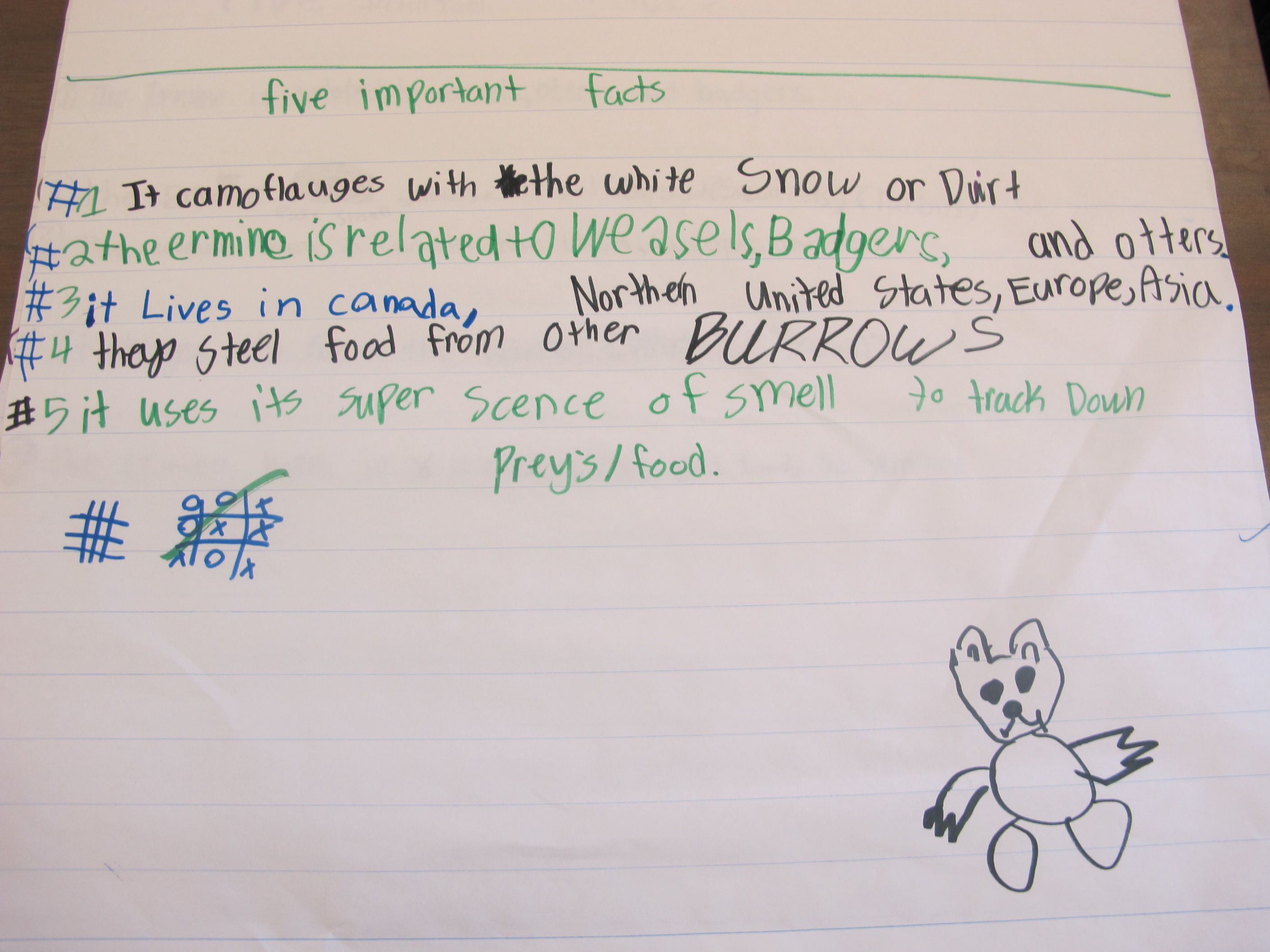
Not all groups included the same facts but all groups used the chart we made to help them make decisions.

Another list of 5 important facts

Another list of 5 important facts

Final Group list

At this point, this task does require some guidance from adults (Thanks to my patient and encouraging volunteers Miles and Nicole!) but our role is always listening, reflecting back what we hear and refocussing the group. Students are making excellent progress on developing these skills! We just started on activities like this in late December. We are well on our way!

As a teacher, what I love about these sessions, is that it is students interacting with text and each other to determine what is important.

Celebrating students, celebrating books

Having time off from the day to day of teaching gives us space to reflect back on all that we treasure. Highlights of the last calendar year for me and picture books that exemplified these important themes:

1. Lots of laughter.

This was one of the favourite non-fiction read alouds I read with a class.

Poop – A Natural History of the Unmentionable written by Nicola Davies and illustrated by Neal Layton. This was the discussion. Theories of why some animal poop seems to have hair on it and why do we fart anyway. Hard to keep a straight face.

2. Moments of awe

Sometimes in sharing a powerful piece of literature, the learning in the room just surrounds us. The book or the important conversations are not soon forgotten.

Nan Forler‘s Bird Child was one of the most beautiful books I have ever shared with a class.

We learned about the power in all of us to stand up for each other. Recounting our conversations in this post was important. As a group, we shared something big.

3. Experiencing vulnerability

Some books produce such strong reactions. In our responses, we are vulnerable and need discussion and support to make sense of our feelings.

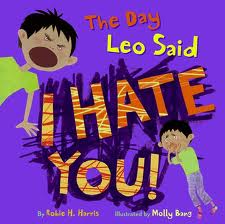
This book reduced some of us to tears: The Day Leo Said I Hate you! written by Robie H. Harris and illustrated by Molly Bang

What happens when our feelings explode and we say something hurtful? How do we navigate our way back? We talked about this book here.

4. Honouring the power of books

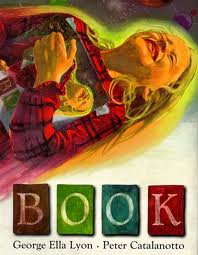
We were inspired by the beautiful Book written by George Ella Lyon and illustrated byPeter Catalanotto. to talk about what reading means to us.

This post details the beautiful art and writing we did in response. Students talked about how reading transported them into the book and about how much they love to be read to.

5. Celebrating wonder

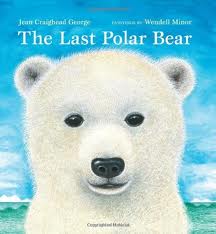
I love to use information storybooks to inspire student questions. This book The Last Polar Bear written by Jean Craighead George motivated students not only to ask questions but to explore answers.

In this post we talked about how climate change is affecting the habitat of the polar bears. We found we were left with more questions than when we started.

Looking forward to what books will bring to us in 2012!

Slowly learning about sloths (And how to work together!)

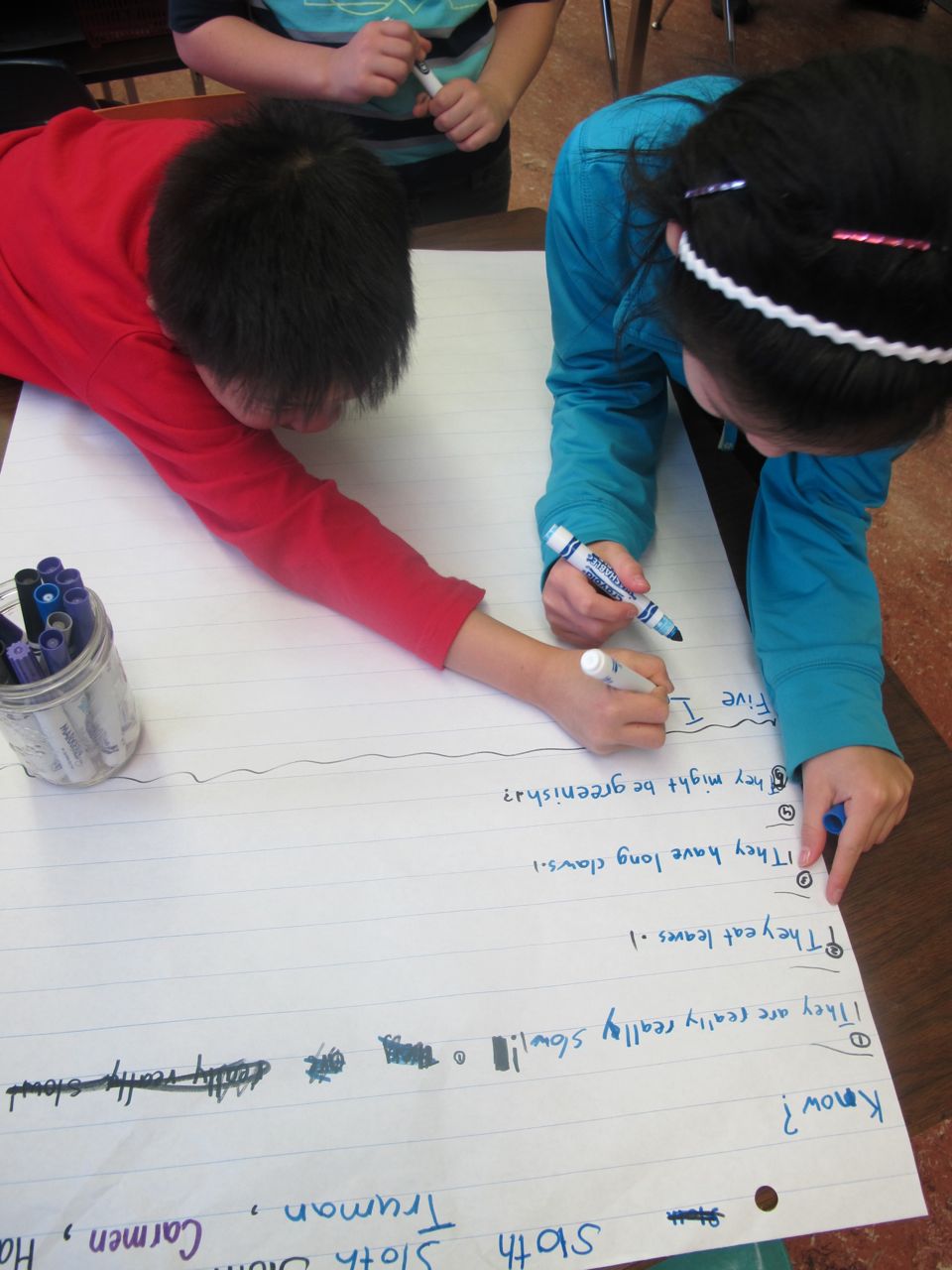
Group work. It’s an important skill. One that we need a lot of practice with – it is much harder than it first appears. There is listening to others, negotiating, turn taking, asserting an opinion, making a point, explaining your thinking, staying on task, having patience, agreeing, disagreeing, remaining polite . . . Wow! Not easy to do!

But on the last day before winter break, our Reading Group got brave and tried a new task that involved working together in a small group. Yes, there was a lot of encouragement needed to work productively and politely within our group (“No, you can’t be in a group by yourself,” “No you can’t change groups part way through the activity,” “Yes, you all have to talk together and agree.”) But, in the end, we made it and there was lots of  learning along the way – learning about the topic and about working together. 🙂

The task:

Step 1. The topic is sloths. In your small group, write down everything you know or think you know about sloths.

Compiling a list of what we know

Step 2: Read the article in Chickadee Magazine about sloths.

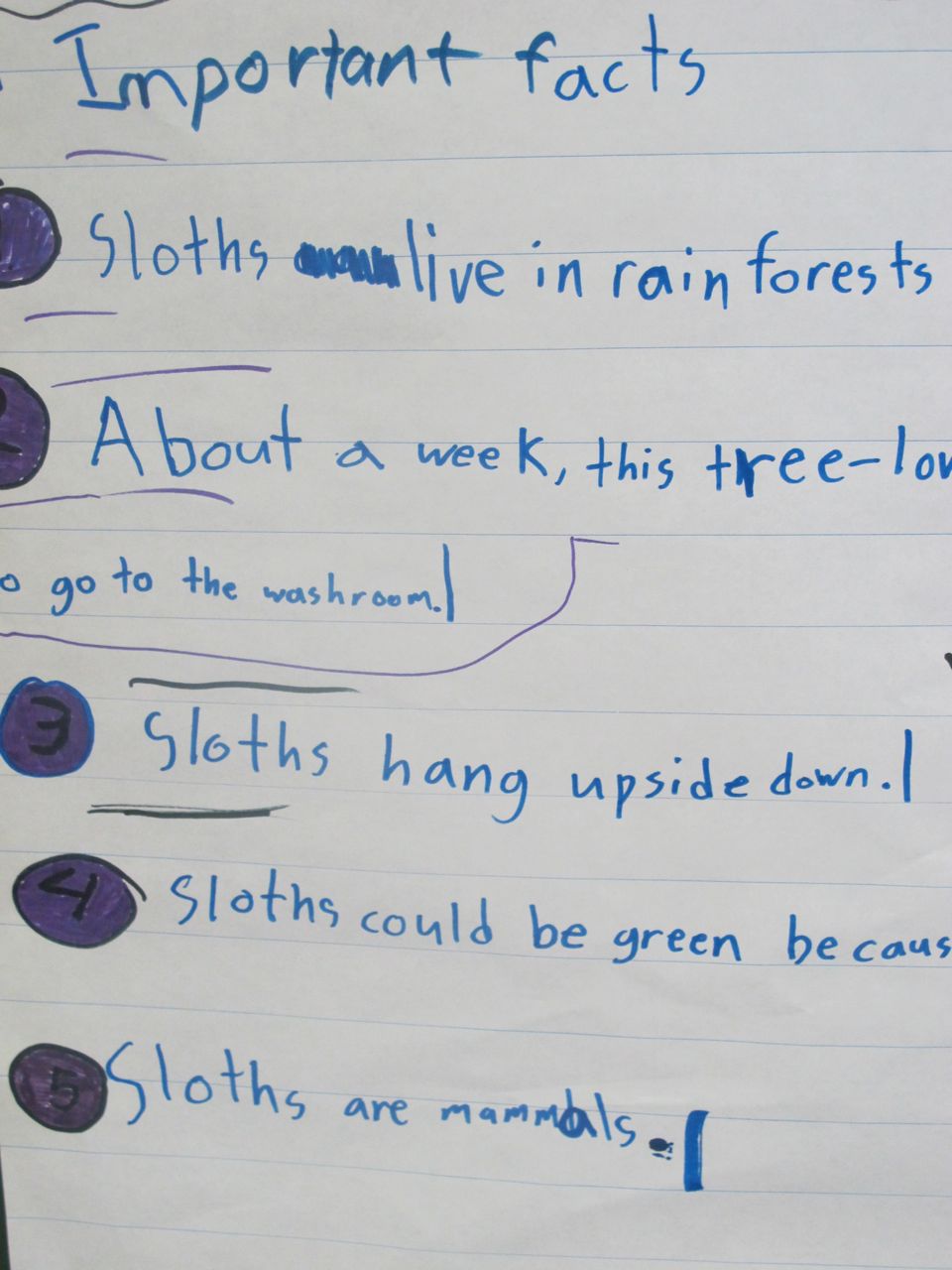
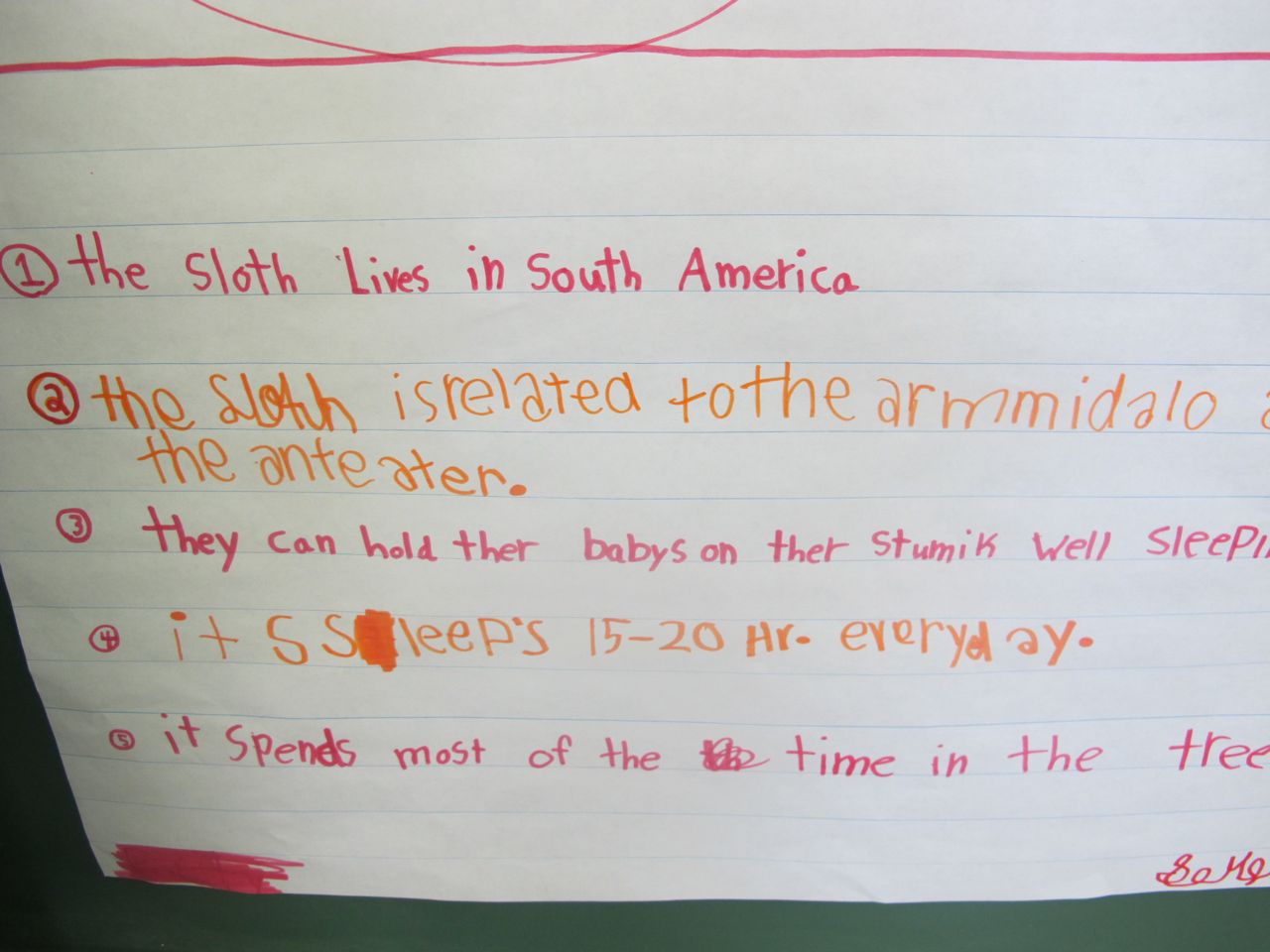
Step 3: In your small group, decide what are the 5 most important things you learned and list them.

One group's list

Another group added detailed pictures when they completed their list

Working together

Step 4: Post your lists and look for common (on at least 2 out of 3 lists) facts deemed important

Another list

Step 5: Discuss what we learned.

Students noticed that some things were on many of the lists: where the sloths lived, how long they slept each day and that they hung upside down. Other facts were different. We decided that we needed to come up with criteria about what is important to know about an animal so that we could figure out what are the most important facts. This will be for next time! We are off along the road to learn how to determine importance!

I was pleased that students got into the rhythm of sharing and listening and that after an initial bumpy start, all groups met with success. The really wonderful thing – so much emphasis on students talking and leading. Each group naturally took turns reading sections out loud. Everyone did a little writing. Everyone talked and listened. Other than setting the task and helping the transition into a small group activity, my role was in the background. I asked a few questions, encouraged successful collaboration and watched students take charge of their learning. Well done reading group!

Where Would I Be in an Evergreen Tree?

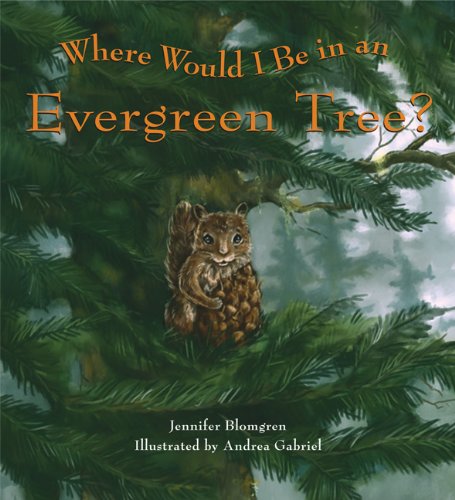
Our BLG reader this week was Bill. He read us Where Would I Be in an Evergreen Tree? written by Jennifer Blomgren and illustrated by Andrea Gabriel.

evergreen tree

There was lots to learn from the text of this book: all about nurse logs, the life cycle of trees, the amazing creatures that inhabit the forest and the wonder of every layer. The book ends with an invitation to come into the forest and discover more for yourself. But it is the illustrations that pull you deeper – the lush vibrant greens, the dripping rain, the spotted wingspan of the owl . . . Wow!

Such a gorgeously illustrated book. Students also kept referring to the pictures and how beautiful they were.

Would love to use this before a forest walk. Or after and connect our learning . . . .

Our student reviewers report:

Catriona: Its illustrations were very very interesting because they were probably painted and they looked real. I could easily connect to it.

Truman: I like the drawings and the rhymes and the details. I like the page that has the pine martin on it because of the snow and how the pine martin is jumping.

Khai: The illustrations are great because they were nice and colourful. They reminded me of another book about a forest.

Deandra: It was really cool. I saw a squirrel gliding to a big tree. I liked it so much I loved it.

Deborah Hodge visits Division 5!

On November 15th, 2011, local author Deborah Hodge visited Division 5 to share her books, her process and her knowledge with us.

Author Deborah Hodge

Deborah Hodge has a fantastic blog to check out and even wrote about her visit with us at Seymour! Students were very excited when I let them know that we had an author coming to visit. When Deborah came to the door just before the recess bell, she was greeted by a huge hug from Sergio who looked up at her and said: “Hi Deborah. I really like to read books.” During recess, Deborah set up all of her books around the classroom and when students returned, Shae-Lynn exclaimed, “Did you really write all of those books?” It was a very impressive display!

Deborah explained that when she had been a teacher, many of her students wanted to read non-fiction books but the text and language was just not at their level. She was motivated to create non-fiction titles that were much more accessible – full of fabulous non-fiction features like labelled diagrams, a glossary, fact boxes and interesting facts! Each book contains something life sized in a drawing at the back of each book.

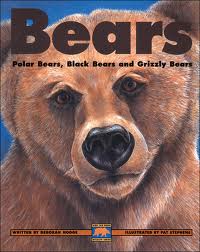
Deborah’s first book was Bears, a popular title in our classroom.

Deborah began sharing the steps in making a non-fiction book like doing the research, writing the text, revising and editing, working with an illustrator, etc. She shared examples of each step as she described it. At one point about mid-way through the series of steps, one student let out a big sigh. “Wow! There really are a lot of steps in making a non-fiction book!

Deborah also shared some cool facts she learned as she researched her various books. A few favourites of ours:

  • An anaconda is as long as a bus and as heavy as two big men
  • When a polar bear cub is born, it is as small as the palm of your hand
  • A mother deer leaves the fawn alone when it is first born so that her scent won’t attract predators.

Deborah also brought in animal fur and animal skulls to show us. Very interesting and fun to interact with!

IMG_1511

IMG_1528

Deborah left us with more than a great learning experience – about how non-fiction books are made, about animals, and about furs and skulls. She left us with some lovely gifts.

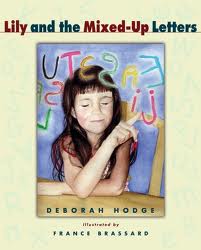
First she signed our classroom copy of  Lily and the Mixed up Letters. This wonderful book about a little girl who struggles learning to read is of course written by Deborah and illustrated by France Brassard. It is a favourite of both Ms. Gelson and Ms. Hibbert.

Then Deborah gifted our classroom with two of her latest and greatest books! We plan to delve into these books in the Spring when we can learn more about growing food in different places.

Then, last but not least, Deborah gave each student a copy of one of her non-fiction titles.

I am a big believer of children owning their own books and having their own book collections – the power of “books in hand and in home.” Deborah signed each book for each child and in the last week I have heard students making comments like, “Did you read about . . . . in our book?” Thank you Deborah for such an amazing morning and such generosity!