The Grandparent Effect

This post was first published on The Nerdy Book Club Blog December 14th, 2012. I am sharing it here on Christmas day as a gift to all of those who share the joy of reading with friends, family and anyone who needs it!

MERRY CHRISTMAS!

Two years ago, I taught a little boy named Emilio in Grade 3.  In his first week of Grade 4, Emilio showed up at my door every day at 3 p.m. He would stand there and give me a big smile, sometimes a hug and tell me quite seriously, “I really miss this class.” When I asked him what he missed, I thought he might say that he missed choices time at the end of the day or the picture books we shared together or maybe even that he missed me. Nope. “I miss Mr. and Mrs. Gelson.” He didn’t even need to think about it. Mr. and Mrs. Gelson are my parents. They come in every Tuesday afternoon to listen to my students read. They sit outside my room at a long table that holds two big baskets of carefully selected picture books. Children take turns having their reading time throughout the afternoon. This reading time with two very special volunteers is what Emilio missed.

When Emilio started Grade 3, he recognized seven letters and knew two sounds. He was not a reader. But he loved books. Every week, Mr. or Mrs. Gelson, read to Emilio. Often, once he was out in the hallway, he wouldn’t come back in. He sat and listened to other children read stories. He asked questions. He got Mr. Gelson telling him about his life and had Mrs. Gelson laughing as he asked for favourite books to be read and reread. They all giggled over silly stories, pretended to scare each other on a spooky page and shared quiet moments when a book touched their hearts. Out in my hallway, on any given Tuesday afternoon, Emilio was gifted by what I have come to call the “Grandparent Effect.

I teach at an inner city school in Vancouver, B.C. characterized by high child and family poverty. Many of my students have not had early literacy experiences. Nobody read to them at bedtime. They never attended library story times. There are few, if any, books in their homes. Families have limited income and limited time. Many parents are working multiple jobs, learning a new language and caring for a family with limited resources. Read aloud time is a luxury many families cannot afford.

Many of my students also do not have grandparents around. Grandparents live in another city or another country and visits are few and far between. I have students in my class being raised by a grandparent so their grandparent is in a parental role.  The lovely experience of story time with Grandma and Grandpa that my own children were raised with has not been experienced by most of my students.

Fortunately, I have two amazing parents who have brought their grandparent love to my classroom. They share it through the magic of books with each of my students every week. As teachers, we know that it is a rare moment when we can just sit with one child and enjoy the experience of having a story read to us by an eager little reader. We are always scanning the room to make sure others are on task, we are taking mental or physical notes about the child’s reading skills and needs, or we are thinking about which book we are going to recommend next to this child. It is hard to turn off our teacher brain. We have a job to do with these little readers. Grandparents, though, have the gift of time. The time to give to each child with their full focus and attention. The time to go off on a tangent and answer a million questions or share connections.  The time to read a story again and again just because it was that great. The time to joke and cuddle and coax and smile.

Last year, when I told Mr. and Mrs. Gelson that Emilio missed them (missed them so much, he showed up every day at my door to tell me so) they started coming in a half an hour earlier to read to Emilio, grabbing him from his new class before they began with my students. This year, in Grade 5, half an hour of reading with Mr. and Mrs. Gelson is still part of Emilio’s Tuesday routine. In these past few years at our school, Emilio has been getting daily direct instruction in decoding skills. Slowly but surely, Emilio has been learning to read. This Tuesday, Emilio read The Enormous Potato (written by Aubrey Davis) two times through. How do I know this? Two excited “grandparents” cannot stop gushing about it. “Emilio read the whole thing!” “Twice!” “He can sound out anything!” “He really perseveres.” “I just can’t believe it. He has come so far.” “Remember where he started?”  “Emilio is a reader!”
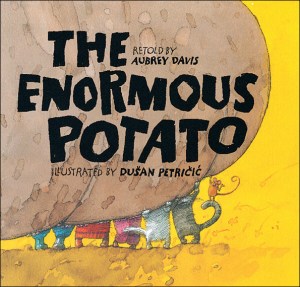
enormous potato

I do my best to promote a love of reading in my room: daily read alouds, buddy reading, book talks, library visits, reading instruction, free choice reading . . . . But, one of the best things I do is to stand back and be in awe of how the “grandparent effect” helps associate reading books with love and happy experiences. I believe if we want to create lifelong readers, anything we do to make this association is a gift we give to our students.

I have shared this story of Emilio and my other little readers to remind us all that the magic of reading shared between generations does not just need to happen in our homes. And if it never happened, it isn’t too late.  Find your students some eager seniors to come in and create your own “Grandparent Effect.” Everyone benefits.

**Emilio delivered a special card to my parents for Christmas. He gave me permission to share it here.

IMG_6067


The Snow Day

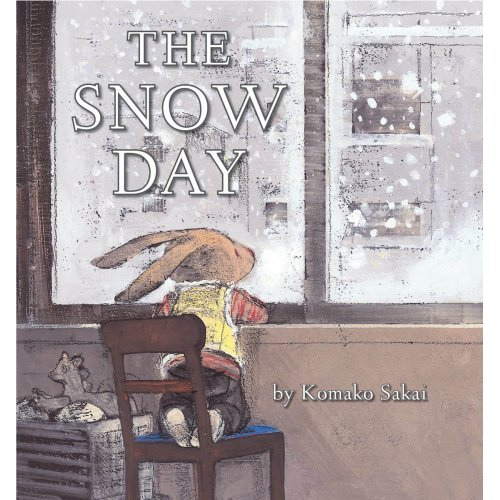
The Snow Day by Komako Sakai was our inspiration for some reflective writing today. It is getting cold and blustery outside and forecasts of snow are hinted at in the weather reports and imagined by eager snow enthusiasts who sense those chilly mornings. This book let us explore those images of when a very snowy day seems to stop the world.

The Snow Day

What is it like to wait for a chance to explore the snow? Better yet, what does it feel like to walk out into a snowy world with nobody else around?

Little Rabbit observes, “Mommy, we are all alone in the world.” Some snow days do feel that way.

We loved the image of Little Rabbit getting to step into that big expanse of white and did some brainstorming about what snow looks like when it is covering the landscape. Some students included these images in their writing.

This book was certainly about anticipation. And excitement. But also about the quiet, the calm and the wonder of snow.

Some Monday afternoon writing shared:

Gracie: I like making snowmen. It’s fun! And after I play outside, I like having hot chocolate. It’s gooooood! 🙂 Snow looks like white cotton candy.

Ava: I like when you are the first one to step in the snow.

Heman: I like it when it is snowing because I can have snowball fights with my brother. I dress up warm in the snow. The snow looks like clouds. It is quiet in the snow. It feels calm in the snow. Snow is so slippery!

Arianne: I love snow because I like to make snow angels and snow bunnies. when it snows, it is like white paint everwhere. We dress up in warm clothes. I throw snow!

Shereese: I like the snow because we could make a snowman and a snowball fight. It feels so cold. When we are cold, we ask for hot chocolate. I like when my Mom makes hot chocolate and whip cream on it.

Kevin: I like when snow is calm. I like to make a snow castle to play in it. Snow looks like white paper. You have to dress warm for a snowy day,

Let’s talk!

There is nothing more exciting for me than watching students really talk about their learning. I love the debate, the encouragement, the giggles, and the interrupting. I love watching one student really listen to another and then jump in to share ideas. These type of exchanges happen more and more during our morning reading group. Especially when we have informative non-fiction texts in hand!

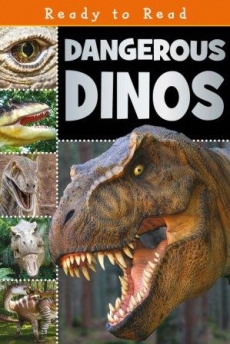
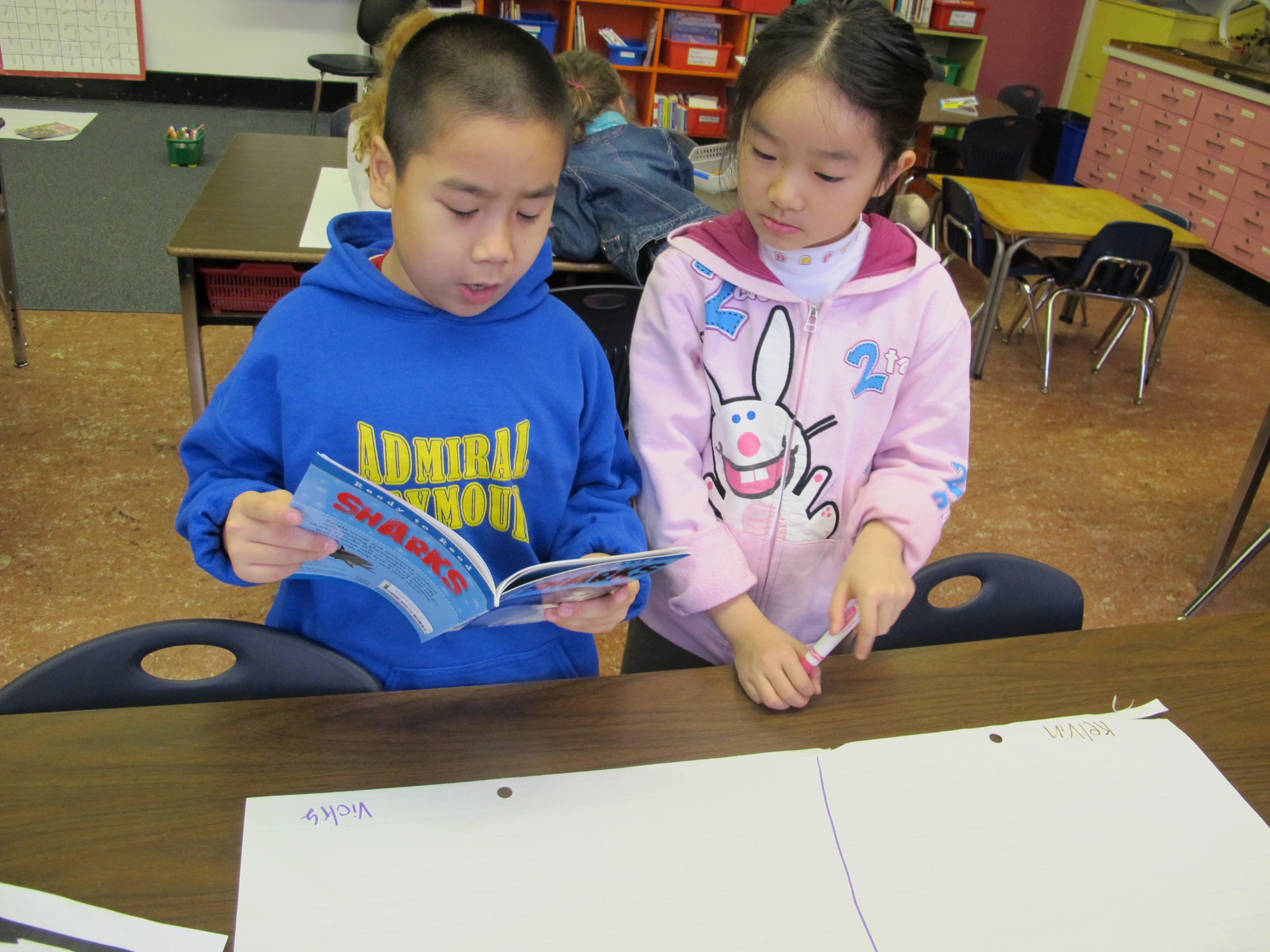
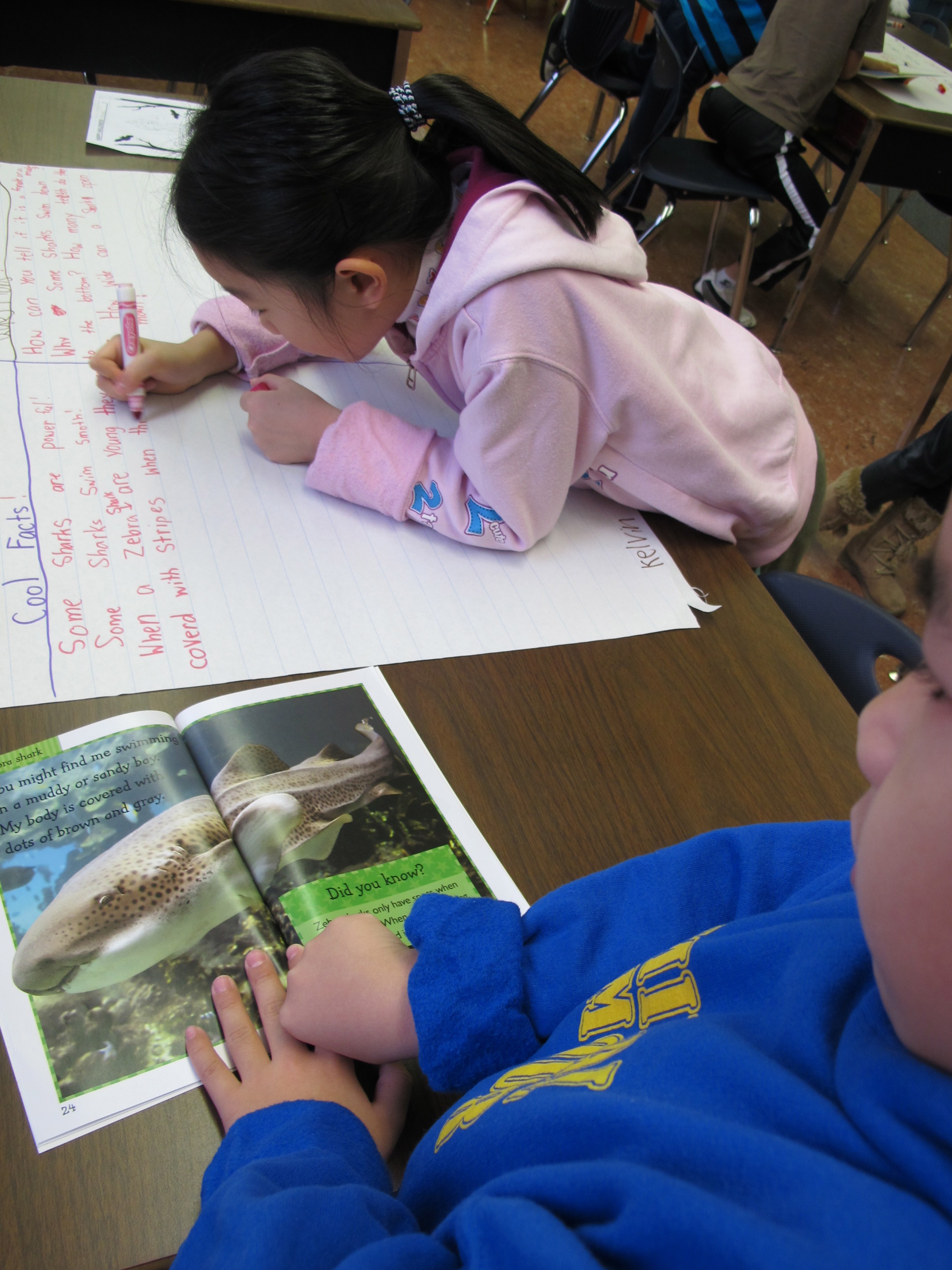
This week I pulled out a selection of non-fiction titles from the Ready to Read series including Dangerous Dinos, Slithering Snakes, Sharks and Bugs. All written by Sarah Creese. (I purchased these titles through Scholastic)

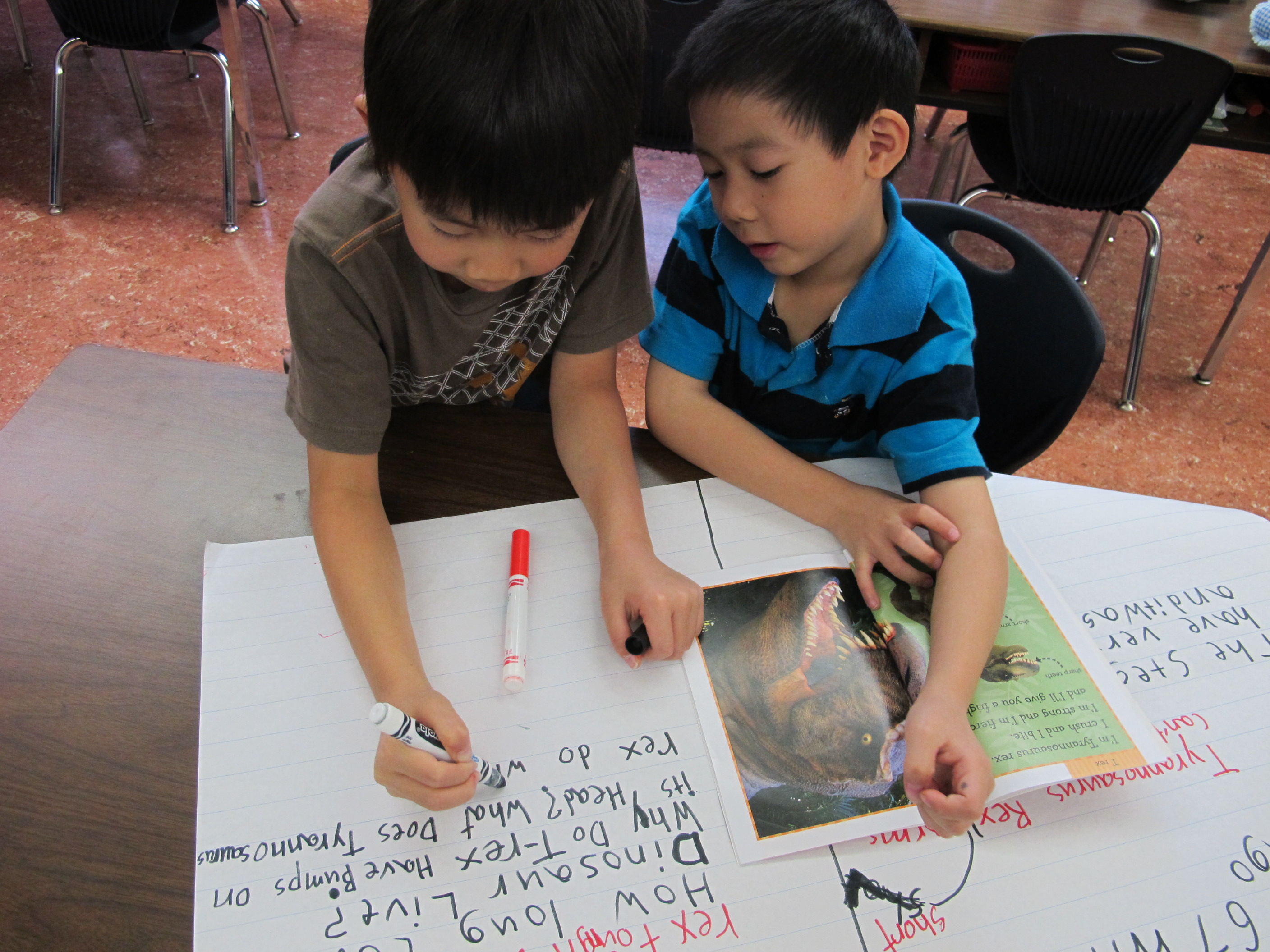
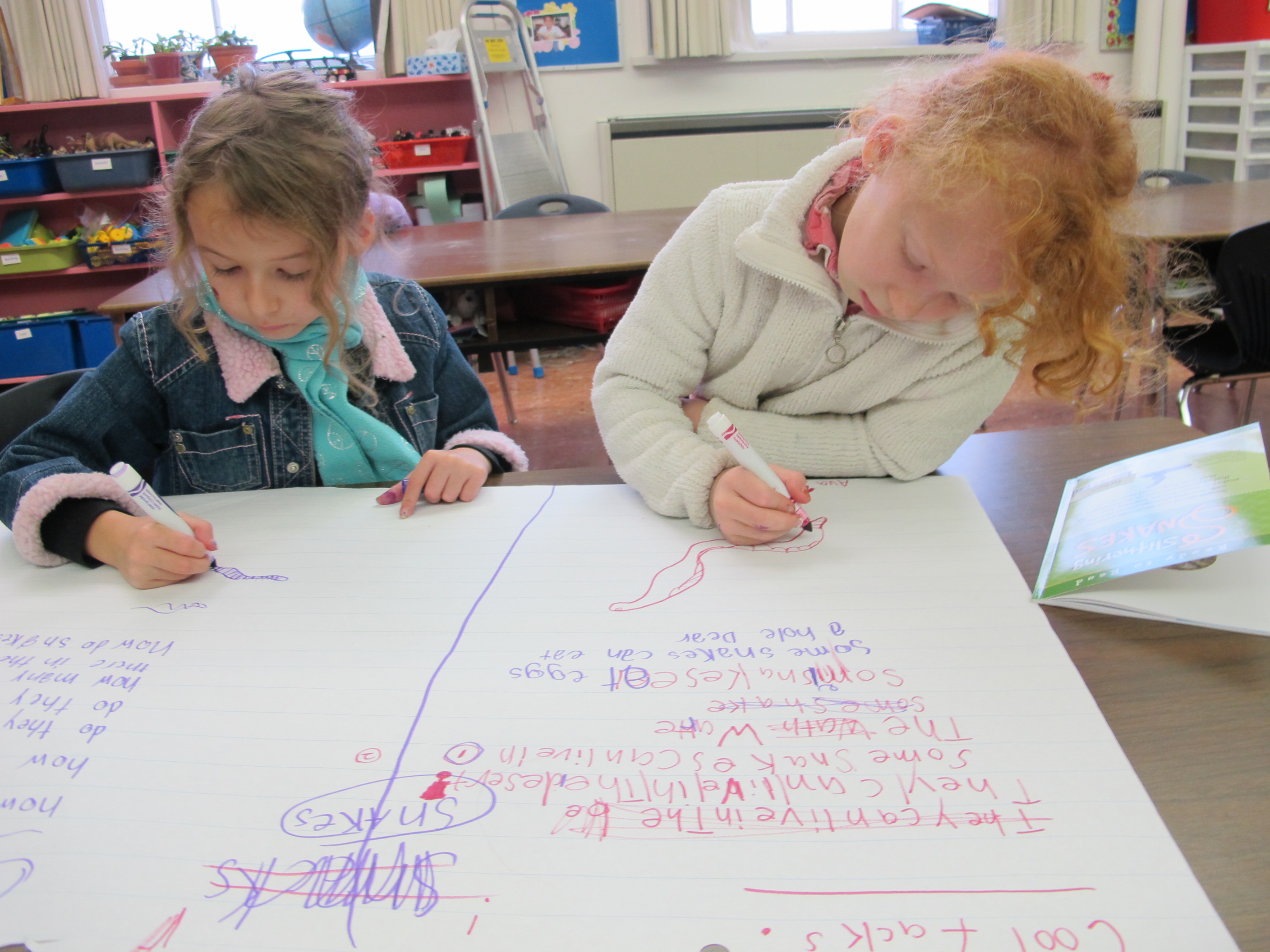
Students were asked to read the book aloud with their partner and to note down cool facts they learned and list any questions they had as they read. We had done this in two small groups (led by me and my teaching partner) the week before so the students were familiar with this process. Today though, they were in charge of the way this process would roll out.

Students took turns reading the text aloud. Some pairs wrote questions and facts as they read. Others read and then came back to the text for a second read through.

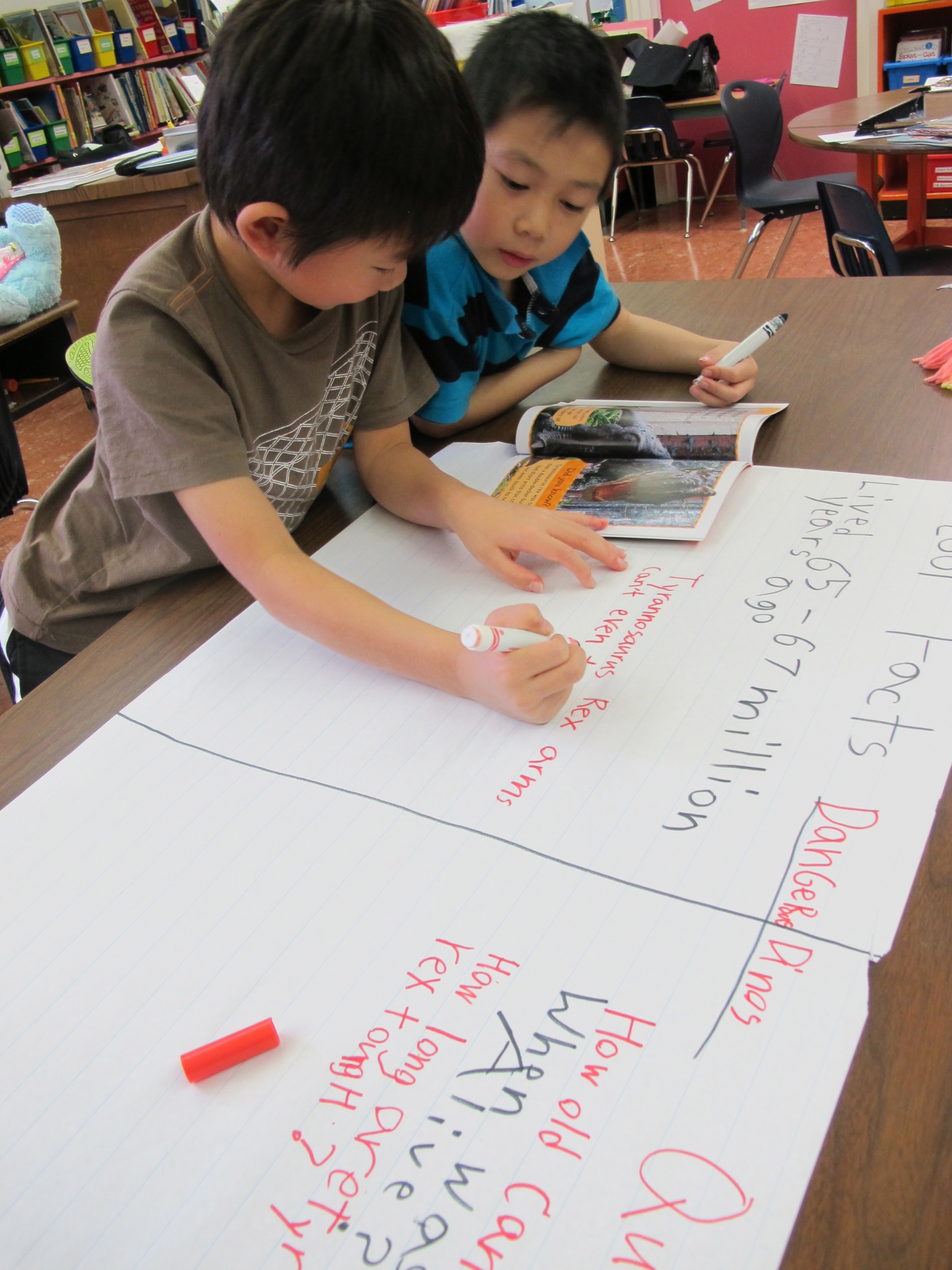
The rich discussions came out of deciding what questions were important and which facts should be noted down. Two boys reading about dinosaurs couldn’t stop laughing about one sentence that stated that a T-Rex had such short little arms that it couldn’t touch its nose. They included this as a cool fact and then went on to write a question about what use T-Rex’s short little arms had.

There was a lot of “Listen to this!” “Should we write that?” “Did you know . . . ?” I also heard “Look for the page that says . . .” “Can you read that again?” Lots of rereading and checking for understanding.

Many went on to add pictures to their chart paper. As they drew, the talking continued, using the vocabulary that they had just been reading about. “Look I’m drawing a shark swimming in the shallows.” Do you think these scales look real?” “I made the sharks jaws open so we could see the rows of teeth.”

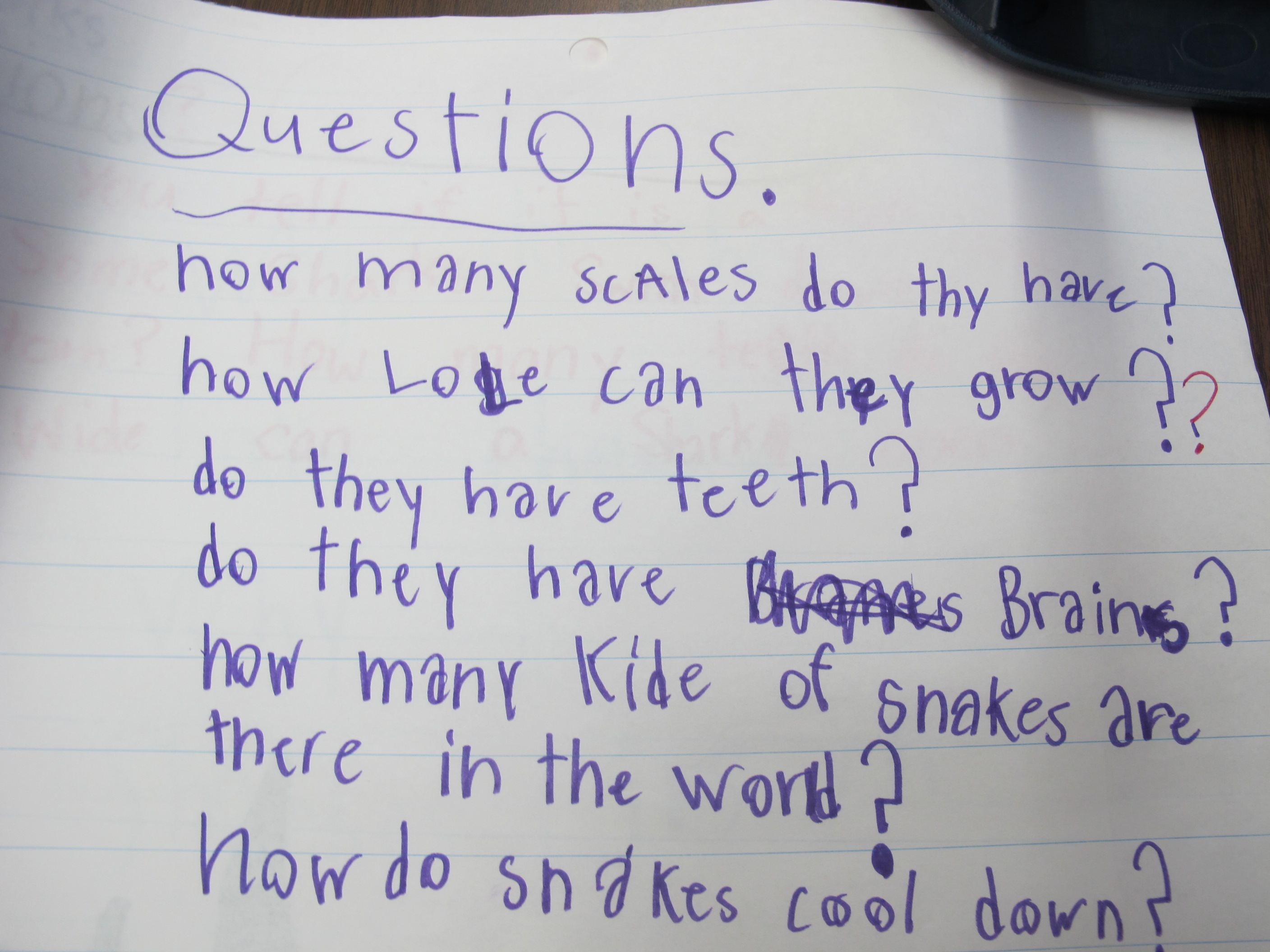
Question lists were interesting and gave me a basis to start conversations with each group.

The best thing about this activity? Lots of discussion, reading and writing all managed by the students themselves. My role was to circulate and enjoy the conversations I joined and to do a little learning too! (Did you know some snakes can eat an entire deer? Eew!)

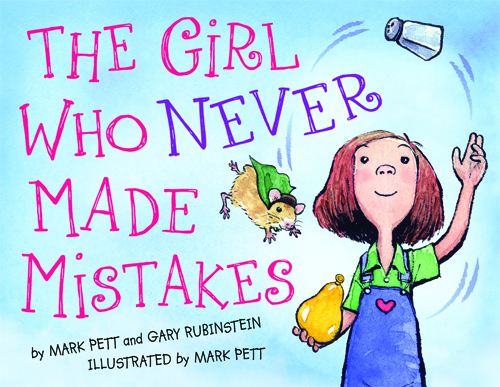
The Girl who Never Made Mistakes

Our morning read aloud was an important one. We shared The Girl who Never Made Mistakes written by Mark Pett and Gary Rubinstein and illustrated by Mark Pett. We have some extra doses of anxious feelings in our classroom. Just who we are. So I thought this would be an ideal book to help us talk about making mistakes and how it is absolutely okay. Even good.
Initial reactions to the cover of this book were a little awe inspired. “Wow! Is she perfect?” And then one student aptly pointed out, “I think that at the end she might make a mistake because people who make books – well that’s what they do. That’s how books happen.” (I love when students share their knowledge of how books and authors work like this!)

This book is about a little girl named Beatrice Bottomwell, who, as the cover clearly states, never makes mistakes. Never. Not ever. So impressively perfect that she actually has fans waiting for her outside her door every morning who regularly quiz her about her error free habits. Her little brother, Carl, ironically is nothing like his big sister. He makes lots of mistakes and delights in this fact. Funny little guy (our class named him “Backwards boy”) does things like play the piano with his toes and draw with green beans while eating his crayons!

One day, Beatrice almost made a mistake. She slipped in cooking class and four eggs went flying into the air! “Oh my!” I exclaimed as I read. “I can’t breathe. I wonder what will happen?” One of the little boys at my feet reached up with his teddy (we have class stuffies that listen along with us – helps with secure feelings. Remember we are an anxious bunch!) “Here Ms. Gelson. You can hug my teddy.” Cute. And then some.
We turned the page and all was okay. Beatrice had managed to land on the floor and catch each egg using a very creative two hands, one foot, one mouth retrieval system. But her “almost mistake” plagued her. Students noticed that she was feeling lots of pressure. While her little brother balanced his plate on his head and held his spoon with his toes, she barely touched her dinner. Beatrice had a talent contest that evening and she was anxious she would mess up.”Not you, ” her Dad assured.

Beatrice prepared for her juggling routine by grabbing her hamster, a salt shaker and a water balloon. She went up on stage to cries of “That’s her! The girl who never makes mistakes!” She started to juggle. She always performed this routing flawlessly. Then Beatrice noticed that the flecks coming out of the salt shaker were not white . . . Uh. Oh. We caught on pretty quickly! “It’s pepper!” “The hamster will sneeze!” “She is about to make a mistake!” The sneeze is humongous! “Just how hard can a hamster sneeze?” asked one student. And, if you are thinking about this little scene, you can imagine what happens. The haster sneezes, his claws scratch the balloon and KABLOOIE (we practiced saying this a bunch of times. It is pretty fun!) Beatrice is drenched and a hamster is perched precariously atop her head. Everything and everyone was still. Students observed that she must be feeling sad that she had made a mistake. Some also noted that it really isn’t possible to be perfect.

But then . . . Beatrice began to giggle. Eventually she was laugh out loud laughing and it was contagious. The audience laughed along with her. That night, Beatrice had her best sleep ever. The next day she began to do things without perfection in mind. Skating and slipping. Messy lunches. Lots of laughter. And not so many worries.

What was our response?

At first she made no mistakes. Now, she likes making mistakes. People aren’t mad at her. It can be funny when you make mistakes and everyone can laugh together.”

If you think you have to be perfect, it is hard to make friends because everyone else seems normal and you can’t be happy.”

An important read for our class. An important read for any class. Mistakes are how we grow. They make us human. They give us the freedom to relax and try new things. This little book is a great reminder of all of that!

A Love of Reading Starts Between Us

This post was originally published on the Nerdy Book Club blog on February 24th 2012.  Next week my Grade 2/3 class begins reading with their Kindergarten buddies for the 2012/2013 school year and I am excited about the magic bound to happen once again!

A Love of Reading Starts Between Us

I teach at a tiny inner city school, located in Vancouver’s downtown eastside. The school is located in what some have described is the country’s poorest postal code. Looking at factors from census statistics like parents’ educational attainment and the number of families living below the poverty line, our school is described as vulnerable even amongst schools who also have inner city status.  So, like all teachers my mission is to teach children to read and hope that I can also make them passionate life long readers. But I know the statistics that link poverty to limited access to books and limited access to books to levels of school achievement. So I feel an urgency to create a community of readers in the classroom. And . . . I want that community to extend into children’s homes and futures.

We do a lot of fabulous things at my school to ensure that our children read and have access to fantastic books. What I am particularly passionate about this year is the buddy reading between my Grade 2/3 class and the K/1 class. (“Really? We’re the big buddies? Wow!” my students marveled when I revealed our buddy reading plan) We meet together Wednesday afternoons for forty minutes but my class spends time everyday making sure this weekly reading is as successful as possible.

My role is collecting books, modeling reading aloud, nurturing the joy and providing feedback. I have raided my home bookshelves for early picture books I read to my children. Beautiful alphabet books so letters can be chased all over the page, Thanks to Audrey Wood for the popular Alphabet Adventure.  I brought in lots of rhyme and repetition like Phoebe Gilman’s feisty Jillian Jiggs, Mem Fox’s Where is the Green Sheep? and all of the Five Little Monkeys books written by Eileen Christelow.

Recently I received some designated funds for my classroom book collections. I purchased board books for our buddy reading. My students will tell you that board books are great for little five year old hands and you don’t need to remind anybody to be gentle turning pages. Each morning I read a new book to my students with the intention of doing a few things. Of course, sparking excitement and interest in the new book is a priority. But I also model. “When you read to your little buddy you could ask them to guess which animal is on the next page,” I point out while sharing Monkey and Me by Emily Gravett. “Ask your little buddy to do the animal sounds with you,” I encourage as we read Alice Shertle’s Little Blue Truck. Now I have students coming to me with classroom books. “Look Ms. Gelson I could read this book to my little buddy and they could say the parts that repeat with me!” One girl found a Fairy Tale book told in rebus style. “This is a good one for little kids, you can ask them what the picture is.”  Thinking about our little buddies is hardly just a Wednesday afternoon event.

Now as I watch my students together with their little buddies, I am delighted to hear them trying out new things we’ve talked about. My eight year olds are encouraging choral reciting, asking little ones to guess, predict and turn the page to find out. There is reading, laughing, talking and much joy shared.

I have one student who won’t read to any adult who visits our class but he is a star in buddy reading. A little kindergarten girl who struggles a lot with managing her emotions in class and often needs breaks and extra supports makes a beeline for this boy every Wednesday afternoon. She sits engrossed in their book sharing for forty minutes. None of us can believe it. But of course we should. It is the magic of books doing their thing!

This boy in my class who shines as a buddy reader is reluctant to accept compliments. So I sneak them in casually but my feedback is specific. “Erich,” I say. “It is amazing to watch you read to Kayla. You involve her in the stories. You listen carefully to her questions. Reading with you is such a happy time for her.” Erich grins cautiously but his pride radiates. Now I am passing him books to take home and read to his younger siblings. “You are so great at this. It is such a wonderful thing to be able to share books.” He doesn’t tell me a lot about reading at home to his siblings but he brings the books back and he asks for more.

I know these Wednesday afternoons mean a lot to all of us. The little buddies and the big and the lucky teachers who witness it all. A love of reading starts between us and it spreads. Together my students and I are passing on the joy of reading. We are letting books work their magic. Books are the tickets to our future and we are loving every step of the journey!

Read more here about some of the board books we love for buddy reading.

The Worrywarts

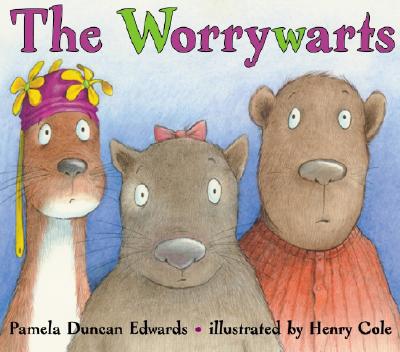
We have begun to delve into our Reading Power collection to find titles to illustrate the concept of connecting to a story. Today we shared The Worrywarts written by Pamela Duncan Edwards and illustrated by Henry Cole. 

Many of had learned about connecting before. We talked about how when you have a connection . . .

*you might be reminded of something

*you think, “Hey I’ve felt that!”

*you understand the story better because you’ve had similar experiences/feelings

There is a lot happening in The Worrywarts. First of all – a wonderfully woeful celebration of weary wallowing in all things worrisome. Alliteration and then some! Edwards celebrates “W” power! Wombat, Weasel and Woodchuck decide to go on an adventure to wander the world. After much contemplation on the perfect snacks to bring along , they realize that they have many worries about the “What if . . . ” aspect of their walk out into the world. In our class, we could connect to sharing worries about what might happen in any given situation. After the story, we drew about our worries. Many students shared that these fears creep into their heads when in bed at night.

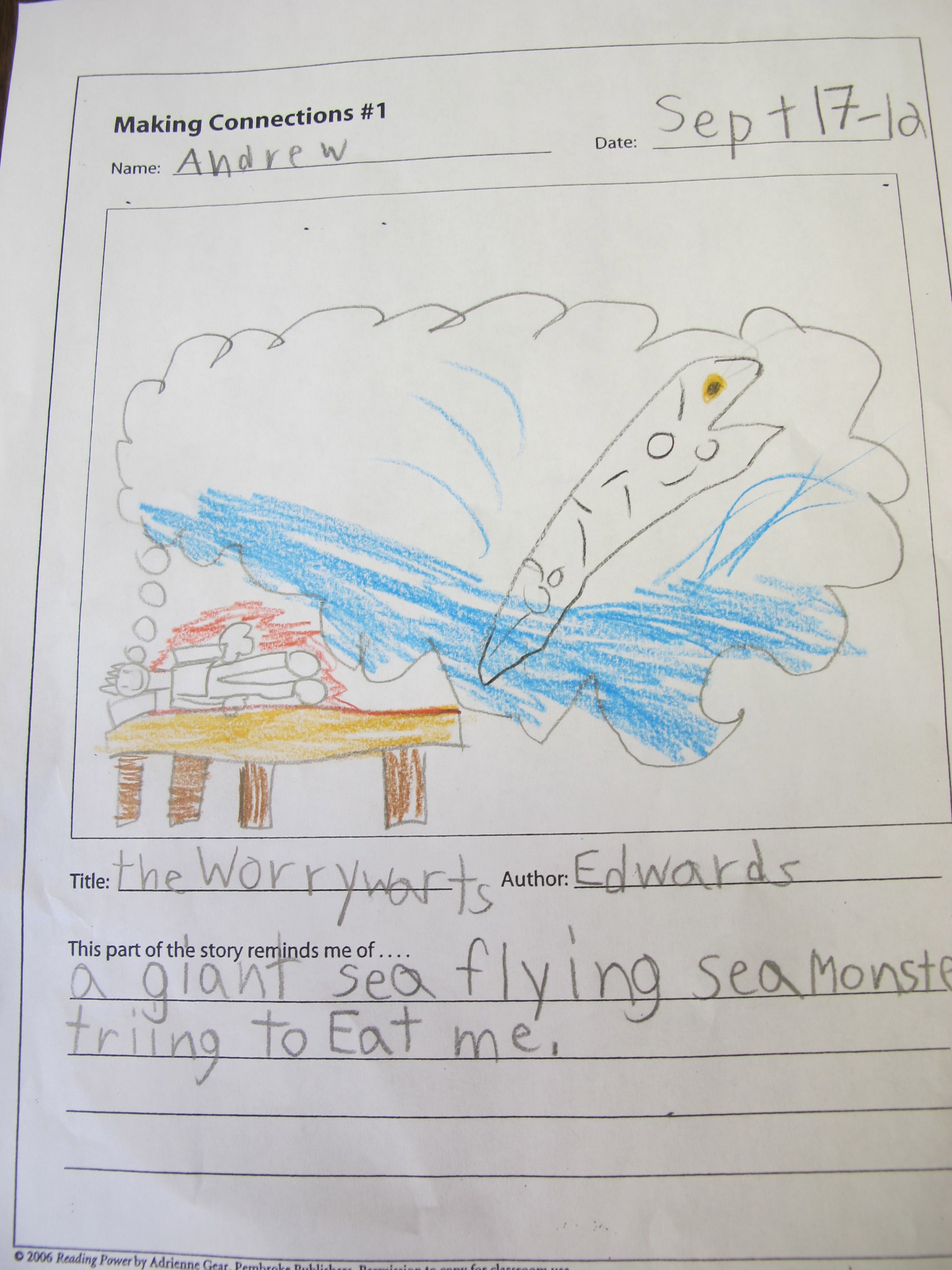
Andrew wrote about worrying about a giant sea monster eating him. This idea might be in his head when he was lying still at night, he explained. That sea monster looks pretty big!

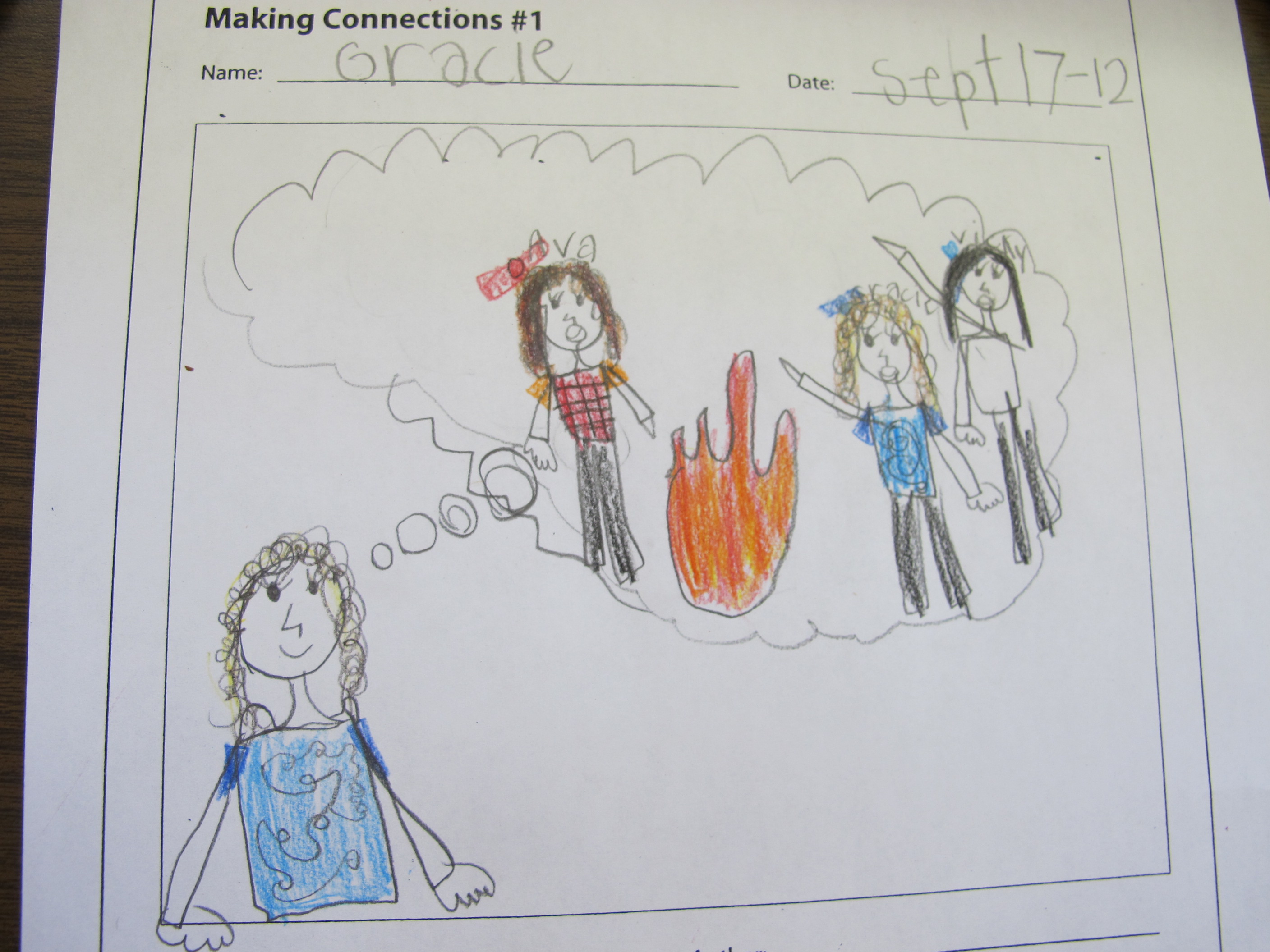
Many students drew fires in their thinking bubbles. There seems to be many worries about fires breaking out and not being contained. We noticed that last week when we had the fire drill, we had to do lots of “What if . . .” talking.

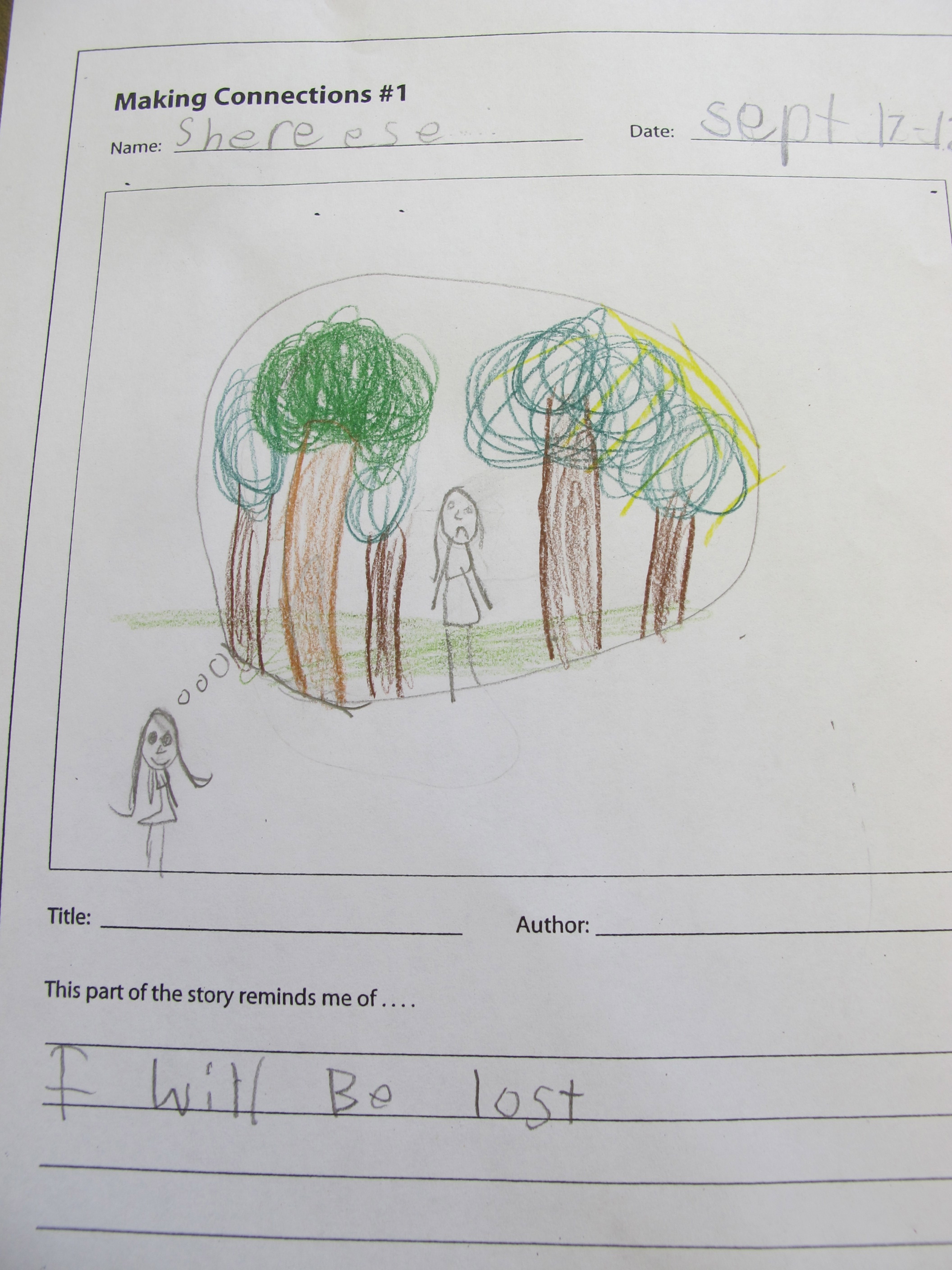
Shereese shared that she has worries about being lost. Her picture in her thinking bubble is very detailed and sure conveys that scary feeling of feeling all alone in a big, intimidating place.

There was a certain comfort in sharing our worries through discussion, pictures and our writing. We definitely realized that having worries happens to all of us, not just story book characters like Wombat, Weasel and Woodchuck.

What do you worry about? How do you calm your fears?

Getting ready for a year of reading

Reading in our classroom is hugely important! There is so much research that supports the benefits of reading in all of its forms: independent reading, buddy reading, shared reading, listening to read alouds, etc. How do we prepare our classroom community for a year of reading together? It’s not just filling the room with books and children that ensures we will create passionate readers. A few other things need to happen . . . .

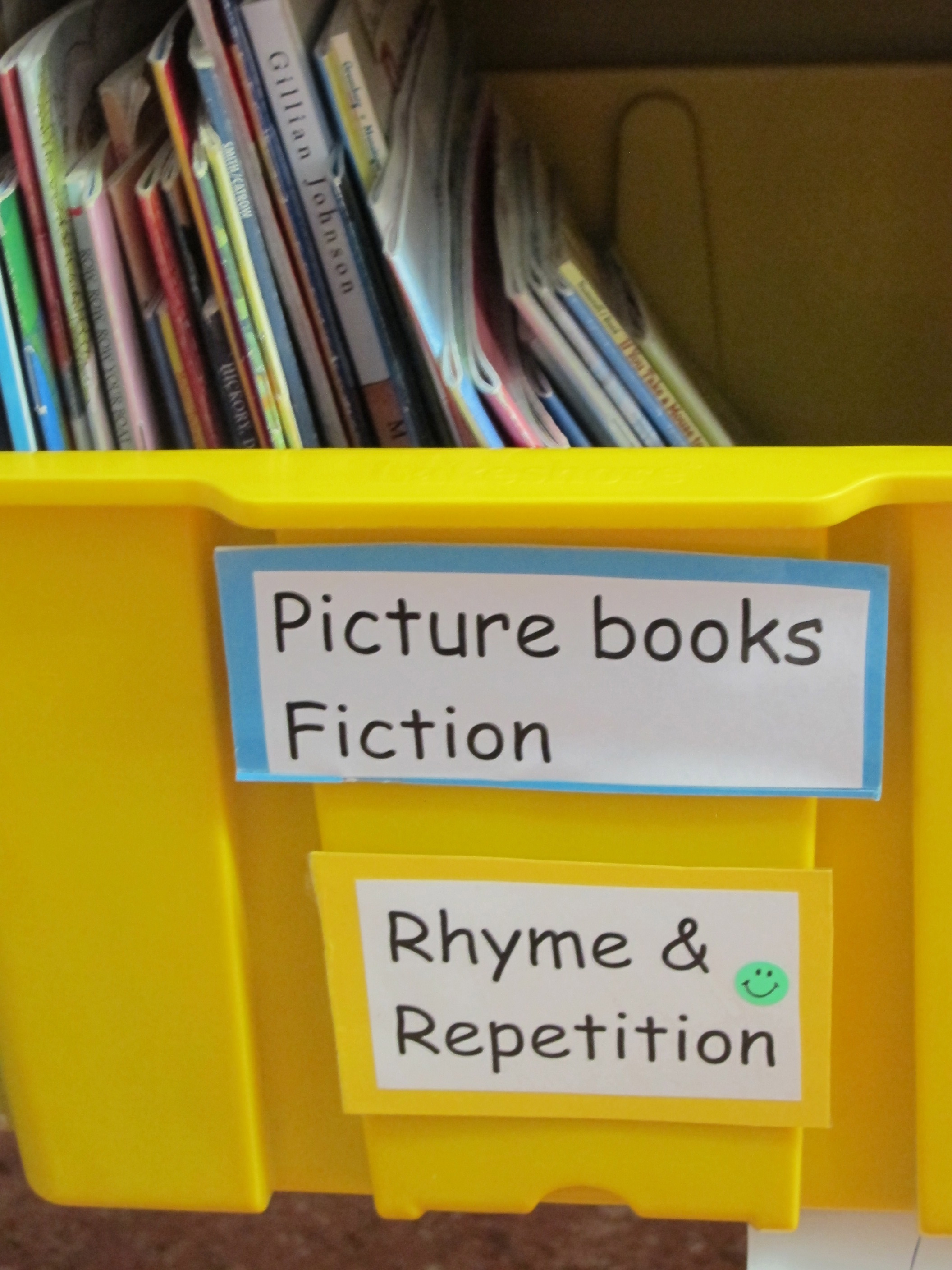
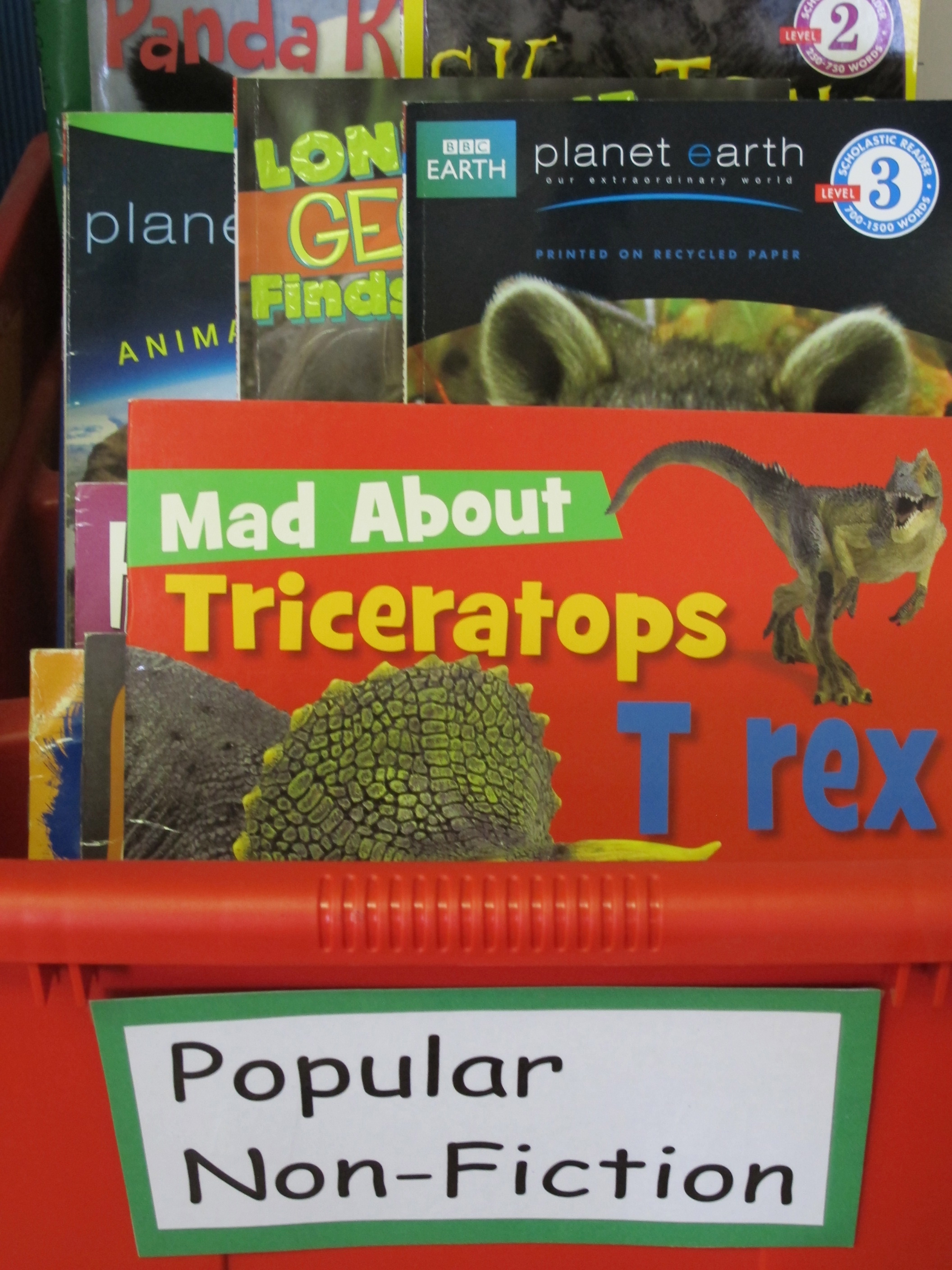
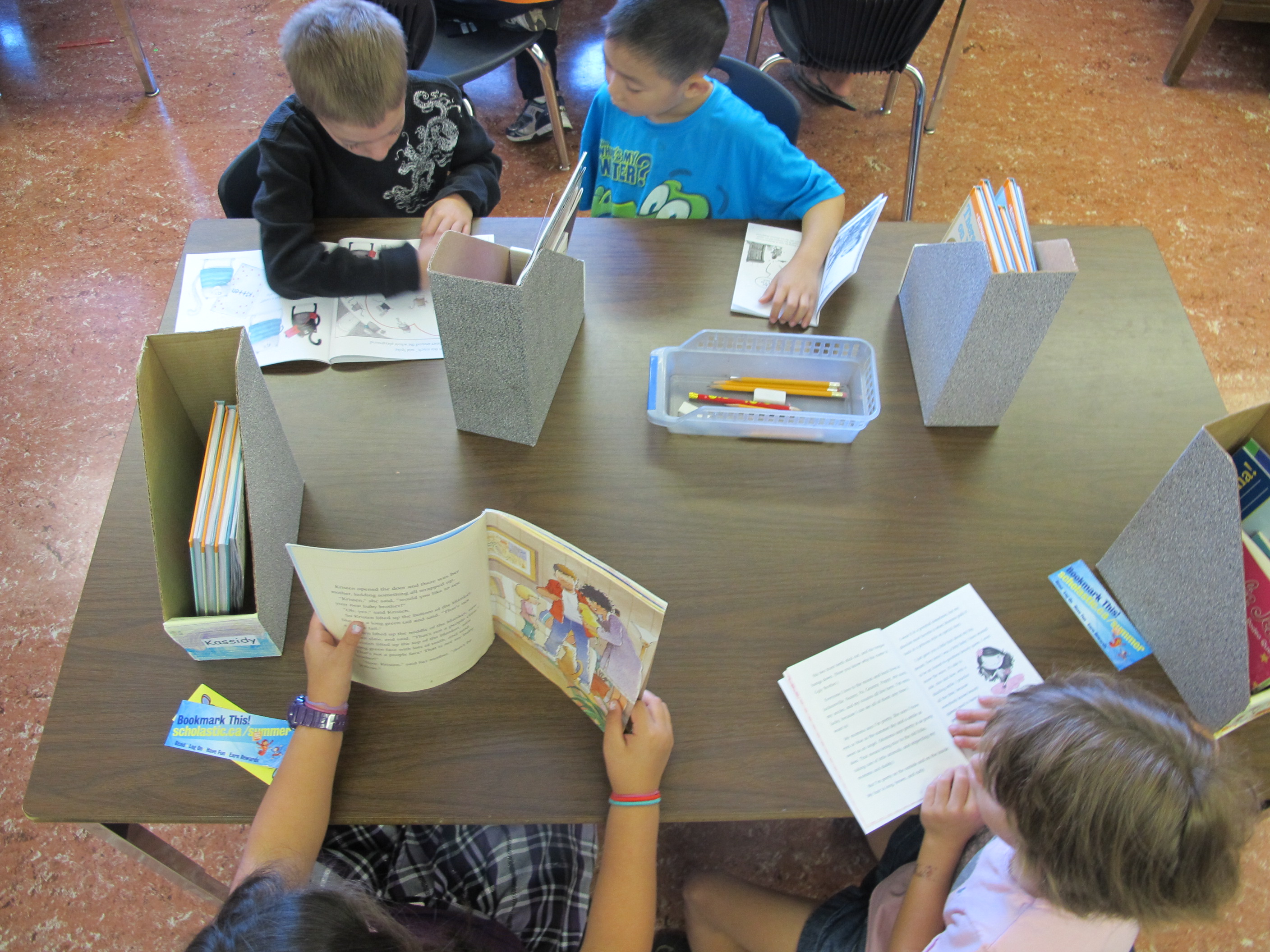
#1 Book Organization. Everywhere you look, there must be books! But, we need to be able to find what we are looking for. Accessible bins, clear labels and an organization that makes sense entice children to explore.

Getting Ready for a year of Reading: There's a Book for That!

We have books labelled by genre (i.e. Adventure, Mystery, Rhyme and Repetition etc.), by favourite authors (Steve Jenkins, Mo Willems, Melanie Watt, etc.), by theme (Sea Creatures, Friendship, Folktales, etc.) and by popularity (i.e. Popular Graphics, Favourite Read Alouds, Recently Read). There are a lot of bins in our room! Books, books, books everywhere you look!

Getting Ready for a year of Reading: There's a Book for That!

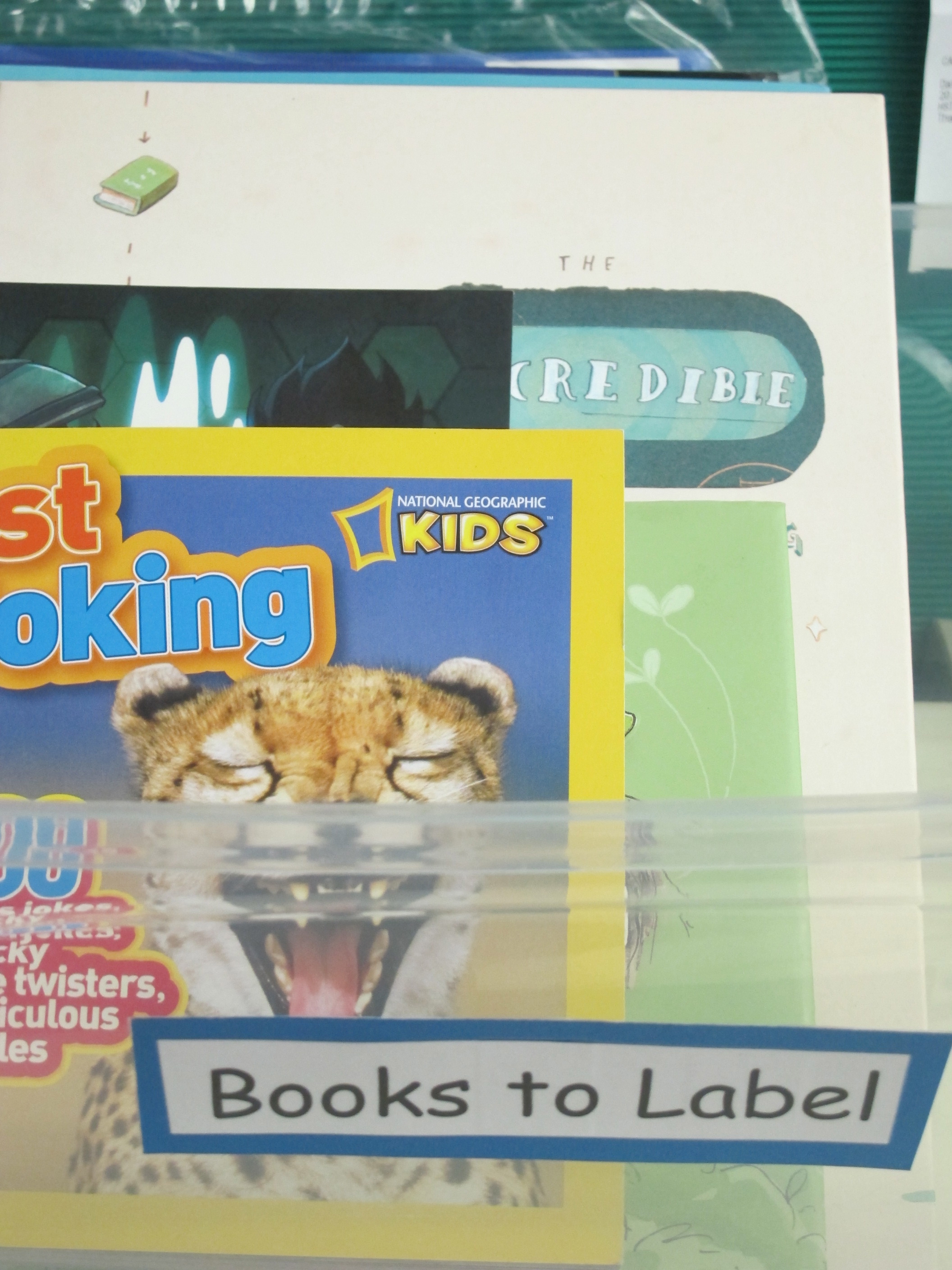
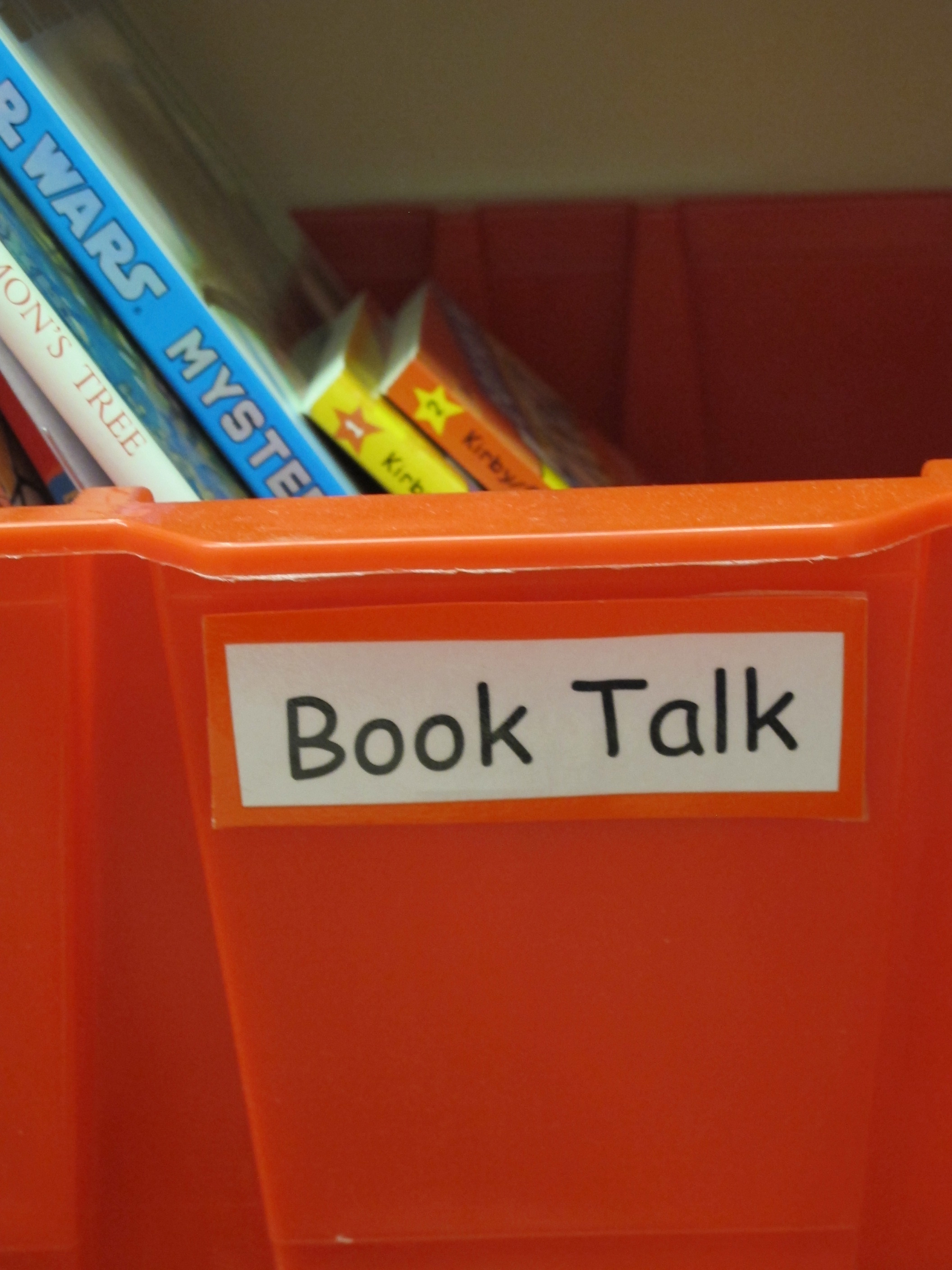
Important for me as the teacher – to have a system that helps get books out into bins and into the hands of students. So I have a bin for books that need to be labelled, bins of books to book talk, bins of read alouds for specific times of year/themes, etc.

Getting Ready for a year of Reading: There's a Book for That!

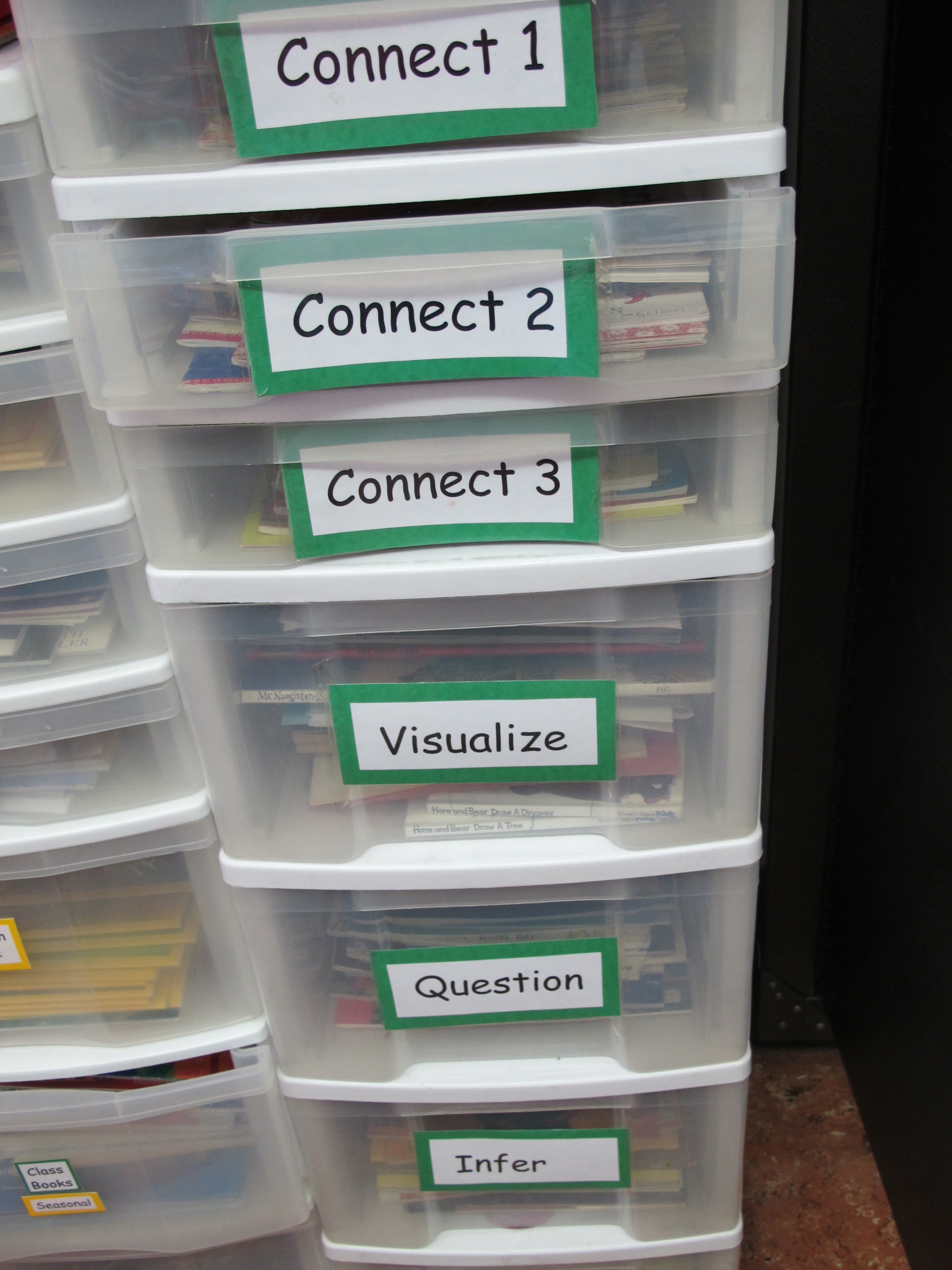
I also like to be able to access mentor texts, books we use for Reading Power, specific non-fiction titles easily so my teacher area has books organized for easy access. Below are all of the Reading Power titles (Connect split into early/mid/late, Visualize, Question, Infer, Transform).

Getting Ready for a year of Reading: There's a Book for That!

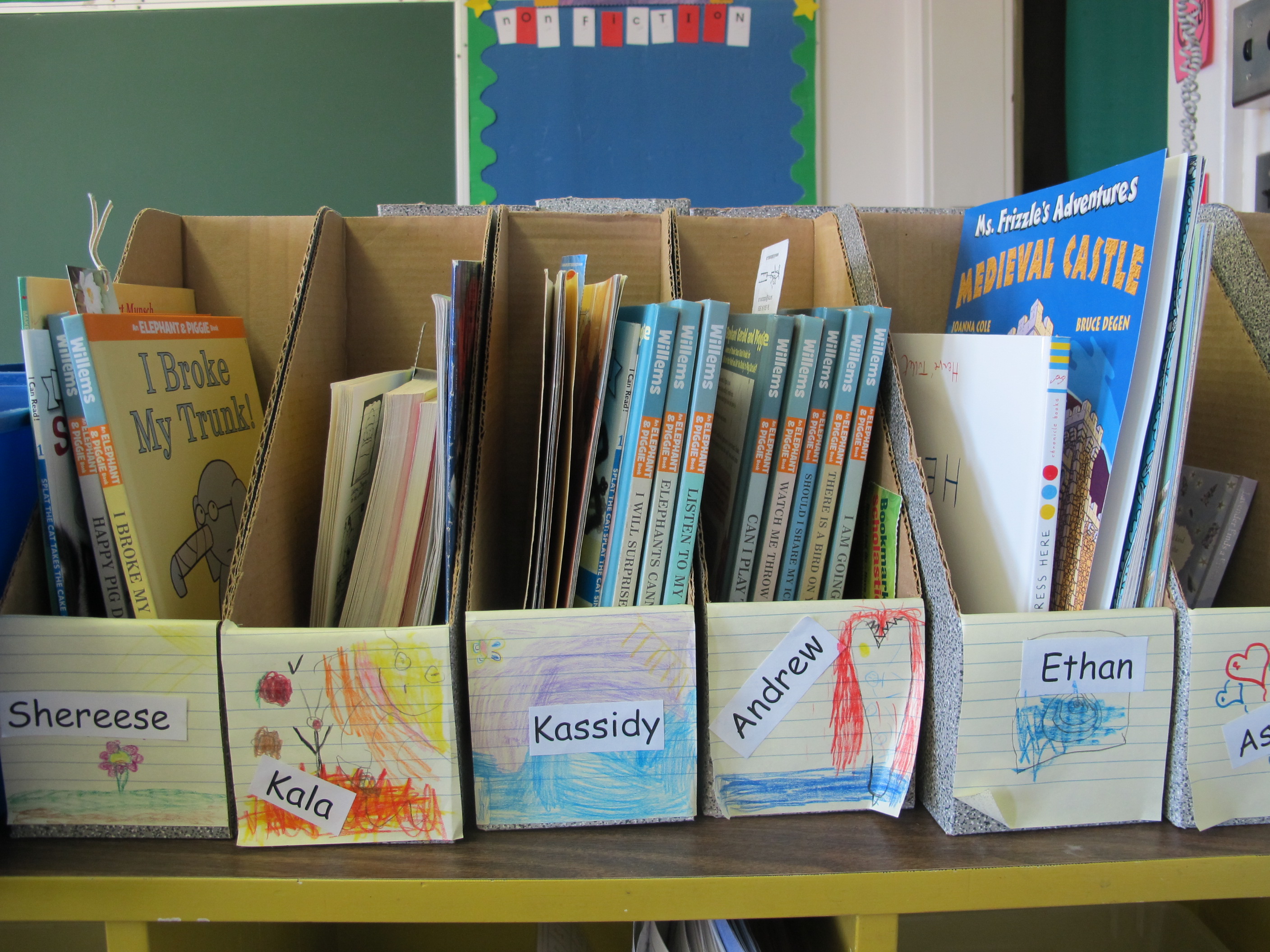
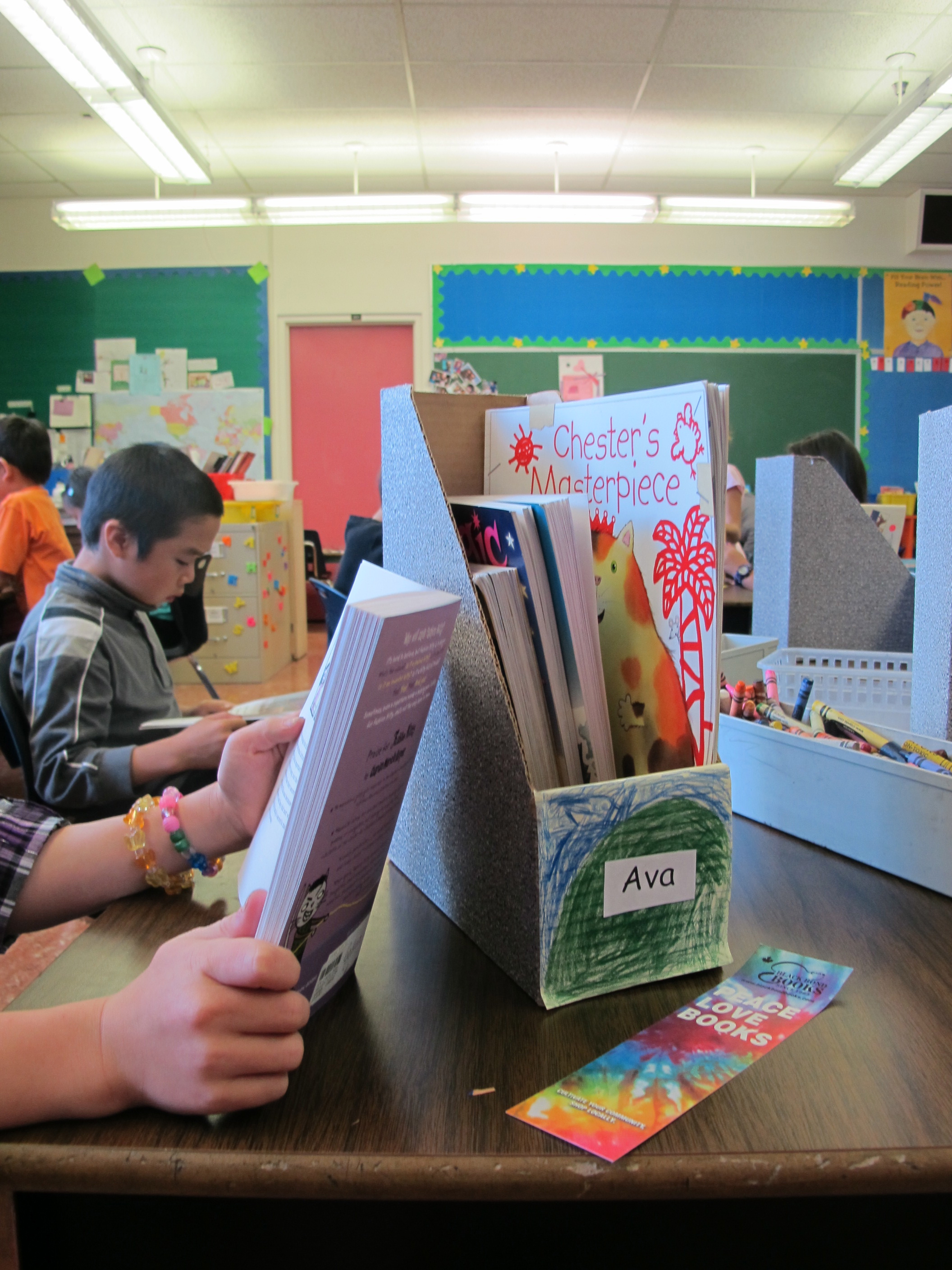
#2 Keeping Students Organized During independent reading, it is great to have “go to books” so that students can settle right into the reading rather than spend the whole time searching for books. Students  stash titles they want to read/are currently reading in their book boxes. Next week we will begin a schedule of adding new books to our boxes so that there isn’t a mad rush to exchange books during independent reading time. This is also time for the adults in the room to assist students with book selection, to introduce new genres, to set reading goals, etc. As you can see from the boxes below, Mo Willems is trending right now in our class!

Getting Ready for a year of Reading: There's a Book for That!

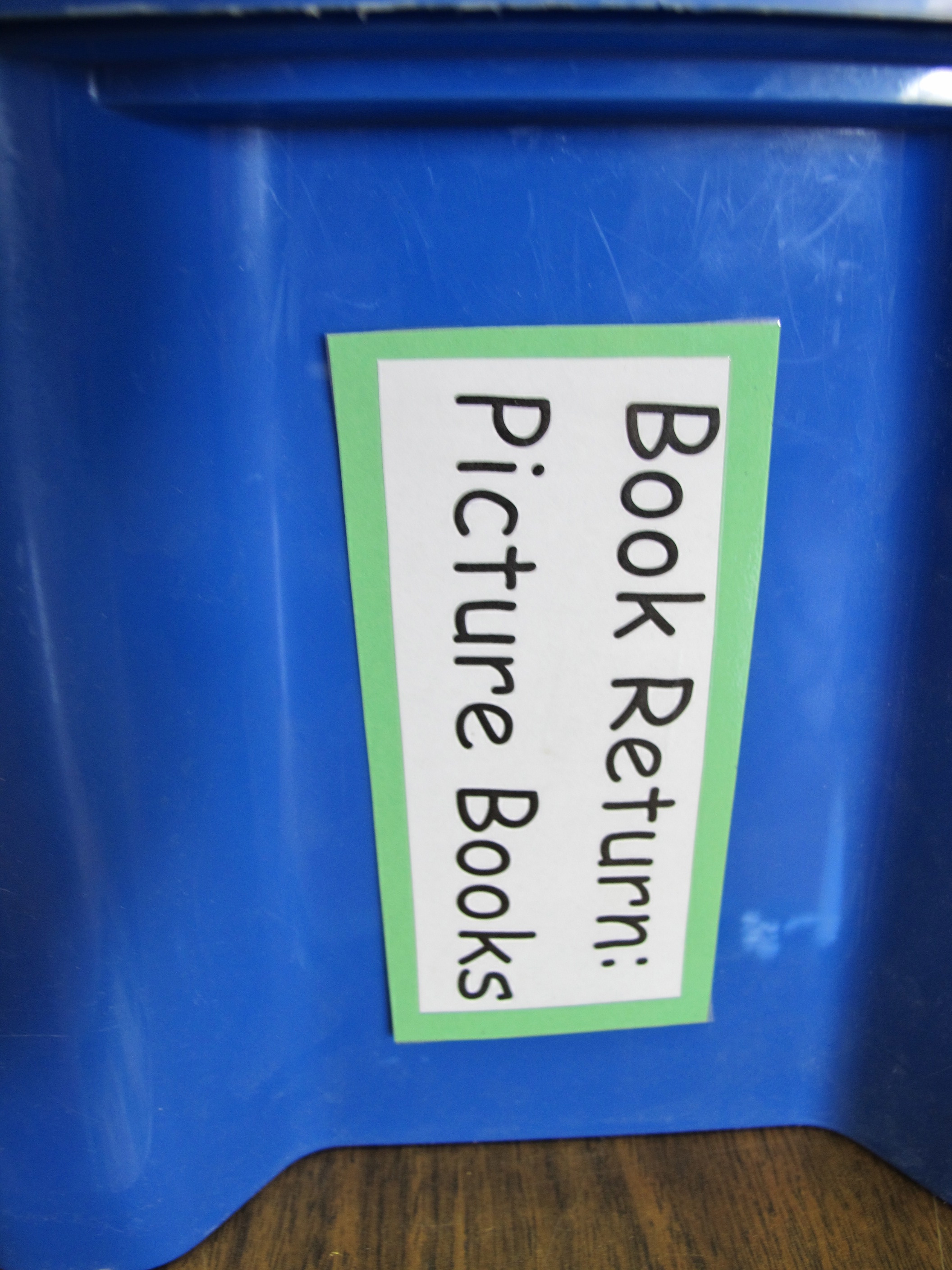
While most books have stickers on the back that correspond to specific bins or author bins that we are familiar with, I ask students to put books into “Book Return” bins if they are not sure where to return  them. I have a “Book Return: Picture Book” and a “Book Return: Chapter Book” bin for students to use. This ensures that books get back to their proper “homes” when the next person is looking for them!

Getting Ready for a year of Reading: There's a Book for That!

#3 Book Promotion Books are book talked daily in our room! Students  are often unfamiliar with both the book organization sytems and the wide variety of titles and authors we have in our classroom when they arrive in September. I  book talk books in our current collection, often highlighting specific book bins and we also book talk books new to our classroom, books from the library, books that have gone unnoticed, etc.  There is a bin in the teacher area specifically for books that need to be book talked but I also spontaneously highlight specific titles when interest in an author is there or when connections are made in our learning to specific books.

Getting Ready for a year of Reading: There's a Book for That!

#4 Time for reading is paramount. Readers need to read. Readers of every level grow their skills best when they have time to read self selected titles that they are interested in! In our classroom, there is daily time dedicated to independent reading. Soon we will also begin buddy reading with our kindergarten buddies!

Getting Ready for a year of Reading: There's a Book for That!

At this age and stage of reading, independent reading often is interrupted by sharing of interesting parts, questions about what someone else is reading, or reading a part aloud to a neighbour. I encourage this as it helps build a “buzz” about different titles and encourages student recommendations. This is how we learn about new books and begin making talking about books an important conversation!

Getting Ready for a year of Reading: There's a Book for That!

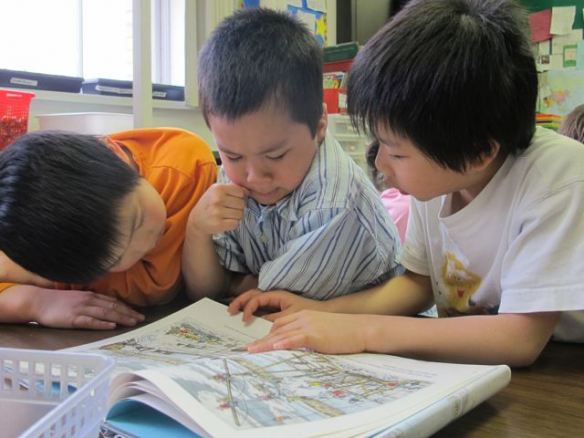
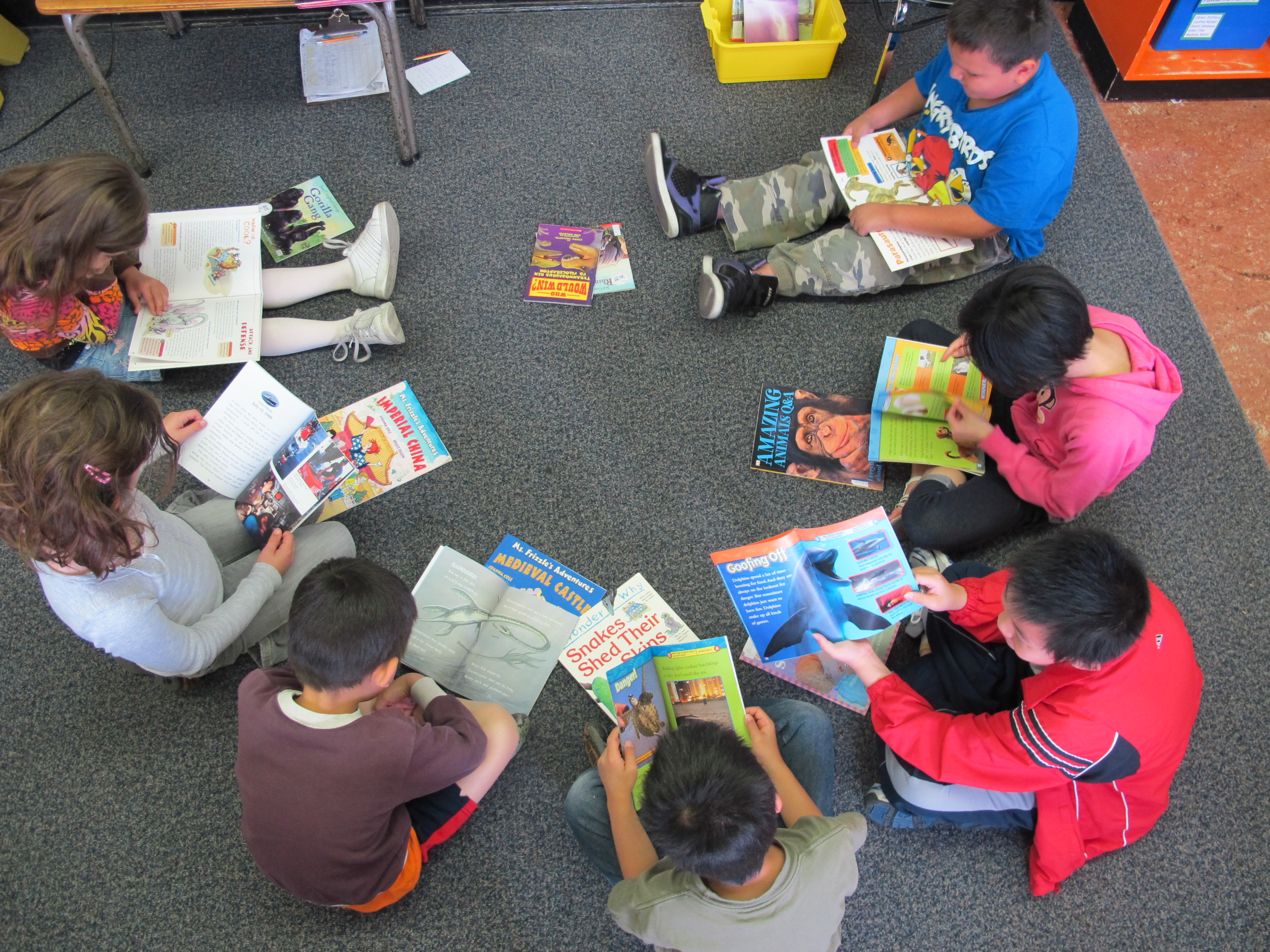
#5 Building stamina as readers: Currently, during part of every block of independent reading we are spending some time book talking, sharing titles, and exploring different book bins. It takes time to build up our ability to sit and read for an extended time period no matter how excited we are! Eventually, we will be able to read for longer sessions and for some of us, experience that lovely feeling of “falling into a book” and not even realizing that the bell has gone or that everyone has cleaned up to go for recess. A favourite activity to introduce new books at the beginning of a reading period is to do a book sharing circle. Every two minutes pass the two books you are looking at onto the next person and at the end of the sharing, read quietly on your own (maybe a new title you discovered or a book you had on the go). This activity is pictured below with my  reading group from last year who are exploring some non-fiction titles.

Getting Ready for a year of Reading: There's a Book for That!

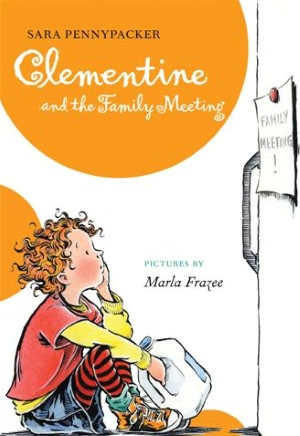
#6 Exposure to great titles! Along with our reading stamina, we are building up our listening stamina. Reading aloud happens in our room every day. We read poetry, excerpts from non-fiction texts, picture books, chapter books, etc. For many students in the class this year, listening to a chapter book is a new experience. Sara Pennypacker to the rescue! We have started our first classroom read aloud: Clementine and the Family Meeting (written by Sara Pennypacker and illustrated by Marla Frazee). We have only read Chapter One but we are very intrigued. Students are already wondering about Clementine’s friend Margaret and her germ phobias. They are worried about where the rat Eighteen has gone. And of course we are very curious about why a family meeting has been called in Clementine’s family. Reading aloud gives me wonderful opportunities to model my thinking aloud.

Of course, many other things go on in our room as part of reading instruction: direct instruction with phonemic awareness for those who are building decoding skills, fluency practice, reading comprehension strategies, opportunities to respond to what we read, etc. This post highlights book interaction and independent reading. 🙂

It is going to be a wonderful year of celebrating reading!  

How do you set up for reading success in your classroom?

First Few Read Alouds

Oh, how I have missed reading aloud to a classroom of children! We didn’t switch classes until the end of this week so I had the pleasure of reading some books to our class from last year. Here were our first three reads:

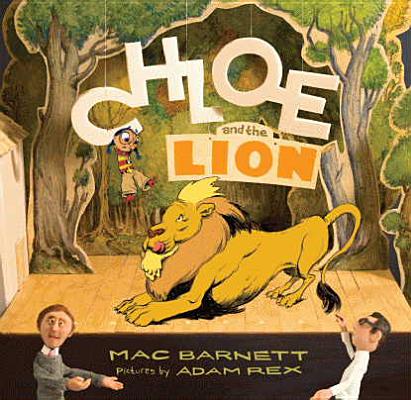
Chloe and the Lion written by Mac Barnett and illustrated by Adam Rex (although his artistic contributions to this book were impacted when he was fired by the author and during the time he was inside the lion’s belly!)

I told the students that this book was a little different than most picture books and asked them to predict how just by looking at the cover. We looked carefully. What was different? We saw cover art, the author’s name, the illustrator’s name . . . Everything seemed normal. Pictures of the author and illustrator? Hmm . . . We didn’t always see that. Well author and illustrator featured hugely in this book. In fact story line, author issues, illustrator perspectives were all intertwined. We bore witness to the creative process, the discussion (often heated) between author and illustrator and even watched the character have impact on how the story unfolded. How did we like it? There were laughs. There was shouting. There was opinion expressed from my very involved audience. If everyone was in on this, why not us?! A delightful read aloud experience. Mrs. Morden, our principal, walked in during the story and nobody even gave her a glance. All of our attention was on this story! (We later sent this book home with Mrs. Morden to read to her children so she wouldn’t miss out! :-))

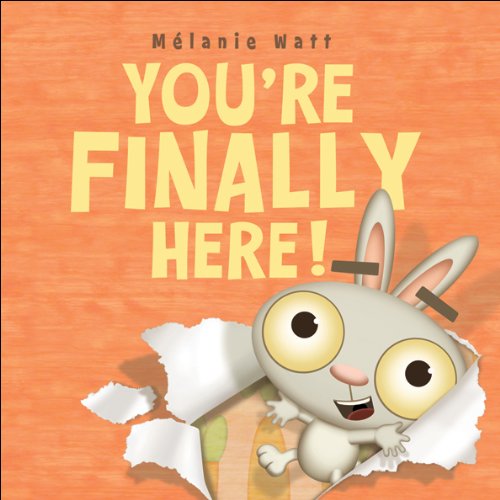
You’re Finally Here written and illustrated by Melanie Watt

This is not the first time I have read this book aloud to this group. Last spring I brought it in to share after finding it at the public library. Sergio must have asked me every week to read this book again and I never saw it again at the library. So when I found this title at the end of August, I tucked it on my school bag to share this first week back. This book is just as fun on the second read. So many giggles – especially at the contract the bunny wants us to sign to promise to not leave him and make him our highest priority! This book made its rounds during quiet reading and the next day was still being shared – often one student reading it to another and giggling a lot! A delightful book to share when everyone needs a smile. (First week anxiety means creating lots of opportunities to laugh and smile together)

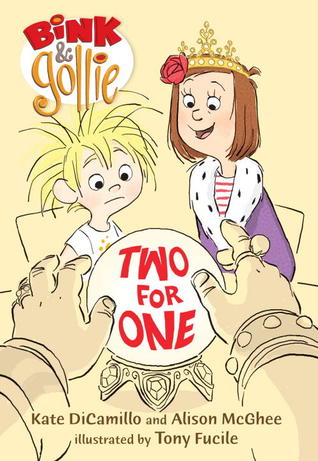
Bink and Gollie Two for One written by Kate DiCamillo and Alison McGhee and illustrated by Tony Fucile. 

Having just read this book myself last week, I realized it was the perfect book to bring in since so many students had visited Playland/the PNE this summer and this book is set at the State Fair. We related to the delight of rides, the games and booths, the sweet treats and the fortune teller tent. Needless to say, students were delighted by the antics of Bink and Gollie and appreciated the subtle and not so subtle humour (poor Mr. Whack the Duck man!)

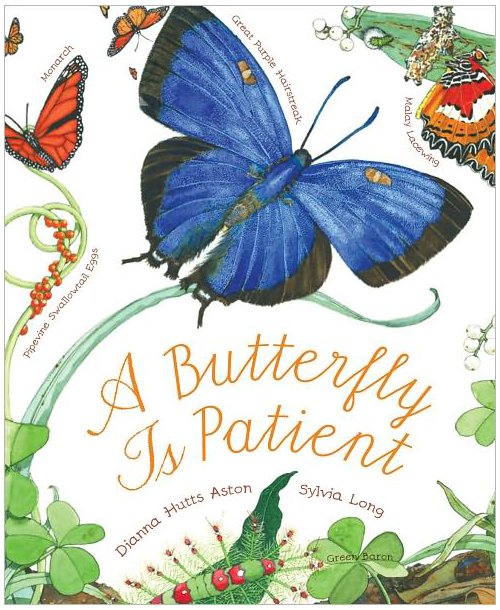
A Butterfly is Patient

The amazing team of  Dianna Aston and Sylvia Long deliver another picture book masterpiece with their third book A Butterfly is Patient.

This year we have shared An Egg is Quiet (as part of our learning about birds) and A Seed is Sleepy (to supplement our plants/seeds/gardens learning) With both titles we used a modified version of Adrienne Gear‘s Knew-New Connections from her Non-Fiction Reading Power book to represent our learning.

Students were excited to share this book as many had learned about butterflies or even hatched butterflies in their Kindergarten or Grade 1 years and so they had a lot of prior knowledge to connect to their new learning and they were able to represent all of this background knowledge under “I KNEW this already!

A butterfly is helpful (fantastic pollinators)

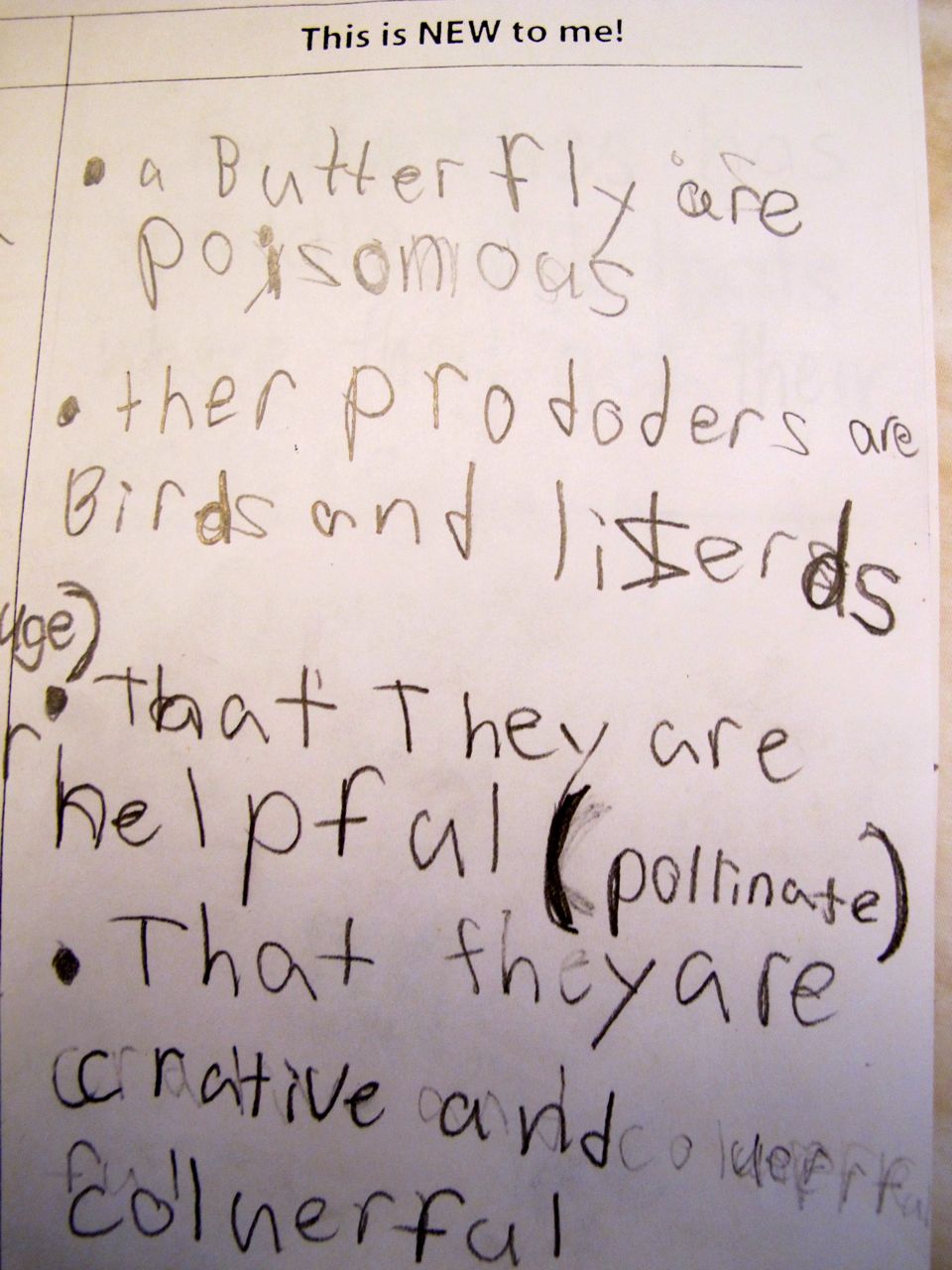
What is lovely about representing our knowledge on a sheet like this is that it is very open ended. It allows students to document their own learning from exactly where they start. There are no “right” answers. Some facts ended up on “This is NEW to me!” and for others, these same facts were included on, “I KNEW this already!” Being familiar with the sheet allowed students to start organizing their thinking as we read. There were comments like, “Wow. I didn’t know that!” or “Hey that is what we learned last year. Remember how we talked about . . . ” When it came time to write, everyone had lots to say!

Describing prior knowledge and new learning.

IMG_4023

Another student example of all the new things he learned today.

IMG_4018

Some other student examples from “I KNEW this already!”

*Butterflies help plants make new plants (pollinate)

*I knew that some butterflies have spots that look like eyes on their wings

*They molt (shed their skin)

*I knew they started out as an egg

*Butterflies make chrysalises. They don’t make cocoons

Information shared for “This is NEW to me!”

* I found out that they taste with their feet

*I did not know that butterflies can be poisonous

*I didn’t know that a peacock butterfly can make a hissing sound by rubbing its wings

* I discovered that they drink water from mud puddles

* I didn’t know that butterflies could get water from wet soil

Using Wordless Books in the Classroom

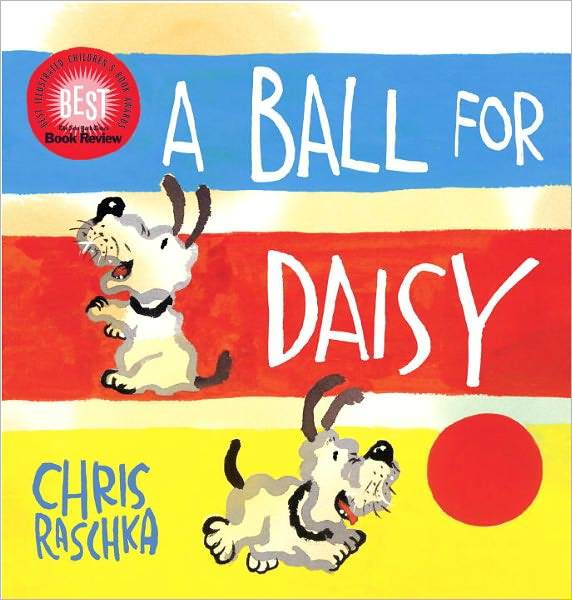
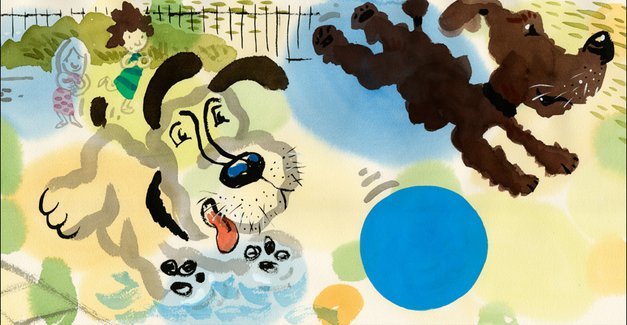
I have been using wordless books with a lot of success in my primary classroom this month. The next book I plan to share with the class is A Ball for Daisy which won Chris Raschka the 2012 Caldecott Medal.

How are wordless books used in our classroom?

Every morning we start our day at the carpet and “read” a wordless book together. Of course there is no text so we tell the story as a group as we turn the pages. Before we begin, we review our strategies for reading wordless books. This is what students typically share:

“We need to infer.”

“We look at the pictures for clues.”

“We pretend that we are the author/illustrator and think like he/she does.”

“We have to use what we already know about stories.”

“We use our background knowledge.”

As we turn the pages, students share their observations. I find this is such a fantastic opportunity to build oral language skills. Students need to listen to others and build on ideas. They have the chance to disagree and offer alternative suggestions. They extend their thinking as the class offers sugestions. My role is different from what it usually is as I sit with a book in my hand and children at my feet. I am completely guided by their pace. I repeat specific statements and ask for more thinking. I ask probing questions like, “What made you think that?” “Do you see something on the page that made you suggest . . .?” I also rephrase certain comments so as to correct grammar, extend vocabulary and provide positive feedback. Many childen that don’t often share in discussions about books have been avidly participating. It has been a very exciting and creative process.

I then leave the wordless book of the day on display with other recent ones we have shared. This is what I see at different points of the day:

*Books are shared when reading volunteers come in to listen to children read. Children who have often asked the volunteers to read to them, choose a wordless book and “tell” the story. Volunteers have made comments to me about the child’s confidence, his/her use of interesting vocabulary and about the engagement with the story.

*Wordless books are selected when our little K/1 buddies come up to read with us on Wednesday afternoons. Because our Grade 2/3 class has more students than the K/1 class, often two of my students read with one little buddy. This week I saw a little boy in kindergarten sandwiched between two of my Grade 3 boys and all of them took turns talking about and telling the story as they turned the pages. My boys were even modelling my questions, i.e. “So why do you think he’s sad?”

*Children are choosing wordless books off the shelf during quiet time and sitting with a classmate and whispering as they turn the pages. I see lots of flipping back and forth as they turn back looking for a specific picture, verify information and then resume the story. Also during quiet time I have two girls who are making their own wordless book. They sit side by side drawing pictures and talking about their story.

*There is also a transfer of “attentiveness to detail” as we read other picture books in class. Many comments and questions are about the illustrations and details noticed in the pictures.

As we celebrate illustrations and study them for additional information, I am reminded of a blog post by author Shannon Hale called Let them Eat Pictures. Hale stated:

“Our world is full of visual cues. Illustrations are symbols, just like letters are symbols. We look, we read to understand, to decode the world. Literacy, I think, is the ability to glean understanding from printed information. In order to navigate this world successfully, kids (and adults) will need to be literate in words and pictures.”

Wordless books give us the opportunity to practice inferring and looking for evidence to support an idea – comprehension strategies that we use with any kind of book – from picture books to novels.  I am excited to continue using this beautiful genre of books in my room.

For more wordless picture book titles, check out more posts on this blog.

Wonders of Wordless Magic and Few Words on Five Wordless Books