Sunday Reflections: Ten things I will do again this school year

I don’t own boxes of themed units. I barely have any files. I don’t like to repeat things. New students. New year. New place in my learning. New world. All of this new always leads to different things every year. But some things are worth repeating because they will benefit a new group of students as much, albeit differently, as a previous group.

What ten things will I be doing again/continuing this year?

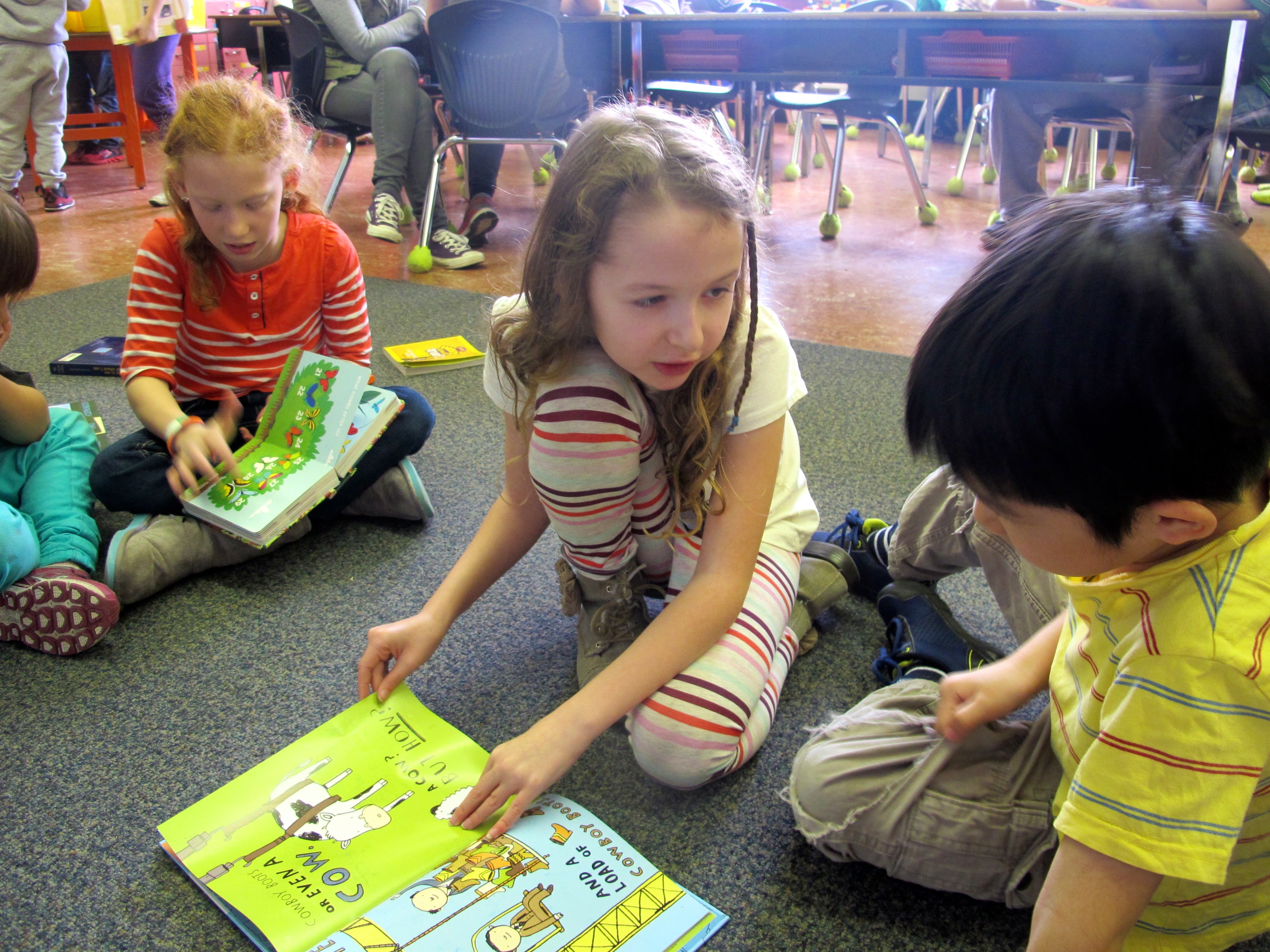
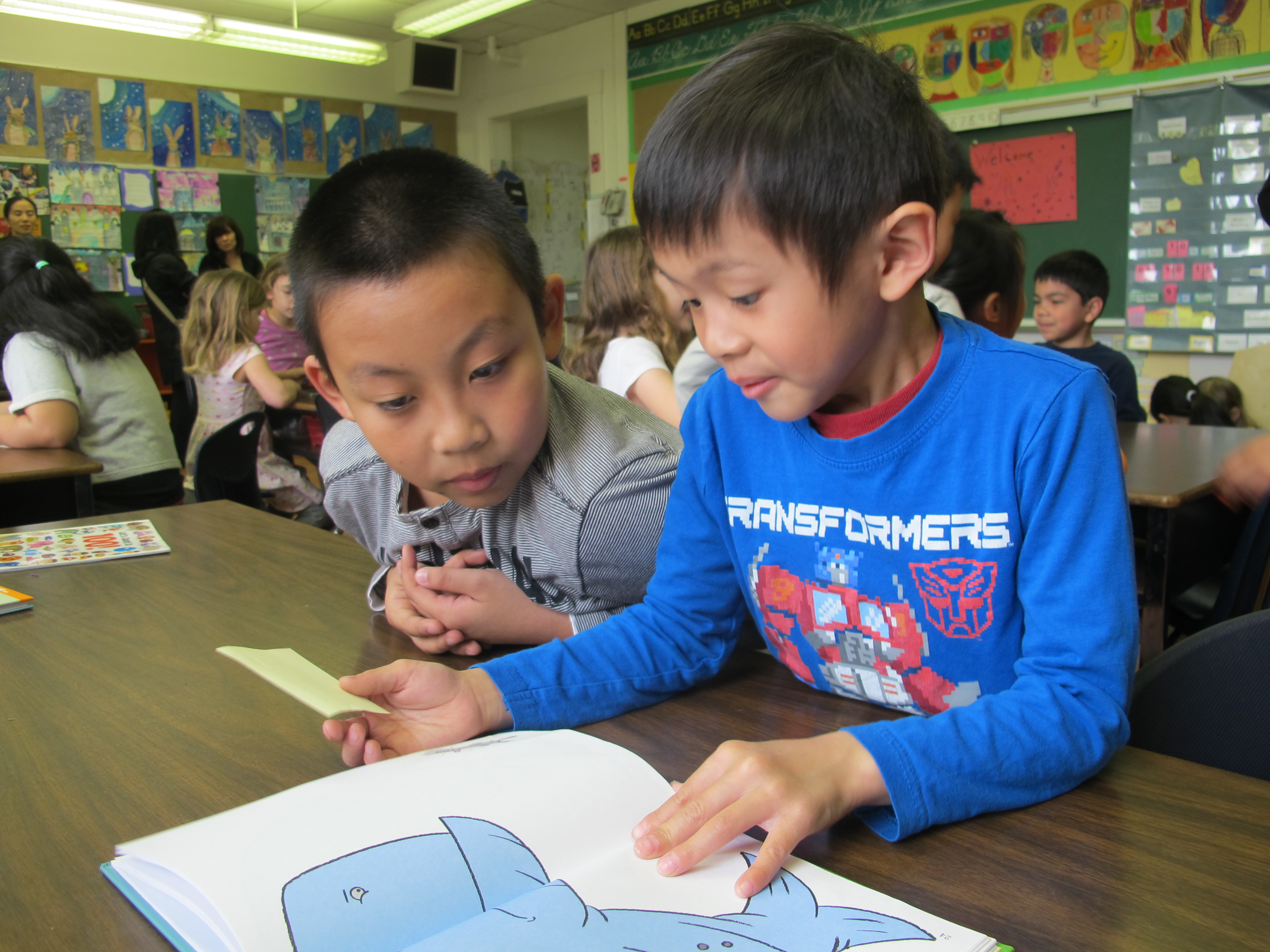
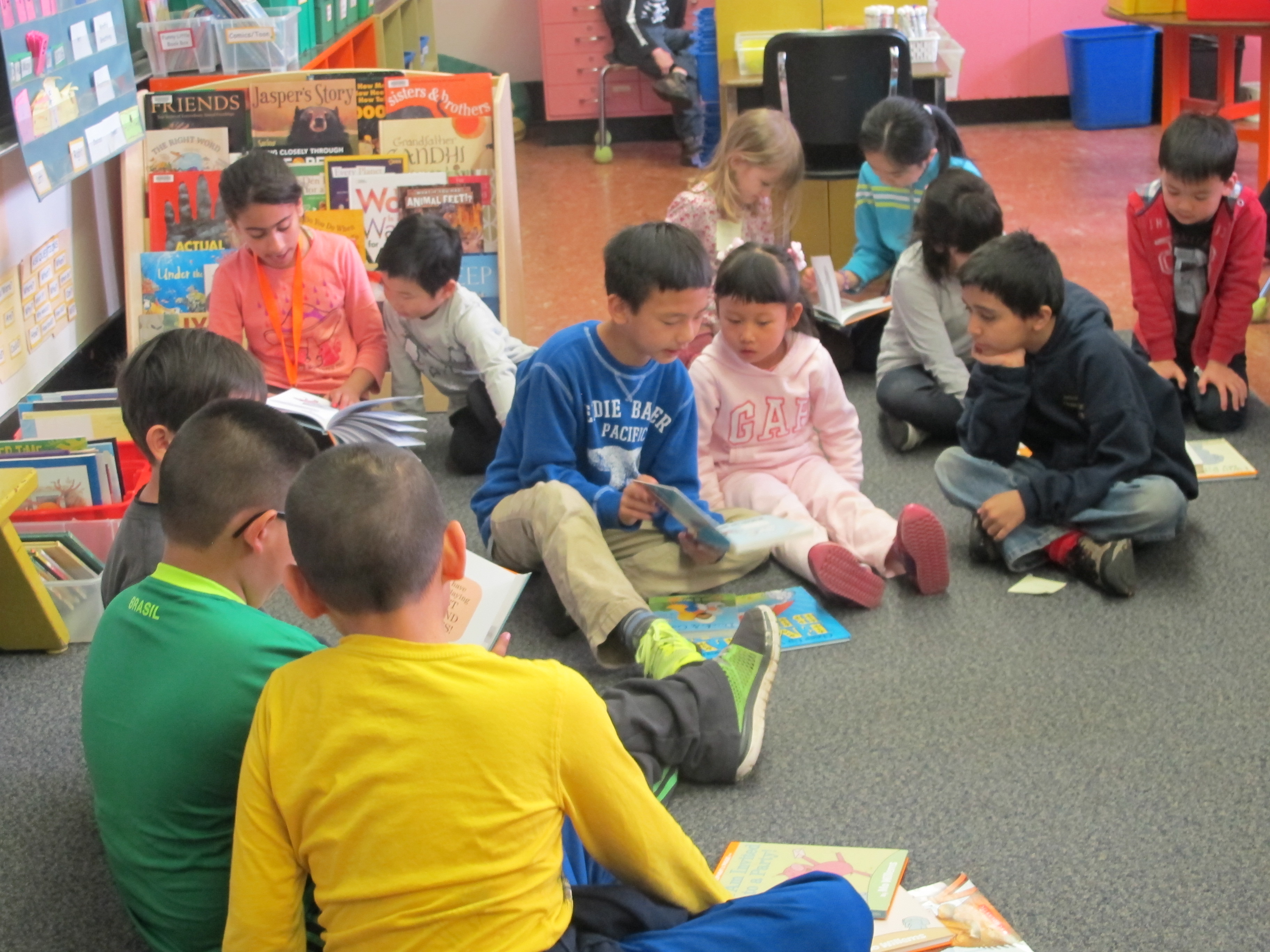
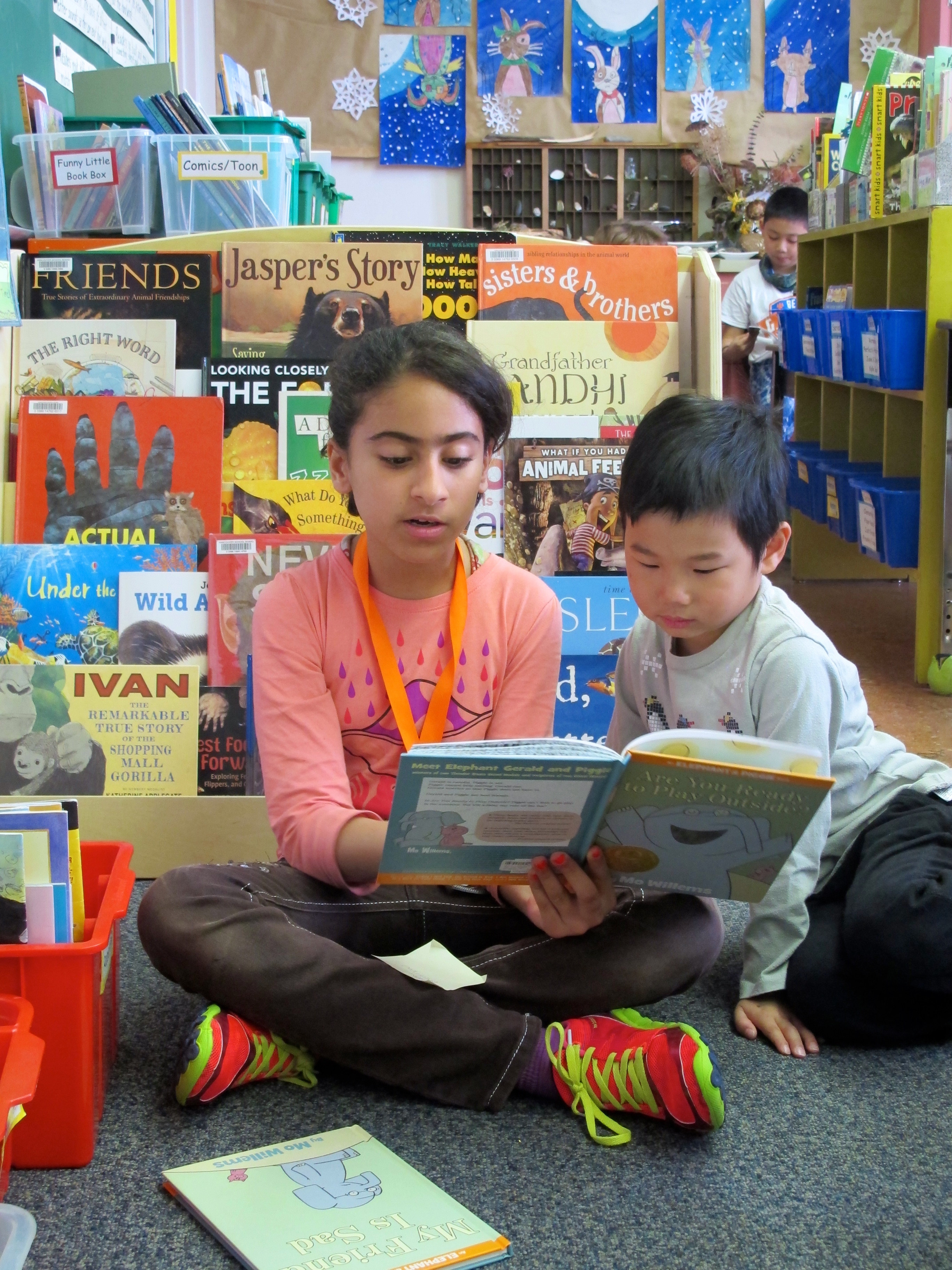
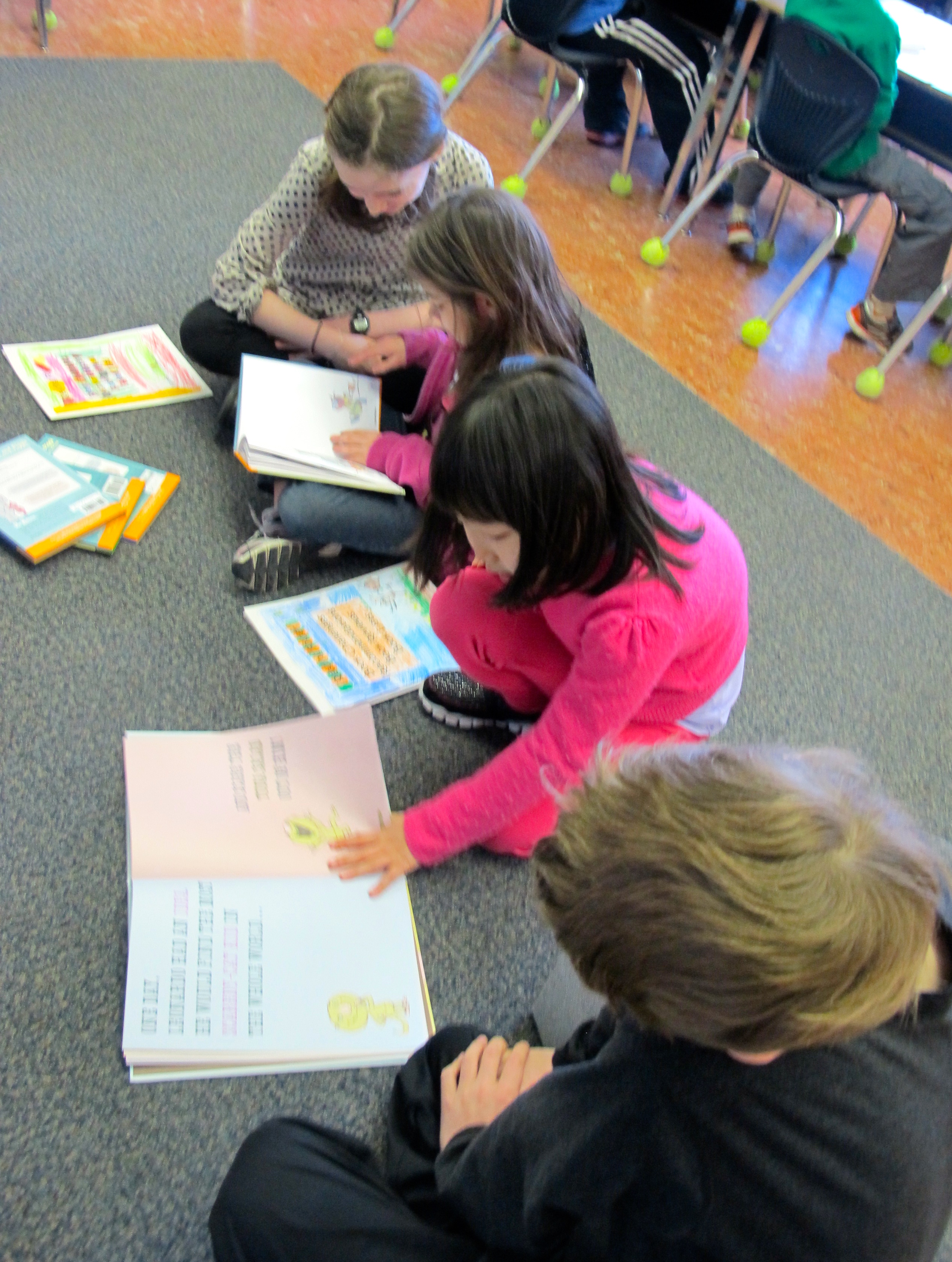
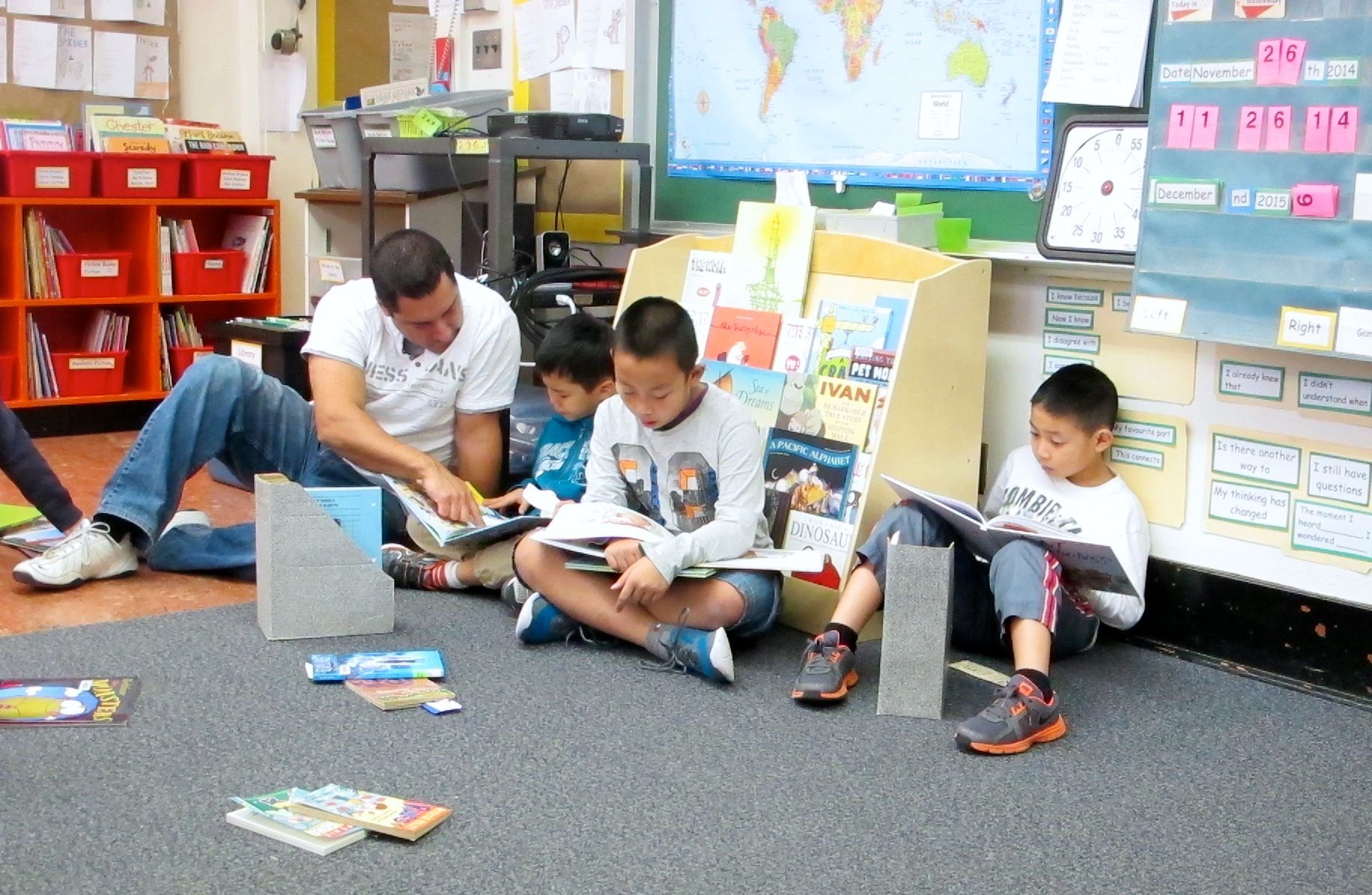
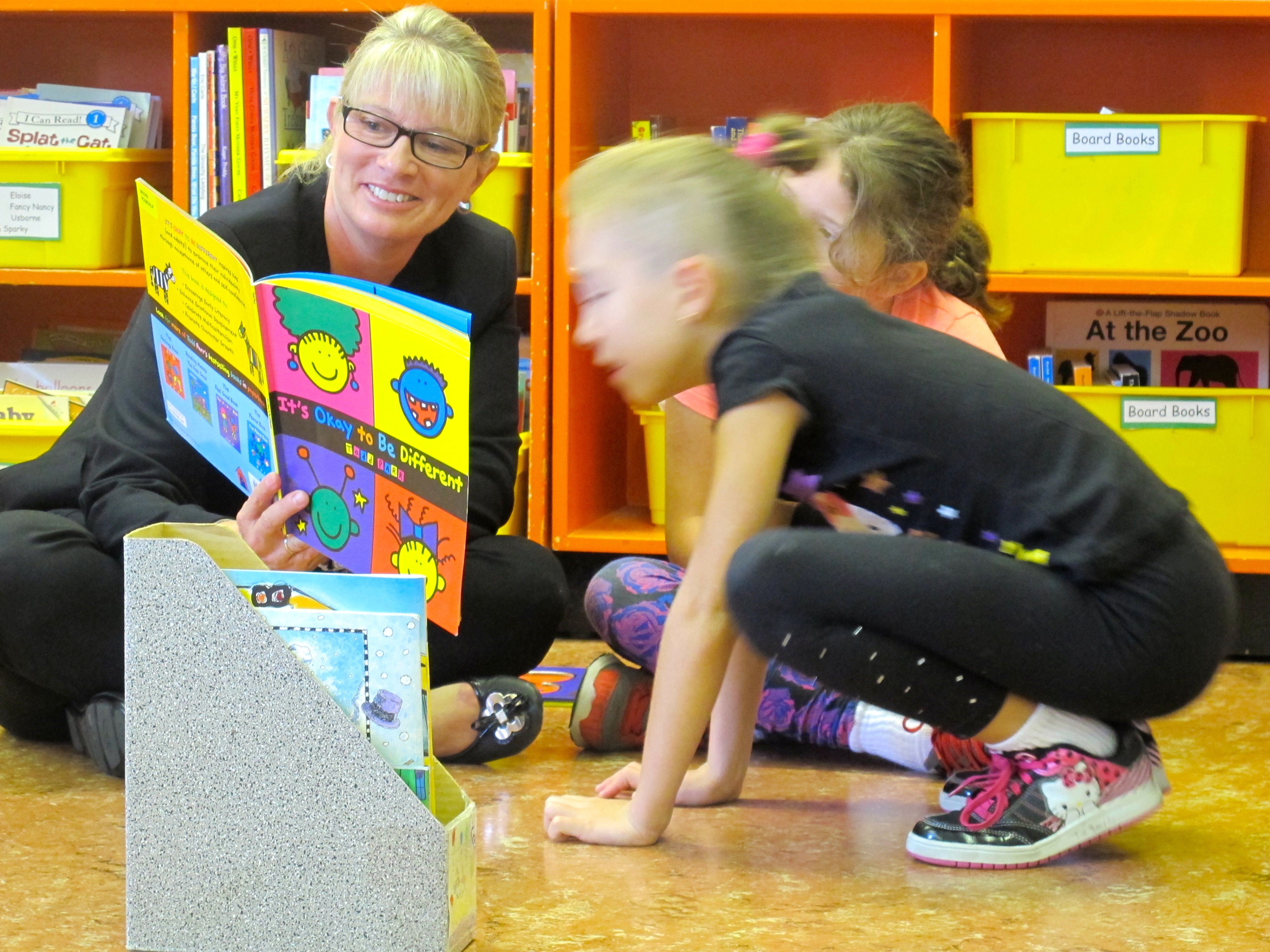
Buddy Reading with the kindergarten class

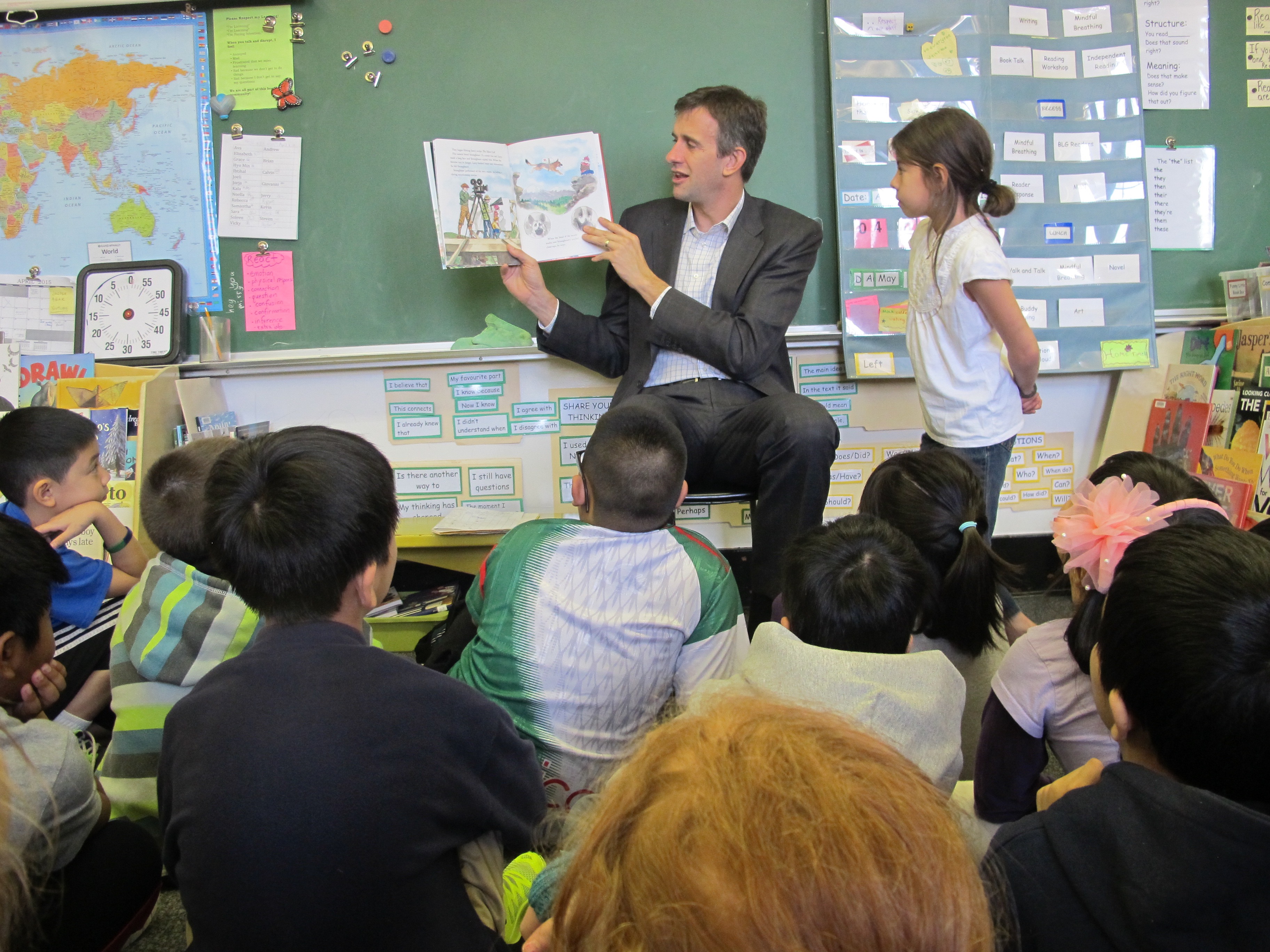
This is time that is pure joy. My students get to be literacy leaders. I smile through the entire experience each week.

Sunday Reflections: Ten things I will do again this school year There's a Book for That

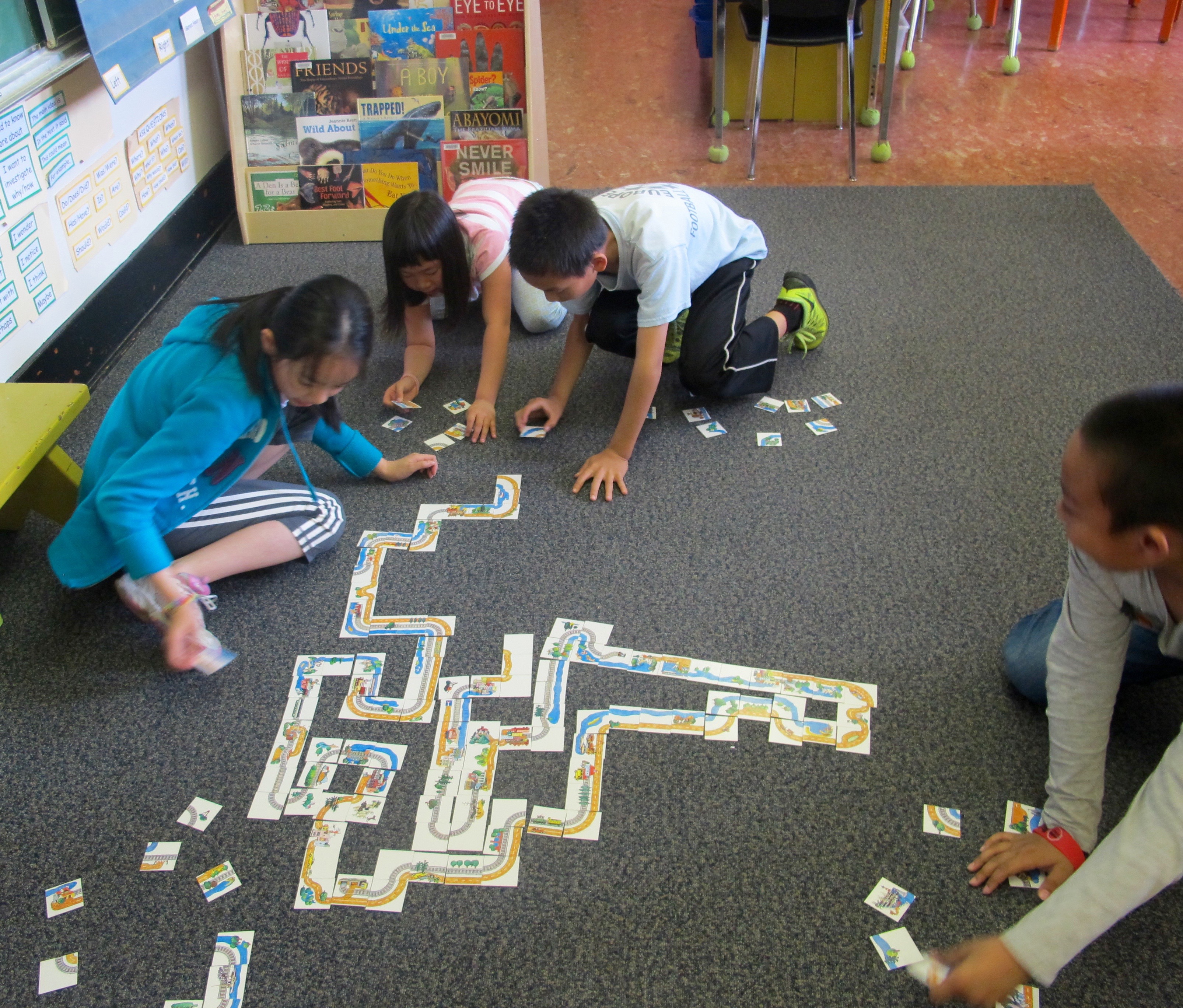
Games Hour

Every week we have Games Hour (really about 40 minutes) and bring out games that we don’t play with at any other time of the week. We work on perseverance, turn taking, leadership skills, cooperation and patience.

Sunday Reflections: Ten things I will do again this school year There's a Book for That

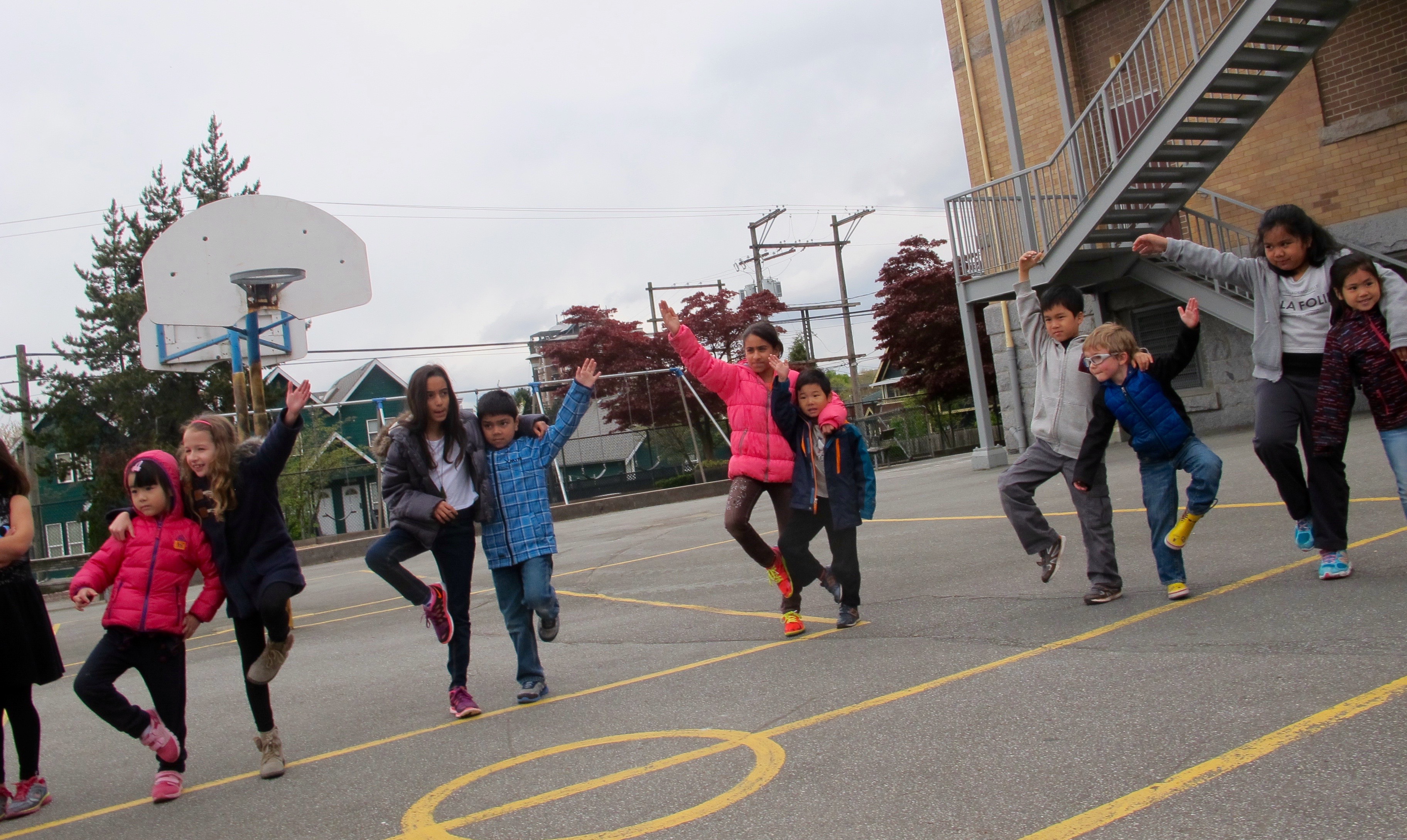
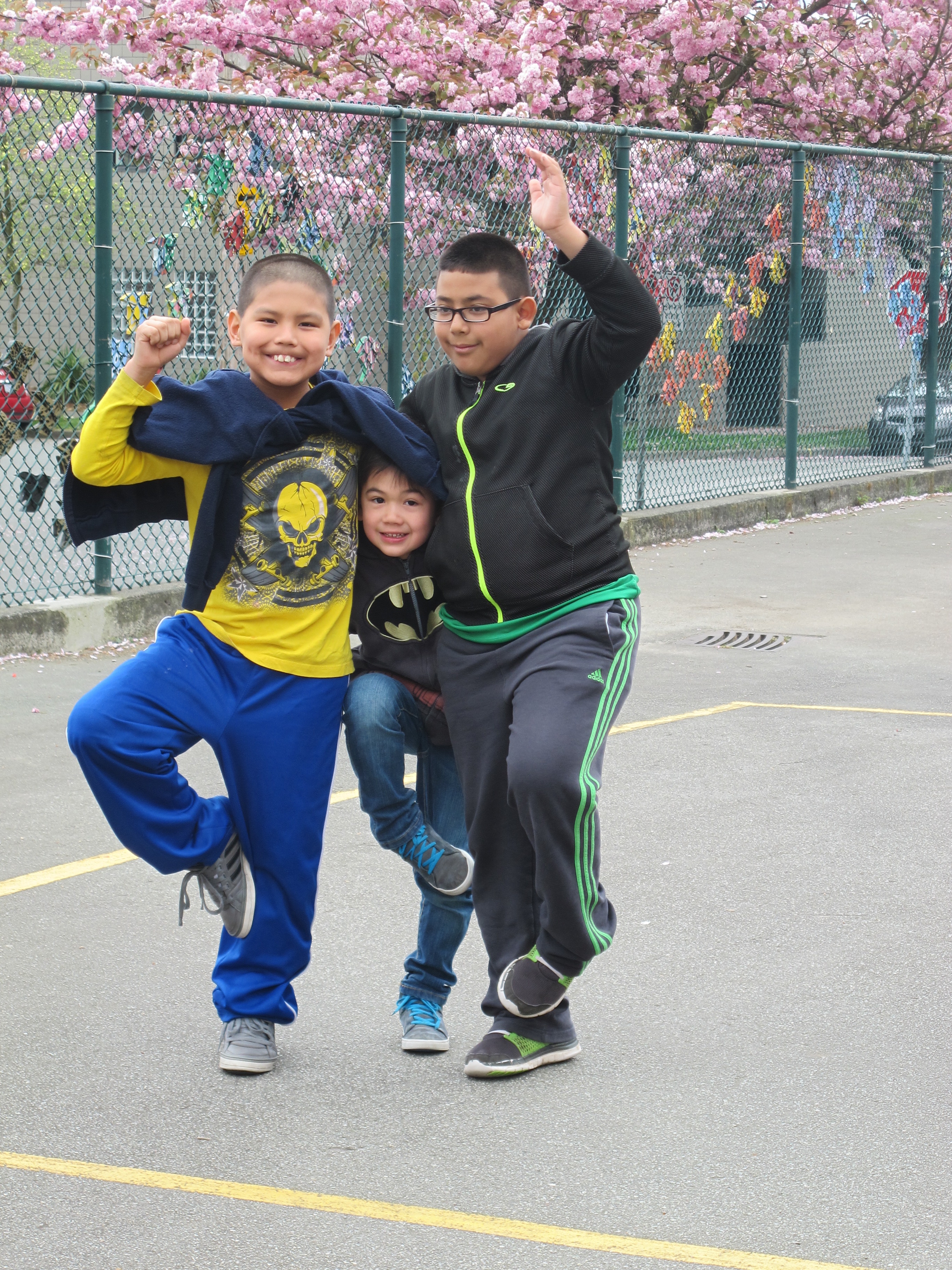
Hosting another class from a different school

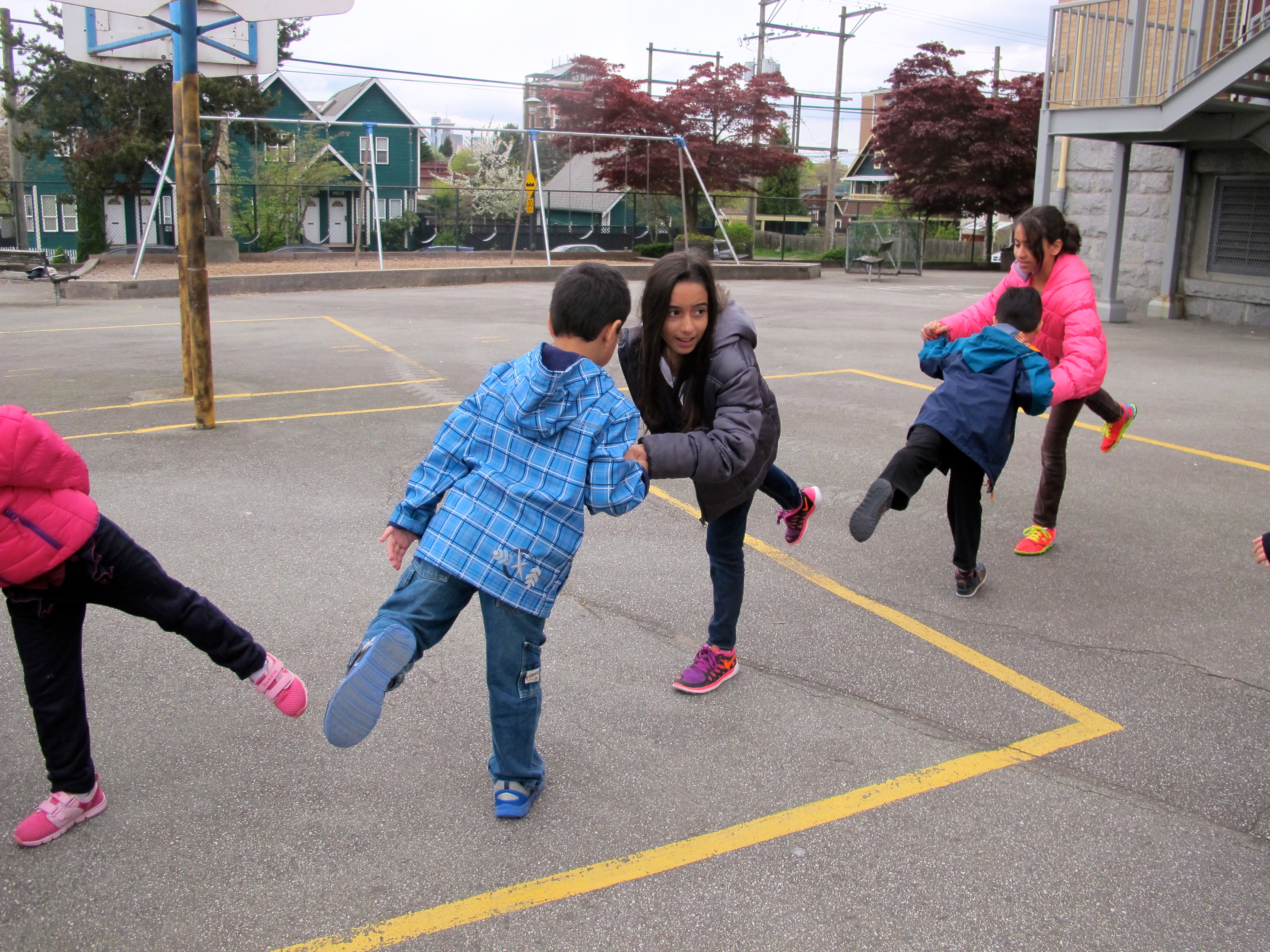
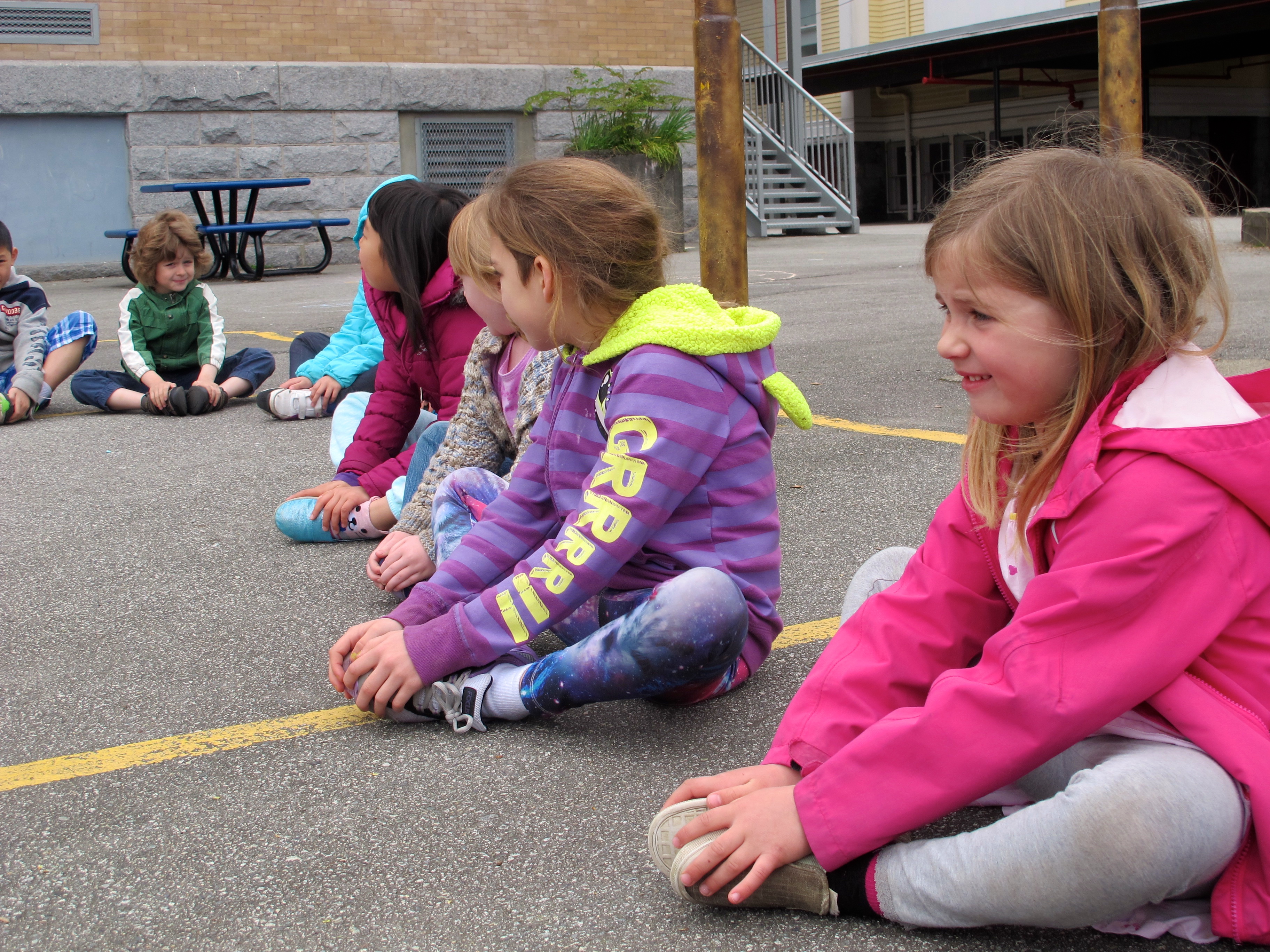
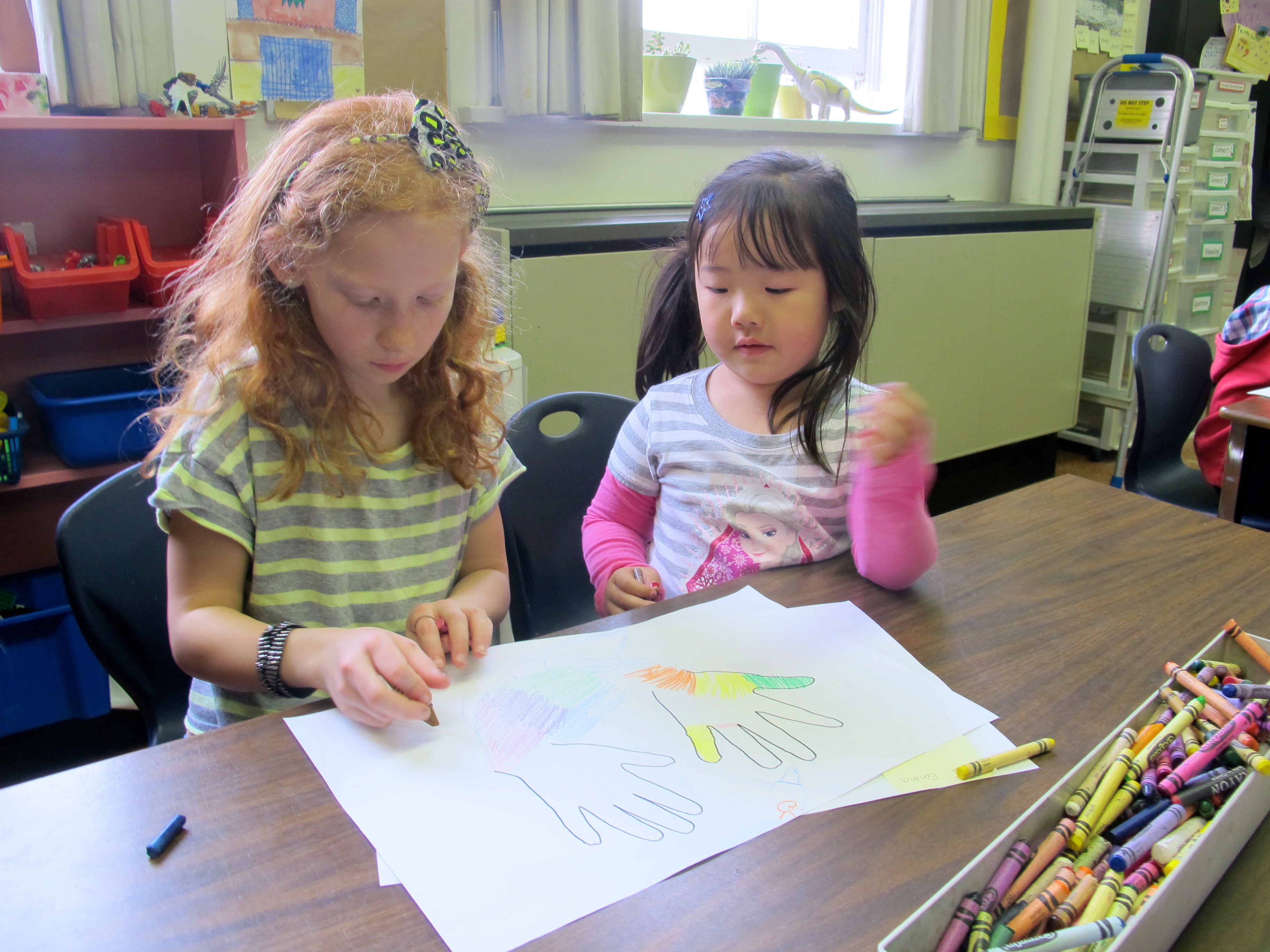
What great learning happened when we invited a K class from another school to spend almost an entire day with us. We did yoga, art, outside play and buddy reading. Thank you Ms. Hales! I hope she will visit with her new class this year!

Sunday Reflections: Ten things I will do again this school year There's a Book for That

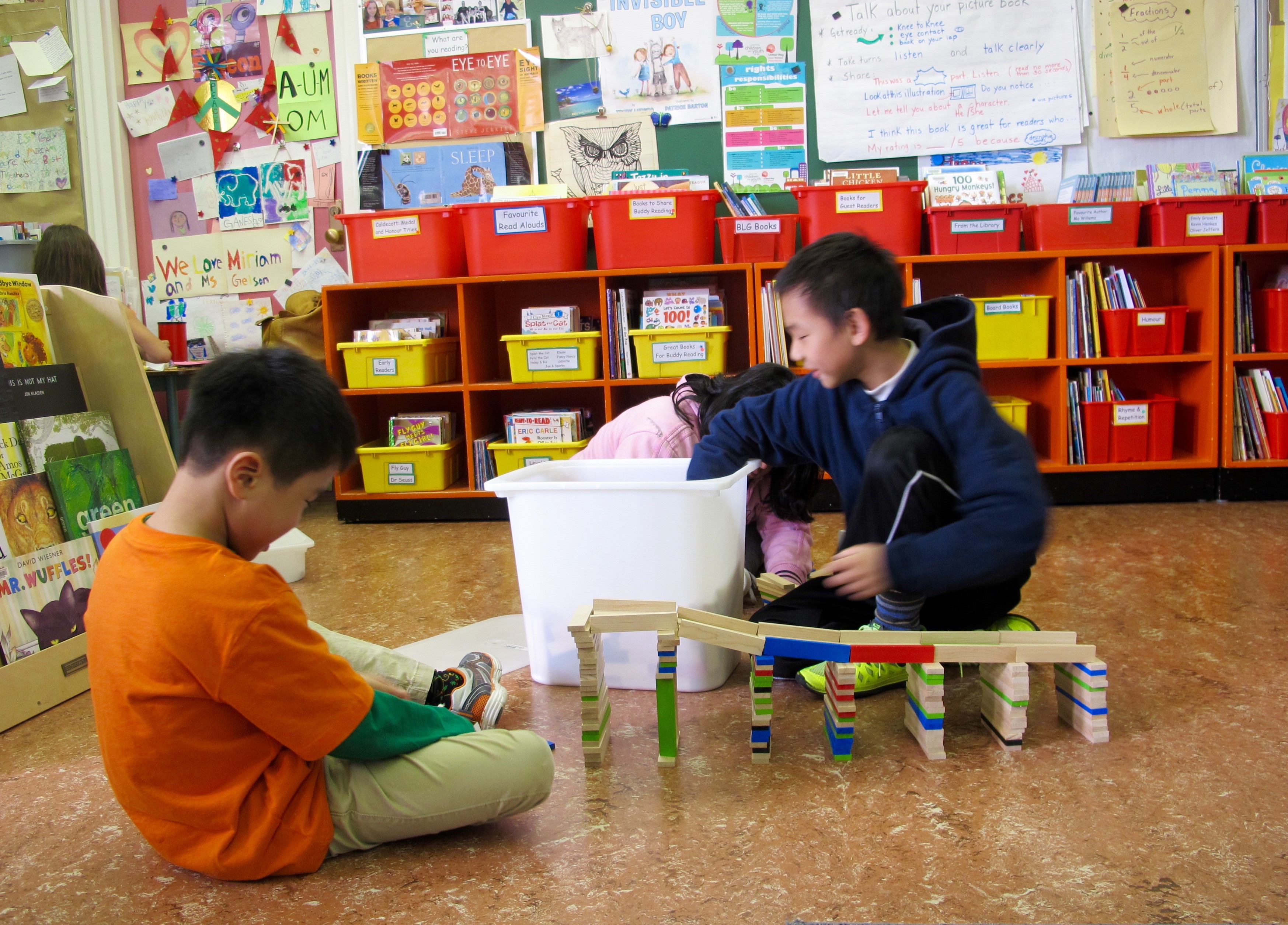
Daily play and exploration

Keva blocks frequently come out during this time. As do various other building materials, art supplies and multiple games. We do a lot of building and exploring, tower making and imaginative play.

Sunday Reflections: Ten things I will do again this school year There's a Book for That

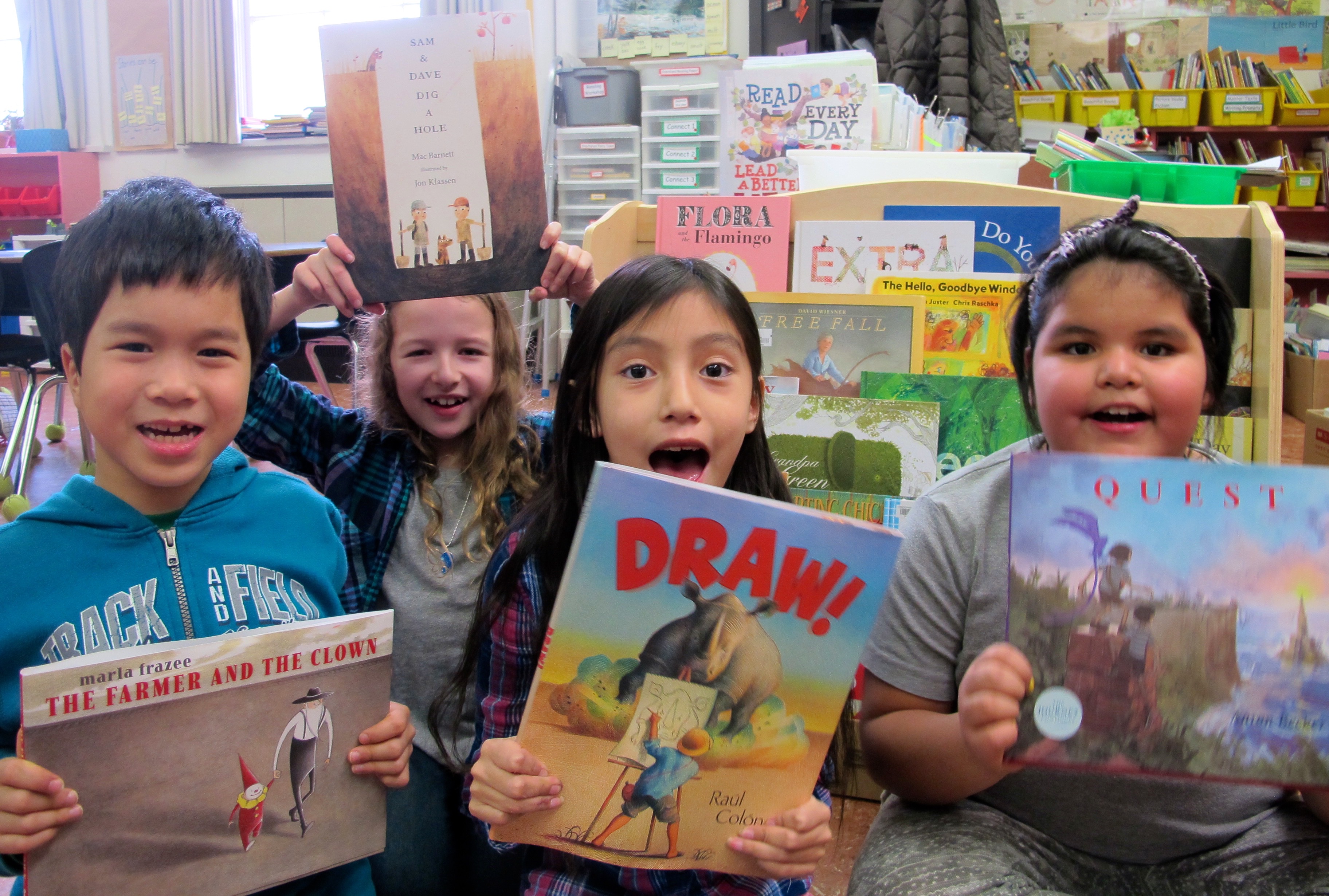
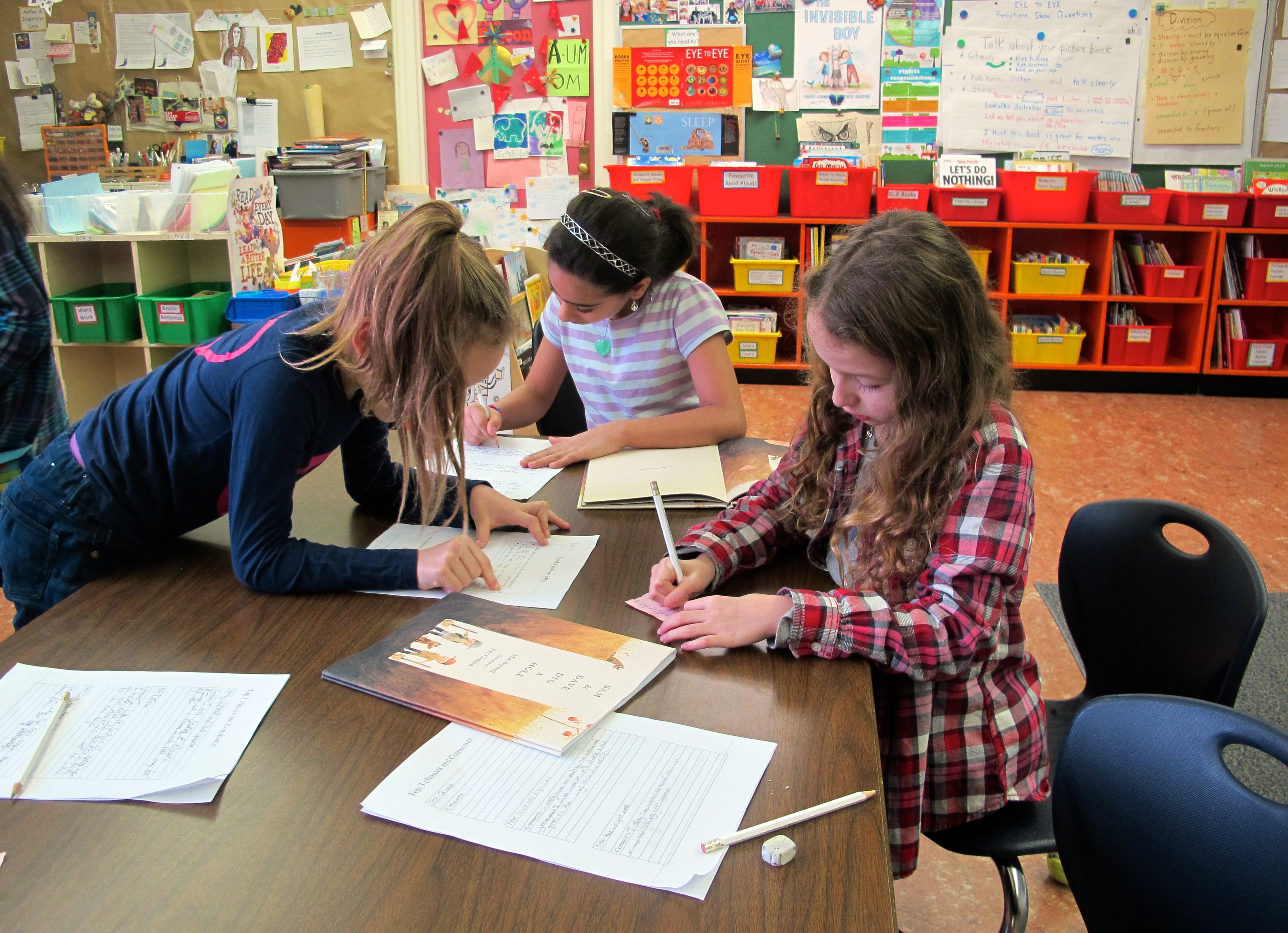
Mock Caldecott

This was such an amazing unit and I can’t wait to do it again this year. We read. We wrote. We raved. We talked. A LOT!

Sunday Reflections: Ten things I will do again this school year There's a Book for That

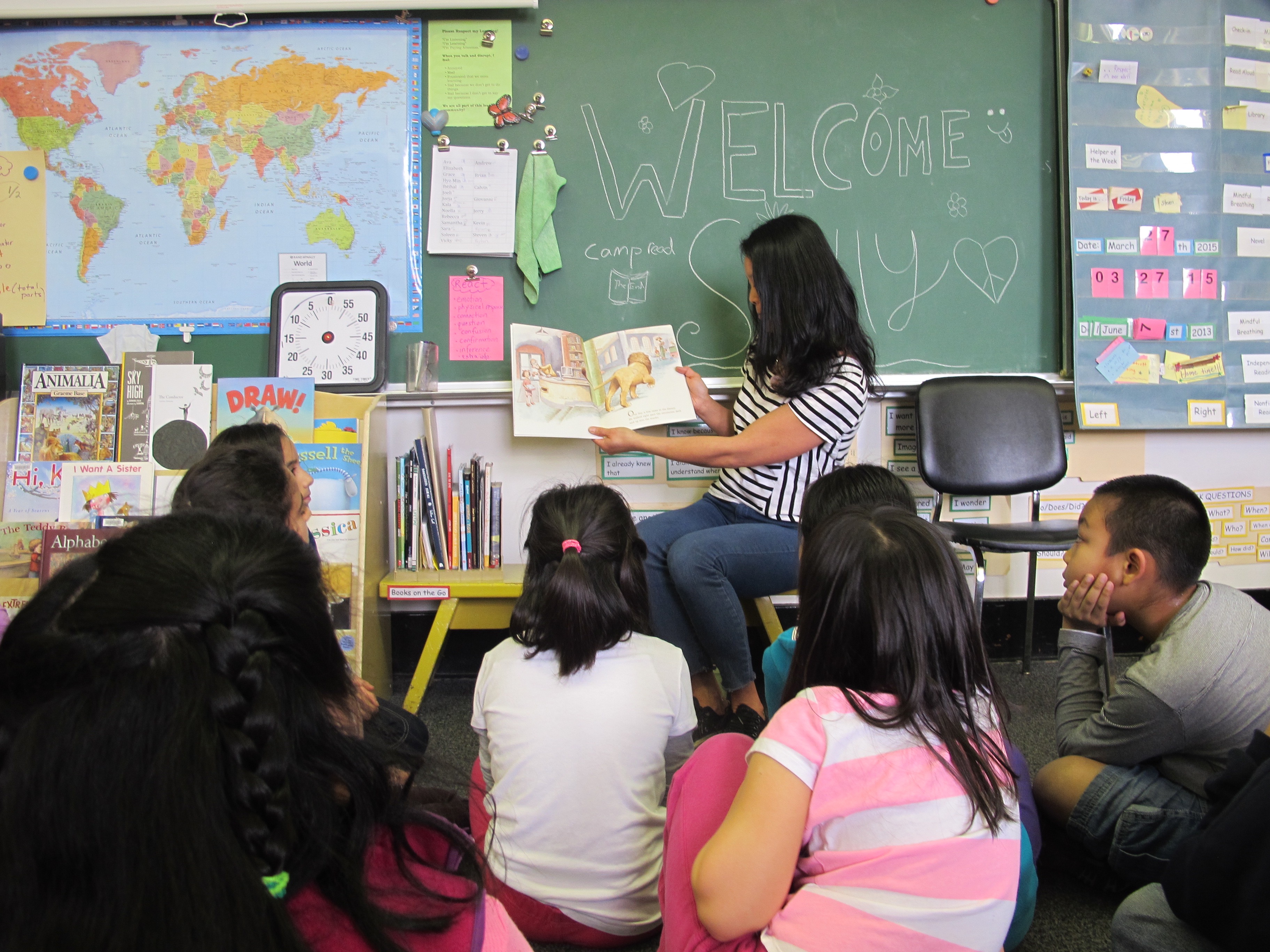
Camp Read

This was a school wide event and I would love to be a part of the organizing committee again. A highlight of our day was having our school secretary come in and read to us.

Sunday Reflections: Ten things I will do again this school year There's a Book for That

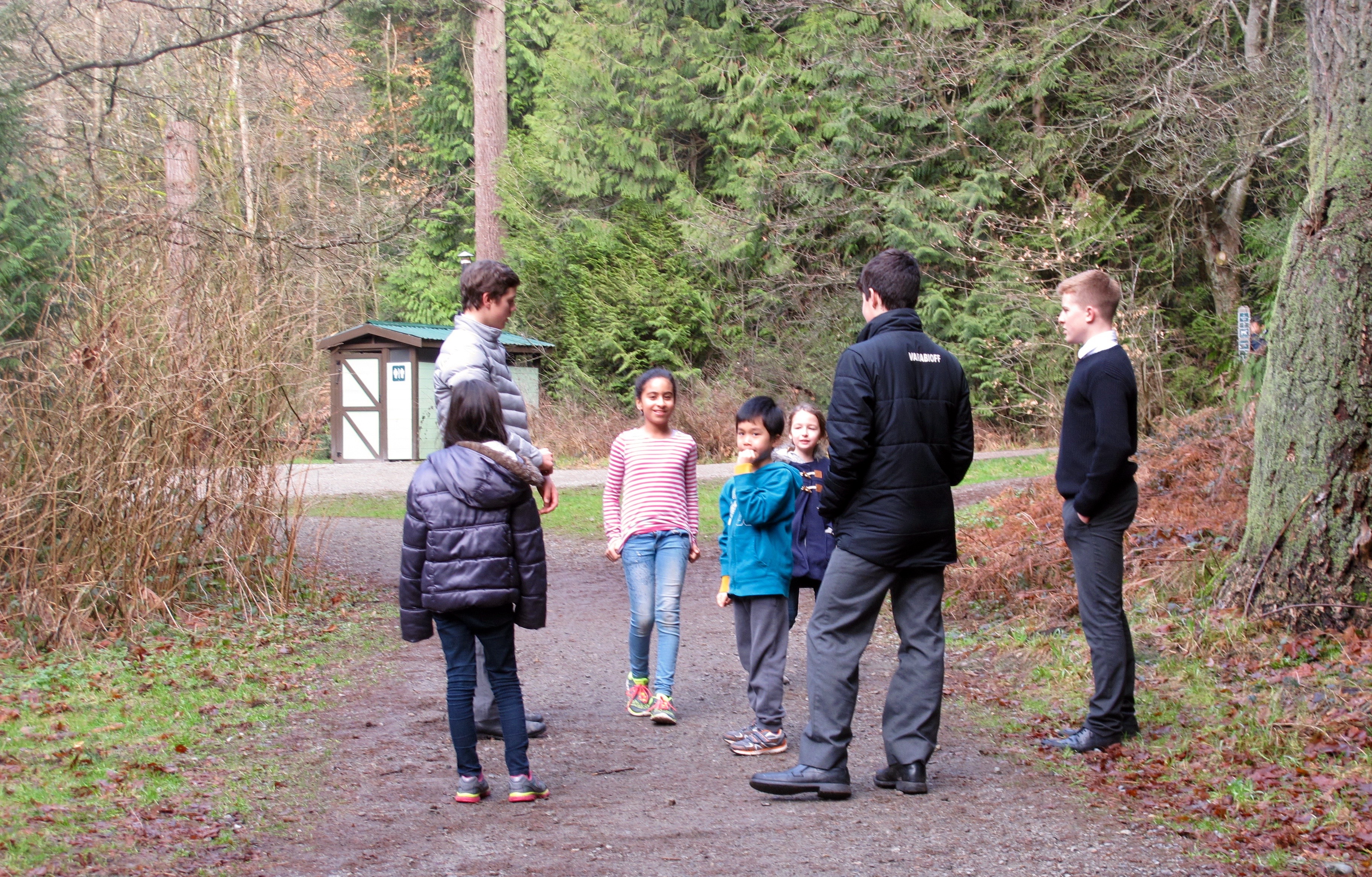
Time in the forest

Lucky us that St George’s Outdoor Education students invited us to come and spend the morning with them in the forest near UBC a few times this year. Outside experiences are so important. I am planning for many more next year.

Sunday Reflections: Ten things I will do again this school year There's a Book for That

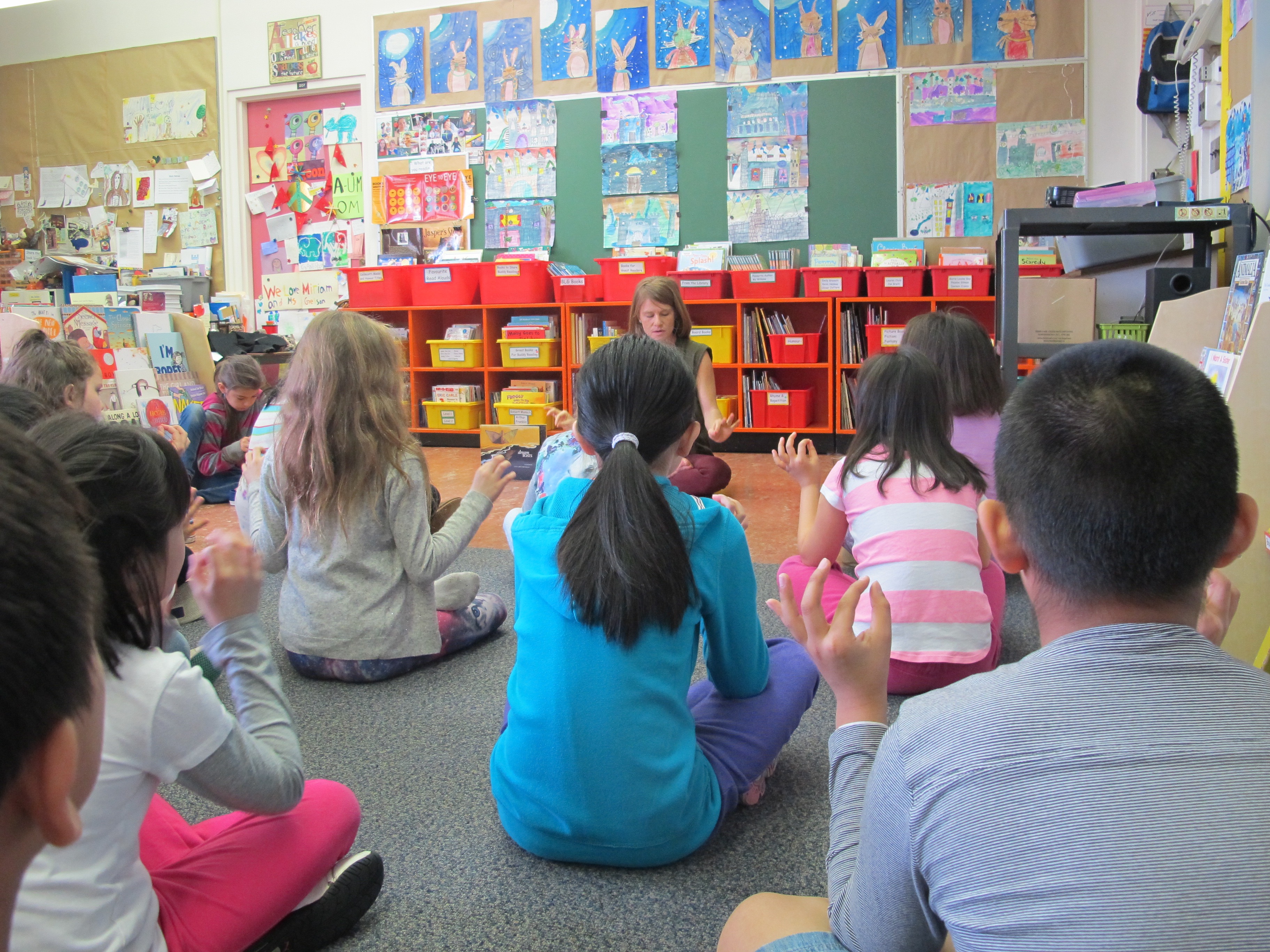
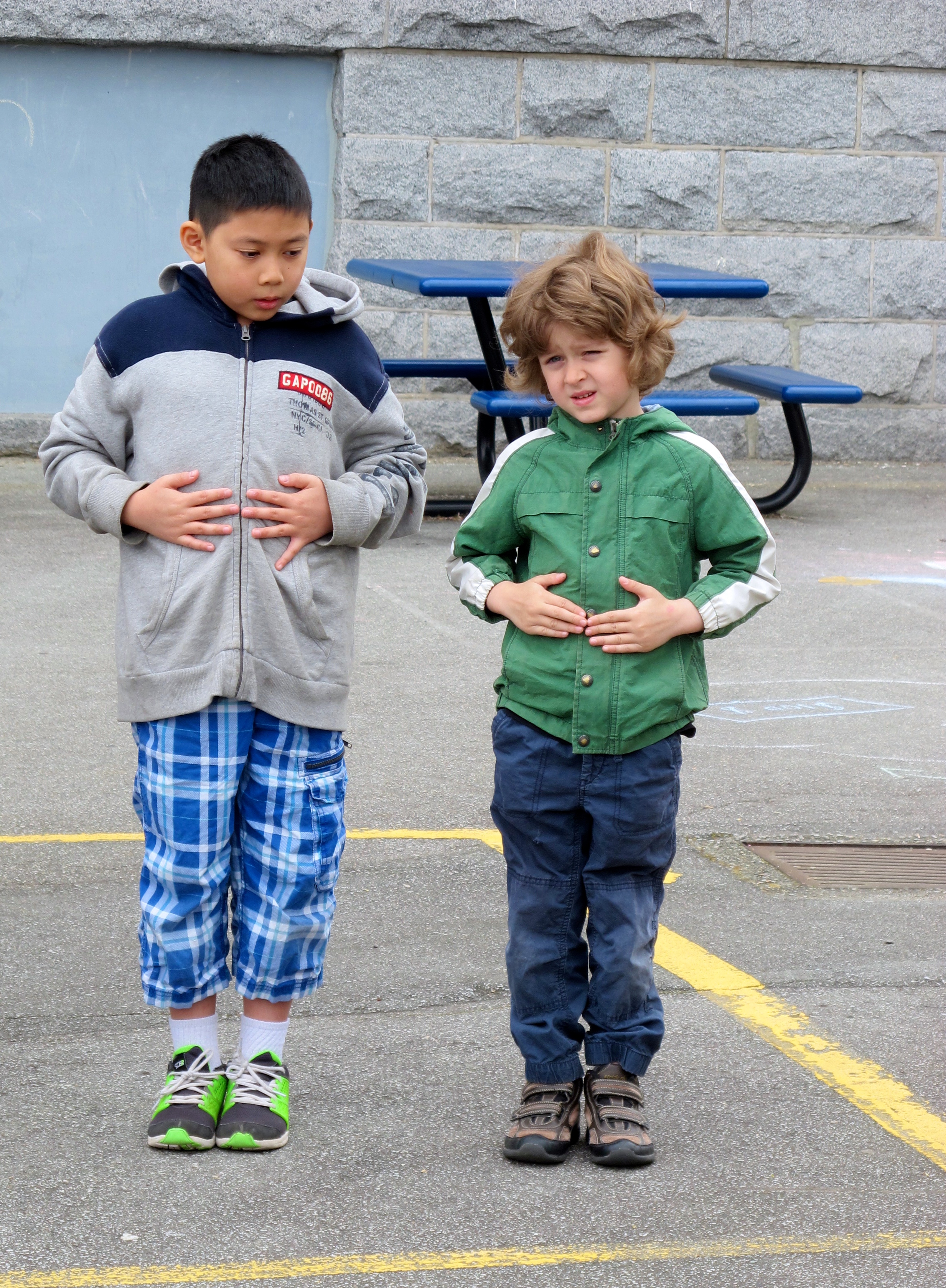
Yoga: Inside the room

Our lovely Miriam leads us through regular yoga experiences.

Sunday Reflections: Ten things I will do again this school year There's a Book for That

and yoga outside of the room

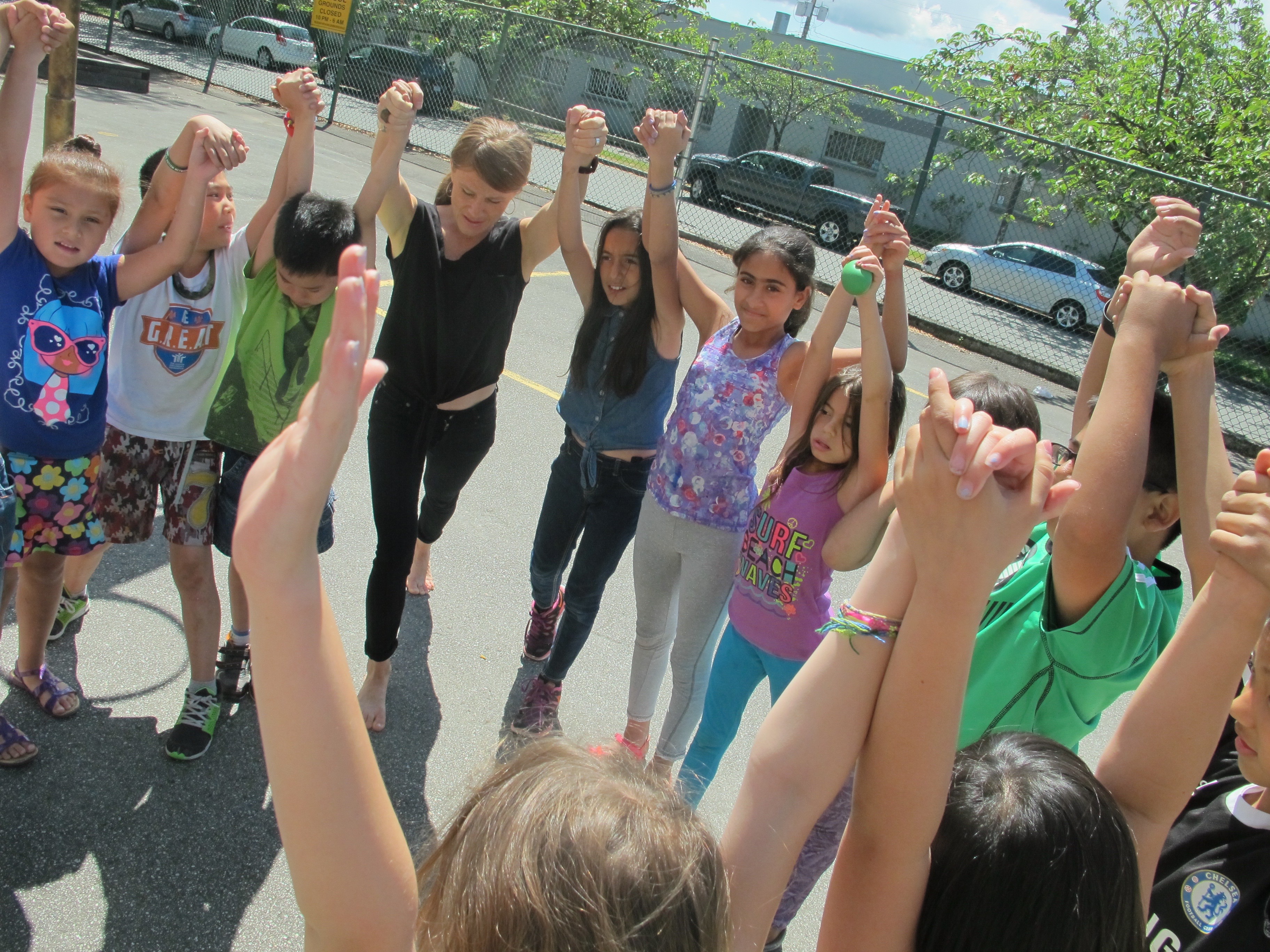
Our favourite thing is to get outside to do yoga!

Sunday Reflections: Ten things I will do again this school year There's a Book for That

Let’s Talk Science activities

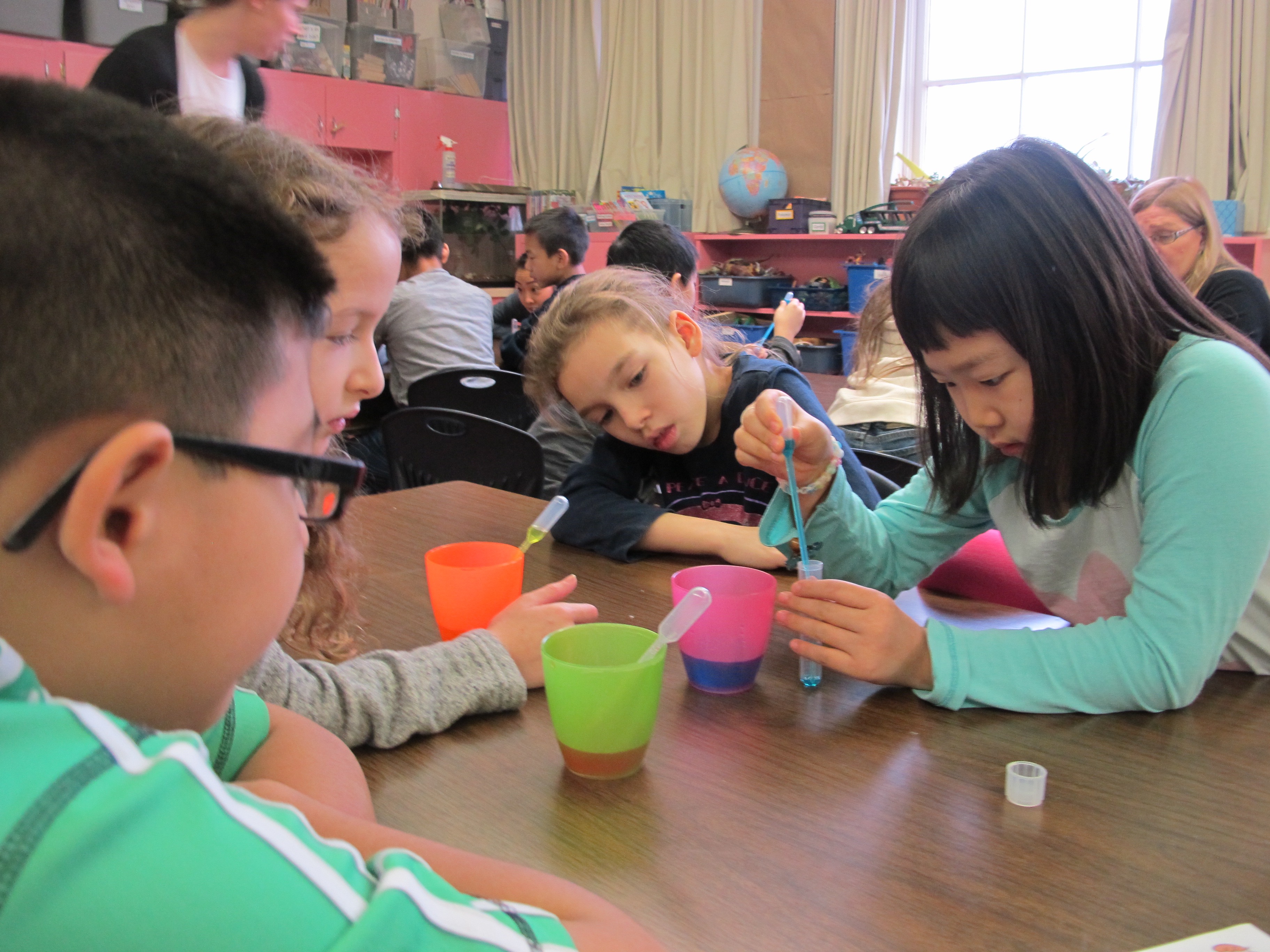
We have the best Let’s Talk Science volunteers. We are sure hoping that Lisa and Nelly will return and do hands on science with us again next year!

Sunday Reflections: Ten things I will do again this school year There's a Book for That

Inviting in guests to share their passions

BLG readers who share stories. Ms. Sheppet who shared a geocaching experience. Eric Balke who talked to us about his time in with orangutans in Indonesia.  Poet and artist Calef Brown who shared his writing process with us. I so want my students to be passionate about what they do and meeting adults who are passionate about their interests, hobbies and careers is amazing!

Sunday Reflections: Ten things I will do again this school year There's a Book for That

What will remain part of the learning experiences in your room for 2015/2016?

Celebration: New Experiences

Some days life can achieve the perfect balance of trying the things out there we haven’t yet done mixed in with a comforting dose of all that we know and treasure. Friday of this week was that day for our classroom.

Celebration: New Experiences There's a Book for That

We hosted a K class from another Vancouver school for most of the morning, through lunch and into the afternoon. For the little ones, everything was new! The bus ride, our classroom, the activities we shared and of course, all of us. They handled it all in the best 5 and 6 year old style. Frequent comments and questions were about the most important of things:

“Are we really going to get to play outside?”

“You have the best playground ever.”

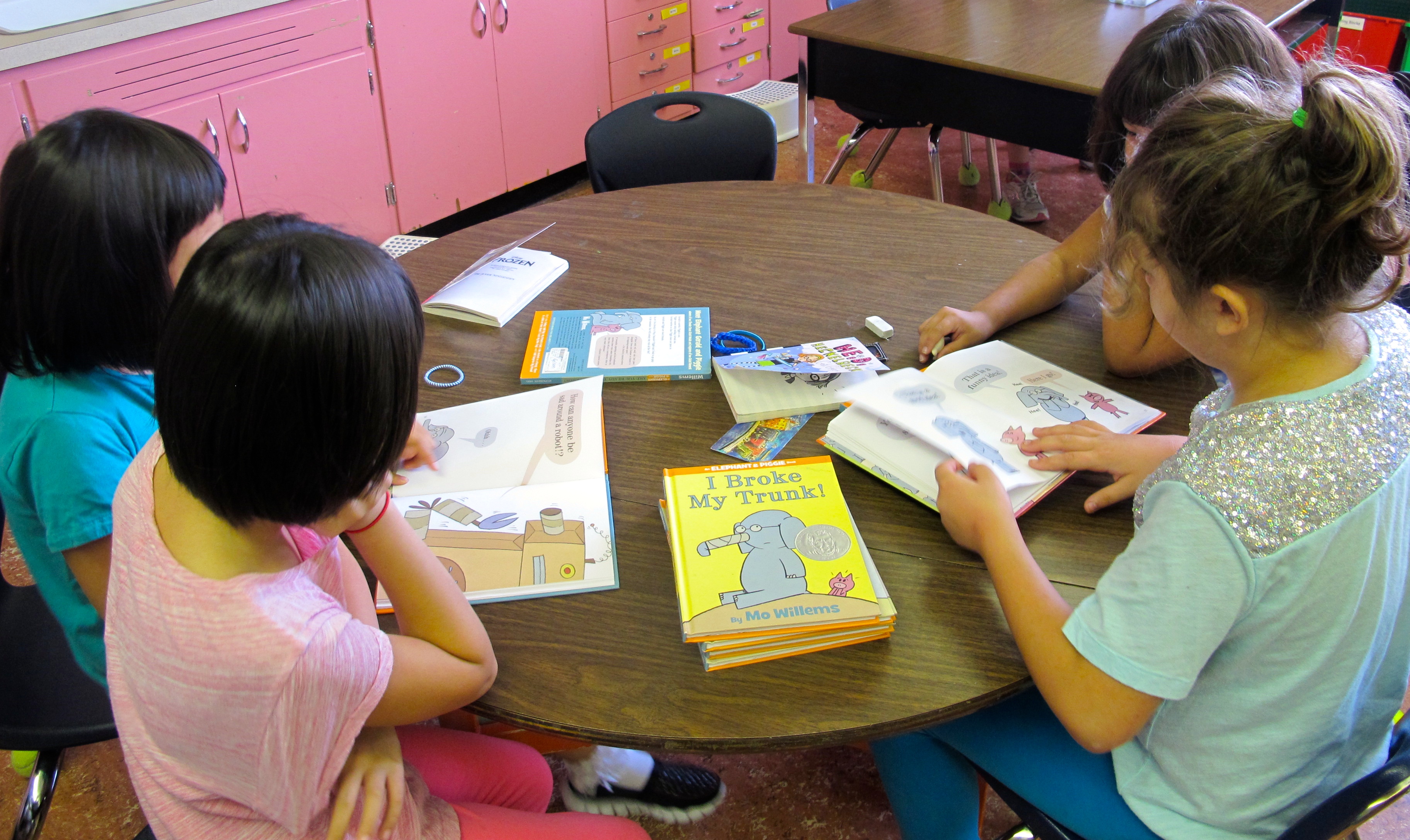
“Do you have Elephant and Piggie books?”

For my students, there was joy in sharing what we know – our school and classroom, our beloved books, our playground, our lunchroom and our yoga skills. But, it was the different that made the day amazing. We had responsibility. We had to look after a little one whose entire day was new. We had to be in full out host mode. We had to care and be careful. We had to check in. We had to notice things. We were given a huge gift – the opportunity to do the giving – of ourselves and of our time. This is what I celebrate. Because watching it made me smile. Smile with pride. And joy. And awe. A beautiful day.

The wonderful Ms. Hales who brought her class to be with us shared their experience on her class blog and has invited us to come back to visit at their school!

A few glimpses into our day:

Buddy reading began within moments of their arrival!

ICelebration: New Experiences There's a Book for That Celebration: New Experiences There's a Book for That Celebration: New Experiences There's a Book for That

Miriam led us through some incredible Earth yoga. Everyone was an instant expert!

Celebration: New Experiences There's a Book for That Celebration: New Experiences There's a Book for That Celebration: New Experiences There's a Book for That

Celebration: New Experiences There's a Book for That

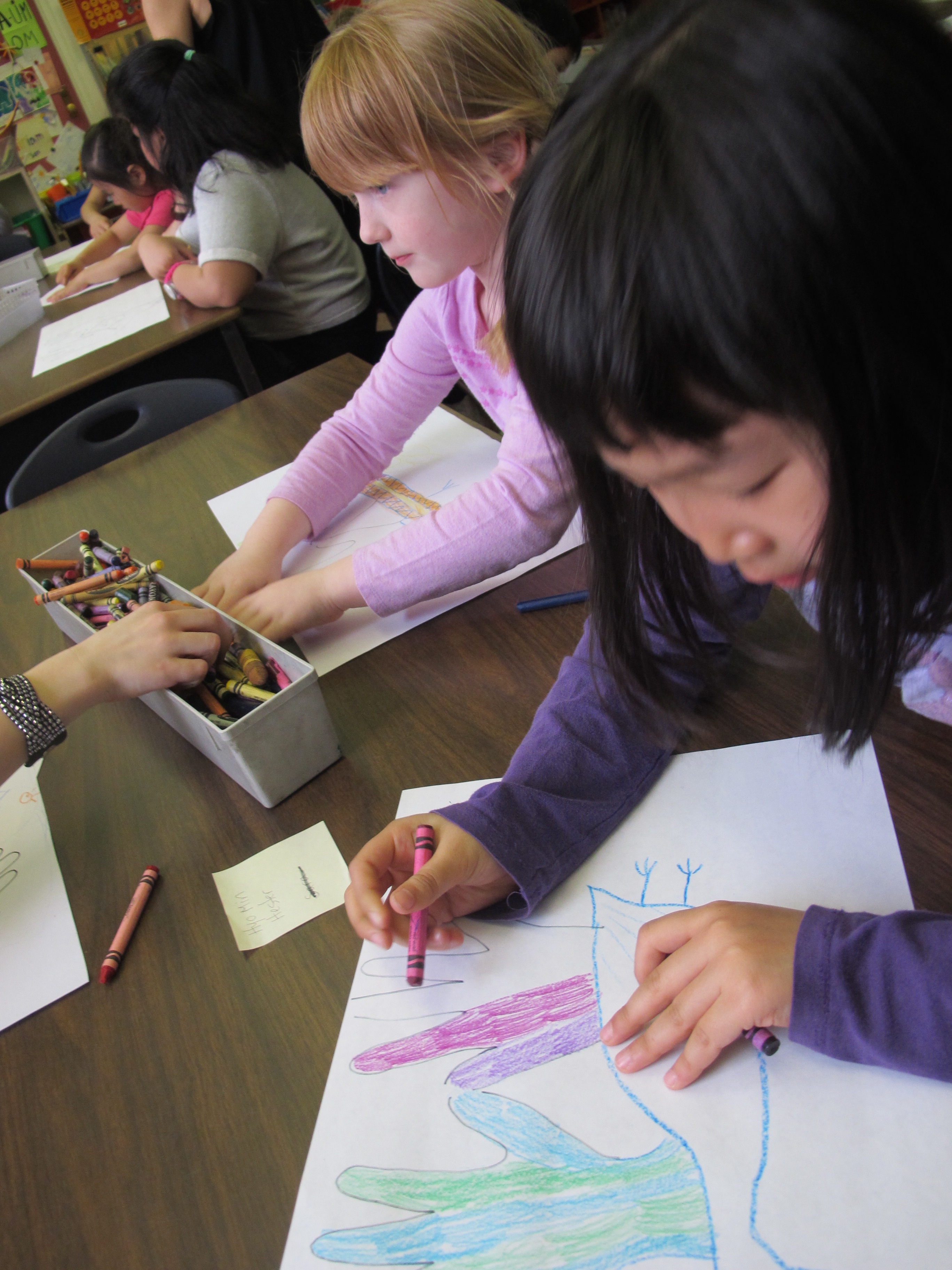
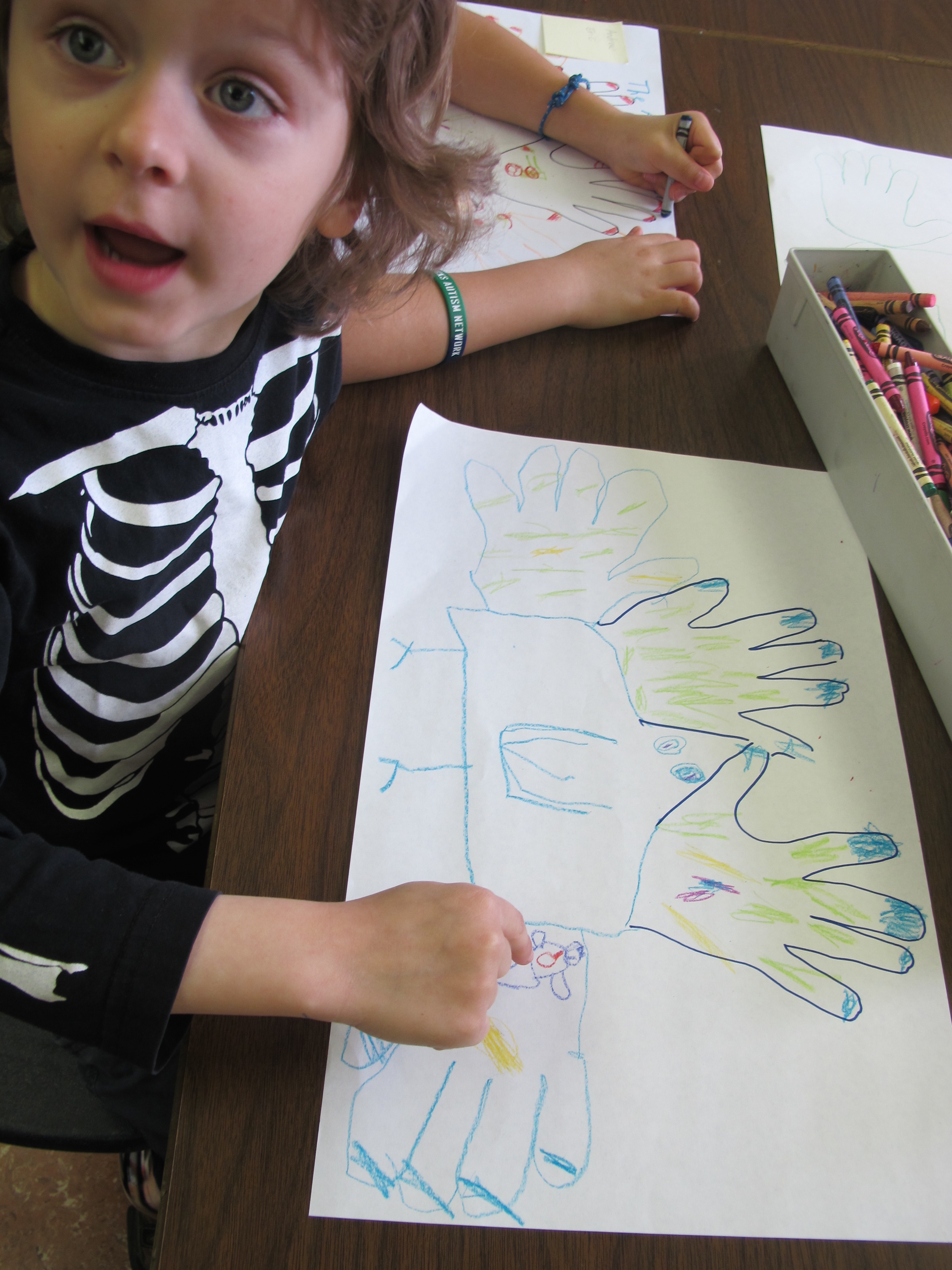
In the afternoon we transformed our hands into birds and then our little buddies went back home. We can’t wait to meet up again!

Celebration: New Experiences There's a Book for That Celebration: New Experiences There's a Book for That Celebration: New Experiences There's a Book for That

https://twitter.com/Halessharon/status/586693563276066816

Thank you to Ruth Ayres and the #celebratelu community! Being part of a community that regularly shares gratitude and celebrations truly transforms my weeks.

celebrate-link-up

Nonfiction conversations: Book sharing circles – what nonfiction titles are we drawn to and why?

How do we get children more interested in reading nonfiction titles? I so often hear that students don’t gravitate to nonfiction or that they aren’t interested in reading nonfiction titles in the same way that they are fiction titles.

Nonfiction conversations: Book sharing circles - what nonfiction titles are we drawn to and why?

Nonfiction reading is a priority in my classroom. I want my students to benefit from the rich reading experiences nonfiction books provide. I do my best to keep up with great new nonfiction releases. I purchase a number of nonfiction books. But, beyond filling my room with titles, I do certain things to ensure that these books are being read, understood and enjoyed. Like:

  • book talk, book talk, book talk
  • lots of nonfiction read alouds that are “stretched out” to include talk time, written responses and various activities
  • book displays that highlight nonfiction reads
  • one day a week that has a specific nonfiction focus during Reading Workshop

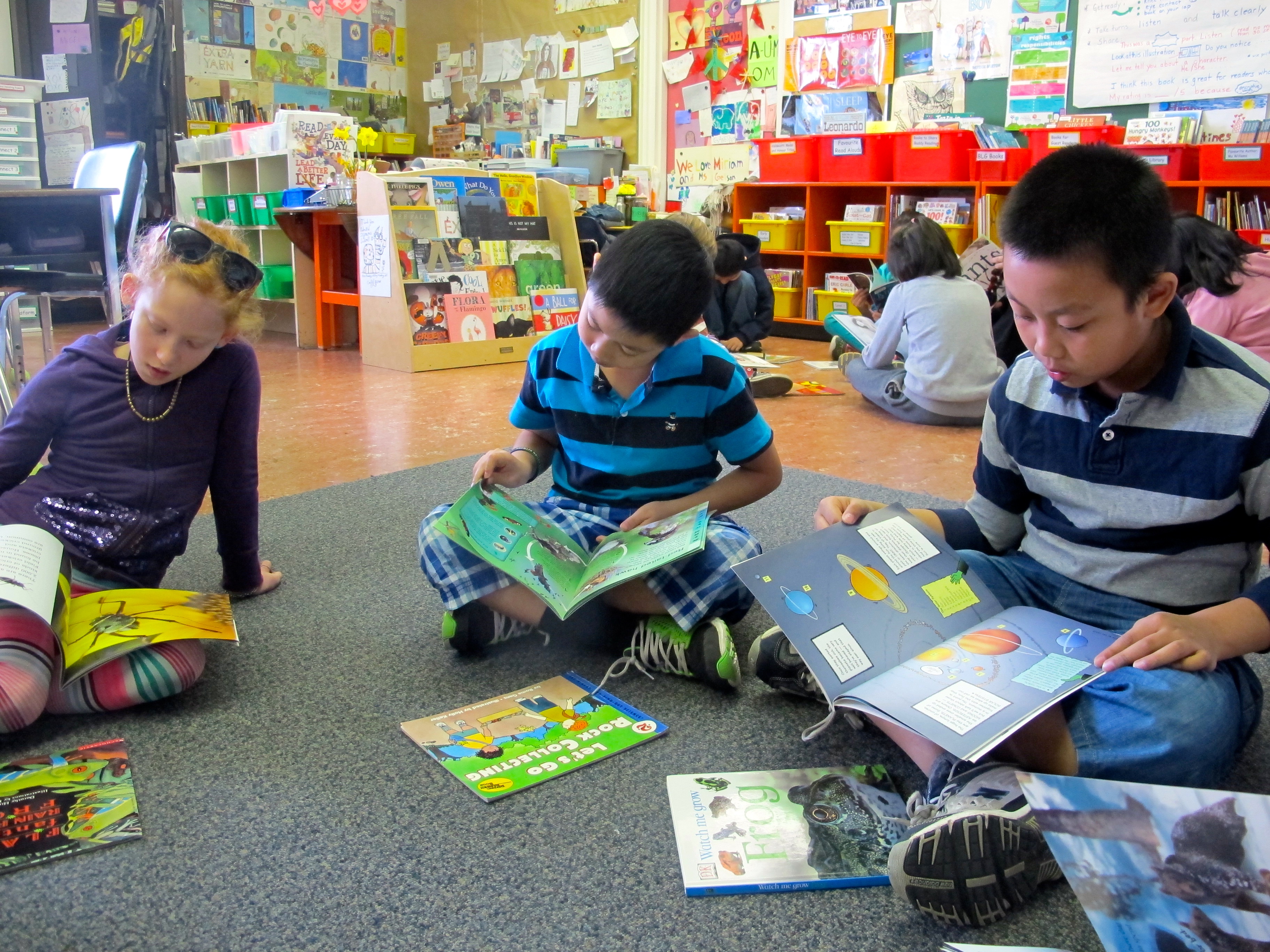
When I feel that students need to branch out and experience other nonfiction books and think more deeply about their nonfiction choices, we take some time to do nonfiction book sharing circles.

Nonfiction conversations: Book sharing circles - what nonfiction titles are we drawn to and why?

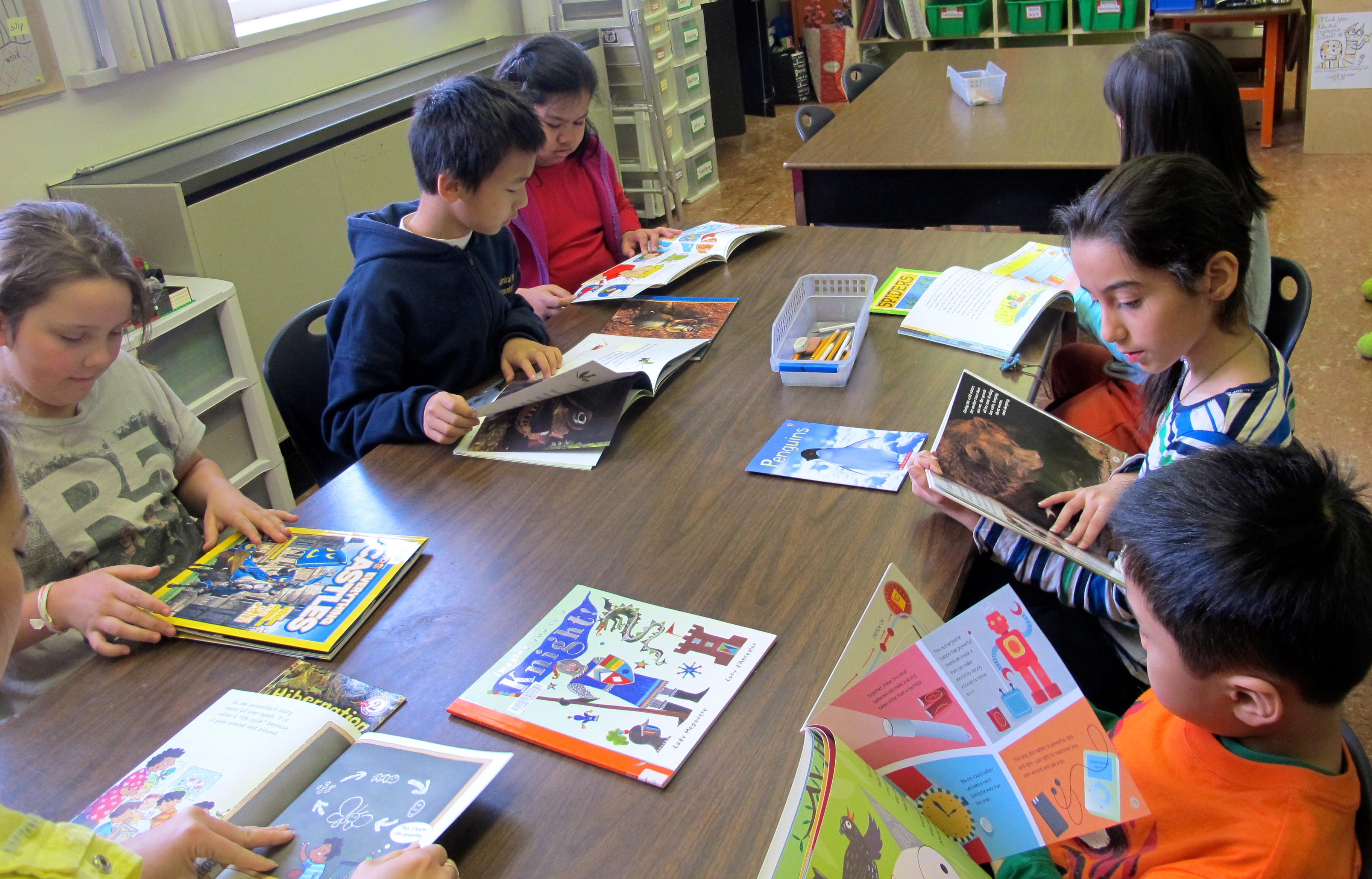
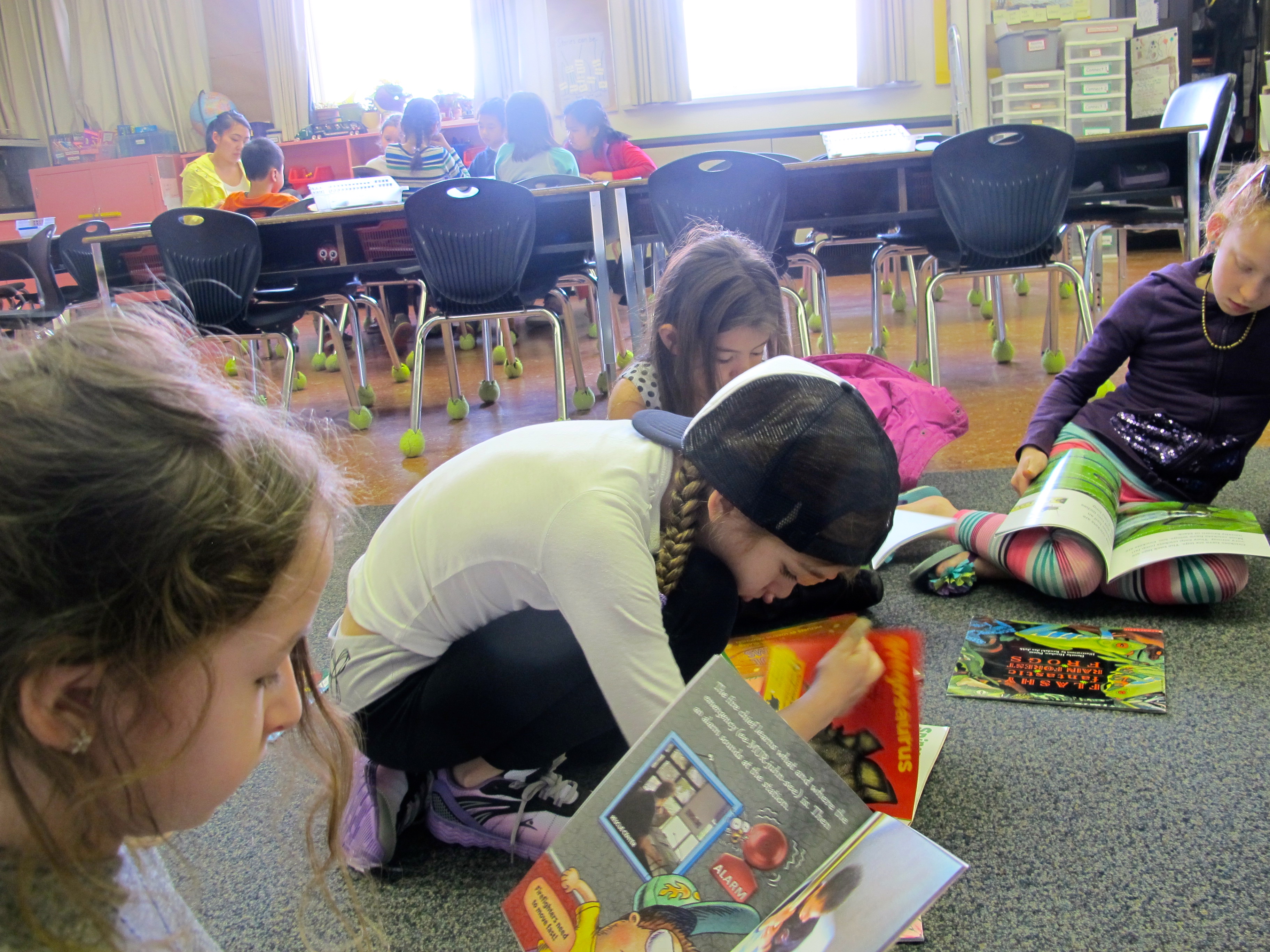
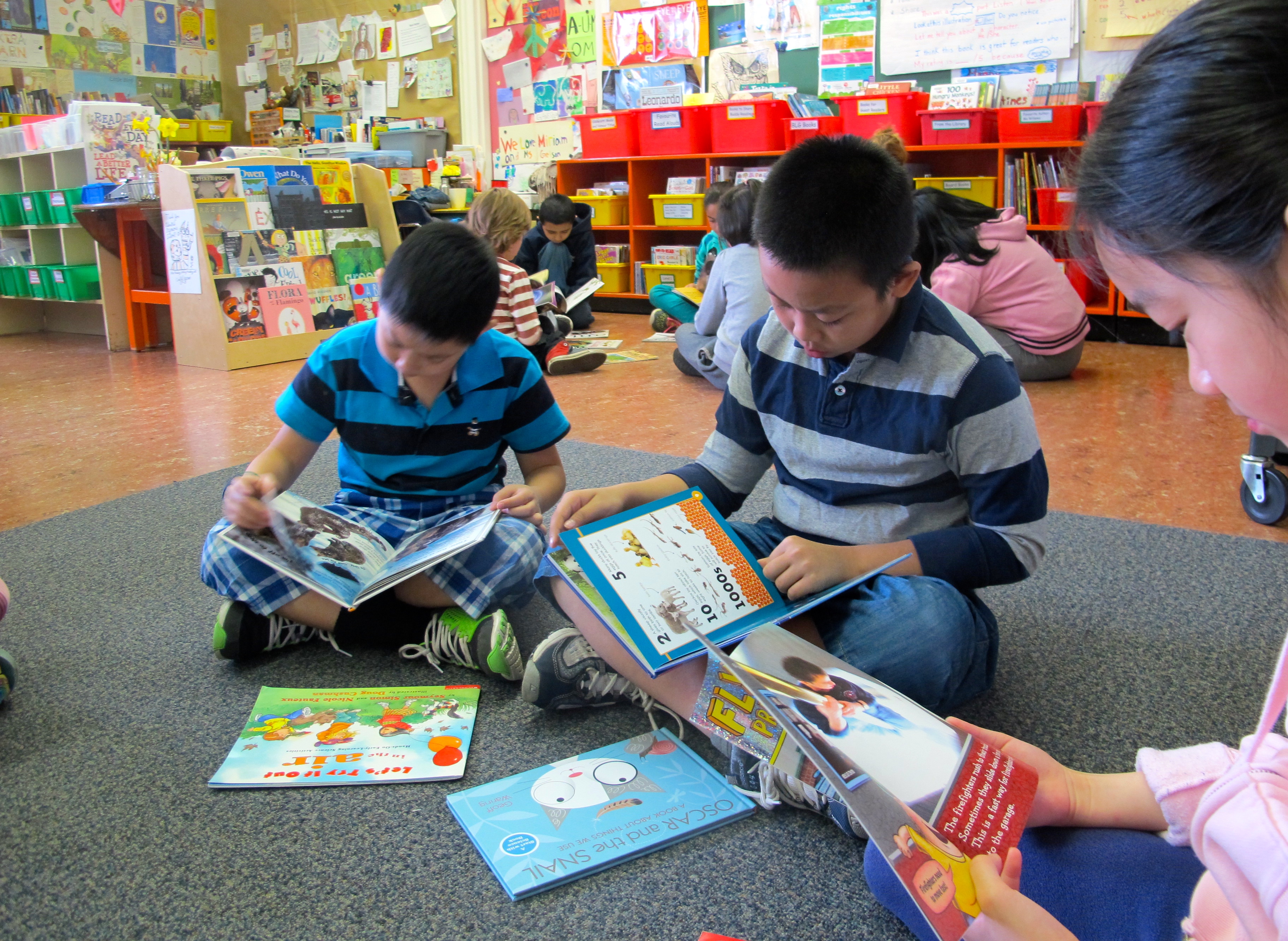
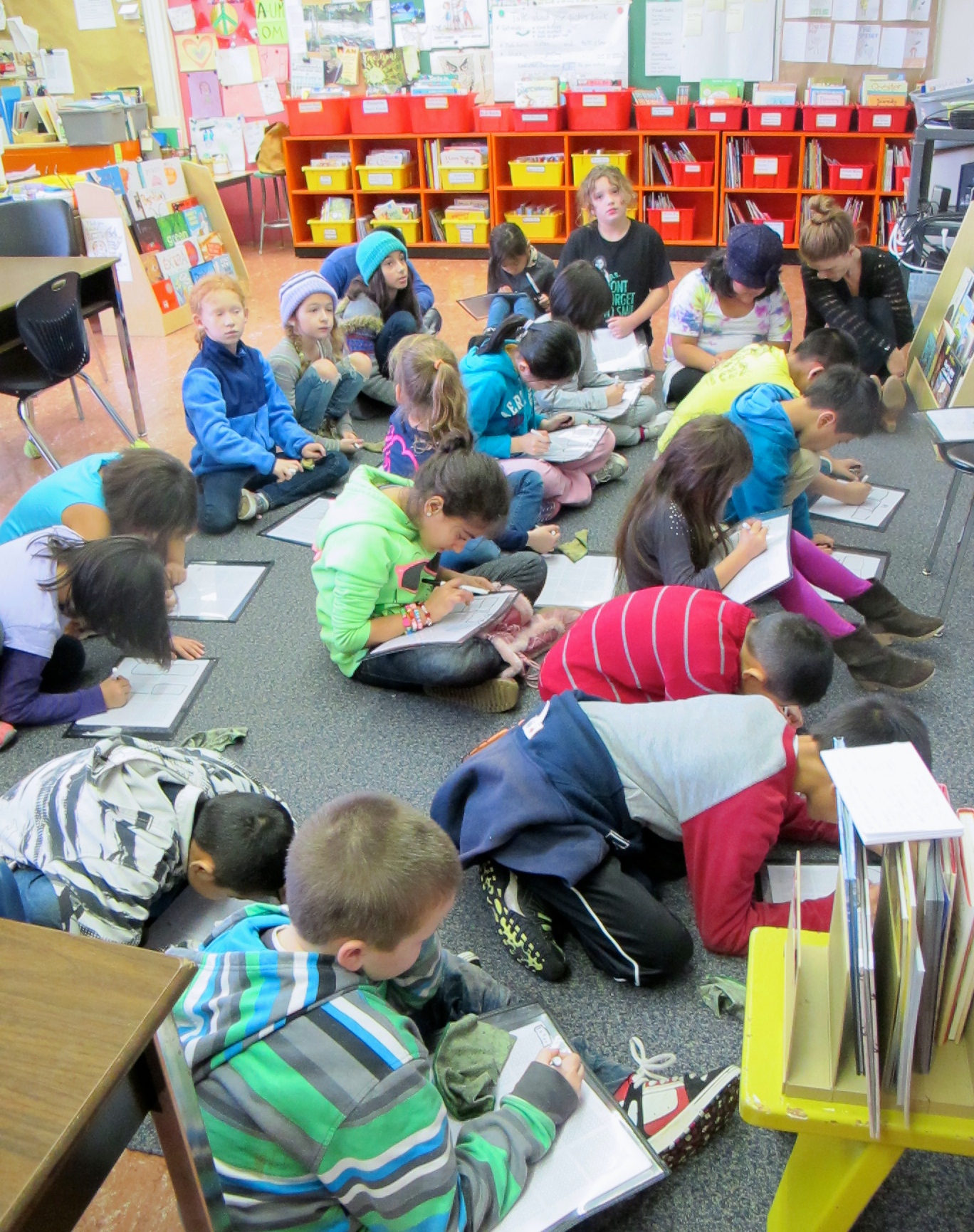
I break my students into groups of 6-8 children and provide enough books so that each child has two books to look at for a two minute period. I literally set a timer and when it “dings” we pass our books to the next person in the circle. Every two minutes switch.

Nonfiction conversations: Book sharing circles - what nonfiction titles are we drawn to and why?

Before we begin the “looking at” and checking out books, I model. How can I spend a minute with a nonfiction picture book? What would I look at? How do I skim through the book, stopping for a closer look at things that interest me? What features am I looking for in a book? What is important to me?

Nonfiction conversations: Book sharing circles - what nonfiction titles are we drawn to and why?

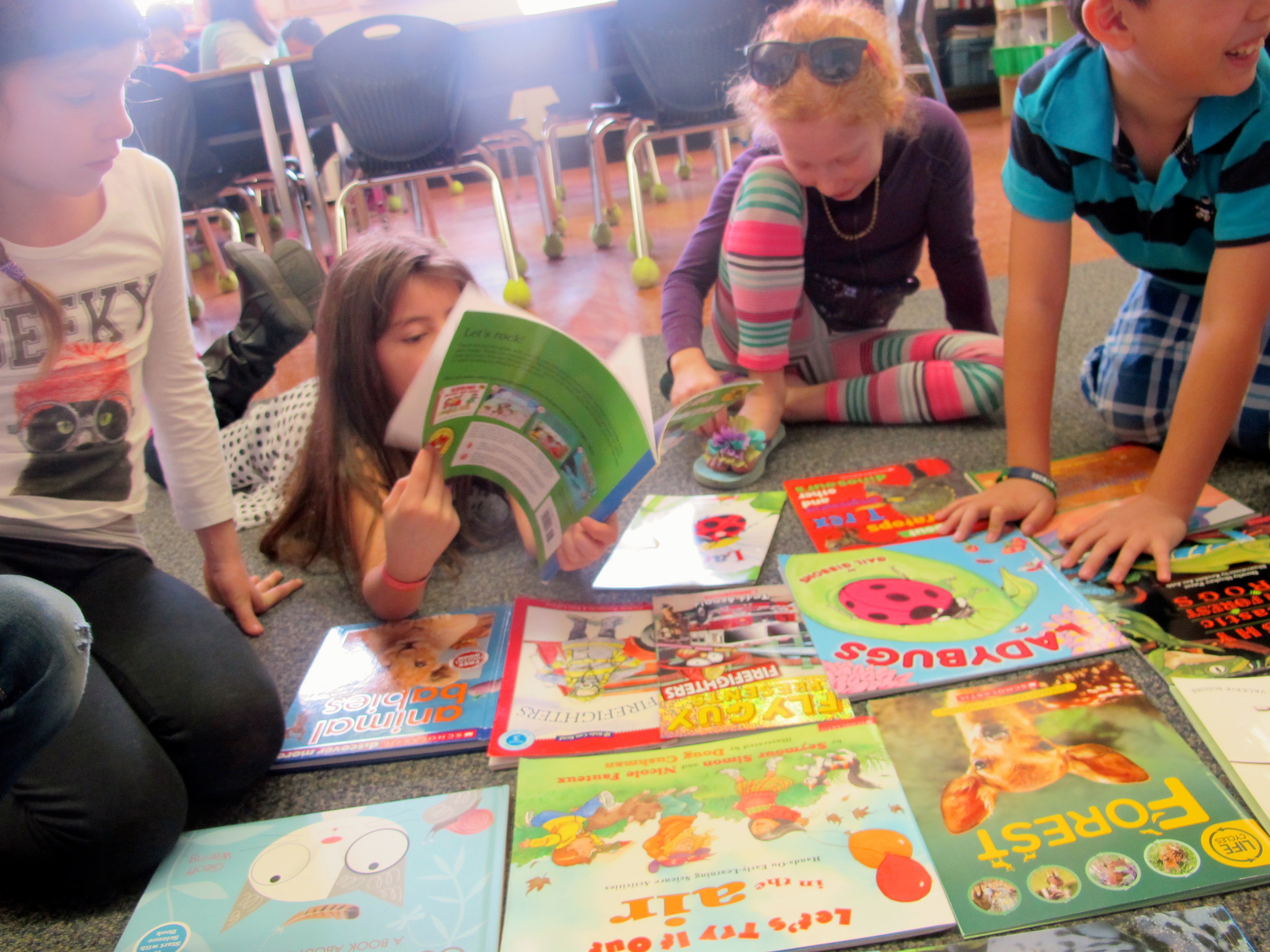
At the end of a full circle of sharing, I have the kids place all of the books in the centre and we talk. What books were favourites? What books were not appealing? What title would you like to put in your book box right now? Why?

Nonfiction conversations: Book sharing circles - what nonfiction titles are we drawn to and why?What came out of our discussions today? Here are the students’ responses.

Books that we wanted to keep reading:

  • “had answers to questions I was wondering”
  • “have lots of different information and it is easy to find on the page”
  • “have great real life photographs or interesting illustrations”
  • “are about a topic that I really like”
  • “told me something I didn’t already know.”
  • “made me wonder stuff.”

Books that we might not pick up again:

  • “have too basic facts”
  • “have too much text on a page and no boxes or charts or labels”
  • “the illustrations aren’t interesting”
  • “are about something I already know lots about”
  • “they don’t make sense like I don’t know where to start reading’

Nonfiction conversations: Book sharing circles - what nonfiction titles are we drawn to and why?

As adults leading the groups we noticed

  • Illustrations/Photographs are key.
  • Two minutes at a time was the perfect time for focus and attention.
  • Certain books needed more direction – how to navigate, highlighting certain features, etc. and then interest increased.
  • Kids did judge a book by its cover but changed their minds after spending a minute flipping through.
  • The expectation of quiet with sharing at the end helped children focus.
  • Particular series are tried and trusted.
  • Certain topics were particularly interesting (space, weather, etc.) and our nonfiction collection needs more titles on these topics that students can read independently.

I am now thinking of all of these things as I make a few new purchases for the classroom and am hoping the children are excited to make some new choices in their nonfiction reading tomorrow!

Nonfiction Picture Book Wednesday: A celebration of nonfiction enthusiasm

I am reading nonfiction titles. I will share some new titles soon. Promise. But, this week I just have to highlight some more of the book love being celebrated in my room for nonfiction reading!

Every January, we implement Nonfiction Reading Day as part of Reading Workshop. Of course, students can and do read nonfiction throughout the week but Tuesdays are the day we do more nonfiction book talks, share a variety of responses to nonfiction text, teach about the features and most importantly, provide lots of time to read nonfiction titles. It is noisy. The room buzzes with learning and chatter. Lots of sharing. Lots of wondering. Lots of reading more to find out more.

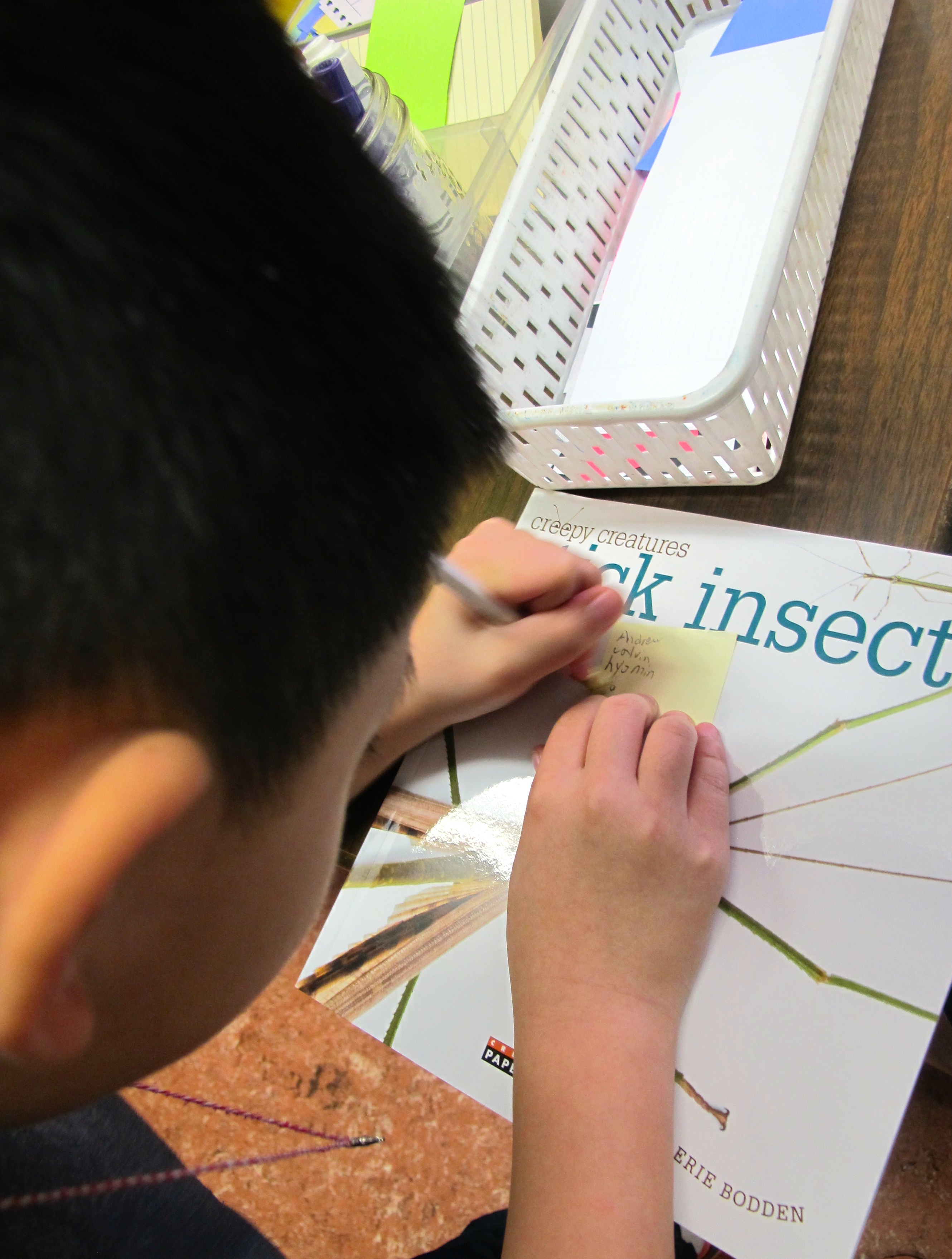
Many books I book talk need the “sticky note list” for who gets to read it next. This book about stick insects was passed on quickly today as the first reader was so offended by a photograph of a bird eating a stick insect that she passed it off to other interested readers and went and talked to the stick bugs in our cage, consoling them and murmuring proof of their safety in the tank! Then, she found a fact book and settled into reading.

Nonfiction Picture Book Wednesday: A celebration of nonfiction enthusiasm

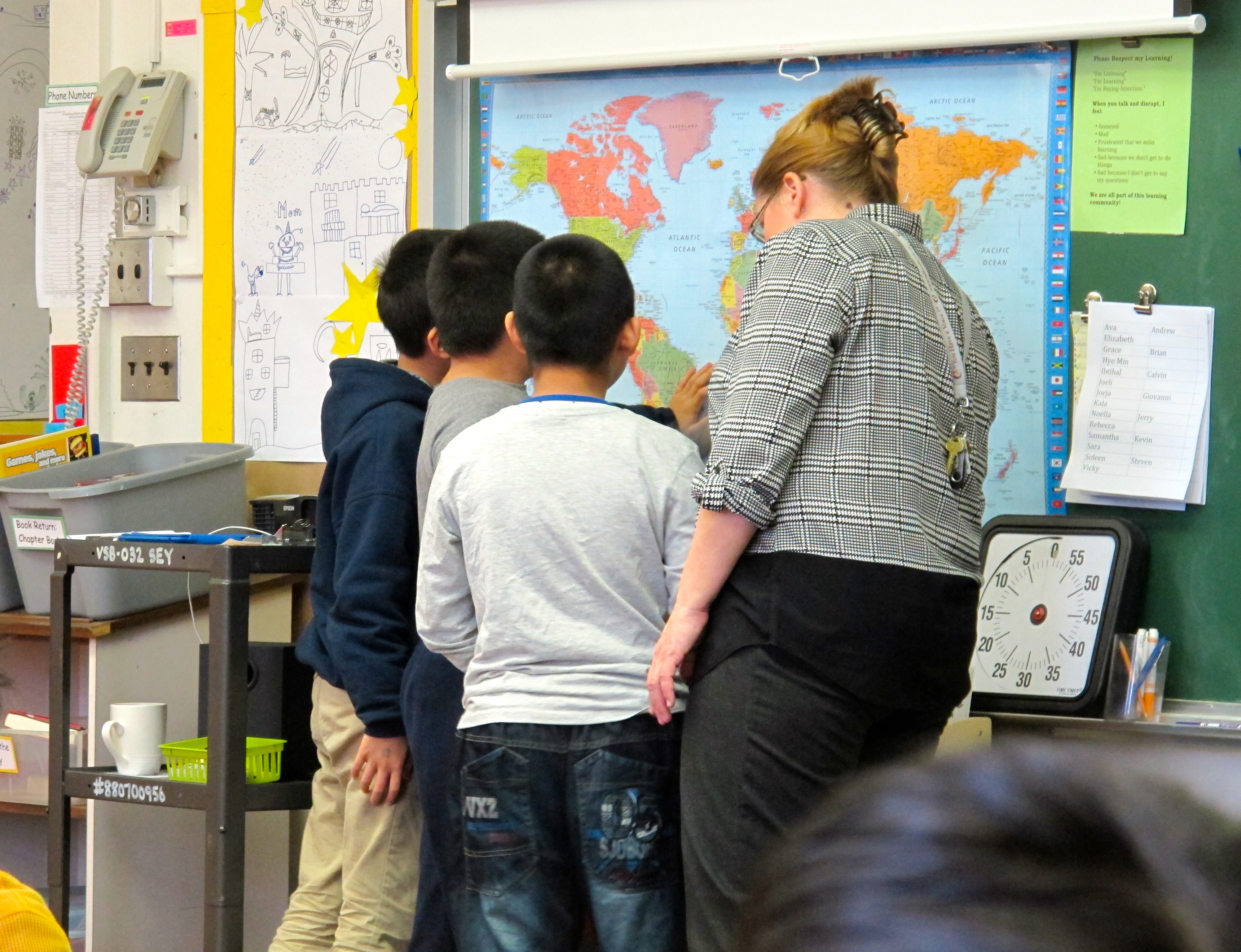
I love that nonfiction reading often means leaping up to search for places on the map!

Nonfiction Picture Book Wednesday: A celebration of nonfiction enthusiasm

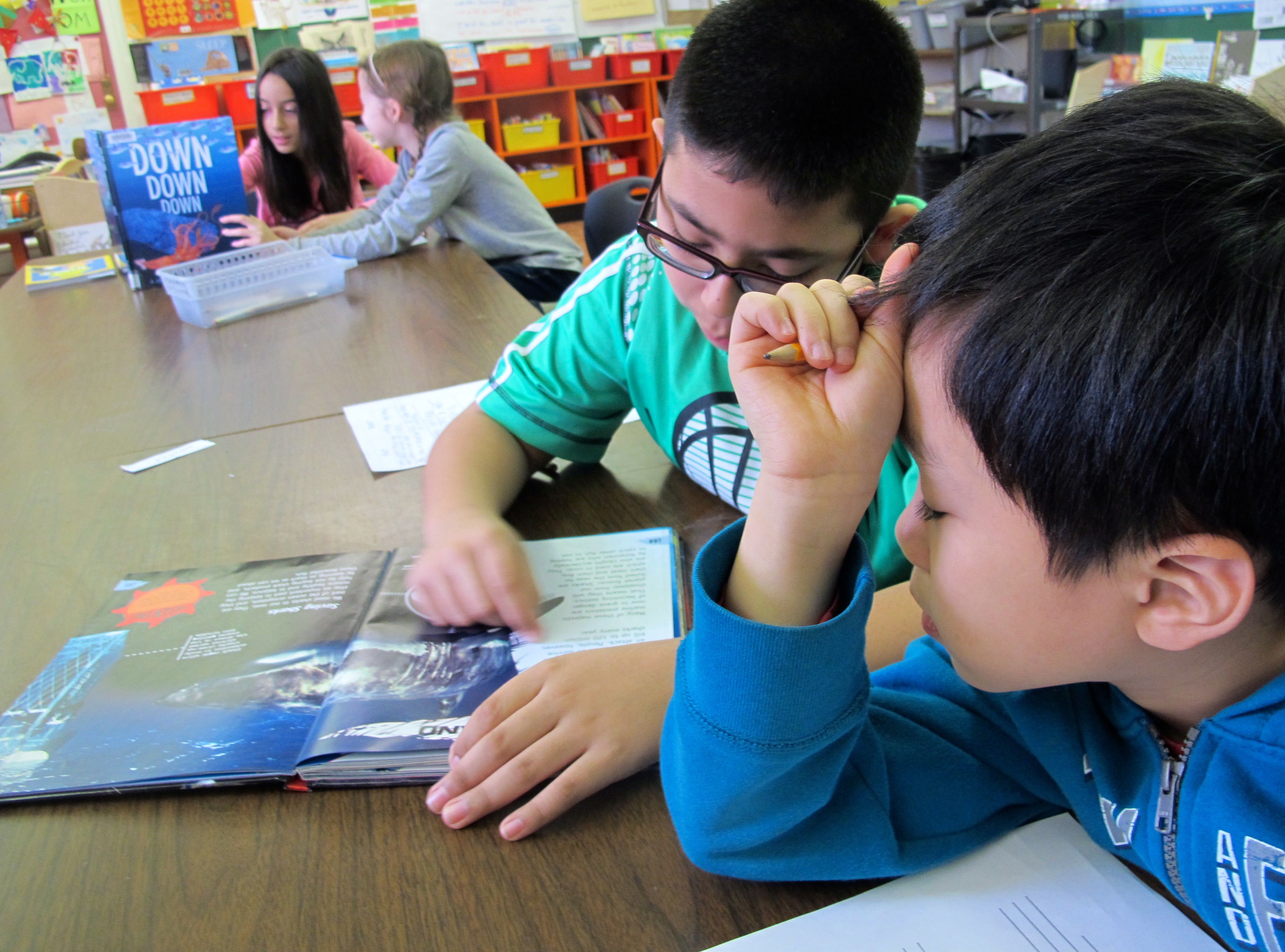
Nonfiction reading lends itself to discussion and sharing. Yes, there is lots of talk. But it is purposeful talk. On topic talk. Teaching talk.

Nonfiction Picture Book Wednesday: A celebration of nonfiction enthusiasm

I often observe rereading happening between students. “Listen to this.” “Hold on, let me read that again? “Do you think that means . . . ?” “Well it also says . . .”

Nonfiction Picture Book Wednesday: A celebration of nonfiction enthusiasm

I am also noticing students choosing a few books on the same topic and reading to confirm and verify what they are learning between texts.

Nonfiction Picture Book Wednesday: A celebration of nonfiction enthusiasm

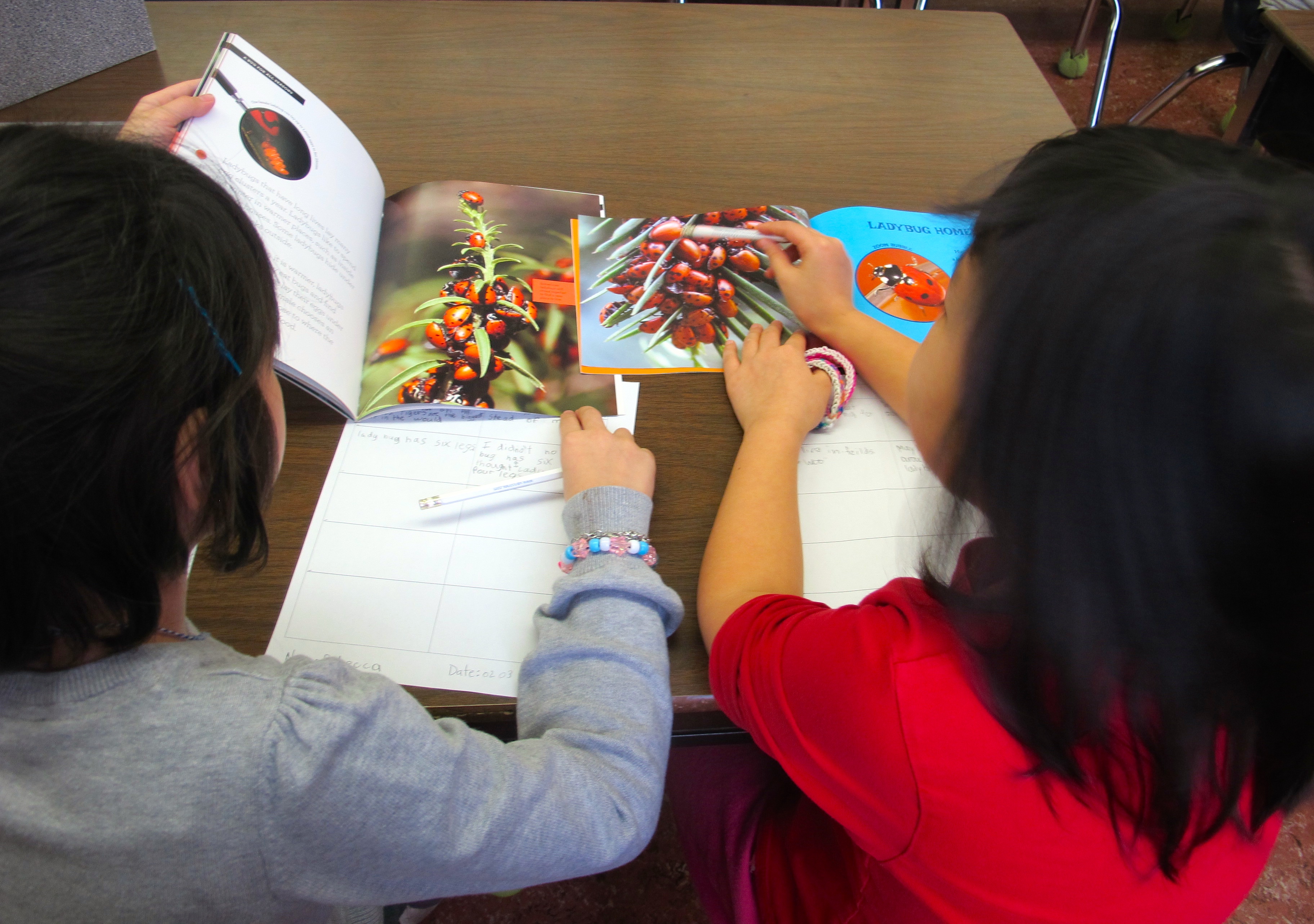
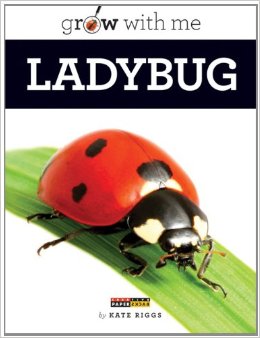
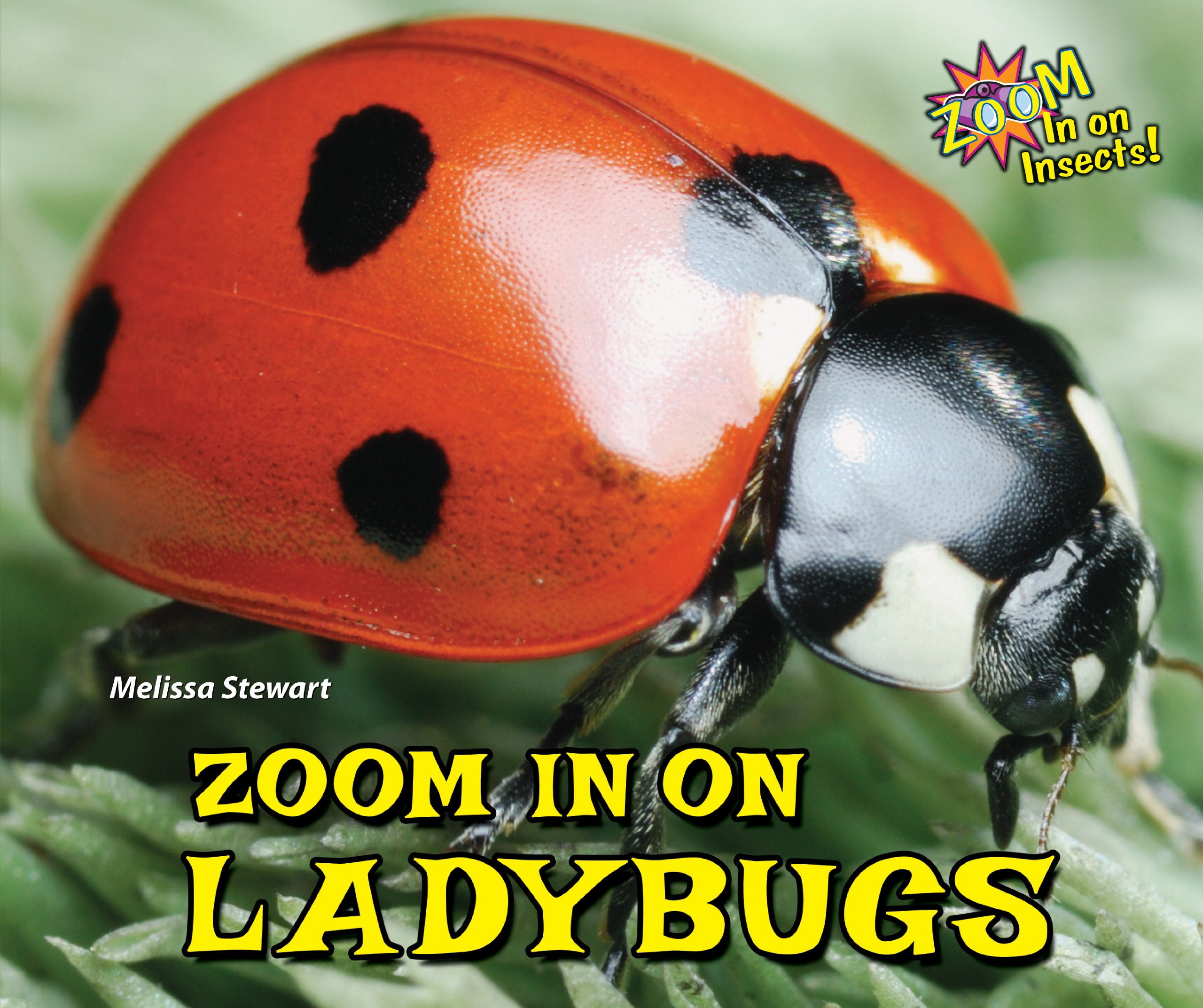
These girls (above) are reading Grow with Me Ladybug by Kate Riggs and Zoom in on Ladybugs by Melissa Stewart

grow with me ladybug Zoom in on  Lady bugs

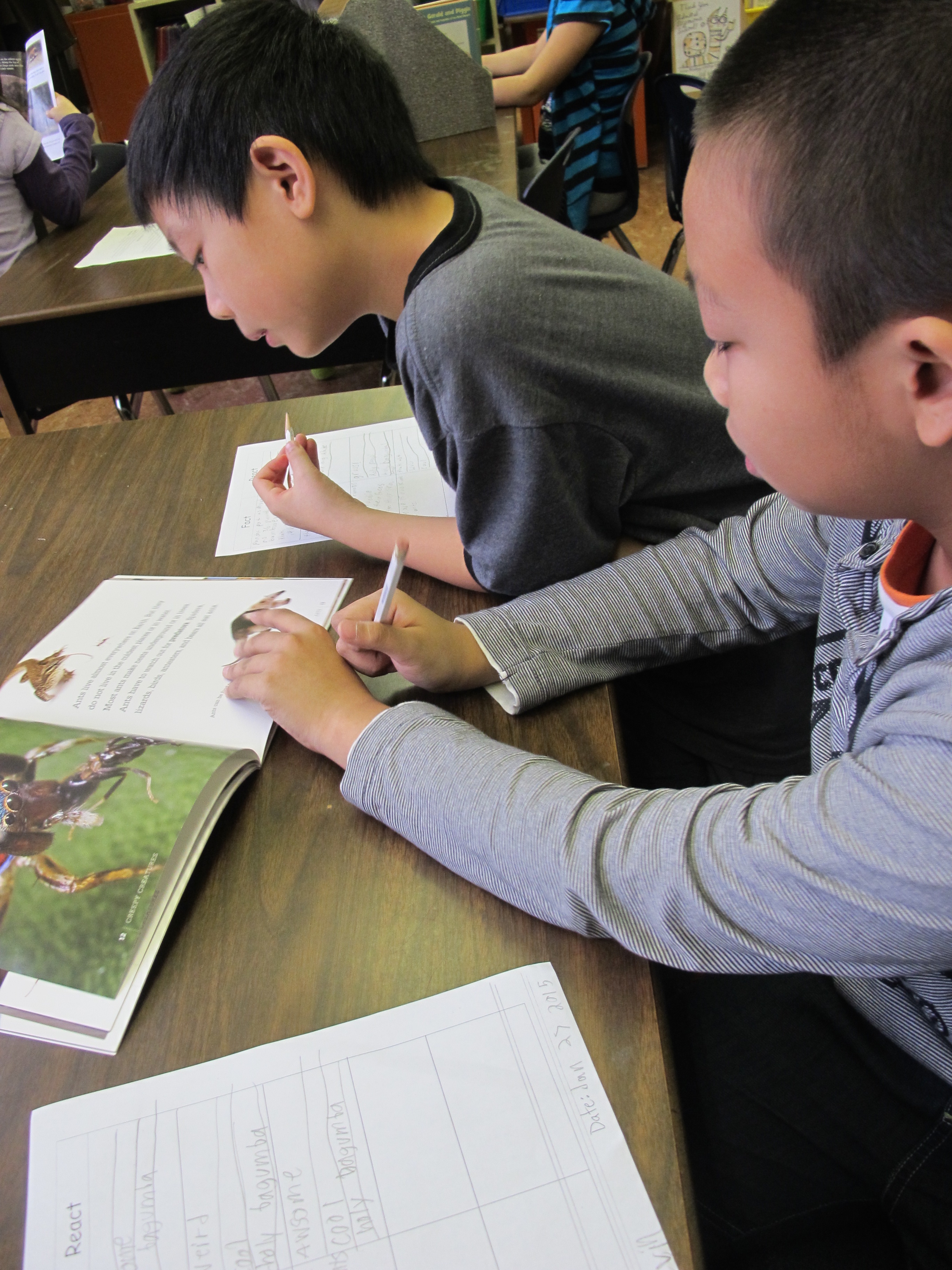
Important thinking happens as students include their thinking on Fact/React sheets (thanks to Adrienne Gear for the inspiration for this BLM) We are working to “react” in various ways: Does the fact inspire a question or a wonder? Confirm something we already knew a bit about? Confuse us? Connect to something we have experienced? Make us have a physical or emotional reaction? Lots of thinking is being shared

Nonfiction Picture Book Wednesday: A celebration of nonfiction enthusiasm

Students are loving our focus on nonfiction. One little reader remarked last Tuesday, “I wish everyday could be nonfiction day!” “It can,” I pointed out. “Oh yeah!” she said. “I’m going to read more of this book tomorrow!”

Nonfiction Picture Book Wednesday: A celebration of nonfiction enthusiasm

Thanks to Alyson from Kid Lit Frenzy for the inspiration to read and share more nonfiction picture books in 2015. Follow the link to Alyson’s blog to read about more nonfiction books you need to read!

#nfpb2015

Celebration: Starts with the letter R

celebrate-link-up

Over on my class blog, Curiosity Racers, I shared what happened as a result of this tweet from author Aaron Becker.

It is worth checking out.

Really!

All of those delicious R words have inspired my celebration post today.

I celebrate:

REWARD

My children had a Professional Day on Monday so they came to my classroom with me. This was a wonderful experience all around. They were great helpers and my students loved to interact with them. All my most precious children in one room! Watching the students share their love of books with my children who have been raised on books was a most rewarding experience.

Celebration: Starts with the letter R There's a Book for That

RESTLESS

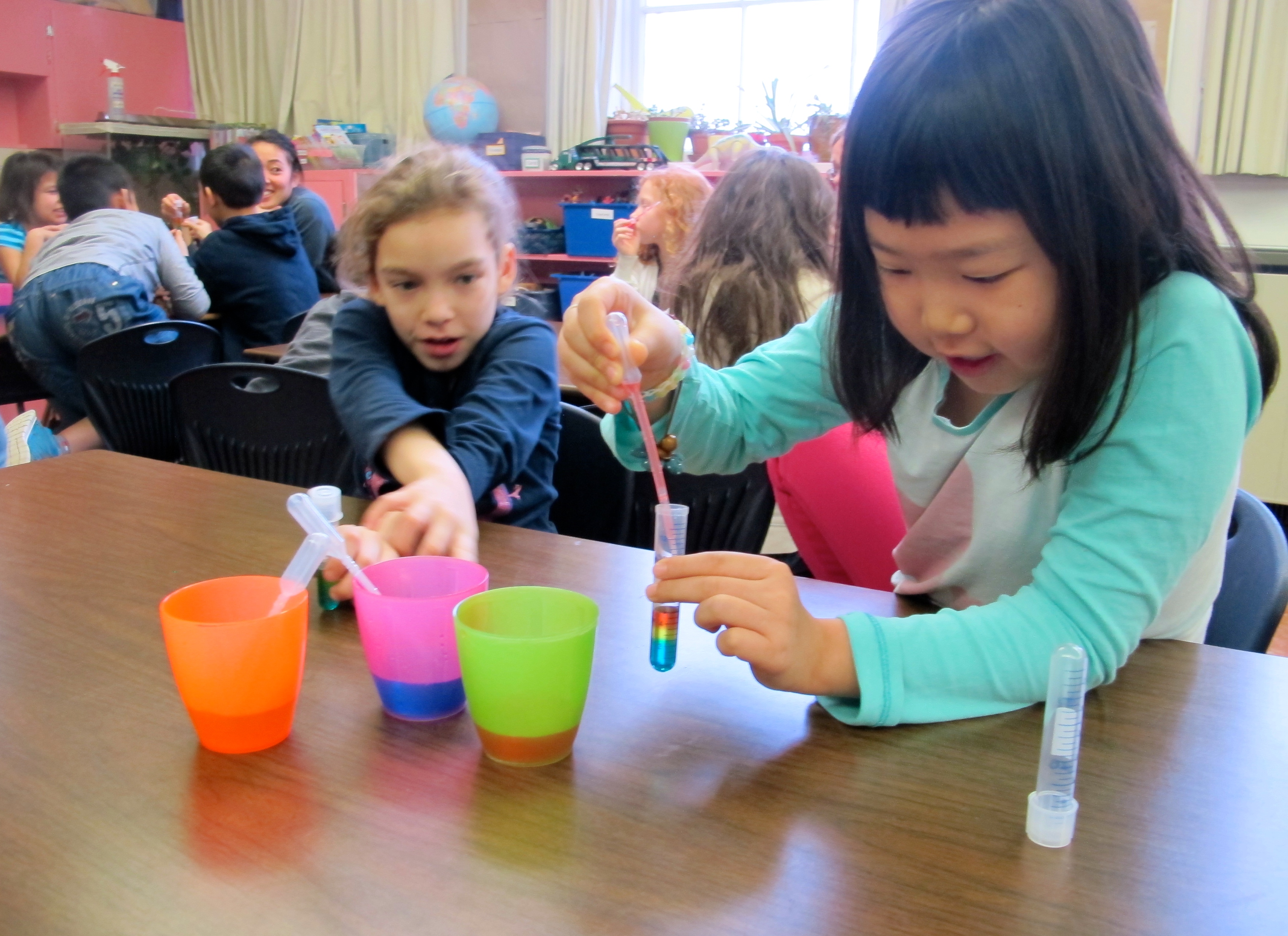
I love the restless energy of science experiments. Our favourite Let’s Talk Science volunteers came in on Thursday morning and led the students through some activities to learn about density. The excitement, the observing, the predicting, the confirming, the “Oh I get it now!” moments.

Celebration: Starts with the letter R There's a Book for That

RISK

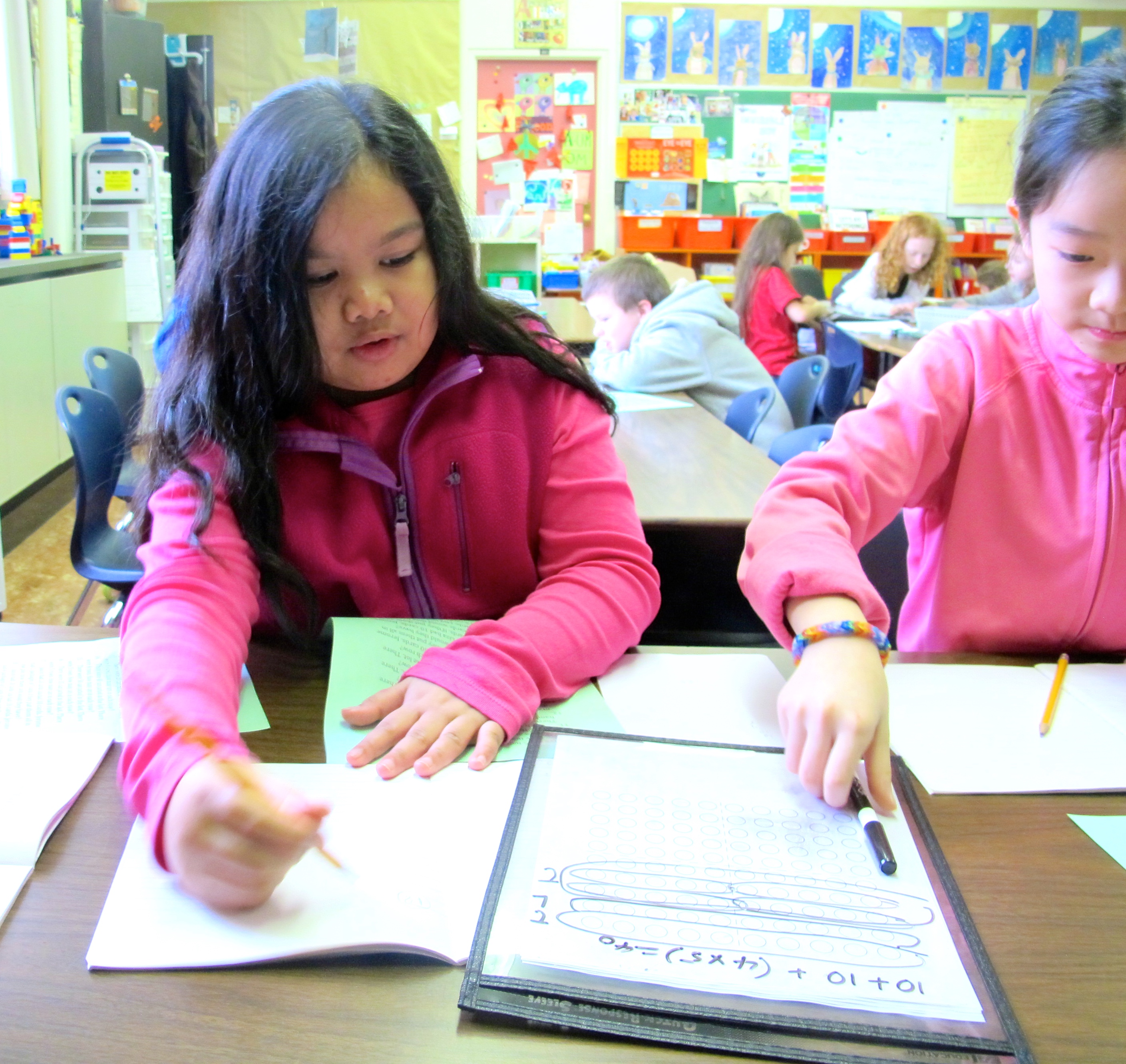
In math, we are solving a variety of multi-step word problems involving multiplication and division. I have been modelling different choices around using manipulatives or 100 dot array charts to represent the thinking. Students have been working together to solve and write equations that represent their process. I love the confidence, the starting over, the talk, the thinking.

Celebration: Starts with the letter R There's a Book for That

REVEAL

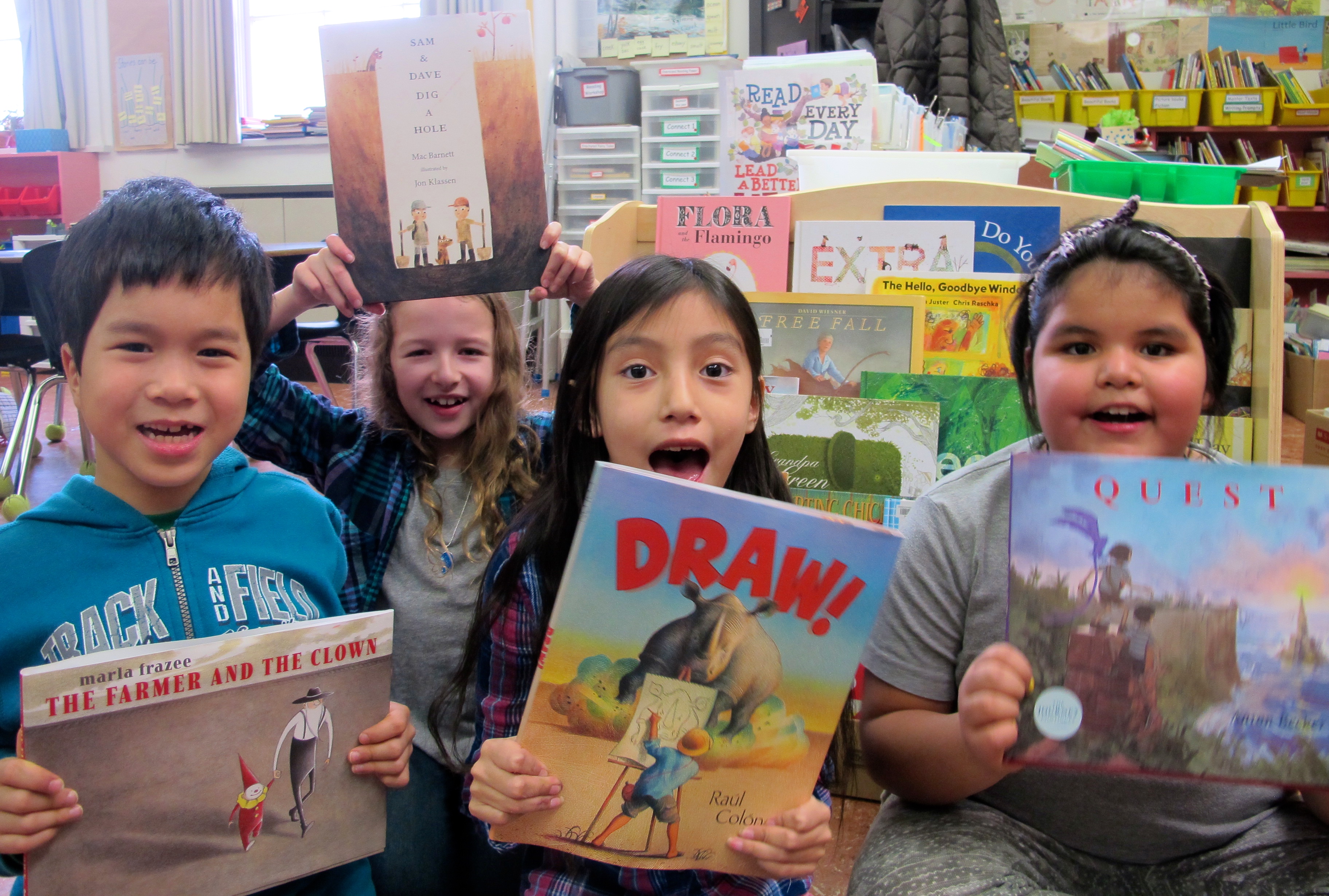
Yes, the results of our #MockCaldecott are in! The winners are . . .

I hope to be posting more about this soon!

Celebration: Starts with the letter R There's a Book for That

RAGE

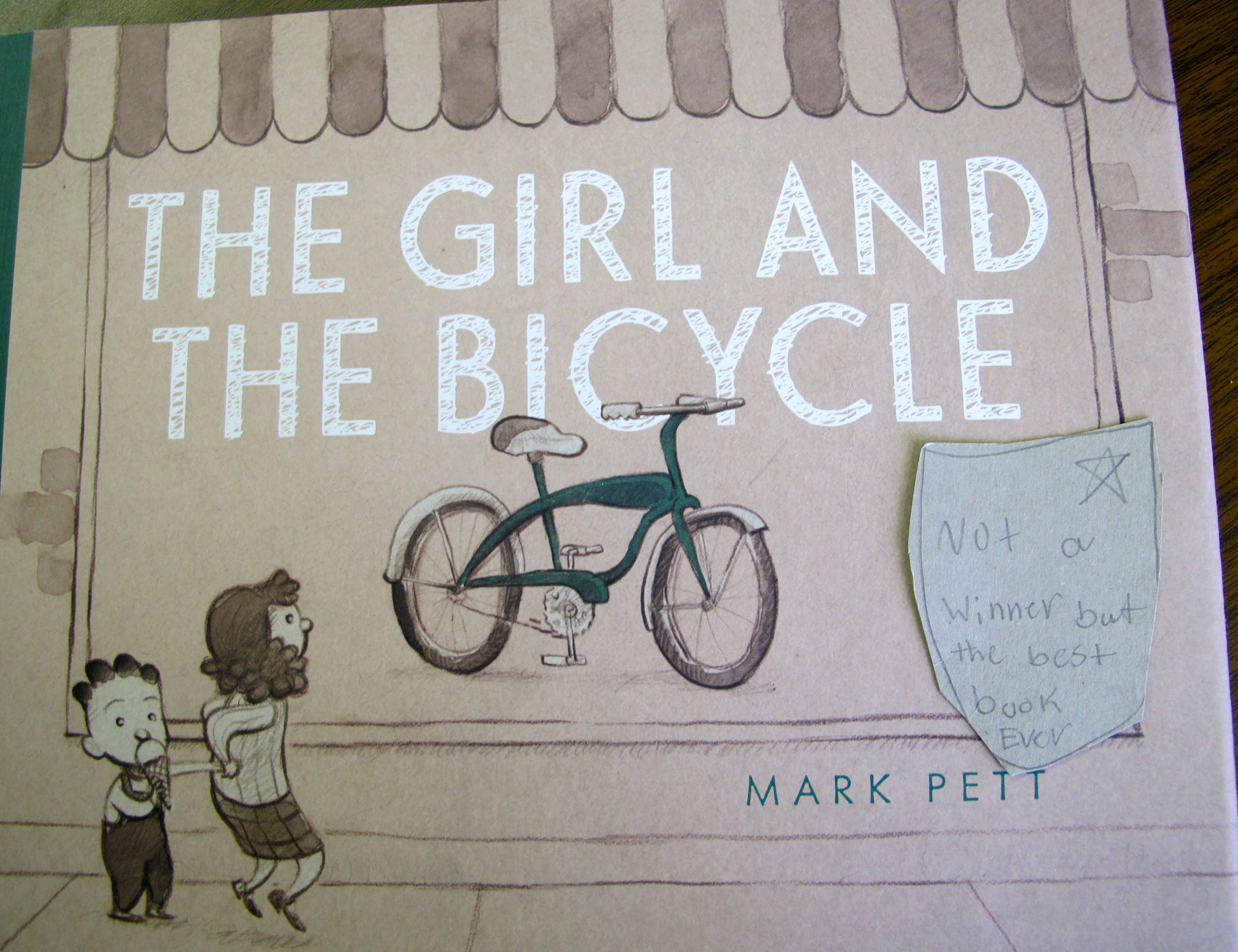
We have some very passionate readers in our room. When this title by Mark Pett wasn’t one of the winners (it was so very close!), one super fan gave it its own medal!

Celebration: Starts with the letter R There's a Book for That

And author/illustrator Mark Pett approved 🙂

RAVE

There was lots of gushing over favourite titles in this #MockCaldecott process. Everyone had a chance to write about the books they loved and why. Oh, the book love! Celebration: Starts with the letter R There's a Book for That Thank you to Ruth Ayres and the #celebratelu community! Being part of a community that regularly shares gratitude and celebrations truly transforms my weeks. Read all of the celebrations by following the links shared here.

Celebration: In the room

It is report card writing season. This weekend is the big push. I am going to be spending a lot of time on the page. It’s all about my students supposedly, but it doesn’t really feel that way. I need to assign grades. Sigh. I have big allergies to this. It feels like labels. I don’t do labels.  It feels stuck. A measure of achievement. Yet, learning in our room is all about movement. Traveling along a continuum. Big leaps. Tiny steps. Looping back and then surging forward. A. B. C+ These letters have little to do with that.

Celebration: In the room There's a Book for That

I need to use language that is supposed to be specific but actually confuses everyone including me. It’s hard to be specific and remove the jargon. It’s hard to be specific and capture each child. Oh, my, my. I am going to be spending way too much time in these next few days on the page writing about my students. How can I capture the wonder of the daily in the room magic in a document like this? Report card writing season. How I despise it.

Celebration: In the room There's a Book for That

What do I celebrate this week? All of the time doing what we do everyday. The shared experiences are what the learning is all about. It is where one can watch what these learners really do. So before I have to leap into the deep end of the report card writing situation I know I can’t avoid, I am going to hold up and savour some in the room moments.

Celebration: In the room There's a Book for That

Every day, I celebrate being in the room and bearing witness.

This week, I particularly treasured:

  • Reading poems aloud more than once. Oh, Joyce Sidman, you are every kind of brilliant. Having the children clamour to share their favourite lines or phrases. That they ask if we can do this everyday.
  • Listening to the sincerity expressed during gratitude circle. “I am grateful for the clothing give away. Some kids got to get some new things they needed. And they were happy.”
  • Having a child (once described as a struggling reader)  ask me if we could have some quiet time one afternoon. He wanted to read more. His book was too good to be away from.
  • Math on Thursday morning. After 35 minutes of exploring problems and various ways to represent and solve them, I correctly pointed out that I hadn’t taught a thing but simply held up fantastic solutions and led a discussion. When the learning happens from each other, well . . .
  • The giggles, the singing, the smiles that is buddy reading with our Kindergarten buddies. The quiet pride that lingers in the room when the little ones line up to leave.
  • When one girl, new to our school this year, told me that this school feels like home. Her smile when she said this – everything.

Celebration: In the room There's a Book for That

I will write report cards.

I will try to showcase the growth, the personalities, the strengths.

But, I look forward to Monday when I can once again be

in the moment,

with the children,

in the room.

Thank you to Ruth Ayres, for the inspiration and her Celebration Link up that she hosts each week. I love how being a part of this #celebratelu community reminds us weekly to look for the positive and take some time for gratitude.

celebrate-link-up

Nonfiction conversations: Talking nonfiction picture book biographies with kids

When I read aloud nonfiction titles to my class, it takes a long time. Often, we stretch a read aloud over weeks. Lots of reading aloud is happening in our room – a novel, various picture books, selections from titles we are book talking and always, always, one or more nonfiction titles.

No, my students don’t forget what was happening between read aloud sessions. Connections are made in the days between. We pick the title up and we loop back into our previous wonders, observations and learning. We bring more to the next time we read because there has been space for more thinking, more questions. And always, our nonfiction read alouds are titles we use to talk and share our thinking.

Turn and Talk. Share out. Repeat. Repeat. Repeat.

Lots and lots and lots of talk.

We retell. We predict. We infer. We look for evidence. We list questions. We share observations.

The talking is rich so the learning is rich.

It sounds like:

“I noticed that . . . ”

“But we are still wondering why. . . ”

“Last time we learned _______ so .  . . ”

“My partner and I have a question still.”

“Oh! Now I get how . . . ”

“This is connected to what _____ just said: . . .”

So when I finish a nonfiction title, the book has become part of our classroom community. Our shared knowledge. Our shared thinking. Our layers of learning. Often, when I read the last page, the students clap. They jiggle about. We have come out the other side a little more enriched with knowing more about our world. We are celebrating.

Am I reading a variety of nonfiction titles aloud? I think so. I am so very conscious of this thanks to the conversations I have had via twitter and blogs with authors and educators who read, write and share nonfiction titles. I am particularly indebted to author Melissa Stewart and educator Alyson Beecher for stretching my thinking. When I think back to titles we have read deeply and meaningfully, I find narrative non fiction like biographies and nature themed books feature big. But I also read a lot of expository titles. And I often share snippets from what Melissa Stewart calls Fast Facts titles. See her Pinterest pages for specific examples.

So if I am exposing my students to a variety of styles, what do they think? Are they enjoying the genres we are reading? Starting with picture book biographies, I asked 🙂
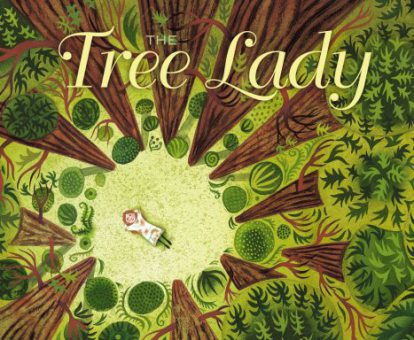
 The Tree Lady  Nonfiction conversations: Talking nonfiction picture book biographies with kids

Yesterday, we finished The Tree Lady by H. Joseph Hopkins and illustrated by Jill McElmurry. When I closed the book, there was the reaction I love. The big smiles. The big breath in. The sitting up straighter. The perfect time to grab their thinking while the reactions were fresh. I asked questions and wrote down all of these thoughtful responses. Sharing here:

Me: “So what words describe how we are feeling right now?”

Class: “Hopeful.” “Energized.” “Joy” “Like standing up and connecting to the Earth.” “Smarter.” “I like Kate so much. It happened a long time ago but her soul probably still speaks for trees.” “She was one person who did so much.”

Me: “This is one of many picture book biographies we have shared together. Last year we read Me . . . Jane (by Patrick McDonnell), Who Says Women Can’t Be Doctors?: The Story of Elizabeth Blackwell (written by Tanya Lee Stone and illustrated by Marjorie Priceman), The Boy Who Loved Math: The Improbable Life of Paul Erdos (written by Deborah Heiligman and illustrated by LeUyen Pham), and many others. Why biographies? Why do you think I share these with you? Why do you like these titles? What are you thinking?”

Class: “I like to know about what other people did.” “I like those books that tell the story of someone who can’t but then they did.” “Kids can learn a lot.” “It inspires us.” “I respect people who helped us in the past.” “I feel grateful.”

Me: “Why do you think authors keep writing biographies?”

Class: “We are really interested. They know we will be.” “People can know about the past.” “It’s so we can know that one person can change things.” “So we will know history.” “Kids should know how things have transformed.”

Me: “How do these books make you feel?”

Class: “They show me not to be scared.” “They make me feel happy and inspired.” “Yeah, lots of inspired.” “People can do big things.” “I am learning history. About people who changed a city, or a country or the world!” “I like learning so much.” “This book also teaches us about community and dreams. We should think about that.” “Yeah. Cuz we will grow up and be adults. So we need to learn lots now.”

Me: “Okay. But here’s the thing, I usually read these titles to you. Then, a lot of you read them again. Or take them out from the library. But . . . would you choose to read these books on your own?”

Class: “Yes! Because I get to know facts and share them with other people.” “I don’t know where to find them in all libraries.” “Yes, because now I know there is lots of science in them.” “The librarians should make a big sign and an arrow – learn about interesting people in these books!” “It’s books that inspire you. We like that.” “It’s all new stuff. It’s nonfiction. I love nonfiction!”

Me: “But what if I had never read any picture book biographies to you? Would you choose to read them on your own?”

Class: A pause happened.

Then everyone started talking at once and I couldn’t write down specific comments. But I can summarize. Most students said that teachers need to show their students about these books. My language/their sentiment: Lots of exposure to this genre as classroom read alouds (where you get to talk and write and think together) will hook kids on this genre. Many expressed that they like that these books are written like a story that they can just settle in and at the same time, learn facts and be inspired. Some said they wouldn’t like to read a biography organized like other nonfiction titles with fact boxes, etc. because it would distract them from the person’s story. Some pointed out that some of the language would be too hard for some kids to read on their own. So these titles could first be read alouds and then be books they could read on their own when they were older. “Because we won’t forget about them,” one student added.

Me: “Should we read more picture book biographies this year?”

Class: “Yes!” “Six thumbs up!” “Like next week?”

My learning? It is still settling in. But a few things stand out.

  • It is imperative that we expose children to a variety of nonfiction genres
  • We need to name the genre. Talk about its purpose. Discuss how we feel and what we have learned.
  • Stories hook us. Stories that are full of learning and one particular personal story touch us deeply.
  • Conversation with children about what we are reading and talking about is so very rich

I wrote a series of blog posts in the summer about teaching with nonfiction titles. This post: Part 3: Interacting with nonfiction: getting students reading, thinking and talking together highlights some of what I am trying to emphasize here.

I plan to engage in conversations with my students about other nonfiction genres and share their thinking. Please let me know if this is helpful or interesting to you as you think about read aloud choices, nonfiction purchases, instruction around reading and sharing nonfiction titles.

*Note, my class is a Grade 3/4 class that I looped from a Grade 2/3/4 last year.

Celebration: Snippets of Wisdom

This week we hosted four student teachers from Simon Fraser University – two on Tuesday and Wednesday and two more on Thursday and Friday. These visits were a part of a week of observations in a variety of classroom settings. I celebrate that my students were so open and welcoming and that we were all able to do some learning and reflecting together.

Always our room is a busy, full speed ahead place but at the end of the week, what was “learned”? I think we managed to pass on a few snippets of wisdom. I love that my students can be teachers. Miriam and I learn from them everyday. This week, I think they gave these SFU students lots to think about.

A few highlights:

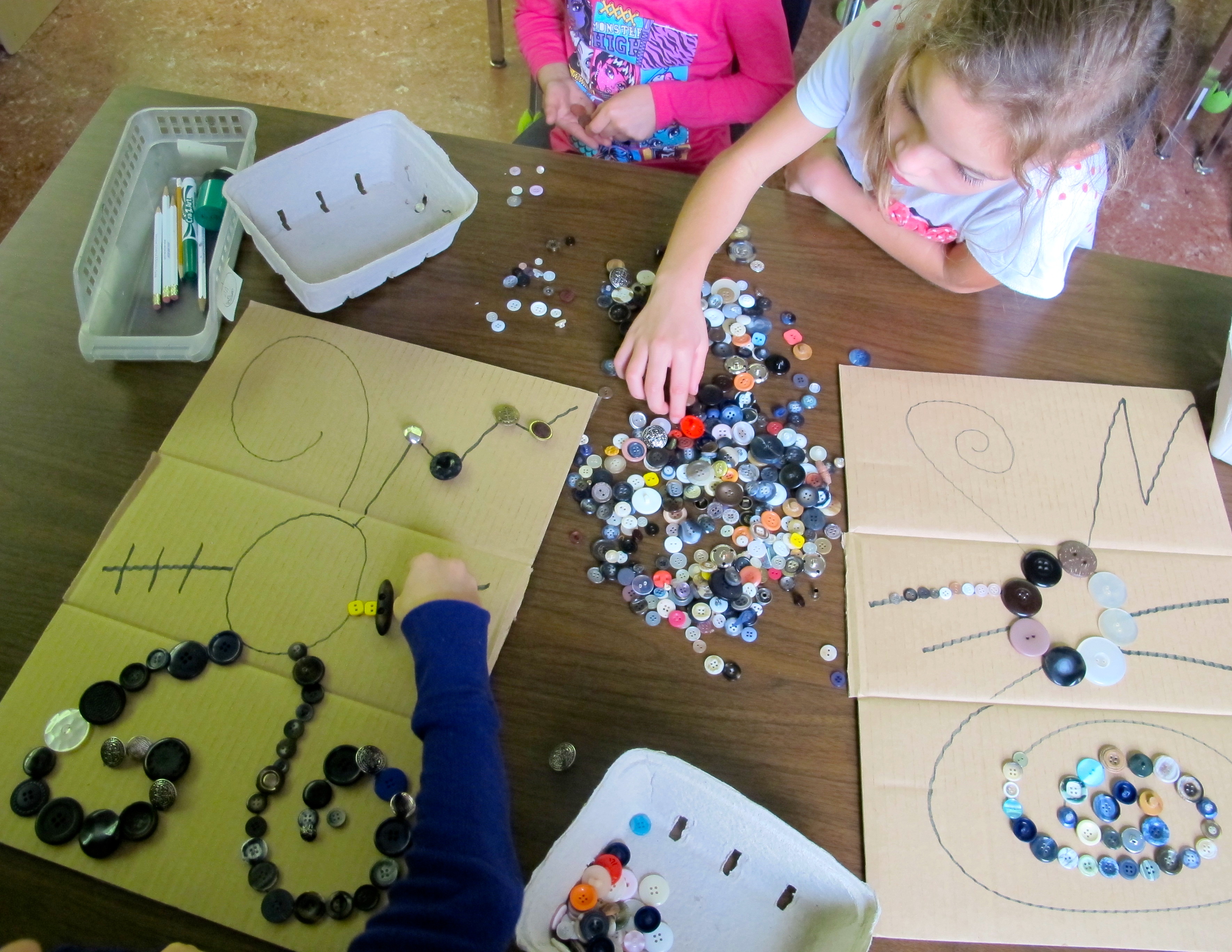
Busy, active, exciting – these things need to happen everyday. But, so does calm. Things we do: quiet time, mindful breathing, gratitude circles, an afternoon walk and quiet, reflective play. It can be simple. Buttons, cardboard, markers = 10 minutes of magic.

Celebration: Snippets of Wisdom There's a Book for That

Have a classroom full of books and lots of time to read them. Every day. Reading is quiet and solitary and social and joyous. Make time for all of it.

Celebration: Snippets of Wisdom There's a Book for That

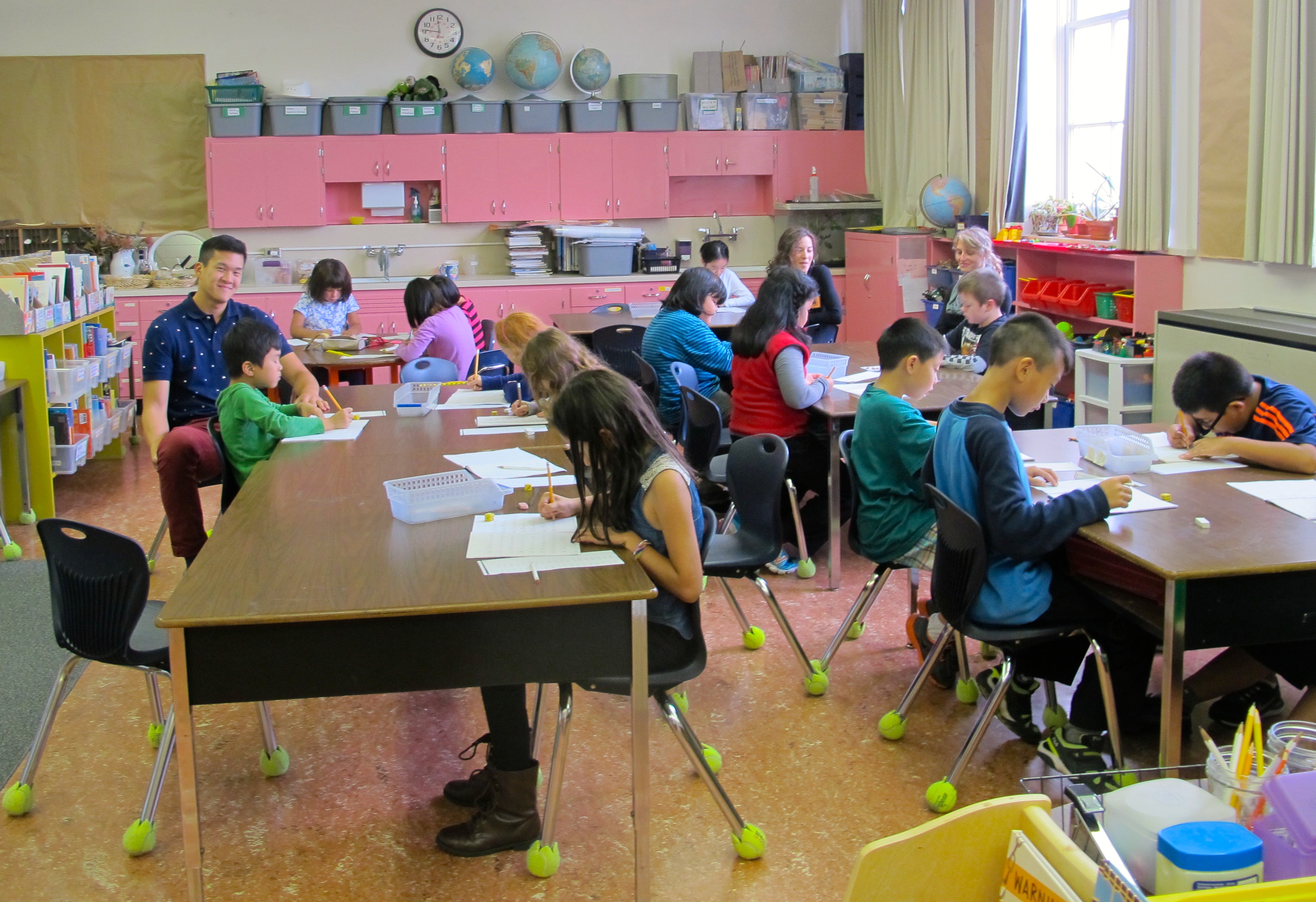
Great practice time for anything might involve “equipment” beyond a pencil. The handing out and collection of “stuff” needs to be well organized and logical. Let all of that process be smooth, and practice time can look like this.

Celebration: Snippets of Wisdom There's a Book for That

Let students collaborate and communicate while they learn. Talk, support, ask questions. And then, celebrate!

Celebration: Snippets of Wisdom There's a Book for That

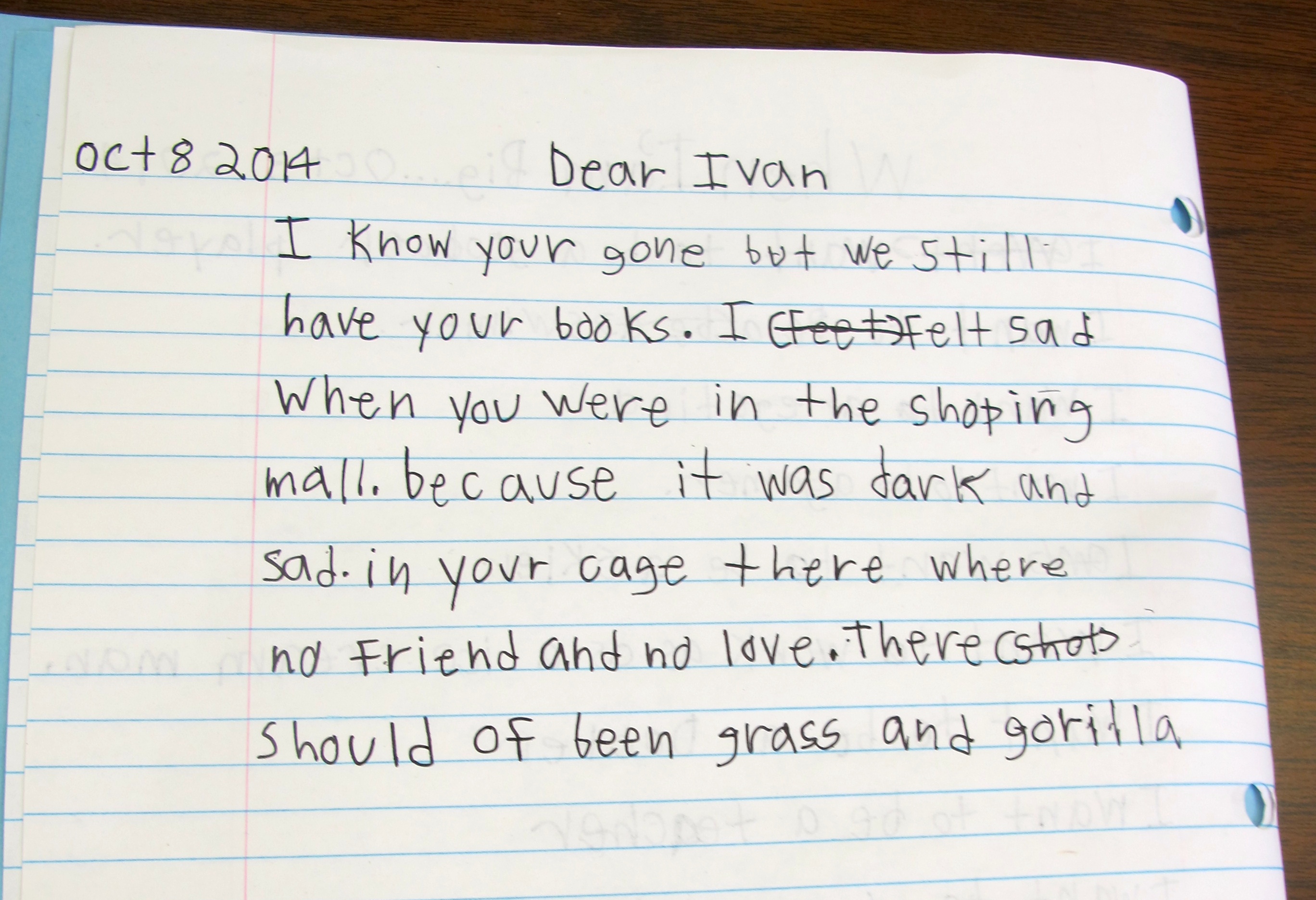
Don’t be afraid to tackle subjects and things that are emotional. We shared a sad video connected to a picture book that we read this week: Ivan: The Remarkable True Story of the Shopping Mall Gorilla written by Katherine Applegate and illustrated by G. Brian Karas. Yes, we had a few tears but we also had some great conversations. The resulting writing was powerful:

Celebration: Snippets of Wisdom There's a Book for That

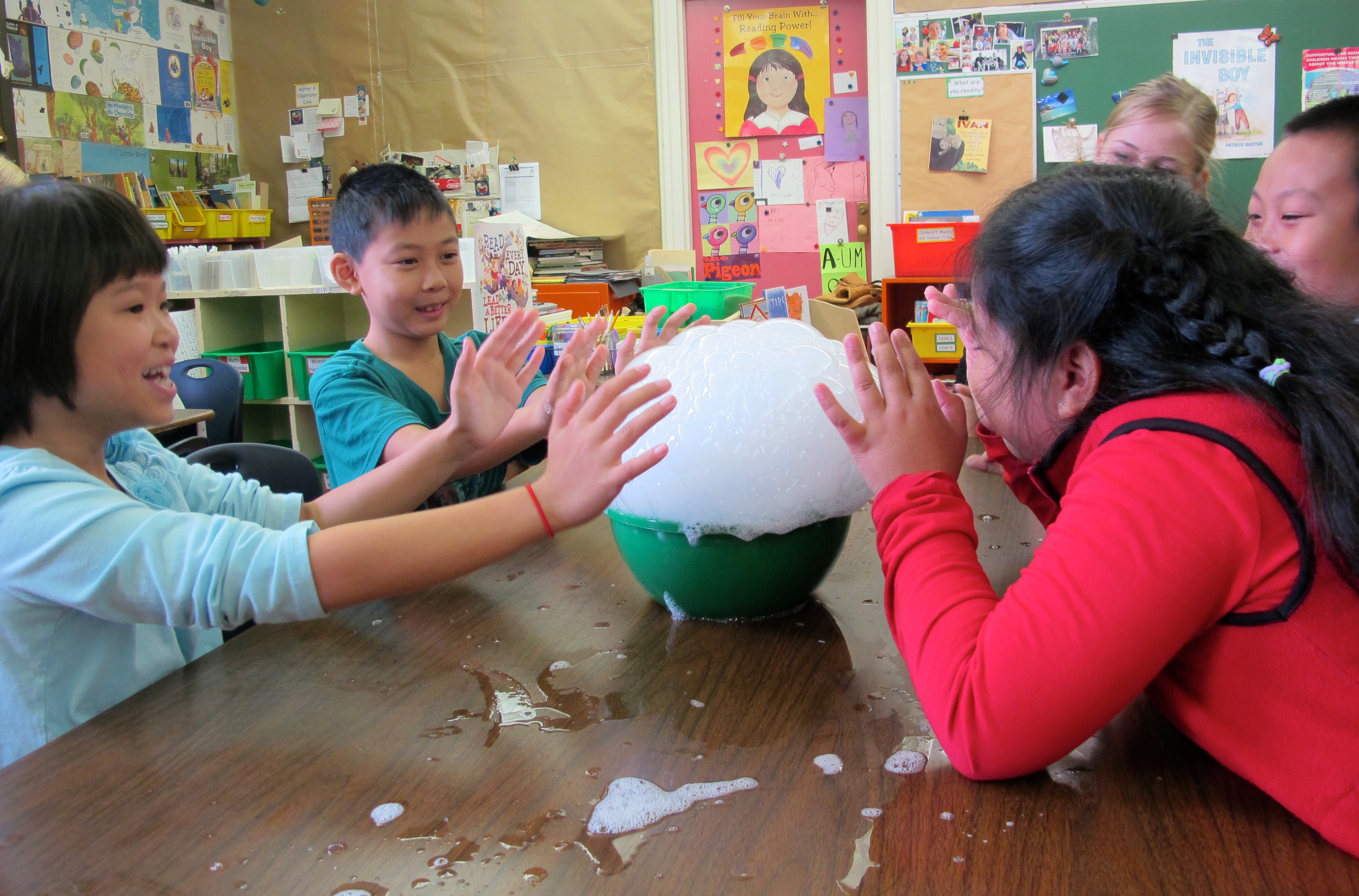
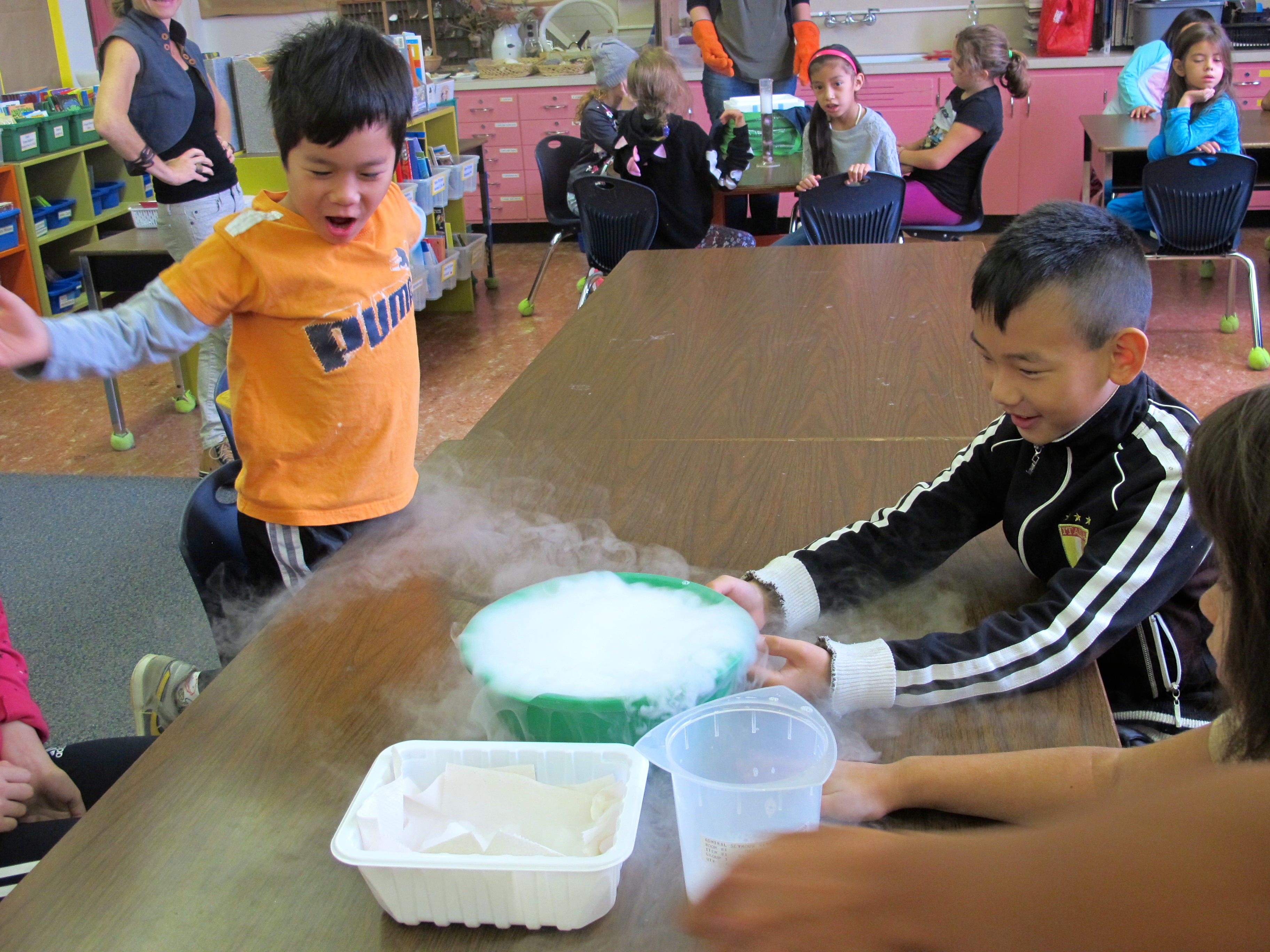
Invite others in to share their expertise. Our Let’s Talk Science volunteers visited Friday morning for their first visit of the year. We learned about the three states of matter and that when a solid becomes a gas, it is called sublimation. How? Well, there were lots of bubbles, coloured water and . . . dry ice! Fun and fully hands on.

Celebration: Snippets of Wisdom There's a Book for That

The big tip here? Let the “experts” do their thing and the kids have fun and learn lots. The classroom teacher’s role? Support, management, enthusiasm. Help it all go smoothly so everyone wants to do it again!

Celebration: Snippets of Wisdom There's a Book for That

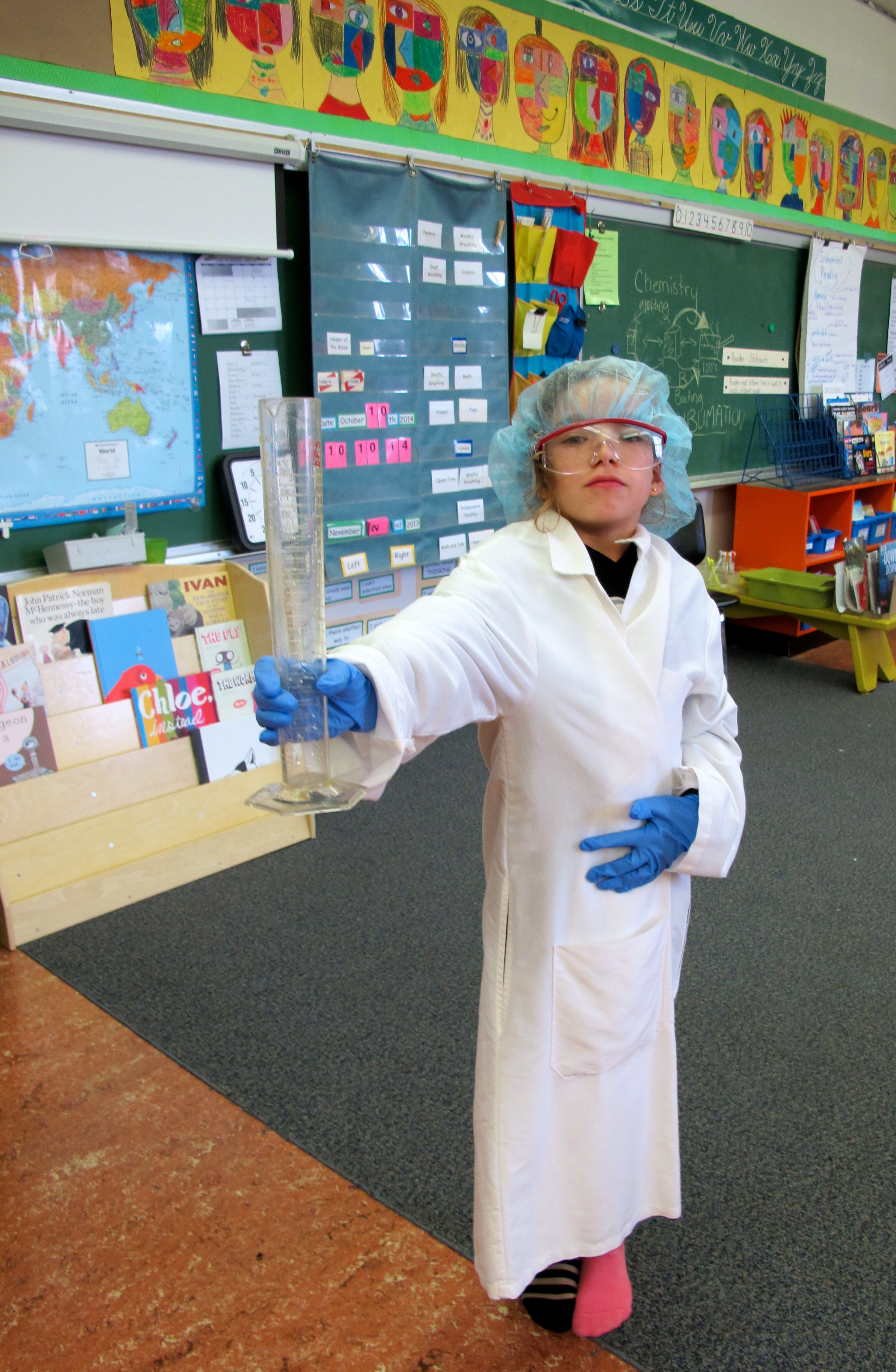
And of course, always be prepared. Have everything you need. Be safe. Look like you mean it.

Celebration: Snippets of Wisdom There's a Book for That

There were some other tidbits I passed on – things about paper (and aversions to it), creative interpretations of the IRPs and the power of clicky shoes. But it was the students doing what they do best that allowed the most powerful “teaching” to happen. And this is what I celebrate this week!

celebrate-link-up

Thank you also to Ruth Ayres, for the inspiration and her Celebration Link up that she hosts each week. I love how being a part of this #celebratelu community reminds us weekly to look for the positive and take some time for gratitude.

Celebration: Two Weeks in

It’s a strange feeling to be writing October on the board but yet, after a prolonged strike, we only have two full weeks of school under our belts.

Usually two weeks into a school year means routines are still being practiced and set, schedules are not fully organized, new staff are building relationships with the students and “school stamina” is steadily increasing.

While this is all happening in my classroom, it also feels like we are all a little ahead of the game. Is it a typical beginning of October? Not quite. But for a variety of reasons, we have hit the ground running and I couldn’t be prouder. Maybe, it is my excitement to be back and fully immersed in all of the learning. Maybe it is the exact same thing for the students. A lot has to do with the fact that I have again looped a class of students from a 2/3/4 into a 3/4 so that 17 children were in the room last year. Whatever it is, we are back in a big way and this is what I celebrate: our enthusiasm, our passion and our commitment to learning.
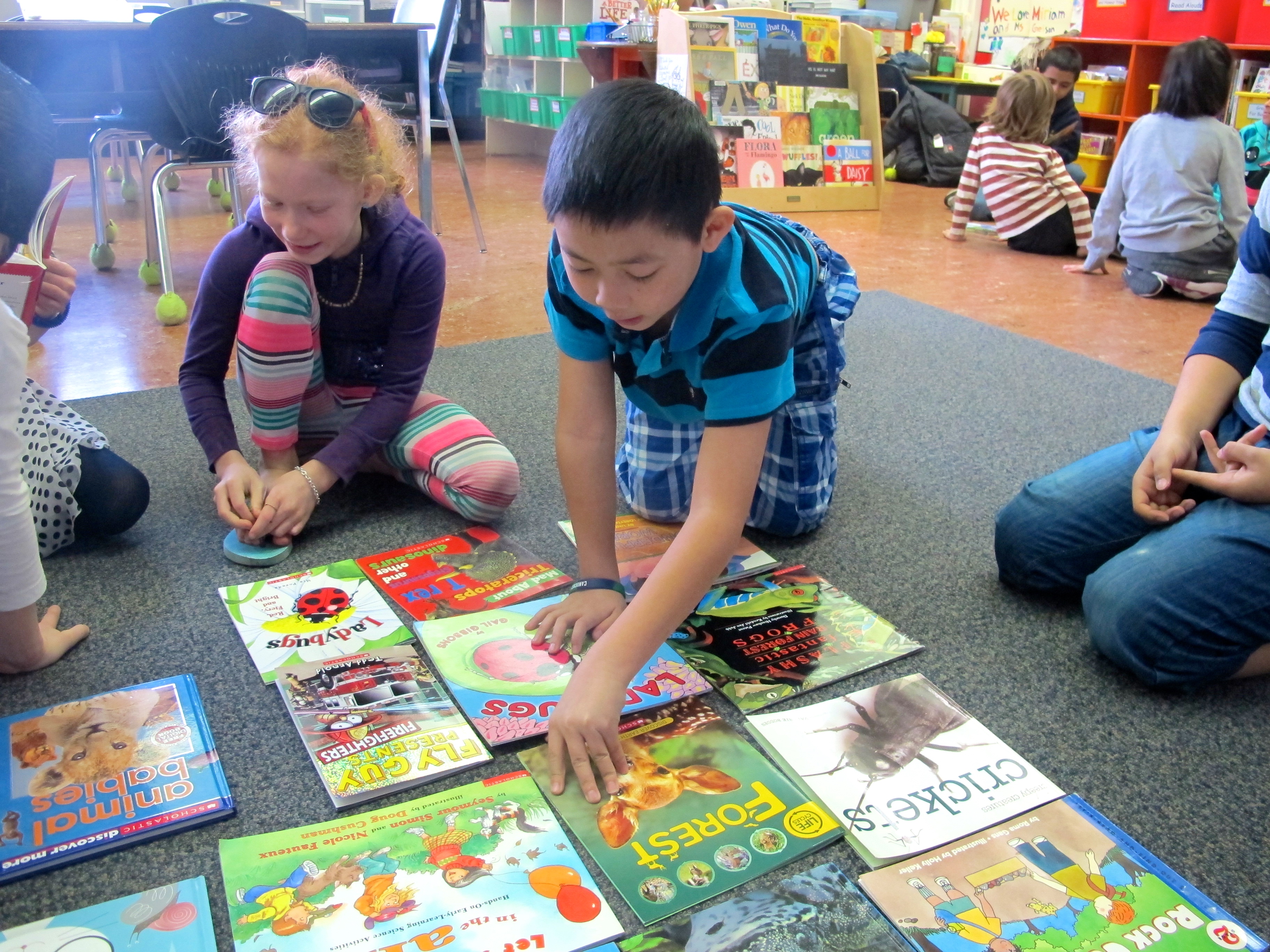
I thought at first that I was going to highlight all of the academics we have so quickly embraced, but as I was selecting pictures, I realized that our strength and our growth is always such a balance of learning, community and joy.

As I often do, I will let these photographs tell our stories.

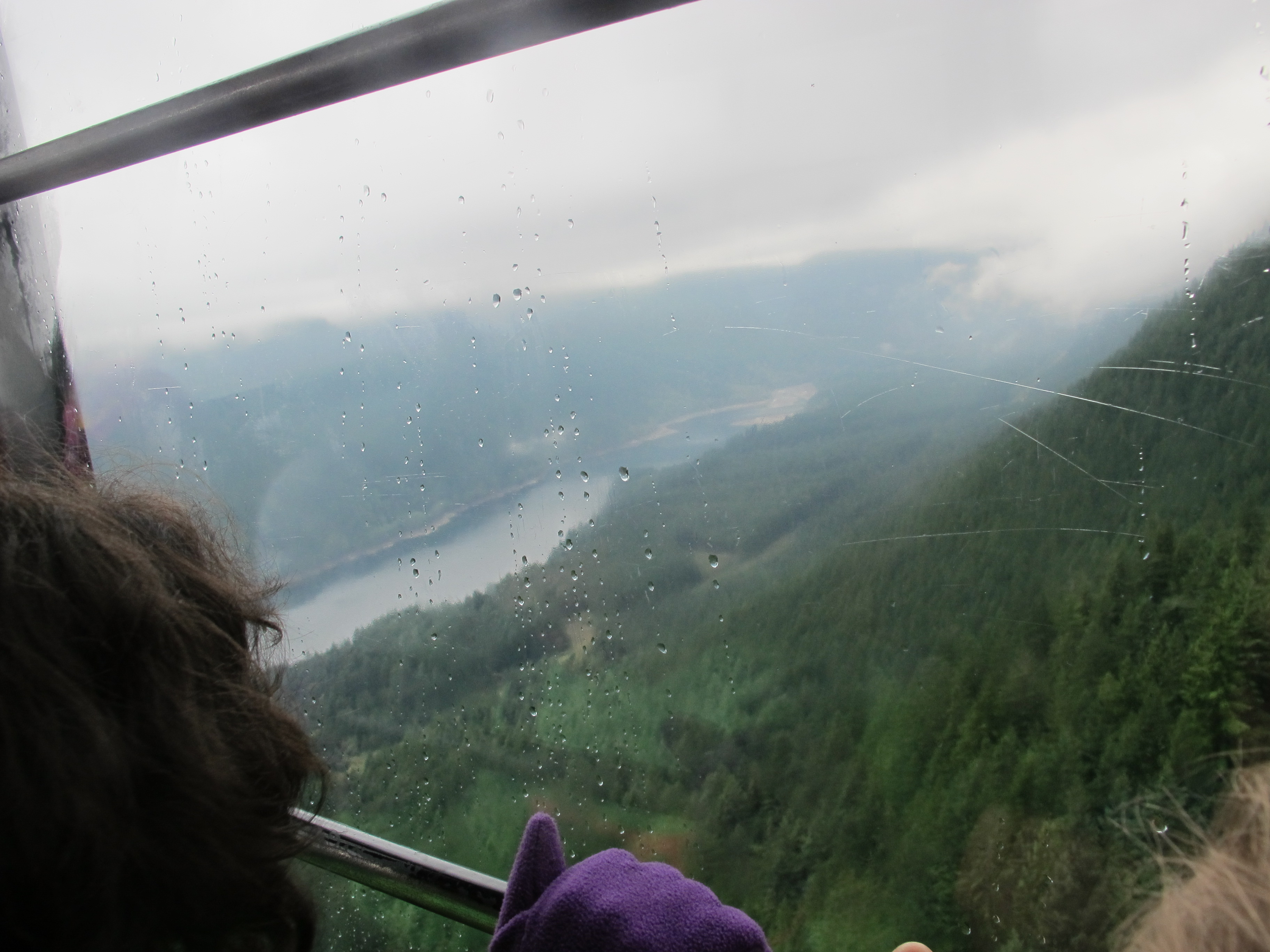
Our week began with an all day field trip up Grouse Mountain into the rain and the clouds. Despite the weather, the kids were troopers.

Celebration: Two Weeks in There's a Book for That

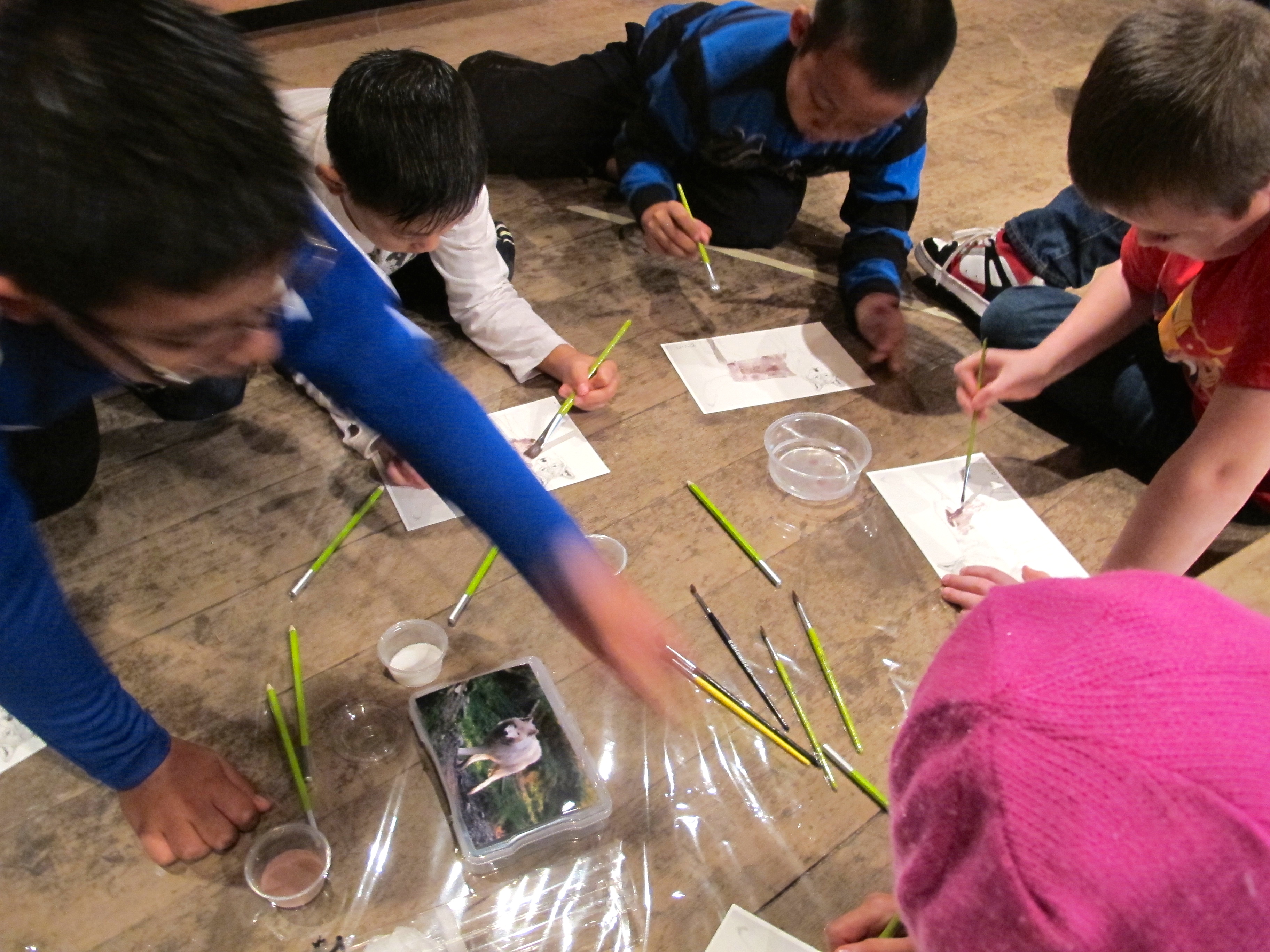
On the mountain, our experiences included time in art galleries and a session in the Feast House with an artist. Students were respectful, curious and engaged.

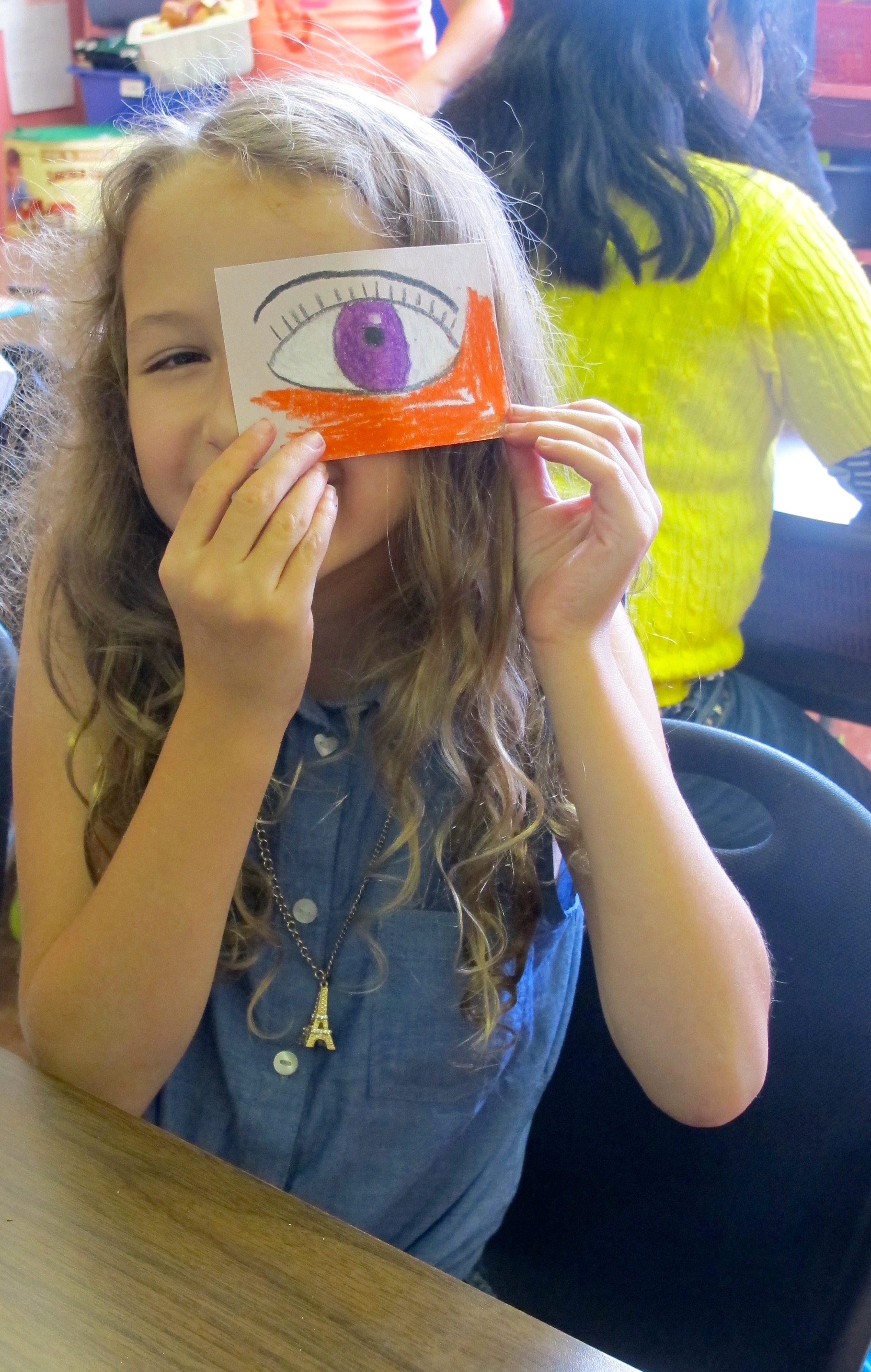
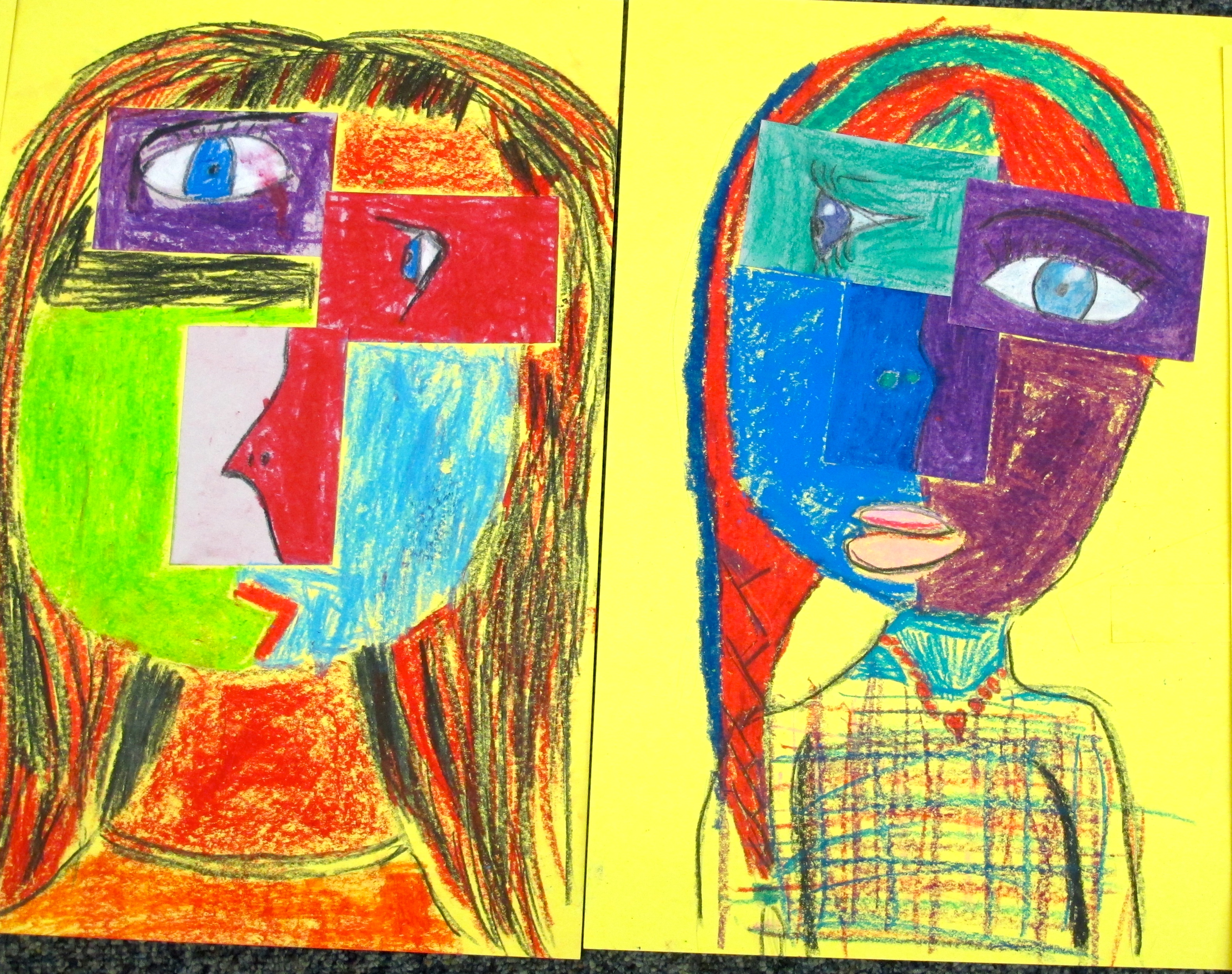
Celebration: Two Weeks in There's a Book for ThatOur first classroom art activity was a Picasso inspired cubist self-portrait project. I love the playfulness it brought out in the children.

Celebration: Two Weeks in There's a Book for That

Finished portraits are bright and beautiful. These two portraits are not only stunning, they are also of two new friends in our classroom 🙂

Celebration: Two Weeks in There's a Book for That

One of the best parts of our week is our gratitude circle where everyone shares small and large things that we feel grateful for. Always, it is a lovely exercise in sharing and listening.
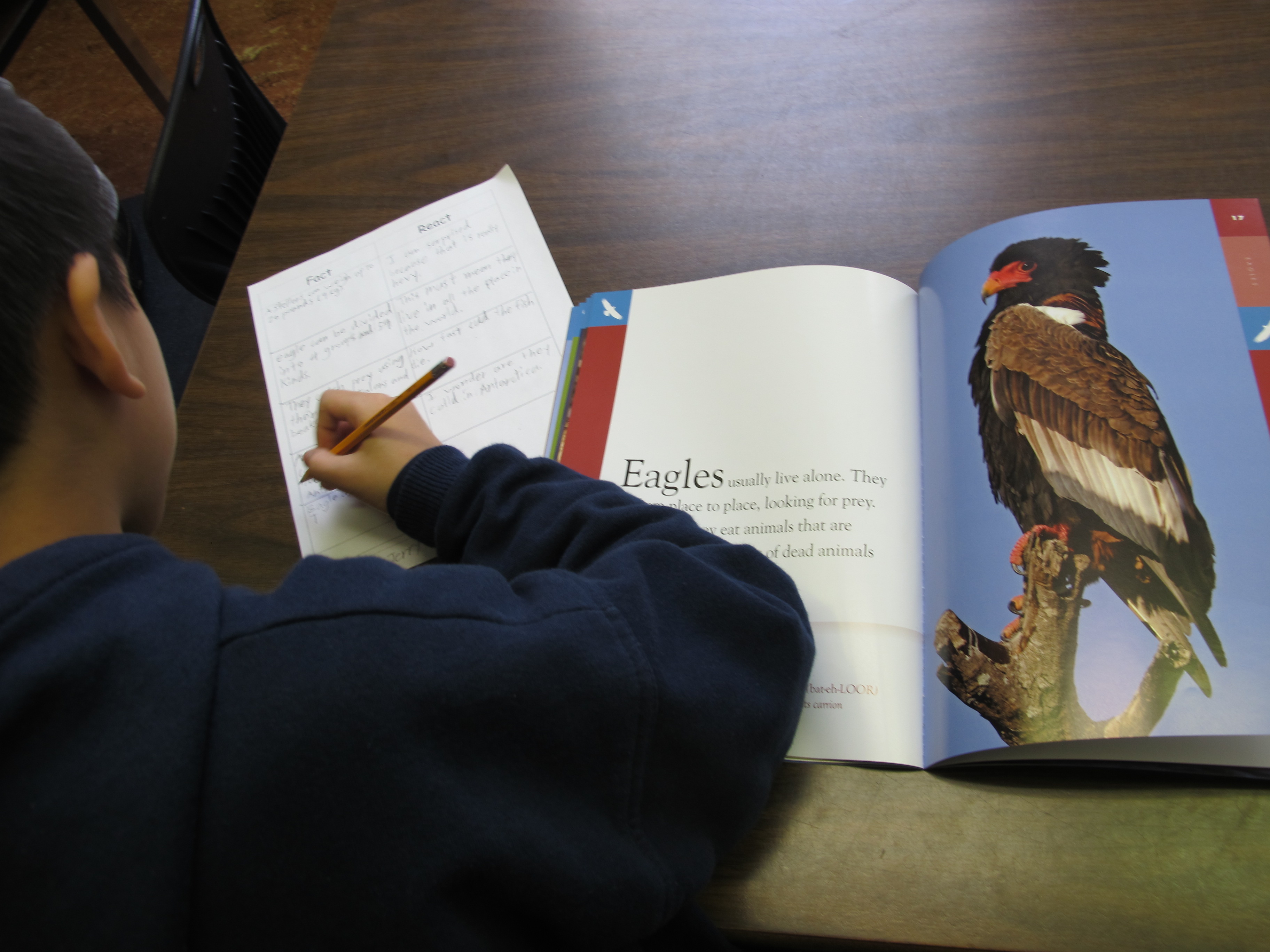
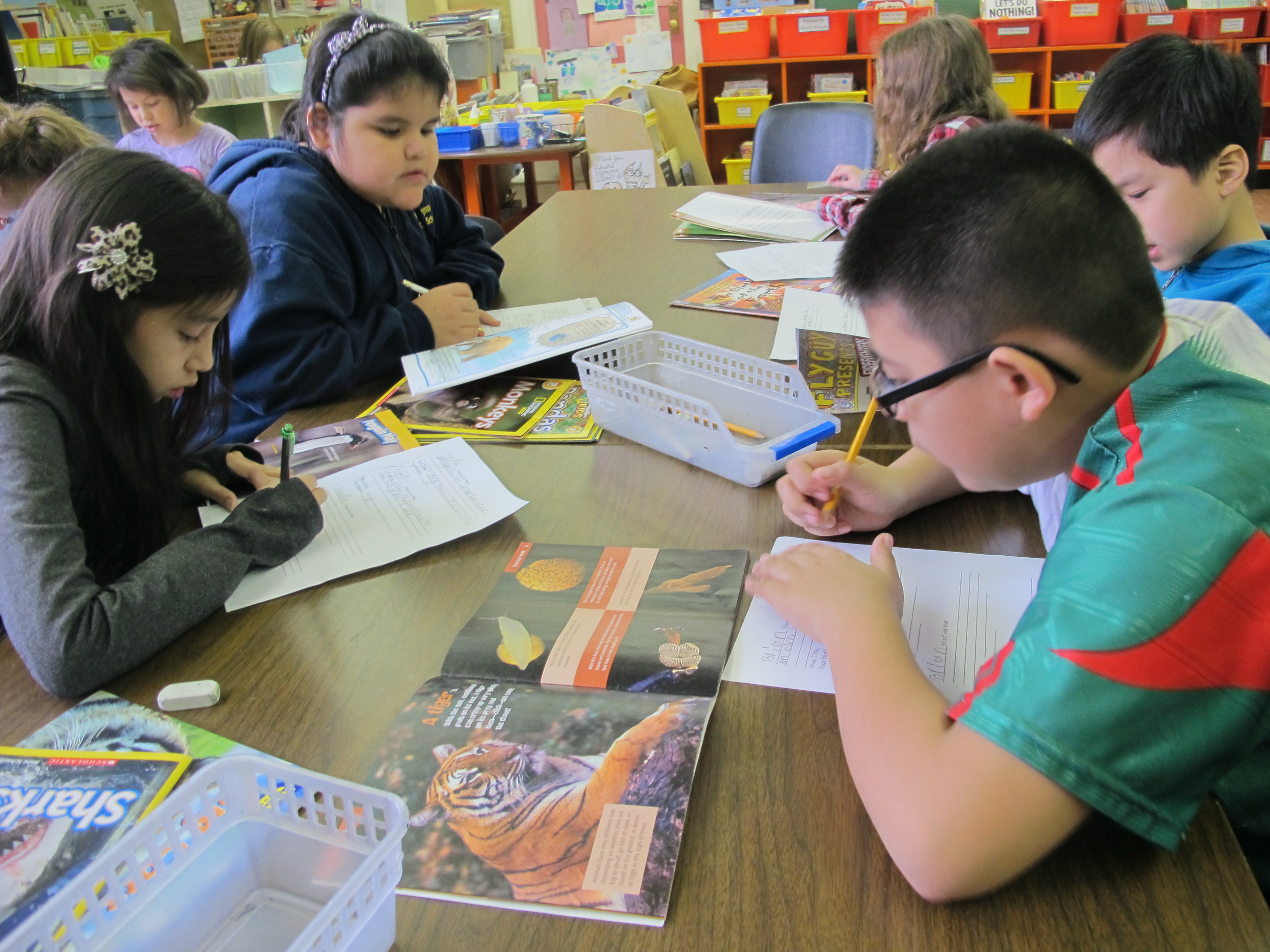
Celebration: Two Weeks in There's a Book for That

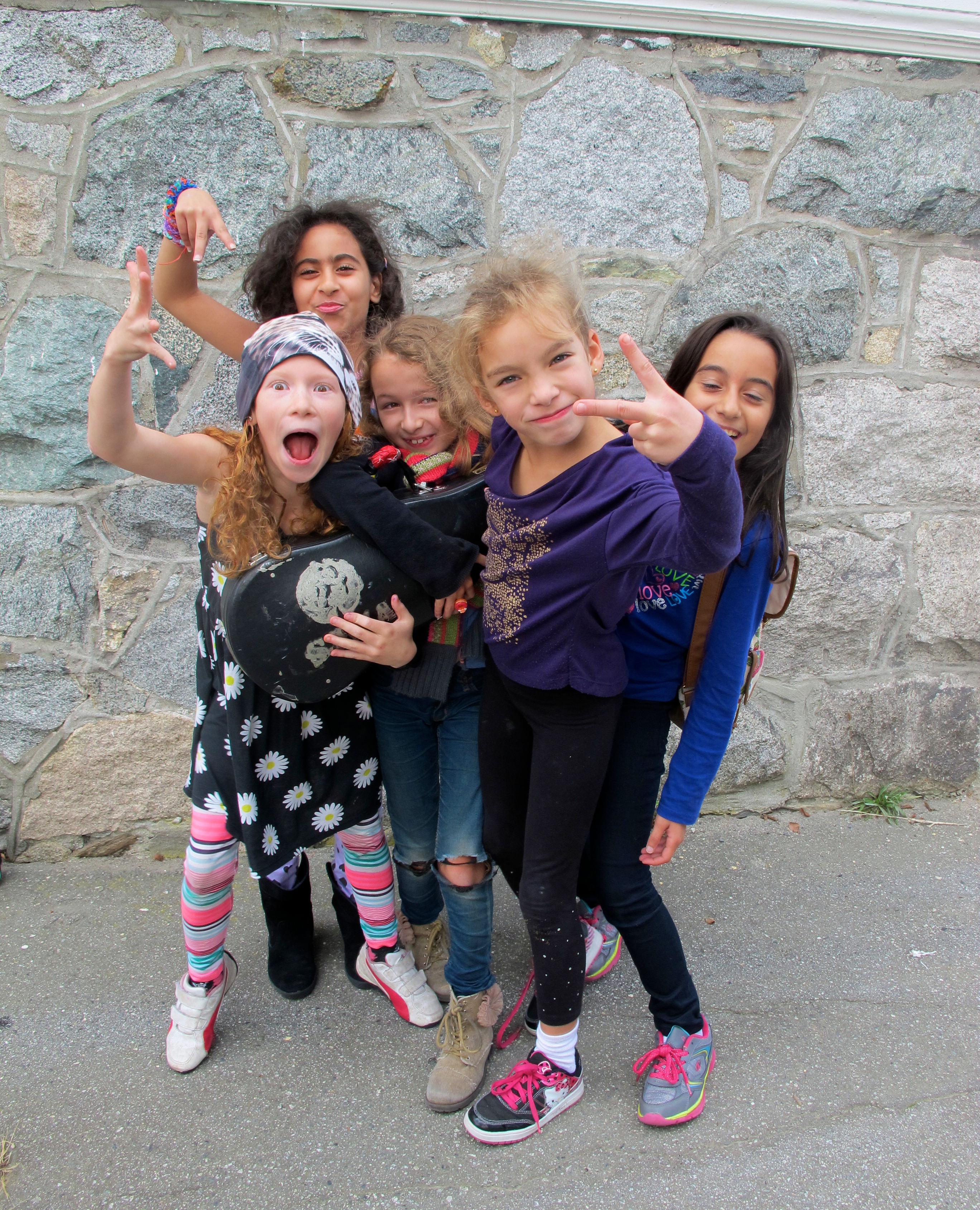
I have been taking individual photos of everyone in our class for a photo project we are working on. Of course, with a camera we can capture all of the energy that is who we are as a class community. Some of my many girls reveal their personalities. Oh yes, girl power.

Celebration: Two Weeks in There's a Book for That

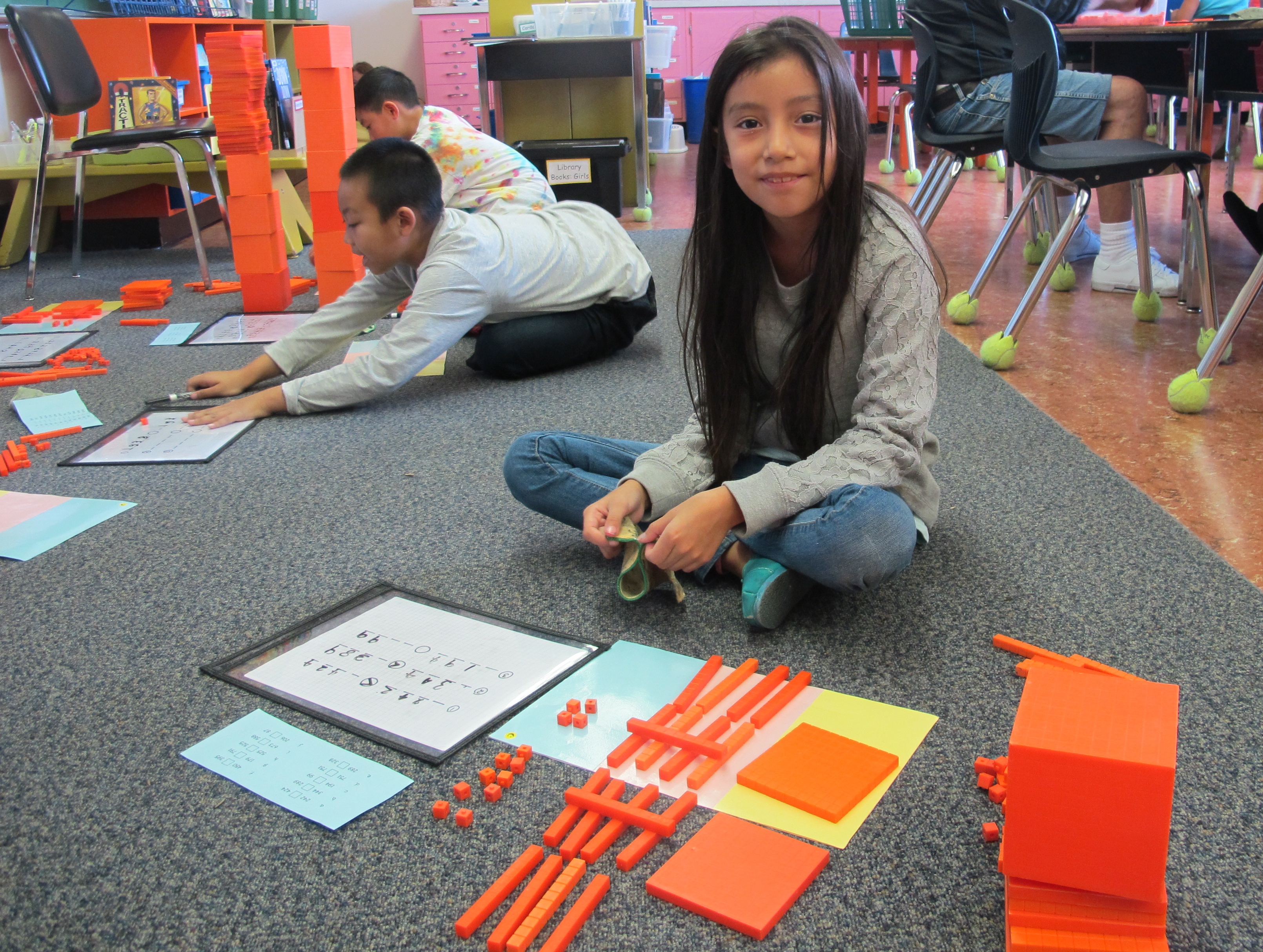
We have leapt fully into the land of 3 and 4 digit numbers – building, comparing, ordering, representing. Math is busy and messy with students and materials everywhere – just how we learn best!

Celebration: Two Weeks in There's a Book for That

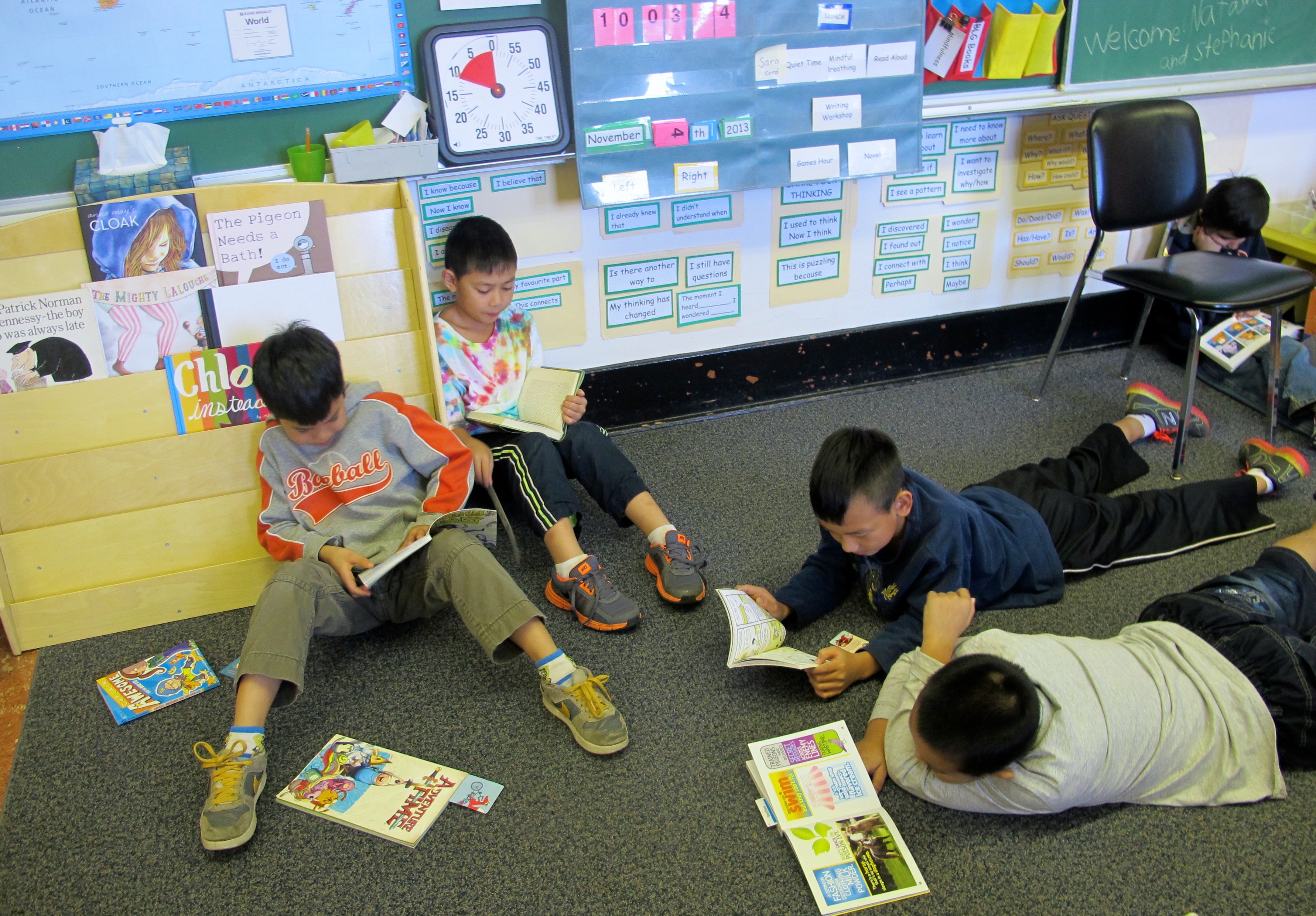
Within the first few minutes of Reading Workshop, these boys have staked out prime reading real estate. They are doing all of the things we have been talking about when we ask what independent reading looks like: find a comfortable spot, have a collection of interesting things to read, build stamina, etc.

Celebration: Two Weeks in There's a Book for That

We welcomed a lovely guest to our room Friday morning and some of us wanted to share some favourite picture books. The image is a little blurry because it is an action shot. These girls didn’t just read the books, they acted them out! Love the spontaneous enthusiasm.

Celebration: Two Weeks in There's a Book for That

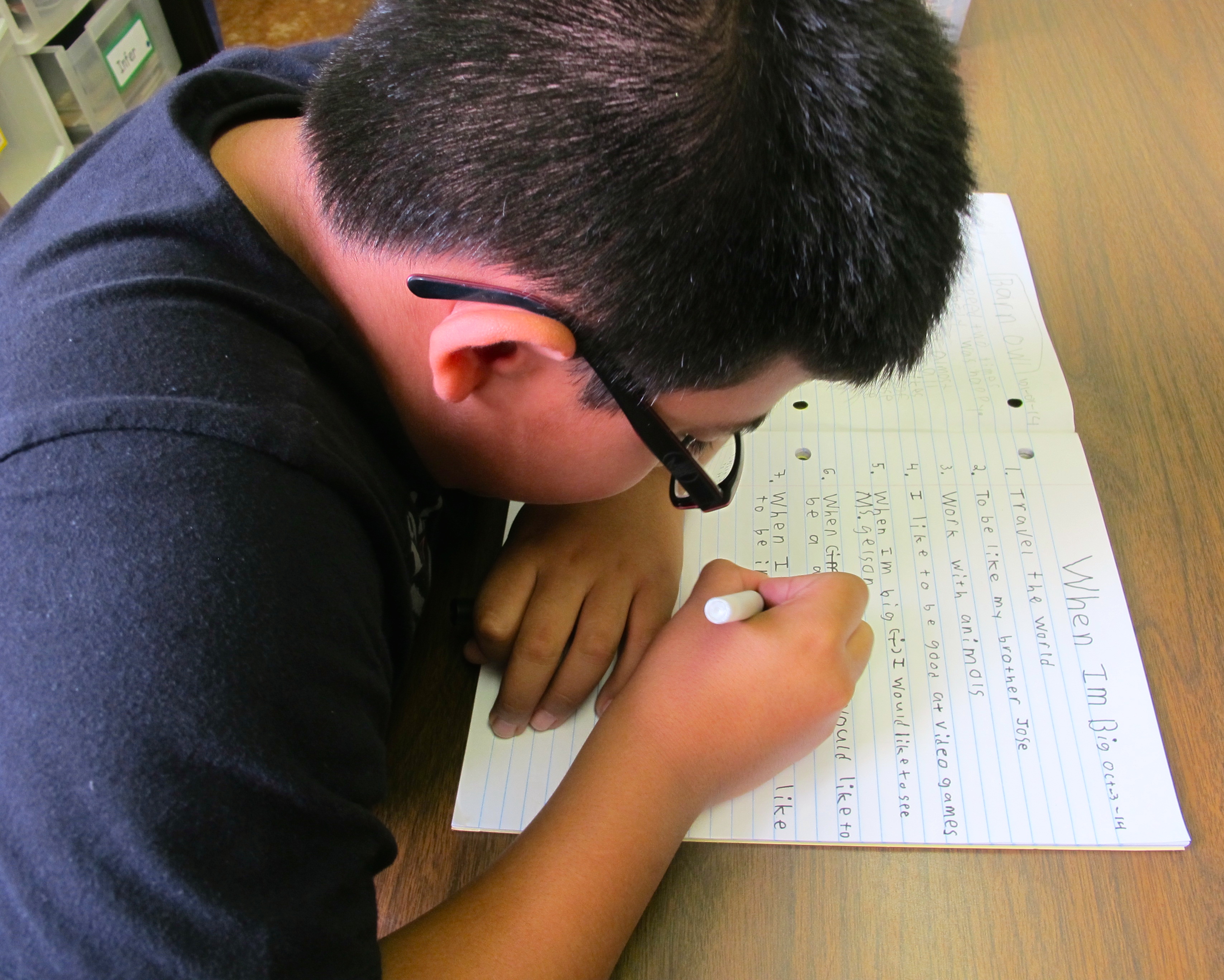
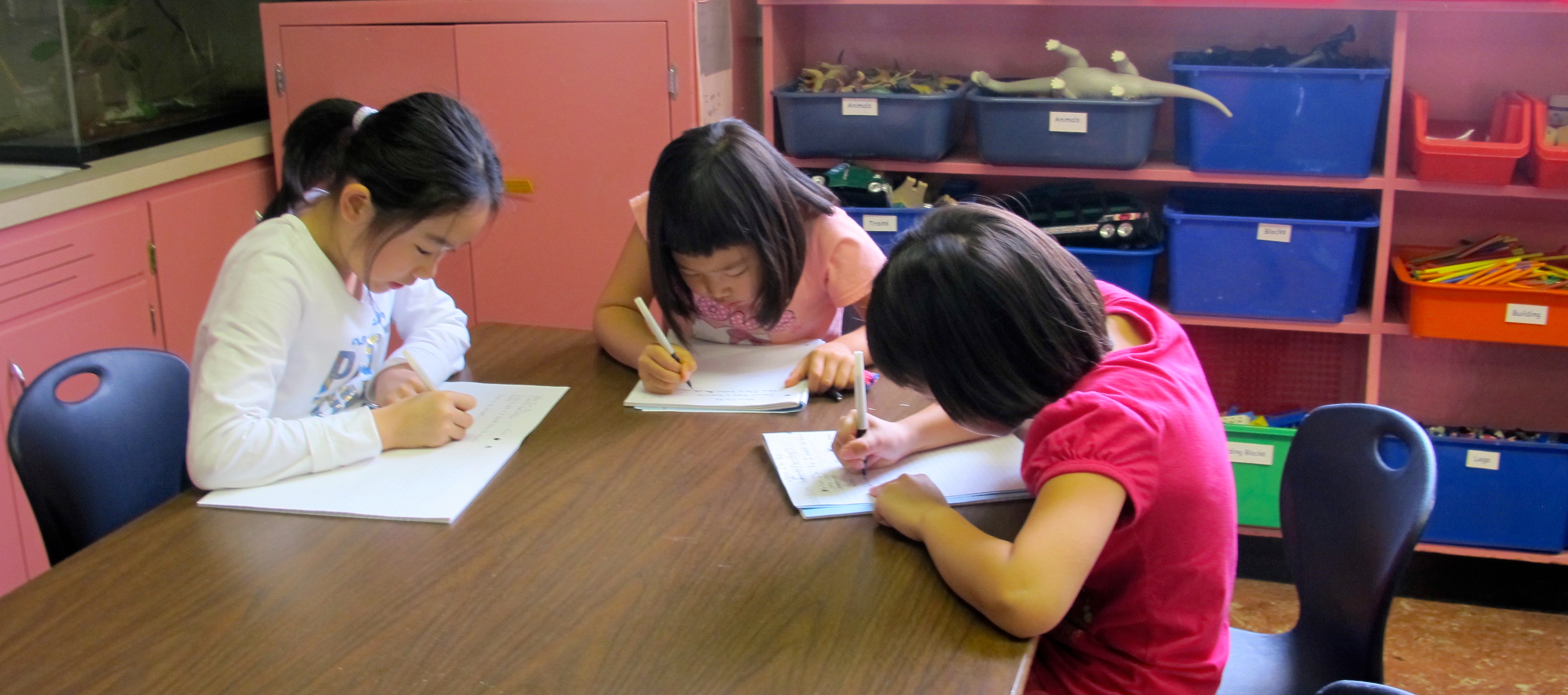
A new year and a new grade means new writer’s notebooks and the introduction of felt tipped pens. Using the pens was a recommendation from Colleen Cruz in a session some of my staff and I attended last fall here in Vancouver. As you can see, they sure allow the ideas to flow across the page!

Celebration: Two Weeks in There's a Book for That

Some more busy little writers sharing ideas and the excitement of our new pens!

Celebration: Two Weeks in There's a Book for That

Two weeks in and wow, we have much to celebrate!

celebrate-link-up

Thank you also to Ruth Ayres, for the inspiration and her Celebration Link up that she hosts each week. I treasure this #celebratelu community.

Teaching with a Passion for Nonfiction Books: Part 2

This post is part of a 3 part series about using more nonfiction titles in our Elementary classrooms. A link to the first post is included here:

Part 1: Everywhere you look . . . let there be nonfiction!

The intention with each of these posts is to share a practical “how to” list of how to read more, celebrate more and use more nonfiction picture books in the late primary/early intermediate classroom. For reference, last year I taught a Grade 2/3/4 class.

Teaching with a passion for nonfiction picture books:

Part 2: The importance of the nonfiction read aloud

The message of this post is simple: read more nonfiction titles aloud more often!

Wanting to do that is the easy part. Finding the time in our busy schedules is another thing! Here is how I have managed to find more time to share more nonfiction in my classroom.

 Teaching with a Passion for Nonfiction Books: Part 2  The importance of the nonfiction read aloud There's a Book for That

Set aside designated time to read nonfiction titles 

Block nonfiction read aloud into your weekly schedule. Don’t trust that you will alternate fiction and nonfiction read alouds. Sharing picture books and poetry and novels needs designated time as well. If you are already doing those things well, you see many benefits to reading fiction aloud and you won’t want to give it up. When you actually schedule time to read aloud nonfiction, it won’t be instead of anything else. Nonfiction can play the starring role. I have two 40 minute blocks of time a week for nonfiction read aloud. This is at minimum – I often fit more time in during other parts of the week.

Of course, that still doesn’t answer this question: What are things you might give up in your schedule to fit in more nonfiction time? I always think we can be strategic to find time for things that we value. Thinking about some of these things might help.

  • Build oral language skills (listening, speaking, retelling, summarizing, asking questions, etc. ) during your read aloud session. The listening and speaking component of Language Arts needs dedicated time in our schedules. Why not build a lot of these skills while sharing nonfiction titles? We often use nonfiction read aloud time to really develop these skills. This is when we do much of our “turn and talk” time with a partner or a small group. Students have the chance to share out to the whole group, listen attentively, build on other comments or questions and practice predicting and inferring. We also work on summarizing, listening for specific information and asking questions. All of this talk time to review makes a huge difference in how much information students recall. I have the students do some of the following things with their “turn and talk” partner or small group as we work through a nonfiction title over multiple read aloud sessions:
  1. Share what you already know about this topic. Sometimes I have the students share facts (questions are okay too) back and forth one fact at a time to really practice turn taking. For example, if we are going to read a book about elephants, the exchange might sound something like “They are huge” “They live in Africa” “They have a trunk” “They use their trunk to drink” “Is their trunk like a nose? Do they even have a nose?” “Their skin is wrinkly and grey” “I think they eat leaves”
  2. Talk about some things you are wondering.
  3. Answer specific questions based on an image on the page i.e. Look at this picture of the hippo in the water, why do you think hippos spend so much time in the water?
  4. List at least 3 (or more) new facts we learned yesterday about __________ (refer to specific section of the book)
  5. What is the most interesting thing you have learned so far?
  6. Explain _________ to your partner. Partners, was any important part missed? For example: Explain the differences we have learned about crocodiles and alligators.
  7. What are you hoping we will still find out?
  8. Listen to the next heading (or chapter title) what do you think we might read about in this section?
  9. Which of our questions never got answered?
  • Use your nonfiction read alouds to support curricular themes in science and social studies. This is huge. I launch every unit/theme with a book, often multiple books! Enhance the rich learning that nonfiction titles help us support through discussion, reflection writing, vocabulary building and opportunities to retell and summarize our new learning in a variety of ways.

Here are some examples of the “work” we do with nonfiction titles in my classroom. We are reading great books and covering curriculum!

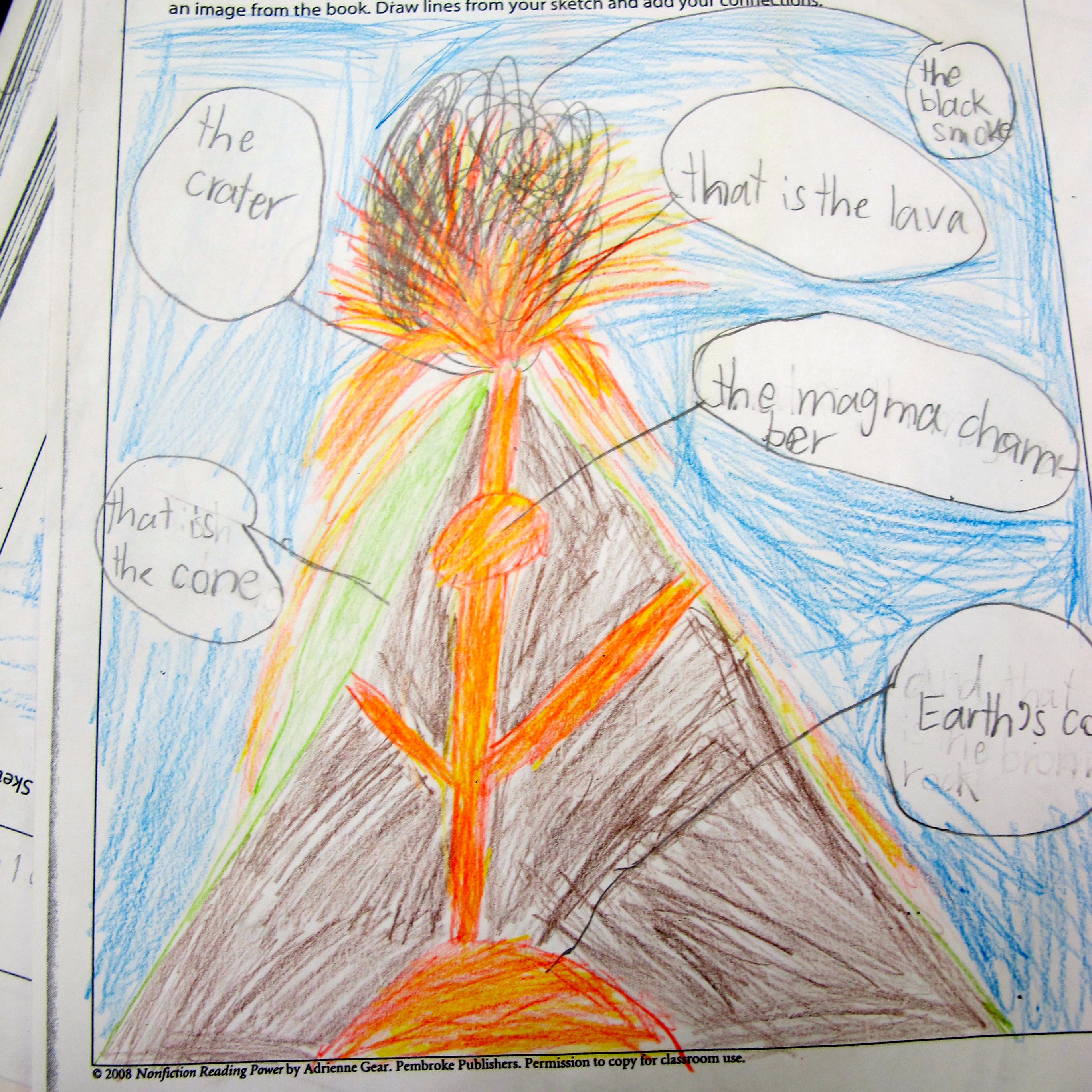
After reading When the Giant Stirred: Legend of a Volcanic Island by Celia Godkin and some sections from a variety of nonfiction books about volcanoes, students completed a labelled diagram of the parts of the volcano.

Teaching with a Passion for nonfiction: Part 2 The importance of the nonfiction read aloud There's a Book for That

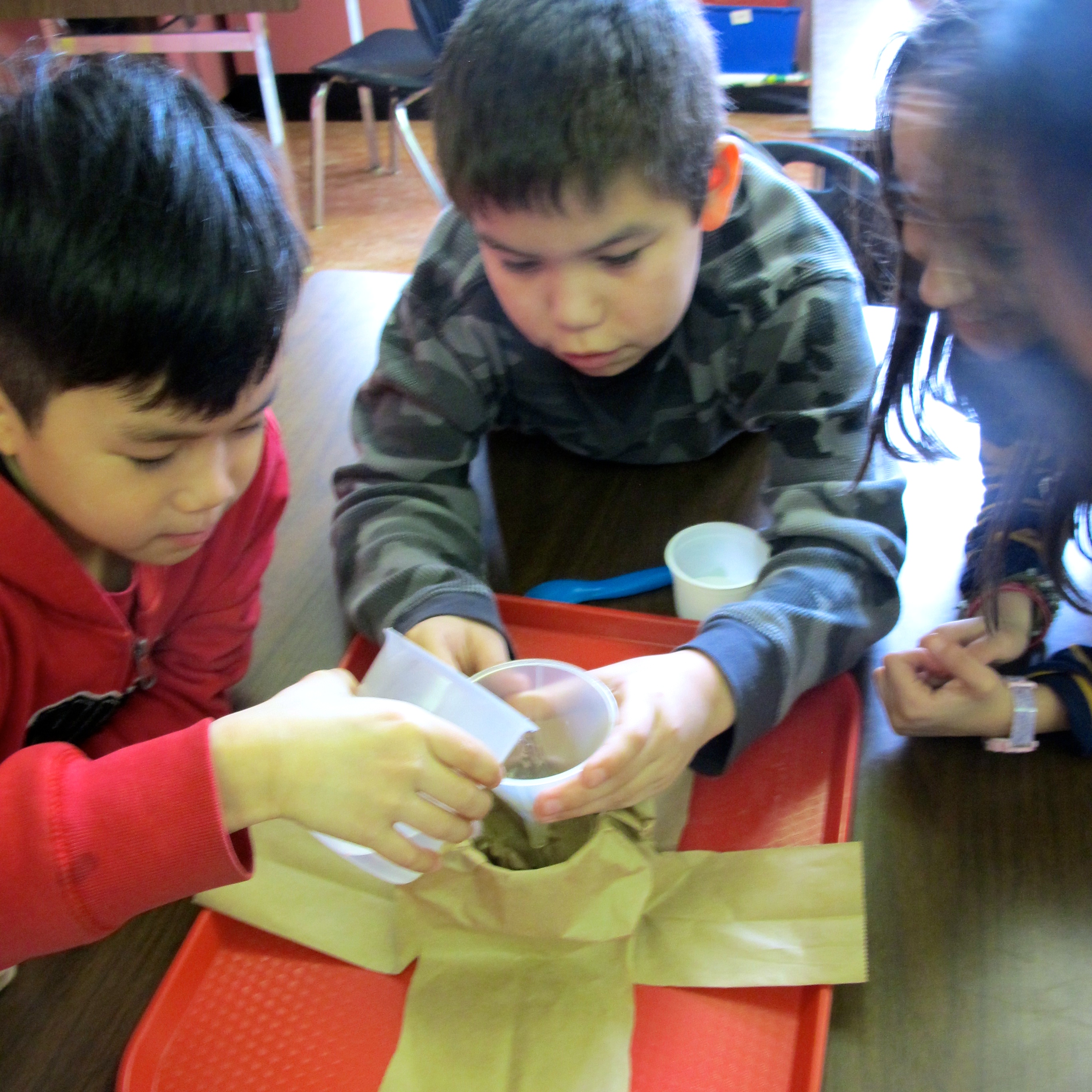
We then completed a paper bag volcano experiment where small groups had to follow a series of oral and posted instructions.

Teaching with a Passion for nonfiction: Part 2 The importance of the nonfiction read aloud There's a Book for That

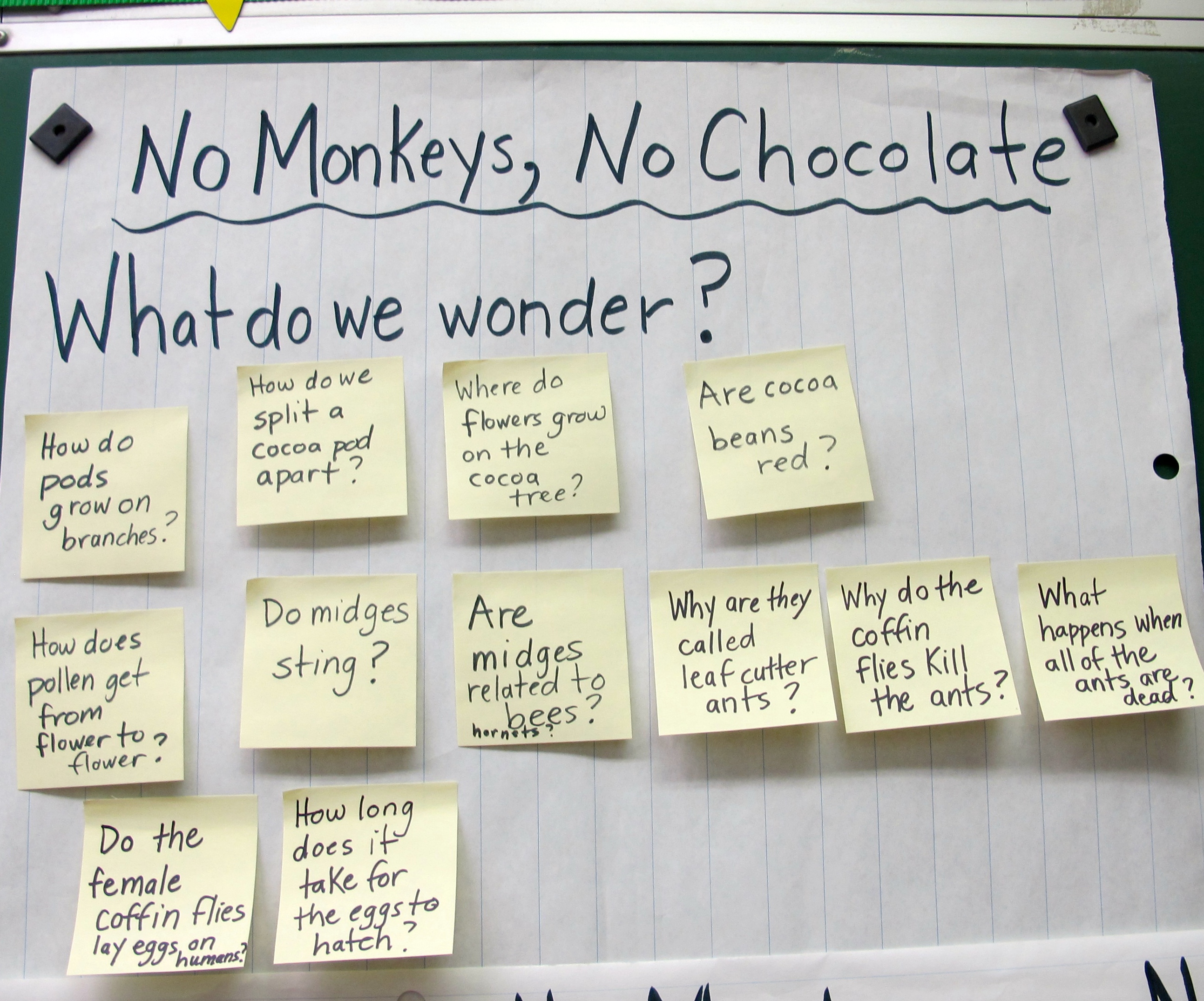
As we read, we keep track of questions we are wondering so we can revisit as we read and when we are finished the story. Students love to notice, “Now we know the answer to that one!” Reading No Monkeys, No Chocolate written by Melissa Stewart and Allen Young (with illustrations by Nicole Wong) took us multiple read aloud sessions. There was so much to learn in this book!

Teaching with a Passion for nonfiction: Part 2 The importance of the nonfiction read aloud There's a Book for That

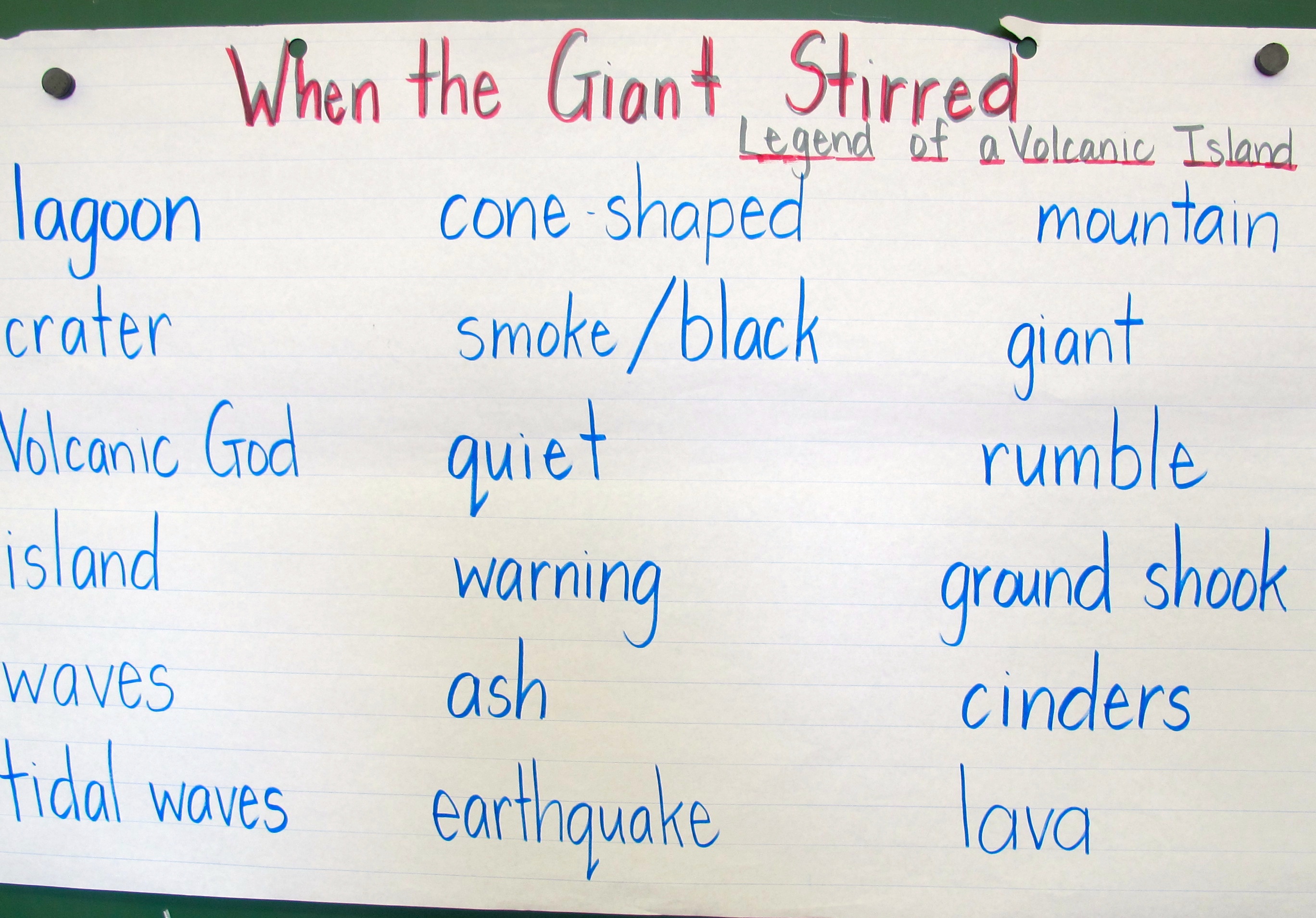
I love when another adult can work collaboratively in the room with me. As we read aloud, we ask the children to provide us with any key words from the text after every few pages and one of us notes them down on chart paper. Both of us can then circulate during “turn and talk time” instead of one person trying to balance all of the pieces of guiding the lesson. These key words help the students when they are doing reflective or summary writing.

Teaching with a Passion for nonfiction: Part 2 The importance of the nonfiction read aloud There's a Book for That

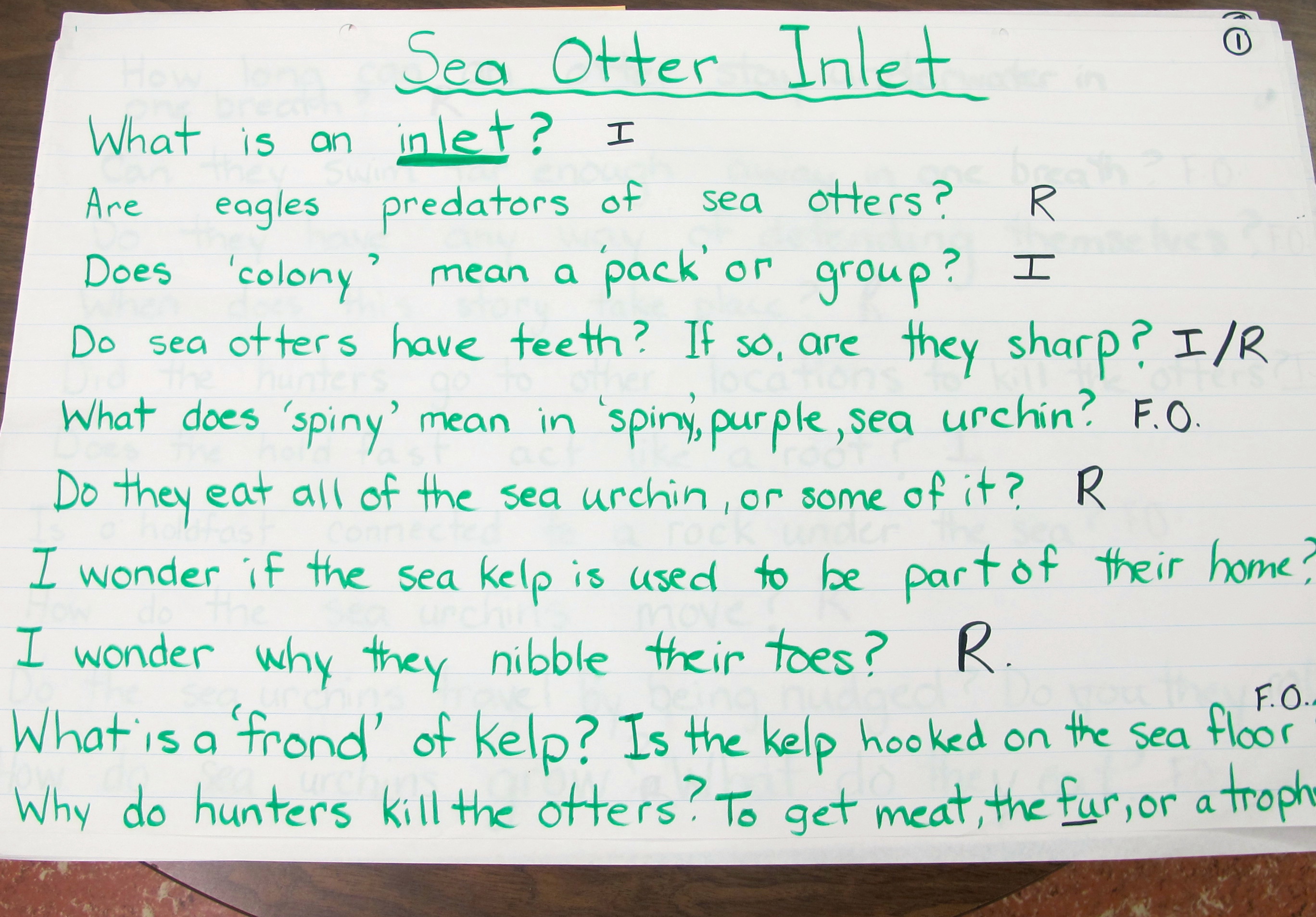
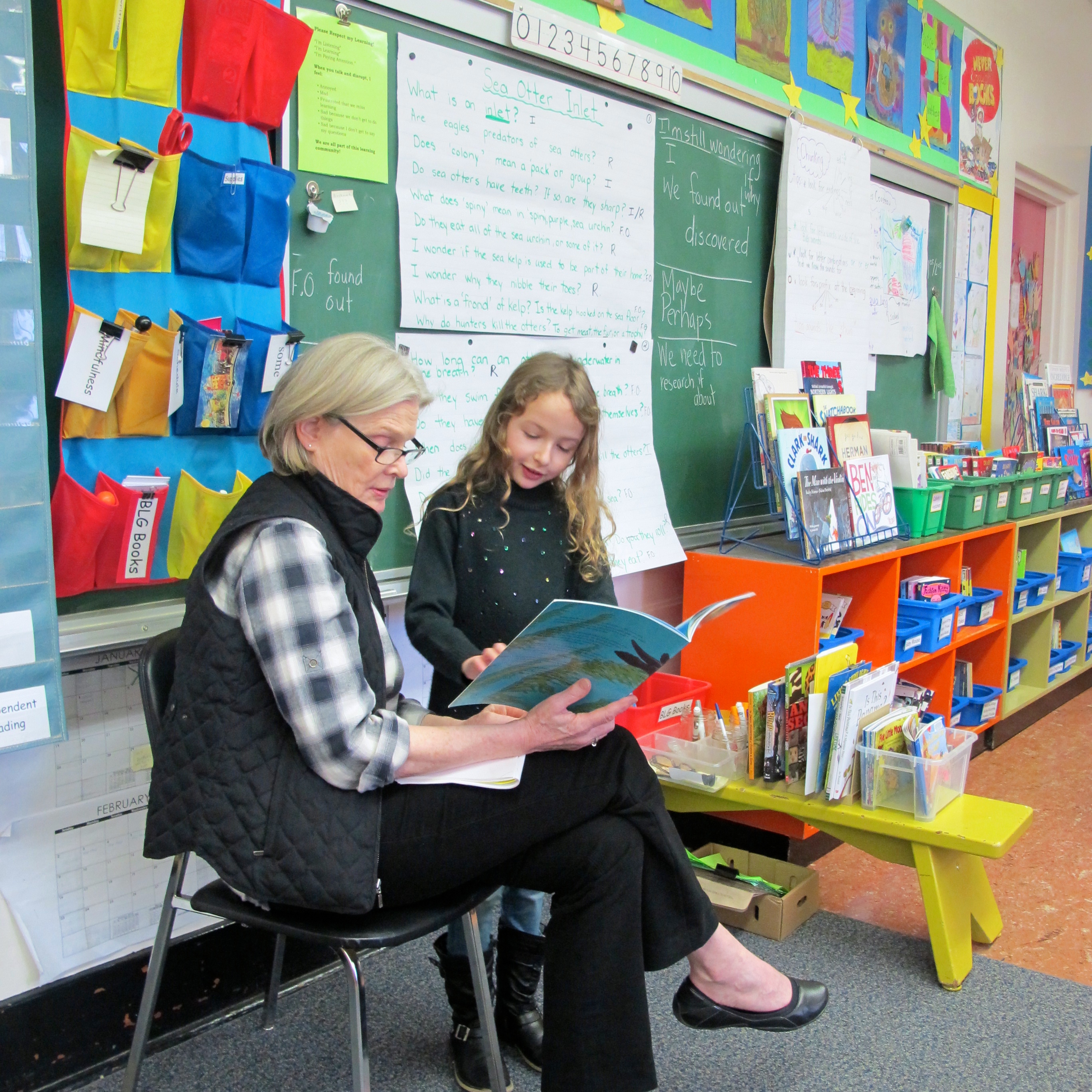
We also often list questions from the students during the read aloud and then code them when we are finished reading. Did our questions get answered? Do we need to do some research? Or can we infer to figure out the answer. R = Research I = Infer FO= Found Out If we want students to do writing, we might provide prompts like those listed below and have them look at our questions on chart paper to help guide their responses.

  • I discovered . . .
  • We found out that . . .
  • Now that I know _________, I think ___________
  • I am still wondering . . .
  • I still have some questions.

Teaching with a Passion for nonfiction: Part 2 The importance of the nonfiction read aloud There's a Book for That

Sometimes, my Resource Teacher (RT) comes into support writing when we have already read a story aloud and done a lot of the thinking work. I have different students take turns summarizing what happened in the book. This allows the RT to be caught up with the information and provides the opportunities for different students to practice summarizing and sharing key points.

Teaching with a Passion for nonfiction: Part 2 The importance of the nonfiction read aloud There's a Book for That

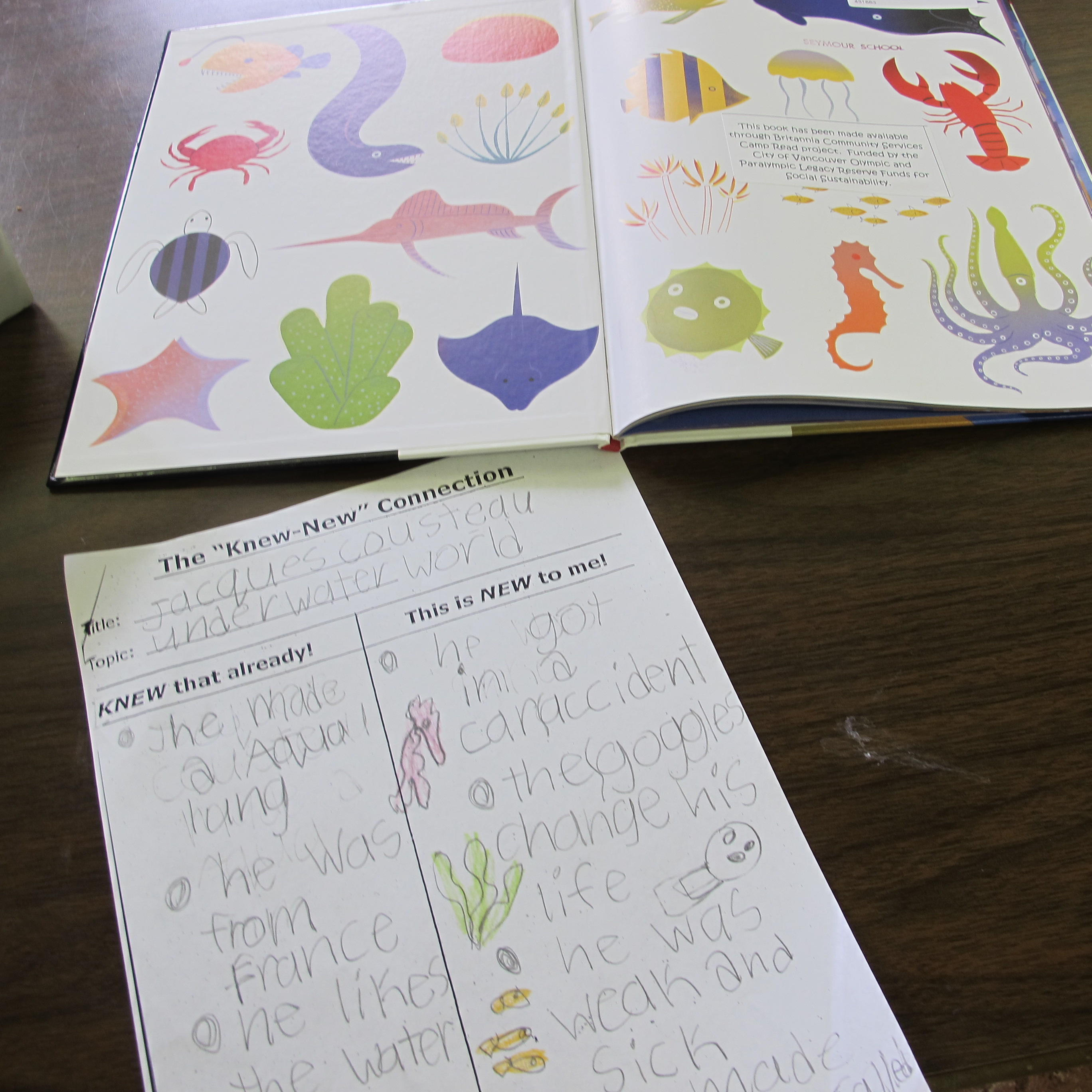
One of our favourite activities to do with nonfiction titles (especially if we are reading more than one text on the topic) is to fill out a Knew/New Chart. This idea is from Adrienne Gear and her Nonfiction Reading Power book (which is amazing if you don’t have it!) We filled out this chart after reading both Manfish: A Story of Jacques Cousteau written by Jennifer Berne and illustrated by Éric Puybaret and The Fantastic Undersea Life of Jaques Cousteau by Dan Yaccarino.

Teaching with a Passion for nonfiction: Part 2 The importance of the nonfiction read aloud There's a Book for That

Read aloud some more!

Get creative about using nonfiction titles throughout your week. It’s easy to find ways to share more nonfiction titles to support things you are already doing.

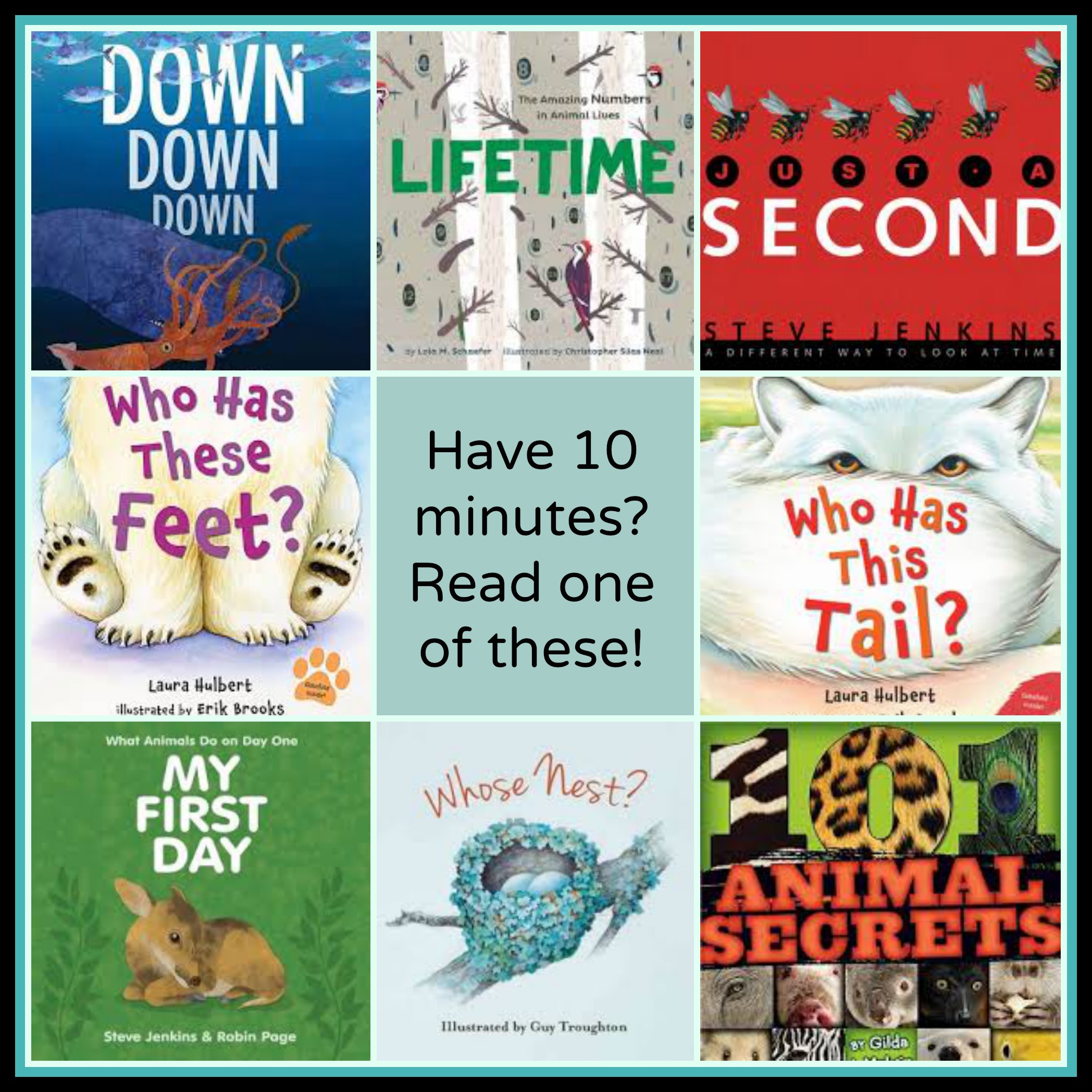
  • Use specific nonfiction titles for those ten to fifteen minute times that happen upon you in the classroom. Kids actually cleaned up and are ready before the bell? The presentation is late in the gym? The play finished early? Use that “found time” to share nonfiction titles. I always have two or three titles in a bin beside our carpet area ready to do just that. Many of these books can be shared a page at a time with lots of success. Some of my favourites for this purpose? Titles by Steve Jenkins feature big here!

Found Time? Read some nonfiction! The importance of the nonfiction read aloud There's a Book for That

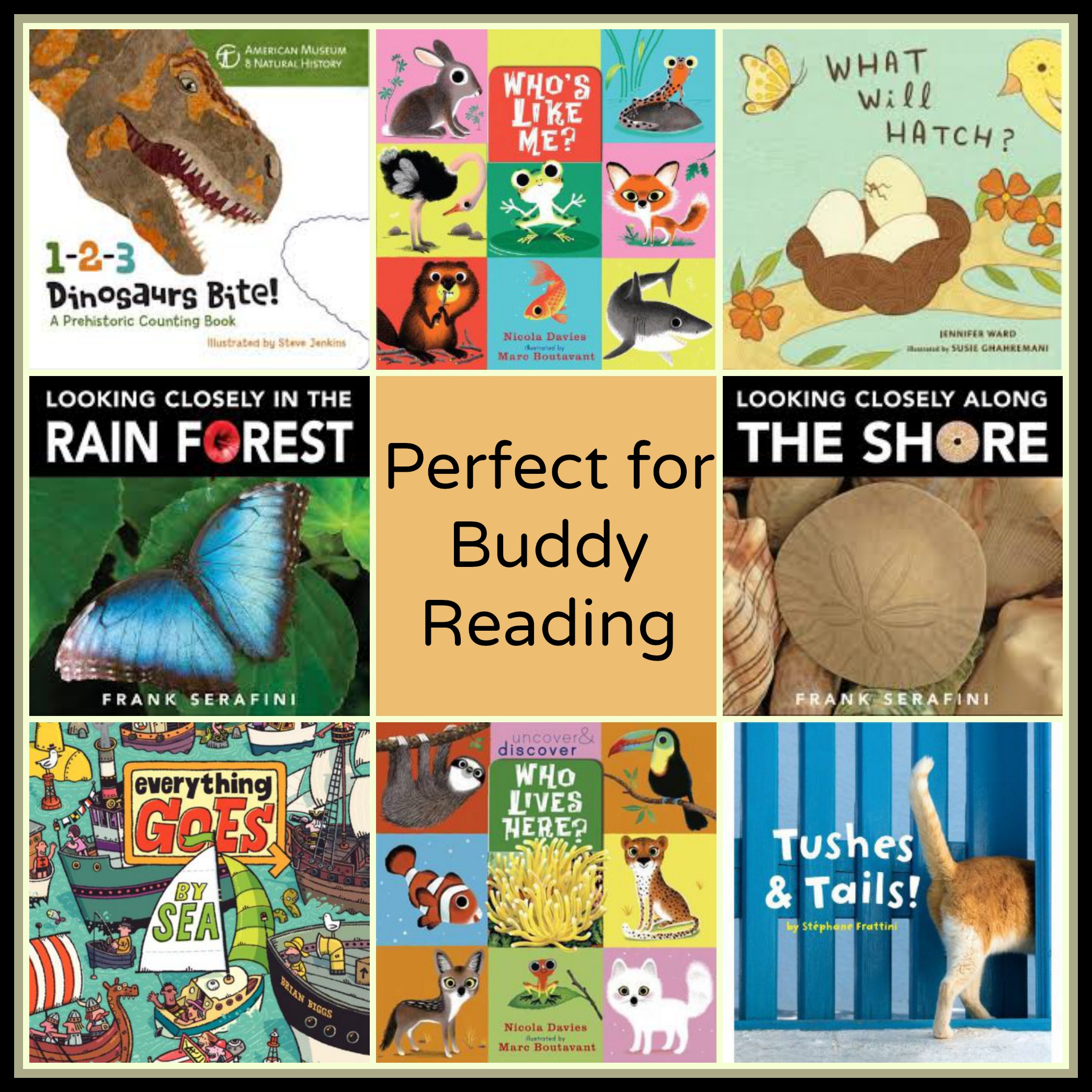
  • Model ways to buddy read with nonfiction titles. Are your kids big buddy readers to a younger class? I like to model how to share various books with my students so their buddy reading time is more successful and fun. I often choose nonfiction titles to do this. First, I get to share these as read alouds and then my students, in turn, share them. My favourites for this purpose?

Nonfiction Titles perfect for buddy reading The importance of the nonfiction read aloud There's a Book for That

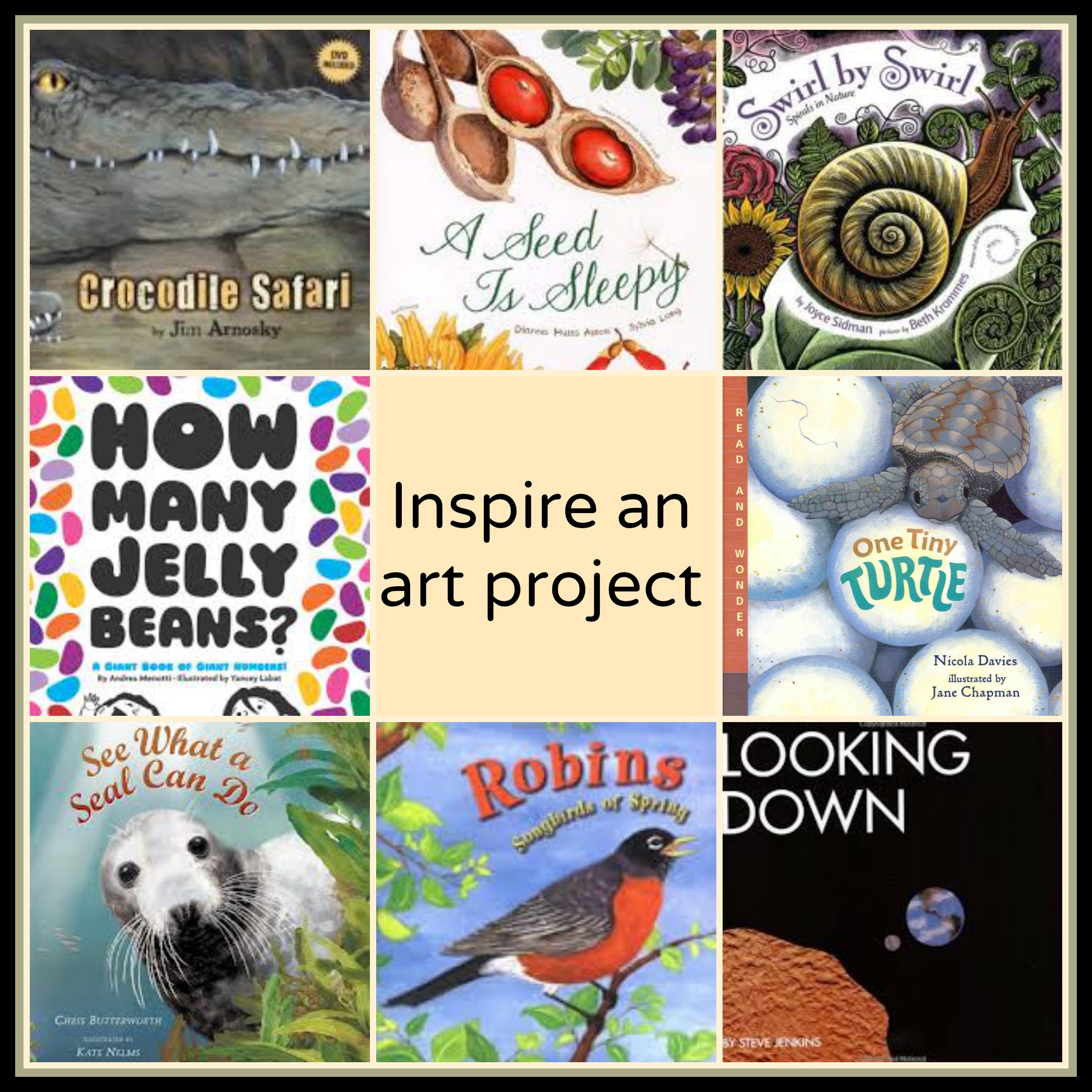
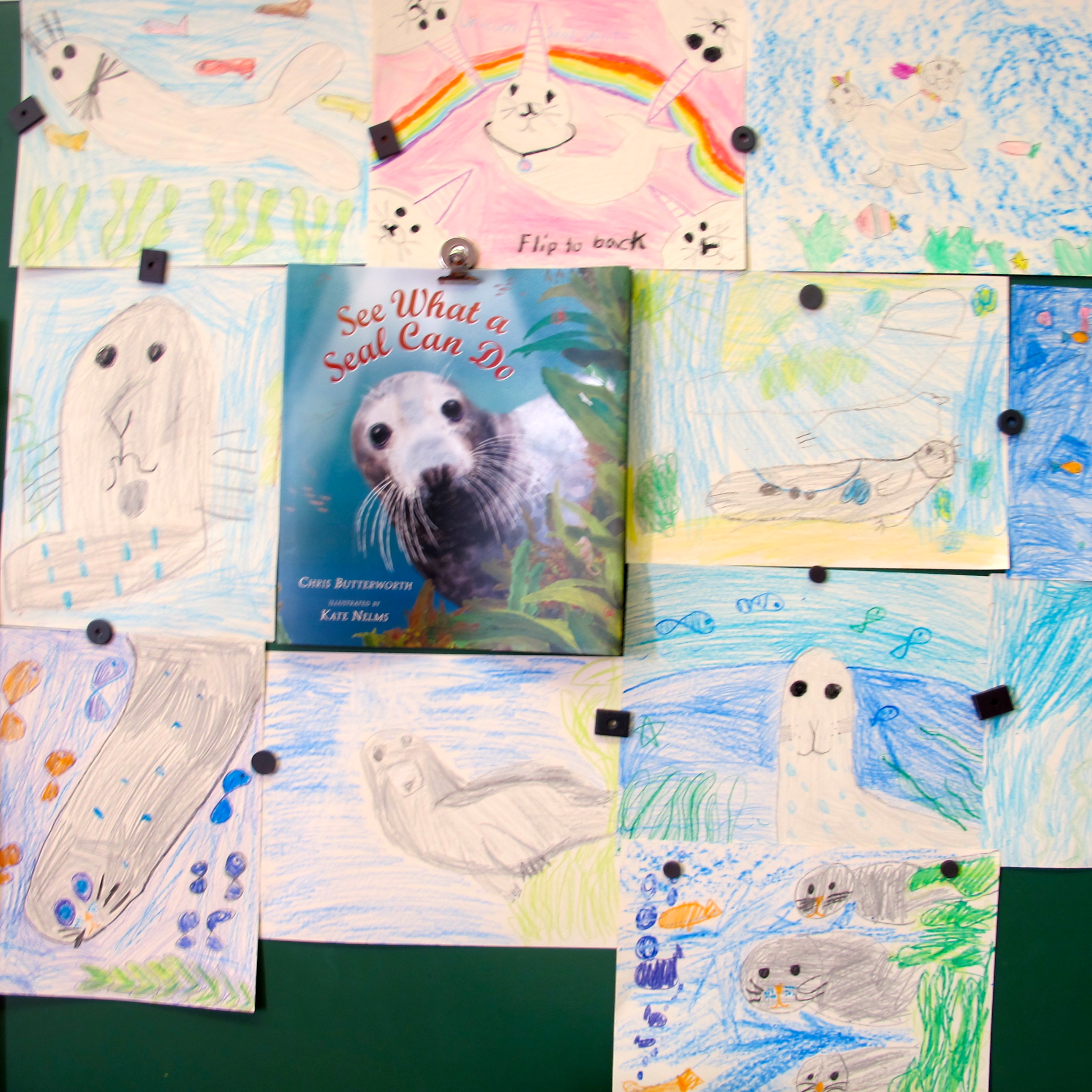
  • Inspire an art project! Launch an art project with a nonfiction title. Some of my favourite books to do just that:

Use nonfiction to inspire an art project The importance of the nonfiction read aloud There's a Book for That

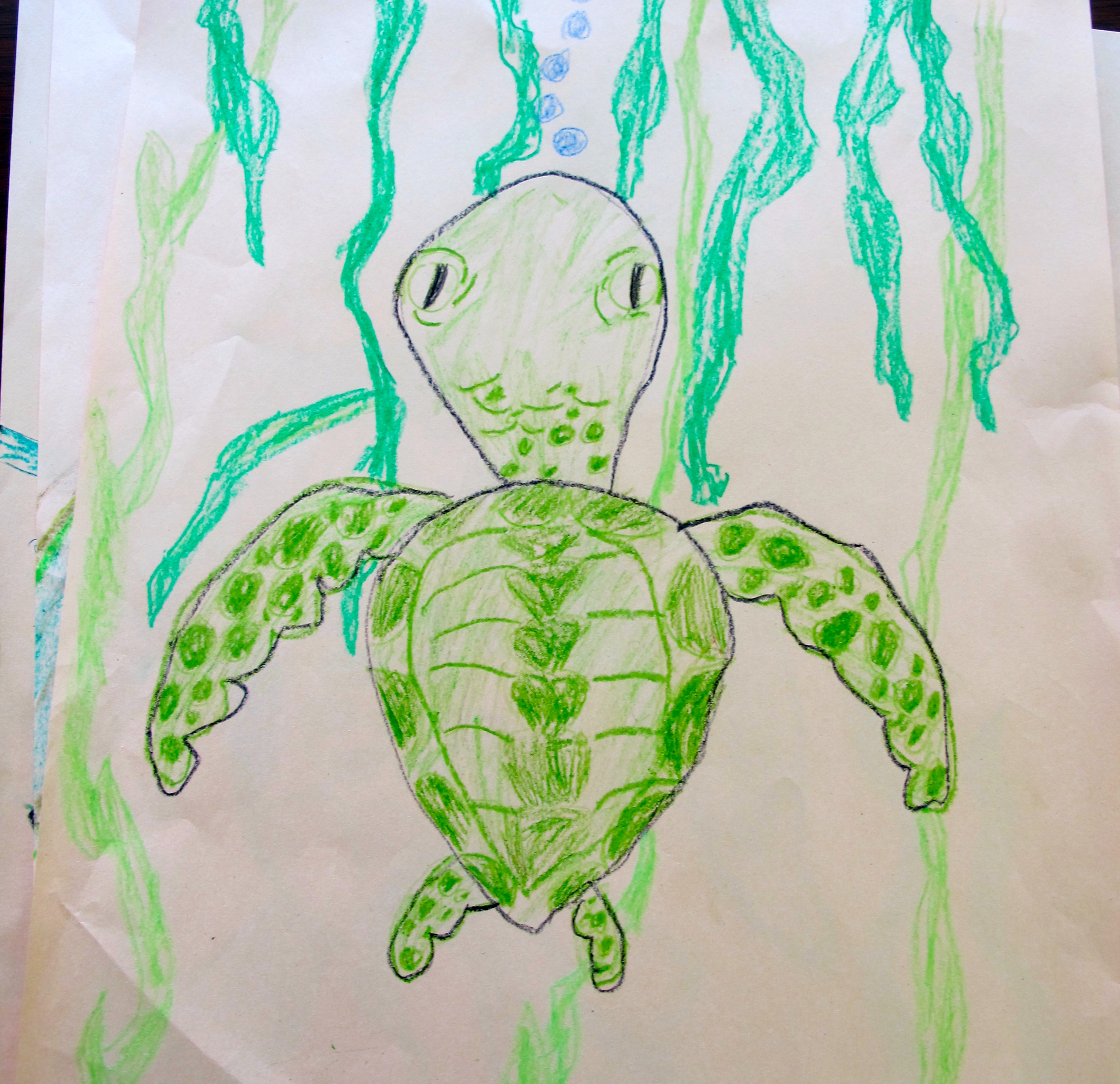
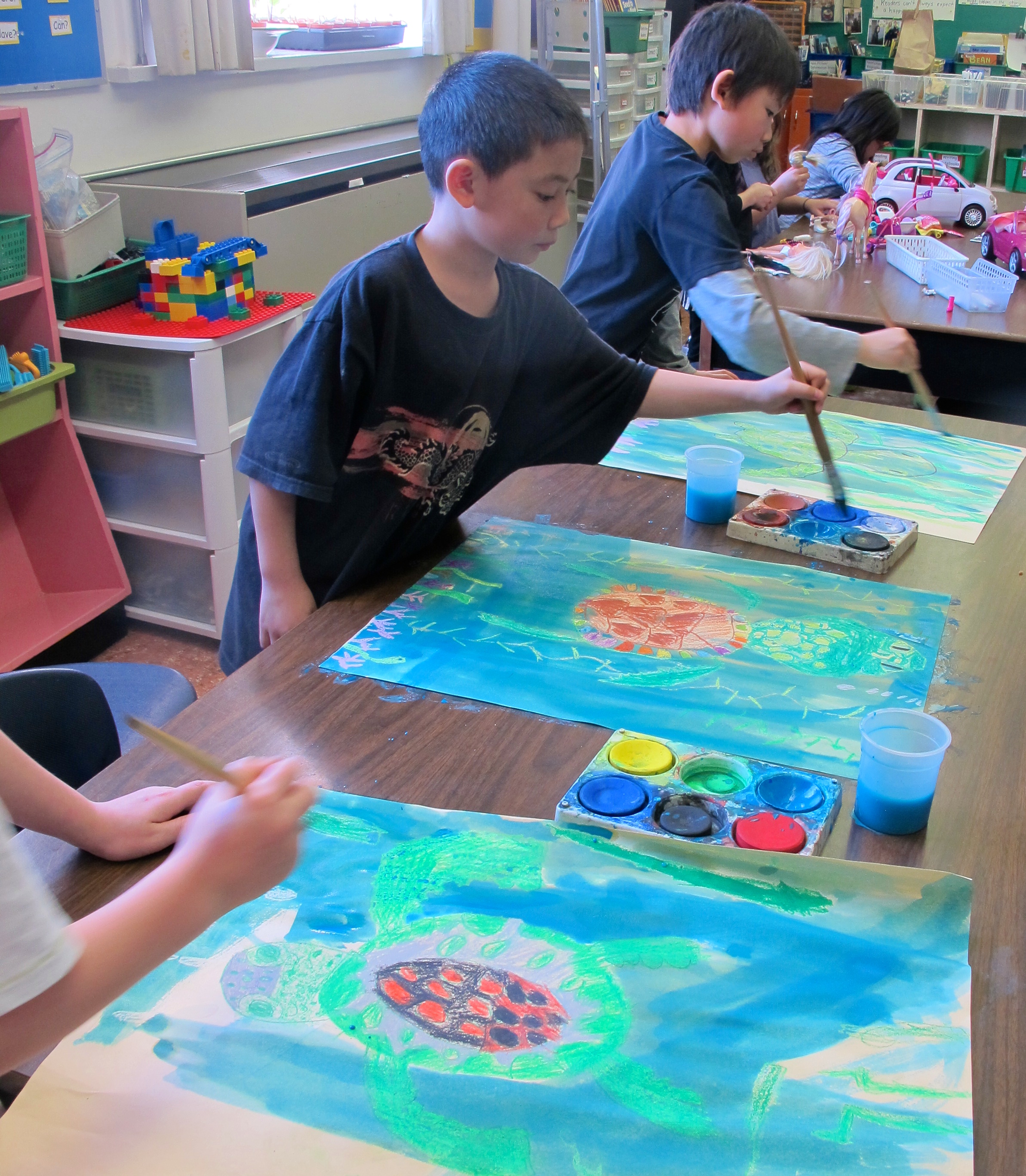
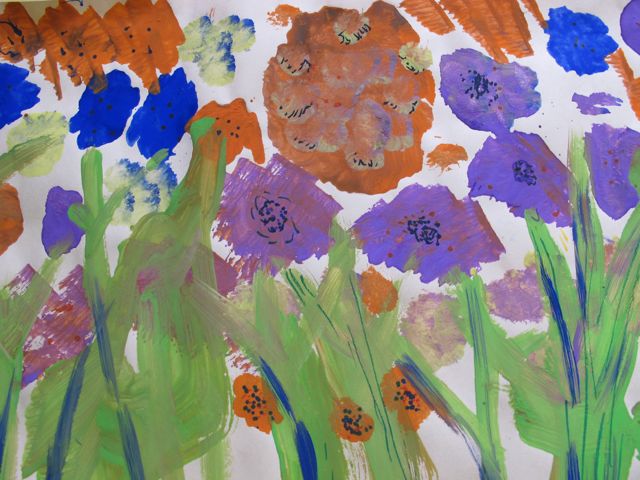
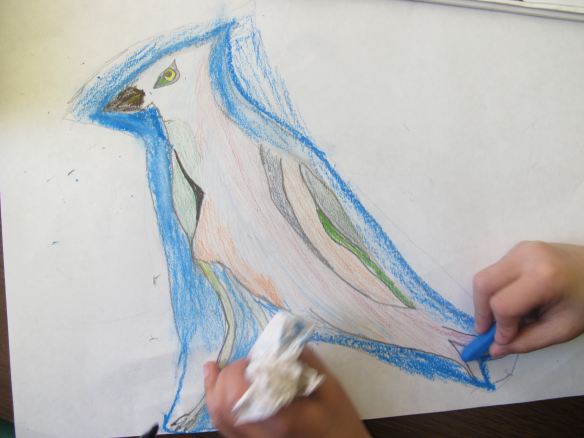
A few recent of art projects inspired by nonfiction books.

Teaching with a Passion for nonfiction: Part 2 The importance of the nonfiction read aloud There's a Book for That

Teaching with a Passion for nonfiction: Part 2 The importance of the nonfiction read aloud There's a Book for That

This image (above) was complimented by Nicola Davies author of One Tiny Turtle (that inspired this book) Below some students are painting their turtles.

Teaching with a Passion for nonfiction: Part 2 The importance of the nonfiction read aloud There's a Book for That Teaching with a Passion for nonfiction: Part 2 The importance of the nonfiction read aloud There's a Book for That

Teaching with a Passion for nonfiction: Part 2 The importance of the nonfiction read aloud There's a Book for That

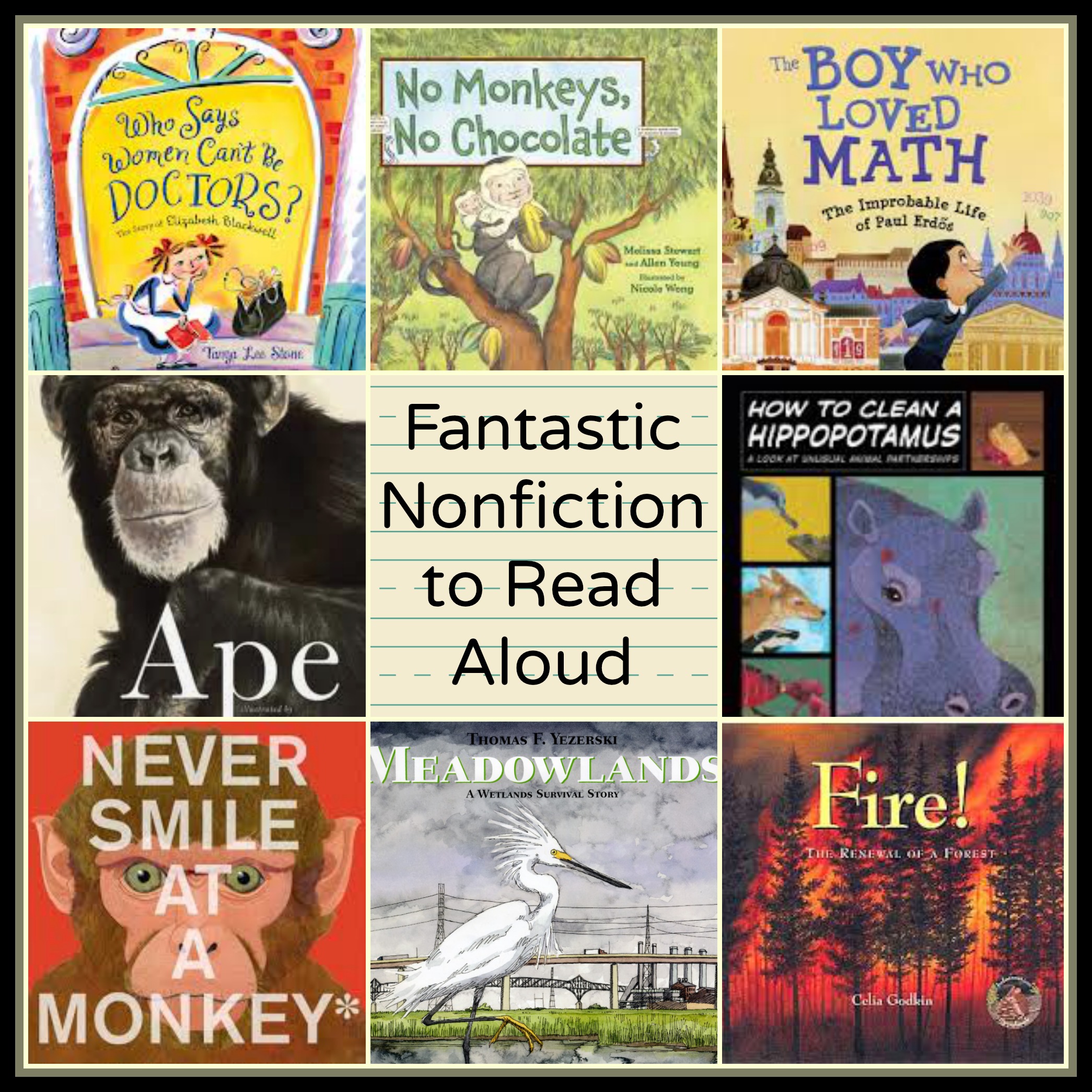
And how can I end this post without sharing some of my very favourite nonfiction to read aloud? Here are some titles that I have used with a lot of success in my primary/early intermediate classroom. Rich, rich learning opportunities!

 Fantastic Nonfiction to read aloud Part 2 The importance of the nonfiction read aloud There's a Book for That

I know there are many teachers out there doing amazing things with nonfiction texts in their classroom. This post is hardly a comprehensive list of everything that can be done with the read aloud and is not intended to touch on how to teach specific nonfiction genres. Please share your own ideas and links in the comment section! Let’s continue the nonfiction conversation.

Next post? Part 3: Interacting with nonfiction: getting students reading, thinking and talking together 

3A: Generating excitement, making choices and having time to read

3 B: Reading and working with the texts