Slowly learning about sloths (And how to work together!)

Group work. It’s an important skill. One that we need a lot of practice with – it is much harder than it first appears. There is listening to others, negotiating, turn taking, asserting an opinion, making a point, explaining your thinking, staying on task, having patience, agreeing, disagreeing, remaining polite . . . Wow! Not easy to do!

But on the last day before winter break, our Reading Group got brave and tried a new task that involved working together in a small group. Yes, there was a lot of encouragement needed to work productively and politely within our group (“No, you can’t be in a group by yourself,” “No you can’t change groups part way through the activity,” “Yes, you all have to talk together and agree.”) But, in the end, we made it and there was lots of  learning along the way – learning about the topic and about working together. 🙂

The task:

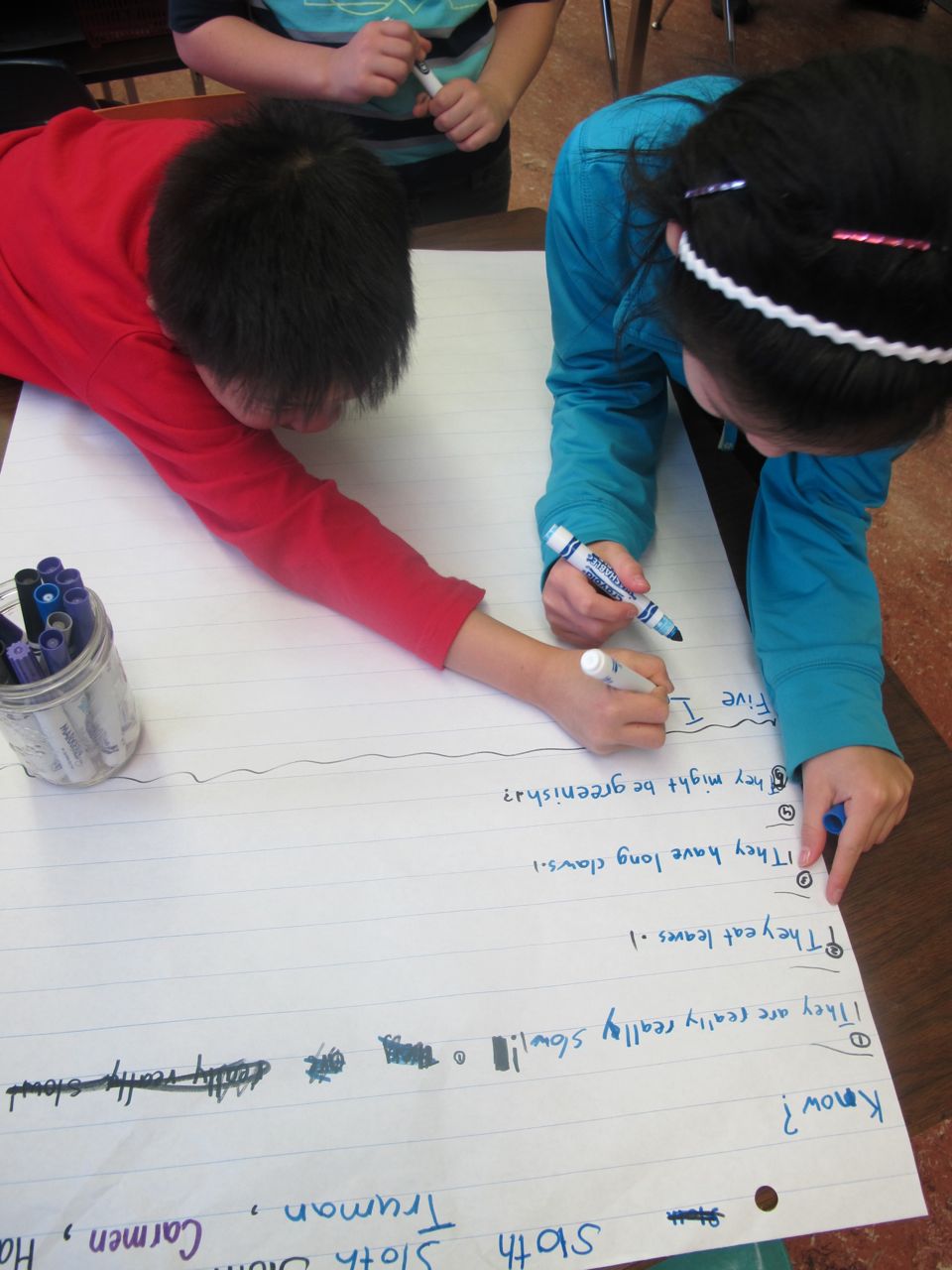
Step 1. The topic is sloths. In your small group, write down everything you know or think you know about sloths.

Compiling a list of what we know

Step 2: Read the article in Chickadee Magazine about sloths.

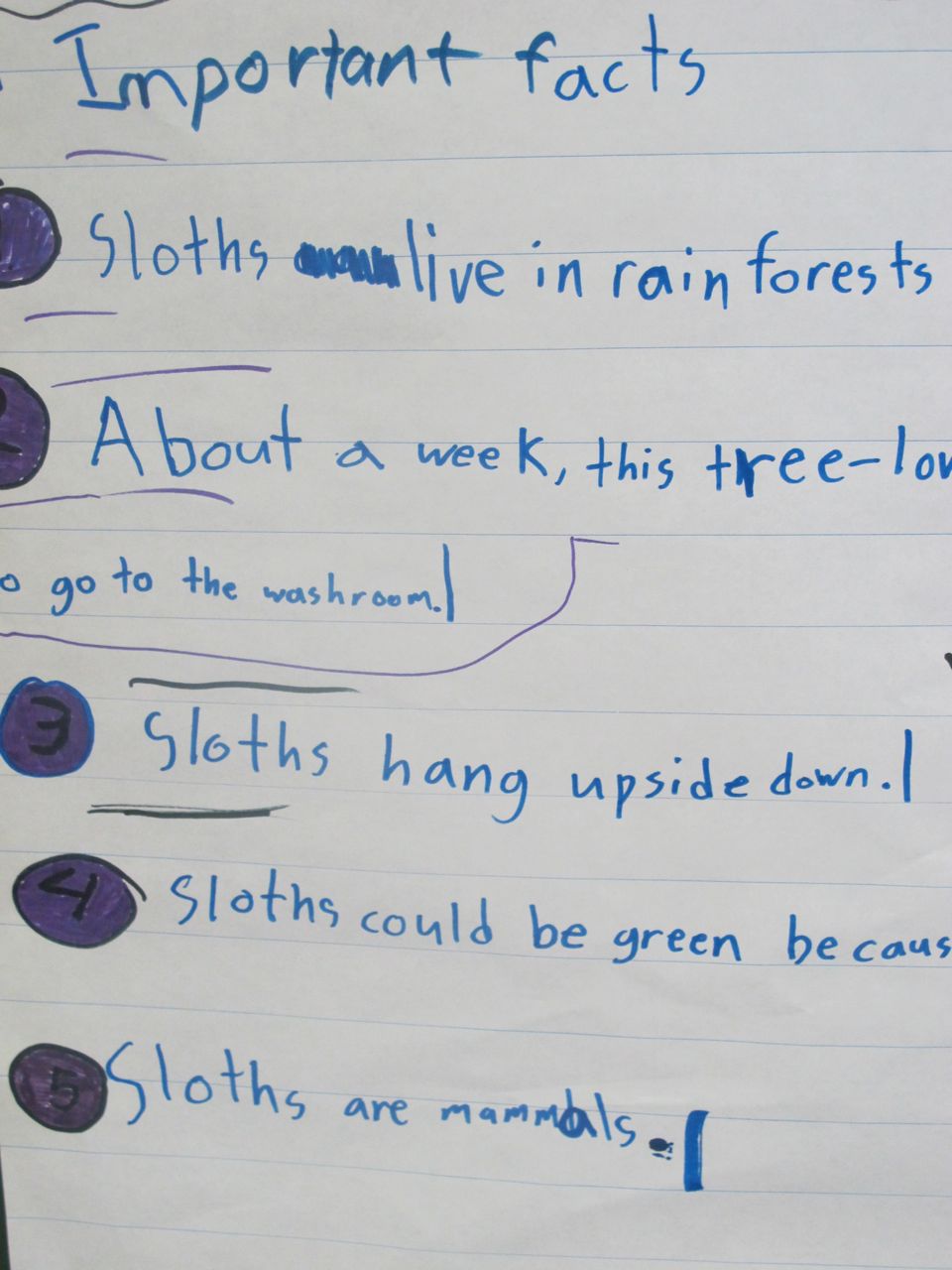
Step 3: In your small group, decide what are the 5 most important things you learned and list them.

One group's list

Another group added detailed pictures when they completed their list

Working together

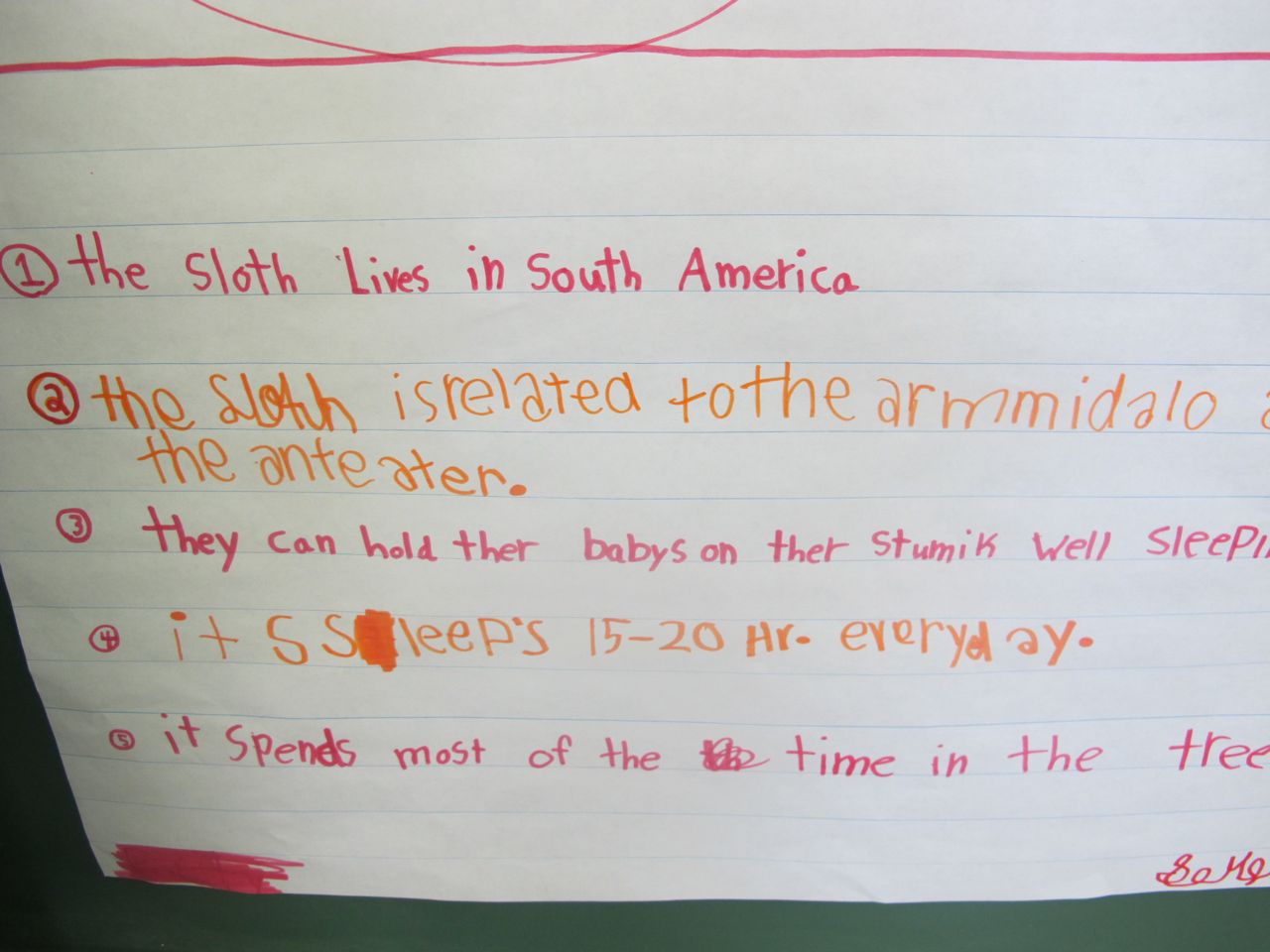
Step 4: Post your lists and look for common (on at least 2 out of 3 lists) facts deemed important

Another list

Step 5: Discuss what we learned.

Students noticed that some things were on many of the lists: where the sloths lived, how long they slept each day and that they hung upside down. Other facts were different. We decided that we needed to come up with criteria about what is important to know about an animal so that we could figure out what are the most important facts. This will be for next time! We are off along the road to learn how to determine importance!

I was pleased that students got into the rhythm of sharing and listening and that after an initial bumpy start, all groups met with success. The really wonderful thing – so much emphasis on students talking and leading. Each group naturally took turns reading sections out loud. Everyone did a little writing. Everyone talked and listened. Other than setting the task and helping the transition into a small group activity, my role was in the background. I asked a few questions, encouraged successful collaboration and watched students take charge of their learning. Well done reading group!

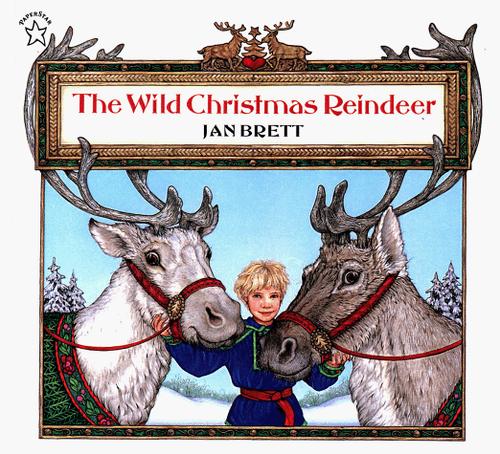
The Wild Christmas Reindeer

Today we read Jan Brett‘s The Wild Christmas Reindeer in our reading group.

Jan Brett is a favourite author for beautiful winter books. My home collection has many of her books and it was lovely to share this book with a small group today. In this story, Teeka is given the big responsibility of preparing the wild reindeer to pull Santa’s sleigh Christmas Eve. She approaches this task seriously and sternly and quickly learns that she needs to change her style to be able to work with the reindeer. A gentler, kinder approach is what makes a difference!

We are working on making observations about the story and asking questions about what we are still wondering.

Some observations:

  • Teeka wasn’t very good at her job at first
  • The reindeer didn’t like it when Teeka used a mean tone of voice
  • Teeka felt embarrassed about how hard she found her job
  • The reindeer forgave Teeka when she was kinder and more gentle
  • The reindeer were ready for Santa and Teeka was proud

Some questions:

  • Will Teeka do this job again next year?
  • Does a different elf take on this job every year?
  • Will Teeka train another elf to do it?
  • Were her jobs difficult? Carrying water? Brushing the reindeer?

Our week in pictures

Life has been busy at Seymour School! But lots of great learning and working together has been going on. Some highlights of the past week!

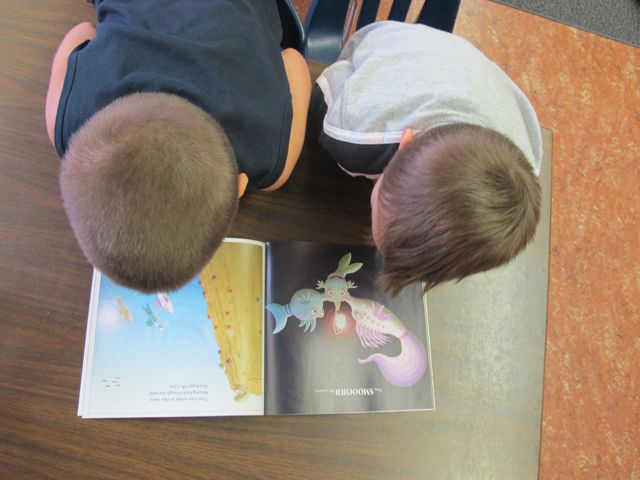
Buddy reading with our little buddies in Division 7 (K/1) is always a highlight of our week. This week we broke out the rhyme and repetition bin and enjoyed the repeating parts of stories we could share together.

Sometimes books call to you, "Come into the story!"

Sometimes books call to you, “Come into the story!”

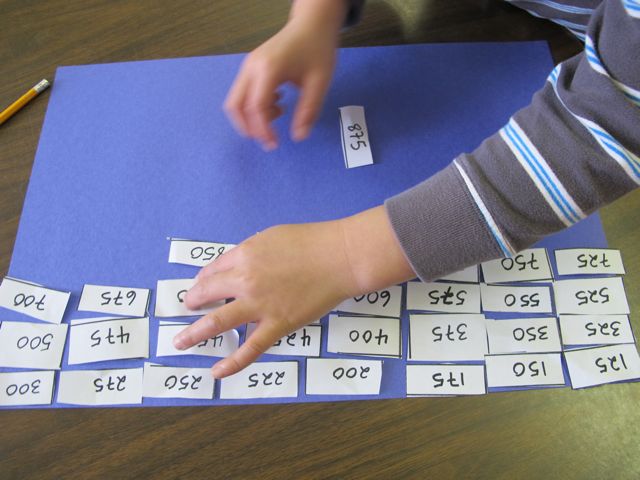
In math we have been working on skip counting. We find that physically moving numbers into sequence helps us practice the patterns really well. With 25s, we chanted “25, 50, 75, double zero!”

Follow the pattern!

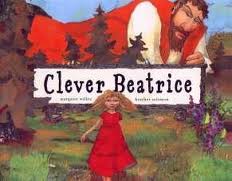
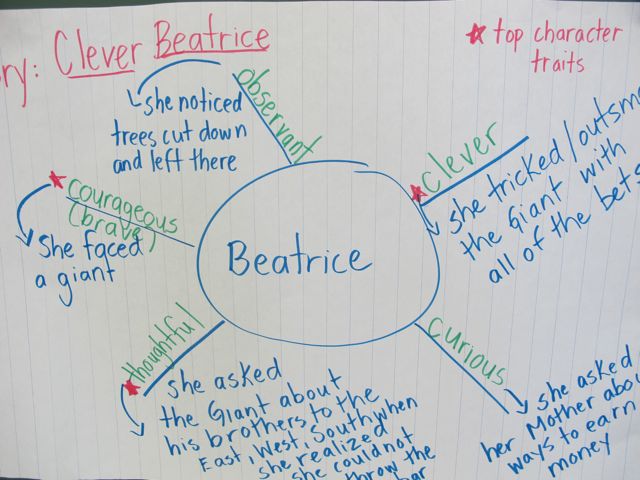
Our reading group shared a fantastic book called Clever Beatrice written by Margaret Willey and illustrated by Heather Solomon.

Clever Beatrice

As we read, we charted the character traits we noticed in Beatrice and at the end of the story, took turns sharing examples from the text that illustrated each point. Soon, we will be doing this with a partner and then eventually, on our own,  as we read a picture book.

Character Web

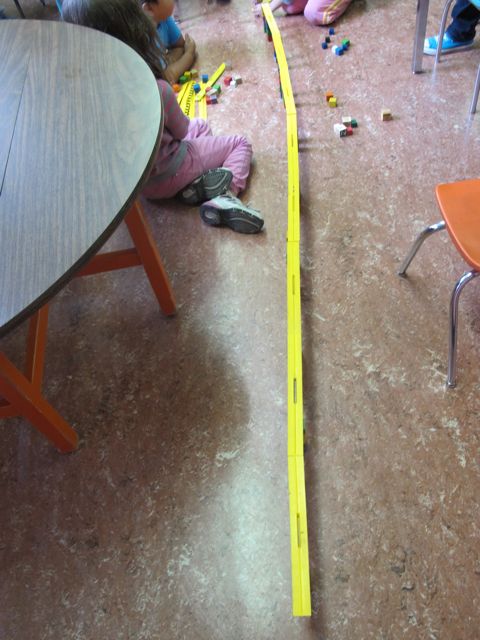
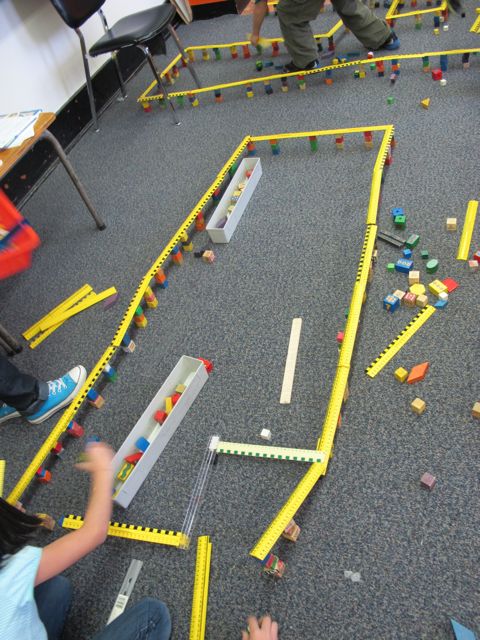
In Science, we have been studying structures. Today we learned some new vocabulary to help us talk about bridges: approaches, foundation, supports and span. The task was then to build a bridge using just blocks and rulers.

This group attempted to make the longest bridge possible and even test drove matchbox cars up the approaches and along the bridge.

Straight and long!

Another group wasn’t interested in the longest bridge, they were all about interesting! This bridge had multiple approaches and reinforced supports. (And options for multilane traffic)

IMG_1482

All over the classroom, bridge construction and team work could be observed. The adults loved listening to small group presentations about bridge design and how the groups worked together. One self assessment: “Next time, I will work harder at team work.” We really do depend on each other!

Bridges everywhere you look!

Great writers read (and take some inspiration!)

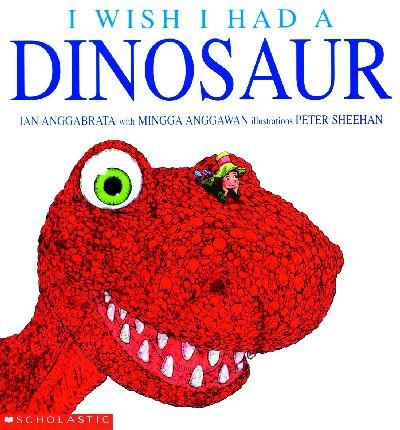
Today we read I wish I had a Dinosaur. This little title written by Ian Anggabrata (with Mingga Anggawan) and illustrated by Peter Sheehan provided lots of inspiration.

i-wish-i-had-a-dinosaur

It begins simply: I wish I had a dinosaur and goes on to tell us all of the ways life might be changed if a dino really did take up residence. A dino could make you braver, stronger and faster. But would everything be perfect? Hmm. . .

We did some of our own writing in response to this book.

Khai wrote a mini story called I wish I had an Elephant.

My elephant could clean the house and my car. It could spray my garden so no more hose for me! It could guard my house. It could give me a ride to school. But he would go in the mud and get dirty and then I got to spend all my time giving it baths!

Catriona’s mini story was called I wish I had a Horse.

My horse could give me rides whenever I wanted. When I go to my aunt and uncle’s I ride horses. I could practice riding my horse. I could ride to school and I could have a lot of time on the playground. But I wouldn’t have anywhere to keep him. My backyard isn’t big enough and it would eat all the grass! I couldn’t keep it in the house – he would knock over everything over. And how would I feed it? I guess I won’t have a horse after all.

How to Teach a Slug to Read (and maybe improve your own skills in the process)

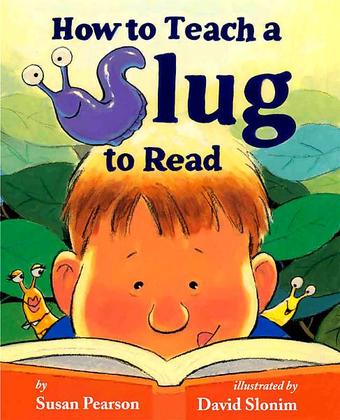
Do you know this book? How to Teach a Slug to Read by Susan Pearson and illustrated by David Slonim.

How to Teach a Slug to Read

Find a copy and appreciate. Ms. Sheperd-Dynes, Seymour’s Teacher-Librarian passed it on to me. I was delighted and knew it had to be shared and quick!

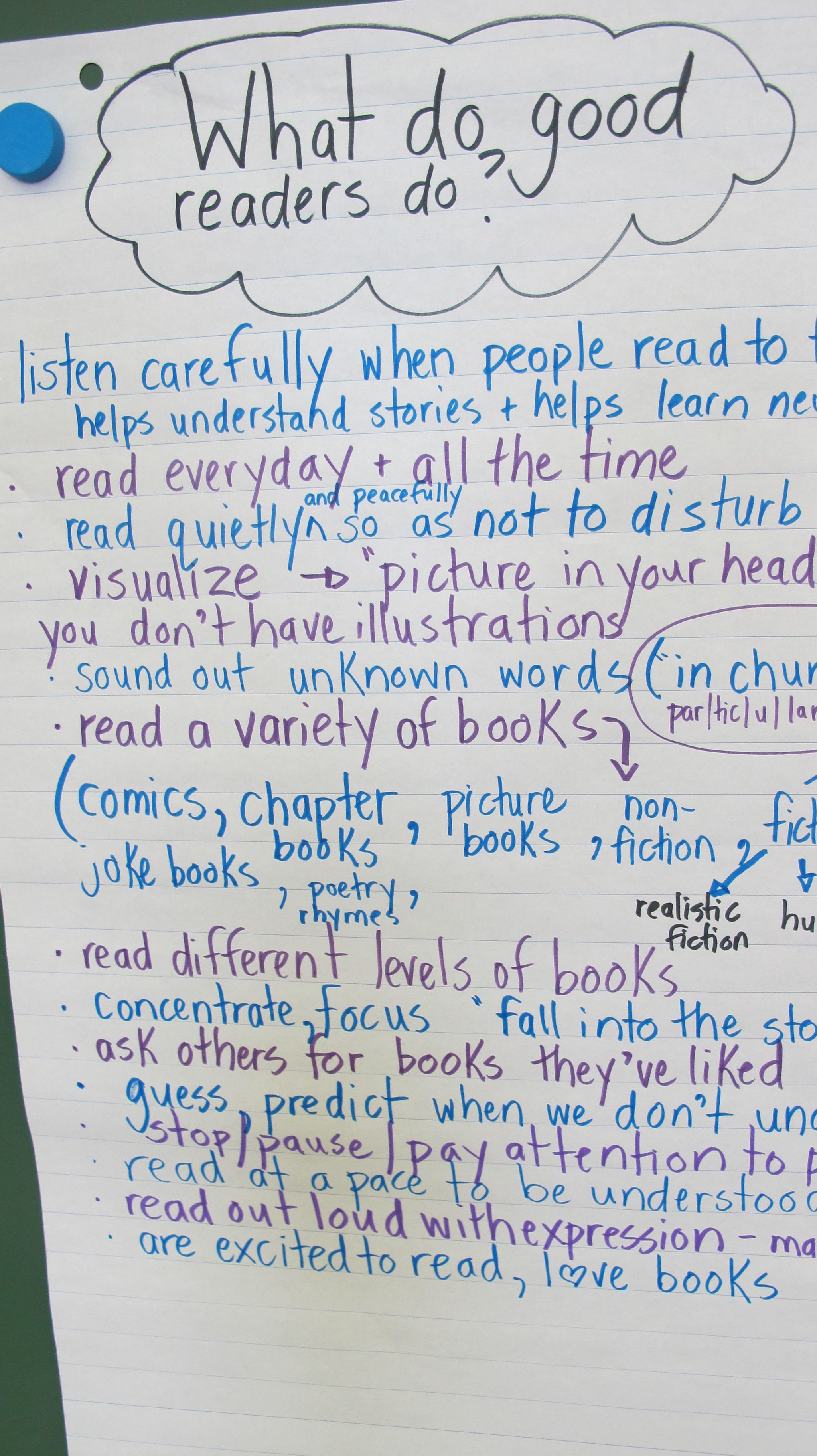
My reading group had been busy brainstorming a list about what good readers do. It is important to reflect on things we might not even be aware of but also, a good time to check in – are there things on the list I could be doing?

IMG_1072What do good readers do?

We certainly had some great ideas. I love that daily, enthusiastic reading made it on there.

Good readers love to read after all and the more they read, the better they get at it!!

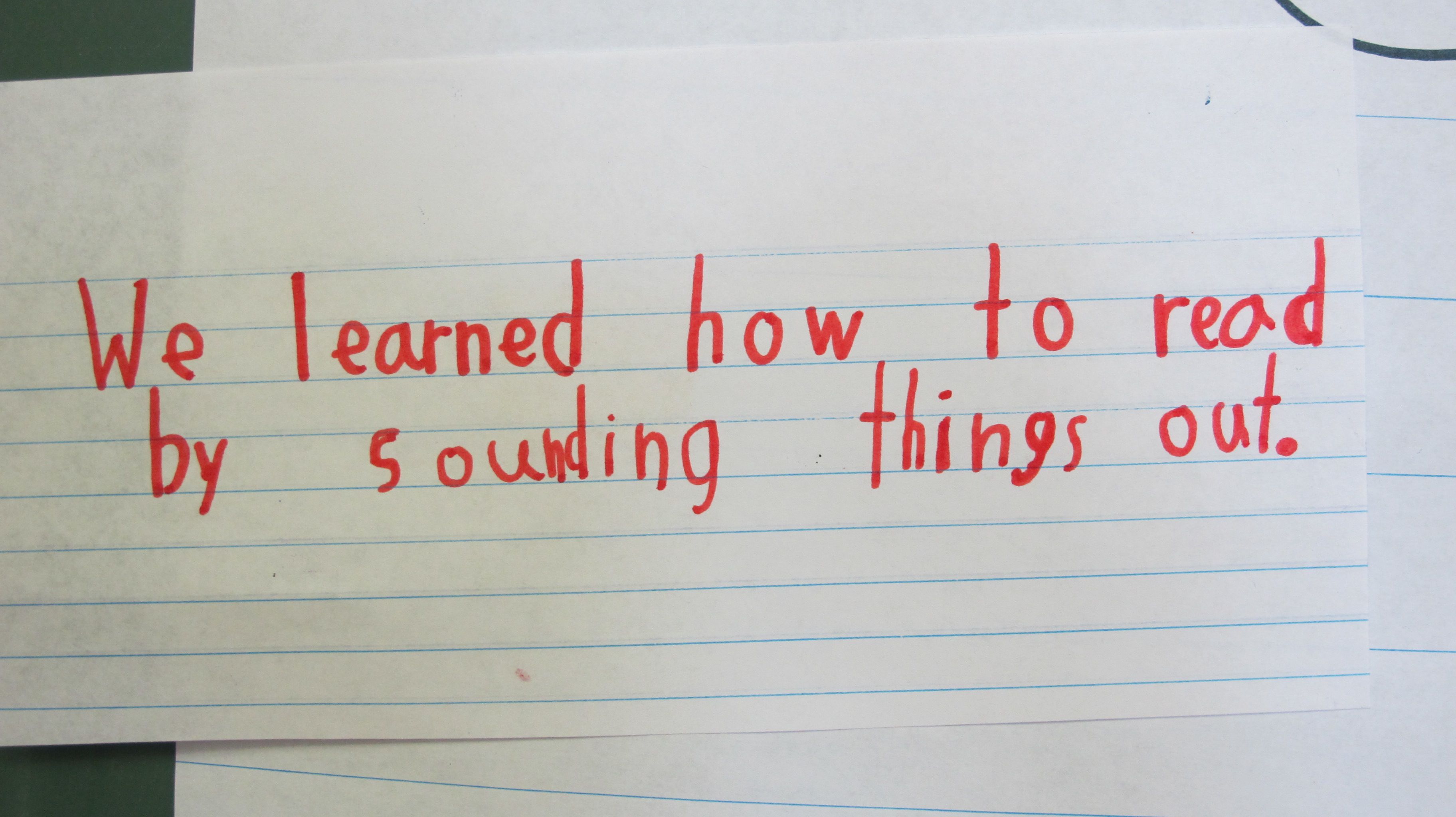
We also knew that we needed to use a variety of strategies: sounding words out, visualizing, and paying attention to context clues. Good readers also read from a variety of levels and a variety of genres.

A balanced diet of books.

My daughter saw this list and had something to add: “Good readers feel the emotions of the characters so they can feel what the author wants them to feel.”

Yes, she’s brilliant.

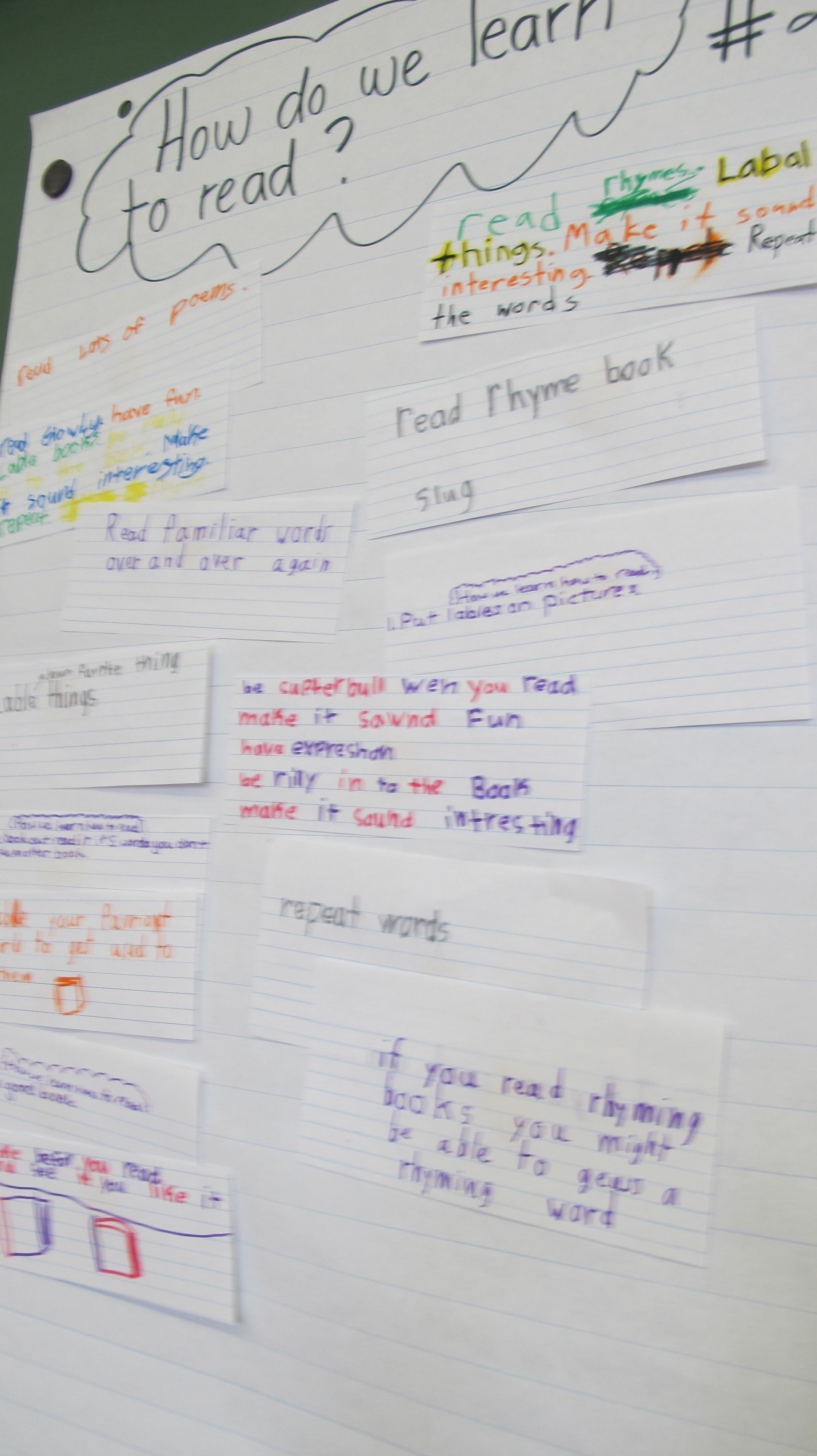
I then asked them to think about how they learned to read. I gave them strips of paper and felts and 10 minutes. Go write down everything you remember!

IMG_1068

Some more great ideas

 I then read them the very clever and delightfully simple How To Teach a Slug to ReadYes, it is all about how Mama Slug teaches her little slug to read, but it is not much of a stretch to apply it to early readers and developing readers everywhere. When we finished the story, I gave the students 10 more minutes to write any more “How to learn to read tips,” that they might have thought of after hearing this story. Here is what happened second time around:

IMG_1076

Some specifics

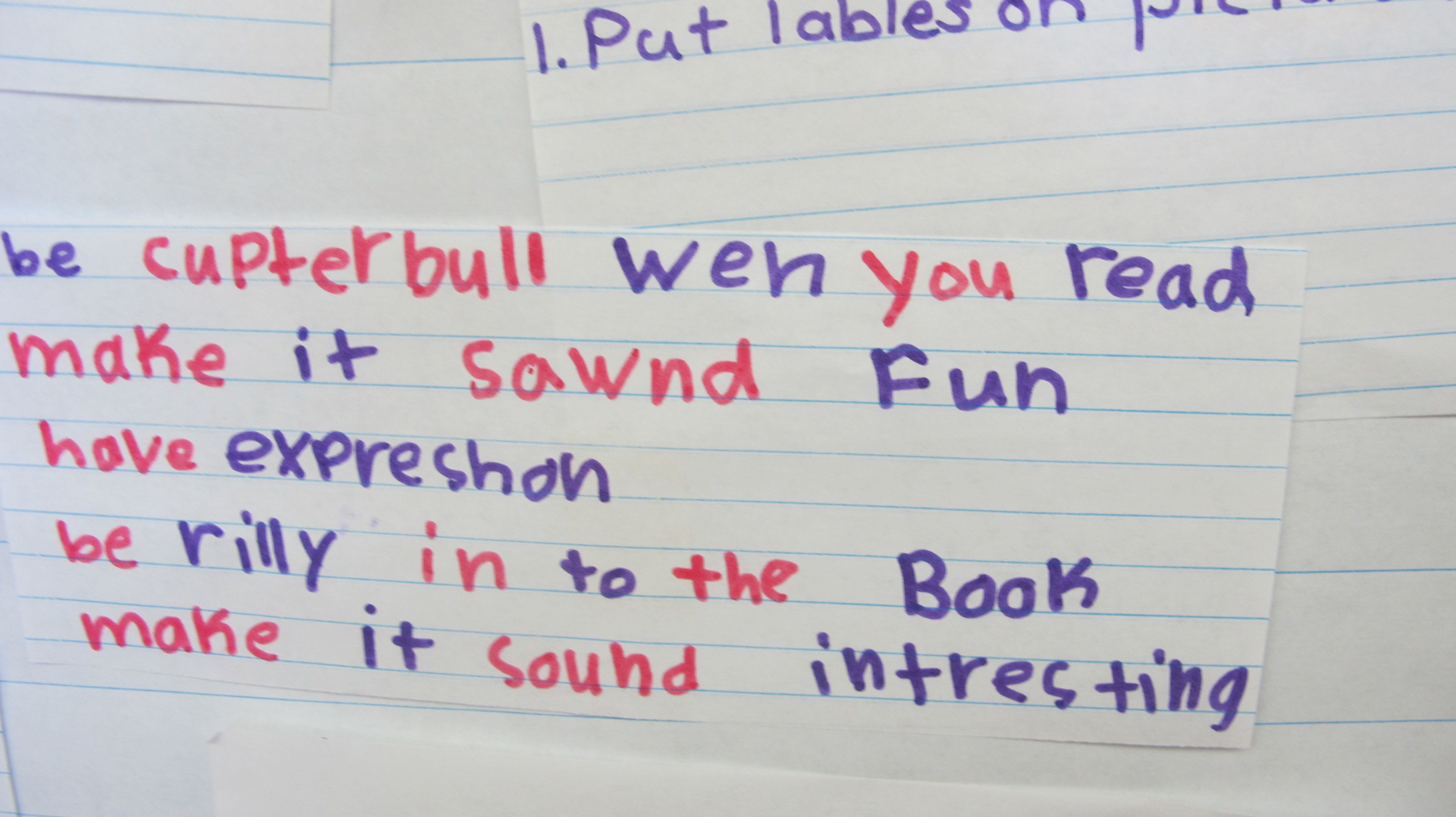
Be careful when you read.

Make it sound fun.

Have expression.

Be really into the book.

Make it sound interesting.


Another great idea

Other great ideas included: repeat favourite words, point out words in the text, label words in your world, learn from your mistakes, read poems, make it interesting, choose fun books, etc.

All in all some great learning and some careful summarizing of  important reading advice. We’re going to have great a year of reading.

“Why did we do this today?” I asked my students. “Well Ms. Gelson,” said Catriona, “It’s not like we know everything. There is still room for improvement! We have to keep thinking of ways to get better.”

They also told me that I should give this book to the Kindergarten teacher so she could use these ideas with her students.

Nick Bruel – we’re fans!

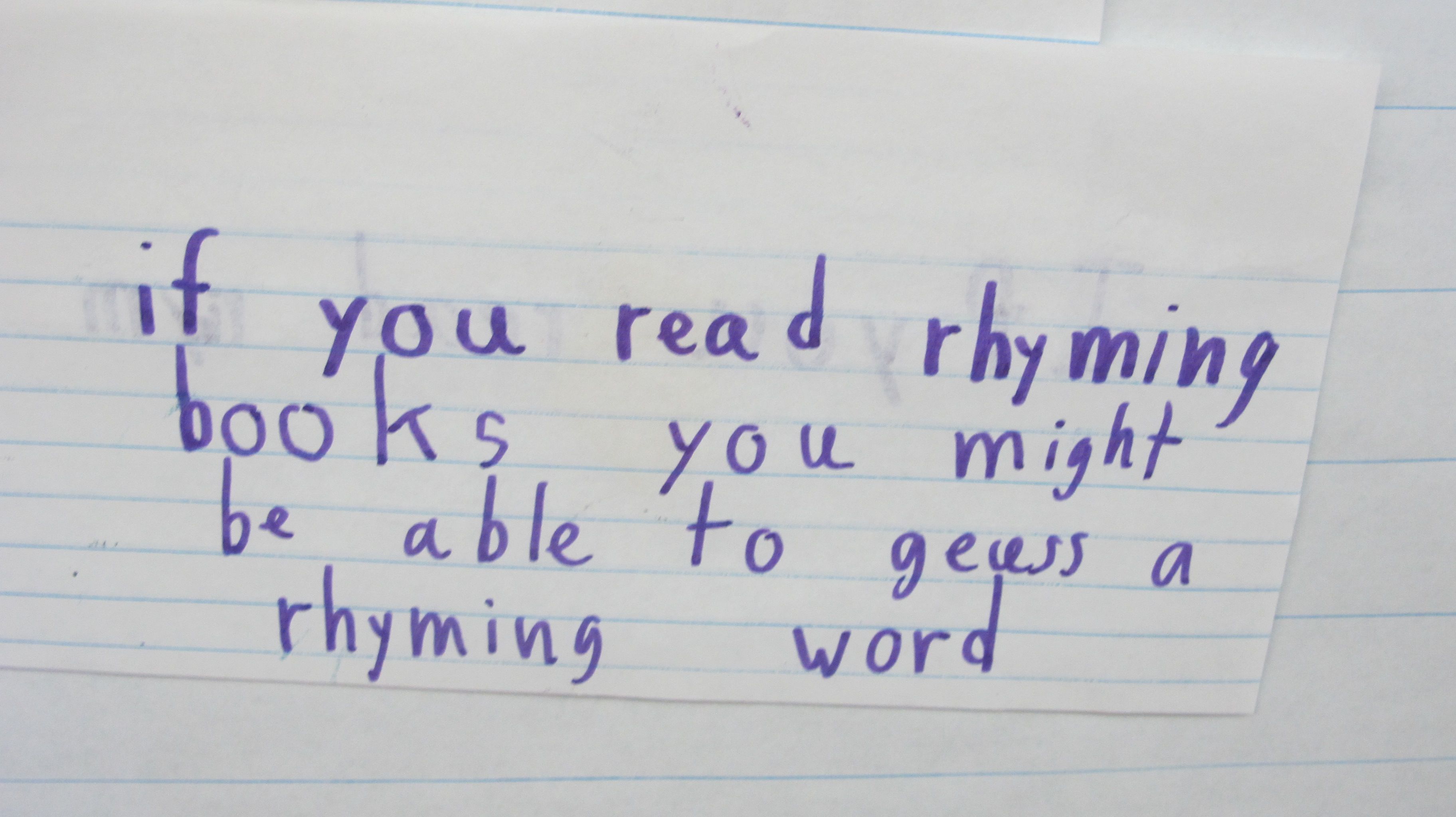
Our reading groups started this week. Everyone is very excited to build new skills and to reflect on the many skills we have. We started with a rhyming book by Nick Bruel, recommended to us by Ms. Morden. Students realized that they could fill in the blanks as I read aloud by paying attention to both the rhyming words and the context clues (a new term for many of us). This is one of the many skills that good readers (like us!!) possess.

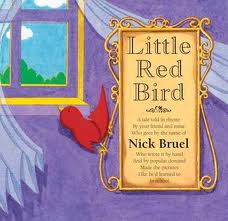
Little Red Bird is written and illustrated by Nick Bruel. A lovely story about choices, freedom and unexplored places.

Nick Bruel is popular in our class. His books Bad Kitty and Poor Puppy are picture book favourites.

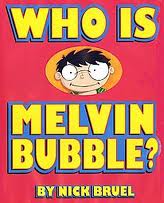
Who is Melvin Bubble? is a fantastic read aloud and the perfect inspiration for creative writing.

Predator Showdown

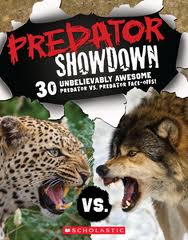
Yes, of course we know that predators have few reasons to fight each other. They are too busy hunting for prey to ensure their survival. But if they did battle each other . . . Well, wouldn’t we all just love to know what would happen? Lucky for us, Scholastic has published this very cool book about exactly that: Predator Showdown (30 Unbelievably Awesome Predator vs. Predator Face-offs!)

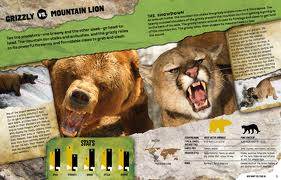
We are currently exploring this book with our Reading Group. It allows us to interact with non-fiction text features such as bar graphs to compare stats about speed, strength, defence, brains, etc or charts that tell us about predator style, range and sample prey. Students are asked to decide between two predators – First Instinct: Who would win? Justify. Some students are very familiar with the predators and find this easy, others are guessing just by looking at the pictures. Either way, it’s okay. There will be an opportunity to read more and make a more informed decision.

Today Catriona was thinking about a battle between a lion and a spotted hyena. Her first instinct? Who would win? She wrote:  “A hyena because male lions are lazy. Female lions do all of the work. And this is a picture of a male lion.”  She shared this thinking with me and then went on to explain, “I happen to know this. I’m taking my background knowledge and putting it into the paper.” (How much do I love when students are able to articulate exactly what they are thinking like this?)

We have been looking at three Predator Showdowns in more detail.

  • The Lion vs. Spotted Hyena
  • The Raccoon vs. North American River Otter
  • Tasmanian Devil vs. Dingo

After students have a chance to read the information page, they answer specific questions. Some questions have answers easily found on the page like: Look at the Stats section. Where is the raccoon superior? Other questions ask the students to include their own thinking. Can you think of a real life situation where these two animals might actually battle each other? Explain why you think this might happen?

We are also asking students to read a section and identify what was important to them about what they just read. For example, What is something you found particularly interesting about otters? Student answers varied. Some were intrigued that otters can stay underwater for up to 8 minutes. Others thought it was interesting that otters could dive up to 60 feet in search of prey.

After reading, students are asked to again think about who would win in a showdown. Many students changed their initial answers and provided lots of evidence from the text to support their thinking.

An inside page from Predator Showdown

Such a great book to engage children in learning and discussions. Answering questions allowed the students to build their confidence about forming an opinion based on evidence. Everyone wants to read this book when I put it out on the new non-fiction shelf! It will be a battle – a Student vs Student Showdown. Who will win and get to read it first?

Rainbow Bird

Sometimes, in a busy week, students will do some writing about a book we’ve read or an activity we’ve done and I don’t get a chance to read it that same day. When I open up the Response and Ideas books a few days later, I sometimes find absolute undiscovered treasures. The same feeling like when I find money in my pocket. It was there all along; I just hadn’t uncovered it. And when I do, wow! This writing has been hidden away in notebooks for a week and now must be shared!

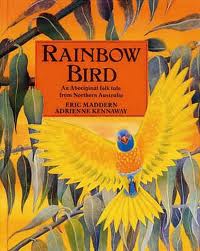
Today, I began reading student responses to Rainbow Bird – An Aboriginal Folktale from Northern Australia by Eric Maddern and vibrantly illustrated by Adrienne Kennaway. Thank you to our Teacher Librarian, Ms. Sheperd-Dynes for recommending this title.

Rainbow Bird is a “pourquoi” tale explaining how humans acquired fire.

Long ago, Crocodile Man had fire and refused to share it with any of the other creatures. Bird Woman was able to trick Crocodile Man and steal fire from him. Proudly, she asserts, “Now I shall give Fire to the people.” She flew around the country putting fire into the heart of every tree. From this day onward, people could make fire using dry sticks and logs from a tree.

Students in our reading group loved this dramatic story and were eager to write and draw about it.

A few samples:

Gary is in Grade 2. His writing shows that he has learned to summarize stories using specific and descriptive language.

“Crocodile Man could blow fire. He said he is the boss of fire. The animals begged for fire but he won’t give them fire. Bird Woman asked Crocodile Man for fire but he still won’t give her fire. Then crocodile man went to sleep. Bird Woman took the fire and shared it. She put fire on herself and became Rainbow Bird. Now Crocodile Man is stuck in the swamp forever.”

Truman is a Grade 1 student who has delighted in learning idioms. These idioms snake their way into his writing and show that he understands their meaning very clearly. I laughed out loud reading this!

“Crocodile Man says he is the boss of fire. It was the time of dreams. Bird Woman is cold at night because she doesn’t have fire. One day, Crocodile Man was dog tired. Then Crocodile Man was green with envy because Bird Woman took his fire stick. Now Bird Woman is happy as a clam. She put fire in the heart of trees. Now Crocodile Man lives in the swamp forever. Bird Woman said, “If you come up here, you will die!”

Catriona is a confident thinker and writer in Grade 1. I love how she shares her predictions and questions in her response. It is evident that Catriona utilizes all of the reading powers when she reads or listens to a story.

“I predicted that Rainbow Bird would steal Crocodile Man’s fire and I was right. But Rainbow Bird wasn’t always Rainbow Bird. She used to be Bird Woman. I am still wondering if that story could be true if they took all the fiction out and replaced it with real life stuff. Then, where would Rainbow Bird put the fire?”

All such different responses to the same story shared together. I am delighted by them all!

National Geographic Kids

We’ve been able to pick up some fantastic non-fiction titles through Scholastic Books this year. Published through the National Geographic Society, these books include all the non-fiction features necessary to make navigating through the pages a wonderful experience. Hundreds of full colour photos, maps, labelled diagrams, comparisons, an interactive glossary and more! Recently, we used Everything Big Cats to practice asking questions before we read and to answer questions about the text by interacting successfully with the features.

This past week our Reading group learned about the differences between the big cats, what the big cats eat and how they hunt and how the bodies of big cats are built to survive.

Some of our pre-reading questions:

  • Do big cats hunt together in a pack? (Jena)
  • Do they have super smell for food? (Jenifer)
  • Why do cheetahs have dots? (Hajhare)
  • Do they eat human beings? (Truman)
  • Why do tigers need whiskers? (Sergio)
  • Do they eat in groups? (Lisa)
  • Does their fur keep them warm? (Eddy)
  • How big is their brain? (Jeremiah)
  • How strong is the force of a big cat’s bite? (Ricky)

Students answered questions about what the big cats eat using a chart called What’s For Lunch? Some surprising discoveries? Jaguars eat small crocodiles (large crocodiles would be too dangerous). Leopards hunt (very carefully) porcupines! We also discovered that tigers can eat the equivalent of 80 pounds (36 kg) of meat in one sitting. Wow!

P1020694

Students also found it interesting to compare the bodies and fur patterns of the four big cats by reading Who’s Who? The largest of the big cats? The tiger who can weigh up to 660 pounds (300 kg)! We also learned that the stripes on a tiger are like fingerprints. No two stripe patterns are the same. And what about black panthers? They are actually either jaguars or leopards with dark fur. Who knew?


Why are we reading about dead things?

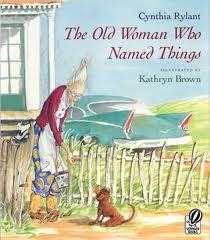
There aren’t a lot of picture books that deal with death, loss, grieving and healing really naturally and really well. There are definitely some (I Remember Miss Perry by Pat Brisson, Nana Upstairs and Nana Downstairs by Tomie dePaola and The Old Woman who Named Things by Cynthia Rylant are favourites of mine on this theme).  As teachers, we like to collect these titles because it is always good to have a book to help explore the feelings that come with having to face losing someone we love. When death somehow touches our classroom or our home, we look for a book that helps us talk about this very difficult subject that we tend to never talk about otherwise. Nobody believes in the power of a book to touch us and heal us more than me but I started thinking about this. What if we read books with this theme just because?
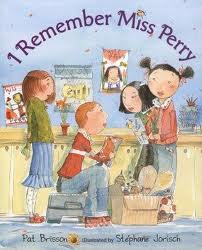
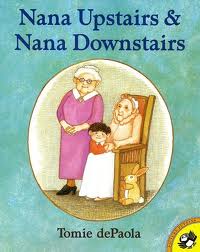
Death is a part of life and maybe if we discussed it a little more easily and often, we would be better equipped to talk about it when it does happen to us? It was with this mindset that I decided to read two recently discovered books with my reading group and see where the responses and discussion took us. I found both at the public library when perusing the picture book collection. They came home with me and sat there in my book pile just asking to be read. I’m very glad I got to share them this week.

I started with All the dear little animals written by Swedish author Ulf Nilsson and illustrated by award winning Eva Eriksson. Translated by Julia Marshall.
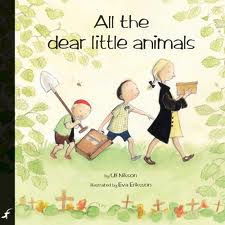
This book is about three children: Esther, the boy who is our narrator and Esther’s little brother Puttie. One day the children have nothing to do and were looking for some fun. Esther finds a dead bee and decides to dig it a little grave. Our narrator confesses that he is afraid of everything, especially of dying but after a few disparaging comments from Esther, decides that he can write things, like about how horrible death is. Off they go, shovel, poem and little coffin in hand to bury the bee. “Poor little bee”, says Esther, “but life must go on.” Then a plan hatches. There must be dead things everywhere – shouldn’t they find these things and bury them all?  Esther decides that this is the unselfish thing to do. Some students thought this was a terrible idea but Alyson’s comment got them thinking: “If you’re dead, do you want someone to bury you and pray for you? Or just be left there?” We all thought about that for a minute and continued on with the story.

The children’s idea grows into an idea for a business. They would call it Funerals Ltd. They would help all the poor dead animals on earth by giving them a funeral. Everyone had a role. Esther would dig the graves. The narrator would write the poems and Puttie, too little for anything else, would cry. They phone all of the neighbours and find a girl with a dead hamster. Esther’s father’s rooster needed to be buried. They found three dead fish in the freezer. (We suspected these were supposed to be dinner) Grandma gave them the mice from her mouse traps. They discovered a squashed hedgehog on the road. Esther was delighted. Then a huge hare. Many, many little graves, many poems. Esther admits the poems are actually quite good.

At this point, Ricky found the words to articulate that nagging feeling he had. “Actually, there’s something wrong here. When they find something dead, they’re happy. They’re supposed to be sad.”

When the children saw a blackbird hit a window and die, things seemed to change. The students noticed that the characters, especially Esther seemed really sad now. “Finally.” The blackbird funeral was their last that day.

The story ends with these words: The next day, we found something else to do. Something completely different. Making this experience seem very normal. Children exploring death and grief. A natural curiousity that brings on a range of emotions. Still a sad, sweet book, but normal.  Not too sentimental. Really, an amazing book.

My students had quiet reactions. “It’s a touching book.” “Emotional.” “Maybe they felt sadder when they actually saw it die?”

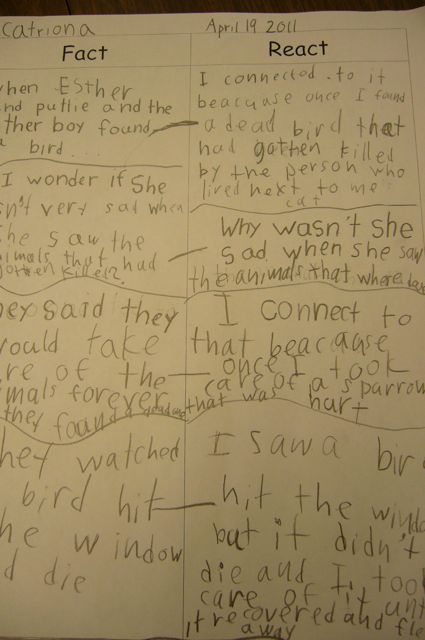
I let kids write about this book by choosing specific parts to respond to using a Fact/React sheet. On one side they recorded a story event and on the other, their connections, questions, thoughts.

Kevin shared:  Fact: They found a dead hare. React: But they were happy. But maybe they were sad inside.

Lisa wrote: Fact: Esther found a box. She put the bee inside the box. React: It’s a good idea to put it in a box.

Hajhare’s thoughts: Fact: In the story a rabbit died and I would be sad if something died, but these people are not sad. React: It reminds me of when a fly died and I wasn’t sad too because I hate flies and bees.

Annie shares: Fact: Esther saw a blackbird hit a window and it was dead. React: I was really sad when the bird was dead. Esther was sad too.
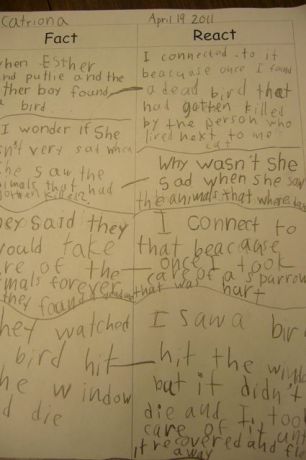
Catriona writes: Fact: They said they would take care of the animals forever when they found a dead one. React: I connect to that because once I took care of a sparrow that was hurt.

Eddy’s ideas: Fact: They found a dead rabbit on the road. React: Why did a rabbit die on a road?

When he shared this question, Catriona gently helped him to see how this could have happened. “A road. Cars go on the road. It was squished . . . .” “Oh.”

Jena‘s opinion: Fact: Puttie, Esther and a friend made graves, coffins and read poems. React: I think they were overdoing it a little too much.

I decided to read the next book because it explored all of the emotions around death and grief. This was something the students really discussed – noticing at times what they thought was the absence of emotions from the characters in All the dear little animals.

Remembering Crystal by Sebastian Loth is a beautiful little book that through simple text (only a sentence or two on each page) and powerful pictures addresses the range of emotions felt when a friend is gone. It celebrates friendship and explores all of the emotions felt in grief – denial, anger, helplessness, sadness and finally coming to a place of peace.
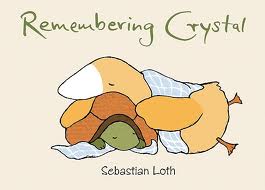
This book had everyone’s full attention from page one. Each time I read a page there was either a comment or some sort of audible response – “Whoa!” “Ahh!”  “Oh!” or an obvious silence as feelings sank in.

Zelda is a young goose and her best friend is an old turtle named Crystal. They do all sorts of things together. Read. Swim. Travel. Talk about everything from their fears to their dreams.  “They are really connected, ” comments Lisa. “Yes,” exclaims Catriona. “Literally on each other’s back!”

Then one day Crystal is not in the garden. The other geese explain to Zelda that Crystal had a long and happy life and it was time for her to die. Zelda won’t belive this. She thinks the geese are hiding Crystal and goes off in search of her. She looks everywhere and can’t find her friend. Then she starts to remember all of the things Crystal taught her – about music, art, the world. She returns home and goes to Crystal’s garden feeling very lonely and very sad. Finally, she accepts that Crystal is gone. She knows that she will always remember Crystal and wherever she goes, Crystal will be with her in her heart.

Students had things to say immediately.

“If one friend passes away, you can still have them in your heart,” Jena commented.

Catriona had a strong reaction, “Why would they put that in a kid’s book?”

Little conversations broke out all over the carpet. I just sat and listened.

Alyson, “But it’s actually kind of good.”

Catriona “Why are we reading about dead things?”

Sergio “We’ll all die.”

Catriona “You’re not old.”

Here I asked the question, “Why do you think this is in a children’s book? Let’s see if we can come up with the answer.”

Jena: “Because if someone in their family passes away, you can learn they are still with you.”

“It helps us think about it.”

Hajhare: “But it’s sad. I was actually going to cry Ms. Gelson.”

Ricky: “It’s like Toy Story 3. Andy gets older and won’t play with the toys anymore. Crystal gets older and leaves. Well, dies.”

“Yeah. It’s like that with life.”

We continued a conversation for a little while realizing that these books do help us think about how it feels when someone dies and also help us by showing us how people might grieve. Although it might have at first seemed strange to discuss this topic, we all kind of felt calm at the end. Calm and okay.

Reach for these books that deal with death when the need is pressing but don’t be afraid to read them at other times so that children have a chance to explore and discuss these feelings and emotions when they aren’t overwhelmed by their own sadness.