Unknown's avatar

About carriegelson

Elementary teacher passionate about all things literacy.

ABCDEFG . . . Alphabet books for you and me!

The alphabet. The basis for all we write and read. Let’s celebrate our letters! We can do it with rhyme, with nonsense, in quiet or noisy ways. Our letters tell many stories. Some wonderful books to celebrate the A, B, Cs!

Achoo! Bang! Crash! The Noisy Alphabet by Ross MacDonald
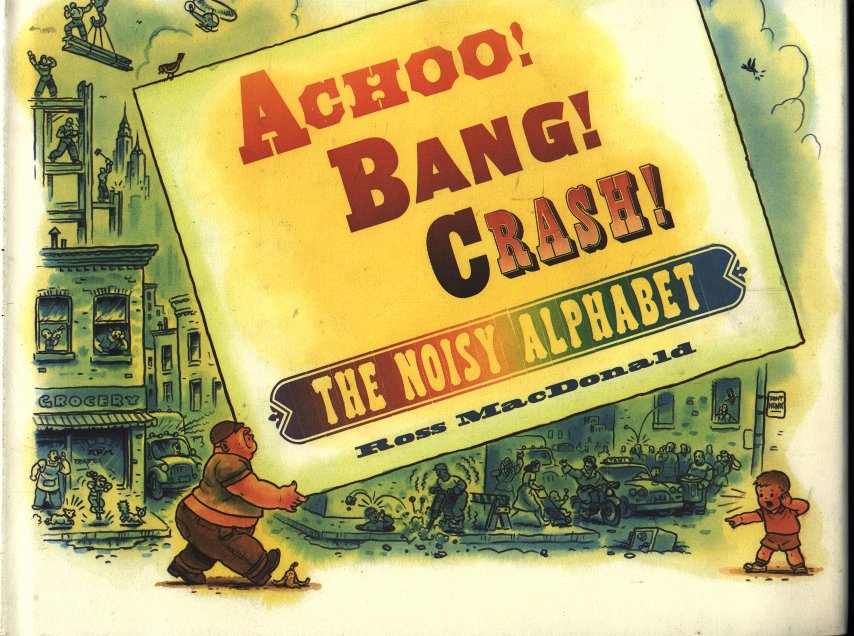
Noisy letters. Yippee! Wahoo! Ding Dang, Eeek, Fwip, Grunt, Honk Honk and on it goes. This book delivers our 26 letters marching across the pages with much exuberance and the aid of a vintage printing press. Noisy! But gorgeous!

LMNO peas created by Keith Baker
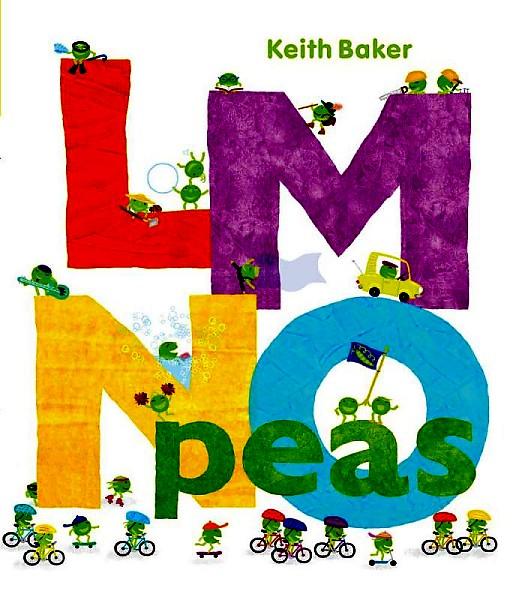
These little green peas inspire many different ideas for occupations. Painters. poets. plumbers, pilots, parachutists? That covers the “P”s! Want to guess the “S” occupations? Come on! This is a great way to share this book as a read aloud!

Dr. Seuss’s ABC
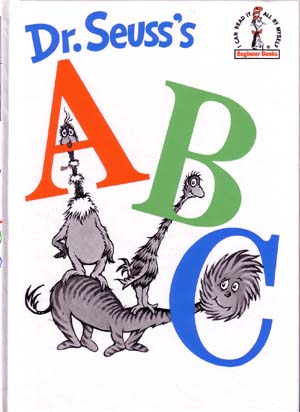
Nobody does nonsense better than Dr. Seuss! He is the King of Silly 🙂 My class loved this book and begged me to read certain pages over and over so we could try to recite particular pages together as a class. A taste. Big M little m: Many mumbling mice are making midnight music in the moonlight . . . mighty nice

Alphabetter written by Dan Bar-el and illustrated by Graham Ross.
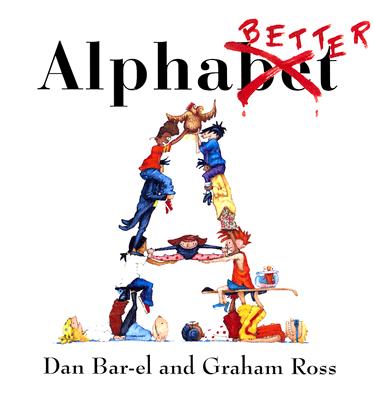
This book invites the reader to do many things on each page. First, enjoy a story that weaves through letter by letter.

Alberto had an alligator, but he didn’t have a bathing suit.

Benoit had a bathing suit, but he didn’t have a clarinet.

Second, search each page (sometimes you need to search and search and search) for a hidden letter. (a on A page, b on B page, etc)

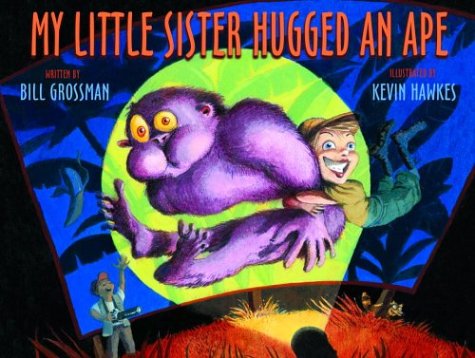
My Little Sister Hugged an Ape written by Bill Grossman and illustrated by Kevin Hawkes.
 ABCDEFG . . . Alphabet Books for you and me! There's a Book for That

This alphabet book has much more text than others and carries us along in delightful rhymes. The little sister, on a hugging spree,  hugs animals from A to Z. Fun!! And then some more! A sample:

She gave an OCTOPUS a hug. Those eight long arms felt nice and snug,

Gripping my sister in eight different spots. And tangling themselves into eight different knots.

The Dangerous Alphabet written by Neil Gaiman and illustrated by Gris Grimly
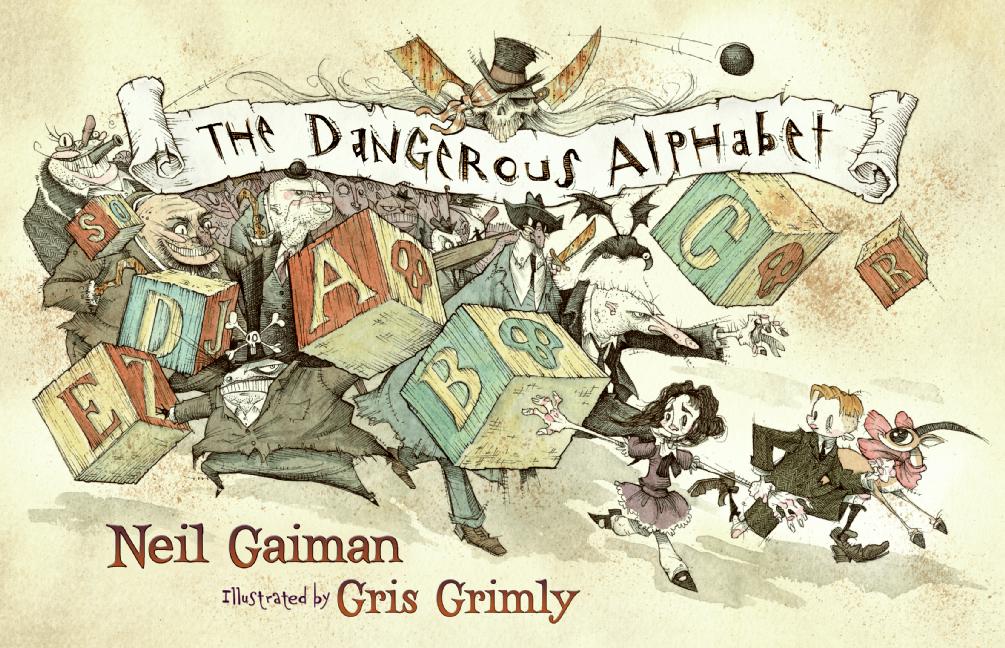
Follow not just letters through the pages. This is is a superbly edgy journey through the land of adventure. Pirates. Monsters. Bats. Creepy tunnels by boat. Eyes are watching you. Will you make it to safety? Follow two children and their pet gazelle through a world beneath the city. Beautifully creepy.

H is for “Help me!” – a cry, and a warning . . .

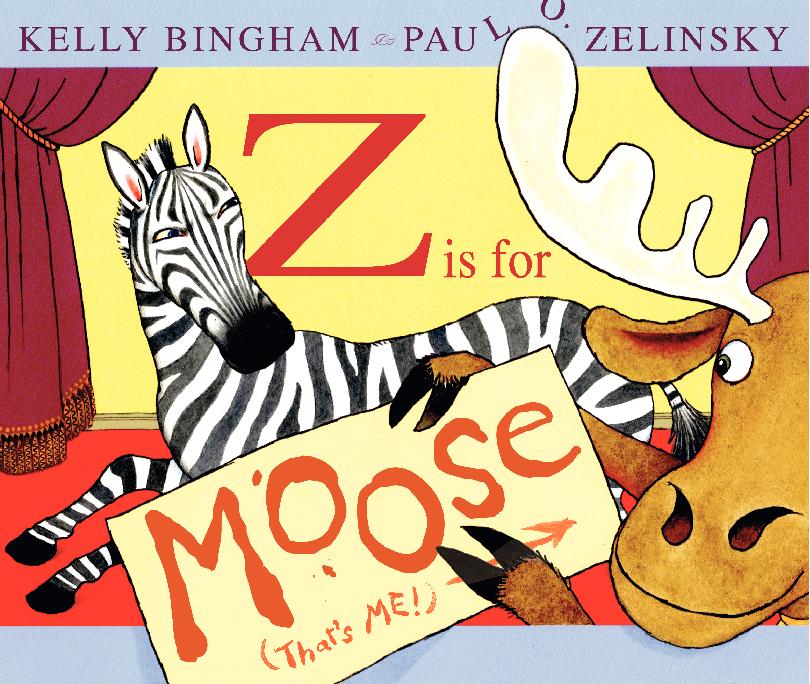
Z is for Moose by Kelly Bingham and illustrated by Paul O. Zelinsky
 ABCDEFG . . . Alphabet Books for you and me! There's a Book for That

This book could be a very simple, run of the mill ABC book. B is for Ball, C is for Cat, etc. But. . . a very impatient moose cannot wait for his turn and M is very far away when we begin with A! Full of moose mishaps, much humour and a lovely act of kindness. This is easily one of the most shared book during buddy reading time in my room.

Bruno Munari’s ABC

 ABCDEFG . . . Alphabet Books for you and me! There's a Book for That

First published in 1960, travel through interesting pairings and graphically interesting pages.

A piano, a Package, Peanuts, a Pear a Pea Pod for a . . . (turn the page) a Quail.

Each page flows and connects in the most interesting of ways

Flora McDonnell’s ABC

 ABCDEFG . . . Alphabet Books for you and me! There's a Book for That

A study in letters, opposites and clever pairings. Each page has 2 objects beginning with a specific letter. Some of my favourites? The large giant with a tiny red glove perched on his thumb, a regal tiger with a teapot balanced on his head and a rhinoceros sniffing at a radish. Bright, bold and beautiful.

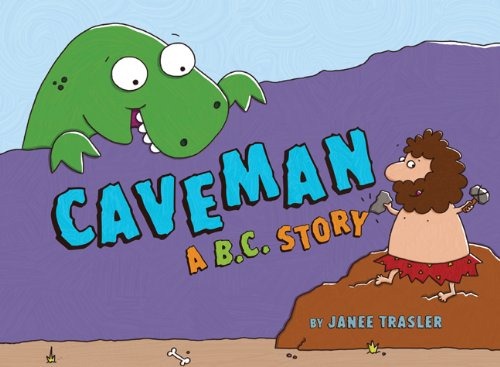
Caveman a B.C. Story by Janee Trasler 
 ABCDEFG . . . Alphabet Books for you and me! There's a Book for That

A hilarious tale told one word at a time in ABC order. Much humour and much to infer.

These books are not just for our children learning their letters. Read them right into the intermediate grades. They let us guess, wonder and delight in the magic of language – from one letter to long strands of text! Enjoy!
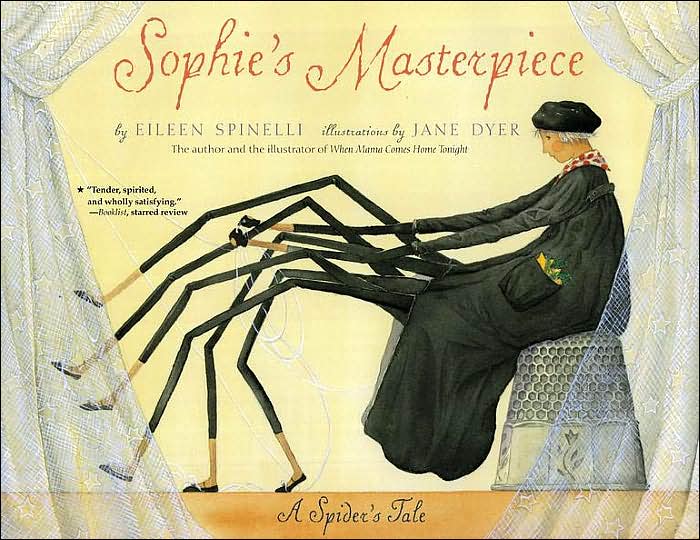
Sophie’s Masterpiece

Sophie’s Masterpiece is one of the most beautiful picture books I know to illustrate the concepts of kindness and generosity. Written by Eileen Spinelli and illustrated by Jane Dyer.

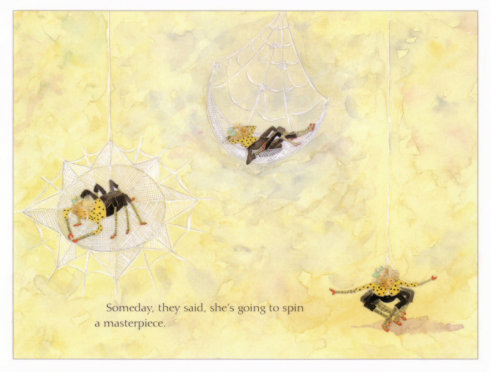
Poor Sophie the spider has a horrible time when she tries to find a place of her own in a boarding house. The tenants screech, swat at her and hide out on the windowsill to escape her. She moves from room to room, unwanted despite the thoughtful spinning she does for the various people she encounters: a web of curtains, a bright blue suit or a a pair of new slippers. Finally, when she must make the long and tiring ascent to the third floor in search of a place to be safe, Sophie is much older and very weary. She finds herself sharing a room with a young woman who does not despise her but smiles at her. When the woman has a baby, Sophie gifts the child with a blanket with strands of moonlight, starlight, wisps of night and old lullabies woven into it. So beautiful, a gift of love. Sophie weaves her heart into the farthest corner and is no more. Her last weaving, her masterpiece is such a beautiful act of kindness.

Look how she was to people,” remarked Shae-Lynn. “After all of that hitting and screeching, she gave her own heart to be kind.”

Some new aspect of kindness for us to consider. Kindness can continue to be given even when so little seems to be received in return. The act of giving brings its own rewards.

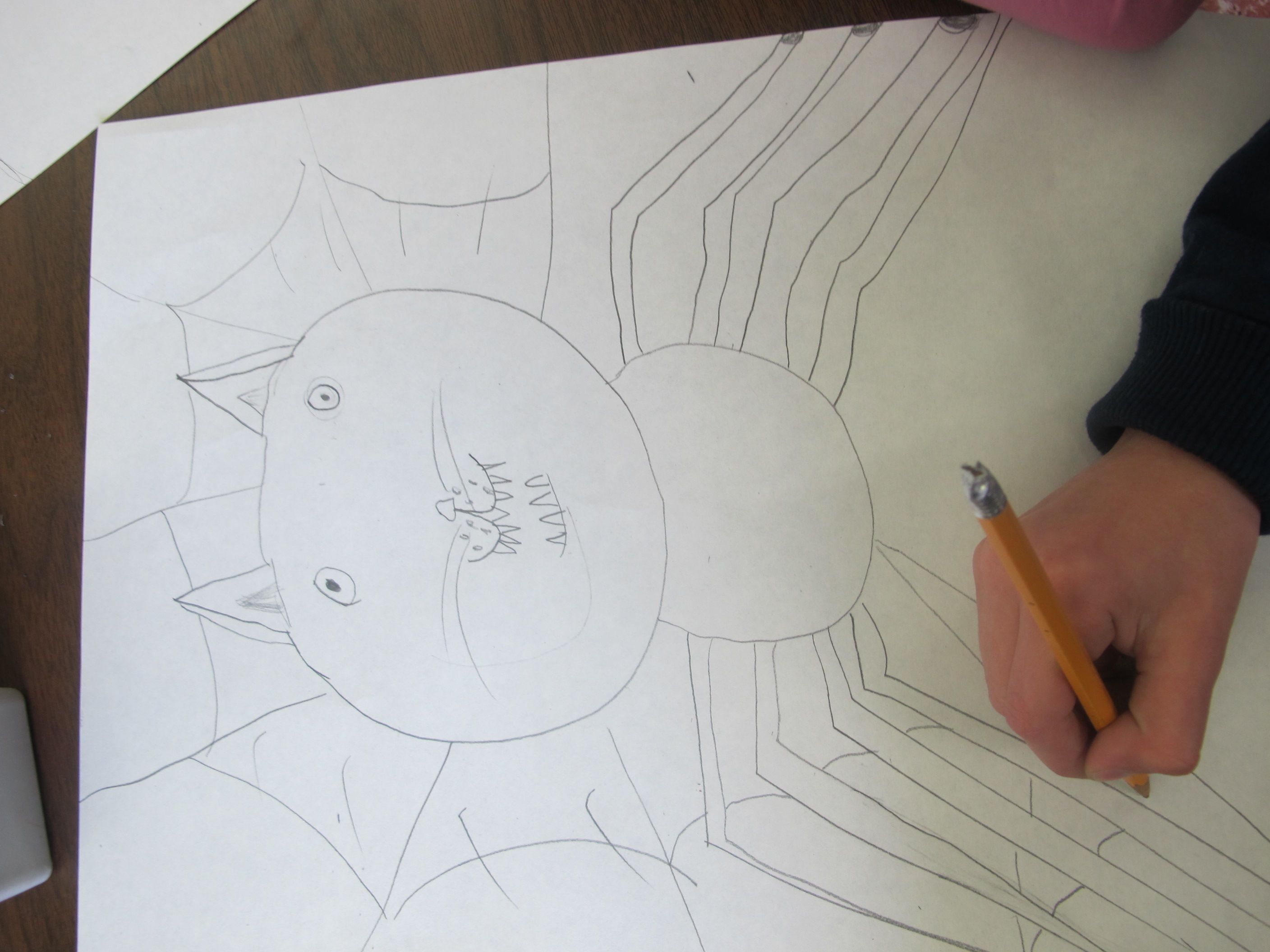
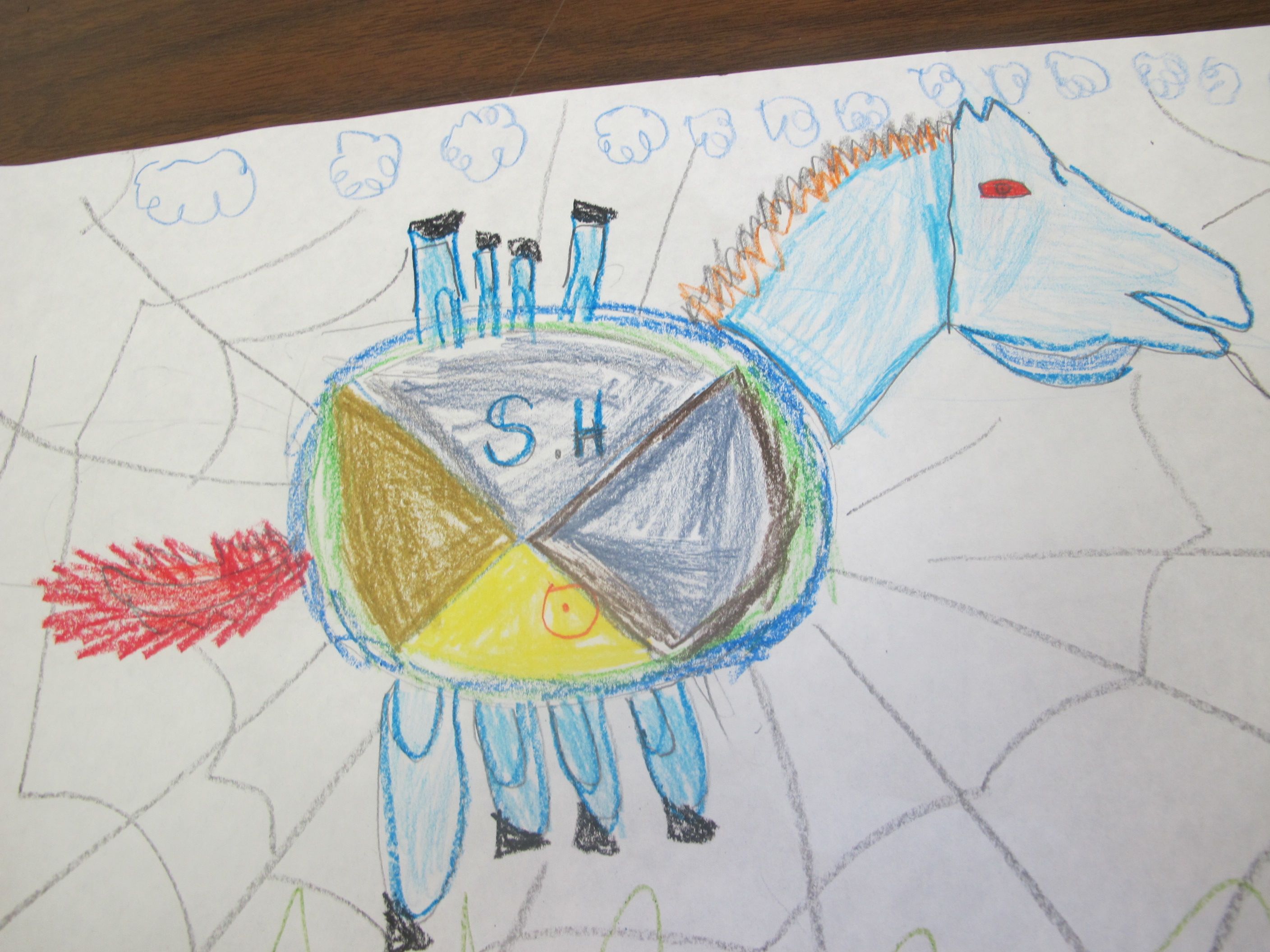
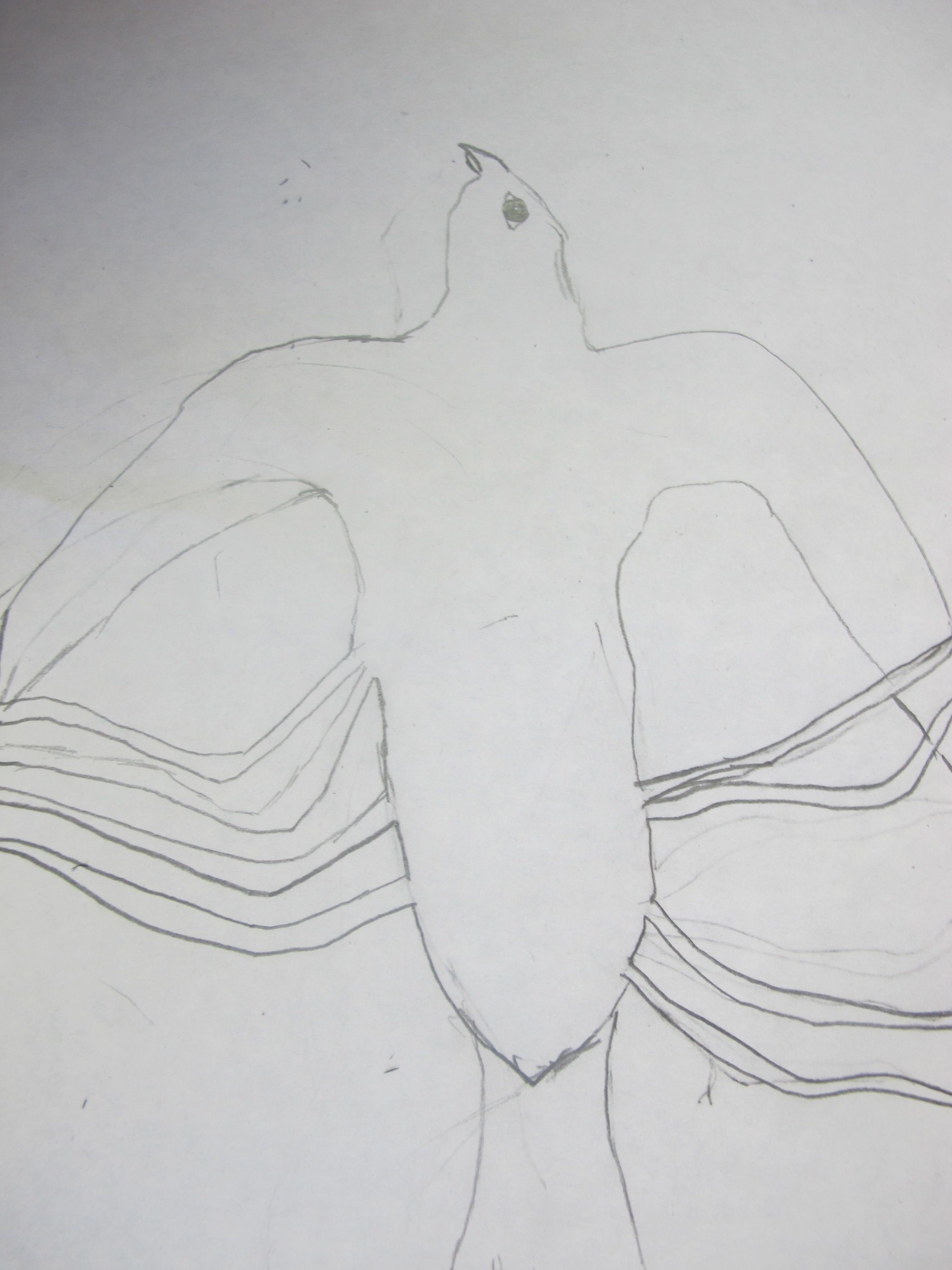
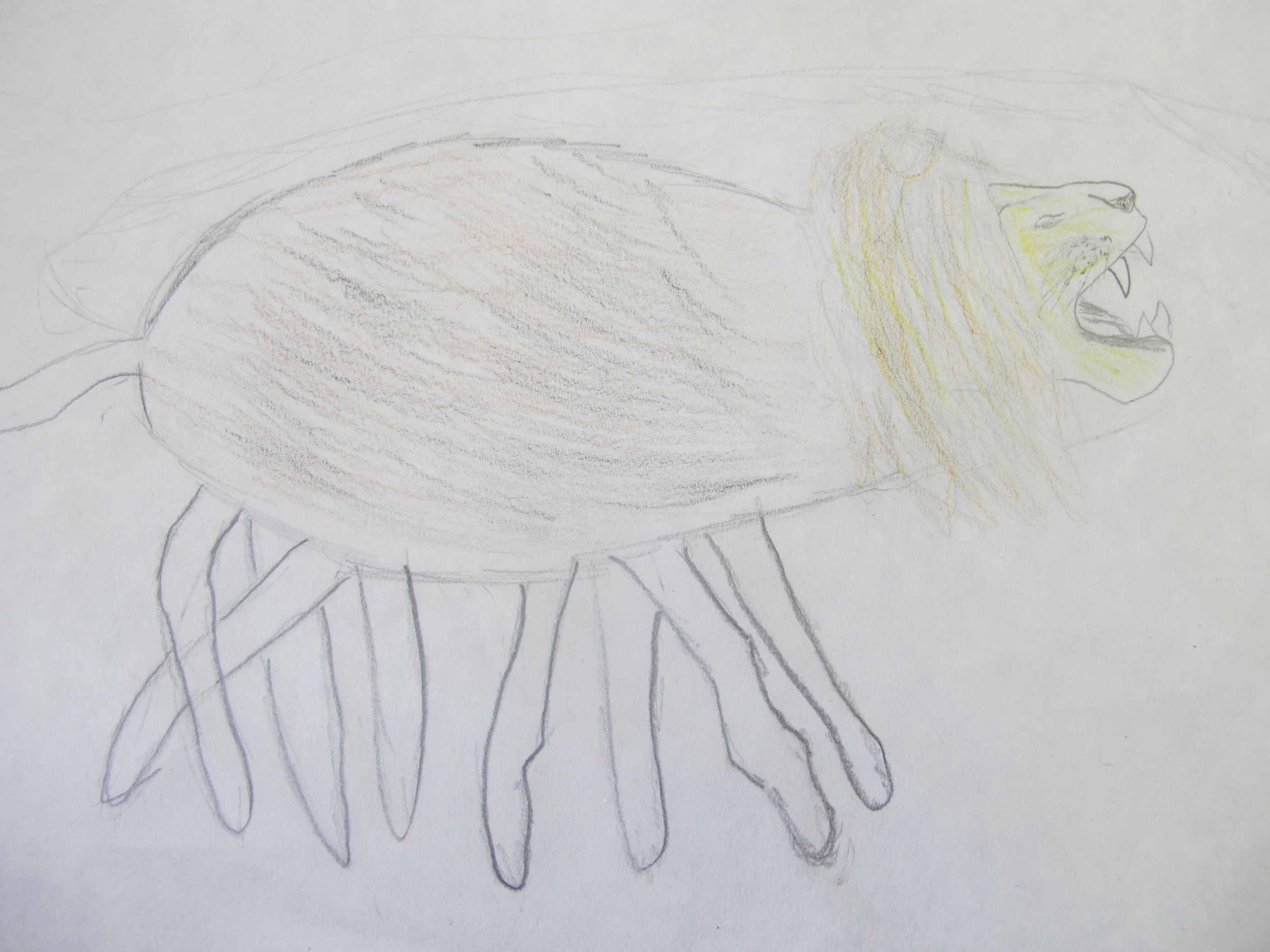
After our discussion we spent some time appreciating, Jane Dyer’s art. Wasn’t it clever to make Sophie the spider look part human? It helped us feel extra connected as we witnessed Sophie’s kind acts and selfless giving.  We started talking about other half and half creatures. Not part spider/part human but part spider/part bird or part elephant, part robot, etc. Our afternoon art illustrates how we explored that concept.

Shae-Lynn draws her spider/cat balanced in its web.

IMG_2653

Markus created “Super Horse” (notice the S.H. initials) part spider/part horse with a fiery tail!

IMG_2655

Jacky made a part eagle/part spider creature. Gorgeous!

IMG_2641

Catriona made a part lion/part spider and explained that “really being part spider would be helpful to the lion for when it is catching its prey!”

IMG_2663


Orange and yellow whimsy

After hours walking about in the dreary downpour that was Saturday morning in Vancouver, I found myself at the library drawn to specific picture books for their illustrations full of sunny yellow and orange hues. Four especially colourful books made it into my library bag.

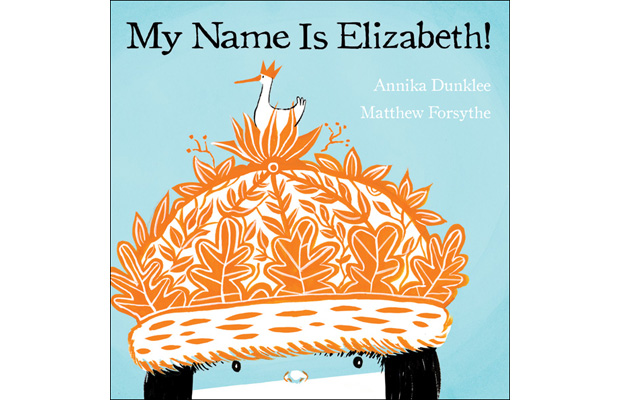
My Name is Elizabeth written by Annika Dunklee and illustrated by Matthew Forsythe is a gorgeous book coloured in pale sky blues, orange and black.

Elizabeth is adamant her name is Elizabeth – not Liz, Betsy, Beth or any other shortened form of her name someone dreams up. She was after all named after a Queen, if you didn’t know! We follow Elizabeth through her day as she reminds us frequently that she loves her name. “And I like all the neat things my mouth does when I say it.” So, don’t even try to call her anything other than Elizabeth! She’s having none of that!

MyNameIsElizabethinside

Doodleday by Ross Collins is a colourful journey into a world taken over by doodles!

Harvey’s plans to spend the afternoon drawing are strongly discouraged by Mom. “Drawing on Doodleday? Are you crazy?” Unfortunately, boys often don’t listen to their mothers the first time around.

When Harvey does begin to doodle, everything comes to life. He tries to draw one doodle to get rid of another but he ends up with a whole bunch of giant sized creatures bent on destroying his whole block. What can be done? Who can save them all? If your money is on Mom, you just might be right!

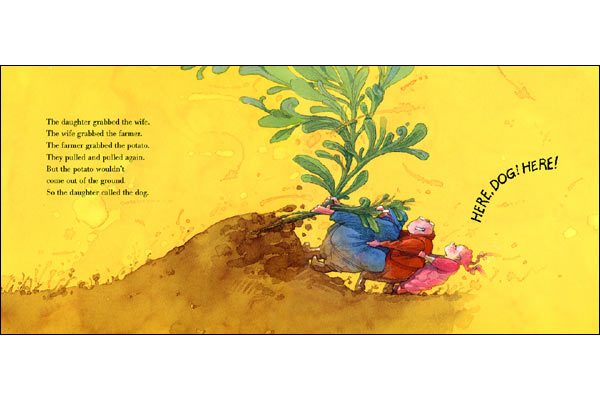
The Enormous Potato retold by Aubrey Davis and illustrated by Dusan Petricic reminds us that when everyone contributes, no problem is insurmountable. Gorgeous bright yellow pages!

The farmer’s potato grows and grows. At harvest time, he realizes that getting this potato out of the ground is a job too big for him alone! Celebrating cooperation, perseverance and absolute silliness, this story has a very delicious ending!

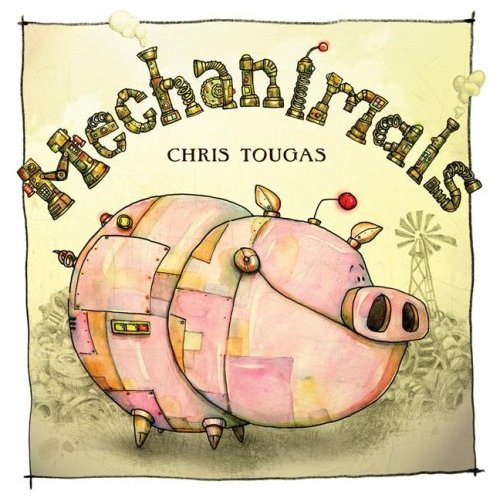
Mechanimals created by Chris Tougas is a feast for the eyes and the imagination.

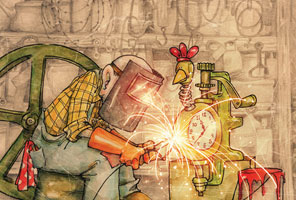
A farmer loses all of his farm animals in a tornado. The twister did however drop a heap of scrap metal and machine parts in his farmyard. He becomes determined to turn the “mess into a masterpiece.” The neighbours scoff. Our farmer turns out to be a kind of creative genius turning “junk” into mechanimals and filling his farm with helpers!

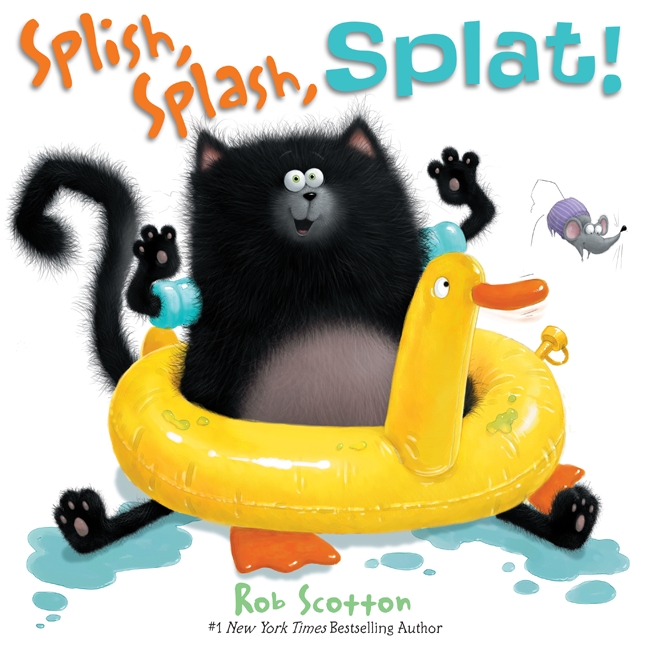
Splish, Splash, Splat!

Maria, our BLG reader this week, brought in a new Splat book by beloved author/illustrator Rob Scotton. As soon as she revealed the cover there was a collective cry, “Splat!” We were excited! Splish, Splash, Splat! did not disappoint.

Do you have a fear of water? Does swimming seem more horrible than fun filled? Remember learning to swim and the fear around it? Well then this is a book for you! Many of us shared connections as Maria read the story.

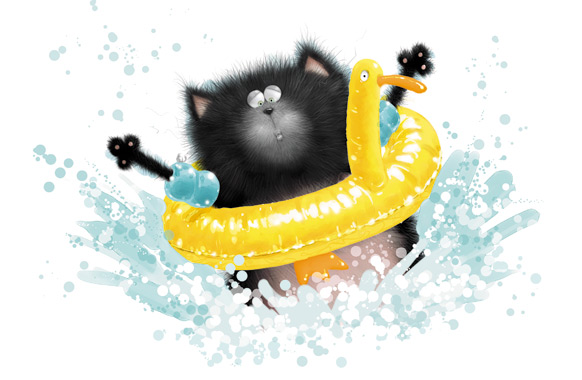
Scotton explores the fear of learning to swim and makes it completely normal, all the while making us giggle as Splat gets up to his usual silly escapades. I found the picture of Splat perched gingerly above a full tub of bath water particularly amusing. That has happened in my house!

When Splat finally leaps into the water after the equally scared Spike, we celebrate the two water phobic cats facing their fears and discovering that water is not horrible and wet but that it tickles and is full of fun. And wow, those are some pretty cool swimshorts Splat acquires on the last page! 🙂

Our student reviewers report:

Khai: This was a funny book. Splat was so scared of water!

Truman: Splat and Spike were both scared of water and hid behind each other. I liked the book.

Snow shoes, mountains, and wet feet!

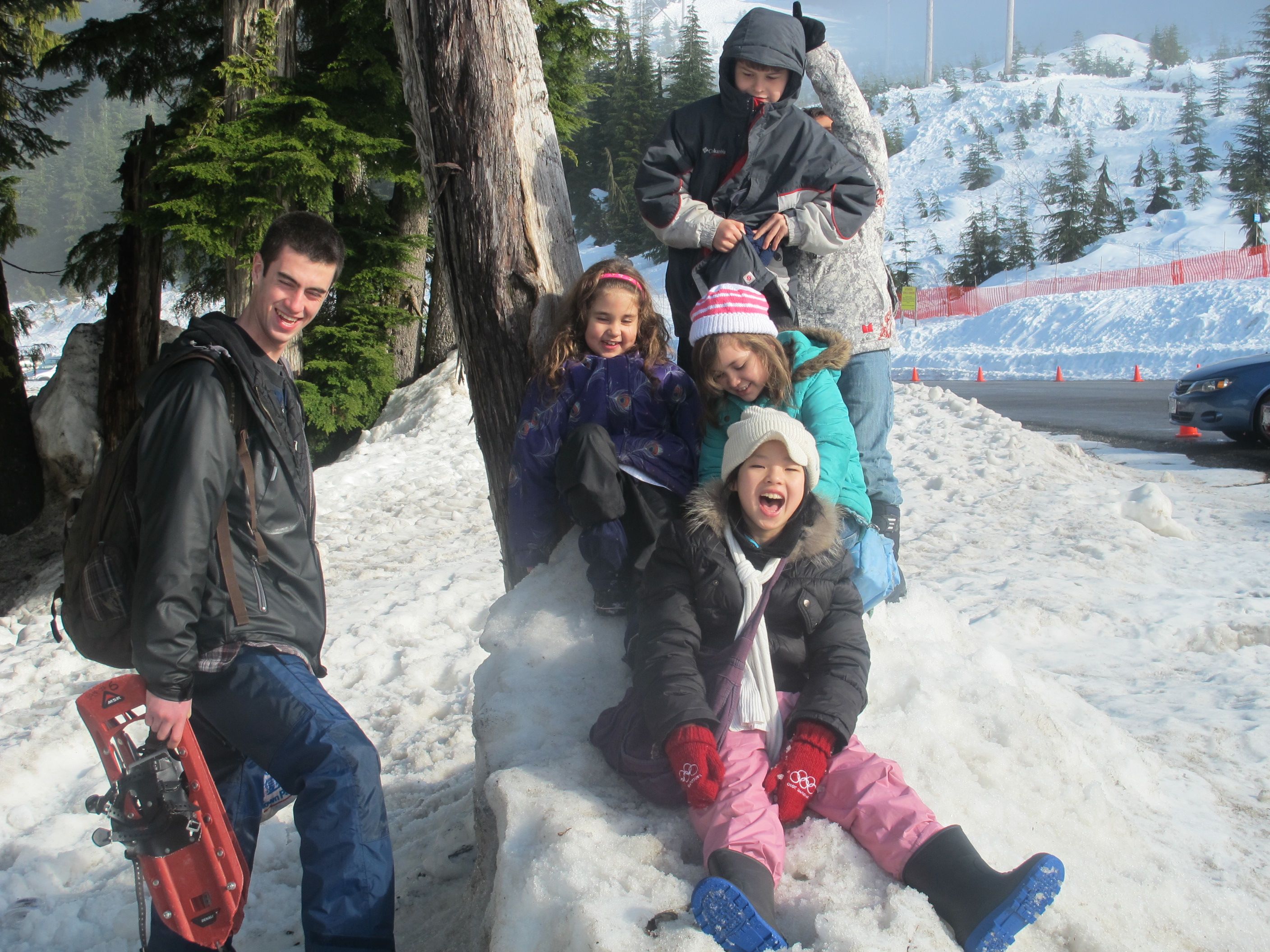
Division 5 got to put on snow shoes and hike up the mountain at Cypress with staff and students from John Oliver’s Take a Hike Program.

Let's see how wet we can get before we even put on snowshoes!

Let’s see how wet we can get before we even put on snowshoes!

Snow shoes on and up we go!

IMG_2571

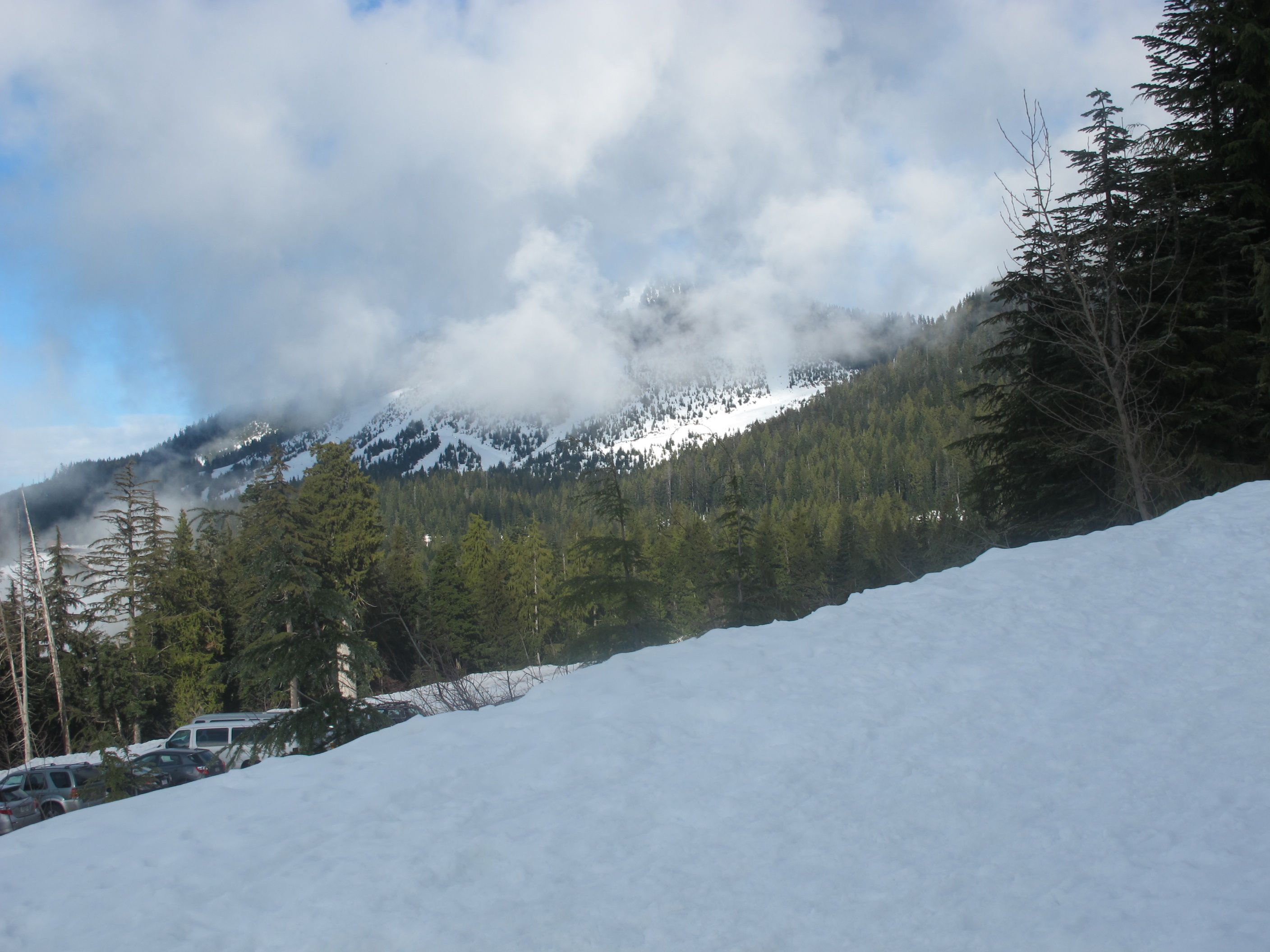
A beautiful way to spend a Monday! We learned there really is snow on those mountains we often see from school and no, this is not the North Pole!

Lots of white! Gorgeous!

Lots of white! Gorgeous!

Some other important learning: Each tree is surrounded by a hole. If one of us gets stuck down that hole, someone else might too. Of course we all had to try that theory out!

Around those trees? Holes!

Around those trees? Holes!

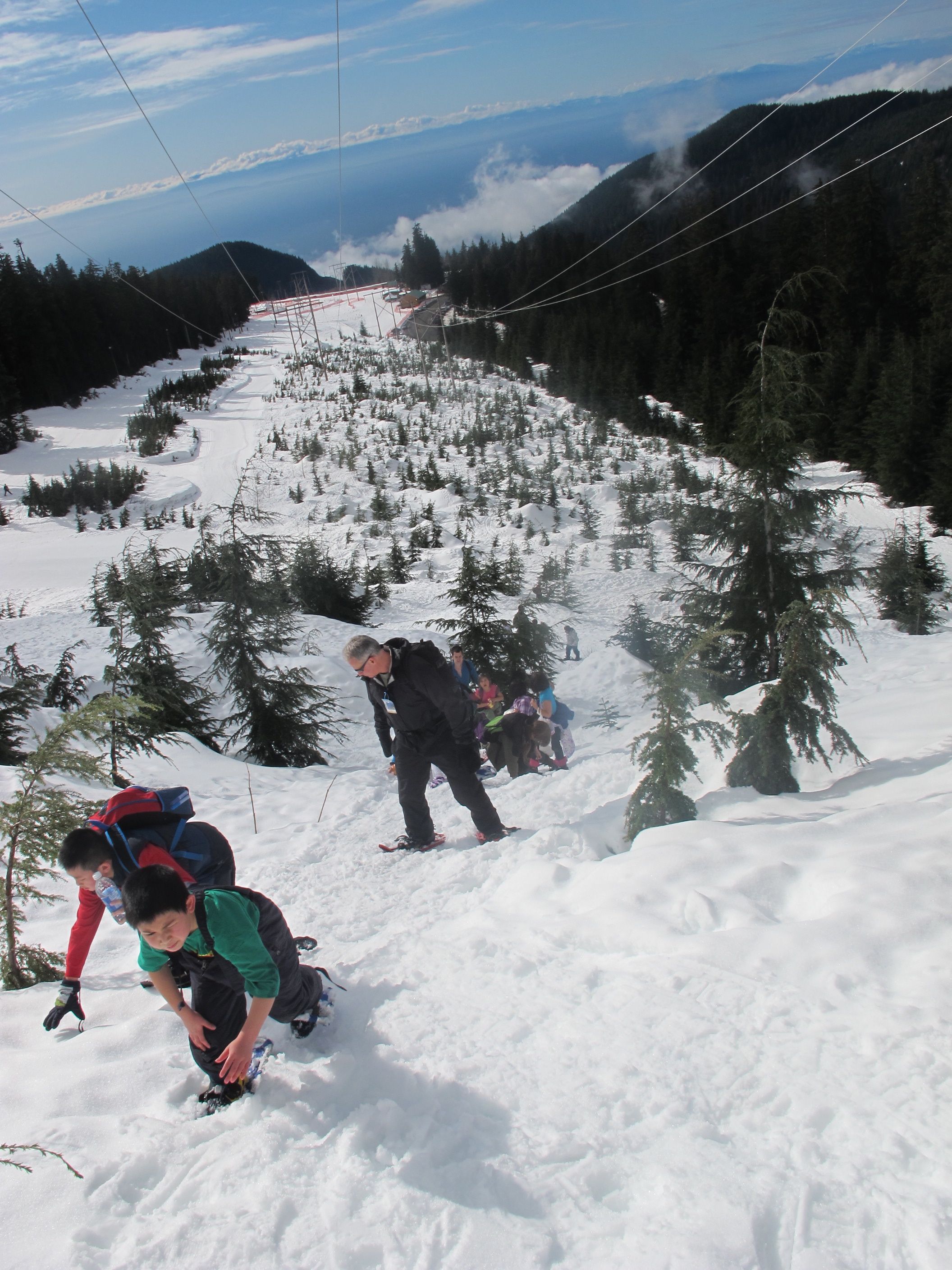
On the climb, it got hot! Layering is key! And thank goodness for juice boxes and water bottles!

Steeper than it looks!

Steeper than it looks!

Best way down? On your bottom!

Whoosh!

Whoosh!

Eventually we had to walk. Some of us had more snow in our boots than around our boots. Many wet socks, cold toes and rosy cheeks. But big smiles persisted! No crying, lots of laughing and this question repeated: “Can we come here again?”

Down to the vans. What a day!

Down to the vans. What a day!

Best post field trip conversation:

Sergio: “It was so great. I saw heaven.”

Catriona: “Sergio, it actually wasn’t heaven.”

Sergio: “Well we were above the clouds.”

A big thank you to the staff and students from the Take a Hike program who took us on a winter wonderland adventure on a beautiful February day full of sunshine!

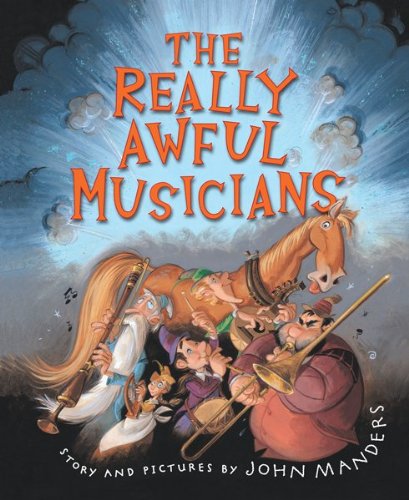
The Really Awful Musicians

We were delighted to have Deborah from BLG come to read to us today. She brought The really Awful Musicians written and illustrated by John Manders.

Before Deborah began reading, she asked if anyone in the class played an instrument. I think she was suspecting a few children to say they played the piano or maybe the guitar. But no! Hands shot up. “I play the trumpet and I’m really good,” explained Sergio. “We play the cello and Ms. Gelson gets freaked out by the large cases in the cloakroom! They are BIG!” “I can play violin!” Thanks to Saint James Music Academy‘s amazing  partnership with Seymour School, we have many children who get to play an instrument and have weekly lessons! Deborah looked down at the book in her hand rereading the title. “So this book is certainly not about you guys!”

Manders’ book is delightful. On his blog he has jacket art sketches to check out and a link to a fabulous post on the 7 Impossible Things Before Breakfast blog about his book and illustations.

The book begins telling us about a kingdom from long ago where the musicians were so terrible that the king ordered that no musicians were allowed to play in the kingdom! If they did, they would be thrown to the crocodiles. “Those royal crocodiles look a little full,” observed Catriona. Mimes replaced the musicians and musicians didn’t dare make a peep in hearing distance of the King or his guards.

No music? How would musicians endure? Piffaro played a tune on his pipe and was chased by the royal men-at-arms! He escaped on an old dray horse pulling a wagon. Piffaro and his horse soon encountered other musicians on the run. As musicians were added to their troupe, the wagon became much noisier. And our classroom got very loud as we helped Deborah make the sounds of the music:

poot poot poot poot poot

plinky-plinky plink plinky-plinky plink

deedlediddledoodlediddledeedledeedle

Drums! Harps! Mandolins! Off Manders’ pages and into our classroom! We soon got worried about the poor horse Charlemagne carrying all of these musicians on his back or pulling them in the carriage. “That horse looks pretty tired!” Not just tired. He was annoyed. “Enough!” he exclaimed listening to the musicians play, “You guys sound terrible! Why don’t you all play together?” He drew 5 lines in the dirt. We were a little confused about what this horse was up to.

He could talk?” “He could draw?”

But then we caught on. “That’s a staph!” “He’s a conductor horse!” Most certainly. Charlemagne coaxed beautiful music out of these musicians. At this time the king came down the road in his coach. Listening to the music, the King urged the musicians to come play at the castle. If they played so wonderfully he wouldn’t dream of throwing them to the crocodiles! The last page shows us the musicians up on stage playing to a captive audience including Charlemagne and some pouting crocodiles.

Our student reviewers report:

Khai: I liked it because it was funny when the crocodiles got mad because they couldn’t eat the mimes!

Raymond: I like the part when the King threw the mime out the window. I like when they played together at the end.

Truman: I like the book! The crocodiles were so mad at the end because they couldn’t eat the mimes.

It was so wonderful to see the students so animated while Deborah read this book to us. That so many of them are beginning musicians themselves helped us connect and jump right into the story!

Beautiful birds

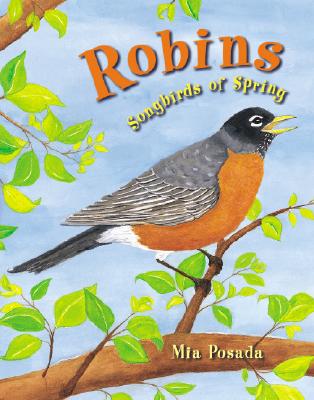
Division 5 continues to study birds. This week we enjoyed Robins: Songbirds of the Spring by Mia Posada.

Robins-Posada-Mia-


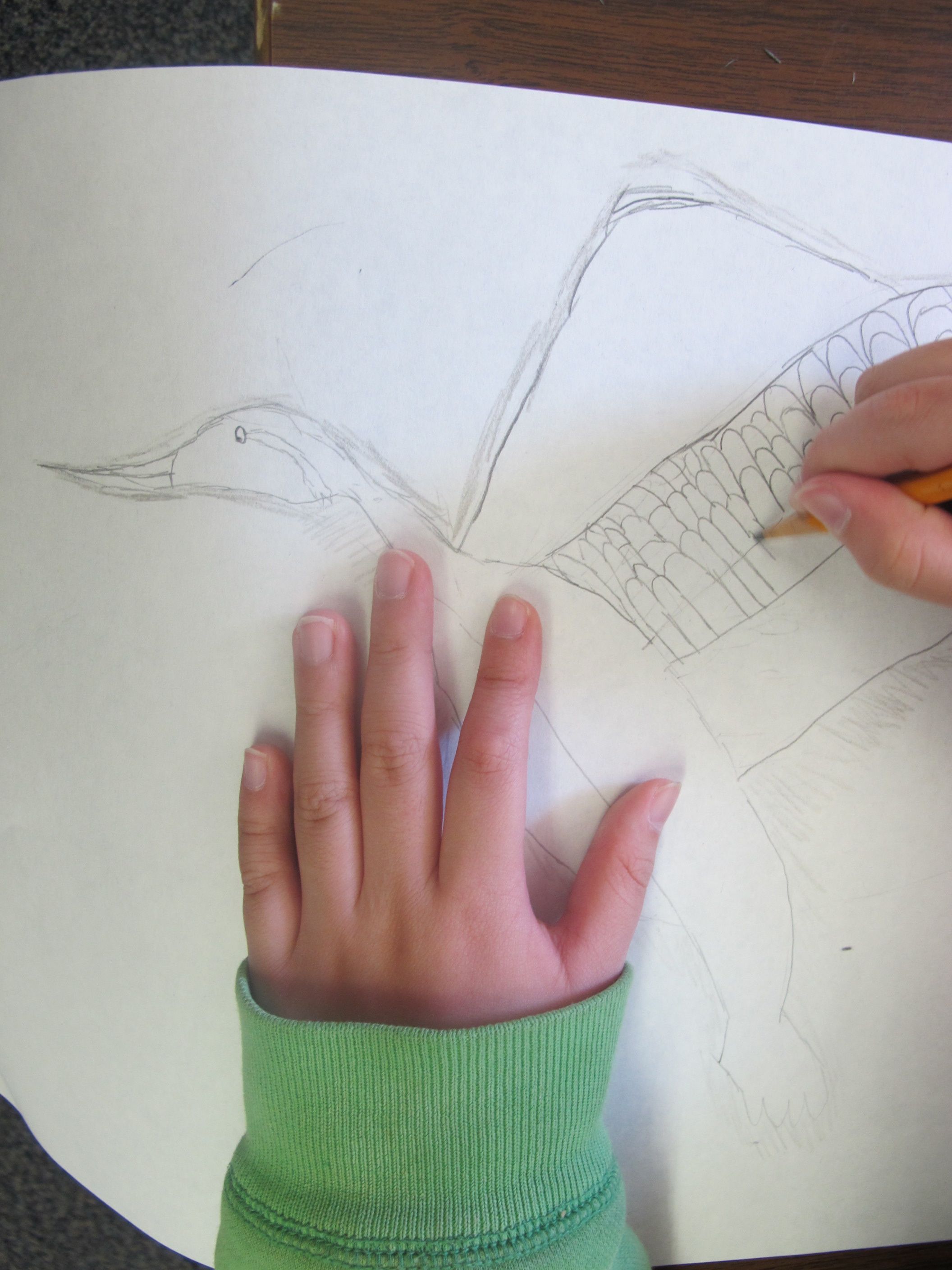
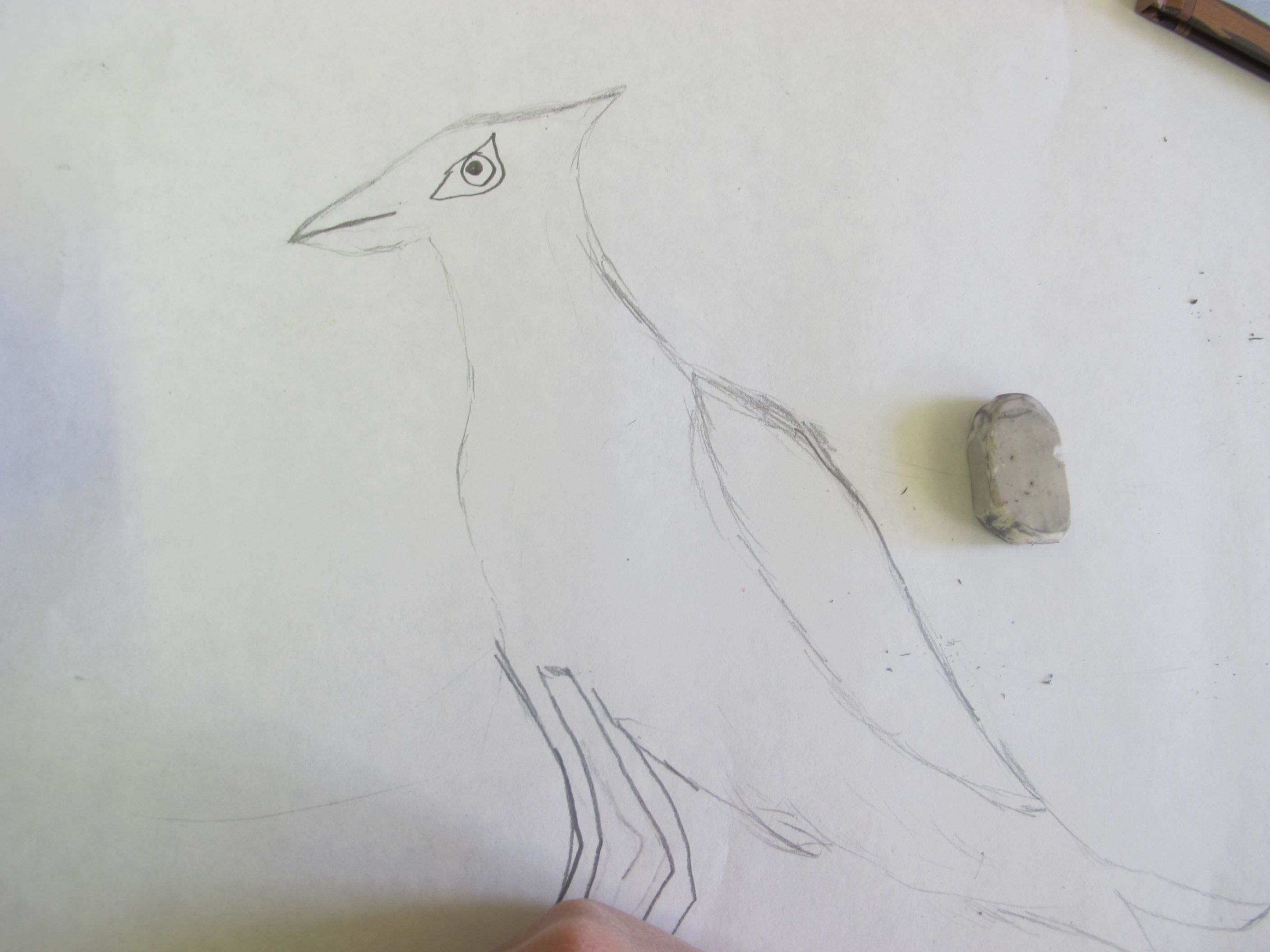
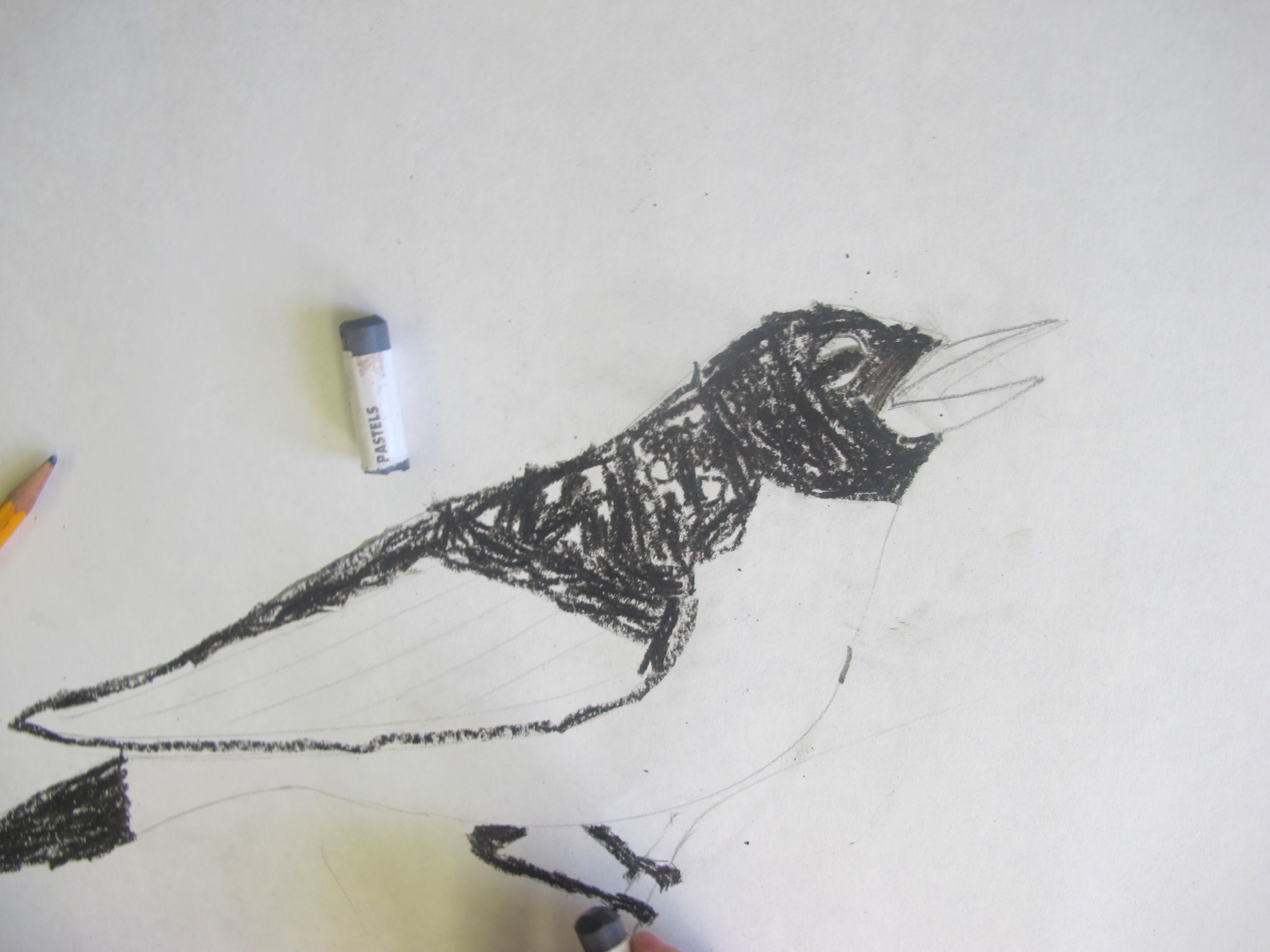
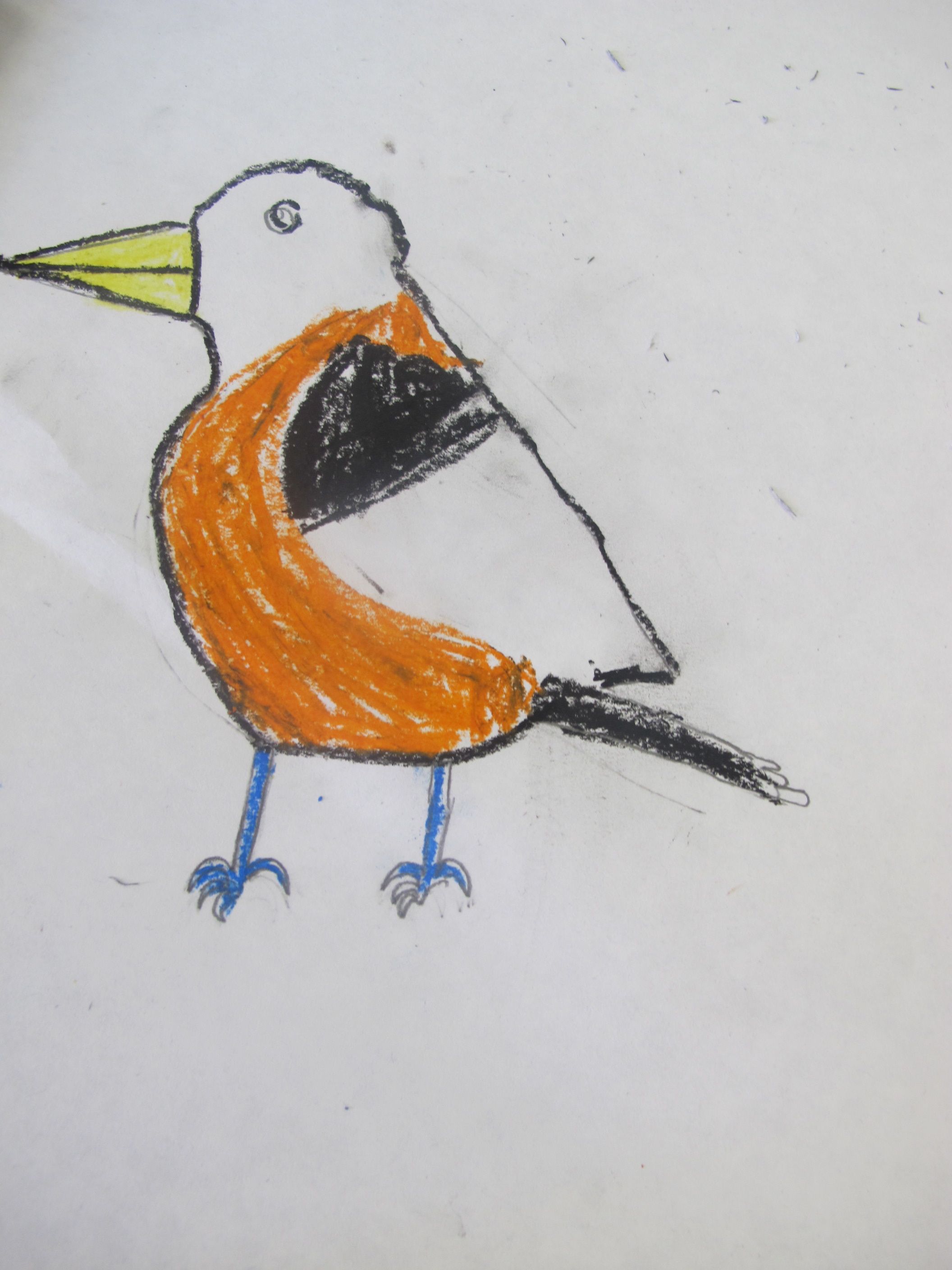
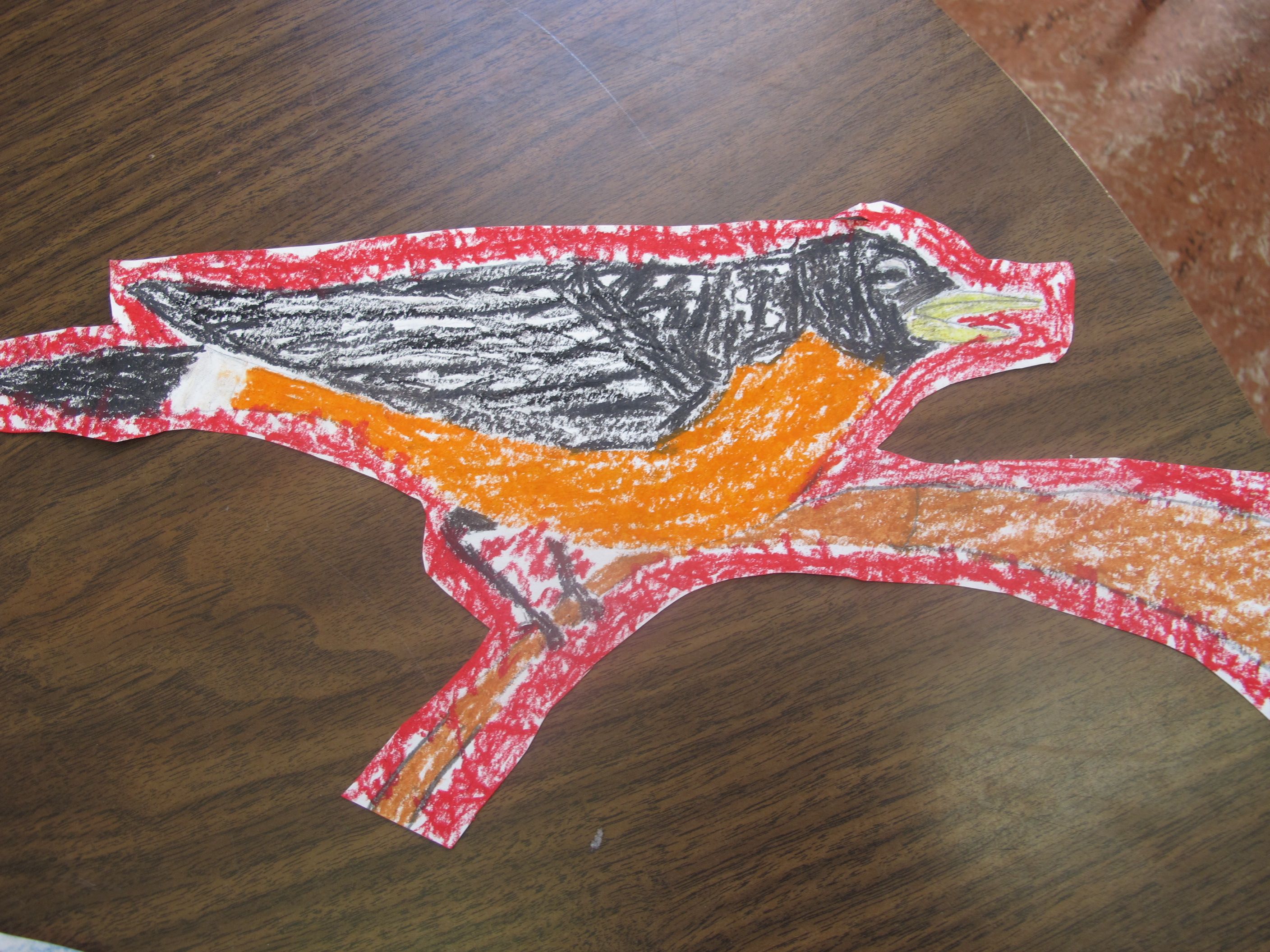
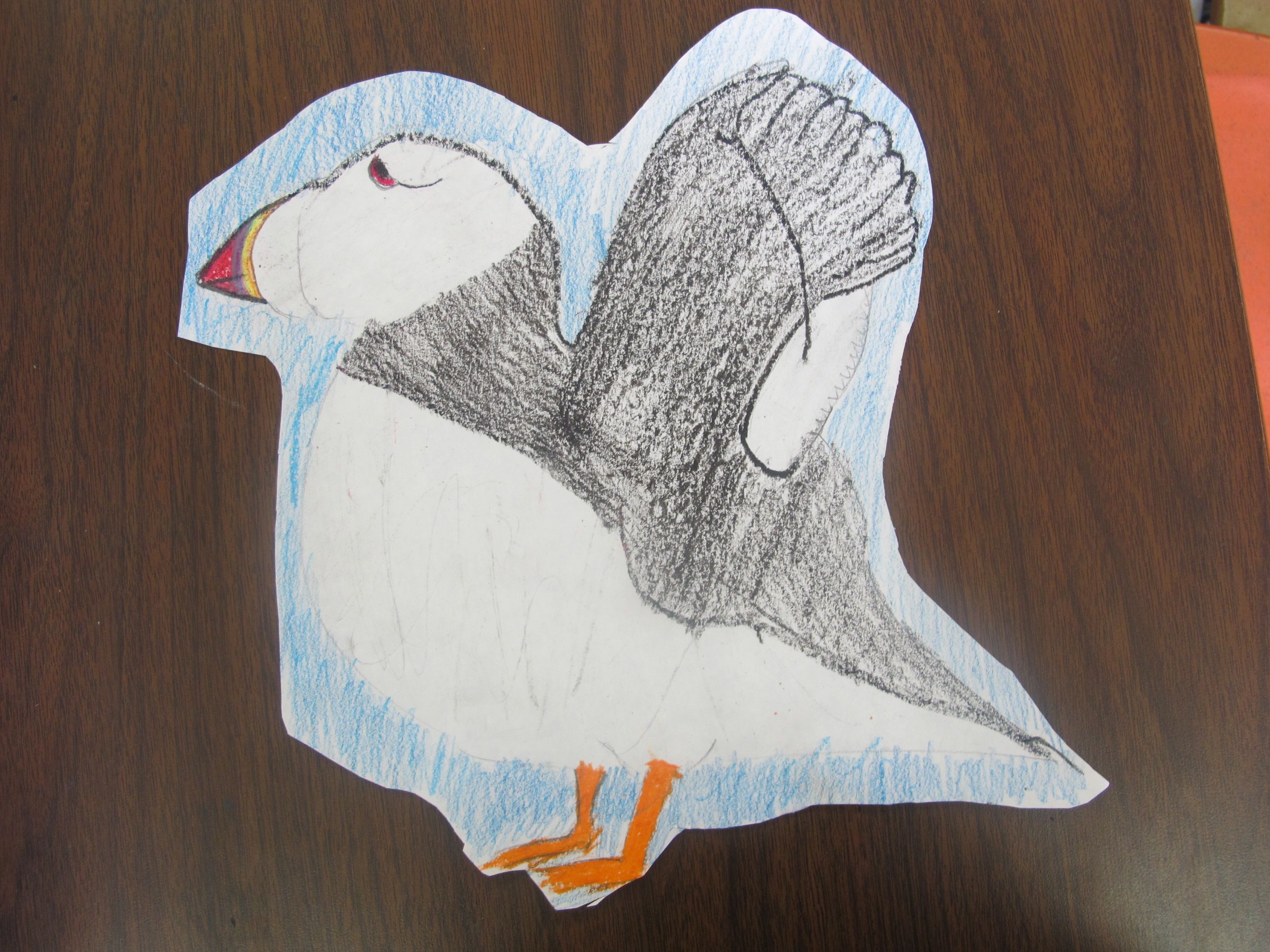
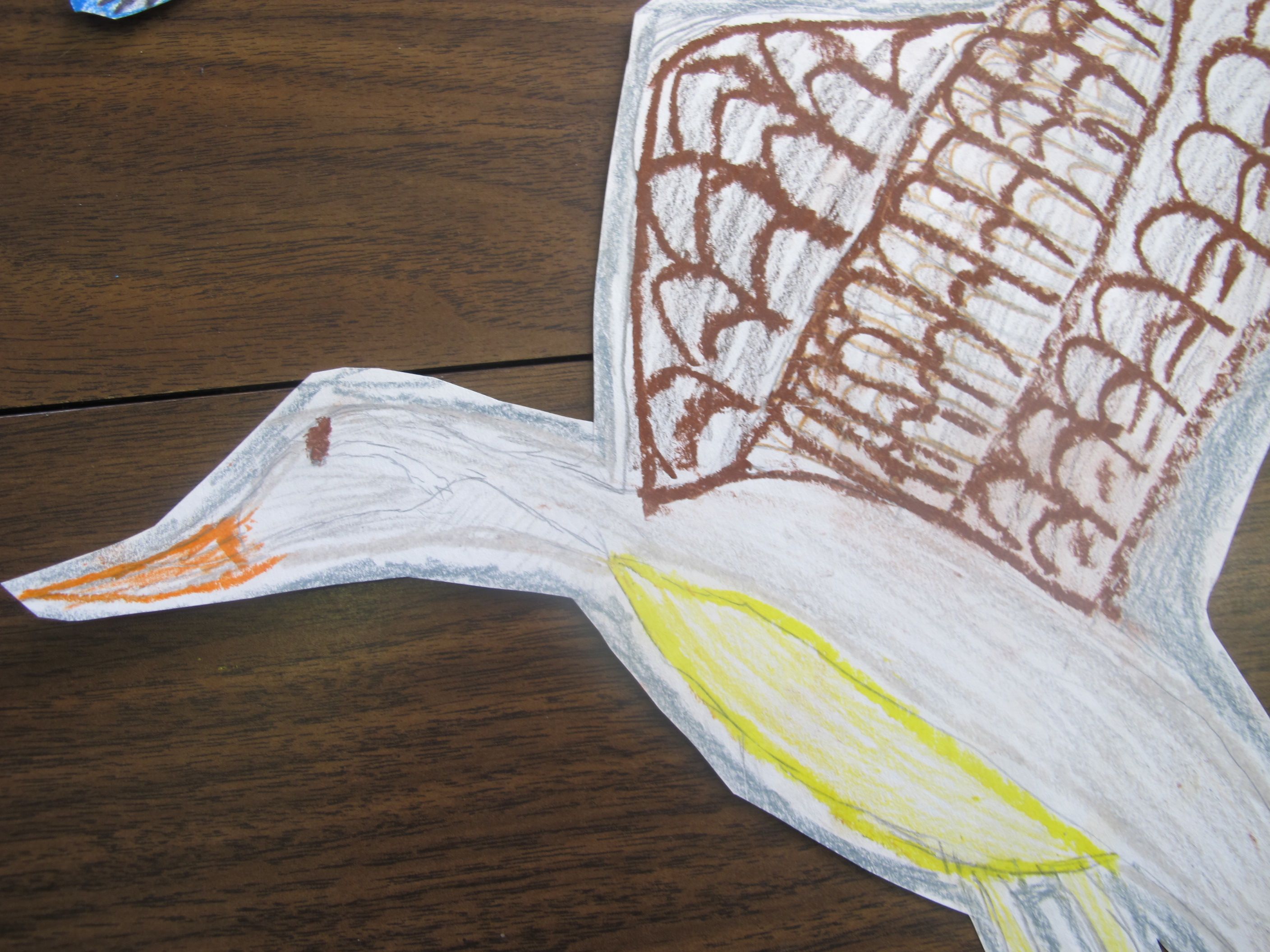
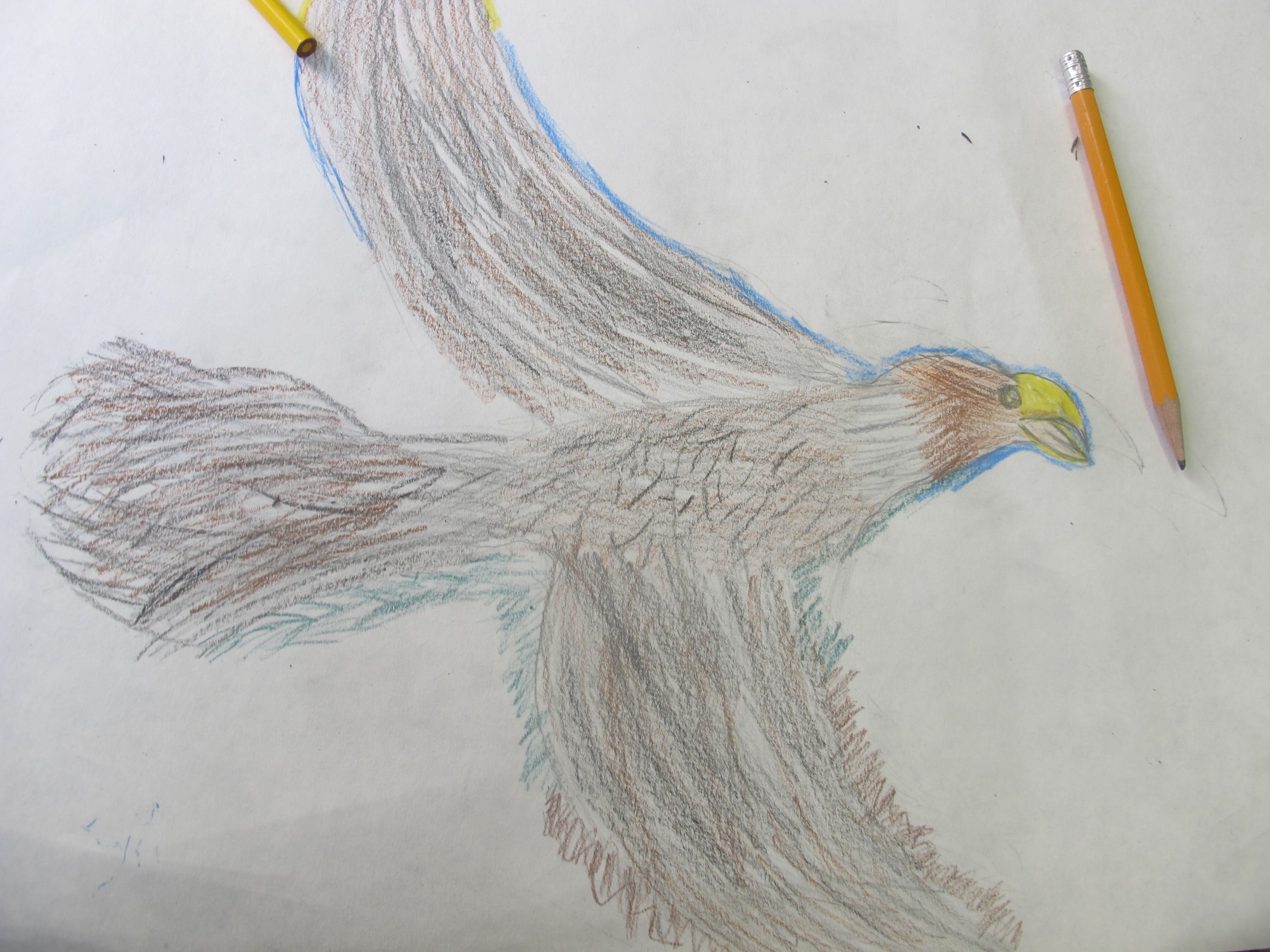
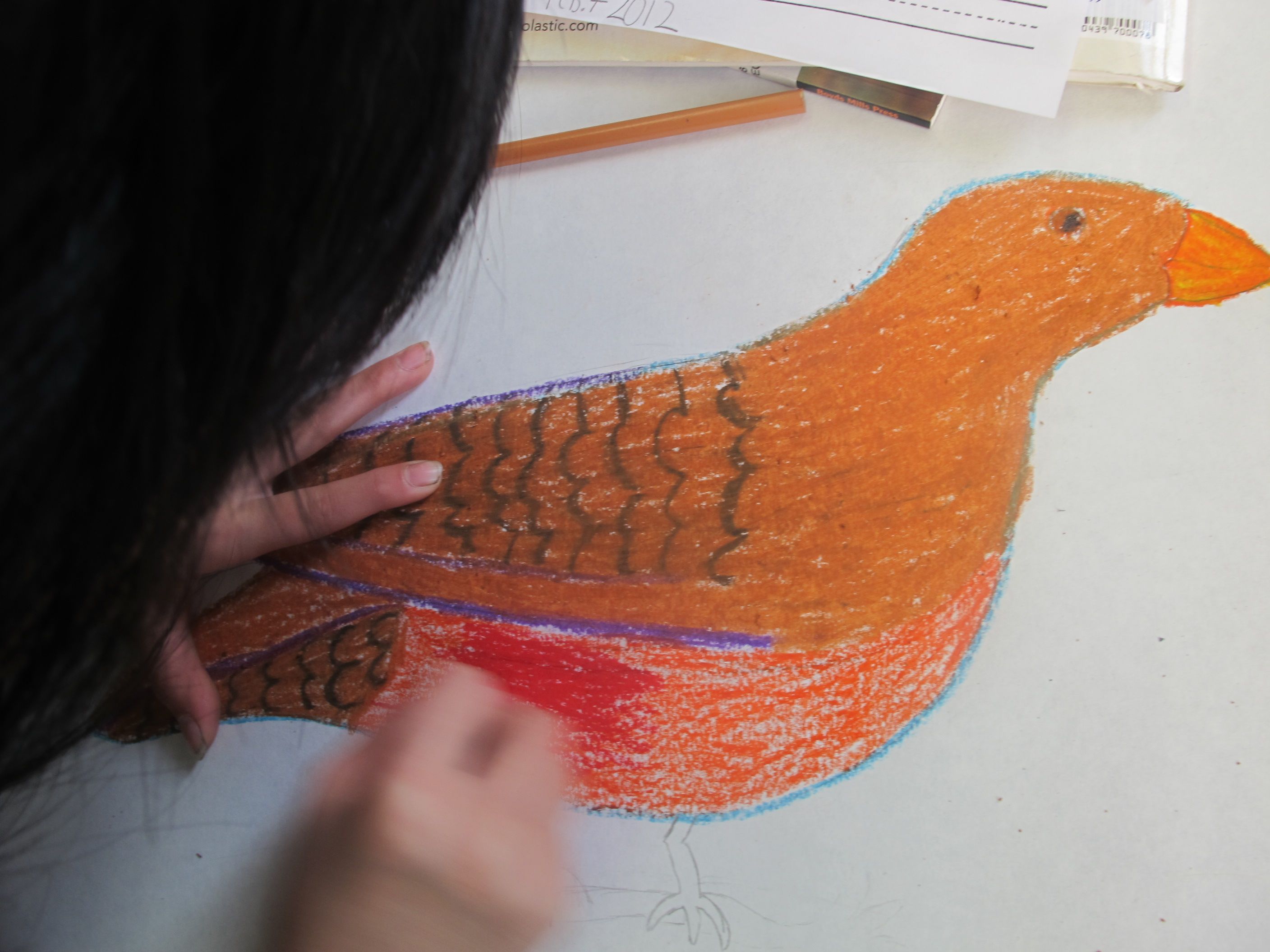
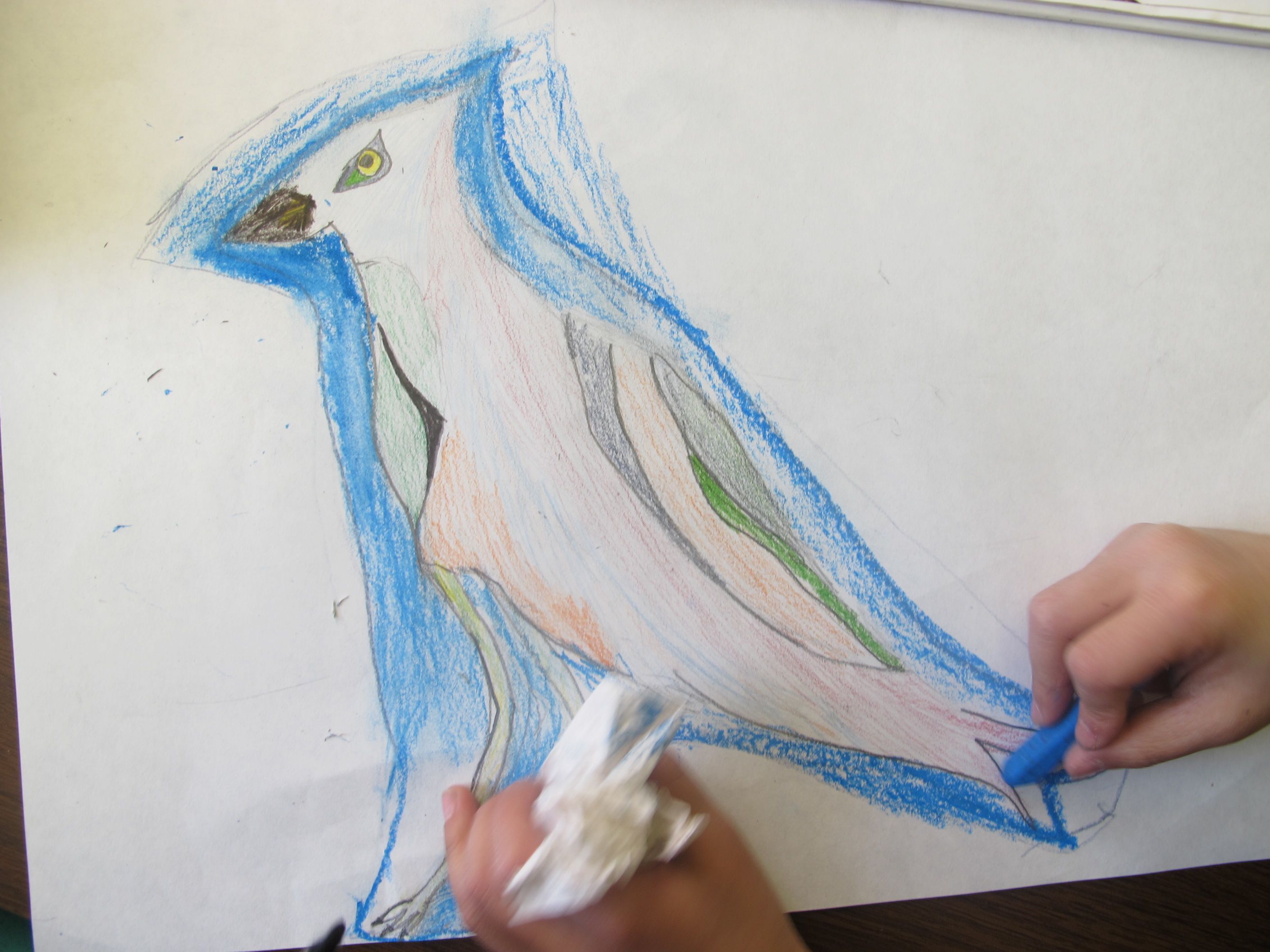
We enjoyed learning how these birds make their nests, care for their young and about how the fledglings learn to fly. Posada’s robins are lovely – and it sparked an interest in bird body parts. We spread out bird books on all of the tables and students made lists of all the important parts of the bird: beak, breast, feathers, wings, talons or feet, etc. Students then drew and coloured their own birds. Our bulletin boards are now covered in gorgeous birds designed by the students and inspired by a variety of real birds in nature.

First students made pencil sketches.

IMG_2525


IMG_2524

We then added colour using crayons, oil pastels and pencil crayons.

IMG_2537

IMG_2531

Finally we shaded around our bird’s outline and cut them out. Some finished pieces:

IMG_2550

IMG_2561

IMG_2565

IMG_2553

IMG_2554

IMG_2556

Blue horses, orange elephants and pink ducks!

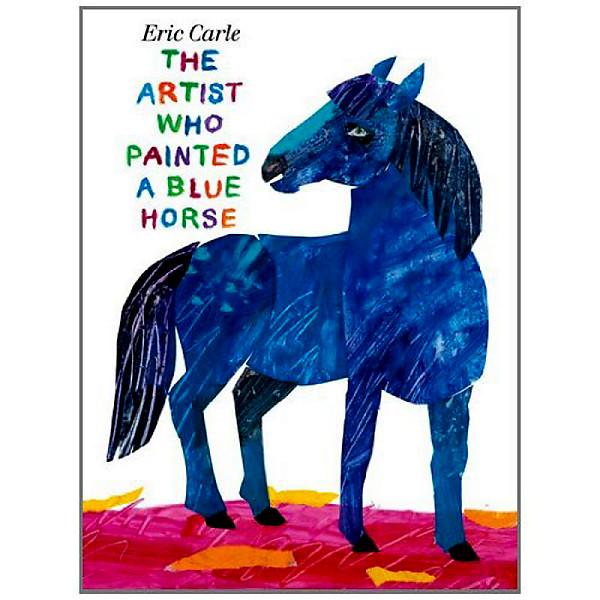
We read and were inspired by Eric Carle‘s The Artist who Painted a Blue Horse.

This book takes us through page after page of vibrantly painted animals. Rich colours, perhaps not quite how we might have imagined them. Then again . . . A yellow cow under a deep blue sky. A purple fox trotting through the mud. A black polar bear roaming across the ice. All gorgeous as all Eric Carle art is! At the back of the book Carle explains that he was inspired by an art teacher in Germany who showed him Franz Marc’s Blue Horse painted in 1911. This painting, unrealistic in colour was forbidden during the repressive Nazi regime, but Carle’s teacher felt the freedom of the painting would speak to him. Carle claims that his colourful animals, often painted in the “wrong” colours were “really born that day seventy years ago,” when he was shown Marc’s work.

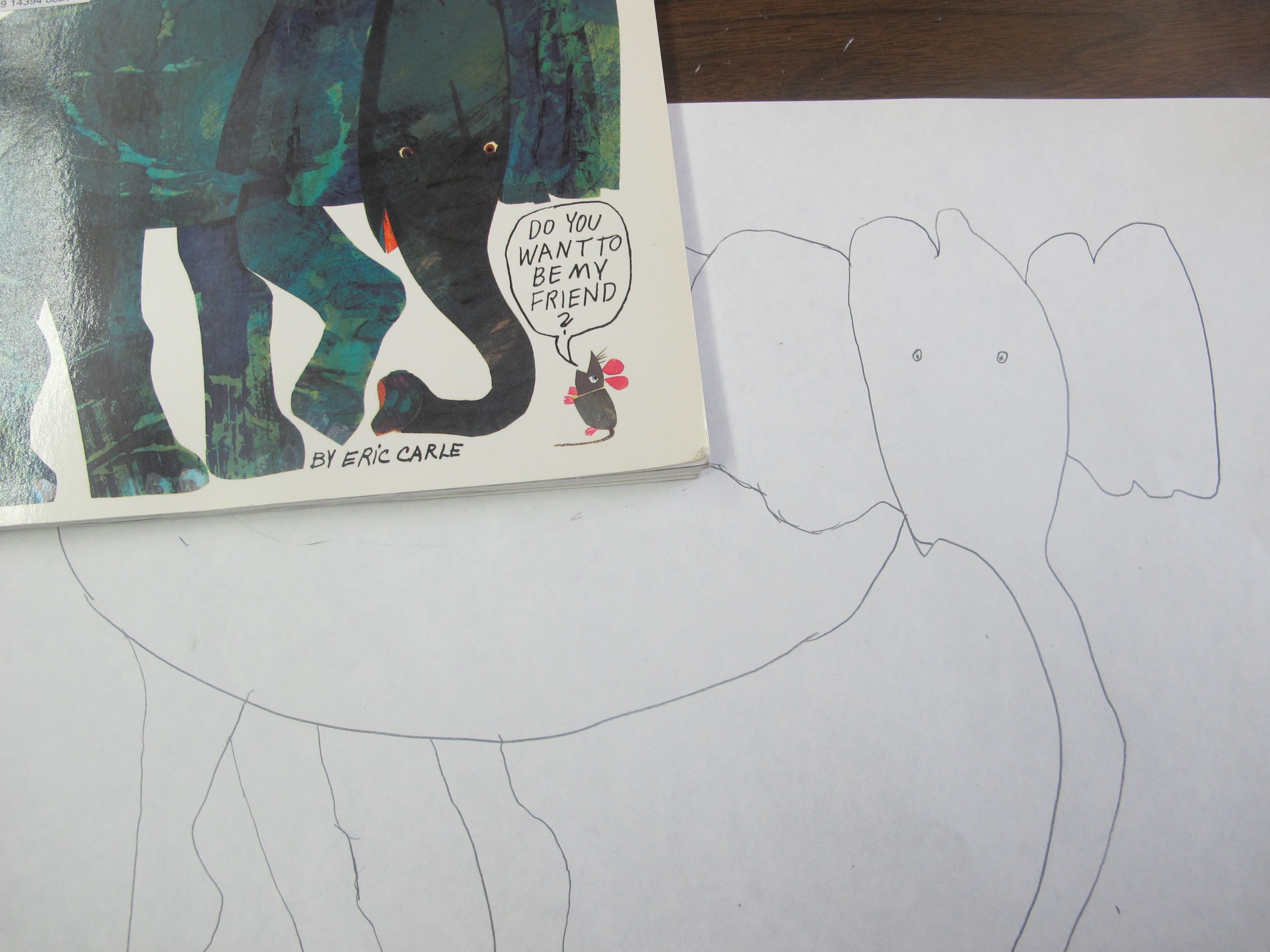
We pulled all the Eric Carle books from the library and started sketching animals. Here is Khai drawing an elephant.

IMG_2411

Deandra draws a cat.

IMG_2415

Students then began to outline their animals in pastel. Purity outlines her purple dolphin.

IMG_2417

And then we got out the paint! Catriona paints a green horse with a wonderful looseness and freedom.

IMG_2470

Quack. Quack. A pink duck with a green beak by Hailey.

IMG_2472

Here is Khai‘s completed orange elephant.

IMG_2494

Carmen painted a gorgeous orange dolphin swimming through vibrant blue ocean.

IMG_2482

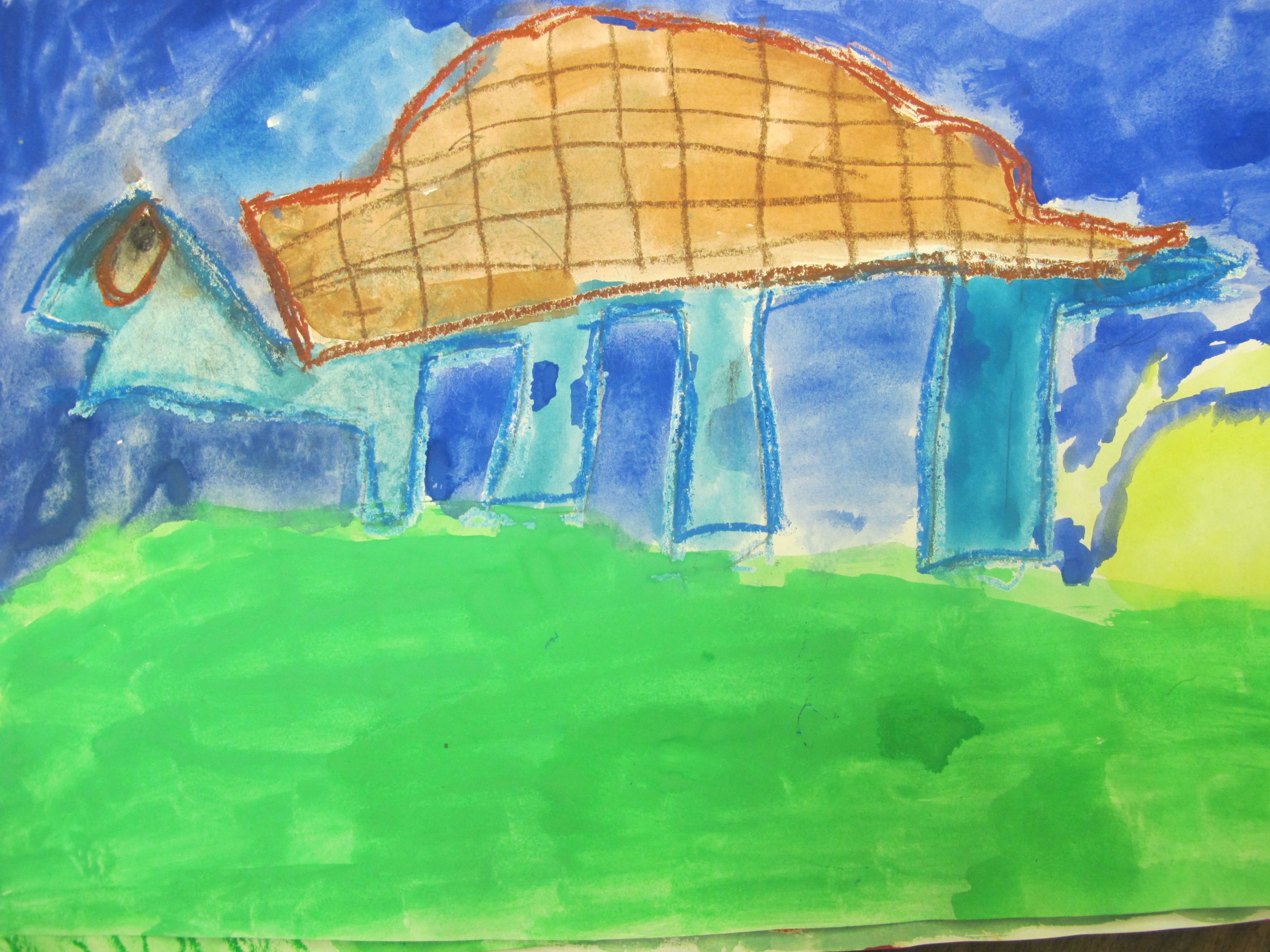
And who can resist Jacky‘s blue turtle ambling across the page carrying his brown shell?

IMG_2492

Few words on five wordless books

Because the creators of wordless books can say so much with no words at all, I decided to use sparse words to express my awe for each of these titles and let their gorgeous covers invite you in.

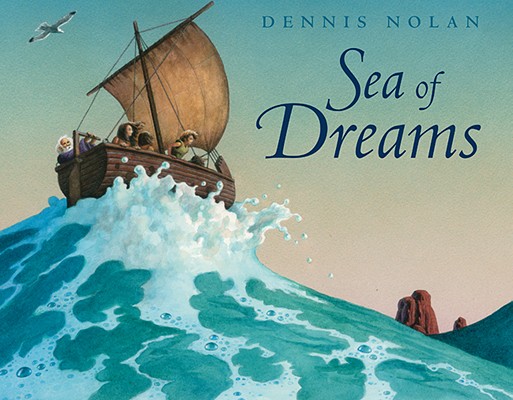
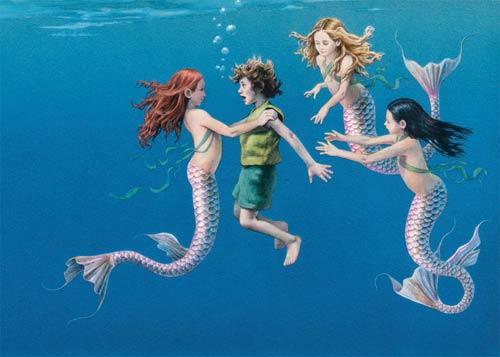
#1 Sea of Dreams by Dennis Nolan

Adventure over and under the sea . . .

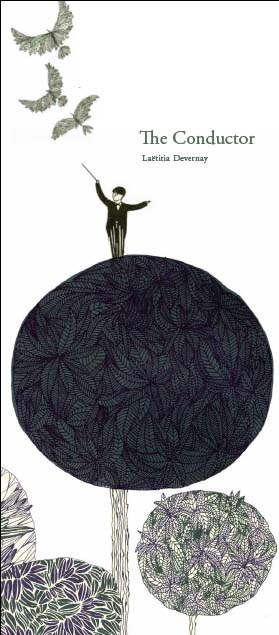
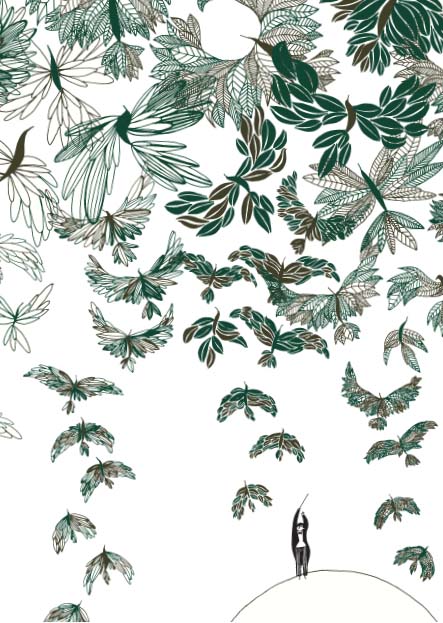
#2 The Conductor by Laetitia Devarney

Swirl, whirl, leaves take flight . . .

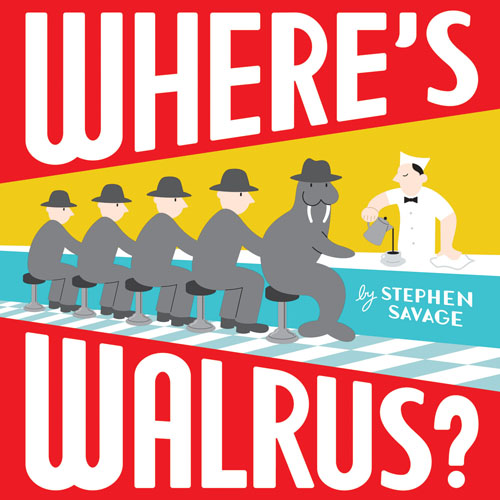
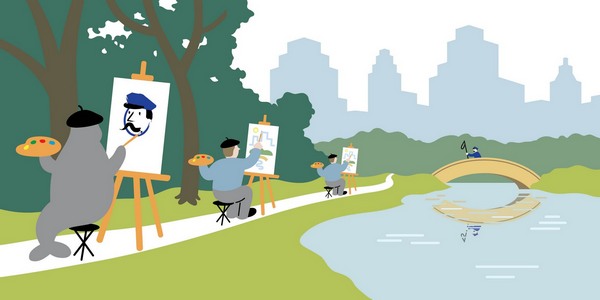
#3 Where’s Walrus by Stephen Savage

Where is that wacky walrus?

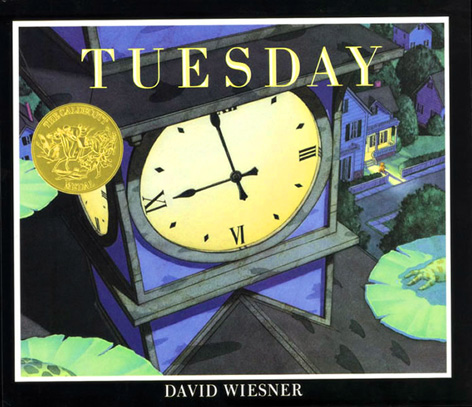
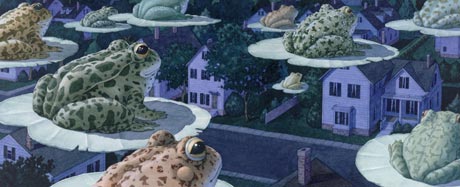
#4 Tuesday by David Wiesner

And what if frogs floated by?

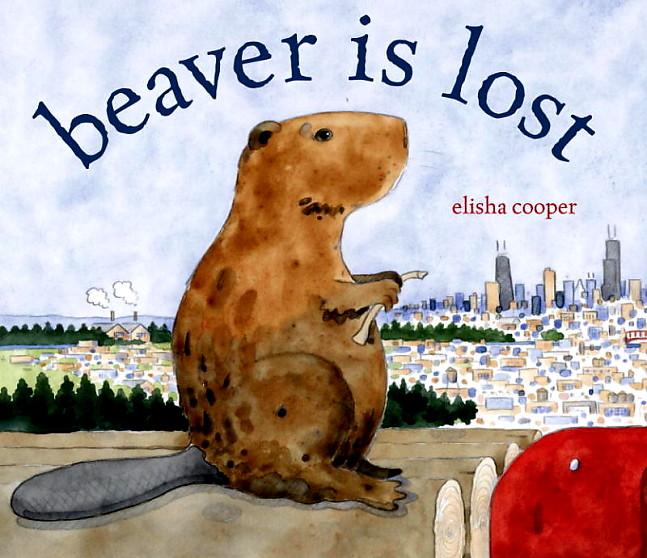
#5 Beaver is Lost by Elisha Cooper

Beaver travels to a bustling city and back.

Thanks to Adopt a School Funds which purchased #1 and #2 for our classroom wordless (or nearly) collection. Wordless books allow us to practice using picture clues and background knowledge to infer meaning. They are also lovely to share together or to ponder over alone.


A House in the Woods

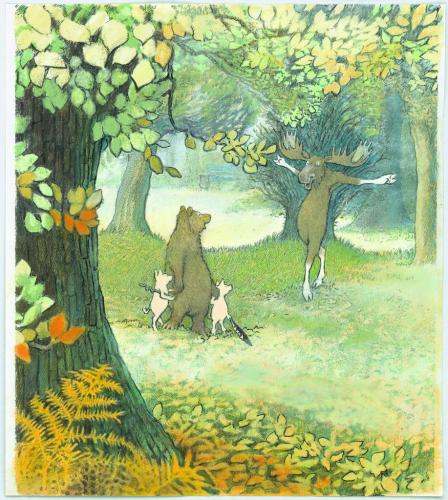
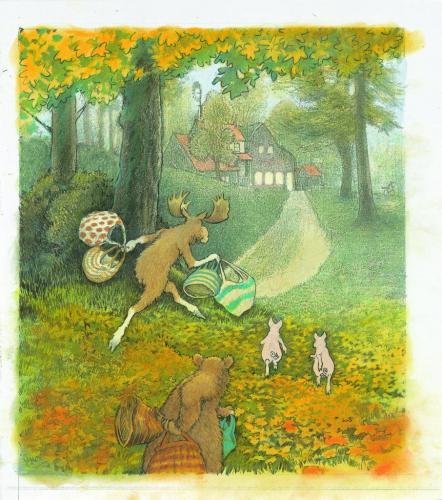
Our BLG reader this week was Dan. He brought in A House in the Woods by Inga Moore to share with us! I was delighted as this book was on my “must have” list and now we have a copy for our library! Thank you BLG!

This is such a soothing, beautiful book to fall into. The lush woods. Industrious animals. A calm lake. A warm fire. A simple kitchen where you prepare and enjoy meals together. So lovely. The illustrations force you to read extra slowly to savour all the details. This is a book that should not be rushed. After reading this book to the class, Dan observed (talking about Inga Moore) “I think she wrote the book just so she could draw these pictures.” Indeed!

The story is one that initially surprises. It starts with two little pigs, one who had made a den and the other a hut. Clever readers expect to turn the page and discover a third little pig, another type of house and a wicked wolf lurking behind a tree. But, the next few pages instead reveal that a bear and a moose, both friendly instead of frightening, have attempted to move in and share the pigs’ homes. Unfortunately the sheer size of these creatures does irreparable damage to the den and the hut. The animals share a bench and some thinking time. This was a pickle. It really was.

Moose then has a brilliant idea! Why not build a large house for all of them to live in together? Yes! But they would need help with such an ambitious project. So, they enlist the assistance of the Beaver Builders! They fell timbers, erect walls, put on the roof, help the animals shop for furniture and curtains, etc. And all they want in return? Peanut butter sandwiches. The house gets finished and the animals rush to the store to shop for the needed bread and peanut butter.

After delivering the stacks of sandwiches to the beaver lodge on the lake, the friends settle into their first night in their new home. They enjoy a meal, tidy up, tell some stories around the fire and then climb the stairs to bed. A deep sleep in their new beds surrounded by a quiet night and occasional snores from Bear.

My students adored this book and pored over the pictures. Quite a few funny comments were made as Dan read aloud.

“Pigs don’t live in the woods!”

“Yes, some do.”

“Hey this could be the three little pigs in the woods!”

Much talk also about eating.

“I ate a moose.”

“Sorry but that’s kind of gross to me.”

“How come those beavers are eating the trees? They are going to get sandwiches!”

We were also a little suspicious that animals would actually build a house, shop in a store and sleep in beds.

“There are no grocery stores in the woods! And definitely not ones that are managed by donkeys!”

“Well, it is make believe,” Dan gently reminded.

Our student reviewer reports:

Khai: I liked the book because the illustrations were so nice. The book was funny too. One of the funny parts was the moose – it even made a sandwich!