So few of me

Oh – the never ending to do list! The reader doesn’t need to move past the inside cover and the overwhelming feeling sets in – that big long list that never ever seems to get shorter . . . The one here has some doozies on it – fix leaks, go to dentist, wash the windows, put dishes away, cancel Saturday (??!) Sigh, aren’t you tired already? And then we meet Leo. Leo has that problem that many of us share – no matter how hard he worked, there was always more to do. As his list expanded, he wished there were two of him to better handle things. And poof! There were.
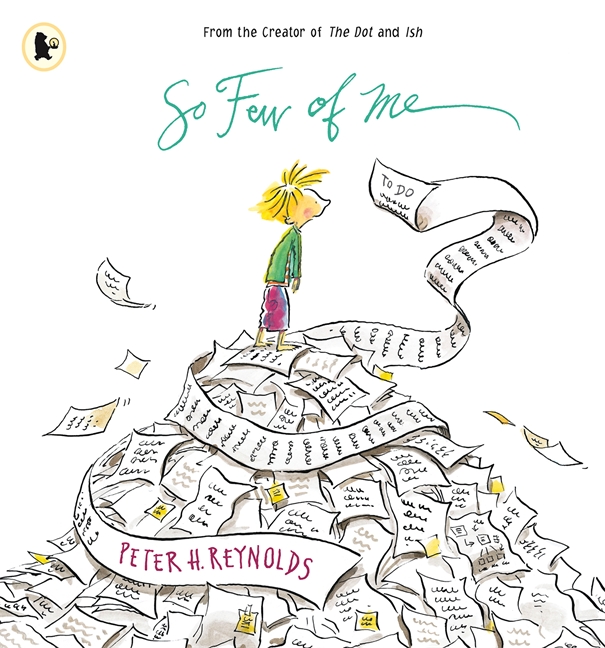
When Leo opened the door and found “another him” we were pretty impressed in Division 5. “Awesome!” “Is that his clone?” “Wha. . . he must be dreaming!” “It’s fiction!” “Yep, it’s a book.”

(Now, this is the one time I don’t need to wish there were more of me. When responding to books – my students have it covered – they have the most brilliant things to say. I just need to do my part and read!)

The strange thing is two Leos doesn’t seem to make it better, there just seems more to do. So what about three? Four? Five? As more Leos come on the scene, the workload seems to increase. Hmm . . . of course! More people means more laundry, more cleaning, more organizing, more strategizing about being better organized. By the time nine Leos arrived on the scene, I had students with their mouths hanging open in amazement.

“This is soo fiction!” someone exclaimed. (Were we believing it up to this point?)

Ten Leos on the scene. Cooking, list making, brewing tea, grocery shopping, sweeping, climbing ladders, it doesn’t stop.

One student got that hold on here look suddenly, “Wait! Wouldn’t a Mom do this stuff?”

I was about to retort, “Hey, are you kidding with ten kids? No way.” But then I realized that this child comes from a family with children in the double digits! And he is asking that question? Oh poor Mom!

“Hey, if there’s more of you, you can’t get smarter!” someone ( quite a smart someone, I might add) shouted.

The last pages show us a lesson that so many of us keep forgetting. Do less. Leave time to dream. You really can’t do it all, so pick and choose and do what you love really well!

A lovely excuse to ignore the laundry pile and go read a book. Thank you Peter H. Reynolds!
The Great Apes

Apes. Orangutan, Chimp, Bonobo, Gorilla – these great apes are fascinating. They are so like us!  At this time in the world we need to protect them to ensure they have places free from being hunted and free to live in peace. What did we learn about these great apes today? What are we still wondering? What do we want to research?

ape

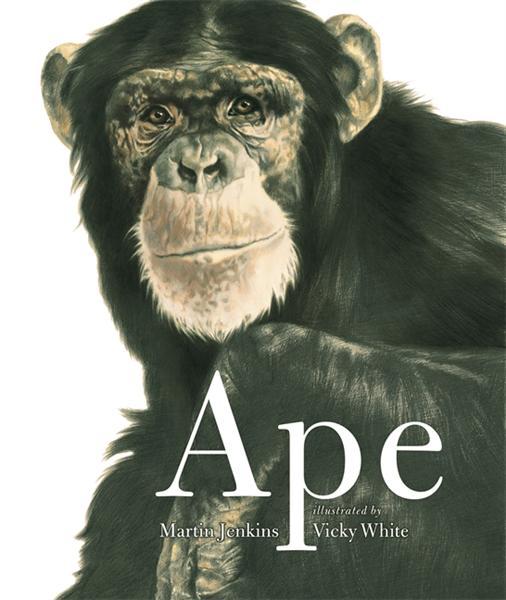
Ape is a visually stunning book! A book to pore over again and again marvelling at the details – both visual and written. Vicky White’s close up portraits and lifelike illustrations fascinated us while Martin Jenkins’ text provided so much new information it was difficult to turn a page without endless questions being tossed around the room.

This was the perfect text to practice questioning with non-fiction text in small groups. First we listened to the story and listed key questions on our individual notepads. Some very fascinating facts that sparked a lot of discussion:

  • Chimpanzees poke a hole into a termite mound with a long blade of grass and then lick off the termites! Some people thought they were using the grass kind of like a straw. Other people wondered if they shared. Many people thought it would be pretty gross to have bugs crawling around in your mouth!
  • Orangutans love to eat the smelly durian fruit!
  • Chimps travel in gangs and hunt down monkeys. “Gangs!?” This seemed very dramatic. “Do they just chase the monkeys or do they actually eat them?” one little horrified voice asked.

We then took our questions to share in a group of four. Each student took turns sharing a question and the group helped decide where to include it on our questioning sheet. Was it a question we found the answer to? Was it a question where we thought we could infer using the schema we already have about animals and the world? Or was it a question where we felt that more research was needed?

Which questions made the lists? A sample below . . .

Questions we had but then found out the answer as we read on:

  • How long do gorillas live? At least 40 or 50 years.
  • Where do the apes sleep? In nests on the ground or in trees
  • What do apes eat? Some eat fruit, some eat termites.
  • Are any of these apes extinct? No!
  • How many species of apes are there? Five species in the world – including us!

Questions that we didn’t find the answers to but we can try to infer:

  • What are the predators of apes? We think humans who hunt them and big cats because they run fast and can catch them.
  • When the chimps fight with other chimps, do they die? We think they might if they get really hurt. Maybe they could get an infection from a bite or bad scratch.
  • What kinds of parasites do they have? Maybe fleas because they have fur.

Questions which need more research:

  • Which of the apes is most aggressive?
  • How are Apes related to people?
  • Can a chimp sense its predators?
  • Can apes swim?
  • What are the differences between males and females?

It was fantastic to see students so engaged with their questions and talking together to make inferences and discuss new learning.

Thank you to BLG who sent in this book to another primary class a few weeks ago. This book will be a very popular book in our library!

Courage to Fly

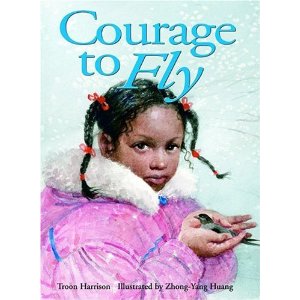
This week I read Troon Harrison’s picture book Courage to Fly to our Reading group. We continue to practice actively using the comprehension strategies we have been taught in Reading Power lessons: making connections, visualizing, asking questions and inferring while we listen to stories. Students loved this beautifully illustrated book (Zhong-Yang Huang is the illustrator) about Meg, an anxious and lonely little girl in a big city in a brand new country.

courage

Meg finds a tiny swallow that was brought down in a snowstorm. She nurses it back to health and then begins to wonder if she should set it free. She is reluctant to do so – but is encouraged to give the bird its chance to fly. Who really finds the courage to fly?  By the end of the book, we were convinced that Meg had been transformed by her experience and that after taking a risk to let the bird go free, could find the courage to open up her heart to new friendships.

Some thoughts from the students:

I think New York is not a great place for Meg (Ricky)

Why is Meg so shy? Is she lonely? Is she scared of the snow? (Truman)

I think the old man is also trying to tell Meg to find courage. (Jena)

I think the message of the book is to let things be free (Jenny)

Meg gets the courage to be free! (Josiah)

Birds and children must have been on my mind this week when I took my children to the public library – I found two more books involving a child and a hurt bird that needed to be cared for. So much learning happens from these experiences. Lovely stories that touch on the themes of hope, courage, relationships, perseverance, transformation, freedom . . .

martha

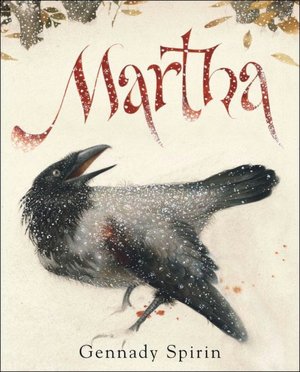
Martha is Gennady Spirin’s story about his own son Ilya who discovered a crow with a broken wing. The veterinarian insisted the bird should be put to sleep as it would never fly. Ilya convinced his parents otherwise and the crow they named Martha made her home with the family. Eventually Martha surprised them all and flew again. Is she the bird that returns the next year and nests in their tree?

fly pigeon fly

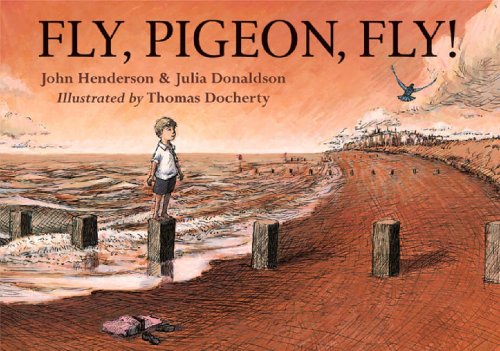
Fly, Pigeon, Fly! is coauthored by John Henderson and Julia Donaldson and illustrated by Thomas Docherty. Set in Glasgow, this is the story of a young boy who discovers a half-starved pigeon in a run down warehouse and takes him home to care for him. The pigeon recovers but the boy cannot bear to set him free. The relationships between the boy and the bird and the boy and his Da are gently explored. In a lovely way, as the boy is able to let the pigeon go, his connection to his Da becomes stronger.

Just . . . How big is the world . . . anyway?

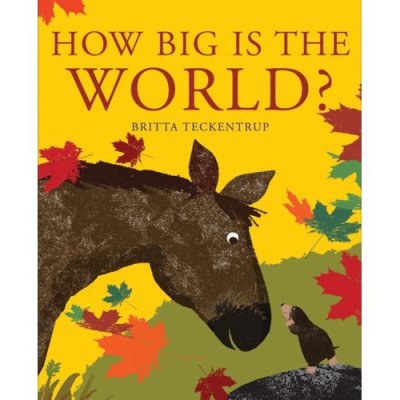
Britta Teckentrup’s How Big is the World? certainly inspired us to ask that question and many more as we followed little mole on his journey to discover just how big the world is by asking all of the creatures he meets on his important journey to find his answer. From spiders to whales, all of the creatures give him an answer but each one is different.

how big is the world

Some questions we began to wonder as we read this book:

Does everyone have their own thoughts about the world and how big it is? (Jena)

Will the little mole ever find out? (Truman)

Will the mole have another big question after this question? (Lisa)

Does the world ever end? (Sergio)

I wonder if you want the world to end, if you have to go off the world? (Jenny)

Well then how big is space? (Jeremiah)

Litle Mole does have an answer for his Papa when he returns.

“How big is the world?” whispered Papa. “As big as you want it to be,” said Little Mole quietly and he went to sleep.

This made lots of sense to some of us.  “That’s because each animal had a different answer!” “It depends on who you ask!” “The animals could only talk about what they knew.” But Catriona wasn’t satisfied. “That isn’t true,” she said shaking her head. “It is a specific size.”

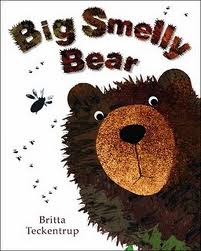
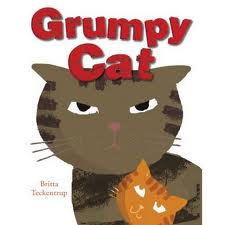
Britta Teckentrup is also the author/illustrator of Grumpy Cat and Big Smelly Bear which are very popular books in our picture book bins.

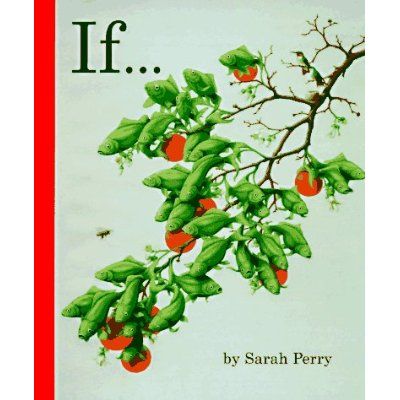
Sarah Perry’s If inspires

Our reading group explored the book If by Sarah Perry.  This is the classic book to introduce the concept that one simple question can lead us to deeper questions and endless wondering.  Each page features an amazing visual with an If phrase such as If music could be held . . . ,  If mice were hair . . . (a pretty creepy idea!) If toes were teeth. . . (gives a whole new image to wiggly teeth we decided :)) We lingered on each page- shouting out questions as someone else wondered something that made our thinking bigger and our wondering even broader.

If

Some truly great questions shared in wonder webs (inspired from specific pages in the story).

If leaves were fish . . .

Would we have to rake up fallen fish? (Jena)

Would there be fish flying around on a windy day? (Catriona)

Would they be smelly? (Lisa)

Will they change colour? (Kevin)

Would they still use chlorophyll? (Alyson)

Then what would the caterpillars eat? (Ricky)

Can the fish breathe? (Annie)

If hummingbirds told secrets . . .

Would they tell secrets to their predators?  Can the animals understand? Would the ears get poked? (Gary)

How would it say the same language as me?  wondered Truman. He then added little drawings of people asking: “What did you say?” “What does it mean?” “What would it be?”

A book to pick up again and again. Let the wondering begin!


What do our little thinkers think of Little Ant Big Thinker?

I love when I have so many books in my “must read” pile, that when we have a spare 5 or 10 minutes, I know just the book to choose!  Today it was Little Ant Big Thinker or Where does the Ocean End? by Andre Usatschow and illustrated by Alexandra Junge.

little-ant-big-thinker

As we’ve been working on asking questions as we read, I thought this would be a great time to read this book about a little ant with some very big questions. The book begins with the little ant wondering if the ocean ever ends and if so, where? He begins to get anxious – how can he ever know, if he never can see the end? An elephant happens along and despite their attempts at peering out over the water on tiptoe and climbing a tree for a better view, the two of them cannot see the end of the ocean. A fish swims up and scoffs at their worry: “The ocean ends right here!” he explains. Okay, problem solved. Until of course the question pops into the ant’s head: “But where does the ocean begin?”

We quite liked this book.

Catriona, always summarizes so nicely: “It begins at the end and ends at the beginning!”

Alyson notes: “Wondering is a great thing. Little people can think big too!”

Jeremiah has his own question about the little ant: “What if his brain gets so big from all of that wondering, and he tips over?!”

Hmm, what if . . . ?

Old Mother Bear inspires lots of questions

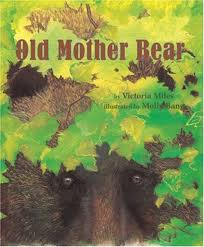
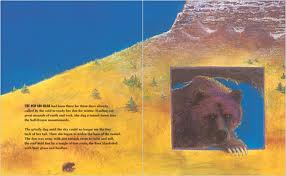
Division 5 has been practicing asking questions as we listen to a story.  Armed with our pencils and mini notebooks, we gather at the carpet to listen to great information story books like Old Mother Bear by Victoria Miles and illustrated by Molly Bang.

So far we have read about how the mother Grizzly tunnelled a den out of the mountainside to sleep through the winter and birth her cubs.  The cubs are born and nurse and snuggle with their mother until they all emerge from the den in the spring and begin searching for food.

A sample of the great questions we had (and who asked them) as we read the first half of the book:

How do bears dig the den? (Manny)

Does it hurt when the mother feeds? (Miami)

How do the mother bears make milk? (Hajhare)

How do they feed from their mother if they can’t see? (Josiah)

How many babies do they have at one time? (Lisa)

Where is the Dad? (Hailey)

When do they leave their Mom? (Jeremiah)

How do the cubs know not to hurt each other when they play fight? (Edwin)

How long can a bear survive without food? (Ricky)

We look forward to finishing the story this week!


The power of a lie!

Our reading group has been busy writing and talking about connections we have to the books we are reading. This title had big connecting power!

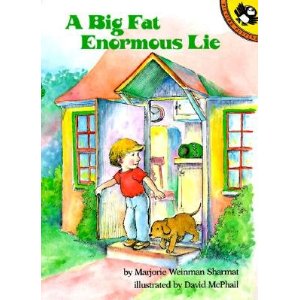
A Big, Fat Enormous Lie by Marjorie Weinman Sharmat and illustrated by David McPhail (one of my favourite illustrators!) is a book we can all relate to easily.  A little boy lies over one small thing and his lie comes alive in the form of a monster, following him everywhere, bothering him, sitting on his stomach. The monster keeps growing and growing and growing until it can only be escaped by . . . telling the truth. Phew! The relief! This little book sure inspired some powerful writing from our reading group. We all recognized that lies can be pretty powerful but not as powerful as the truth 🙂

Sergio writes: “When I lie, I get bad luck and I crash into everything and my stomach hurts. Oww! Oww! Oww! Ouch that hurts.”

Ricky explains: “Lying is a bad thing. If you lie, you will have bad feelings and your tummy will feel like it’s hurt. When you have a nap, it makes you feel better. But when you wake up, you still have to tell the truth. So if you tell the truth, everything will be okay.”

Annie summarizes the story, “The message of the book is that you should never lie to anyone. You have to admit it. When you don’t tell the truth, you’ll feel like the lie is lying in your stomach. After you tell the truth, the lie is gone.”

Lisa writes, “If you tell a lie, you feel guilty because you just want it to go away. If you did something wrong, you should tell, don’t lie. If you lie, you need to tell someone.  If you don’t tell, it is going to get bad, then worst. You feel guilty if you lie. It feels good if you tell the truth.”

Connecting Stories

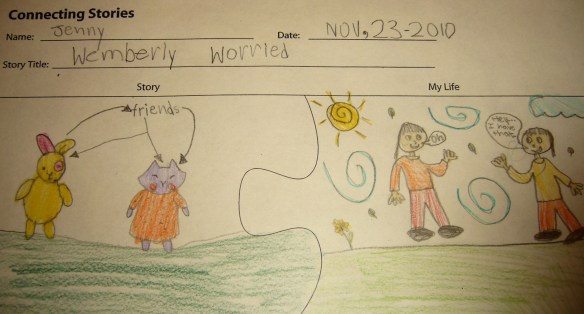
Our reading group has been busy reading picture books and writing and drawing about their connections.  We love using this BLM Connecting Stories from Adrienne Gear‘s Reading Power book to help us explain how the story is connected to our own lives.

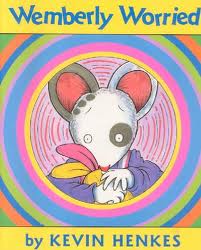
Jenny read Wemberly Worried by Kevin Henkes. This is a lovely book about Wemberly who worries about everything!  Now Wemberly is starting school.  This book helps us feel better about starting school, making new friends and growing up.  Jenny writes:

In the story, when Wemberly went to school, she saw someone else just like her. She had a stuffy and she was shy just like Wemberly.

This reminds me of when I had the first day of school. I was shy and then I met Maria. And then when Jocelyn came, we all became friends. And we all made other kids laugh.

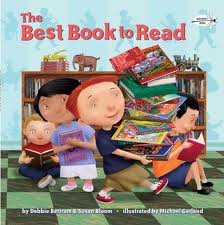
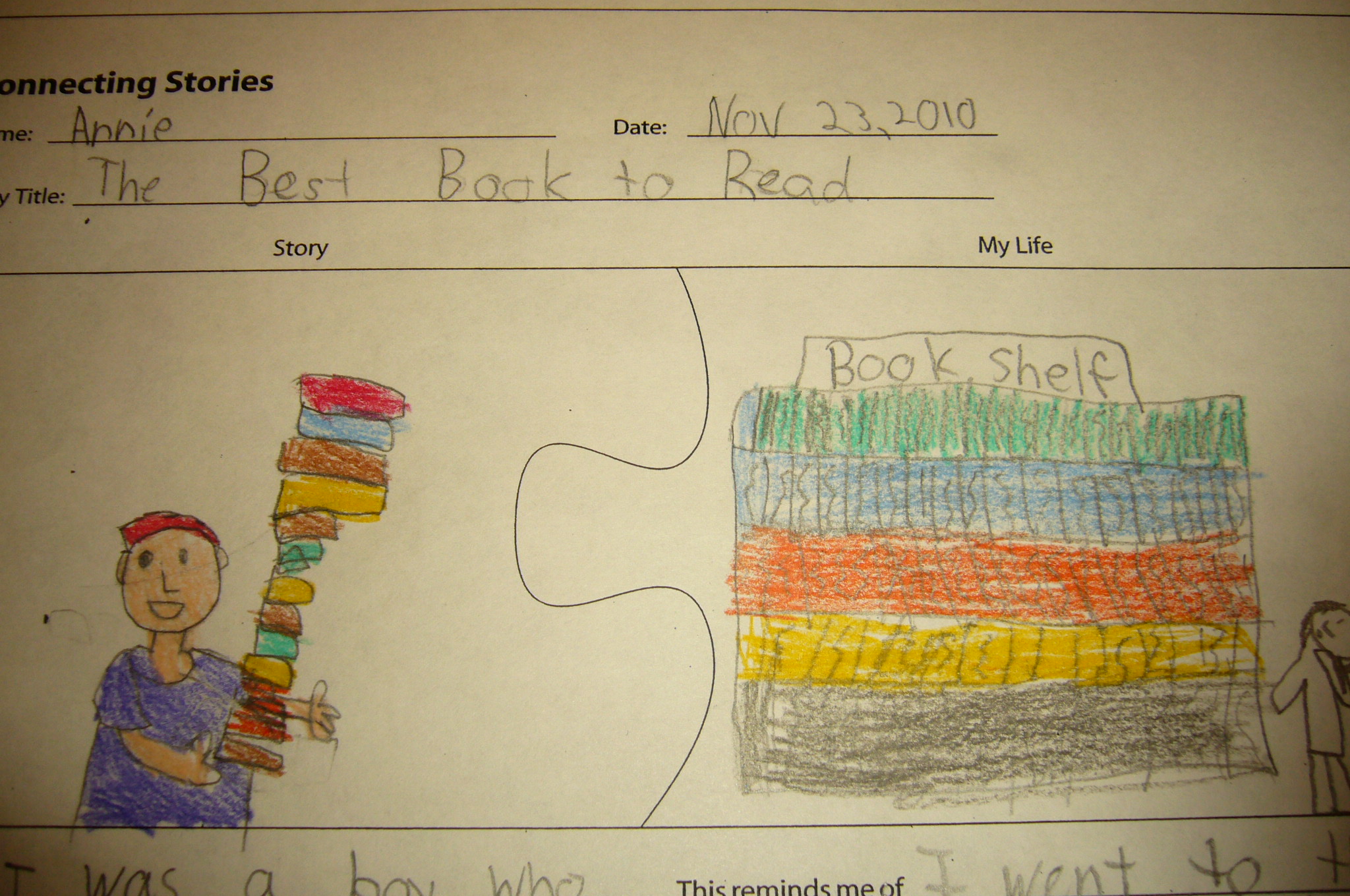
Annie read The Best Book to Read by Debbie Bertram.  The fun, rhyming text takes us  along on an adventure to the public library.  How to choose a book when so many are available?  Annie writes about her connection:

In the story, it was a boy who had a field trip to the library. He found lots of books that he wants but he can’t choose some.

This reminds me of  . . . I went to the library and I didn’t know what book to choose. I was confused about choosing books!

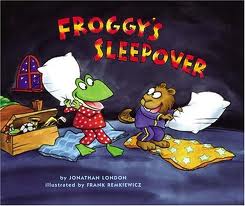
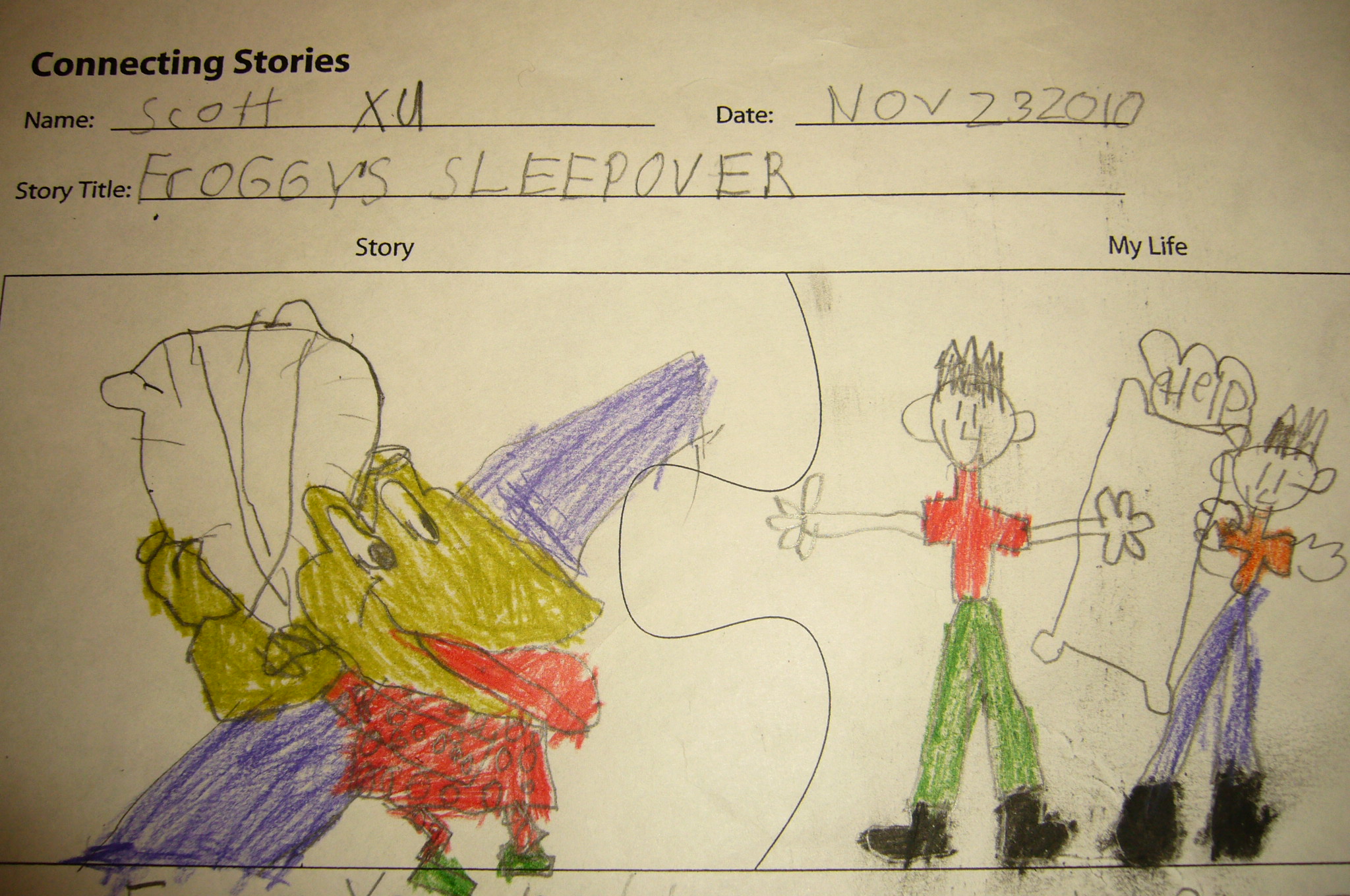
Scott chose to read Froggy’s Sleepover by Jonathan London. As expected, Froggy has all kinds of funny escapades on his sleepover at Max’s house.  Lots of giggling happens when someone reads this book about silly sleepover fun! Scott writes:

In the story, Froggy went to a sleepover with Max. They play pillow fight. I think Froggy was happy when they were play fighting.

This reminds me of when I went to a sleepover with my best friend. We play pillow fight too. I feel happy when I played. I connected to Froggy’s happy feelings.

Ms. Hong brought us a lot of books from the Connect bin in the library to add to our classroom collection so that we have many choices when we are choosing books to read. Thanks Ms. Hong!  Everyone is enjoying recognizing how they share feelings with the characters in these stories. This helps us to understand the story better.  We look forward to reading more of these books in the next few weeks.