Nonfiction Picture Book Wednesday: In “the middle of” books

I had grand plans to review a number of books for Nonfiction Picture Book Wednesday. But I can’t. A lot if this is the fault of Alyson Beecher (of Kid Lit Frenzy). And, actually, the rest of the #nfpb2014 bloggers can be blamed as well.

I can’t review even one nonfiction book because I am in the middle of reading six of them.

And why?

Because there is just so much great nonfiction out there and I keep reading about more and more titles on all of the blogs participating in Alyson’s Nonfiction Picture Book challenge/celebration each week. So I buy a book. Or borrow a book. Then I start reading “just a few pages” (usually aloud to my children) and then, next thing I know, I have nonfiction titles half read all over the house.

What am I (often we) reading right now?

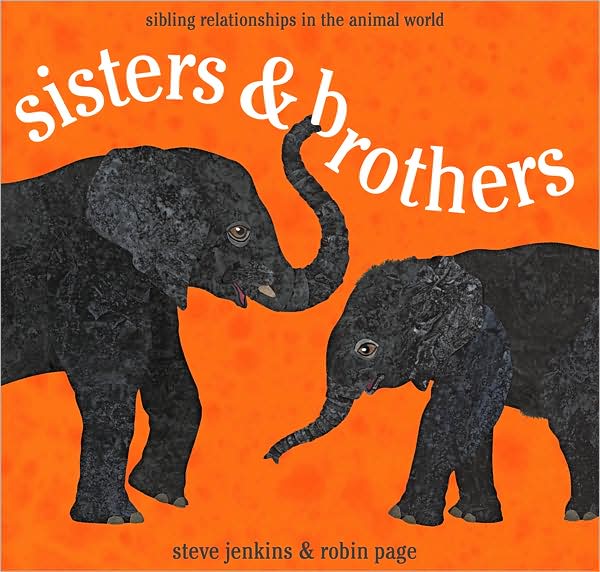
Sisters & Brothers: Sibling Relationships in the Animal World by Steve Jenkins and Robin Page (published 2008)

I am a total Steve Jenkins fan but haven’t read this one yet. My son and I started reading some of these pages and were intrigued! Did you know that nine banded armadillos are always born as identical quadruplets? Perfect clones of each other. And Gould’s long-eared bats are almost always born as twins. Multiple births are particularly interesting in my house since my children are twins and their aunts (my sisters) are identical twins.
Nonfiction Picture Book Wednesday: In "the middle of" books

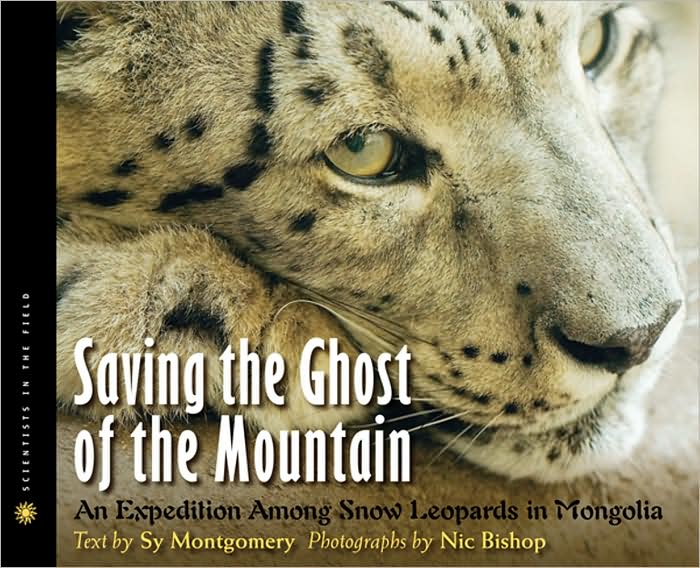
Saving the Ghost of the Mountain: An Expedition Among Snow Leopards in Mongolia written by Sy Montgomery with photographs by Nic Bishop (published 2009)

I am reading a few chapters of this Scientist in the Field book with my children every week. We are almost done. We have been as fascinated by the country of Mongolia as we have been with the elusive snow leopards. Amazing photographs by Bishop.
Nonfiction Picture Book Wednesday: In "the middle of" books

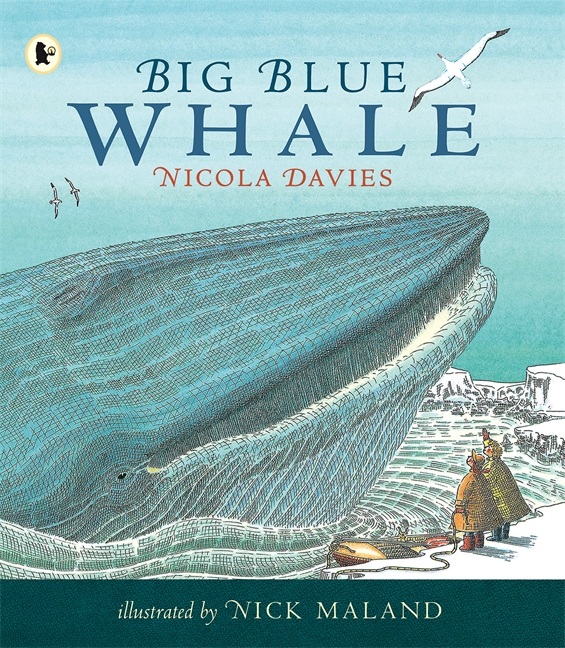
Big Blue Whale written by Nicola Davies and illustrated by Nick Maland (published 1997)

I just bought this at the book store because I am reading everything ocean with my class. The next sea creature we are learning about is whales and . . . how I love Nicola Davies. I started reading this last night and want to finish it later tonight. Blue whales are the biggest creature to ever live on Earth! Majestic and amazing.
Nonfiction Picture Book Wednesday: In "the middle of" books

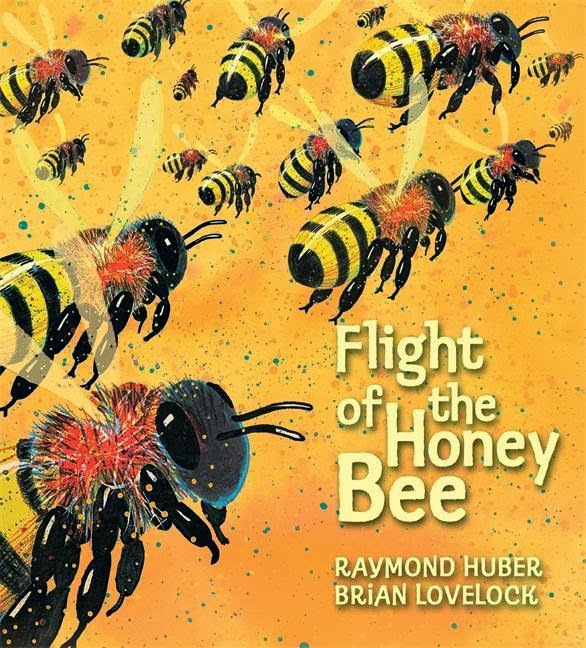
Flight of the HoneyBee by Raymond Huber and illustrated by Brian Lovelock (published 2013)

Bees have hairy eyeballs! My son and I are reading this together and keep marvelling at this fact!
Nonfiction Picture Book Wednesday: In "the middle of" books

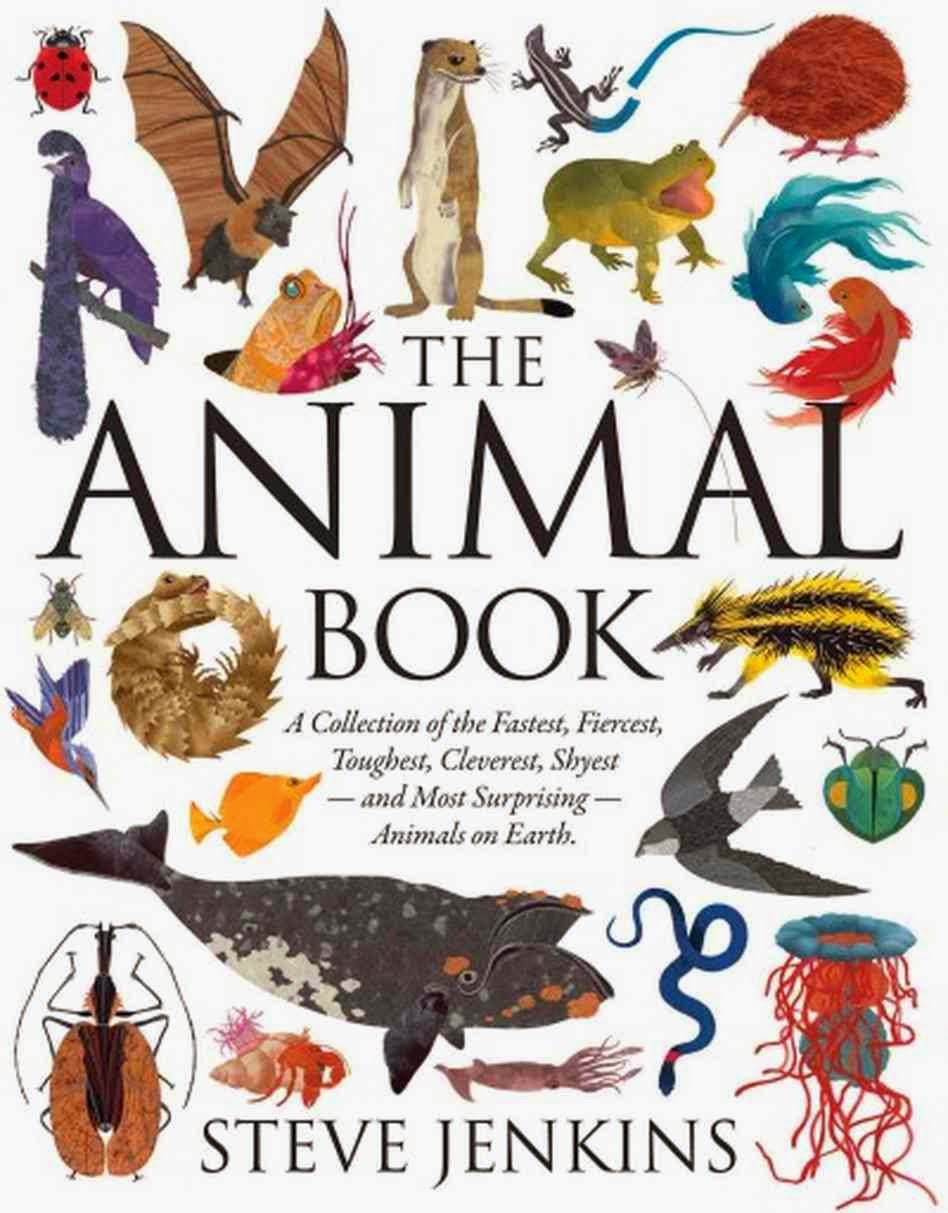
The Animal Book: A Collection of the Fiercest, Toughest, Cleverest, Shyest – and Most Surprising – Animals on Earth by Steve Jenkins (published 2013)

Slowly but surely, my children and I are enjoying this title together. So much to talk about and explore. It truly is a beautiful book to be on the family bookshelf.
Nonfiction Picture Book Wednesday: In "the middle of" books

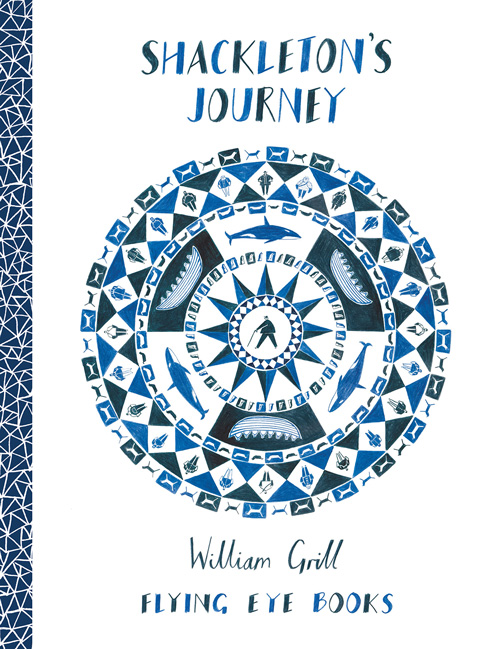
Shackleton’s Journey by William Grill (published 2014)

I had to own this book. Exploration. Adventure. Peril. Antarctica. That covers the subject but then there is the way this book is designed . . . Gorgeous. Simply gorgeous. I have hooked my children with just a few pages. And as a result  . . . another nonfiction read aloud on the go!
Shackleton's Journey Nonfiction Picture Book Wednesday: In "the middle of" books

Oh how I love nonfiction! There is nothing better than learning more about the world through a beautiful book.

NFPB 2014

Thanks to Alyson from Kid Lit Frenzy for the inspiration to read and share more nonfiction picture books in 2014! Follow the link to Alyson’s blog to read about more nonfiction titles.

My goal is to read 65 nonfiction picture books for 2014. Progress: 47/65 complete! (this is no more than 2 weeks ago because I have so many titles on the go!)

Nonfiction Picture Book Wednesday: Dirt, Roots & Shoots and Ladybugs

It’s Nonfiction Picture Book Wednesday! NFPB 2014

I have spent all week in my garden. So much so that I am dreaming about compost and worms and transplanting plants. This lead me to some titles I am adding to my class nonfiction collection next week. As I have been conferencing with kids about what they would like to see more of in our nonfiction areas of our classroom library, books about plants, gardens and growing have come up a lot. So these four books will be new additions (although they are not all recent releases) and hopefully of interest to my little gardening/plant enthusiasts.

Dirt: The Scoop on Soil written by Natalie M. Rosinsky and illustrated by Sheree Boyd (published in 2002)

Lots of information on the different parts of dirt: humus, silt, rocks and pebbles, clay and sand. Each of these parts is talked about in some detail. I enjoyed the sections on the decomposers who eat dead plants and how insects and animals help loosen the soil as they crawl through it. The book does mention keeping our soil healthy but it doesn’t go into much detail. Thee are some experiments in the back of the book to try. A nice addition, in my opinion, would have been a section on how to make and maintain a compost bin/pile.

Nonfiction Picture Book Wednesday: Dirt, Roots & Shoots and Ladybugs

How Does a Seed Sprout? And other Questions about . . . Plants by Melissa Stewart A Good Question book (published in 2014)

Organized in a question/answer format this is a book for stronger readers (late primary/early intermediate) or great to use as a read aloud – even just a few questions at a time. I appreciated the detailed drawings of the six stages of a bean plant sprouting and the pictures of a pine tree’s life cycle. There is an index in the back and more information for further reading and websites to visit. This would be a great resource for a plants/seeds unit.

Nonfiction Picture Book Wednesday: Dirt, Roots & Shoots and Ladybugs

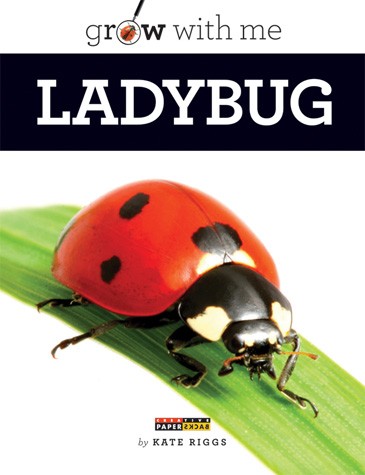
Grow with me Ladybug by Kate Riggs (published in 2013)

This Grow with Me series published by Creative Paperbacks is an ideal reading level for upper primary (and older) students to be reading independently. Full of lots of photographs (including many magnified close ups), detailed information and nonfiction features such as an index, glossary and fact boxes. While the focus of this book is to talk about the lifecycle of the ladybug, there is a lot of other interesting information shared:

  • Protective Measures
  • Living to Eat
  • A Bug for all Seasons

Nonfiction Picture Book Wednesday: Dirt, Roots & Shoots and Ladybugs

Ladybugs by Gail Gibbons (published in 2012)

The illustrations here are incredible and give so many specific details about how ladybugs grow, what they eat and how they survive in different seasons. This book would make a fantastic read aloud. I loved the page that explains that there are many different kinds of ladybugs – possibly up to 5,000 different types world wide with 475 different kinds in North America. The illustration depicts ten different types with different colours and spot patterns. Children will come away with an excellent understanding of the life cycle of a ladybug, how they help keep the population of garden pests down and how each of their body parts function.

Nonfiction Picture Book Wednesday: Dirt, Roots & Shoots and Ladybugs

Thanks to Alyson from Kid Lit Frenzy for the inspiration to read and share more nonfiction picture books in 2014! Follow the link to Alyson’s blog to read about more nonfiction titles.

My goal is to read 65 nonfiction picture books for 2014. Progress: 47/65 complete!

Ocean wonders: twenty nonfiction picture books about sea life

My class and I have fallen into a theme of ocean and sea life without really knowing we were heading in that direction. And just like dipping your toe into the deep blue sea and being lured into the depths, we have found that everywhere we turn, there are more books on this theme for us to discover. Here are twenty nonfiction picture book titles – some we have read, some that are in the pile to share and some we might not get to this time around. I hope that some will be ones you want to share with the children in your lives.

Books with a theme of Exploration:

Down, Down, Down: A Journey to the Bottom of the Sea by Steve Jenkins  

How can we not be intrigued at the idea that we may only have encountered half of the large animals living in the sea?

Manfish: A Story of Jacques Cousteau written by Jennifer Berne and illustrated by Éric Puybaret

Cousteau was fascinated by a world that he couldn’t spend prolonged time in. Without being able to breather underwater, how could Cousteau explore its mysteries? Read a more detailed review here

The Fantastic Undersea Life of Jaques Cousteau by Dan Yaccarino

Another fantastic picture book biography sharing the life of the inspiring Jacques Cousteau.

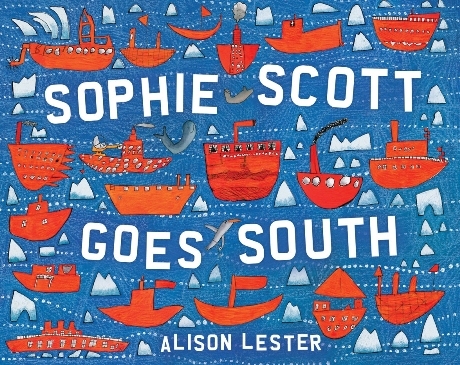
Sophie Scott Goes South by Alison Lester

This title is based on the author’s real experience of travelling to Antarctica. Full of all kinds of facts about icebergs, icebreakers, life in a research station. Read a more detailed review here.

 Ocean wonders: 20 nonfiction picture books about the sea There's a Book for That Nonfiction picture book Wednesday

Books with an Environment theme:

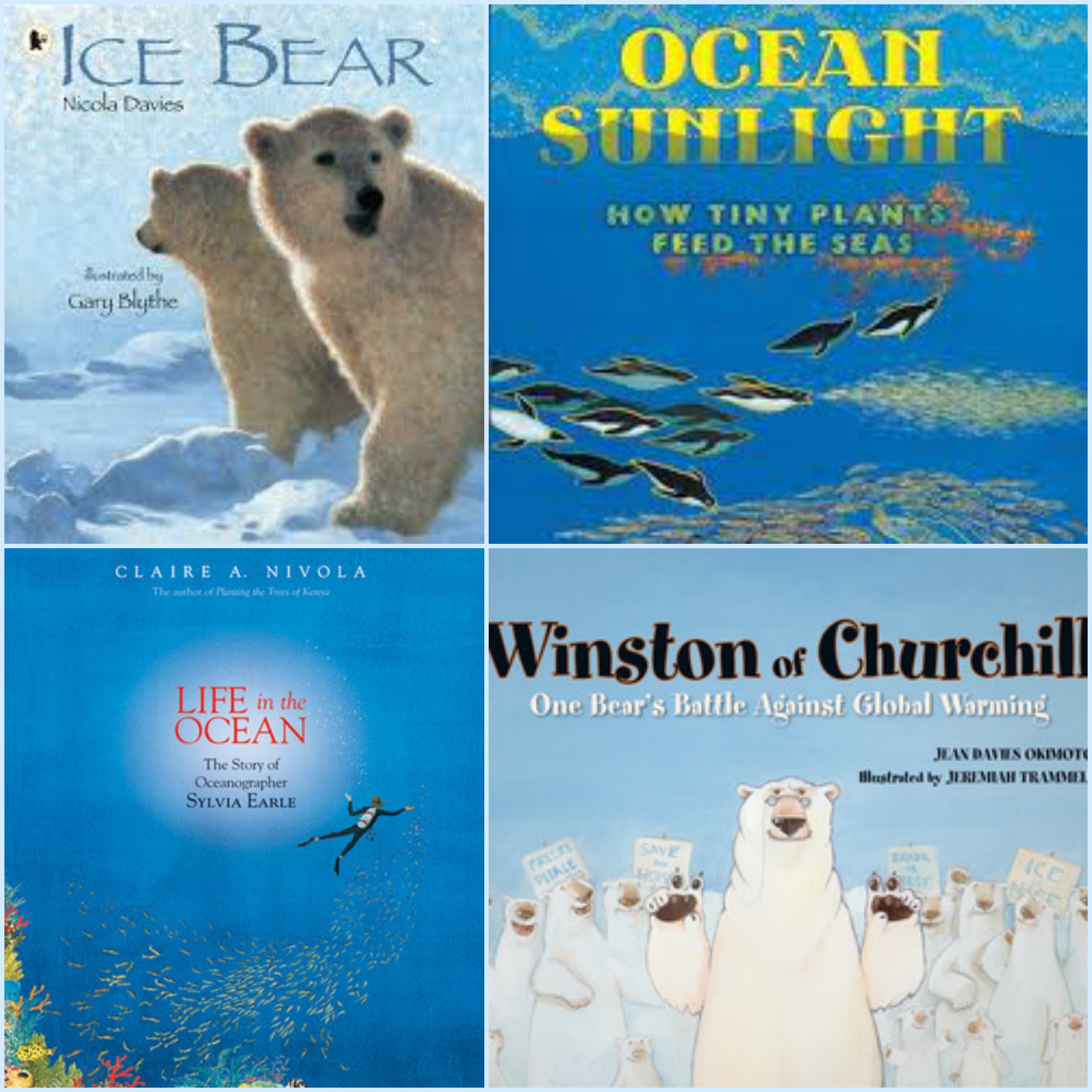
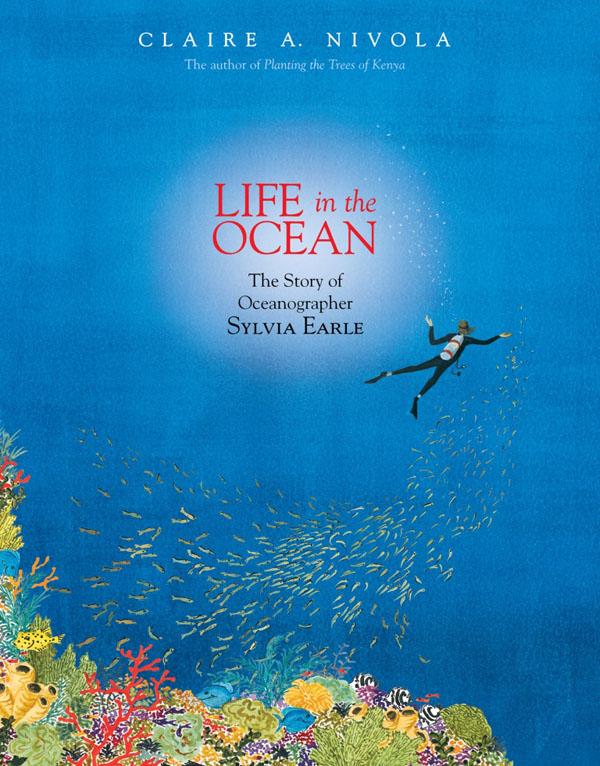
Life in the Ocean: The Story of Oceanographer Sylvia Earle by Claire A Nivola 

The depiction of Earle’s curious childhood in the water, descriptions of moments in her life that truly shaped and changed her, beautiful and enticing illustrations and this very important message: “You can’t care if you don’t know.”

Winston of Churchill by Jean Davies Okimoto

This book tells us about Winston, the bear from Churchill, Manitoba who decides to mobolize a group of polar bears to teach the tourists who come to see the polar bears about the effects of global warming on the melting ice in the Arctic.

Ice Bear (In the Steps of the Polar Bear) written by Nicola Davies and illustrated by Gary Blythe 

Nicola Davies tells us how polar bears survive in the Northern landscape weaving facts on each page into the beautiful story she tells in lovely poetic text.

Read about how I used this title in my room to practice deep thinking questions here

Ocean Sunlight: How Tiny Plants Feed the Seas by Molly Bang and Penny Chisholm 

Narrated by the sun. Learn about ocean’s life cycles and the importance of phytoplankton.

Environment  Ocean wonders: 20 nonfiction picture books about the sea There's a Book for That Nonfiction picture book Wednesday

Books about Specific Sea Creatures (one or many):

Here Come the Humpbacks written by April Pulley Sayre and illustrated by Jamie Hogan

Through a story of a mother whale and her calf’s migratory journey, we are able to learn many things about humpback whales.

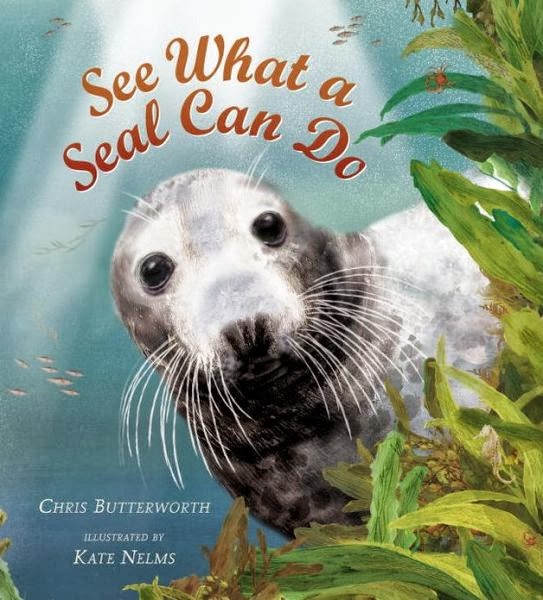
See What a Seal Can Do written by Chris Butterworth and illustrated by Kate Nelms

The reader is then invited into the world of seals. Learn all about gray seals – how they move, how they hunt and how their body is perfectly suited to their ocean home.

Read more about this book here.

One Tiny Turtle written by Nicola Davies and illustrated by Jane Chapman

The amazing story of the lifecycle of the loggerhead turtle.

Surprising Sharks written by Nicola Davies and illustrated by James Croft

Learn lots about sharks including how humans pose many threats to their survival.

Bubble Homes and Fish farts written by Fiona Bayrock and illustrated by Carolyn Conahan 

How do animals use bubbles? In quite amazing ways! From the bubble nets of humpback whales to the bubbles sea otters use to stay extra warm in the cold ocean water.

In the Sea written by David Elliot and illustrated by Holly Meade

Poems about various sea creatures. Gorgeous illustrations.

Giant Squid: Searching for a Sea Monster by Mary M. Cerullo from the Smithsonian

Written like an active investigation. Just what is the giant squid? Why is it so elusive? How is it studied?

Shimmer & Splash: The Sparkling World of Sea Life by Jim Arnosky 

Learn about different fish and sea animals that live in the ocean. Amazing fold out pages.

Sea Creatures  Ocean wonders: 20 nonfiction picture books about the sea There's a Book for That Nonfiction picture book Wednesday

Books that begin on the Shore or wade into the Coral Reefs:

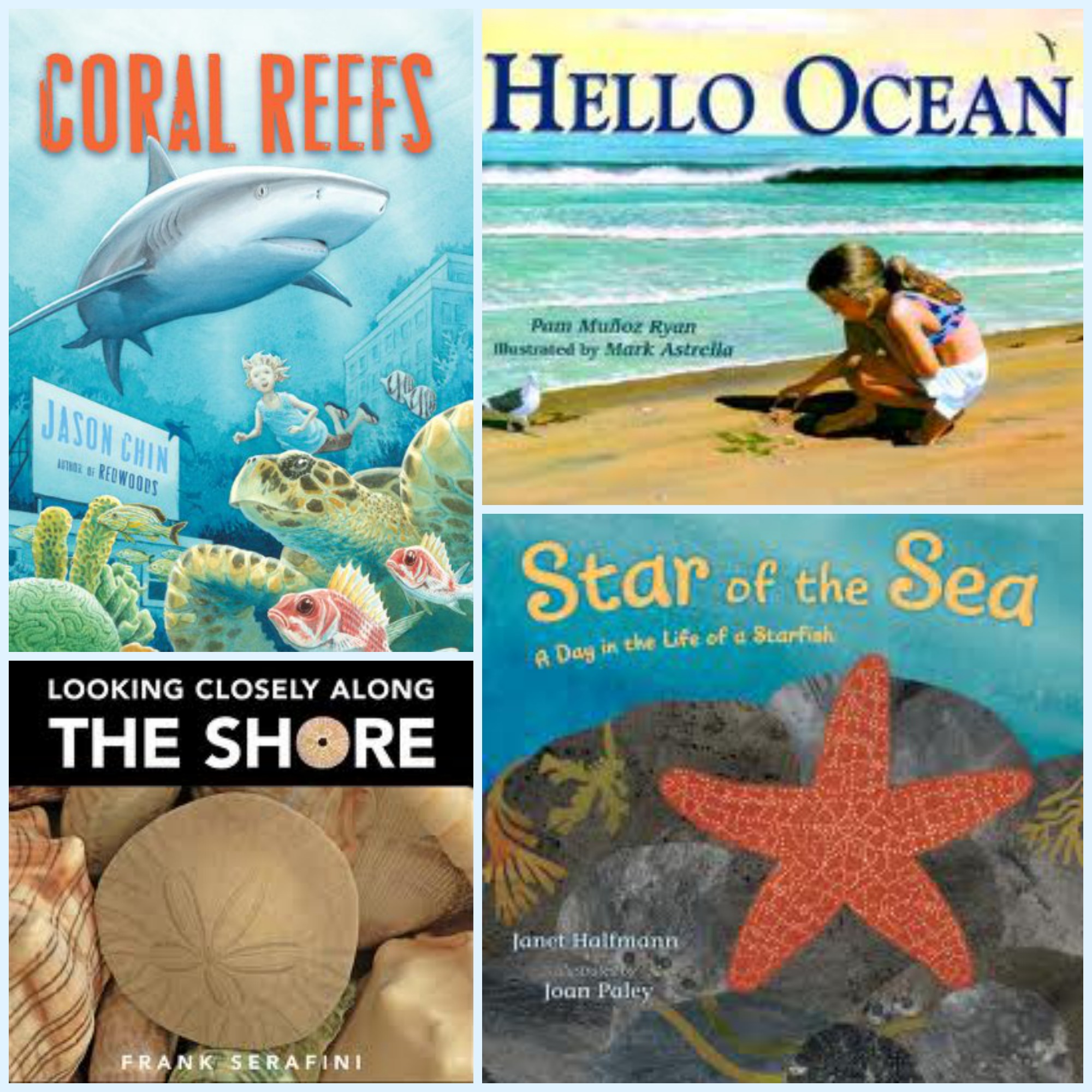
Coral Reefs by Jason Chin 

In this title, being lost in a book means getting lost in a completely different world – in this case the magical world of coral reefs.

Hello Ocean written by Pam Muñoz Ryan, with illustrations by Mark Estrella

Not exactly a nonfiction title but a poetic text that speaks to all of our senses close to the shore.

Star of the Sea: A Day in the Life of a Starfish written by Janet Halfmann and illustrated by Joan Paley

The book itself reads like a story – we learn about how sea stars hunt for food, how they eat (by extending a stomach out through the mouth) and how they are vulnerable when the tide goes out to being eaten by seabirds

Looking Closely Along the Shore by Frank Serafini 

Look at the shore in ways you have never quite imagined it through the camera lens and close up shots of Frank Serafini.

 Ocean wonders: 20 nonfiction picture books about the sea There's a Book for That Nonfiction picture book Wednesday


NFPB 2014

I learn so much by reading all of the blog posts that link to the Nonfiction Picture Book Wednesday event that KidLit Frenzy hostsVisit Alyson’s blog to see what books are shared this week.

My goal is to read 65 nonfiction picture books for 2014. Progress: 42/65 complete!

Do you have favourite nonfiction titles on any of these themes? Please share in the comments!

Nonfiction Picture Book Wednesday: Bird Assembly 101

It’s Nonfiction Picture Book Wednesday! 

NFPB 2014

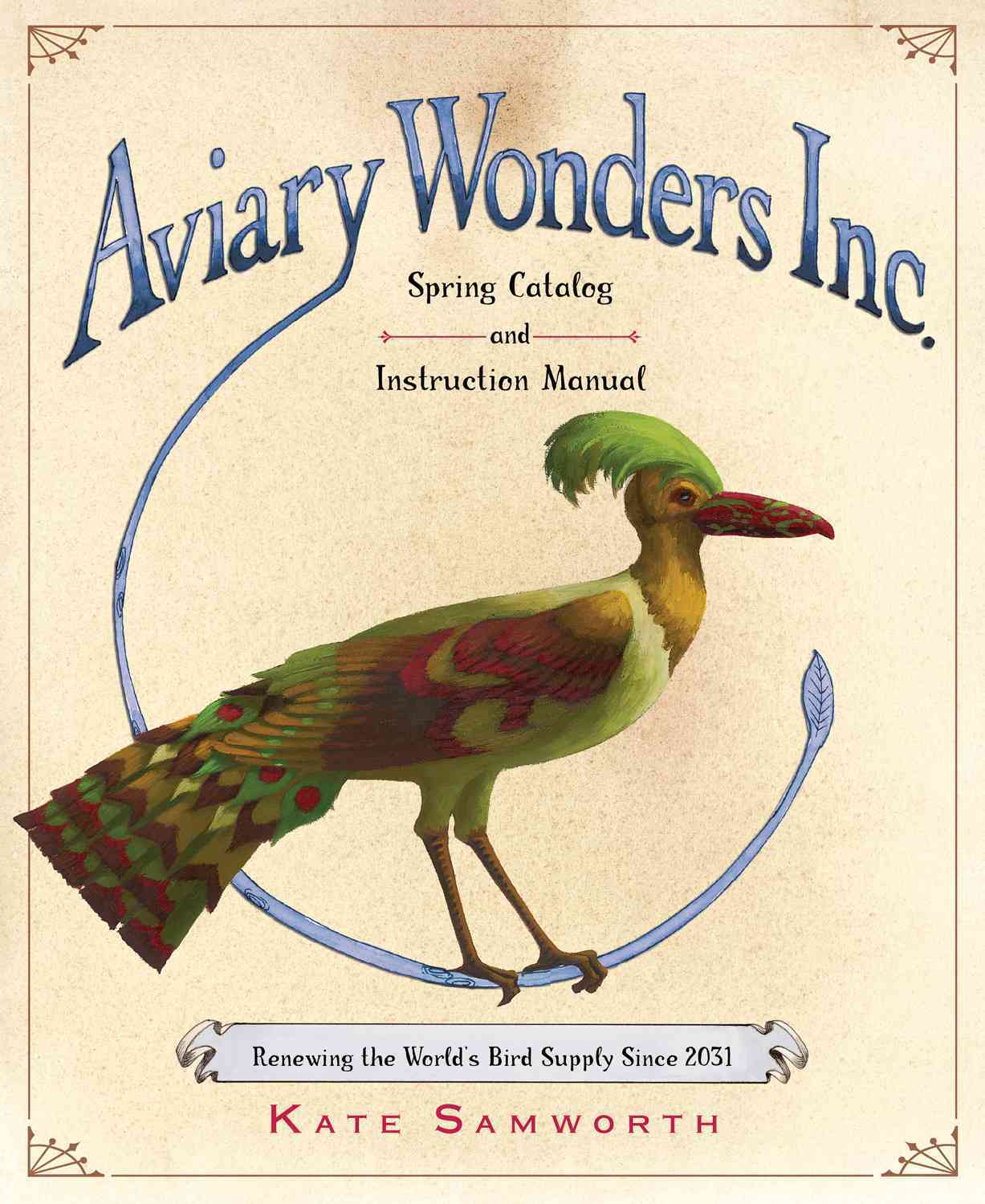
This book is swoon worthy! And seriously odd at the same time.  Aviary Wonders Inc. Spring Catalog and Instruction Manual by Kate Samworth

Unique and in many ways is difficult to categorize. It is a picture book. That’s an easy one. Beyond that – it gets interesting. There is a fantasy element to it and it does have a “fiction” feel. But I love books that blend genres. I am calling this a nonfiction title as well. It’s part instruction manual. Part bird anatomy. Part a warning to avoid bird extinction. All of these things fall in the nonfiction realm*. Thus, I have decided to share this beautiful book on nonfiction picture book day!

*Not everyone will agree but I think the instruction manual aspect tips it over the edge to favour my creative license on categorization. And heck, I’m writing this blog . . .

#NFPB2014 There's a Book for That Bird Assembly 101


Quickly head over to Seven Impossible Things and take a peek at the inside images.

So what can you learn from this book – set if you look carefully at the title – in 2031? How to build your own bird of course! This book includes an order form, details about all of the parts and some helpful assembly instructions. Always keep balance and proportion in mind seems to be a big theme.

Beyond patience and optimism, this handbook explains, you will need the right parts. And right parts are here in gorgeous, colourful glory. With details beyond your wildest imagination. Like impressionist tinted feathers, Persian designs on the beaks and Wattles and Combs with names such as Beethoven and Aphrodite. (Haven’t gone to look at the inside pages? Go! See link above)

The delight and hilarity in creating quite preposterous birds is tempered by the underlying feeling the reader has throughout: What if such a catalog was actually real? Necessary? The book jacket warns:

. . . that it’s not really a catalog at all. It’s a dark and funny look at what might happen if we let natural habitats disappear.

Favourite pages for me?

  • The two page spread about Flight Patterns. Choose wing shape carefully for the type of flight you want your bird to be able to accomplish
  • The images for Steps 3 and 4 Attaching the Tail and Attaching the Legs
  • Troubleshooting pages which features questions (with attached images) and answers such as what should one do if the bird has been taught to sing an annoying song and won’t stop. The answer, if you are curious, suggests attaching a full set of wings and “sharing” your bird with the world! (In other words – fly far away and sing to someone else!)
  • The end pages are gorgeous drawings of bird parts.
  • And not a page at all, but please peek under the book jacket!

My advice? Find this book and savour its creative energy. Think about how to have fun with this is in the classroom. I’m thinking art projects, some of our own question and answer writing . . . And then? Head outside. Watch for birds. Celebrate their natural beauty. Their form and function. Their freedom and wild natures. Their song.

In case you, like me, were wondering just what else Kate Samworth has done . . . this is her first book. Her website is here.

Thanks to Alyson from Kid Lit Frenzy for the inspiration to read and share more nonfiction picture books in 2014! Follow the link to Alyson’s blog to read about more nonfiction titles.

My goal is to read 65 nonfiction picture books for 2014. Progress: 41/65 complete!

Nonfiction Picture Book Wednesday: Sophie Scott Goes South

It’s Nonfiction Picture Book Wednesday! 

NFPB 2014

I am so excited to share the nonfiction book I am currently reading and talking about with my students: Sophie Scott Goes South by Alison Lester (published in 2012)

 Sophie Scott Goes South #NFPB2014 There's a Book for That

Because I could rave and rave and rave about this book but I should be writing report cards . . . I have given myself a time limit to convince you to go read it by telling you the ten best things about it. Here goes:

  • This book defies categorization. It is a fictional story of young Sophie Scott travelling to Mawson Station in Antarctica with her father who is the captain of an icebreaker, the Aurora Australis. But it is based on the author’s real experience of travelling to Antarctica. And it is full of all kinds of facts about icebergs, icebreakers, life in a research station, Antarctic animals and the history of Antarctic exploration. I’m calling it an information story book and placing it under the nonfiction umbrella.
  • The visuals in this book are also all over the place in the best of ways – there are Alison Lester’s illustrations, photographs and photographic collages and children’s art that was sent to Lester when she was on her trip.
  • This story is organized like a diary so it is full of all kinds of emotions, reactions and observations and makes you feel like you are really along for the journey. Brrr. . .
  • The illustrations and details about the icebreaker crew and the parts of the ship are so interesting that just one page took 45 minutes to examine and discuss!
  • There is plenty of information about how scientists, engineers, researchers, etc. survive while living and working at a research station from how you must dress to go outside, to how supplies are brought in, to how you travel while on Antarctica (whether by vehicle or how to walk in blizzard like conditions)
  • Oh the animals! Get a sense of what it is really like to see an Adelie penguin, a weddell seal or a killer whale in the wild.
  • This book is a springboard for other learning. It is taking us weeks to get through as we are stopping to read books about penguins, watch videos about icebergs and to look up things in the Atlas.
  • The end pages are full of world maps and details about all kinds of things related to Antarctica:  sea routes, temperatures, ice sheets and numerous other facts about the continent.
  • In the final pages are details of some of the most famous Antarctic explorers and their expeditions.
  • There is a comprehensive glossary in the back where you can find out more information Like . . . some of the technical ship terms if you are not an ocean travel expert (which is the category I fall into = non-expert!). Winches, mooring ropes, bollard. I now know what these things actually are!

Convinced?

This is a must share book!

Thanks to Alyson from Kid Lit Frenzy for the inspiration to read and share more nonfiction picture books in 2014! Follow the link to Alyson’s blog to read about more nonfiction titles.

My goal is to read 65 nonfiction picture books for 2014. Progress: 36/65 complete!

The Wonder of Women: Ten nonfiction picture book biographies

The Wonder of Women #nf10for10 event There's a Book for That Picture Book Biographies

Nonfiction 10 for 10 event is back for year two! I welcome any opportunity to celebrate fantastic nonfiction picture books. Thank you to Cathy Mere from Reflect and RefineMandy Robek of Enjoy and Embrace Learning  and Julie Balen of Write at the Edge for hosting this meme. Click here to read all of the top ten lists shared.

Nonfiction 10 for 10

On Wednesdays, Alyson from Kid Lit Frenzy also hosts the #nfpb2014 event where bloggers can link up to share nonfiction picture book titles. As always, thanks to Alyson for the inspiration to read and share more nonfiction picture books in 2014! Go here for this link up.

NFPB 2014

Last year for #nf10for10 I shared favourite nonfiction titles – many that I have used with my class over the last few years in a variety of ways.

This year, I chose to focus on nonfiction picture book biographies that feature inspiring women. I have read numerous biographies to my class this year – including some of the titles below. I am very conscious of making sure my students are exposed to both inspiring women and men. These stories spark so much wonder, discussion and learning.

In honour of wonderful women . . .

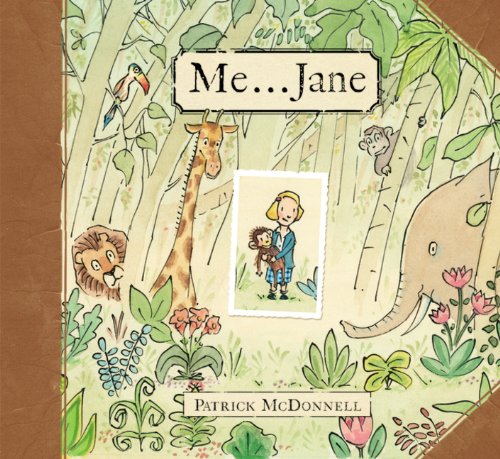
Me . . . Jane by Patrick McDonnell

The brilliant Patrick McDonnell won a Caldecott Honor for this title for very good reason. It is an absolute detailed dream of the little girl who grew up to be the inspiring Jane Goodall. Little Jane drags her stuffed monkey Jubilee through the woods, around the farm and all about the great outdoors. We see sketches from Jane’s own nature journals. We learn about her lifetime passion for animals. We hear about her dreams to go to Africa. And then it is so . . . Jane’s dreams really did come true.

The Wonder of Women #nf10for10 event There's a Book for That Picture Book Biographies

Life in the Ocean: The Story of Oceanographer Sylvia Earle by Claire A Nivola

A wonderful read aloud to share with upper primary (and older) students about finding your passion and making it your life’s work. I love this book for many reasons. The depiction of Earle’s curious childhood in the water, descriptions of moments in her life that truly shaped and changed her, beautiful and enticing illustrations and this very important message: “You can’t care if you don’t know.” In this story, this message applies to ecology and caring for our natural world but it is a message that applies to so many things. One worth thinking a lot about.

The Wonder of Women #nf10for10 event There's a Book for That Picture Book Biographies

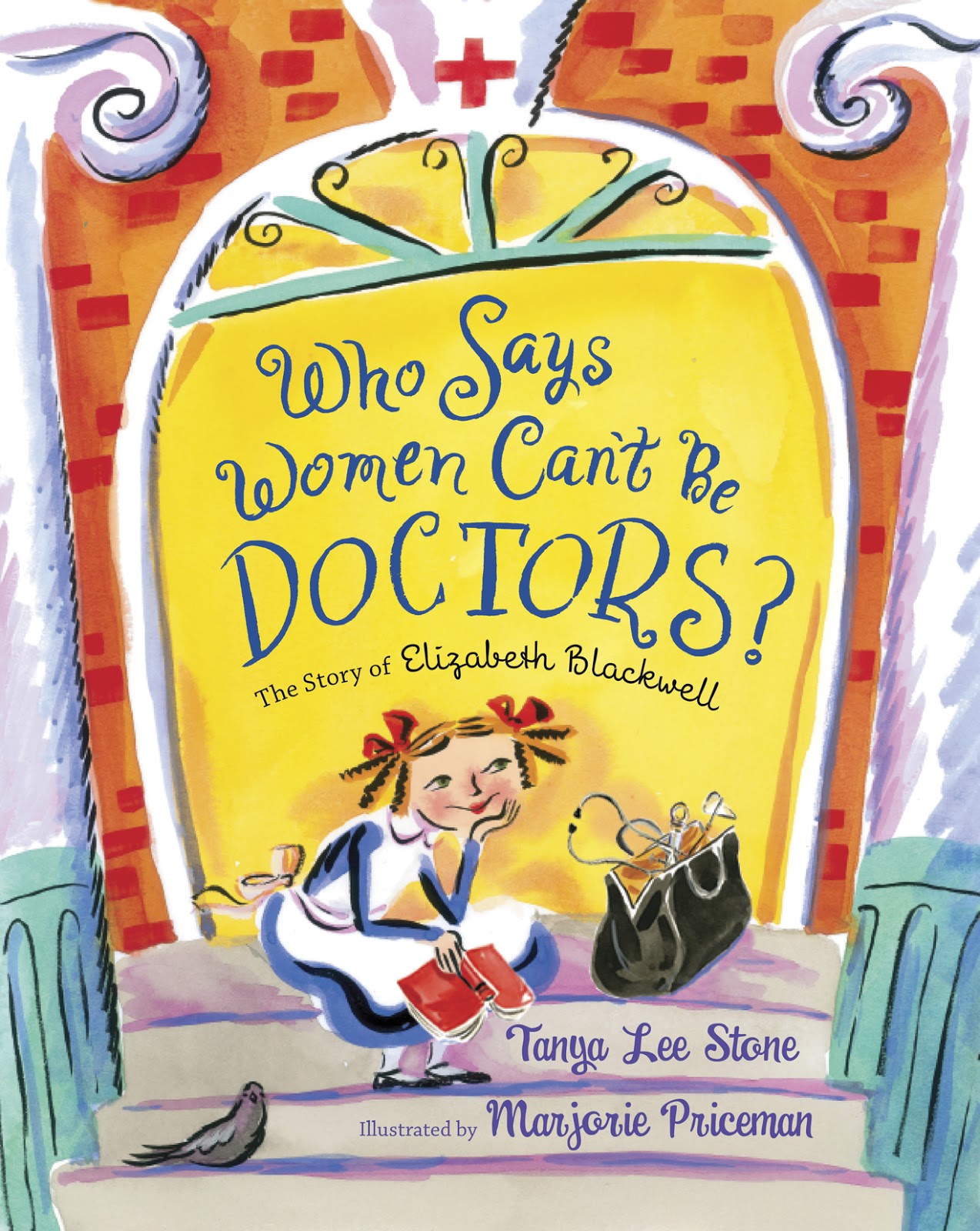
Who Says Women Can’t Be Doctors?: The Story of Elizabeth Blackwell written by Tanya Lee Stone and illustrated by Marjorie Priceman

I love the style of this book – the visual style and the appealing narration. It makes the story both interesting and accessible for young readers. And what a story! An important biography about determination, changing general opinion and beliefs and following a dream. While I want all of my students to hear this story (I have purchased my own copy for my picture book biography collection), there are some children that I specifically have in mind who will rejoice in the messages of this book.

The Wonder of Women #nf10for10 event There's a Book for That Picture Book Biographies

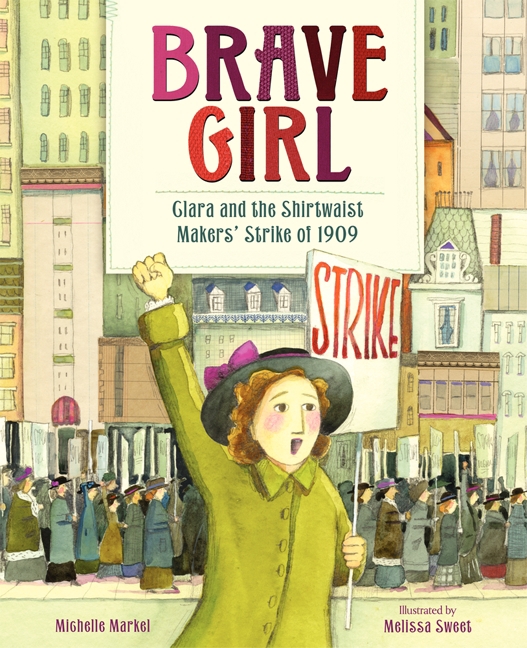
Brave Girl: Clara and the Shirtwaist Maker’s Strike of 1909 written by Michelle Markel and illustrated by Melissa Sweet

A fabulous story made even more spectacular by Melissa Sweet’s illustrations. This book tells the story of Clara Lemlich who was instrumental in the labour movement in the garment industry in the early 1900s. Introduces children to themes of work place safety, worker’s rights and individual strength and resolve.

The Wonder of Women #nf10for10 event There's a Book for That Picture Book Biographies

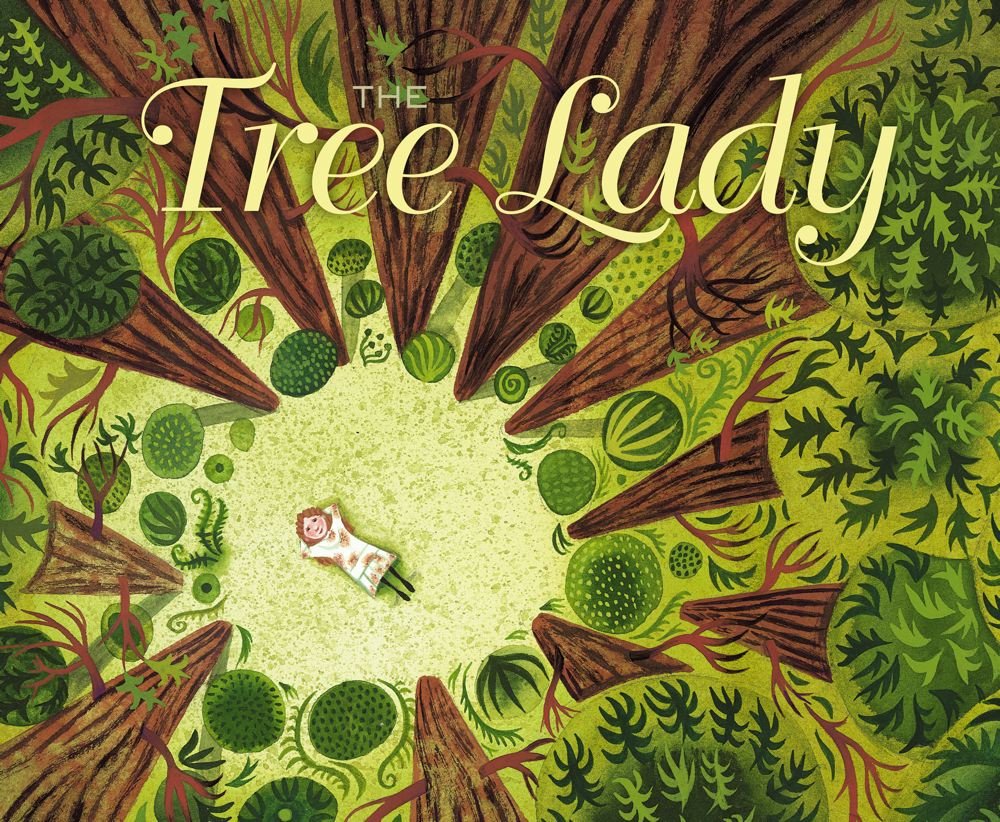
The Tree Lady by H. Joseph Hopkins and illustrated by Jill McElmurry

I will admit that I bought this book because I was captured by its gorgeous cover and I knew it was about an inspirational woman who transformed an entire city. Love it for its passionate celebration of nature. For its gorgeous illustrations. Or for its important historical journey back in time beginning in the 1860s with a little girl named Katherine Olivia Sessions. A little girl who brought lush, green life to the city of San Diego. A woman who studied science when other women and girls did not. A woman who took what she had learned it and applied it in the most important of ways and brought a city to life. And oh, that cover . . .

The Wonder of Women #nf10for10 event There's a Book for That Picture Book Biographies

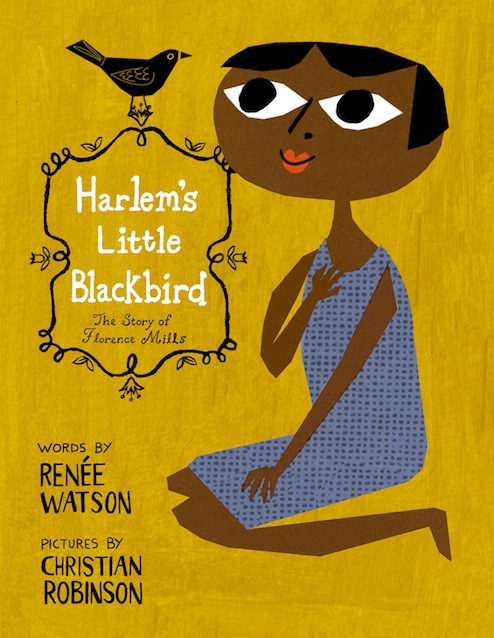
Harlem’s Little Blackbird: The Story of Florence Mills written by Renee Watson and illustrated by Christian Robinson

Not only a glimpse into the life of Harlem Renaissance singer Florence Mills but a story of courage, commitment and the power to make change.

The Wonder of Women #nf10for10 event There's a Book for That Picture Book Biographies

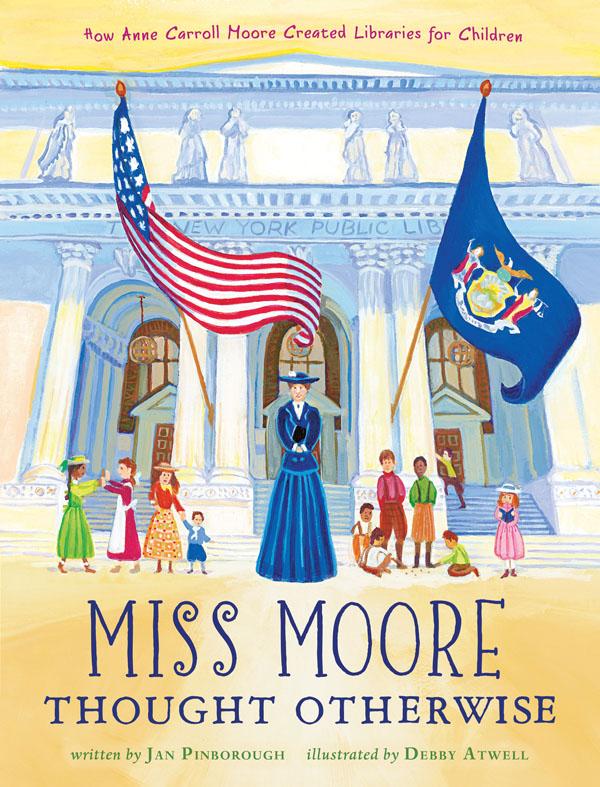
 Miss Moore Thought Otherwise: How Anne Carroll Moore created Libraries for Children written by Jan Pinborough and illustrated by Debby Atwell

Well. . . Anne Carroll Moore now has superhero status as far as I am concerned. Loved this story of how one woman acted as a champion for children’s access to books, libraries and beautiful spaces. Moore opened the first children’s room in the New York Public Library. She made that this was truly a place for children full of art, natural collections, story tellers and most importantly books and children to read and celebrate them.

The Wonder of Women #nf10for10 event There's a Book for That Picture Book Biographies

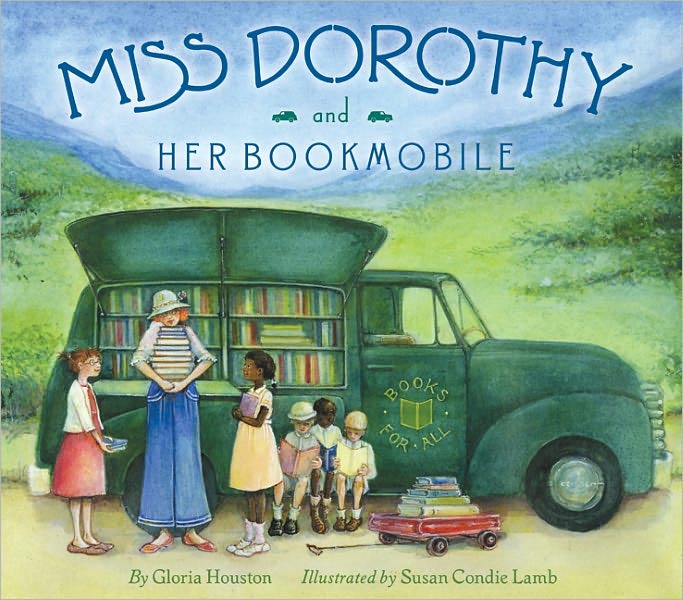
 Miss Dorothy and her Bookmobile written by Gloria Houston and illustrated by Susan Condie Lamb

Such an inspiring story about Dorothy Thomas, an absolute book hero. Dorothy’s dreams of a fine brick building where she could be librarian never materialized. But her role in bringing books to a community was huge. True testament to how books change lives and connect community.

The Wonder of Women #nf10for10 event There's a Book for That Picture Book Biographies

Queen of the Falls by Chris VanAllsburg 

How could a 62 year old woman plan and execute a stunt such as going over Niagara Falls in a barrel? Here is the story of Annie Edson Taylor, determined to make her fortune by being the first person to go over the falls.  A compelling and sad story. This blurs nonfiction and fiction as it is told by master story teller VanAllsburg but I feel it has enough connection to Taylor and the events surrounding this stunt to make it fit the nonfiction category.

The Wonder of Women #nf10for10 event There's a Book for That Picture Book Biographies

Helen’s Big World The Life of Helen Keller  written by Doreen Rappaport and illustrated by Matt Tavares

What an incredibly inspirational book about Helen Keller and her brilliant teacher Annie Sullivan. This book has quotations by Keller on every page. Beautifully, beautifully illustrated. What an amazing relationship between teacher and student. What a tribute to the power of education. So much to this book.

The Wonder of Women #nf10for10 event There's a Book for That Picture Book Biographies

Thanks again to Cathy, Julie and Mandy for the inspiration and hosting this event!

Happy reading and sharing everyone! Hurray for nonfiction picture books!

Monday February 10th, 2014

It’s Monday! What are you reading?

IMWAYR

Join Jen from Teach Mentor Texts and Kellee and Ricki from Unleashing Readers and share all of the reading you have done over the week from picture books to young adult novels. Follow the links to read about all of the amazing books the #IMWAYR community has read. One of the very best ways to discover what to read next!

Lots of reading this week. And some important writing:

  • I loved sharing the wonderful sentiments from my students shared in our weekly Gratitude Circle in my Celebration post this week.
  • I also wrote a post that has been brewing for a long time. Finally, I had the courage to  finish it and press publish: The Part that is True. And then, I burst into tears. Sigh. Sometimes, sharing is a big risk. I have so appreciated the supportive comments and feedback.

And on to the books I have loved! My favourite picture books of the week:

Orangutan Tongs: Poems to Tangle your Tongue by Jon Agee

These tongue twister poems are hilariously ridiculous. Many are battling it out to be my favourite. I will check back soon to see which has won! Sharing the one I plan to read first to my class – just because we have been talking about the courtesy of neat writing for the sake of the reader 🙂

Rotten Writing

Reading writing

When it’s written really rotten

Can cause your eyes and intellect to strain.

When it’s written really rotten,

Writing’s really rotten reading.

Yes, reading rotten written writing really is a pain.

Organgutan Tongs #IMWAYR There's a Book for That

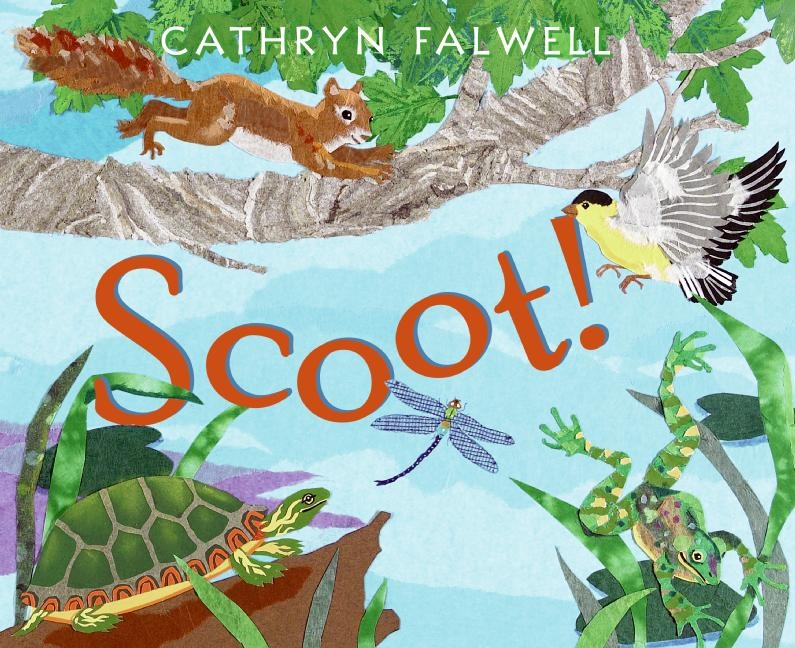
Scoot! by Cathryn Falwell

I adored the celebration of nature and the liveliness of the rhyming text. In the final pages, Falwell explains some of her inspiration and how she made some of the collages using found objects from nature. A sample of the text:

Hustle! Hover! Flitter! Flee! On every branch and shrub and tree!

Scoot! #IMWAYR There's a Book for That

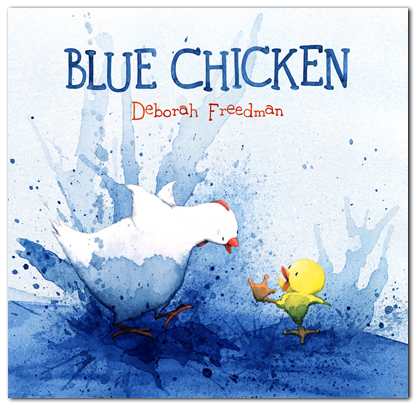
Blue Chicken by Deborah Freedman

A picture book that invites you into its pages where much is happening after a pot of blue paint is toppled by a chicken. I love the splashing, splattering and wading through the spilled paint. And then of course, the delightfully simple problem solving at the end of the story! Would be a perfect story time book for younger students!

Blue Chicken #IMWAYR There's a Book for That

Open Very Carefully: A Book with Bite written by Nick Bromley and illustrated by Nicola O’Byrne

Titles that demand to be shaken, examined and rocked can’t miss! And then when there is a huge bite mark in the back cover . . . Yikes, beware! Lots of fun for an interactive story experience.

#IMWAYR There's a Book for That

The World is Waiting for You by Barbara Kerley

Gorgeous photographs beckon you – get outside and explore something amazing! Star gaze, get your hands muddy or follow a path to anywhere. Back pages include details about some of the photographs and how the photographers managed to capture such images. Significant photos for me: Sylvia Earle swimming with dolphins, a cave of crystals (beams of selenite) in Mexico and a beautiful photograph of two children racing with a toy sailboat on the edge of a river. A National Geographic title.

#IMWAYR There's a Book for That

I featured three amazing nonfiction books with an ocean theme on my Nonfiction Picture Book Wednesday Post: Life in the Deep Blue Sea

Deep Blue Sea #IMWAYR There's a Book for That

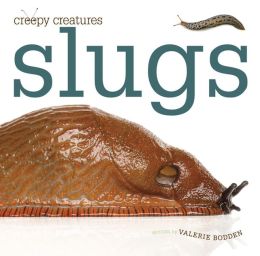
Slugs by Valerie Bodden

I picked up this title at a recent book store sale. It is the perfect level for my primary students and has been passed from child to child ever since I book talked it on Tuesday. Wonderful photographs and interesting text. And of course slug slime, slug eggs . . . Such fun! I plan to purchase more of these Creepy Creatures titles.

Slugs #IMWAYR There's a Book for That

The New Girl . . . and Me written by Jacqui Robbins and illustrated by Matt Phelan

This is a must have for school library and classroom collections. Themes of friendship, kindness, being new and taking social risks. When Shakeeta shows up in Mia’s classroom, Mia sets out to discover just how she might make her feel at home even though she is not entirely sure what that means. Mia certainly doesn’t want to say anything that might make Shakeeta want to punch her in the head like she threatened to do to the boy making fun of her. Mia’s gestures are sweet, genuine and “iguana friendly.” The story ends with possible new beginnings. Lovely.

The New Girl and Me #IMWAYR There's a Book for That

Miss Dorothy and her Bookmobile written by Gloria Houston and illustrated by Susan Condie Lamb

Such an inspiring story about Dorothy Thomas, an absolute book hero. Dorothy’s dreams of a fine brick building where she could be librarian never materialized. But her role in bringing books to a community was huge. True testament to how books change lives and connect community. This title is now part of my growing picture book biography collection.

Miss Dorothy #IMWAYR There's a Book for That

Champion written by Marie Lu

I have read the entire Legend trilogy in the last 5 weeks (around the reading of other novels) and I must admit I am sad to leave the world of June and Day. I don’t want to give anything away so I will just make two comments. One, the ending was not a disappointment. At all. Two, I might have enjoyed this third title in the trilogy most of all. Fantastic YA fiction: lots of action, drama, and intrigue.

Champion #IMWAYR There's a Book for That

Next up? I am currently reading Far Far Away by Tom McNeal. After this, I plan to read The Impossible Knife of Memory by Laurie Halse Anderson. My children and I are almost finished Flora and Ulysses: The Illuminated Adventures by Kate DiCamillo and we will be starting The Shadow Throne by Jennifer Nielsen next (a #MustReadin2014 title).

Reading Goal updates:

2014 Chapter Book Challenge: 9/100 novels complete

Goodeads Challenge: 90/650 books read

#MustReadin2014: 5/30 complete

Nonfiction Picture Book Challenge: 34/65 complete

Happy Reading everyone!

Nonfiction Picture Book Wednesday: Life in the Deep Blue Sea

It’s Nonfiction Picture Book Wednesday! 

NFPB 2014

In my classroom right now we are reading many nonfiction books connected to a general ocean theme. Here are three titles that I read in the past week that I think are great read alouds for the primary/early intermediate classroom.

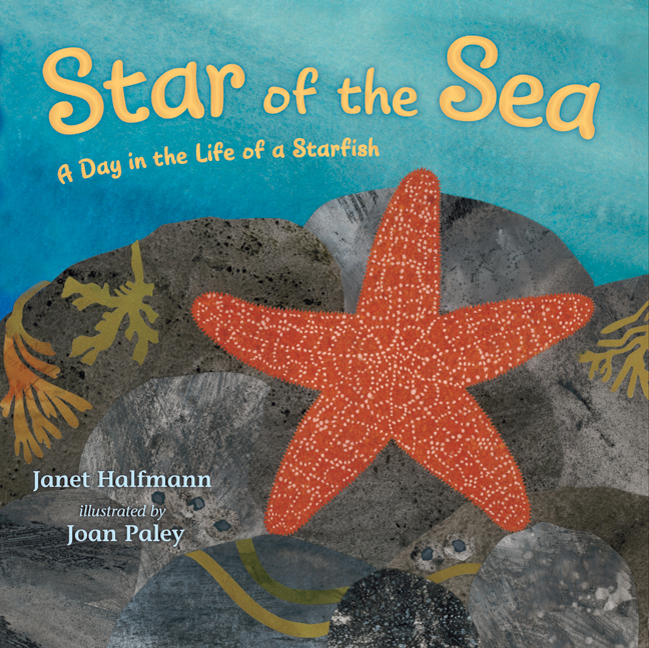
Star of the Sea: A Day in the Life of a Starfish written by Janet Halfmann and illustrated by Joan Paley  (published in 2011)

I learned so much about starfish in this title and appreciated the extra information included in the back of the book with titles like: Tube Feet and a Traveling Stomach, Swimming Babies and Lost Ray? No Problem.

The book itself reads like a story – we learn about how sea stars hunt for food, how they  eat (by extending a stomach out through the mouth) and how they are vulnerable when the tide goes out to being eaten by seabirds

I had no idea that if a sea star loses one of its rays (arms) that it will grow back – although it may take up to a year. Sea stars can also regrow tube feet and other body parts. There is a great labelled diagram from both the bottom and top views of the ochre sea star in the final pages.

 Life in the Deep Blue Sea #NFPB2014 There's a Book for That

Down, Down, Down: A Journey to the Bottom of the Sea by Steve Jenkins  (published in 2009)

I know this title has been around for a few years but I finally read it cover to cover and wow . . . Just amazing how much we do not know about life in the ocean way down deep. I found it fascinating to explore various layers of the ocean as Jenkins took us on a journey farther and farther into the deep. How can we not be intrigued at the idea that we may only have encountered half of the large animals living in the sea? Like many Jenkins titles, this book has more detailed information in the back pages. I am reading this book aloud to my class – one page every morning. Students are spellbound. Some facts that stood out for me:

  • In the Sunlit Zone (100 m down) the pressure is ten times what it is at the surface. Many sea creatures are filled with fluid so they don’t have much problem with pressure. Jellyfish – soft bodied and transparent – are common here.
  • Sperm whales and Giant Squids engage in battles in the Dark Zone (13, 048 m down) These whales must return to the surface to breathe.  A sperm whale can hold its breath for up to 2 hours! A live giant squid had never been sighted until 2004! (spotted from a Japanese submarine)

 Life in the Deep Blue Sea #NFPB2014 There's a Book for That

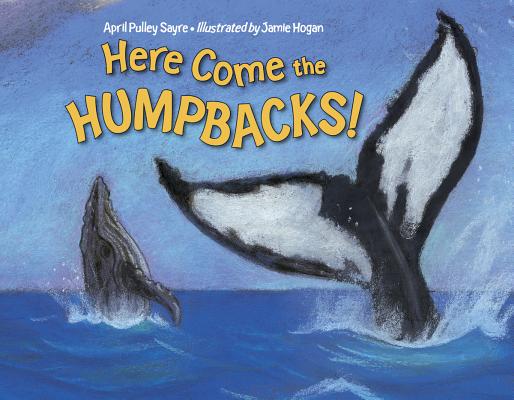
Here Come the Humpbacks written by April Pulley Sayre and illustrated by Jamie Hogan (published in 2013)

Just to picture walk this book is quite spectacular. These whales are incredible and Hogan has highlighted their grandeur and grace. Follow the humpback migration from warm Caribbean waters where baby humpbacks are born to summer feeding grounds near New England and back again. While humpback whales live in every ocean, this book focuses on whales that migrate in the Atlantic Ocean.

Through a story of a mother whale and her calf’s migratory journey, we are able to learn many things about humpback whales including:

  • what happens when a baby whale is born
  • details of when/why male humpback whales sing
  • challenges along the migration route
  • how ocean pollution impacts whales
  • how orcas pursue the humpback calves
  • information about the feeding grounds in the Gulf of Maine

More details about migration routes, studying whales and the endangered status of humpbacks are included in the final pages.

 Life in the Deep Blue Sea #NFPB2014 There's a Book for That

Thanks to Alyson from Kid Lit Frenzy for the inspiration to read and share more nonfiction picture books in 2014! Follow the link to Alyson’s blog to read about more nonfiction titles.

My goal is to read 65 nonfiction picture books for 2014. Progress: 31/65 complete!

Nonfiction Picture Book Wednesday: Jumping Penguins

It’s Nonfiction Picture Book Wednesday! NFPB 2014

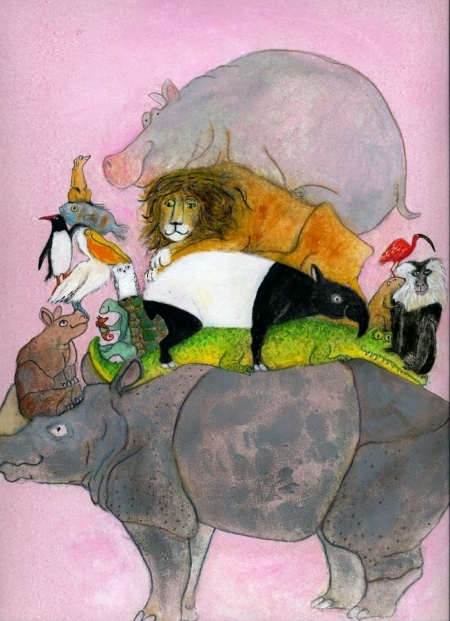
This title is difficult to categorize. It is definitely nonfiction. A fact book of sorts. A book of art. That too. Quirky, odd, fantastic. All of these things. Some of nature’s truths displayed a little more graphically and gruesome than one might usually find in children’s literature. . . Cannibalistic crocodiles munching each other for lunch. But also absolute charm conveyed through simple text and illustrations that go where our imaginations might.

A polar bear is left handed as are most artists.

This line is illustrated by a polar bear holding paints having just painted a self portrait.

What exactly is this book I am describing? A gorgeous animal concept book illustrated by Marije Tolman with text by Jesse Goossens: Jumping Penguins (published in 2013 by Lemniscaat) In the Netherlands this title is published under this title: Jumping Penguins and Laughing Hyenas.

Jumping Penguins: NFPB2014 There's a Book for That

There is an index in the back. It lists 27 animal names and the pages they are featured. That is about as far as a nod to typical organization of nonfiction texts might take us. Otherwise it is all whimsy. Wonder. Amazement.

Each fact is given some elaboration or not. But each one is illustrated not realistically but more in a what might/could this mean if we thought creatively about it. Penguins can leap six feet in the air? So . . . do they stand around and watch graceful leaps out of the freezing sea? The illustration suggests just that.

What were particular wow facts/illustrations for me?

  • An adult porcupine has 30,000 quills on its body which are replaced every year (the illustration shows us porcupines using discarded quills to erect a fence around their property)
  • The ribcage of a hippopotamus is so large, the average seven year old could stand inside of it.
  • Sumatran tigers do like water – in fact they have webbed toes and can swim more than fifteen miles.

Find the book and be delighted and informed in the most wonderful of ways. Amazing animals. Yes, truly.

Thanks to Alyson from Kid Lit Frenzy for the inspiration to read and share more nonfiction picture books in 2014! Follow the link to Alyson’s blog to read about more nonfiction titles.

My goal is to read 65 nonfiction picture books for 2014. Progress: 25/65 complete!

Nonfiction Picture Book Wednesday: Animal Stories

It’s Nonfiction Picture Book Wednesday! 

NFPB 2014

I love nonfiction titles that read like a story ( I refer to them as information storybooks) and am always on the lookout for titles to read aloud to my students. Some of these titles read just like fiction, others are lyrical or full of rich, descriptive language. Facts and information are woven through the text.

This week, three titles stood out for me as engaging animal stories where the language and story are as rich and powerful as the learning.

See What a Seal Can Do written by Chris Butterworth and illustrated by Kate Nelms (published in 2013)

This story begins:

If you’re down by the sea one day, you might spot a seal, lying around like a fat sunbather or flumping along the sand.

The reader is then invited into the world of seals. Learn all about gray seals – how they move (their movement on land is described as a flump – a cross between a flop and a jump), how they hunt and how their body is perfectly suited to their ocean home.

Fascinating facts for me:

  • gray seals molt or shed their fur every year which helps to keep their coat waterproof
  • when a seal dives deep, he can slow his heartbeat down to only four beats a minute in order to use less oxygen
  • when a seal opens his mouth, his jaw closes so he won’t swallow water

Visually this book is an absolute treat: seriously gorgeous illustrations throughout and beautiful black and white drawings of different seals in the end pages of this book. 

See What A Seal Can Do  Animal Stories #NFPB2014 There's a Book for That

Eat Like a Bear written by April Pulley Sayre and illustrated by Steve Jenkins (published in 2013)

This title invites the reader to eat like a bear over the course of the four seasons. How does bear find food in early spring? How does she prepare for winter? How does a mother bear nourish her babies during her winter slumber?

This title is full of poetic language, beautiful to read and reread aloud. It is descriptive and full of alliteration:

Bushes? Bare. No berries there.

Dig in. Dig down. Paw and claw and pull. Find . . .

A spruce, a shrub, an early-skunk.

The book ends with a two page spread full of additional information about bears with titles like Do Bears Really Hibernate? Bear Food, Not People Food and Grizzly Bear Future

Eat Like A Bear  Animal Stories #NFPB2014 There's a Book for That

Little Lost Bat written by Sandra Markle and illustrated by Alan Marks (published in 2006)

This is an emotional read for young listeners/readers. Through the story of a little Mexican free-tailed bat living with its mother in a colony in Texas, we learn much about bats’ hunting habits, their predators and how they raise their young. It is a tender and important relationship described between mother bat and baby as they nurse, snuggle and cry out to communicate with each other in a nursery full of babies. While mothers are out hunting, babies are vulnerable to predators like snakes. Although – they are safer in a large group huddled together. Mother bats must hunt every night for insects to feed themselves and produce milk for their babies. Some bats are eaten by owls. What if a mother bat has lost her baby to a snake? Will she “adopt” an orphaned baby whose mother doesn’t return from hunting? Eventually we come to this question in Little Lost Bat.

I can imagine this would have many children on the edge of their seats and needing to talk about the dramatic balance between safety and survival in nature.

 Animal Stories #NFPB2014 There's a Book for That

Thanks to Alyson from Kid Lit Frenzy for the inspiration to read and share more nonfiction picture books in 2014! Follow the link to Alyson’s blog to read about more nonfiction titles.

My goal is to read 65 nonfiction picture books for 2014. Progress: 19/65 complete!