Nonfiction Picture Book Wednesday: Mr. Darwin, Mr. Darwin

It’s Nonfiction Picture Book Wednesday! 

ISLAND-cover-web

Island: A Story of the Galapagos by Jason Chin was one of my favourite nonfiction titles of 2012.

I bought a copy for my son for Christmas and he has been examining the detailed drawings and asking me questions about Darwin, his travels, his theories and all of the fascinating animals of the Galapagos.

This prompted me to look for other picture books on the same topic to share with my children and we have been spending our nightly read aloud time reading more about Mr. Darwin, his voyage on the HMS Beagle and his theories of evolution.

Both of the books described below would be best shared as interactive read alouds with an early intermediate class or for independent reading for children in Grade 4 and above. Some vocabulary and concepts would need support.

We started with A Natural History Museum selection – What Mr. Darwin Saw by Mick Manning and Brita Granstrom (published 2009). This book is written like a diary and includes amusing thought bubbles and detailed drawings of the animals and the places where Darwin travelled. End pages are a map of Darwin’s route on board the HMS Beagle. The final pages of the book explain Darwin’s theory of evolution with visuals of chalkboard drawings and notes. It offers the beginning of an understanding of Darwin’s complex ideas.   My children had some background knowledge on this topic already and so they were able to ask some informed questions to build on their understanding.
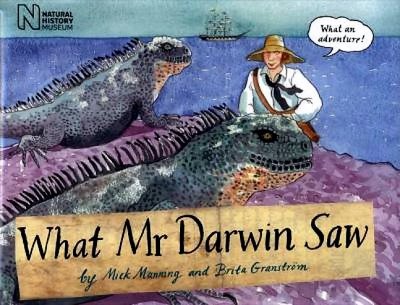
what mr darwin saw

Next we read The Tree of Life: Charles Darwin by Peter Sis (published 2003). I don’t know if read is the best way to describe our experience with this book. Instead we studied, examined and flipped back and forth through the pages learning about Darwin’s life. My children loved the maps, found the illustration with Darwin’s own family tree fascinating (“He had so many children!” “Lots of them died young.” “His wife must of been so tired and sad.”) and liked the lists that outlined his daily routines at different times in his life. (“How did his wife get anything done if she was always reading to him?” my daughter wanted to know after finding out that Emma read to Charles multiple times a day.) We found some of the drawings and text too small – stunning but hard to interact with. Maybe this book needs a magnifying glass!? Many illustrations were perfect though and made the topic so much richer. This book is certainly a biography – we learn much about Darwin’s upbringing and about his later life that Sis divides into the public, private and secret realms. I’m leaving this book out so that we can continue to pore over it.

Tree of Life

Looking to learn more about Charles Darwin? These three titles would be a great place to start!

Interested more in the concept of evolution? This book does a wonderful job of explaining it in a story that allows children to understand the concept.

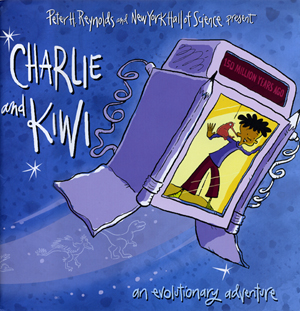
Charlie and Kiwi. . . an evolutionary adventure – created by Peter H. Reynolds and the NewYork Hall of Science.

Shared in my classroom here.

Charlie and Kiwi

Thanks to Alyson from KidLit Frenzy for the inspiration to participate weekly in this challenge.

NFPB2013leaves

My original goal was 60 nonfiction picture books for 2013. Progress: 7/60 complete 🙂


Monday December 24th, 2012

It’s Monday! What are you reading? 

Join a fabulous group of readers who share their weekly reads from picture books to young adult novels by participating in Jen and Kellee’s meme. If you are looking for new book ideas, this is a fantastic place to start! Especially if you are looking ahead to some lazy reading days over the holidays!

Mon Reading Button PB to YA

I read a lot of picture books this week, but I must confess, I didn’t love them all. Those titles are not included here. Instead, below are the ones that stood out for me as being titles I would recommend/read again/read aloud.

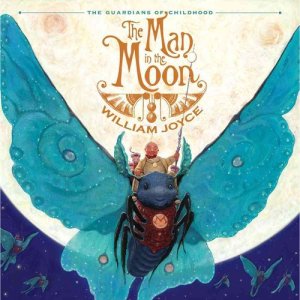
The Man in the Moon by William Joyce (A Guardians of Childhood book) ConfessionI don’t often know what is going on in mainstream media. Ask me about hip songs and the latest and greatest movie and I likely can’t tell you. So I did not connect these Guardians of Childhood books to the slight movie buzz I was hearing with this same title. Many of you are probably cooler than me and knew all about it.

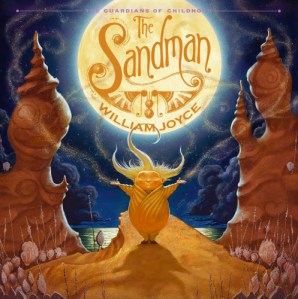
Wow! Does William Joyce create visually stunning books! I shared this as a bedtime read aloud and the next night my children were begging me for the next title that we had just received from a lovely book gifting friend (The Sandman). I loved the images and how magical the stories felt. My children were intrigued by the whole concept of the Guardians watching over children – how they were brave and majestic yet at the same time teeny and odd. Very interesting.

The MAn in the Moon

The Sandman: The Story of Sanderson Mansnoozie by William Joyce (the second picture book in the Guardians of Childhood series

If you, like me, are not so up on this series here is more information. It seems there are so far, two picture books and a handful of novels featuring different Guardian characters.

william_joyce_the_sandman

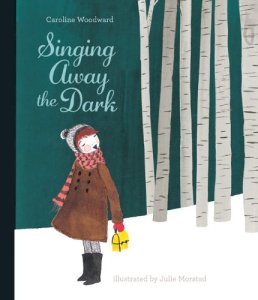
Singing Away the Dark written by Caroline Woodward  and illustrated by Julie Morstad This book is absolutely lovely and a new favourite of mine. Typically I am wary of  books with rhyming text but this one is done so well. A little girl, all of six years old has an early morning walk through snow banks and spooky trees on a cold winter morning to catch the school bus.

“When I was six and walked a mile and sang the dark away.”

Woodward recalls images of her own childhood walks in the Peace River region of B.C. Some of us really do have childhoods that included long walks to school and this book takes me back to all the small moments of bravery that once seemed so huge on my own walk to school on my journeys of childhood. Beautifully illustrated by Morstad.

singingaway

The Golden Rule written by Ilene Cooper and illustrated by Gabi Swiatkowska. This book explores this simple rule of childhood that seems so difficult for so many to follow. It is pointed out that a version of “”Do Unto Others . . . ” is in every religion for people all over the world. A little boy and his grandfather discuss what the world could be like it everyone actually followed this rule. A lovely format to make this concept accessible to children.

The_Golden_Rule_book

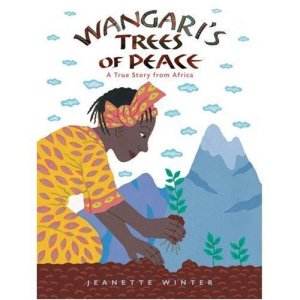
Wangari’s Trees of Peace by Jeanette Winter The true story of Wangari Maathai, winner of the 2004 Nobel Peace Prize and the green landscapes that she returned to Africa. A book in the biography genre that explores ecology, environment and inspiration.

2010-wangari-trees-of-peace-africa

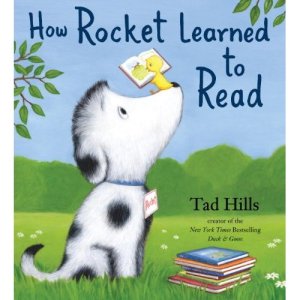
How Rocket Learned to Read by Tad Hills I adore books that promote the love of literacy and the magic of reading. Hills captures the delight of putting sounds together to make words and the lure of a story in this lovely little book that features Rocket as student and the little yellow bird as enthusiastic teacher. I would pair this title with How to Teach a Slug to Read, a book I have used in the past to explore the process of learning how to read.

How-Rocket-Learned-to-Read-by-Tad-Hills

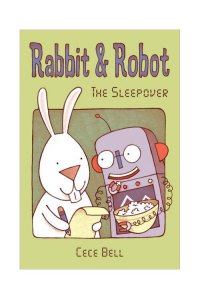
Rabbit and Robot The Sleepover by Cece Bell. A fun little story but what excites me most is that it is a fun little story in early chapter book format that can be enjoyed by students just beginning to dive into this genre There are not enough of these titles out there that have this kind of interest, humour and unique characters while still exploring familiar territory: navigating the complications of friendship. Can’t wait to get this book into the hands of students!

rabbitandrobotcover

I read Gone Girl by Gillian Flynn, an adult novel. I rarely read adult novels anymore and quite honestly, I am happy to dive back into the land of middle grade and young adult novels full force. This book was just too full of ugliness. Well written but what characters . . .

Gone Girl

I am close to finishing  Code Name Verity by Elizabeth Wein. I cannot put it down.

verity

Five Favourites from the Week

Report card writing means book blogging is a diversion I shouldn’t be taking! But we did so much great reading aloud last week, I can’t help but highlight five favourites. The power of reading aloud is always worth celebrating!

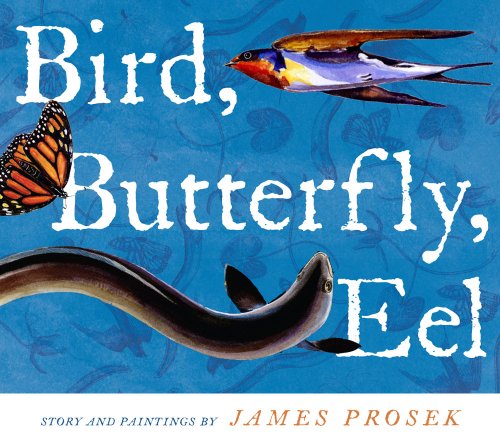
Bird, Butterfly, Eel with story and paintings by James Prosek. We shared this book in our reading group where we have been reading a variety of information storybooks and focusing on evidence that supports specific questions we pose. Right away we were curious what these three creatures on the front cover might have in common. In reading the book, we discovered that there were many things. Students summarized key points in their writing: each creature starts out on a farm near the sea, they each migrate over a large distance and they each return to the farm after a long return journey. We did note that only the bird travels south and returns and that the monarch and the eel who return are part of a new generation. Fasincating. This book prompted a lot of discussion and further investigation.

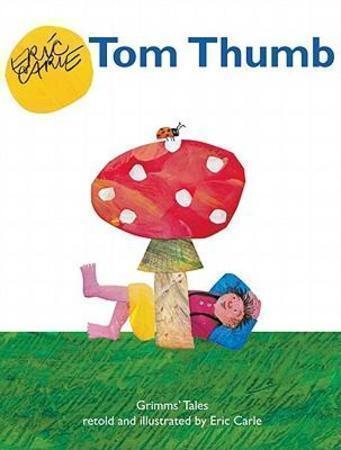
One of the books we read during our morning book sharing was not actually a book but one story from the book Tom Thumb (a collection of Grimms’ tales) illustrated and retold by Eric Carle. We read The Fisherman and his Wife and I was surprised at how instantly engaged the students were with the story. There was constant chatter and commentary and we frequently stopped the story to discuss what might happen or what we thought about the actions of a character. The Fisherman’s wife got few points; generally, we thought her quite awful and selfish! We were glad when she lost her grand homes and titles. “She’s so greedy that she can’t be trusted with all of that power,” someone aptly pointed out. Students have been asking me to read the three other stories in this collection.

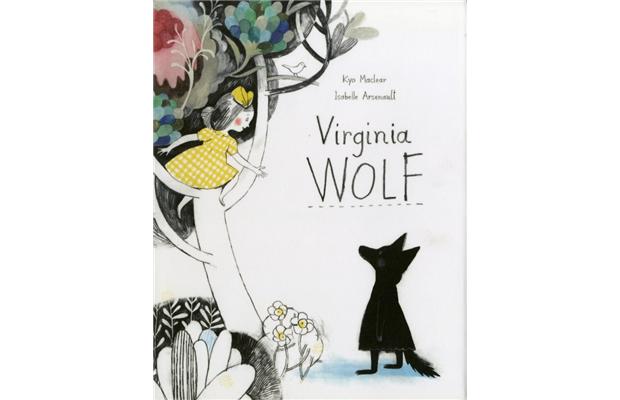
I found the book Virginia Wolf written by Kyo Maclear and illustrated by Isabelle Arsenault at the public library and asked my Reading group to give me some feedback. Should we put this book on a list of books Ms. Sheperd-Dynes should purchase for the library? Personally, I loved this book. I appreciated that it explored sadness, sibling relationships, the negative influence one child’s mood can have in a house and that it celebrated the perseverance of a sister to lift her sibling out of a dark funk. But . . . what would kid’s think? They loved it too! They told me it had a theme of “emotions” and “wrong-side-of-the-bedishness” and “being transformed.” They were fascinated to see what Virginia really did look like. Many read this book again on their own during independent reading. The verdict? It’s on the “we need this book for the library” list!

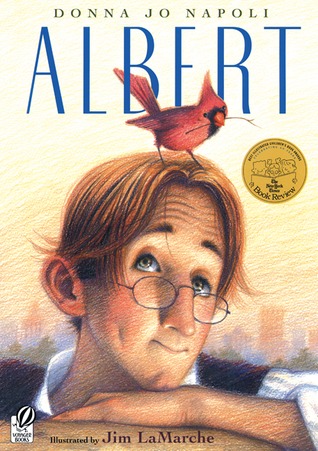
I have had Albert written by Donna Jo Napoli and illustrated by Jim LaMarche sitting on my desk for months waiting for the perfect time to read it aloud. It is rather long for a picture book and I wanted to make sure that we had time enough to read and spend time discussing the plot. When we returned from our canoe trip on Monday afternoon, students were tired and in need of a quiet activity. After a little bit of play time on the playground, we settled at the carpet for a story. In this book, Albert fears the outside world, so the author has the outside world come to Albert. It comes through a bird who nests in his outstretched hand. A truly delightful story that inspired many, many discussions. A book we savoured after a wondefully active day. I have blogged about this book before. Read here for more details.

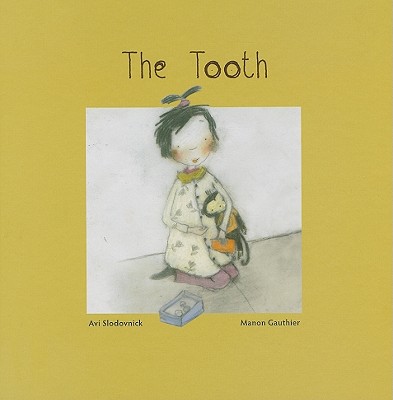
The Tooth was another book I read with the students during our morning picture book sharing time. This book is written by Avi Slodovnick and illustrated by Manon Gauthier. We used this book to practice our prediction and inferring skills. From the title and cover picture, what might it be about? Our list was quite detailed and included many tooth possibilities- teeth that wouldn’t come out, teeth full of cavities, teeth that got lost before making it to under the pillow. We didn’t manage to capture all of the complexities of what this book contained however as this book is also about being homeless, about wanting to do something and not knowing what and about being compassionate and kind. Definitely worth reading for the rich discussion that ensues.

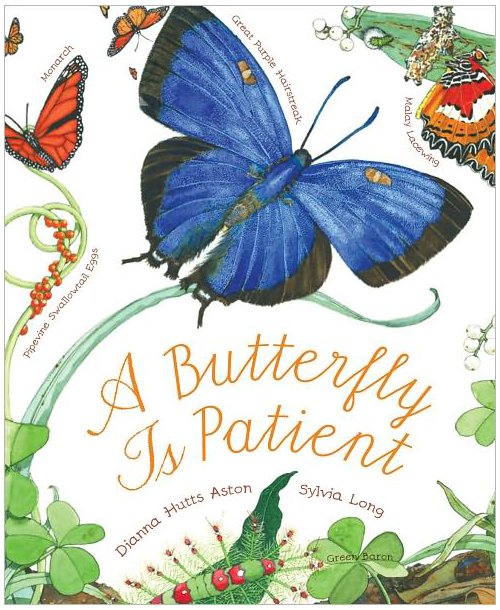
A Butterfly is Patient

The amazing team of  Dianna Aston and Sylvia Long deliver another picture book masterpiece with their third book A Butterfly is Patient.

This year we have shared An Egg is Quiet (as part of our learning about birds) and A Seed is Sleepy (to supplement our plants/seeds/gardens learning) With both titles we used a modified version of Adrienne Gear‘s Knew-New Connections from her Non-Fiction Reading Power book to represent our learning.

Students were excited to share this book as many had learned about butterflies or even hatched butterflies in their Kindergarten or Grade 1 years and so they had a lot of prior knowledge to connect to their new learning and they were able to represent all of this background knowledge under “I KNEW this already!

A butterfly is helpful (fantastic pollinators)

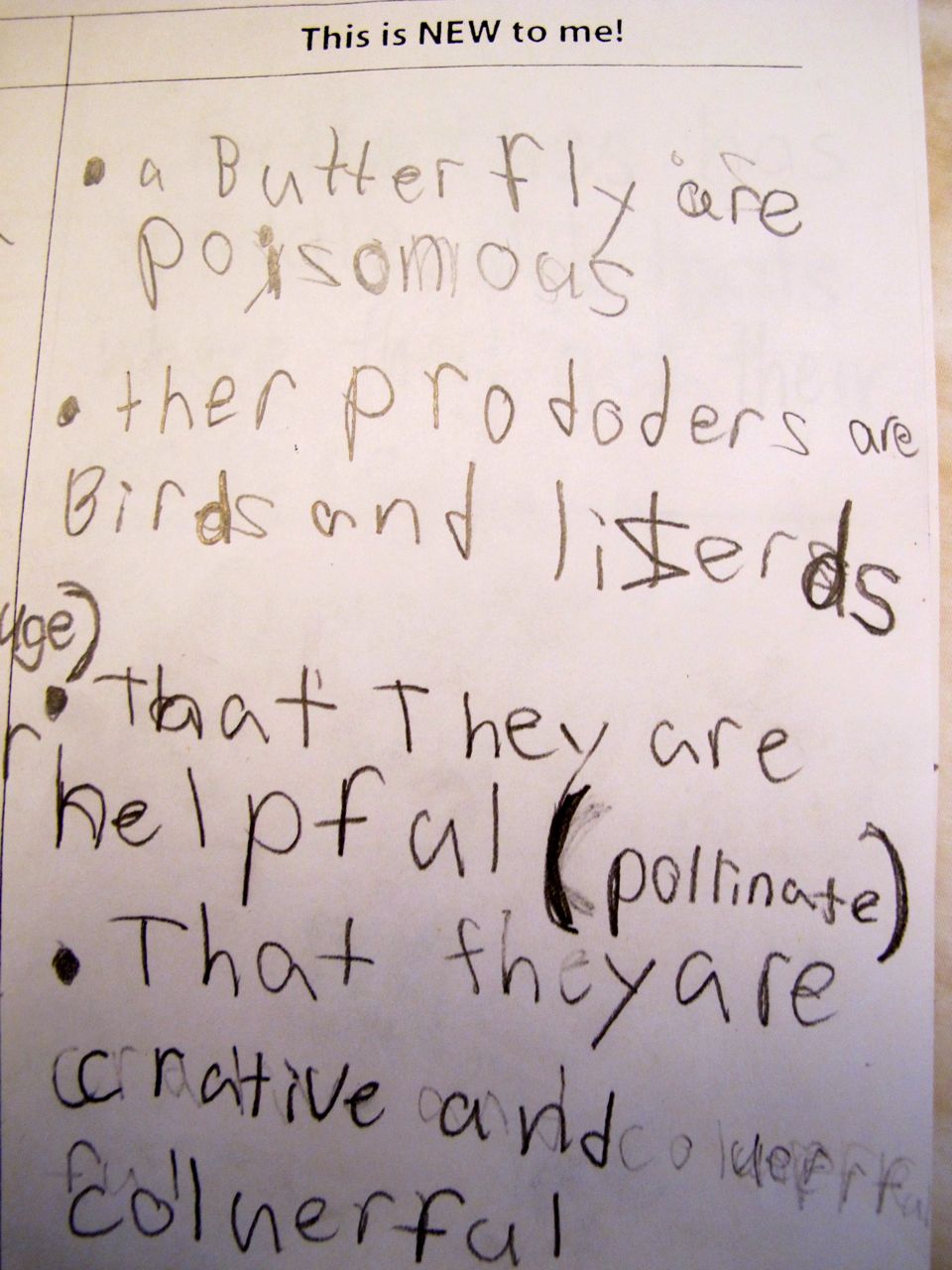
What is lovely about representing our knowledge on a sheet like this is that it is very open ended. It allows students to document their own learning from exactly where they start. There are no “right” answers. Some facts ended up on “This is NEW to me!” and for others, these same facts were included on, “I KNEW this already!” Being familiar with the sheet allowed students to start organizing their thinking as we read. There were comments like, “Wow. I didn’t know that!” or “Hey that is what we learned last year. Remember how we talked about . . . ” When it came time to write, everyone had lots to say!

Describing prior knowledge and new learning.

IMG_4023

Another student example of all the new things he learned today.

IMG_4018

Some other student examples from “I KNEW this already!”

*Butterflies help plants make new plants (pollinate)

*I knew that some butterflies have spots that look like eyes on their wings

*They molt (shed their skin)

*I knew they started out as an egg

*Butterflies make chrysalises. They don’t make cocoons

Information shared for “This is NEW to me!”

* I found out that they taste with their feet

*I did not know that butterflies can be poisonous

*I didn’t know that a peacock butterfly can make a hissing sound by rubbing its wings

* I discovered that they drink water from mud puddles

* I didn’t know that butterflies could get water from wet soil

More fabulous picture books with a Garden theme

As we continue to learn about plants, seeds and gardens, it feels like there are garden themed books blooming everywhere we look.

See our first list here which includes many more titles.

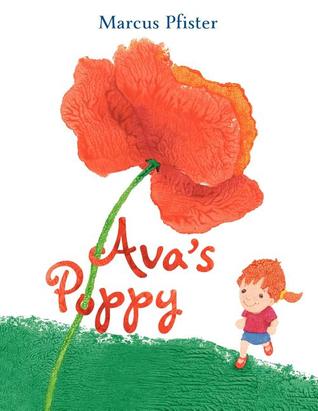
Ava’s Poppy by Marcus Pfister

We read this book today and students were inspired to create a list of all the great reasons this book should be shared: we can learn how to grow a flower, it teaches us about life cycles, we learn how to take care of a flower, there is lots of information about seeds,  and it has important themes of kindness and friendship. Lovely little Ava makes friends with a gorgeous red poppy in a field of green and cares for it in changing weather and over time. When she buries a seed capsule, she has no idea that the next spring her poppy will return to her!

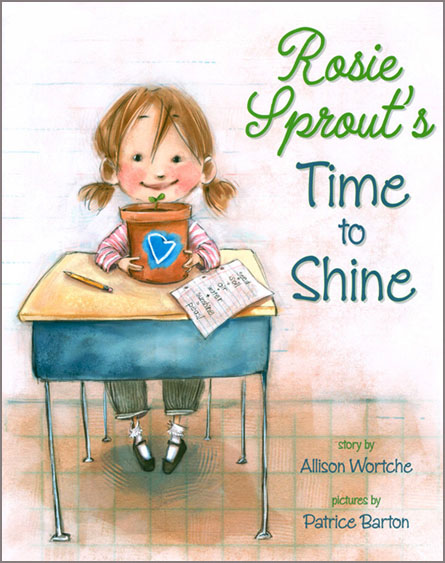
 Rosie Sprout’s Time to Shine written by Allison Wortche and illustrated by Patrice Barton

Students loved this story about a little girl who learns about friendship, kindness and surviving competition while tending pea plants in her classroom. Shared in our classroom here.

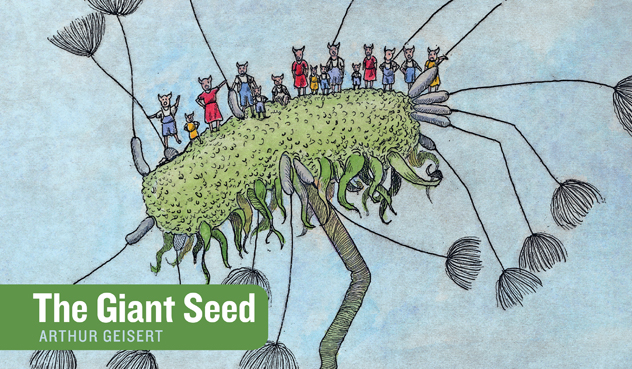
The Giant Seed by Arthur Geisert

Another wordless book by the brilliant Geisert and a follow up to the equally wonderful Ice (reviewed here) Explore the concept of seed dispersal and how seeds travel in this fantasy story. How the pigs happen to be saved from volcanic disaster is a reason to share this story many times.

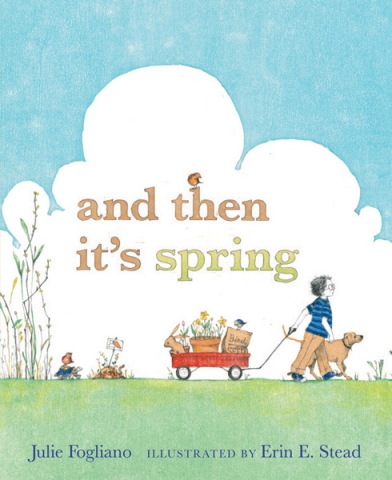
And then it’s Spring written by Julie Fogliano and illustrated by Erin E. Stead 

Explore the magic of the transformation from brown and boring to the wonder of green that comes in spring. What treasures lay buried deep waiting for the sun, warm temperatures and the power of spring showers?

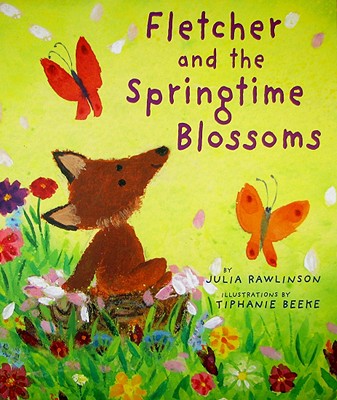
Fletcher and the Springtime Blossoms written by Julia Rawlinson and illustrated by Tiphanie Beeke

Is that snow in the middle of spring? Fletcher certainly thinks so. But he learns that blossoms can cover the earth in a blanket during the spring just like snow does in the winter. A beautiful celebration of spring.

Mammoths

Our reading group has continued to practice strategies to handle unknown vocabulary in text. See the strategy list that we came up with earlier this month here. We spent part of a few reading classes with this great text: Wooly Mammoth by Mick Manning and Brita Granstrom. (A Natural History Museum Selection)

This book reads as an information story book: rhyming text accompanies the large pictures on each two page spread while black and white drawings and information reads in a column down one side of each page. You can read this book as just a storybook, concentrate primarily on the information or focus on both. Students enjoyed the mammoth time line at the end of the book and reviewing what they had learned by quizzing each other on the glossary words.

We then read Kali’s Song by Jeanette Winter.

We started by comparing the covers of Kali’s Song with a Wooly Mammoth. All year we have been talking about the different text features of fiction and non-fiction books. It would be interesting to see what we noticed when looking at Wooly Mammoth because it has both fiction and non-fiction elements (what we like to call an information story book). Students observed that even though both covers had illustrations rather than photographs, the mammoth on the cover of Wooly Mammoth looked more realistic. We talked about fur colour and the shape of the tusks. We also discussed how one mammoth was standing in the snow and another on grass/ground next to a little boy and a dog. “How could they stand so close?” someone wondered.

Before we began reading Kali’s Song, I asked the students, “Even though this is clearly a fiction text, do you think we will be able to link some of our learning from Wooly Mammoth to what we read?” We were ready to look for any text to text connections. Would our sense of the story be enhanced by our newly acquired background knowledge? (schema)

Immediately students were excited to see Kali’s mother painting animals on the cave’s wall. “We learned about how they did that in the other book! In the future some people might discover those paintings to see what animals looked like!” 

We also appreciated that a work of fiction had beautiful elements of story telling and images that a non-fiction book wouldn’t have. When Kali plays the bow string, Winter writes: The stars came close to listen. Such a wonderful image that makes the story more powerful. We liked how Kali’s Song challenged our imaginations and had us think about things differently.

Kali’s music lures the mammoths to him and fascinated, all of the other hunters lay down their weapons. Kali must be a shaman they decide. Winter leaves us wondering – do the hunters not kill any of the mammoths? Or do they eventually resume their hunt? In Wooly Mammoth we had learned that the people’s survival depended on the hunt and that they used all parts of the mammoth (meat, fur, tusks, bone) for things that they needed. Our discussion was intense. Kali had the skill to lure the animals and he seemed to love them. But he loved his people. Wouldn’t his skill help the hunt? What would he do? The students decided that Winter left us thinking on purpose. We would have to come to our own decisions.

Because the mammoths seemed so majestic and wonderful we wanted to think they wouldn’t be hunted but now that our knowledge included information about how people who lived thousands of years ago depended on the hunt, we had some different ideas about the outcome. Students were able to make text to text connections and this furthered their thinking.

Kali’s Song is a beautiful book. Highly recommended.

How do you help students make text to text connections? Recognize that their background knowledge influences their thinking? 

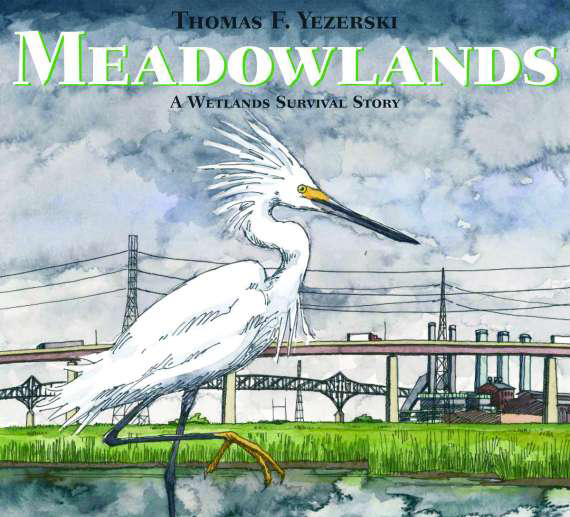
Meadowlands

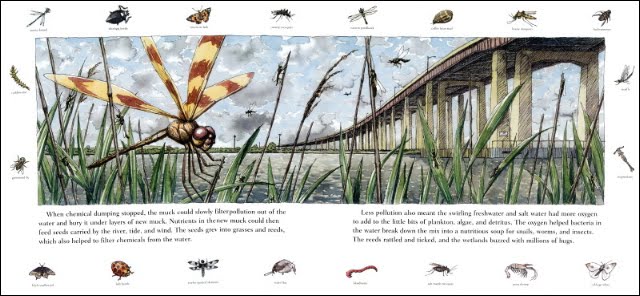
Have I mentioned lately how brilliant my little reading group happens to be? Or how much I enjoy our morning lessons? It is such a pleasure to learn along with these students! We have been working on strategies to use when we come across an unknown word or concept using the wonderful story by Thomas F Yezerski: Meadowlands – A Wetlands Survival Story.

This book takes us back in time hundreds of years to when the Meadowlands were 20,000 acres of swamps, marshes and bogs and home to many different plants and animals. Over time human interactions had a very detrimental effect on this wetland habitat. Much of the wildlife fled or disappeared. Pollution and gargbage threatened to destroy the area completely. In the 1960s only 11,000 acres of wetlands survived in the Meadowlands.

However, many things worked in the favour of this ecosystem: the daily meeting of the river and tide, laws that alterted chemical dumping, reintroduction of different insect, fish and bird species as the habitat improved, etc. In 2007, a young osprey was spotted taking flight from a nest built in the Meadowlands. This young bird of prey was a symbol of recovery and hope for this precious ecosystem.

As we read the text and came across a word we didn’t know, we collectively tried to figure it out and charted our thinking. We filled an entire chart paper with strategies!

An example might help. The text read:

The Meadowlands is an estuary where the Hackensack River empties into Newark Bay. Much of it is wetlands, with a mix of freshwater and salt water soaking the spongy ground.

We didn’t know what estuary meant. We needed to use some of the strategies listed below to determine what the word meant (especially reading on to the next sentence, inferring and referring to a reference page that included a map) We figured out that it probably meant a boggy, wet area where the fresh water mixed with the ocean water and that maybe it would support unique ecosystems.

What do you do when you come to an unknown word? 

The list the students came up with:

*hold a question in our head and read on to find out

*re-read a section and think carefully

*read the previous sentence or next sentence for clues

*does the word sound like another word? have a root that we recognize?

*check the reference pages like maps, glossary, pictures

*connect to other texts or our background knowledge

*use the reading power strategies like connect, visualize, question and infer

*think about whether you are understanding. This is worth it even if it might be slow going and very tiring!

*ask, “Does this make sense?” and then “Does what I am thinking make sense?”

So I did mention the brilliant aspect of these kids right? What was wonderful was that as we read, we found there were fewer unknown words or confusing concepts because we were gaining a deeper understanding of the subject matter. Now we can engage in this active engaged reading independently with various non-fiction texts. But, we continue to practice with a weekly book we can share together.


Garden themed Books

Division 5 is participating in the Growing Chefs program and learning all about growing plants, urban agriculture and the wonder of vegetables! Our windowsills are full of seedlings and we are indulging in many garden themed read alouds to learn more about the magic of gardens, growing and green. The following is a list of books that will be part of our reading:

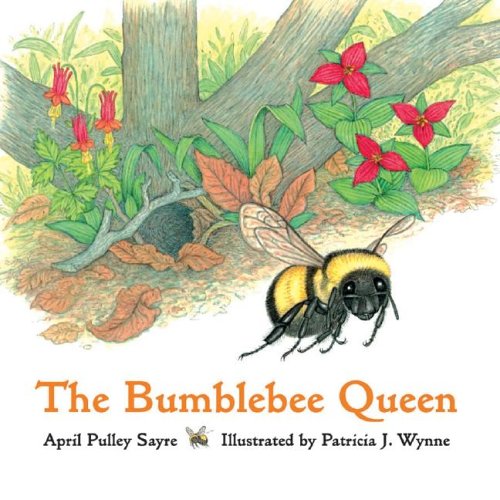
The Bumblebee Queen by April Pulley Sayre and illustrated by Patricia J. Wynne

An informative information story book that details the lifecycle of the Queen bee. Touches on hive life, pollination and human behaviour towards bees.

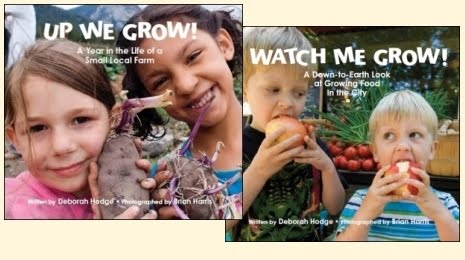
Deborah Hodge‘s Watch me Grow and Up we Grow (photographs by Brian Harris)

These books have special meaning as Deborah Hodge gifted them to our class when she visited in the fall! These books immerse us in the world of gardening and growing! One focuses on life on a small farm and the other looks at growing food in the city.

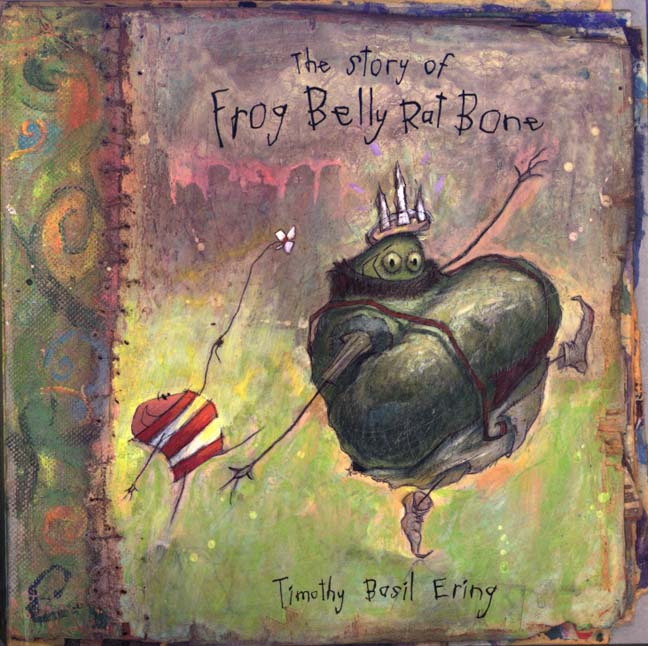
The Story of Frog Belly Rat Bone by Timothy Basil Ering

 In Cement Land, the promise of a packet of seeds is huge admist the gray drab world. Highlights the magic of watching seeds transform into plants!

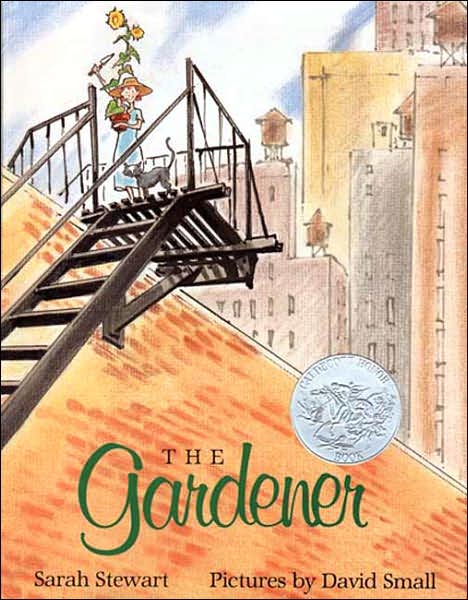
The Gardener by Sarah Stewart and illustrated by David Small

Can a package of flower seeds bring happiness and beauty to a family during the Great Depression?

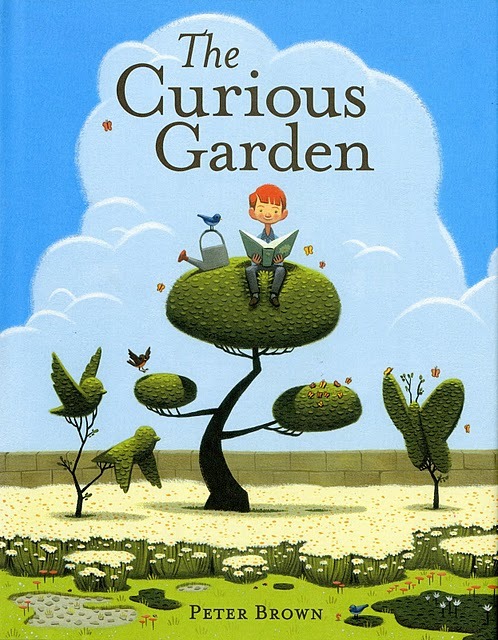
The Curious Garden by Peter Brown

Liam lives in the city and nurtures a struggling garden into a majestic green world. The power of a garden to invade (in the best of ways) stark city life.

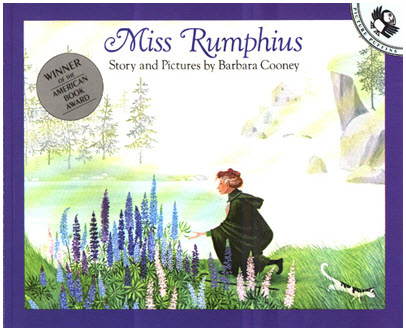
Miss Rumphius by Barbara Cooney

We each need to do something to make the world a more beautiful place. Miss Rumphius spreads lupine seeds throughout the countryside and the resulting flowers have a transformative effect on everyone who stumbles upon them.

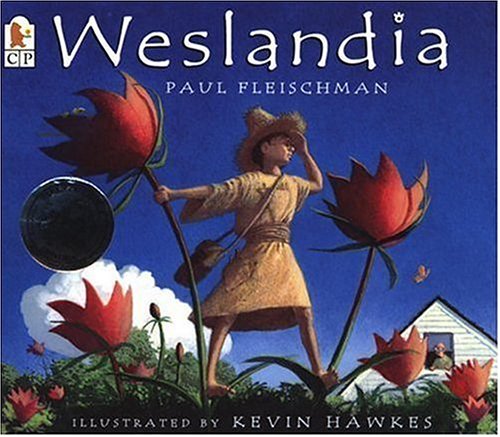
Westlandia written by Paul Fleischman and illustrated by Kevin Hawkes

Wesley creates Weslandia, his own civilization using the plants he grows from some mysterious seeds and the products he makes from them.

A Seed is Sleepy by Dianna Aston and Sylvia Long

Poetic text and beautifully detailed illustrations introduce us to the wonder of both familiar and unfamiliar seeds.

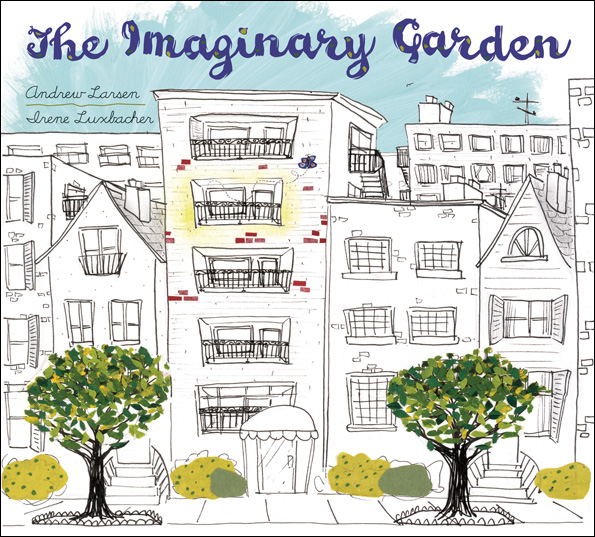
The Imaginary Garden by Andrew Larsen and illustrated by Irene Luxbacher

When Theodora’s Grandfather must leave his beloved garden when he moves to an apartment, granddaughter and grandfather create a beautiful garden from seed to flower through the power of art and love.

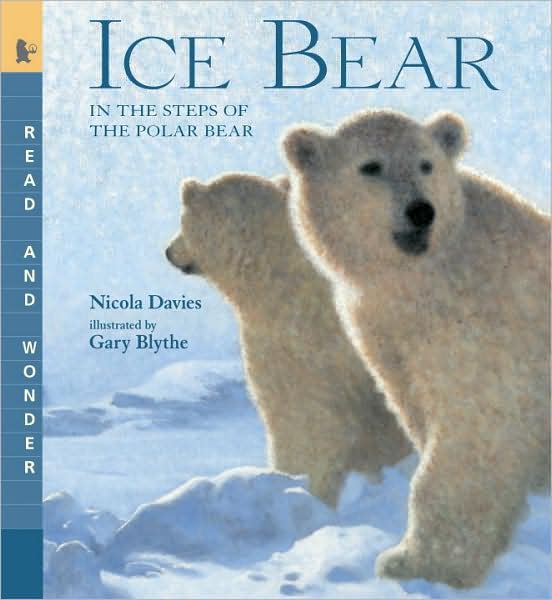
Ice Bear: In the Steps of the Polar Bear

Today we read the Ice Bear (In the Steps of the Polar Bear) written by Nicola Davies and illustrated by Gary Blythe. Our goal: to move away from quick questions and begin asking more deep thinking questions.

Polar Bar, Nanuk, is perfectly suited to the Arctic climate and landscape. For many generations, the Inuit people have learned how to live and survive in the Arctic habitat by watching the great Ice Bear. Nicola Davies tells us how polar bears survive in the Northern landscape weaving facts on each page into the beautiful story she tells in such lovely poetic text.

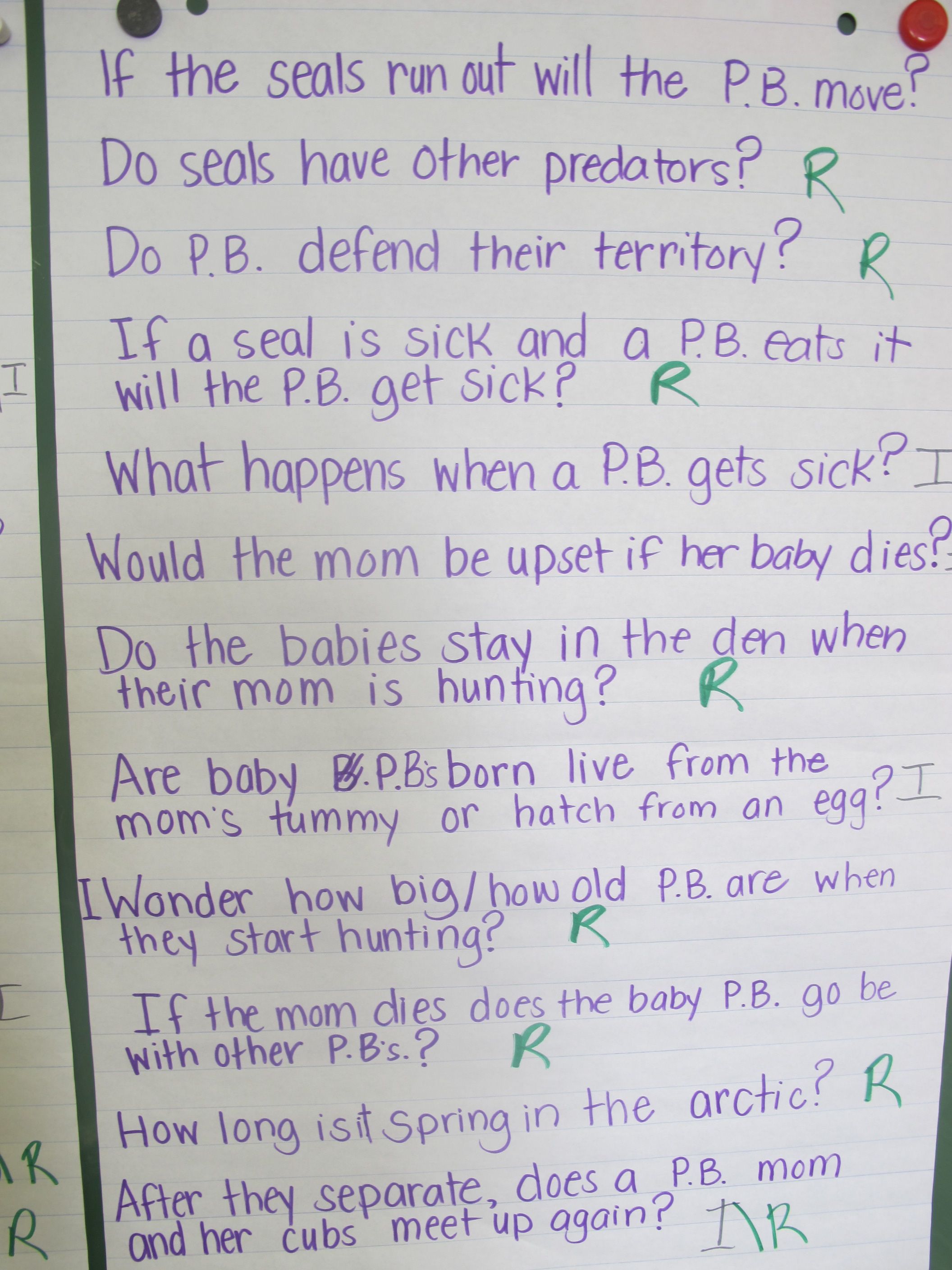
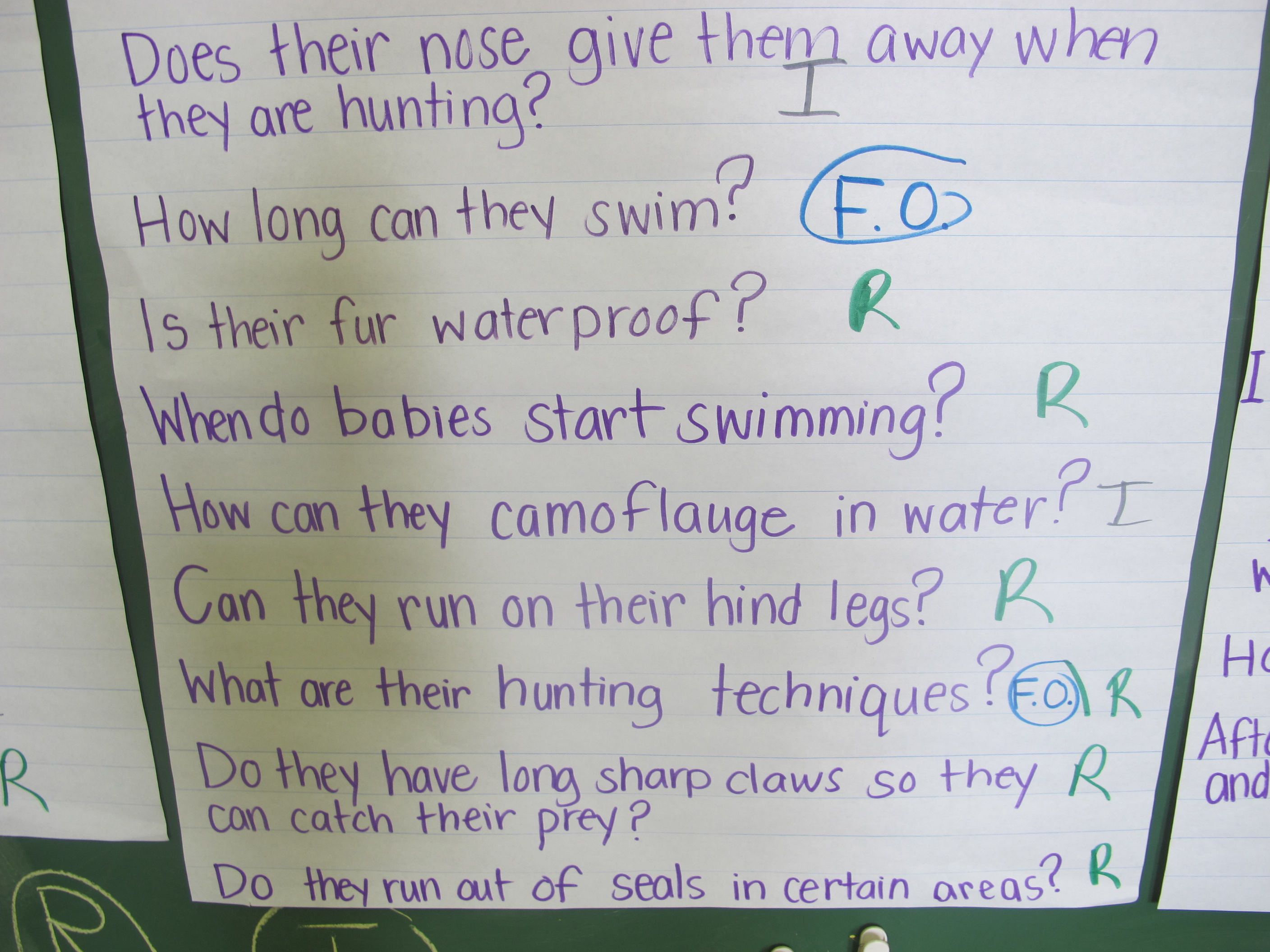
As I read this story aloud, we stopped on each page to share our questions and Ms. Hibbert recorded them. Our curiousity filled three pages of chart paper!

 Deep Thinking Questions: Ice Bear There's a Book for That

We then looked at all of our questions and coded them. FO: Found Out (we discovered the answer in the story as we read on) R: Research (to find the answer, we will have to do some research)  I: Infer (we need to infer to figure out the answer – using our background knowledge and our reasoning)

Coding our questions  Deep Thinking Questions: Ice Bear There's a Book for That

As we looked at the three charts, we noticed that we had very few questions coded FO (Found Out). This is exciting as it means we are asking fewer quick questions and more complex or deep thinking questions. Using Adrienne Gear‘s Non-Fiction Reading Power we have been learning to distinguish between quick and deep thinking questions. For our purposes here – quick questions are questions that we find the answer to (often down the page or a page or two later), where there is only one answer and where once we know the answer, our thinking stops. Deep thinking questions, on the other hand, inspire more questions, often have more than one answer or require us to do research, more thinking and/or talking to come to an answer at all.

Ms. Hibbert and I were also excited to see students asking multipart questions i.e. Do babies have fur? If not, how do they keep warm? or How often does a polar bear eat and does this affect how much it eats at a time? It was also fantastic to see questions inspire other questions between the students. At one point, Shae-Lynn was sitting right beside my chair with her hand up waiting to share her question and listening to others. “Oh!” she suddenly exclaimed, “Now I have three questions!”

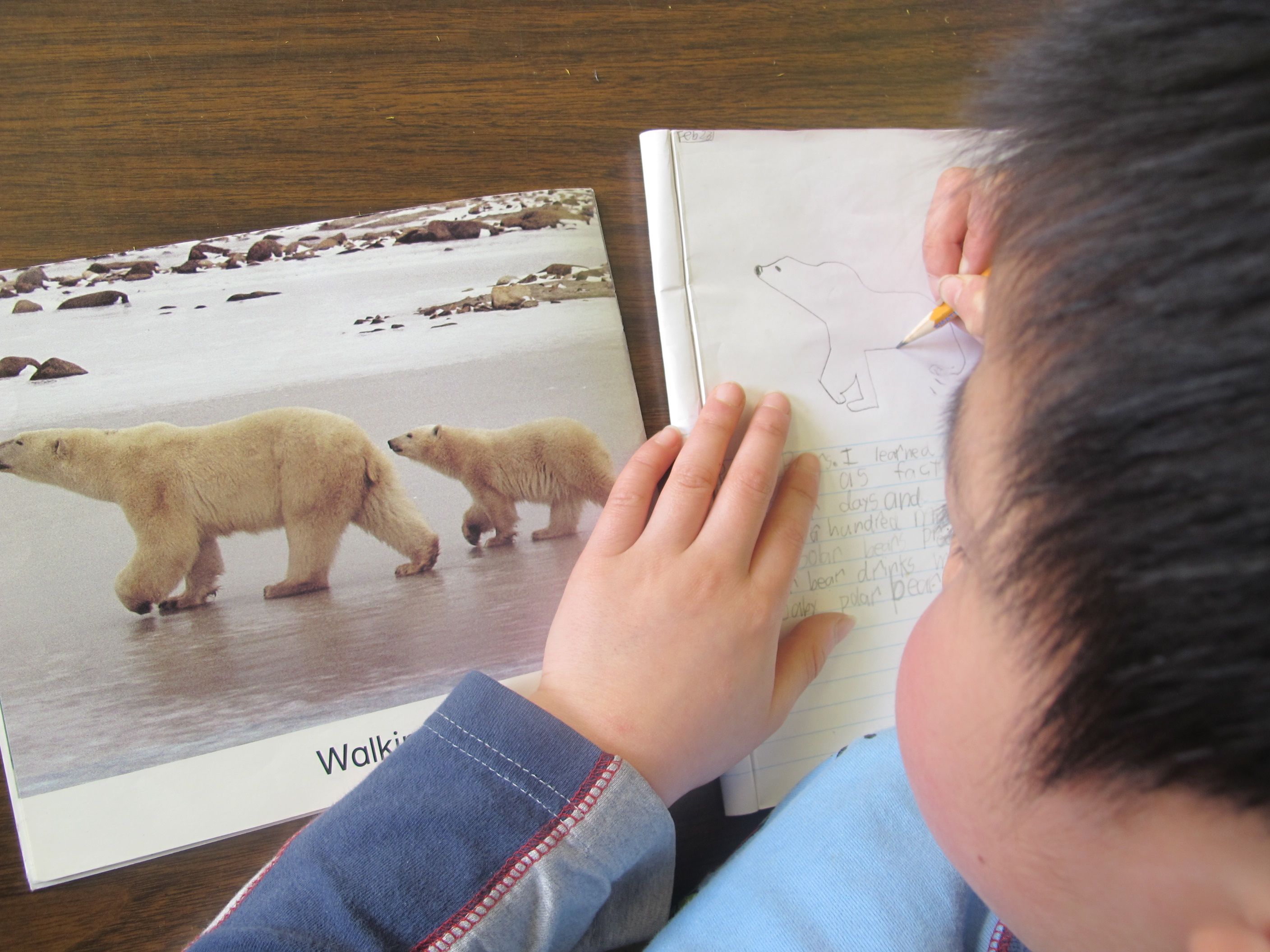
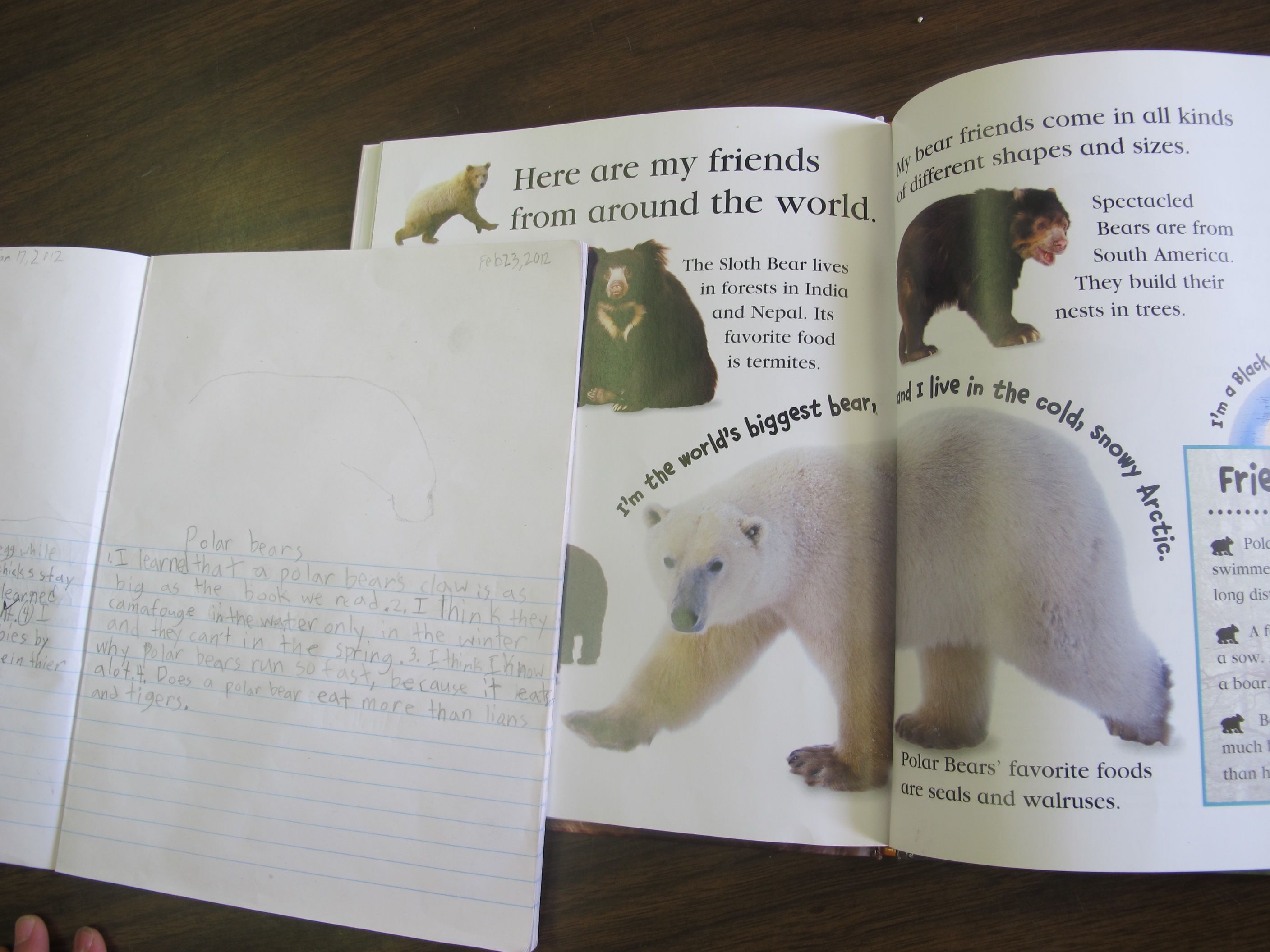
Students then went back to their tables to write and draw about their learning and to share what they were still wondering.

 Deep Thinking Questions: Ice Bear There's a Book for That

Some students began reading the books they were looking at for ideas on how to draw a polar bear and talked with each other about what they noticed.

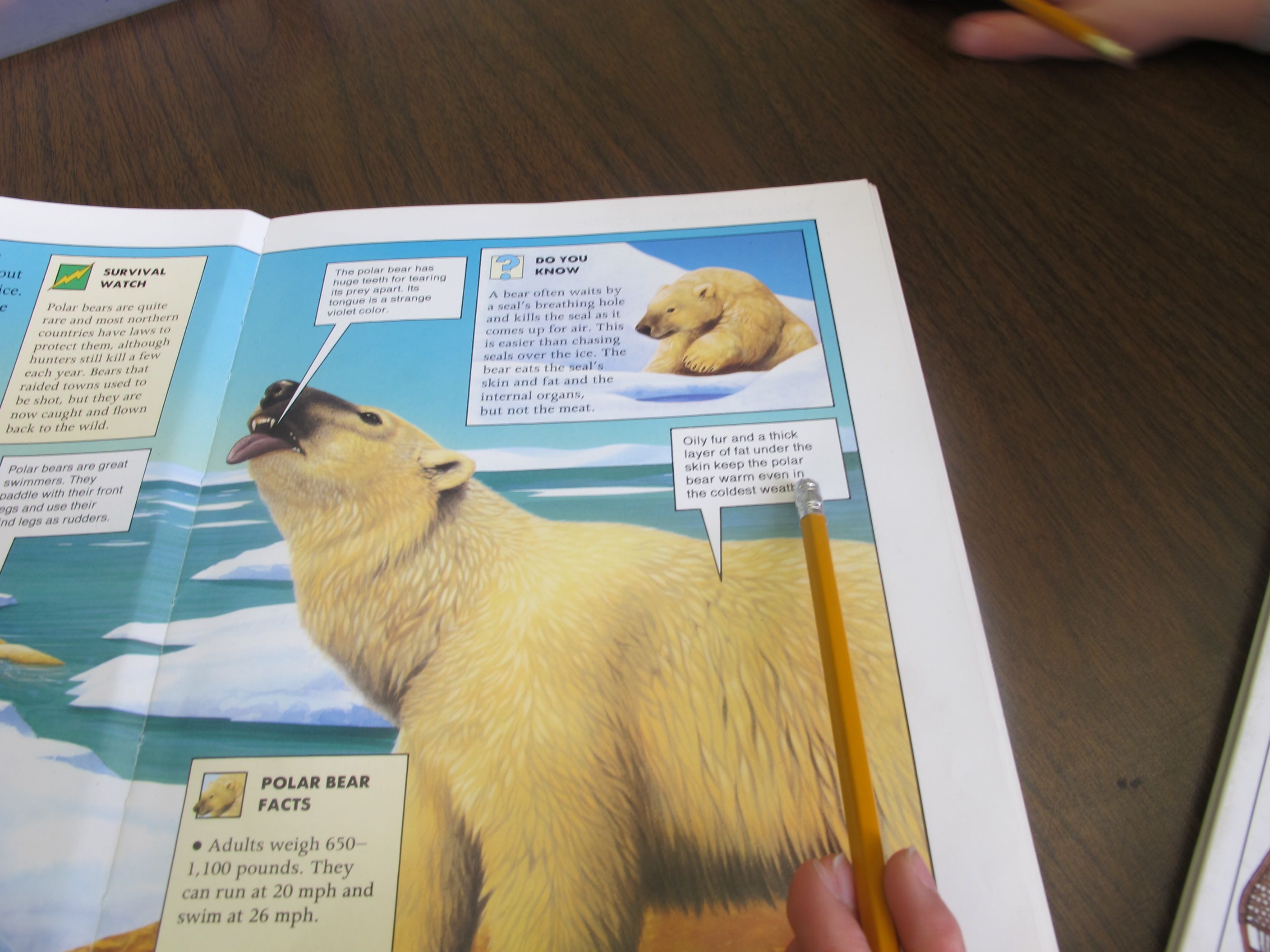
All of a sudden, the research began happening as students realized that they were finding the answers to the unanswered questions we had included on our charts.

 Deep Thinking Questions: Ice Bear There's a Book for That

“Hey Ms. Gelson look what Carmen and I discovered!” Catriona summoned me over. She went on to show me the section in the book they had found that talked about polar bear fur in the water. They discovered that the guard hairs are oily and waterproof and hollow. This answered our question about how polar bears can be such good swimmers and whether or not they had fur that wouldn’t get too wet and heavy.

Look! Read here!  Deep Thinking Questions: Ice Bear There's a Book for That

Some learning shared in student writing:

* Male polar bears weigh more than females. I wonder if they eat more than females as well.

* I think the baby polar bears are more white than the Moms and really cute.

* I know that polar bears are as fast as a snowmobile. Bears eat seals. They use their sharp claws and kill the seals quickly.

* A female polar bear can have 1 to 3 baby cubs at a time

*I found out that when there is zero seals, polar bears will eat grass, dead birds and fish.


Charlie and Kiwi

Right at the time I decided to do a unit on birds in the classroom, this amazing book caught my eye – Charlie and Kiwi. . . an evolutionary adventure – created by Peter H. Reynolds and the NewYork Hall of Science.

I purchased a copy for my son who is intrigued by concepts of evolution and on a shopping trip to Kids Books with Ms. Sheperd-Dynes, Seymour’s Teacher Librarian, I convinced her (wasn’t a hard sell!) to buy a copy for our library. Two copies of this fantastic book meant that when Ms. Hibbert came in on a Thursday afternoon, we could each take half the class and share the book. Smaller groups and an interactive read aloud session means more opportunities for students to share questions, opinions and connections to other learning. We strive to provide many opportunities that allow students to develop oral language skills: listening, speaking in turn, adding to what someone else has said, responding to a question, etc. This book inspired lots of talk!

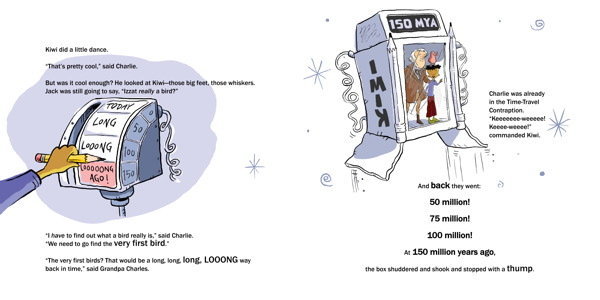
Story Summary: Charlie needs to write a report about a bird for school. He wanted to choose a bird that nobody else would choose and decided on a kiwi bird. But when he announced his selection to his classmates, they were a little confused. How could this strange flightless creature with whiskers be a bird? Charlie needed to know why the kiwi was so different from other birds and why? The next thing Charlie knows, he is zooming through space with his stuffed kiwi bird heading back in time to meet his Great x 5 Grandpa Charles who happens to be an expert on birds! This time Grandpa, Charlie and kiwi travel back in time to 30 million years ago. Charlie learns how the kiwi bird was just right for life in New Zealand and how and why it had likely evolved to be this way.

Grandpa Charles explains. “Little changes in each generation add up to big changes.”

Then the time travellers are whizzing back through time to meet the very first birds 150 million years ago! Charlie learns that the first birds were actually dinosaurs (with feathers!) So the many diverse birds that we have on the planet today all descended from the first birds – dinosaurs and changed and adapted to survive in different environments. Charlie returns to class armed with this new knowledge and a fossil of an early bird and explains to his class how all birds came from the same ancestor: the dinosaur!

Student reactions: Students then had the opportunity to think about what they had learned and share their learning on a Knew-New Connections sheet (adapted from Adrienne Gear‘s Non-fiction Reading Power text)

Here is some of what they shared:

I KNEW this already!

* Birds lay eggs.  Shae-Lynn

*I knew that most birds fly. Reiko

*I already knew some birds don’t fly. Purity

*I knew that kiwis were birds, not just fruit! Catriona

* Birds eat with their beak. Markus

This is NEW to me!

* Kiwis have a good sense of smell. Khai

* These birds have big feet. Jacky

* Kiwis eat bugs at night. Shae-Lynn

*Dinosaurs lived 150 million years ago! Carmen

* I didn’t know that kiwis say keee weee keee weee. Truman

* I learned that Kiwi Bird whiskers help them hunt in the dark. Raelyn

*Kiwis evolved from birds that flew and changed because of danger in the air and better eating of bugs. Catriona

* I thought a kiwi was a fruit, but I found out it was a bird. Mai

This Knew-New Connections response sheet is an ideal way for students to express their new learning and connect their prior knowledge to new information.

We are hoping that Peter H. Reynolds is going to create more books like this! We learned so much!