Charlie the Ranch Dog

We had a new BLG reader this week. Welcome Azzah and thanks for bringing such an enjoyable book to share with us! Charlie the Ranch Dog is written by Ree Drummond and illustrated by Diane deGroat.

We were quite intrigued by Charlie, the ranch dog. He’s a pretty handsome guy who lives on a beautiful ranch and he seems very determined to tour the readers around the ranch, all the while explaining all of the hard work he does. We meet his best friend Suzie, another dog who lives on the ranch. We see Daisy, the cow with the bad habit of wandering into the yard when she isn’t supposed to. Daisy was particularly interesting to us. Looking at the picture, one student exclaimed, “Hey that cow doesn’t have an udder!”

“It’s a male,” someone else suggested.

“Males have udders. Hold on, do they?”

As Azzah wasn’t prepared to give a cow anatomy lesson, we moved on. Now everybody was paying particularly close attention. We began to notice something about Charlie.

“That dog doesn’t really do anything.”

“Nope. He’s just not very good at this.”

“Huh?! He’s asleep again!”

When we had seen Charlie nap in the flower garden, nap after lunch and nap beside the broken fence, we began to realize that Charlie was an expert napper but not much of a help around the ranch. However, late in the story Charlie does chase Daisy the cow out of the garden, giving a big howl that many of us joined in for, “RRRRRooowwww- ooohhh!”

“That dog does nothing but sleep!”

“Well,  he did howl.”

“It even sounded like a real dog.”

“Yeah, like a dog dieing!”

Still, Charlie is a charmer and we were all big fans by the book’s end. A sweet little story told from Charlie, the ranch dog’s perspective.

Our student reviewers report:

Truman: I liked it because Charlie said he did the work but Suzie did all of the work!

Khai: I liked the book because it was funny. The funniest part was when he said I finished my work when Charlie actually did nothing but sleeping.

Charlie and Kiwi

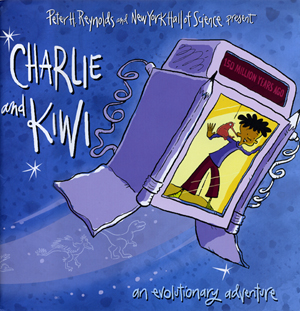
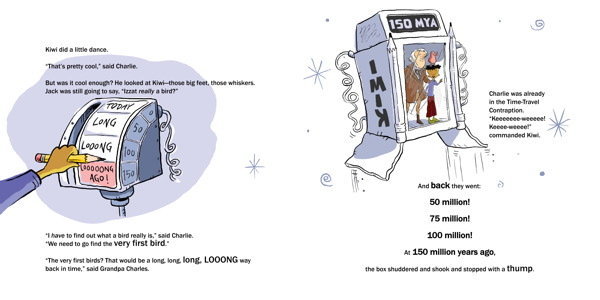
Right at the time I decided to do a unit on birds in the classroom, this amazing book caught my eye – Charlie and Kiwi. . . an evolutionary adventure – created by Peter H. Reynolds and the NewYork Hall of Science.

I purchased a copy for my son who is intrigued by concepts of evolution and on a shopping trip to Kids Books with Ms. Sheperd-Dynes, Seymour’s Teacher Librarian, I convinced her (wasn’t a hard sell!) to buy a copy for our library. Two copies of this fantastic book meant that when Ms. Hibbert came in on a Thursday afternoon, we could each take half the class and share the book. Smaller groups and an interactive read aloud session means more opportunities for students to share questions, opinions and connections to other learning. We strive to provide many opportunities that allow students to develop oral language skills: listening, speaking in turn, adding to what someone else has said, responding to a question, etc. This book inspired lots of talk!

Story Summary: Charlie needs to write a report about a bird for school. He wanted to choose a bird that nobody else would choose and decided on a kiwi bird. But when he announced his selection to his classmates, they were a little confused. How could this strange flightless creature with whiskers be a bird? Charlie needed to know why the kiwi was so different from other birds and why? The next thing Charlie knows, he is zooming through space with his stuffed kiwi bird heading back in time to meet his Great x 5 Grandpa Charles who happens to be an expert on birds! This time Grandpa, Charlie and kiwi travel back in time to 30 million years ago. Charlie learns how the kiwi bird was just right for life in New Zealand and how and why it had likely evolved to be this way.

Grandpa Charles explains. “Little changes in each generation add up to big changes.”

Then the time travellers are whizzing back through time to meet the very first birds 150 million years ago! Charlie learns that the first birds were actually dinosaurs (with feathers!) So the many diverse birds that we have on the planet today all descended from the first birds – dinosaurs and changed and adapted to survive in different environments. Charlie returns to class armed with this new knowledge and a fossil of an early bird and explains to his class how all birds came from the same ancestor: the dinosaur!

Student reactions: Students then had the opportunity to think about what they had learned and share their learning on a Knew-New Connections sheet (adapted from Adrienne Gear‘s Non-fiction Reading Power text)

Here is some of what they shared:

I KNEW this already!

* Birds lay eggs.  Shae-Lynn

*I knew that most birds fly. Reiko

*I already knew some birds don’t fly. Purity

*I knew that kiwis were birds, not just fruit! Catriona

* Birds eat with their beak. Markus

This is NEW to me!

* Kiwis have a good sense of smell. Khai

* These birds have big feet. Jacky

* Kiwis eat bugs at night. Shae-Lynn

*Dinosaurs lived 150 million years ago! Carmen

* I didn’t know that kiwis say keee weee keee weee. Truman

* I learned that Kiwi Bird whiskers help them hunt in the dark. Raelyn

*Kiwis evolved from birds that flew and changed because of danger in the air and better eating of bugs. Catriona

* I thought a kiwi was a fruit, but I found out it was a bird. Mai

This Knew-New Connections response sheet is an ideal way for students to express their new learning and connect their prior knowledge to new information.

We are hoping that Peter H. Reynolds is going to create more books like this! We learned so much!

Mustache

Dan, our BLG reader this week brought in a fabulous book – Mustache and prompted a discussion about men’s fashion through the ages and the price of vanity. Mustache is witten by Mac Barnett and illustrated by Kevin Cornell.

This book reminded us that when you take a picture book, add a bunch of students and a read aloud environment,  you just never know what you are going to get! In our classroom this week, the book Mustache got us talking (well Dan talking . . . ) about how men used to wear tights and high heels. Very intriguing for the children who just shook their heads in disbelief or broke out in contagious giggles. Our main character,  King Duncan,  was always gazing at himself in the mirror examining his style and so we looked at it a little more closely and spied tights! What was with the King’s outfit? For a few pages, we couldn’t move past that. Neither could King Duncan evidently as he had a royal “mirror carrier” follow him everywhere so he could continuously check out his reflection.

Oh King Duncan, so busy being vain, he never gets to the kingly duties of caring for his kingdom. When his subjects storm the castle and ask for improvements, King Duncan takes a week to have a banner made for the side of the castle: a picture of himself with “I’m Great” written underneath. Getting nowhere with their direct requests, the King’s subjects revert to other means to communicate their frustration with the King: drawing moustaches on his banners. And then . . .  painting moustaches on the wanted posters he prints to try and uncover the moustache banner culprit. A lot of posters. A lot of moustaches. A lot of giggles in our classroom!

Finally all of the villains (can you be a villain for merely vandalizing? Apparently, yes!)  end up imprisoned. It turns out everyone is guilty and the whole kingdom becomes “jail” – fixed up by default as more “jail” is erected. What is a poor lone King to do with just his own reflection to keep him company? Hmm . . . perhaps paint a moustache?

Our student reviewers report:

Deandra: I liked this book because the King painted his face!

Truman: I liked it when everyone drew moustaches on him!

Khai: I liked the book because it was very funny. People kept drawing mustaches on the King’s posters!

I was already a fan of Mac Barnett who wrote the fantastic Billy Twitters and His Blue Whale Problem. Check out Barnett’s website here. Kevin Cornell is a new illustrator for me – but one I will be keeping an eye out for. His illustrations in Mustache were absolutely delightful!  His website can be found here.

Over and Under the Snow

Oh, how I have been waiting for snow to share this book with a group of children. So our temperamental Vancouver weather finally delivered some snow to city streets!  It was falling as I gathered our reading group together to read Over and Under the Snow written by the talented Kate Messner and illustrated (so beautifully) by Christopher Silas Neal. Reading the book I got to glance down at entranced little faces and look up to see snow swirling and whirling outside the windows. Magical.

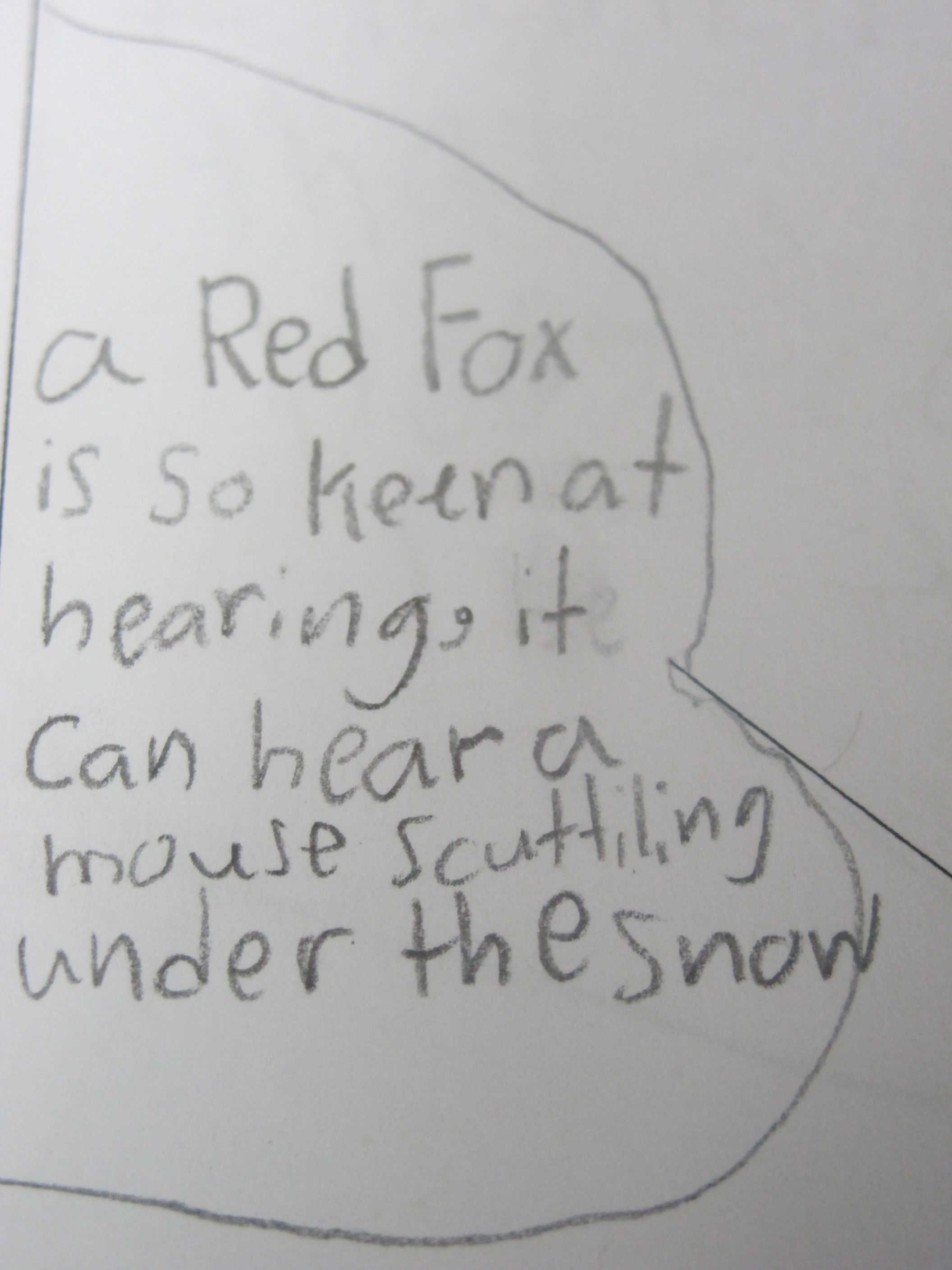
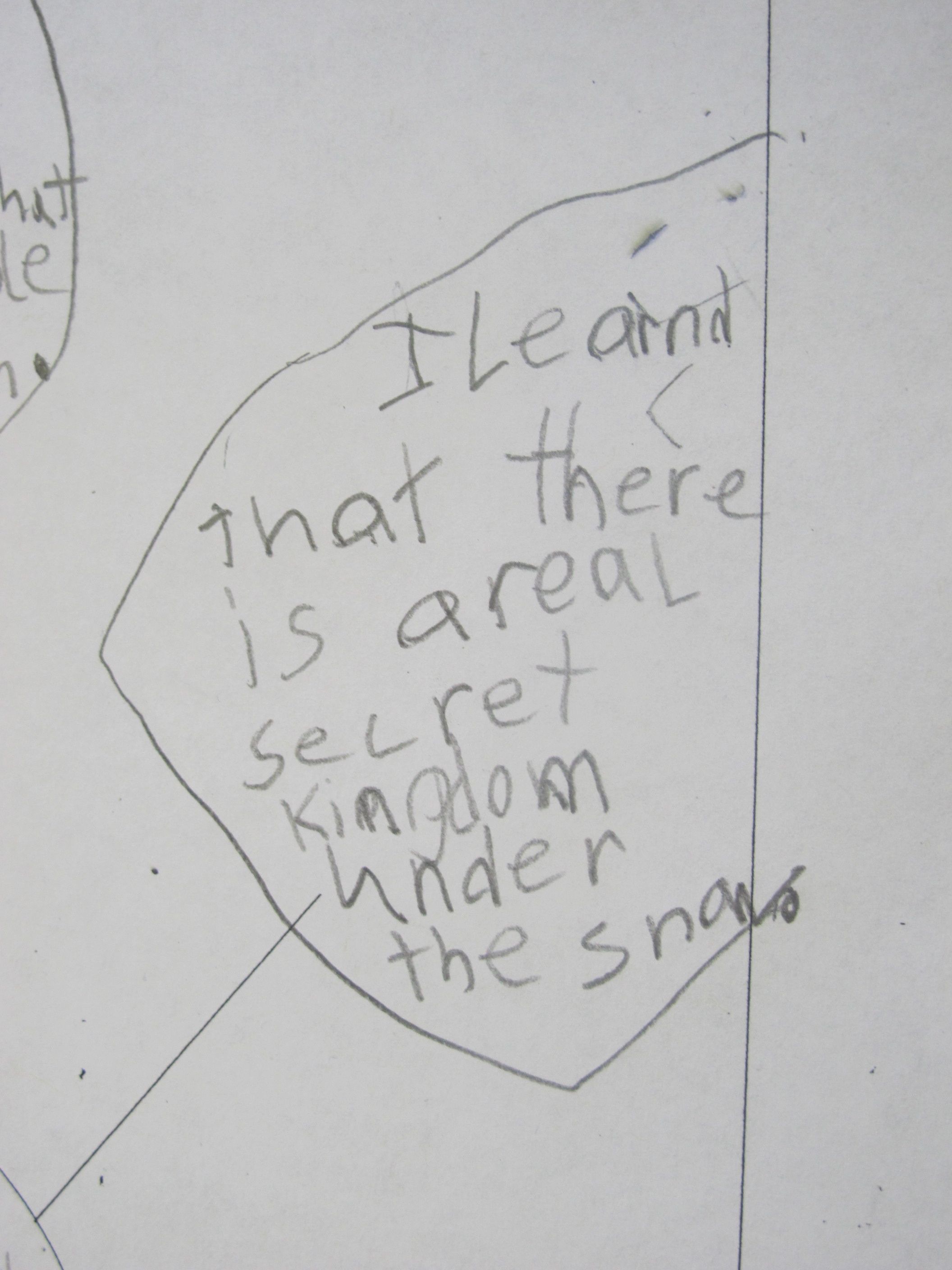
We loved the Author’s Note at the back of the book where we found out that this “secret kingdom under the snow” has a very impressive name: the subnivean zone (the small open spaces and tunnels between the snowpack and the ground). We also liked reading more information about each of the animals we had questions about in the back section that provided more details.

Students were asked to web out some of their new learning and eagerly sat down and got to work detailing what they had discovered.

Some fascinating new facts:

IMG_2333

This is a lovely image!

IMG_2324

Wow!

IMG_2318

The idea of a secret kingdom made every list! Such a magical image.

IMG_2322

If you read the book, you might be most impressed as we were with the red fox and its keen hearing. Check out this link on Kate Messner’s blog where she shares a video of a real red fox listening for its prey under the snow.

The perfect book to share with city children who don’t get many opportunities to be out in a snowy world. Makes our upcoming field trip to go snowshoeing even more exciting! We now know what is happening under the snow! Wonderful how books really do open up new worlds but also allow us to look more intently at places that surround us that we don’t always get to explore.

How to Heal a Broken Wing

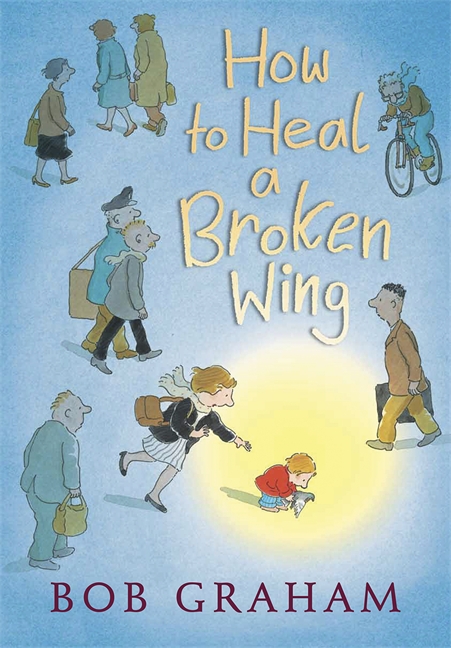
How to Heal a Broken Wing written and illustrated by Bob Graham is the second picture book we have read on our theme of kindness.

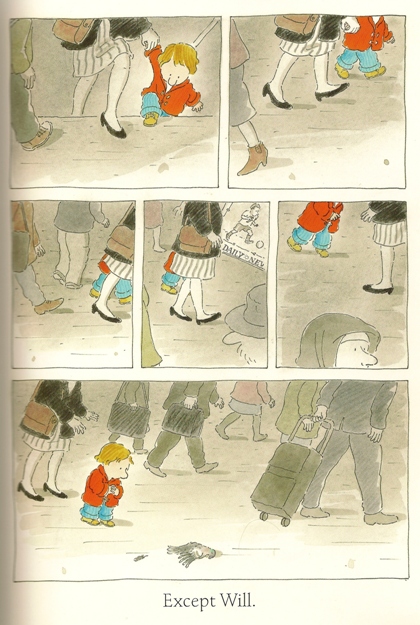
This book is not wordless, but words do the least work. It is the illustrations – multiple panels on some pages, a full page illustration on another that tell this lovely story of kindness, hope and compassion.

A pigeon hits a tall skyscraper and falls into the busy streets. Nobody notices until Will happens by with his Mom. Maybe he is more observant? Smaller and more focussed on the ground perhaps? But he is the only one to notice the hurt pigeon. We noticed right away how Graham paints Will in bright colours while the rest of the people walking the streets are in dull greens, browns and greys, nothing that stands out. We came back to the page where Will first notices the pigeon and decided that Will made an important decision here – to pick up the bird or to walk away.

“It’s a decision to be kind or not.”

“If you don’t want to be kind, it’s okay, but you should . . .”

Amongst a busy street scene, crowded with people, Graham shines a light on little Will picking up the bird with the broken wing.

“The light on him makes us look much more closely and think about what is important about what he is doing.”

Will takes the injured bird home and despite his parents initial reservations, they help him to begin to care for the bird. Absolute silence as students studied the panels showing Will and his parents bandaging the wing, setting up a box for the bird and settling him in for the night. We follow the picture panels that show us the bird gaining mobility, eating and drinking and looking longingly out the window at the sky.

What has Will’s family given to the bird? We listed off what we had noticed: food, water, rest, a cage to protect him, shelter, care, hope and kindness. In time, the pigeon healed and Will’s parents take Will back to the city streets to let the pigeon fly free.

Two important things we learned about kindness from this book:

  • We need to notice when kindness is needed
  • It is a choice to be kind.

So – how aware are you? What choices do you make every day? This book is a story that reminds us to look at ourselves and think about what we do and what we don’t do everyday.

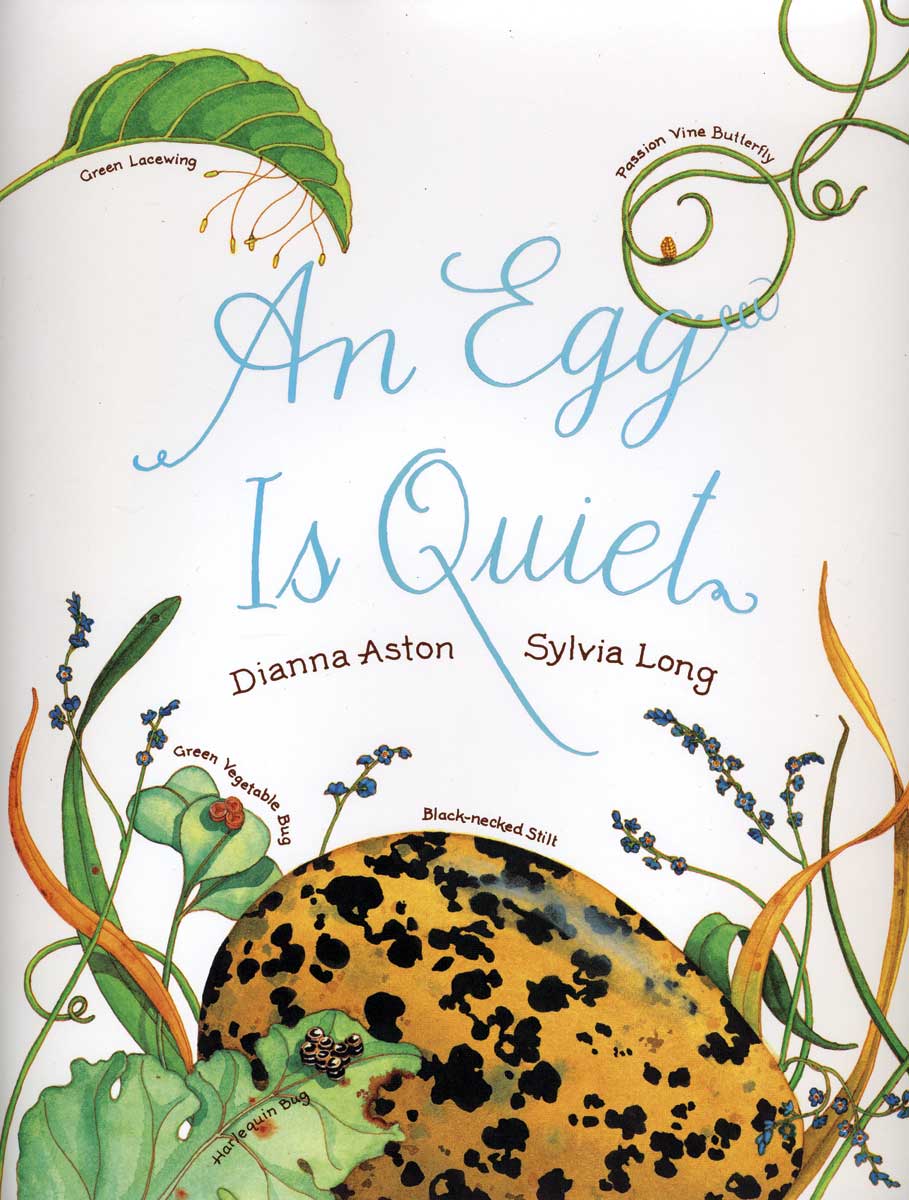
An Egg is Quiet and so Much More

We are studying birds but I am very mindful of student interest as we decide on what to learn more about. Last week we read a book about birds and their nests and students were fascinated by the stunning blue of a robin’s egg. Most students wrote about it when asked to write about something new they had learned. So. . . I decided that Dianna Aston and Sylvia Long‘s exquisite book An Egg is Quiet was a must read.

AnEggIsQuiet

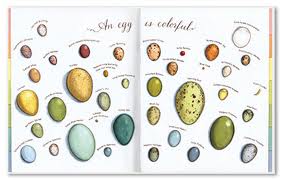
Students were fascinated to learn many new things about eggs – including that many creatures hatch out of an egg, not just birds (reptiles, insects, fish, etc). Sylvia Long’s gorgeous illustrations had everyone mesmerized. With many pages we just gazed at the pictures and chatted to our neighbour about our observations and questions. Sharing was fascinating and we all learned to look at eggs a little differently from each other.

Colours, specks, stripes! Eggs can be so different! We saw eggs that looked like chocolate (a paradise riflebird), eggs that looked like they were covered with sand (a scarlet tanager), eggs that shone (Atlantic salmon) & eggs that looked to be entwined in vines (a common murre). Then . . . fossilized eggs and tubular eggs and eggs that are perfectly round (Kemp’s Ridley Sea Turtle).

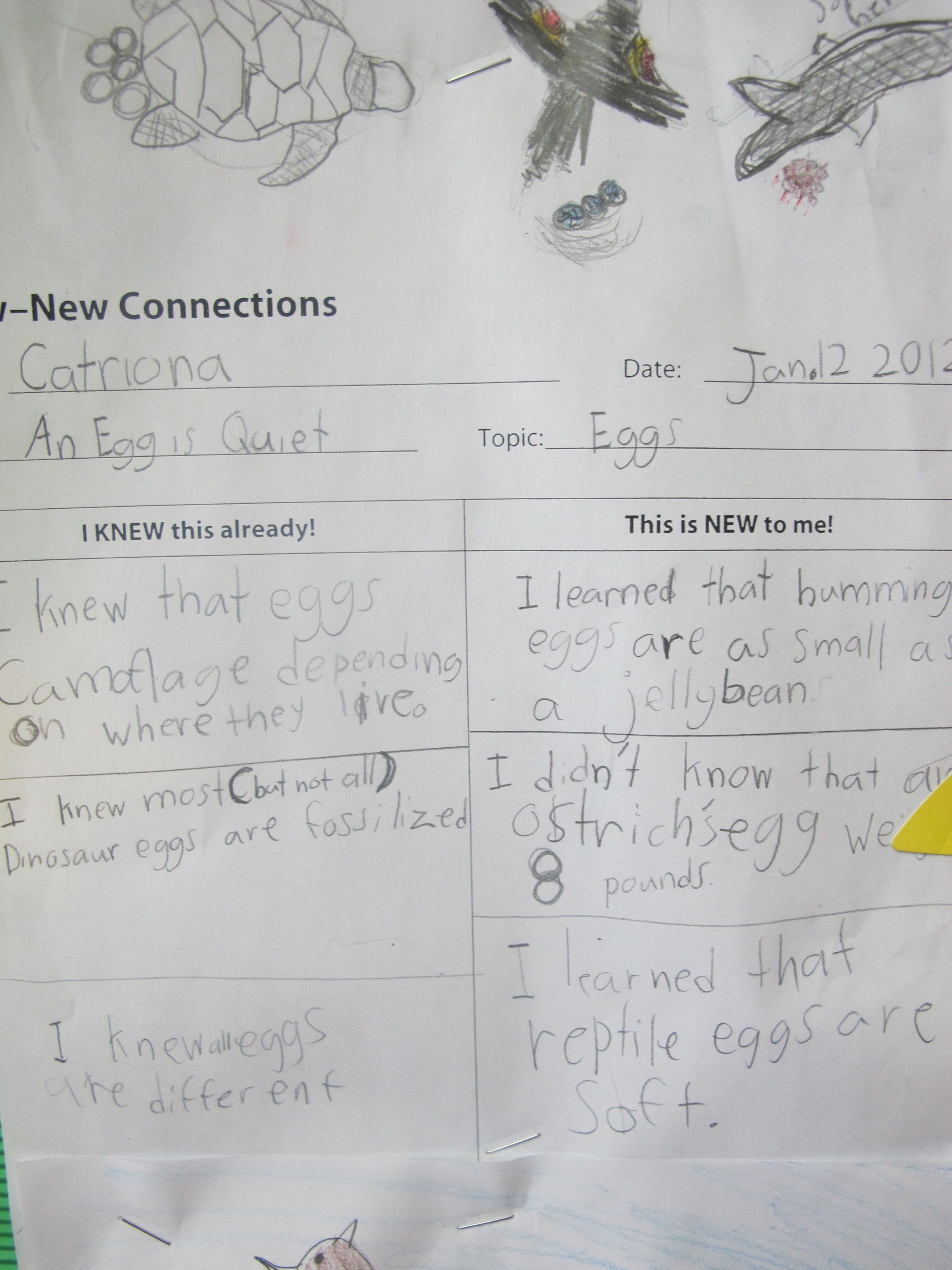
After sharing the book together, students completed a modified sheet from Adrienne Gear‘s Reading Power Non-Fiction book: connecting new learning to what they already knew (New-Knew Connections)

This is Catriona‘s completed sheet:

IMG_2314

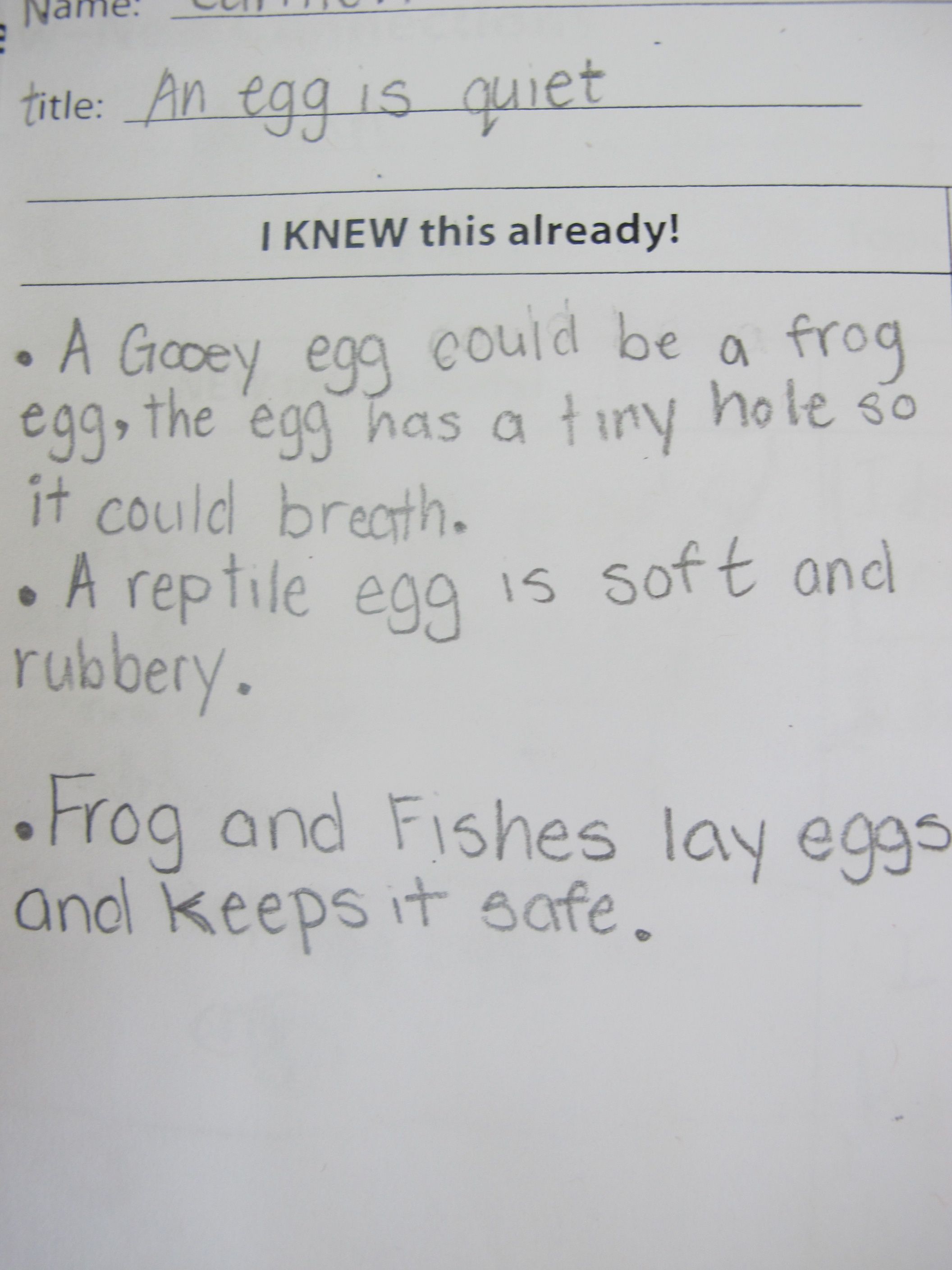
Carmen shared what she already knew.

IMG_2302

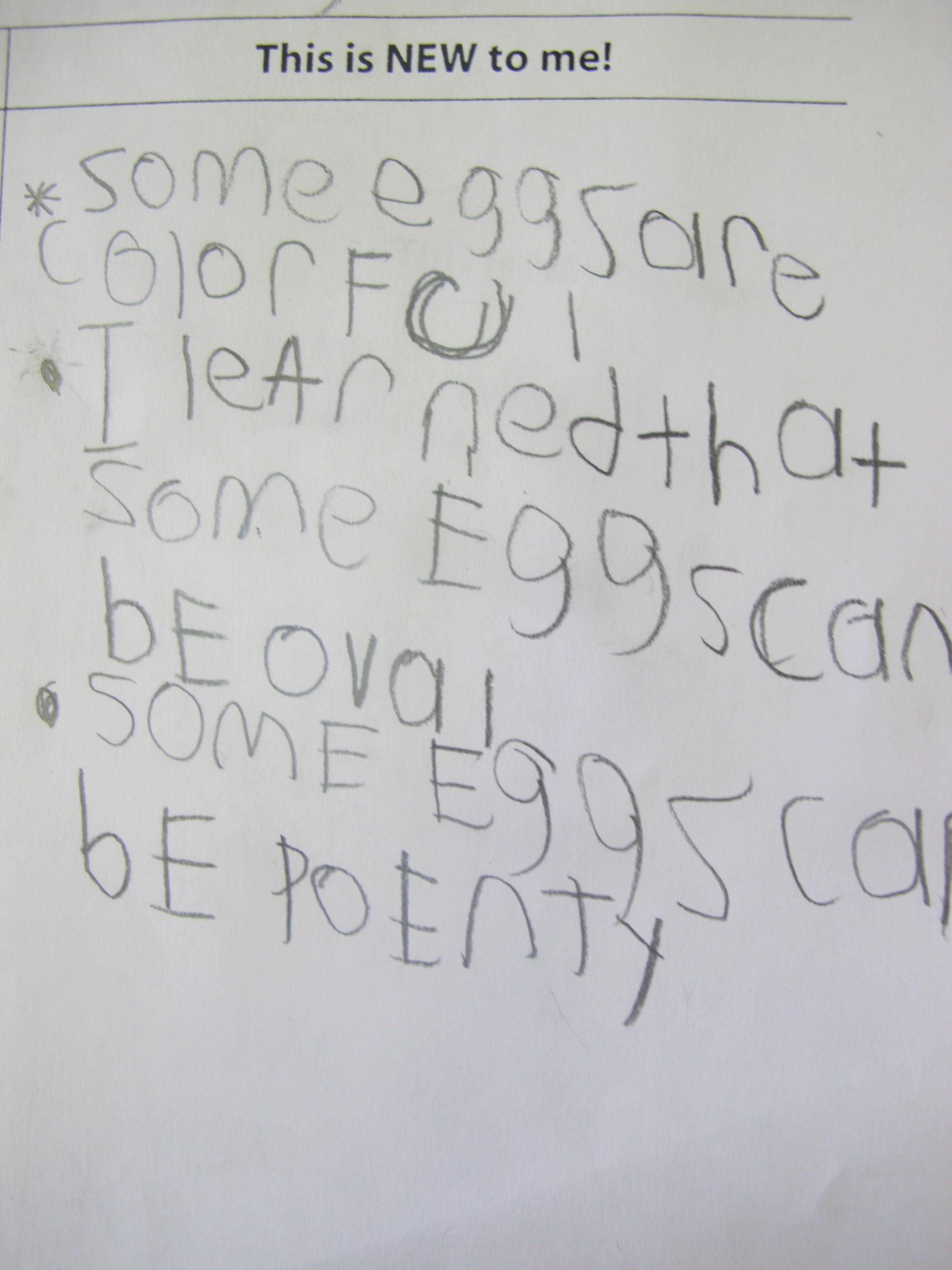
Markus shared his new learning:

IMG_2306

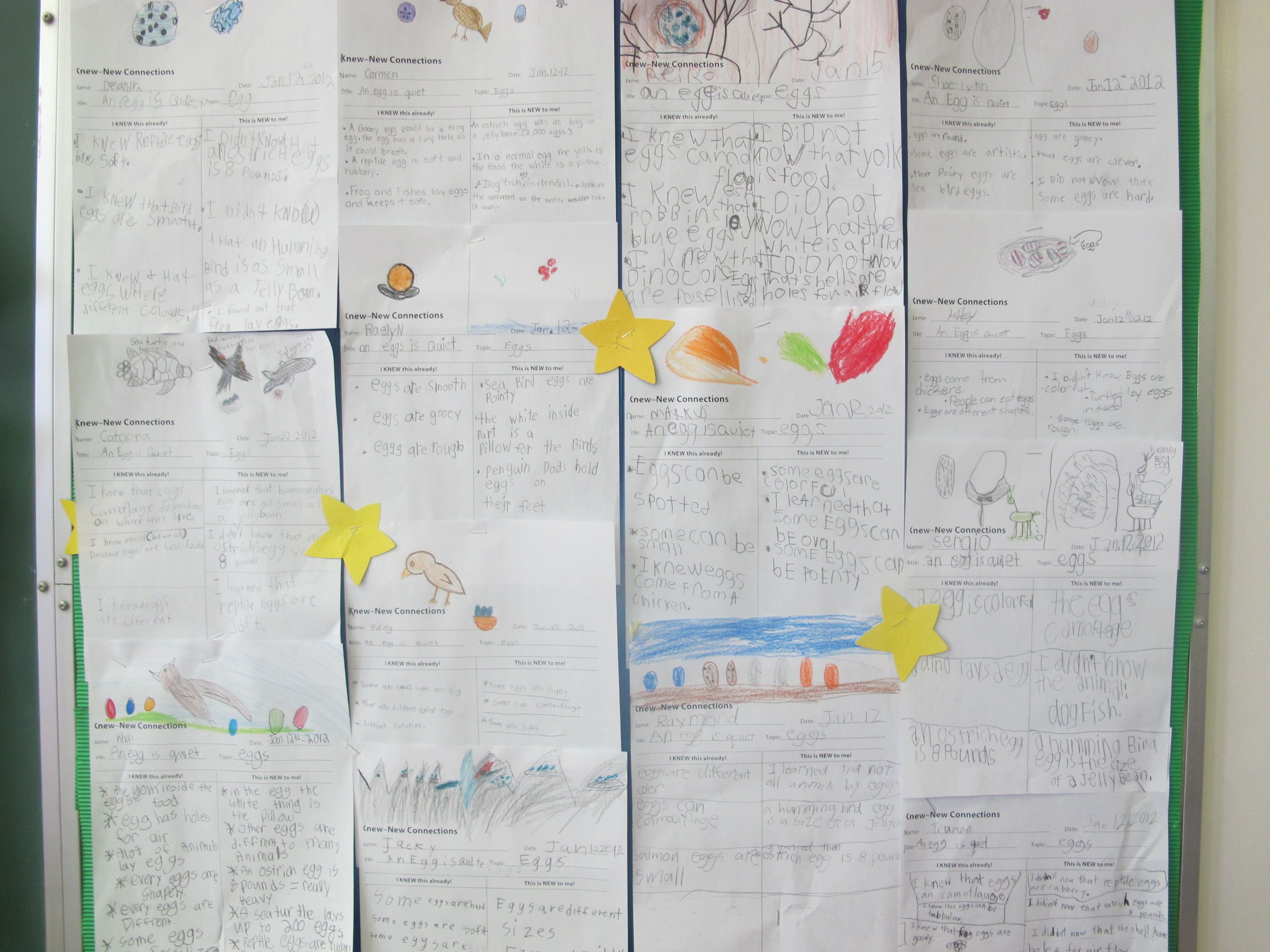
What I love about this activity is that sharing on the Knew/New sheet allows students to honour prior knowledge, acknowledge new knowledge and start from anywhere. There are no right answers or essential facts – just a sharing of a knowledge base being extended. We spent over an hour with this book and doing our writing and everyone was very engaged. Later, I saw students reading the sheets posted up on the bulletin board and talking about what other students had chosen to highlight. An exciting afternoon learning about how unique, beautiful and fascinating eggs can be!

A wall of learning shared!

A wall of learning shared!

Calvin Can’t Fly

Our BLG reader this week was Maria. She read the charming Calvin Can’t Fly: The Story of a Bookworm Birdie – written by Jennifer Berne and illustrated by Keith Bendis.

Calvin is a little black starling who is born with a passion for . . . books! He immerses himself into the world of adventures, legends, space, and drama. Places that he could never travel to in flight. And, there was one other small problem when it came to flying: having spent so much time with his “beak in a book,” Calvin actually had never learned to fly! When the group of little starlings were working on swooping and hovering and flying, Calvin was at the library! His starling cousins were not very understanding – he was called a “nerdy birdie,” a “geeky beaky” and a “bookworm.” Being a bird, Calvin took special offence at being called a worm!

When it was time to head south, Calvin was grounded. His flock was not about to abandon him however and he was carried along literally (by strings around his middle) on the starlings’ journey south. On route, Calvin saved the flock with his knowledge about hurricanes derived from a book about weather. In his excitement while celebrating his life saving heroics, Calvin begins to jump and hop and flap. And . . . yep, you guessed it! Calvin began to fly!

We love how reading and literacy are celebrated and that knowledge turns out to be the hero!

Those Shoes

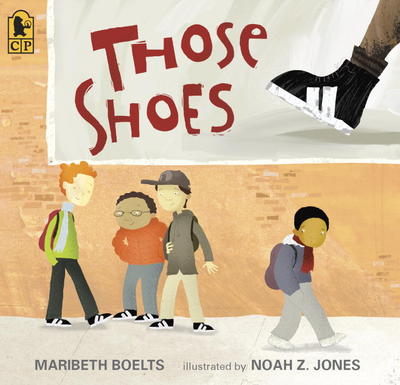
We have started reading and discussing picture books with a theme of kindness. Those Shoes written by Maribeth Boelts and illustrated by Noah Z. Jones was an ideal book with which to start.

This book helped us to explore the difference between our needs and our wants and how to come to terms with the understanding that sometimes we have to give up something we really want when it just doesn’t make sense despite our strong feelings. Jeremy wants those shoes –the shoes he sees advertised on a billboard and walking around him everywhere he looks. Black high tops with two white stripes. Perfection. He wants them especially a lot when his own shoes wear out and the guidance counsellor roots around in a box to find him shoes that fit. Blue velcro shoes with a cartoon animal on the side. Nothing like those shoes he dreams about. Shoes he needs but doesn’t want.

Grandma invites Jeremy to go check out the shoes, those shoes, at the store. She has a little bit of money set aside. But at the store, she discovers the price.

When she sees it, she sits down heavy.

Silence in our class. Students had just commented how kind Grandma was being to take Jeremy shopping for the shoes he really wanted. Now what? I asked, “Can we only show kindness if we have money to buy something?” Well no, of course not but we all had to sit there and feel Jeremy’s disappointment for a while. What next? Jeremy suggests they go looking in the thrift stores for those shoes and in Lucky Store # 3, he finds them. However, squished toes and held breath tell us that these shoes are too small. Still Jeremy buys them because he wants them that much.

Jeremy’s new shoes are unbearable and unwearable. One day he notices a classmate’s shoes are taped up – worn out. Antonio seems to have smaller feet than him. The thought that he might have in his possession shoes that could fit Antonio, those shoes, eats at Jeremy.

I’m not going to do it.

He repeats this thought in his head and out loud. No way. No how. But after a sleepless night, Jeremy runs his shoes, those shoes over to Antonio’s door and leaves them there for him. Jeremy is not fully happy – when he looks down at his own blue shoes that aren’t those shoes he feels upset but Antonio’s face brings him joy.

“He gave up those shoes from the kindness of his heart,” commented Shae-Lynn.

“And he’ll get kindness back,” said Catriona.

Jeremy learned a lot in this book. Sometimes kindness wins but it isn’t completely easy. Our emotions can be mixed. Sometimes we learn that when we have what we need (new snowboots thanks to Grandma) we can appreciate other things (a new snow day). Sometimes our wants bring us unhappiness and giving them up is where we grow. Sometimes kindness is simply giving other people what they need.  So much to discuss in this gem of a picture book.

Some snippets of written responses:

Truman: Jeremy gave kindness to Antonio by giving his too small shoes to Antonio.

Khai: Jeremy saw Antonio’s shoes and they were broken. Jeremy wondered and wondered and went to Antonio’s house and left the shoes on the porch. Jeremy did it even though he got nothing back.

Markus: The Grandma was nice in the story. She tried to get shoes for her grandson.

Purity: Jeremy gave the shoes to Antonio even though he really liked them. They didn’t fit Jeremy so he gave them to Antonio because Antonio needed them.

Viorst and Smith bring much needed humour to our January!

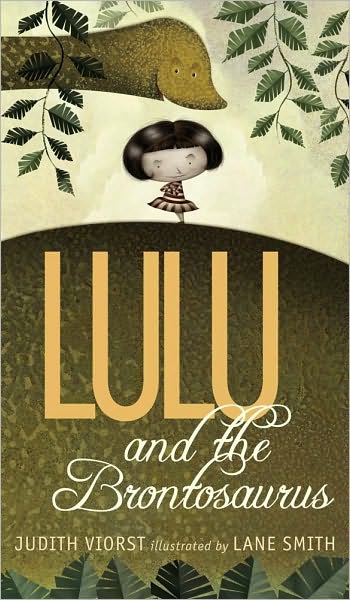
Our latest read aloud is Lulu and The Brontosaurus written by Judith Viorst and illustrated by Lane Smith.

Why I know we are going to love this book?

# 1 I read it to my own children and it was a huge success Read my review here.

#2 Throw yourself on the floor tantrums, calling Lulu a pain in the . . . butt, snake squeezing, tiger taming What more could you ask for?

#3 There is a very catchy song repeated throughout:

I’m gonna, I’m gonna, I’m gonna, gonna get A bronto-bronto-bronto Brontosaurua for a pet. I’m gonna, I’m gonna, I’m gonna, gonna get A bronto-bronto-bronto Brontosaurua for a pet.

#4 Judith Viorst!

#5 Lane Smith!

Enough said, but in case you are not an absolute fan of either Viorst or Smith, let me help you out . . .

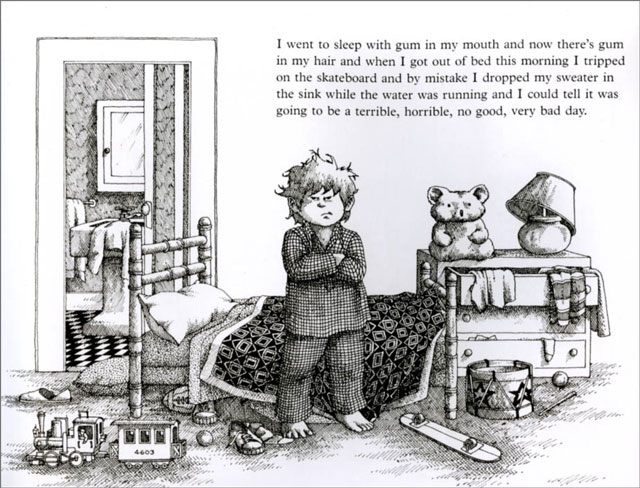
Who doesn’t love Viorst‘s Alexander’s Terrible Horrible No Good Very Bad Day?

A book that is such a classic to teach connecting because it is so appealing and comforting for those of us that have days that could just be better.

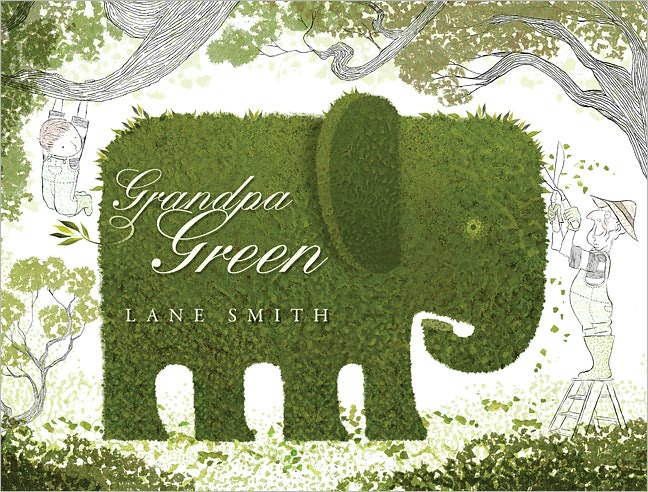
I just read Lane Smith‘s Grandpa Green today.What an exquisite book!

The simple colour scheme – lush greens, black and white and speckled this and that hinted at here and there . . . Honouring gardens, a lifetime of memories shared across generations. Read and savour.

Three by the Sea

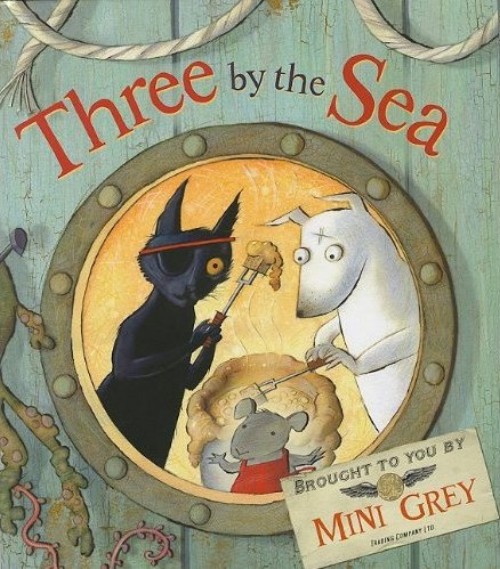
Our BLG reader this week was Bill. He brought us a quirky little book by author/illustrator Mini Grey called Three by the Sea.

We were intrigued by this book but it left us a little puzzled. The consensus was that it needed further exploring, maybe even another read out loud session but that we definitely like this story. But perhaps like Mouse’s fancy cheeses, this book gets better with age (or read agains!). I took this book home and shared it with my own children and same phenomenon. We read it, discussed it and then my daughter took it off to her room to read it again and examine the pictures in more detail. This book definitely needs to be given time and we are excited that it has come into our classroom! Thanks BLG!

Three friends, Cat, Mouse and Dog live in a beach hut by the sea. Happily residing together? Perhaps not.  When a stranger arrives bringing mystery and gifts from the Winds of Change Trading Company, everything begins to change. The stranger plants little seeds of doubt with each friend. He asks Mouse if he approves of Dog’s gardening style. Only planting bones? What about flowers, vegetables, herbs? He questions Cat’s dedication to cleaning and Mouse’s ability to cook with variety. Soon the animals are all miserable with each other – full of criticism, accusations, doubt . . . A desperate event pulls the friends back together and when they return home, the Stranger is gone leaving behind a note and packets of seeds. Life is changed in the beach hut by the sea. The animals continue their duties: gardening, cleaning, cooking but now they share these tasks and more happiness and a faint scent of herbs fill the air.

So did this stranger bring peace or turmoil? Was he an agent of change or were his intentions less than positive? Read this book a time or two and decide for yourself.

If you become an instant fan of Mini Grey, as I did, read more about her books here.

I also found this lovely tour of the Mini Grey Universe in The Guardian’s Children’s Books.