

I know a boy named Harry.
He may be in my class this year. It might have been last. It may have been ten years ago. For the purposes of this post, I will write about him as if he is a current student. He might be.
He may be a real boy or part of many boys.
Every detail may be exact. Some might be blurred.
This is not the truth that matters here.
You just need to know this. This child is amazing.
The truth is that there are boys named Harry. You might know one.
The truth is many people miss what is amazing about Harry because they are so worried about the box he doesn’t fit in.
The truth is that Harry brings out ugliness in adults that I never anticipated. I know it mostly stems from fear. But it is ugliness just the same.
The truth is that some people are so worried about why Harry won’t fit in their classrooms or programs, that they have no space to think about how they could help create an environment that might fit him.
The truth is that my life is enriched from having been Harry’s teacher.
The truth is that I feel protective about my Harry and other children like Harry out there.
The part that is true is that as educators we need to look first at ourselves before we welcome students into our classrooms. Each child has the potential to teach us much more than we might teach that child. But it starts with who we are and what we are open to.
In the classroom, my Harry is not always doing what others are doing. Sometimes he is. He is always engaged in something. It is just not always with the lesson at hand. Although, sometimes it is. Some days, it often is. Other days, not so much. I’m okay with that. Generally, he is following along with what we are talking about – listening with at least one ear. He does many of the activities that we do. Some he doesn’t. As his teacher, I know where he is at. I see growth. I can measure progress.
My Harry loves to read. He makes paper airplanes. He would like to launch rockets. He fashions them out of paper and masking tape and various other things. When lessons happen at the carpet, he is at his desk. Reading. List making. Searching through magazines. He listens with one ear and ignores with the other. When he has an important point to make, he raises his hand and shares. Sometimes his insights and observations stop the room. He is clever. Sometimes he is cheeky. His memory is amazing.
One might look at Harry and think he is oppositional. He kind of is in the sense that he always likes to be right and that he is quick to argue with anything. Sometimes just because. Some might think he is defiant. Rude. I find his argumentative nature amusing. It is a protective ruse. I pretend to take it seriously but I see the vulnerability underneath. There are reasons he is so guarded.
Harry has lovely manners. He is often polite. Sweet. Charming. If he doesn’t know you, he won’t speak to you. So you won’t know this. You need to earn his trust by not intruding in his space. Once he trusts you, he chatters away, telling you all kinds of things. He shares interesting things he reads. Games he has devised. Wonders about the world. Sometimes he is so open and vulnerable that it breaks my heart.
There are reasons why Harry spends time somewhat differently and needs extra support with interactions and playground play. The reasons were not his choices and they are out of his control. It doesn’t matter exactly why. The truth is that there are some reasons. Reasons that make Harry need some extra support and to be included in our classroom community with more flexibility. Reasons that you don’t know when looking at him. An invisible “disability” that makes it even more important as adults, to protect him from judgement. Even more important to stop thinking about ways to change him and to start thinking about ways to have school work for him.
We talk about being inclusive. We talk about accepting diversity. We talk about being kind. We expect it between children. We expect it between adults. But what happens when the adults don’t offer it to certain children? What happens when Harry is called all kinds of things? What happens when people look at my Harry and other children like Harry and start from a place of discrimination and then use the “different” behaviour they see to not move past that place of judgement?








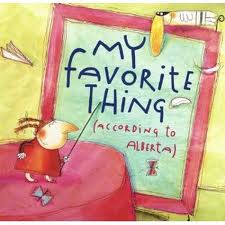
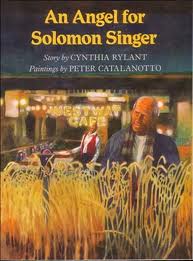
 There's a Book for That