More fabulous picture books with a Garden theme

As we continue to learn about plants, seeds and gardens, it feels like there are garden themed books blooming everywhere we look.

See our first list here which includes many more titles.

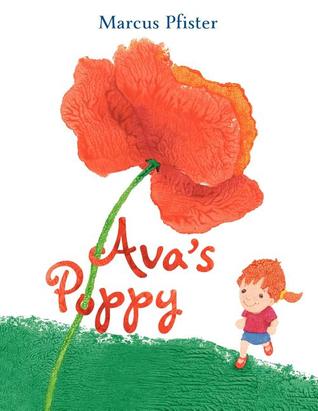
Ava’s Poppy by Marcus Pfister

We read this book today and students were inspired to create a list of all the great reasons this book should be shared: we can learn how to grow a flower, it teaches us about life cycles, we learn how to take care of a flower, there is lots of information about seeds,  and it has important themes of kindness and friendship. Lovely little Ava makes friends with a gorgeous red poppy in a field of green and cares for it in changing weather and over time. When she buries a seed capsule, she has no idea that the next spring her poppy will return to her!

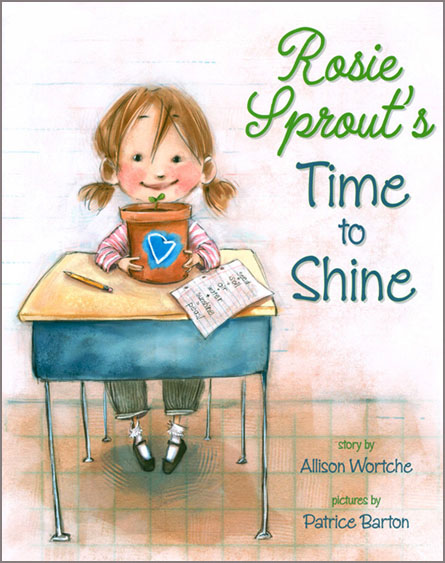
 Rosie Sprout’s Time to Shine written by Allison Wortche and illustrated by Patrice Barton

Students loved this story about a little girl who learns about friendship, kindness and surviving competition while tending pea plants in her classroom. Shared in our classroom here.

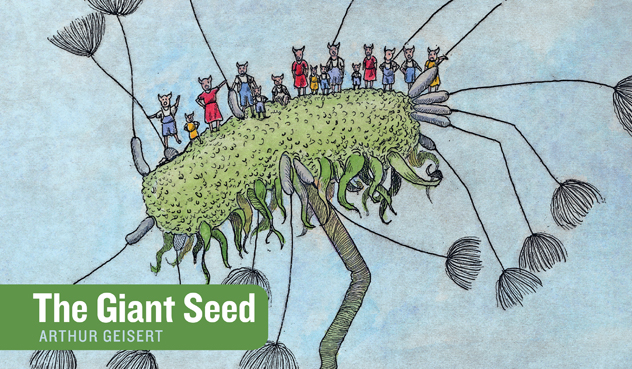
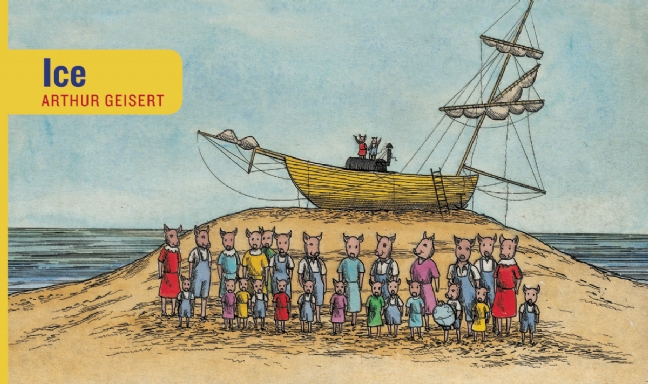
The Giant Seed by Arthur Geisert

Another wordless book by the brilliant Geisert and a follow up to the equally wonderful Ice (reviewed here) Explore the concept of seed dispersal and how seeds travel in this fantasy story. How the pigs happen to be saved from volcanic disaster is a reason to share this story many times.

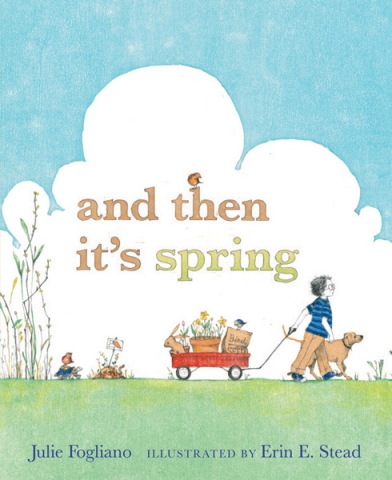
And then it’s Spring written by Julie Fogliano and illustrated by Erin E. Stead 

Explore the magic of the transformation from brown and boring to the wonder of green that comes in spring. What treasures lay buried deep waiting for the sun, warm temperatures and the power of spring showers?

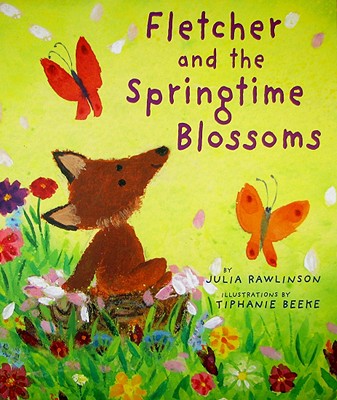
Fletcher and the Springtime Blossoms written by Julia Rawlinson and illustrated by Tiphanie Beeke

Is that snow in the middle of spring? Fletcher certainly thinks so. But he learns that blossoms can cover the earth in a blanket during the spring just like snow does in the winter. A beautiful celebration of spring.

Rosie Sprout’s Time to Shine

Rosie Sprout’s Time to Shine, written by Allison Wortche and illustrated by Patrice Barton was our read aloud wonder of the day! Students were completely engaged with the story and had lots to talk about as we read.

I could talk on and on about why this book is a fantastic book to share in the classroom but today, the book love comes from the students. I asked them why a teacher should share this book in the classroom and here is the list we came up with.

* “It teaches lots about gardening.” Isa

* “It shows you that it doesn’t matter if you are the best.” Manny

* “It is an example of forgiveness.” Truman

* “It reminds you that everyone is good at something.” Jacky

* “It has a theme of kindness.” Carmen

* “It also has a theme of courage.” Truman

* “There is a lot about caring – caring for the plant, caring for someone. . .” Catriona

A gem of a book. Set in a classroom, it does explore many important themes relevant in a primary classroom: envy, friendship, forgiveness, competition, desicion making, etc. And perfect to supplement a unit on growing seeds. We made lots of connections to the plants we are growing in our windowsill gardens!

New Spring books from Scholastic

Our New Books display has had a lot of traffic recently with many students enjoying some recent purchases that I’ve ordered for the class through Scholastic book clubs.

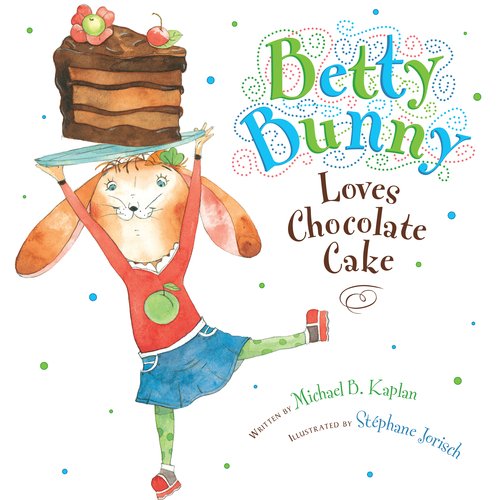
Betty Bunny Loves Chocolate Cake written by Michael B. Kaplan and illustrated by Stephane Jorisch (one of my favourite Canadian illustrators) has been a favourite to read and reread especially with a buddy. Betty Bunny is very dramatic and says some very out there stuff like “I am going to marry chocolate cake!” and “I am a handful and I love chocolate cake.” Comments made all the better when read out loud. With huge sighs, gasps and artistic flair. We appreciated Betty’s chocolate cake obsession, loved her spunk and giggled over her decision to keep her cake in her pocket and the resulting brown, goopy mess! Betty Bunny shows us that you shouldn’t mess with a little bunny and her love for chocolate cake. Go Betty!

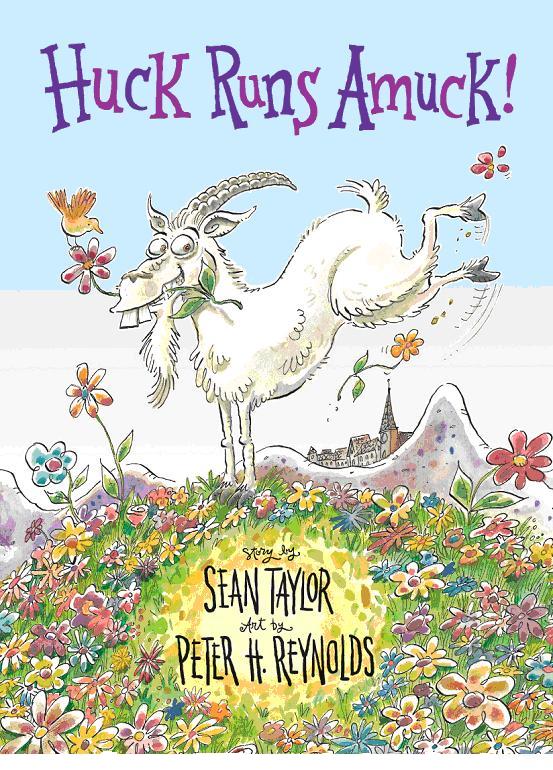
Another favourite story to read and share during buddy reading (also made a fantastic read aloud) is Huck Runs Amuck! This charming story about a flower obsessed goat is written by Sean Taylor and illustrated by Peter H. Reynolds. Poor Huck is a goat of rather discerning tastes. Yes he will eat run of the mill goat things, which means basically anything, but . . . If he had his way, he would eat flowers all day long. But flowers in his end of the world are also readily enjoyed by other goats and in short supply. Thank goodness Huck is a climbing sensation. He can find flowers in the strangest of places, high up places that seem out of reach. But what happens when his stomach and his morals face off? What will a flower loving goat do? A hilarious fast paced story.

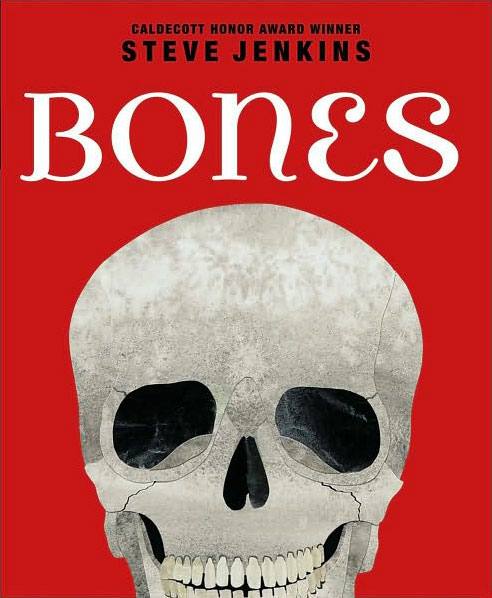
Books by Steve Jenkins never disappoint. Many are favourites in our classroom library. The newest book in our collection is Bones. Not only is it great to look at the illustrations o bones (many of which are actual size) but we also love the comparison of bones from multiples species like all of the skulls pictured in a fantastic pull out page spread. This is also a fun book to fact collect. There is something about learning that a small python has 200 pairs of ribs that makes you want to ask everyone you know: “So how many pairs of ribs do you think a python has?” (Humans have 12 pairs just to give you some perspective) This book frequently has to be coaxed out of someone’s book box to be passed onto the next person who can’t wait to explore it!

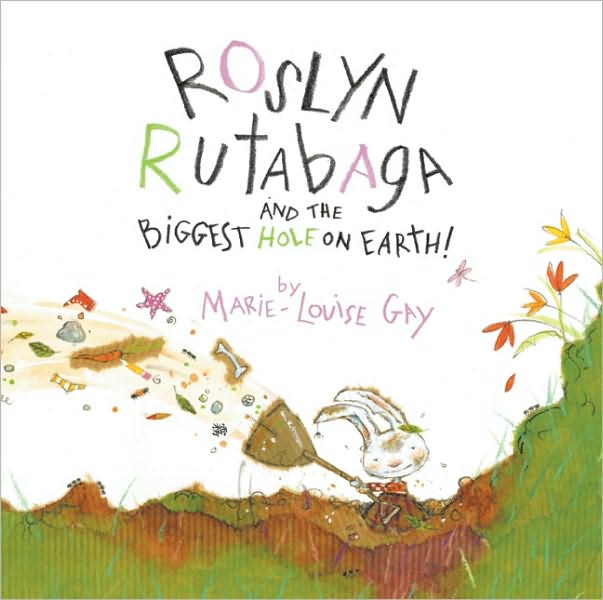
We adore Marie-Louise Gay. Stella, Sam, and Caramba are all well loved characters! So, we were very happy to meet Rosyln Rutabaga and read about her plan to dig an enormous hole in the story: Rosyln Rutabaga and the Biggest Hole on Earth. Some days you just wake up with a plan. So when Rosyln announces her plan to dig an enormous hole and gets a calm, but positive response from her father, this little bunny begins to dig. Her all day digging brings her many interesting interactions, big piles of dirt and an experience about what it is to follow your determination. Wonderfully imaginative illustrations.

Stuck

Picture Book Love #5: Celebrating picture books that are just too good not to gush over.

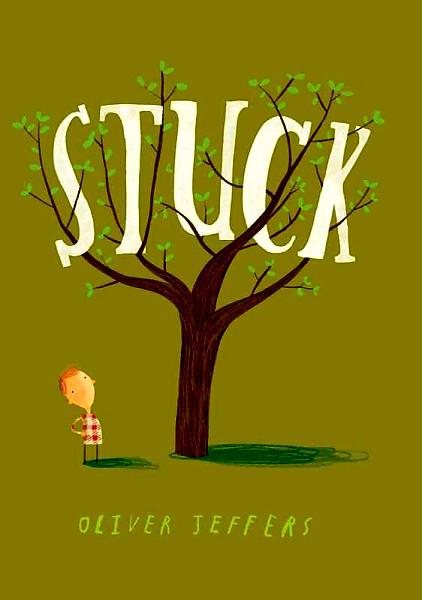
“Ms. Gelson have you blogged about that book yet?” I am asked this question about six times a day. I have been asked this question since last week. I am asked this question everyday at least a half a dozen times because it is basically the class consensus that I am holding the book Stuck by Oliver Jeffers hostage. I have the book at home to blog about it and share how much we absolutely adored it. Therefore, I am preventing it from being on our “New Books” stand in the classroom where it could be fought over daily so that children could relive their joy independently or in small groups (I’m pretty sure this book is one of those books that has a child magnet in it – no child can be within 2 meters of it without being lured closer and closer). All of my excuses do not suffice. I have extreme guilt. I have been busy but I know that doesn’t count because this book needs to return to our classroom NOW so we can give it the love it deserves! So here we go:

WE LOVE THIS BOOK. LOVE OF THE “READ IT AGAIN” CHANT KIND. LOVE AS IN WE LAUGHED, WE CRIED, WE ALMOST DIED. LOVE. LOVE LOVE.

Why? It’s not because we are already Oliver Jeffers fans.  (Even though we are) It’s not because this book is about some fantastically amazing creature or place. No monsters. No wild beasts. No magic. It is beautifully simple really. Just a boy. A kite. And a tree. But Jeffers weaves little boy logic with the right dose of the absurd and creates a picture book that sends children into laughing mania. Beautiful shout out laughter that makes you laugh even more when shared. This book read aloud in a classroom of book lovers is a force to be reckoned with.

The plot? Floyd gets his kite stuck in a tree. He can’t pull it down so he throws his shoe at it. It also gets stuck. So he throws his other shoe. Stuck. Up went Mitch the cat. (He was tossed. He didn’t amble up of his own accord in case you might be wondering) Again, stuck. When Floyd fetches a ladder and ends up tossing it into the tree in the attempt to dislodge everything, a few students fell over. Really! “Why would he throw it? Oh man!” This tossing of items up the tree continues. When the kitchen sink goes up, we really were losing it. “He’s crazy!” “My God!” “At least it’s just a kitchen sink!” More things end up in the tree. Much larger and seemingly impossible things. The absurdity did us in. We were bowled over by giggles. I heard a few, “Please. Make it stop,” requests. Almost as if I was tickling each child without mercy. But no, I was just reading the book!

When Floyd finds the saw . . . Well let’s just say that his decision completely put us over the edge. The laughter engulfed us. Nobody could get a word out. When the book ended and the breathing slowly returned to normal, the unsolicited reviews began:

“That’s the best book ever! A 10 out of 5!”

“That book was awesome. The most awesome. The best book in the world!”

“I loved it infinity and beyond!”

So mission accomplished. Book is blogged. It is going in my bag to return to the classroom tomorrow. My prediction? I will be begged to read it immediately again and then it will travel from desk to desk spreading picture book joy.


Using Wordless Books in the Classroom

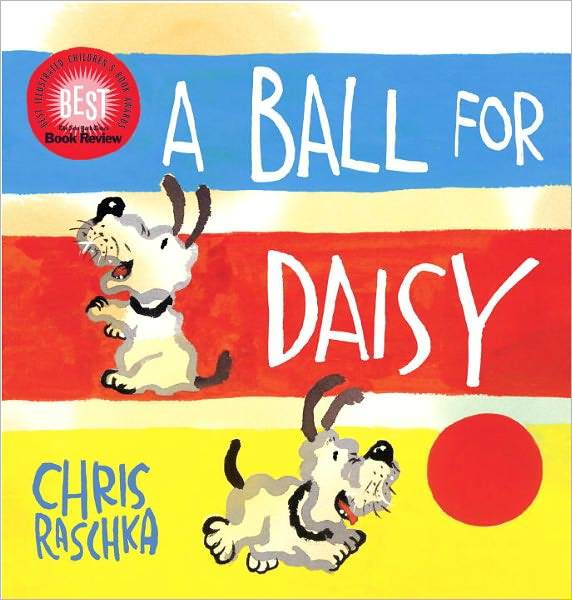
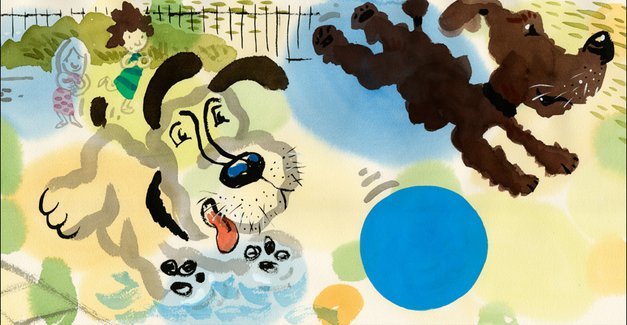
I have been using wordless books with a lot of success in my primary classroom this month. The next book I plan to share with the class is A Ball for Daisy which won Chris Raschka the 2012 Caldecott Medal.

How are wordless books used in our classroom?

Every morning we start our day at the carpet and “read” a wordless book together. Of course there is no text so we tell the story as a group as we turn the pages. Before we begin, we review our strategies for reading wordless books. This is what students typically share:

“We need to infer.”

“We look at the pictures for clues.”

“We pretend that we are the author/illustrator and think like he/she does.”

“We have to use what we already know about stories.”

“We use our background knowledge.”

As we turn the pages, students share their observations. I find this is such a fantastic opportunity to build oral language skills. Students need to listen to others and build on ideas. They have the chance to disagree and offer alternative suggestions. They extend their thinking as the class offers sugestions. My role is different from what it usually is as I sit with a book in my hand and children at my feet. I am completely guided by their pace. I repeat specific statements and ask for more thinking. I ask probing questions like, “What made you think that?” “Do you see something on the page that made you suggest . . .?” I also rephrase certain comments so as to correct grammar, extend vocabulary and provide positive feedback. Many childen that don’t often share in discussions about books have been avidly participating. It has been a very exciting and creative process.

I then leave the wordless book of the day on display with other recent ones we have shared. This is what I see at different points of the day:

*Books are shared when reading volunteers come in to listen to children read. Children who have often asked the volunteers to read to them, choose a wordless book and “tell” the story. Volunteers have made comments to me about the child’s confidence, his/her use of interesting vocabulary and about the engagement with the story.

*Wordless books are selected when our little K/1 buddies come up to read with us on Wednesday afternoons. Because our Grade 2/3 class has more students than the K/1 class, often two of my students read with one little buddy. This week I saw a little boy in kindergarten sandwiched between two of my Grade 3 boys and all of them took turns talking about and telling the story as they turned the pages. My boys were even modelling my questions, i.e. “So why do you think he’s sad?”

*Children are choosing wordless books off the shelf during quiet time and sitting with a classmate and whispering as they turn the pages. I see lots of flipping back and forth as they turn back looking for a specific picture, verify information and then resume the story. Also during quiet time I have two girls who are making their own wordless book. They sit side by side drawing pictures and talking about their story.

*There is also a transfer of “attentiveness to detail” as we read other picture books in class. Many comments and questions are about the illustrations and details noticed in the pictures.

As we celebrate illustrations and study them for additional information, I am reminded of a blog post by author Shannon Hale called Let them Eat Pictures. Hale stated:

“Our world is full of visual cues. Illustrations are symbols, just like letters are symbols. We look, we read to understand, to decode the world. Literacy, I think, is the ability to glean understanding from printed information. In order to navigate this world successfully, kids (and adults) will need to be literate in words and pictures.”

Wordless books give us the opportunity to practice inferring and looking for evidence to support an idea – comprehension strategies that we use with any kind of book – from picture books to novels.  I am excited to continue using this beautiful genre of books in my room.

For more wordless picture book titles, check out more posts on this blog.

Wonders of Wordless Magic and Few Words on Five Wordless Books

Blackout

Picture Book Love #4: Celebrating picture books that are just too good not to gush over.

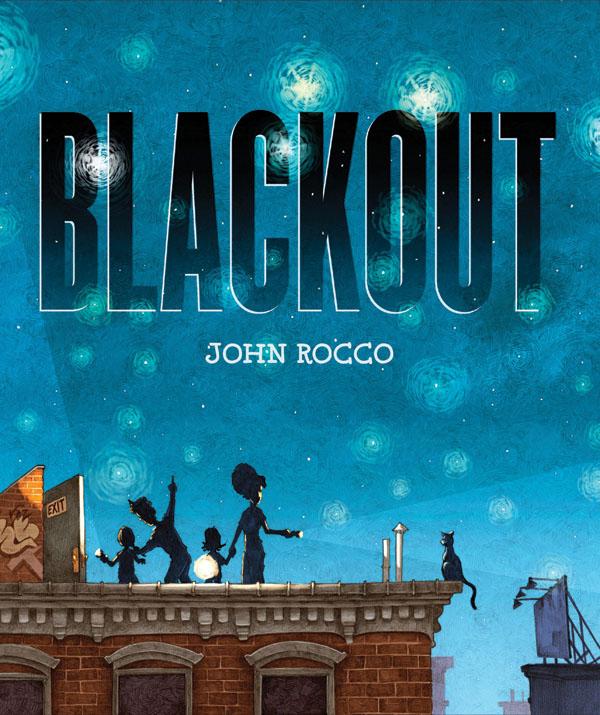
Blackout by John Rocco is not just visually gorgeous (It is a 2011 Caldecott Honour Book after all), it also reads bearing gifts. It reminds us to take and honour the gift of time, the gift of family, the gift of slowing down and being in the moment. And it does this without being preachy, sappy or judgemental. It just shows us that busy often gets in the way of family time and removing ourselves from the busy world can be possible, right at our own kitchen table.

Blackout_spread

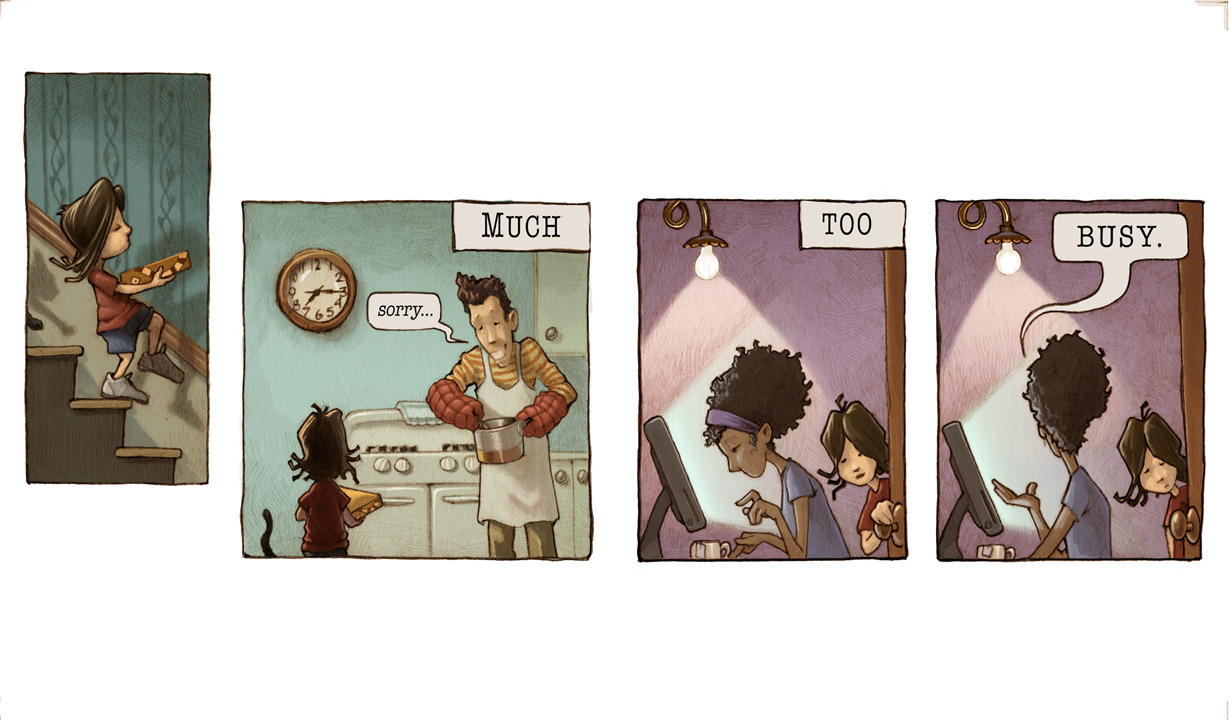
The story starts out letting us peek into the windows of a family’s apartment. Everyone busy. Computers. Cooking. Chatting on the phone. Don’t disturb. Leave me alone. No time for a game that the youngest family member wants to play. And then . . . A blackout. No power. No lights. Nothing works but . . .  time. Flashlights and candles make the dark, quiet world go from scary to cozy. But the muggy summer heat soon leads the family to the rooftop where starlight creates an art filled sky of wonder. Now nobody is busy and the family revels in time together.

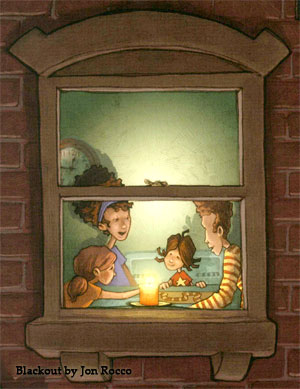
When the lights come on again, the family is not ready to give up the special closeness the blackout created. Family game time by candlight is first on the “to do” list.

This book reminds us to look for wonder in the simple and everyday and to treasure family time above all else. Because everything can get in the way. But only if you let it . . .

Ice

Picture Book Love #3: Celebrating picture books that are just too good not to gush over.

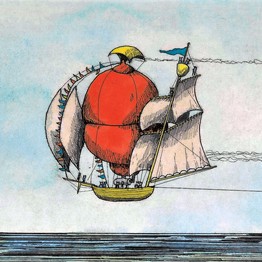
Such an intriguing premise for a picture book. A community of pigs live on an unbearably hot, treeless island. Life is focussed on sheltering themselves from the unforgiving sun. It is not really working. The island water supply will soon be in dangerously short supply. Meetings happen. Plans are made and a group of pigs sail off. Sail off, it must be noted, on a gorgeous flying airship: part hot air balloon, part sailboat. Completely beautiful.

The ship drifts around the globe and locates icebergs. The pigs attach their ship via an anchor in the ice and then begin to celebrate their luck. Dancing pigs by firelight. Simply delightful. And then by attaching a sail to the iceberg, the pigs manage to navigate the iceberg back to their hot, dry island and then the real work begins.

Scaffolds are built. Ice saws utilized. Pulleys, ladders, assembly lines. These pigs have it all worked out! Large chunks of ice are added to the almost dry island reservoir turning it into part water storage, part water/ice adventure land.

The hardworking pigs celebrate with satisfying swims, make shift waterslides and high dives from iceblocks into the cool deep water! Then ice chunks are hauled to home water sources and the pigs can finally indulge in cool relief from the island’s heat.

Arthur Geisert‘s wonderfully wordles book Ice appeals to me on so many levels. First of all it celebrates industriousness. Hardworking pigs one and all, old and young pitch in to make a poor situation (unbearable heat) better. I love that these pigs plan carefully and then, in completely unexpected ways (via a flying sailship), execute this plan. And finally these pigs again sit together and celebrate their mutual success. I also love these pigs. Pigs. It should seem absurd but these pigs are highly relatable in their simple dresses or overalls and communal committment to a task. In witnessing the pig’s inventiveness and high adventure, one comes away with a satisfied feeling. So much happens in just a few pages. Problem. Idea. Execution. Solution. Satisfaction. If only every problem could be approached with such creativity and success.

Prudence Wants a Pet

Picture Book Love #2: Celebrating picture books that are just too good not to gush over.

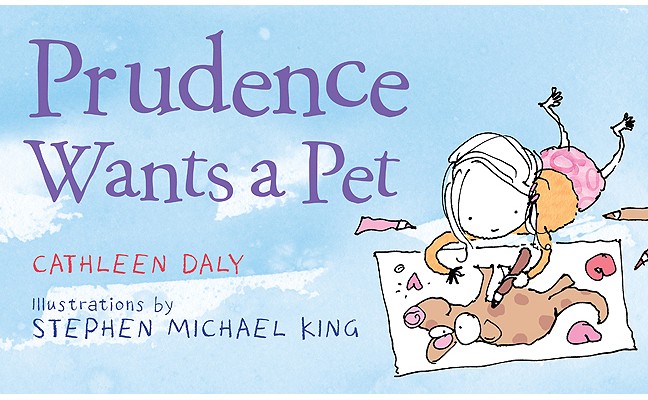
Okay start counting how many books you have read about a child who really wants a pet and the parents say no. No, it’s too much work. No, you won’t look after it. No, we don’t have time, space, energy . . . I can think of many. So how can another book on this theme really seem fresh, new, inspired?  Prudence Wants a Pet written by Cathleen Daly and illustrated by Stephen Michael King will sweep you off your feet. This book is simply about the determination and charisma of Prudence. And yes, her extreme and unrelenting desire for a pet!  I dare you not to adore her!

Prudence wants a pet

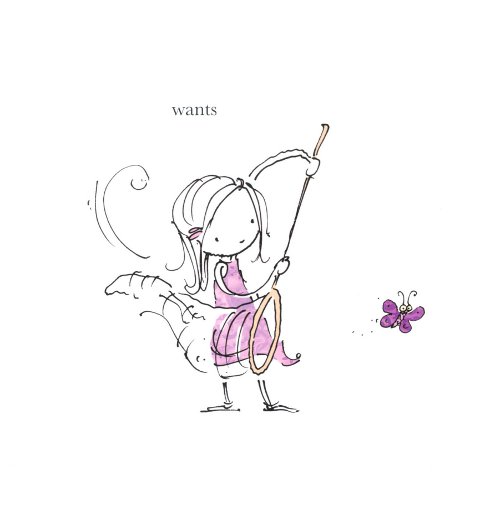
Prudence really wants a pet but her parents roll out those typical parent excuses. So she is left to her own devices. She gets a pet and names it Branch. Because, well, it is a branch. It lives on the front porch and after tripping up Dad eight times, Branch ended up in little pieces on top of the wood pile. Prudence gets a new pet named Twig (because yes, you guessed it Twig is a twig). Twig is too small and gets lost. So Prudence moves on. She attaches a leash to an old shoe, which just so happens to be her new pet named Formal Footwear. Really! Then Prudence tries making her little brother Milo a pet but things don’t go over very well with her parents when she feeds him seeds and grass. So on to bigger and better things! A car tire. Just try to keep a straight face! Finally following an extremely disappointing attempt to raise sea buddies after which Prudence retires to her closet, her parents consider an actual pet for her.

At this point, this book is poised to deliver an expected, typical, wrap it up happy ending. But no, this is where Prudence hooked me. Where I swooned. Completely done for. Prudence was so excited when she heard a “Mew” coming from the box her parents gave her that . . .

Her eyes got hot and tingly. She’s so happy it leaks out of her eyes a little. She didn’t know about those kinds of tears.

Seriously? Wow. Tell me you don’t need this book. It is so much more than a “Girl wants Pet. She begs and begs. Girl gets pet,” kind of story. It is Prudence.

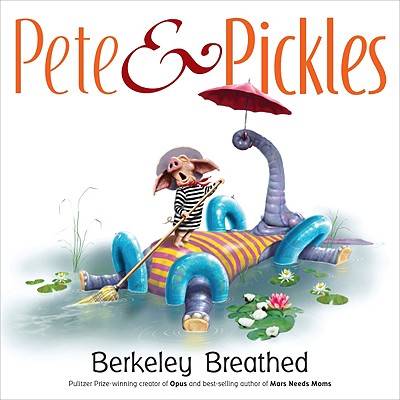
Pete & Pickles

Picture Book Love #1

Some picture books knock me off my feet. 32 little pages of big power. So this is book number 1 on this blog in the category of Picture Book Love. A new way to honour and celebrate picture books that are just too good not to gush over.

Pete & Pickles: Picture Book Love

This book created by Berkeley Breathed has many themes I like to address through picture books: courage, friendship, and diversity. But it is also about love. It celebrates love in the happiest and most joyful of ways. But it doesn’t scrimp on the realities of love: loss, pain, frustration, forgiveness, sacrifice. Love is all of it and this book delivers. It takes you on a journey sailing through a myriad of emotions and delivers you on the other side, changed. Better. Brighter. Exhausted. I have read this book now multiple times and it is as lovely shared as it is in a solo reading. It insists on repeated readings. It is a book I had to instantly own so I could revisit it anytime I wanted. I LOVE this book. Let me tell you why . . .

Pete & Pickles: Picture Book LovePete meets Pickles in the strangest of ways. It is a stormy night and Pete is in the middle of a nightmare about drowning when a sudden sound wakes him. Pete has an odd feeling that something is not quite right. And it isn’t. There is an elephant hiding under his lampshade. A soggy, wet elephant (Pickles) who suddenly grabs Pete with her trunk, looks at him with eyes filled with fear and a request:  “Help me.” Things happen very quickly and within moments Pete has given Pickles up to a clown who arrives at the door looking for an escaped elephant. In the morning, Pete realizes that Pickles left behind a gift of dandelions. He deems them ridiculous but he has been touched and before he knows it, he meets Pickles again – this time chained up in a circus tent.

What follows is a beautiful and often wonderfully silly story of break out escapes, changes to Pete’s simple and solo world and struggles between embracing this new colourful, dramatic life with Pickles in it or longing for the quiet simplicity of life before . . .

When Pete’s sensible nature overrules, he sends Pickles packing. But a sudden plumbing disaster changes everything. Both characters need to find safety and it seems there might not be enough safety to go around. How this book turns out must be experienced to be believed. Your heart will be in your throat as you turn the last few pages. Danger and potential of real disaster. Of the heartbreaking kind. But . . . suffice it to say one of the most beautiful moments I have ever experienced in a picture book awaits and in the end you will be smiling in the happiest of ways. Ahhh, what we do for love!

Pete & Pickles: Picture Book Love

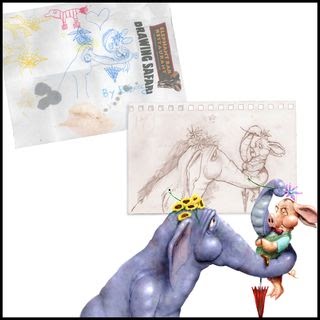
Breathed explains that a sketch (above) his five year old daughter had made on a restaurant napkin inspired this book. He asked his daughter Sophie about her sketch of an elephant holding a pig and putting flowers on its head. Why was the elephant doing that? She answered “The pig’s sad. Because he’s lonely.” Then she leaned in and whispered, “. . . But he doesn’t know it.”

Pete & Pickles reminds us that relationships are the antidote to loneliness. And sometimes they arrive in your life in the strangest of ways.

Why are we reading about dead things?

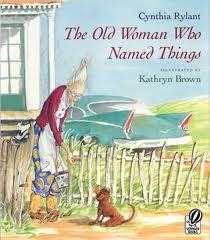
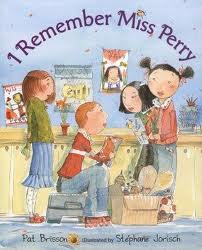
There aren’t a lot of picture books that deal with death, loss, grieving and healing really naturally and really well. There are definitely some (I Remember Miss Perry by Pat Brisson, Nana Upstairs and Nana Downstairs by Tomie dePaola and The Old Woman who Named Things by Cynthia Rylant are favourites of mine on this theme).  As teachers, we like to collect these titles because it is always good to have a book to help explore the feelings that come with having to face losing someone we love. When death somehow touches our classroom or our home, we look for a book that helps us talk about this very difficult subject that we tend to never talk about otherwise. Nobody believes in the power of a book to touch us and heal us more than me but I started thinking about this. What if we read books with this theme just because?
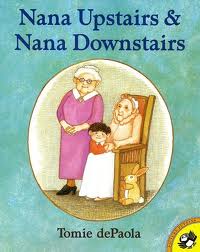
Death is a part of life and maybe if we discussed it a little more easily and often, we would be better equipped to talk about it when it does happen to us? It was with this mindset that I decided to read two recently discovered books with my reading group and see where the responses and discussion took us. I found both at the public library when perusing the picture book collection. They came home with me and sat there in my book pile just asking to be read. I’m very glad I got to share them this week.

I started with All the dear little animals written by Swedish author Ulf Nilsson and illustrated by award winning Eva Eriksson. Translated by Julia Marshall.
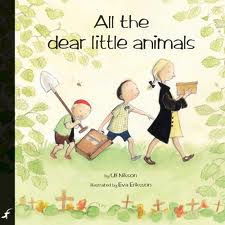
This book is about three children: Esther, the boy who is our narrator and Esther’s little brother Puttie. One day the children have nothing to do and were looking for some fun. Esther finds a dead bee and decides to dig it a little grave. Our narrator confesses that he is afraid of everything, especially of dying but after a few disparaging comments from Esther, decides that he can write things, like about how horrible death is. Off they go, shovel, poem and little coffin in hand to bury the bee. “Poor little bee”, says Esther, “but life must go on.” Then a plan hatches. There must be dead things everywhere – shouldn’t they find these things and bury them all?  Esther decides that this is the unselfish thing to do. Some students thought this was a terrible idea but Alyson’s comment got them thinking: “If you’re dead, do you want someone to bury you and pray for you? Or just be left there?” We all thought about that for a minute and continued on with the story.

The children’s idea grows into an idea for a business. They would call it Funerals Ltd. They would help all the poor dead animals on earth by giving them a funeral. Everyone had a role. Esther would dig the graves. The narrator would write the poems and Puttie, too little for anything else, would cry. They phone all of the neighbours and find a girl with a dead hamster. Esther’s father’s rooster needed to be buried. They found three dead fish in the freezer. (We suspected these were supposed to be dinner) Grandma gave them the mice from her mouse traps. They discovered a squashed hedgehog on the road. Esther was delighted. Then a huge hare. Many, many little graves, many poems. Esther admits the poems are actually quite good.

At this point, Ricky found the words to articulate that nagging feeling he had. “Actually, there’s something wrong here. When they find something dead, they’re happy. They’re supposed to be sad.”

When the children saw a blackbird hit a window and die, things seemed to change. The students noticed that the characters, especially Esther seemed really sad now. “Finally.” The blackbird funeral was their last that day.

The story ends with these words: The next day, we found something else to do. Something completely different. Making this experience seem very normal. Children exploring death and grief. A natural curiousity that brings on a range of emotions. Still a sad, sweet book, but normal.  Not too sentimental. Really, an amazing book.

My students had quiet reactions. “It’s a touching book.” “Emotional.” “Maybe they felt sadder when they actually saw it die?”

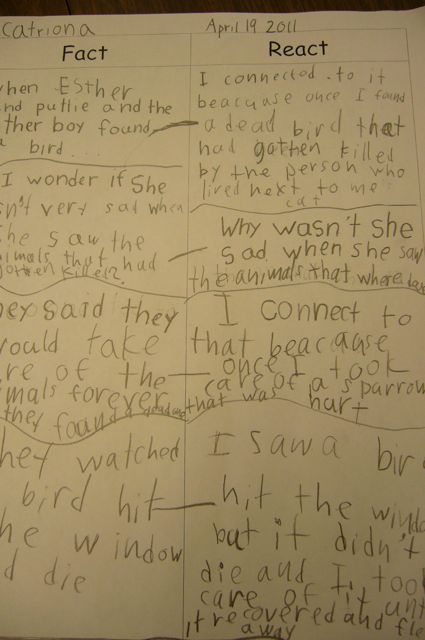
I let kids write about this book by choosing specific parts to respond to using a Fact/React sheet. On one side they recorded a story event and on the other, their connections, questions, thoughts.

Kevin shared:  Fact: They found a dead hare. React: But they were happy. But maybe they were sad inside.

Lisa wrote: Fact: Esther found a box. She put the bee inside the box. React: It’s a good idea to put it in a box.

Hajhare’s thoughts: Fact: In the story a rabbit died and I would be sad if something died, but these people are not sad. React: It reminds me of when a fly died and I wasn’t sad too because I hate flies and bees.

Annie shares: Fact: Esther saw a blackbird hit a window and it was dead. React: I was really sad when the bird was dead. Esther was sad too.
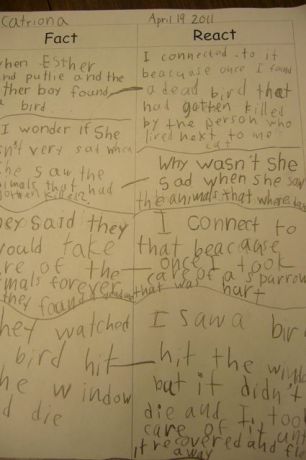
Catriona writes: Fact: They said they would take care of the animals forever when they found a dead one. React: I connect to that because once I took care of a sparrow that was hurt.

Eddy’s ideas: Fact: They found a dead rabbit on the road. React: Why did a rabbit die on a road?

When he shared this question, Catriona gently helped him to see how this could have happened. “A road. Cars go on the road. It was squished . . . .” “Oh.”

Jena‘s opinion: Fact: Puttie, Esther and a friend made graves, coffins and read poems. React: I think they were overdoing it a little too much.

I decided to read the next book because it explored all of the emotions around death and grief. This was something the students really discussed – noticing at times what they thought was the absence of emotions from the characters in All the dear little animals.

Remembering Crystal by Sebastian Loth is a beautiful little book that through simple text (only a sentence or two on each page) and powerful pictures addresses the range of emotions felt when a friend is gone. It celebrates friendship and explores all of the emotions felt in grief – denial, anger, helplessness, sadness and finally coming to a place of peace.
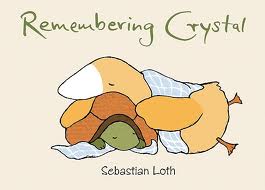
This book had everyone’s full attention from page one. Each time I read a page there was either a comment or some sort of audible response – “Whoa!” “Ahh!”  “Oh!” or an obvious silence as feelings sank in.

Zelda is a young goose and her best friend is an old turtle named Crystal. They do all sorts of things together. Read. Swim. Travel. Talk about everything from their fears to their dreams.  “They are really connected, ” comments Lisa. “Yes,” exclaims Catriona. “Literally on each other’s back!”

Then one day Crystal is not in the garden. The other geese explain to Zelda that Crystal had a long and happy life and it was time for her to die. Zelda won’t belive this. She thinks the geese are hiding Crystal and goes off in search of her. She looks everywhere and can’t find her friend. Then she starts to remember all of the things Crystal taught her – about music, art, the world. She returns home and goes to Crystal’s garden feeling very lonely and very sad. Finally, she accepts that Crystal is gone. She knows that she will always remember Crystal and wherever she goes, Crystal will be with her in her heart.

Students had things to say immediately.

“If one friend passes away, you can still have them in your heart,” Jena commented.

Catriona had a strong reaction, “Why would they put that in a kid’s book?”

Little conversations broke out all over the carpet. I just sat and listened.

Alyson, “But it’s actually kind of good.”

Catriona “Why are we reading about dead things?”

Sergio “We’ll all die.”

Catriona “You’re not old.”

Here I asked the question, “Why do you think this is in a children’s book? Let’s see if we can come up with the answer.”

Jena: “Because if someone in their family passes away, you can learn they are still with you.”

“It helps us think about it.”

Hajhare: “But it’s sad. I was actually going to cry Ms. Gelson.”

Ricky: “It’s like Toy Story 3. Andy gets older and won’t play with the toys anymore. Crystal gets older and leaves. Well, dies.”

“Yeah. It’s like that with life.”

We continued a conversation for a little while realizing that these books do help us think about how it feels when someone dies and also help us by showing us how people might grieve. Although it might have at first seemed strange to discuss this topic, we all kind of felt calm at the end. Calm and okay.

Reach for these books that deal with death when the need is pressing but don’t be afraid to read them at other times so that children have a chance to explore and discuss these feelings and emotions when they aren’t overwhelmed by their own sadness.