Nonfiction conversations: Book sharing circles – what nonfiction titles are we drawn to and why?

How do we get children more interested in reading nonfiction titles? I so often hear that students don’t gravitate to nonfiction or that they aren’t interested in reading nonfiction titles in the same way that they are fiction titles.

Nonfiction conversations: Book sharing circles - what nonfiction titles are we drawn to and why?

Nonfiction reading is a priority in my classroom. I want my students to benefit from the rich reading experiences nonfiction books provide. I do my best to keep up with great new nonfiction releases. I purchase a number of nonfiction books. But, beyond filling my room with titles, I do certain things to ensure that these books are being read, understood and enjoyed. Like:

  • book talk, book talk, book talk
  • lots of nonfiction read alouds that are “stretched out” to include talk time, written responses and various activities
  • book displays that highlight nonfiction reads
  • one day a week that has a specific nonfiction focus during Reading Workshop

When I feel that students need to branch out and experience other nonfiction books and think more deeply about their nonfiction choices, we take some time to do nonfiction book sharing circles.

Nonfiction conversations: Book sharing circles - what nonfiction titles are we drawn to and why?

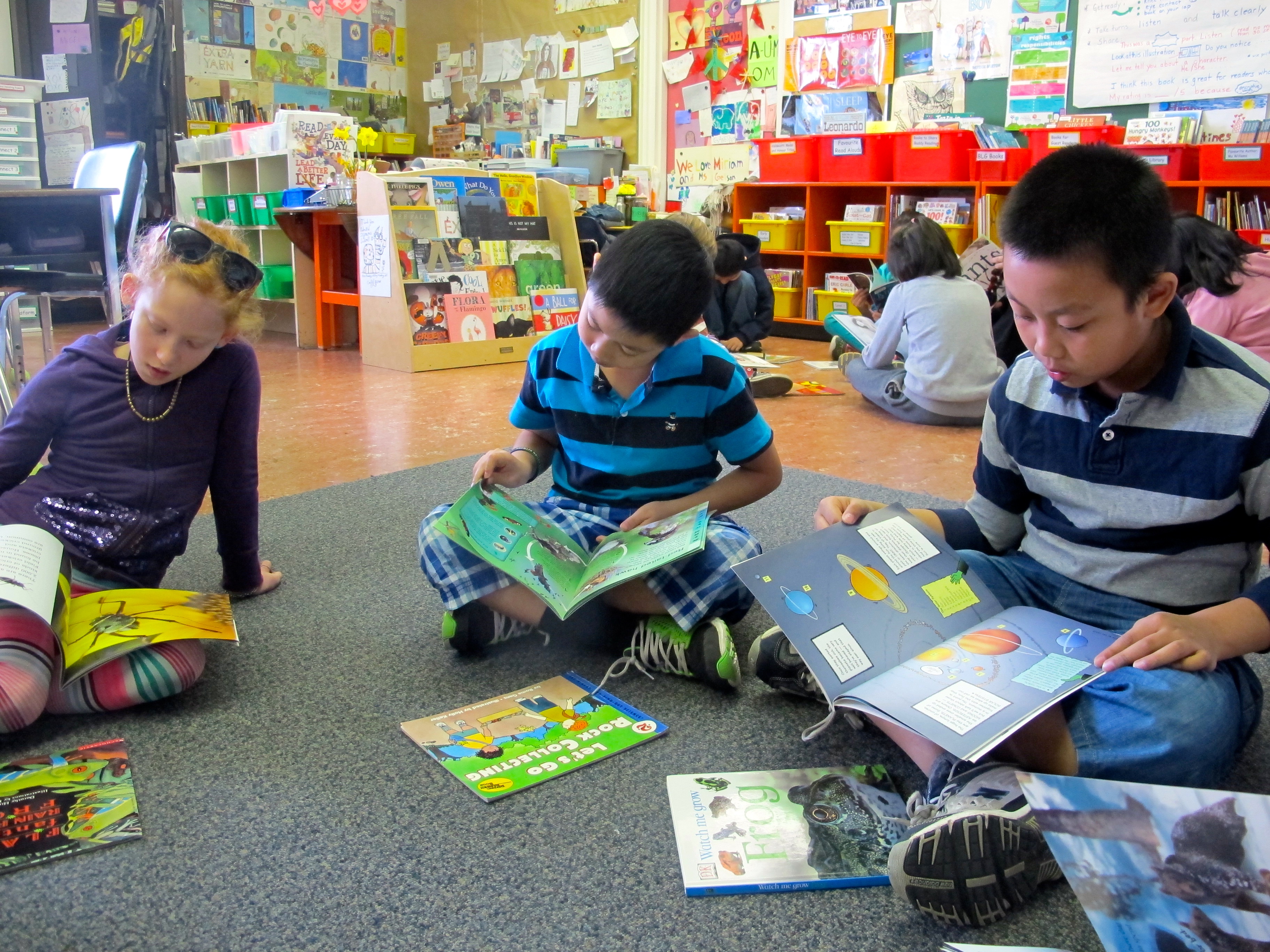
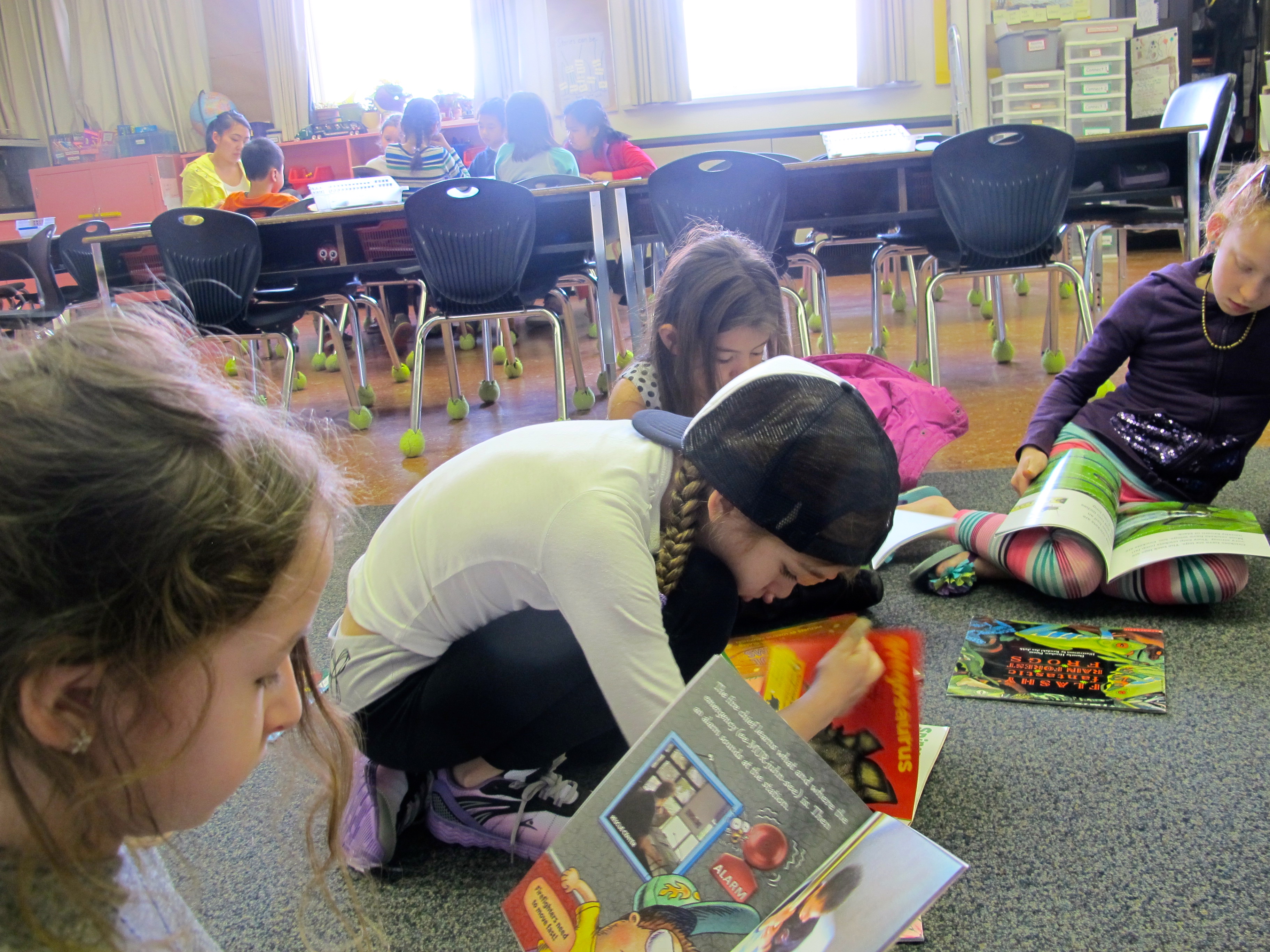
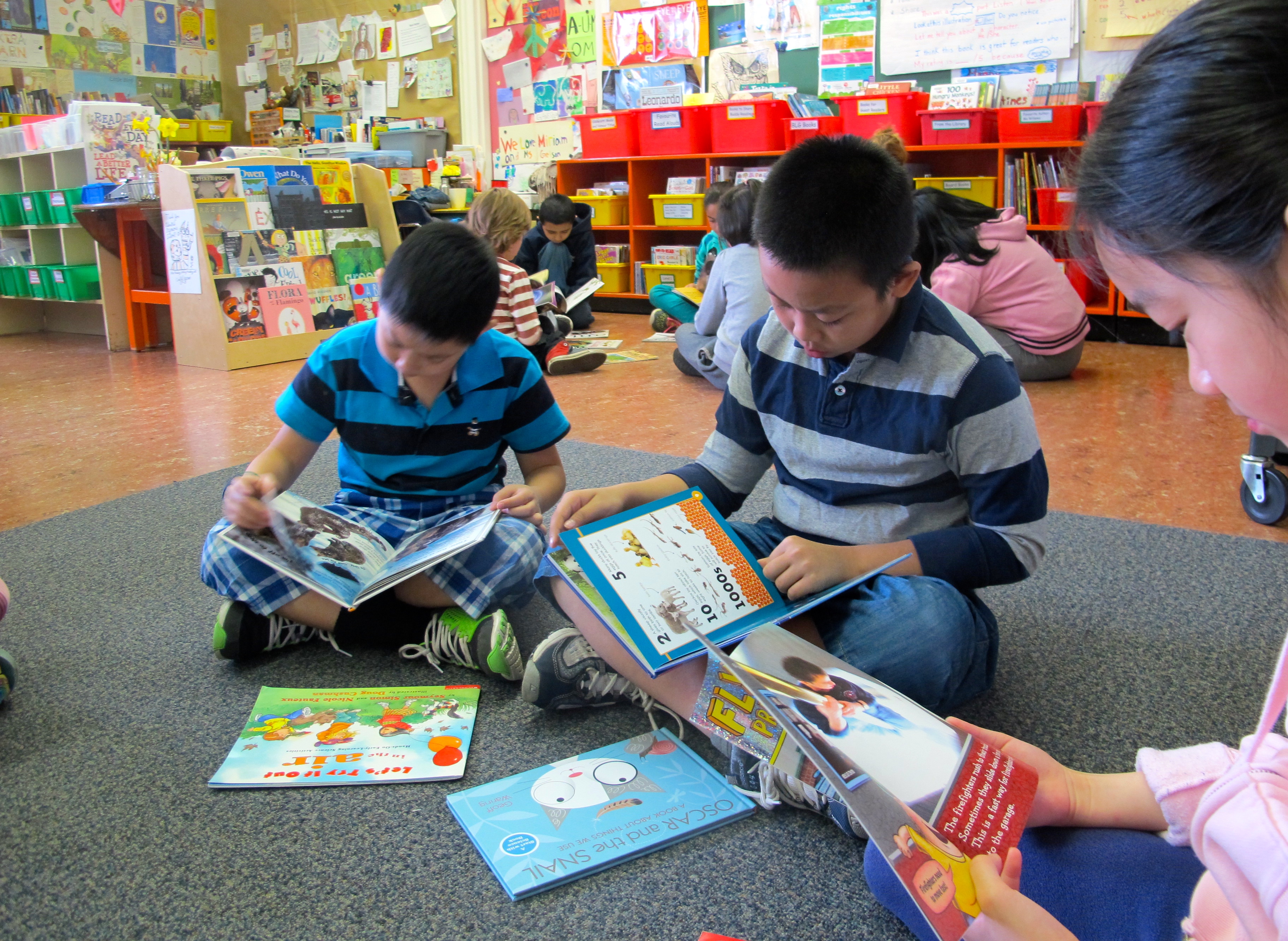
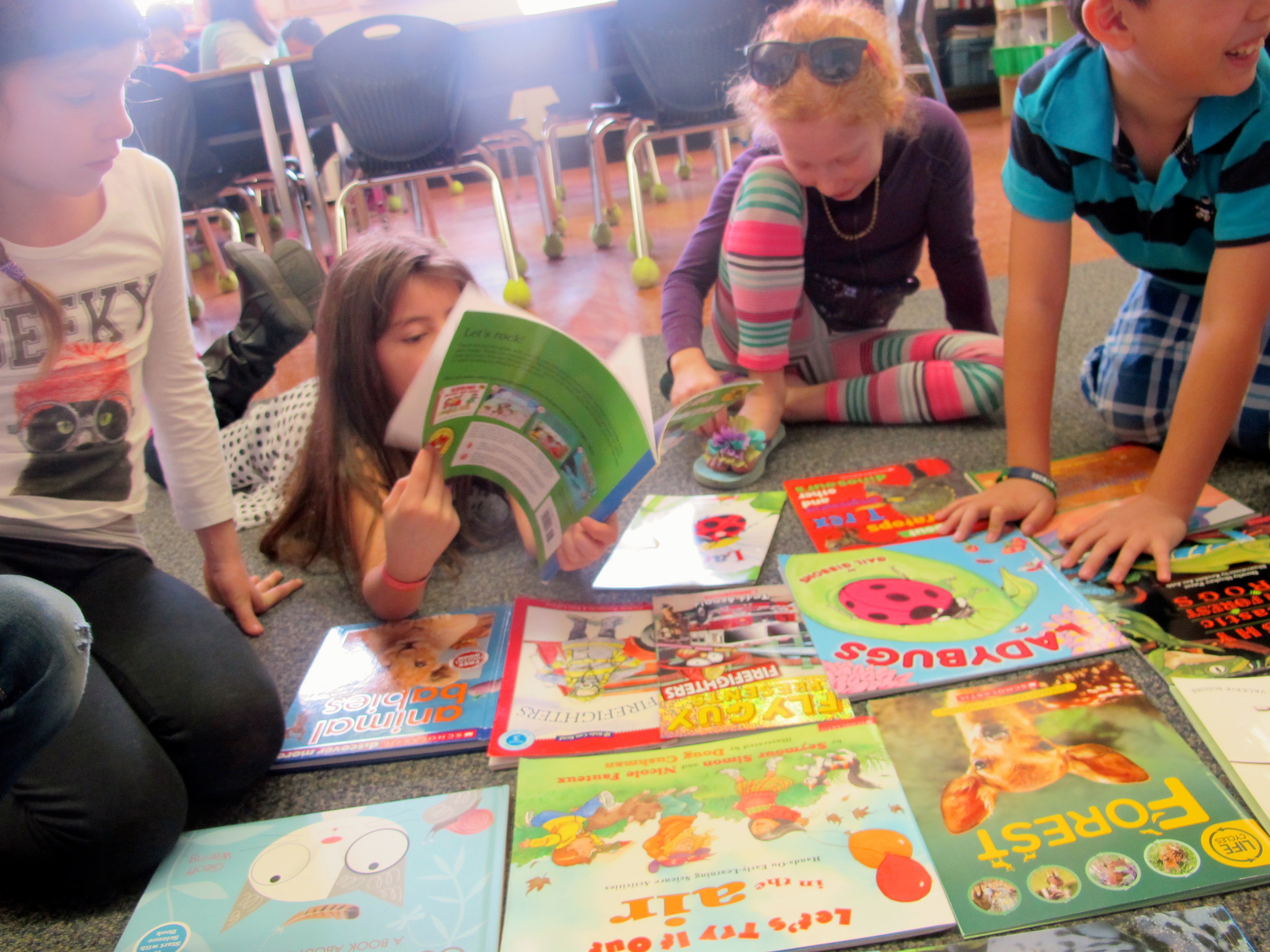
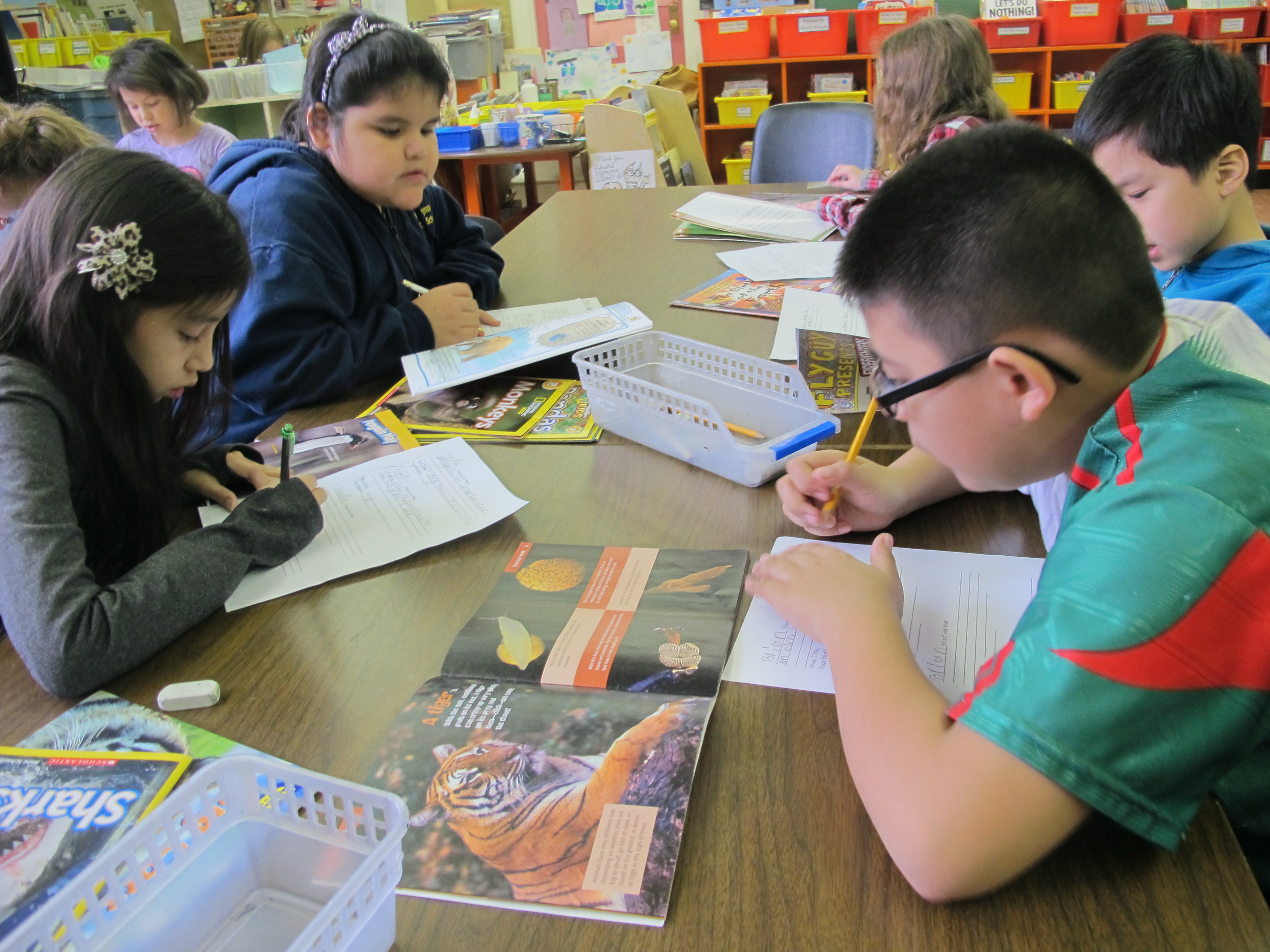
I break my students into groups of 6-8 children and provide enough books so that each child has two books to look at for a two minute period. I literally set a timer and when it “dings” we pass our books to the next person in the circle. Every two minutes switch.

Nonfiction conversations: Book sharing circles - what nonfiction titles are we drawn to and why?

Before we begin the “looking at” and checking out books, I model. How can I spend a minute with a nonfiction picture book? What would I look at? How do I skim through the book, stopping for a closer look at things that interest me? What features am I looking for in a book? What is important to me?

Nonfiction conversations: Book sharing circles - what nonfiction titles are we drawn to and why?

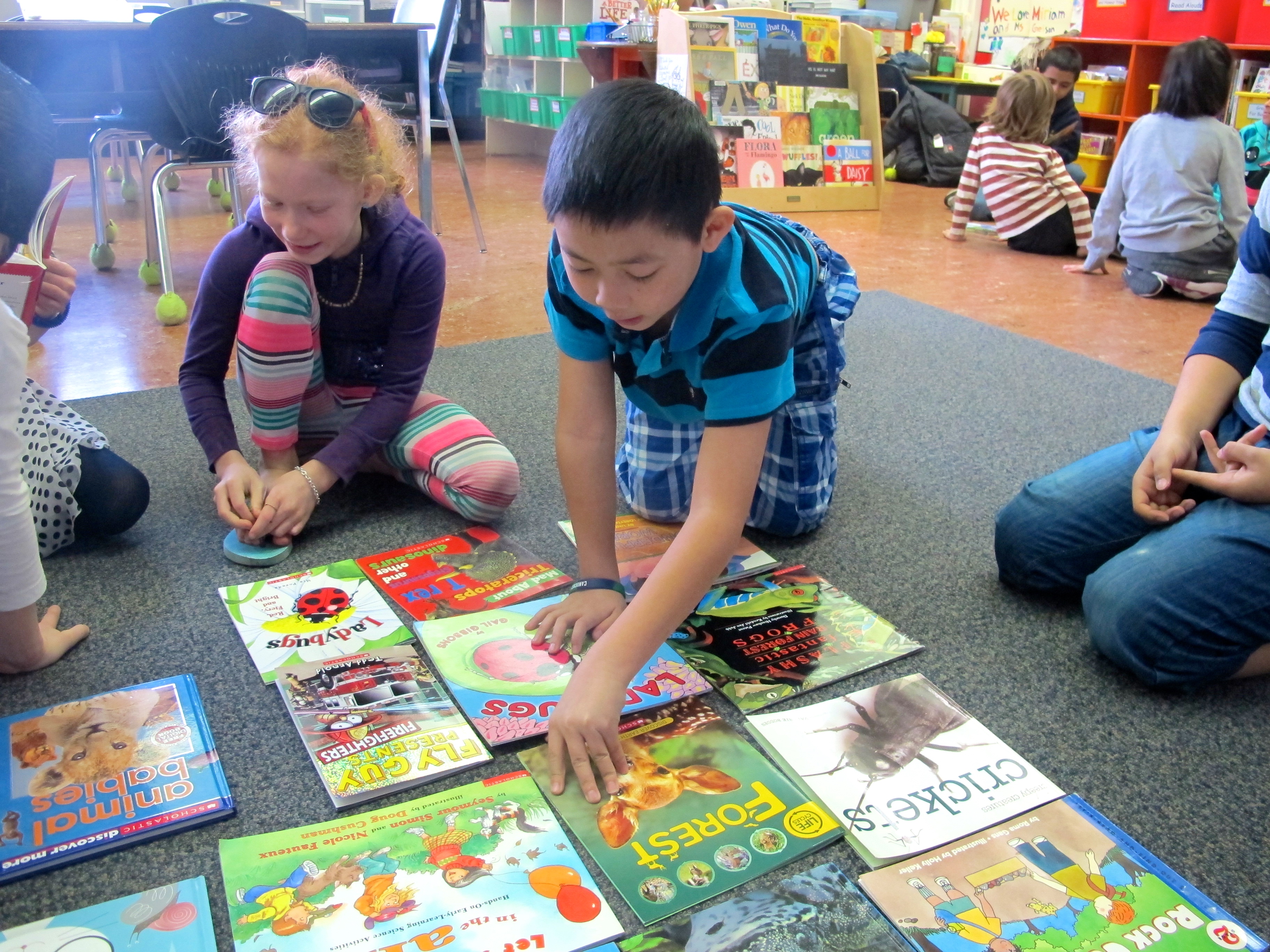
At the end of a full circle of sharing, I have the kids place all of the books in the centre and we talk. What books were favourites? What books were not appealing? What title would you like to put in your book box right now? Why?

Nonfiction conversations: Book sharing circles - what nonfiction titles are we drawn to and why?What came out of our discussions today? Here are the students’ responses.

Books that we wanted to keep reading:

  • “had answers to questions I was wondering”
  • “have lots of different information and it is easy to find on the page”
  • “have great real life photographs or interesting illustrations”
  • “are about a topic that I really like”
  • “told me something I didn’t already know.”
  • “made me wonder stuff.”

Books that we might not pick up again:

  • “have too basic facts”
  • “have too much text on a page and no boxes or charts or labels”
  • “the illustrations aren’t interesting”
  • “are about something I already know lots about”
  • “they don’t make sense like I don’t know where to start reading’

Nonfiction conversations: Book sharing circles - what nonfiction titles are we drawn to and why?

As adults leading the groups we noticed

  • Illustrations/Photographs are key.
  • Two minutes at a time was the perfect time for focus and attention.
  • Certain books needed more direction – how to navigate, highlighting certain features, etc. and then interest increased.
  • Kids did judge a book by its cover but changed their minds after spending a minute flipping through.
  • The expectation of quiet with sharing at the end helped children focus.
  • Particular series are tried and trusted.
  • Certain topics were particularly interesting (space, weather, etc.) and our nonfiction collection needs more titles on these topics that students can read independently.

I am now thinking of all of these things as I make a few new purchases for the classroom and am hoping the children are excited to make some new choices in their nonfiction reading tomorrow!

Nonfiction Picture Book Wednesday: Sharing Resources

Last week I had the opportunity to travel to Port Hardy and participate in School District 85’s Professional Development Day. I gave a nonfiction workshop (twice) during the day all about using and celebrating more nonfiction picture books in our classrooms. One of the points that I made was that if we want to be highlighting more nonfiction picture books we have to ask ourselves the simple question: How? How are we going to do this? One of the ways is to know our books – in effect: Start with ourselves.

I put together some resources that I posted on my blog to help people do just that. I am now sharing here. 🙂

If you have ideas about additions to these lists, please share in the comments!

Nonfiction Resources

A list of posts, blogs, awards and Pinterest boards that will provide numerous ideas about what books and how to use them.

Nonfiction Picture Book Wednesday: Sharing Resources

Nonfiction Picture Books for Reading Aloud

Thinking purely of read alouds – used to inspire questions, wonder and learning, here are some of my favourites by theme. It’s a list I hope to regularly update. Geared for the K-4 classroom.

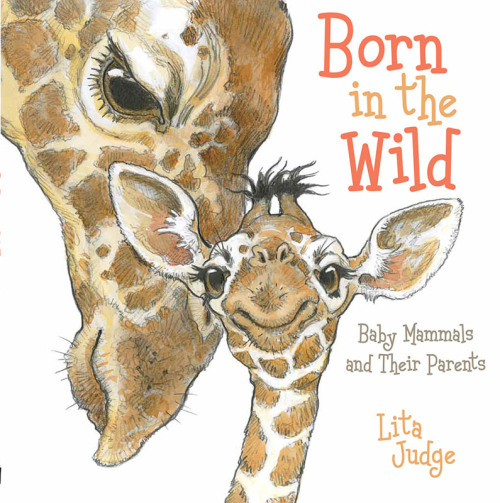
Born in the Wild Nonfiction Picture Book Wednesday: Sharing Resources

Read Alones: Fantastic nonfiction titles for primary students

“Read Alones” are accessible nonfiction titles ideal for primary students and beginning readers to read on their own.

Nonfiction Picture Book Wednesday: Sharing Resources

I feel so fortunate to be part of this nonfiction book community that regularly shares what we are reading and how we are using nonfiction picture books with students.  Thank you to Alyson Beecher and all of the bloggers who regularly share!

Thanks to Alyson from Kid Lit Frenzy for the inspiration to read and share more nonfiction picture books in 2015. Follow the link to Alyson’s blog to read about more nonfiction books you need to read!

#nfpb2015

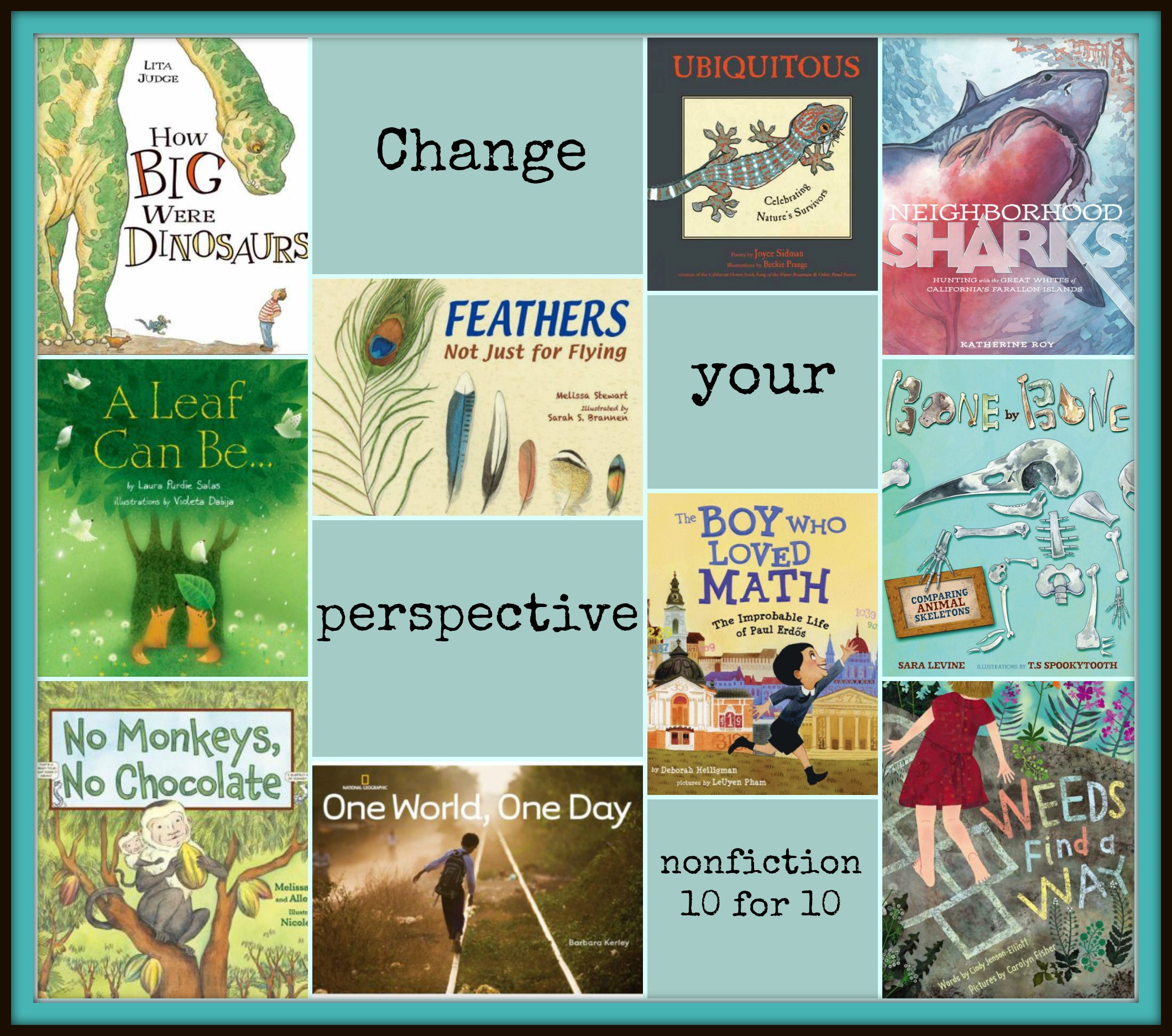
Nonfiction 10 for 10 2015: Change your perspective

Nonfiction 10 for 10 2015: Change your perspective There's a Book for That

Nonfiction 10 for 10 event is back for a third year! How happy am I to celebrate fantastic nonfiction picture books? Well, that is a silly question! Ecstatic of course.

Thank you to Cathy Mere from Reflect and RefineMandy Robek of Enjoy and Embrace Learning  and Julie Balen of Write at the Edge for hosting this meme. Click here to read all of the top ten lists shared.
Nonfiction 10 for 10

For the first year of #nf10for10 I shared favourite nonfiction titles – many that I have used with my class over the last few years in a variety of ways. Last year, I chose to focus on nonfiction picture book biographies that feature inspiring women.

This year I am sharing my favourite nonfiction titles that allow us to think about something from a completely new or different perspective.

These books all allow us to look at the subject in a new way. It might be offering us an alternative glimpse of an animal or phenomenon. Maybe the book answers a question you never even knew you had. Or perhaps your learning gets turned on its head. All of these books had this impact on me.

Neighborhood Sharks: Hunting with the Great Whites of California’s Farallon Islands by Katherine Roy

I freely admit that I think sharks are one of the most truly terrifying creatures. But this book captivated me. Its mixture of gorgeously painted illustrations, detailed relevant diagrams and the story of how the great whites who hunt in the Farallon Islands hunt so successfully, kept me reading and interested to the final pages.

Different perspective? Think about the shark beyond its frightening predator status.

Nonfiction 10 for 10 2015: Change your perspective There's a Book for That

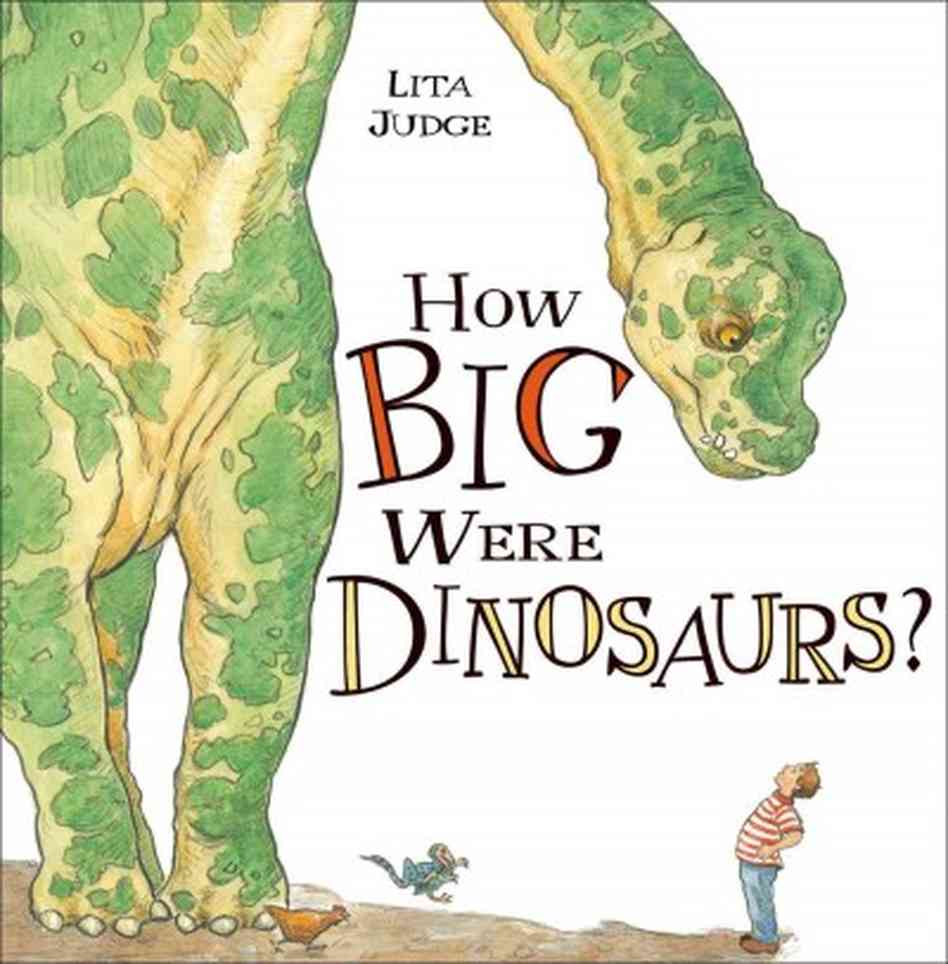
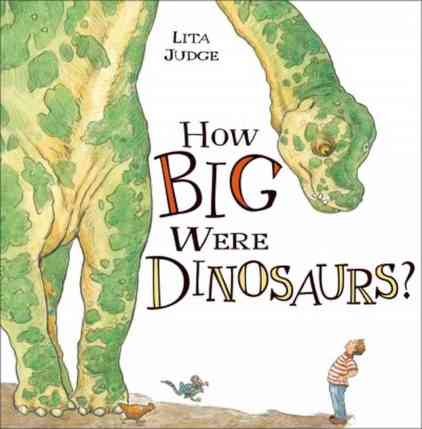
How Big Were Dinosaurs? by Lita Judge

Each dinosaur featured here is drawn next to something that children already know to allow them to imagine the exact size of the dinosaur. For example, the velociraptor was only the size of a modern day dog. The image shown is of a velociraptor on a leash near by a dog also out for a walk. So engaging

Different perspective? Allows the reader to imagine what it might be like to have dinosaurs around now by providing a sense of their size in reference to what we know. Dinosaurs, for a moment, materialize beside us rather than lay down in fossilized form in a photograph or drawing.
Nonfiction 10 for 10 2015: Change your perspective There's a Book for That

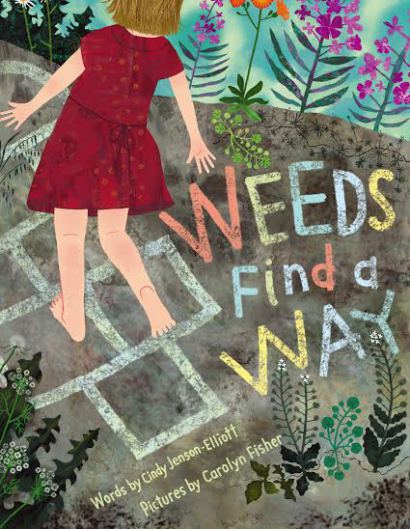
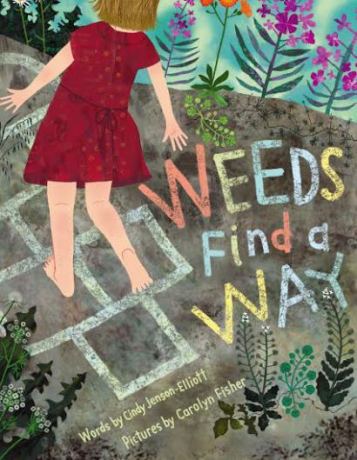
Weeds Find a Way written by Cindy Jenson-Elliott and illustrated by Carolyn Fisher

Lyrical and visually stunning. I now love the weeds in this book but still battle with those in my garden. Those weeds that seem to always be winning. They seem to find many a way.

Different perspective? It is possible to see the beauty and the tenacity in weeds. Seeing beauty where one previously did not. I appreciated Holly Mueller‘s view on this book – that it lets you look at weeds as children do. First, with appreciation.
Nonfiction 10 for 10 2015: Change your perspective There's a Book for That

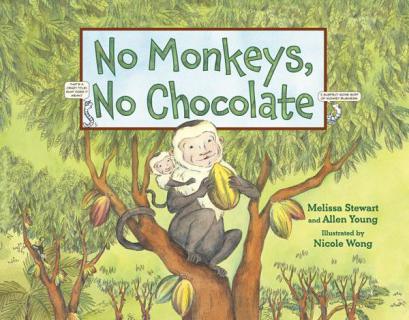
No Monkeys, No Chocolate written by Melissa Stewart and Allen Young with illustrations by Nicole Wong 

What a rich engaging information story book. The reader is quickly wooed by a page of delicious desserts and treats with chocolate as a main ingredient . . . but where does chocolate come from? We travel to the rainforests of Central and South America and learn the very complicated series of natural events that make it possible to harvest the cocoa bean.

Different perspective? The amazing learning here is about how nature is not about isolated events or lone miracles but how a chain of events with each piece dependent on many others is necessary in order for things to happen. This book illustrates this to children in a way that makes this concept truly accessible and clear.

Nonfiction 10 for 10 2015: Change your perspective There's a Book for That

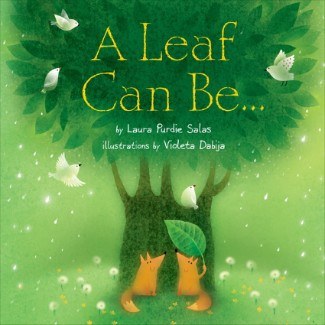
A Leaf Can Be . . . by Laura Purdie Salas and illustrated by Violeta Dabija

Beautiful nonfiction describing and hinting at all of the roles leaves can play – from “rain stopper” to “shade spiller” and many more.

Different perspective? The different perspective here is simple and complicated all at once – stretching the imagination. Absolutely beautiful.

Nonfiction 10 for 10 2015: Change your perspective There's a Book for That

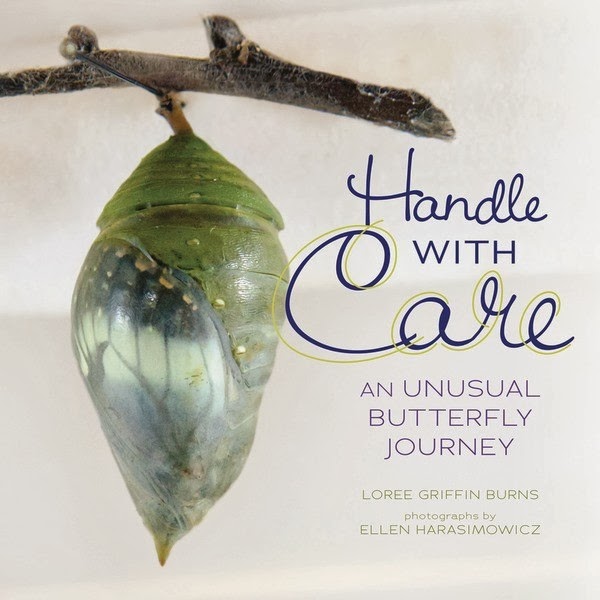
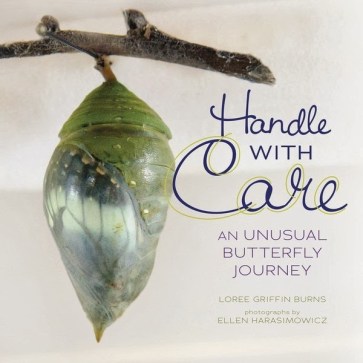
Handle with Care: An Unusual Butterfly Journey written by Loree Griffin Burns with photographs by Ellen Harasimowicz

The most special thing about this title is that it answers a question that few children might have imagined: How exactly do butterflies get to live exhibits in the north? Many children have been to Science Centres and Natural History Museums that might house live exhibits. Where do those butterflies come from? How do they get there? This title tells that story.

Different perspective? Poses and answers a question readers have not even entertained.
Nonfiction 10 for 10 2015: Change your perspective There's a Book for That

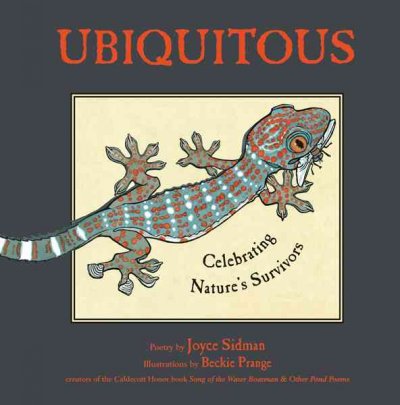
Ubiquitous: Celebrating Nature’s Survivors poems by Joyce Sidman and illustrated by Beckie Prange

Poet and artist celebrate nature’s successes. Who has been around for a long time and continues to thrive? Introduced in order of their evolutionary arrival, read poems and facts about such creatures as the squirrel, ants, geckos and diatoms. Fascinating and a lyrical experience all at once. Blending of art, poetry and nonfiction.

Different perspective? We often think about endangered animals (as we should) but this book allows us to think about those creatures and life forms that have survived and thrived. What are their secrets?
Nonfiction 10 for 10 2015: Change your perspective There's a Book for That

Feathers Not Just for Flying written by Melissa Stewart and illustrated by Sarah S. Brannen

Such a beautifully written and organized book – almost like a nature journal or a scrap book. Read about sixteen birds in particular as you learn about different ways feathers are used. Perfect as an interactive read aloud experience.

Different perspective? Stretches the reader’s imagination to think about various ways feathers are useful and needed for various types of birds. Many would not even have been considered.

Nonfiction 10 for 10 2015: Change your perspective There's a Book for That

One World, One Day by Barbara Kerley

Spectacular photographs showcasing the daily routines that many of us share – all a little different in different places but yet, so much the same.

Different perspective? The more we think we are different, the more we realize we have much in common. A wonderful reminder of this.

Nonfiction 10 for 10 2015: Change your perspective There's a Book for That

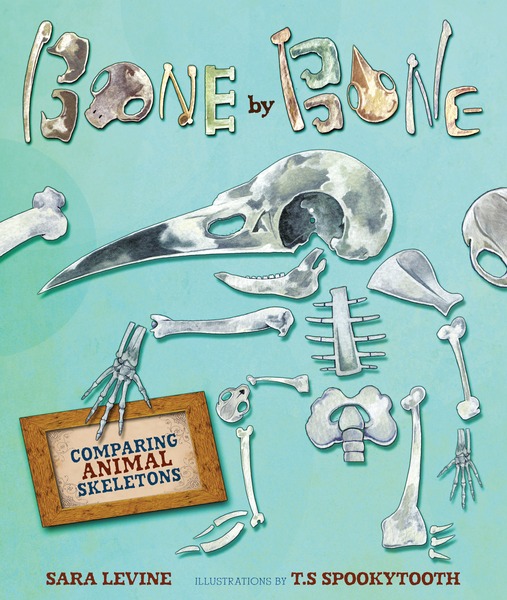
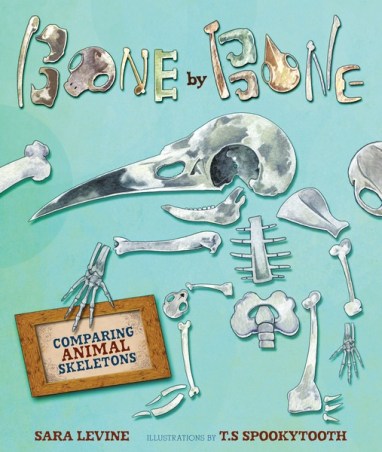
Bone by Bone: Comparing Animal Skeletons written by Sara Levine with illustrations by T.S. Spookytooth 

How do our bones function within our skeletal system? What about compared to animal skeletons. What if we didn’t have certain bones or what if they were much different than they are? Can you imagine if we had extra bones attached to our spine? We’d have a tail! And what would that be like?

Different perspective? We often don’t think about our bones, their purposes and what it would be like if they were different. Fascinating questions to help us learn about the body (both human and various animals).
Nonfiction 10 for 10 2015: Change your perspective There's a Book for That

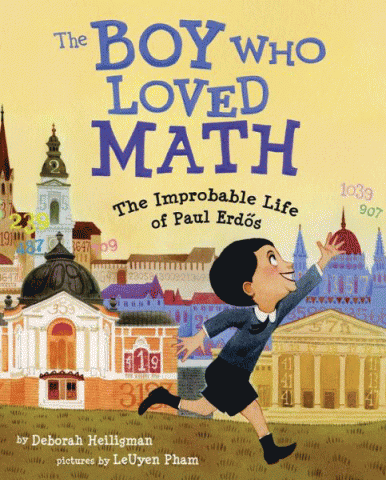
The Boy who Loved Math: The Improbable Life of Paul Erdos written by Deborah Heiligman and illustrated by LeUyen Pham

This is a fascinating biography that not only makes math seem absolutely engrossing but gives us a glimpse into a mind that was truly one track. A beautiful balance between the mathematical life and the other life of Paul Erdos. Accessible and intriguing for younger readers/listeners. A definite book to be explored multiple times.

Different perspective? The everyday, human side of genius. Revealed that when we are really good at one thing, we may not be good at other things (like laundry).
boy-who-loved-math

Are there books that fit this theme for you? That transformed your thinking about something? All of these titles to me highlight the amazing power of nonfiction picture books to teach and inspire us. When we are reading and sharing these books, we are always part of the learning journey.

Nonfiction Picture Book Wednesday: A celebration of nonfiction enthusiasm

I am reading nonfiction titles. I will share some new titles soon. Promise. But, this week I just have to highlight some more of the book love being celebrated in my room for nonfiction reading!
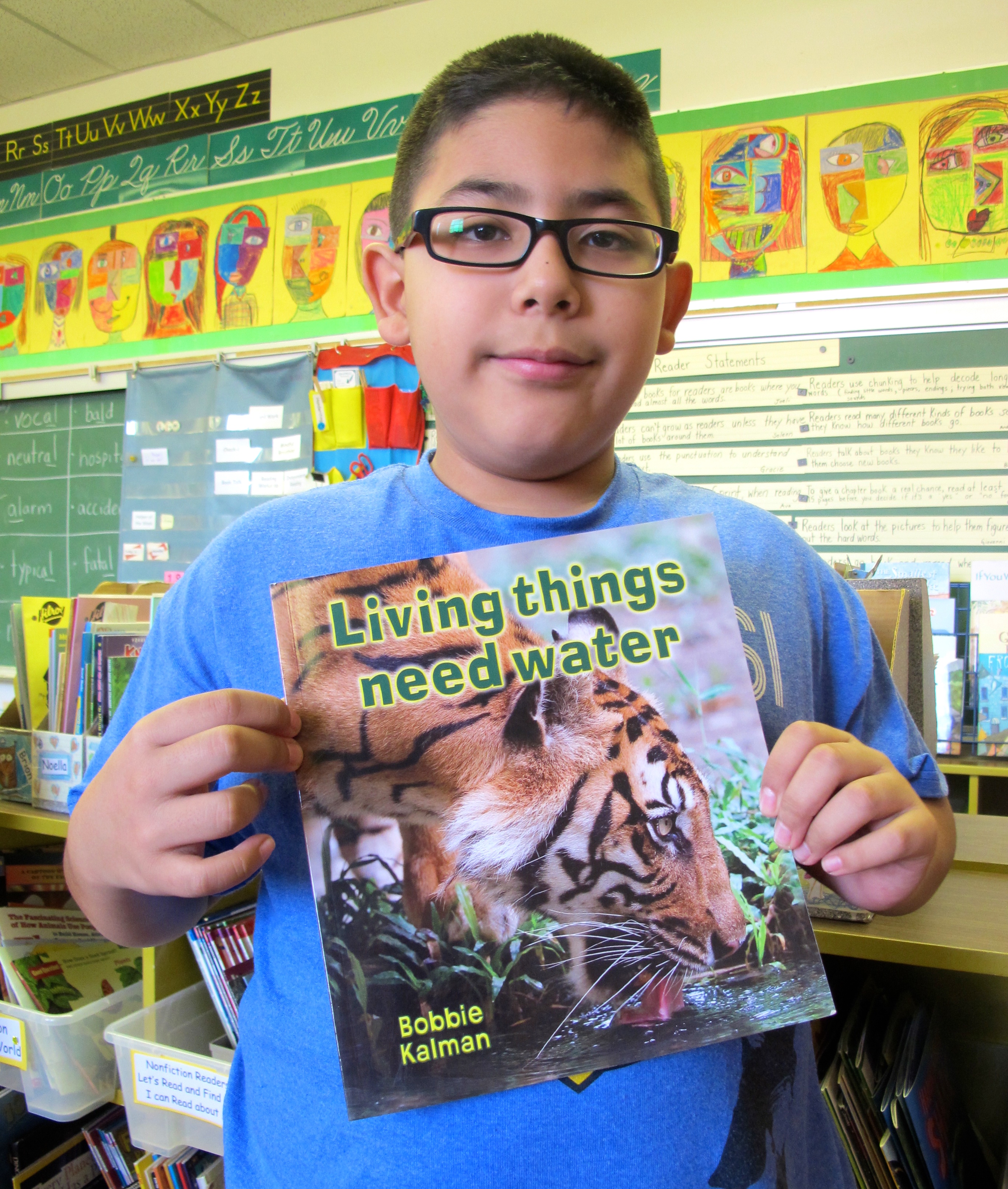
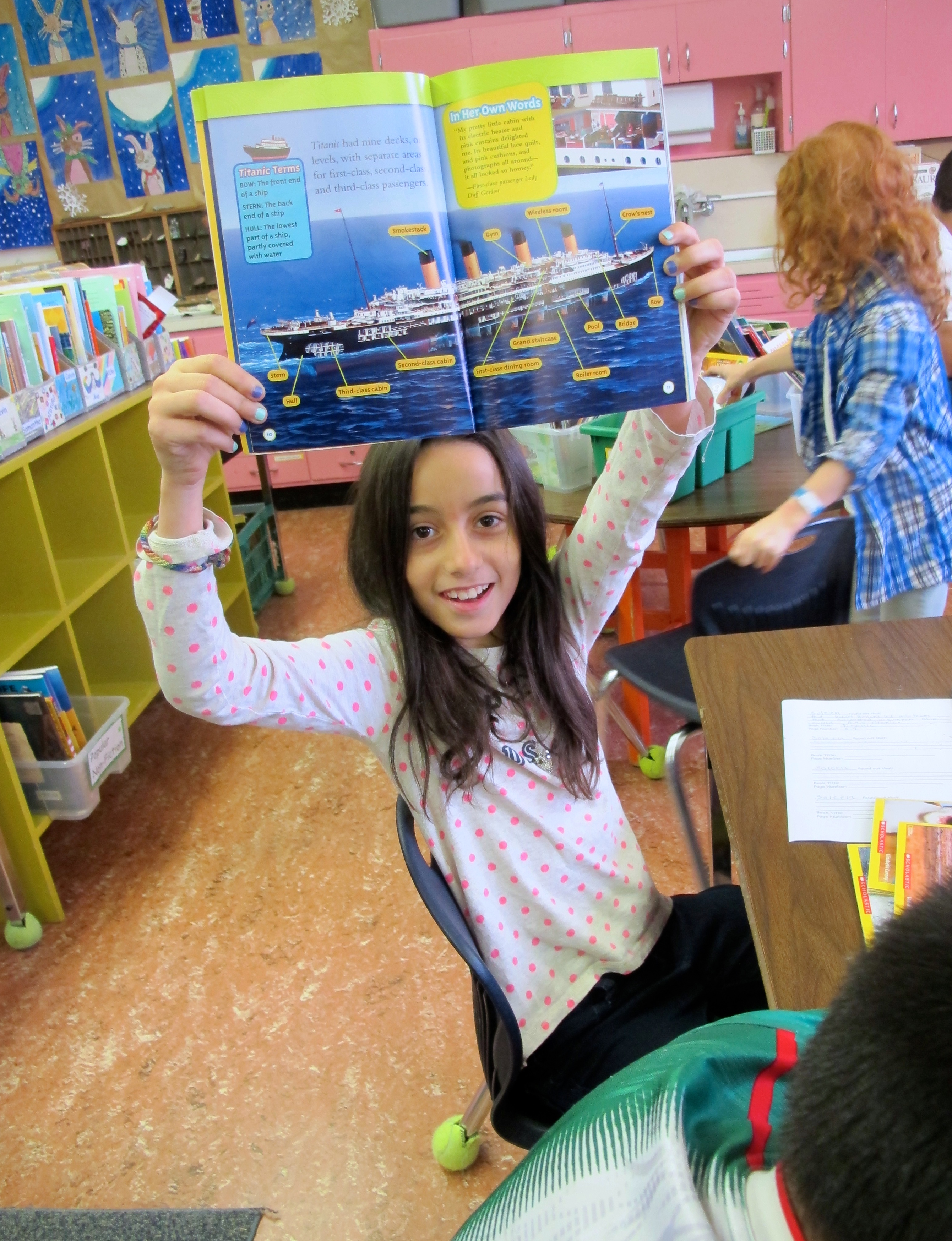
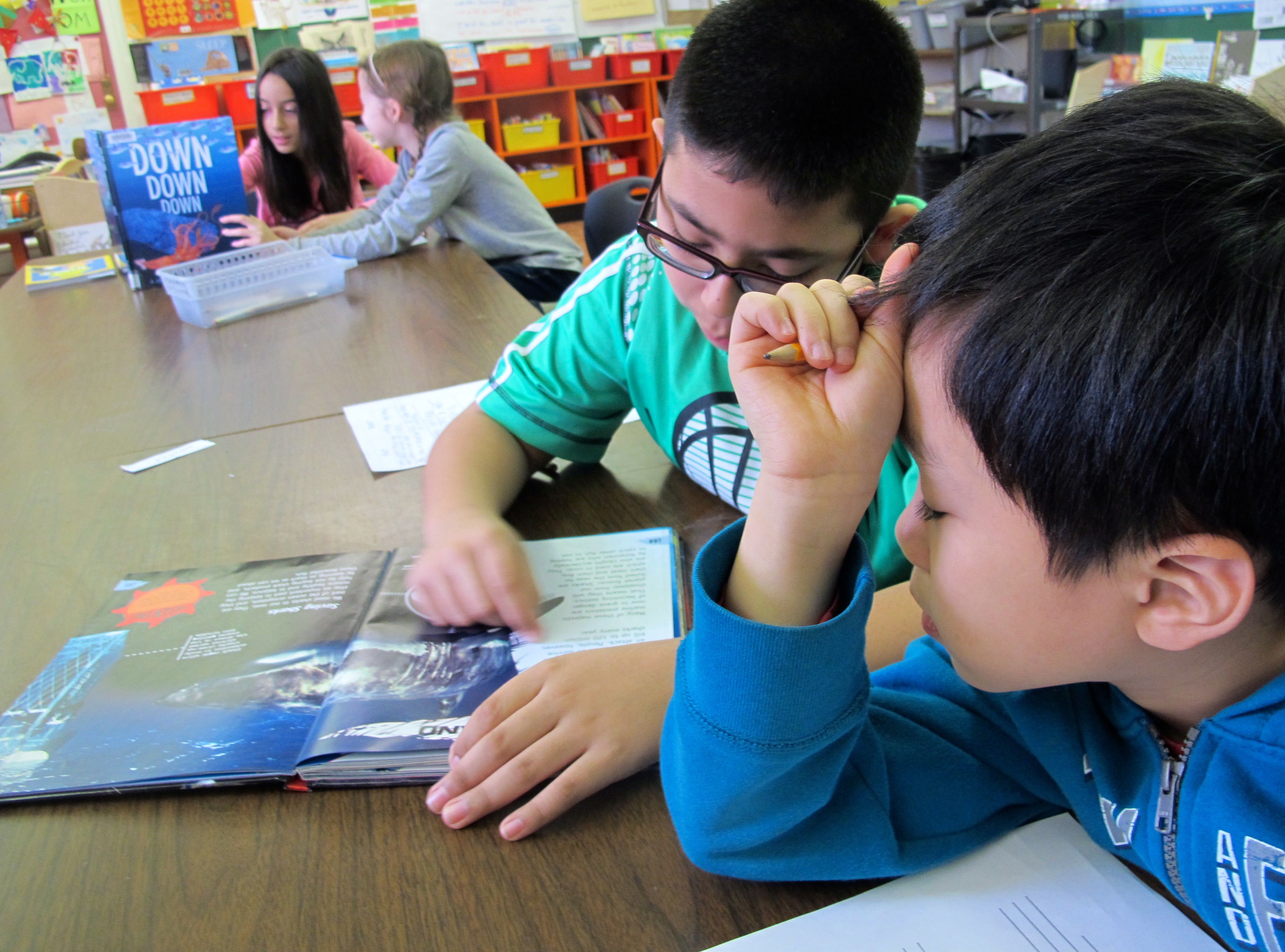
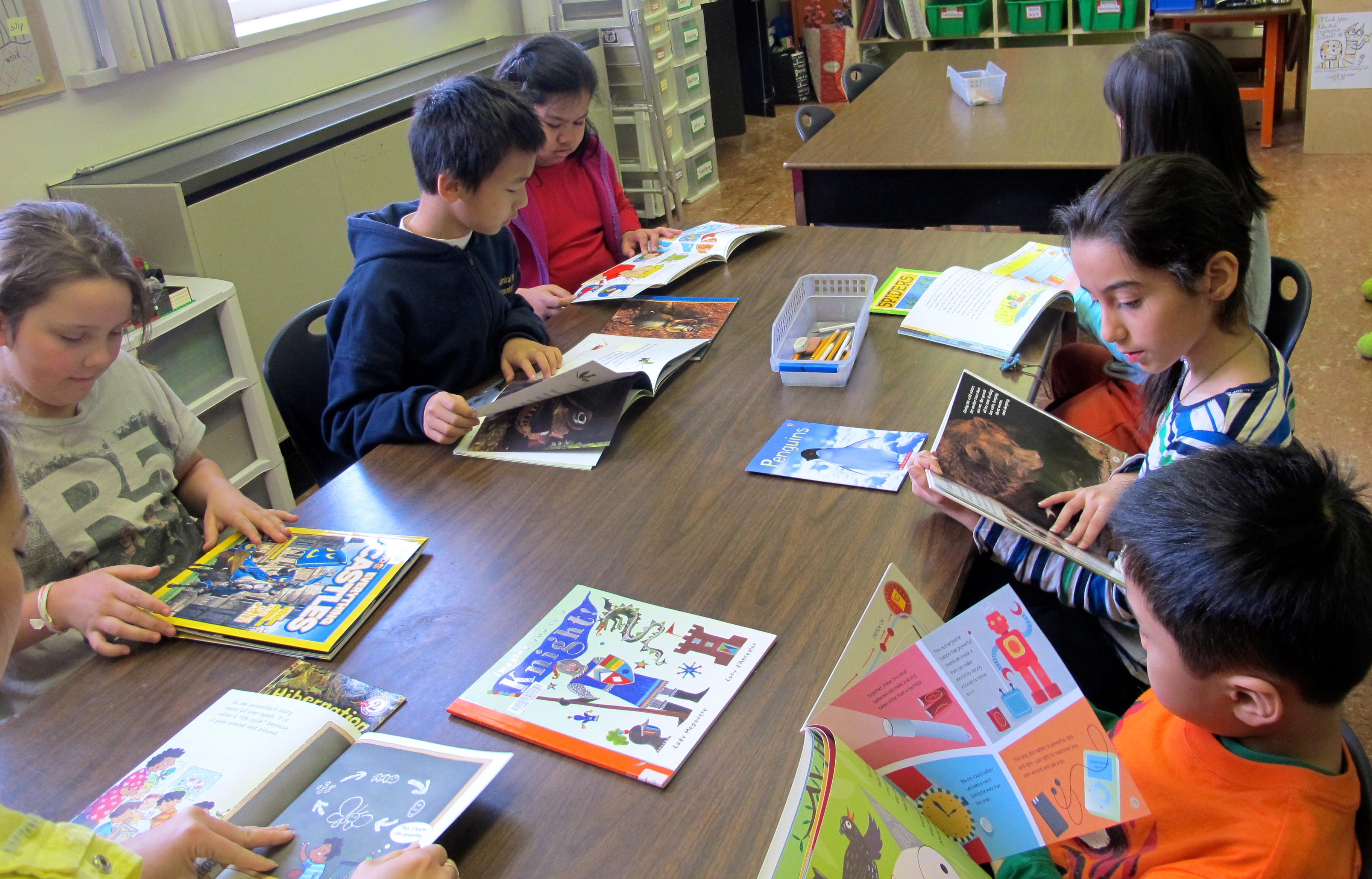
Every January, we implement Nonfiction Reading Day as part of Reading Workshop. Of course, students can and do read nonfiction throughout the week but Tuesdays are the day we do more nonfiction book talks, share a variety of responses to nonfiction text, teach about the features and most importantly, provide lots of time to read nonfiction titles. It is noisy. The room buzzes with learning and chatter. Lots of sharing. Lots of wondering. Lots of reading more to find out more.

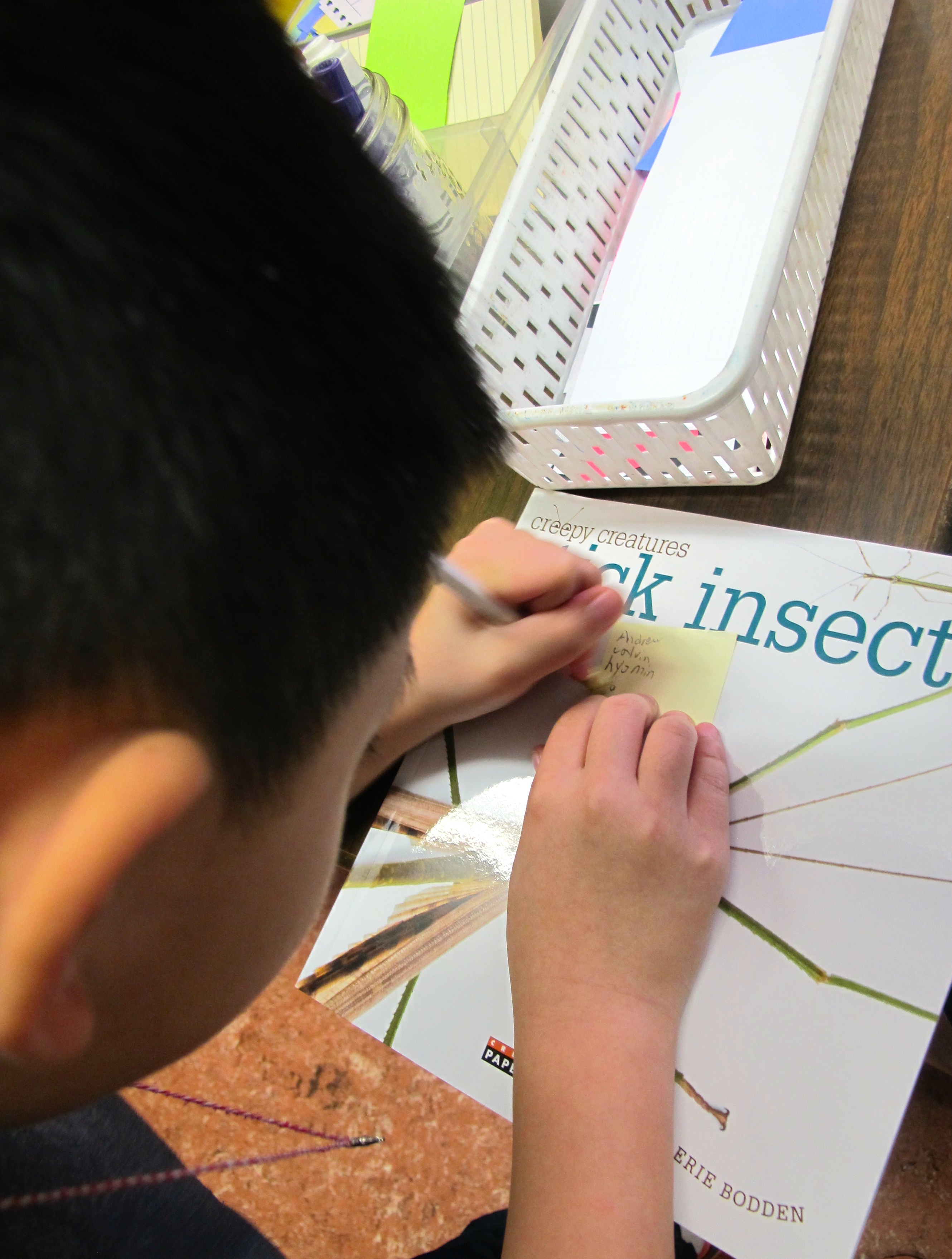
Many books I book talk need the “sticky note list” for who gets to read it next. This book about stick insects was passed on quickly today as the first reader was so offended by a photograph of a bird eating a stick insect that she passed it off to other interested readers and went and talked to the stick bugs in our cage, consoling them and murmuring proof of their safety in the tank! Then, she found a fact book and settled into reading.

Nonfiction Picture Book Wednesday: A celebration of nonfiction enthusiasm

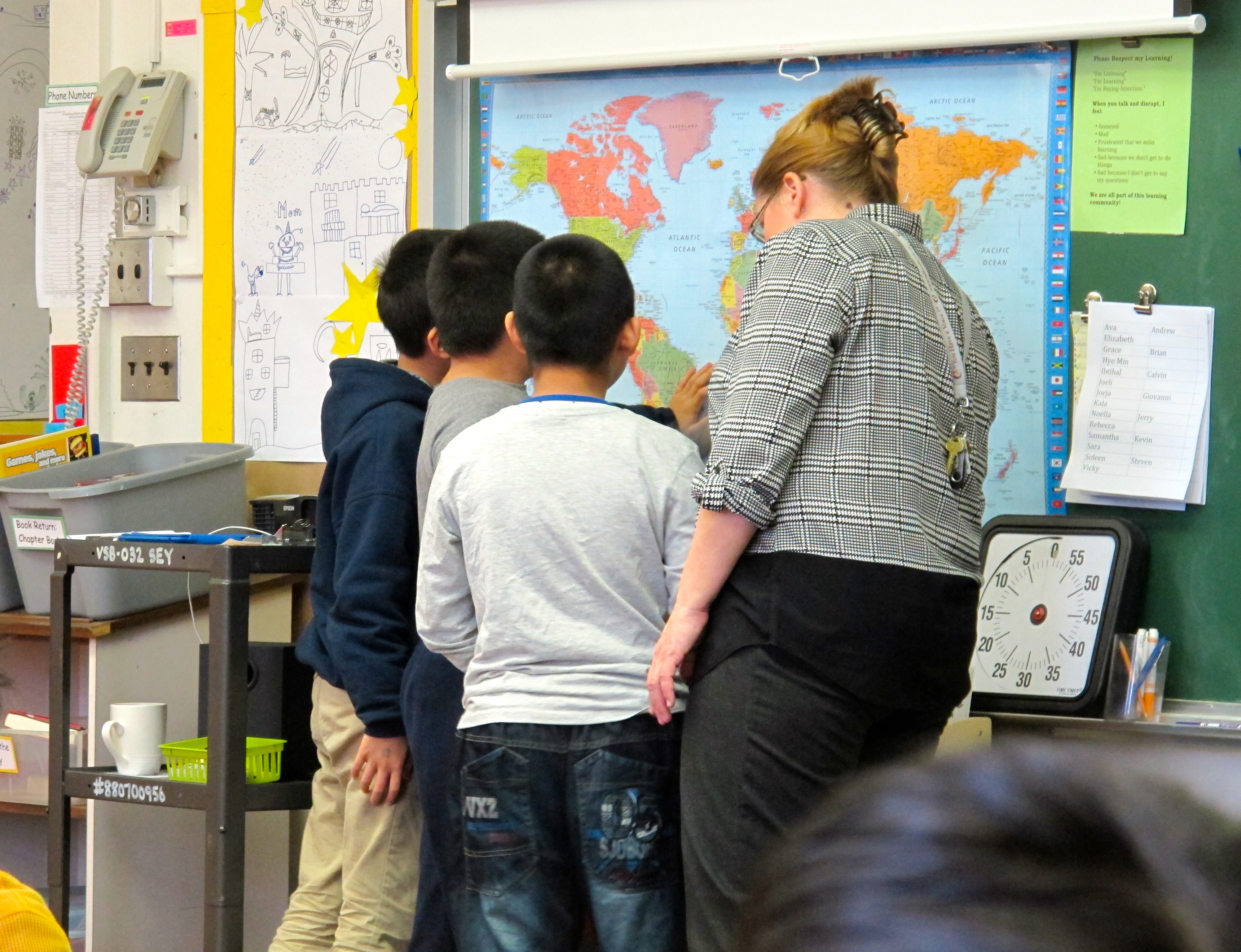
I love that nonfiction reading often means leaping up to search for places on the map!

Nonfiction Picture Book Wednesday: A celebration of nonfiction enthusiasm

Nonfiction reading lends itself to discussion and sharing. Yes, there is lots of talk. But it is purposeful talk. On topic talk. Teaching talk.

Nonfiction Picture Book Wednesday: A celebration of nonfiction enthusiasm

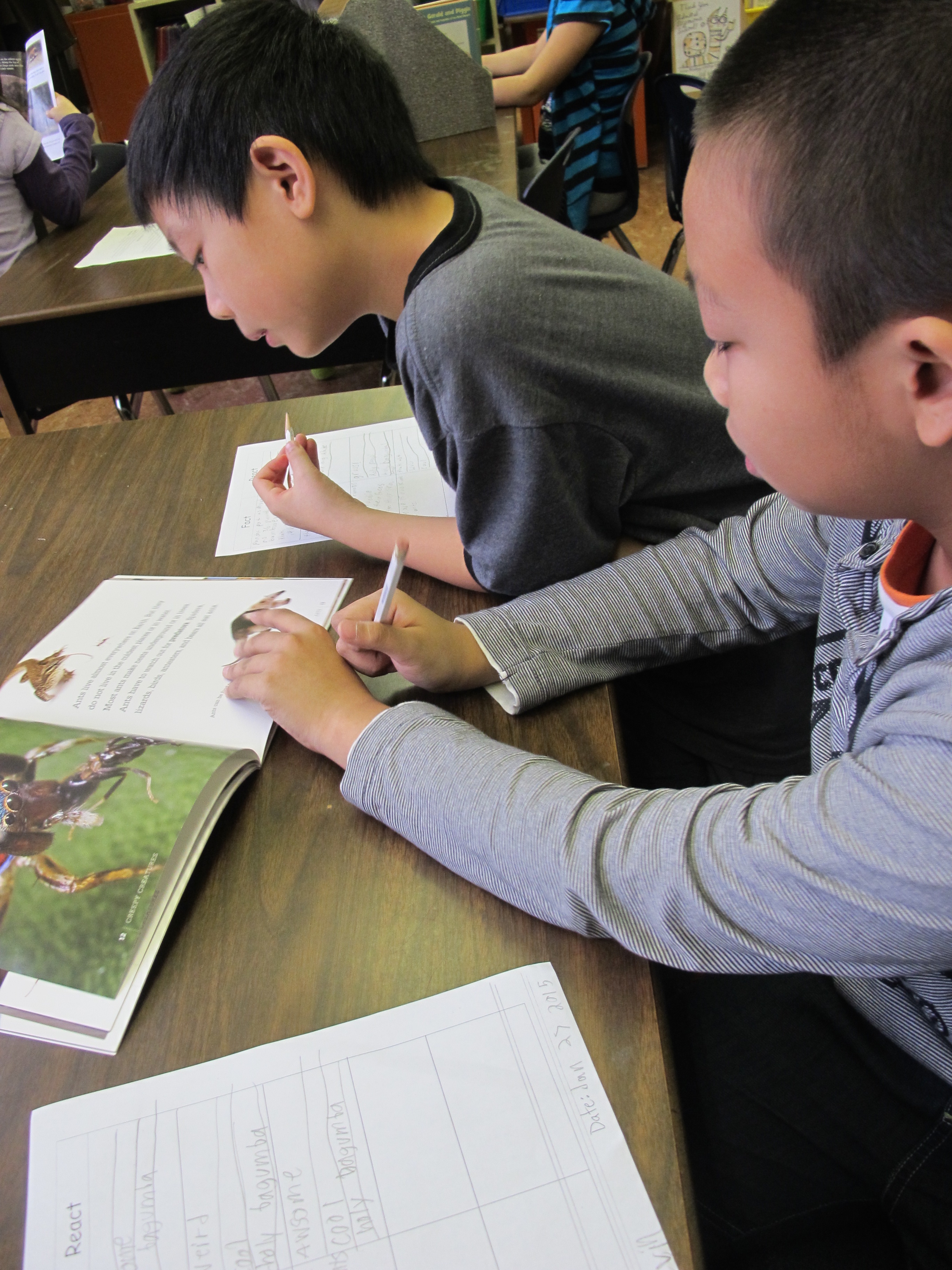
I often observe rereading happening between students. “Listen to this.” “Hold on, let me read that again? “Do you think that means . . . ?” “Well it also says . . .”

Nonfiction Picture Book Wednesday: A celebration of nonfiction enthusiasm

I am also noticing students choosing a few books on the same topic and reading to confirm and verify what they are learning between texts.

Nonfiction Picture Book Wednesday: A celebration of nonfiction enthusiasm

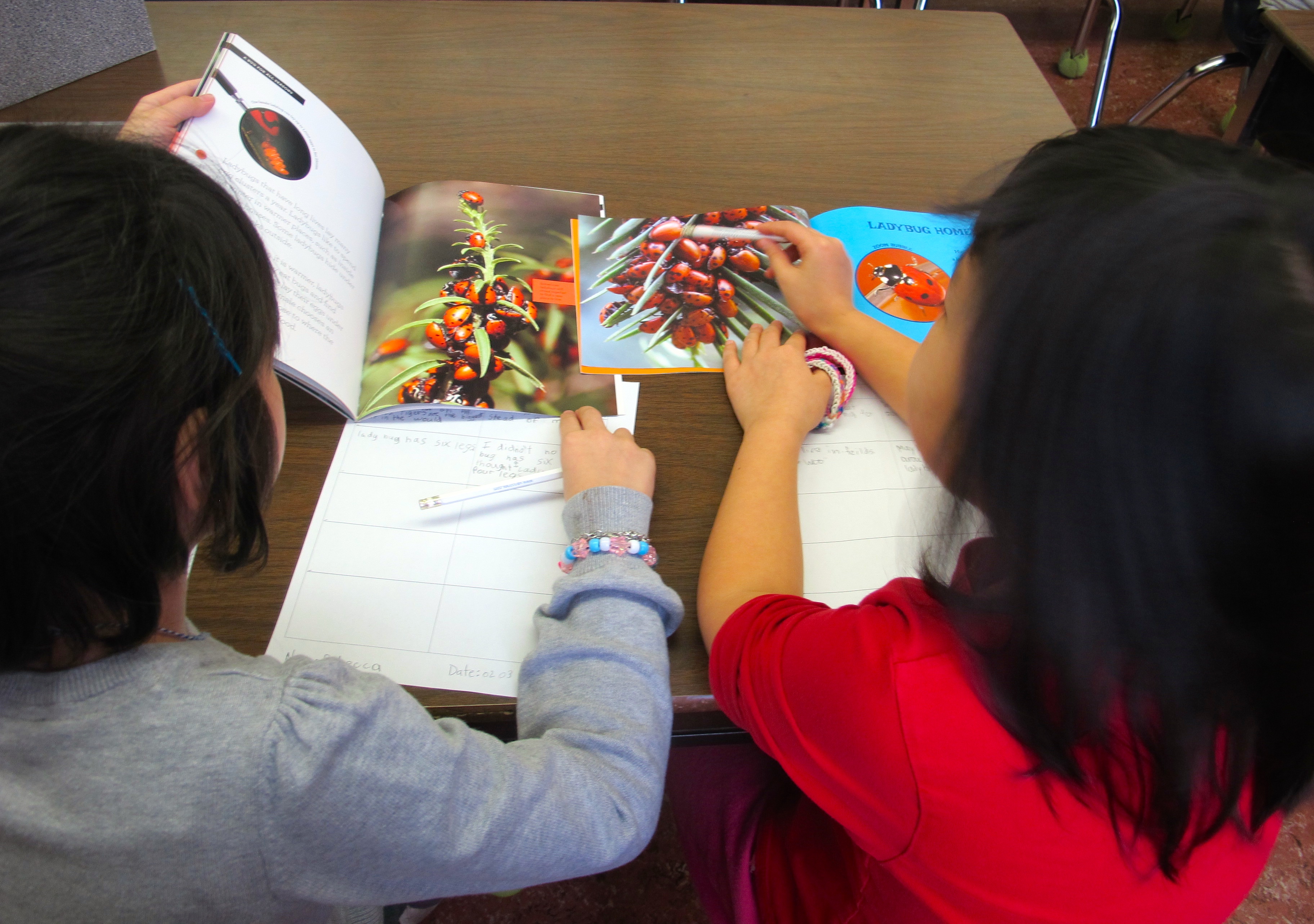
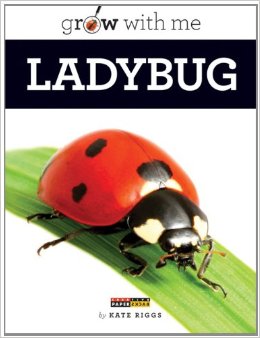
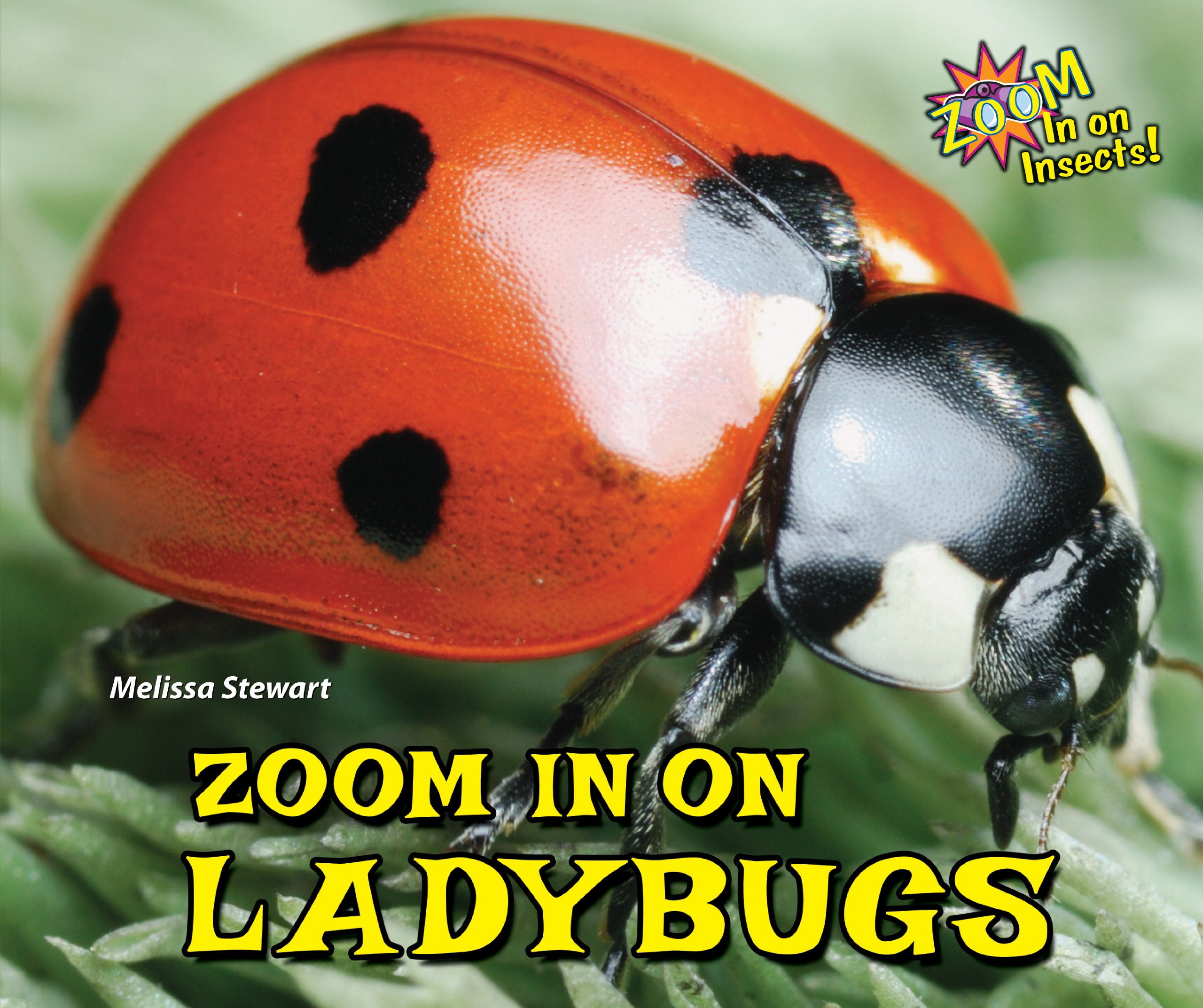
These girls (above) are reading Grow with Me Ladybug by Kate Riggs and Zoom in on Ladybugs by Melissa Stewart

grow with me ladybug Zoom in on  Lady bugs

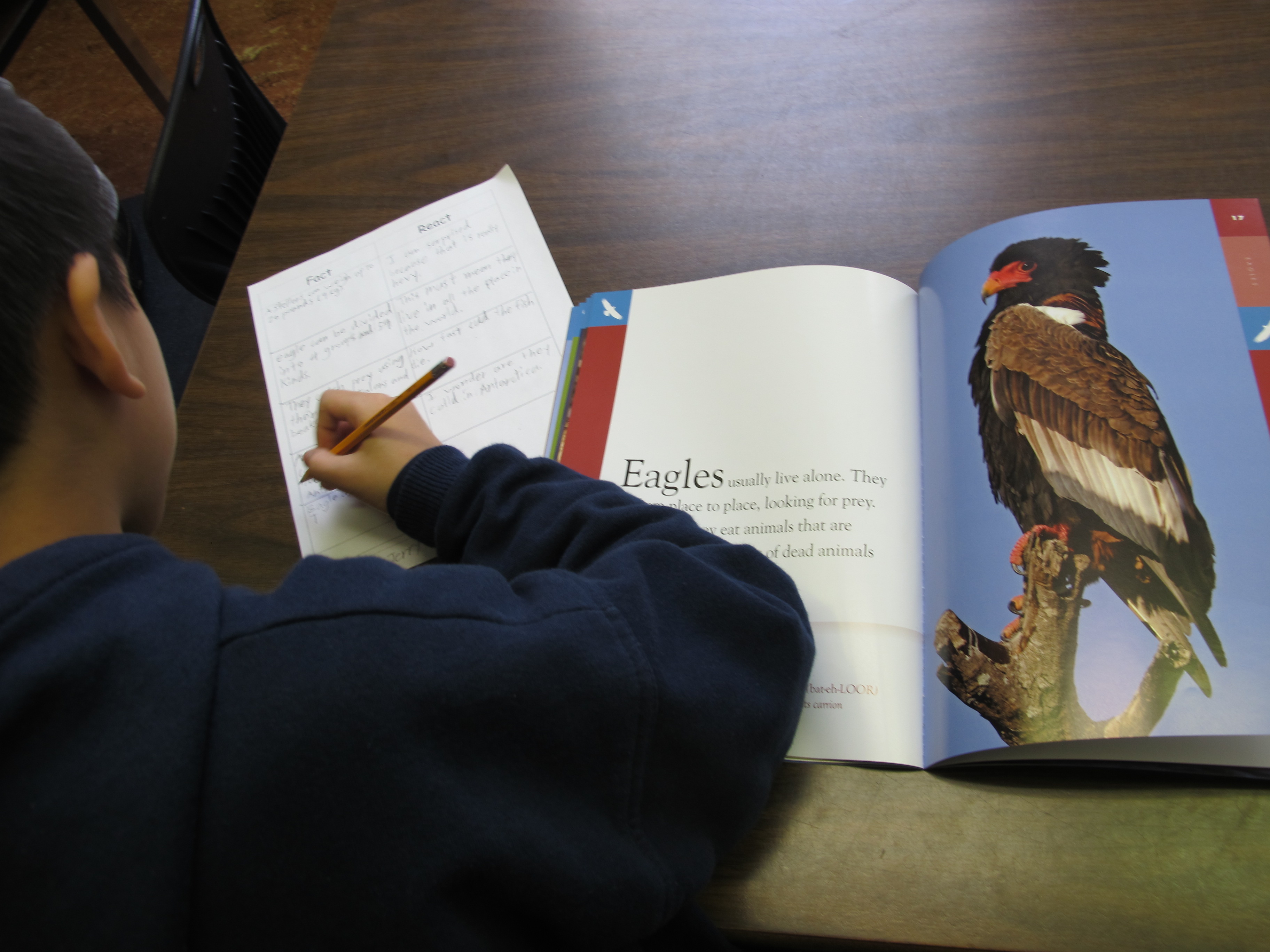
Important thinking happens as students include their thinking on Fact/React sheets (thanks to Adrienne Gear for the inspiration for this BLM) We are working to “react” in various ways: Does the fact inspire a question or a wonder? Confirm something we already knew a bit about? Confuse us? Connect to something we have experienced? Make us have a physical or emotional reaction? Lots of thinking is being shared

Nonfiction Picture Book Wednesday: A celebration of nonfiction enthusiasm

Students are loving our focus on nonfiction. One little reader remarked last Tuesday, “I wish everyday could be nonfiction day!” “It can,” I pointed out. “Oh yeah!” she said. “I’m going to read more of this book tomorrow!”

Nonfiction Picture Book Wednesday: A celebration of nonfiction enthusiasm

Thanks to Alyson from Kid Lit Frenzy for the inspiration to read and share more nonfiction picture books in 2015. Follow the link to Alyson’s blog to read about more nonfiction books you need to read!

#nfpb2015

Nonfiction Picture Book Wednesday: constant danger, hazardous journey and 69 dogs

Tomorrow is Wednesday and I have been reading lots of nonfiction. My students have been reading lots of nonfiction. I have so much to share.

But . . . I am really busy and have many other things I should be doing.

To blog or not to blog . . . ?

I can’t resist!

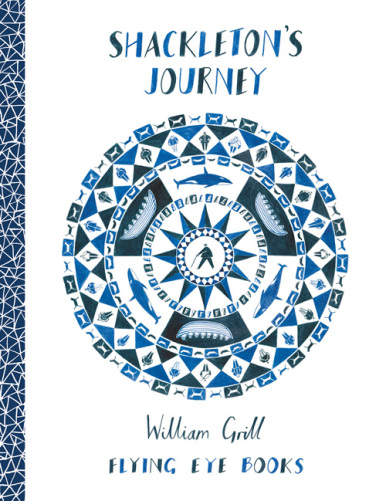
I am reading my class the incredible Shackleton’s Journey by William Grill, a stunning Flying Eye book published in 2014. I really debated about whether my class could manage a longer nonfiction read aloud but then decided if any book was going to hold their attention, it would be this one. Such a story of adventure, misadventure, perseverance and survival. This book is full of so many details to share with my students. We are going to be learning about exploration, polar landscapes, geography, history – all the while, being captured by one of the most incredible survival stories of our times.

Nonfiction Picture Book Wednesday: constant danger, hazardous journey and 69 dogs There's a Book for That

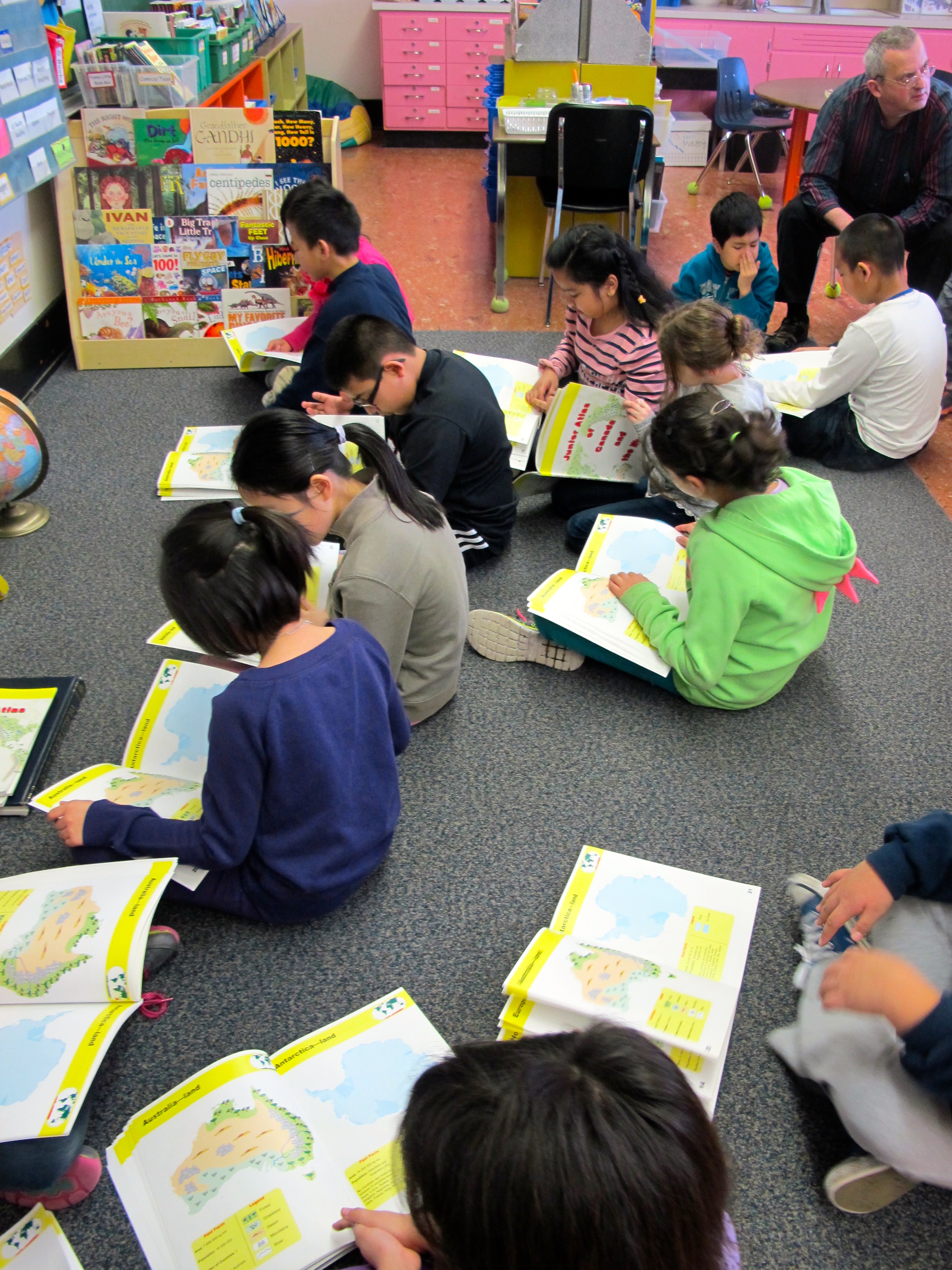
I decided to launch this title by having students explore the continent of Antartica in the atlas and on the globe and think about what it might be like to travel to the continent and over its landscape. We read Sophie Scott Goes South last year so many students remembered learning about ice breakers and watching videos about the frozen landscape.

Nonfiction Picture Book Wednesday: constant danger, hazardous journey and 69 dogs There's a Book for That

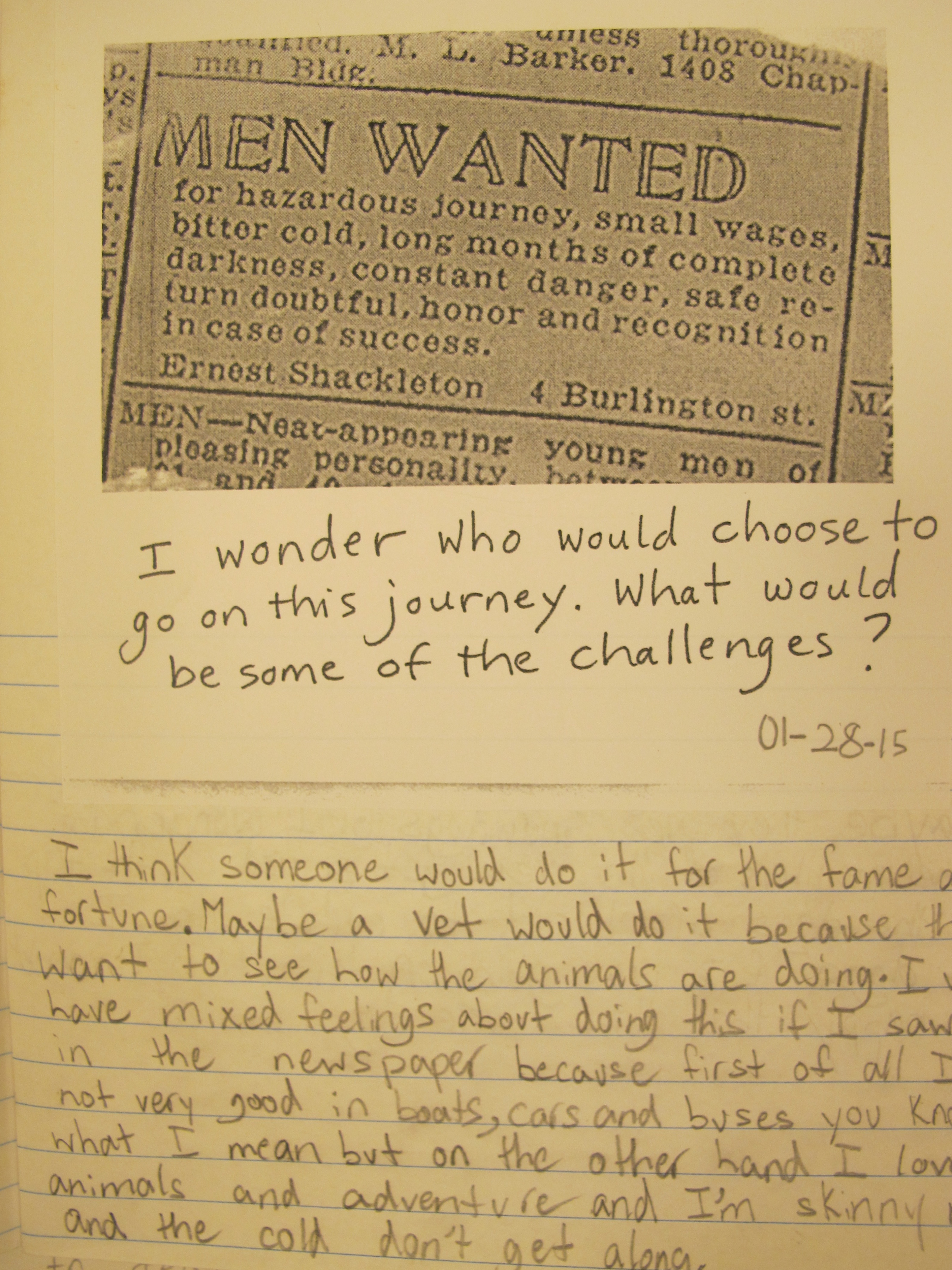
We did a writing exercise with a copy of Shackleton’s actual advertisement for men to sail with him on the Endurance. I gave this wonder statement as a prompt:

I wonder who would choose to go on this journey? What would be some of the challenges?

Nonfiction Picture Book Wednesday: constant danger, hazardous journey and 69 dogs There's a Book for That

Students shared some fantastic responses:

“I think someone would do it for the fame and fortune. Maybe a vet would do it because they want to see how the animals are doing. I would have mixed feelings about doing this if I saw this in the newspaper because first of all I’m not very good in boats, cars and buses – you know what I mean but on the other hand I love animals and adventure. And I’m skinny – me and the cold don’t get along.” (above)

“I would choose my Mom’s Aunt because once she survived a hurricane by swimming because she’s a good swimmer. I think the hardest thing to be is to fall down because even if you’re a good swimmer, you will freeze to death.”

“I don’t want me or my family going on that journey because I love them and they would probably be gone forever. They should let the girls join because girls and boys aren’t that different. Maybe girls would want to go too. The hardest thing would be the risk taking. You should think about your family if you have one.”

“I think that the people who have dreams will do it. I would do it only if I was 49. I think that the challenges are risk taking, braveness and special equipments. I think that girls at back in time didn’t feel like going. They might get sick easily. But a lot of men take risks? Shackleton is the bravest man I ever heard of!”

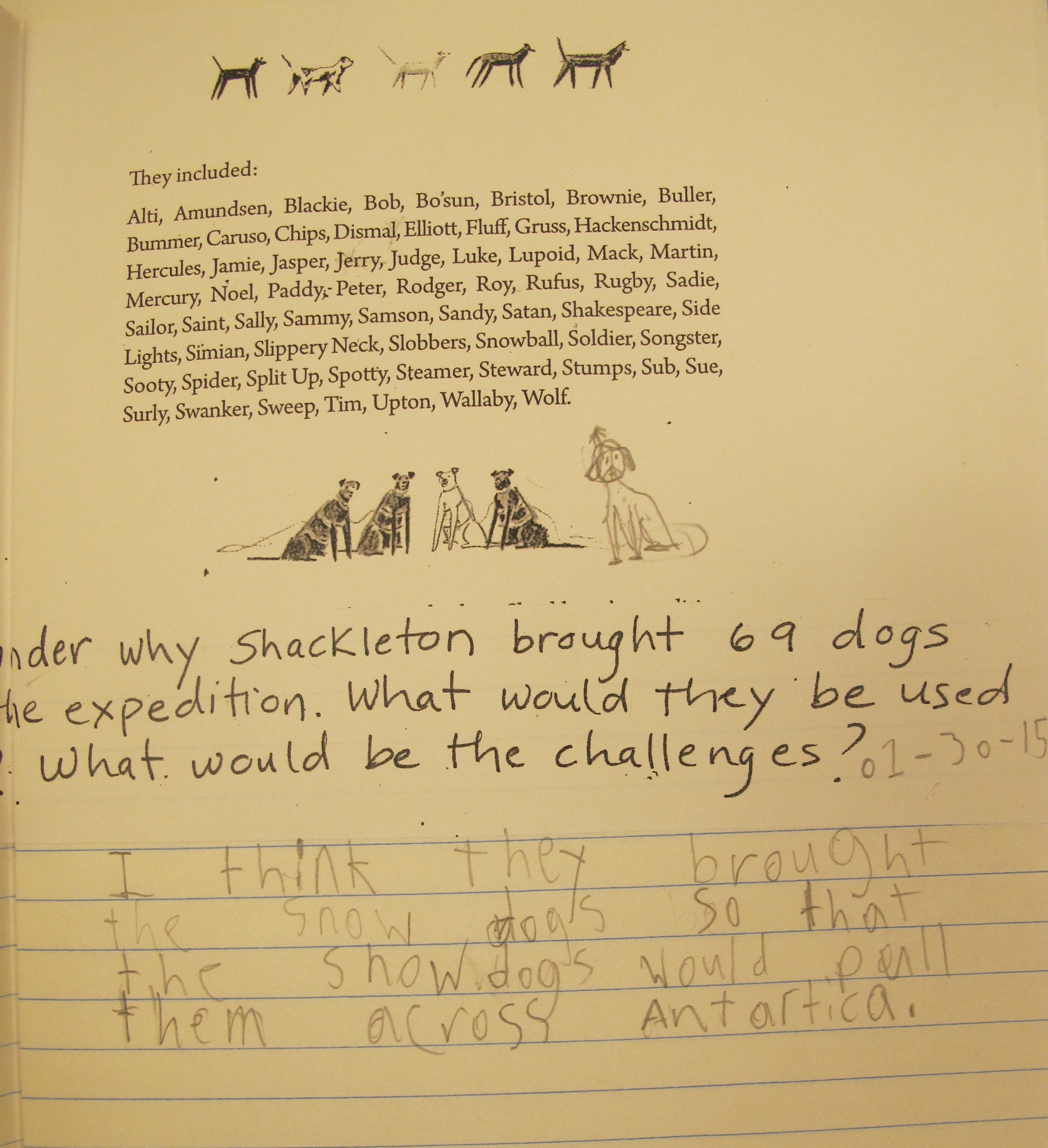
After reading a few pages about recruiting men and raising funds, it was all about the dogs! 69 dogs were brought on board as part of the expedition. Each of their names is listed. I had to read the list aloud multiple times. “Do it again,” I would be prompted. 🙂 I then had to make a copy of the list for the students. We used this as another writing prompt.

I wonder why Shackleton brought 69 dogs on the expedition. What would be the challenges?

Nonfiction Picture Book Wednesday: constant danger, hazardous journey and 69 dogs There's a Book for That

Loved their thoughts on this!

“So if the crew gets lost the dogs could smell their way back. Because dogs have a great sense of smell. Or if there is some blind people – you never know. Probably some challenges are like the dogs might be smelling lots of cool stuff and wanting to explore it.”

“The challenge would be that they will have to figure out how they are going to let the dogs do their business. How will they feed all 69 dogs? And you wouldn’t like to see 69 angry dogs. How will the crew and the dogs all get water because they can’t just drink from the water because it;s salt water and trust me salt water is not good for you. Where will they put all the food, because there’s 69 dogs and 26 people counting the expedition leader and the stowaway.”

“I think they use the dogs for looking for food. Or maybe looking for trouble. I wonder why they bring more dogs than people. I wonder what kind of dog food they bring. Maybe they use them to go on a quest. My favourite dog is Jerry (my name!)”

“Maybe they are snowdogs or I wonder if some members of the crew get scared of the trip so the dogs are hired to cuddle them. I love dogs. If I was going on this trip, I would be happy that there were dogs around.”

“Maybe to use as snow dogs and 69 because humans are very heavy to dogs. Or for their safety? But the problem is what if they get lost or run away. And if he is so poor, how can he buy boots and coats for all the men.”

“I think they need them for warning so they won’t crash. I think they need them because they are tough. Is their enough room on the boat?”

“I wonder why they bring more dogs than people. The challenge are the dogs poo and need to eat and drink. I think they bring the dogs because they can smell stuff. It he doesn’t have enough money from the funding, he can’t buy enough food for the dogs and all the equipment. If he goes across Antarctica, it will be very risk taking.”

We are just pages in and the children are absolutely hooked. We have pages and pages ahead and I can’t wait for all of the learning, thinking, writing and discussions to come with this beautiful book.

Thanks to Alyson from Kid Lit Frenzy for the inspiration to read and share more nonfiction picture books in 2015. Follow the link to Alyson’s blog to read about more nonfiction books you need to read!

#nfpb2015

The Mock Sibert 2015 Award Winner

Mock Sibert The Mock Sibert 2015 Award Winner

We are days away from learning which nonfiction book will be awarded the actual Sibert Award for 2015 but today is the day where we learn – here, on Kid Lit Fenzy and on Unleashing Readers which title won our Mock Sibert Award!

And . . .

THE WINNER IS . . . .

 The Right Word The Mock Sibert 2015 Award Winner

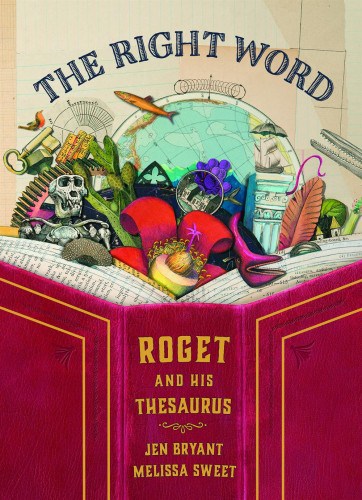
The Right Word: Roget and his Thesaurus written by Jen Bryant and illustrated by Melissa Sweet. Such a spectacular choice!

Now we must wait until Monday to find out if the Sibert committee agrees.

We are also happy to announce our giveaway winner. Congratulations to Cathy Ballou Mealey who has chosen Handle with Care: An Unusual Butterfly Journey written by Loree Griffin Burns with photographs by Ellen Harasimowicz  (one of our Mock Sibert titles) as her prize.

It was so much fun discussing and celebrating the fantastic nonfiction titles of 2014 with Alyson and Kellee. Hosting the Mock Sibert allowed us to highlight our favourites. Check out our original Mock Sibert choices here if you missed them:

On Kid Lit Frenzy

On There’s a Book for That

On Unleashing Readers

Thank you to all who participated! We cannot wait to see who wins on Monday!

Nonfiction Picture Book Wednesday: What nonfiction title do you want to read next & why?

This week, instead of profiling any of my recent nonfiction reading or highlighting a book, I decided to share the responses in my Grade 3/4 classroom when I asked this question:

“Look around our classroom library. What nonfiction title do you want to read next & why?”

This was a very useful exercise. In about 20 minutes, I learned a lot. Which books are popular? What topics are students interested in? How are book choices being made?

It also helped me to think about things like:

  • student purposes for reading
  • books to book talk
  • our nonfiction library (organization, display, etc.)
  • future book purchases
  • exposure to specific genres

There are many nonfiction titles in our classroom – both books that I read aloud and titles that the students choose to read independently that are kept in our nonfiction bins. These titles below were chosen from the bins.

Answers under each photo answer the question: What nonfiction title do you want to read next & why?

 Nonfiction Picture Book Wednesday: What nonfiction title do you want to read next & why? There's a Book for That

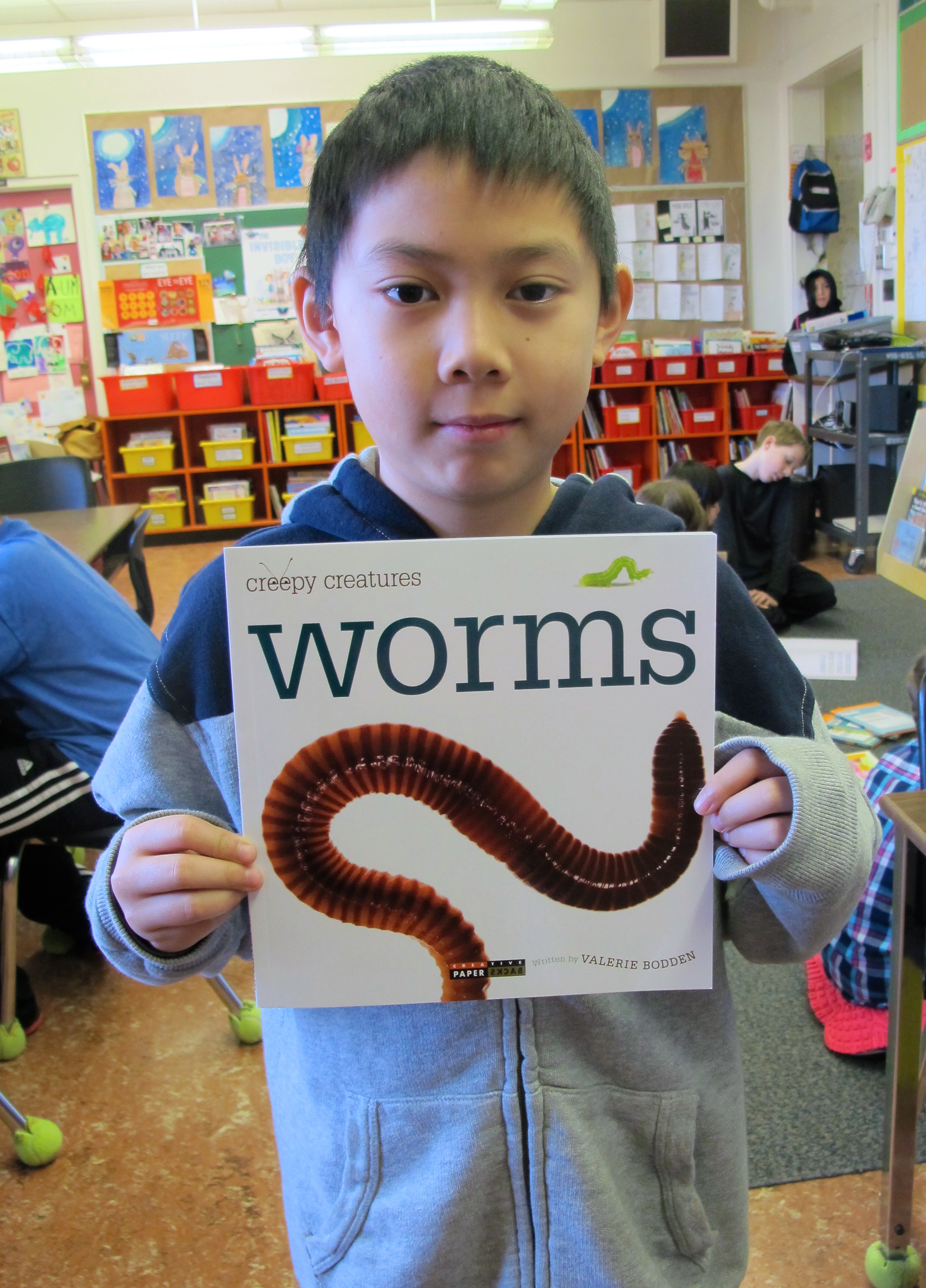
“I’ve read all of the books in this series. When you book talked this one today, I wanted to read it because I like all of these creepy creatures.”

 Nonfiction Picture Book Wednesday: What nonfiction title do you want to read next & why? There's a Book for That

“It looks interesting from the cover. I want to know more about which animals hibernate. I don’t think I know them all.”

 Nonfiction Picture Book Wednesday: What nonfiction title do you want to read next & why? There's a Book for That

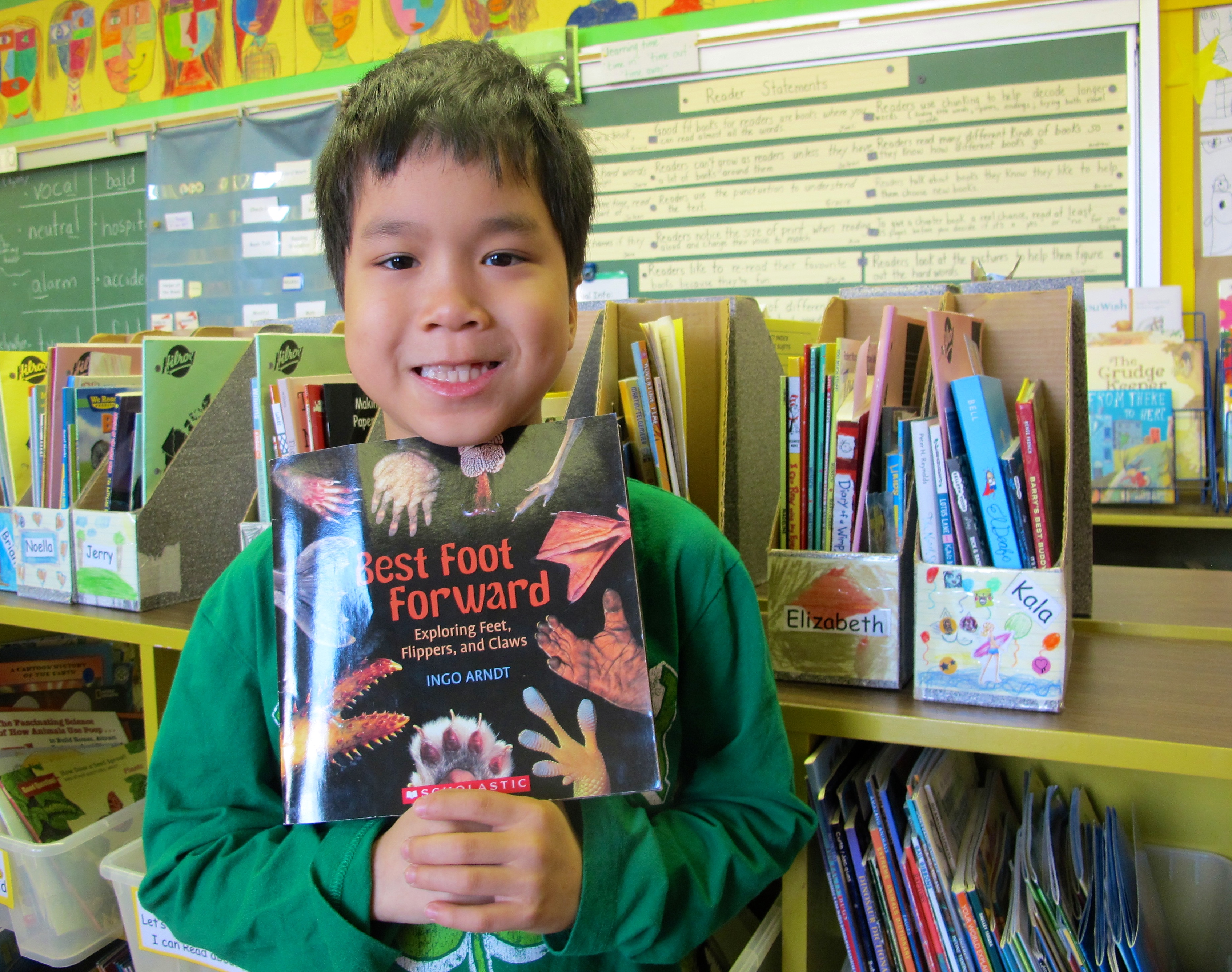
“I want to know what all of these feet are. I like the cover.”

 Nonfiction Picture Book Wednesday: What nonfiction title do you want to read next & why? There's a Book for That

“I like gorillas. They are really cute. And after we read about Ivan, I want to know more.”

 Nonfiction Picture Book Wednesday: What nonfiction title do you want to read next & why? There's a Book for That

“I want to know more about how animals might get dehydrated and how to save animals. The cover has a really great close up photo.”

 Nonfiction Picture Book Wednesday: What nonfiction title do you want to read next & why? There's a Book for That

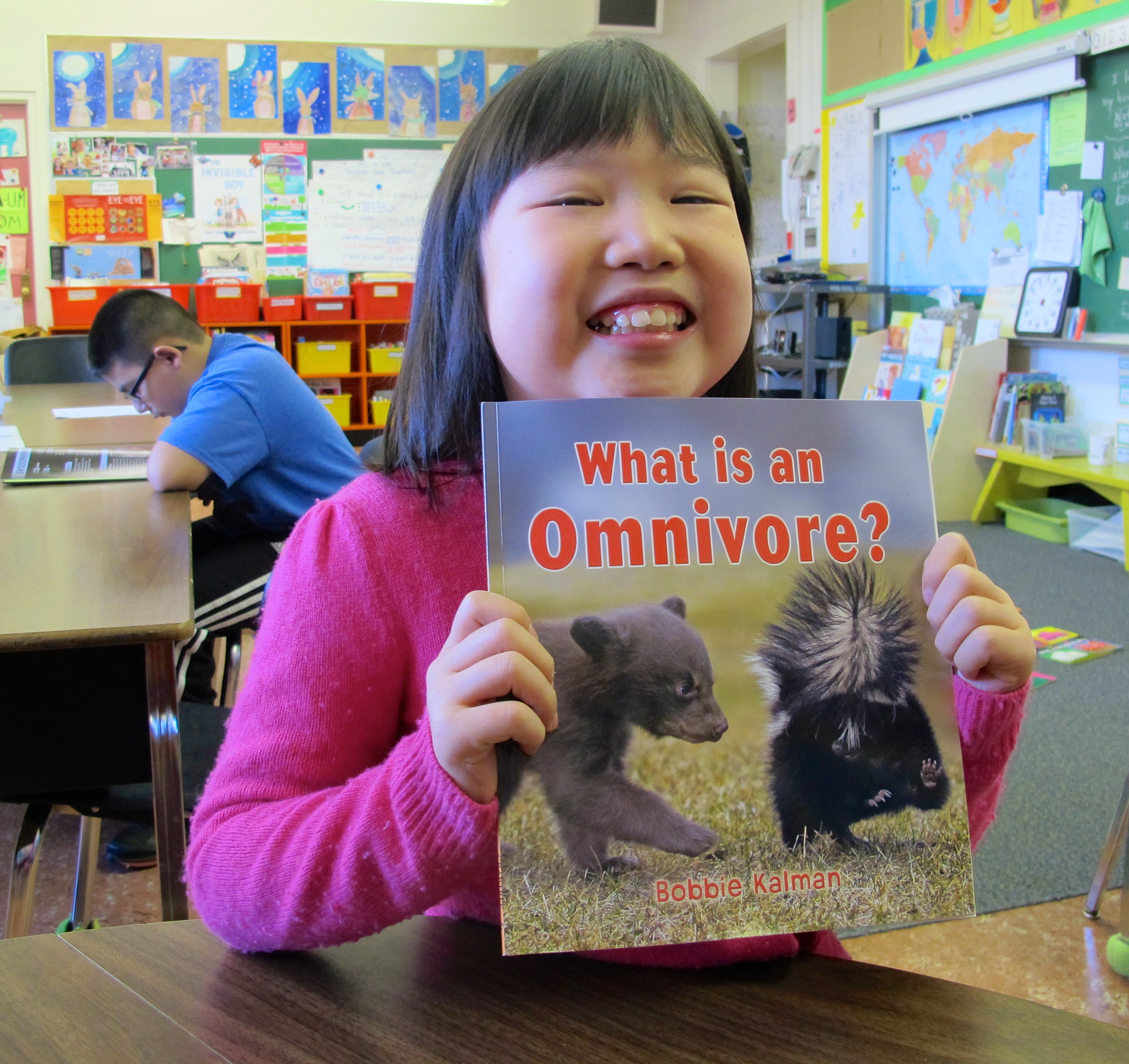
I like baby animals a lot. They’re so cute. I’ve read this series before. I like all of the photographs and that it tells me more about animals.”

 Nonfiction Picture Book Wednesday: What nonfiction title do you want to read next & why? There's a Book for That

 “I want to learn about dirt. The picture looks like it shows what’s inside of it.”

 Nonfiction Picture Book Wednesday: What nonfiction title do you want to read next & why? There's a Book for That

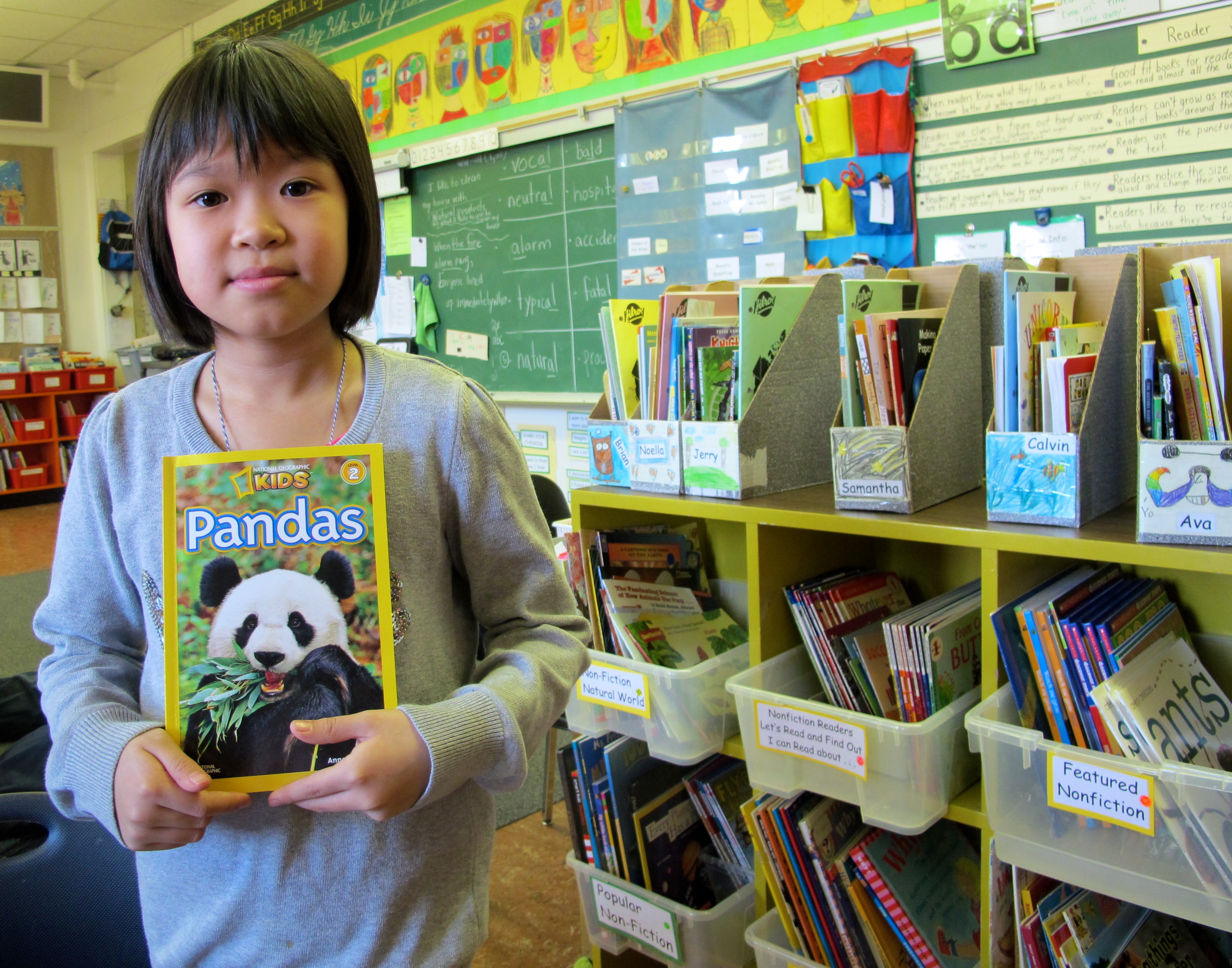
“I want to know more about pandas. I know this series and I like the photos.”

 Nonfiction Picture Book Wednesday: What nonfiction title do you want to read next & why? There's a Book for That

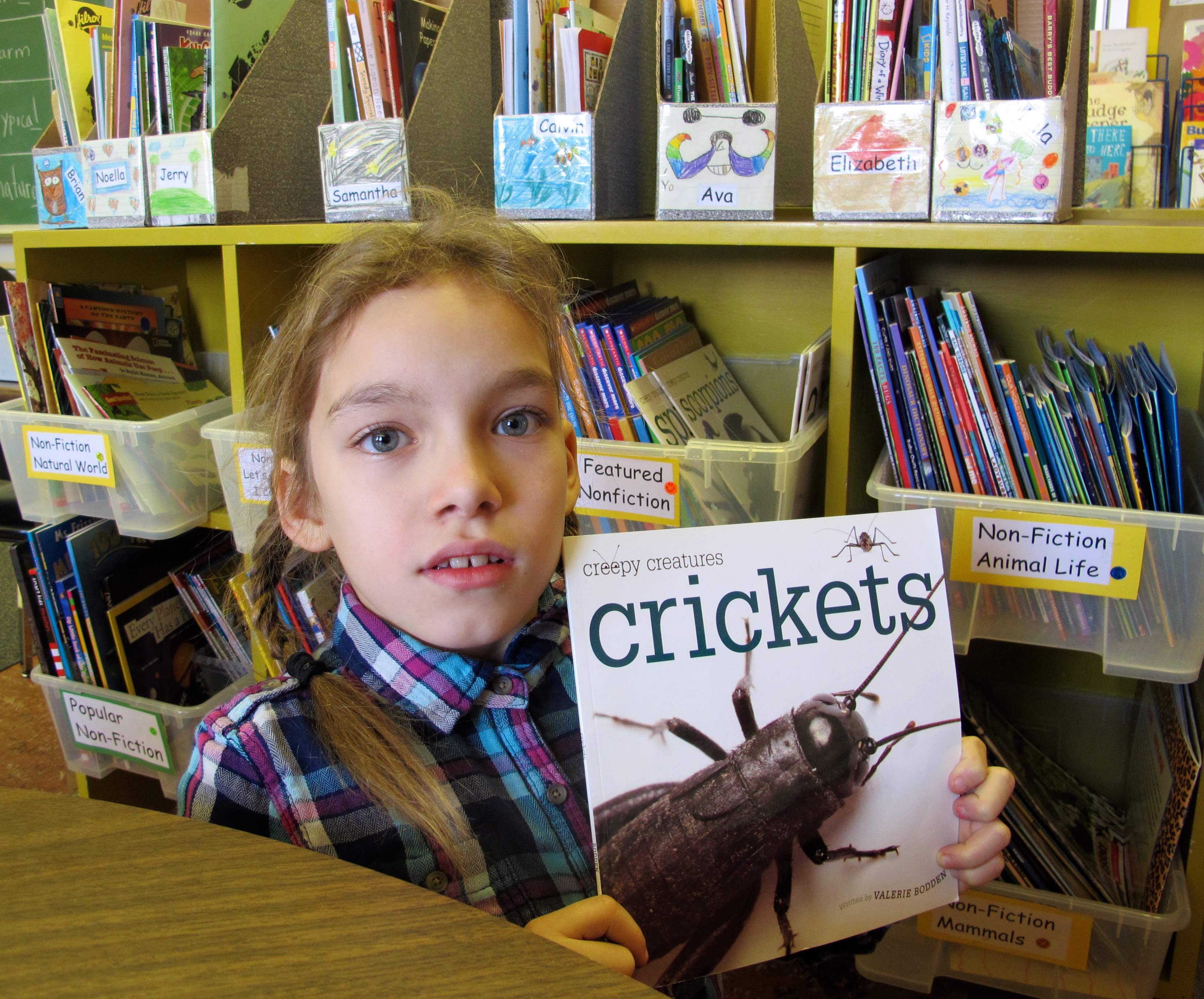
“Because I’m scared of crickets. If I read it, I’ll get used to crickets. I read this series before and I like it because it’s easy to read and it tells about the life cycle and stuff.”

 Nonfiction Picture Book Wednesday: What nonfiction title do you want to read next & why? There's a Book for That

I think it’s going to show lots of details about sharks. I know some things about a tiger shark already.”

Nonfiction Picture Book Wednesday: What nonfiction title do you want to read next & why? There's a Book for That

 “I love this series. I like reading about the animals that I don’t know lots of things about. Yet.” 

 Nonfiction Picture Book Wednesday: What nonfiction title do you want to read next & why? There's a Book for That

 “I like the photographs and the close up pictures. I want to learn more about mantises.”

 Nonfiction Picture Book Wednesday: What nonfiction title do you want to read next & why? There's a Book for That

“I want to find out more about how different animals eat. I like this photo on the cover a lot.”

A few themes seemed to emerge in terms of book choices:

Students were choosing to read books that might

  • help them to answer specific questions
  • be similar to other books they had read and enjoyed (similar series, author, topic)
  • have connections to their background knowledge
  • have connections to other learning we have done during the year
  • be like a book they have had success with in the past

Some choices are being made purely based on the cover. Engaging full colour photographs are appealing. Other choices have more to do with a sense of the inside content. Students are also choosing books that will be a good fit in terms of reading level. A wide variety of texts at different difficulty levelss in essential. Series in nonfiction are popular just like series in fiction.

What books do your students gravitate to? What trends do you notice?

And, now I am thinking/confirming . . .

  • Book talk. Book talk. Book talk. Lots of exposure to what we know and love and new titles, genres, topics.
  • Make sure I know student interest. I need to keep asking these questions about preferences and picks. It will help me with supporting a variety of book choices and topics for future read alouds.
  • The more I read aloud from the extensive nonfiction collection I have amassed, the more wonder, curiosity and knowledge I will help build. This will lead students to a wider variety of book choices for independent reading.

How I love nonfiction picture books! Thanks to Alyson from Kid Lit Frenzy for the inspiration to read and share more nonfiction picture books in 2015. Follow the link to Alyson’s blog to read about more nonfiction books you need to read!

Thanks also to Alyson for all of the wonderful conversations about nonfiction reading and teaching with nonfiction books. A conversation with her inspired me to start thinking about what draws my students to certain books. I am so very glad that I asked this question this week.

#nfpb2015

Mock Sibert: 2015 The top picks by There’s a Book for That, Kid Lit Frenzy and Unleashing Readers

Mock Sibert Mock Sibert: 2015 The top picks by There's a Book for That, Kid Lit Frenzy and Unleashing Readers

Over the past three years, Alyson (of Kid Lit Frenzy) has hosted, and Kellee (of Unleashing Readers) and I have participated in a book challenge pushing ourselves to read more nonfiction picture books. Since we read many of the best nonfiction picture books published each year, in 2014 we decided to start hosting a Mock Sibert Award.

The Sibert Award is given annually to the most distinguished informational book published during the preceding year. Although the Sibert Award is not just for picture books, we are going to focus on the nonfiction picture books we feel would be honored or win this year. To be honored/win the Sibert Award, the book must include these important elements and qualities:

  • Excellent, engaging, and distinctive use of language.
  • Excellent, engaging, and distinctive visual presentation.
  • Appropriate organization and documentation.
  • Clear, accurate, and stimulating presentation of facts, concepts, and ideas.
  • Appropriate style of presentation for subject and for intended audience.
  • Supportive features (index, table of contents, maps, timelines, etc).
  • Respectful and of interest to children.

After reviewing the qualities and elements needed to win the Sibert Award, I chose these five titles as my Mock Sibert Finalists. On February 2nd when the winners are announced, I am hoping some of these picks will be on the list!

This was not an easy task! There were many nonfiction titles I treasured in 2014.

Check out Kid Lit Frenzy and Unleashing Readers to see what Alyson and Kellee chose as their picks.

In making my final choices, I thought carefully about which titles would be particularly appealing to young readers – which books would inspire wonder, would be engaging and easy to navigate?  Each of these titles stands out to me as ideal nonfiction reading for children.

Listed in order of publishing date

Handle with Care: An Unusual Butterfly Journey written by Loree Griffin Burns with photographs by Ellen Harasimowicz (March 2014)

This is one of the last nonfiction titles I read in 2014 and the first nonfiction read aloud I brought in to share with my class in January. I love what one child said very early on in our reading: “This book gives us questions but lets us find the answers.” The most special thing about this title is that it answers a question that few children might have imagined: How exactly do butterflies get to live exhibits in the north? Many children have been to Science Centres and Natural History Museums that might house live exhibits. Where do those butterflies come from? How do they get there? This title tells that story. It describes how the important work on a butterfly farm in Costa Rica allows the farm workers to collect and ship butterfly pupae around the world, while at the same time, respecting and protecting the forest around the farm. A pupa, it turns out, is the perfect package! Incredible photographs of the butterflies at all stages of life are included, as well as photographs of El Bosque Nuevo, the butterfly farm featured in this book.

Not only was this an amazing story, but the learning continues in the final pages of the book. More information is provided about insects and their life cycles and additional details on insect words are explained. There is a detailed glossary, suggestions for further reading and stunning end pages with more photographs of both various pupae and also adult butterflies. Of particular interest to children? A section on helpful hints if you do get to visit a live butterfly exhibit.

 Handle with Care Mock Sibert: 2015 The top picks by There's a Book for That, Kid Lit Frenzy and Unleashing Readers

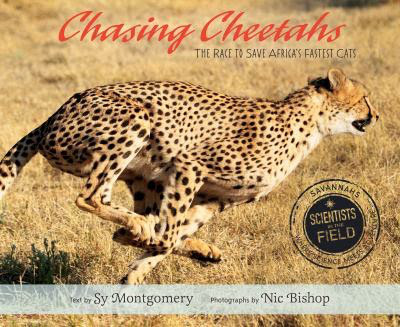
Chasing Cheetahs: The Race to Save Africa’s Fastest Cats written by Sy Montgomery with photographs by Nic Bishop (April 2014)

I adore reading Scientist in the Field titles in general but have a special affinity for titles by Montgomery and Bishop. Their relationship with each other, the connection they form with the scientist, the prose, the photographs – all lend themselves to such incredible and engaging stories. I purchased this title as soon as it was published. Cheetahs are so frequently “nominated” by children as a favourite animal. But what is the story of their endangered status and what is being done about it? That is the story that this title showcases – in particular the story of  Laurie Marker and the work she does at the Cheetah Conservation Fund (CCF)‘s African headquarters in Nambia. This title is a wonderful blend of information about conservation efforts, facts about cheetahs, the story of the science behind the research and most delightful – an introduction to the various cheetah ambassadors who live at CCF in Nambia. The rescues, the orphaned babies, the rehabilitation, the releases back to the wild – such stories pull the reader strong and fast into the important work of the CCF.

Perfect for older readers, this title would also make a great read aloud for younger students who are learning about endangered animals and efforts being made to protect them. The final chapter of the book actually features the story of Marker’s visits to Rogate Primary School to speak to school children about the work of the Cheetah Conservation Fund and how farmers and cheetahs can coexist in Nambia.

 Chasing Cheetahs Mock Sibert: 2015 The top picks by There's a Book for That, Kid Lit Frenzy and Unleashing Readers

The Right Word: Roget and his Thesaurus written by Jen Bryant and illustrated by Melissa Sweet (September 2014)

This book is like a piece of art. Layer upon layer of history, personal story, word joy and fascinating details – this is how a biography should arrive: all wrapped up to be peeled away piece by piece. Of course it is fitting that the man who imagined the thesaurus was enamoured by lists, language and the perfect word for each occasion. Enchanted by words and compelled to share, Roget dedicated his life to sharing knowledge and his passion for words.

This book is rich in supportive details beyond all of the creative collage elements shared by Sweet and the interesting text and lists by Bryant. I love the two page spread entitled: List of Principal Events. This is a timeline of important events in history happening at the same time as key events in Peter Mark Roget‘s life. What a wonderful way to show children that our personal histories are influenced and shaped by the world we live in. Author and illustrator notes are also full of additional reading pleasure!

The Right Word Mock Sibert: 2015 The top picks by There's a Book for That, Kid Lit Frenzy and Unleashing Readers

Neighborhood Sharks: Hunting with the Great Whites of California’s Farallon Islands by Katherine Roy (September 2014)

I know how popular shark books are with children. I often buy books about sharks. I seldom read them. It’s fear factor avoidance. I freely admit that I think sharks are one of the most truly terrifying creatures. But this book captivated me. Its mixture of gorgeously painted illustrations, detailed relevant diagrams and the story of how the great whites who hunt in the Farallon Islands hunt so successfully, kept me reading and interested to the final pages. This book illustrates how sharks are perfectly adept hunters, at the top of the food chain. Katherine Roy shares specific information about body shape and function, the heat exchange system that gives the shark a warmer brain, its vision, its teeth and those projectile jaws. Against its prey, the shark clearly has many advantages. It is built to be an “absolute predator.”

The factual pages are embedded within a story of shark migration and hunting habits. I can see children studying the diagrams carefully in order to understand exactly why the shark is such a perfect killer. The paintings in this story don’t shy away from depicting the realities of the hunt: swirling waters, a stream of red, jaws full of teeth . . . Images that allow children to feel like they are getting a close up look at the hunt but not so gruesome to make anyone want to hide their eyes. Strangely, I think these paintings are superior to photographs in the sense that they pull the reader in rather than turn anyone away.

 Neigborhood Sharks Mock Sibert: 2015 The top picks by There's a Book for That, Kid Lit Frenzy and Unleashing Readers

Winter Bees and Other Poems of the Cold by Joyce Sidman and Rick Allen (November 2014)

My childhood was all about snow. Living now on the milder West Coast, I often think about those long winter seasons of snow covered ground that seemed to be endless. Snow days here are all about a fleeting time. Snow balls, snow men and the swish of seldom worn snow pants racing up the toboggan hill before it all melts away. But what about the animals who must survive long winters where snow is not a novelty but a part of life? Is the snow a burden? A hardship? How do they survive? How do they adapt to the long winter months? These are questions that children will find answers to in this stunning collection of poems, lino cut prints and informative paragraphs.

The poems are beautiful and convey details and images that simple text might not. Sidman’s words invite all of our senses into the visualization process. She writes of squishy damp leaf litter where springtails (snow fleas) live, of the ripped chips and thrashing twigs of the beaver’s lodge, and how the baby moose shrugs off the cold and sneezes at the wind. Lured by these images, the reader wants to know more. The descriptive paragraphs about each creature and detailed glossary provide lots of additional information. Allen’s prints layer colour and texture and suggest movement in their details. So appealing!

 Winter Bees Mock Sibert: 2015 The top picks by There's a Book for That, Kid Lit Frenzy and Unleashing Readers

After checking out these titles I have featured and Alyson and Kellee’s choices, which book do you think should win the Sibert?

Enter our Rafflecopter (follow the link) to win a copy of one of our picks (your choice!) as well as to vote for which book you think will win.

Please share any additional comments in the comment sections on any of our blogs!


Wondering about butterflies: Nonfiction Picture book Wednesday

I am excited to once again highlight a recent title shared in my classroom and how we structured our read aloud experience. I am trying to share more of how these nonfiction books come alive in the classroom with kids!

The #nfpb2015 challenge is a great way to learn more about what nonfiction titles others are reading.

#nfpb2015

During the past week we have been reading Handle with Care: An Unusual Butterfly Journey written by Loree Griffin Burns with photographs by Ellen Harasimowicz (March 2014)

This title shares with the reader how a butterfly farm in Costa Rica prepares butterfly pupae for the journey to various museums and science centers in the north. It answers questions about how the farm functions, the connection to the rain forest habitat and how pupae are prepared for the long journey. Can you imagine getting a package of butterfly pupae in the mail?

My students wanted to begin making special orders immediately! 🙂

Photographs by Ellen Harasimowicz are stunning and help tell a story that many students would never have imagined. I have some students that just wanted to gaze at the end pages with photographs detailing various pupae. Students really appreciated the close up photography. One child commented:

“Human eyes wouldn’t even be able to see that (eggs on a leaf). But the camera zoomed up close so we can all look carefully.”

There is a detailed glossary at the back of the book and we appreciated the helpful hints provided about visiting a live butterfly exhibit. Many students in my classroom have been to the Vancouver Aquarium on a field trip with our school and had the opportunity to visit an area with live butterflies fluttering about. So this book had particular meaning.

Wondering about butterflies: Nonfiction Picture book Wednesday There's a Book for That

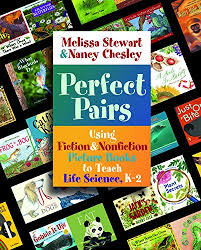
Note: I am currently reading Perfect Pairs: Using Fiction and Nonfiction Picture Books to Teach Life Science , K-2 by Melissa Stewart and Nancy Chesley I have been inspired by the way many lessons begin with a Wonder Statement and include writing, responding and drawing in a Wonder Journal. We already have a Wonder book that we write in regularly but I am trying to use it more often with our nonfiction read alouds.

 Perfect Pairs Wondering about butterflies: Nonfiction Picture book Wednesday There's a Book for That

Before I introduced Handle with Care, I asked the students to respond to this wonder statement:

“I wonder how butterflies get to Science Centers and museums all over the world.”

Students discussed this statement in Turn and Talk partners and then had an opportunity to share out. They then wrote about their thinking in their wonder notebooks.

Some samples:

“I think that some people found a butterfly in Brazil. They probably took them while they are in caterpillar form. They might catch them in a cage. Do they use a potion to lure them into the cage?”

“I think that they get special food to attract them or catch them as caterpillars and take them back. They would have to research butterflies to study the rare ones and the almost extinct ones. They would live in places that are hot and have nice rainforests.”

“I think they take a big truck and drive to California and catch the butterflies in a big cage and then drive to the airport and go on the plane with the caged butterflies with them and drop them off to the science centers. Maybe they get the science workers to do it. Perhaps they lure them into the cage with fruit and honey.”

“I think they catch the butterflies when they are eggs and grow them like that.”

When we learned on the first page that the pupae are sent in a mysterious package to the museums, students were hooked. They had all kinds of questions like:

  • How do they know they won’t transform into butterflies before they get there?
  • How do you touch the pupa without harming it?
  • Where do they get all of the pupae?
  • Are some of them damaged from the travel?
  • How much does it cost to order them?
  • How do they know about how to make a home for them when they arrive?

We continued reading throughout the day and by the afternoon, students were ready to summarize their learning about the important jobs of the butterfly farm workers in Costa Rica.

Some written summaries:

“Farm workers must help adult butterflies be healthy. The farm workers get trees for the butterflies. They crush bananas to feed them.”

“Farm workers have to look out for predators. In the green house, there is the butterfly larva, eating. Farm workers need to protect the greenhouse.”

“Farm workers must: fix holes in the screens so grasshoppers don’t eat food for the larva, go hunting for fresh leaves and trees, protect the larva and the butterflies from frogs, birds and snakes and put out sugar water everyday.”

“They have to keep all of those predators out of the greenhouse like grasshoppers, frogs, birds and snakes. They have to pick a herd of caterpillars off of an empty branch of leaves that they have eaten and move them to a different branch of leaves.”

So much learning in this book. Lots of discussion. Big questions and connections. I love that it allowed students to explore a question that they had never really considered. One of our bookshelves is now full of butterfly books and students are busy learning more about butterflies during independent reading.

Thanks to Alyson from Kid Lit Frenzy for the inspiration to read and share more nonfiction picture books in 2015. Follow the link to Alyson’s blog to read about more nonfiction books you need to read!

Nonfiction Picture Book Wednesday: The Iridescence of Birds

I am so excited to once again be participating in a weekly sharing of amazing nonfiction books that we can use to enhance the learning in our classrooms and our own reading and learning lives. Hurray for #nfpb2015!

This year, at least once a month, I want to try to share how I am using particular texts with my students or what we are reading in the world of nonfiction.

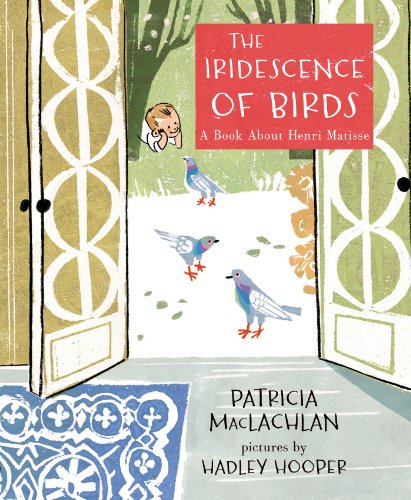
Today, we read the beautiful picture book biography: The Iridescence of Birds: A Book about Henri Matisse written by Patricia MacLachlan with illustrations by Hadley Hooper

This book, by the way, is on the Mock Caledcott list I am doing with my class. I think I love the illustrations more with each read.

This title is like one long answer to the book’s first page:

“If you were a boy named Henri Matisse who lived in a dreary town in northern France where the skies were gray”

It goes on to highlight beautiful images and memories of his childhood home and experiences. Simple. Calm. Subtle. Slowly, we are drawn into the colours, the sensations, the possible perspectives of a young Matisse. This isn’t a story of adult artist. It is about a boy absorbing the beauty of his world.

This title is truly a treasure. Read it over and over and find yourself lulled by the lyrical words and the beautiful hues of Hooper’s illustrations.

I loved this interview with Hadley Hooper on the blog Seven Impossible Things Before Breakfast. 

Nonfiction Picture Book Wednesday: The Iridescence of Birds There's a Book for That

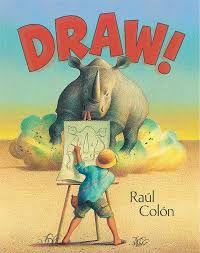
Before I shared this title with my class, I “read” them the gorgeous wordless title Draw! (another title on our Mock Caledcott list) The author’s note at the back talks about Colón‘s journey to adult artist. The children were intrigued by his long history of drawing and who he counted as influences.

Draw!

Before sharing The Iridescence of Birds, I posed this question to my students: 

“I wonder where an artist gets his/her inspiration?”

This question mirrors the beginning of MacLachlan‘s author’s note at the back of the book:

“Why do painters paint what they do? Do they paint what they see or what they remember? “

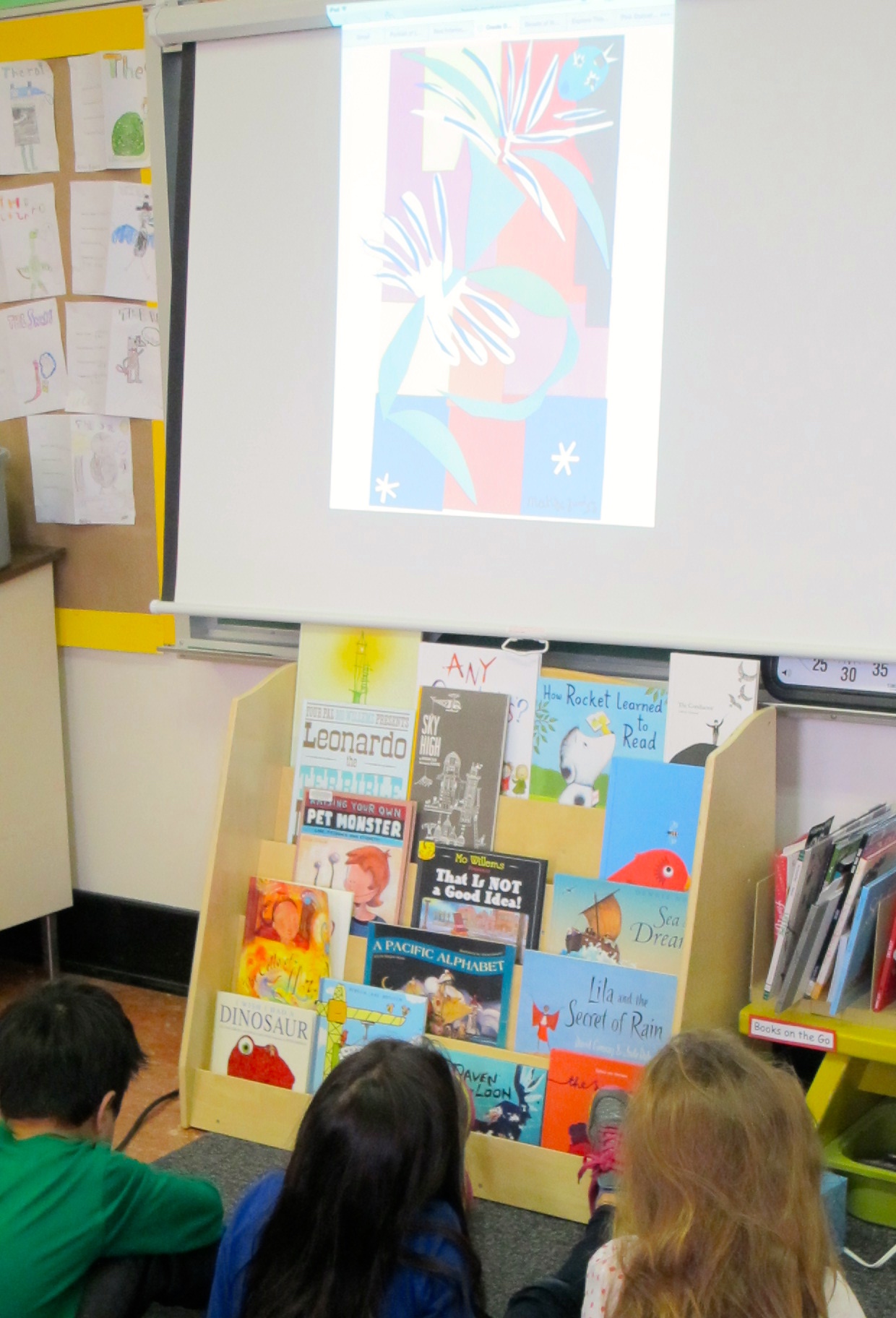
We looked at some images of Matisse’s work and talked about what we noticed.

Nonfiction Picture Book Wednesday: The Iridescence of Birds There's a Book for That

Students began to answer the question about where an artist’s inspiration might come from. Their ideas were fairly general:

  • from their childhood
  • from the places and people around them
  • from the time that they lived (we helped with this idea)

After reading the book, I asked the students to think about two questions:

  1. What were specific things that might have influenced Matisse in his later work?
  2. What was the author’s purpose in sharing this story?

We needed to picture walk the book a number of times again and read the text from particular pages so that the students could share specific and not vague answers. I pointed out that yes, his childhood had been an influence, but what specifically had the author and illustrator highlighted? I think this digging deeper past a quick answer is so important. This book in its beautiful simplicity of text, allows us to reread multiple times and focus on the specific details.

Finally, the students came up with this list:

  • the red rooms (floors and walls)
  • the fruit he got to put in bowls
  • the putting flowers into vases
  • there was always a cat
  • the painted plates his Mom made
  • the scenery he thought about or saw when he looked out the window
  • the pigeons – how they moved and what they looked like
  • his experience of mixing paints

They had some interesting comments about the author’s purpose. I love that when we read picture book biographies, they make connections between a particular individual’s story and their own experiences (past, present or future).

“It started off all grey and it gets more colourful. They showed how he changed his “place” himself to be more beautiful.”

“Kids like art. It’s fun. You can be inspired by reading about an artist and his life.”

“They wanted us to learn more about a famous artist.”

“The book was about what inspired Matisse. Maybe we have inspiration all around us too.”

Thanks to Alyson from Kid Lit Frenzy for the inspiration to read and share more nonfiction picture books in 2015. Follow the link to Alyson’s blog to read about more nonfiction books you need to read!

#nfpb2015