Unknown's avatar

About carriegelson

Elementary teacher passionate about all things literacy.

Read aloud everyday – in practice

This week in a piece of writing, one of my students shared, “My teacher is a book maniac!” This not only made my day, it made my week. Because the love of books, the excitement over stories and the magic of reading are the gifts I never tire of giving and hope that I have gifted in abundance this year. Every week we share a lot of things. And books? Well, they are at the top of our list! Reading aloud on a daily basis is a priority. We find many reasons to read together.

What did Division 5 read this week? When you add it all up, it’s a lot! 

On Monday we read . . . 

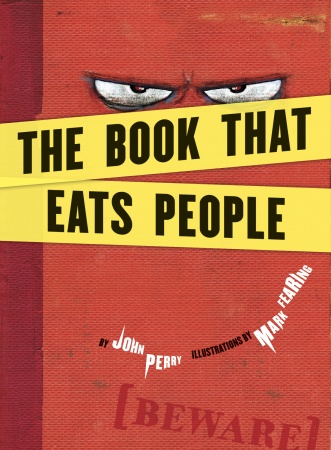
We often begin our mornings with a read aloud (or two or three). On Monday when we had five students absent, we began to wonder if this book might have been up to no good on Friday afternoon. Was is ravenous? Were some children devoured? We had to wait until the next few days to see who returned all in one piece! A fabulous book to humorously explore a little bit of fear . . . . The Book that Eats People is written by John Perry and illustrated by Mark Fearling.
We used Thank You Miss Doover to get us in the mood for writing an appreciative and personal thank you letter. Students learned a lot about writing and giggled through the how to train a puppy aspects of the story. Hint: there is paper and it is often yellow after a certain puppy stands on it. I was ordered to place this new book in the humour bin!

(Written by Robin Pulver and illustrated by Stephanie Roth Sisson)

On Tuesday we read . . .

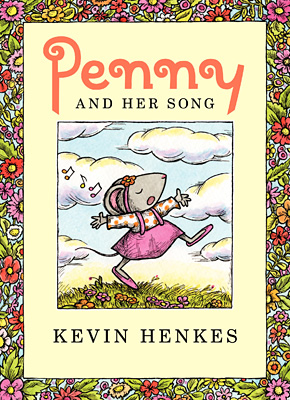
On Tuesday morning I shared some books that were brand new to our school library. When the students saw author Kevin Henkes on the cover of Penny and Her Song, they begged me to read the book aloud. Well, c’mon! Kevin Henkes? How could I say no?
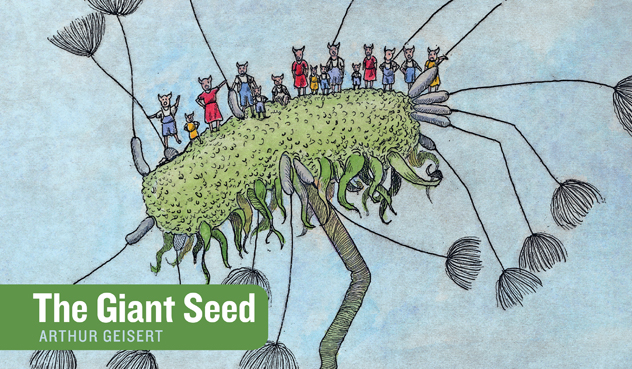
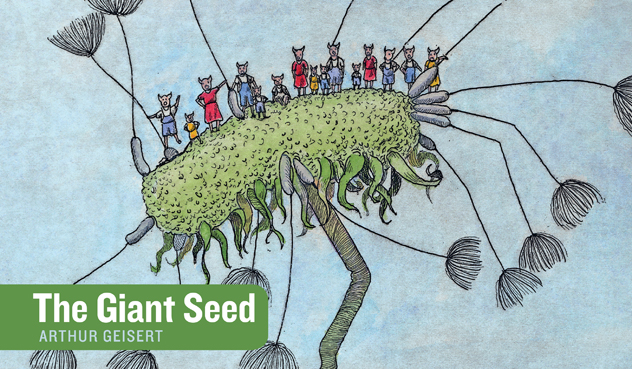
I then shared another new to the library title. The Giant Seed by Arthur Geisert is the sequel to the fabulous Ice that we read a few months ago. (The book that instantly made us Geisert fans). This new title lets us revisit the island with the industrious pigs and this time, the disaster they face is not a water shortage but a volcanic eruption. Evacuation via dandelion parachutes is absolutley delightful. Our class loves sharing wordless books!
Our Reading Group finished Hurricane, another fantastic information story book by Celia Godkin. Students had many questions about what happens during and after a hurricane. Just how destructive can it be? How do living things survive? This book allowed us to explore these questions and later students wrote about what they discovered. Our latest focus in our writing has been to include supporting details/ evidence. This book offered lots of great information on life in and around a mangrove swamp just before, during and after a hurricane. Writing was prolific!

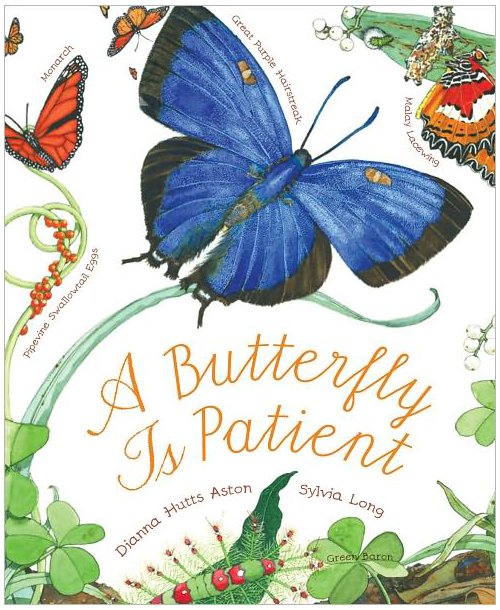
In the afternoon we read A Butterfly is Patient  (an extension of our plants/seeds/garden theme) and students wrote about their new learning and their background knowledge. Read more here.

 On Wednesday we read . . . 

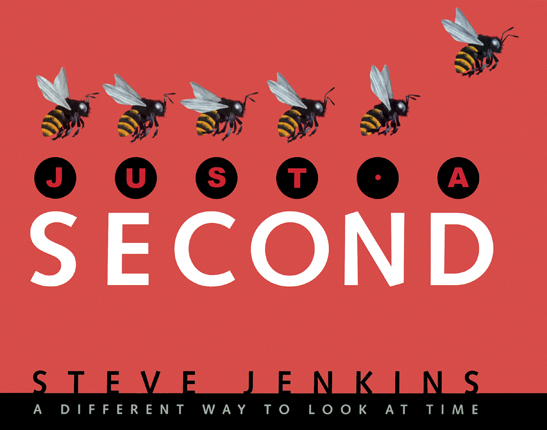
Wednesday mornings always begin with Just a Second by Steve Jenkins. This is a perfect book to read in little chunks as there is so much to discuss, ponder and dijest. We only have 15 minutes before Ms. S picks students up for their weekly book exchange so we love to share a few fascinating facts to turn on our brains and make us exclaim “Wow!”
 After recess we have one of our favourite events of the week. A reader from the BLG law firm comes to read to us and leaves us with a wonderful new book for our Seymour library collection. This week we listened to Crafty Chloe read by our BLG reader, Dan. Read more here in our latest BLG Reads this week post.

Every Wednesday afternoon, our three primary classes meet for our weekly Social Reponsibility Gathering. Often we share a book with a SR theme or a title that helps us extend our learning over concepts covered in the MindUp curriculum. This week I read the gorgeous Little Bird. A book that celebrates finding joy in the smallest of things. We learned that when we are mindful of our environment and those around us, real magic happens. A nearly wordless book so we were able to tell it together. Just lovely. Written by Germano Zullo and illustrated by Albertine (winner of  2011 Prix Sorcieres (the French Caldecott) for this title).
little-bird 12 for 2012


On Thursday we read . . .

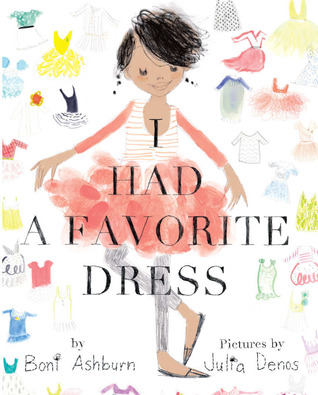
Crafty Chloe reminded me of the creative genius highlighted in I Had a Favourite Dress written by Boni Ashburn and illustrated by Julia Denos. So this new addition to Seymour’s library was our morning read aloud.
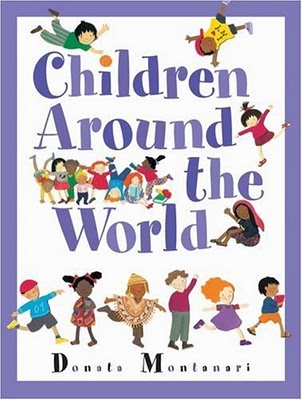
In the afternoon we shared stories from Donata Montanari‘s Children Around the World. We enjoyed reading about children’s lives in different countries: their school experiences, their homes, their traditions, the languages they speak, their parents’ jobs and tasks and their favourite pasttimes. This inspired our own writing where students shared information about themselves and their families thinking all the while about what a child somewhere else in the world might want to know. Lots of great writing and wonderful sharing!
Elementary teachers – What did you share in your classroom this week? Do you get a chance to read out loud every day? 

Crafty Chloe

Our BLG book today was read by Dan: Crafty Chloe written by Kelly DiPucchio and illustrated by Heather Ross.

Chloe is very good at making stuff. Sewing, crafts and creativity are where she shines. She sees the world through “what could I make with this?” eyes and her little world is all the more intersting because of it!

My favourite picture has to be this one where we learn that Chloe is convinced that “anything becomes less boring with googly eyes on it”.

When Chloe’s birthday shopping plans for her friend Emma are thwarted by classmate London who swoops in and buys the Violet doll Chloe had planned to purchase, Chloe announces that she is going to make something for Emma. London sneers. “You’re going to MAKE her something?” Chloe has a challenge ahead. When the ideas don’t come, she suddenly develops a horrible case of the chicken pops (horrible blue spots of the washable variety) and she announces that she will be unable to make Emma’s party. When her Mom reminds her that there will be pony rides and that Emma is a really good friend, Chloe’s illness quickly disappears and her inspiration returns.

When London ends up dropping her gift into a mud puddle on route to the party, Chloe’s home made gift saves the day. AND it is beautifully adored by Emma. What we appreciated was how Chloe helped out London even when London had insulted her. Themes of friendhip, making good decisions and creativity.

Are you a crafty kid? Or an adult who spends time with one? Check out Chloe’s crafty website to make the crafts featured in the book.

Our student reviewers report:

Truman: I like the part when it showed the note that said, “P.S. I made it myself.”

Khai: I liked it because Violet said you’re going to make something? And laughed. Chloe still helped her.

A Butterfly is Patient

The amazing team of  Dianna Aston and Sylvia Long deliver another picture book masterpiece with their third book A Butterfly is Patient.

This year we have shared An Egg is Quiet (as part of our learning about birds) and A Seed is Sleepy (to supplement our plants/seeds/gardens learning) With both titles we used a modified version of Adrienne Gear‘s Knew-New Connections from her Non-Fiction Reading Power book to represent our learning.

Students were excited to share this book as many had learned about butterflies or even hatched butterflies in their Kindergarten or Grade 1 years and so they had a lot of prior knowledge to connect to their new learning and they were able to represent all of this background knowledge under “I KNEW this already!

A butterfly is helpful (fantastic pollinators)

What is lovely about representing our knowledge on a sheet like this is that it is very open ended. It allows students to document their own learning from exactly where they start. There are no “right” answers. Some facts ended up on “This is NEW to me!” and for others, these same facts were included on, “I KNEW this already!” Being familiar with the sheet allowed students to start organizing their thinking as we read. There were comments like, “Wow. I didn’t know that!” or “Hey that is what we learned last year. Remember how we talked about . . . ” When it came time to write, everyone had lots to say!

Describing prior knowledge and new learning.

IMG_4023

Another student example of all the new things he learned today.

IMG_4018

Some other student examples from “I KNEW this already!”

*Butterflies help plants make new plants (pollinate)

*I knew that some butterflies have spots that look like eyes on their wings

*They molt (shed their skin)

*I knew they started out as an egg

*Butterflies make chrysalises. They don’t make cocoons

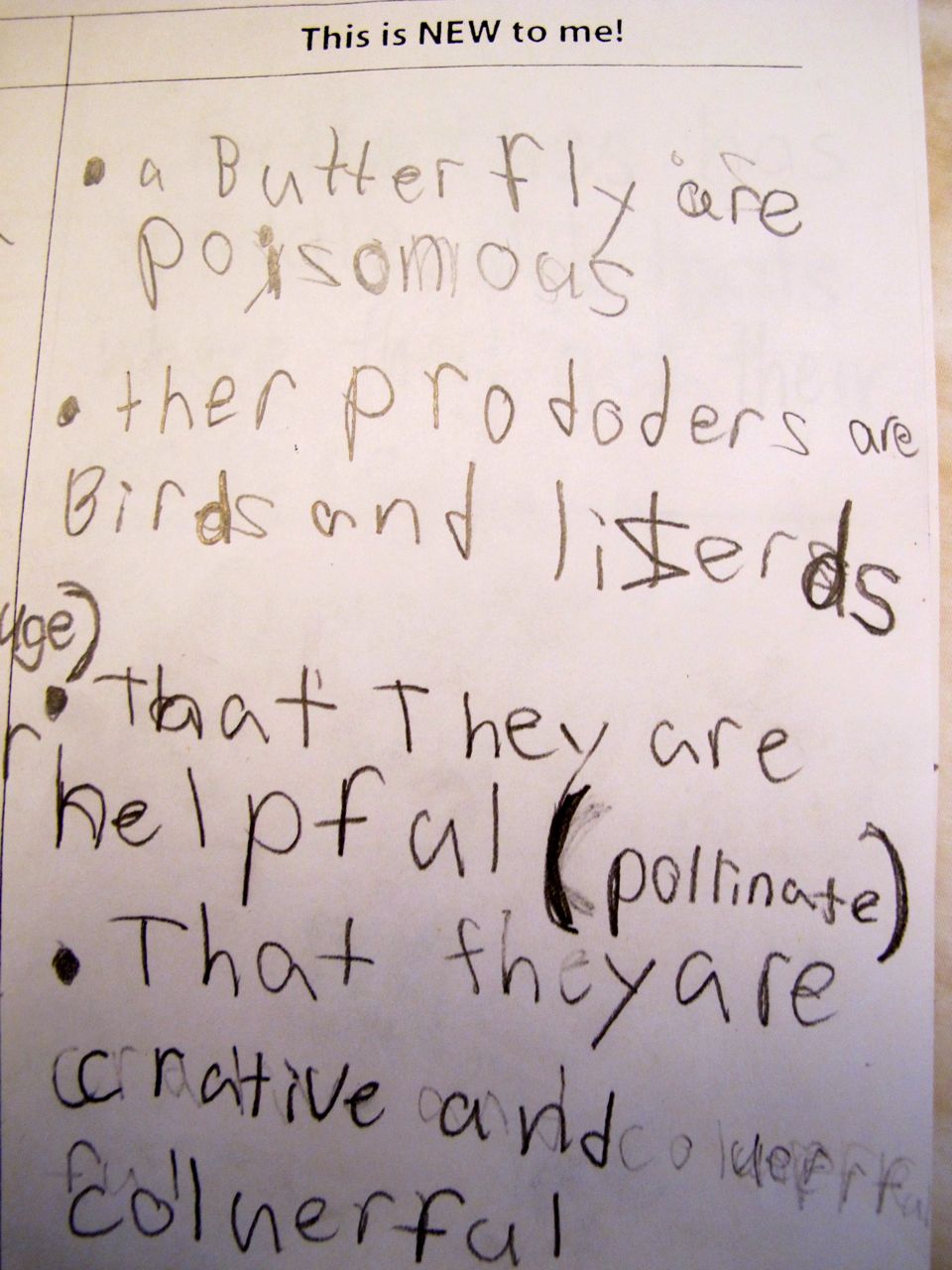
Information shared for “This is NEW to me!”

* I found out that they taste with their feet

*I did not know that butterflies can be poisonous

*I didn’t know that a peacock butterfly can make a hissing sound by rubbing its wings

* I discovered that they drink water from mud puddles

* I didn’t know that butterflies could get water from wet soil

The Pirates Next Door starring the Jolley-Rogers

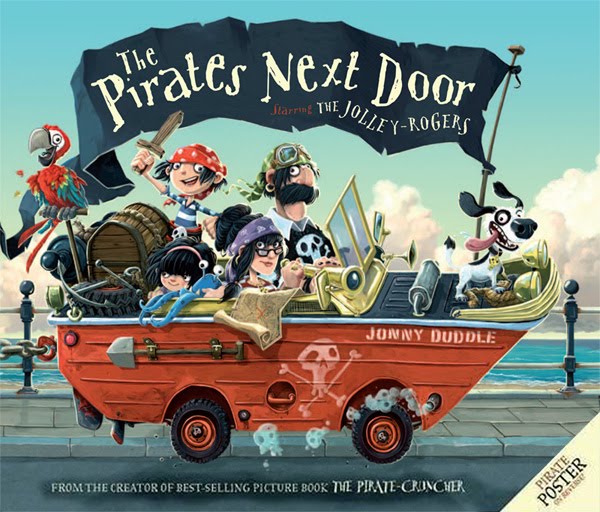
Our latest BLG book was read by Bill: Jonny Duddle‘s The Pirates Next Door (Starring the Jolley-Rogers) 


The little town of Dull-On-Sea has a temporary population blip. Instead of 2222 people residing in this seaside town, for a little while there are 2227. This is what happens when the house that has been for sale forever next to Tilda is occupied by new neighbours. Neighbours who haul their pirate ship into the driveway and unload barrels, treasure chests, cannons and crates. Tilda thinks her new neighbours are just grand! Jim Lad, his little sister Nugget, Grandpa and parents are sure to liven things up!  Her Mom and Dad are not so thrilled. Her teacher isn’t at all pleased with Jim Lad’s attire. And the neighbours find plenty to complain about. Oh the gossip. The judgement. The nasty comments. It seems that pirates just won’t do in this little town.

When the pirates leave suddenly in the middle of the night without warning, every lawn has an X over a recently dug hole. Turns out that the pirates have left surprises for all the residents that has them quickly singing a different tune about their temporary neighbours. Funny what a little treasure does to public opinion!

We enjoyed the rhyming verse, the colourful pictures and the pirate antics. A fun book. Students also pored over the family tree poster included on the book jacket.

Multiplication Strategies

This post has nothing to do with something new and brilliant I’ve discovered about helping students learn their multiplication facts. Instead, it is about my learning. About a year ago, I wrote this post: Times (x) they are a changing . . . .  It was a reflection on how and why I stopped doing timed multiplication drills. Back then, I learned from my students about what they needed. We began to work on our facts in a different way and I was excited about what I saw.

In no way did I throw the baby out with the bathwater. I still believe children benefit from knowing their multiplication facts. Especially if they know them “by heart” so the answer to 7 x 8 is as easily retrieved as a birth date. This allows them to use these facts easily and quickly as they work on more complex problems in the intermediate grades.

But one year later, what am I thinking? Watching my students approach their daily practice with multiplication facts, I remain absolutely convinced that timed drills are not the way to go. Why?

*The stress of “being timed” just completely shuts some learners down before they even begin.

*Timed drills have a “test like” vibe and everything gets quiet. The “talking through thinking” stops and often, so does the thinking.

*Timed drills highlight what you already know as a teacher. Some kids learn their facts almost instantly, some learn them with lots of memory work and some struggle no matter what. So why create a situation that highlights this? It doesn’t highlight learning.

*Creating a situation where memorization is the only route to success means not everyone has success

What do I do instead? 

*We spend a lot of time on the concept of multiplication. The symbol x is taught as “groups of” so we would read this math sentence 2 x 4 as 2 groups of 4. We draw pictures. We work with manipulatives. We play games. We build and draw arrays (with blocks, graph paper, rows and dots) We solve problems (using pictures or blocks, etc)

* We then move on to learning that there are strategies to answering multiplication questions – this comes from our observations, discussion and the patterns we notice as we go. I never teach “tricks” at this stage like “just add a 0 to the other number when you multiply by 10” I let students figure it out themselves so that the “trick” is connected to the concept. Not so it replaces it.  It sounds something like this: Student A says, “I was counting by tens to solve these problems (4 x 10 and 7 x 10) but then I noticed that all of the questions that are groups of 10 always end in a 0.” Student B concurs, “Yes! It’s kind of like because you are counting down the 100s chart at the end part where you are skip counting by 10s. So you can just put a 0 on the end of the other number.” Another child listens to this and looks confused. Student A and B get out blocks or the hundreds chart and show them with skip counting.  They try out a few more and boom, they have a strategy that now works for them. And, they all understand because they have made meaning together.

*While we continue using multiplication to solve problems and even move onto division concepts, we do a daily practice sheet that contains 16 multiplication questions. Students move through these sheets at their own pace. They can talk. They can ask for support. Some work with a partner. Some get out blocks and build arrays. Some skip count on their fingers. Some do what they know first and then add on another group i.e. “I know 5 x 6 is 30 so 6 x6 is 30 +6)

What is happening in the room that wasn’t back in the days of timed drills?

*Self talk. I often hear a child talking through the questions

*Talking together and building knowledge

*Discovering strategies and sharing them

*Recognizing patterns

*Time and space to think

*Confidence and competence develop together

*And multiplication facts begin to become known facts. For some it is many. For others,    just a few. Some children are working on learning the 6s and 7s. Others are working with 2s and 5s. Others know them all fairly well and get sheets with a variety of questions to practice. When they feel ready, they tell me they want to move on. Often it just clicks and a child ralizes that they “just know” many facts and they get very excited to learn more. The exciting thing is when they move on to a new set of facts and recognize that they already know many of them!

*Everyone is making progress and multiplication is something we feel confident about!

So fellow primary teachers, how do you deal with learning multiplication facts? Would love to hear how things work in your room.

Row Row Your Bear

We always enjoy wordless books in our class. Such a fantastic opportunity to build oral language skills, share creative ideas, practice inferring from pictures and celebrate the power of a great illustrator.

This past week we fell in love with the talented Beatrice Rodriguez and her delightful books featuring a fox, a hen, a rejected rooster and some would be rescuers.

The first book we read was The Chicken Thief

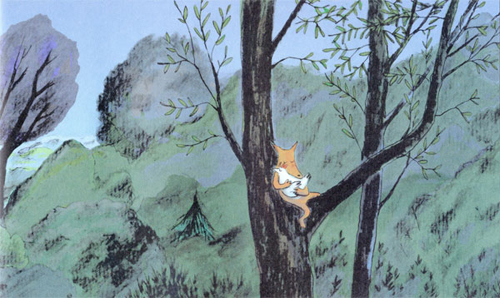
It starts off with a dramatic kidnapping. Fox steals a hen and her friends race off in pursuit. Bear, Rabbit and Rooster are determined rescuers and Fox ends up deep in the forest, sleeping up in a tree for the night to stay ahead of the animals. He keeps Hen snuggled close.

As the sun rises, the chase resumes and Fox manages to hide away deep in a burrow for night number two. He and Hen spend the evening playing checkers. Students began to suspect that Fox would not have the heart to eat his new companion. The chase continues the next day with Fox rowing Hen over the sea in a row boat and Rabbit and Rooster rowing Bear! I made a quick comment that it was not Row Row Row your Boat but Row Row Row your Bear and we had to stop reading as students began to compose songs! There is nothing like spontaneous group song writing: sharing rhymes and giggles inspired by a wonderfully creative text. Two verses that we sang all day (both composed on the spot by students):

Row Row Row your Bear, Off to catch the thief!

Merrily Merrily Merrily Merrily

We caught him! What a relief!

Row Row Row your Bear, Forgot to get an oar

Merrily Merrily Merrily Merrily

Finally, we reached the shore!

This song writing sparked many funny comments: “We’re so poetic!” “Whoever made Row Row Row your boat is fired!” “Yeah, 0 stars for Row Row Row you’re boat! We’re so much better!”

Finally, we got back to the story. Bear, Rabbit and Rooster do eventually make it to Fox’s home and here they find Hen and Fox sipping tea by the fire. In a wonderfully peculiar twist, Hen leaps up and declares her adoration for Fox and the other animals seem to accept the news and leave Fox and Chicken to a life together. Although Rooster doesn’t look very pleased . . .

We then read Fox and Hen Together which continues the story of our two curious lovebirds.

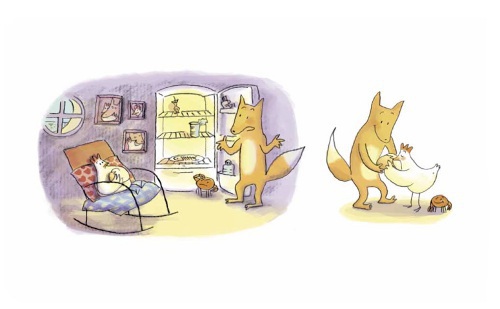
The story begins with Hen snuggling an egg that seems to be hers while Fox stands at the refrigerator in dismay. The fridge is empty. What to do? Hen takes charge passing the egg delicately to Fox and she and Crab ( a new friend it seems) head out to solve the problem of nothing to eat with determined steps and a fishing pole. As one might imagine, there is nothing typical about this fishing expedition. At one point a huge eagle snatches up the fish that Hen and Crab have caught and the two of them end up in the eagle’s nest sharing space with ravenous eaglets. Yikes! They next encounter a ferocious sea serpent and narrowly manage escape thanks to some very creative fishing line tricks and twists by Hen. When Hen and Crab race safely to shore they find a frying pan and a cracked shell on the table. Hen initially suspects the worse of her mate but is overwhlemed with joy when she realizes that her baby has hatched! Fox, Hen and Crab celebrate the birth with a toast of something bubbly and a fish roast of epic proportions (sea serpent anyone?) Students spent quite a while trying to decide what kind of creature the baby might be. A Ficken? Foxen? Chickox? Endless possibilities!

FoxHenInterior-left

Luckily all of us “squawked” loudly and in such praise of these two books that our wonderful Teacher Librarian Ms. Sheperd-Dynes purchased these titles for our library and also picked up Rooster’s Revenge, the book that rounds out this imaginative trilogy. Of course we shared it in class the very next day!

We found this title to be much darker but in a wonderully fantastical way. We first pored over the cover noticing Rooster’s body language and expression. He looked jealous, angry, overwhelmed and dejected (this was my word, helping us stretch vocabulary) This book picks up from when Rooster, Bear and Rabbit row away in the boat, leaving Fox and Hen to themselves. They hit a storm and are washed ashore onto an island, landing on huge boulders. As we looked at the full page spread though, we realized those rocks were not really rocks but instead turtles! Turtles that escorted our shipwrecked characters into a cave.

Roosters-Revenge-Turtles

Inside the cave, Rooster spots a glowing something. Is it a stone? An egg? Clearly he is mesmerized. He snatches it in his wings and races away from his friends with an eerily evil expression on his face. “I think that’s a bad idea,” Khai warns as we turn the page. The next few pages have Rooster, Bear and Rabbit traveling through a strange landscape. Huge mushrooms. Glowing lizards. And then it is back out onto the open sea. (We began trying out a rhyme that began Row Row Row your Mushroom but found ourselves too caught up in the story). When Rooster reaches land, his stolen egg hatches. Our seemingly possessed Rooster is quickly charmed by this little baby dragon and he shows him off proudly to the hens back home. So it seems that this little quirky clan of animals will now be down a hen but up a dragon and all will live happily ever after. Until the next adventure?

I love these books for a variety of reasons. They are quirky. They are incredibly engaging. They provoke laughter, deep thinking questions and endless discussion. And. . . . the song inspiration was pretty incredible. “And you are going to like these books Ms. Gelson because they have a strange shape,” Catriona reminded me. Very true. I do have a penchant for rectangular books. We were so intrigued by this trilogy by Rodriguez that there were many mutterings of hope for Book #4.

Amazing reviews of these books can be found on these blogs: 32 pages and books4yourkids.com.

Love wordless books? You might also enjoy: Using Wordless Books in the Classroom,  Wonders of Wordless Magic and Few Words on Five Wordless Books.

More fabulous picture books with a Garden theme

As we continue to learn about plants, seeds and gardens, it feels like there are garden themed books blooming everywhere we look.

See our first list here which includes many more titles.

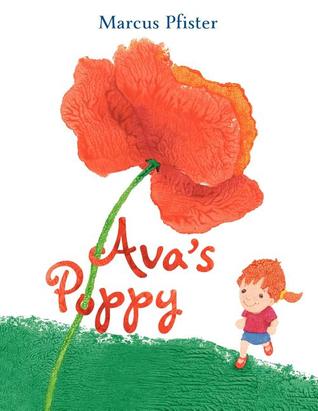
Ava’s Poppy by Marcus Pfister

We read this book today and students were inspired to create a list of all the great reasons this book should be shared: we can learn how to grow a flower, it teaches us about life cycles, we learn how to take care of a flower, there is lots of information about seeds,  and it has important themes of kindness and friendship. Lovely little Ava makes friends with a gorgeous red poppy in a field of green and cares for it in changing weather and over time. When she buries a seed capsule, she has no idea that the next spring her poppy will return to her!

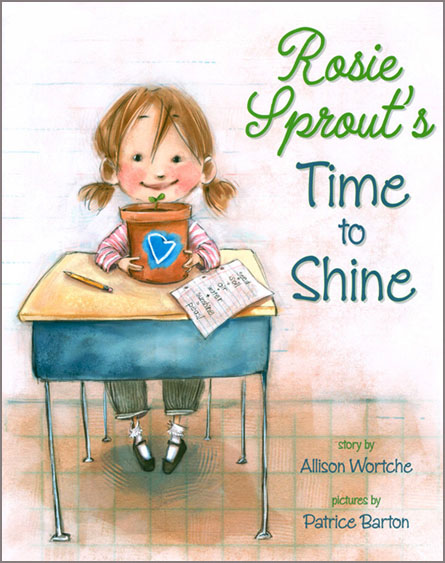
 Rosie Sprout’s Time to Shine written by Allison Wortche and illustrated by Patrice Barton

Students loved this story about a little girl who learns about friendship, kindness and surviving competition while tending pea plants in her classroom. Shared in our classroom here.

The Giant Seed by Arthur Geisert

Another wordless book by the brilliant Geisert and a follow up to the equally wonderful Ice (reviewed here) Explore the concept of seed dispersal and how seeds travel in this fantasy story. How the pigs happen to be saved from volcanic disaster is a reason to share this story many times.

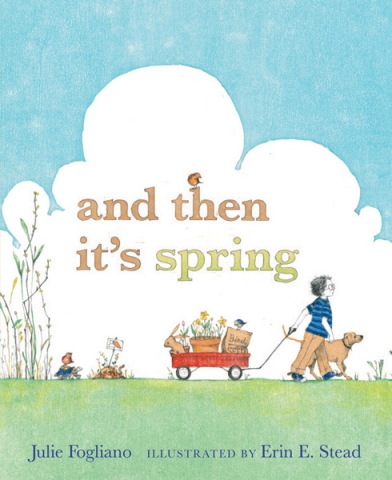
And then it’s Spring written by Julie Fogliano and illustrated by Erin E. Stead 

Explore the magic of the transformation from brown and boring to the wonder of green that comes in spring. What treasures lay buried deep waiting for the sun, warm temperatures and the power of spring showers?

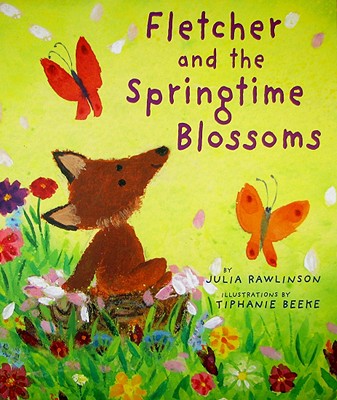
Fletcher and the Springtime Blossoms written by Julia Rawlinson and illustrated by Tiphanie Beeke

Is that snow in the middle of spring? Fletcher certainly thinks so. But he learns that blossoms can cover the earth in a blanket during the spring just like snow does in the winter. A beautiful celebration of spring.

Rosie Sprout’s Time to Shine

Rosie Sprout’s Time to Shine, written by Allison Wortche and illustrated by Patrice Barton was our read aloud wonder of the day! Students were completely engaged with the story and had lots to talk about as we read.

I could talk on and on about why this book is a fantastic book to share in the classroom but today, the book love comes from the students. I asked them why a teacher should share this book in the classroom and here is the list we came up with.

* “It teaches lots about gardening.” Isa

* “It shows you that it doesn’t matter if you are the best.” Manny

* “It is an example of forgiveness.” Truman

* “It reminds you that everyone is good at something.” Jacky

* “It has a theme of kindness.” Carmen

* “It also has a theme of courage.” Truman

* “There is a lot about caring – caring for the plant, caring for someone. . .” Catriona

A gem of a book. Set in a classroom, it does explore many important themes relevant in a primary classroom: envy, friendship, forgiveness, competition, desicion making, etc. And perfect to supplement a unit on growing seeds. We made lots of connections to the plants we are growing in our windowsill gardens!

New Spring books from Scholastic

Our New Books display has had a lot of traffic recently with many students enjoying some recent purchases that I’ve ordered for the class through Scholastic book clubs.

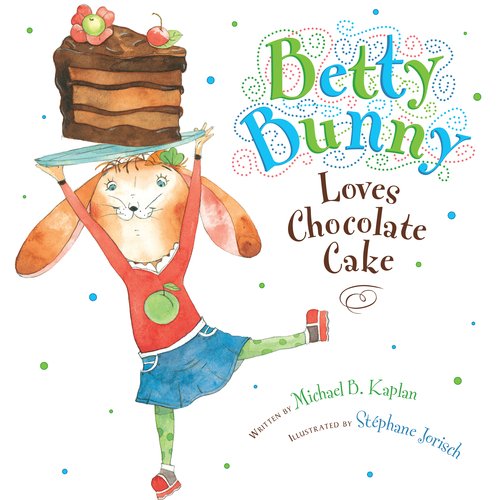
Betty Bunny Loves Chocolate Cake written by Michael B. Kaplan and illustrated by Stephane Jorisch (one of my favourite Canadian illustrators) has been a favourite to read and reread especially with a buddy. Betty Bunny is very dramatic and says some very out there stuff like “I am going to marry chocolate cake!” and “I am a handful and I love chocolate cake.” Comments made all the better when read out loud. With huge sighs, gasps and artistic flair. We appreciated Betty’s chocolate cake obsession, loved her spunk and giggled over her decision to keep her cake in her pocket and the resulting brown, goopy mess! Betty Bunny shows us that you shouldn’t mess with a little bunny and her love for chocolate cake. Go Betty!

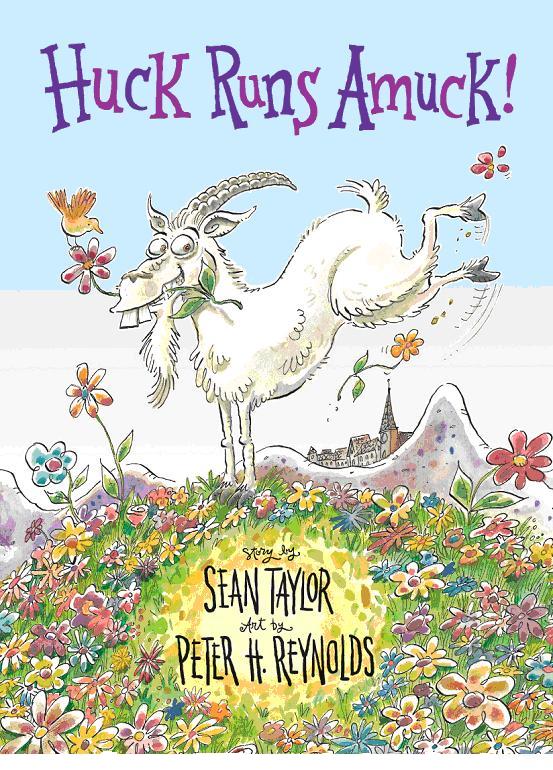
Another favourite story to read and share during buddy reading (also made a fantastic read aloud) is Huck Runs Amuck! This charming story about a flower obsessed goat is written by Sean Taylor and illustrated by Peter H. Reynolds. Poor Huck is a goat of rather discerning tastes. Yes he will eat run of the mill goat things, which means basically anything, but . . . If he had his way, he would eat flowers all day long. But flowers in his end of the world are also readily enjoyed by other goats and in short supply. Thank goodness Huck is a climbing sensation. He can find flowers in the strangest of places, high up places that seem out of reach. But what happens when his stomach and his morals face off? What will a flower loving goat do? A hilarious fast paced story.

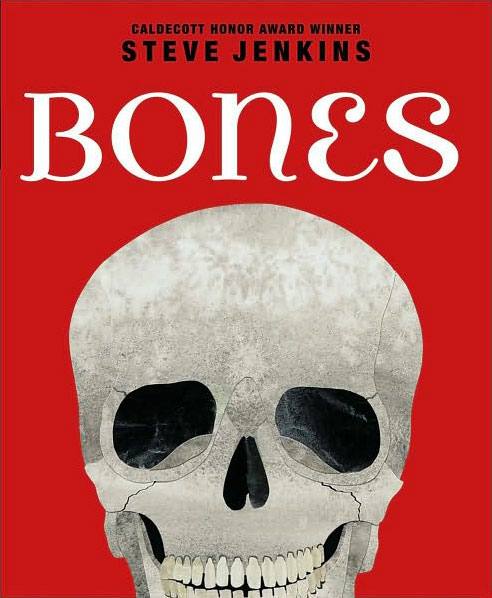
Books by Steve Jenkins never disappoint. Many are favourites in our classroom library. The newest book in our collection is Bones. Not only is it great to look at the illustrations o bones (many of which are actual size) but we also love the comparison of bones from multiples species like all of the skulls pictured in a fantastic pull out page spread. This is also a fun book to fact collect. There is something about learning that a small python has 200 pairs of ribs that makes you want to ask everyone you know: “So how many pairs of ribs do you think a python has?” (Humans have 12 pairs just to give you some perspective) This book frequently has to be coaxed out of someone’s book box to be passed onto the next person who can’t wait to explore it!

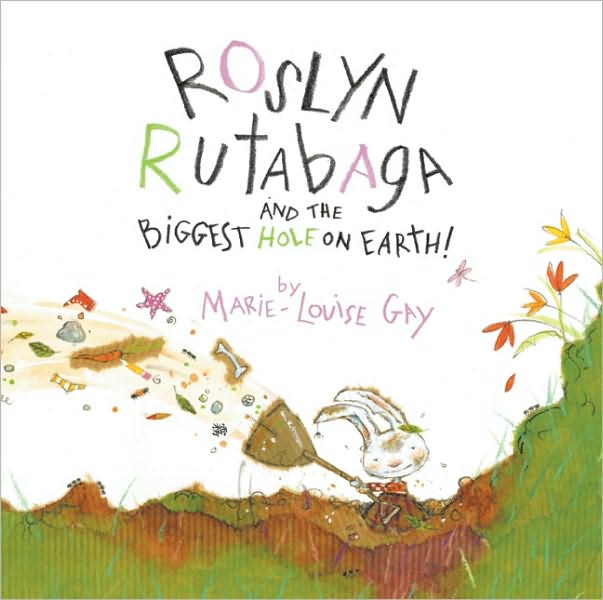
We adore Marie-Louise Gay. Stella, Sam, and Caramba are all well loved characters! So, we were very happy to meet Rosyln Rutabaga and read about her plan to dig an enormous hole in the story: Rosyln Rutabaga and the Biggest Hole on Earth. Some days you just wake up with a plan. So when Rosyln announces her plan to dig an enormous hole and gets a calm, but positive response from her father, this little bunny begins to dig. Her all day digging brings her many interesting interactions, big piles of dirt and an experience about what it is to follow your determination. Wonderfully imaginative illustrations.

Mammoths

Our reading group has continued to practice strategies to handle unknown vocabulary in text. See the strategy list that we came up with earlier this month here. We spent part of a few reading classes with this great text: Wooly Mammoth by Mick Manning and Brita Granstrom. (A Natural History Museum Selection)

This book reads as an information story book: rhyming text accompanies the large pictures on each two page spread while black and white drawings and information reads in a column down one side of each page. You can read this book as just a storybook, concentrate primarily on the information or focus on both. Students enjoyed the mammoth time line at the end of the book and reviewing what they had learned by quizzing each other on the glossary words.

We then read Kali’s Song by Jeanette Winter.

We started by comparing the covers of Kali’s Song with a Wooly Mammoth. All year we have been talking about the different text features of fiction and non-fiction books. It would be interesting to see what we noticed when looking at Wooly Mammoth because it has both fiction and non-fiction elements (what we like to call an information story book). Students observed that even though both covers had illustrations rather than photographs, the mammoth on the cover of Wooly Mammoth looked more realistic. We talked about fur colour and the shape of the tusks. We also discussed how one mammoth was standing in the snow and another on grass/ground next to a little boy and a dog. “How could they stand so close?” someone wondered.

Before we began reading Kali’s Song, I asked the students, “Even though this is clearly a fiction text, do you think we will be able to link some of our learning from Wooly Mammoth to what we read?” We were ready to look for any text to text connections. Would our sense of the story be enhanced by our newly acquired background knowledge? (schema)

Immediately students were excited to see Kali’s mother painting animals on the cave’s wall. “We learned about how they did that in the other book! In the future some people might discover those paintings to see what animals looked like!” 

We also appreciated that a work of fiction had beautiful elements of story telling and images that a non-fiction book wouldn’t have. When Kali plays the bow string, Winter writes: The stars came close to listen. Such a wonderful image that makes the story more powerful. We liked how Kali’s Song challenged our imaginations and had us think about things differently.

Kali’s music lures the mammoths to him and fascinated, all of the other hunters lay down their weapons. Kali must be a shaman they decide. Winter leaves us wondering – do the hunters not kill any of the mammoths? Or do they eventually resume their hunt? In Wooly Mammoth we had learned that the people’s survival depended on the hunt and that they used all parts of the mammoth (meat, fur, tusks, bone) for things that they needed. Our discussion was intense. Kali had the skill to lure the animals and he seemed to love them. But he loved his people. Wouldn’t his skill help the hunt? What would he do? The students decided that Winter left us thinking on purpose. We would have to come to our own decisions.

Because the mammoths seemed so majestic and wonderful we wanted to think they wouldn’t be hunted but now that our knowledge included information about how people who lived thousands of years ago depended on the hunt, we had some different ideas about the outcome. Students were able to make text to text connections and this furthered their thinking.

Kali’s Song is a beautiful book. Highly recommended.

How do you help students make text to text connections? Recognize that their background knowledge influences their thinking?