Unknown's avatar

About carriegelson

Elementary teacher passionate about all things literacy.

Monday October 8th, 2012

It’s Monday! What are you reading? On this Thanksgiving Day weekend I am especially thankful for extra reading time and the community of readers that participate in Jen and Kellee’s meme each week to share what they are reading from picture books to young adult reads. I always learn so much about fantastic books by hearing about what others are reading and sharing.
I read lots of fantastic picture books this week, many discovered at my local public library.

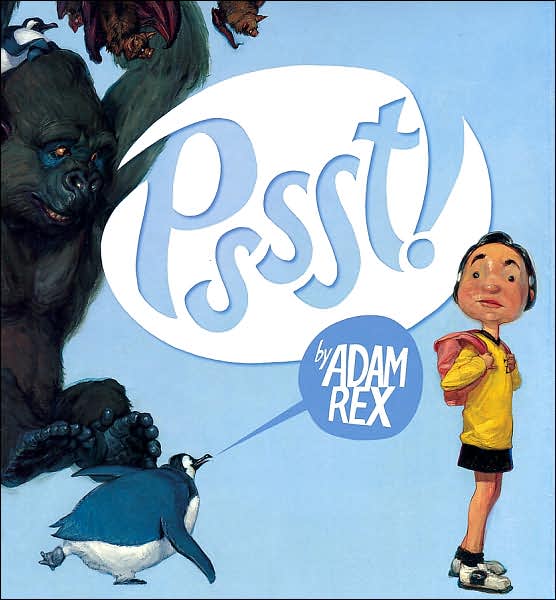
Pssst! by Adam Rex was a lovely surprise. Having just visited the Seattle Woodland Zoo this summer with my children, this book helped me deal a little bit with my zoo “thing.” While I love that people are able to get up close and personal with the animals and that it fosters understanding and inspires awareness about the plight of many endangered animals, I also am uncomfortable about these animals being in cages and stared at all day long. This book is about a little girl wandering from animal exhibit to animal exhibit hearing from each animal about something that they need. It’s everything from tires to flashlights to bicycle helmets. Luckily there is a store across from the zoo that happens to sell everything she needs to grant all of these wishes. What these animals do with all of these objects I will leave for you to discover. But as I say, it calmed my zoo “thing.”
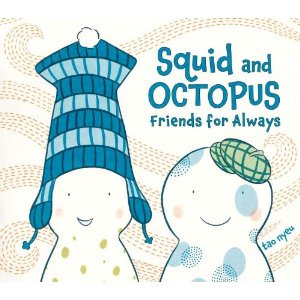
Squid and Octopus Friends for Always by Tao Nyeu. This book contains four wonderful little stories in one picture book. Gorgeous colours – muted blues and greens mostly with some sunny orange and yellow here and there. There is a nice mix of humour and a theme of friendship and I love the commentary by all of the other creatures in the ocean that is spread across the pages.
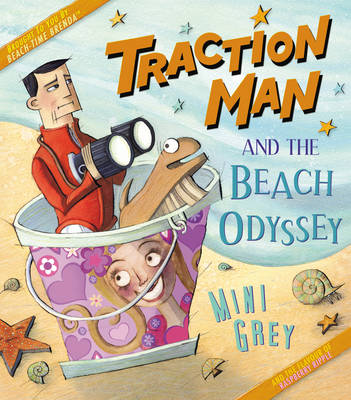
Traction Man and the Beach Odyssey by Mini Grey In this last year, I have developed quite the adoration for Mini Grey books. (Read more here.) The fabulous thing about the Traction Man titles is the focus on the celebration of play, the imagination and the just plain silly. This book is set at the beach and Traction Man has quite the adventure. One large wave draws him out to sea and he is eventually whooshed into a dark and scary cave. He is rescued by a young girl and brought to the Dollies’ Castle where he is decked out in a flowery ensemble and served raspberry ripple ice cream. How will he escape? Much of this humour may be more geared towards adults, but I think there is easily enough here to completely delight young readers as well!
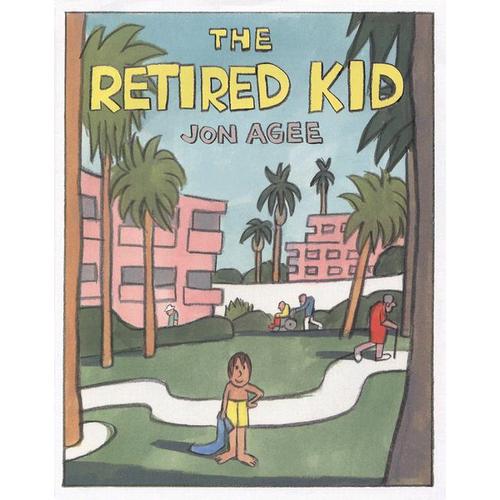
The Retired Kid by Jon Agee Being a kid is sure hard work. Haven’t you heard? The child in this story heads to a retirement home, officially retiring from being a kid. At first all seems great. Lots of naps. Pool parties. Golf carts. Certainly better than spelling and violin practice. But soon aspects of retired life don’t seem so rosy. I love the image of the boy in Friday night swing dancing classes. Perhaps his kid life wasn’t so bad after all? A great book to illustrate the saying “The grass is always greener . . . “
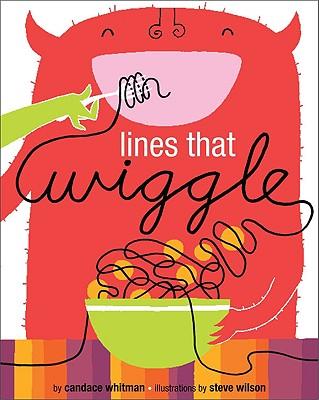
Lines that Wiggle written by Candace Whitman and illustrated by Steve Wilson. This is a beautiful book celebrating the variety of lines that we come across in everyday life. Highlighted here in wonderful illustrations and raised off the page sparkly swirls that just begged to be traced with your finger, this book is a lot of fun to explore. Thinking of all kinds of art projects it might inspire . . .
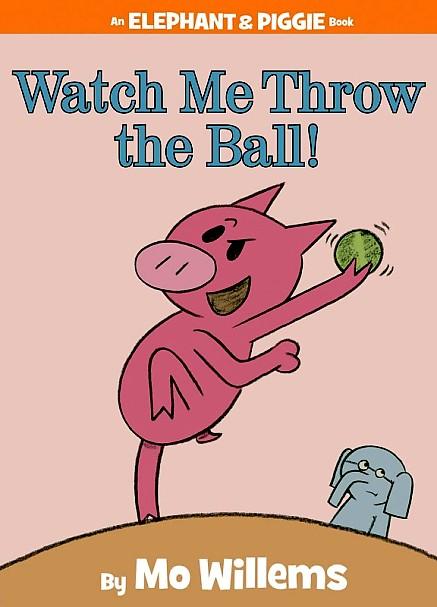
Watch Me Throw the Ball by Mo Willems. I keep coming cross Elephant and Piggie titles that I haven’t read.  This one has the perfect message: bring fun to everything that you do! It’s all in the attitude!
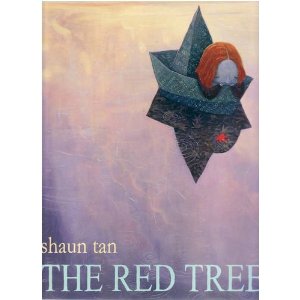
The Red Tree by Shaun Tan We had friends come for dinner and one of them brought this to share as a read aloud for the adults while all of the kids (seven of them at best count) were running amuck. A beautiful story of hope reminding us to find beauty in the smallest of things. The illustrations could take one days to study. Simply so full of meaning.
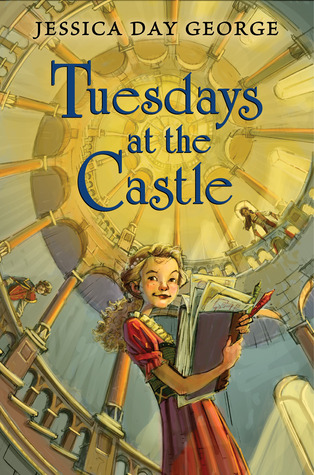
I have also been reading and really enjoying Tuesdays at the Castle by Jessica Day  George. In this busy fall, it has been more difficult to get time to read novels. This one was recommended to me by my daughter who loves George’s books. I hope to wake up early in the morning and finish it.
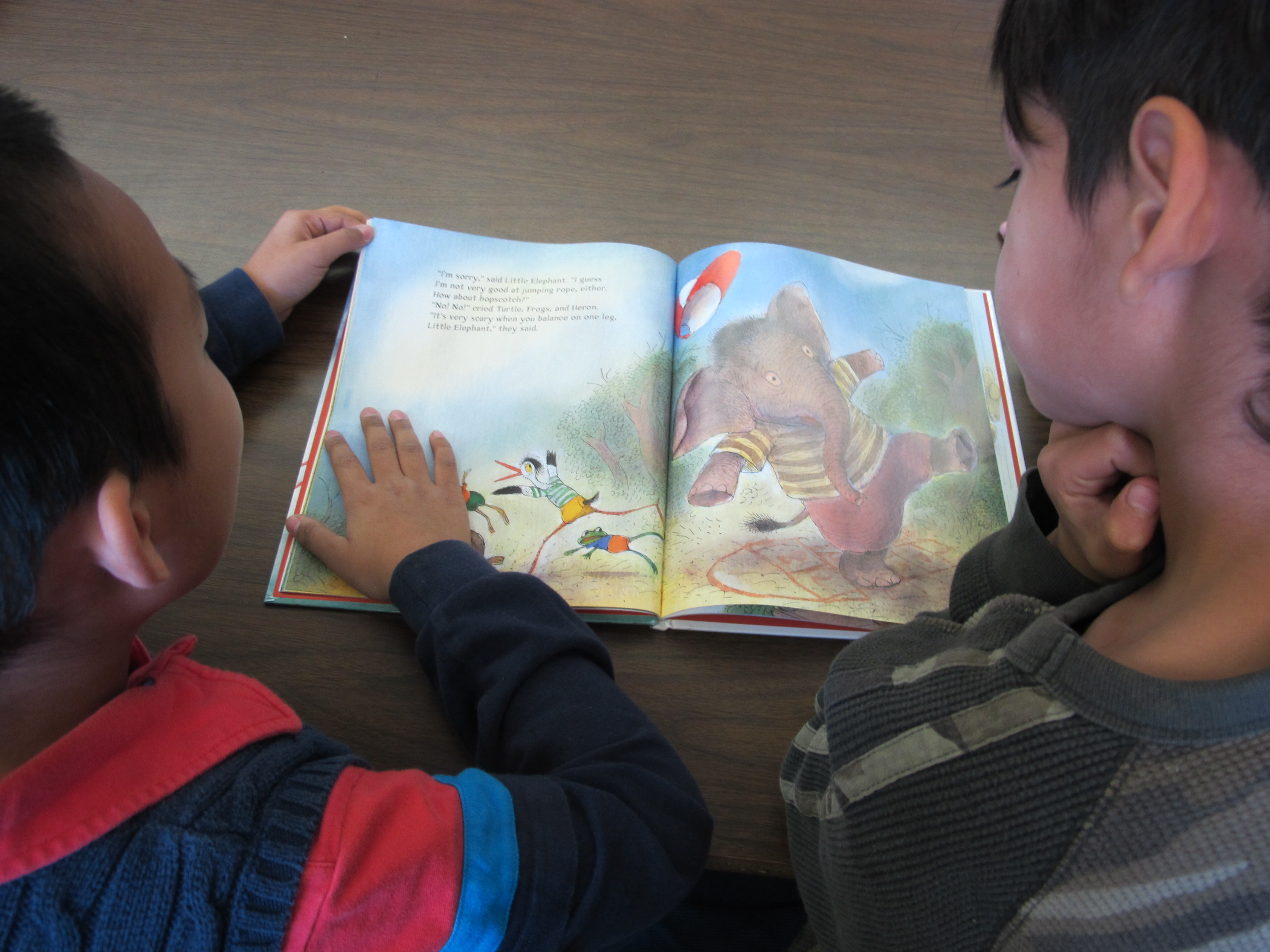
A Whole lot of Literacy

Recently I had a picture perfect day in my little reading group. Everything went so smoothly that I just mostly wandered amongst my students and snapped photos! They were engaged in the important work and I was lucky enough to just watch it all happen. 🙂

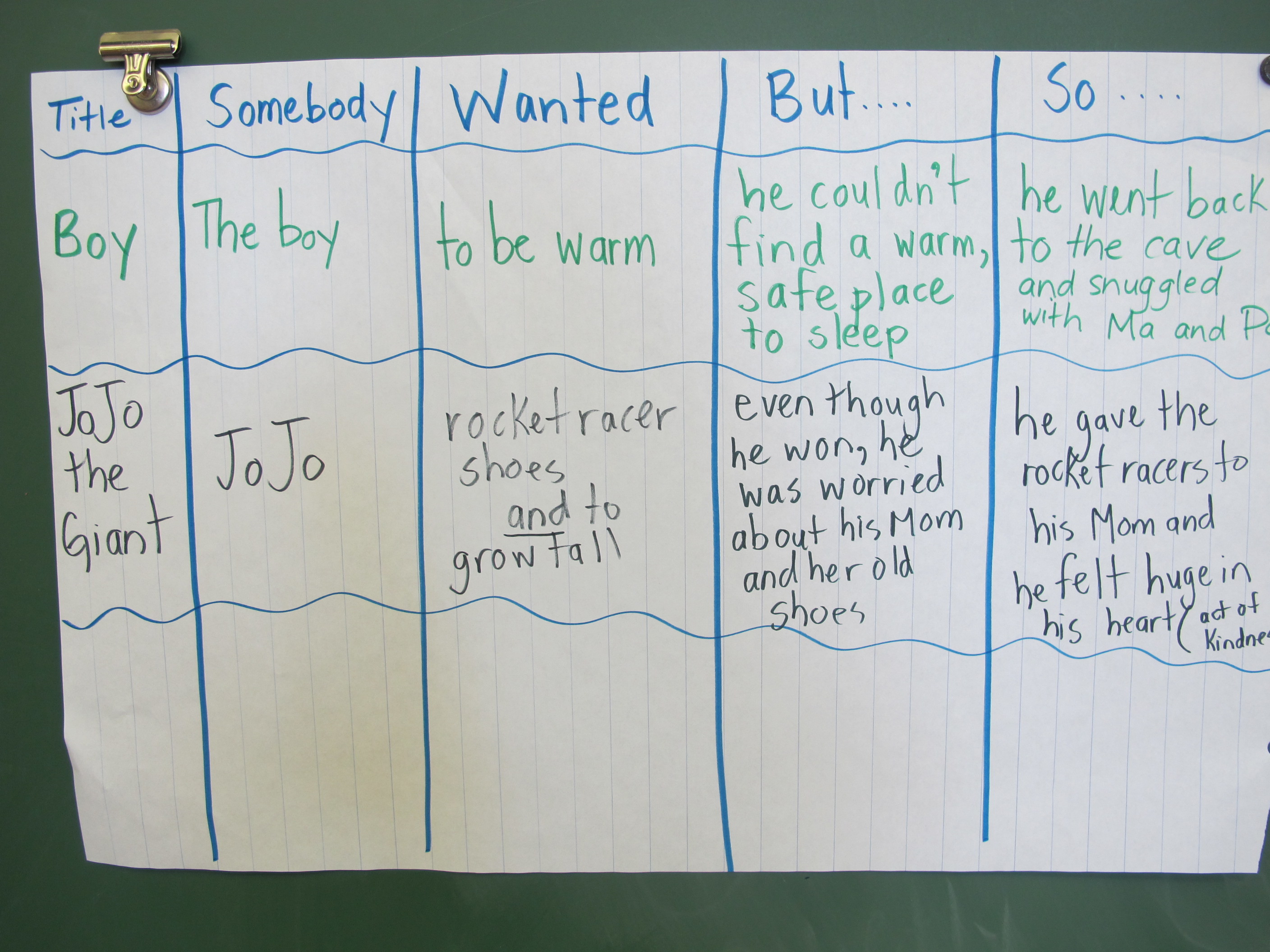
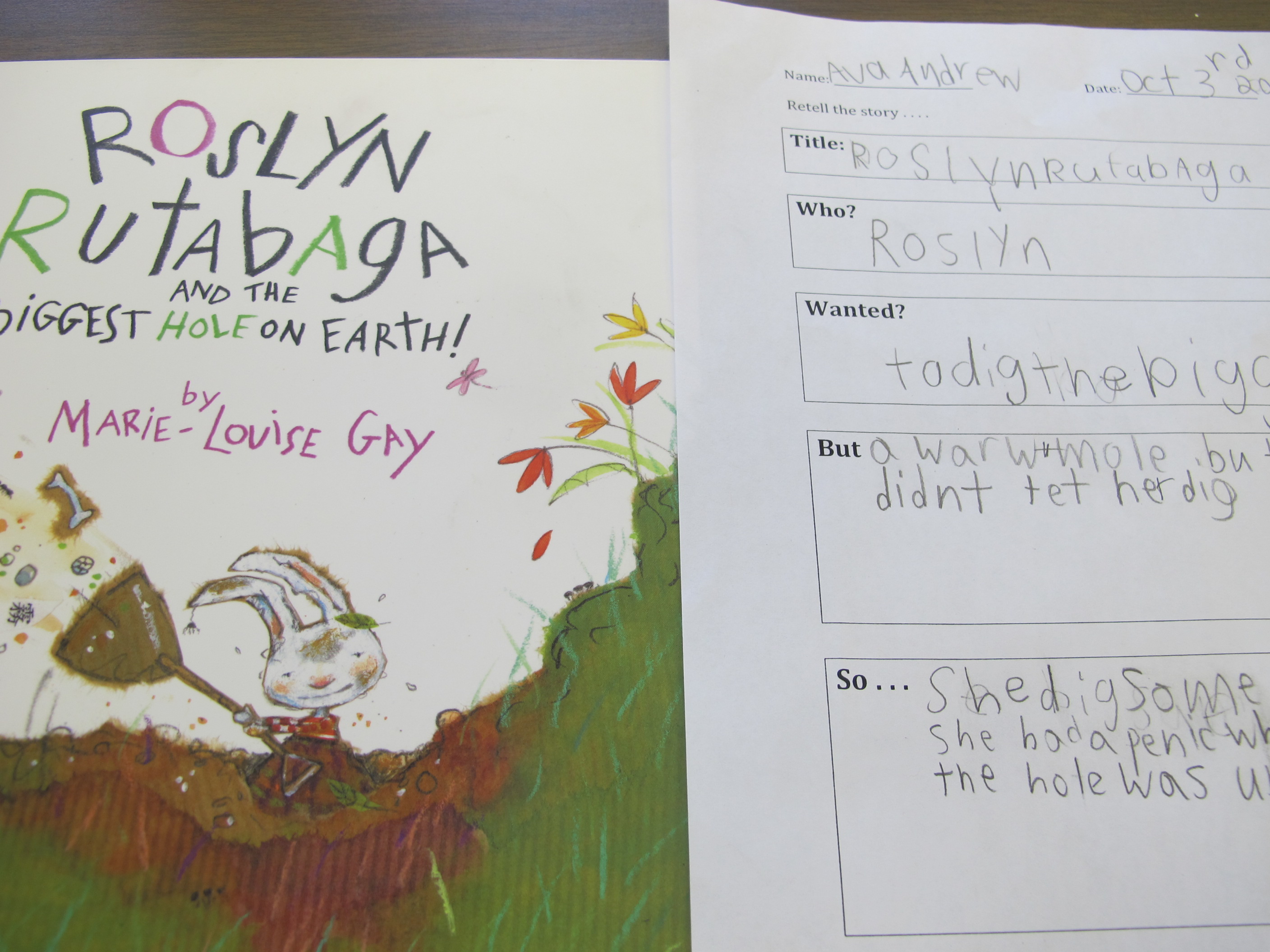
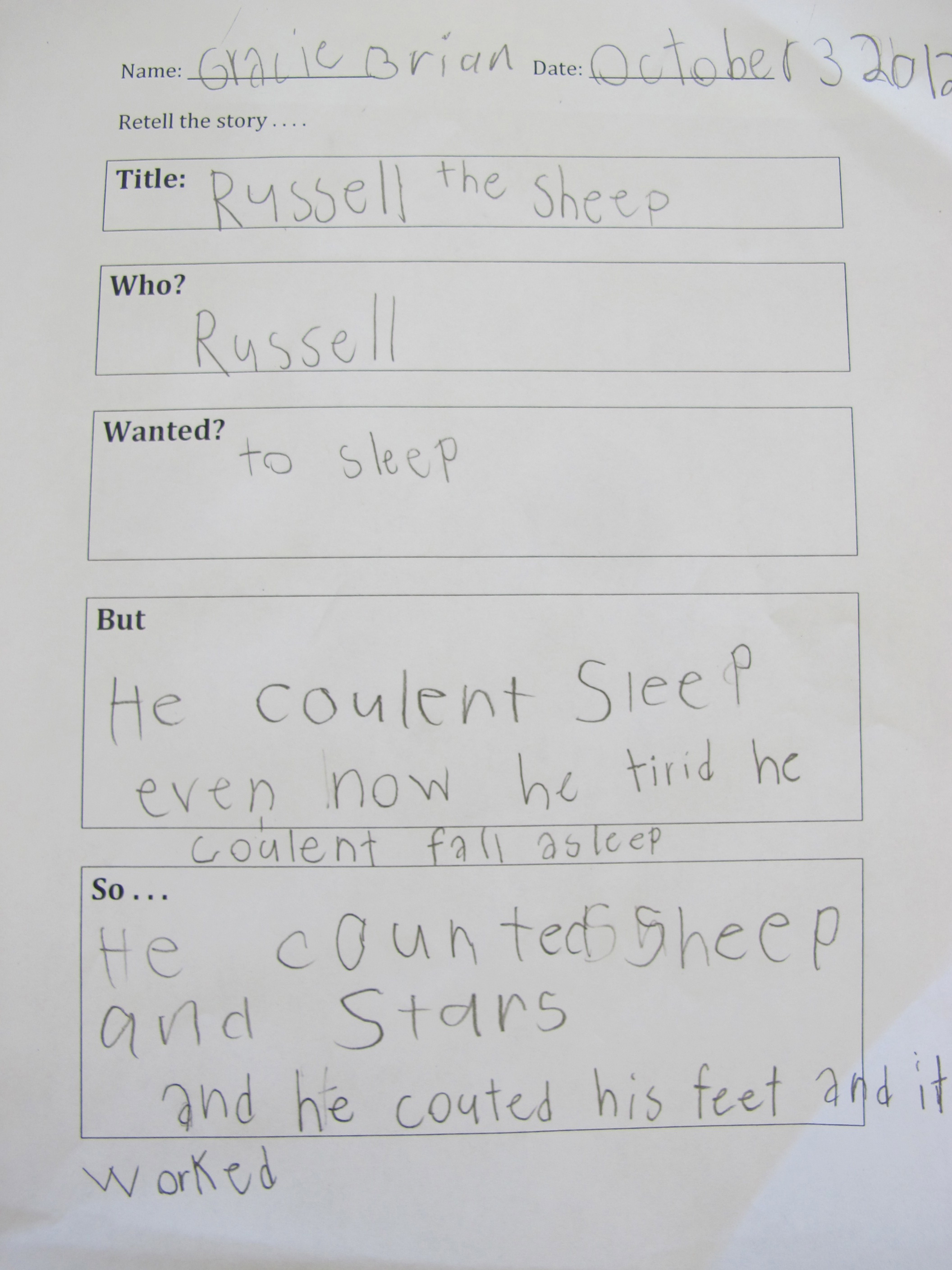
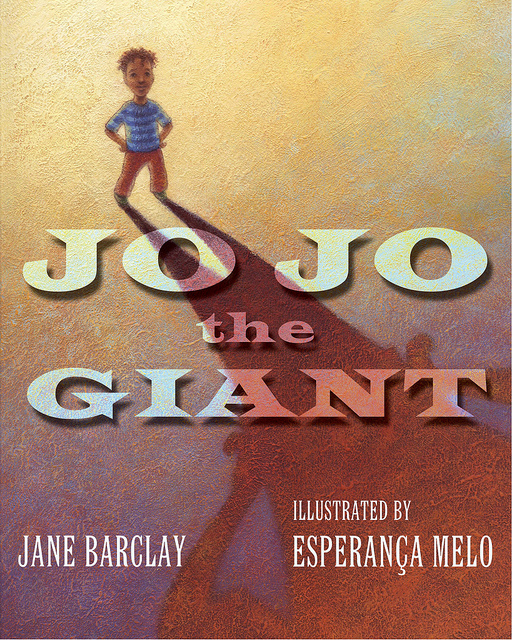
We had started to work on being able to retell and summarize stories and I found an easy to use anchor chart on pinterest that helped us with this process. (Somebody Wanted But So) During one class, I read two stories to the group and we filled in the chart trying to choose the best words to capture the essence of what happened. We read Boy by James Mayhew and Jojo the Giant written by Jane Barclay and illustrated by Esperanca Melo. Our thoughts are captured in the chart below.

These books were fantastic to use. Boy is the simple story of a little boy who wakes up cold and is determined to find a warm place to sleep. He encounters all sorts of intimidating creatures (mammoths, sabre tooth tigers, etc.) during his morning journey and ends up returning to the security of his parents after his brave and independent search.  I have featured this book before in this post. Jojo the Giant (mentioned in this post) really impacted the students. As much as they were caught up in the story of a little boy who was determined to win a race despite the taunts of the bullies who doubted him, they really responded to the act of kindness Jojo performed for his mother. I love how when we talked about whether or not Jojo really did grow taller, one student commented that he grew bigger in his heart. Beautiful.

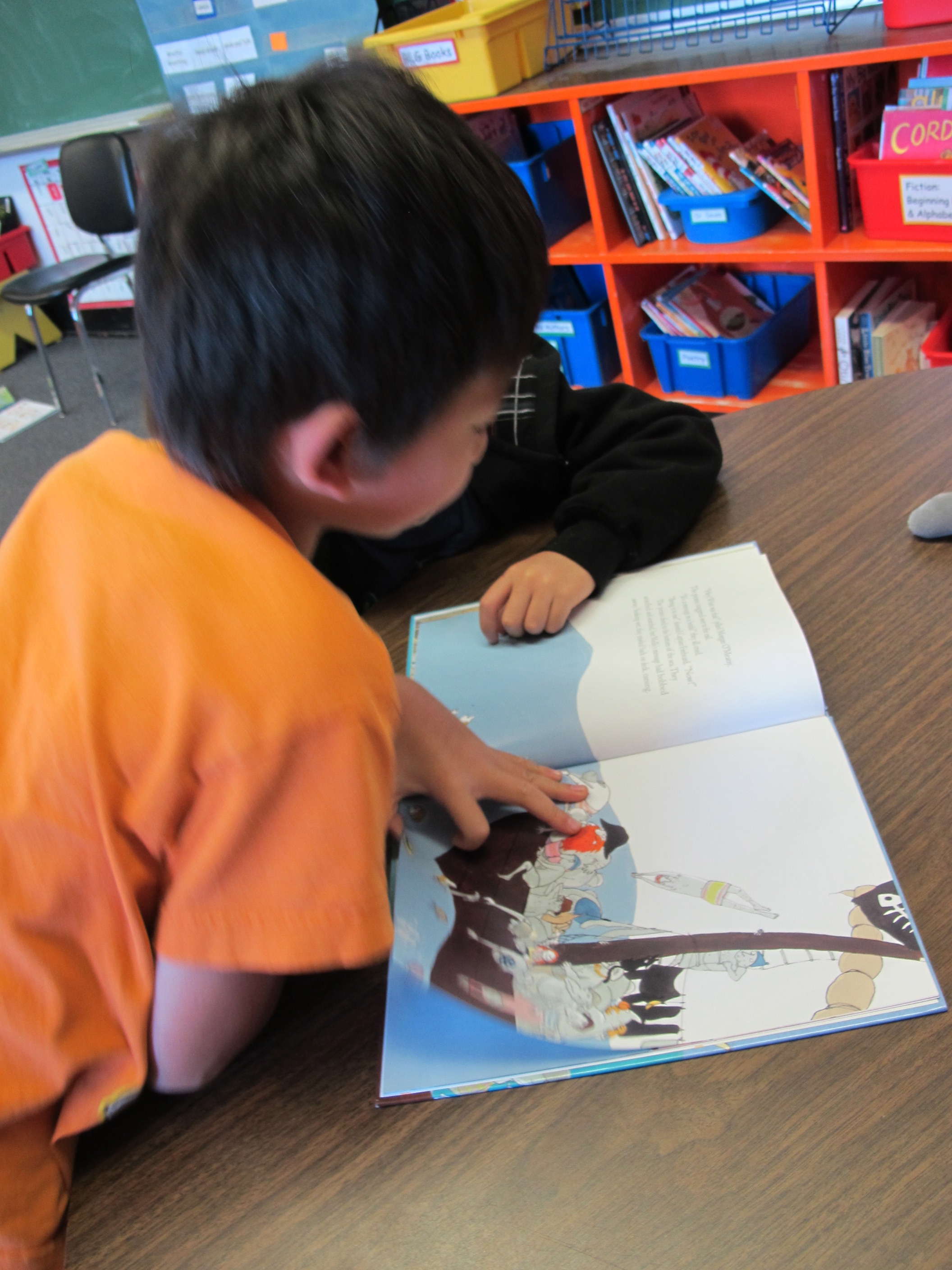
Students caught on quickly to using the chart so the next day I put out some picture books and had them work with a partner to read a book together and fill in their own summary chart (one chart for the partners).

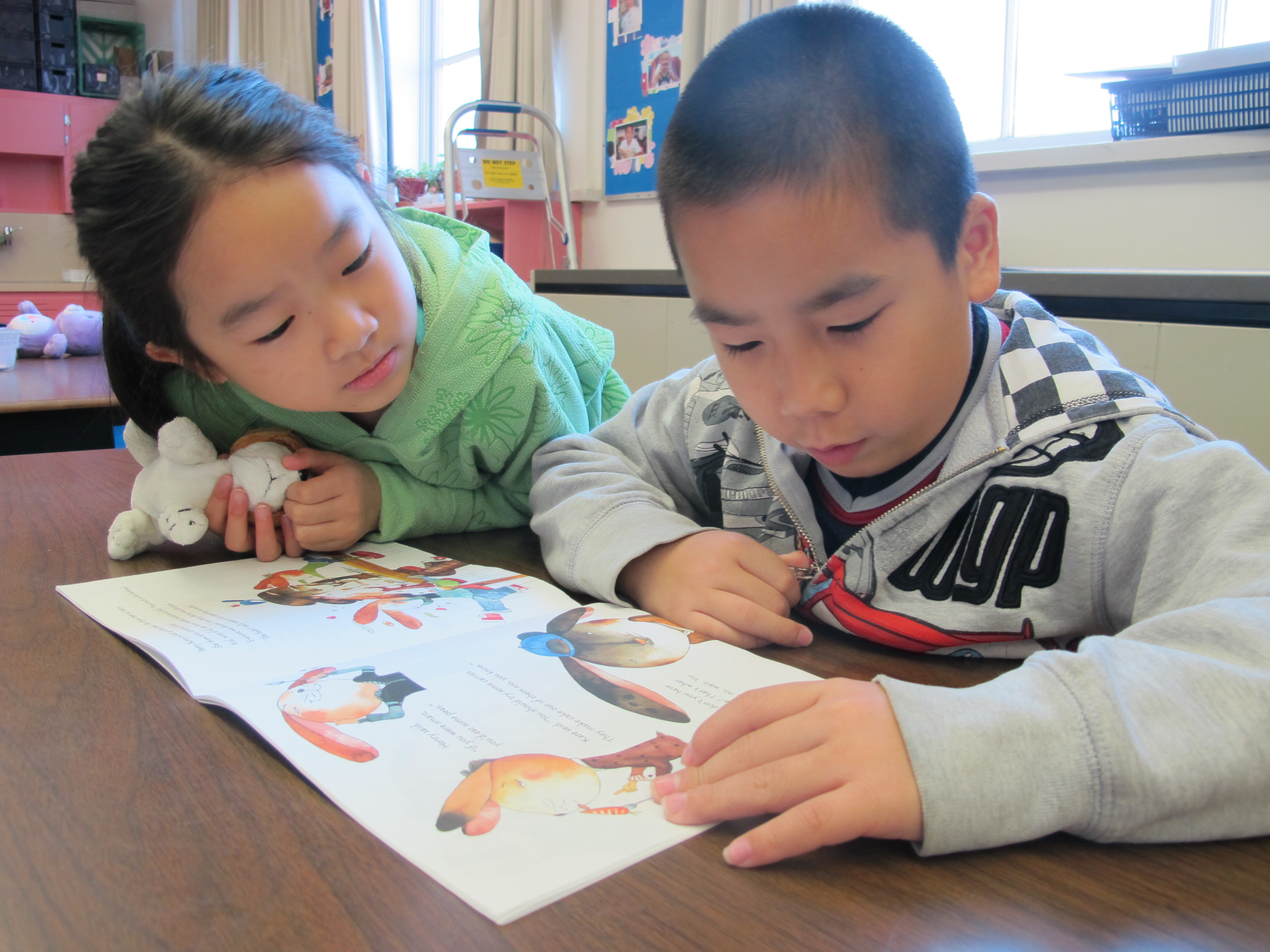
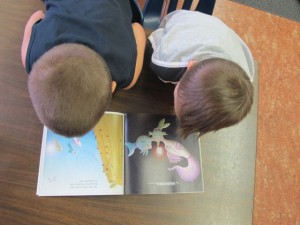
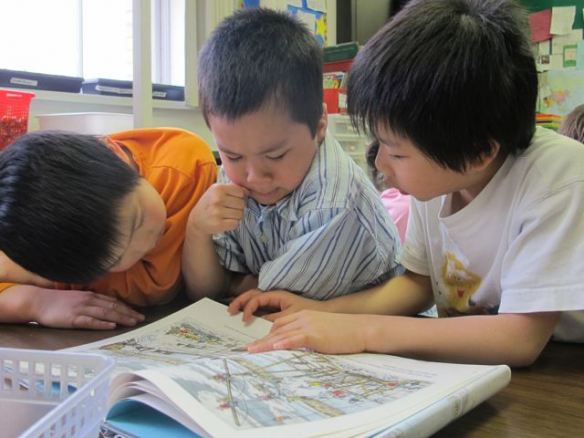
I was so pleased by how independent and engaged the students were. They took turns reading aloud, negotiating how they should split up reading the text. Everyone listened keenly to his/her partner. It was wonderful fluency practice!

Also fantastic practice at attentive listening! I observed partners gently coaxing each other with decoding a challenging word. Lots of laughing together and stopping to talk about the text.

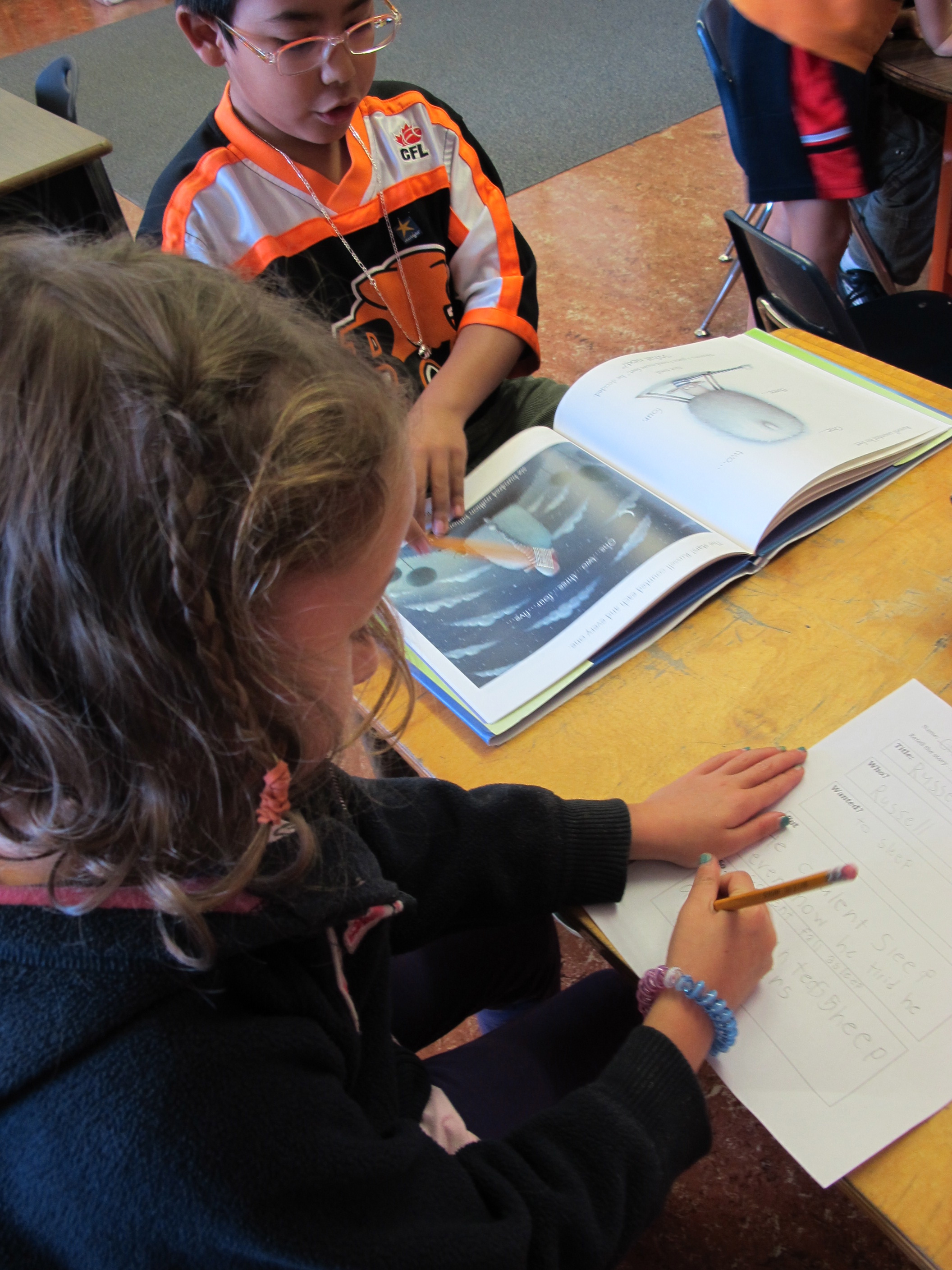
Students then got down to the business of filling in their charts together. Many took turns writing sections. I saw children going back and rereading to confirm ideas or search for a specific part in the text.

While the pages were filled out well (especially for the first time with just minimal guided prompts from me), it was the conversations I was most excited about. Students were really listening to each other. There was negotiation about what to say. Students had creative ideas about how to share the writing. They considered together how best to explain something.

So while I had set out to practice summarizing and knew that fluency practice was built into the activity, a lot of other things happened. This is the magic when students meet lesson plan and the sum is absolutely more! What else did I see?

  • active listening
  • stating opinions
  • asking and answering questions
  • rereading text for specific information
  • building on an idea
  • discussion/negotiation about how to approach an assignment
  • partner work practice
  • relationship building

What did students do who finished early? Found more books and engaged in buddy reading, happily extending the joy of reading with each other. Yep, a whole lot of literacy!

The Girl who Never Made Mistakes

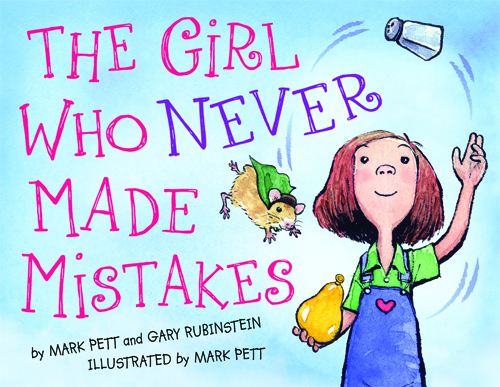
Our morning read aloud was an important one. We shared The Girl who Never Made Mistakes written by Mark Pett and Gary Rubinstein and illustrated by Mark Pett. We have some extra doses of anxious feelings in our classroom. Just who we are. So I thought this would be an ideal book to help us talk about making mistakes and how it is absolutely okay. Even good.

Initial reactions to the cover of this book were a little awe inspired. “Wow! Is she perfect?” And then one student aptly pointed out, “I think that at the end she might make a mistake because people who make books – well that’s what they do. That’s how books happen.” (I love when students share their knowledge of how books and authors work like this!)

This book is about a little girl named Beatrice Bottomwell, who, as the cover clearly states, never makes mistakes. Never. Not ever. So impressively perfect that she actually has fans waiting for her outside her door every morning who regularly quiz her about her error free habits. Her little brother, Carl, ironically is nothing like his big sister. He makes lots of mistakes and delights in this fact. Funny little guy (our class named him “Backwards boy”) does things like play the piano with his toes and draw with green beans while eating his crayons!

One day, Beatrice almost made a mistake. She slipped in cooking class and four eggs went flying into the air! “Oh my!” I exclaimed as I read. “I can’t breathe. I wonder what will happen?” One of the little boys at my feet reached up with his teddy (we have class stuffies that listen along with us – helps with secure feelings. Remember we are an anxious bunch!) “Here Ms. Gelson. You can hug my teddy.” Cute. And then some.

We turned the page and all was okay. Beatrice had managed to land on the floor and catch each egg using a very creative two hands, one foot, one mouth retrieval system. But her “almost mistake” plagued her. Students noticed that she was feeling lots of pressure. While her little brother balanced his plate on his head and held his spoon with his toes, she barely touched her dinner. Beatrice had a talent contest that evening and she was anxious she would mess up.”Not you, ” her Dad assured.

Beatrice prepared for her juggling routine by grabbing her hamster, a salt shaker and a water balloon. She went up on stage to cries of “That’s her! The girl who never makes mistakes!” She started to juggle. She always performed this routing flawlessly. Then Beatrice noticed that the flecks coming out of the salt shaker were not white . . . Uh. Oh. We caught on pretty quickly! “It’s pepper!” “The hamster will sneeze!” “She is about to make a mistake!” The sneeze is humongous! “Just how hard can a hamster sneeze?” asked one student. And, if you are thinking about this little scene, you can imagine what happens. The haster sneezes, his claws scratch the balloon and KABLOOIE (we practiced saying this a bunch of times. It is pretty fun!) Beatrice is drenched and a hamster is perched precariously atop her head. Everything and everyone was still. Students observed that she must be feeling sad that she had made a mistake. Some also noted that it really isn’t possible to be perfect.

But then . . . Beatrice began to giggle. Eventually she was laugh out loud laughing and it was contagious. The audience laughed along with her. That night, Beatrice had her best sleep ever. The next day she began to do things without perfection in mind. Skating and slipping. Messy lunches. Lots of laughter. And not so many worries.

What was our response?

At first she made no mistakes. Now, she likes making mistakes. People aren’t mad at her. It can be funny when you make mistakes and everyone can laugh together.”

If you think you have to be perfect, it is hard to make friends because everyone else seems normal and you can’t be happy.”

An important read for our class. An important read for any class. Mistakes are how we grow. They make us human. They give us the freedom to relax and try new things. This little book is a great reminder of all of that!

Monday October 1st, 2012

It’s Monday! What are you reading? Always nice to wrap up a week of reading by participating in Jen and Kellee’s meme and sharing with others all of the wonderful books read over the week. Link up and visit all of the other bloggers participating!

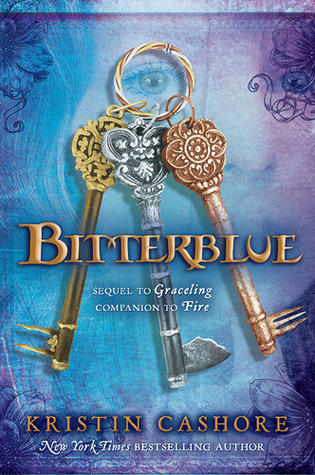
First of all I am so excited to celebrate that after two very busy weeks of not getting a novel completed, I have been able to steal away enough reading moments to finish Bitterblue by Kristin Cashore. I have read both Graceling and the companion book to Bitterblue, Fire and so was very pleased to dive into this young adult read. A dramatic story. More mystery and confusion than the action packed adventure of Graceling. But some seriously sad moments. Bitterblue needs to keep searching for strength and considering her upbringing, where does she get it all? She is a character that I liked more and more as I read the story. Being a young Queen is hardly easy in this Kingdom. Wonderful to revisit so many characters from Graceling. I am a definite fan of Cashore.

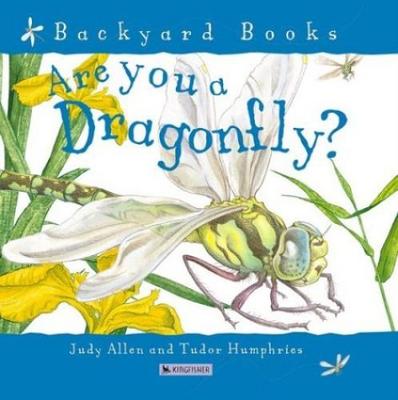
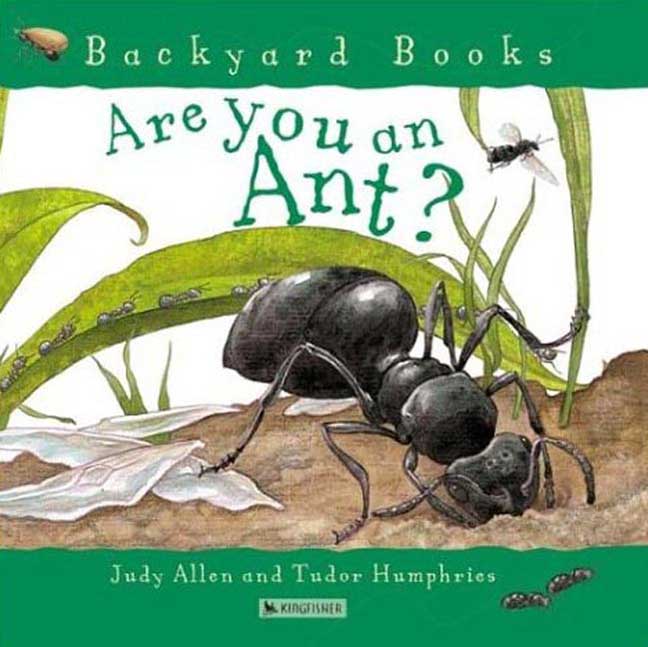
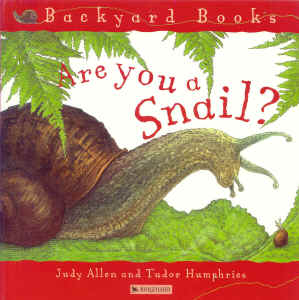
I have continued to source out titles from the Backyard Book series that I haven’t read yet. I just purchased a number of them for my classroom non-fiction collection. These books are ideal for students to interact with when learning to ask questions about a topic and read for more information. Ideal “Fact? React” titles.  And of course, they are fantastic books for independent and buddy reading. The following three titles are written by Judy Allen and illustrated by Tudor Humphries.

Are you a Dragonfly Dragonflies are gorgeous creatures. Did you know they spent two full years in the water before coming out to live on land? And that while in the water, they can eat tadpoles and small fish?

Are you an Ant? The fascinating thing I learned from this title? Anting. There is something called anting. Who knew? Birds will pick up ants and put them under their wings so that the acid in the ant’s body will kill the ticks that bite the birds and make them itch. Fascinating.

Are you a Snail? I am not a snail. And . . . I will confess I am a gardener who does not like snails. But I do admit they are quite fascinating and when they are in a book and not in my garden, I am willing to get excited about how fascinating. I did not know how snails overwinter. Pretty cool. But still, I like snails best out of my garden! In this book is a great place for them!

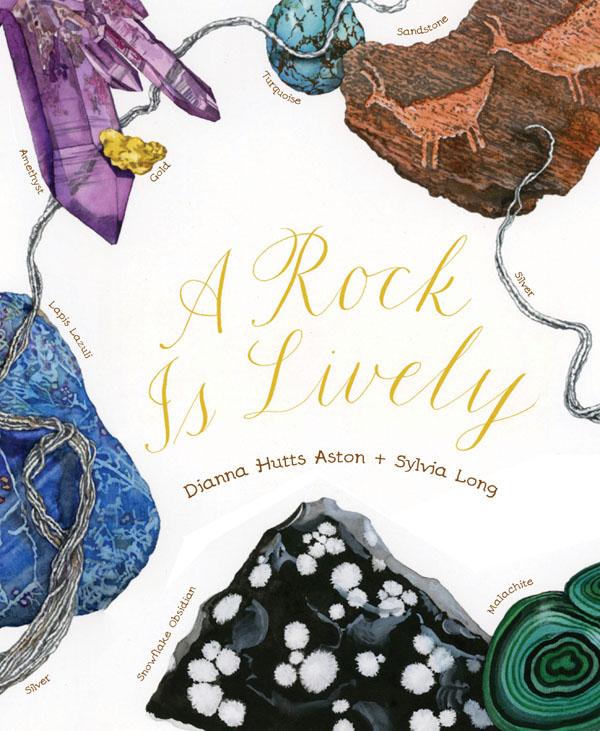
The fact that this book exists is pure kismet: A Rock is Lively by Diana Hutts Aston and Sylvia Long is the fourth book I own by this amazing team (A Seed is Sleepy, An Egg is Quiet and A Butterfly is Patient are all favourites – follow the links to see how I’ve used each in the classroom before.) Now the year I have decided to teach about rocks and soil in science after collecting unique and wonderful rocks over the last year, this book is published. It is just gorgeous and I cannot wait to share it with my students! Rocks are everything: tiny and huge, old and ever changing, galactic and bejewelled. Amazing. 

A Rock is Lively

I read a lot of books to my class this week but no titles new to me. I did find a new title in the school library when signing out books for our guest readers to read with the students:   JoJo the Giant written by Jane Barclay and illustrated by Esperanca Melo. An important little read that explores many themes: bullies, kindness, courage. JoJo is small only in stature and he demonstrates this in how he honours his Mom at the end of the story.

I am hoping to finish The Search for Wondla as a family read aloud this week and Code Name Verity is the novel I begin next.

Happy Reading everyone!

A Love of Reading Starts Between Us

This post was originally published on the Nerdy Book Club blog on February 24th 2012.  Next week my Grade 2/3 class begins reading with their Kindergarten buddies for the 2012/2013 school year and I am excited about the magic bound to happen once again!

A Love of Reading Starts Between Us

I teach at a tiny inner city school, located in Vancouver’s downtown eastside. The school is located in what some have described is the country’s poorest postal code. Looking at factors from census statistics like parents’ educational attainment and the number of families living below the poverty line, our school is described as vulnerable even amongst schools who also have inner city status.  So, like all teachers my mission is to teach children to read and hope that I can also make them passionate life long readers. But I know the statistics that link poverty to limited access to books and limited access to books to levels of school achievement. So I feel an urgency to create a community of readers in the classroom. And . . . I want that community to extend into children’s homes and futures.

We do a lot of fabulous things at my school to ensure that our children read and have access to fantastic books. What I am particularly passionate about this year is the buddy reading between my Grade 2/3 class and the K/1 class. (“Really? We’re the big buddies? Wow!” my students marveled when I revealed our buddy reading plan) We meet together Wednesday afternoons for forty minutes but my class spends time everyday making sure this weekly reading is as successful as possible.

My role is collecting books, modeling reading aloud, nurturing the joy and providing feedback. I have raided my home bookshelves for early picture books I read to my children. Beautiful alphabet books so letters can be chased all over the page, Thanks to Audrey Wood for the popular Alphabet Adventure.  I brought in lots of rhyme and repetition like Phoebe Gilman’s feisty Jillian Jiggs, Mem Fox’s Where is the Green Sheep? and all of the Five Little Monkeys books written by Eileen Christelow.

Recently I received some designated funds for my classroom book collections. I purchased board books for our buddy reading. My students will tell you that board books are great for little five year old hands and you don’t need to remind anybody to be gentle turning pages. Each morning I read a new book to my students with the intention of doing a few things. Of course, sparking excitement and interest in the new book is a priority. But I also model. “When you read to your little buddy you could ask them to guess which animal is on the next page,” I point out while sharing Monkey and Me by Emily Gravett. “Ask your little buddy to do the animal sounds with you,” I encourage as we read Alice Shertle’s Little Blue Truck. Now I have students coming to me with classroom books. “Look Ms. Gelson I could read this book to my little buddy and they could say the parts that repeat with me!” One girl found a Fairy Tale book told in rebus style. “This is a good one for little kids, you can ask them what the picture is.”  Thinking about our little buddies is hardly just a Wednesday afternoon event.

Now as I watch my students together with their little buddies, I am delighted to hear them trying out new things we’ve talked about. My eight year olds are encouraging choral reciting, asking little ones to guess, predict and turn the page to find out. There is reading, laughing, talking and much joy shared.

I have one student who won’t read to any adult who visits our class but he is a star in buddy reading. A little kindergarten girl who struggles a lot with managing her emotions in class and often needs breaks and extra supports makes a beeline for this boy every Wednesday afternoon. She sits engrossed in their book sharing for forty minutes. None of us can believe it. But of course we should. It is the magic of books doing their thing!
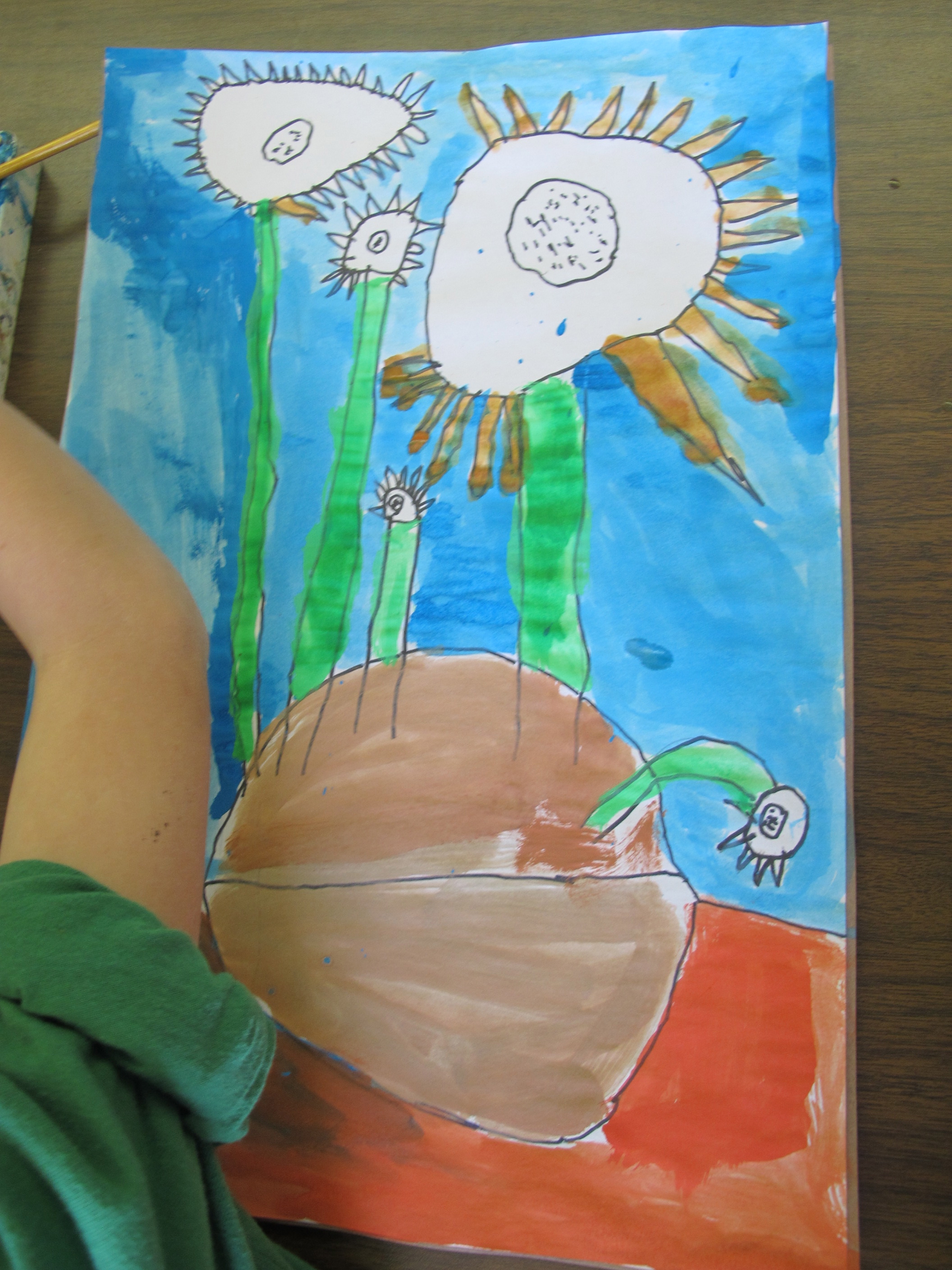
This boy in my class who shines as a buddy reader is reluctant to accept compliments. So I sneak them in casually but my feedback is specific. “Erich,” I say. “It is amazing to watch you read to Kayla. You involve her in the stories. You listen carefully to her questions. Reading with you is such a happy time for her.” Erich grins cautiously but his pride radiates. Now I am passing him books to take home and read to his younger siblings. “You are so great at this. It is such a wonderful thing to be able to share books.” He doesn’t tell me a lot about reading at home to his siblings but he brings the books back and he asks for more.

I know these Wednesday afternoons mean a lot to all of us. The little buddies and the big and the lucky teachers who witness it all. A love of reading starts between us and it spreads. Together my students and I are passing on the joy of reading. We are letting books work their magic. Books are the tickets to our future and we are loving every step of the journey!

Read more here about some of the board books we love for buddy reading.

Hello Book. Pleased to Meet you.

Right now with my little reading group, it is all about adopting their new personas as competent, eager and avid Grade 2 readers. This is serious business because in Grade 1, the picture book was it. And the picture book is still “it,” highly valued in our reading world but we are beginning to branch out. We are exploring non-fiction texts and recognizing that not only do we find answers to questions we have about the world, we also think up more questions for future reading. We are enjoying comics and graphic novels. We are also finding our way around the chapter book. Recognizing that chapter books can range from illustrated early readers (think the Mercy Watson series) to longer more complex novels (like Magic Tree House Merlin Missions) helps us understand that we can approach chapter books anywhere on the continuum.
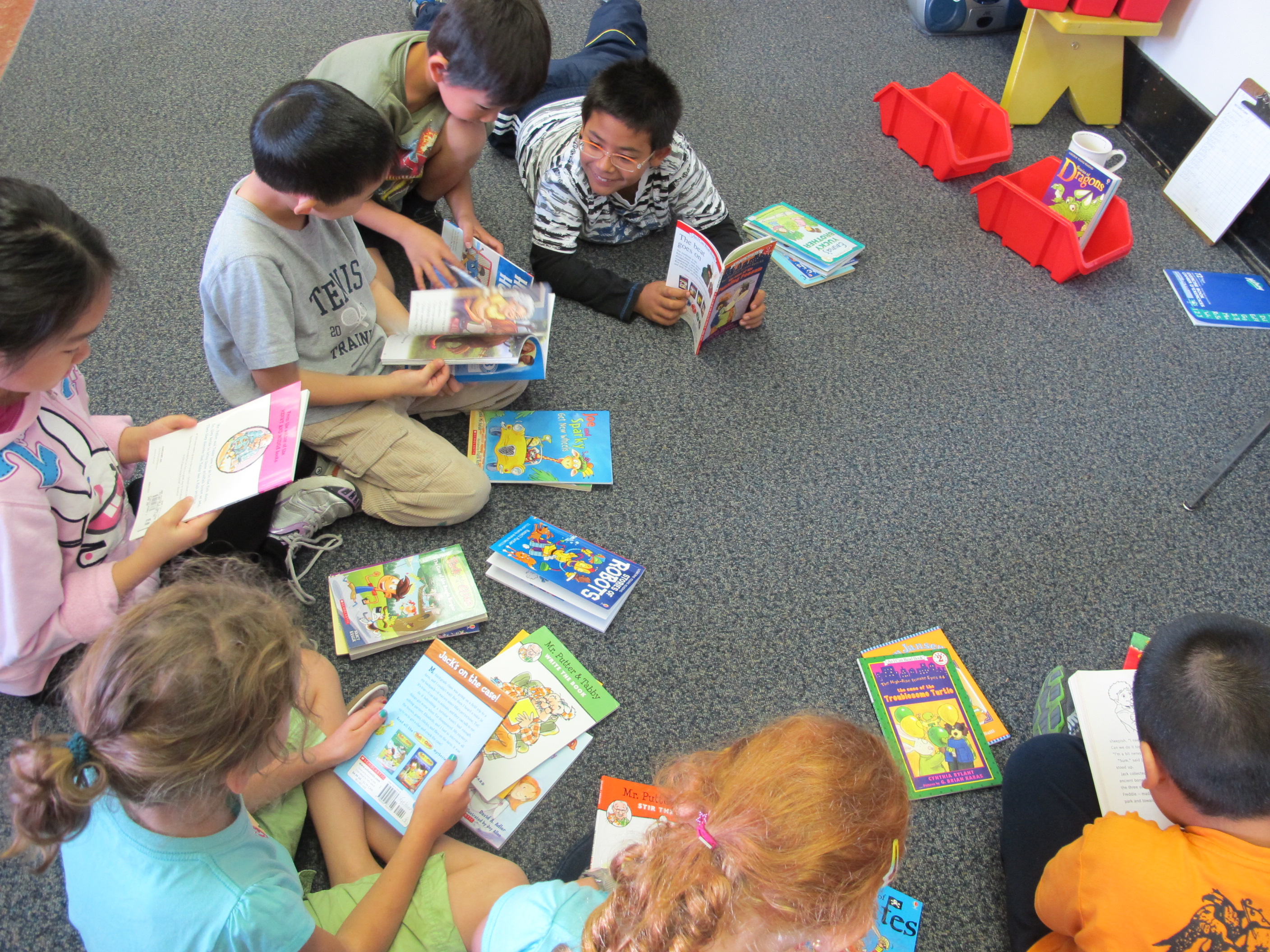
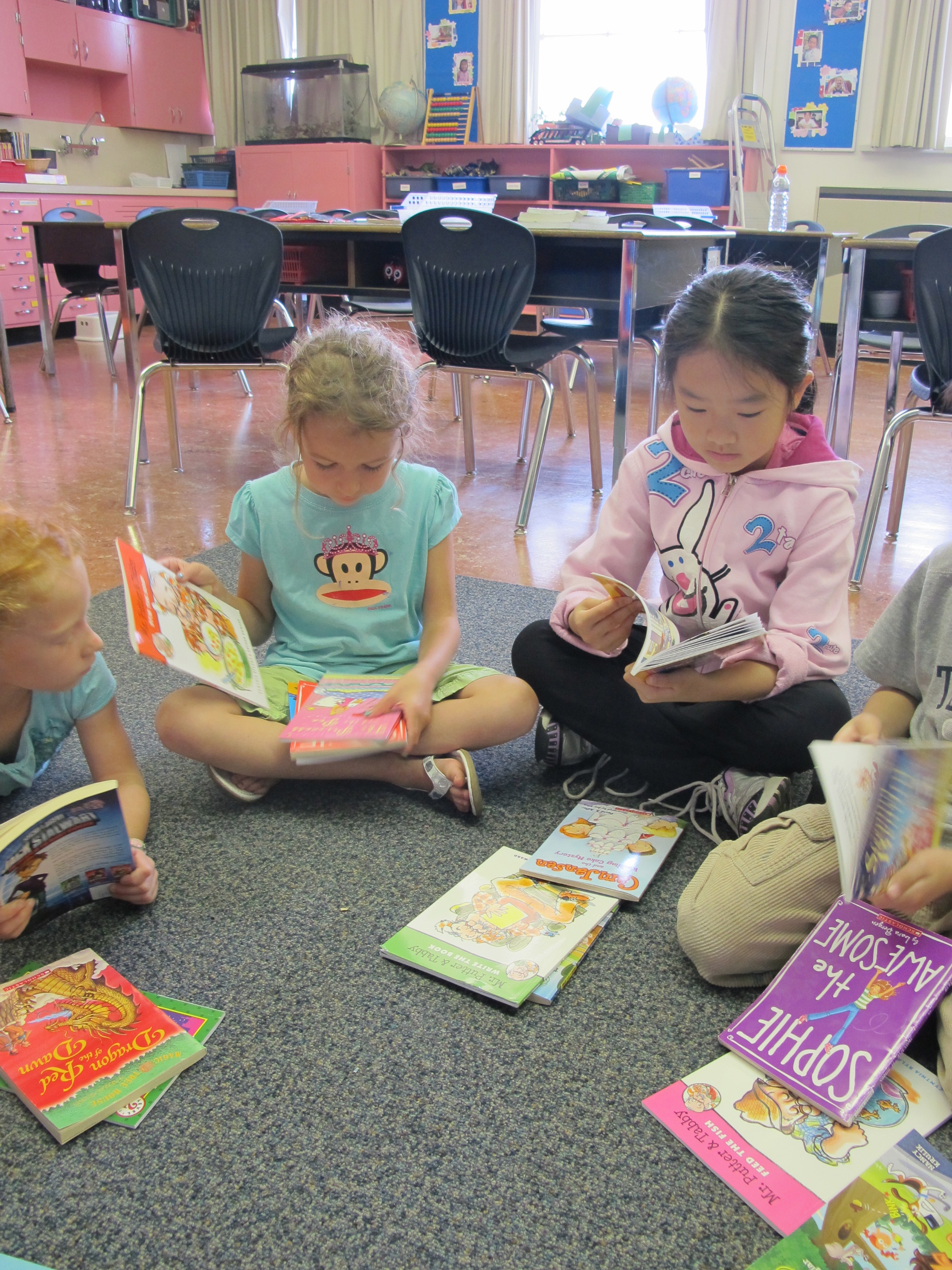
How are we getting to know chapter books? It’s basically a “Meet and Greetbook sharing circle concept.

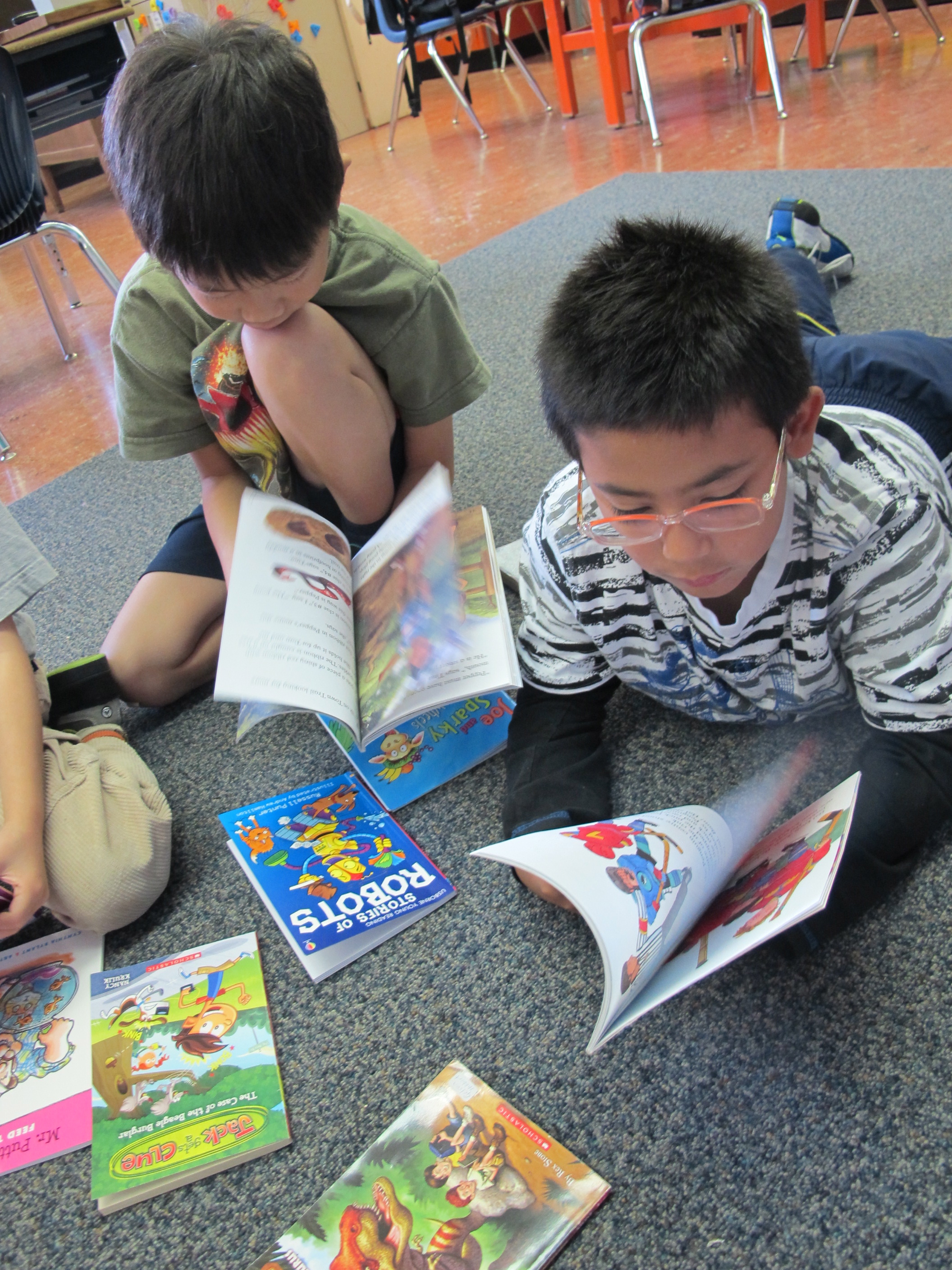
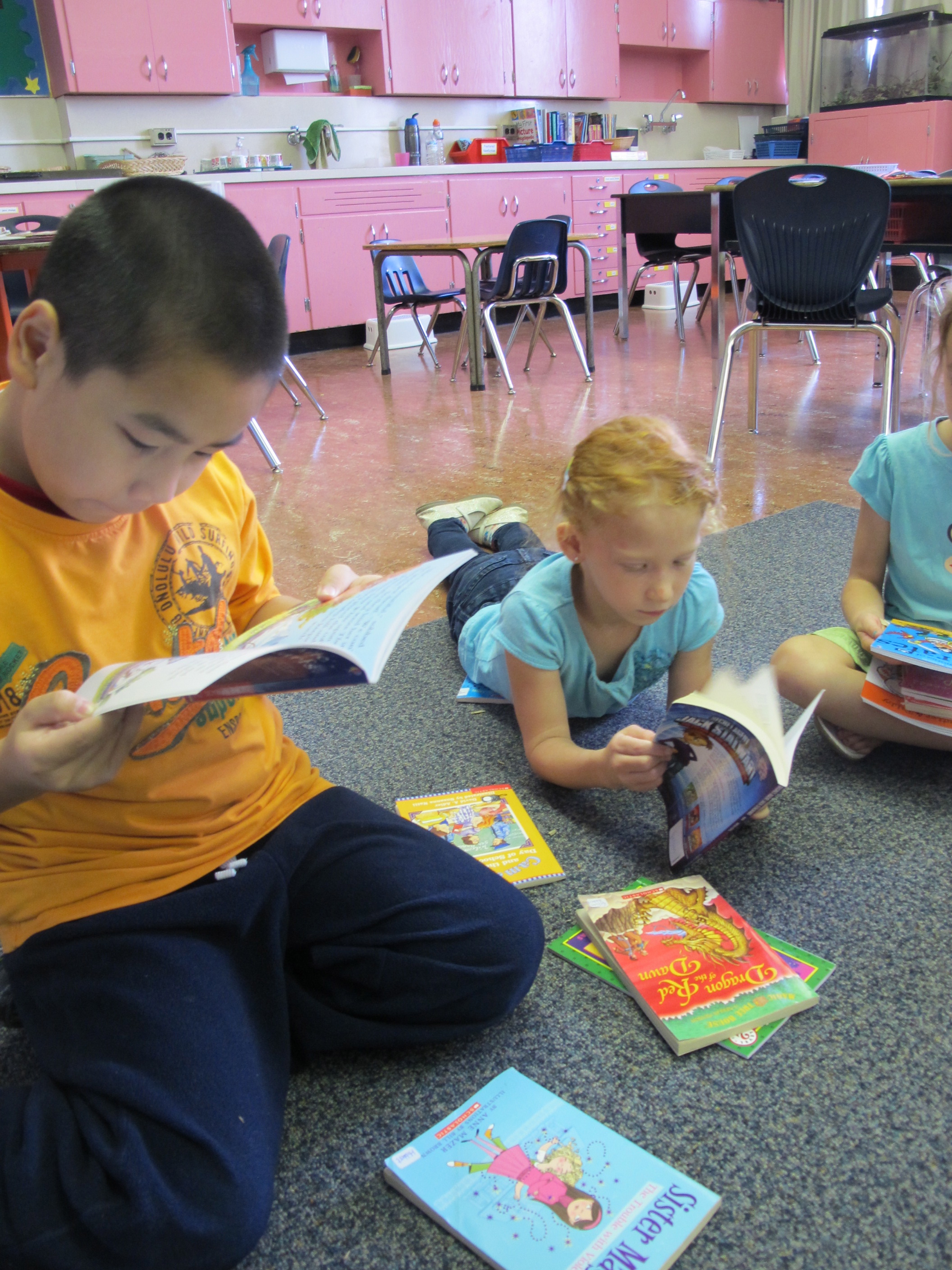
I preselect a number of early chapter books that students may or may not know but that will be in the range of appropriate reading and interest levels for the group. This week we looked at a number of books including some Mr. Putter and Tabby titles, Joe and Sparky books, Usborne Young Reading stories (fables, fairytales, etc) the Jack Stalwart series, some Cam Jansen mysteries and some of the Sophie titles written by Lara Bergen.

The students receive three or four books at a time and have two minutes to peruse them. We then pass them on to the next person and receive some new titles to look at. Before we begin the book passing, we discuss how to determine if a book is right for us. We talked about:

  • Is the cover appealing?
  • Do we know the author or illustrator and like his/her style?
  • After reading the summary on the back or inside flap, are we intrigued?
  • When we flip through the book, does it look good? This is where we need to look at illustrations, chapter length, read a paragraph and see if the reading level seems like a match, etc.
  • Is it part of a series I have read before and liked?
  • Is someone in the class recommending it to me?

Some students took this advice to heart and carefully skimmed each book. Others began by eliminating books from a mental “I would read this” list strictly by looking at the covers. “Nope. Nope. Nope. And nope.” I circulated and worked individually with these students. Often I just had to read the back cover and a “definitive nope” changed into a “possible maybe.” I would also read certain passages that were either funny, full of adventure or ended in a cliffhanger to pique interest. It gave me a chance to talk to students about their perceived “boy vs. girl” books. Yes, boys read books with main characters that are girls. Yes, girls are interested in spy books with boy main characters. No, pink on the cover does not mean only girls will like it. These are such important conversations. Books need to feel full of possibilities. The last thing I want is students who are making a limited reading “box” for themselves in terms of book choice at such a young age.

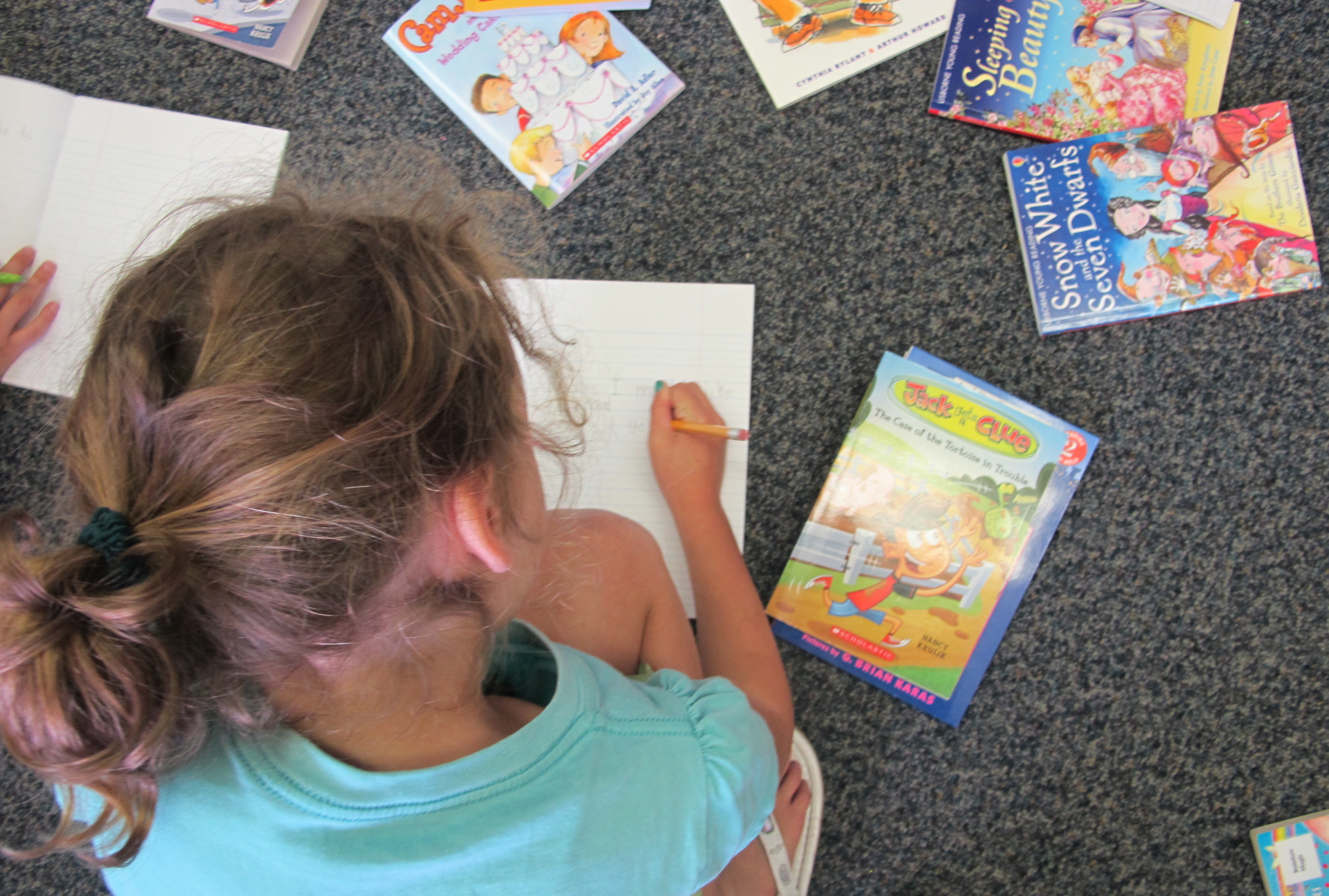
After we had looked at all of the books, we spread the books out  in the centre of the circle, grabbed our reading notebooks and noted down three titles that we might want to read in the future. And then it was off to do some quiet reading! We will do these sharing book circles often over the course of the year and students can add to their “want to read” lists. These lists are extremely helpful to refer to when choosing a new book to read.


How do you introduce new books in your primary classroom? Please share!

The Season of Sunflowers

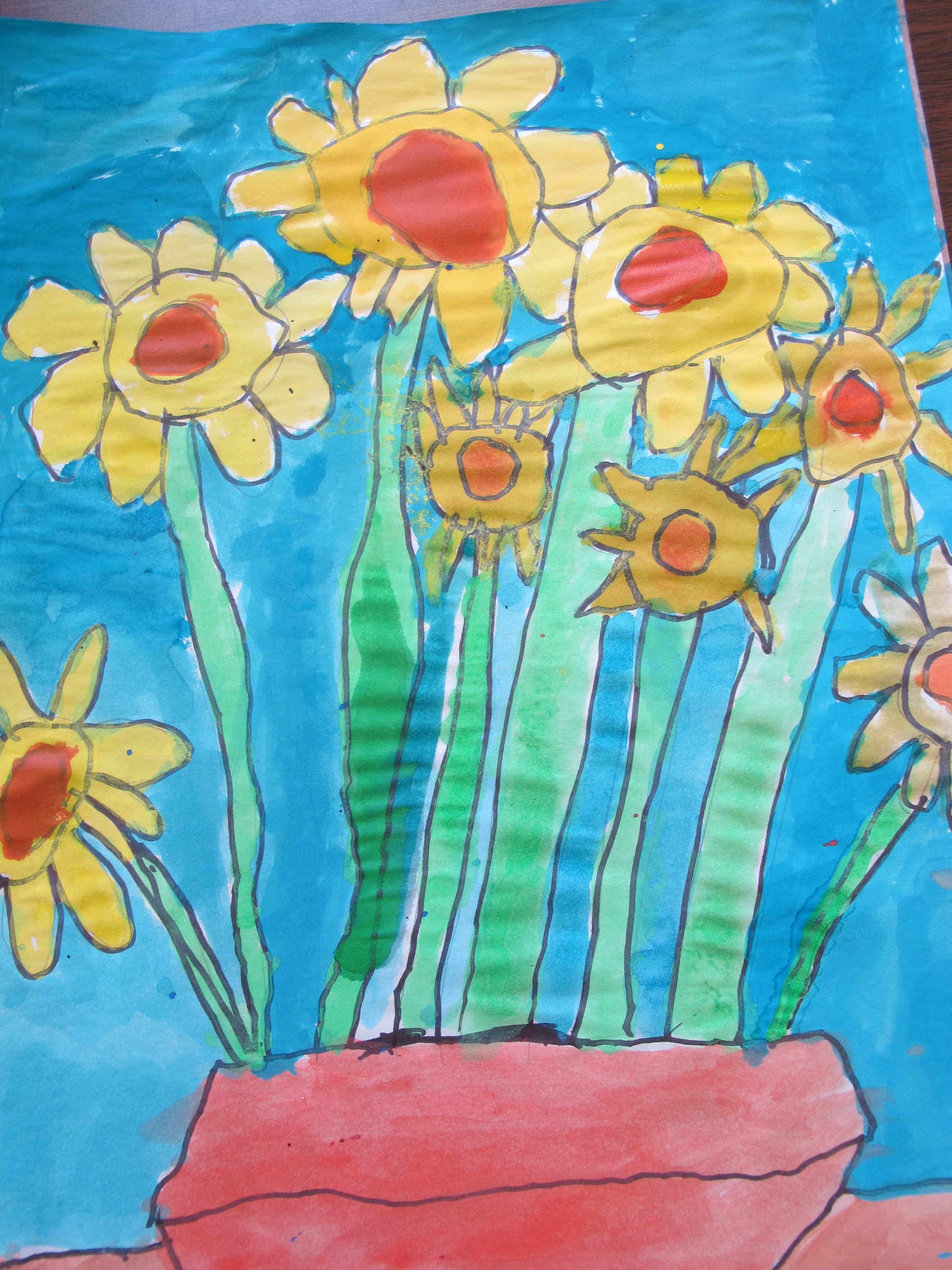
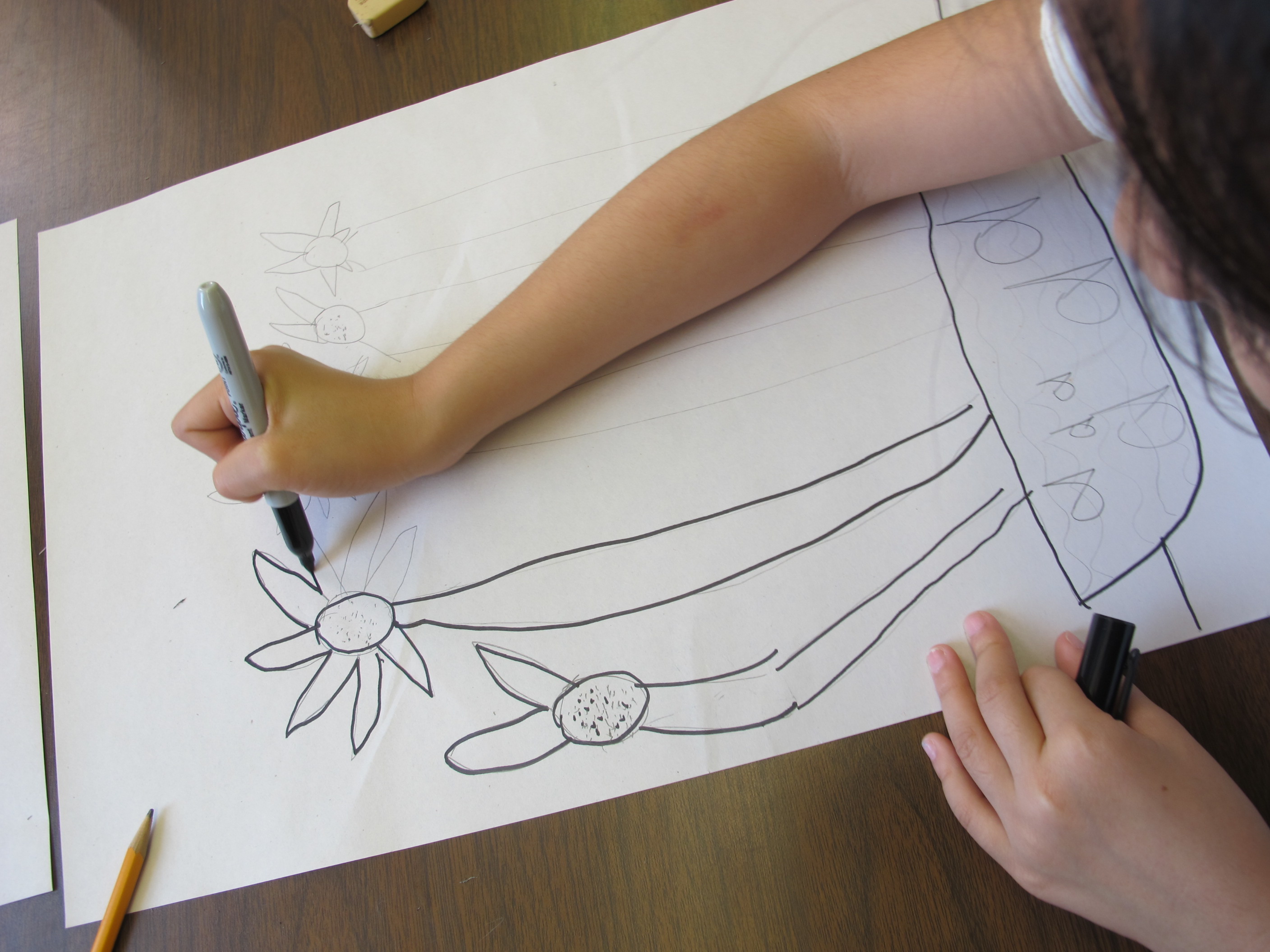
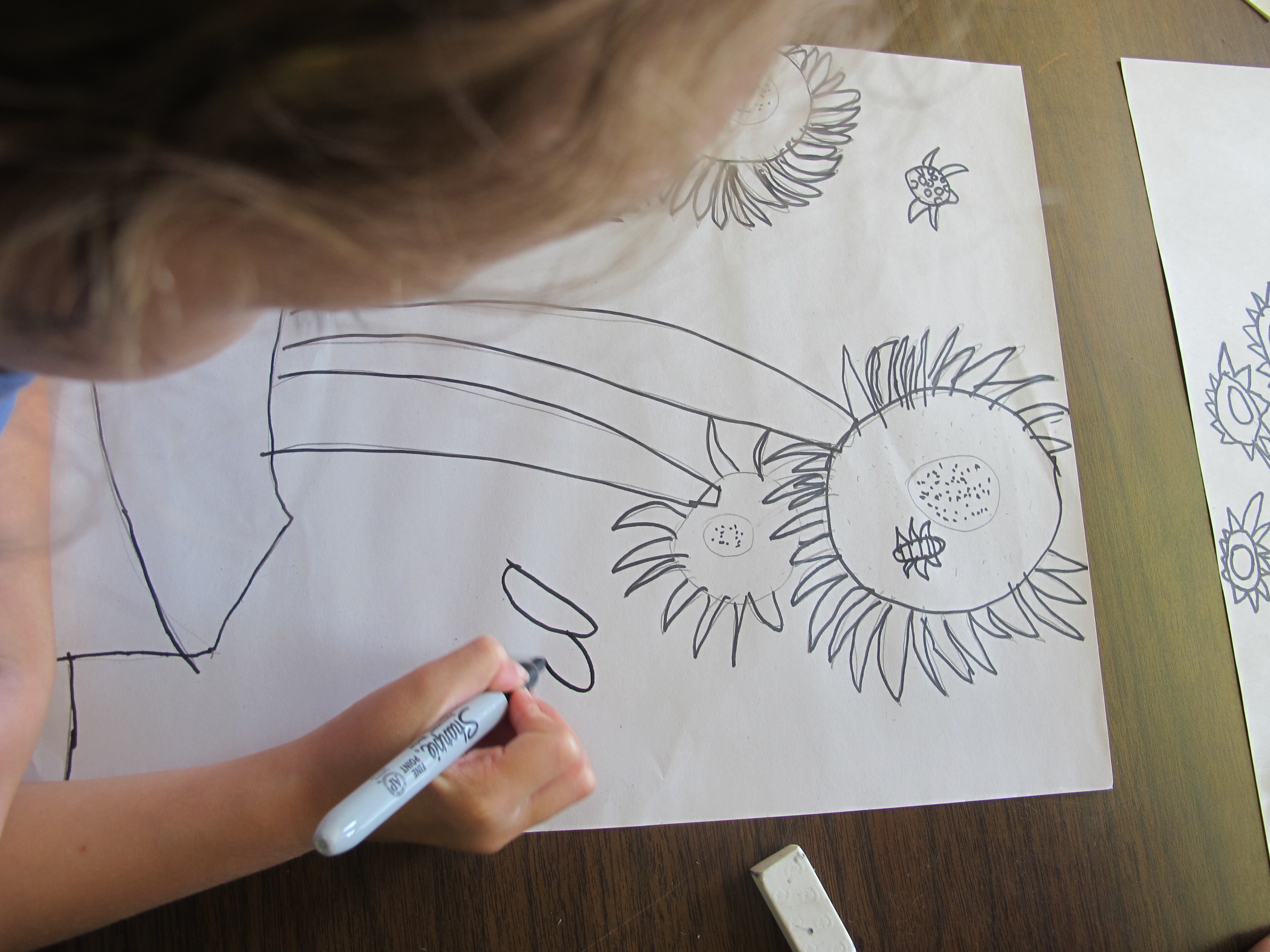
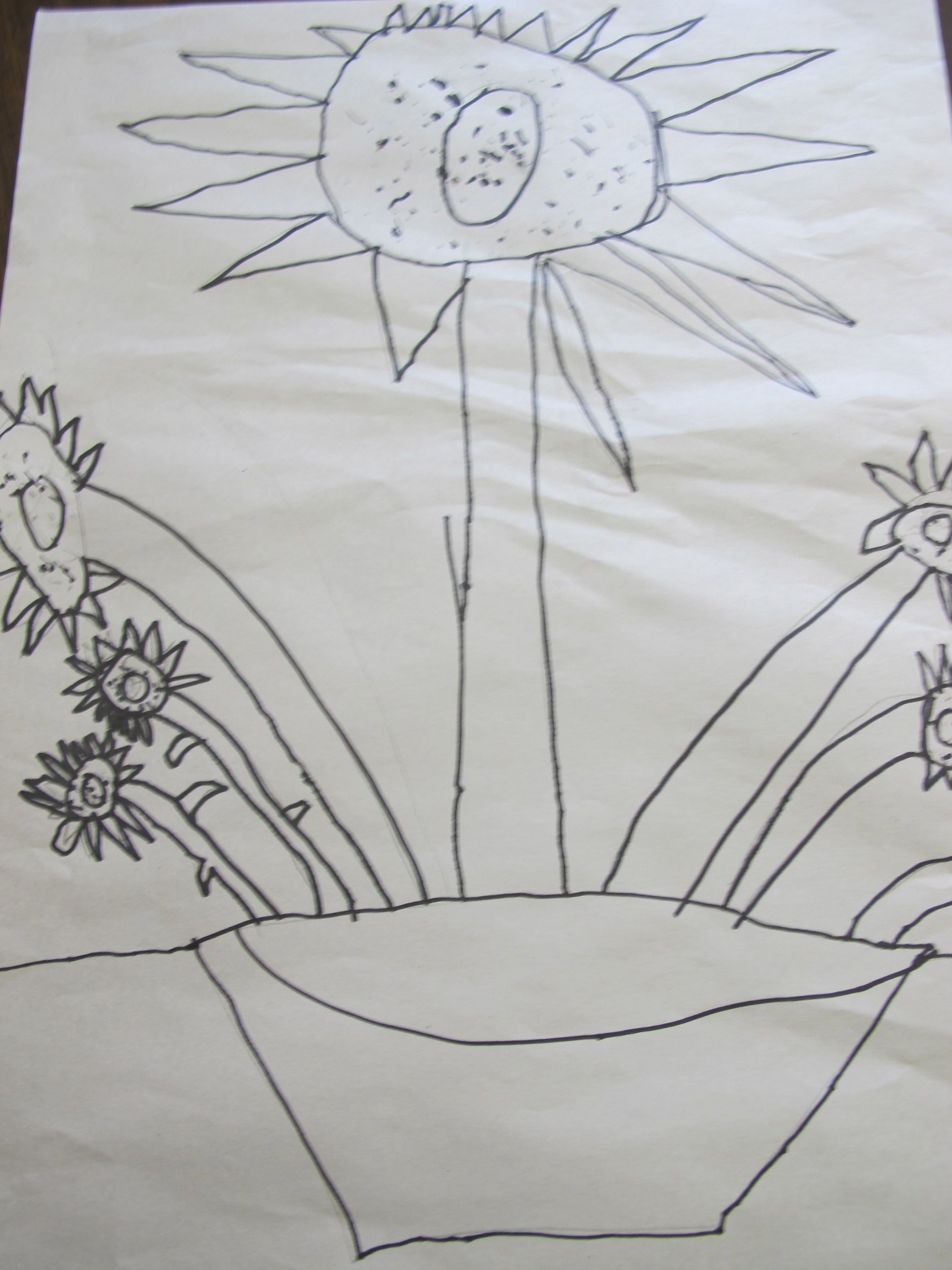
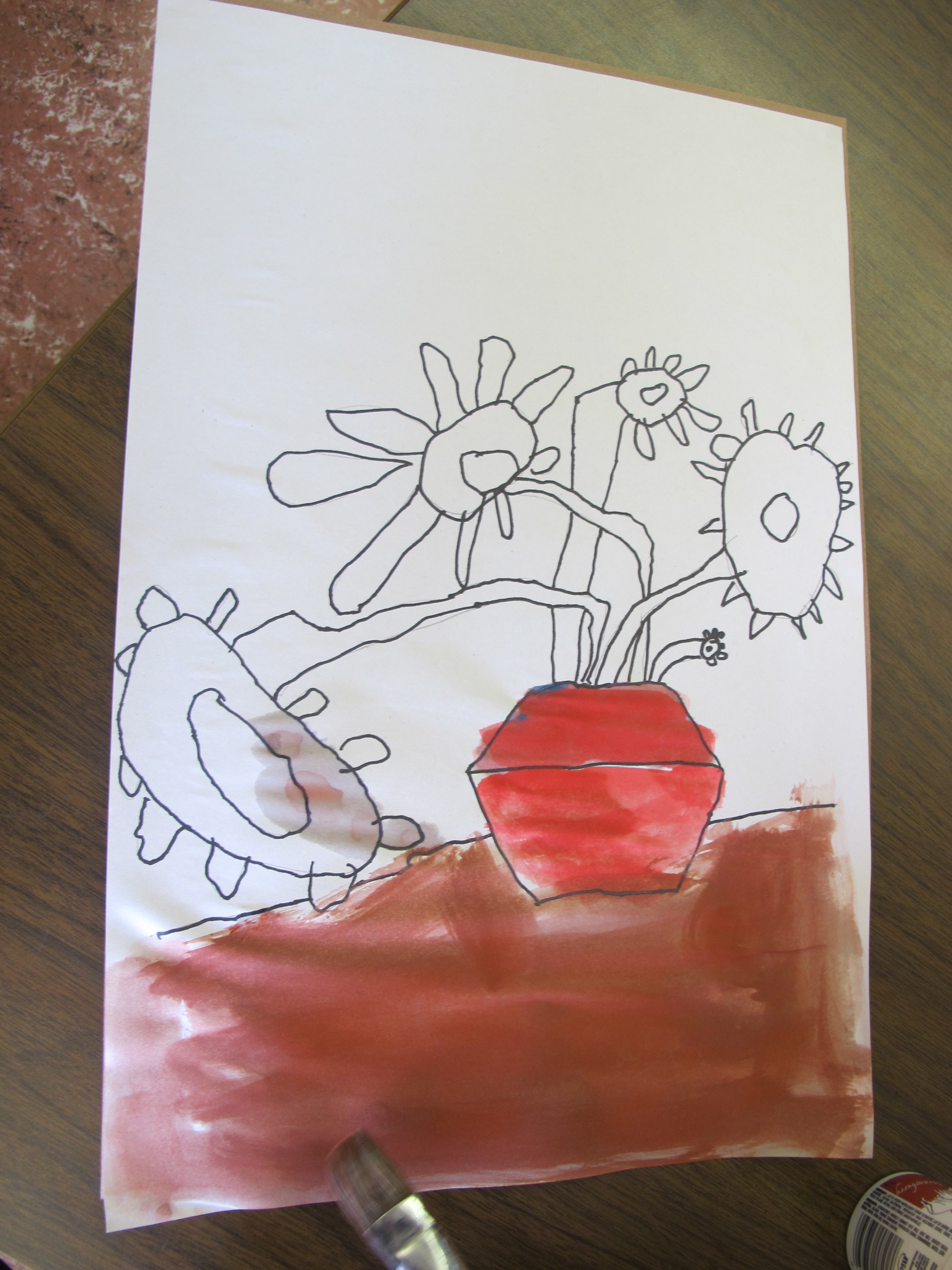
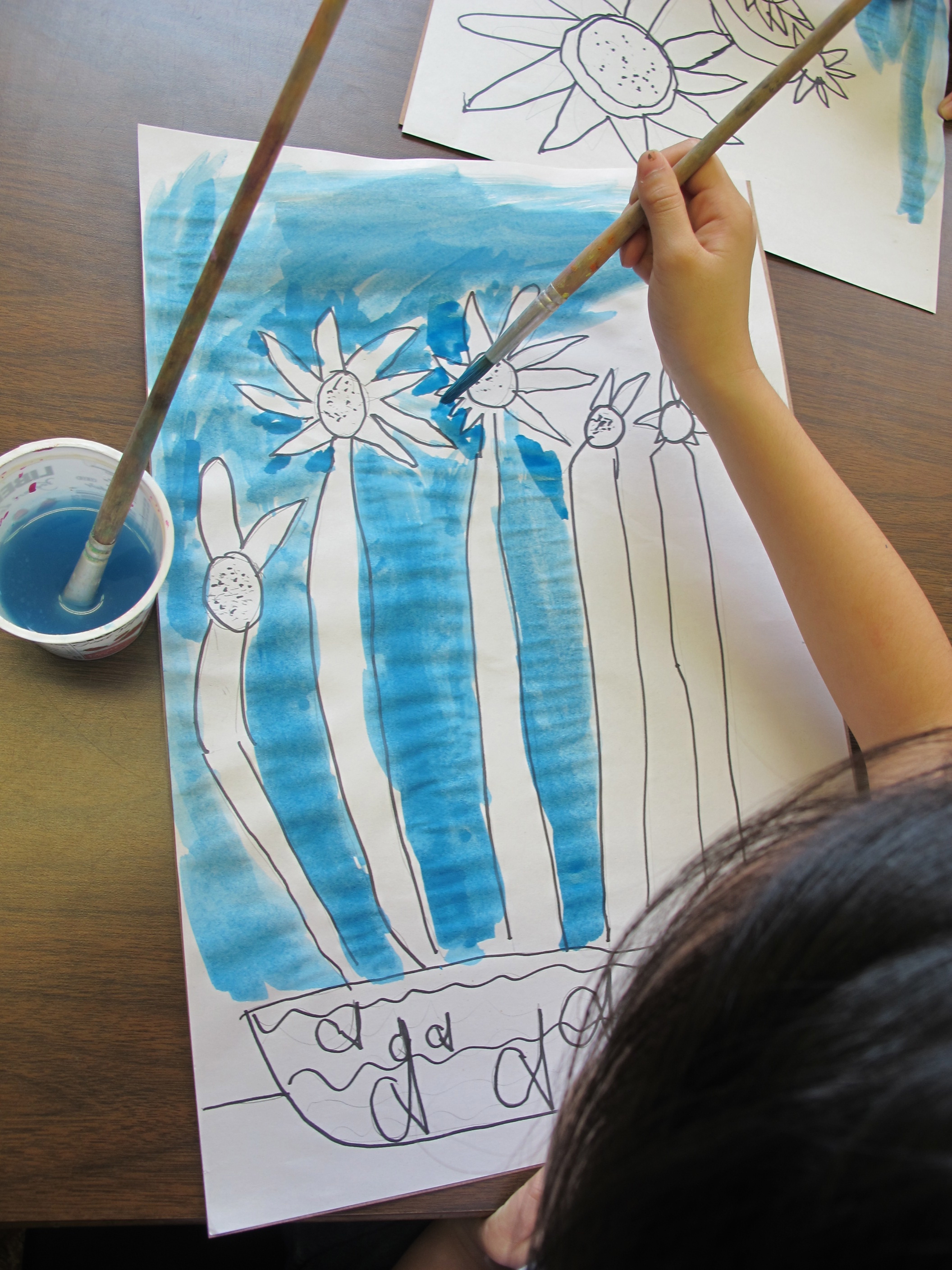
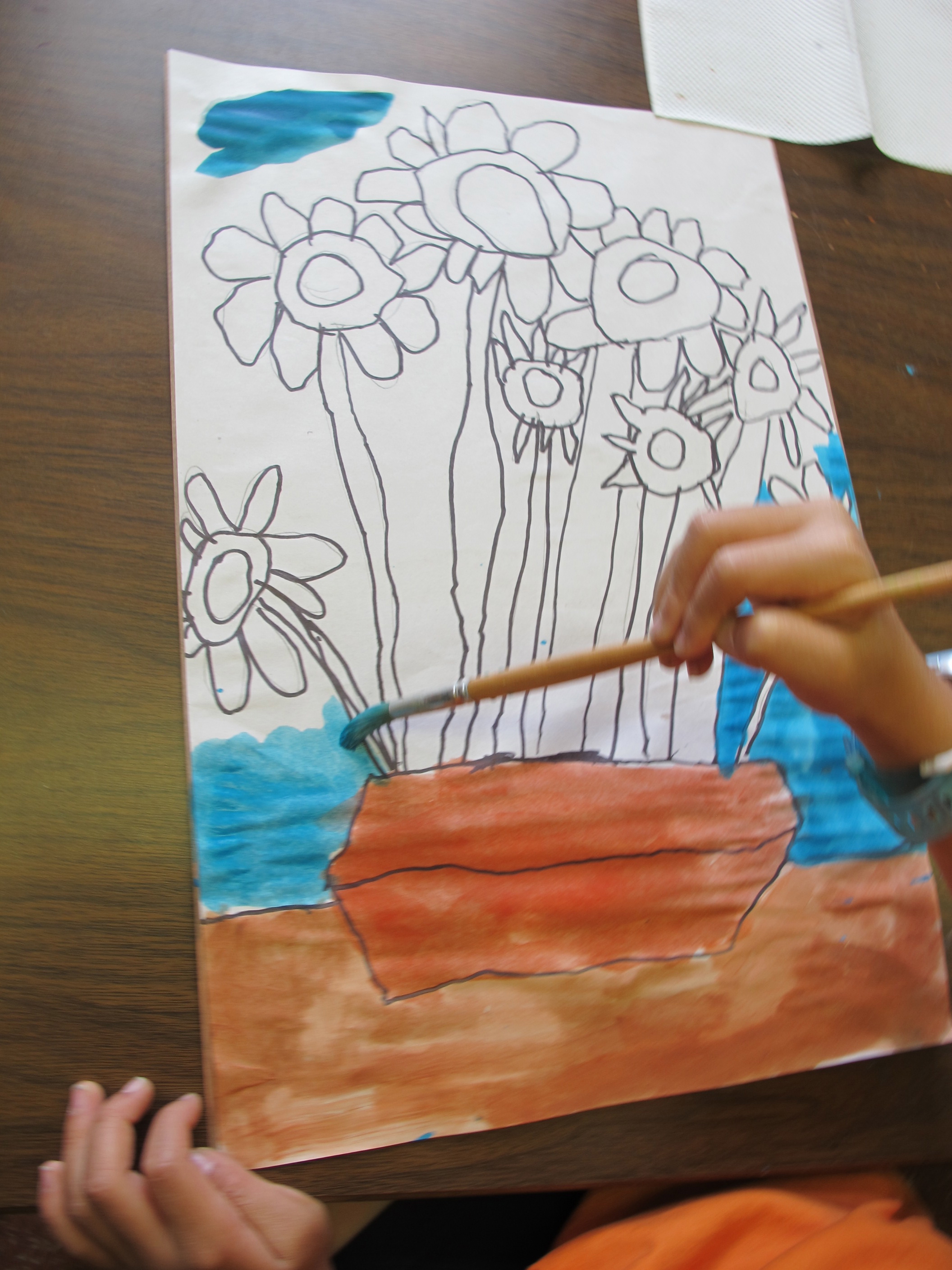
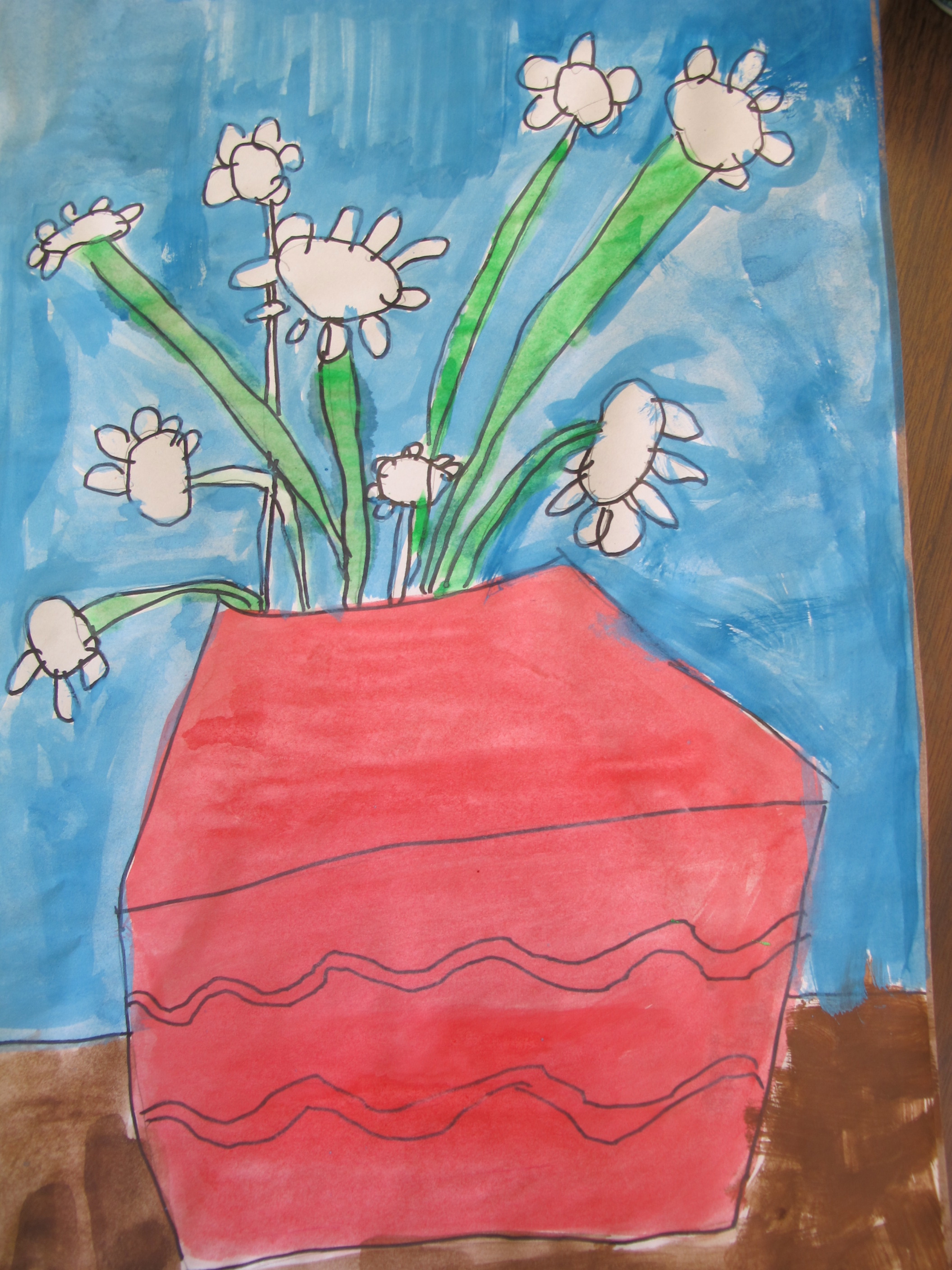
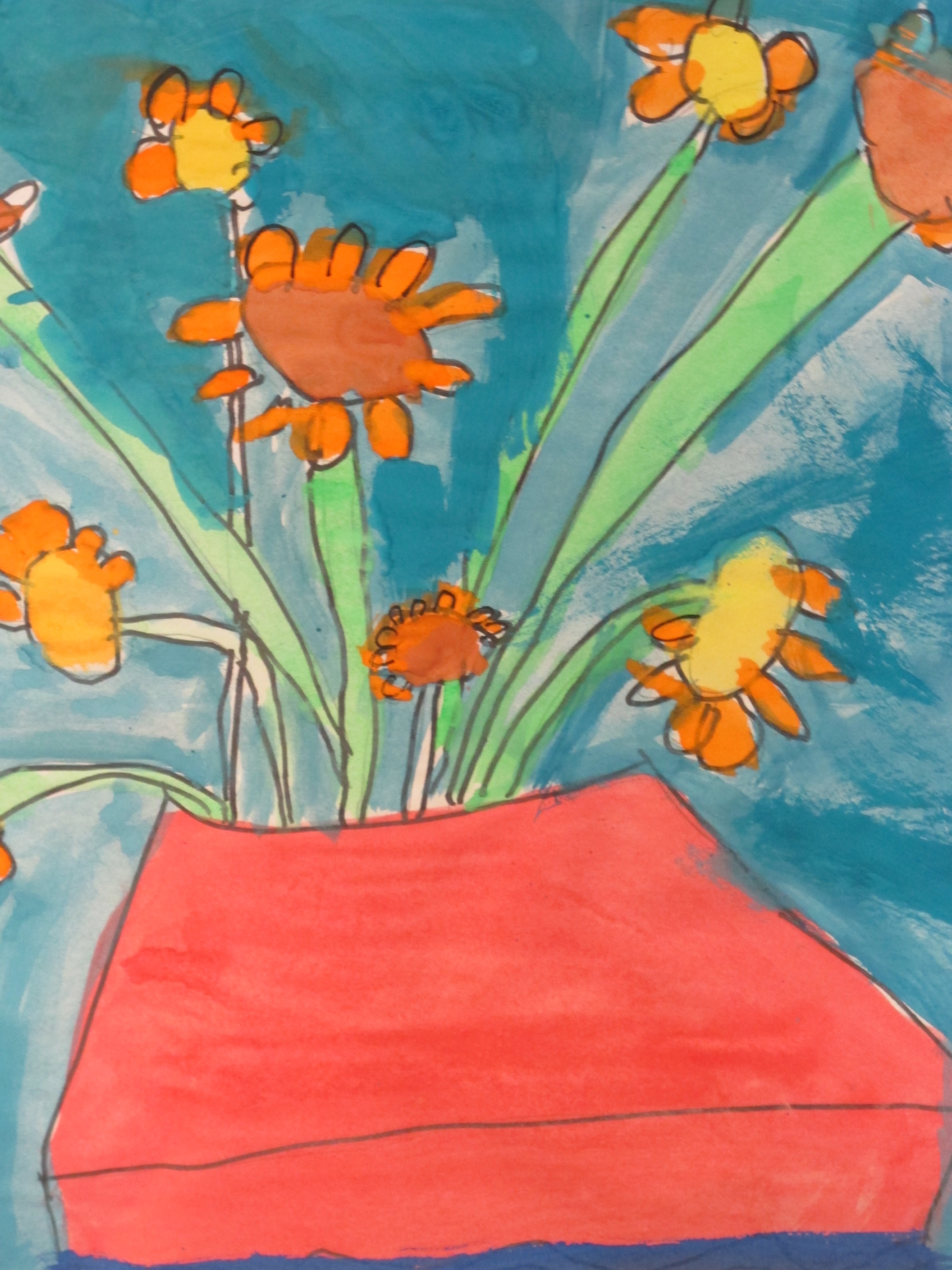
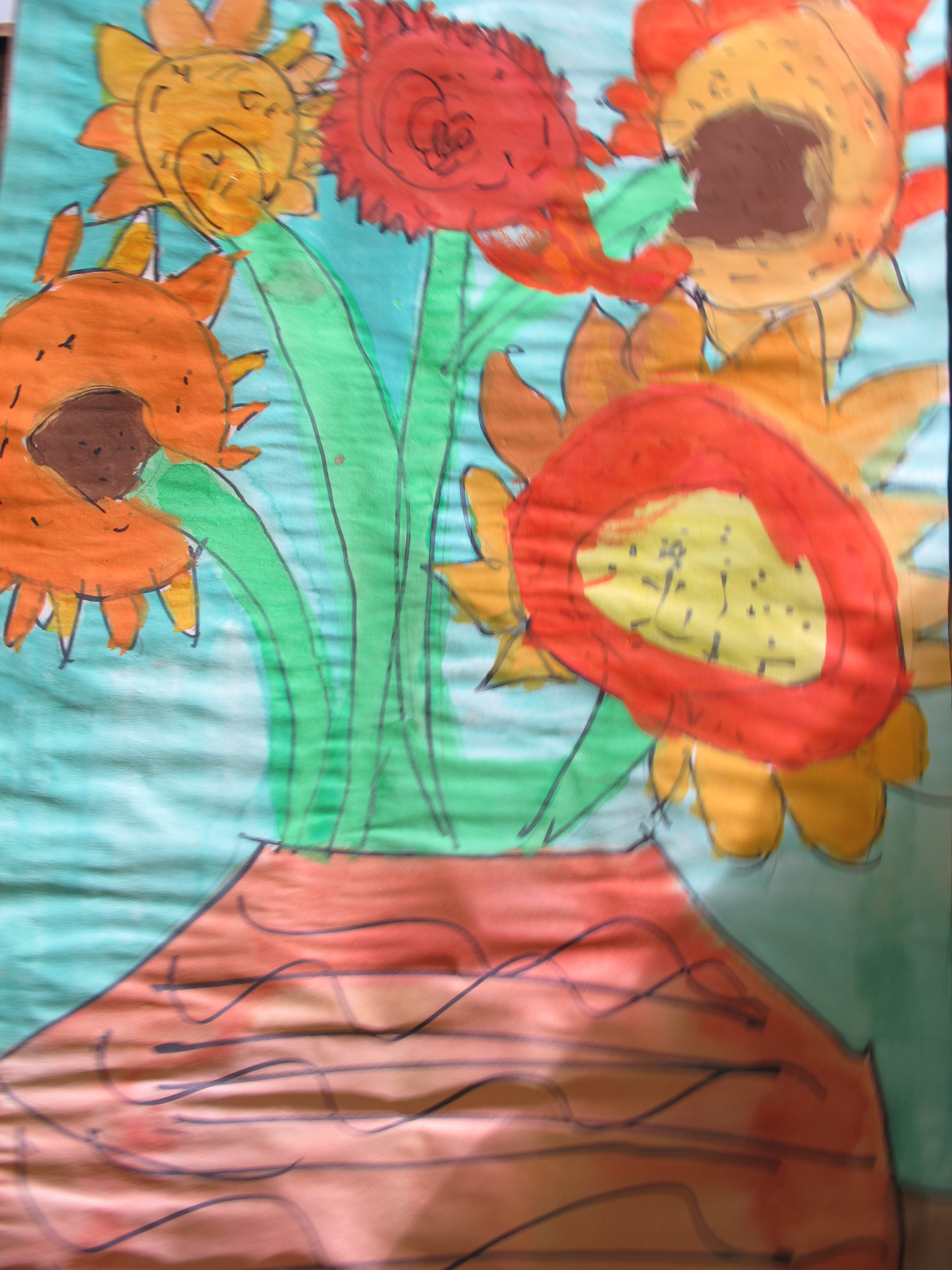
Sunflowers are in various stages of splendour around the city. Some are in full bloom. Some are drooping. Some are going to seed and their petals are drying and falling off. We brought in sunflowers and filled our room with sunflower books and captured this beautiful moment of fall in our artwork. Our sunflowers were also inspired by the gorgeous Vincent Van Gogh sunflowers on the blog For the Love of Art.

Follow our process step by step:

First we drew sunflowers in pencil and outlined our completed drawings with black sharpies.

Students thought about petal size and shape and showed flowers in various stages of vitality. Some students added insects or other details to their pictures.

There were no rules about size and shape of flowers and so each picture turned out to be very different.

On Day 2 we painted our blue backgrounds (gave students choice of just two blues), vases and tables (again colour choice was limited to orange, brown or red.)

Students chose to use a smaller brush when painting close to their flowers and stems.

Everyone was very excited about how wonderful the first colours looked together.

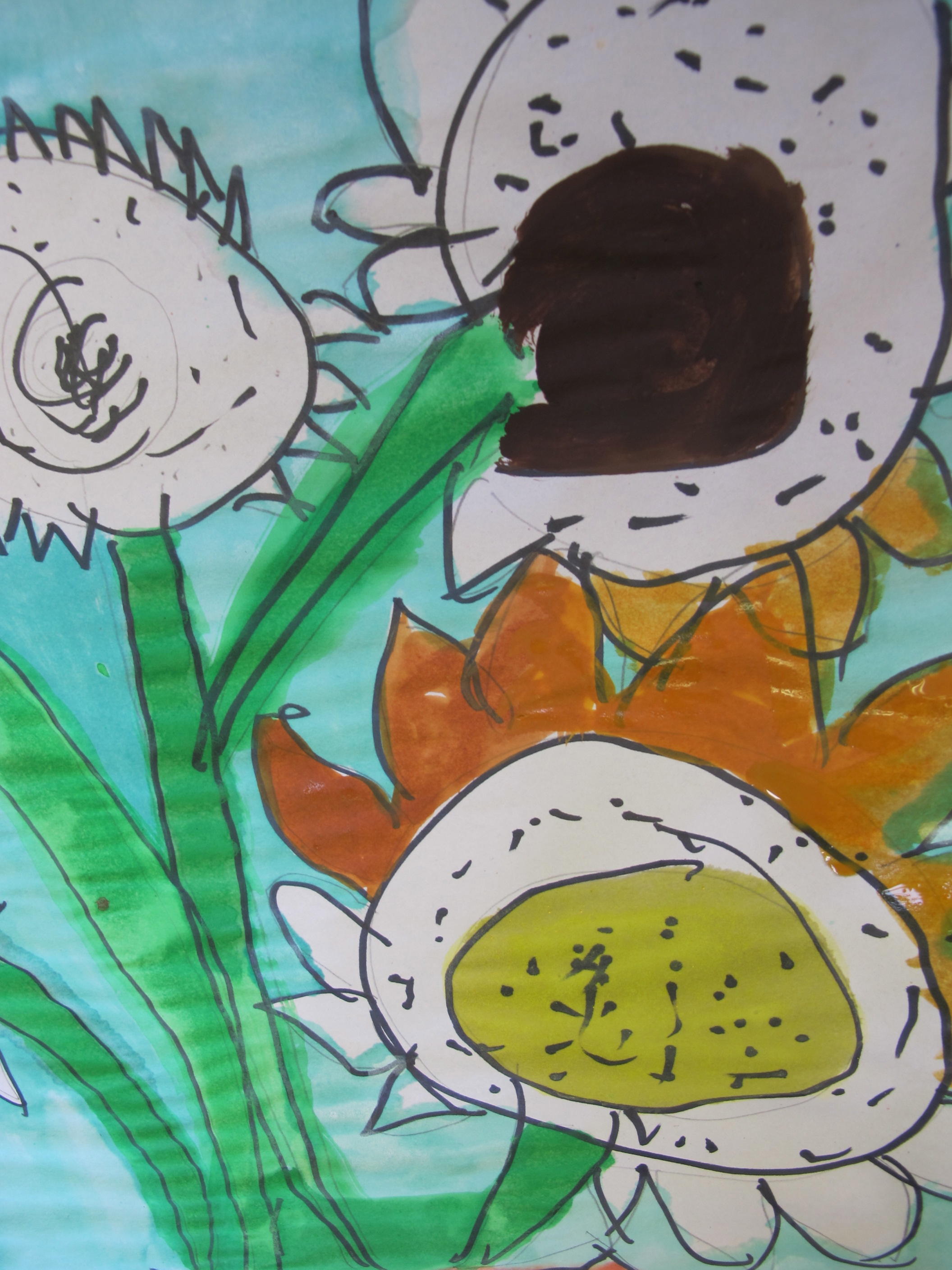
Day 3 was all about paining the stems and all of our blossoms and petals. We used browns, yellows and oranges for the flowers. Students snaked their paint brushes up the stems between vase and flowers.

Painting the sunflowers allowed us to get very creative.

Students blended colours and spent the entire art class on task and talking about their work. Just lovely to observe!

If your class has done any sunflower art this fall, please share by providing a link in the comments section!

Happy Sunflower Season!

Monday September 24th, 2012

It’s Monday!

What are you reading?

Connect to Jen and Kellee’s meme to share all of your great reads – from picture books to young adult selections.

This is such a wonderful way to learn about a variety of new titles and to ensure that those To Be Read piles are very tall and very tippy. I think I have book stacks in about six different places in my classroom and my house.

Sigh. This will be week two where I haven’t completed a novel. Hoping this is not not indicative of my school year and instead just a result of a busy back to school season! It also doesn’t help that the book I have my nose in is 539 pages long (Bitterblue by Kristin Cashore) Although, I am loving every page so happy that there are more than 500 to savour!

So for this It’s Monday! What are you reading? post I am going to highlight  ten picture books (both fiction and non) that I read this week (some shared as class read alouds).

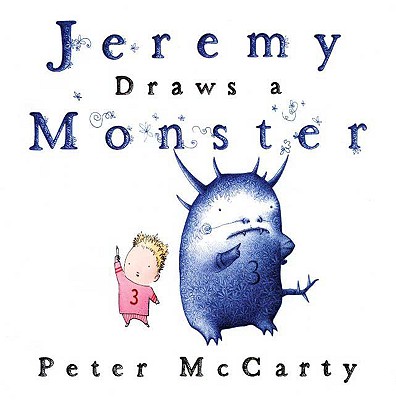
Jeremy Draws a Monster by Peter McCarty. This is an interesting little story told as much through the illustrations as through text. Jeremy is too shy to venture out and play and when he draws a monster and it comes to life, it turns out to be an annoying creature he wishes he could just erase. A very clever ending does resolve the monster issue but along the way some interesting themes are explored: imagination, the shy child, taking risks, etc. Beautifully illustrated by McCarty.

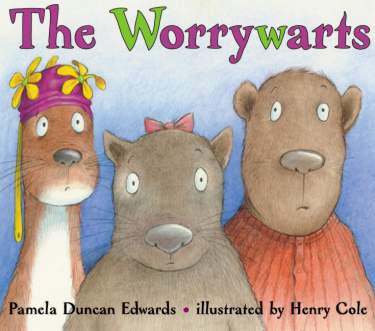
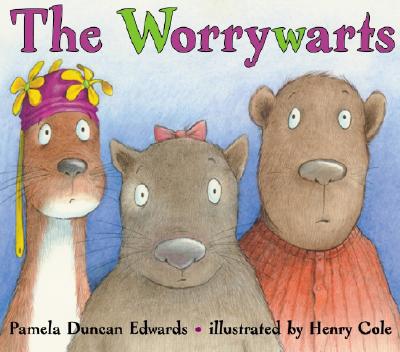
The Worrywarts written by Pamela Duncan Edwards and illustated by Henry Cole. I used this book to launch learning about making connections. Read more in this post. If you are reading this aloud, warm up! All of those W’s will exhaust your lips as you read! Fantastic alliteration from Edwards as usual.

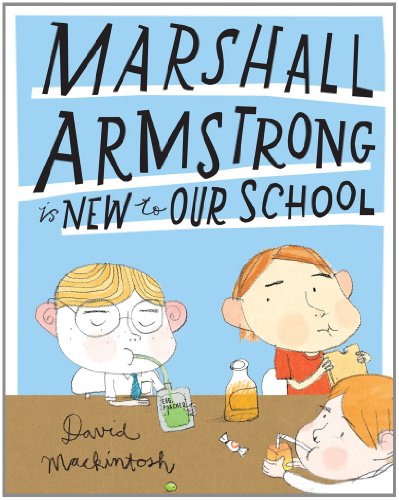
Marshall Armstrong is New to our School by David Mackintosh I shared this book with my new class as a morning read aloud. We talked about how in a sense we are all new when we start a new school year even if we are not new to the school. This book helped us understand to reserve judgement with people “new” to us, to not turn away from someone who is different and to celebrate the unique aspects about us all. The students LOVED the illustrations and keenly studied all of the details on each page. They were particularly intrigued with Marshall’s “space” food.

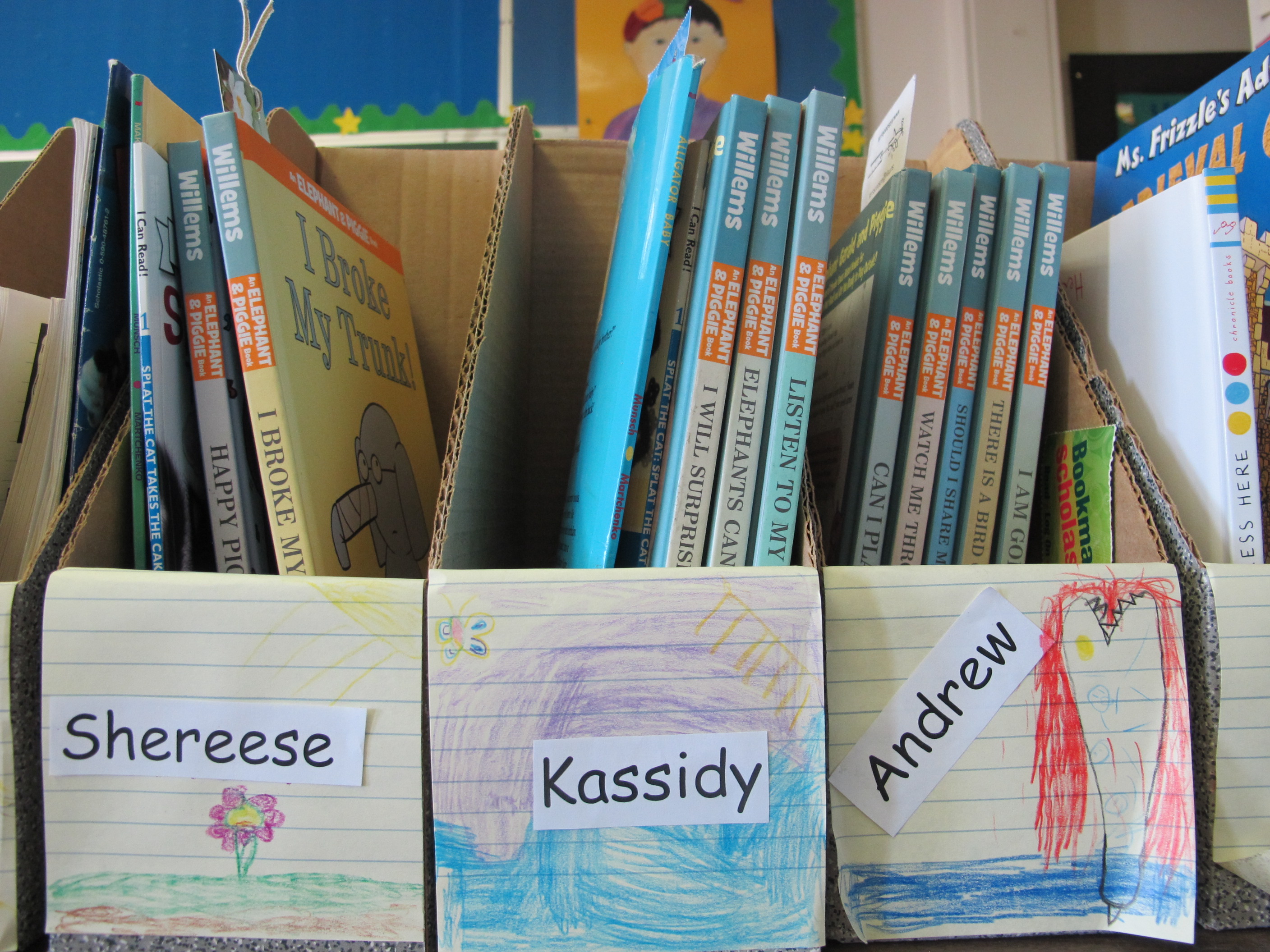
There is a bit of a book obsession going on in our room with Mo Willems right now! Check out how book boxes looked on day one of setting them up. Elephant and Piggie books were gathered by the handful! We have, as a class, come up with a new rule: no more than one Elephant and Piggie book in your box so that there is access to all. Oh how we adore these characters!

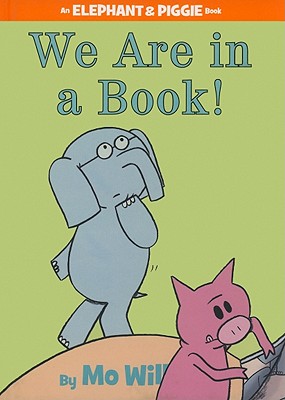
I still come across titles that I haven’t read yet. I read When We are in a Book by Mo Willems aloud when requested by numerous students. And then I read it again because, well, if you read carefully, it does request the reader to do just that!

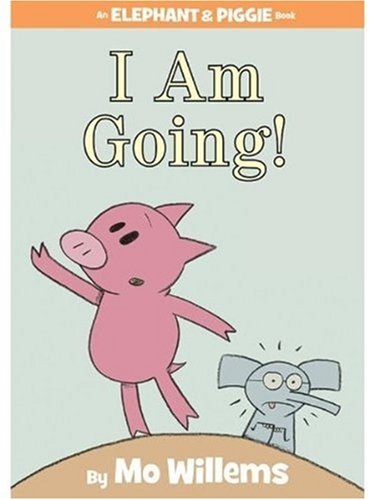
I am Going by Mo Willems was another title I read this week and then read over and over with a keen student who wanted to read with me, each of us being a character (Gerald or Piggie).

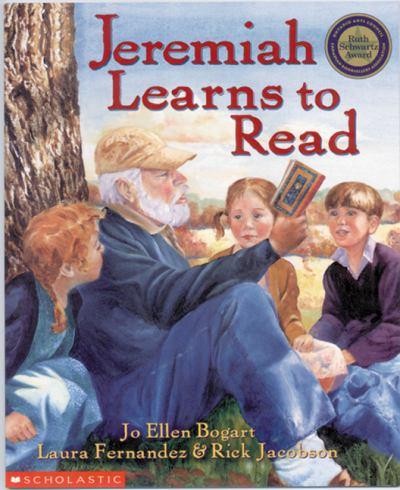
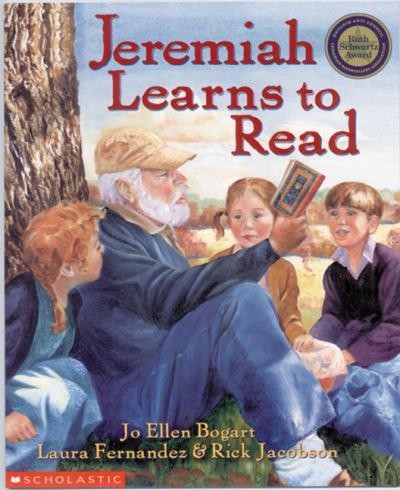
Jeremiah Learns to Read written by Jo Ellen Bogart and illustrated by Laura Fernandez and Rick Jacobson. This was a book I shared with my reading group as we talked about how reading is a gift. (For student reaction to the fact that Jeremiah couldn’t read, read here.)

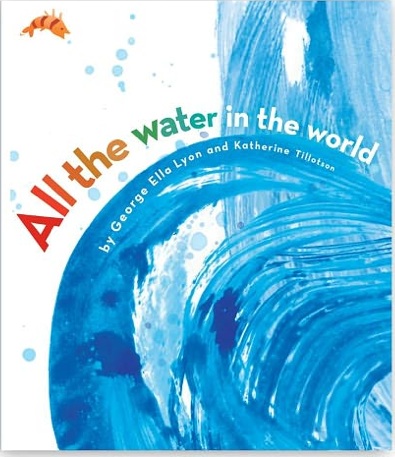
All the Water in the World by George Ella Lyon and illustrated by Katherine Tillotson Lyrical language. Stunning art. Superb images. Wow. And . . . a fantastic book to teach the water cycle.

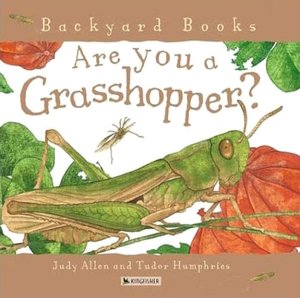
Are you a Grasshopper? by Judy Allen and Tudor Humphries I love these Are you a ____________? books and just added this title to my class collection. I have a real admiration for grasshoppers. For the last three summers we have walked through a water starved grassy bluff on Galiano Island. There is never anyone else there and it is vey quiet except for the grasshoppers. They are hidden in the tall dry foliage and the air absolutely vibrates with all of their noise. We always talk with our children about how this noise is produced and I love how it is explained and illustrated in this book.

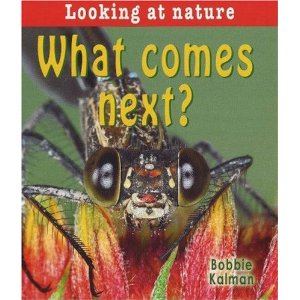
What Comes Next? by Bobbie Kalman I have continued to add Bobbie Kalman titles to my non-fiction collection. This title begs to be interacted with, perfect for buddy reading. Full colour photographs illustrate a variety of nature concepts.

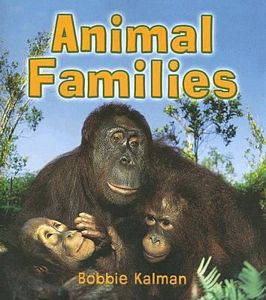
Animal Families by Bobbie Kalman This is another wonderful non-fiction title with many colourful photographs of animals and their families. Love the pages that explain how seahorse mothers transfer the eggs to the father seahorse. So interesting!

Really hoping next week will give me more time to read for big chunks of time so that I can finish Bitterblue and tackle other titles sitting in a stack just waiting for me. Next book? I think it will be Code Name Verity.

Getting down to the business of reading

Reading Groups started this week. Every morning I have the pleasure of working with a small group of eager Grade 2 students to help them develop their literacy skills: build reading fluency, learn new comprehension strategies, provide opportunities for meaningful responses to literature, learn how to navigate non-fiction texts, learn about genres, etc. That’s what I know I need to do. What did I tell these lovely, eager little students on our first meeting together? Not all of that! Nope. I explained that I was going to transform them into READING FANATICS! That they would be so excited about reading that they would choose books over candy, over chocolate cake, over roller coaster rides, over the latest movies. That they would eat, sleep and dream books. I went on for a while about this, trying to make sure my reading excitement was as contagious as those unblocked sneezes we all wince at. Their reaction? Fully in! “Can we have book parties?” “Can we take a book outside to read?” “Can we sometimes just sit and read and read and read?” My answers to all of these things? Yes. Yes. And yes!

In our first two days together, we got busy. We tackled some big questions: What do good readers do? What is difficult about reading? We read for “get into your book” chunks of time. I read to them . . . a book that celebrates the gift of reading (Jeremiah Learns to Read).

We are on the road to becoming passionate readers, of, I am hoping, the lifelong kind!

Peek into our room for a taste . . .

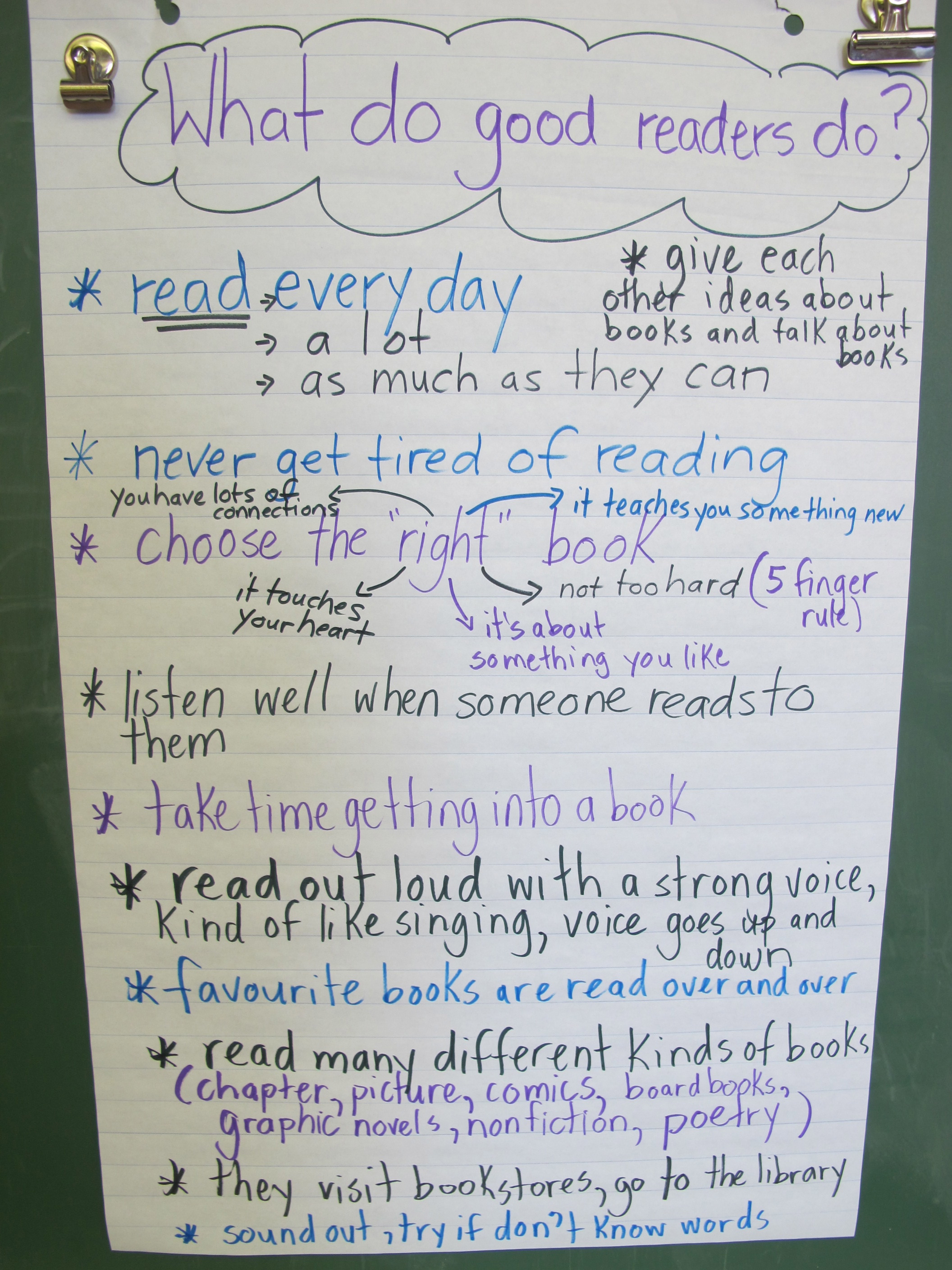
The first big question I asked: What do good readers do? We charted our answers: I particularly loved the excitement and thoughtfulness that was expressed trying to explain to me what the “right book” might be. (see below)

Also important to note is that the immediate answer to my question: “What do good readers do?” was an exuberant, “They read!” Exactly! So simple. My job? Making sure there is time in the day to do this. Every day.

The next day we read Jeremiah Learns to Read written by Jo Ellen Bogart and illustrated by Laura Fernandez and Rick Jacobson.  In this story, we meet Jeremiah an old man who can do many things. Amazing and beautifully useful things like tap a maple tree, build a split rail fence and grow a vegetable garden. But Jeremiah has never learned to read. The students found this concept startling. Their comments and questions revealed their worries and bewilderment.

 “He can’t read? But he’s old.” “Oh . . . that would be so horrible.” “What if his kids asked him to read them a book?” “I really wish he could read.” “Were there no schools when he was little?” 

Jeremiah decides to attend school with the children in his neighbourhood and learns to read and write. One of the most lovely moments of the story is when he reads a poem aloud to his wife.

I read this book as a reminder that reading is a great gift we need to treasure. It also helped us start talking about how reading is not always easy.

I posed this question to the students: “ What is difficult about reading?” I like to ask this because it helps me understand where the group is with their learning.  What struggles do they identify? Do their ideas centre on the decoding of text? Or, have they moved into comprehension issues?

I noted down their ideas on a chart as we explored this question. This group are solid primary readers who are still developing their ability to read more complex texts and who are unfamiliar with some strategies to decode some longer multi-syllabic words. So it was natural that many of their worries focused on the actual being able to read/pronounce the words on the page. There was the beginning of a discussion about meaning and again a focus on what is the “right” book. This helps me to realize that we will need lots of instruction on genre, book selection, introduction to new authors, etc. We will revisit this chart as we move through the year and add to it as necessary as we learn and grow as readers.

What I value most about getting student ideas and input like this is that while that chart paper is still blank, I just have no idea what ideas we will end up listing. We are directing and shaping our learning together.

As we get down to the important business of reading, I couldn’t be more excited. We have a busy and book filled year ahead!

The Worrywarts

We have begun to delve into our Reading Power collection to find titles to illustrate the concept of connecting to a story. Today we shared The Worrywarts written by Pamela Duncan Edwards and illustrated by Henry Cole. 

Many of had learned about connecting before. We talked about how when you have a connection . . .

*you might be reminded of something

*you think, “Hey I’ve felt that!”

*you understand the story better because you’ve had similar experiences/feelings

There is a lot happening in The Worrywarts. First of all – a wonderfully woeful celebration of weary wallowing in all things worrisome. Alliteration and then some! Edwards celebrates “W” power! Wombat, Weasel and Woodchuck decide to go on an adventure to wander the world. After much contemplation on the perfect snacks to bring along , they realize that they have many worries about the “What if . . . ” aspect of their walk out into the world. In our class, we could connect to sharing worries about what might happen in any given situation. After the story, we drew about our worries. Many students shared that these fears creep into their heads when in bed at night.

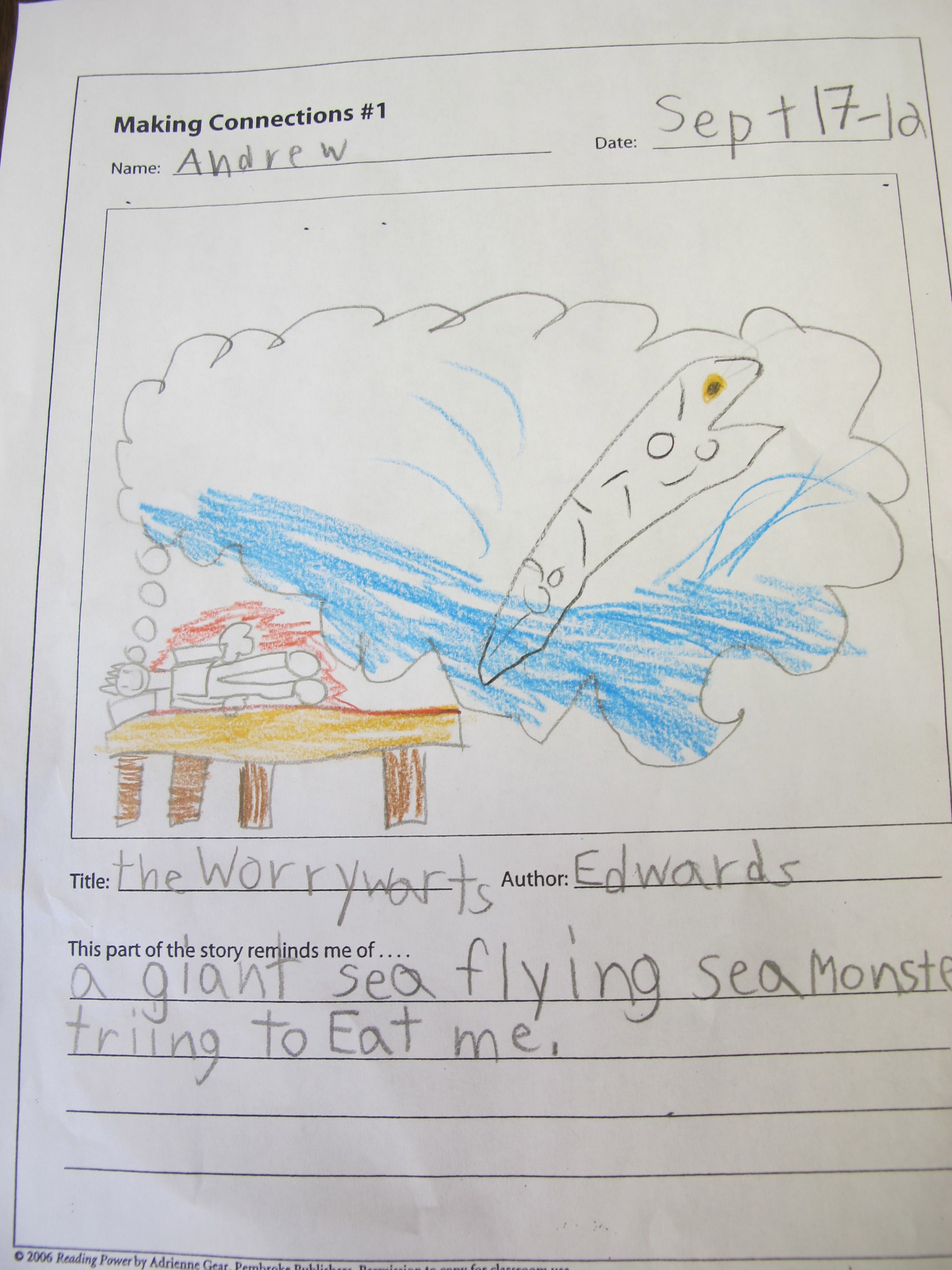
Andrew wrote about worrying about a giant sea monster eating him. This idea might be in his head when he was lying still at night, he explained. That sea monster looks pretty big!

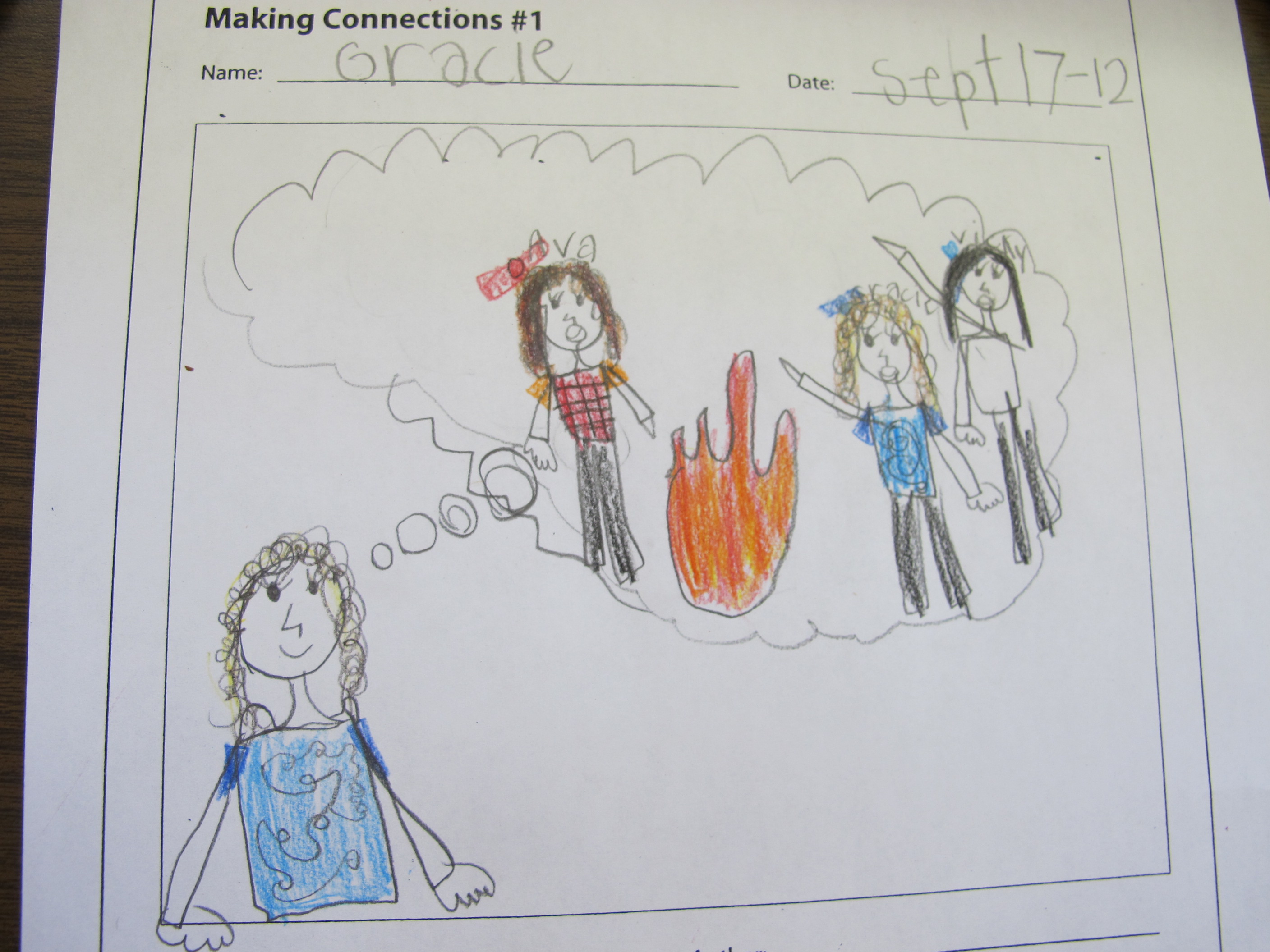
Many students drew fires in their thinking bubbles. There seems to be many worries about fires breaking out and not being contained. We noticed that last week when we had the fire drill, we had to do lots of “What if . . .” talking.

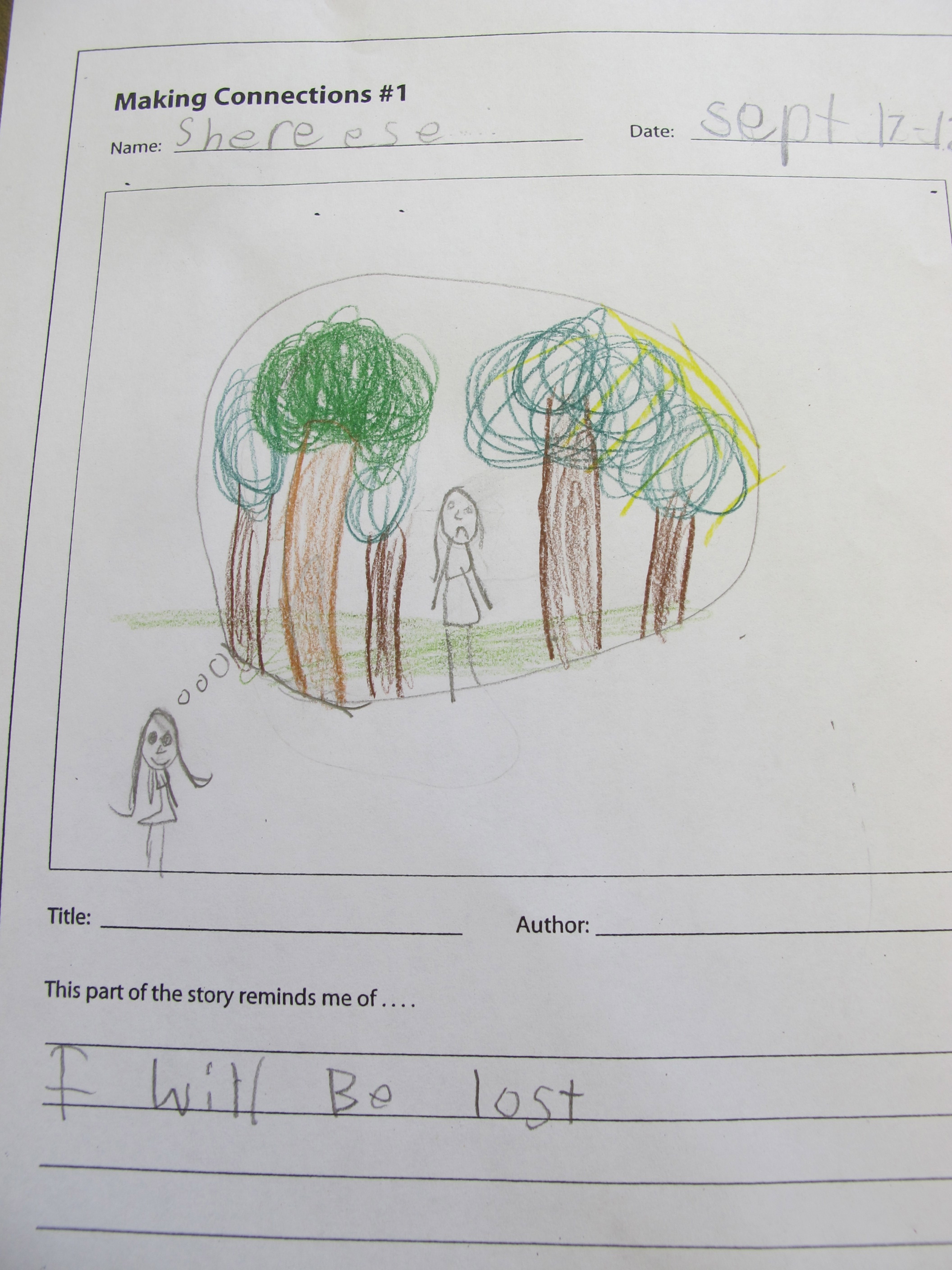
Shereese shared that she has worries about being lost. Her picture in her thinking bubble is very detailed and sure conveys that scary feeling of feeling all alone in a big, intimidating place.

There was a certain comfort in sharing our worries through discussion, pictures and our writing. We definitely realized that having worries happens to all of us, not just story book characters like Wombat, Weasel and Woodchuck.

What do you worry about? How do you calm your fears?