Beautiful birds

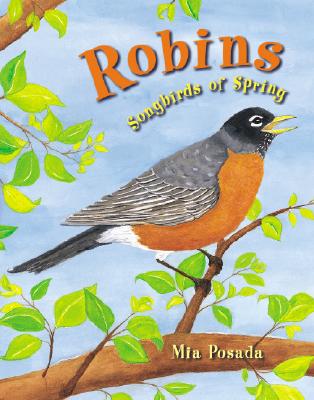
Division 5 continues to study birds. This week we enjoyed Robins: Songbirds of the Spring by Mia Posada.

Robins-Posada-Mia-


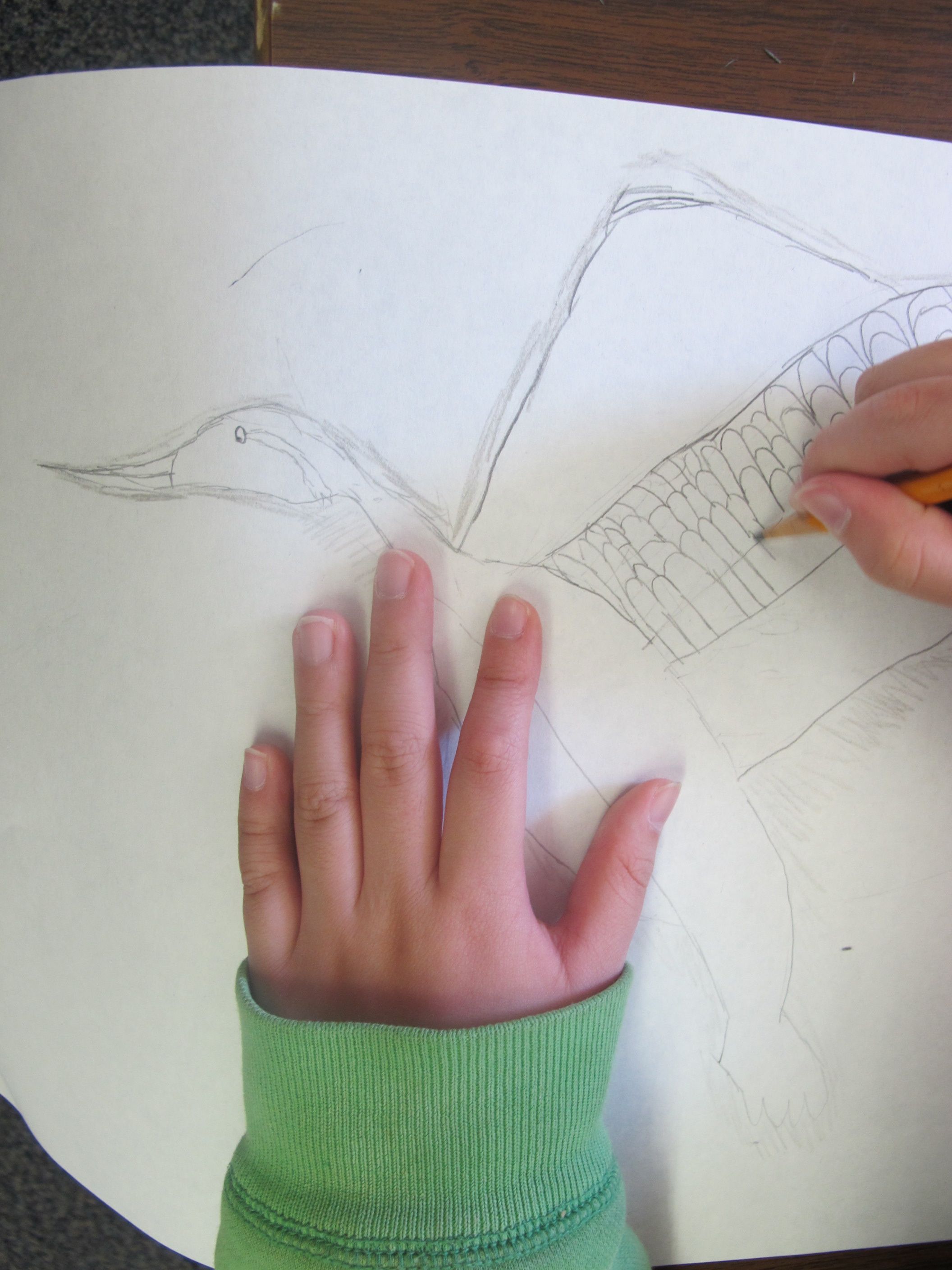
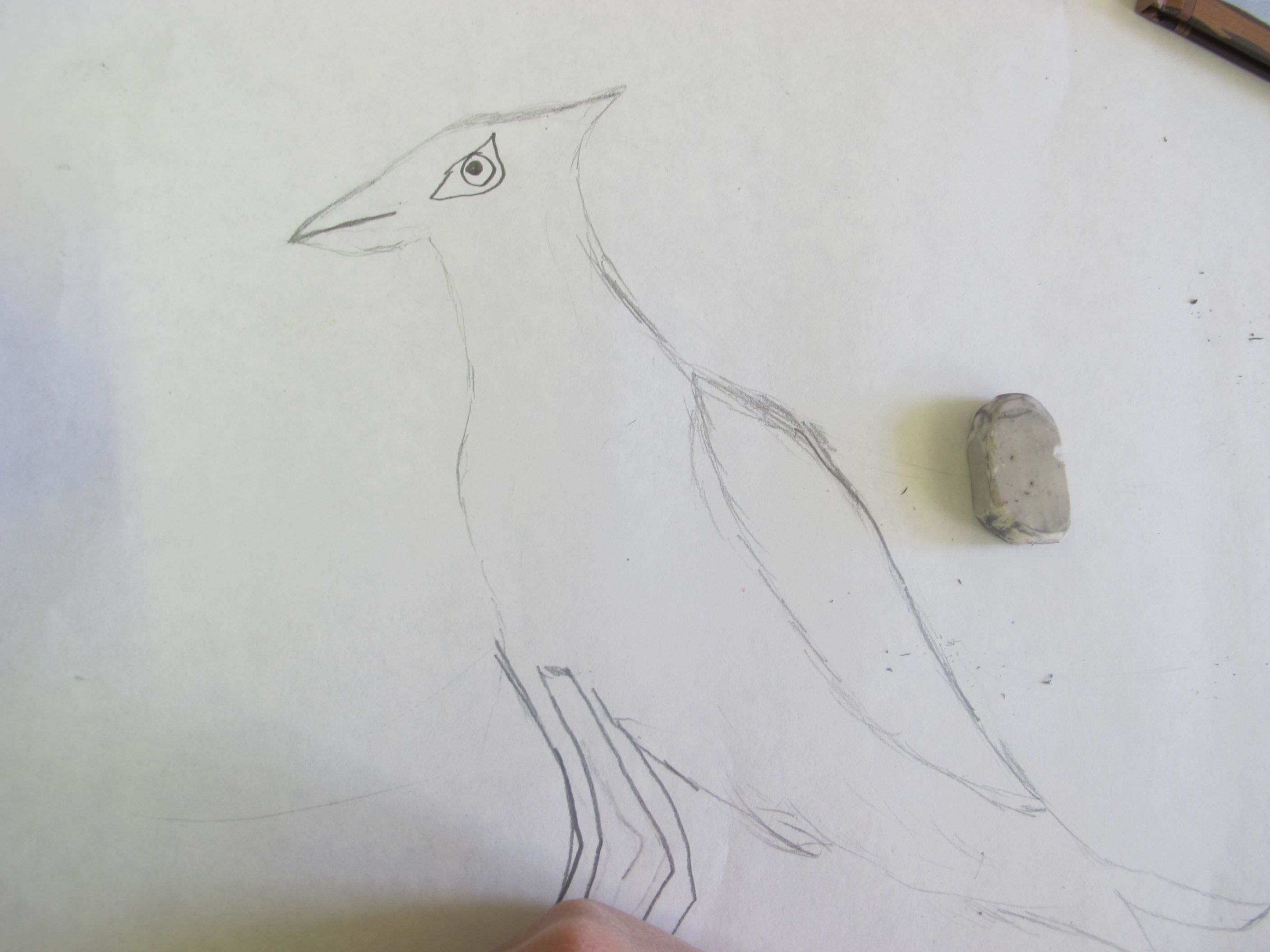
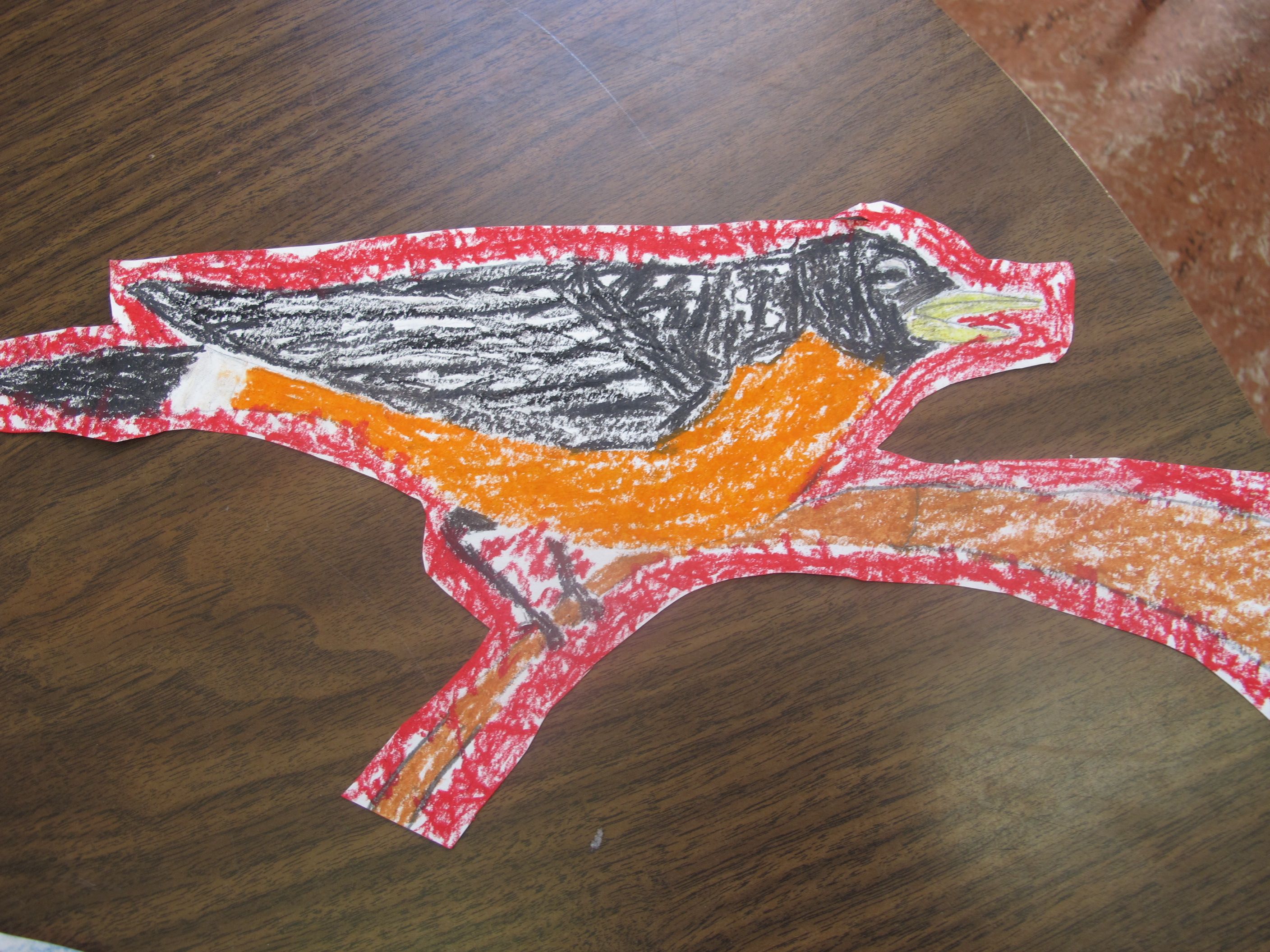
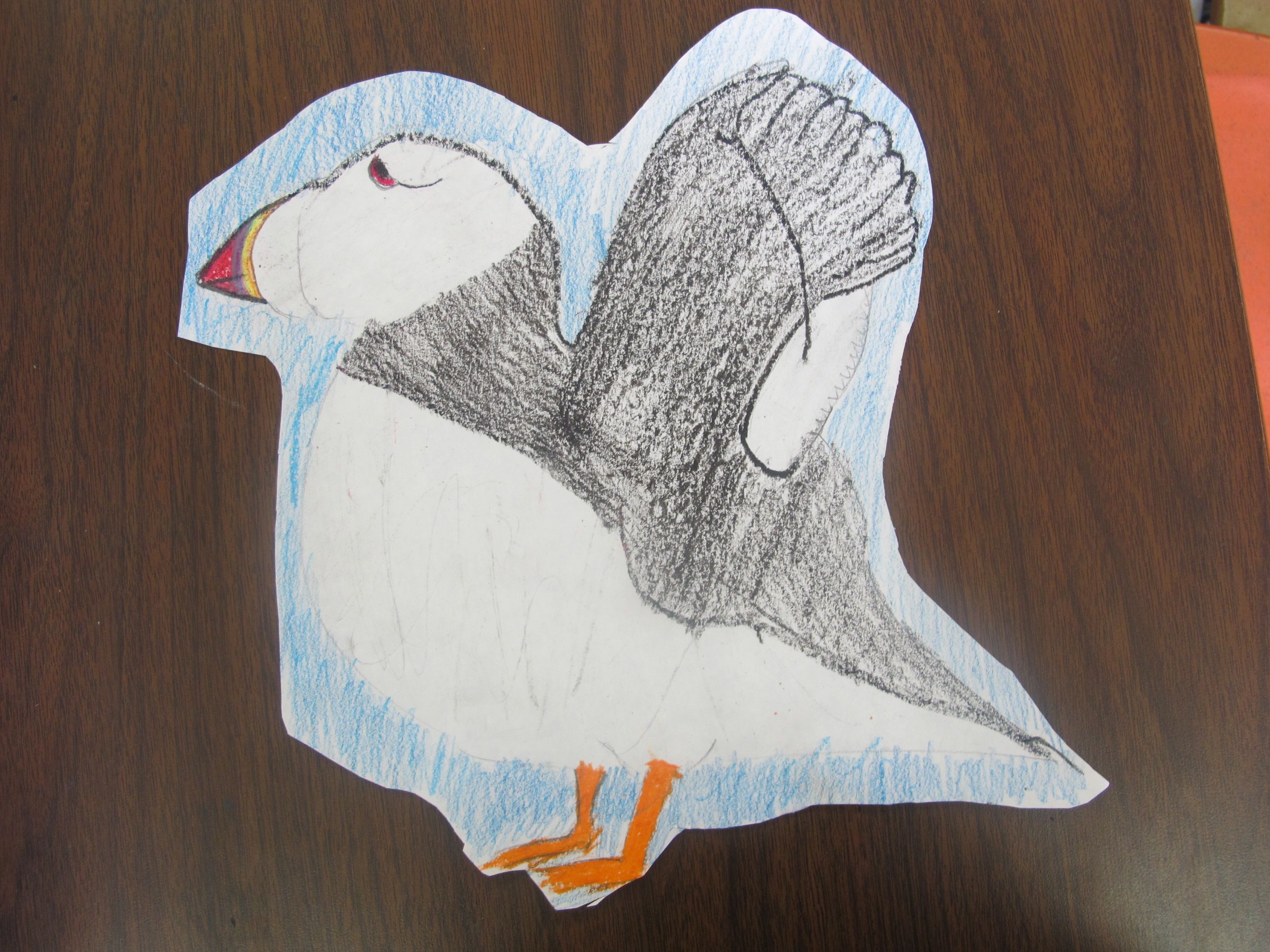
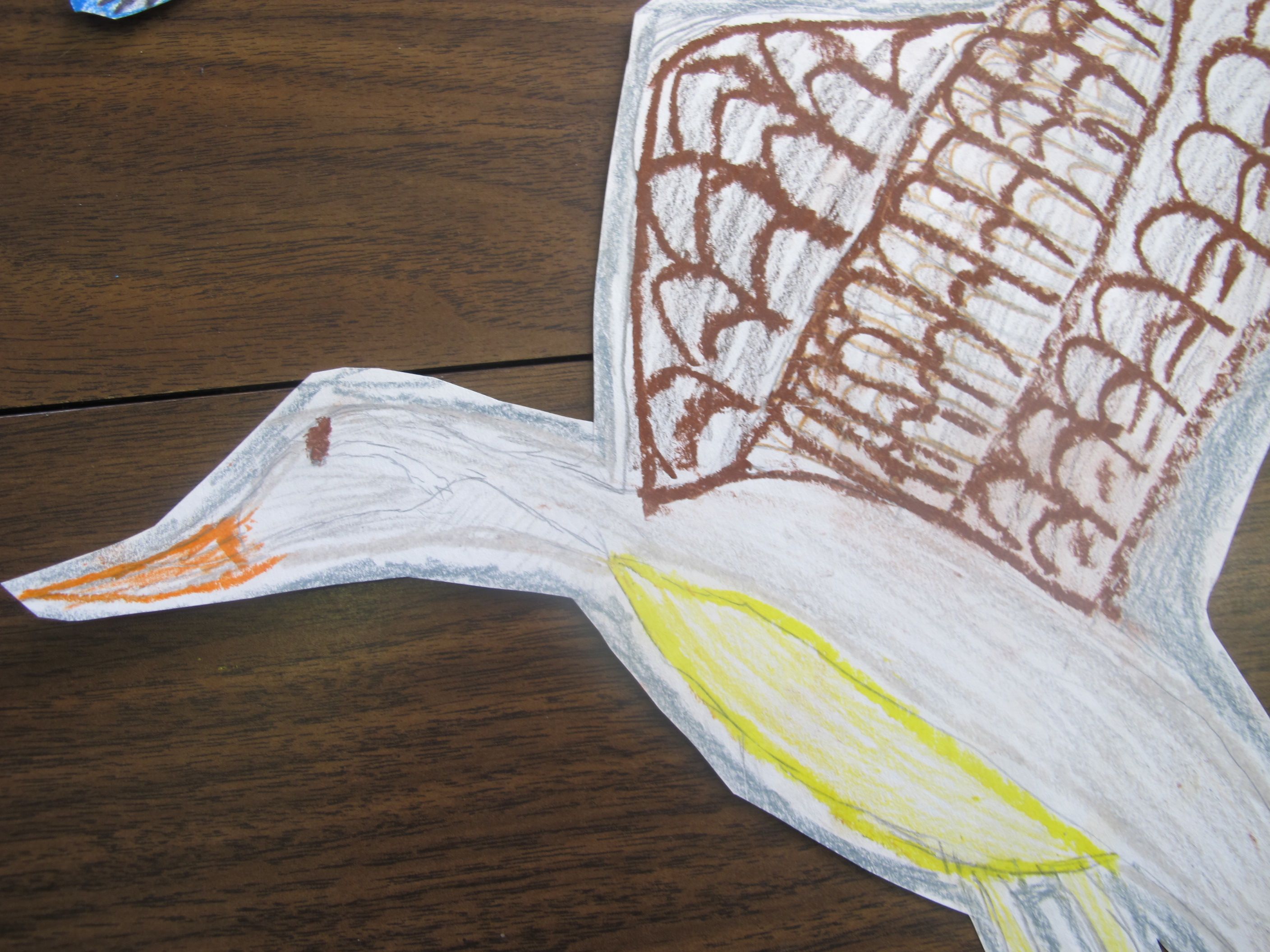
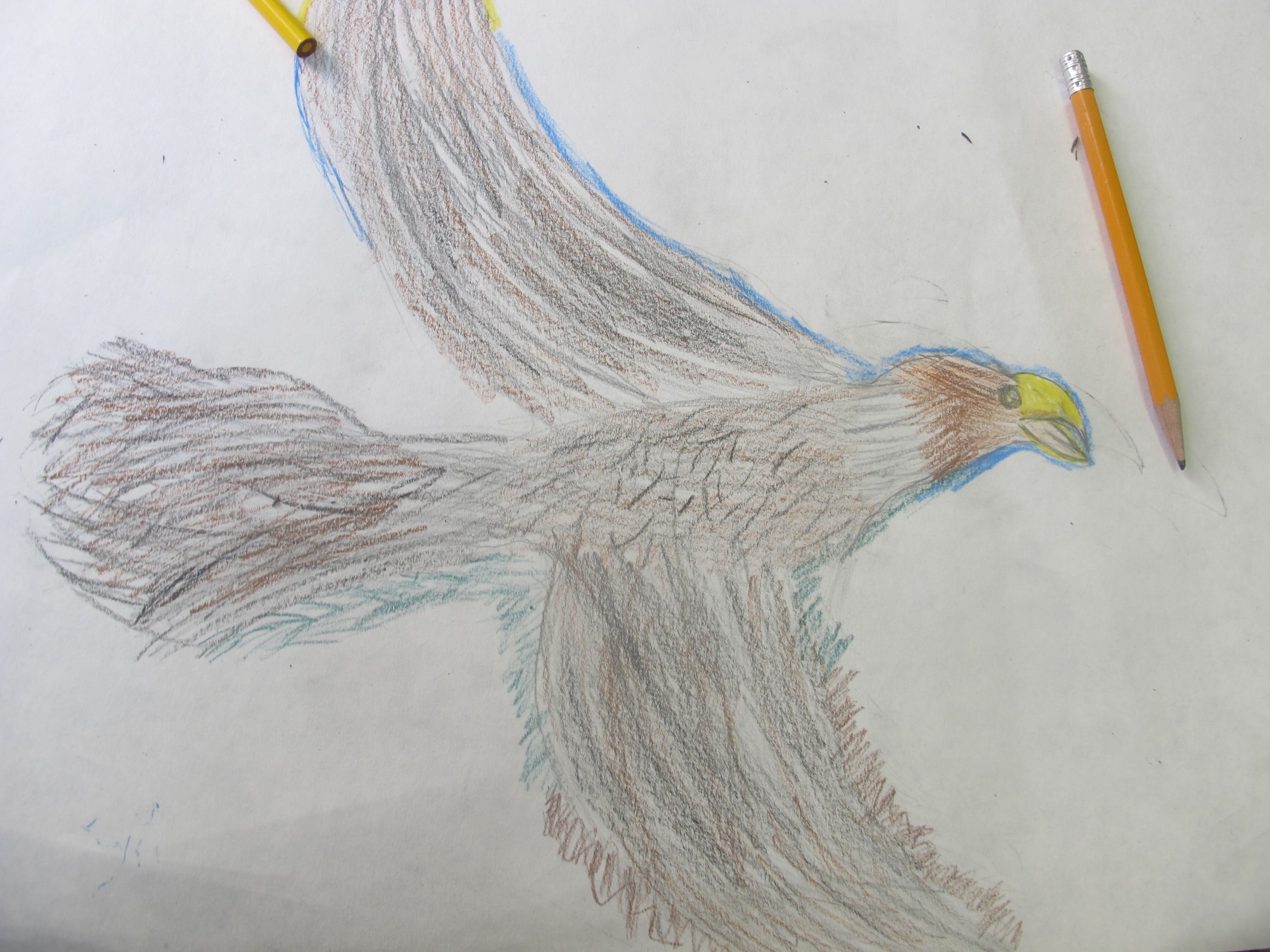
We enjoyed learning how these birds make their nests, care for their young and about how the fledglings learn to fly. Posada’s robins are lovely – and it sparked an interest in bird body parts. We spread out bird books on all of the tables and students made lists of all the important parts of the bird: beak, breast, feathers, wings, talons or feet, etc. Students then drew and coloured their own birds. Our bulletin boards are now covered in gorgeous birds designed by the students and inspired by a variety of real birds in nature.

First students made pencil sketches.

IMG_2525


IMG_2524

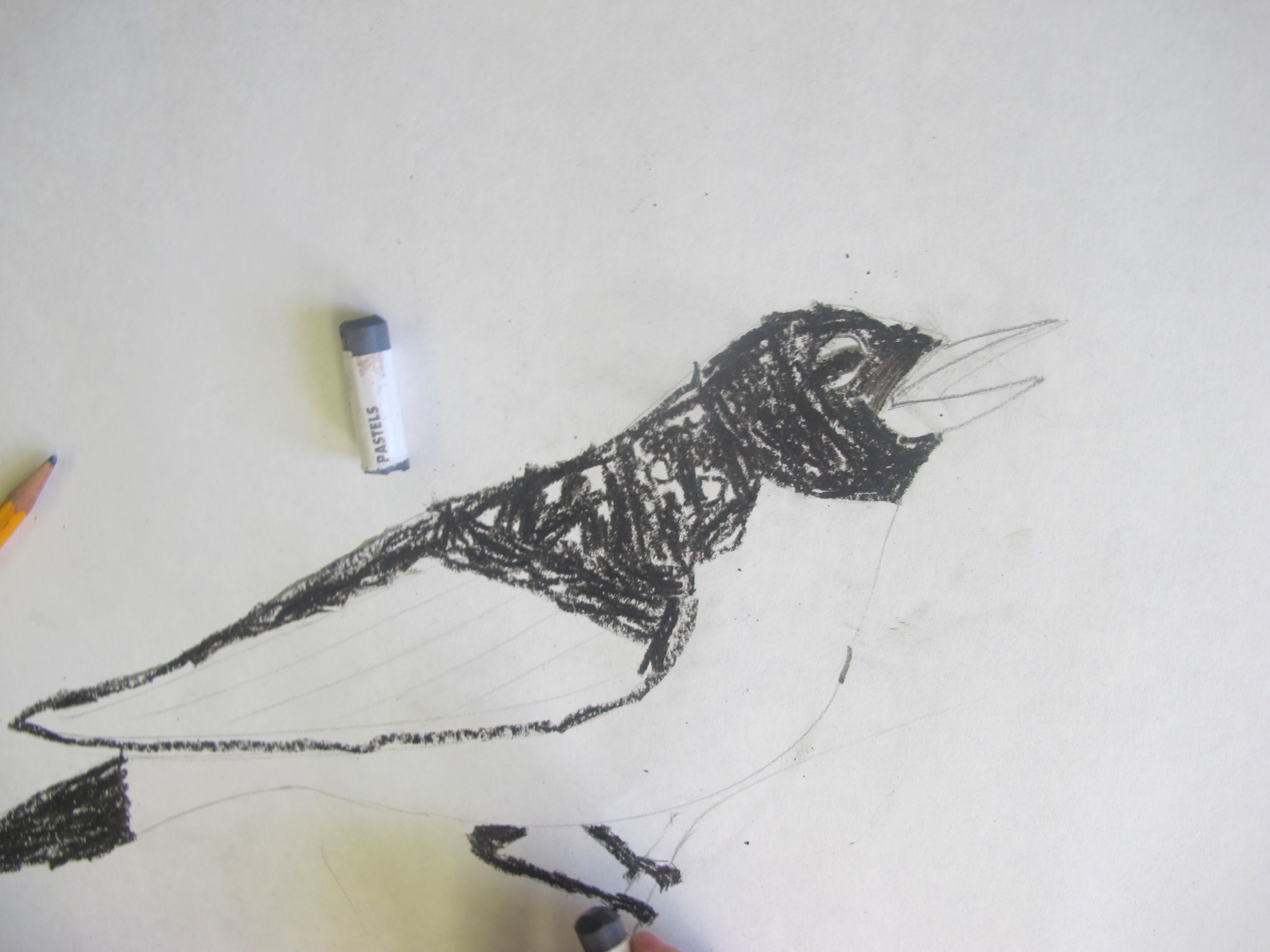
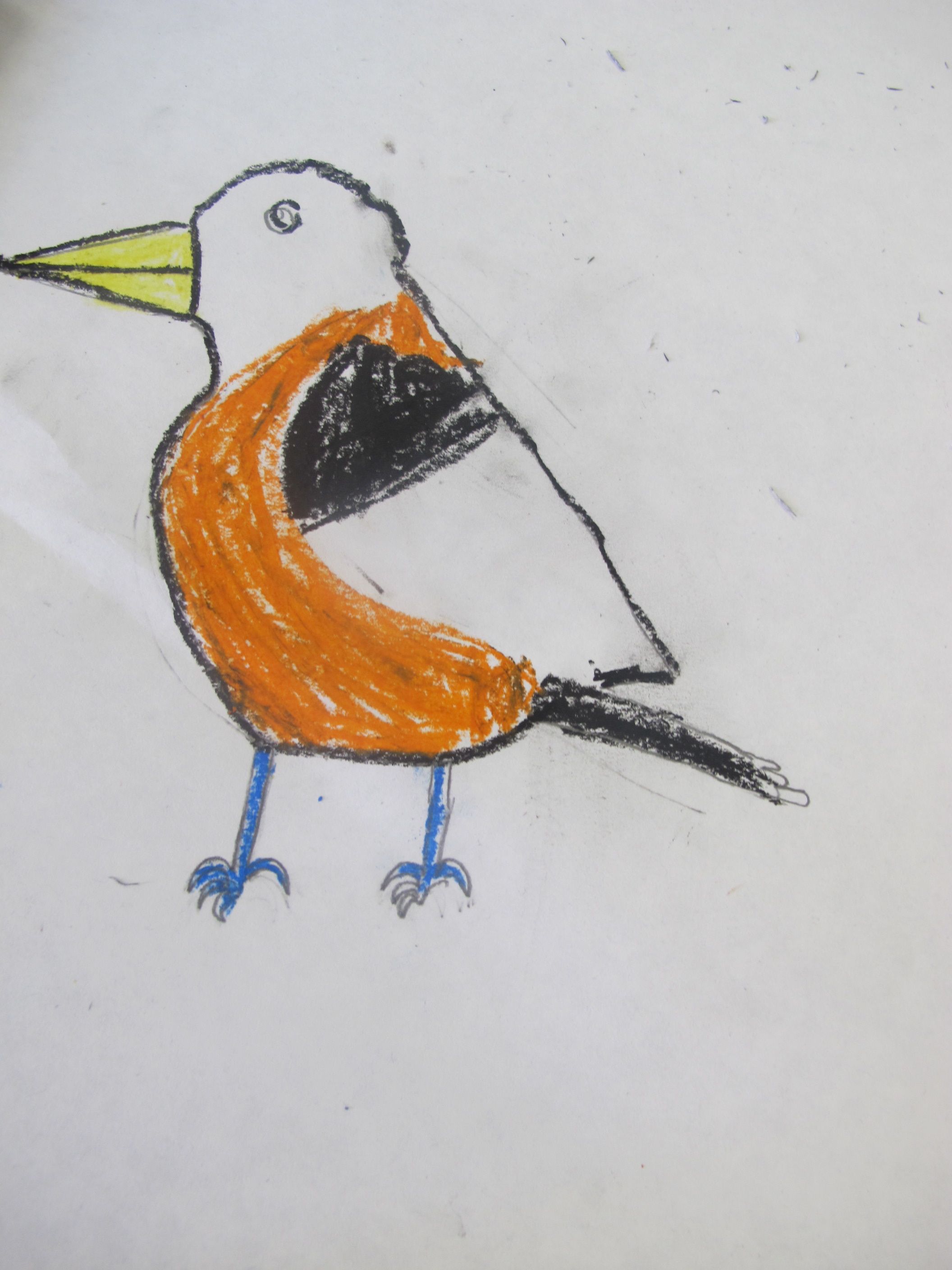
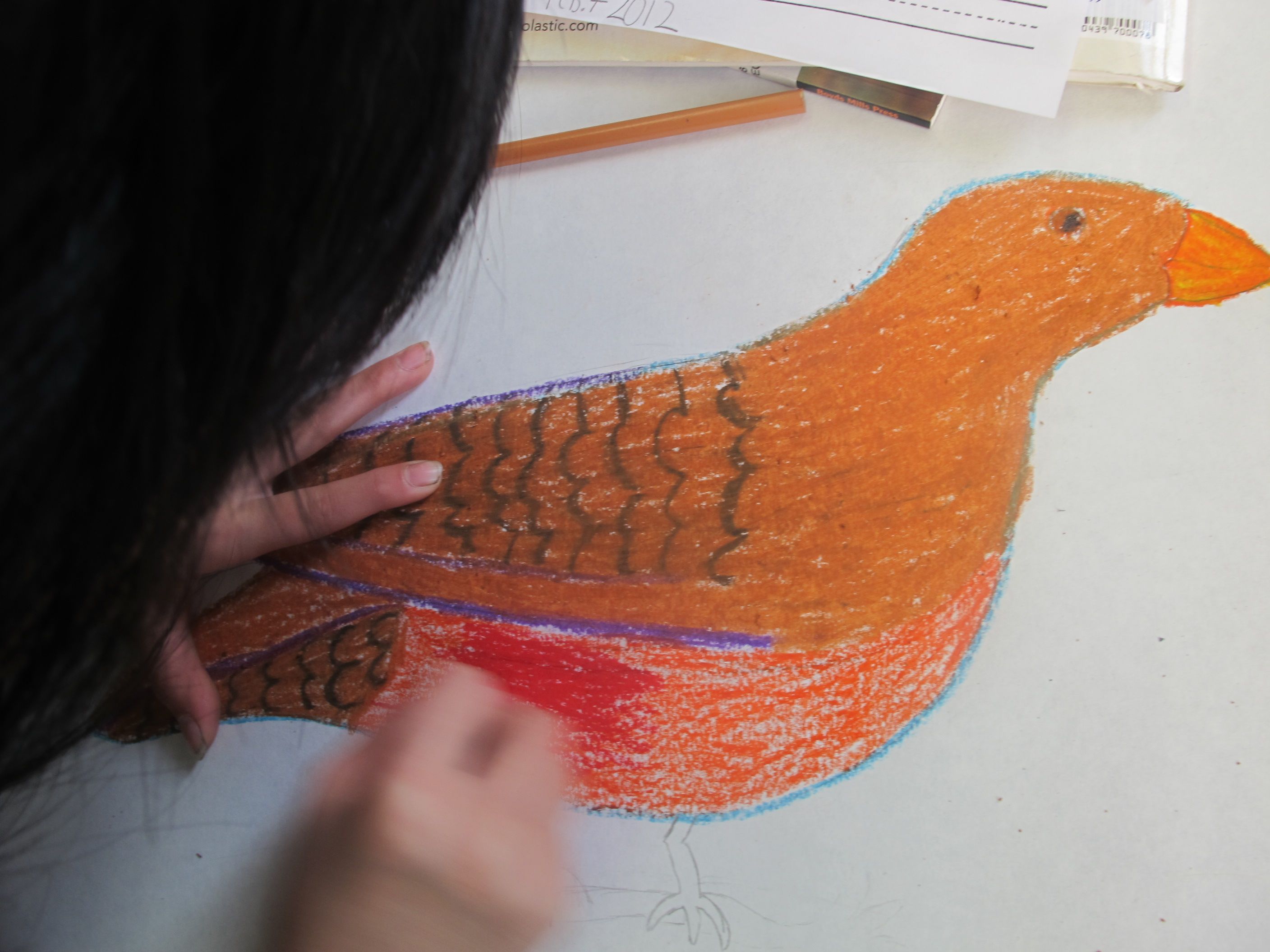
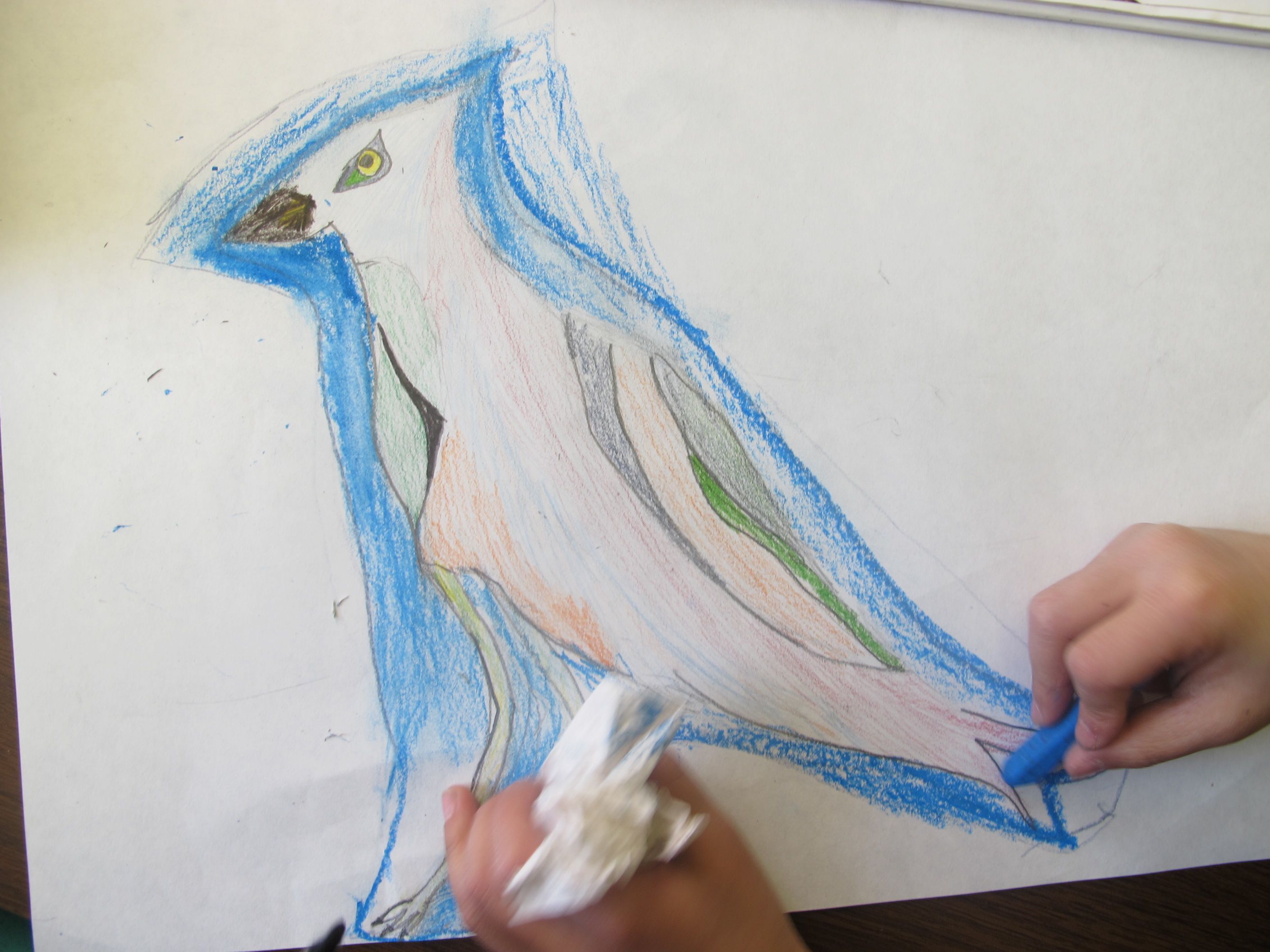
We then added colour using crayons, oil pastels and pencil crayons.

IMG_2537

IMG_2531

Finally we shaded around our bird’s outline and cut them out. Some finished pieces:

IMG_2550

IMG_2561

IMG_2565

IMG_2553

IMG_2554

IMG_2556

Blue horses, orange elephants and pink ducks!

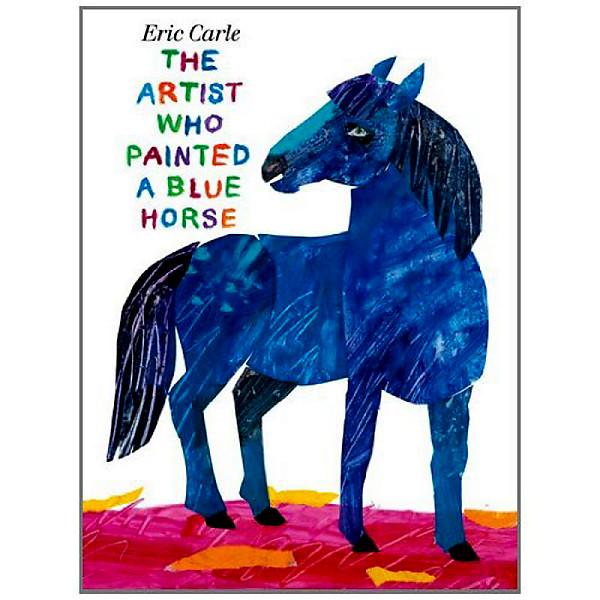
We read and were inspired by Eric Carle‘s The Artist who Painted a Blue Horse.

This book takes us through page after page of vibrantly painted animals. Rich colours, perhaps not quite how we might have imagined them. Then again . . . A yellow cow under a deep blue sky. A purple fox trotting through the mud. A black polar bear roaming across the ice. All gorgeous as all Eric Carle art is! At the back of the book Carle explains that he was inspired by an art teacher in Germany who showed him Franz Marc’s Blue Horse painted in 1911. This painting, unrealistic in colour was forbidden during the repressive Nazi regime, but Carle’s teacher felt the freedom of the painting would speak to him. Carle claims that his colourful animals, often painted in the “wrong” colours were “really born that day seventy years ago,” when he was shown Marc’s work.

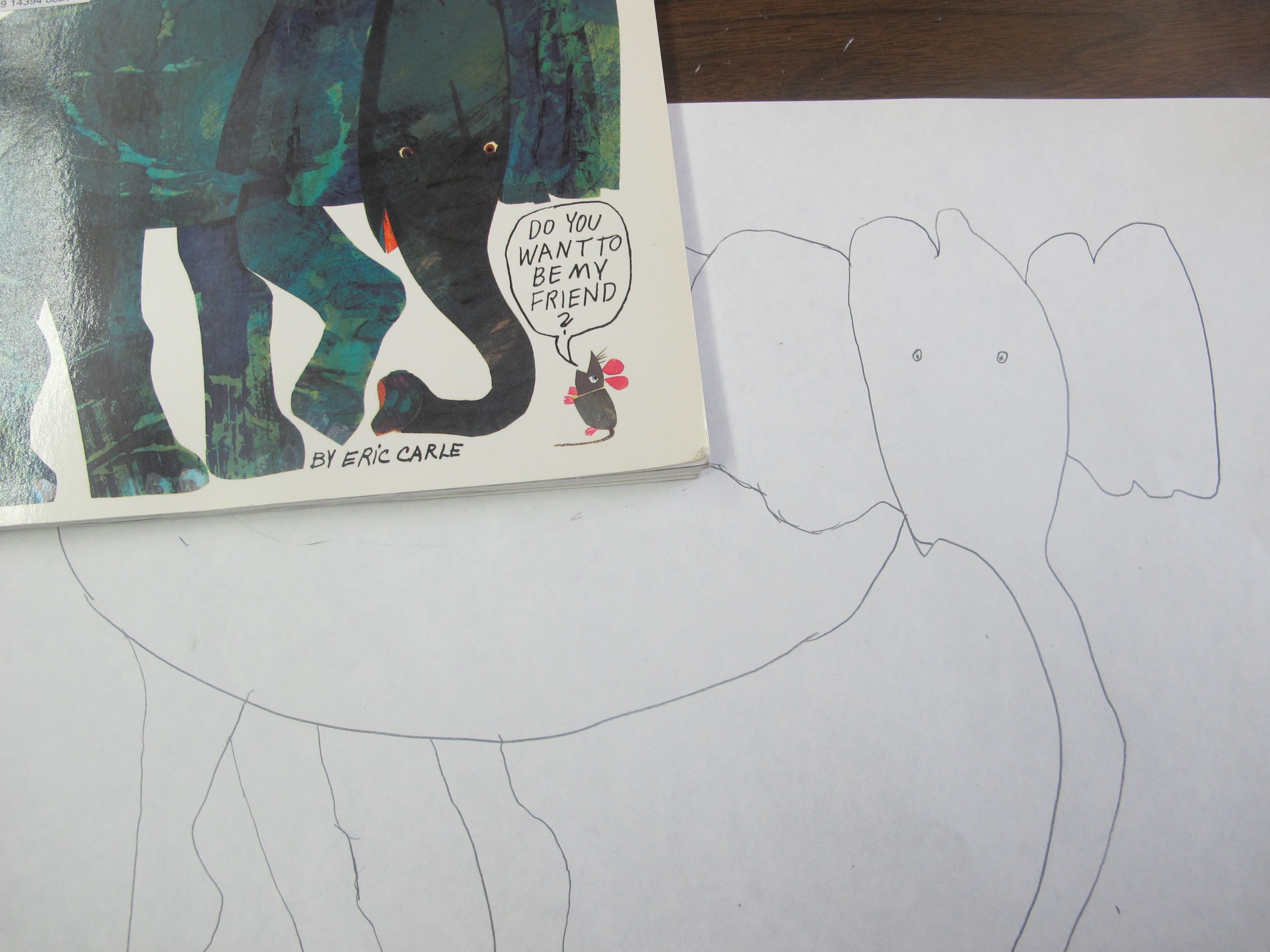
We pulled all the Eric Carle books from the library and started sketching animals. Here is Khai drawing an elephant.

IMG_2411

Deandra draws a cat.

IMG_2415

Students then began to outline their animals in pastel. Purity outlines her purple dolphin.

IMG_2417

And then we got out the paint! Catriona paints a green horse with a wonderful looseness and freedom.

IMG_2470

Quack. Quack. A pink duck with a green beak by Hailey.

IMG_2472

Here is Khai‘s completed orange elephant.

IMG_2494

Carmen painted a gorgeous orange dolphin swimming through vibrant blue ocean.

IMG_2482

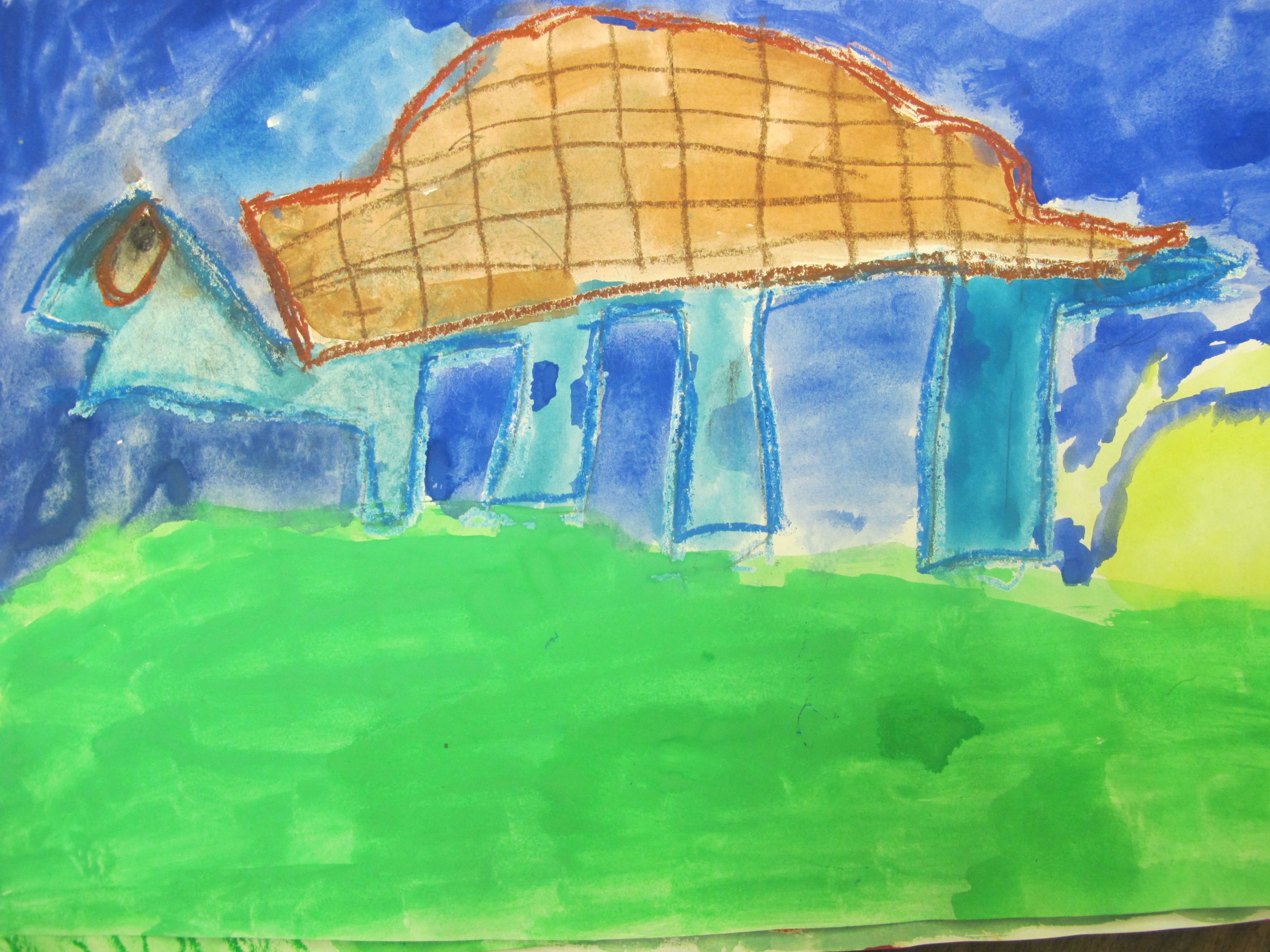
And who can resist Jacky‘s blue turtle ambling across the page carrying his brown shell?

IMG_2492

Few words on five wordless books

Because the creators of wordless books can say so much with no words at all, I decided to use sparse words to express my awe for each of these titles and let their gorgeous covers invite you in.

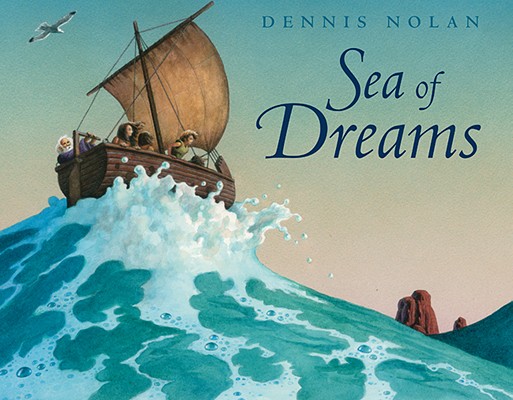
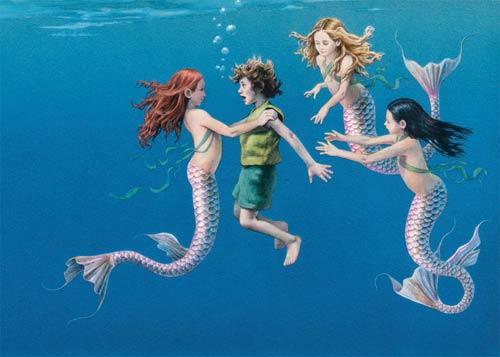
#1 Sea of Dreams by Dennis Nolan

Adventure over and under the sea . . .

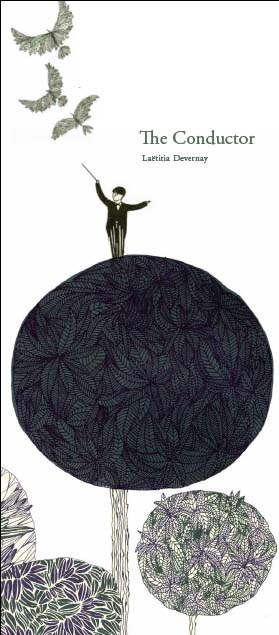
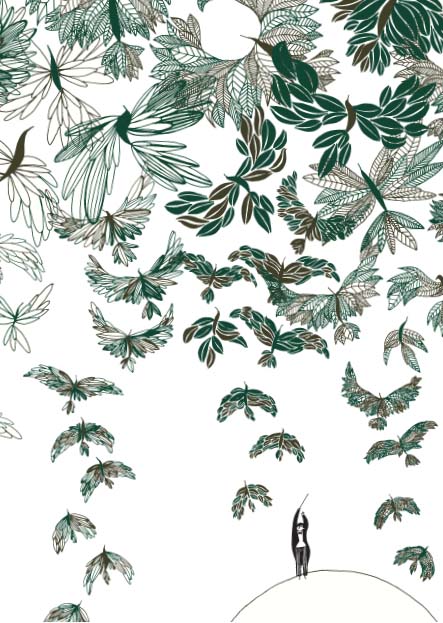
#2 The Conductor by Laetitia Devarney

Swirl, whirl, leaves take flight . . .

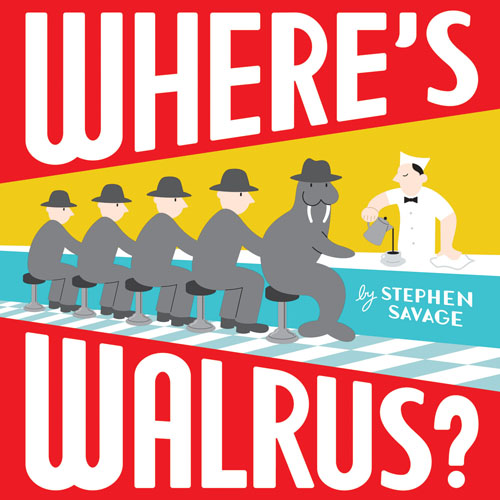
#3 Where’s Walrus by Stephen Savage

Where is that wacky walrus?

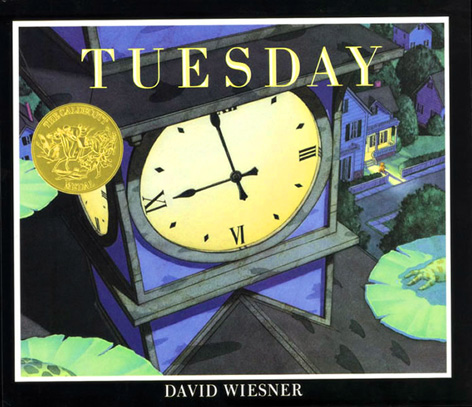
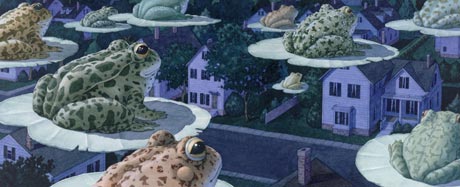
#4 Tuesday by David Wiesner

And what if frogs floated by?

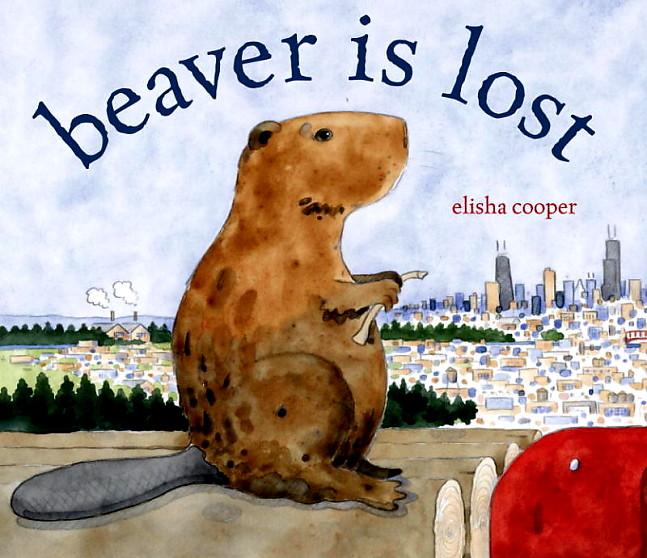
#5 Beaver is Lost by Elisha Cooper

Beaver travels to a bustling city and back.

Thanks to Adopt a School Funds which purchased #1 and #2 for our classroom wordless (or nearly) collection. Wordless books allow us to practice using picture clues and background knowledge to infer meaning. They are also lovely to share together or to ponder over alone.


A House in the Woods

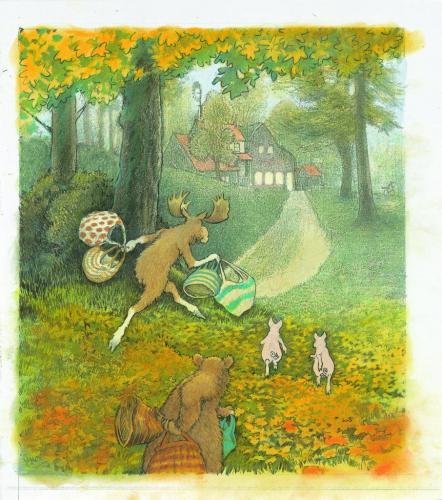
Our BLG reader this week was Dan. He brought in A House in the Woods by Inga Moore to share with us! I was delighted as this book was on my “must have” list and now we have a copy for our library! Thank you BLG!

This is such a soothing, beautiful book to fall into. The lush woods. Industrious animals. A calm lake. A warm fire. A simple kitchen where you prepare and enjoy meals together. So lovely. The illustrations force you to read extra slowly to savour all the details. This is a book that should not be rushed. After reading this book to the class, Dan observed (talking about Inga Moore) “I think she wrote the book just so she could draw these pictures.” Indeed!

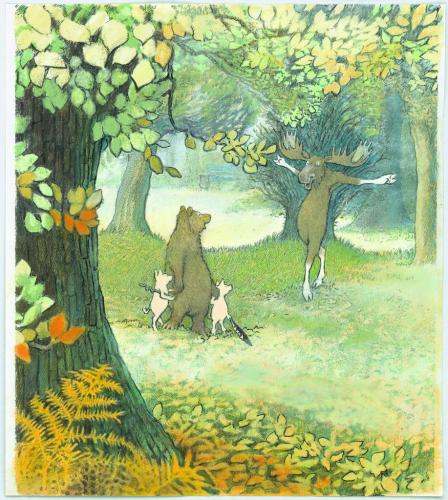
The story is one that initially surprises. It starts with two little pigs, one who had made a den and the other a hut. Clever readers expect to turn the page and discover a third little pig, another type of house and a wicked wolf lurking behind a tree. But, the next few pages instead reveal that a bear and a moose, both friendly instead of frightening, have attempted to move in and share the pigs’ homes. Unfortunately the sheer size of these creatures does irreparable damage to the den and the hut. The animals share a bench and some thinking time. This was a pickle. It really was.

Moose then has a brilliant idea! Why not build a large house for all of them to live in together? Yes! But they would need help with such an ambitious project. So, they enlist the assistance of the Beaver Builders! They fell timbers, erect walls, put on the roof, help the animals shop for furniture and curtains, etc. And all they want in return? Peanut butter sandwiches. The house gets finished and the animals rush to the store to shop for the needed bread and peanut butter.

After delivering the stacks of sandwiches to the beaver lodge on the lake, the friends settle into their first night in their new home. They enjoy a meal, tidy up, tell some stories around the fire and then climb the stairs to bed. A deep sleep in their new beds surrounded by a quiet night and occasional snores from Bear.

My students adored this book and pored over the pictures. Quite a few funny comments were made as Dan read aloud.

“Pigs don’t live in the woods!”

“Yes, some do.”

“Hey this could be the three little pigs in the woods!”

Much talk also about eating.

“I ate a moose.”

“Sorry but that’s kind of gross to me.”

“How come those beavers are eating the trees? They are going to get sandwiches!”

We were also a little suspicious that animals would actually build a house, shop in a store and sleep in beds.

“There are no grocery stores in the woods! And definitely not ones that are managed by donkeys!”

“Well, it is make believe,” Dan gently reminded.

Our student reviewer reports:

Khai: I liked the book because the illustrations were so nice. The book was funny too. One of the funny parts was the moose – it even made a sandwich!

Chicken Cheeks

Today during free time, I had a student complain about another’s students poor language. He spelled out a word he had overheard and the two of us agreed, not a great choice to express one’s self in the context of a classroom. It’s much more fun to play with language, so that it makes us laugh. Not so great when it offends us.

In one of our morning stories, we laughed a lot. And with the request, “Read it again!” we got to engage in a whole bunch of giggling all over again!

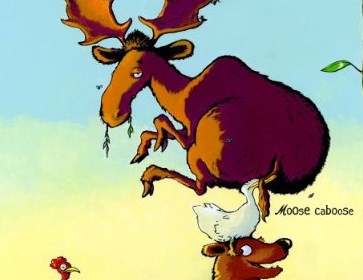
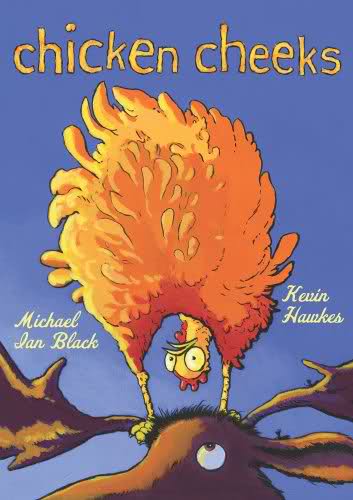
Chicken Cheeks, written by Michael Ian Black and written by Kevin Hawkes, is a hilarious book all about animal rear ends. Yep, you heard correctly. Behinds. Of animals. And all the different names they have. Chicken cheeks. Turkey tushy. Rhinoceros rump. My favourite to say: Penguin patootie. The one we recited as a class multiple times: Duck-billed platypus gluteus maximus.

Moose Caboose

Each page has a picture of an animal’s wazoo (that’s another one!) and a descriptor: Hound dog heinie, for example. Lots of fun in and of itself. But, as you flip to the final pages you realize something else is going on. These animals are boosting each other up trying to reach a honeycomb. Seems like they are in luck until the attack of . . . Bumblebee bums!

The joy of words and the fun they have when we roll them around in our mouth!

New Books for Buddy Reading

Thanks to a generous donation towards books for our classroom and funds matched by Adopt a School, we have some amazing new titles to share when our Grade 2/3 s invite the K/1 class up for buddy reading once a week. It is an important time we all enjoy and now we have some wonderful new books to share together!

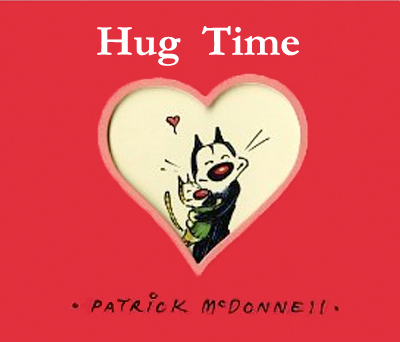
Hug Time by Patrick McDonnell is a tiny little book all about having a huge heart. A little kitten so filled with love decides to give the whole world a hug and sets out with friends and a Hug-To-Do-List to travel the world from pole to pole and do just that – hug every living thing he comes across. My favourite? Hugging a big blue whale!
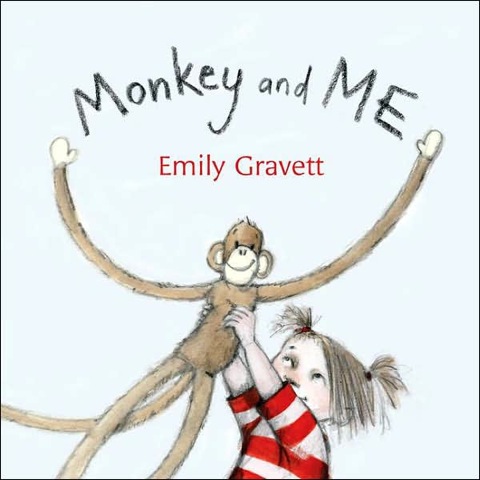
Monkey and Me by Emily Gravett has wonderful rhyming, repetitive text perfect for sharing with our 5 year old little buddies.

Monkey and me, Monkey and me,

Monkey and me, We went to see,

We went to see some . . . .

Flip the page and who knows what you might find? Bat! Elephants! Penguins! All beautifully illustrated in classic Gravett style.
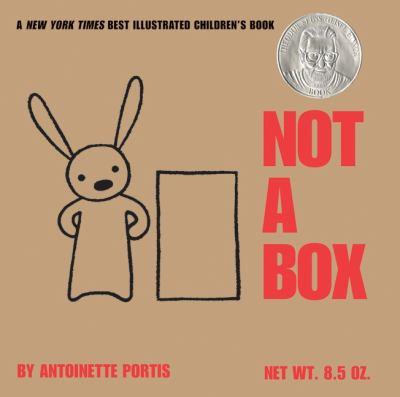
Antoinette Portis created the extremely clever Not a Box. Little Rabbit is in the first picture sitting in what looks like a box. “Why are you sitting in a box?” the text reads. Next picture, little rabbit is in a race car, “It’s not a box,” he explains. And so the book continues. The power of imagination means that a box is really anything a child can make of one. Fun to read and more fun to begin a conversation. What else could a box be?
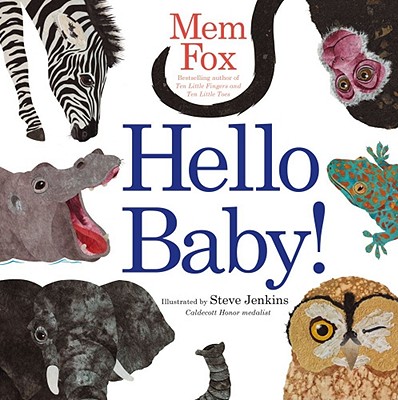
Hello Baby is written by one of my favourite authors for young children, Mem Fox and illustrated by the incredible Steve Jenkins.

Hello, Baby! Who are you?

The book begins with this first question and goes on to ask many more, Are you a . . . ? Everything rhymes, images are striking and often surprising and at the end, you want to go back and read it all over again. Yes, our 5- 8 year olds aren’t babies but many of them are intrigued by animal babies and Fox and Jenkins have created an engaging delight in a tiny little book.

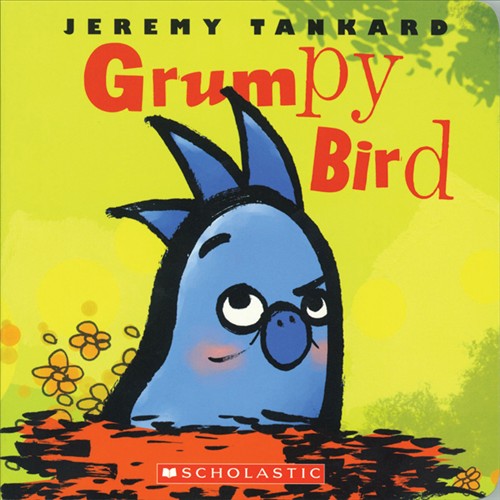
It is hard to resist the humour in Jeremy Tankard‘s Grumpy Bird. Grumpy Bird wakes up, clearly on the wrong side of his nest, too grumpy to do anything. He won’t eat, play or even fly. His grumpy march across the land looks lovely to every other animal who joins him as he trudges along snipping and quipping at everyone he meets.

“WHY DOES EVERYONE WANT TO KNOW WHAT I’M DOING?” shouted Bird.

In the end, as you might guess, Grumpy Bird has found a cure for his grumpiness and he gets to share it with his friends. Lots of fun, especially for those of us that work really hard to stay mad even when we aren’t anymore . . . .
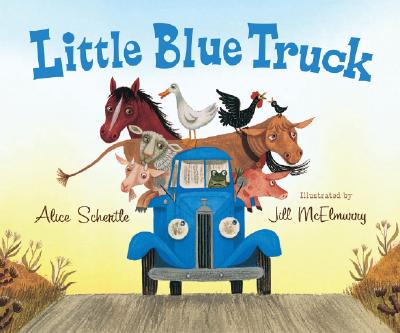
Little Blue Truck is written by Alice Schertle and illustrated by Jill McElmurry. In this sweet little story, Litle Blue Truck shows a Big Dump Truck the power of many helping hands. I think this book will be a favourite as it is full of rhyme, repetition and animal sounds! So fun to read aloud and have a little buddy join in as they are able: Oink! Quack! Baa! Moo! Cluck! Peep! Neigh! Croak! Maa!
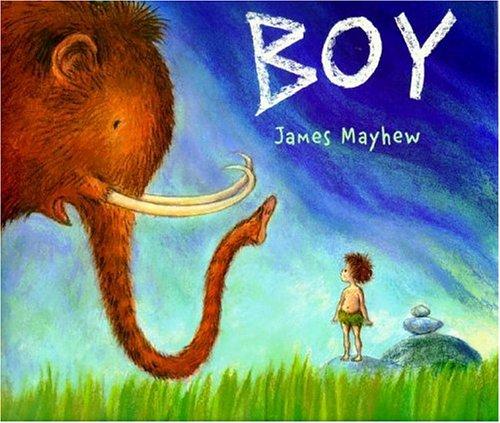
I absolutely adore this book by James Mayhew and now, happily have a copy for the classroom! Saber-toothed tigers. Wooly mammoths. Sleepy dinosaurs. A little boy exploring the world around him. In Boy, author James Mayhew explores a little guy’s yearning for independence while at the same time honouring his deep connections to home (and the happy snuggles from Mom and Dad). Where in the world do we find warmth? In the security and love from our own family.
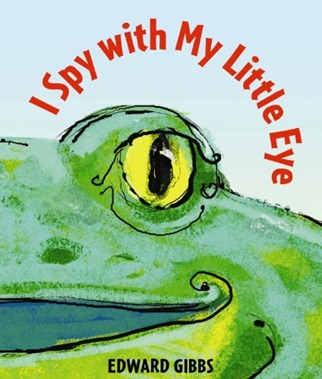
How fun is this book by Edward Gibbs?! In I Spy with My Little Eye, we turn page after page of eye spy riddles – on each page, we get a clue, the name of a colour and that same colour in a perfect circle that turns into the eye of each creature.

I spy with my little eye . . . something that is gray. I have a very long trunk.

Flip the page and of course you find . . . an elephant! So much fun to look through a spy hole to discover an exciting parade of gorgeously illustrated animals in bright and beautiful colours.

Note: I purchased many of these books in board book version – to give them more lasting power and to be easily held in tiny hands. 🙂

Thanks to our generous donors and the Adopt a School fund for supporting early literacy at Seymour! We are keen to put the remaining funds into other important book purchases to share with our students.

The Lion & The Mouse

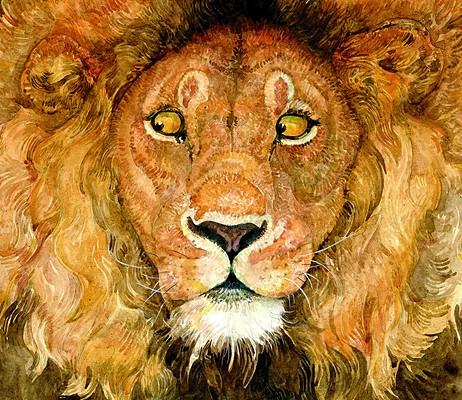
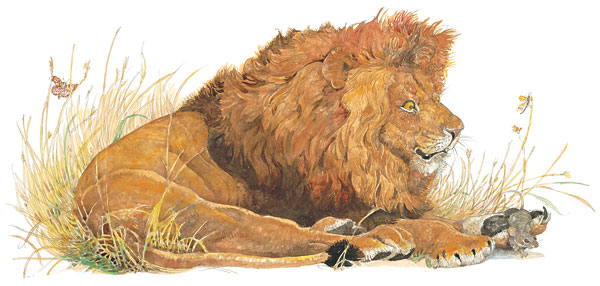
The Lion & The Mouse by Caldecott medal winner Jerry Pinkney is another book we have shared together as we continue to explore a theme of kindness through picture books.

Pinkney’s story is an adaptation of the Aesop fable of the lion and the mouse who exchange an important gift – that of setting one another free. This gorgeously illustrated book is basically wordless, the only text are a few sound effects. Each page is so detailed, we found ourselves studying each image closely for clues as to what was happening in the story. We see a humongous lion being disturbed in sleep by the tiny mouse. Despite his irritation, he lets the tiny mouse go free. The mouse races back to her nest and her young. When the lion is trapped in ropes set by poachers, the tiny little mouse repays the kindness offered to her by the lion and gnaws through the ropes, setting the  king of beasts free.

Pinkney sets his version in the African Serengeti of Tanzania and Kenya. Students were fascinated by all of the animals depicted in the background as much as the close up pictures of our two heroes – the lion and the mouse.

Setting the little mouse free

How does this book continue to teach us about kindness? Students are clearly understanding that kindness is a choice, articulating that each main character had to decide what to do and chose to be kind to the other. We also spoke about how such a small decision to be kind can have far reaching effects. Students pointed out that not only did the lion save the mouse by setting her free, he also saved her family who was dependent on her. Students connected this story to other stories about the “golden rule” – treat others the way you want to be treated and spoke about karma (that all good done comes back to you.) What a powerful discussion this beautiful wordless story inspired.

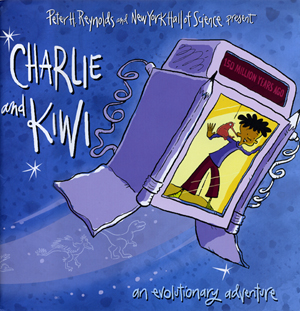
Charlie and Kiwi

Right at the time I decided to do a unit on birds in the classroom, this amazing book caught my eye – Charlie and Kiwi. . . an evolutionary adventure – created by Peter H. Reynolds and the NewYork Hall of Science.

I purchased a copy for my son who is intrigued by concepts of evolution and on a shopping trip to Kids Books with Ms. Sheperd-Dynes, Seymour’s Teacher Librarian, I convinced her (wasn’t a hard sell!) to buy a copy for our library. Two copies of this fantastic book meant that when Ms. Hibbert came in on a Thursday afternoon, we could each take half the class and share the book. Smaller groups and an interactive read aloud session means more opportunities for students to share questions, opinions and connections to other learning. We strive to provide many opportunities that allow students to develop oral language skills: listening, speaking in turn, adding to what someone else has said, responding to a question, etc. This book inspired lots of talk!

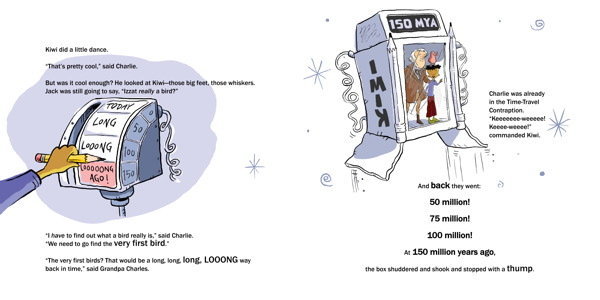
Story Summary: Charlie needs to write a report about a bird for school. He wanted to choose a bird that nobody else would choose and decided on a kiwi bird. But when he announced his selection to his classmates, they were a little confused. How could this strange flightless creature with whiskers be a bird? Charlie needed to know why the kiwi was so different from other birds and why? The next thing Charlie knows, he is zooming through space with his stuffed kiwi bird heading back in time to meet his Great x 5 Grandpa Charles who happens to be an expert on birds! This time Grandpa, Charlie and kiwi travel back in time to 30 million years ago. Charlie learns how the kiwi bird was just right for life in New Zealand and how and why it had likely evolved to be this way.

Grandpa Charles explains. “Little changes in each generation add up to big changes.”

Then the time travellers are whizzing back through time to meet the very first birds 150 million years ago! Charlie learns that the first birds were actually dinosaurs (with feathers!) So the many diverse birds that we have on the planet today all descended from the first birds – dinosaurs and changed and adapted to survive in different environments. Charlie returns to class armed with this new knowledge and a fossil of an early bird and explains to his class how all birds came from the same ancestor: the dinosaur!
Student reactions: Students then had the opportunity to think about what they had learned and share their learning on a Knew-New Connections sheet (adapted from Adrienne Gear‘s Non-fiction Reading Power text)

Here is some of what they shared:

I KNEW this already!

* Birds lay eggs.  Shae-Lynn

*I knew that most birds fly. Reiko

*I already knew some birds don’t fly. Purity

*I knew that kiwis were birds, not just fruit! Catriona

* Birds eat with their beak. Markus

This is NEW to me!

* Kiwis have a good sense of smell. Khai

* These birds have big feet. Jacky

* Kiwis eat bugs at night. Shae-Lynn

*Dinosaurs lived 150 million years ago! Carmen

* I didn’t know that kiwis say keee weee keee weee. Truman

* I learned that Kiwi Bird whiskers help them hunt in the dark. Raelyn

*Kiwis evolved from birds that flew and changed because of danger in the air and better eating of bugs. Catriona

* I thought a kiwi was a fruit, but I found out it was a bird. Mai

This Knew-New Connections response sheet is an ideal way for students to express their new learning and connect their prior knowledge to new information.

We are hoping that Peter H. Reynolds is going to create more books like this! We learned so much!

Over and Under the Snow

Oh, how I have been waiting for snow to share this book with a group of children. So our temperamental Vancouver weather finally delivered some snow to city streets!  It was falling as I gathered our reading group together to read Over and Under the Snow written by the talented Kate Messner and illustrated (so beautifully) by Christopher Silas Neal. Reading the book I got to glance down at entranced little faces and look up to see snow swirling and whirling outside the windows. Magical.

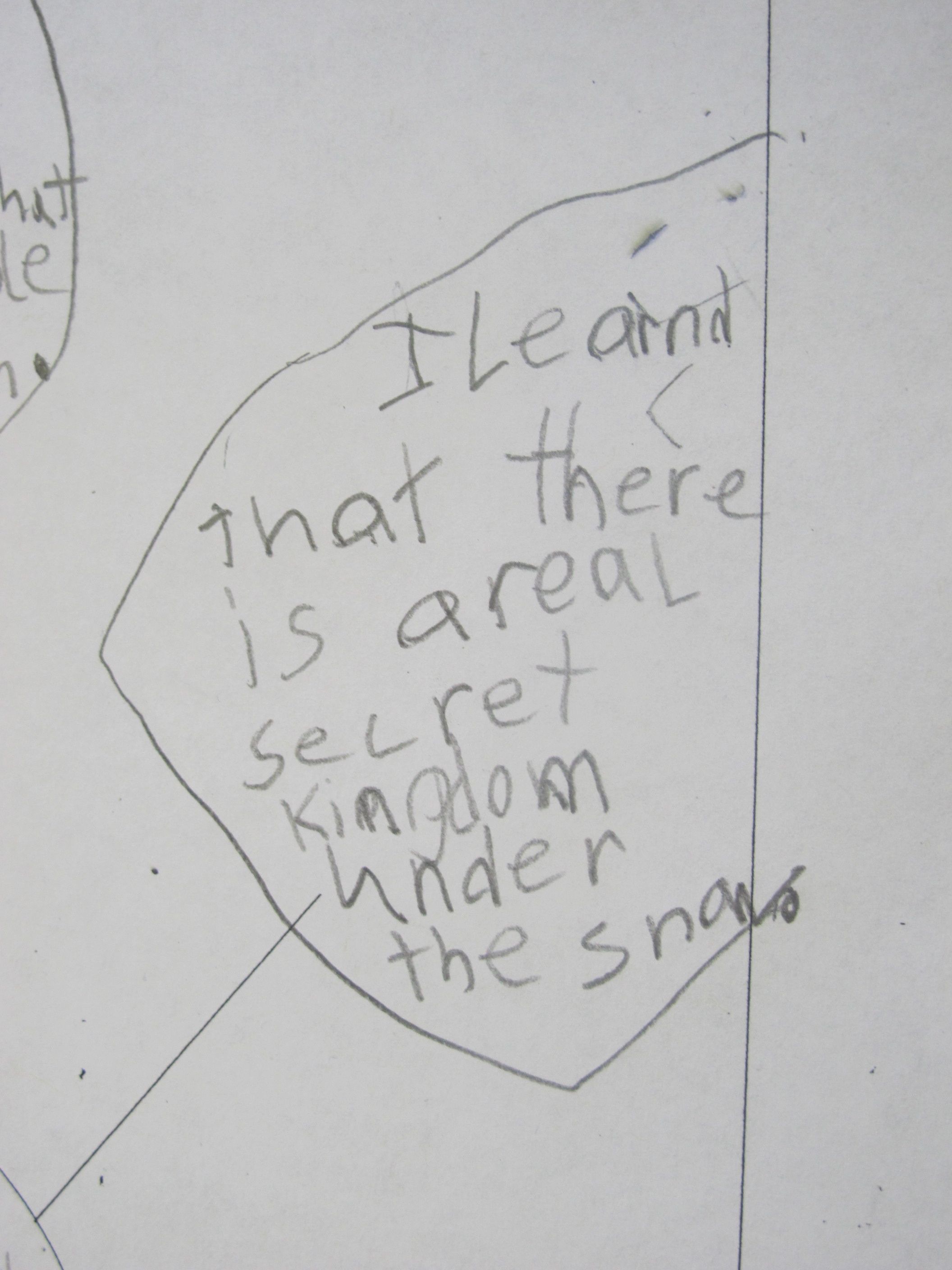
We loved the Author’s Note at the back of the book where we found out that this “secret kingdom under the snow” has a very impressive name: the subnivean zone (the small open spaces and tunnels between the snowpack and the ground). We also liked reading more information about each of the animals we had questions about in the back section that provided more details.

Students were asked to web out some of their new learning and eagerly sat down and got to work detailing what they had discovered.

Some fascinating new facts:

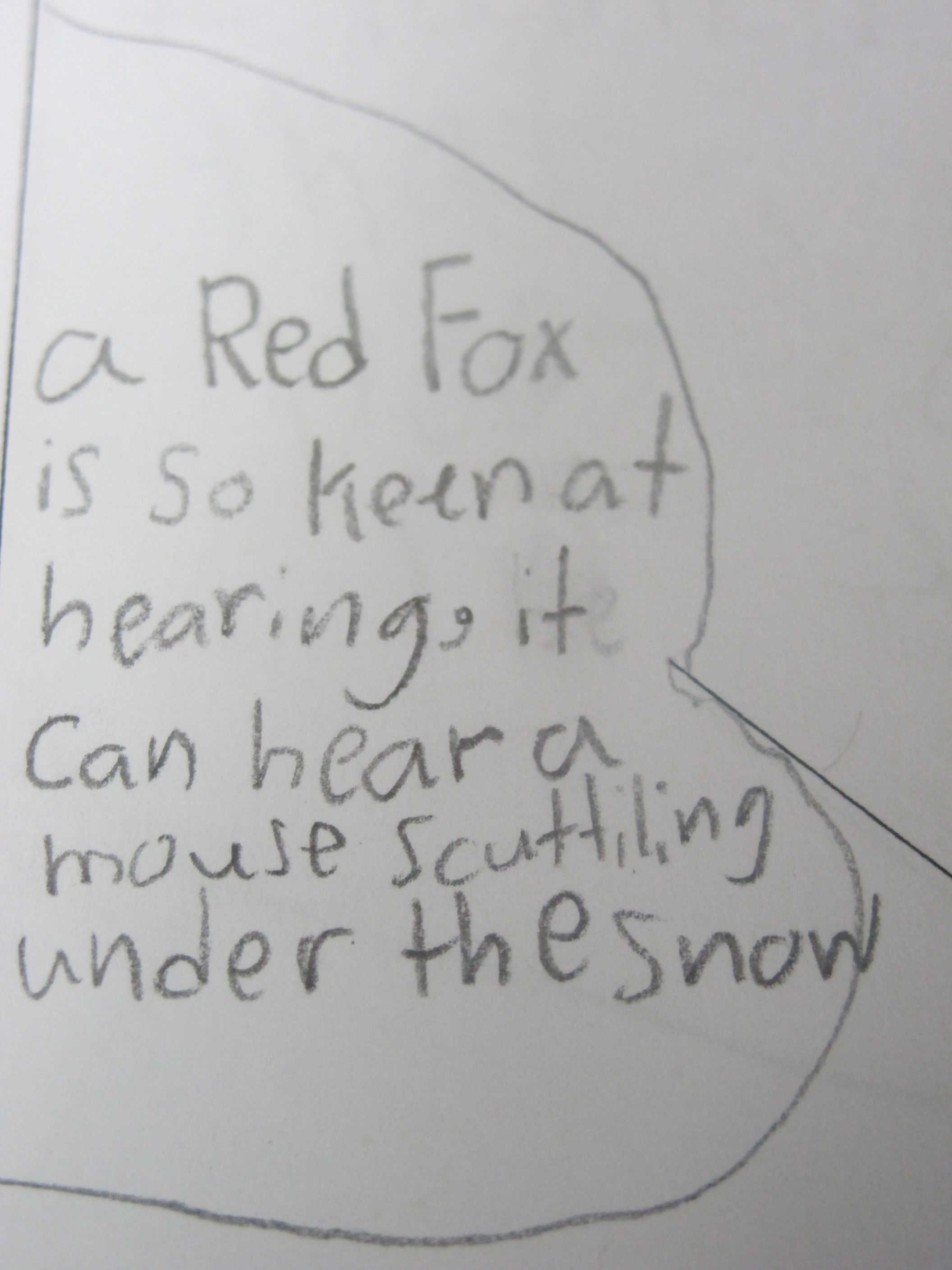
IMG_2333

This is a lovely image!

IMG_2324

Wow!

IMG_2318

The idea of a secret kingdom made every list! Such a magical image.

IMG_2322

If you read the book, you might be most impressed as we were with the red fox and its keen hearing. Check out this link on Kate Messner’s blog where she shares a video of a real red fox listening for its prey under the snow.

The perfect book to share with city children who don’t get many opportunities to be out in a snowy world. Makes our upcoming field trip to go snowshoeing even more exciting! We now know what is happening under the snow! Wonderful how books really do open up new worlds but also allow us to look more intently at places that surround us that we don’t always get to explore.

How to Heal a Broken Wing

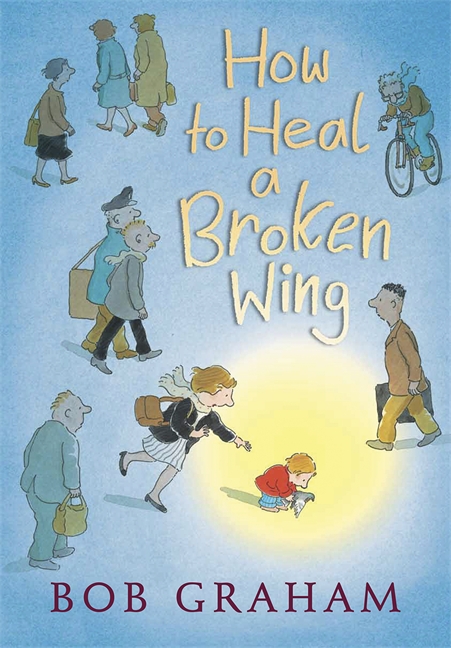
How to Heal a Broken Wing written and illustrated by Bob Graham is the second picture book we have read on our theme of kindness.

This book is not wordless, but words do the least work. It is the illustrations – multiple panels on some pages, a full page illustration on another that tell this lovely story of kindness, hope and compassion.

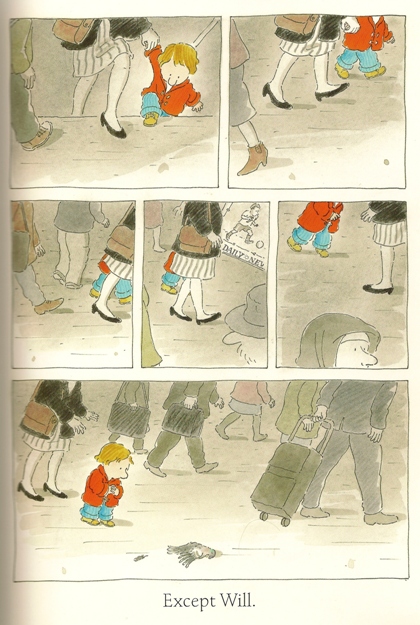
A pigeon hits a tall skyscraper and falls into the busy streets. Nobody notices until Will happens by with his Mom. Maybe he is more observant? Smaller and more focussed on the ground perhaps? But he is the only one to notice the hurt pigeon. We noticed right away how Graham paints Will in bright colours while the rest of the people walking the streets are in dull greens, browns and greys, nothing that stands out. We came back to the page where Will first notices the pigeon and decided that Will made an important decision here – to pick up the bird or to walk away.
“It’s a decision to be kind or not.”

“If you don’t want to be kind, it’s okay, but you should . . .”

Amongst a busy street scene, crowded with people, Graham shines a light on little Will picking up the bird with the broken wing.

“The light on him makes us look much more closely and think about what is important about what he is doing.”

Will takes the injured bird home and despite his parents initial reservations, they help him to begin to care for the bird. Absolute silence as students studied the panels showing Will and his parents bandaging the wing, setting up a box for the bird and settling him in for the night. We follow the picture panels that show us the bird gaining mobility, eating and drinking and looking longingly out the window at the sky.

What has Will’s family given to the bird? We listed off what we had noticed: food, water, rest, a cage to protect him, shelter, care, hope and kindness. In time, the pigeon healed and Will’s parents take Will back to the city streets to let the pigeon fly free.

Two important things we learned about kindness from this book:

  • We need to notice when kindness is needed
  • It is a choice to be kind.

So – how aware are you? What choices do you make every day? This book is a story that reminds us to look at ourselves and think about what we do and what we don’t do everyday.