Louder, Lili

We have continued to read books that help us explore what it is to be brave. Louder,  Lili written by Gennifer Choldenko and illustrated by S. D. Schindler was the perfect book to help us talk about what motivates us to stand up and be brave.
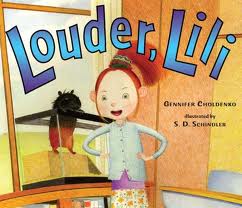
Lily has a voice that is so soft, it just doesn’t ask to be heard. Lili often gets missed and often feels alone. Some students connected to her immediately. Shae-Lynn commented, “I used to be like Lily in my old school. It’s a scary feeling. I learned now that I don’t have to be shy.”

In the story, Cassidy begins selecting Lili to be her partner for everything but Cassidy’s version of sharing doesn’t seem very fair. She has Lili do the work and she takes the credit. When they share, Cassidy takes the cake and gives Lili all the carrots. My students were on to Cassidy pretty quickly!

Purity commented, “I think Cassidy is using Lili. She takes stuff and gives nothing back.”

Catriona pointed out, “Lili doesn’t say no to her.”

Shae-Lynn had a prediction. “Maybe, Cassidy might make Lili so mad that she might yell so she will realize that she can be loud.”

Jacky wondered, “Maybe Cassidy will use her and blame her.”

When Cassidy took Lois the guinea pig out of her cage and gave her a hair cut, everyone was very upset.

This story really had Shae-Lynn thinking. “I don’t think Cassidy has respect for anyone which means she doesn’t have respect for herself.”

When Cassidy suggested putting glue in Lois’ water bottle, Lili yelled. So loud that everyone stopped. In the classroom, all of us also quieted too and just let the moment of Lili’s outrage resonate.

Then all hands were up wanting to share how Lili had been courageous.

“She was courageous to take care of the guinea pig.”

“Courageous to talk so loudly finally!”

“Lily learned that she could be loud when she wanted to be.”

“Sometimes it takes love to make you courageous.”

And after that, what else needed to be said?

Kindergarten/Grade One Buddies

Well, well, well. We might not be that old yet ourselves in Grade 2/3 but we have little buddies! Ms. McFarlane brought her K/1 class up to our room today to see the class and share a story. This is the start of our weekly buddy reading time. How exciting!

Ms. Gelson read us Me Hungry! by Jeremy Tankard

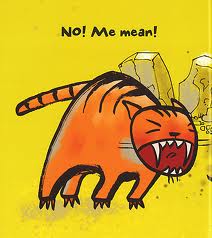
This is a fabulous little book with very little text about a ravenous “cave boy” who decided to catch his own dinner when everyone was too busy to feed him. However, his prey aren’t all that keen on being eaten!

We shared some laughs today and lots of excitement about our future buddy reading.

Some different reactions from my class:

“You mean really we are going to be the BIG buddies?” (Yup!)

“But I can’t even really read.” (You know – not a problem – looking through a picture book and talking counts!)

Can’t wait for next week!

Our school community

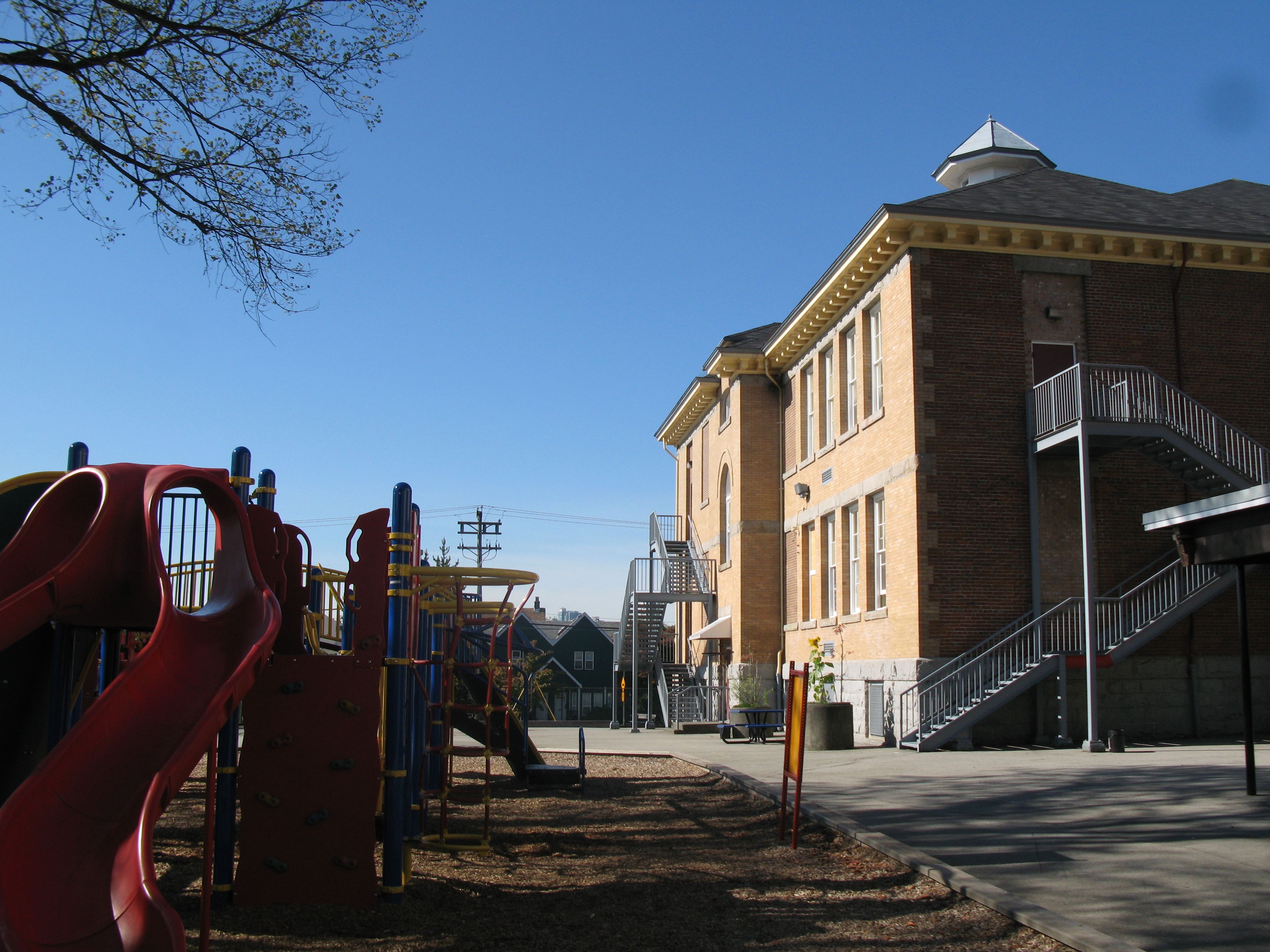
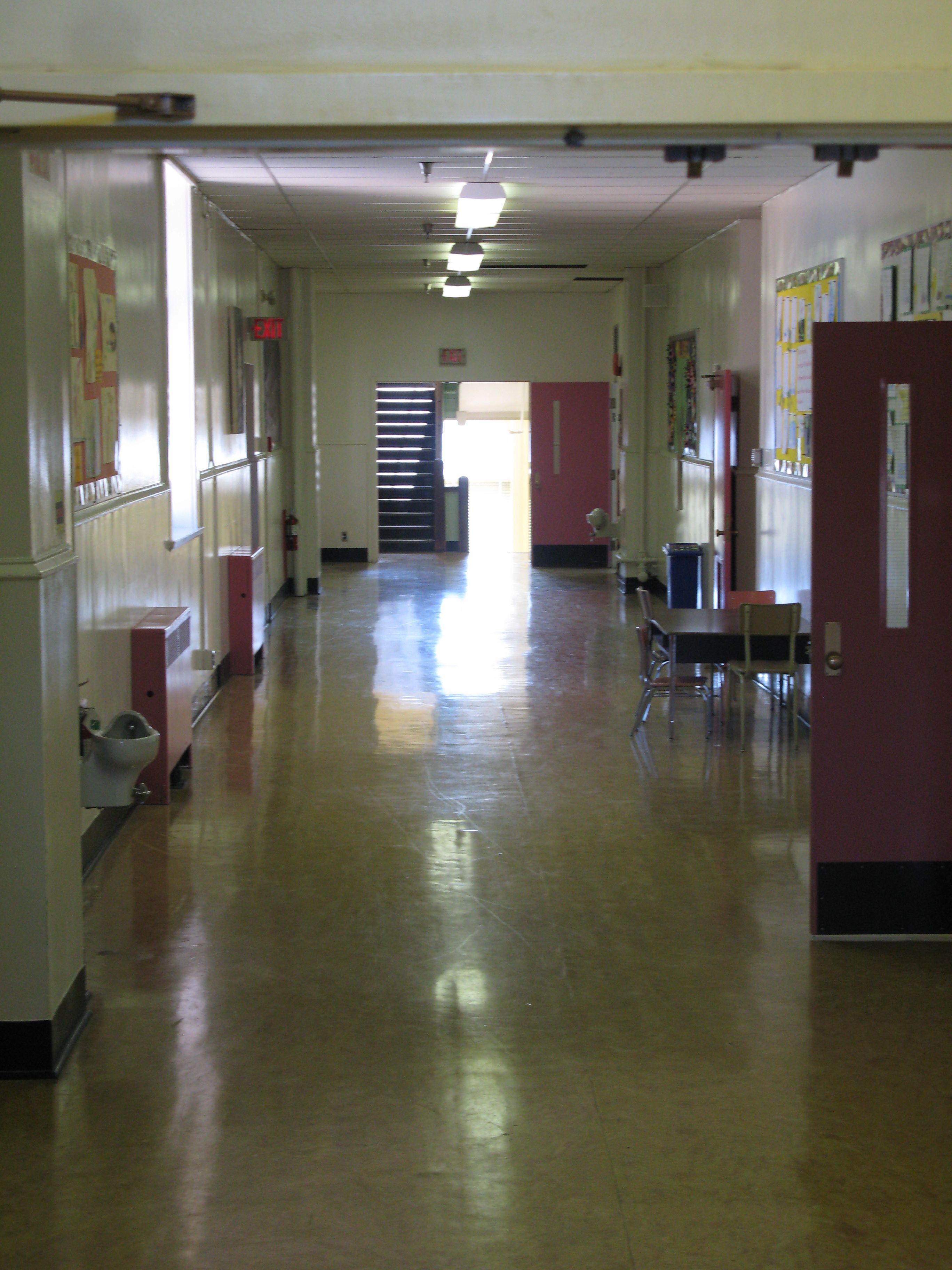
At Seymour school, we are fortunate to be surrounded by a diverse group of learners that each enrich the lives of all of us. We have different stories, different histories and different ideas. We all learn constantly from each other.

IMG_0321

The reality is is that some of us are at times struggling financially or otherwise and could use some assistance. We learn in our classrooms about being mindful of others, about how to be generous, how to be compassionate and how to be aware. Sometimes I get questions about how to help in both small and big ways. There are so many answers to that very important question but I will try and share just a few here. There are many ways to help, think about what speaks to you.

This post follows up on a letter I recently wrote. Read it here.

  1. If you or your children attend a different school, think beyond your school community. If you get a request for kleenex boxes for the classroom, you can bet other classrooms across the city need kleenex boxes. Drop off an 8 pack to a school that might need it. If your school is asking for money for field trip expenditures, ask your PAC to help fundraise and donate transportation or admission costs to another school that may not have the same means to amass funds. You get the idea.
  2. Involve your friends. Organize ideas, plans and the “nitty gritty” how to. If you want to help a school have fresh fruit snacks once a week, do it! Dropping off bags of apples is wonderful but they will need to be washed, sliced, and distributed. Could your idea be completely carried out by your group? Contact a school for permission, pitch them the plan. Show up every week with chopped fruit on trays and hands to distribute them. Even more amazing.
  3. Give of yourself. Many schools need readers and amazing, committed volunteers. They may not have the volunteers in their own communities. The Big Brothers Program needs male and female “in school” mentors. An hour a week of your time in school hours to connect with a child will change your life. Really.
  4. Every child needs books in home and in hand. Books for children birth to age 5 often are absent in homes of many of our children. Are your children finished with their beloved board books? Call up Family Places, Neighbourhood Houses, Schools that have Strong Start programs. Could someone pass on your donated books to a family?

Some more ideas? That might involve money?

  1. Some students from inner city schools are accepted to District programs at schools that do not have a hot lunch program. Some families turn down the placement exactly for this reason. Is there a district class at your school (or a neighbouring school) that could pass on gift cards (donated by you) to Buy Low, Superstore, etc. to families that may need to supplement the grocery budget?
  2. Many inner city schools have amazing athletes and sports programs organized by dedicated staff. Some of these young athletes could benefit from additional involvement in community or summer sports programs and some help with the equipment. Could you contact a school and help fund a student’s lessons/registration fees and equipment (i.e. soccer cleats or running shoes)
  3. Young students have big dreams. Are you able to help contribute to a RESP fund for a student? Many schools could help put you in touch with families. As could Community Centres. Scholarship funds, even small ones, have impact.
  4. Many students in inner city schools benefit from Speech and Language therapy, Play therapy, Music Therapy, Art Therapy and Counselling. For families that cannot afford to pay for this privately, the only opportunity for service is through the schools. Not all schools have all of these services. Sometimes they do because of private donors. Schools are given staffing according to school population. It doesn’t take much to figure out that an inner city school would have more need even if it has a small population. More need and less service. Does that make sense to you? Make your opinion heard. Be vocal and/or be generous. Offer to fund the services of a therapist for a specific school. Even if it is for part of a day. Challenge your friends to get involved. See what happens.

*Please note that if you do want to make a monetary donation to a school, tax receipts can be issued.

Never doubt that a small group of thoughtful, committed citizens can change the world. Indeed, it is the only thing that ever has.

Margaret Mead

IMG_0311

Do you have more ideas? Please post them in the comment section.

The Deep

Many of us have fears about swimming. The deep end can be a scary place until it isn’t anymore. What if you lived by the sea and your whole family swam daily in the deep water? What if you were the youngest and even though not much scared you (not the classics like snakes, spiders or the dark), you were afraid to swim in that beautiful greeny-blue water? Even though you longed to? This is what Alice deals with in Tim Winton‘s The Deep (illustrated by Karen Louise).

Many students connected – some of us quietly admitting that the deep water was kind of scary – even when we had previously claimed nothing frightened us. In Alice, we witnessed how our fears can hold us hostage and make us miserable. There is a scene in the story where Alice tries to conquer her fears and swim in the deep and yet, she quickly turns back ending up on the shore, curled up and crying. Heartbreaking

She hated being small. Being stuck in the shallows. She could swim, couldn’t she? So why couldn’t she swim in the deep?

It is so challenging to be courageous when our fear seems to paralyze us. This story really helped us explore this. Some important thoughts from students:

  • If we don’t notice we’re doing something we’re afraid of, it can be fun
  • It’s still just water. Even if it is deeper. If you can swim, you can swim anywhere (Here is the logic our fear defies)
  • It seems like the fear is just in our heads (Something we need to explore further)
  • If anyone else can face their fears, then we all can. (Let’s hope we can recall the images and feelings from this story when we face our next big fear)

This book would be particularly helpful for children dealing with their fear of learning to swim.

A little fish in the deep blue sea

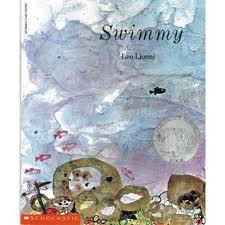
I LOVE Leo Lionni‘s books. Swimmy is a perfect read aloud to share as we read and talk about what is courageous.

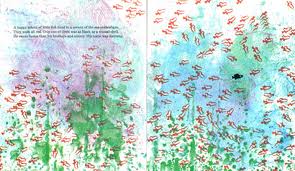
Swimmy is a little black fish who manages to escape when a large tuna fish swims up and devours all of his brothers and sisters. He swims off – sad, lonely and afraid. His solitary swim through the ocean takes him past many beautiful sights: a forest of seaweed, a medusa made of rainbow jelly, and sea anemones who looked like pink palm trees swaying in the wind. (Lionni’s images depicted visually and in text are just amazing)

Swimmy surrounded by all of his brothers and sisters

Swimmy eventually comes across a school of little fish just like his own hiding amongst the rocks and weeds. They are too afraid of the big fish to come out and play and explore. Swimmy could not accept that they would just hide forever. “We must think of something,” he insisted. Eventually he had a very clever idea. The fish would swim together like a big fish with Swimmy being the black eye. All together as one, they chased away the big fish and reclaimed the freedom to swim in the sea back for themselves.

What did we learn from this story? The answers were very thoughtful.

  • If you lose your friends and family, you can move on and find others.
  • To lead, you need to be courageous
  • Being brave sometimes means being a leader and teaching others
  • Helping people not only makes you brave, it makes you helpful (Indeed!)

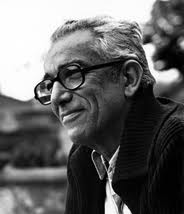
Leo Lionni - photo courtesy of Random House

Leo Lionni was a prolific writer of beautiful children’s books. To learn more about his life and works, check out this site from Random House Children’s Books.

What can we learn from Sheila Rae?

Sheila Rae wasn’t afraid of anything.

That’s the first line of Sheila Rae, the Brave written and illustrated by Kevin Henkes. “Hey everyone,” I said, “Isn’t this just like some of you? No fears at all?” (This came out in our discussion yesterday) We decided to read and find out just how brave Sheila Rae really is.

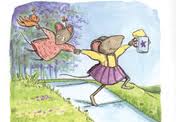
Well, the dark didn’t spook her. Neither did thunderstorms, principals or closets supposedly full of monsters. She approached life brandishing her bravery. She rode her bicycle no handed. She walked backwards with her eyes closed. She bared her teeth at stray cats. Fearless and determined to show it! When her little sister Louise marvelled at her decision to walk home from school a new way (“You’re too brave for me.”),  Sheila Rae called her a scaredy-cat.

But when Sheila Rae suddenly finds herself lost, her bravado melts away. She sits on a rock and wails. Louise pops down out of a tree where she has been secretly spying and carefully leads Sheila Rae back home.

Phew! Home is in sight!

Sheila Rae is thrilled to get home and turns to her sister.

“Louise, you are brave. You are fearless.”

“We both are,” said Louise.

Our class talked about what Sheila Rae learned in this gem of a story. Some pretty thoughtful responses were volunteered.

  • It’s okay to be brave but you don’t have to be mean
  • Everybody can be brave
  • Everybody has some fears.
  • Brave people sometimes aren’t.

Stay tuned for more stories on this theme as we try to figure out just what it means to be courageous.

When is it brave . . . ?

We had an interesting discussion about courage today. Is it courageous to do something scary if it actually doesn’t scare you? Does being brave mean facing your fears? Is courage a personal thing depending on your own individual qualms? Hmm . . . We decided that we should start with figuring out and writing down some of our own fears. I started and shared some of mine – losing my children in a public place (the classic Mommy nightmare). Mice. In my house. Being in a small motorized boat on the open sea – the speed, what lurks in that deep dark water, being stranded far from land, ahhh! Scary!

Many students were able to share fears easily – fire, the dark, robbers, rats, dogs, getting lost, a family member getting sick. Lots of honesty, lots of discussion. Some students claimed they are not afraid of anything. At all. Not the dentist? Monsters? Talking in front of a crowd? Nope. Nothing. Interesting. This makes me wonder about the fear of admitting our fears and about the posturing denying it involves.

Are the bravest of us those who confess all of our fears readily? Are some of us truly fearless?

We read a book to remind us that there are all kinds of scary things.

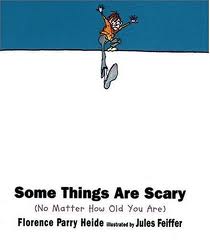
Some Things are Scary (No Matter How Old You Are) written by Florence Parry Heide and illustrated by Jules Feiffer is full of examples of everyday potentially frightening things. Super easy to connect to – the class was full of “Eeews” and “Ahhs” and “Oh yeah, scary” as they listened.

From the story:

“Roller skating down hill when you haven’t figured out how to stop – is scary”

“Finding out your best friend has a best friend – who isn’t you – is scary.”

“Telling a lie – is scary.”

Heide’s simple statements and Feiffer’s delightful illustrations allow us to fill in the blanks and really imagine how scary some of these things might be. Yes, we are reminded of many fears but also reassured that we all have some. (Well, except, a few students of mine who are apparently fearless!)

The first of many books we will be reading on the theme of courage.

The Prince of the Pond

We started out first (novel) read aloud today. I am so excited to introduce this class to one of my all time favourite books to read aloud – The Prince of the Pond written by Donna Jo Napoli and illustrated by Judith Byron Schachner.

I explained that Napoli is wonderful at taking well known tales and giving them a unique twist. Some students were able to figure out from the cover and the title that this story would be based on the story about the prince who gets turned into a frog by a witch and must be kissed by a princess to regain his human form.

Today we met the curious frog who can’t seem to hop very well or communicate in any way that makes much sense. We met the horrid hag who transformed the Prince into a very confused frog. Do we think we know where this story is going? Maybe. . .

I happen to know we are well on our way to being entertained by a master story teller and to learning all kinds of amazing facts about frogs. I also know that my students are in store for a lot of laughing and many surprises. Let our story begin . . .

Are we all going to get along?

Sometimes we’re friends. Sometimes we find ourselves annoyed by those around us. But no matter what – we are a school community for the 2011/2012 year. So look around everyone, we better figure out how to work together!

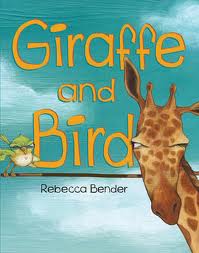
I appreciate Rebecca Bender‘s book Giraffe and Bird as it illustrates that being together is not always smooth and easy.

Giraffe and Bird irk each other and make no secrets about it.

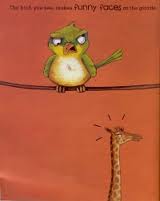
Bird makes funny faces at Giraffe. Giraffe invades Bird’s personal space. There is unwanted sharing of bad breath, frequent poops, annoying manners and swatting and pecking.

Eventually these two shout at each other “Scram, Bird!” and “Get Lost, Giraffe!”

Hajhare made a prediction. “Ms. Gelson I guarantee what will happen. By the end they will be friends. Everytime we read a book where they hate each other, they are friends by the end.”

Was he correct? Well . . .  A storm happened and Giraffe and Bird found themselves longing for each other to hide near. “Oh Yeah. Oh Yeah. Was I right or what?” Hajhare started chanting. But then there is a big fight scene Tweet! Swat! Peck! Thudd! It wasn’t looking good. In the end, the author suggests that even though Giraffe and Bird assert they can’t stand each other, we, the readers, know better.

Ricky summarized. “They’re friend-enemies. Sometimes it’s like that.” Sometimes it is.

Summer Reading inspired by Ms. Hong

Ms. Hong, now the Teacher-Librarian at Strathcona Elementary used to work at Seymour and ran the Book Club with me. She is beautifully passionate about books and a voracious reader. I have a constant list of books to read inspired by Ms. Hong’s blog. She often posts young adult titles that I might not have come across and I love that she recommends so many fantasy stories. This summer I made good progress reading through my “must reads” recommended by Ms. Hong.

These titles are definitely for mature readers only, not suitable for my primary students but older members of book club may be able to handle some of these soon.

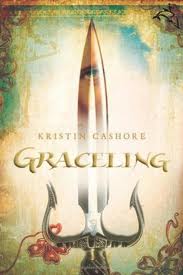
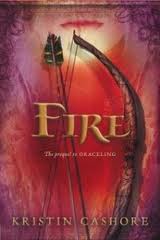
On one summer trip I devoured Graceling the debut novel of writer Kristen Cashore. Katsa, a young Graceling has the power to inflict deadly force on the victims the King sends her to punish. She meets Po, a prince from a neighbouring kingdom who turns her world upside down. Well written, engaging, impossible to put down. I requested Fire (the sequel/prequel) from the public library and enjoyed it as well.

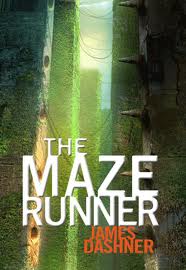
On my last trip I woke up early one morning to admire the gorgeous sunrise. Everyone else slept in and so I read. A few hours later I had finished The Maze Runner by James Dashner. This is an intriguing dystopian science fiction story – fast paced and dramatic, it was hard to stop reading. Thomas wakes up remembering nothing but his name surrounded by boys who arrived to the Glade just like him – memories seemingly wiped clean and in a strange world. Will solving the Maze enable them to escape?

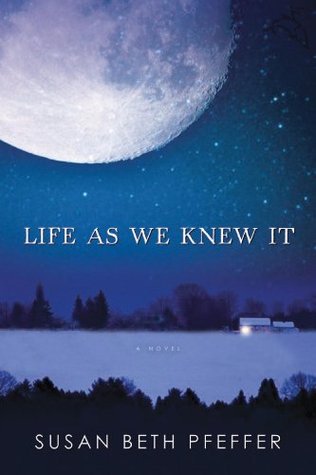
The book that impacted me the most though was Life as We Knew it written by Susan Beth Pfeffer. This is a story told by sixteen year old Miranda through a number of diary entries. The moon is hit by a gigantic meteor and is pushed closer to Earth. The tides and the weather are dramatically affected and everything in the world changes. How will the world survive? We get an idea by following the details of what happens to Miranda and her family. Compelling. We are pulled into Miranda’s world and experience this post apocalyptic world through her story.

life

Thanks Ms. Hong!