Nonfiction Picture Book Wednesday: Nonfiction I’m reading to my children

It’s Nonfiction Picture Book Wednesday! 

NFPB 2014

I have always read aloud to my children who are now eleven and in Grade 6 (boy/girl twins). Our reading history includes books of all kinds: board books, poetry, picture books, nonfiction, comics/graphics, and novels.

And now? My children are still happy to be my “test children” for new picture book titles. And we ALWAYS have a novel on the go. But do we read nonfiction together? We do. But much more avidly than we ever did! In the past, it was a title here and there. Now, that I am an active participant in this challenge hosted by Alyson Beecher at KidLit Frenzy, my nonfiction reading and awareness has been transformed. I am aware of so many fantastic titles and I have transferred my passion and commitment to nonfiction, to my read aloud time with my children. Usually, we have a longer title on the go that we will read over a week or two – just a little each night. Our evening reading often looks like a section of our nonfiction title and then a chapter or two (depending on the time and the begging) of our novel. Sometimes, we are so engrossed in the nonfiction title, we just read that.

My children and I have all benefitted from the talk that happens with our nonfiction reading. Sometimes one of us is not all that interested in the topic and it requires more talk time and initial research of the topic (watching a video, looking at other books, etc) Other times we are all incredibly curious right from the beginning. Always it is worth it for the connections we make, the questions we share and the learning that we do. How amazing is it to be learning alongside my own children every day!

I highly recommend adding more nonfiction to your read aloud diet!

Our last few nonfiction read alouds were Shackleton’s Journey by William Grill, Dare the Wind written by Tracey Fern and illustrated by Emily Arnold McCully and Saving the Ghost of the Mountain: An Expedition Among Snow Leopards in Mongolia written by Sy Montgomery with photographs by Nic Bishop. I have featured all of these on my blog in recent weeks.

What’s up next for us?

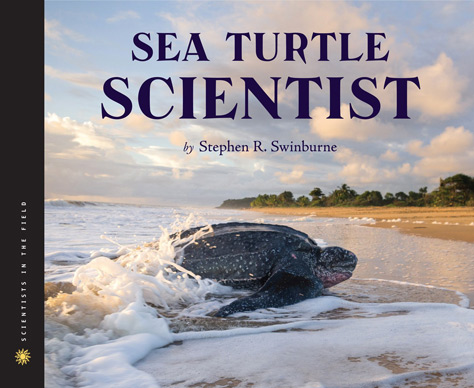
Sea Turtle Scientist by Stephen R. Swinburne (published 2014)

I find these Scientiest in the Field titles the perfect read alouds for this age group (10 – 13). My children and I are quite enamoured with sea turtles and I am particularly interested in sharing details of the conservation efforts to protect turtles.
Nonfiction Picture Book Wednesday: Nonfiction I'm reading to my children

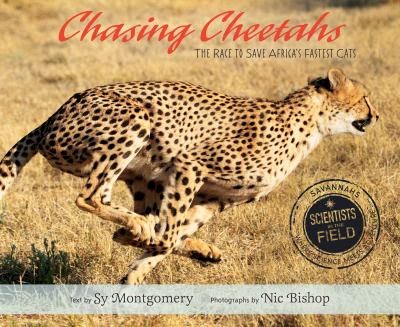
Chasing Cheetahs: The Race to Save Africa’s Fastest Cats written by Sy Montgomery with photographs by Nic Bishop (published 2014)

Another Scientist in the Field title. Children are fascinated by cheetahs and my children are no different. But, we have talked more and more about how many of Africa’s animals are at risk of extinction. This is an important read.
Nonfiction Picture Book Wednesday: Nonfiction I'm reading to my children

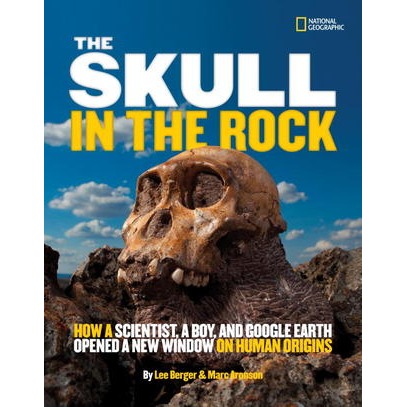
The Skull in the Rock: How a Scientist, A Boy and Google Earth opened a New Window on Human Origins by Lee R. Berger and Marc Aronson. (published 2012)

I found this book in my school library and immediately signed it out to bring home and share with my children. A nine year old boy out fossil hunting with his Dad (Dr. Lee Berger) finds a piece of bone likely two million years old. This book looks just fascinating! My learning curve will be big. My husband, who loves all things fossils, wants to sit in when we do this read aloud.
Nonfiction Picture Book Wednesday: Nonfiction I'm reading to my children

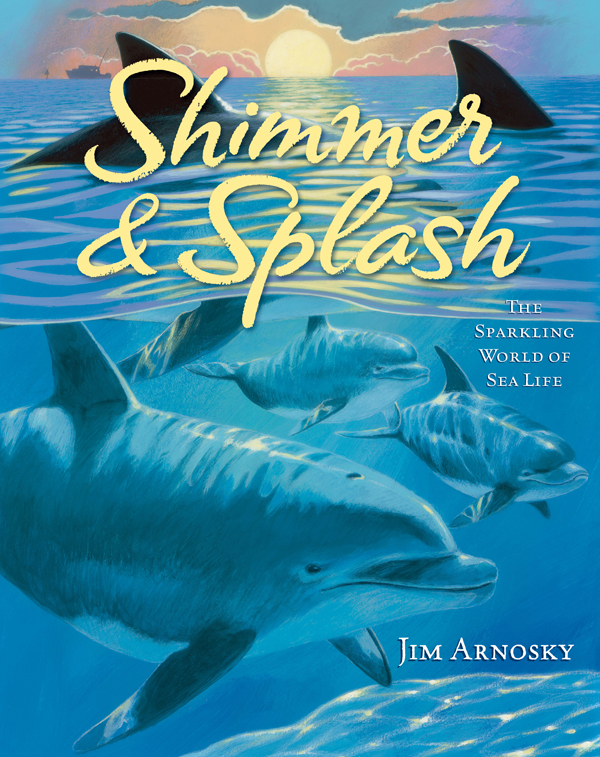
Shimmer and Splash: The Sparkling World of Sea Life by Jim Arnosky (published 2013)

Gorgeous paintings by Arnosky and the stories of his experience and knowledge of each of the creatures featured here. We have been reading many nonfiction titles about the ocean so have lots of interest in various sea life.
Nonfiction Picture Book Wednesday: Nonfiction I'm reading to my children

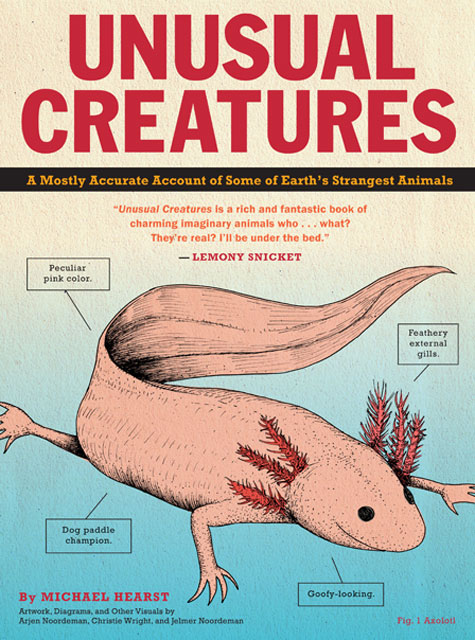
Unusual Creatures: A Mostly Accurate Account of Some of Earth’s Strangest Animals by Michael Hearst and illustrated by Arjen Noordeman, Christie Wright, and Jelmer Noordeman (published 2012)

I found this in one of my favourite book shops on a weekend walk. It has what looks like a tiny nibble out of one corner (my theory is that one of these creatures featured in this book is secretly alive and comes out at night and dines on the book it now lives within) so it was in the half price bin. Giant Gippsland Earthworms up to 10 feet long. A Mimic Octopus that wasn’t discovered until 1998 (too busy hiding by being able to mimic other creatures!). Leafy Sea Dragons that look like floating seaweed. Really, how could I resist this book? Can’t wait to share and hear the chorus of “Cool!” and “Gross!” that my children are sure to repeat on each page!
Nonfiction Picture Book Wednesday: Nonfiction I'm reading to my children

Thanks to Alyson from Kid Lit Frenzy for the inspiration to read and share more nonfiction picture books in 2014! Follow the link to Alyson’s blog to read about more nonfiction titles.

My goal is to read 65 nonfiction picture books for 2014. Progress: 63/65 complete!
 

Nonfiction Picture Book Wednesday: Backyard Books

It’s Nonfiction Picture Book Wednesday! 

NFPB 2014I had a post all planned for today featuring some recently published books but then I had the best session with one of my nonfiction groups and decided that highlighting some older but wonderful titles was in order instead!

I always like getting a peek into other classrooms and so I hope you enjoy these photos of my students interacting so enthusiastically with these nonfiction books!

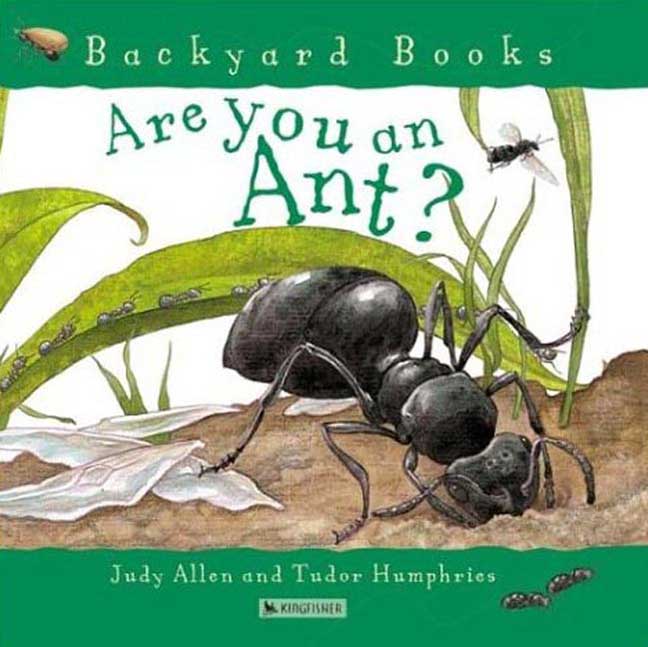
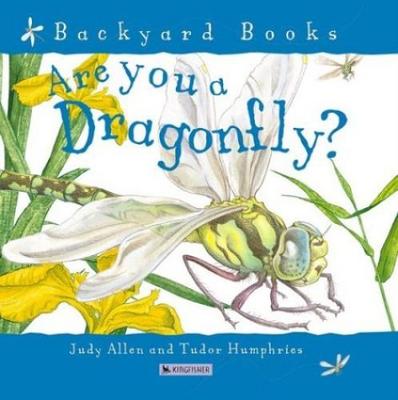
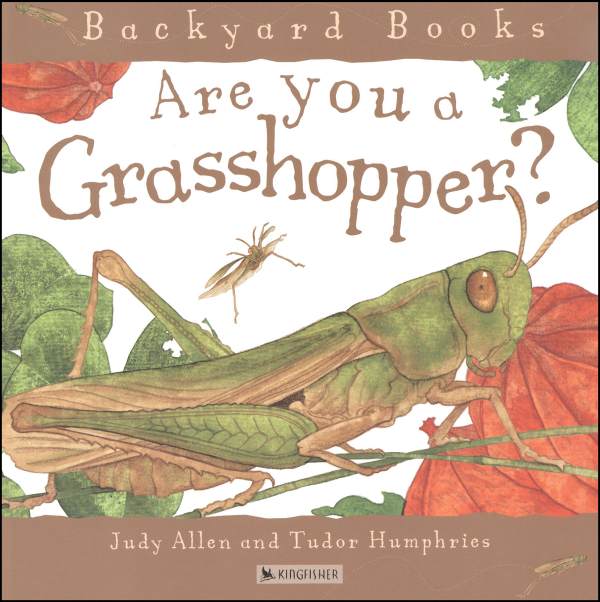
I have most of the Backyard Books (published between 2000 and 2002) by Judy Allen and Tudor Humphries in my classroom. Titles such as these highlighted below are perfect in a primary classroom library.

Each book begins with the question Are you a . . . .? The story continues providing information about a specific insect or backyard creature by explaining details of its life cycle, habits and characteristics. The text is lovely to read aloud “If you are a ____________ then you _____________” While these can be read aloud even to preschool children, they are perfect for young readers who are reading independently. Great books to practice extracting information from narrative nonfiction text.

 Backyard Books #NFPB2014 There's a Book for That  Backyard Books #NFPB2014 There's a Book for That  Backyard Books #NFPB2014 There's a Book for That

 Backyard Books #NFPB2014 There's a Book for That

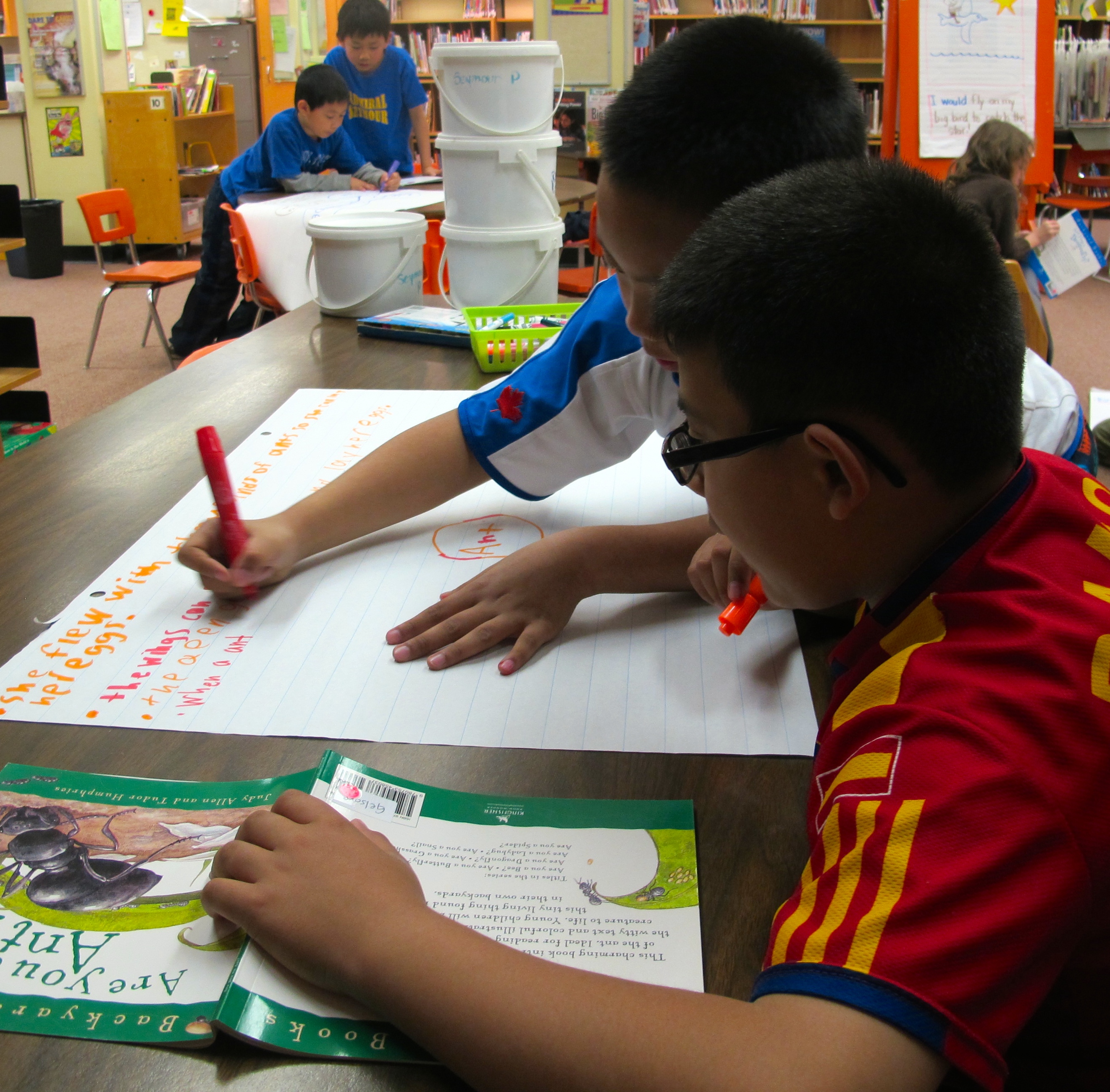
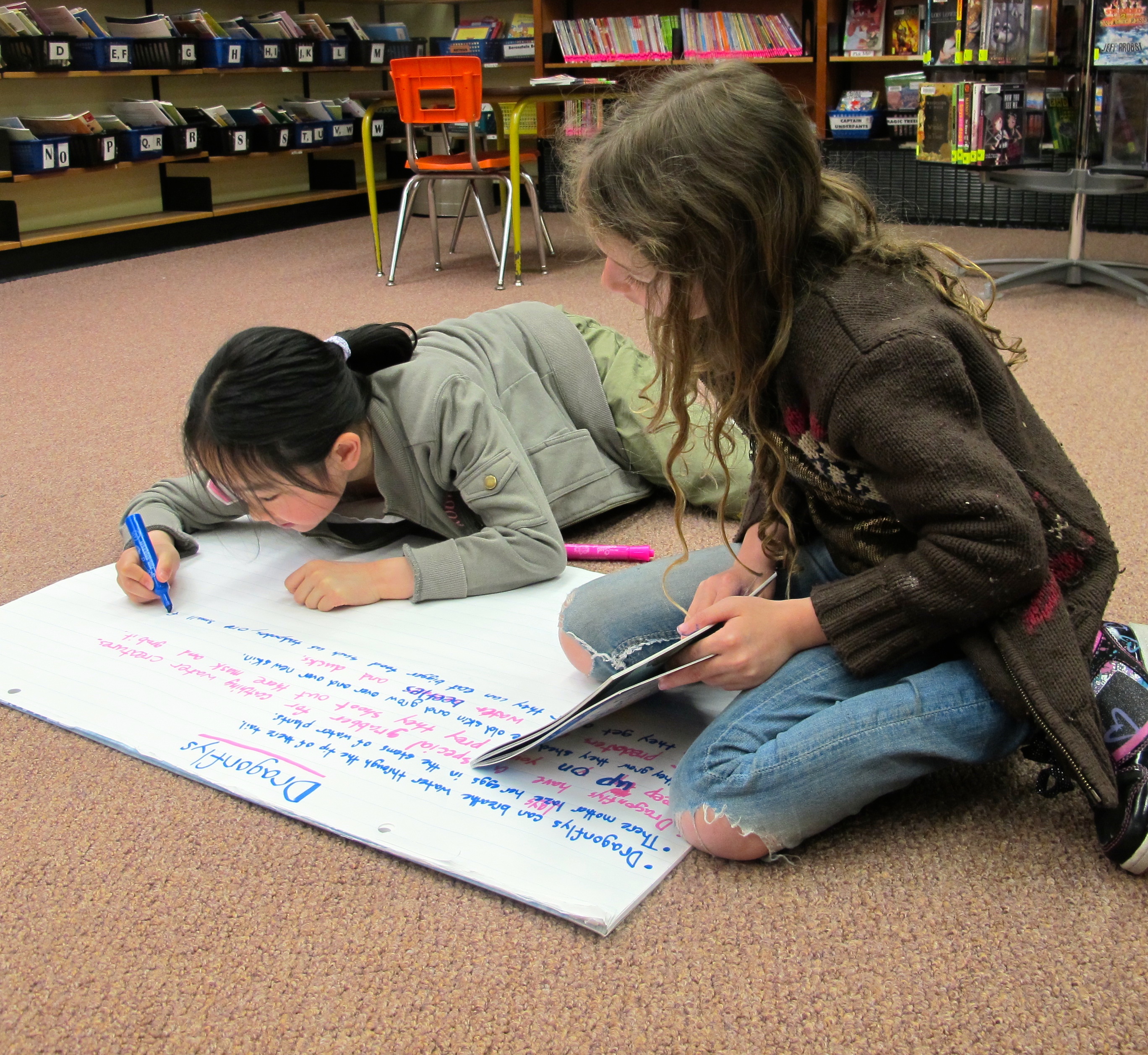
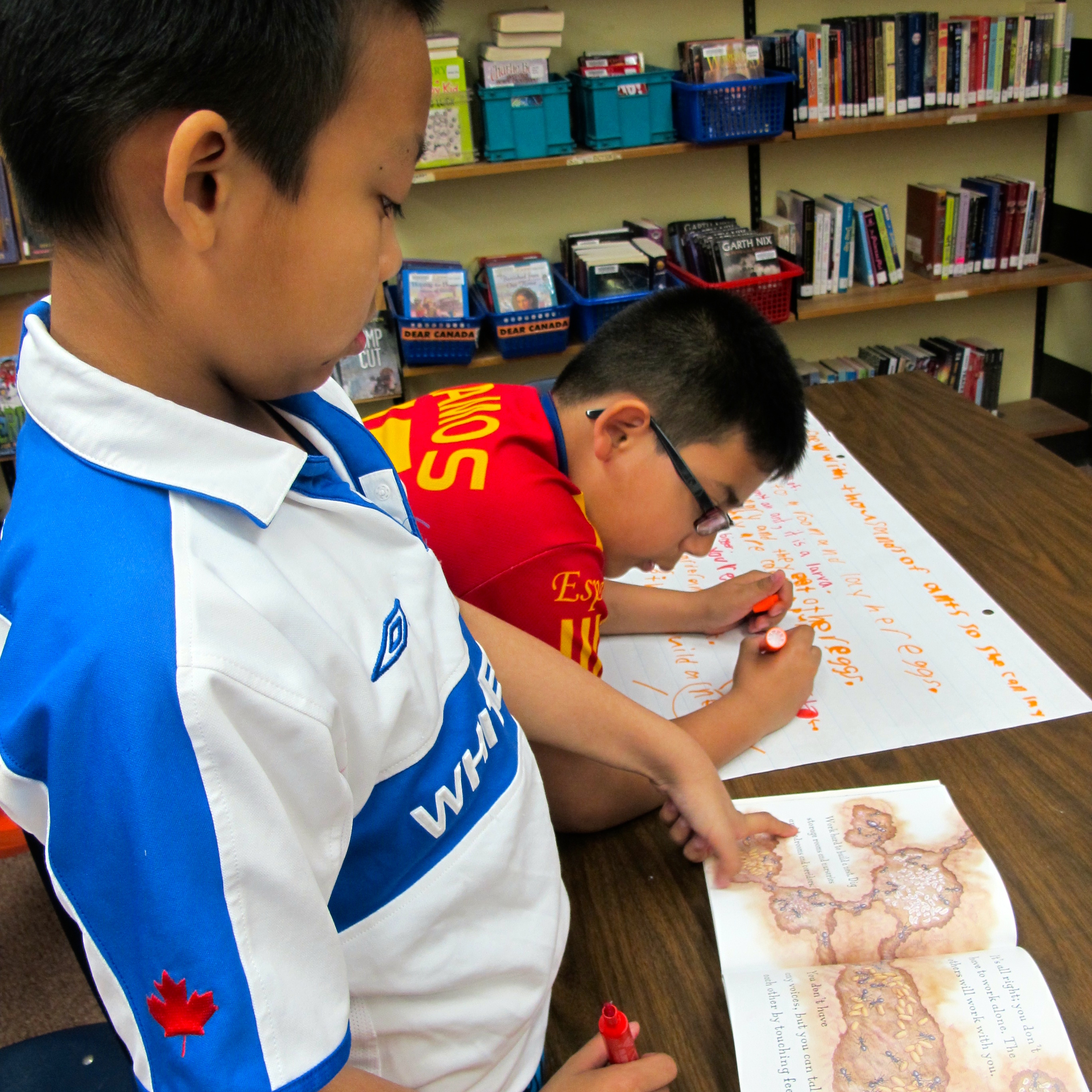
Once a week, I am lucky enough to work with a small group working with nonfiction text. While one of our Resource Teachers and my Teacher Librarian run Reading Workshop with the rest of my class, I take a group down to the library. Today my very keen group of six was working on being “fact detectives” with these Backyard Books titles.

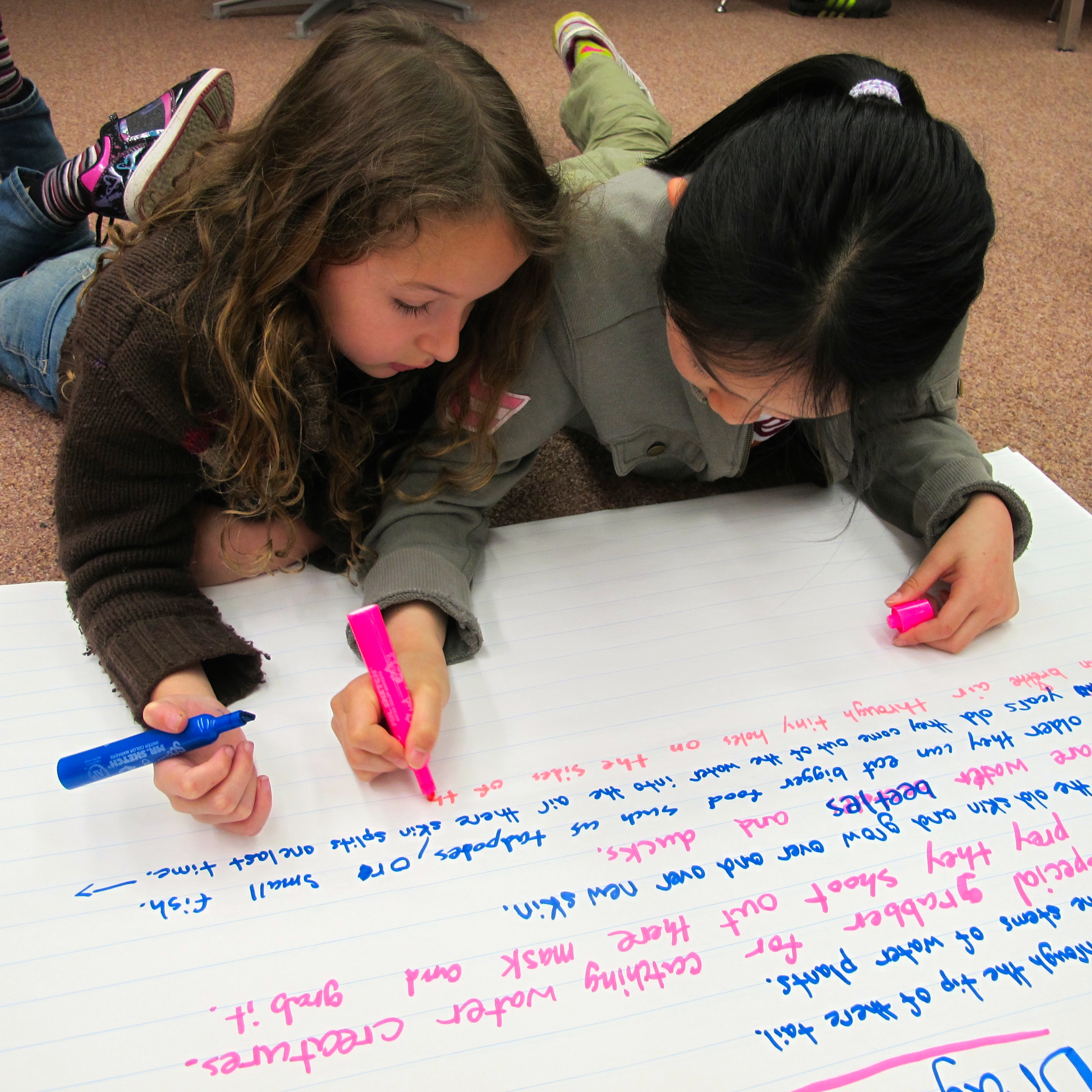
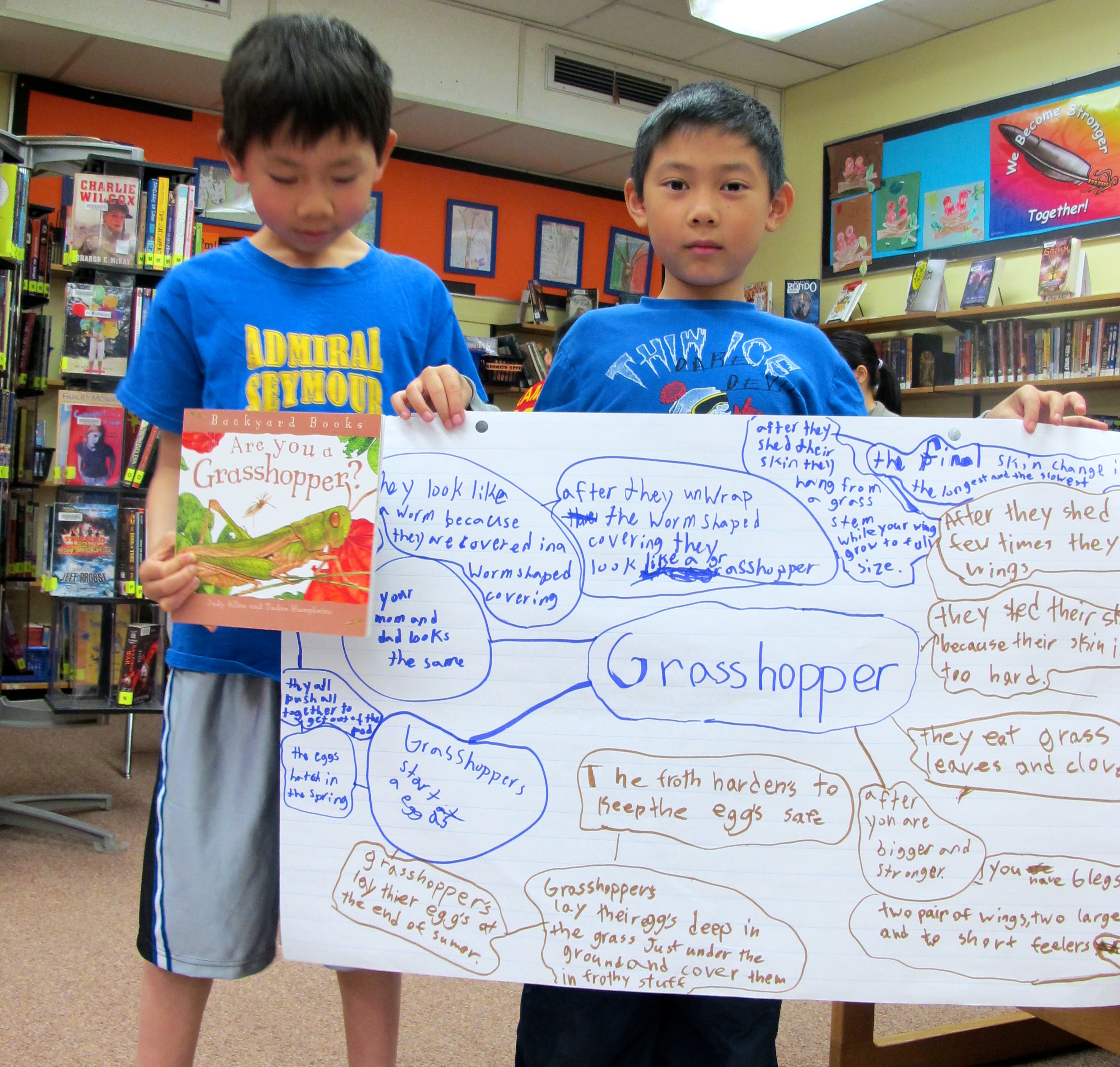
After a few minutes of finding facts together from the Are you a Snail? book, I let each group choose a text and sent them off. The partners took turns reading aloud and noting down information. I circulated to assist and give feedback. Students were trying to find different facts on each page and then record them on chart paper. I overheard:

“Was that a fact do you think?”

“We should write that!”

“How can we write that?”

“Did we find something on this page?”

“Did we already say that?”

Students helped each other with the best way to explain something. Lots of rereading and rephrasing.

 Backyard Books #NFPB2014 There's a Book for That  Backyard Books #NFPB2014 There's a Book for That  Backyard Books #NFPB2014 There's a Book for That  Backyard Books #NFPB2014 There's a Book for That  Backyard Books #NFPB2014 There's a Book for That I Backyard Books #NFPB2014 There's a Book for That

By the end, each group had made it through at least half of the text and had noted many facts down on their charts.

 Backyard Books #NFPB2014 There's a Book for That

I called them back together and asked the children what skills they thought they had been working on. All of them admitted that the task was a little bit more challenging than they thought it would be but they wanted to do it again next time! Here is what they shared:

“We had to reread and think lots.”

“We had to put shorter sentences instead of longer sentences.”

“You have to make sure you have all of the important details.”

“Putting it in different words to make sense is kind of hard.”

For these Grade 3 students, a successful, engaging activity with great nonfiction books!

Thanks to Alyson from Kid Lit Frenzy for the inspiration to read and share more nonfiction picture books in 2014! Follow the link to Alyson’s blog to read about more nonfiction titles.

My goal is to read 65 nonfiction picture books for 2014. Progress: 62/65 complete!

Nonfiction Picture Book Wednesday: Bright, colourful nonfiction to explore

It’s Nonfiction Picture Book Wednesday! 

NFPB 2014

I am always on the lookout for bright, engaging nonfiction to engage young learners in exploring and asking questions about the world – the world around them or parts and places in the world that are not known at all.

These three titles are books I know would be instantly snatched up in my classroom and have a gaggle of children around them reading, talking and sharing. All of these titles are perfect in the primary classroom for children to explore. All would be great for interactive read alouds and some children would be able to handle the texts independently.

Everything by Sea by Brian Biggs (published 2013)

Reminds me a little of Richard Scary and the countless vehicle books my son adored when he was small. This title is more than just labelled images though. It is filed with funny dialogue, questions and answers and some more detailed explanations like

  • What is buoyancy?
  • How can a sailor use sails?
  • What is an aircraft carrier?

When I was previewing this title, even my eleven year old was giggling and leaning in to ask about certain pages. A great way to build vocabulary and understanding about all things that travel on the water. There are also books about land and air travel in this series.

#Nfpb2014 Bright and colourful nonfiction There's a Book for That

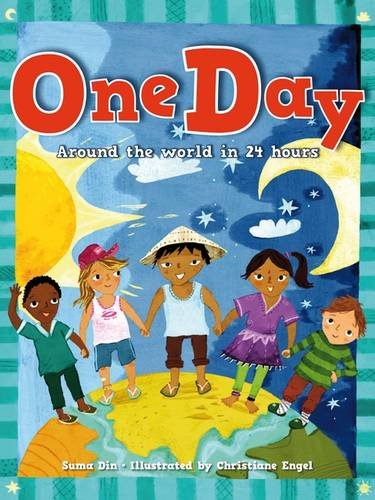
One Day: Around the World in 24 hours written by Suma Din and illustrated by Christiane Engel  (published in 2013)

I like the concept of this book – what are children doing all over the world at a specific time? This title follows fifteen children from around the world through a 24 hour period. All times are expressed using a 24 hour clock so if students were unfamiliar with this way of noting time, there would need to be some pre-teaching. I was confused as each page seemed to pick a random time for one place in the world and all of the other places showed times relative to this time. Still – there is a lot of opportunity for learning about different cultures and habits of children around the world. In the back there is more information about time zones and the history of how time was recorded.

This book also shows how children are doing very different things at different times of the day (really the same time) all over the world. I might give some examples of how to interact with this title – like choosing one of the fifteen children at a time and looking for them on each page to see what kinds of things they do in a day.

#Nfpb2014 Bright and colourful nonfiction There's a Book for That

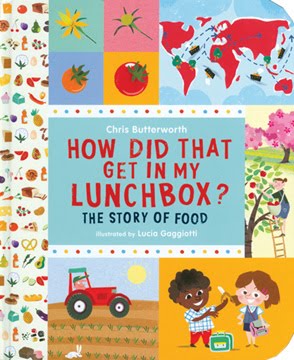
How did that get in my Lunchbox? The Story of Food written by Chris Butterworth and illustrated by Lucia Gaggiotti (published in 2011)

Just where do all of the things we eat come from? How are they harvested, produced and shipped to our stores? This book gives us the “back story” on one lunch – from the bread, cheese, fruits and vegetables to the juice and chocolate chip cookies. There is some information about nutrition and food guide choices at the back of the book. I can see this being a great mentor text for possible Where does my favourite meal come from? projects (writing, science, geography, etc)

#Nfpb2014 Bright and colourful nonfiction There's a Book for That

Thanks to Alyson from Kid Lit Frenzy for the inspiration to read and share more nonfiction picture books in 2014! Follow the link to Alyson’s blog to read about more nonfiction titles.

My goal is to read 65 nonfiction picture books for 2014. Progress: 59/65 complete!
Nic Bishop photography for all ages and stages

It’s Nonfiction Picture Book Wednesday! 

NFPB 2014


I have always been impressed by Nic Bishop‘s incredible close up and fascinating photographs in his nonfiction books for children. But after hearing him speak at Western Washington University’s Children’s Literacy Conference this year, I read books that feature his photographs with even more awe and amazement. What I love best – besides having new understanding for how these photographs actually happen – is that his work is available to students at various reading levels. Today I am featuring three titles that I have shared recently with children. The first two titles I read aloud with my class and the last title I read to my own children who are eleven.

One interesting thing I learned from Nic’s presentation was that the work he does when working on Scientist in the Field titles is called photojournalism and the photos he takes for other nonfiction titles (like these first two) is called photo-illustration. I was pleased to know the correct terms to describe his work.

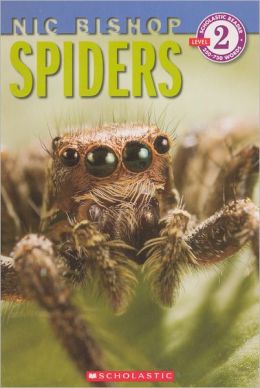
Spiders by Nic Bishop (published 2007; in Scholastic paperbacks, published 2012)

This is a hugely popular title in my room ever since I book talked the picture book version of this title and showed the students that Scholastic has also published it in a NF reader format. I judge the success of this book by the fact that some students beg to be able to read it next and spend ages marvelling at the photographs of spiders very close up. At the same time, other students insist that I promise to never even put this book near them because the images seriously terrify them! That front cover is pretty menacing.

Nic Bishop photography for all ages and stages #NFPB2014 There's a Book for That

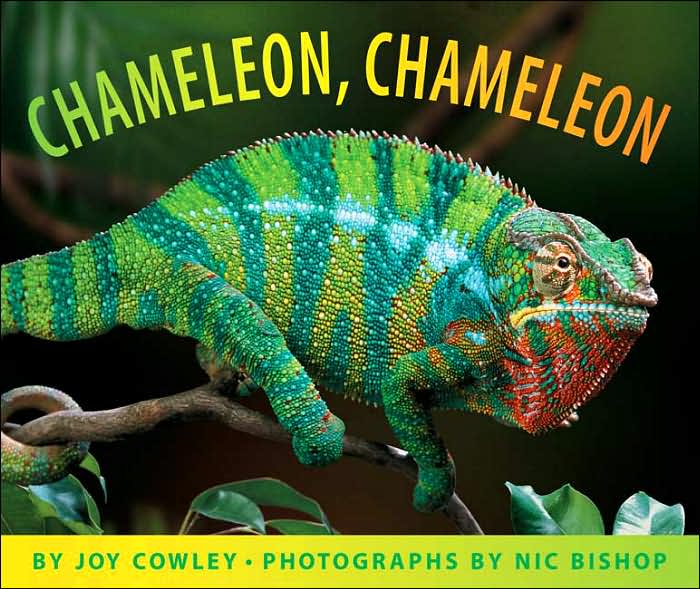
Chameleon, Chameleon written by Joy Cowley with photographs by Nic Bishop (published 2005)

After a few pages, I had to skip to the back and find out just how this book was created. There was no way that chameleon actors were hired to tell this engaging tale about a chameleon on the move as it encounters different creatures in its habitat (various geckos, a frog, a scorpion, etc.) Yet the photo-illustrations so perfectly accompanied the text . . . Turns out that Bishop spent months with these chameleons in his care – observing them, finding them the perfect food, attending to their special needs. The result is that we are gifted by phenomenal photographs of chameleons to accompany a story that introduces children to lots of information. There are also two pages of additional, more detailed information about chameleons at the back of the book.

Nic Bishop photography for all ages and stages #NFPB2014 There's a Book for That

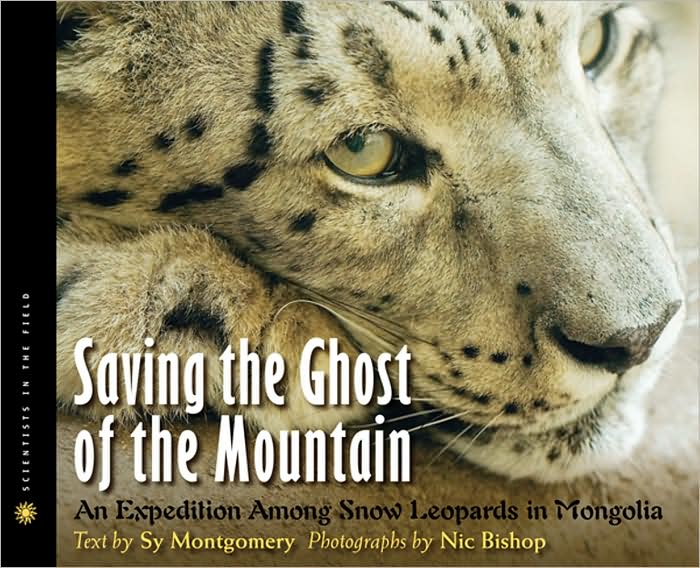
Saving the Ghost of the Mountain: An Expedition Among Snow Leopards in Mongolia written by Sy Montgomery with photographs by Nic Bishop (published 2009)

Over many weeks, I read sections of this book to my own children (it is all the more special as I was able to get our copy signed by Nic Bishop when at the #wwuclc2014 conference) as one of many read alouds we have on the go. How can a book about searching for snow leopards be so amazingly interesting when the snow leopards are never actually seen? Montgomery and Bishop tell an incredible tale about these magical and elusive creatures and their champion, scientist Tom McCarthy who has devoted his life’s work to their conservation. Mongolia is a beautiful place we seldom see – its landscape, people and culture highlighted through Bishop’s photographs and the stories Montgomery relates. We learn why the snow leopards are endangered and how the conservation efforts have centered on having the Mongolian people connect and want to protect these mysterious cats. How can McCarthy remain so passionate about an animal he has only seen in the wild a handful of times?

Protecting an animal is like loving someone. It’s not something you do and then finish. It’s a long-term promise, honored over and over, one step at a time.

I loved this quote in the notes form the photographer at the back of the book where Bishop writes,

“Some people have asked if I was disappointed not even to see a wild snow leopard. But in many ways I am happy not to see one. I love that some things in nature will always remain mysterious and unseen. Just knowing that they are out there is pleasure enough.”

Nic Bishop photography for all ages and stages #NFPB2014 There's a Book for That

Thanks to Alyson from Kid Lit Frenzy for the inspiration to read and share more nonfiction picture books in 2014! Follow the link to Alyson’s blog to read about more nonfiction titles.

My goal is to read 65 nonfiction picture books for 2014. Progress: 55/65 complete!

Nonfiction Picture Book Wednesday: Some recent reads

It’s Nonfiction Picture Book Wednesday! 

NFPB 2014

While I am still in the middle of many nonfiction books, I am sharing a few recent reads here. These titles are heading into my classroom and I can’t wait for the right opportunity to share each of these engaging reads! I think each one of them needs to be part of the classroom or school library collection. So many rich learning opportunities . . .

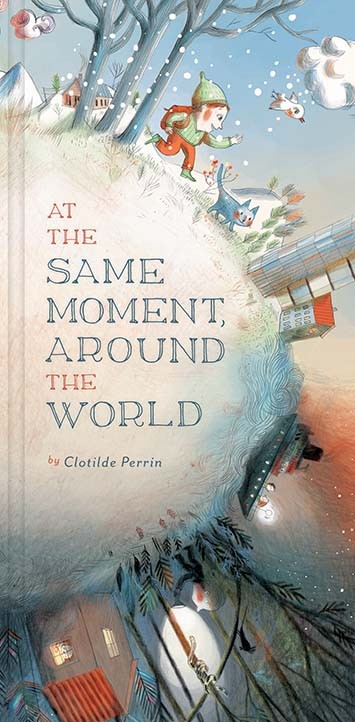
The Same Moment Around the World by Clotilde Perrin (published 2014)

Simply – this book depicts a day in the life of the world. More complexly, it is a day in the world – all over the world – one page for each hour, beginning at 6 a.m. in Dakar, Senegal. Hour by hour, we see children in various places doing regular everyday things. But the settings are exotic and mysterious because so many may not be known to us. Children learn about time zones and gather a more complete understanding of what it means when we say that on the other side of the world people are going to sleep just as we are waking up. I am partial to books with interesting shapes – love that this title is tall and rectangular. Fantastic fold out map in the back to explore all of the places mentioned in the book.

 At the Same Moment Around the World #nfpb2014 There's a Book for That

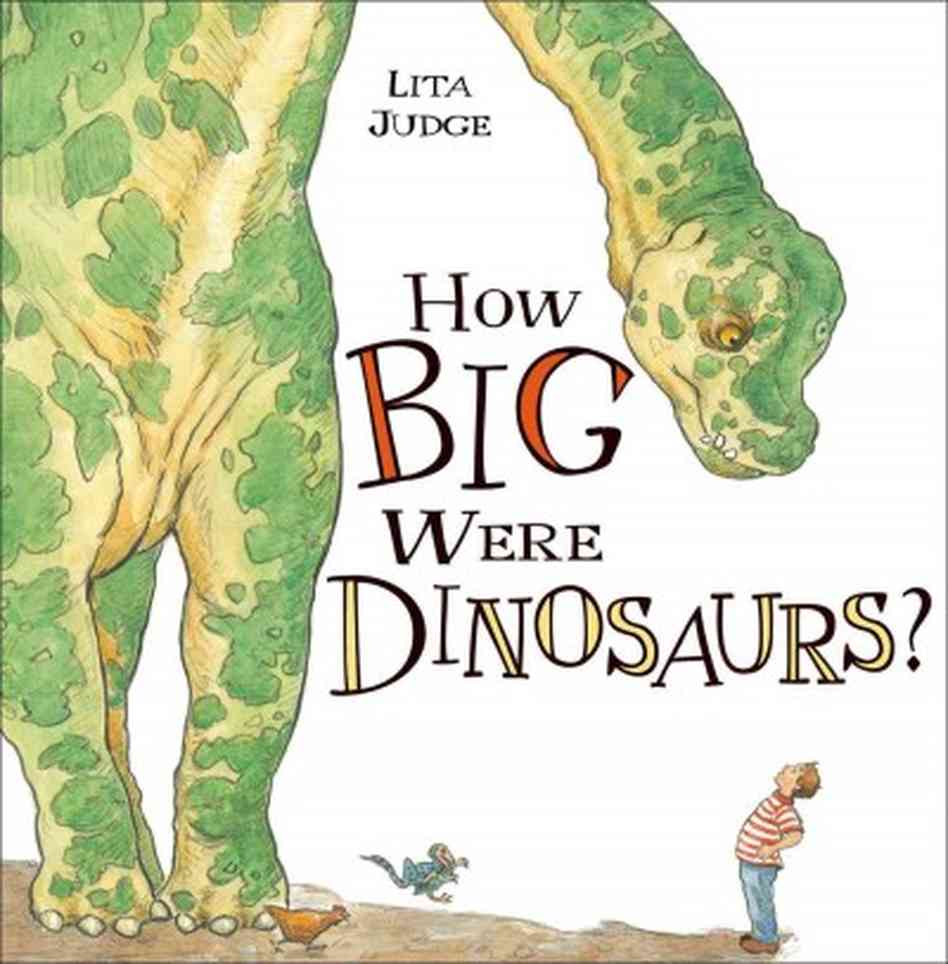
How Big Were Dinosaurs? by Lita Judge (published 2013)

Lita Judge’s illustrations are so rich. They inform. They amuse. And they delight. Each dinosaur featured here is drawn next to something that children already know to allow them to imagine the exact size of the dinosaur. For example, the velociraptor was only the size of a modern day dog. A leaellynasaura? Two feet tall and wintered near the South Pole. Not all dinosaurs were towering huge “monsters”! But some sure were gigantic!

How Big Were Dinosaurs? #nfpb2014 There's a Book for That

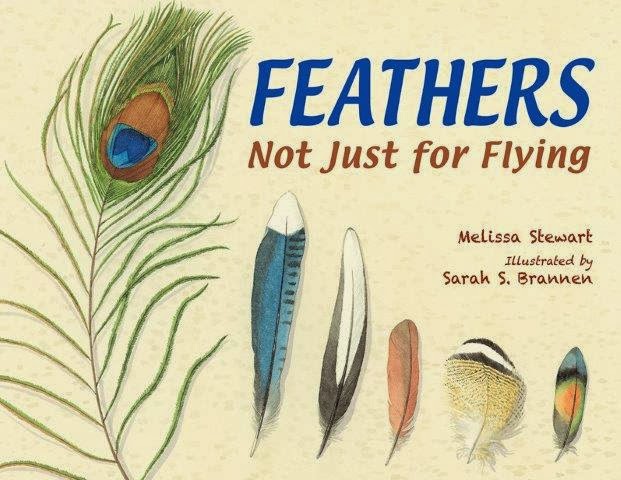
Feathers Not Just for Flying written by Melissa Stewart and illustrated by Sarah S. Brannen (published 2014)

I am very excited to share this as a read aloud. So excited that I just read it to my family over dinner – it needed an audience! More specifically, I needed some people to help me guess: what else could feathers be used for besides flight? We had a great time listing what we knew around the table and then reading to find out how many we got and how many we missed! Gorgeous illustrations – feels like you could pluck some of these feathers right off of the page. My daughter made a comment part way through about Stewart’s writing style.

“Each time, she gives an example to explain it more. I completely understand all of the different ways the feathers are used!”

Feathers Not Just for Flying #nfpb2014 There's a Book for That

Thanks to Alyson from Kid Lit Frenzy for the inspiration to read and share more nonfiction picture books in 2014! Follow the link to Alyson’s blog to read about more nonfiction titles.

My goal is to read 65 nonfiction picture books for 2014. Progress: 50/65 complete!

Nonfiction Picture Book Wednesday: In “the middle of” books

I had grand plans to review a number of books for Nonfiction Picture Book Wednesday. But I can’t. A lot if this is the fault of Alyson Beecher (of Kid Lit Frenzy). And, actually, the rest of the #nfpb2014 bloggers can be blamed as well.

I can’t review even one nonfiction book because I am in the middle of reading six of them.

And why?

Because there is just so much great nonfiction out there and I keep reading about more and more titles on all of the blogs participating in Alyson’s Nonfiction Picture Book challenge/celebration each week. So I buy a book. Or borrow a book. Then I start reading “just a few pages” (usually aloud to my children) and then, next thing I know, I have nonfiction titles half read all over the house.

What am I (often we) reading right now?

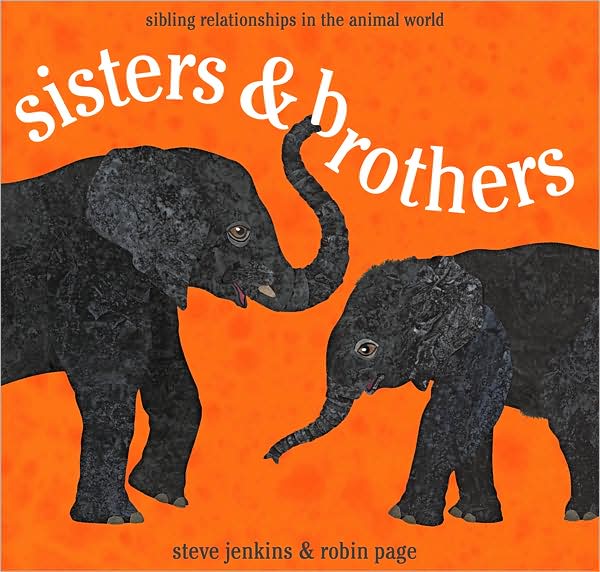
Sisters & Brothers: Sibling Relationships in the Animal World by Steve Jenkins and Robin Page (published 2008)

I am a total Steve Jenkins fan but haven’t read this one yet. My son and I started reading some of these pages and were intrigued! Did you know that nine banded armadillos are always born as identical quadruplets? Perfect clones of each other. And Gould’s long-eared bats are almost always born as twins. Multiple births are particularly interesting in my house since my children are twins and their aunts (my sisters) are identical twins.

Nonfiction Picture Book Wednesday: In "the middle of" books

Saving the Ghost of the Mountain: An Expedition Among Snow Leopards in Mongolia written by Sy Montgomery with photographs by Nic Bishop (published 2009)

I am reading a few chapters of this Scientist in the Field book with my children every week. We are almost done. We have been as fascinated by the country of Mongolia as we have been with the elusive snow leopards. Amazing photographs by Bishop.

Nonfiction Picture Book Wednesday: In "the middle of" books

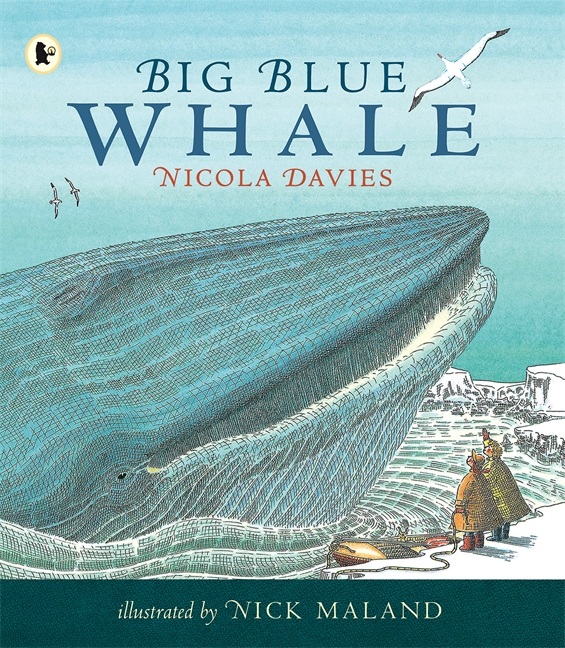
Big Blue Whale written by Nicola Davies and illustrated by Nick Maland (published 1997)

I just bought this at the book store because I am reading everything ocean with my class. The next sea creature we are learning about is whales and . . . how I love Nicola Davies. I started reading this last night and want to finish it later tonight. Blue whales are the biggest creature to ever live on Earth! Majestic and amazing.

Nonfiction Picture Book Wednesday: In "the middle of" books

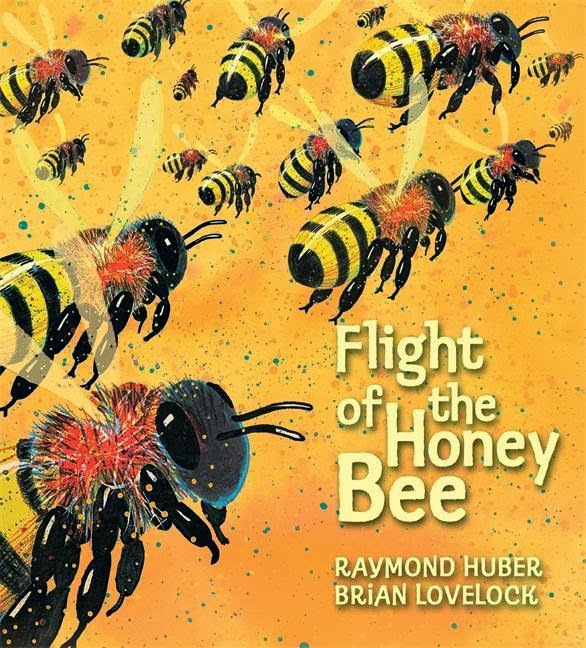
Flight of the HoneyBee by Raymond Huber and illustrated by Brian Lovelock (published 2013)

Bees have hairy eyeballs! My son and I are reading this together and keep marvelling at this fact!

Nonfiction Picture Book Wednesday: In "the middle of" books

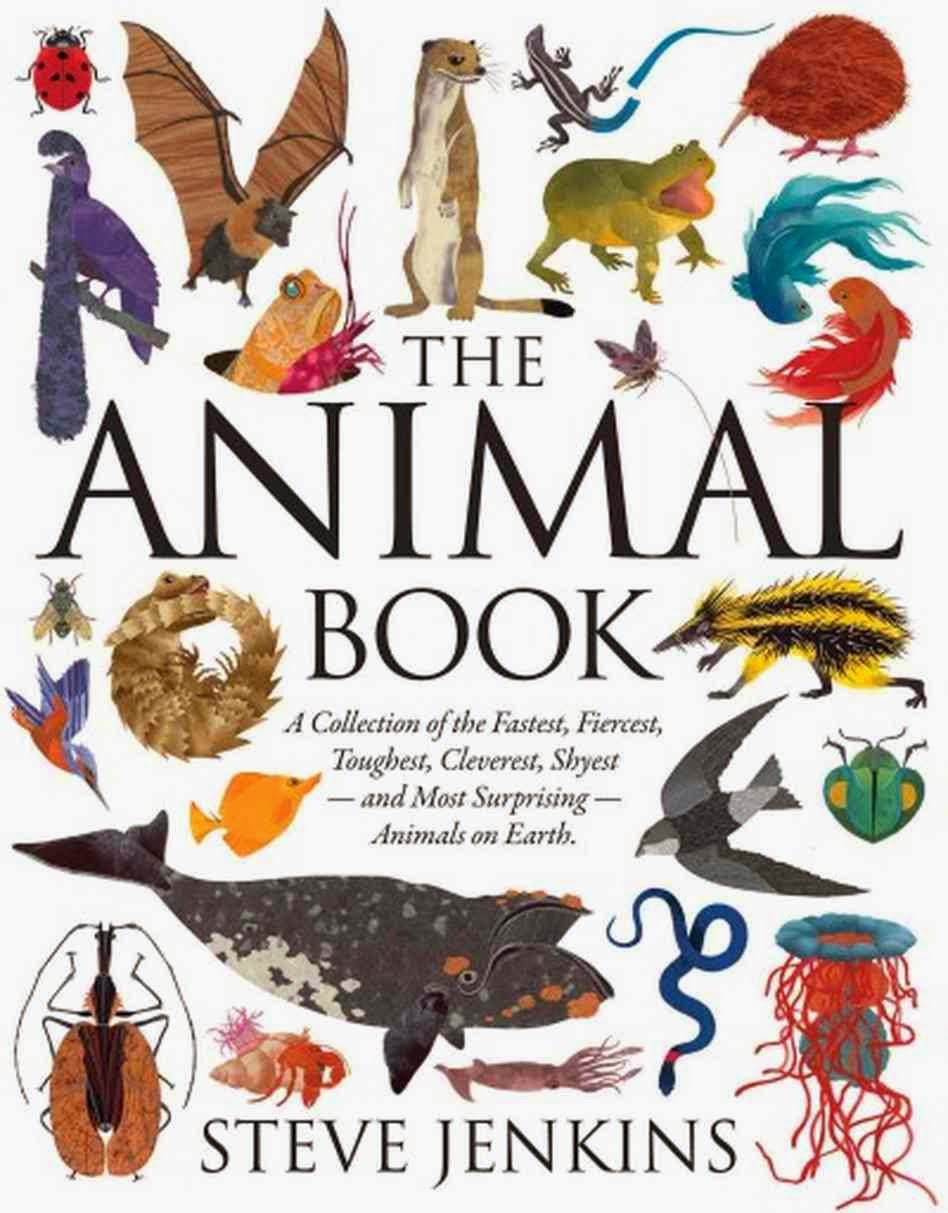
The Animal Book: A Collection of the Fiercest, Toughest, Cleverest, Shyest – and Most Surprising – Animals on Earth by Steve Jenkins (published 2013)

Slowly but surely, my children and I are enjoying this title together. So much to talk about and explore. It truly is a beautiful book to be on the family bookshelf.

Nonfiction Picture Book Wednesday: In "the middle of" books

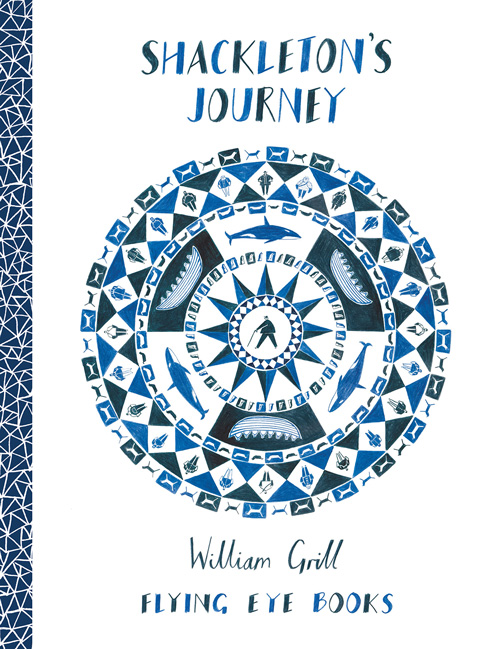
Shackleton’s Journey by William Grill (published 2014)

I had to own this book. Exploration. Adventure. Peril. Antarctica. That covers the subject but then there is the way this book is designed . . . Gorgeous. Simply gorgeous. I have hooked my children with just a few pages. And as a result  . . . another nonfiction read aloud on the go!

Shackleton's Journey Nonfiction Picture Book Wednesday: In "the middle of" books

Oh how I love nonfiction! There is nothing better than learning more about the world through a beautiful book.

NFPB 2014

Thanks to Alyson from Kid Lit Frenzy for the inspiration to read and share more nonfiction picture books in 2014! Follow the link to Alyson’s blog to read about more nonfiction titles.

My goal is to read 65 nonfiction picture books for 2014. Progress: 47/65 complete! (this is no more than 2 weeks ago because I have so many titles on the go!)
Nonfiction Picture Book Wednesday: Dirt, Roots & Shoots and Ladybugs

It’s Nonfiction Picture Book Wednesday! NFPB 2014

I have spent all week in my garden. So much so that I am dreaming about compost and worms and transplanting plants. This lead me to some titles I am adding to my class nonfiction collection next week. As I have been conferencing with kids about what they would like to see more of in our nonfiction areas of our classroom library, books about plants, gardens and growing have come up a lot. So these four books will be new additions (although they are not all recent releases) and hopefully of interest to my little gardening/plant enthusiasts.

Dirt: The Scoop on Soil written by Natalie M. Rosinsky and illustrated by Sheree Boyd (published in 2002)

Lots of information on the different parts of dirt: humus, silt, rocks and pebbles, clay and sand. Each of these parts is talked about in some detail. I enjoyed the sections on the decomposers who eat dead plants and how insects and animals help loosen the soil as they crawl through it. The book does mention keeping our soil healthy but it doesn’t go into much detail. Thee are some experiments in the back of the book to try. A nice addition, in my opinion, would have been a section on how to make and maintain a compost bin/pile.

Nonfiction Picture Book Wednesday: Dirt, Roots & Shoots and Ladybugs

How Does a Seed Sprout? And other Questions about . . . Plants by Melissa Stewart A Good Question book (published in 2014)

Organized in a question/answer format this is a book for stronger readers (late primary/early intermediate) or great to use as a read aloud – even just a few questions at a time. I appreciated the detailed drawings of the six stages of a bean plant sprouting and the pictures of a pine tree’s life cycle. There is an index in the back and more information for further reading and websites to visit. This would be a great resource for a plants/seeds unit.

Nonfiction Picture Book Wednesday: Dirt, Roots & Shoots and Ladybugs

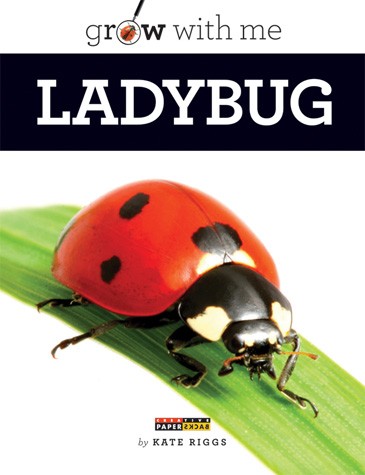
Grow with me Ladybug by Kate Riggs (published in 2013)

This Grow with Me series published by Creative Paperbacks is an ideal reading level for upper primary (and older) students to be reading independently. Full of lots of photographs (including many magnified close ups), detailed information and nonfiction features such as an index, glossary and fact boxes. While the focus of this book is to talk about the lifecycle of the ladybug, there is a lot of other interesting information shared:

  • Protective Measures
  • Living to Eat
  • A Bug for all Seasons

Nonfiction Picture Book Wednesday: Dirt, Roots & Shoots and Ladybugs

Ladybugs by Gail Gibbons (published in 2012)

The illustrations here are incredible and give so many specific details about how ladybugs grow, what they eat and how they survive in different seasons. This book would make a fantastic read aloud. I loved the page that explains that there are many different kinds of ladybugs – possibly up to 5,000 different types world wide with 475 different kinds in North America. The illustration depicts ten different types with different colours and spot patterns. Children will come away with an excellent understanding of the life cycle of a ladybug, how they help keep the population of garden pests down and how each of their body parts function.

Nonfiction Picture Book Wednesday: Dirt, Roots & Shoots and Ladybugs

Thanks to Alyson from Kid Lit Frenzy for the inspiration to read and share more nonfiction picture books in 2014! Follow the link to Alyson’s blog to read about more nonfiction titles.

My goal is to read 65 nonfiction picture books for 2014. Progress: 47/65 complete!

Ocean wonders: twenty nonfiction picture books about sea life

My class and I have fallen into a theme of ocean and sea life without really knowing we were heading in that direction. And just like dipping your toe into the deep blue sea and being lured into the depths, we have found that everywhere we turn, there are more books on this theme for us to discover. Here are twenty nonfiction picture book titles – some we have read, some that are in the pile to share and some we might not get to this time around. I hope that some will be ones you want to share with the children in your lives.

Books with a theme of Exploration:

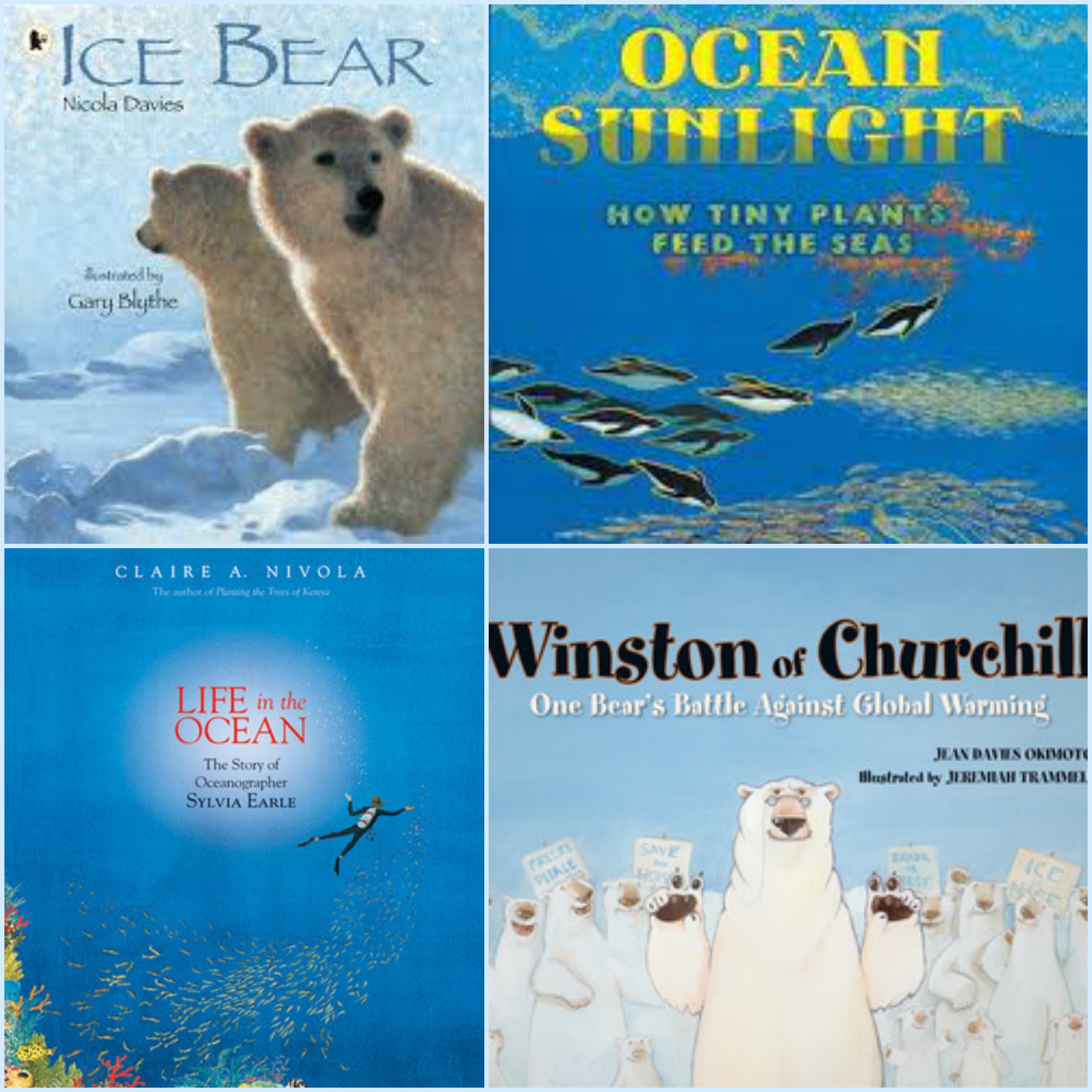
Down, Down, Down: A Journey to the Bottom of the Sea by Steve Jenkins  

How can we not be intrigued at the idea that we may only have encountered half of the large animals living in the sea?

Manfish: A Story of Jacques Cousteau written by Jennifer Berne and illustrated by Éric Puybaret

Cousteau was fascinated by a world that he couldn’t spend prolonged time in. Without being able to breather underwater, how could Cousteau explore its mysteries? Read a more detailed review here

The Fantastic Undersea Life of Jaques Cousteau by Dan Yaccarino

Another fantastic picture book biography sharing the life of the inspiring Jacques Cousteau.

Sophie Scott Goes South by Alison Lester

This title is based on the author’s real experience of travelling to Antarctica. Full of all kinds of facts about icebergs, icebreakers, life in a research station. Read a more detailed review here.

 Ocean wonders: 20 nonfiction picture books about the sea There's a Book for That Nonfiction picture book Wednesday

Books with an Environment theme:

Life in the Ocean: The Story of Oceanographer Sylvia Earle by Claire A Nivola 

The depiction of Earle’s curious childhood in the water, descriptions of moments in her life that truly shaped and changed her, beautiful and enticing illustrations and this very important message: “You can’t care if you don’t know.”

Winston of Churchill by Jean Davies Okimoto

This book tells us about Winston, the bear from Churchill, Manitoba who decides to mobolize a group of polar bears to teach the tourists who come to see the polar bears about the effects of global warming on the melting ice in the Arctic.

Ice Bear (In the Steps of the Polar Bear) written by Nicola Davies and illustrated by Gary Blythe 

Nicola Davies tells us how polar bears survive in the Northern landscape weaving facts on each page into the beautiful story she tells in lovely poetic text.

Read about how I used this title in my room to practice deep thinking questions here

Ocean Sunlight: How Tiny Plants Feed the Seas by Molly Bang and Penny Chisholm 

Narrated by the sun. Learn about ocean’s life cycles and the importance of phytoplankton.

Environment  Ocean wonders: 20 nonfiction picture books about the sea There's a Book for That Nonfiction picture book Wednesday

Books about Specific Sea Creatures (one or many):

Here Come the Humpbacks written by April Pulley Sayre and illustrated by Jamie Hogan

Through a story of a mother whale and her calf’s migratory journey, we are able to learn many things about humpback whales.

See What a Seal Can Do written by Chris Butterworth and illustrated by Kate Nelms

The reader is then invited into the world of seals. Learn all about gray seals – how they move, how they hunt and how their body is perfectly suited to their ocean home.

Read more about this book here.

One Tiny Turtle written by Nicola Davies and illustrated by Jane Chapman

The amazing story of the lifecycle of the loggerhead turtle.

Surprising Sharks written by Nicola Davies and illustrated by James Croft

Learn lots about sharks including how humans pose many threats to their survival.

Bubble Homes and Fish farts written by Fiona Bayrock and illustrated by Carolyn Conahan 

How do animals use bubbles? In quite amazing ways! From the bubble nets of humpback whales to the bubbles sea otters use to stay extra warm in the cold ocean water.

In the Sea written by David Elliot and illustrated by Holly Meade

Poems about various sea creatures. Gorgeous illustrations.

Giant Squid: Searching for a Sea Monster by Mary M. Cerullo from the Smithsonian

Written like an active investigation. Just what is the giant squid? Why is it so elusive? How is it studied?

Shimmer & Splash: The Sparkling World of Sea Life by Jim Arnosky 

Learn about different fish and sea animals that live in the ocean. Amazing fold out pages.

Sea Creatures  Ocean wonders: 20 nonfiction picture books about the sea There's a Book for That Nonfiction picture book Wednesday

Books that begin on the Shore or wade into the Coral Reefs:

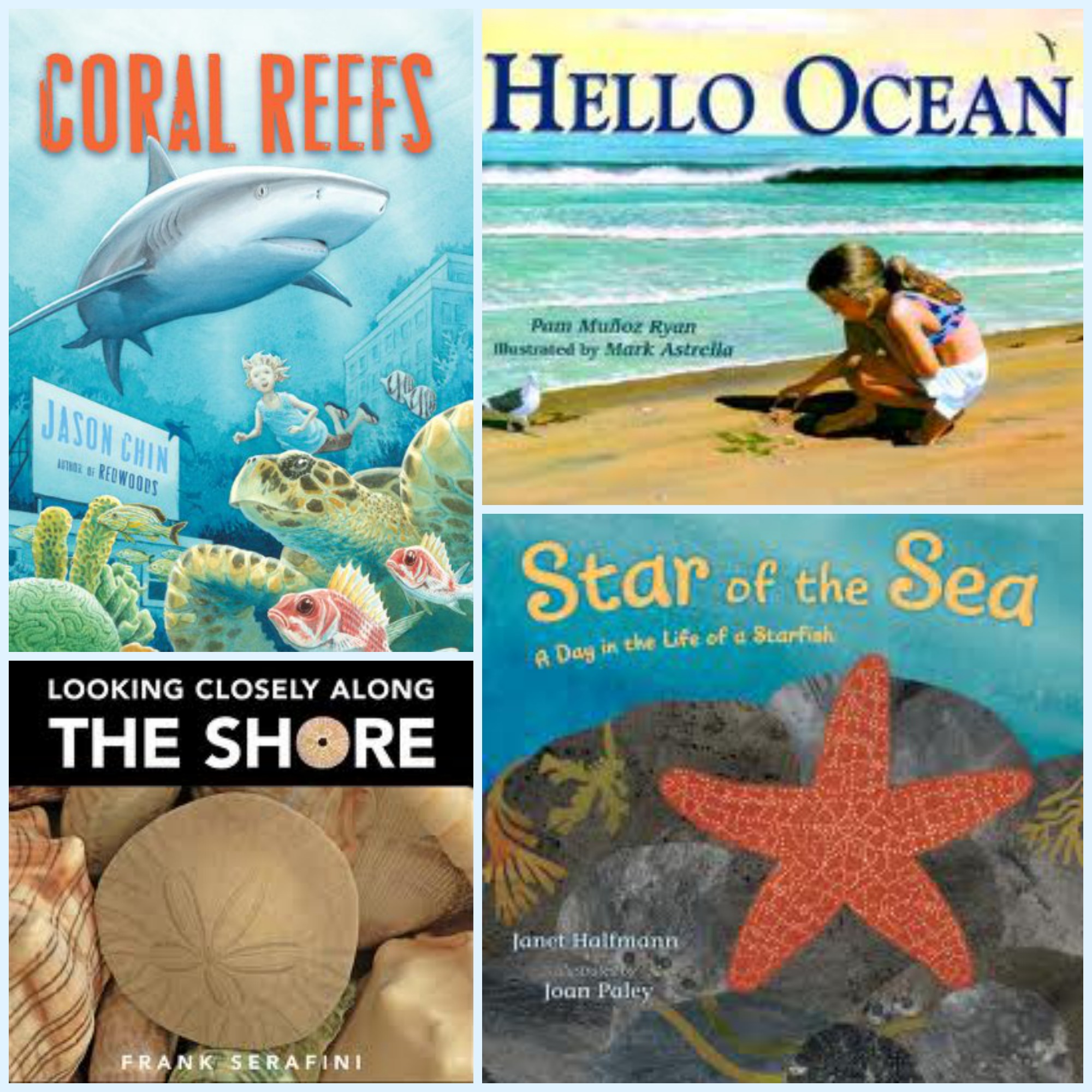
Coral Reefs by Jason Chin 

In this title, being lost in a book means getting lost in a completely different world – in this case the magical world of coral reefs.

Hello Ocean written by Pam Muñoz Ryan, with illustrations by Mark Estrella

Not exactly a nonfiction title but a poetic text that speaks to all of our senses close to the shore.

Star of the Sea: A Day in the Life of a Starfish written by Janet Halfmann and illustrated by Joan Paley

The book itself reads like a story – we learn about how sea stars hunt for food, how they eat (by extending a stomach out through the mouth) and how they are vulnerable when the tide goes out to being eaten by seabirds

Looking Closely Along the Shore by Frank Serafini 

Look at the shore in ways you have never quite imagined it through the camera lens and close up shots of Frank Serafini.

 Ocean wonders: 20 nonfiction picture books about the sea There's a Book for That Nonfiction picture book Wednesday


NFPB 2014

I learn so much by reading all of the blog posts that link to the Nonfiction Picture Book Wednesday event that KidLit Frenzy hostsVisit Alyson’s blog to see what books are shared this week.

My goal is to read 65 nonfiction picture books for 2014. Progress: 42/65 complete!
Do you have favourite nonfiction titles on any of these themes? Please share in the comments!

Nonfiction Picture Book Wednesday: Bird Assembly 101

It’s Nonfiction Picture Book Wednesday! 

NFPB 2014

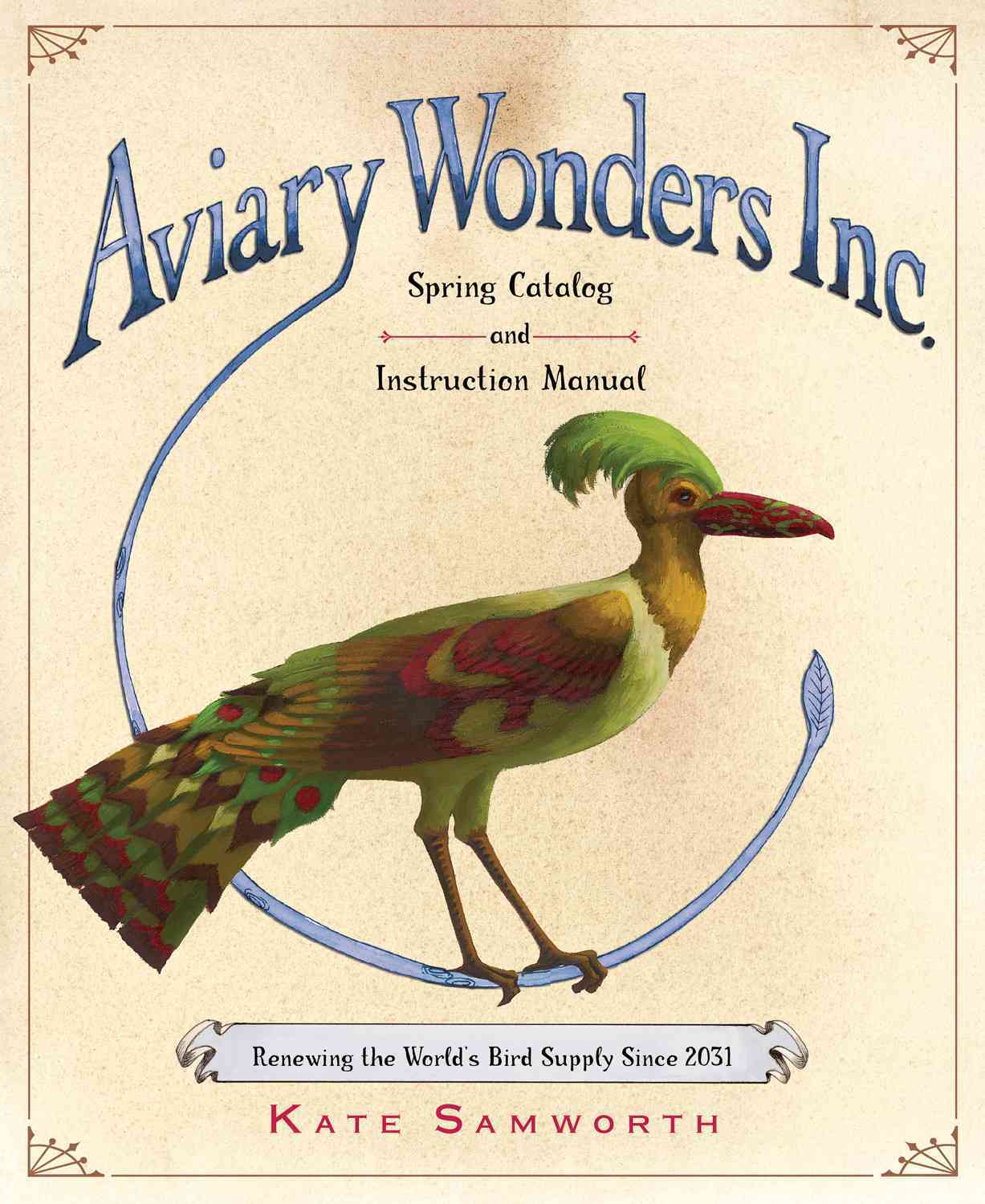
This book is swoon worthy! And seriously odd at the same time.  Aviary Wonders Inc. Spring Catalog and Instruction Manual by Kate Samworth

Unique and in many ways is difficult to categorize. It is a picture book. That’s an easy one. Beyond that – it gets interesting. There is a fantasy element to it and it does have a “fiction” feel. But I love books that blend genres. I am calling this a nonfiction title as well. It’s part instruction manual. Part bird anatomy. Part a warning to avoid bird extinction. All of these things fall in the nonfiction realm*. Thus, I have decided to share this beautiful book on nonfiction picture book day!

*Not everyone will agree but I think the instruction manual aspect tips it over the edge to favour my creative license on categorization. And heck, I’m writing this blog . . .

#NFPB2014 There's a Book for That Bird Assembly 101


Quickly head over to Seven Impossible Things and take a peek at the inside images.

So what can you learn from this book – set if you look carefully at the title – in 2031? How to build your own bird of course! This book includes an order form, details about all of the parts and some helpful assembly instructions. Always keep balance and proportion in mind seems to be a big theme.

Beyond patience and optimism, this handbook explains, you will need the right parts. And right parts are here in gorgeous, colourful glory. With details beyond your wildest imagination. Like impressionist tinted feathers, Persian designs on the beaks and Wattles and Combs with names such as Beethoven and Aphrodite. (Haven’t gone to look at the inside pages? Go! See link above)

The delight and hilarity in creating quite preposterous birds is tempered by the underlying feeling the reader has throughout: What if such a catalog was actually real? Necessary? The book jacket warns:

. . . that it’s not really a catalog at all. It’s a dark and funny look at what might happen if we let natural habitats disappear.

Favourite pages for me?

  • The two page spread about Flight Patterns. Choose wing shape carefully for the type of flight you want your bird to be able to accomplish
  • The images for Steps 3 and 4 Attaching the Tail and Attaching the Legs
  • Troubleshooting pages which features questions (with attached images) and answers such as what should one do if the bird has been taught to sing an annoying song and won’t stop. The answer, if you are curious, suggests attaching a full set of wings and “sharing” your bird with the world! (In other words – fly far away and sing to someone else!)
  • The end pages are gorgeous drawings of bird parts.
  • And not a page at all, but please peek under the book jacket!

My advice? Find this book and savour its creative energy. Think about how to have fun with this is in the classroom. I’m thinking art projects, some of our own question and answer writing . . . And then? Head outside. Watch for birds. Celebrate their natural beauty. Their form and function. Their freedom and wild natures. Their song.

In case you, like me, were wondering just what else Kate Samworth has done . . . this is her first book. Her website is here.

Thanks to Alyson from Kid Lit Frenzy for the inspiration to read and share more nonfiction picture books in 2014! Follow the link to Alyson’s blog to read about more nonfiction titles.

My goal is to read 65 nonfiction picture books for 2014. Progress: 41/65 complete!
Nonfiction Picture Book Wednesday: Sophie Scott Goes South

It’s Nonfiction Picture Book Wednesday! 

NFPB 2014

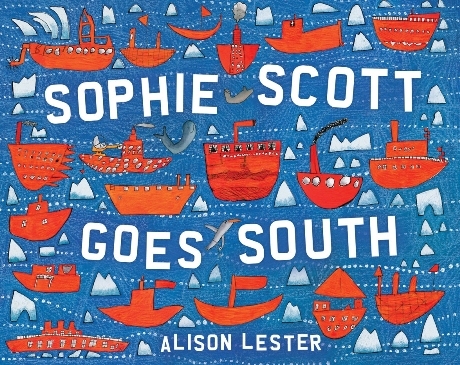
I am so excited to share the nonfiction book I am currently reading and talking about with my students: Sophie Scott Goes South by Alison Lester (published in 2012)

 Sophie Scott Goes South #NFPB2014 There's a Book for That

Because I could rave and rave and rave about this book but I should be writing report cards . . . I have given myself a time limit to convince you to go read it by telling you the ten best things about it. Here goes:

  • This book defies categorization. It is a fictional story of young Sophie Scott travelling to Mawson Station in Antarctica with her father who is the captain of an icebreaker, the Aurora Australis. But it is based on the author’s real experience of travelling to Antarctica. And it is full of all kinds of facts about icebergs, icebreakers, life in a research station, Antarctic animals and the history of Antarctic exploration. I’m calling it an information story book and placing it under the nonfiction umbrella.
  • The visuals in this book are also all over the place in the best of ways – there are Alison Lester’s illustrations, photographs and photographic collages and children’s art that was sent to Lester when she was on her trip.
  • This story is organized like a diary so it is full of all kinds of emotions, reactions and observations and makes you feel like you are really along for the journey. Brrr. . .
  • The illustrations and details about the icebreaker crew and the parts of the ship are so interesting that just one page took 45 minutes to examine and discuss!
  • There is plenty of information about how scientists, engineers, researchers, etc. survive while living and working at a research station from how you must dress to go outside, to how supplies are brought in, to how you travel while on Antarctica (whether by vehicle or how to walk in blizzard like conditions)
  • Oh the animals! Get a sense of what it is really like to see an Adelie penguin, a weddell seal or a killer whale in the wild.
  • This book is a springboard for other learning. It is taking us weeks to get through as we are stopping to read books about penguins, watch videos about icebergs and to look up things in the Atlas.
  • The end pages are full of world maps and details about all kinds of things related to Antarctica:  sea routes, temperatures, ice sheets and numerous other facts about the continent.
  • In the final pages are details of some of the most famous Antarctic explorers and their expeditions.
  • There is a comprehensive glossary in the back where you can find out more information Like . . . some of the technical ship terms if you are not an ocean travel expert (which is the category I fall into = non-expert!). Winches, mooring ropes, bollard. I now know what these things actually are!

Convinced?

This is a must share book!

Thanks to Alyson from Kid Lit Frenzy for the inspiration to read and share more nonfiction picture books in 2014! Follow the link to Alyson’s blog to read about more nonfiction titles.

My goal is to read 65 nonfiction picture books for 2014. Progress: 36/65 complete!