Nonfiction Picture Book Dreaming: Spring 2015

The last time I made a wish list of nonfiction titles I was coveting, I was not able to buy books (long teacher strike). Now, I am making a list with my book purchasing power back in place. Always, I try to budget (not successfully). And always, I dream (very successfully)! We’ll see how many of these end up on my classroom shelves before summer.

Thanks to all of the bloggers I follow for highlighting these titles and keeping my nonfiction wish list ever growing. Here are ten titles I have my eye on!

And yes, there is a bit of a water and whale theme happening here.

Listed in order of publishing date.

Emmanuel’s Dream: The True Story of Emmanuel Ofosu Yeboah written by Laurie Ann Thompson and illustrated by Sean Qualls (January 2015)

Emmanuel's Dream- The True Story of Emmanuel Ofosu Yeboah Nonfiction Picture Book Dreaming: Spring 2015 There's a Book for That

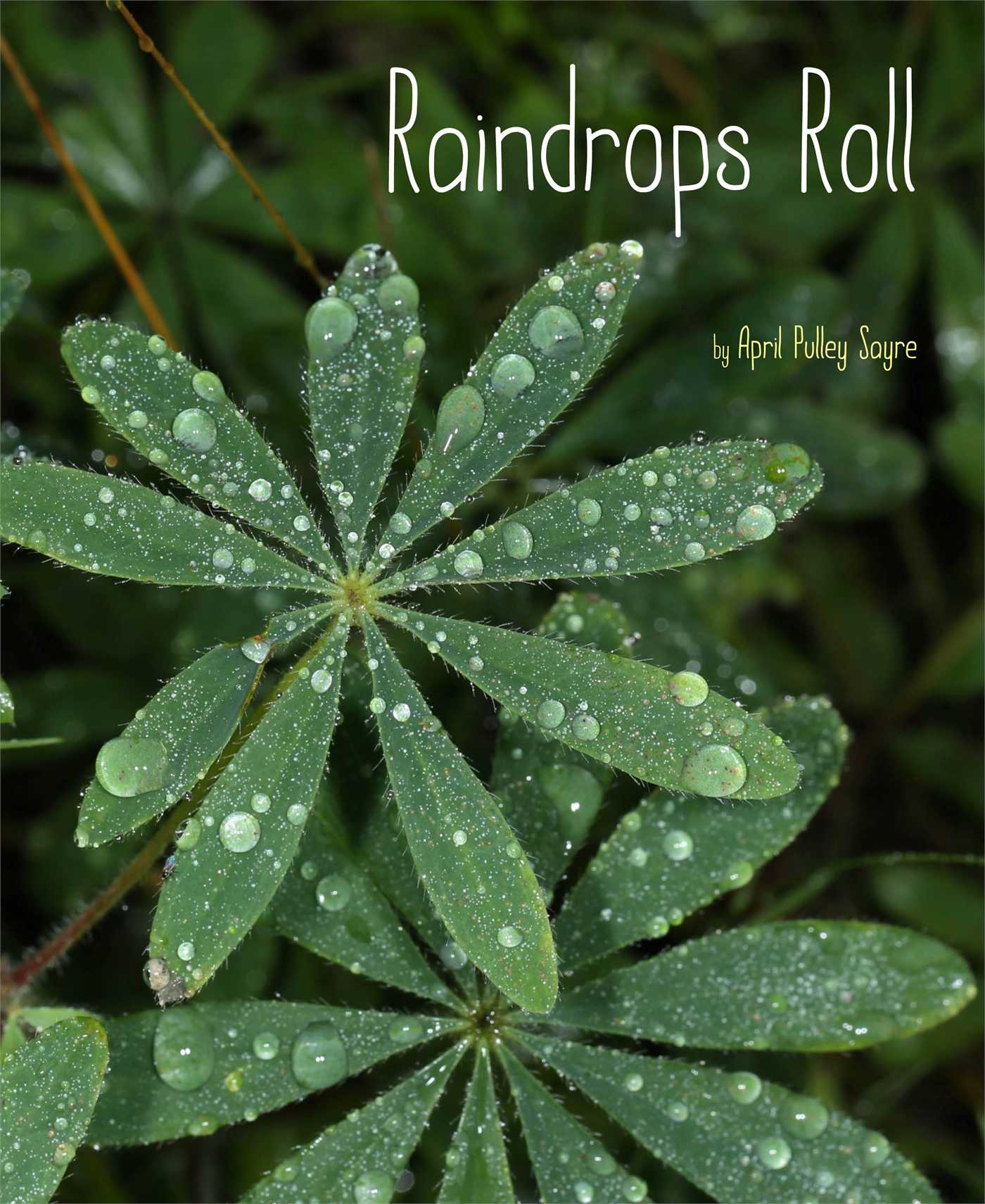
Raindrops Roll by April Pulley Sayre (January 2015)

Raindrops Roll  Nonfiction Picture Book Dreaming: Spring 2015 There's a Book for That

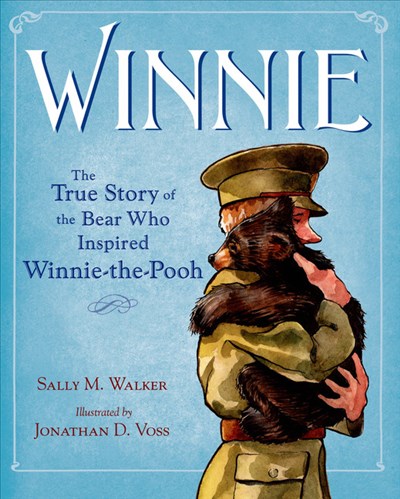
Winnie: The True Story of the Bear Who Inspired Winnie-the-Pooh written by Sally M. Walker and illustrated by Jonathan D. Voss (January 2015)

Winnie- The True Story of the Bear Who Inspired Winnie-the-Pooh  Nonfiction Picture Book Dreaming: Spring 2015 There's a Book for That

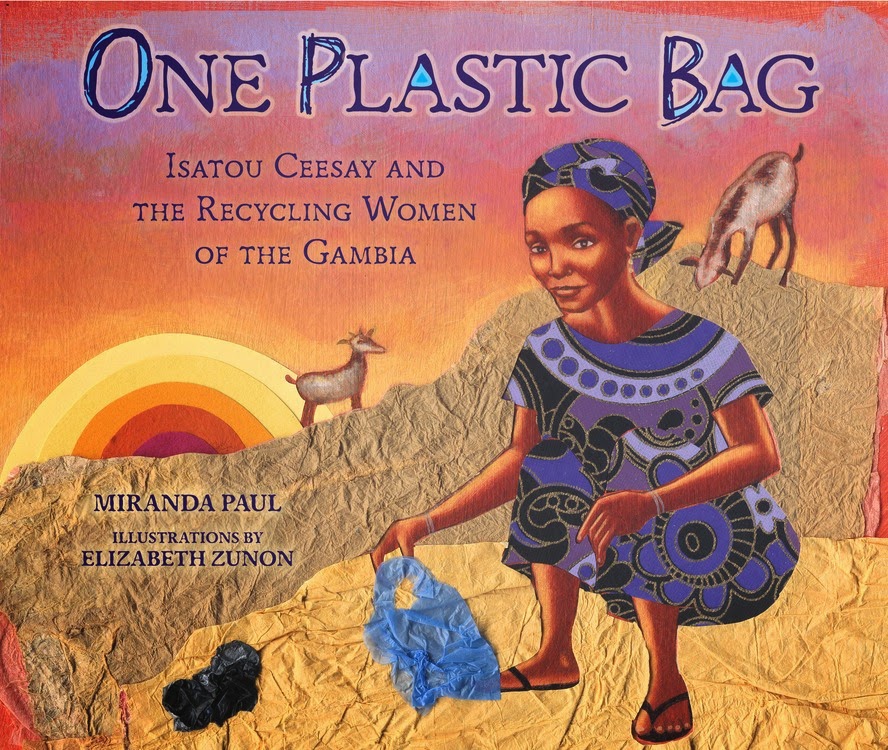
One Plastic Bag: Isatou Ceesay and the Recycling Women of the Gambia written by Miranda Paul and illustrated by Elizabeth Zunon (February 2015)

One Plastic Bag- Isatou Ceesay and the Recycling Women of the Gambia  Nonfiction Picture Book Dreaming: Spring 2015 There's a Book for That

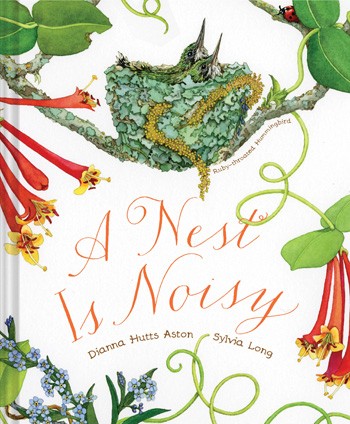
A Nest Is Noisy by Dianna Hutts Aston and Sylvia Long (March 2015)

Nest is Noisy  Nonfiction Picture Book Dreaming: Spring 2015 There's a Book for That

Wandering Whale Sharks by Susumu Shingu (March 2015)

Wandering Whale Sharks  Nonfiction Picture Book Dreaming: Spring 2015 There's a Book for That

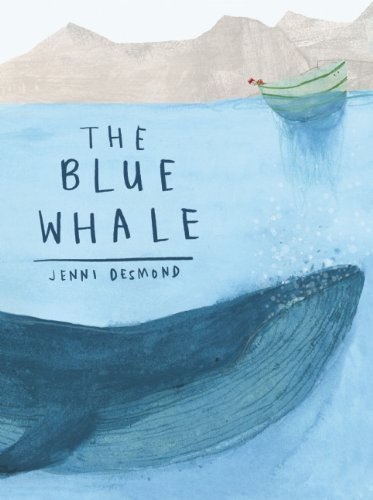
The Blue Whale by Jenni Desmond (April 2015) 

The Blue Whale  Nonfiction Picture Book Dreaming: Spring 2015 There's a Book for That

Trapped! A Whale’s Rescue written by Robert Burleigh and illustrated by Wendell Minor (April 2015)

Trapped! A Whale's Rescue  Nonfiction Picture Book Dreaming: Spring 2015 There's a Book for That

Water Is Water: A Book About the Water Cycle written by Miranda Paul and illustrated by Jason Chin (May 2015)

Water Is Water- A Book About the Water Cycle  Nonfiction Picture Book Dreaming: Spring 2015 There's a Book for That

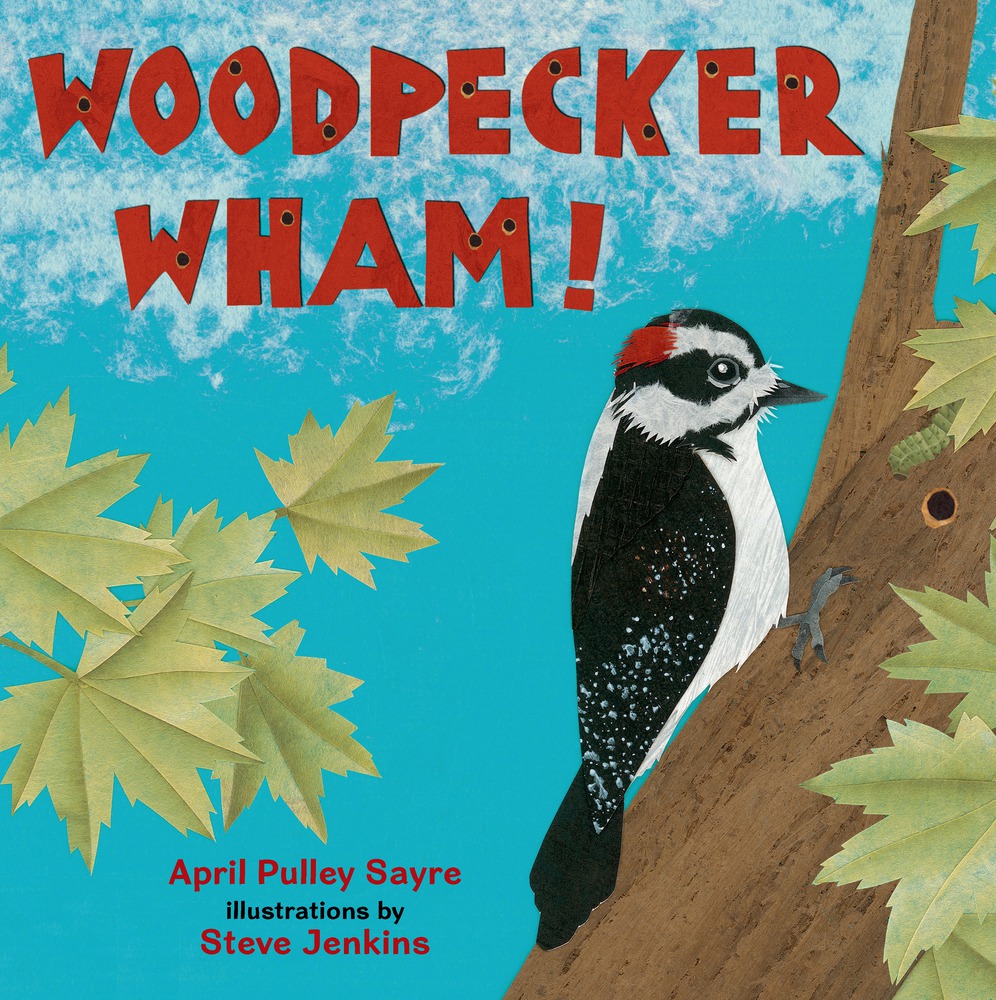
Woodpecker Wham! written by April Pulley Sayre and illustrated by Steve Jenkins  (May 2015)

Woodpecker Wham!  Nonfiction Picture Book Dreaming: Spring 2015 There's a Book for That

Thanks to Alyson from Kid Lit Frenzy for the inspiration to read and share more nonfiction picture books in 2015. Follow the link to Alyson’s blog to read about more nonfiction books you need to read!

#nfpb2015

Nonfiction Picture Book Wednesday: Sharing Resources

Last week I had the opportunity to travel to Port Hardy and participate in School District 85’s Professional Development Day. I gave a nonfiction workshop (twice) during the day all about using and celebrating more nonfiction picture books in our classrooms. One of the points that I made was that if we want to be highlighting more nonfiction picture books we have to ask ourselves the simple question: How? How are we going to do this? One of the ways is to know our books – in effect: Start with ourselves.

I put together some resources that I posted on my blog to help people do just that. I am now sharing here. 🙂

If you have ideas about additions to these lists, please share in the comments!

Nonfiction Resources

A list of posts, blogs, awards and Pinterest boards that will provide numerous ideas about what books and how to use them.

Nonfiction Picture Book Wednesday: Sharing Resources

Nonfiction Picture Books for Reading Aloud

Thinking purely of read alouds – used to inspire questions, wonder and learning, here are some of my favourites by theme. It’s a list I hope to regularly update. Geared for the K-4 classroom.

Born in the Wild Nonfiction Picture Book Wednesday: Sharing Resources

Read Alones: Fantastic nonfiction titles for primary students

“Read Alones” are accessible nonfiction titles ideal for primary students and beginning readers to read on their own.

Nonfiction Picture Book Wednesday: Sharing Resources

I feel so fortunate to be part of this nonfiction book community that regularly shares what we are reading and how we are using nonfiction picture books with students.  Thank you to Alyson Beecher and all of the bloggers who regularly share!

Thanks to Alyson from Kid Lit Frenzy for the inspiration to read and share more nonfiction picture books in 2015. Follow the link to Alyson’s blog to read about more nonfiction books you need to read!

#nfpb2015

Nonfiction Picture Book Wednesday: A celebration of nonfiction enthusiasm

I am reading nonfiction titles. I will share some new titles soon. Promise. But, this week I just have to highlight some more of the book love being celebrated in my room for nonfiction reading!

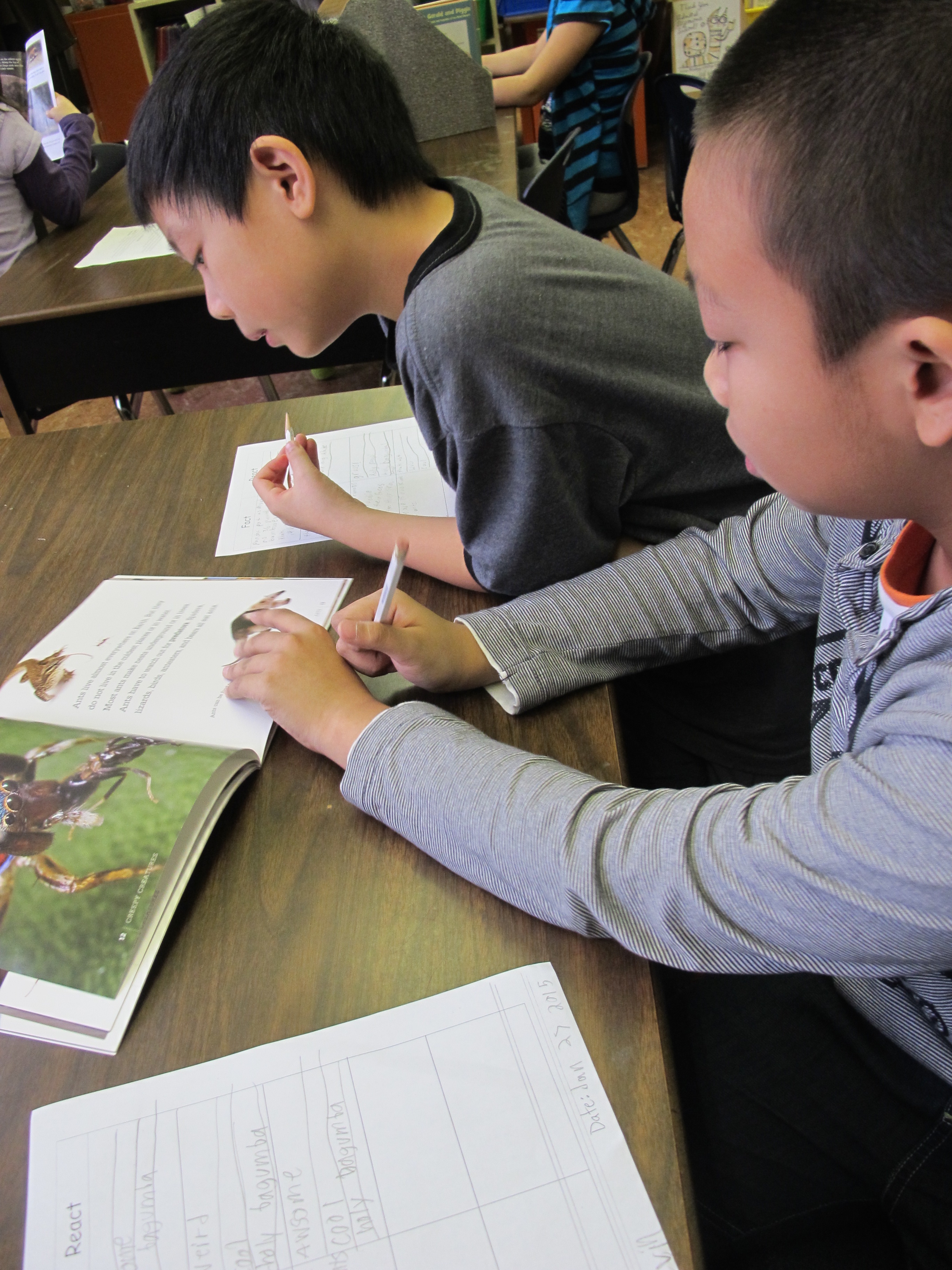
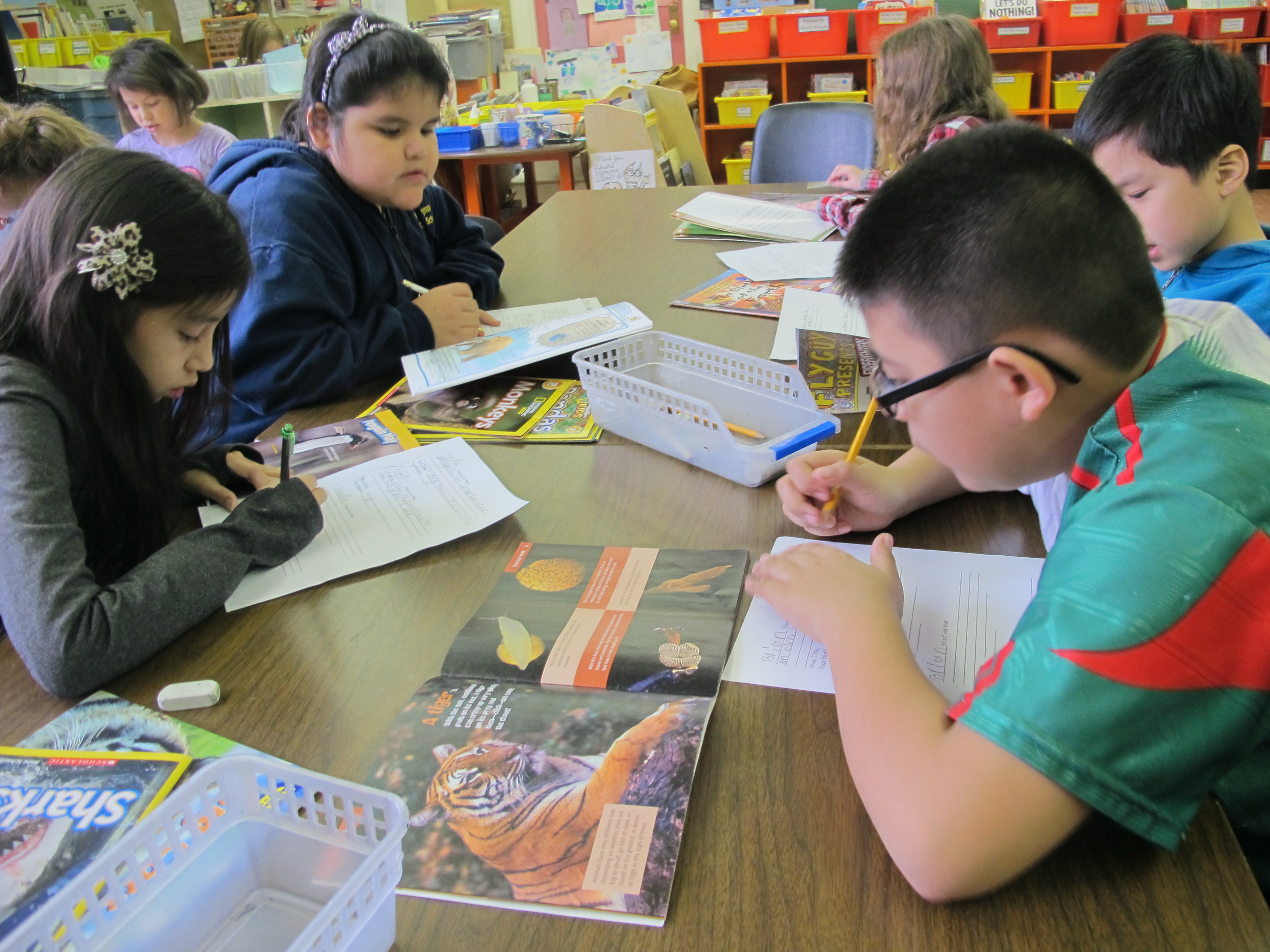
Every January, we implement Nonfiction Reading Day as part of Reading Workshop. Of course, students can and do read nonfiction throughout the week but Tuesdays are the day we do more nonfiction book talks, share a variety of responses to nonfiction text, teach about the features and most importantly, provide lots of time to read nonfiction titles. It is noisy. The room buzzes with learning and chatter. Lots of sharing. Lots of wondering. Lots of reading more to find out more.

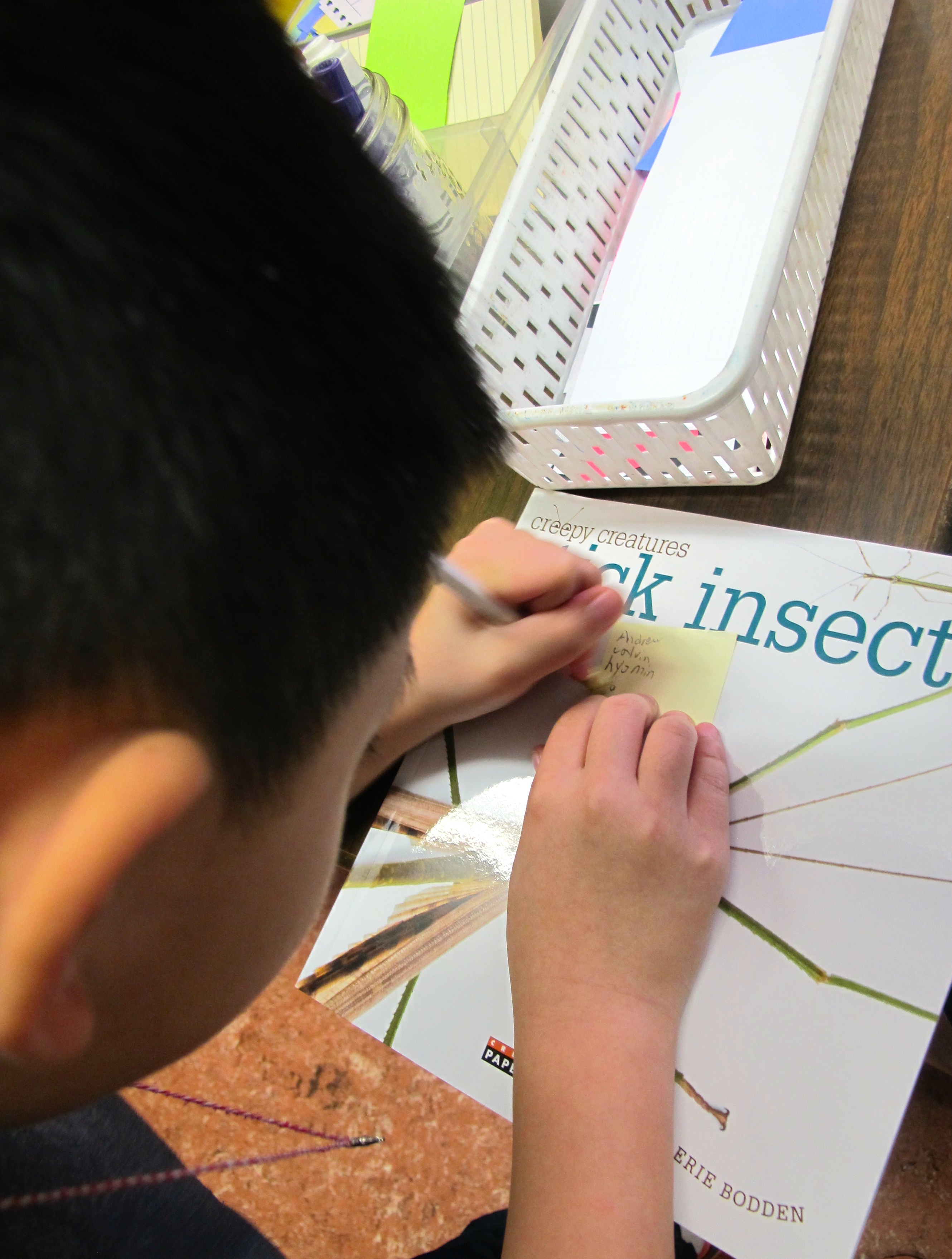
Many books I book talk need the “sticky note list” for who gets to read it next. This book about stick insects was passed on quickly today as the first reader was so offended by a photograph of a bird eating a stick insect that she passed it off to other interested readers and went and talked to the stick bugs in our cage, consoling them and murmuring proof of their safety in the tank! Then, she found a fact book and settled into reading.

Nonfiction Picture Book Wednesday: A celebration of nonfiction enthusiasm

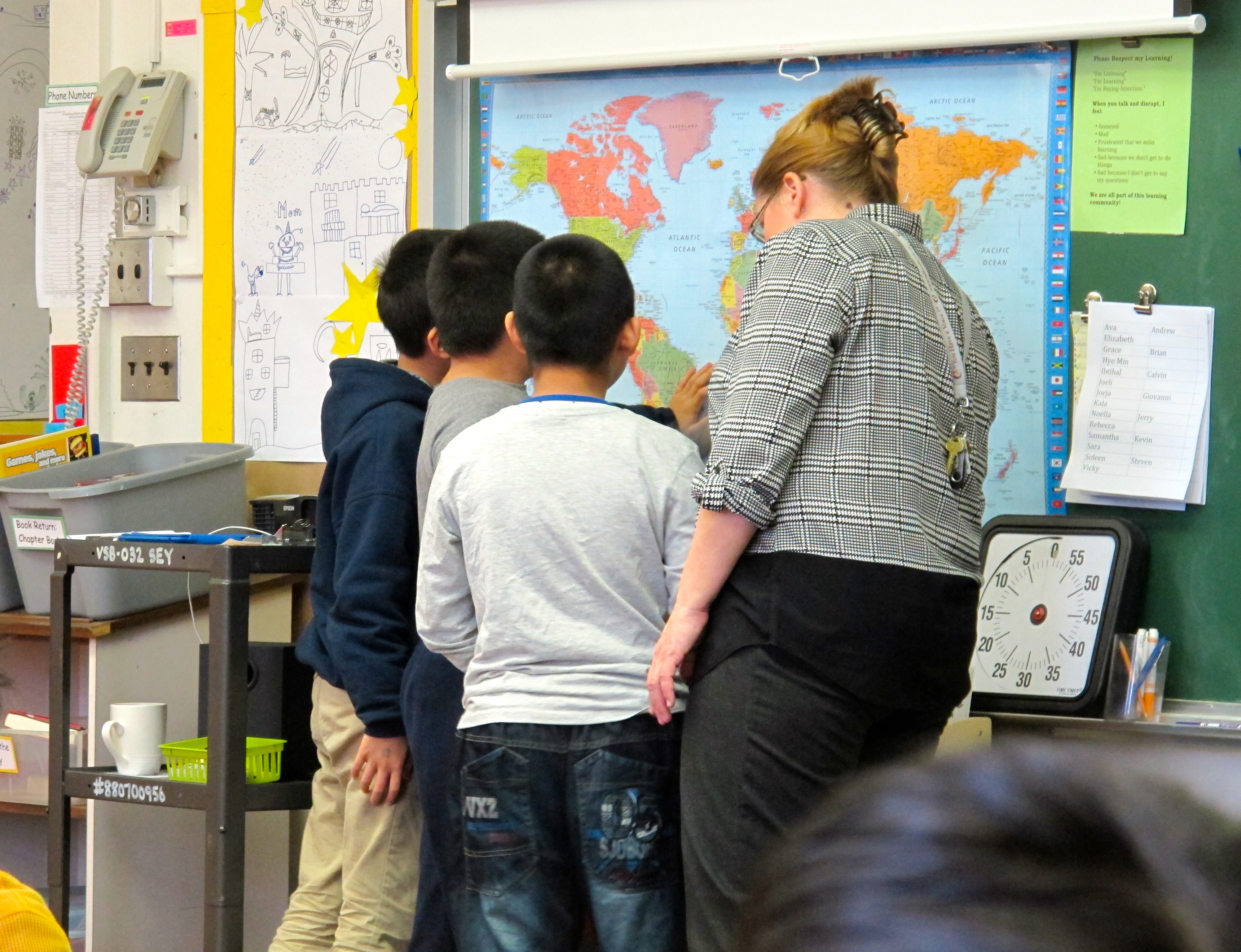
I love that nonfiction reading often means leaping up to search for places on the map!

Nonfiction Picture Book Wednesday: A celebration of nonfiction enthusiasm

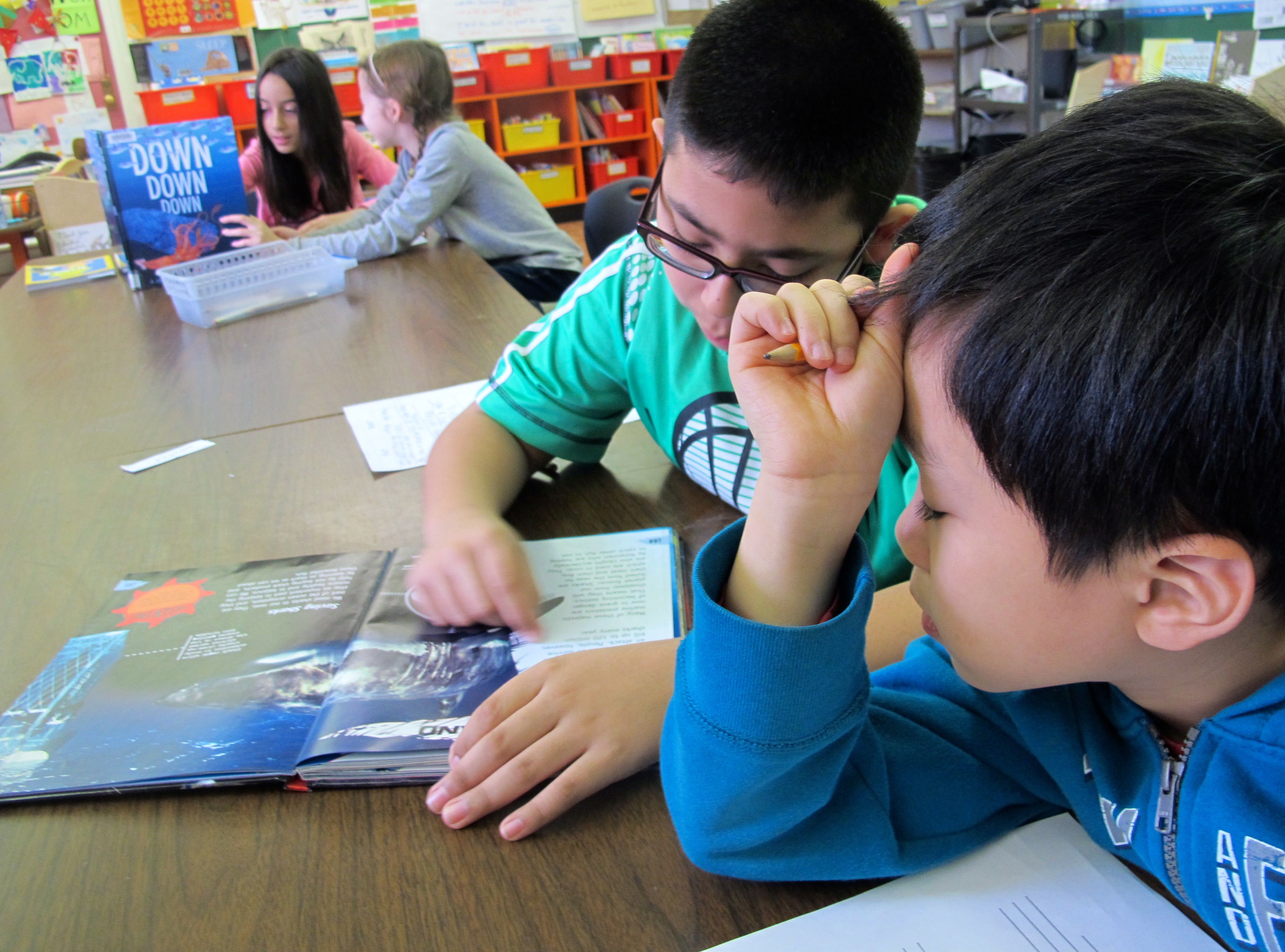
Nonfiction reading lends itself to discussion and sharing. Yes, there is lots of talk. But it is purposeful talk. On topic talk. Teaching talk.

Nonfiction Picture Book Wednesday: A celebration of nonfiction enthusiasm

I often observe rereading happening between students. “Listen to this.” “Hold on, let me read that again? “Do you think that means . . . ?” “Well it also says . . .”

Nonfiction Picture Book Wednesday: A celebration of nonfiction enthusiasm

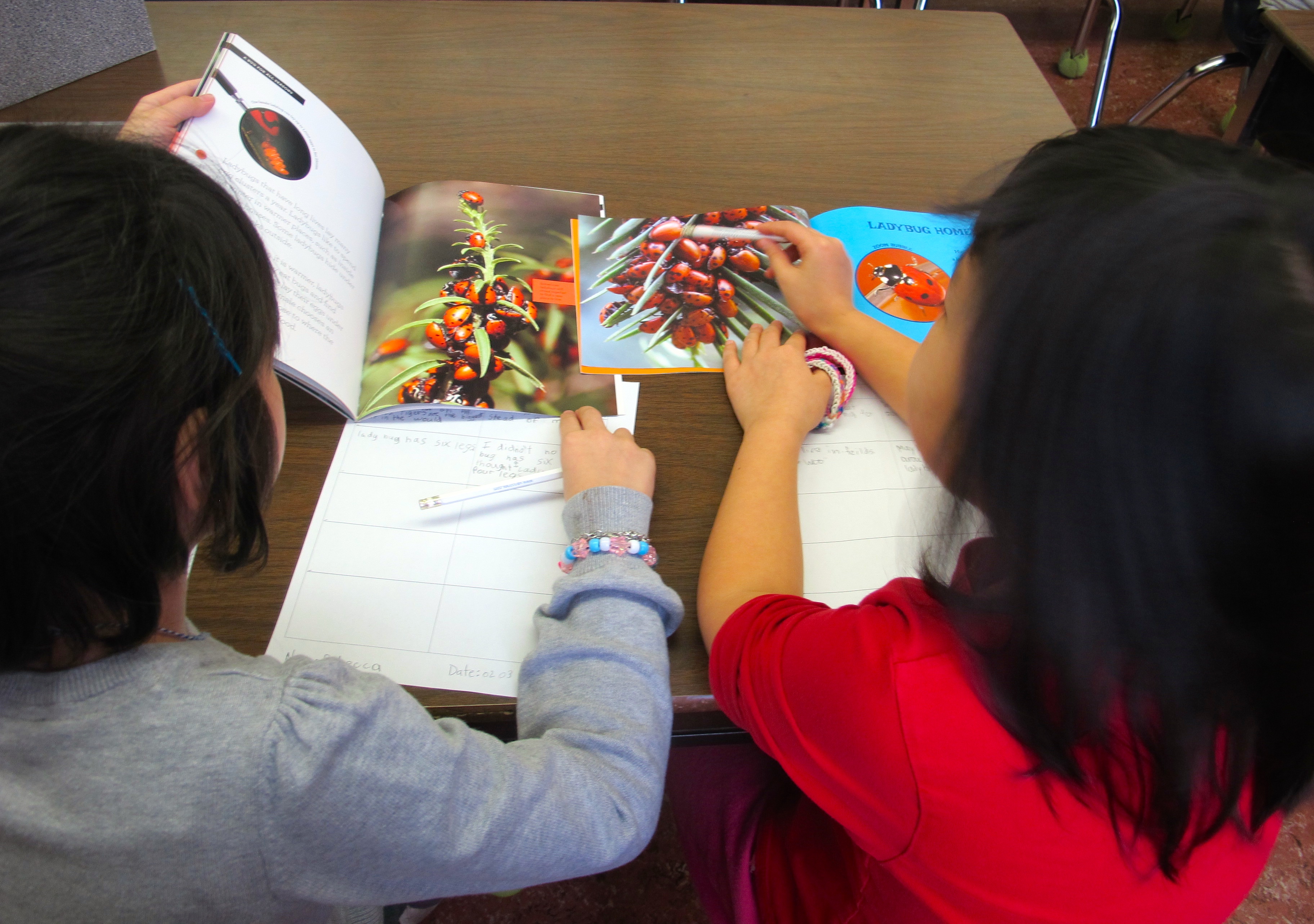
I am also noticing students choosing a few books on the same topic and reading to confirm and verify what they are learning between texts.

Nonfiction Picture Book Wednesday: A celebration of nonfiction enthusiasm

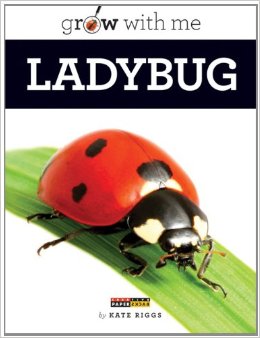
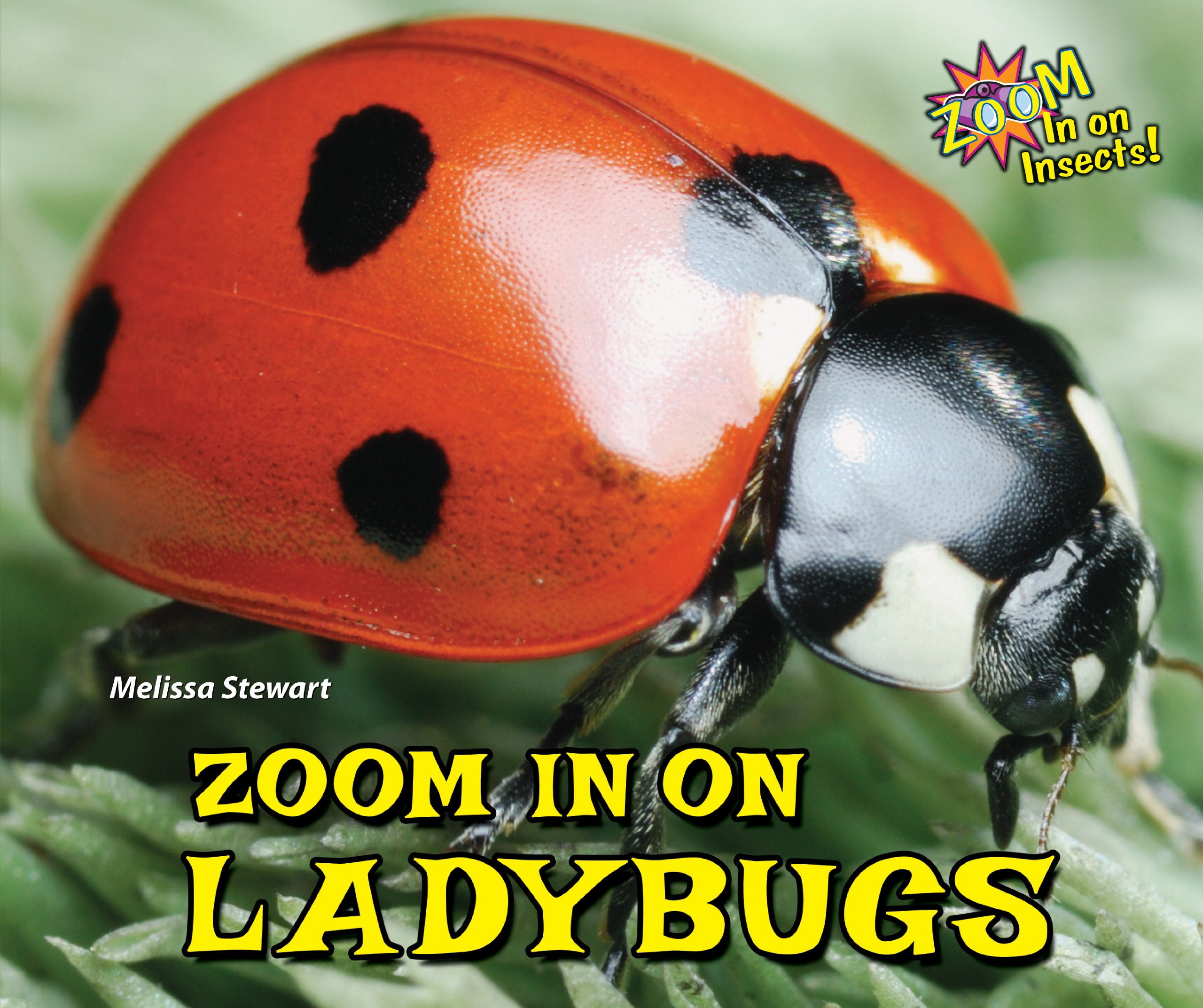
These girls (above) are reading Grow with Me Ladybug by Kate Riggs and Zoom in on Ladybugs by Melissa Stewart

grow with me ladybug Zoom in on  Lady bugs

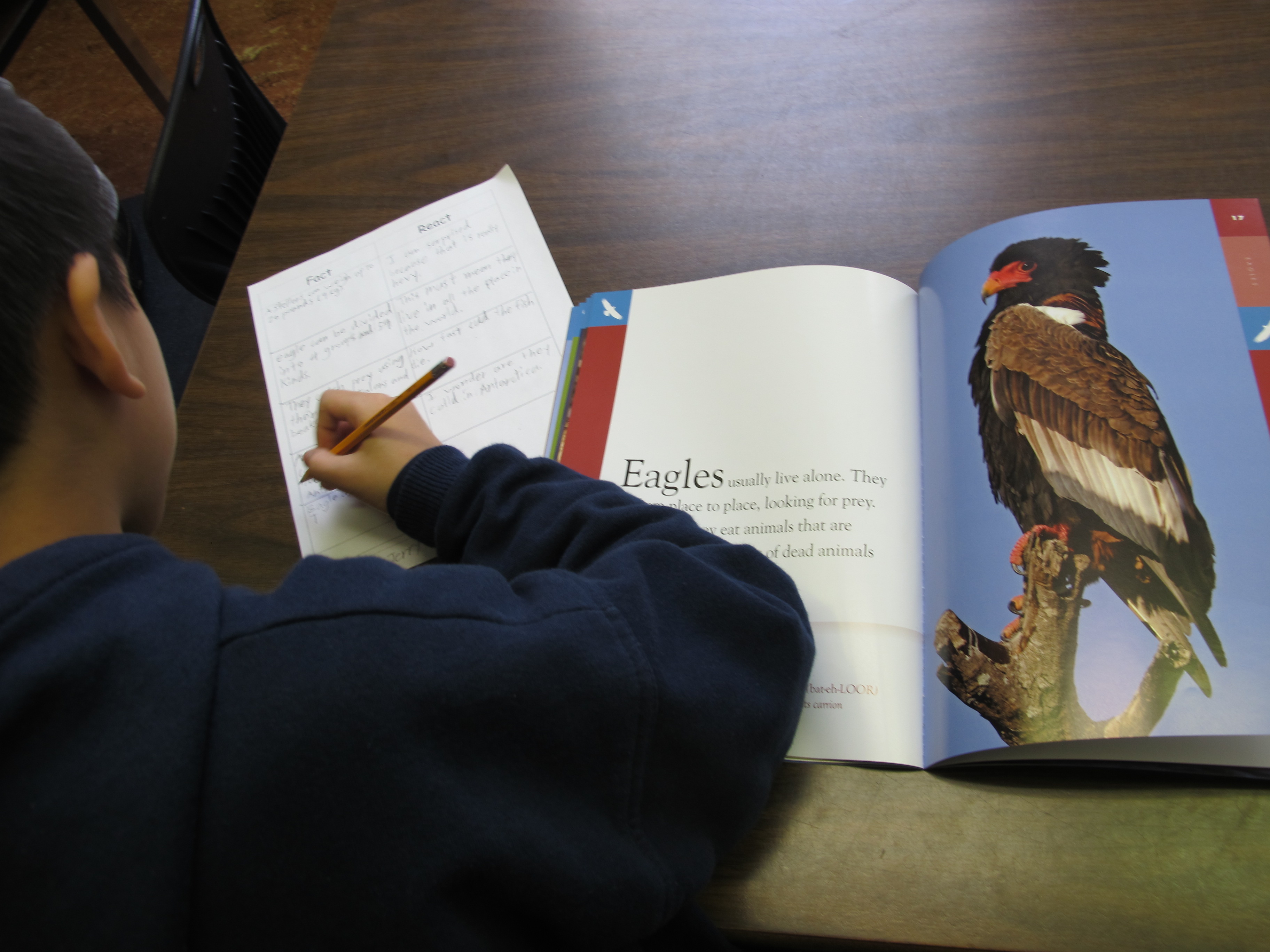
Important thinking happens as students include their thinking on Fact/React sheets (thanks to Adrienne Gear for the inspiration for this BLM) We are working to “react” in various ways: Does the fact inspire a question or a wonder? Confirm something we already knew a bit about? Confuse us? Connect to something we have experienced? Make us have a physical or emotional reaction? Lots of thinking is being shared

Nonfiction Picture Book Wednesday: A celebration of nonfiction enthusiasm

Students are loving our focus on nonfiction. One little reader remarked last Tuesday, “I wish everyday could be nonfiction day!” “It can,” I pointed out. “Oh yeah!” she said. “I’m going to read more of this book tomorrow!”

Nonfiction Picture Book Wednesday: A celebration of nonfiction enthusiasm

Thanks to Alyson from Kid Lit Frenzy for the inspiration to read and share more nonfiction picture books in 2015. Follow the link to Alyson’s blog to read about more nonfiction books you need to read!

#nfpb2015

Nonfiction Picture Book Wednesday: constant danger, hazardous journey and 69 dogs

Tomorrow is Wednesday and I have been reading lots of nonfiction. My students have been reading lots of nonfiction. I have so much to share.

But . . . I am really busy and have many other things I should be doing.

To blog or not to blog . . . ?

I can’t resist!

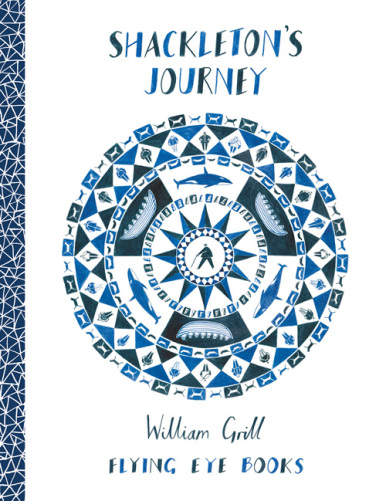
I am reading my class the incredible Shackleton’s Journey by William Grill, a stunning Flying Eye book published in 2014. I really debated about whether my class could manage a longer nonfiction read aloud but then decided if any book was going to hold their attention, it would be this one. Such a story of adventure, misadventure, perseverance and survival. This book is full of so many details to share with my students. We are going to be learning about exploration, polar landscapes, geography, history – all the while, being captured by one of the most incredible survival stories of our times.

Nonfiction Picture Book Wednesday: constant danger, hazardous journey and 69 dogs There's a Book for That

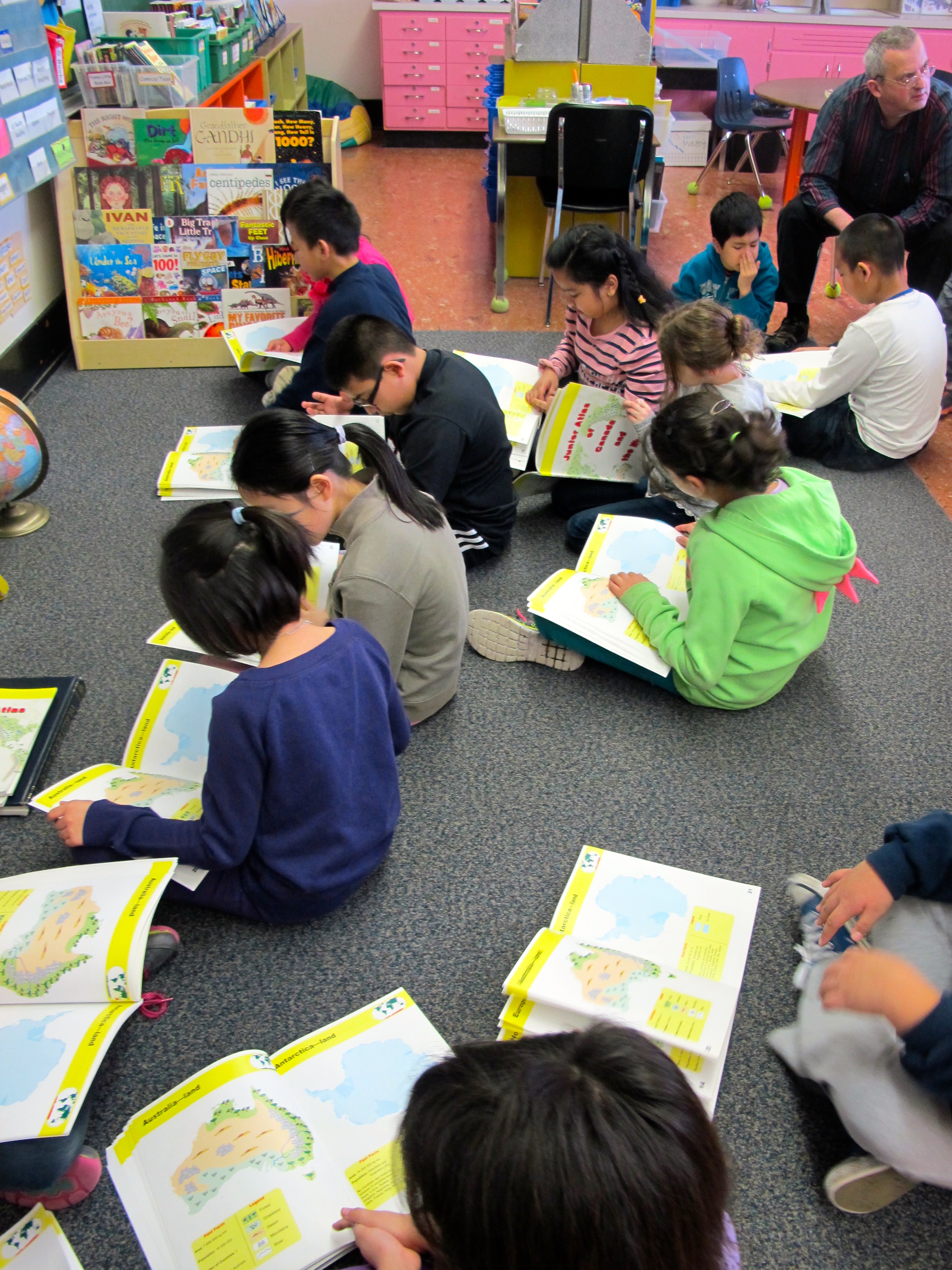
I decided to launch this title by having students explore the continent of Antartica in the atlas and on the globe and think about what it might be like to travel to the continent and over its landscape. We read Sophie Scott Goes South last year so many students remembered learning about ice breakers and watching videos about the frozen landscape.

Nonfiction Picture Book Wednesday: constant danger, hazardous journey and 69 dogs There's a Book for That

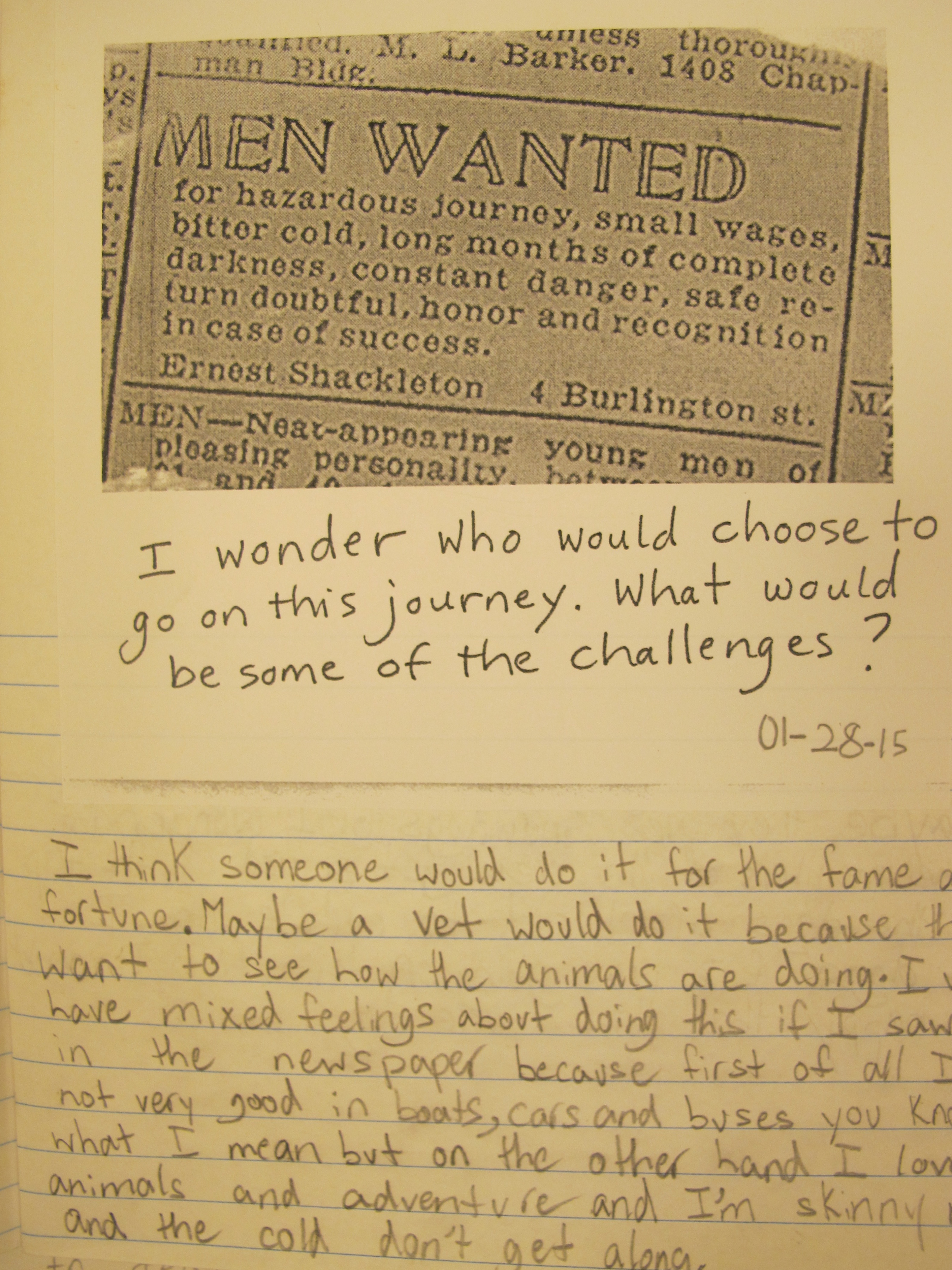
We did a writing exercise with a copy of Shackleton’s actual advertisement for men to sail with him on the Endurance. I gave this wonder statement as a prompt:

I wonder who would choose to go on this journey? What would be some of the challenges?

Nonfiction Picture Book Wednesday: constant danger, hazardous journey and 69 dogs There's a Book for That

Students shared some fantastic responses:

“I think someone would do it for the fame and fortune. Maybe a vet would do it because they want to see how the animals are doing. I would have mixed feelings about doing this if I saw this in the newspaper because first of all I’m not very good in boats, cars and buses – you know what I mean but on the other hand I love animals and adventure. And I’m skinny – me and the cold don’t get along.” (above)

“I would choose my Mom’s Aunt because once she survived a hurricane by swimming because she’s a good swimmer. I think the hardest thing to be is to fall down because even if you’re a good swimmer, you will freeze to death.”

“I don’t want me or my family going on that journey because I love them and they would probably be gone forever. They should let the girls join because girls and boys aren’t that different. Maybe girls would want to go too. The hardest thing would be the risk taking. You should think about your family if you have one.”

“I think that the people who have dreams will do it. I would do it only if I was 49. I think that the challenges are risk taking, braveness and special equipments. I think that girls at back in time didn’t feel like going. They might get sick easily. But a lot of men take risks? Shackleton is the bravest man I ever heard of!”

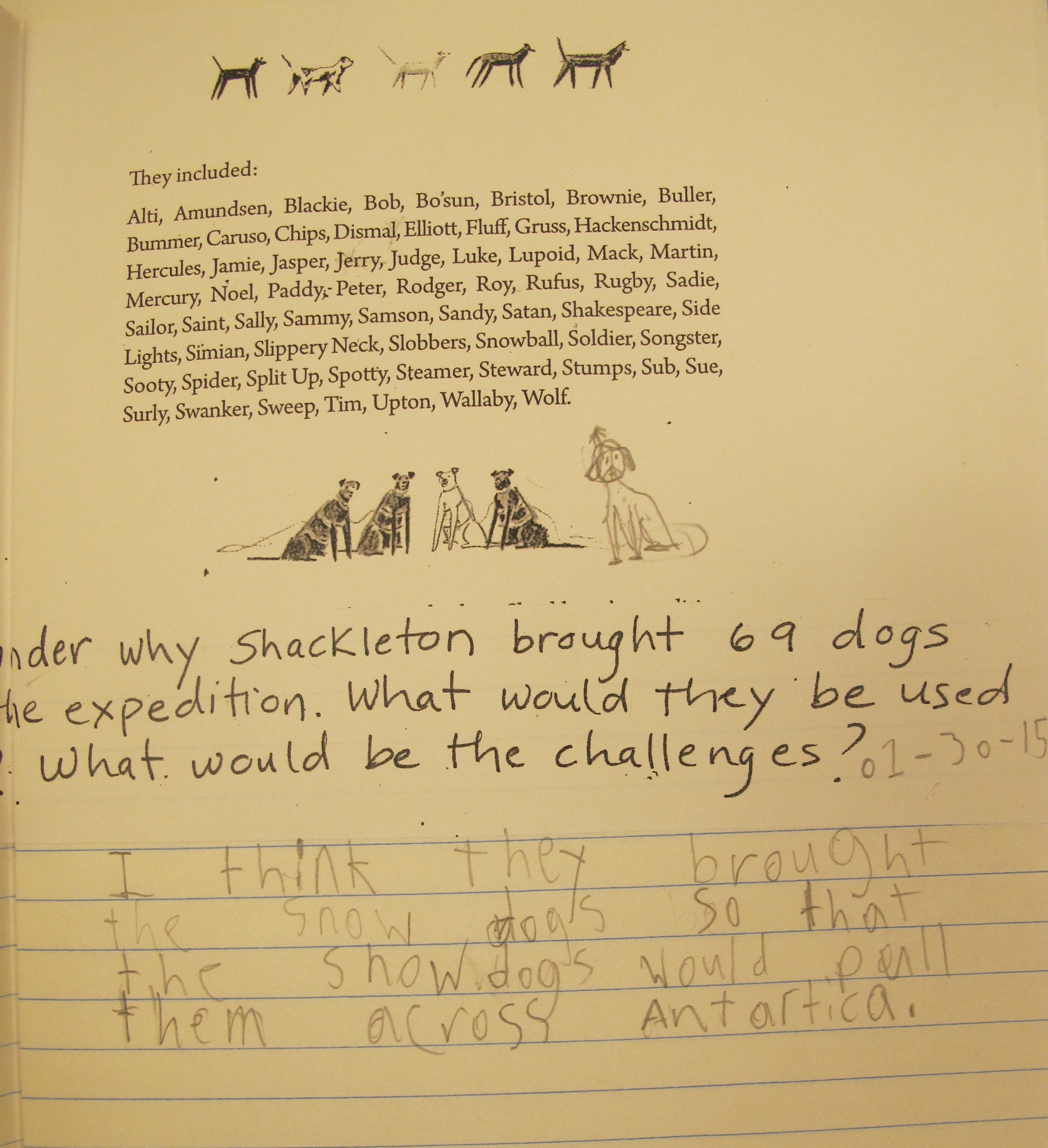
After reading a few pages about recruiting men and raising funds, it was all about the dogs! 69 dogs were brought on board as part of the expedition. Each of their names is listed. I had to read the list aloud multiple times. “Do it again,” I would be prompted. 🙂 I then had to make a copy of the list for the students. We used this as another writing prompt.

I wonder why Shackleton brought 69 dogs on the expedition. What would be the challenges?

Nonfiction Picture Book Wednesday: constant danger, hazardous journey and 69 dogs There's a Book for That

Loved their thoughts on this!

“So if the crew gets lost the dogs could smell their way back. Because dogs have a great sense of smell. Or if there is some blind people – you never know. Probably some challenges are like the dogs might be smelling lots of cool stuff and wanting to explore it.”

“The challenge would be that they will have to figure out how they are going to let the dogs do their business. How will they feed all 69 dogs? And you wouldn’t like to see 69 angry dogs. How will the crew and the dogs all get water because they can’t just drink from the water because it;s salt water and trust me salt water is not good for you. Where will they put all the food, because there’s 69 dogs and 26 people counting the expedition leader and the stowaway.”

“I think they use the dogs for looking for food. Or maybe looking for trouble. I wonder why they bring more dogs than people. I wonder what kind of dog food they bring. Maybe they use them to go on a quest. My favourite dog is Jerry (my name!)”

“Maybe they are snowdogs or I wonder if some members of the crew get scared of the trip so the dogs are hired to cuddle them. I love dogs. If I was going on this trip, I would be happy that there were dogs around.”

“Maybe to use as snow dogs and 69 because humans are very heavy to dogs. Or for their safety? But the problem is what if they get lost or run away. And if he is so poor, how can he buy boots and coats for all the men.”

“I think they need them for warning so they won’t crash. I think they need them because they are tough. Is their enough room on the boat?”

“I wonder why they bring more dogs than people. The challenge are the dogs poo and need to eat and drink. I think they bring the dogs because they can smell stuff. It he doesn’t have enough money from the funding, he can’t buy enough food for the dogs and all the equipment. If he goes across Antarctica, it will be very risk taking.”

We are just pages in and the children are absolutely hooked. We have pages and pages ahead and I can’t wait for all of the learning, thinking, writing and discussions to come with this beautiful book.

Thanks to Alyson from Kid Lit Frenzy for the inspiration to read and share more nonfiction picture books in 2015. Follow the link to Alyson’s blog to read about more nonfiction books you need to read!

#nfpb2015

Nonfiction Picture Book Wednesday: What nonfiction title do you want to read next & why?

This week, instead of profiling any of my recent nonfiction reading or highlighting a book, I decided to share the responses in my Grade 3/4 classroom when I asked this question:

“Look around our classroom library. What nonfiction title do you want to read next & why?”

This was a very useful exercise. In about 20 minutes, I learned a lot. Which books are popular? What topics are students interested in? How are book choices being made?

It also helped me to think about things like:

  • student purposes for reading
  • books to book talk
  • our nonfiction library (organization, display, etc.)
  • future book purchases
  • exposure to specific genres

There are many nonfiction titles in our classroom – both books that I read aloud and titles that the students choose to read independently that are kept in our nonfiction bins. These titles below were chosen from the bins.

Answers under each photo answer the question: What nonfiction title do you want to read next & why?

 Nonfiction Picture Book Wednesday: What nonfiction title do you want to read next & why? There's a Book for That

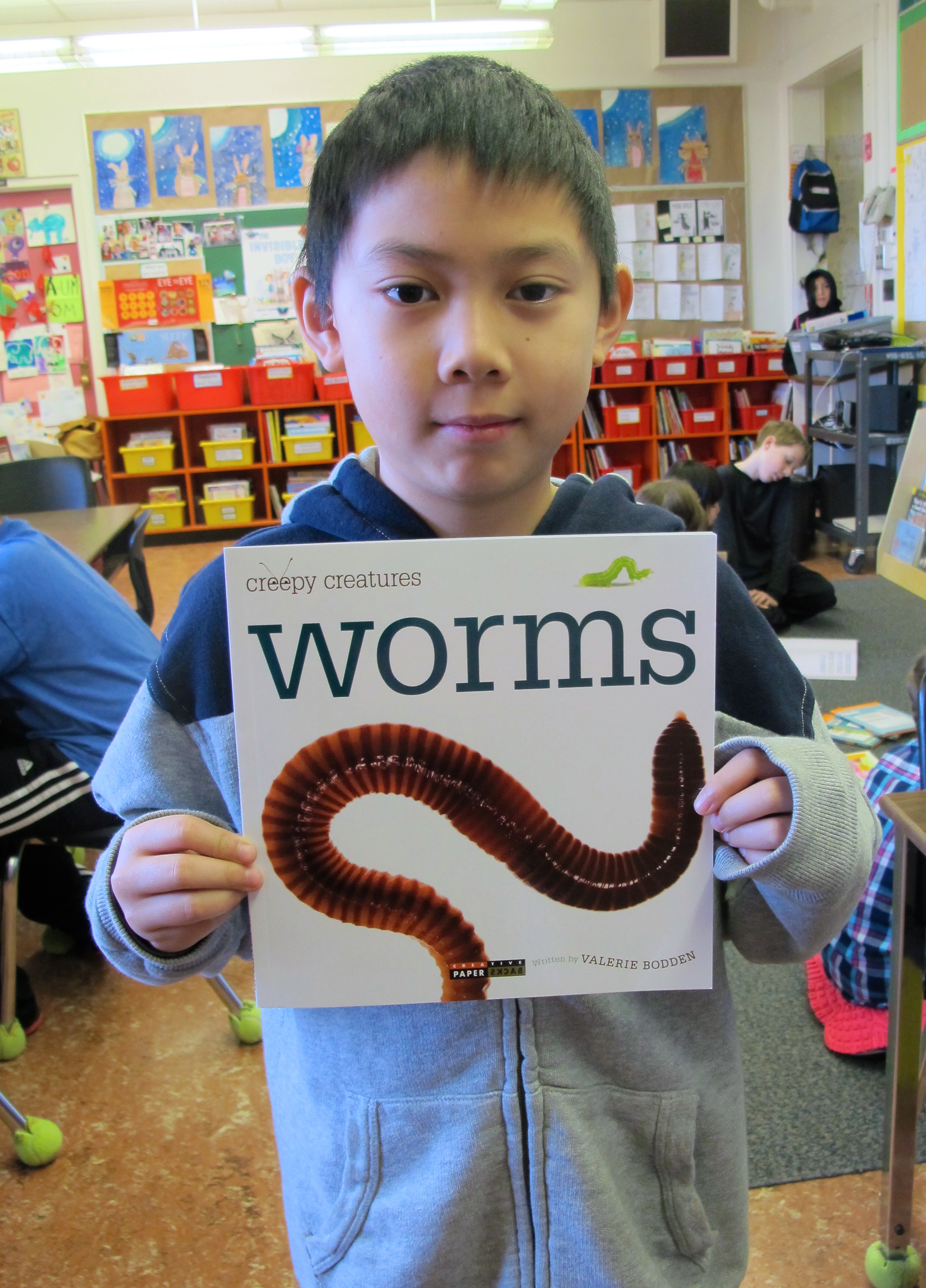
“I’ve read all of the books in this series. When you book talked this one today, I wanted to read it because I like all of these creepy creatures.”

 Nonfiction Picture Book Wednesday: What nonfiction title do you want to read next & why? There's a Book for That

“It looks interesting from the cover. I want to know more about which animals hibernate. I don’t think I know them all.”

 Nonfiction Picture Book Wednesday: What nonfiction title do you want to read next & why? There's a Book for That

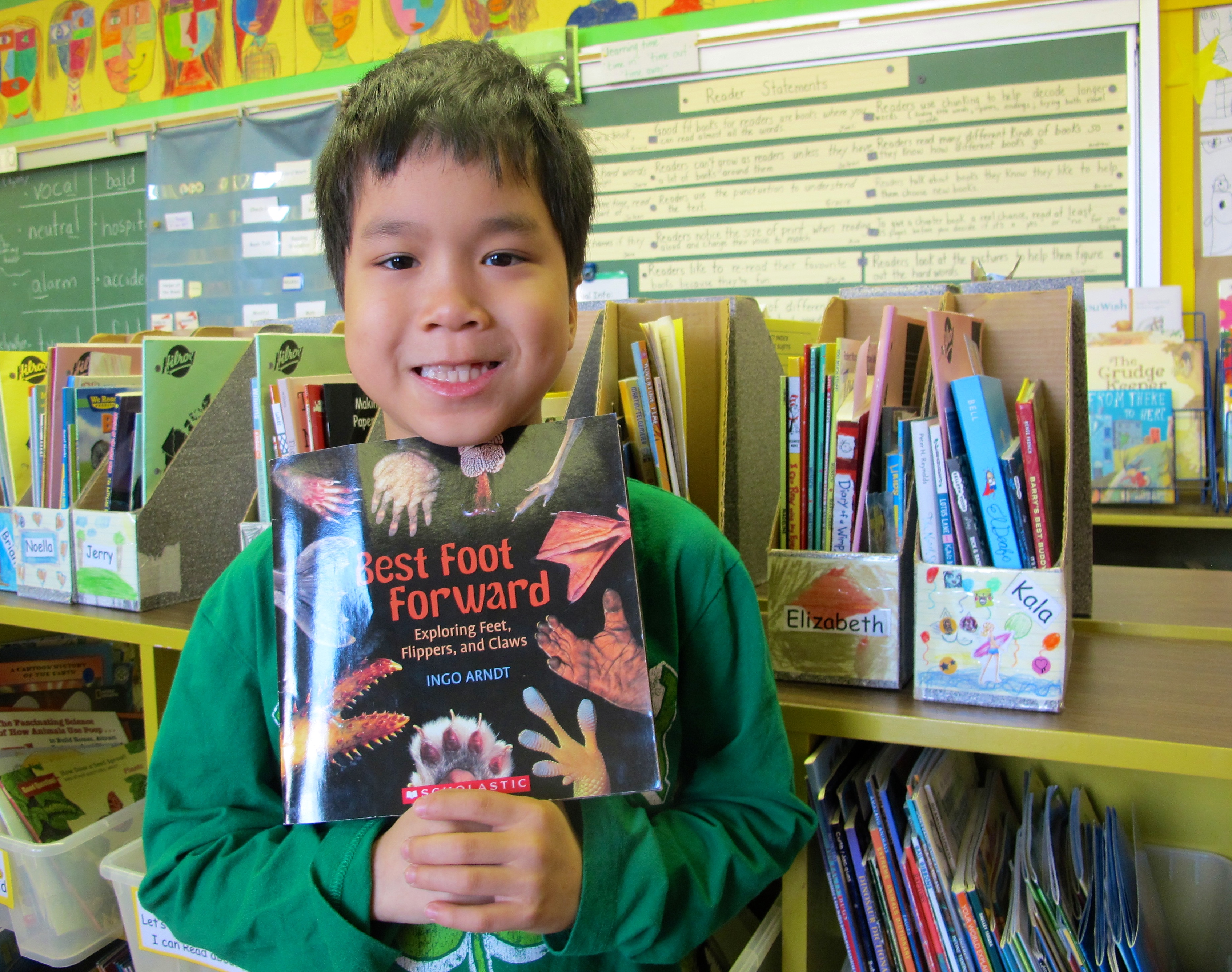
“I want to know what all of these feet are. I like the cover.”

 Nonfiction Picture Book Wednesday: What nonfiction title do you want to read next & why? There's a Book for That

“I like gorillas. They are really cute. And after we read about Ivan, I want to know more.”

 Nonfiction Picture Book Wednesday: What nonfiction title do you want to read next & why? There's a Book for That

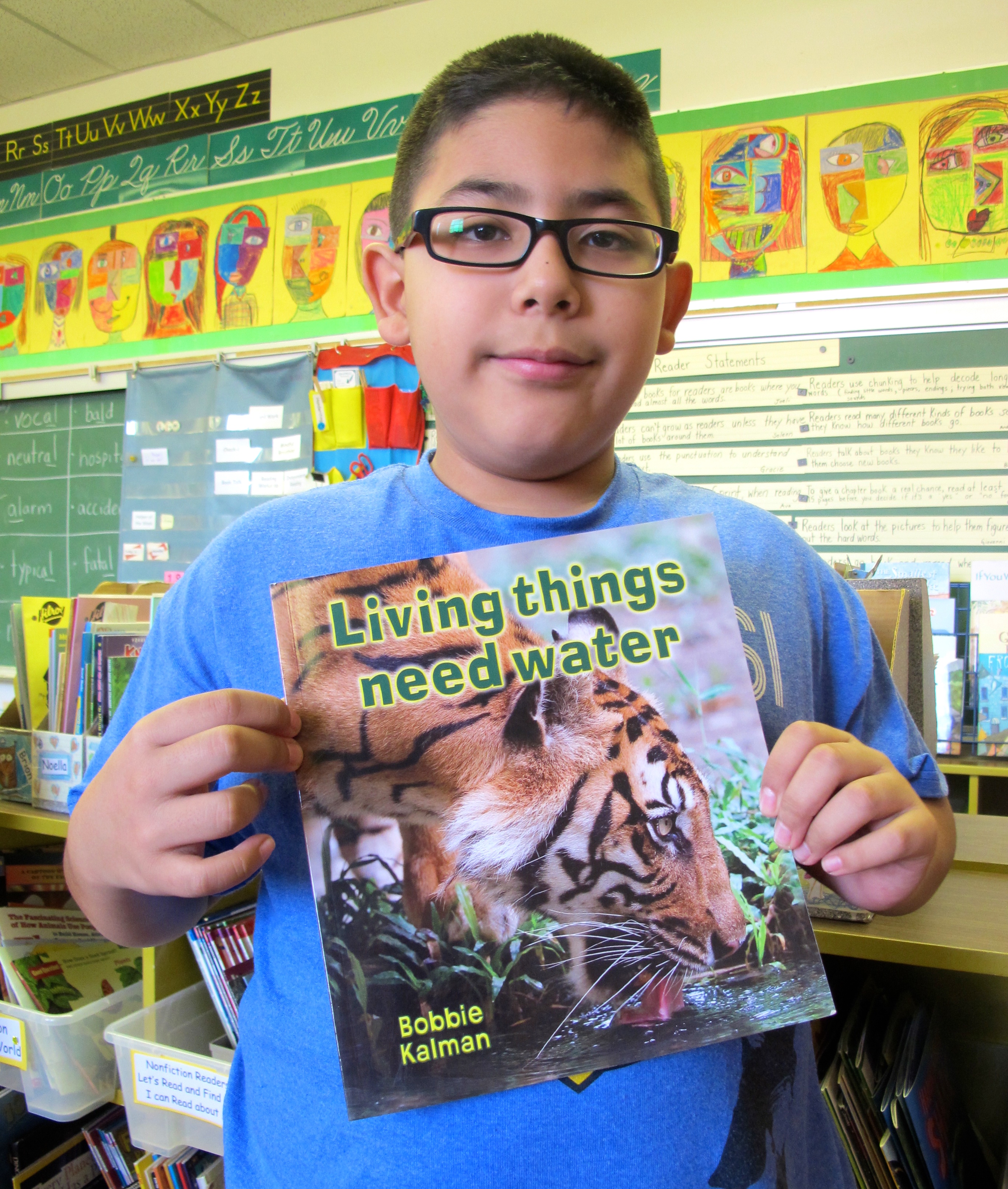
“I want to know more about how animals might get dehydrated and how to save animals. The cover has a really great close up photo.”

 Nonfiction Picture Book Wednesday: What nonfiction title do you want to read next & why? There's a Book for That

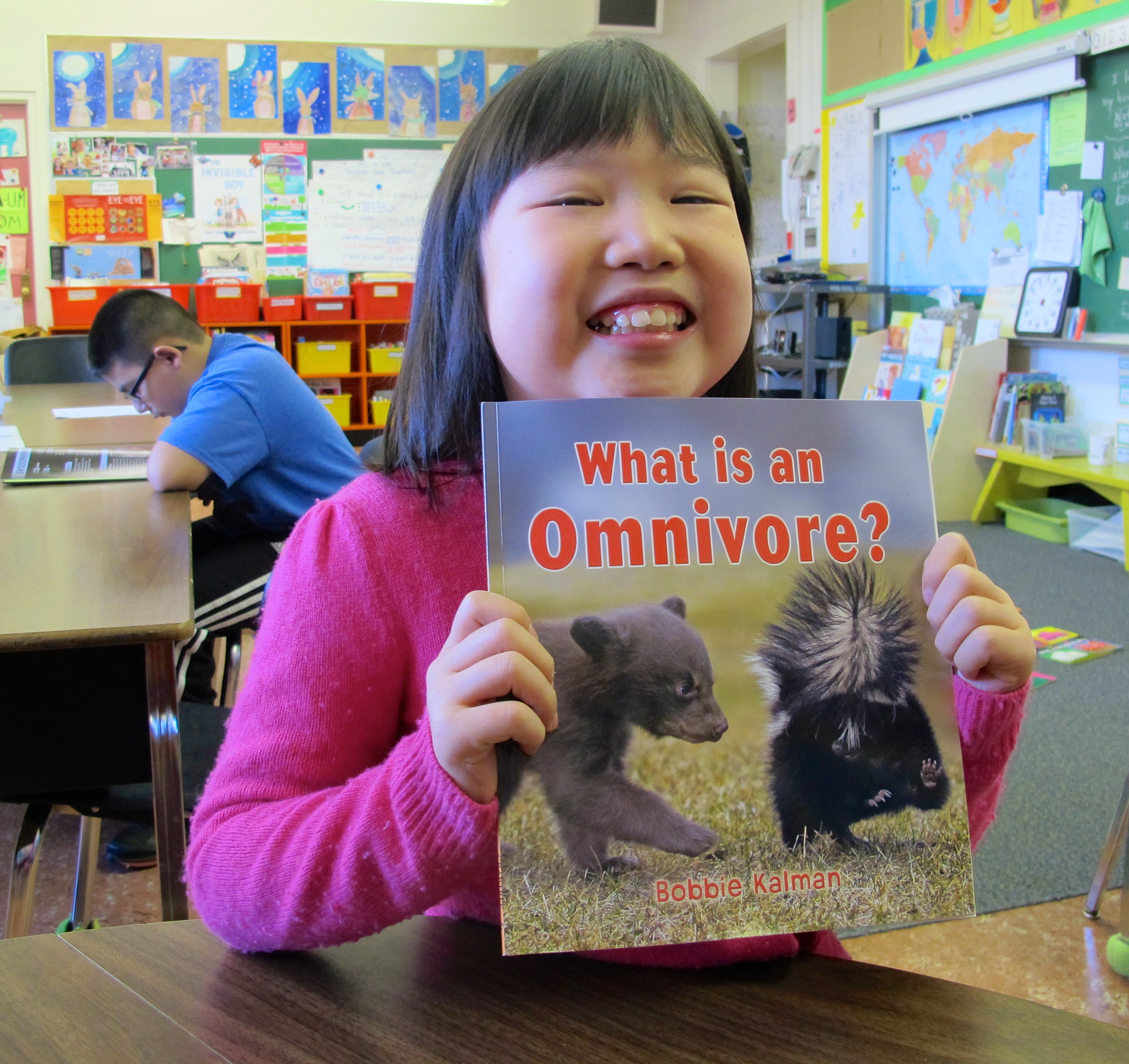
I like baby animals a lot. They’re so cute. I’ve read this series before. I like all of the photographs and that it tells me more about animals.”

 Nonfiction Picture Book Wednesday: What nonfiction title do you want to read next & why? There's a Book for That

 “I want to learn about dirt. The picture looks like it shows what’s inside of it.”

 Nonfiction Picture Book Wednesday: What nonfiction title do you want to read next & why? There's a Book for That

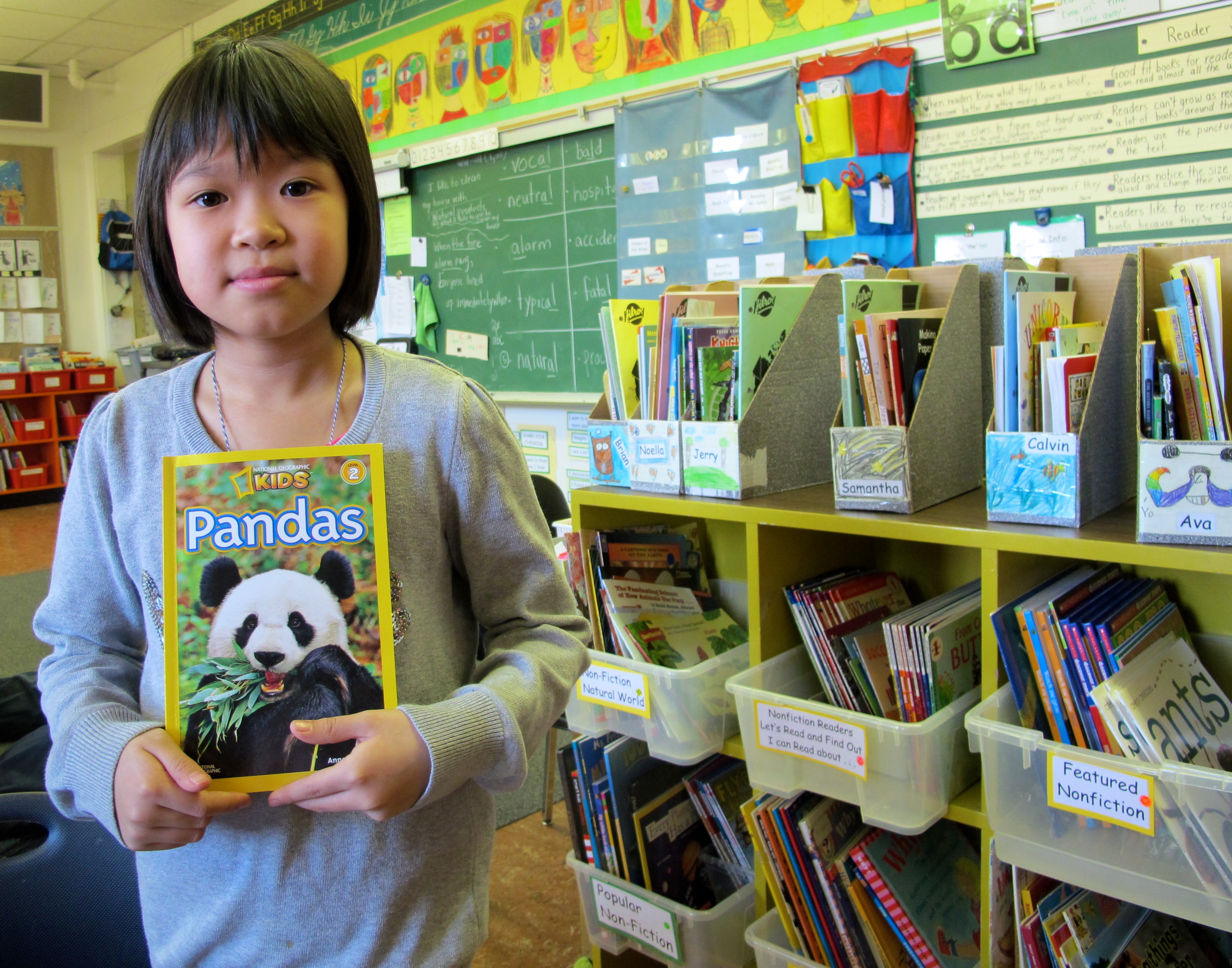
“I want to know more about pandas. I know this series and I like the photos.”

 Nonfiction Picture Book Wednesday: What nonfiction title do you want to read next & why? There's a Book for That

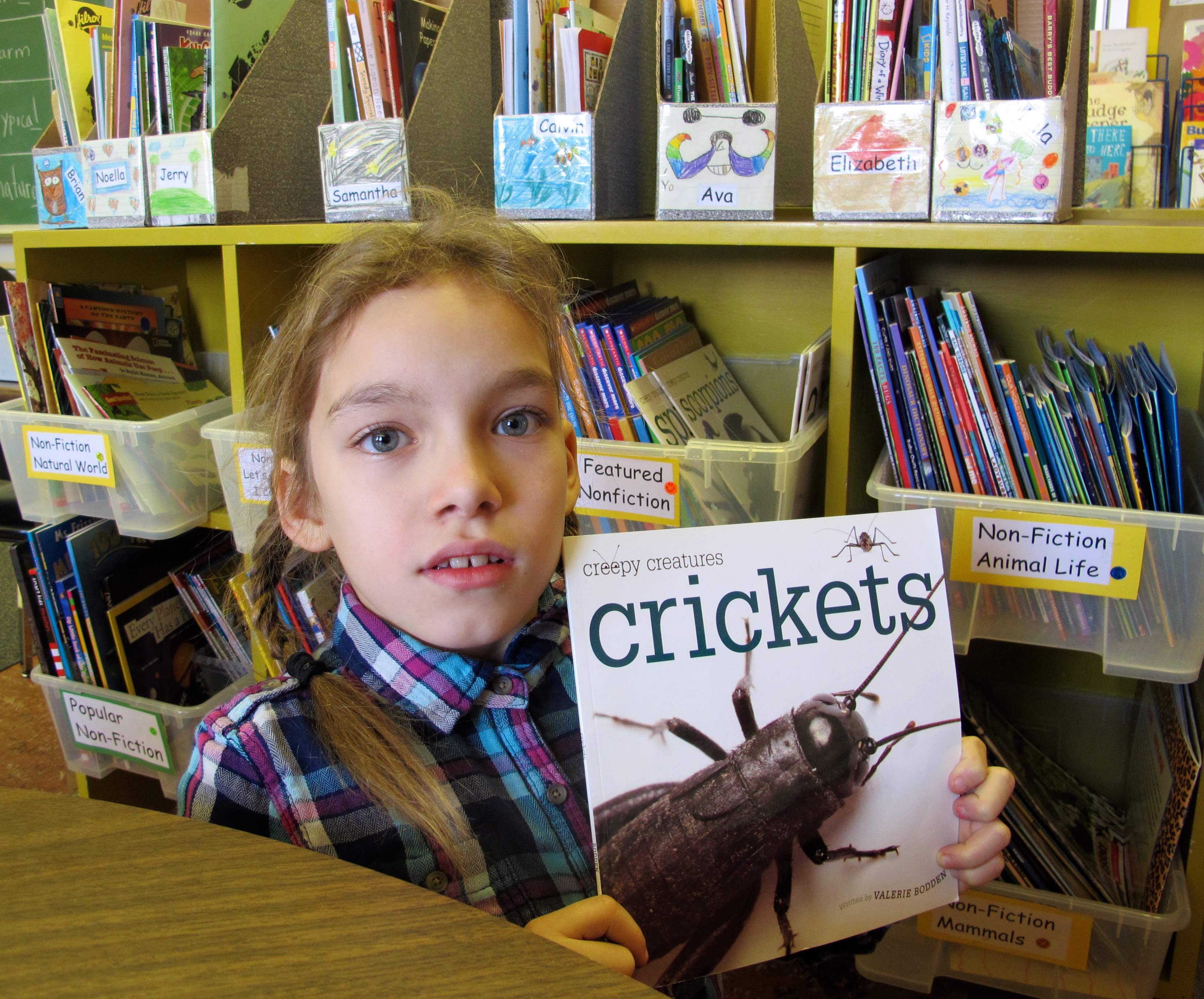
“Because I’m scared of crickets. If I read it, I’ll get used to crickets. I read this series before and I like it because it’s easy to read and it tells about the life cycle and stuff.”

 Nonfiction Picture Book Wednesday: What nonfiction title do you want to read next & why? There's a Book for That

I think it’s going to show lots of details about sharks. I know some things about a tiger shark already.”

Nonfiction Picture Book Wednesday: What nonfiction title do you want to read next & why? There's a Book for That

 “I love this series. I like reading about the animals that I don’t know lots of things about. Yet.” 

 Nonfiction Picture Book Wednesday: What nonfiction title do you want to read next & why? There's a Book for That

 “I like the photographs and the close up pictures. I want to learn more about mantises.”

 Nonfiction Picture Book Wednesday: What nonfiction title do you want to read next & why? There's a Book for That

“I want to find out more about how different animals eat. I like this photo on the cover a lot.”

A few themes seemed to emerge in terms of book choices:

Students were choosing to read books that might

  • help them to answer specific questions
  • be similar to other books they had read and enjoyed (similar series, author, topic)
  • have connections to their background knowledge
  • have connections to other learning we have done during the year
  • be like a book they have had success with in the past

Some choices are being made purely based on the cover. Engaging full colour photographs are appealing. Other choices have more to do with a sense of the inside content. Students are also choosing books that will be a good fit in terms of reading level. A wide variety of texts at different difficulty levelss in essential. Series in nonfiction are popular just like series in fiction.

What books do your students gravitate to? What trends do you notice?

And, now I am thinking/confirming . . .

  • Book talk. Book talk. Book talk. Lots of exposure to what we know and love and new titles, genres, topics.
  • Make sure I know student interest. I need to keep asking these questions about preferences and picks. It will help me with supporting a variety of book choices and topics for future read alouds.
  • The more I read aloud from the extensive nonfiction collection I have amassed, the more wonder, curiosity and knowledge I will help build. This will lead students to a wider variety of book choices for independent reading.

How I love nonfiction picture books! Thanks to Alyson from Kid Lit Frenzy for the inspiration to read and share more nonfiction picture books in 2015. Follow the link to Alyson’s blog to read about more nonfiction books you need to read!

Thanks also to Alyson for all of the wonderful conversations about nonfiction reading and teaching with nonfiction books. A conversation with her inspired me to start thinking about what draws my students to certain books. I am so very glad that I asked this question this week.

#nfpb2015

Wondering about butterflies: Nonfiction Picture book Wednesday

I am excited to once again highlight a recent title shared in my classroom and how we structured our read aloud experience. I am trying to share more of how these nonfiction books come alive in the classroom with kids!

The #nfpb2015 challenge is a great way to learn more about what nonfiction titles others are reading.

#nfpb2015

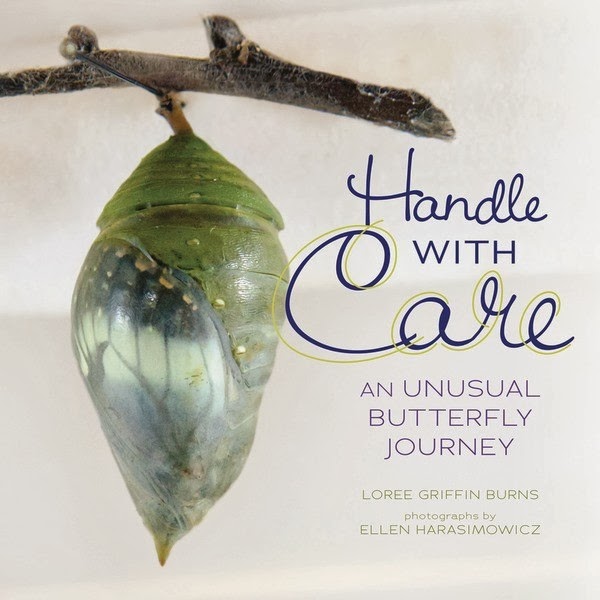
During the past week we have been reading Handle with Care: An Unusual Butterfly Journey written by Loree Griffin Burns with photographs by Ellen Harasimowicz (March 2014)

This title shares with the reader how a butterfly farm in Costa Rica prepares butterfly pupae for the journey to various museums and science centers in the north. It answers questions about how the farm functions, the connection to the rain forest habitat and how pupae are prepared for the long journey. Can you imagine getting a package of butterfly pupae in the mail?

My students wanted to begin making special orders immediately! 🙂

Photographs by Ellen Harasimowicz are stunning and help tell a story that many students would never have imagined. I have some students that just wanted to gaze at the end pages with photographs detailing various pupae. Students really appreciated the close up photography. One child commented:

“Human eyes wouldn’t even be able to see that (eggs on a leaf). But the camera zoomed up close so we can all look carefully.”

There is a detailed glossary at the back of the book and we appreciated the helpful hints provided about visiting a live butterfly exhibit. Many students in my classroom have been to the Vancouver Aquarium on a field trip with our school and had the opportunity to visit an area with live butterflies fluttering about. So this book had particular meaning.

Wondering about butterflies: Nonfiction Picture book Wednesday There's a Book for That

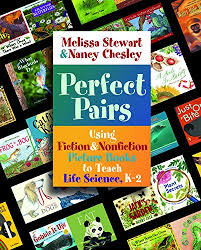
Note: I am currently reading Perfect Pairs: Using Fiction and Nonfiction Picture Books to Teach Life Science , K-2 by Melissa Stewart and Nancy Chesley I have been inspired by the way many lessons begin with a Wonder Statement and include writing, responding and drawing in a Wonder Journal. We already have a Wonder book that we write in regularly but I am trying to use it more often with our nonfiction read alouds.

 Perfect Pairs Wondering about butterflies: Nonfiction Picture book Wednesday There's a Book for That

Before I introduced Handle with Care, I asked the students to respond to this wonder statement:

“I wonder how butterflies get to Science Centers and museums all over the world.”

Students discussed this statement in Turn and Talk partners and then had an opportunity to share out. They then wrote about their thinking in their wonder notebooks.

Some samples:

“I think that some people found a butterfly in Brazil. They probably took them while they are in caterpillar form. They might catch them in a cage. Do they use a potion to lure them into the cage?”

“I think that they get special food to attract them or catch them as caterpillars and take them back. They would have to research butterflies to study the rare ones and the almost extinct ones. They would live in places that are hot and have nice rainforests.”

“I think they take a big truck and drive to California and catch the butterflies in a big cage and then drive to the airport and go on the plane with the caged butterflies with them and drop them off to the science centers. Maybe they get the science workers to do it. Perhaps they lure them into the cage with fruit and honey.”

“I think they catch the butterflies when they are eggs and grow them like that.”

When we learned on the first page that the pupae are sent in a mysterious package to the museums, students were hooked. They had all kinds of questions like:

  • How do they know they won’t transform into butterflies before they get there?
  • How do you touch the pupa without harming it?
  • Where do they get all of the pupae?
  • Are some of them damaged from the travel?
  • How much does it cost to order them?
  • How do they know about how to make a home for them when they arrive?

We continued reading throughout the day and by the afternoon, students were ready to summarize their learning about the important jobs of the butterfly farm workers in Costa Rica.

Some written summaries:

“Farm workers must help adult butterflies be healthy. The farm workers get trees for the butterflies. They crush bananas to feed them.”

“Farm workers have to look out for predators. In the green house, there is the butterfly larva, eating. Farm workers need to protect the greenhouse.”

“Farm workers must: fix holes in the screens so grasshoppers don’t eat food for the larva, go hunting for fresh leaves and trees, protect the larva and the butterflies from frogs, birds and snakes and put out sugar water everyday.”

“They have to keep all of those predators out of the greenhouse like grasshoppers, frogs, birds and snakes. They have to pick a herd of caterpillars off of an empty branch of leaves that they have eaten and move them to a different branch of leaves.”

So much learning in this book. Lots of discussion. Big questions and connections. I love that it allowed students to explore a question that they had never really considered. One of our bookshelves is now full of butterfly books and students are busy learning more about butterflies during independent reading.

Thanks to Alyson from Kid Lit Frenzy for the inspiration to read and share more nonfiction picture books in 2015. Follow the link to Alyson’s blog to read about more nonfiction books you need to read!

Nonfiction Picture Book Wednesday: The Iridescence of Birds

I am so excited to once again be participating in a weekly sharing of amazing nonfiction books that we can use to enhance the learning in our classrooms and our own reading and learning lives. Hurray for #nfpb2015!

This year, at least once a month, I want to try to share how I am using particular texts with my students or what we are reading in the world of nonfiction.

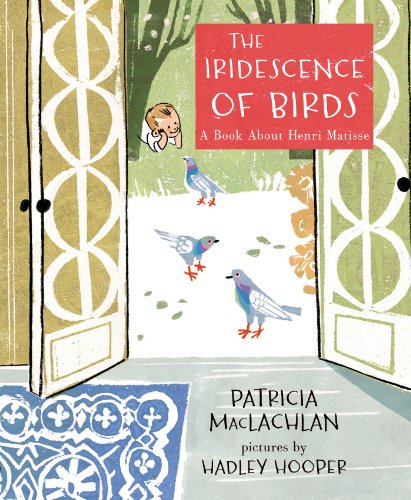
Today, we read the beautiful picture book biography: The Iridescence of Birds: A Book about Henri Matisse written by Patricia MacLachlan with illustrations by Hadley Hooper

This book, by the way, is on the Mock Caledcott list I am doing with my class. I think I love the illustrations more with each read.

This title is like one long answer to the book’s first page:

“If you were a boy named Henri Matisse who lived in a dreary town in northern France where the skies were gray”

It goes on to highlight beautiful images and memories of his childhood home and experiences. Simple. Calm. Subtle. Slowly, we are drawn into the colours, the sensations, the possible perspectives of a young Matisse. This isn’t a story of adult artist. It is about a boy absorbing the beauty of his world.

This title is truly a treasure. Read it over and over and find yourself lulled by the lyrical words and the beautiful hues of Hooper’s illustrations.

I loved this interview with Hadley Hooper on the blog Seven Impossible Things Before Breakfast. 

Nonfiction Picture Book Wednesday: The Iridescence of Birds There's a Book for That

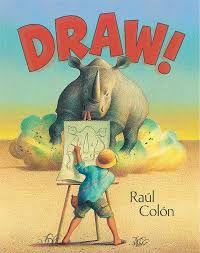
Before I shared this title with my class, I “read” them the gorgeous wordless title Draw! (another title on our Mock Caledcott list) The author’s note at the back talks about Colón‘s journey to adult artist. The children were intrigued by his long history of drawing and who he counted as influences.

Draw!

Before sharing The Iridescence of Birds, I posed this question to my students: 

“I wonder where an artist gets his/her inspiration?”

This question mirrors the beginning of MacLachlan‘s author’s note at the back of the book:

“Why do painters paint what they do? Do they paint what they see or what they remember? “

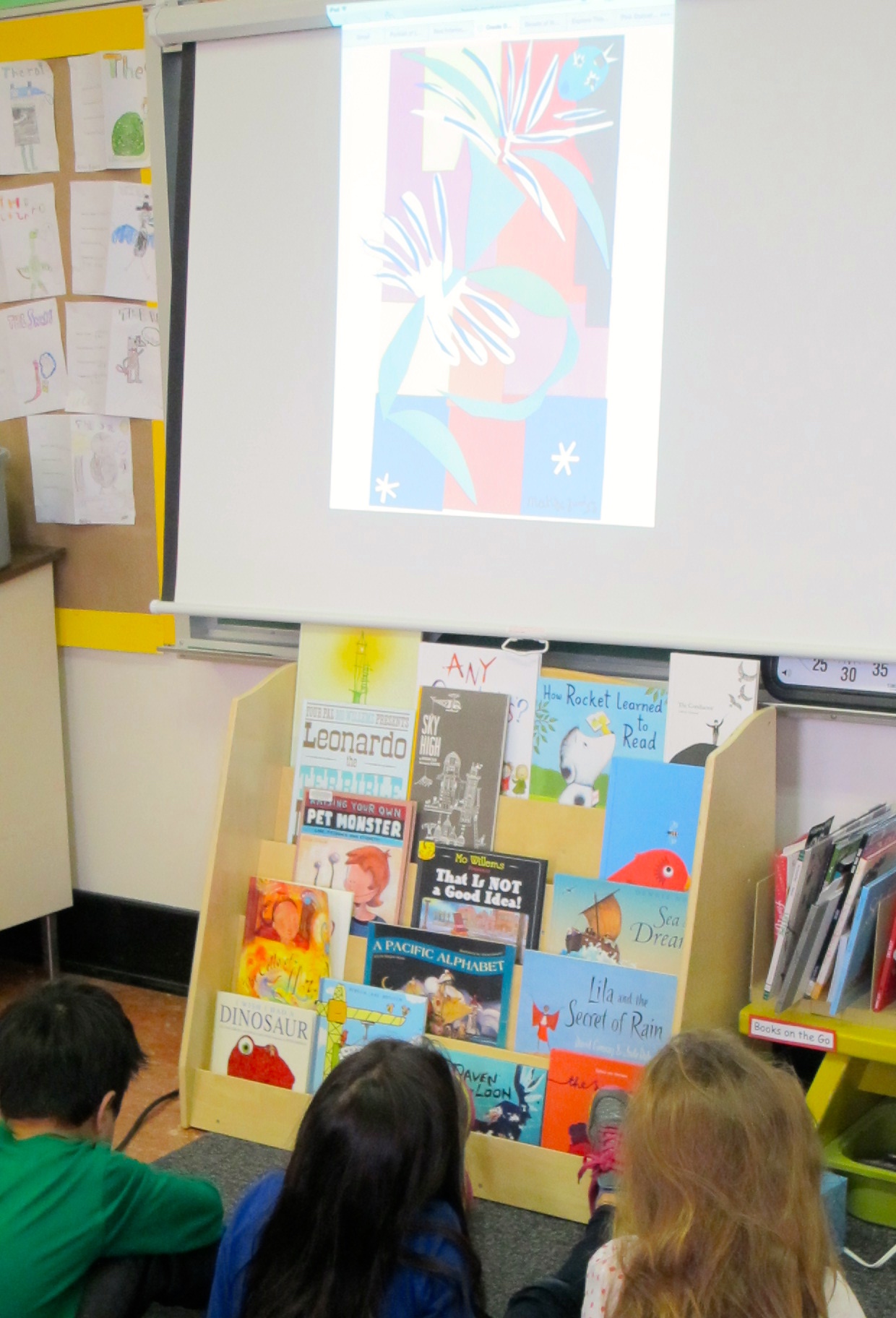
We looked at some images of Matisse’s work and talked about what we noticed.

Nonfiction Picture Book Wednesday: The Iridescence of Birds There's a Book for That

Students began to answer the question about where an artist’s inspiration might come from. Their ideas were fairly general:

  • from their childhood
  • from the places and people around them
  • from the time that they lived (we helped with this idea)

After reading the book, I asked the students to think about two questions:

  1. What were specific things that might have influenced Matisse in his later work?
  2. What was the author’s purpose in sharing this story?

We needed to picture walk the book a number of times again and read the text from particular pages so that the students could share specific and not vague answers. I pointed out that yes, his childhood had been an influence, but what specifically had the author and illustrator highlighted? I think this digging deeper past a quick answer is so important. This book in its beautiful simplicity of text, allows us to reread multiple times and focus on the specific details.

Finally, the students came up with this list:

  • the red rooms (floors and walls)
  • the fruit he got to put in bowls
  • the putting flowers into vases
  • there was always a cat
  • the painted plates his Mom made
  • the scenery he thought about or saw when he looked out the window
  • the pigeons – how they moved and what they looked like
  • his experience of mixing paints

They had some interesting comments about the author’s purpose. I love that when we read picture book biographies, they make connections between a particular individual’s story and their own experiences (past, present or future).

“It started off all grey and it gets more colourful. They showed how he changed his “place” himself to be more beautiful.”

“Kids like art. It’s fun. You can be inspired by reading about an artist and his life.”

“They wanted us to learn more about a famous artist.”

“The book was about what inspired Matisse. Maybe we have inspiration all around us too.”

Thanks to Alyson from Kid Lit Frenzy for the inspiration to read and share more nonfiction picture books in 2015. Follow the link to Alyson’s blog to read about more nonfiction books you need to read!

#nfpb2015


Nonfiction Picture Book Wednesday: Fourteen favourites of 2014 (Part 2)

I am thrilled to share my favourite fourteen nonfiction titles of 2014!

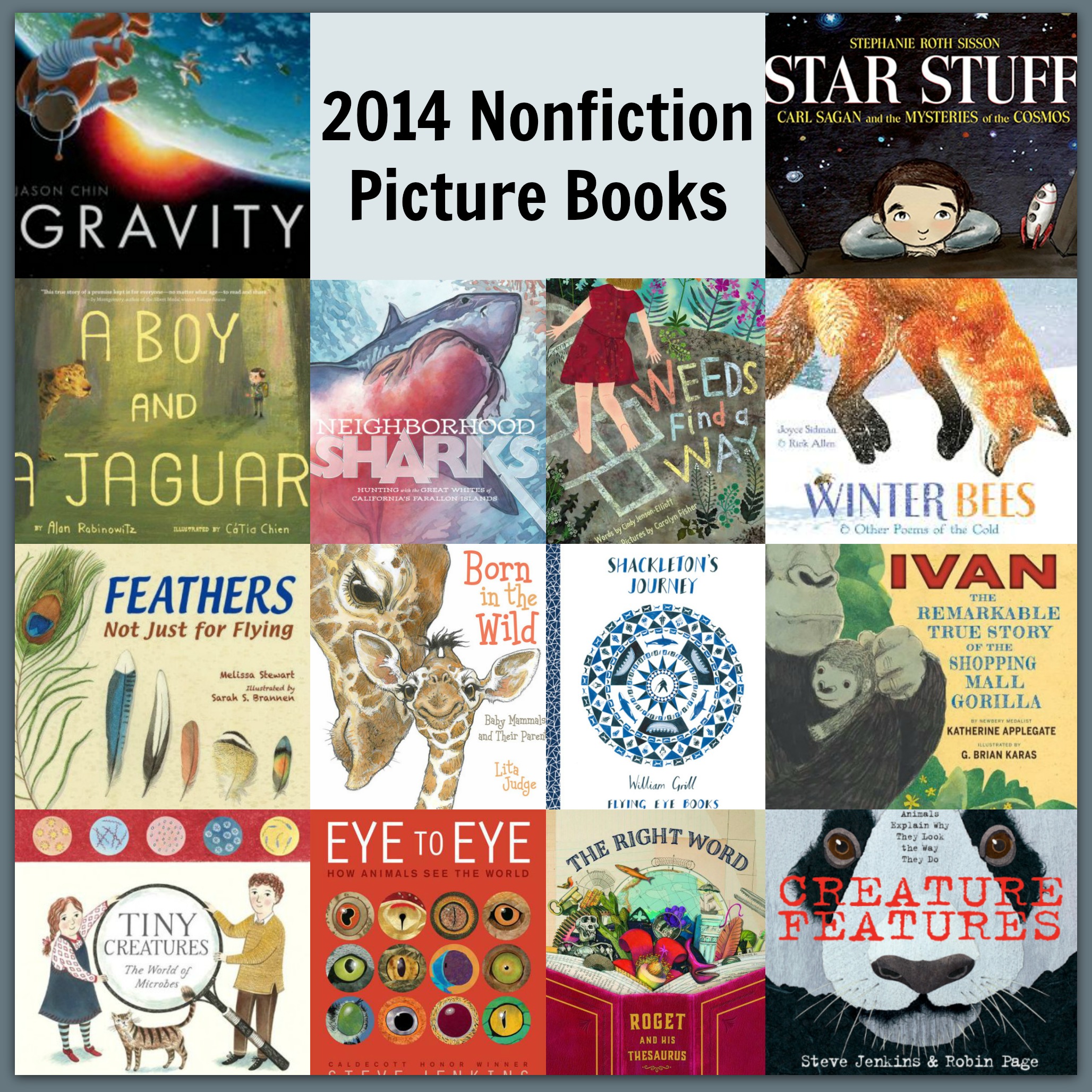
2014 Nonfiction Picture Books

I love books. As in absolutely adore, frequently gush over, make piles, make lists, always reading kind of #booklove devotion. If you had asked me to talk favourites a few years ago, a nonfiction title would have made it on the list here and there. I have always appreciated the power of the nonfiction read aloud but . . . it wasn’t until I began participating in the nonfiction picture book challenges organized by Alyson Beecher (from Kid Lit Frenzy) that I have become absolutely smitten with nonfiction titles.

I have been busily tweeting about this as of late . . .

I am thrilled to renew my commitment to nonfiction reading by participating in the #nfpb2015 challenge! The more nonfiction I read, the more I learn and the more my students ultimately benefit.

#nfpb2015

More about my favourites of 2014. If these titles are not on your already read and loved or must read radar, consider adding them to the list!

Ivan: The Remarkable True Story of the Shopping Mall Gorilla written by Katherine Applegate and illustrated by G. Brian Karas

ivan

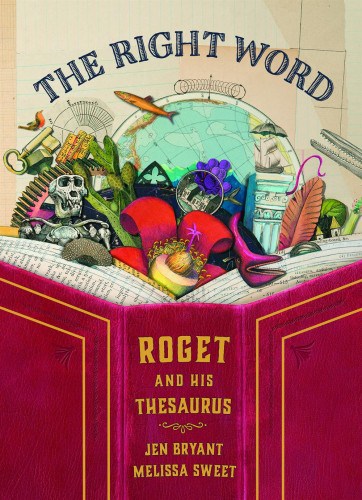
The Right Word: Roget and his Thesaurus written by Jen Bryant and illustrated by Melissa Sweet

The Right Word

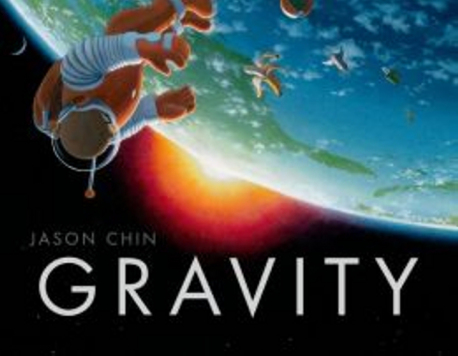
Gravity by Jason Chin

gravity_chin

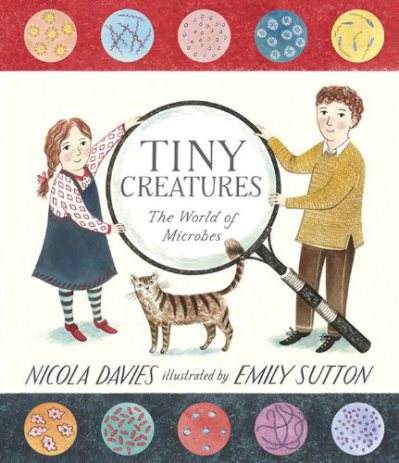
Tiny Creatures: The World of Microbes written by Nicola Davies and illustrated by Emily Sutton

tiny-creatures

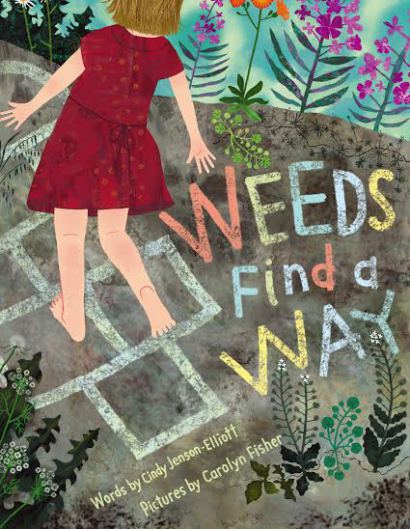
Weeds Find a Way written by Cindy Jenson-Elliott and illustrated by Carolyn Fisher

weeds-find-a-way

Shackleton’s Journey by William Grill

shackletons-journey

Eye to Eye: How Animals See The World by Steve Jenkins 

eye-to-eye

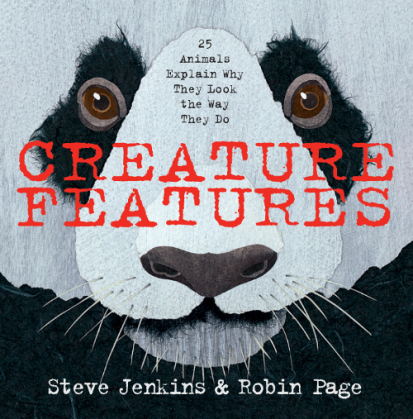
Creature Features: 25 Animals Explain Why They Look the Way They Do by Steve Jenkins and Robin Page

creature-features-coversmall

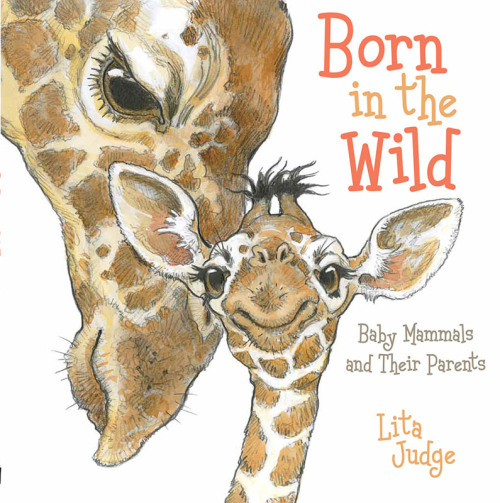
Born in the Wild: Baby Mammals and their Parents by Lita Judge

Born in the Wild

A Boy and A Jaguar written by Alan Rabinowitz and illustrated by Cátia Chien 

boyandajaguarcover

Neighborhood Sharks: Hunting with the Great Whites of California’s Farallon Islands by Katherine Roy 

neighborhood-sharks

Winter Bees and Other Poems of the Cold by Joyce Sidman and Rick Allen

winter bees

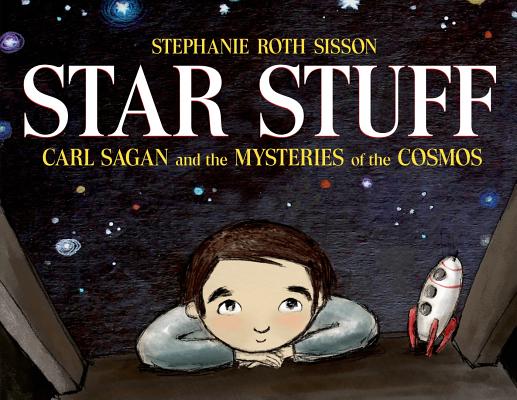
Star Stuff: Carl Sagan and the Mysteries of the Cosmos by Stephanie Roth Sisson

star stuff

Feathers Not Just for Flying written by Melissa Stewart and illustrated by Sarah S. Brannen

feathers

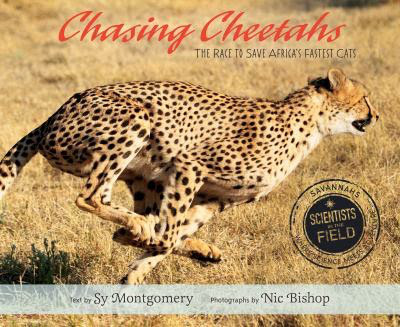
I have included picture books here but must also note that Chasing Cheetahs: The Race to Save Africa’s Fastest Cats written by Sy Montgomery with photographs by Nic Bishop was an absolute favourite of the year.

cheetahs

I am also pleased to report that I more than met my goal of reading 65 nonfiction picture books this year. Grand total: 144 titles! 🙂

What are your favourites of the year?

Nonfiction Picture Book Wednesday: Fourteen favourites (Part 1)

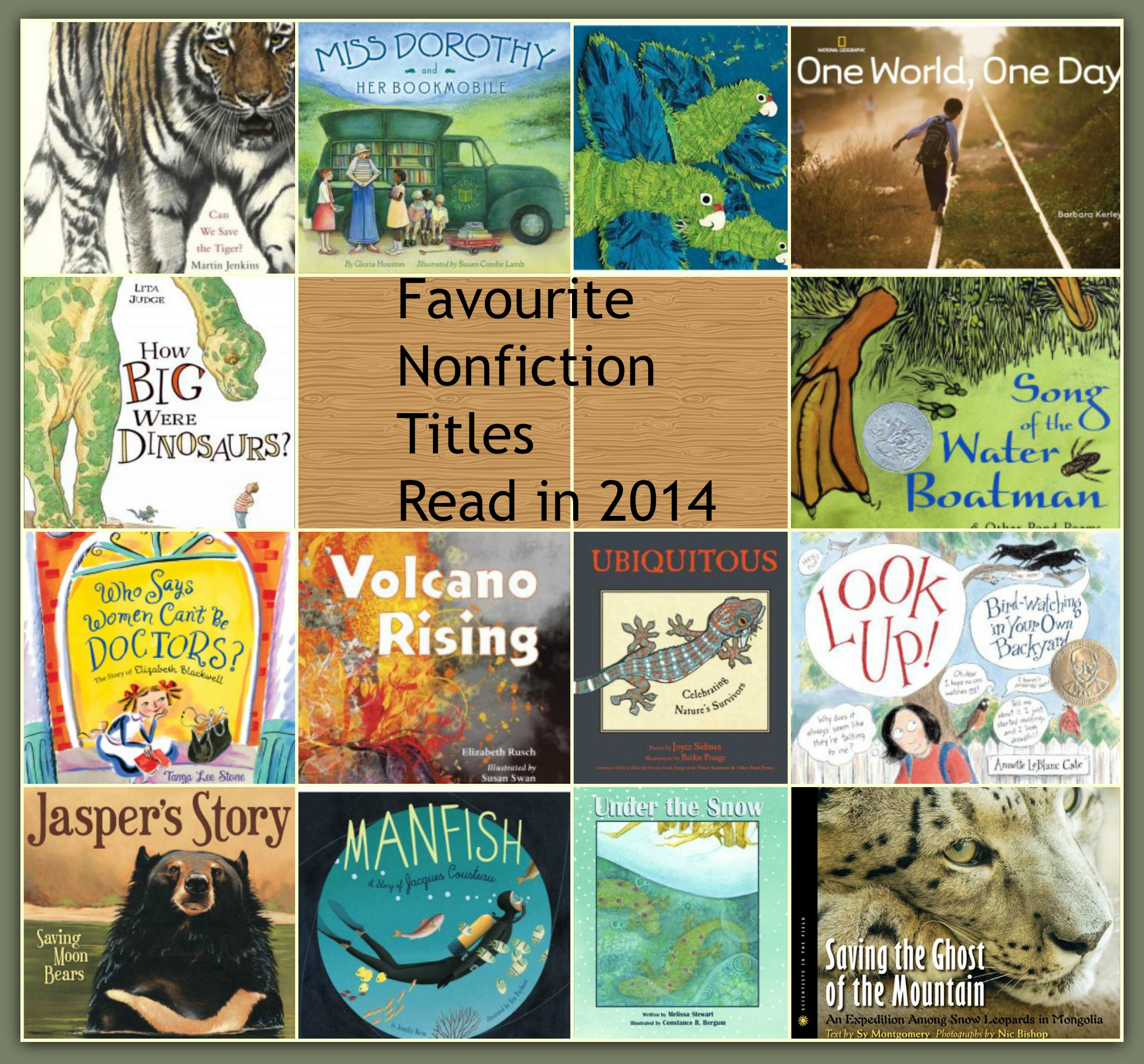
As 2014 comes to a close, avid book lovers and book bloggers start amassing favourites. As I looked over the close to 150 nonfiction picture book titles I have read this year, I realized that there are many to highlight. So, I have decided to do two top fourteen lists (in honour of 2014). This one contains my favourite titles read in 2014 but with a publication date of 2013 or earlier. Next week I will share my favourite fourteen titles published in 2014.
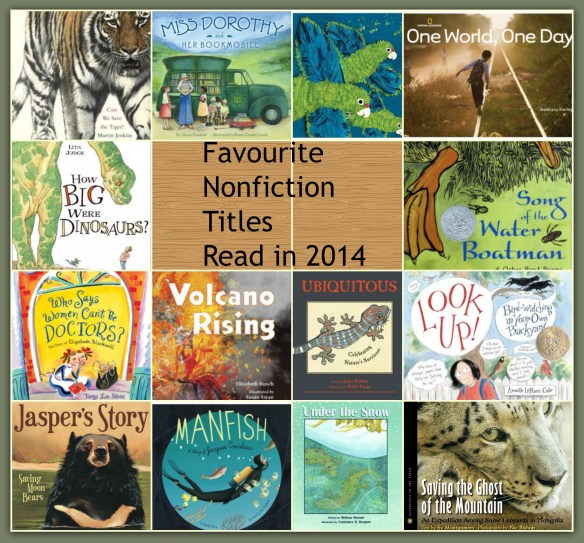
Favourite Nonfiction of 2014

Shared alphabetically by author:

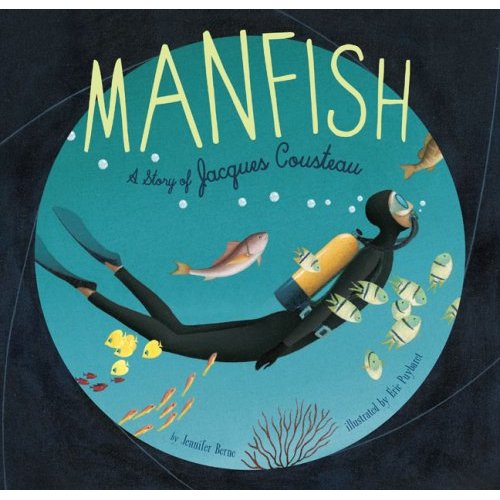
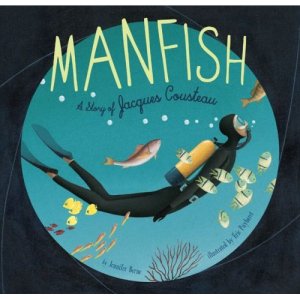
Manfish: A Story of Jacques Cousteau written by Jennifer Berne and illustrated by Éric Puybaret (published 2008)

A gorgeous introduction to Cousteau and his passion for the underwater world. I shared my students’ responses to this title here.
manfish

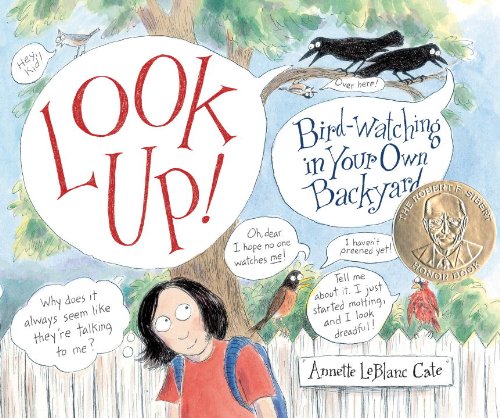
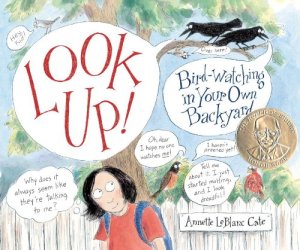
Look Up! Bird Watching in Your Own Backyard by Annette LeBlanc Cate (published 2013)

Written in conversational, humorous style, this title encourages us to pay a little more attention to the natural world in general and to the beauty of birds in particular.
look up!

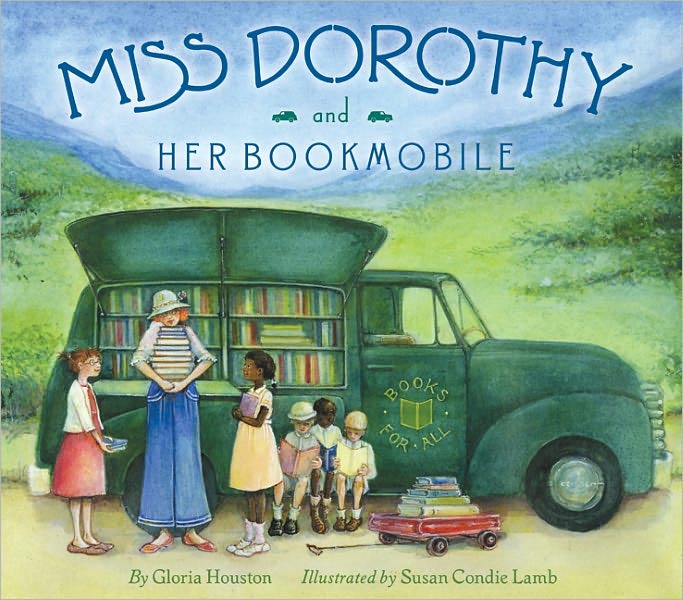
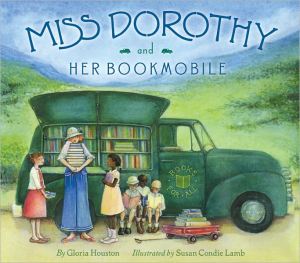
Miss Dorothy and her Bookmobile written by Gloria Houston and illustrated by Susan Condie Lamb (published 2011)

An inspiring story about Dorothy Thomas, an absolute book hero. True testament to how books change lives and connect community.
miss dorothy

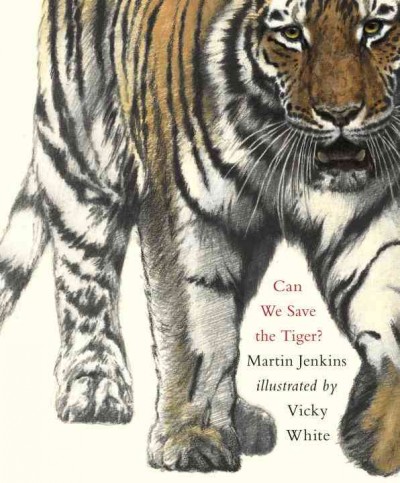
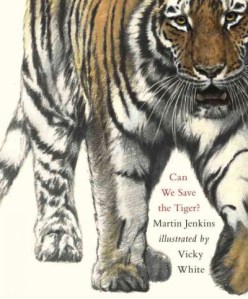
Can We Save the Tiger? written by Martin Jenkins and illustrated by Vicky White (published in 2011)

This book introduces students to a huge variety of endangered and extinct animals. With some creatures, like the tiger, more details are provided about the animal including reasons for its vulnerable status.
can we Save the Tiger?

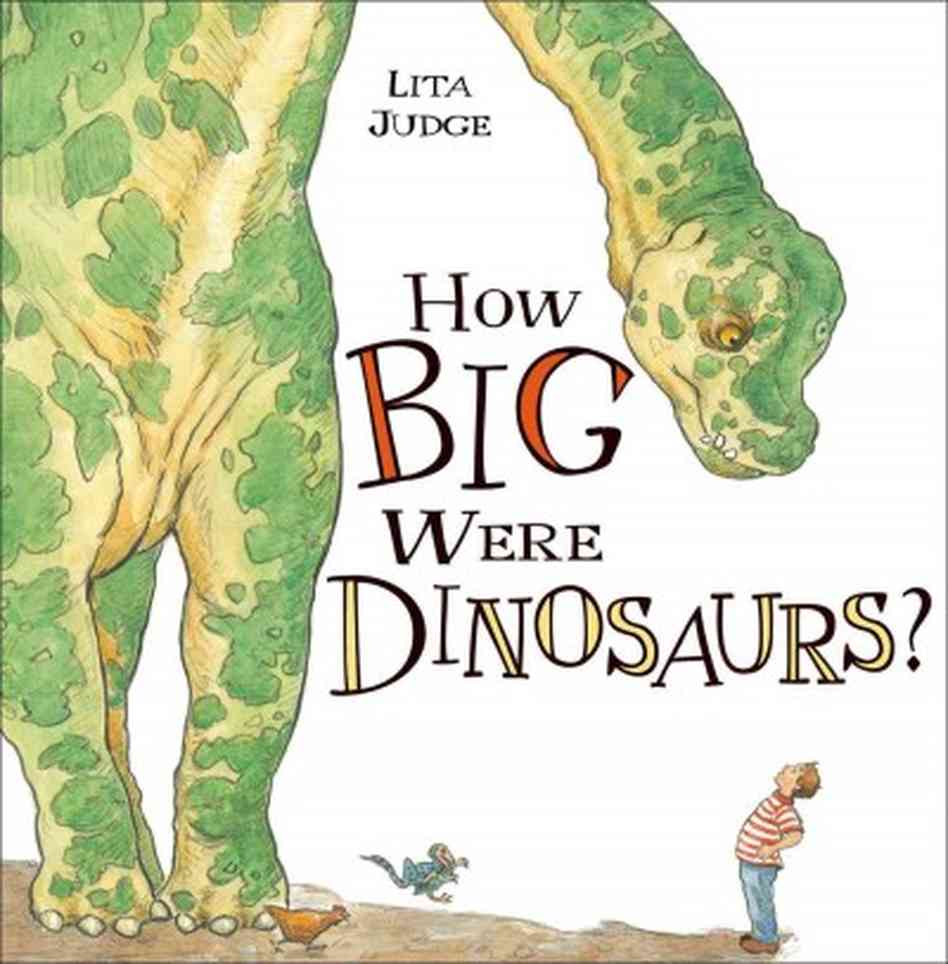
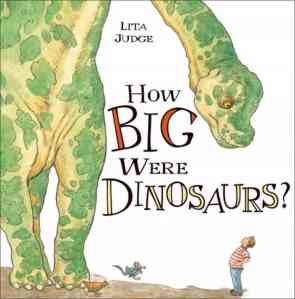
How Big Were Dinosaurs? by Lita Judge (published 2013)

Lita Judge’s illustrations are so rich. They inform. They amuse. And they delight. Each dinosaur featured here is drawn next to something that children already know to allow them to imagine the exact size of the dinosaur.
dinosaurs

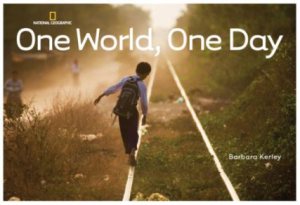
One World, One Day by Barbara Kerley (published 2009)

Spectacular photographs showcasing the daily routines that many of us share – all a little different in different places but yet, so much the same.
one-world

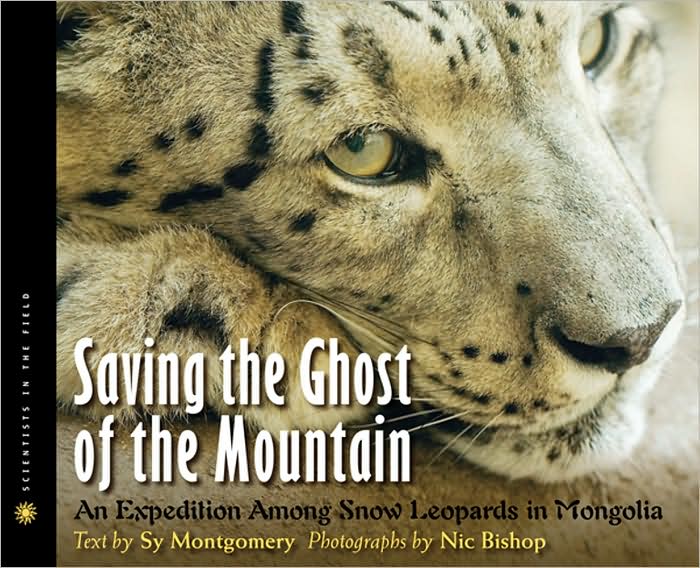
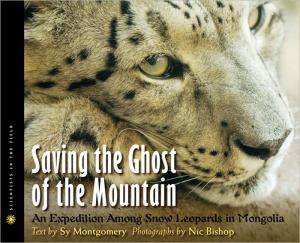
Saving the Ghost of the Mountain: An Expedition Among Snow Leopards in Mongolia written by Sy Montgomery with photographs by Nic Bishop (published 2009)

How can a book about searching for snow leopards be so amazingly interesting when the snow leopards are never actually seen? Montgomery and Bishop tell an incredible tale about these magical and elusive creatures and their champion, scientist Tom McCarthy who has devoted his life’s work to their conservation.
snow-leopard

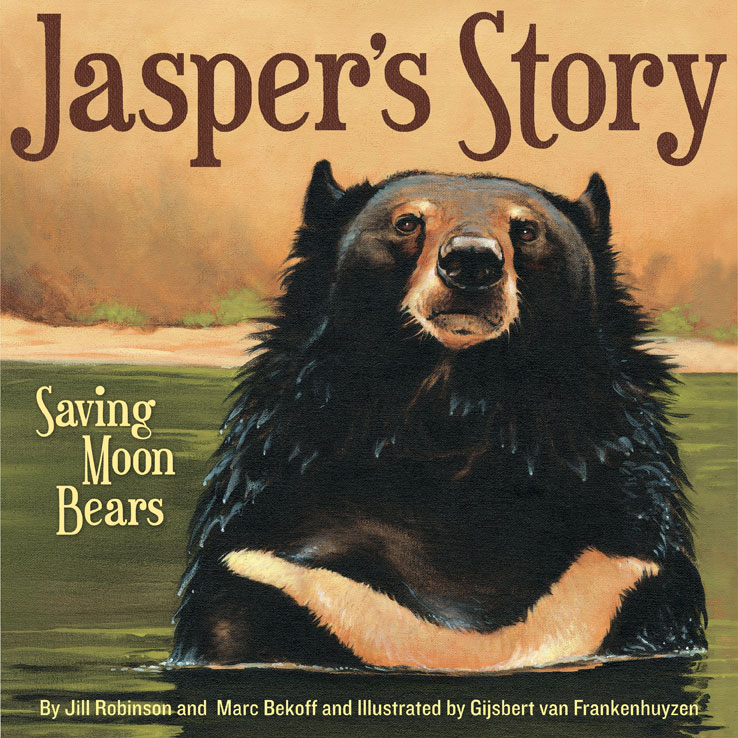
Jasper’s Story: Saving Moon Bears written by Jill Robinson and Marc Bekoff; illustrated by Gijisbert van Frankenhuyzen (published 2013)

Jasper is a bear that was rescued by Jill Robinson (the author) and her Animals Asia team and brought to a sanctuary in China. Jill describes Jasper as courageous and loving; a symbol of forgiveness and hope.

jaspersstory

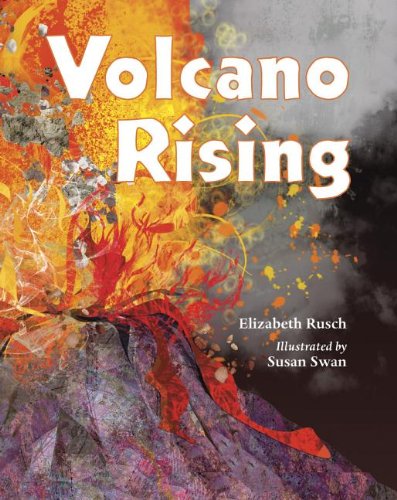
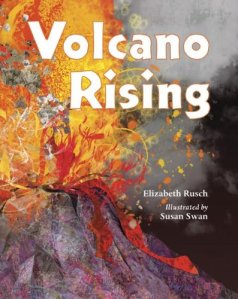
Volcano Rising written by Elizabeth Rusch and illustrated by Susan Swan (published 2013)

One of the very best, if not the best nonfiction picture book I have read on volcanoes. Two layers of text (one section with more details for those who want to read more information) and incredible illustrations.
Volcano Rising 2

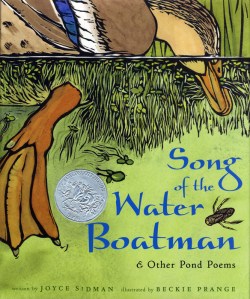
Songs of the Water Boatman written by Joyce Sidman and illustrated by Beckie Prange (published 2005)

Come to the pond and experience it like you have never imagined through vivid images, fascinating facts and gorgeous illustrations.
Songs of the Waterboatman

Ubiquitous: Celebrating Nature’s Survivors poems by Joyce Sidman and illustrated by Beckie Prange (published 2010)

Poet and artist celebrate nature’s successes. Who has been around for a long time and continues to thrive?

Ubiquitous-Celebrating-Natures-Survivors

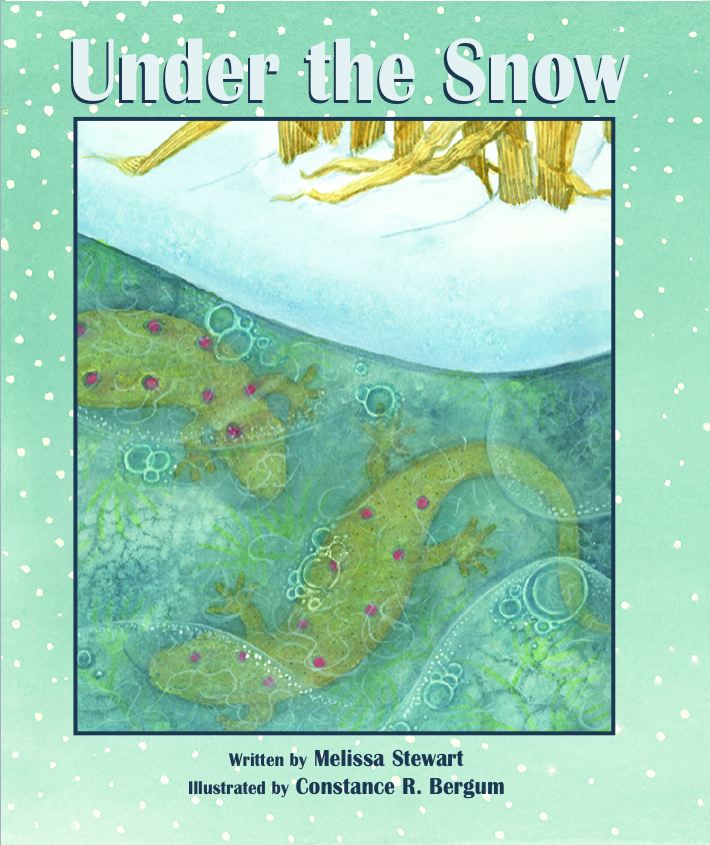
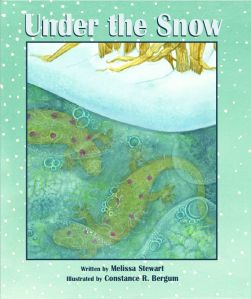
Under the Snow written by Melissa Stewart and illustrated by Constance R Bergum (published 2009)

Informative and beautifully illustrated. Feel like you are peeking into winter hiding places of animals and creatures that seemed to disappear.
Under the Snow

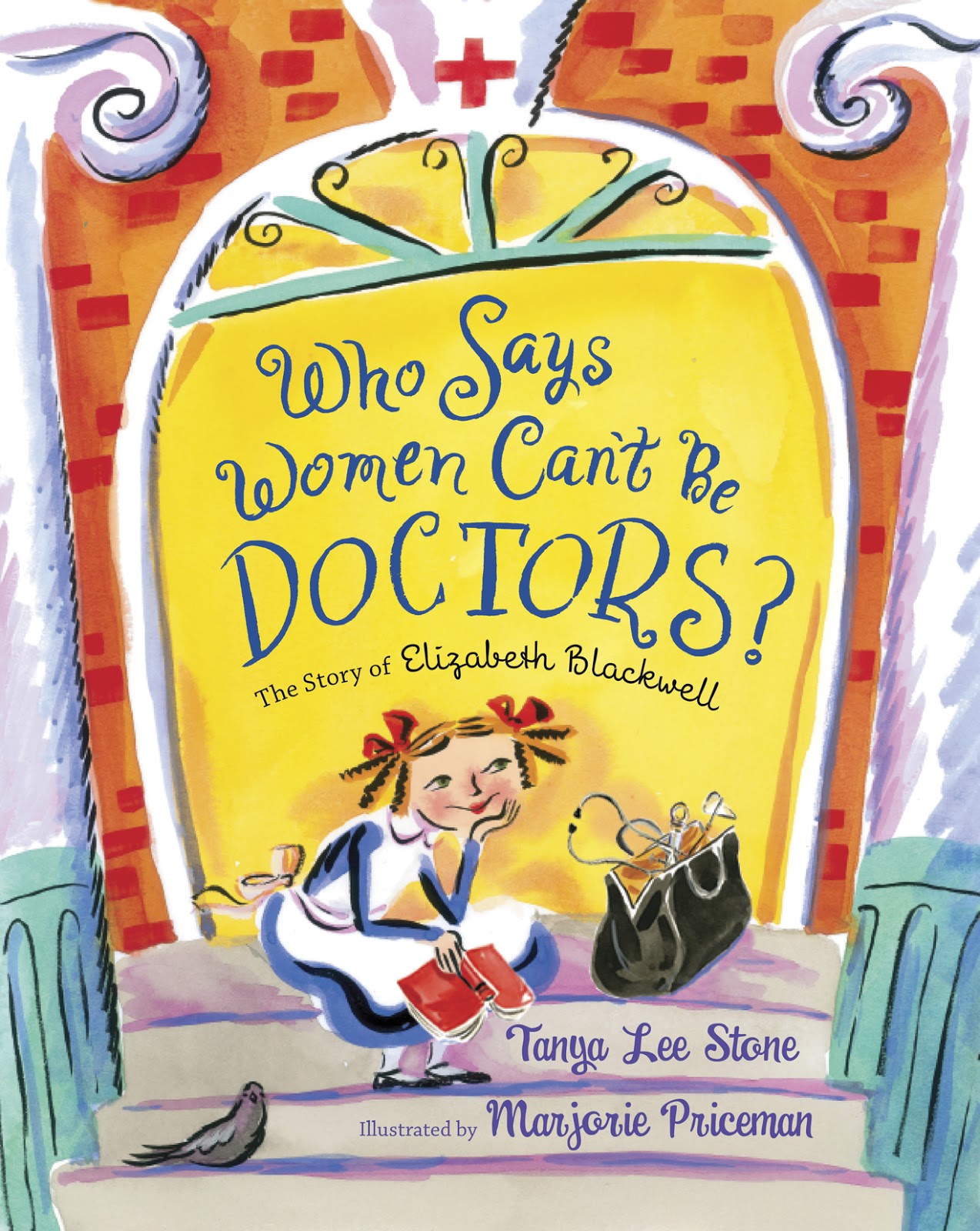
Who Says Women Can’t Be Doctors?: The Story of Elizabeth Blackwell written by Tanya Lee Stone and illustrated by Marjorie Priceman (published 2013)

This title inspired some amazing discussion in my classroom. An important biography about determination, changing general opinion and beliefs and following a dream.
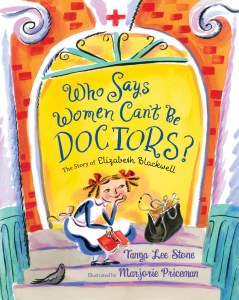
WomenDoctors_cvr_lorez

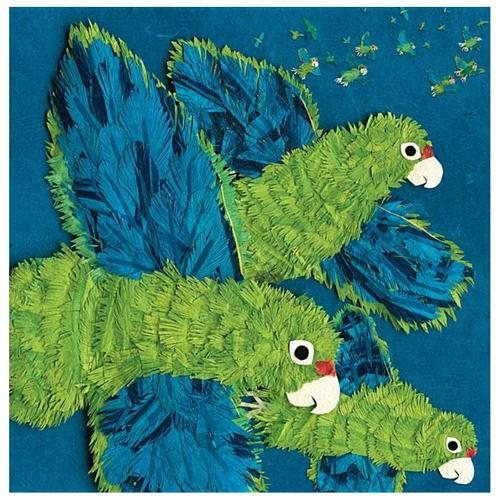
Parrots Over Puerto Rico by Cindy Trumbore and Susan L. Roth (published in 2013) Winner of the 2014 Sibert Meda

So often when we hear about animals on the brink of extinction, there is no happy ending story to share. Here, we have a story of hope and promise. Through much hard work the endangered parrots of Puerto Rico are once again flying through the treetops.

parrots

Thanks to Alyson from Kid Lit Frenzy for the inspiration to read and share more nonfiction picture books in 2014. Follow the link to Alyson’s blog to read about more nonfiction books you need to read!
klf_nonfiction2014_medium

My goal is to read 65 nonfiction picture books for 2014. Progress: 142/65 complete!

Next week I will share my top nonfiction titles for 2014. 14 of them 🙂

Nonfiction Picture Book Wednesday: Nonfiction “on the go” in our room

There are many ways you might know that nonfiction titles are important and well utilized in our classroom.

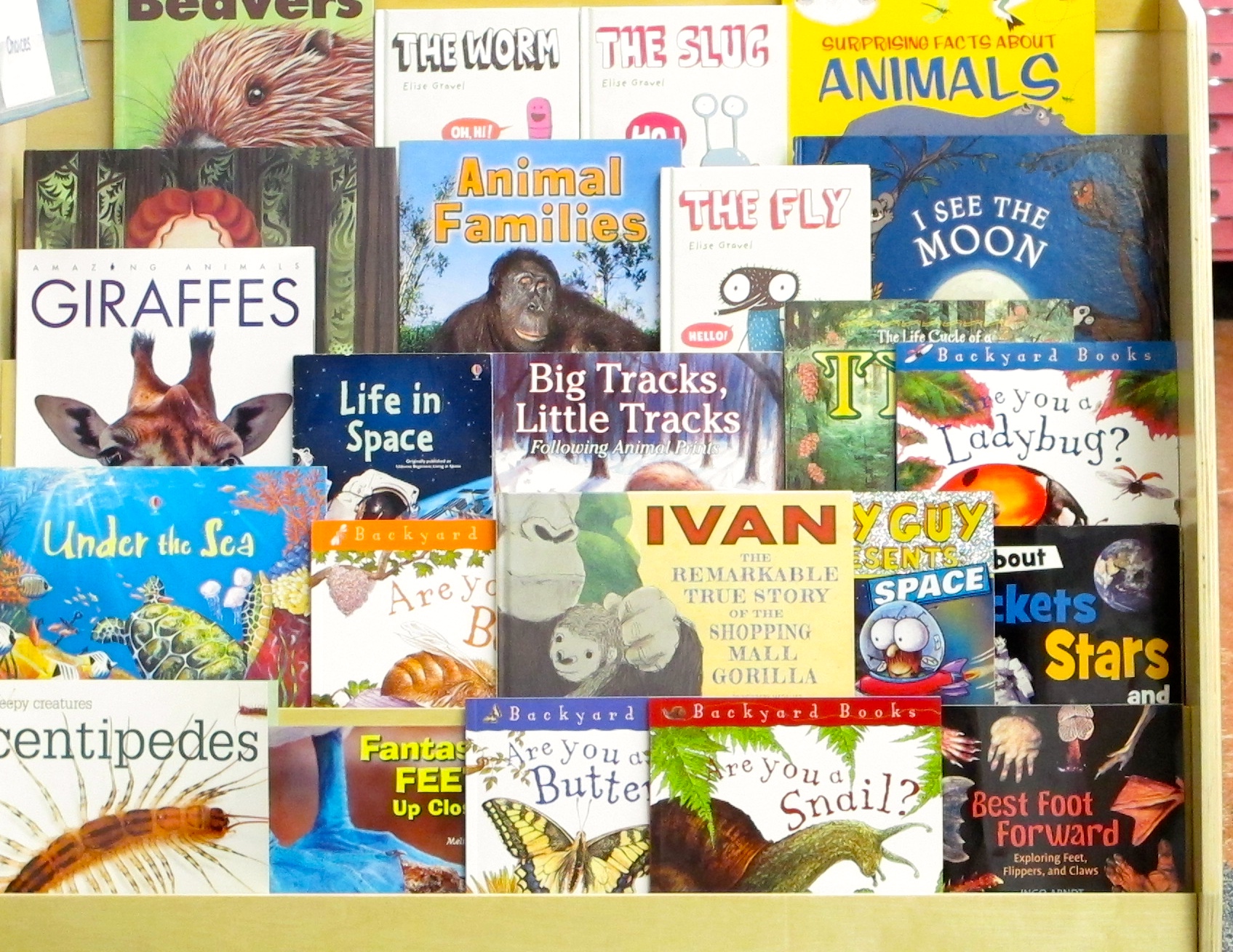
First of all, there are the visual clues. Some are organized by me – like our new book shelf full of titles on display that I have recently read or book talked. We add books here frequently and then switch them out and make room for more. Some live here for a while because they are very popular and students want to be able to find them easily. Some live here for just a little while – they are added when a reference comes up in a discussion for those students who want to read more. Centipedes came out when I read about a centipede in a silly poem and we talked about how many legs a centipede actually has and whether or not it was an insect. We talked about the word gnaw in word work and someone talked about how beavers and rats gnaw on things. I put a book about beavers on display. Fantastic Feet was a book by Melissa Stewart that I bought for the classroom recently. Lots of kids read it and started talking about animal feet and then animal tracks. We added books on these topics.

You can see how this shelf is well used!

We have a shelf like this for fiction titles too. 🙂

Nonfiction Picture Book Wednesday: Nonfiction "on the go" in our room There's a Book for That

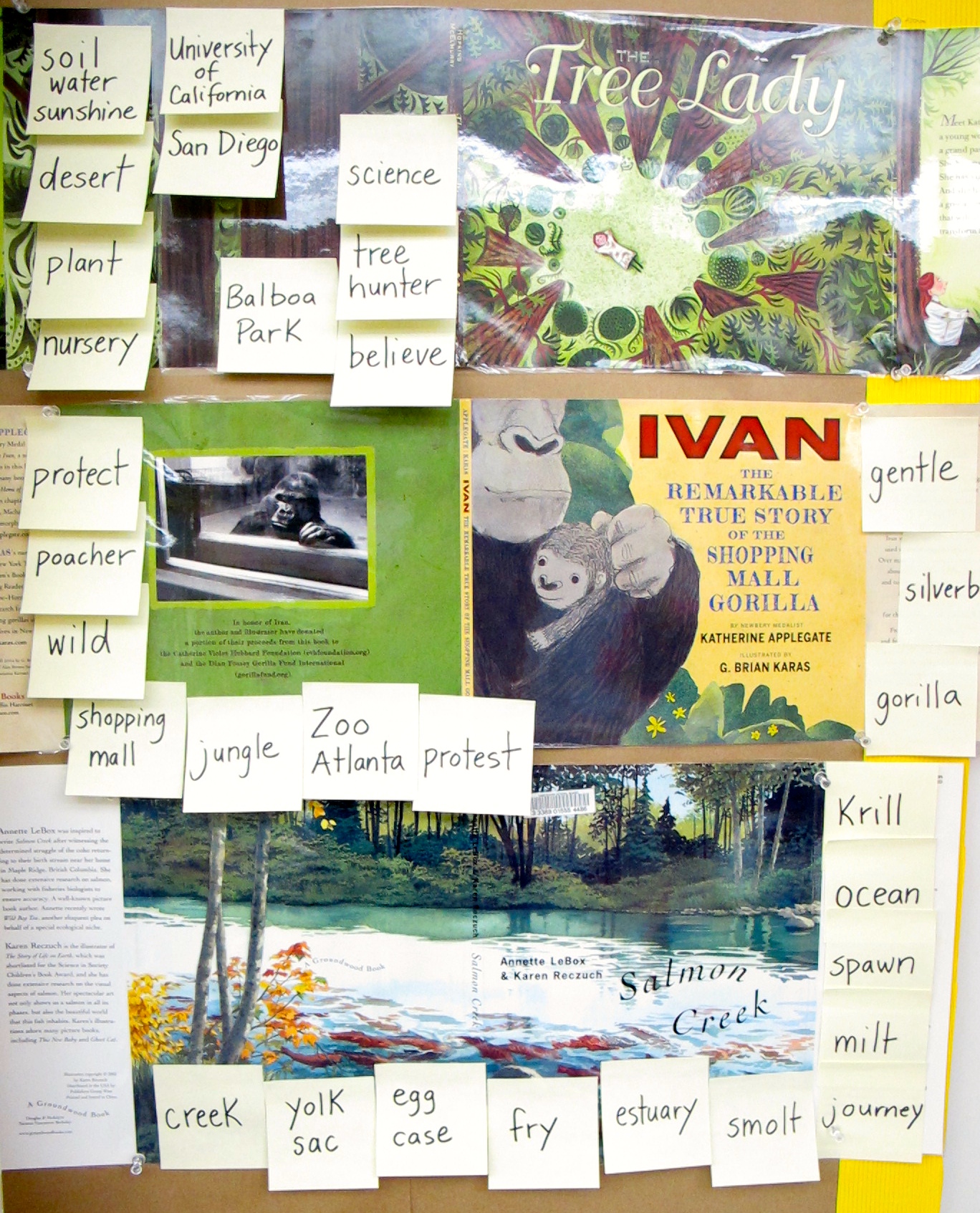
We also display book titles we have read with key words used so we can refer to them later. I keep a list of words on a sticky note on the inside cover as we read. These are great for those few minutes of waiting for announcements or when lining people up. For example,

“Think back to the book Salmon Creek, who remembers what an estuary is. Tell the person beside you and then we’ll take answers.”

Nonfiction Picture Book Wednesday: Nonfiction "on the go" in our room There's a Book for That

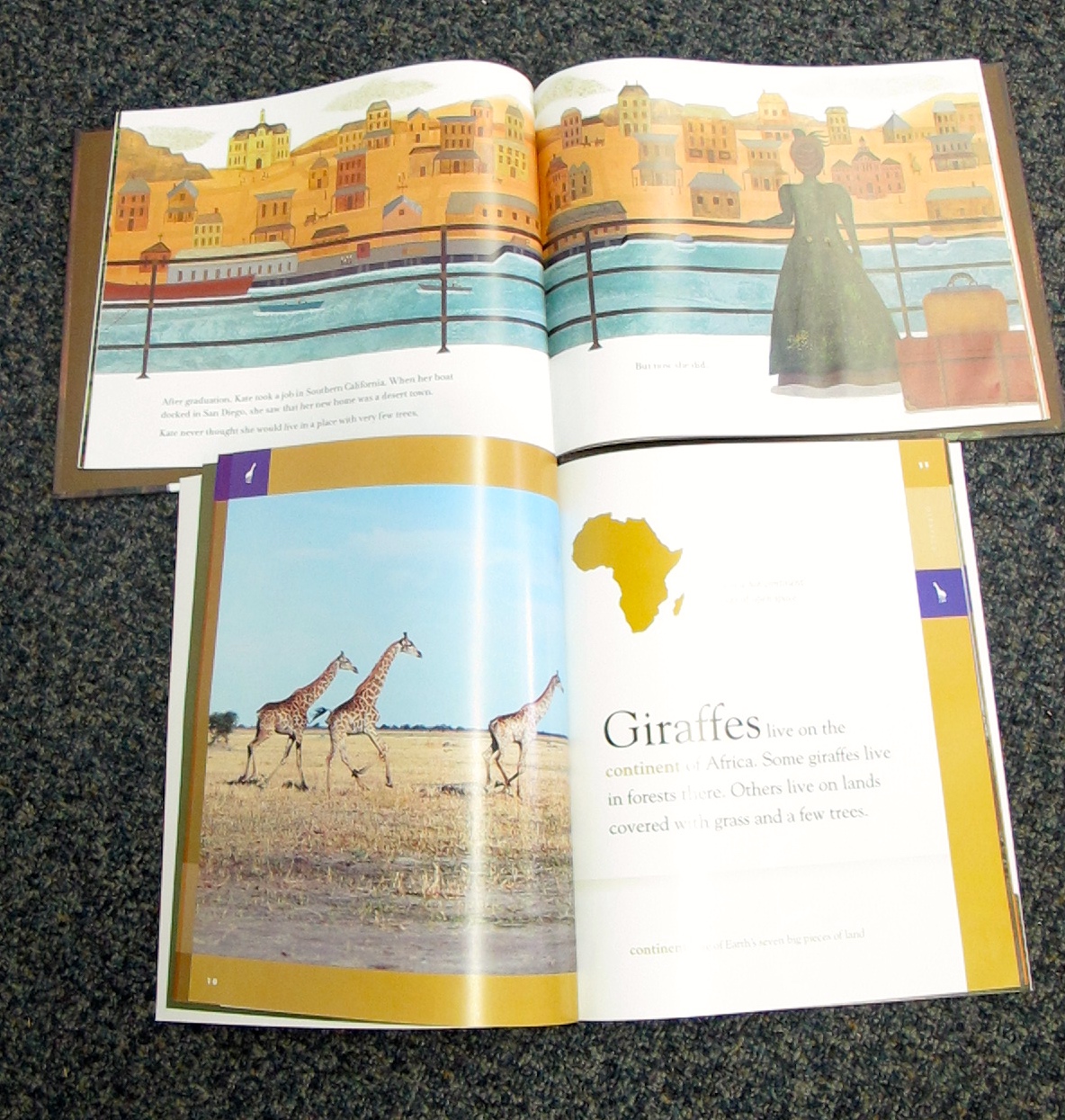
Some proof of our nonfiction love is highlighted by the students who find connections in the titles they are reading and want to share. This child thought that the African landscape in the book Giraffes was similar to the dry land in San Diego when Kate Sessions (from the book The Tree Lady) arrived in this seaside town and was shocked by the lack of trees.

Nonfiction Picture Book Wednesday: Nonfiction "on the go" in our room There's a Book for That

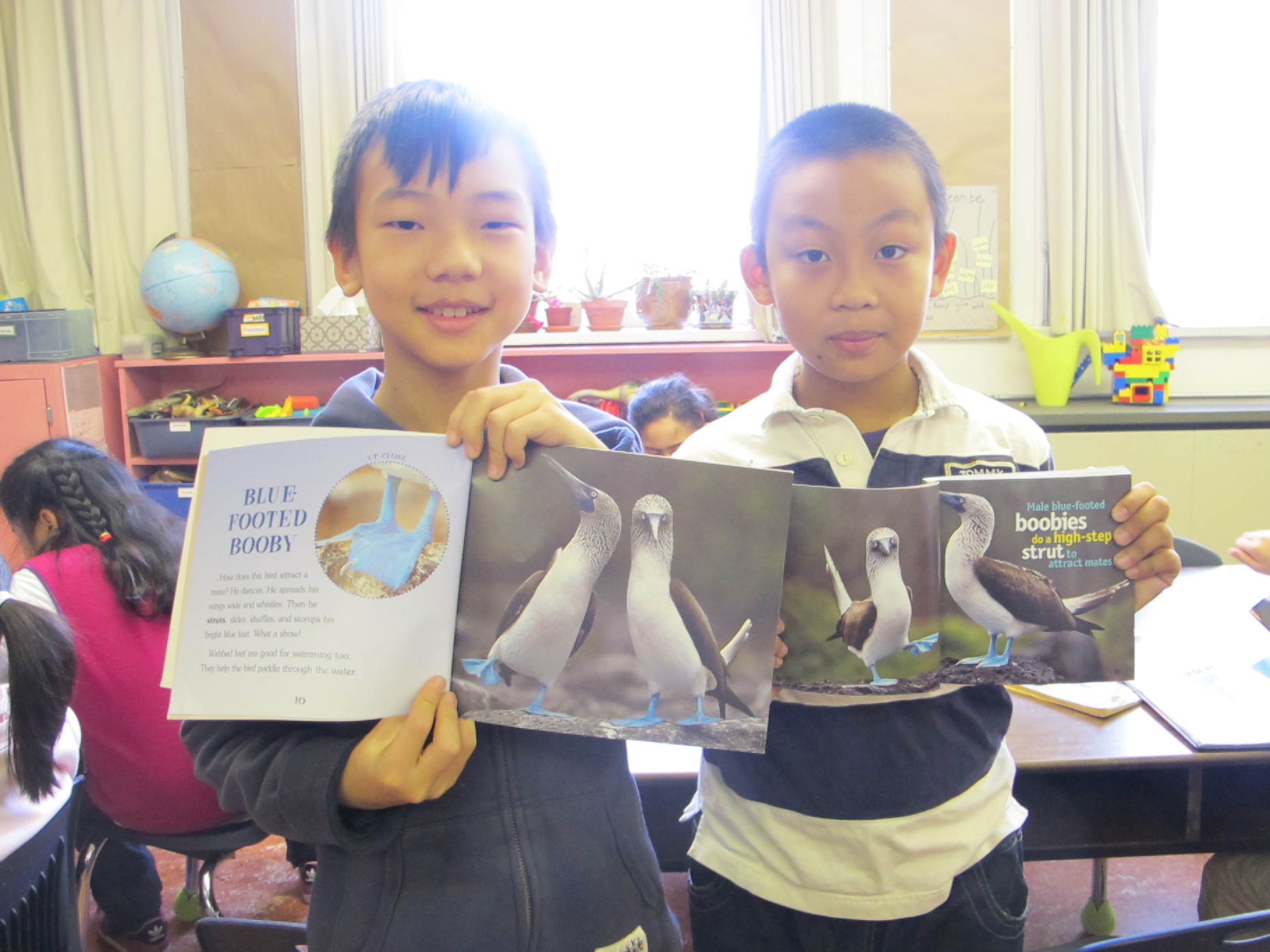
These boys were very excited to find blue footed boobies in two different nonfiction titles.

Nonfiction Picture Book Wednesday: Nonfiction "on the go" in our room There's a Book for That

But you would also know that we are a class who loves nonfiction titles because we have so many nonfiction read alouds “on the go”. Walk into our room throughout the day and you might find us engaged with a nonfiction text. Currently we are reading pages from . . .

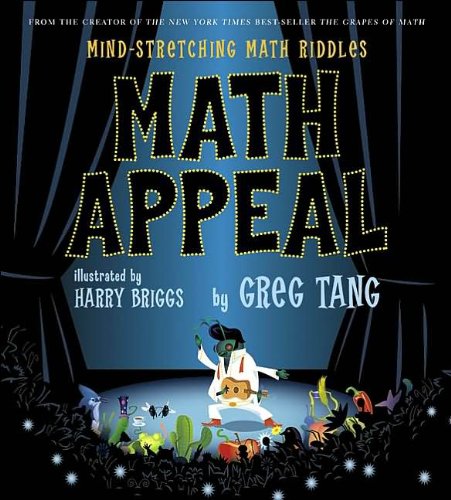
Math Appeal: Mind Stretching Riddles by Greg Tang Illustrated by Harry Briggs

My students love to try and solve a few of these riddles right after recess as we are waiting for students to get to the carpet. It’s great motivation to be on time!

If you aren’t familiar with Tang’s books, check out a sample page on his website.

Math Appeal Nonfiction Picture Book Wednesday: Nonfiction "on the go" in our room There's a Book for That

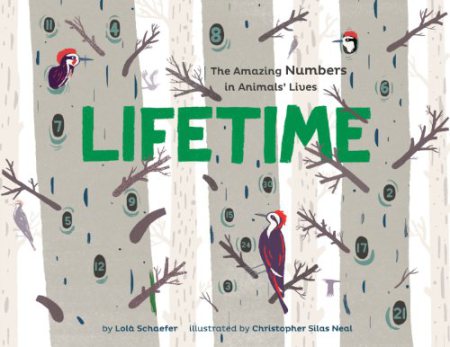
Another math title we have on the go is Lifetime: The Amazing Numbers in Animals’ Lives  written by Lola Schaefer and illustrated by Christopher Silas Neal

I read a page at a time and we try and come up with all of the questions we would need to ask to figure out how the statement was made. Lots of gathering of information via question asking. For example, we just learned that a kangaroo has 50 joeys in her lifetime. We came up with these questions:

  • How many joeys does she have at one time? Single birth? Twins? More?
  • How long do kangaroos live?
  • How old is a kangaroo when she can have babies?
  • How many babies does one kangaroo have in a year?

The detailed information in the back of the book gives us all of the answers and then we figure out the math!

Lifetime Nonfiction Picture Book Wednesday: Nonfiction "on the go" in our room There's a Book for That

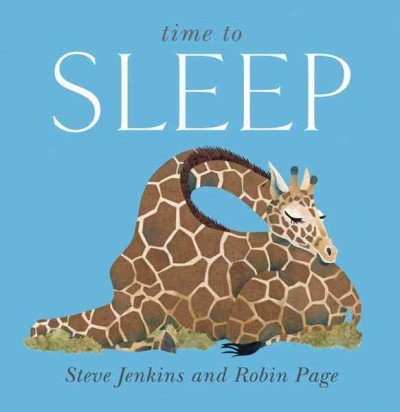
Time to Sleep by Steve Jenkins and Robin Page

We read this book every Thursday between Word Work and Reading Workshop. I read about the animal featured on the page and then ask the children to predict or infer to answer questions about the creature we are talking about. There is additional information about each animal in the back of the text. For example, we just read about how the flamingo stands on one leg to conserve energy. After we talked about how this is vastly different from the way we sleep, I then asked the children what they think flamingoes eat, where in the world we might find them and how tall they think they are. After they discussed their ideas with their turn and talk partners, I read the information in the back of the book. Listening for specific information is practiced as I share additional details.

time to sleep Nonfiction Picture Book Wednesday: Nonfiction "on the go" in our room There's a Book for That

Eye to Eye: How Animals See The World by Steve Jenkins 

This is our current nonfiction read aloud that we are reading in depth. We are talking lots, learning lots of new vocabulary and writing some quick summaries of our learning. Our favourite thing? Getting out our rulers and figuring out the actual size of each creature depicted on the page! In the back there is information about the size of each animal talked about. We love predicting and comparing.

“Who thinks a garden snail is smaller than 10 cm or larger than 10 cm? Get ready to mark its length on your ruler . . . Here is its length: ______”

 Eye to Eye Nonfiction Picture Book Wednesday: Nonfiction "on the go" in our room There's a Book for That

Nonfiction read alouds are never rushed in our classroom. They are springboards for further learning and discussion. When a book is finished, it has become part of our shared knowledge and who we are as learners.

Thanks to Alyson from Kid Lit Frenzy for the inspiration to read and share more nonfiction picture books in 2014. Follow the link to Alyson’s blog to read about more nonfiction books you need to read!

klf_nonfiction2014_medium

My goal is to read 65 nonfiction picture books for 2014. Progress: 132/65 complete! More than double my original goal!